

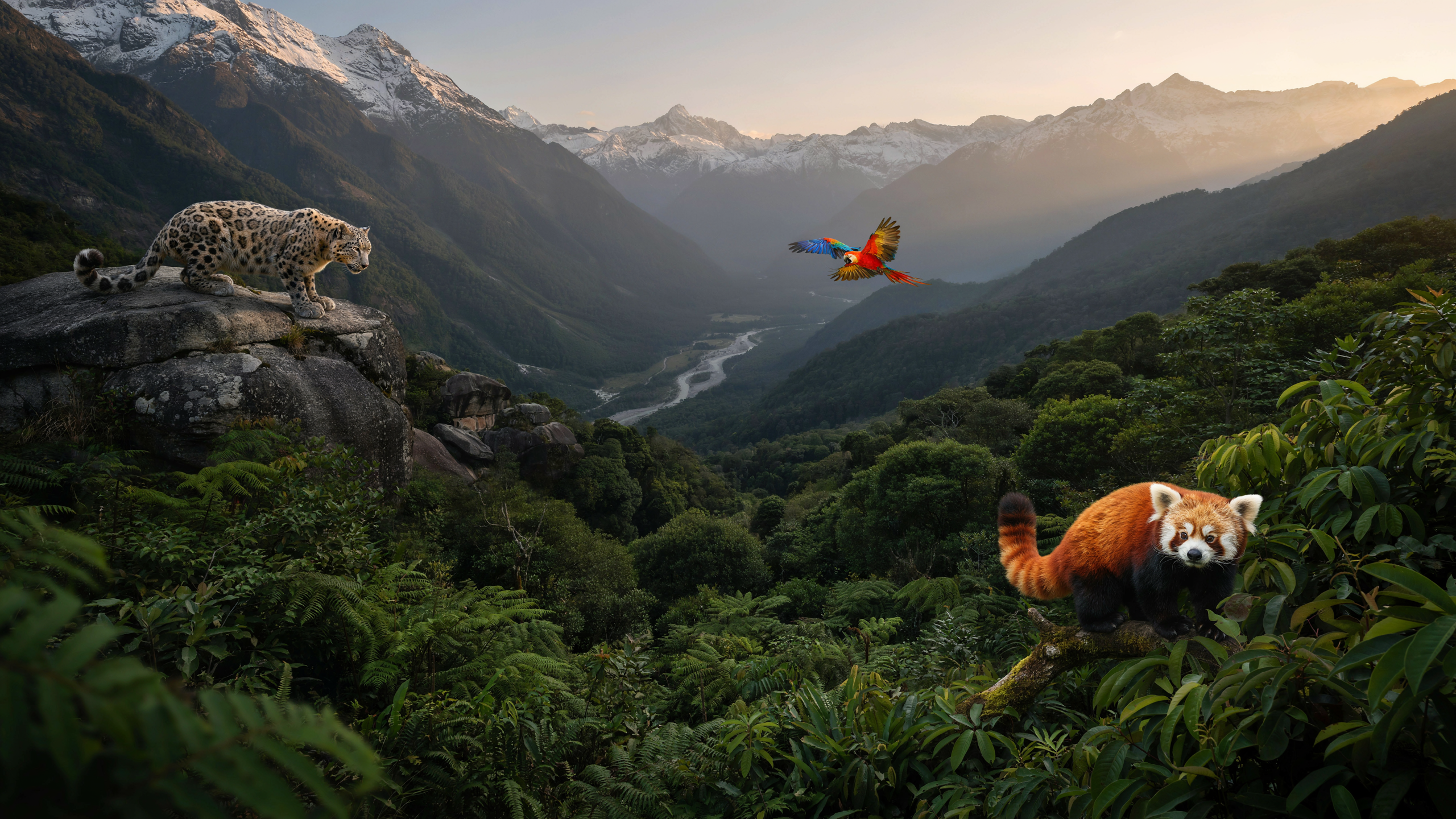
Wildlife encounters can turn an ordinary vacation into something unforgettable. From watching lemurs leap through Madagascar’s forests to spotting sloths above a tropical beach, the world’s best wildlife destinations offer opportunities to see animals in habitats that are difficult to replicate anywhere else. For travelers who want more than a traditional safari, these destinations provide a chance to encounter unusual species, distinctive ecosystems and remarkable animal behaviors in the wild.
1.Madagascar
Madagascar is one of the most fascinating places on Earth for wildlife enthusiasts. Most of the species on this island are endemic, meaning they cannot be found naturally anywhere else.
Lemurs are the obvious stars. More than 100 species and subspecies inhabit Madagascar, ranging from the tiny mouse lemur to the distinctive indri, whose loud calls can echo through the rainforest. Visitors can also look for chameleons, fossas, leaf-tailed geckos and brightly colored frogs.
The island’s variety of landscapes makes it particularly rewarding. Rainforests, dry forests, wetlands and spiny forests each support different communities of animals, so exploring more than one region can dramatically expand the range of species you encounter.
2.Galapagos Islands, Ecuador
Few places demonstrate the relationship between geography and evolution as clearly as the Galapagos Islands. The isolated volcanic archipelago is famous for species that developed distinctive adaptations after becoming separated from mainland populations.
Giant tortoises are among the most recognizable residents, but they’re only part of the experience. You can encounter marine iguanas, blue-footed boobies, Galapagos penguins, sea lions and flightless cormorants.
One of the most unusual aspects of visiting Galapagos is how comfortable some creatures can appear around people. That doesn’t mean you should approach or touch the animals. Instead, you’re able to observe natural behaviors from a respectable distance, making this an extraordinary destination for responsible wildlife watching.
3.Borneo, Malaysia and Indonesia
Borneo is a dream destination for anyone interested in rainforest wildlife. Its ancient forests support an astounding variety of mammals, birds, reptiles and insects, including several species that are difficult to find elsewhere.
The orangutan is the headline attraction. Seeing one moving through the rainforest canopy is an experience unlike a conventional zoo encounter, particularly when you witness an animal feeding, climbing or caring for its young.
Borneo is also home to proboscis monkeys, pygmy elephants, clouded leopards and rhinoceros hornbills. River safaris and guided rainforest walks provide different ways to explore the ecosystem, while night excursions can reveal an entirely different side of the forest. If you’re looking for a wildlife destination where the environment itself feels as extraordinary as the animals, Borneo offers an unforgettable combination of dense rainforest, waterways and rare species.
4.Costa Rica
Costa Rica packs an astonishing amount of biodiversity into a relatively small country. Its combination of tropical forests, mountains, wetlands, beaches and protected areas creates habitats for an impressive range of wildlife.
Manuel Antonio National Park is a particularly accessible place to experience this biodiversity. The park’s official management authority records hundreds of bird, mammal and plant species, with wildlife including white-faced capuchin monkeys, howler monkeys, squirrel monkeys, two- and three-toed sloths, coatis and toucans.
One particularly memorable example is Playa Espadilla Sur, where rainforest meets the beach inside Manuel Antonio National Park. The surrounding forest provides a fantastic habitat for green iguanas and is a great spot for enjoying fewer crowds.
5.South Africa
South Africa is one of the world’s most versatile destinations for wildlife viewing. The country offers everything from traditional Big Five safaris to coastal whale watching and opportunities to see unusual marine and terrestrial species.
Kruger National Park is a major draw, with elephants, lions, leopards, rhinos and buffalo among the animals you may encounter. However, if you’re willing to look beyond the classic safari animals, you can find plenty of other highlights, including wild dogs, giraffes, hippos, crocodiles and hundreds of bird species.
South Africa’s coastal ecosystems add another dimension. Depending on the region and season, you can look for whales, dolphins, penguins and seals, meaning a single trip can incorporate safari and marine wildlife experiences. For anyone comparing wildlife destinations, South Africa also stands out for the various ways to experience nature, from self-drive safaris to guided game drives and walking excursions.
6.Australia
Australia is home to an extraordinary collection of animals that evolved in isolation for millions of years. Kangaroos and koalas may be the most famous, but the country’s wildlife becomes even more interesting once you start looking beyond the obvious species.
On Kangaroo Island, you can encounter koalas, kangaroos, wallabies, echidnas and other native animals. Rottnest Island is known for its quokkas, while other parts of the country offer opportunities to see wombats, platypuses, cassowaries and saltwater crocodiles.
The country’s marine wildlife is equally impressive. For example, Ningaloo Reef offers opportunities to encounter whale sharks and other marine species, while the Great Barrier Reef supports an extraordinary variety of reef life. The sheer size of Australia means you should choose your destination based on the species you most want to see rather than attempting to cover the entire country.
7.Pantanal, Brazil
The Amazon may be Brazil’s most famous wildlife region, but the Pantanal deserves a place near the top of any wildlife travel list. This enormous tropical wetland supports an exceptional concentration of animals.
It’s particularly famous for jaguars. The combination of waterways, open wetlands and abundant prey can provide better opportunities to look for these elusive big cats than many heavily forested environments.
Visitors may also see giant otters, caimans, capybaras, howler monkeys and hundreds of bird species. Boat trips are especially useful because waterways provide access to areas that would otherwise be difficult to reach.
The Pantanal is an excellent choice if you want a wildlife destination where the landscape is an integral part of the experience. Wildlife is constantly interacting with the water, vegetation and seasonal changes of the wetland.
Where the Wild Things Are
From rainforest canopies and tropical beaches to wetlands and rugged wilderness, the world’s wildlife destinations offer far more than a chance to photograph rare animals. They provide an opportunity to experience species in their natural habitats while gaining a deeper appreciation for the ecosystem that supports them.
