

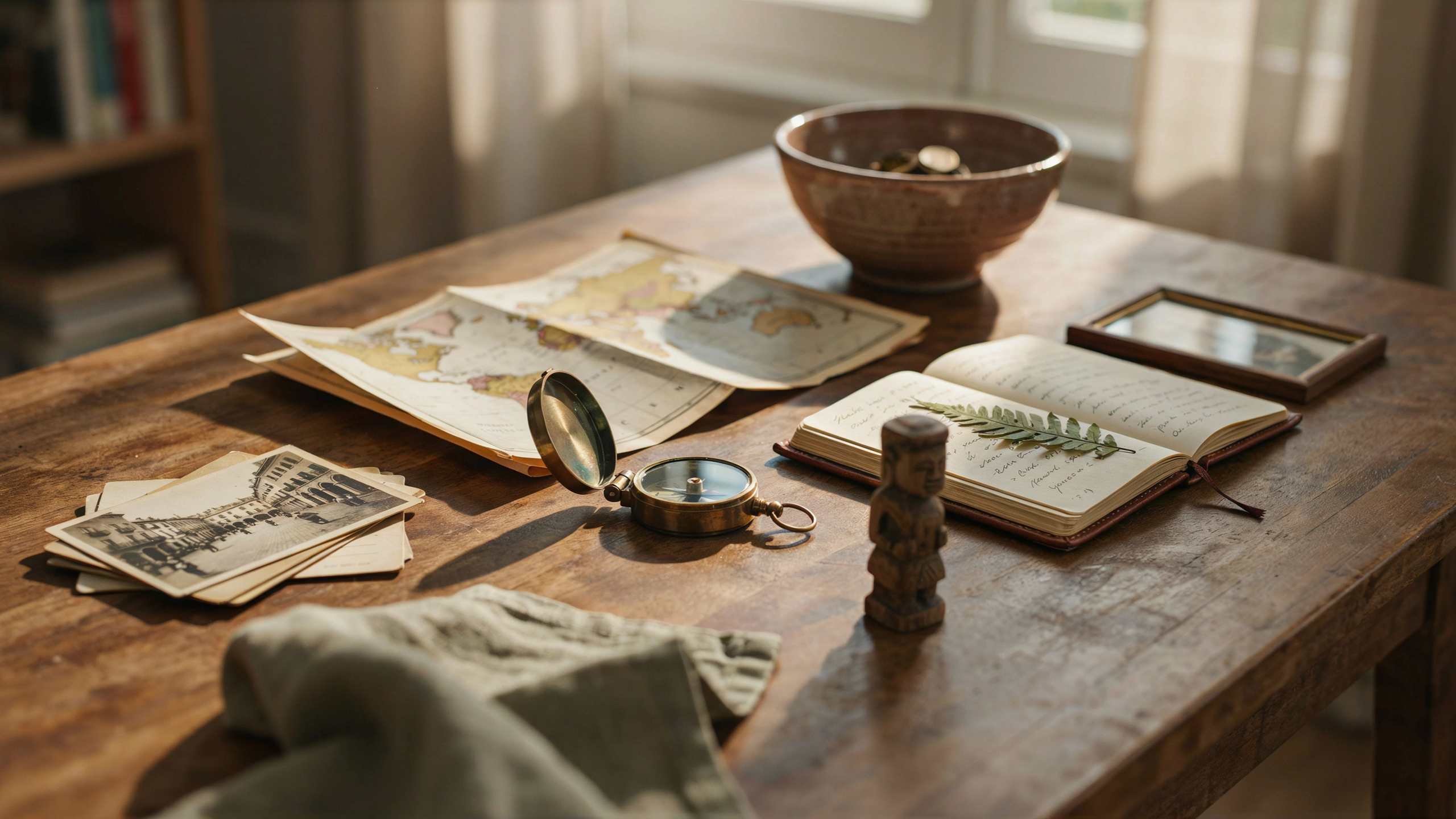
Travel changes the way people shop. A simple market in Lisbon or a tiny antique store in Kyoto suddenly feels more exciting than any mall back home. Part of that comes from memory, but another part comes from finding objects with real history, craftsmanship, or rarity attached to them. Smart travelers often return home with more than magnets and postcards. They come back with items that tell stories and sometimes grow in value over time.
Collecting while traveling also gives people a more personal connection to the places they visit. Instead of buying disposable souvenirs, many travelers now search for objects with meaning, character, and staying power. Some collections fit in a carry-on. Others take years to build. Either way, the hunt itself becomes part of the experience.
Rare Coins
One of the most interesting categories for travelers is currency and historic coin collecting. Local coin shops, flea markets, estate sales, and antique dealers often carry pieces tied directly to regional history. Some travelers even enjoy searching airport shops or online marketplaces during long flights and layovers because the hobby is easy to research from anywhere.
Collectible coins are the best thing you can find in shops while traveling or online while scrolling your phone during a layover. They are small, easy to transport, and connected to real historical moments. A coin from the Roman Empire found in Italy or an old silver peso purchased in Mexico carries more personality than another T-shirt that ends up buried in a drawer six months later.
Collectors are often drawn to coins because condition, rarity, and historical importance all matter. That creates a category where knowledge can make a big difference. Travelers who take time to learn about mint years, metal content, and production errors sometimes discover surprisingly valuable pieces in unexpected places.
There is also something satisfying about holding an object that passed through thousands of hands decades or even centuries ago. Coins have a way of making history feel tangible.
Local Textiles
Textiles are another category that has gained attention among travelers who want meaningful collectibles. Handmade rugs, woven blankets, embroidery, and regional fabrics often reflect traditions that have existed for centuries.
Markets in Morocco, Peru, Turkey, and India are especially known for textile craftsmanship. Travelers interested in home design often collect smaller pieces that can work as wall art or decorative accents back home. Others search for vintage garments that reflect older regional styles.
Quality matters a great deal here. Handmade work generally stands apart from mass-produced tourist merchandise. Natural dyes, hand stitching, and traditional weaving methods usually signal stronger craftsmanship.
Collectors should still pay attention to import restrictions and authenticity concerns, especially when buying expensive pieces abroad. A little research before the trip can save a lot of regret later.
Regional Memorabilia
Many travelers underestimate the value of regional memorabilia. Old transit signs, concert posters, tourism ads, sports programs, maps, and local advertising pieces often become harder to find as years pass.
This category works well because it captures the visual identity of a place during a specific period. Vintage Paris metro signs, old Japanese train posters, or retro ski resort advertisements from Switzerland all carry strong design appeal. They also tend to stand out in home offices, studios, and living spaces because they feel personal rather than generic.
Some collectors specifically focus on travel-related items. Old luggage tags, airline memorabilia, hotel ashtrays from the mid-century era, and railway collectibles all have dedicated collector communities.
Others search for folk art or Irish souvenirs that reflect regional culture without feeling overly commercialized. The best pieces usually look authentic rather than manufactured for tourists by the thousands.
Books and Paper Goods
Books may sound like a simple travel purchase, but rare and region-specific printed materials have remained collectible for decades. Independent bookstores, antique shops, and open-air markets frequently carry old maps, first editions, travel guides, and illustrated prints tied to local history.
Paper collectibles appeal to travelers because they preserve a snapshot of a place at a certain moment in time. An old guidebook from Havana or a vintage train map from Germany can reveal how cities once looked before modernization changed everything.
Postcards also remain surprisingly popular among collectors. Older postcards often contain handwritten notes, historic photography, and buildings that no longer exist. Some travelers build collections focused entirely on one city or country.
Condition is important with paper goods because moisture, sunlight, and rough handling can cause damage. Serious collectors usually store these items carefully once they return home.
Handcrafted Jewelry
Jewelry remains one of the most popular travel purchases because it blends artistry with portability. Handmade silver pieces from Mexico, Baltic amber jewelry from Eastern Europe, or handcrafted gemstone work from Southeast Asia often reflect local traditions in a way mass-market pieces never do.
Many travelers now prefer artisan jewelry because it feels individual. Small imperfections and handcrafted details give pieces personality. Buyers also appreciate meeting the people who actually made the work instead of purchasing factory-produced accessories from chain stores.
The best travel collectibles usually combine story, craftsmanship, and rarity. They remind people where they have been while offering something more lasting than ordinary souvenirs. Whether someone collects coins, watches, textiles, or vintage paper goods, the real value often comes from the experience of discovering them in the first place.
Jewelry is one of the most practical souvenirs, since it packs small and gets worn long after the trip. Pieces made with natural stones carry their own story, and many travelers build a collection one necklace at a time. Makers such as Avente Crystals offer crystal necklaces for anyone who wants that kind of keepsake without leaving home. Whether you buy abroad or at home, ask about the stone’s origin and keep any documentation with the piece.
