


Planning a trip to Yellowstone? You’re smart to research timing first.
Some periods will turn your dream vacation into a disaster. We’re talking closed roads, impossible crowds, and weather that ruins everything.
I’ve studied Yellowstone’s seasonal patterns for years. This guide reveals exactly which times to avoid and why they can ruin your experience.
You’ll learn about off-season lockdowns when attractions become unreachable. I’ll show you why July crowds make activities take hours. You’ll discover muddy transition months that trap visitors.
No sugarcoating. Just honest advice from someone who’s seen disappointed families.
You’ll know exactly which dates to avoid and why these periods consistently fail visitors.
Ready to save your Yellowstone trip?
Why These Times Will Ruin Your Yellowstone Experience?
I’ve watched families drive eight hours to Yellowstone only to find their dream attractions completely closed. Poor timing doesn’t just inconvenience you; it destroys your entire trip.
Three factors turn visits into disasters: road closures lock you out of 80% of the park during certain months, overwhelming crowds create two-hour waits just for parking in July, and unpredictable weather traps you with mud, storms, or wildfire smoke.
Here’s what hurts. You can’t get your money back when timing goes wrong. Hotels typically don’t refund for road closures, and your vacation days are often lost forever.
The Absolute Worst Times to Visit Yellowstone
Visiting Yellowstone at the wrong time can quickly turn your trip into a struggle. From packed crowds in summer to freezing winters with closed roads, these periods can make the park far less enjoyable.
Off-Season Lockdown: Mid-March to Mid-April & November 1 to Mid-December
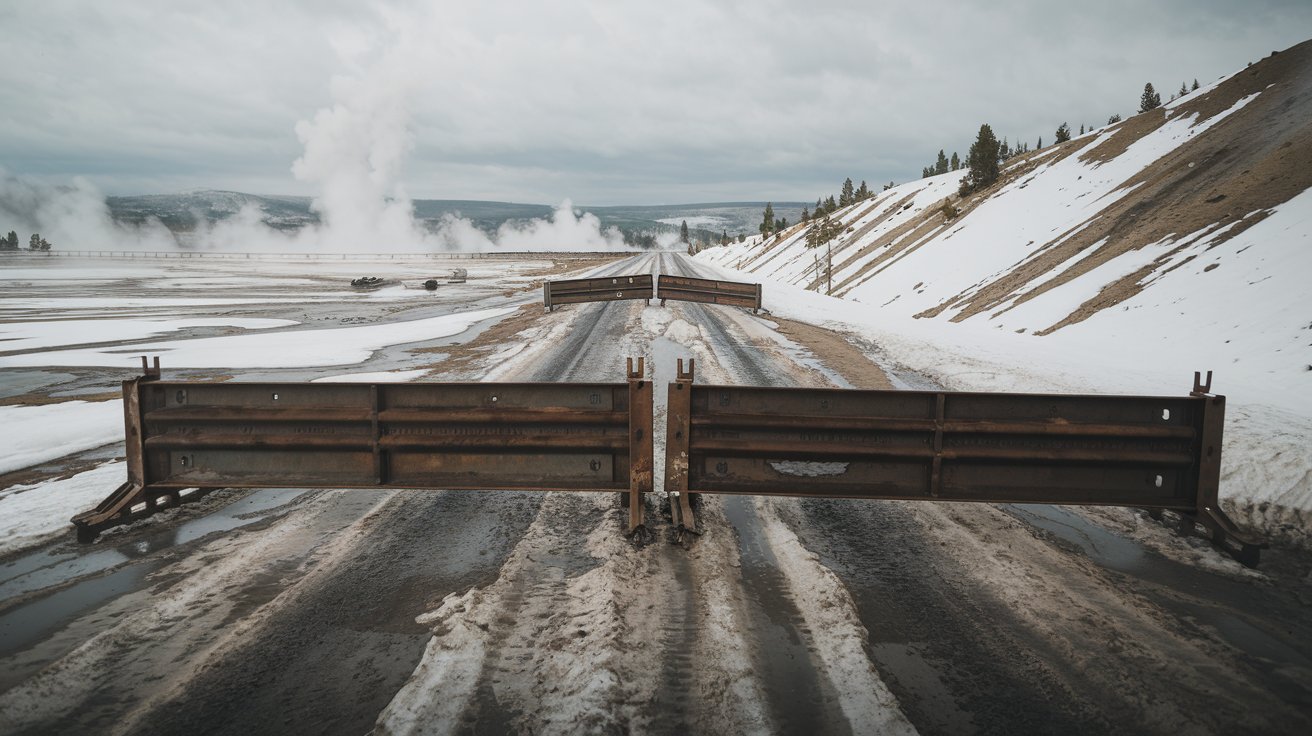
This is the absolute worst time to visit Yellowstone. Interior roads shut down completely, cutting you off from everything you came to see.
What you can’t reach during lockdown includes Old Faithful and the entire geyser basin, Grand Prismatic Spring viewing areas, Grand Canyon of Yellowstone overlooks, most thermal features and popular trails, and interior lodges and visitor centers.
Here’s the cruel reality. You’ll drive hundreds of miles only to stare at “Road Closed” signs. The weather is too unpredictable for summer activities but not snowy enough for winter sports; you’re stuck in the worst of both seasons.
Peak Crowd Nightmare: July
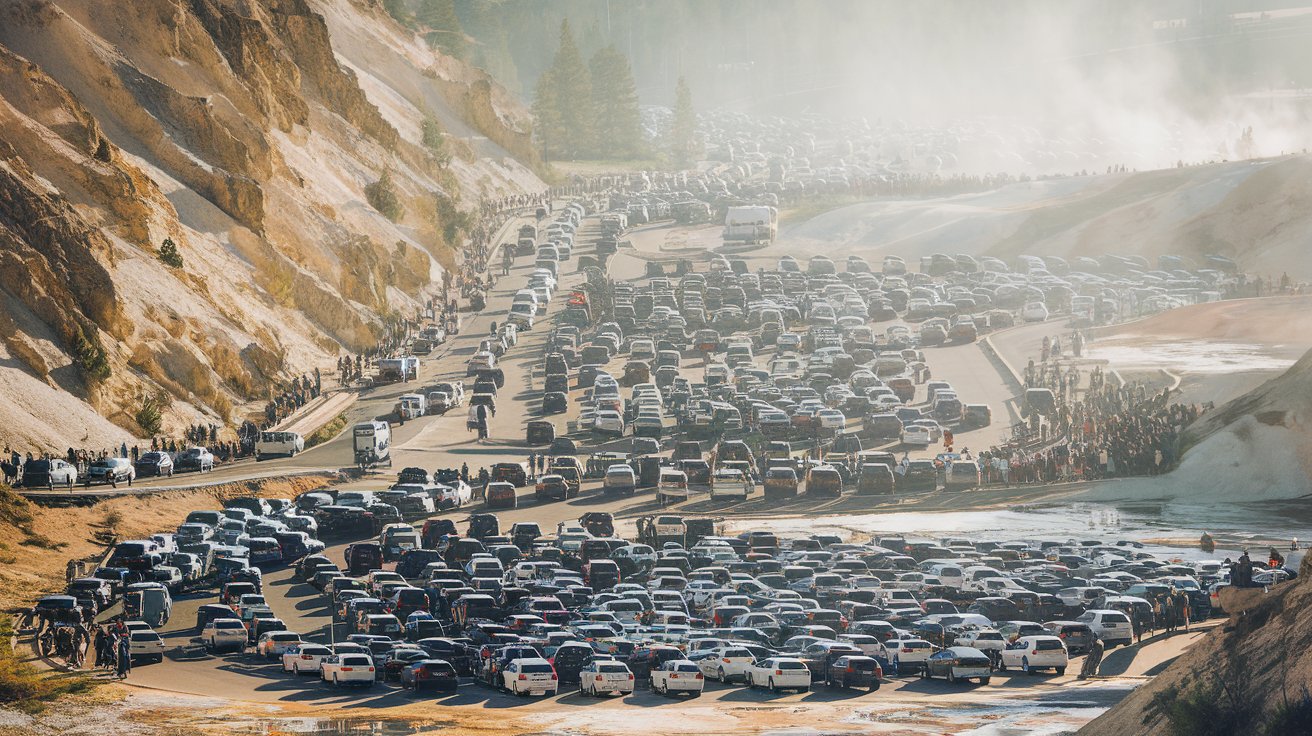
July brings nearly 1 million visitors to Yellowstone National Park. That’s 30,000 people daily compared to just 5,000 during calmer months. The park becomes an overcrowded mess.
What you’ll face in July includes two-hour waits just to find parking at popular sites, shoulder-to-shoulder viewing at Old Faithful eruptions, bumper-to-bumper traffic that turns 20-minute drives into hours, and completely packed boardwalks at thermal features.
The 10 am to 4 pm window is pure chaos. You’ll spend more time waiting in lines than actually seeing attractions. Even worse, you need to book accommodations a full year in advance just to secure a spot.
Month-by-Month Breakdown of Problem Periods
Each month in Yellowstone brings its own set of challenges. From icy winters to smoky late summers, knowing what to expect can help you avoid the worst times.
December-February: Extreme Winter Isolation
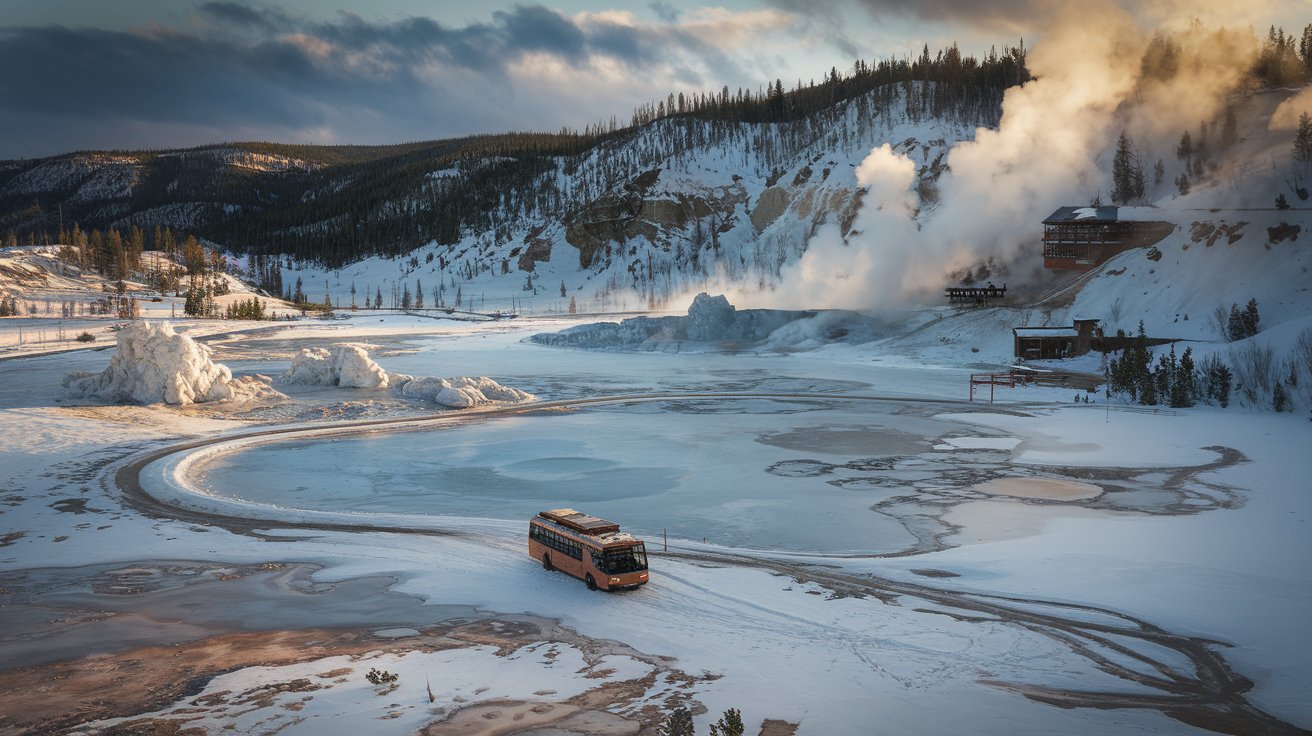
Winter turns Yellowstone into an isolated and costly place to visit. Temperatures can drop to -20°F, and with most roads closed, reaching even basic attractions becomes difficult.
Fewer than 3% of annual visitors come during these months, largely because snowcoach tours cost over $100 per person just to reach Old Faithful, while most lodges and facilities shut down entirely.
Average highs remain below freezing for months, and only the north entrance roads stay open to vehicles. Without specialized winter gear and emergency supplies, the cold isn’t just uncomfortable; it can be dangerous.
March-April: Muddy Transition Chaos

March and April trap visitors between seasons in Yellowstone. During this time, winter activities are no longer possible, yet it’s still too early for summer hiking. The result is a frustrating in-between period where outdoor options are very limited.
Snowmelt turns many trails into muddy, slippery messes, while higher elevations remain buried under snow and ice. On top of that, sudden spring snowstorms can hit all the way into May, making conditions even more unpredictable.
Roads also open on irregular schedules, leaving visitors uncertain about what areas can be reached. It’s too warm for winter sports, too cold and messy for hiking, and the constant weather changes make trip planning nearly impossible.
August: Wildfire Season Peak
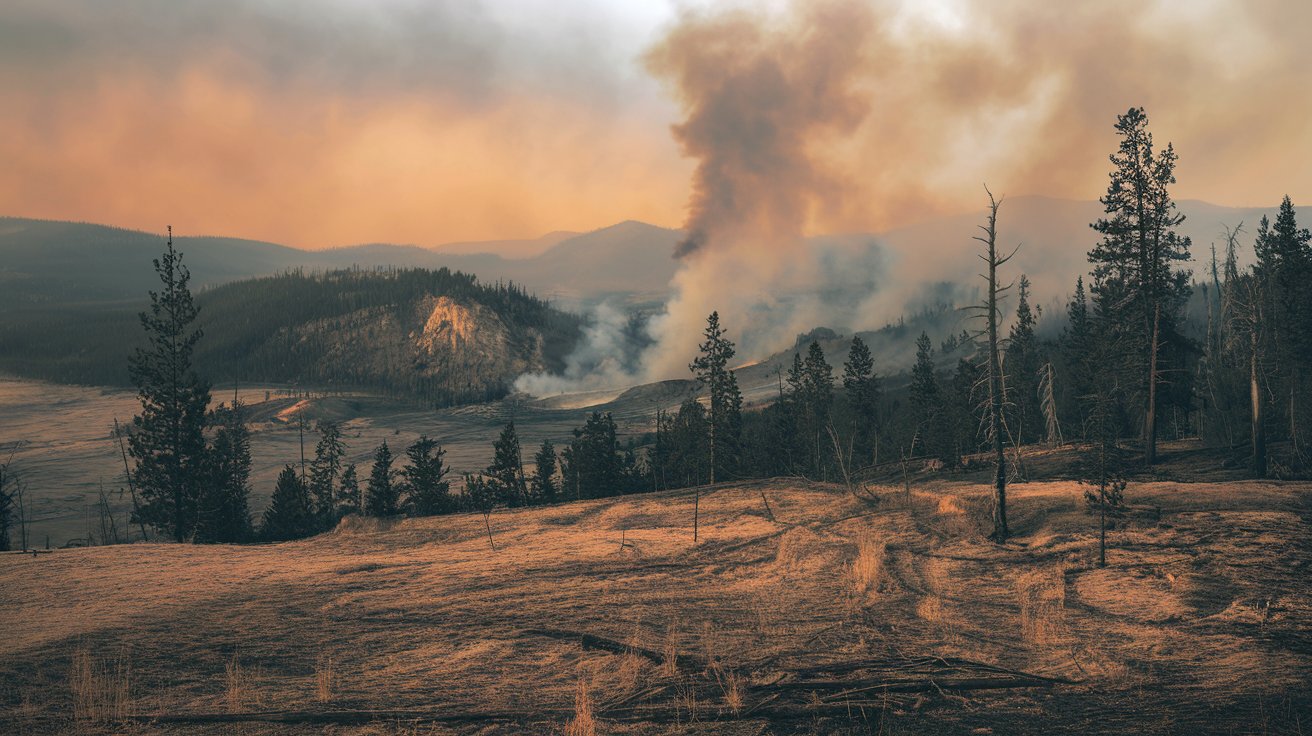
August often brings the worst air quality of the year in Yellowstone. Wildfire smoke drifts across the park, turning once crystal-clear mountain views into gray, hazy skies. For many visitors, it ruins the very photos and sights they came to see.
The impact of wildfire season goes beyond ruined views. Thick smoke makes breathing difficult, especially for people with asthma or allergies. Trails can close without warning, and in severe cases, rangers may evacuate entire areas with no refunds offered to visitors.
The smoke doesn’t just linger for a day or two; it can last for weeks. During these stretches, visibility drops so low that even famous landmarks like Old Faithful may be hard to see from just a short distance away. For many travelers, an expensive vacation quickly becomes a gray, disappointing experience.
Late September-October: Unpredictable Weather Chaos
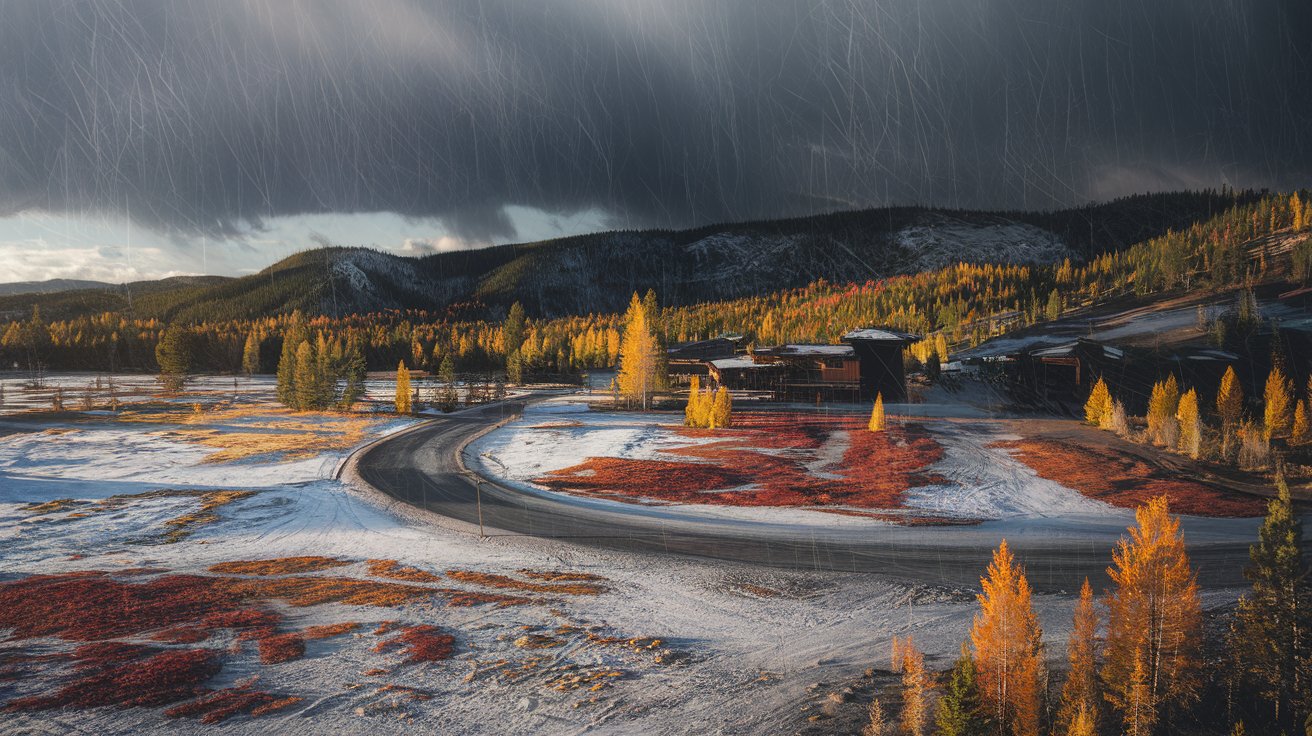
Late September and October may look inviting with their bright fall colors, but the weather can change suddenly. Warm afternoons can drop from 70°F to 20°F in just a few hours, catching many visitors off guard.
Snowstorms often hit without warning and can trap travelers for days. Roads turn icy overnight, daylight hours are shorter, and most facilities close earlier than expected, leaving fewer options for food and lodging.
It’s easy to be unprepared this time of year. Many people pack for mild weather, only to find themselves stuck in freezing conditions or even a blizzard with no backup plan.
November: Pre-Winter Shutdown
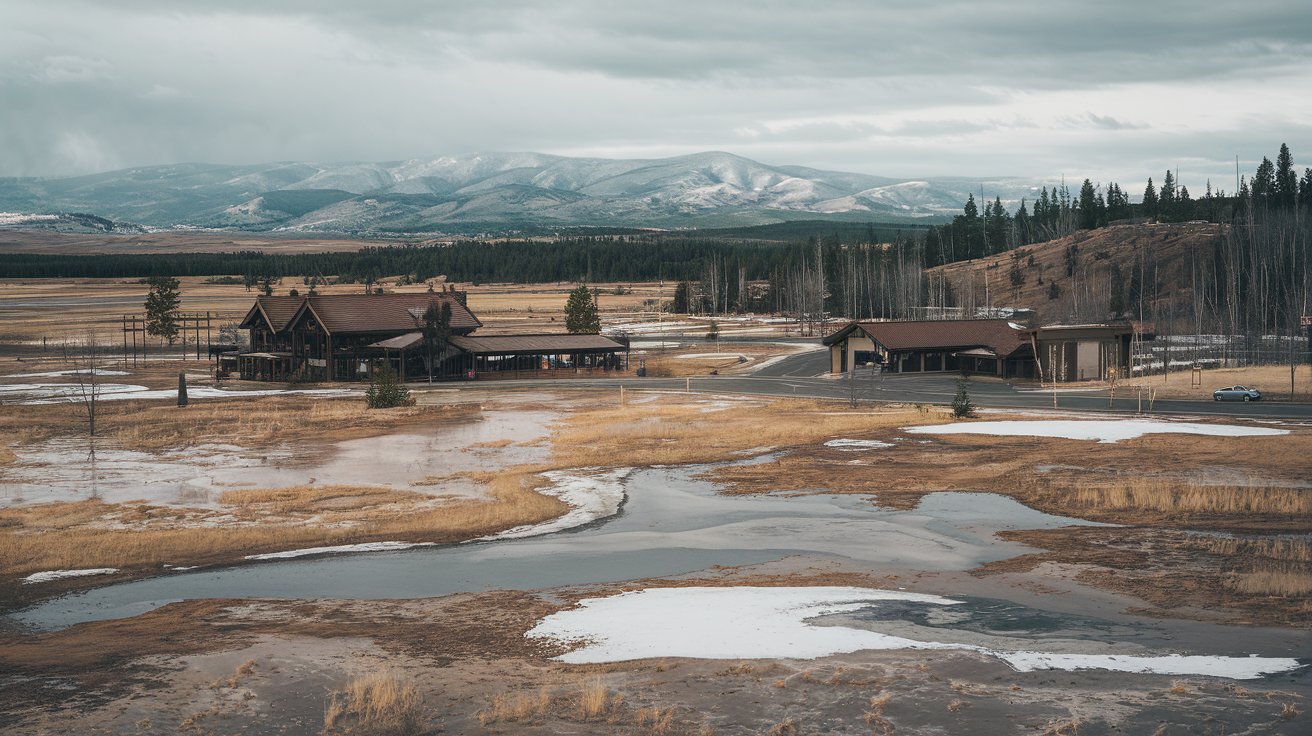
November is one of the hardest months to plan for in Yellowstone. Facilities close on unpredictable schedules, and many roads shut down early for winter. Visitors often arrive unsure of what will be open.
The weather adds to the problem. Snow may fall, but usually not enough for skiing or other winter activities. At the same time, higher elevations can already be icy and difficult to reach.
Even businesses in the gateway towns close for the season, leaving fewer places for food or lodging. It’s a transition month; too late for summer, too early for true winter; and it rarely works out well for visitors.
Specific Activity Disasters
Some outdoor activities can become dangerous or impossible during certain times at Yellowstone. Winter sports like skiing might face sudden weather changes, while summer hiking can be disrupted by wildfires or extreme heat. Planning your visit around these activity-specific risks helps ensure a safer and more enjoyable trip.
Camping Nightmares During Bad Times
Camping in Yellowstone during the worst times can feel like an expensive nightmare. Many families give up after just one night because the conditions are too hard to handle.
Spring brings flooding from melting snow, leaving campsites muddy and wet. In winter, frozen water pipes make it difficult to meet even basic needs, and the cold can drain car batteries or freeze toilets.
On top of that, campgrounds often close without warning during seasonal transitions. In July, even with reservations, it’s nearly impossible to find a spot. And if you do, the rough conditions can still make your camping trip miserable.
Wildlife Viewing Failures
November through mid-December is terrible for wildlife watching at Yellowstone. Bears hibernate during this period, and most other animals become much less active. The heavy snow that starts falling makes it nearly impossible to spot any wildlife that might still be moving around.
Several factors make wildlife viewing particularly challenging during these months. Bears remain in hibernation from November through March, while other animals move to remote areas that visitors can’t easily reach. The thick snow cover blocks your view of animals, and many park roads close completely, preventing access to prime viewing spots.
Early April doesn’t offer much improvement for wildlife enthusiasts. Animals are still sluggish from winter and haven’t returned to their normal activity patterns. Snow continues to block many viewing areas, meaning you could spend hours searching without seeing a single animal. The combination of inactive wildlife and poor viewing conditions makes this period frustrating for anyone hoping to see Yellowstone’s famous animals.
Photography and Hiking Catastrophes
Certain times of year can completely ruin your photography and hiking plans at Yellowstone. When weather and environmental conditions turn against you, even the best camera equipment becomes practically useless. These challenging periods can make your visit feel like a waste of time and money.
Multiple factors can destroy outdoor activities during problematic seasons. Muddy conditions make trails both dangerous and visually unappealing for photos. July’s midday sun creates harsh lighting that washes out your shots, while massive crowds fill every frame. Wildfire smoke can block mountain views entirely, and winter snow makes many trails completely impossible to access.
These problems aren’t just minor inconveniences that you can work around. Wildfire smoke can hang in the air for weeks at a time, turning what should be crystal-clear mountain views into a gray, hazy mess. Meanwhile, spring mud doesn’t just make trails slippery – it can make even short walks genuinely dangerous. Bad timing can turn your dream photography trip into a series of missed opportunities and safety concerns.
Hidden Consequences of Bad Timing
Visiting Yellowstone at the wrong time can create serious problems. Roads may be closed, costs can rise, and plans can fall apart with little warning. Even a small timing mistake can lead to wasted time and money.
Access Restrictions That Trap You
Winter road closures at Yellowstone don’t just limit your options; they can trap you completely. When the interior roads shut down, you lose the ability to drive between Yellowstone and Grand Teton. What should be a simple 30-minute trip turns into hours of long detours around the mountains.
Road closures create serious problems for visitors. You can’t drive from Jackson to Yellowstone during the winter months, forcing you to book expensive snowcoach tours instead. Only the north entrance stays open all year, while other routes close unpredictably. The uncertain opening dates make it impossible to plan your trip properly.
The worst part is that you can’t plan around these closures. Weather controls when roads open, not the calendar dates you might expect. Many families arrive at Yellowstone only to find closed gates, leaving them stuck with no backup plan and no way to get refunds for their ruined vacation.
Financial Penalties
Poor timing at Yellowstone can destroy your budget in ways you never expected. Both peak season and off-season will hit your wallet hard, just for different reasons. The park seems designed to drain your money no matter when you visit.
Bad timing creates expensive problems that add up quickly. July brings the highest prices of the entire year for hotels and activities. Winter forces you into costly snowcoach tours that can cost over $100 per person. When your options become limited, businesses charge whatever they want because they know you have no choice.
The financial damage gets worse when things go wrong. You can’t get refunds when road closures or bad weather ruin your carefully planned trip. Hotels keep your money even when you can’t reach them, and your vacation days disappear forever. One poorly timed visit can cost you hundreds of extra dollars with nothing to show for it.
What You’ll Completely Miss
- During the off-season, Old Faithful, Grand Prismatic Spring, and most thermal features are inaccessible.
- During peak crowds, Peaceful wildlife viewing and photography opportunities are destroyed.
- During transition periods: Reliable access to planned attractions
Conclusion
You know the worst time to visit Yellowstone and exactly why these periods disappoint thousands of visitors every year.
Off-season lockdowns will trap you outside closed roads. July crowds turn simple activities into hours-long ordeals. Winter isolation requires expensive, specialized access that most families can’t afford.
Your timing research is done. You can now confidently avoid the periods that consistently create frustration and wasted money.
Smart planning makes all the difference between a dream vacation and an expensive nightmare. Now you have the insider knowledge to choose dates that work.
Ready to start planning your perfect Yellowstone trip? Share this guide with anyone else heading to the park. They’ll thank you for saving them from these timing disasters.
Frequently Asked Questions
What is the worst time to visit Yellowstone National Park?
The worst time to visit Yellowstone is during off-season periods (mid-March to mid-April and November 1 to mid-December) when interior roads close completely. You can’t access Old Faithful, Grand Prismatic Spring, or most major attractions during these times.
Why should I avoid visiting Yellowstone in July?
July brings nearly 1 million visitors, creating overwhelming crowds. Expect two-hour waits for parking, shoulder-to-shoulder viewing at attractions, and bumper-to-bumper traffic. Popular sites become gridlocked between 10 am4 pm, ruining the peaceful nature experience.
Is winter the worst time to visit Yellowstone?
Winter (December-February) can be challenging due to extreme cold (-20°F), expensive snowcoach access ($100+ per person), and most roads closing. Only 3% of annual visitors come during winter, though some enjoy the unique snow-covered landscape experience.
What makes March and April bad times to visit Yellowstone?
March-April creates muddy transition chaos. Snowmelt makes trails impassable, the weather remains unpredictable with possible snowstorms, and you can’t do winter or summer activities. Roads open on uncertain schedules, making planning nearly impossible.
Can I still visit Yellowstone during the worst times?
Yes, but expect major limitations. During the off-season, only the north entrance roads stay open with limited attraction access. During peak July crowds, visit major sites before 10 am or after 4 pm to minimize wait times and parking struggles.
