

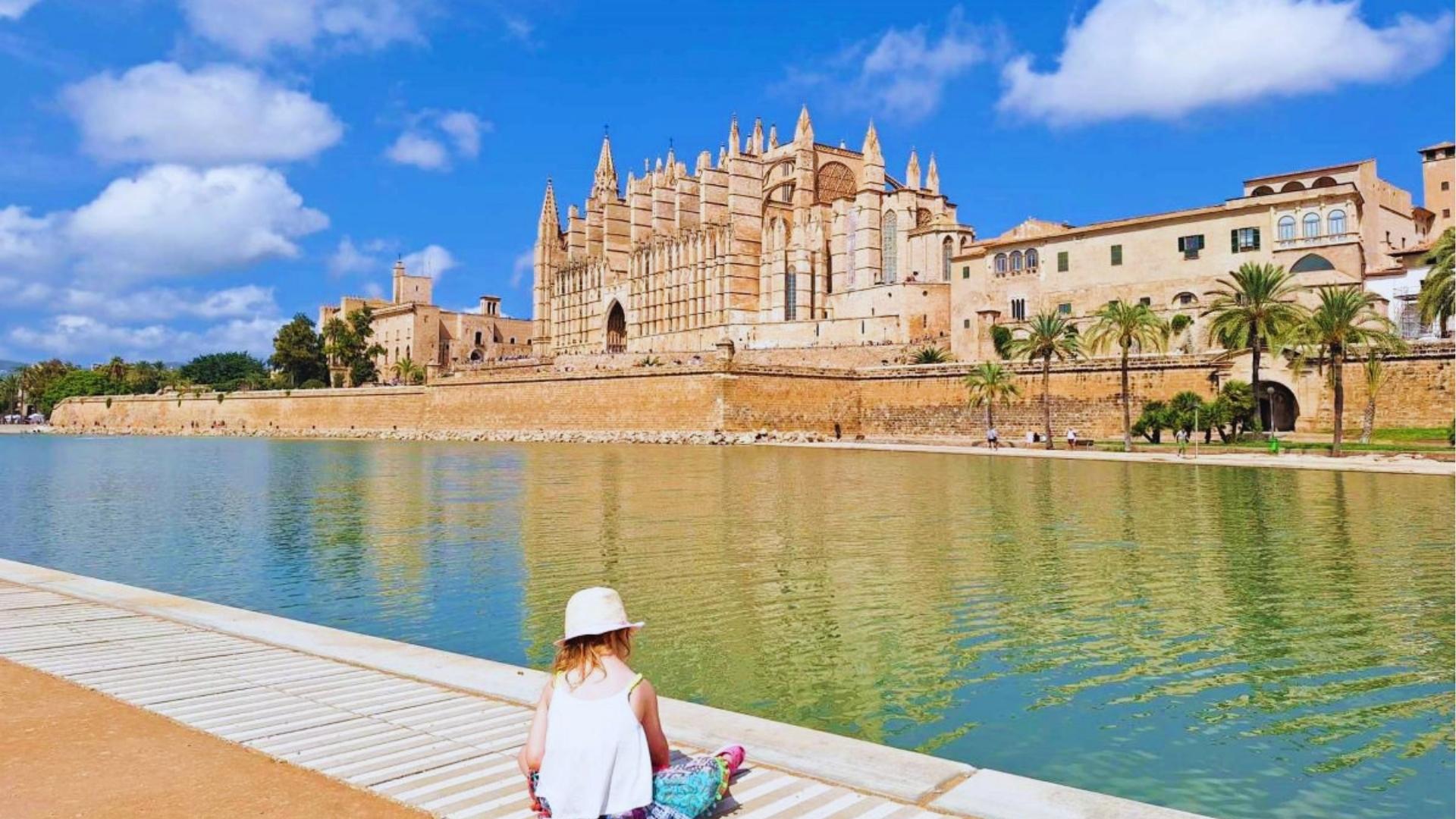
Most people think Mallorca is just beaches. It's not. Palma de Mallorca, the island's capital, has centuries of history, great food, and real culture packed into one walkable city.
I've been here twice, and both times it surprised me. This guide covers the best Palma attractions so you can plan your trip without wasting time.
You'll find a quick travel overview, 21 top things to do, and practical tips on budget, packing, and safety. Two days or five, this list works for both.
I'm sharing what I actually saw and experienced, not what looks good on paper.
Let's get into it.
Palma Travel Overview

Palma sits on the southwest coast of Mallorca, the largest island in Spain's Balearic Islands, about 200 km from Barcelona.
April to June and September to October are the best times to visit. Smaller crowds, better prices, and comfortable weather make these months ideal.
July and August get busy and hot. Getting there is easy. Palma Airport (PMI) connects to most major European cities, and overnight ferries run from Barcelona.
Once in the city, the old town is fully walkable. For longer distances, use the city bus, taxis, or rent a bike. The train to Sóller is also worth planning ahead.
21 Best Palma Attractions
From historic landmarks to local markets, here's what makes Palma worth the trip.
1. Wander Palma Old Town (Casco Antiguo)
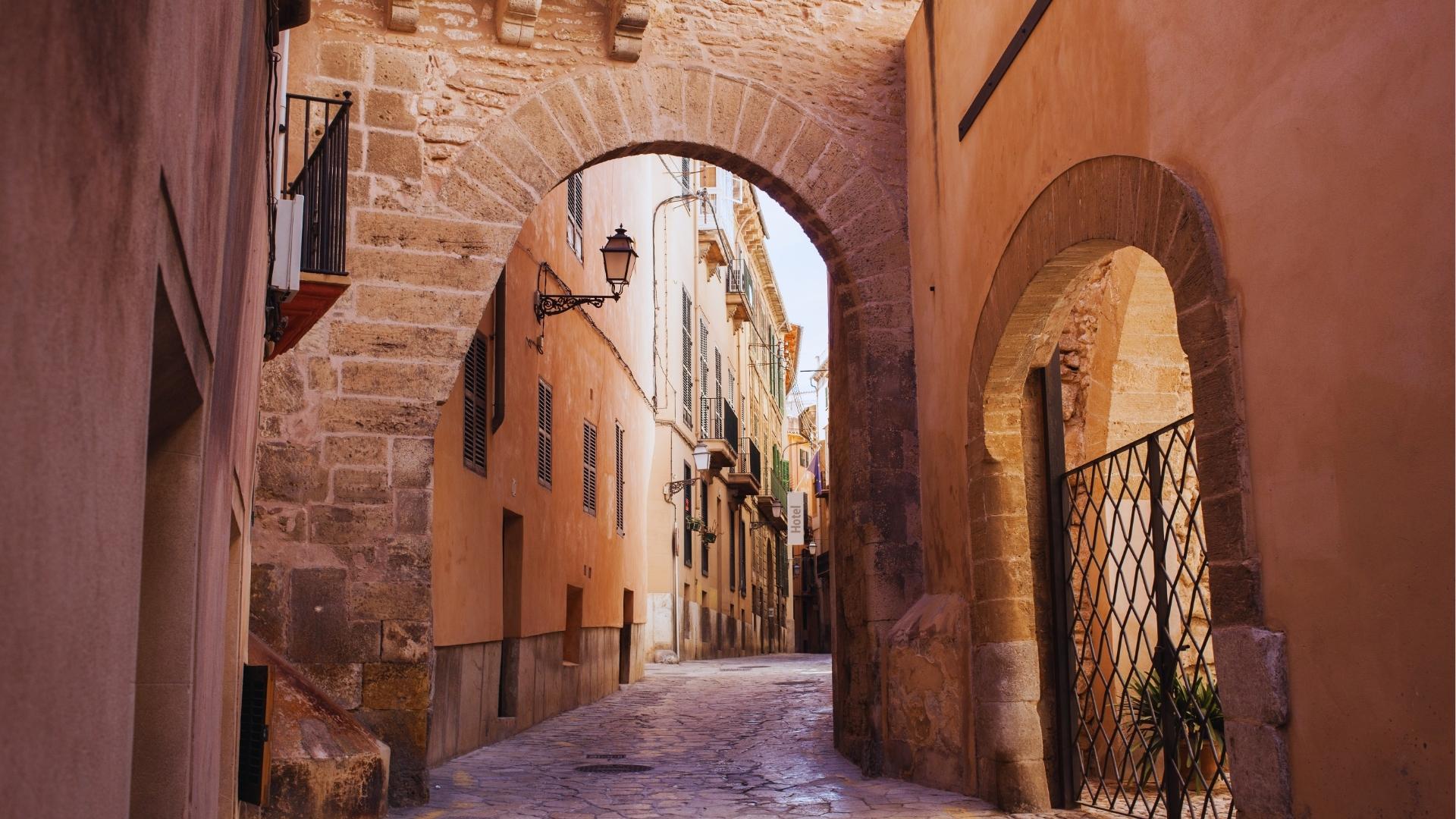
The old town is where Palma feels most like itself. Stone streets, old buildings, and small squares sit side by side. Start near the cathedral and walk slowly.
Most major sights are close together, so you won't need a map for long. It's the kind of place where getting a little lost is actually enjoyable.
2. Visit Palma Cathedral (La Seu)

La Seu is hard to miss. It sits right on the waterfront and took over 300 years to complete. Inside, the rose window is massive and the light it throws across the floor is unlike anything else.
Antoni Gaudí helped redesign parts of the interior, and you can clearly see his touch. Buy your ticket in advance to skip the line.
3. Royal Palace of La Almudaina

This palace stands right next to La Seu and has a long history behind it. It started as a Moorish fortress before becoming a royal residence.
The Spanish royal family still visits on occasion. Inside, there are royal rooms, old tapestries, and a small garden worth seeing. Entry fees apply but it's worth the stop.
4. Bellver Castle

Bellver is one of those places that looks interesting from a distance and gets better up close. It's a round Gothic castle sitting on a hill above Palma, one of very few circular castles in Europe.
The views from the top cover the city and the sea. Walk up if you're feeling active or grab a taxi. There's a small history museum inside too.
5. Walk Along Palma Waterfront & Marina

The Passeig Marítim runs along the seafront and is one of the nicest walks in the city. Yachts and sailboats fill the marina on one side. Cafes and bars line the other.
The view of La Seu from the water is the one you've seen in photos. Go in the evening when the light is soft and the pace is slow.
6. Visit Arab Baths (Banys Àrabs)

These baths date back to the 10th century and are one of the few surviving examples of Moorish architecture in Palma.
The domed room with its stone columns is small but well preserved. There's also a quiet garden outside where you can sit for a while.
Entry is cheap and it takes about 20 minutes to see everything.
7. Santa Catalina Neighborhood
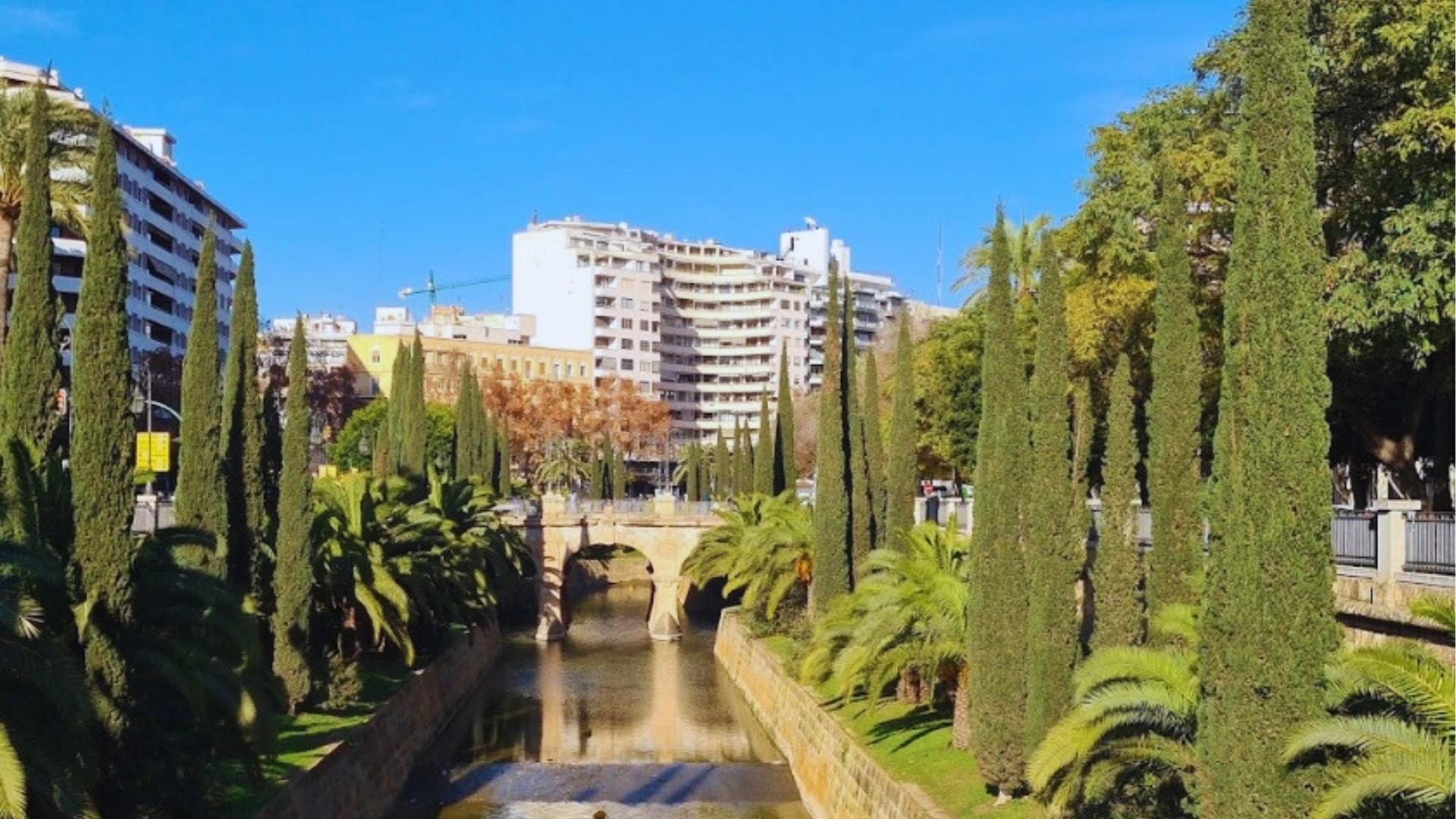
Santa Catalina was once a working-class fishing area. Today it's one of the most lively parts of Palma. Independent restaurants, small bars, and street art fill the streets.
The food here is genuinely good, and prices are more reasonable than tourist-heavy areas. Come for lunch or dinner and take your time walking around after.
8. Mercat de l'Olivar

This is the biggest covered market in Palma and a great place to spend a morning. Fresh fish, local cheese, olives, cured meats, and produce fill the stalls.
It's busy, loud, and full of life. You can pick up snacks, grab a coffee, or just watch locals go about their day. Go early for the best experience.
9. Santa Catalina Market

This market sits inside the Santa Catalina neighborhood and has a strong local feel. It's smaller than Mercat de l'Olivar but no less interesting.
Fresh fruit, bread, vegetables, and a few hot food stalls make it easy to put together a good cheap meal. It's the kind of market locals actually use, not just tourists passing through.
10. Enjoy Tapas at Local Restaurants
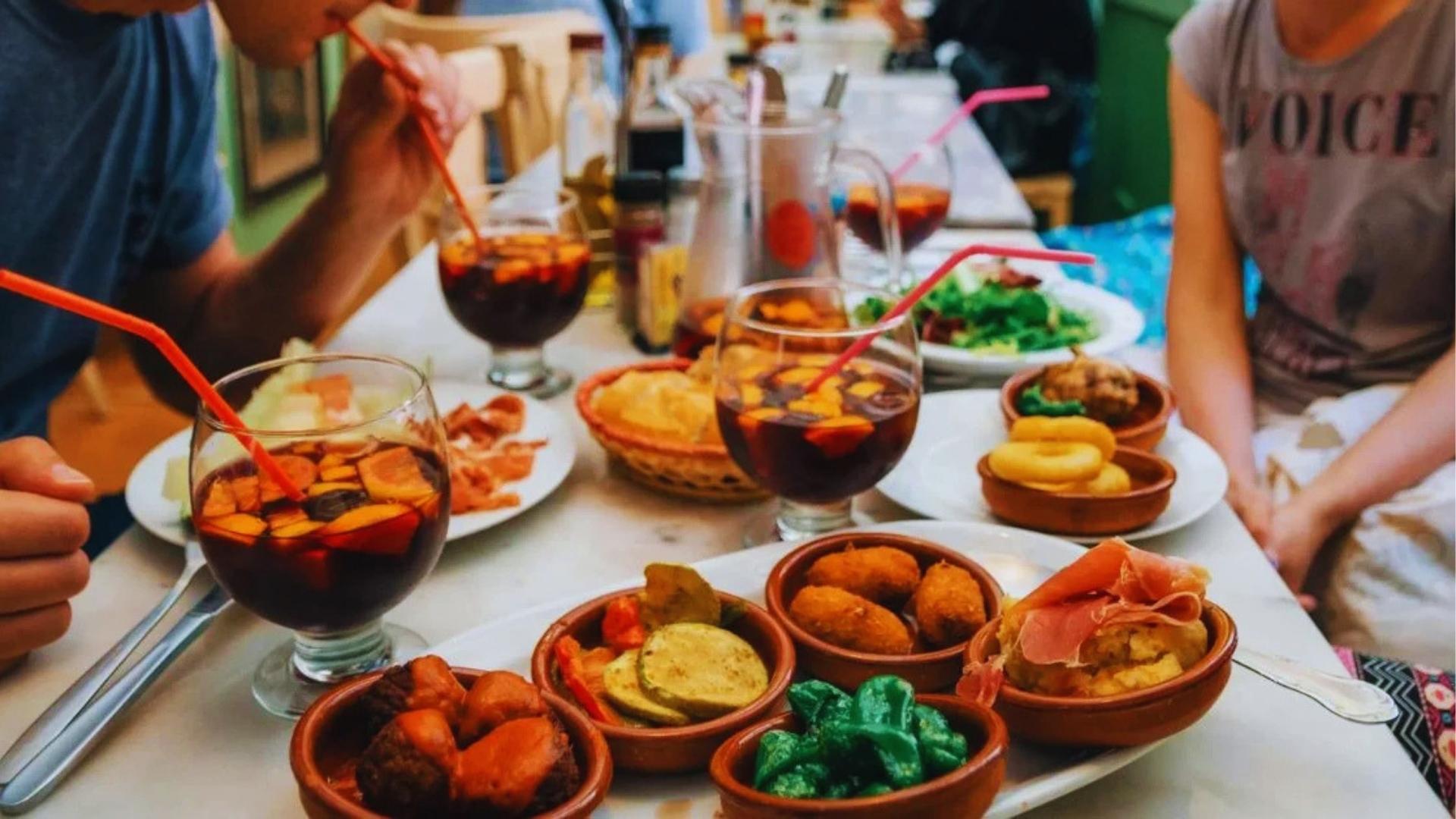
Palma's food scene is worth your time. Start with pa amb oli, bread rubbed with tomato and olive oil, a local staple done well here.
Sobrasada, a soft cured sausage, is also worth trying. Skip the spots near the cathedral. The better value and better food is in Santa Catalina and the quieter streets of the old town.
11. Relax at Playa de Palma
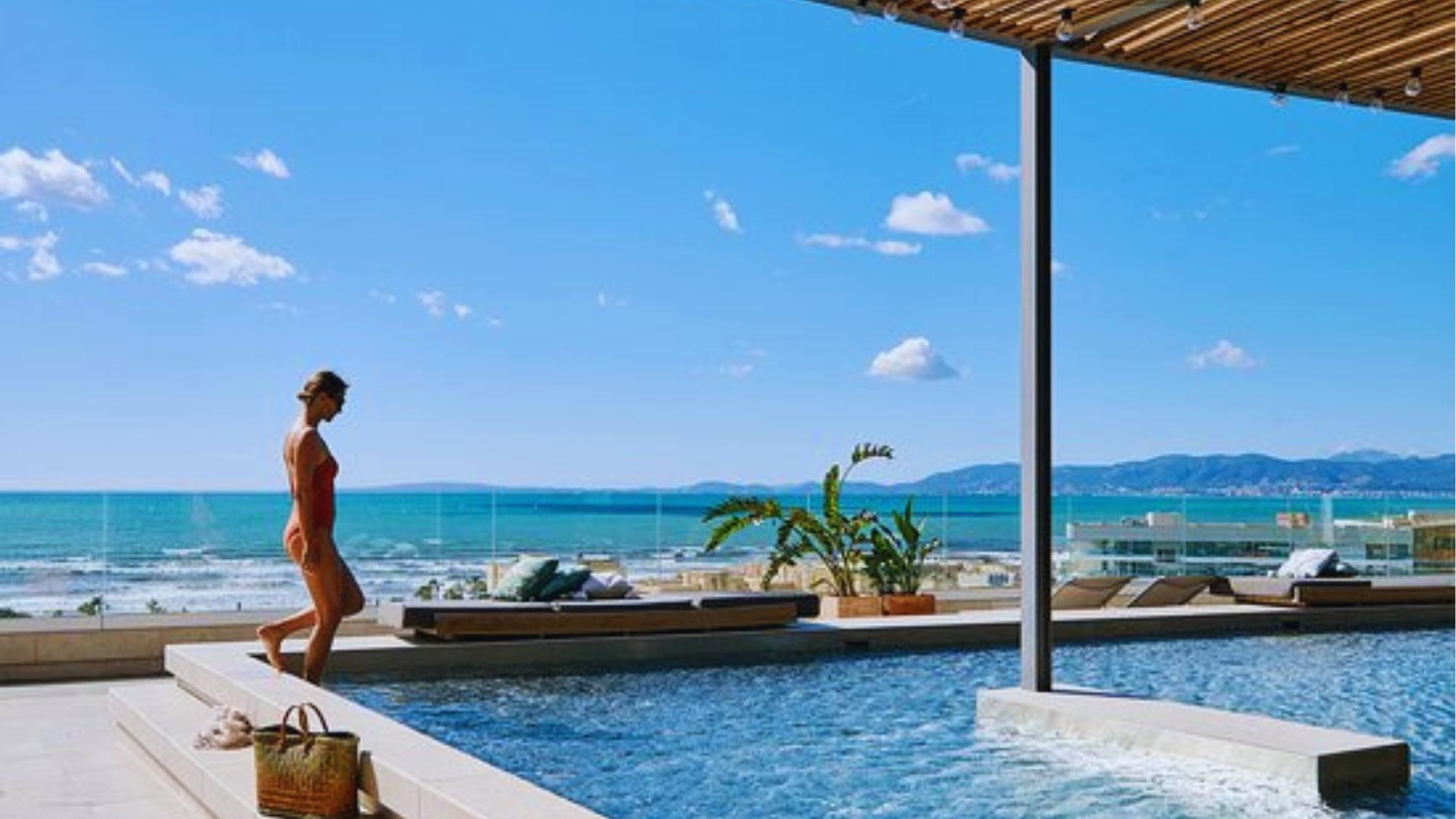
Playa de Palma is a long sandy beach about ten minutes from the city center by bus. The water is calm and clean, making it good for swimming.
Sunbeds, restaurants, and beach bars are all along the strip. It gets busy in summer but is much more relaxed in spring or early autumn. A simple, easy half-day option.
12. Take a Boat Trip from Palma

Several companies run boat trips from Palma's marina. Options range from a short coastal ride to longer trips with snorkeling stops at nearby coves.
It's a laid-back way to see the coastline and get away from the city for a few hours. Book ahead in peak season as spots fill up quickly.
13. Rent a Bike Along the Coastline

Palma has a solid cycling path that runs along the waterfront. Rental bikes are easy to find near the marina.
You can ride toward Playa de Palma in one direction or head toward Portixol, a small fishing village that's calm and worth a stop.
It's flat, scenic, and a good way to cover more ground without rushing.
14. Visit Art Museums & Galleries
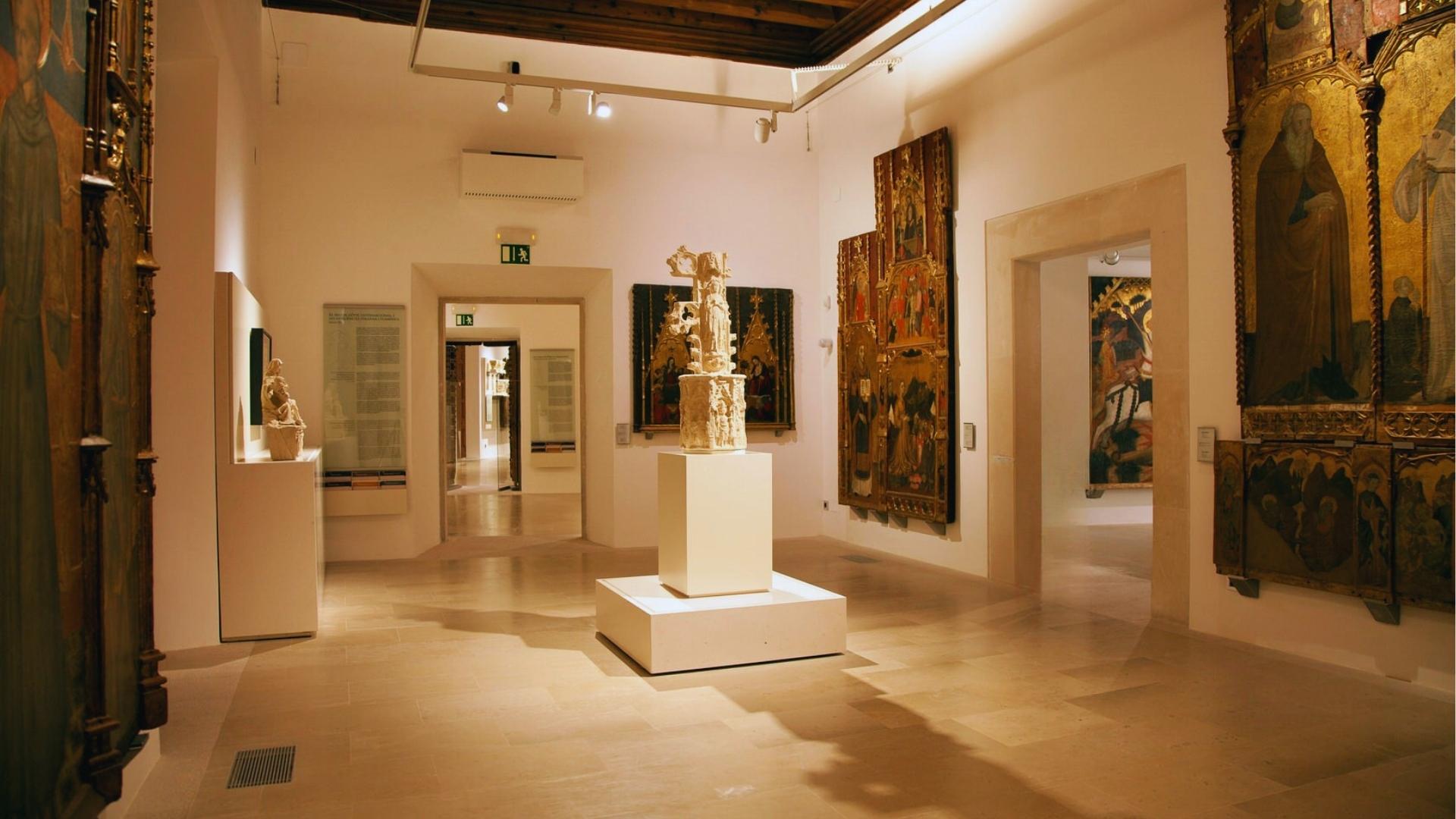
The Es Baluard Museum is Palma's main modern art space and has works by Picasso, Miró, and local artists. The Joan Miró Foundation sits just outside the city in the house where Miró once lived and worked.
Both are well worth a few hours. If you only pick one, Es Baluard is more central and easier to fit into a city day.
15. Enjoy Rooftop Bars with Views
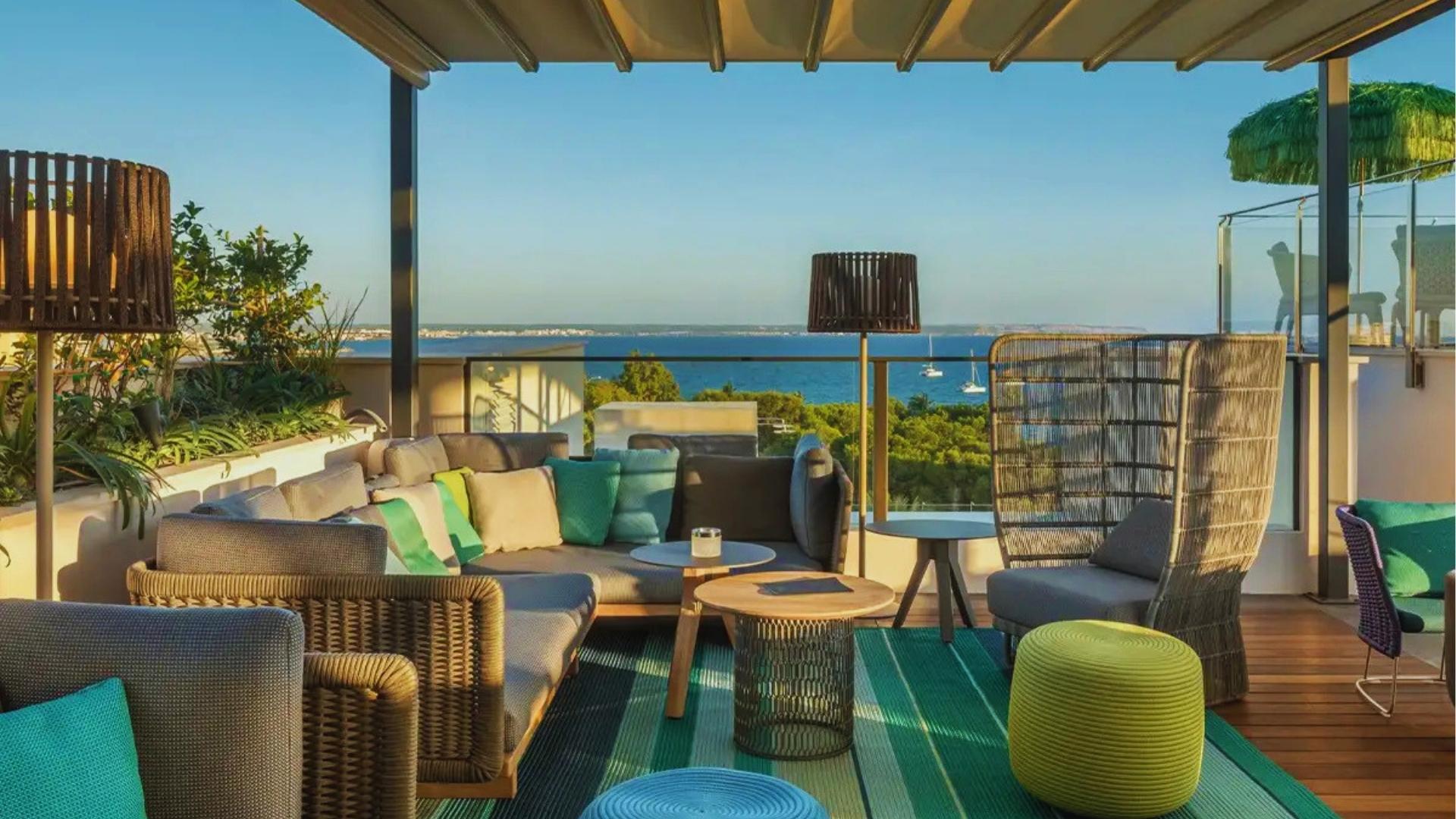
Palma has a good selection of rooftop bars with views over the city and sea. Hotel Cort and Hotel Portixol are two well-known spots.
Evening is the best time to go, especially around sunset. Drinks aren't cheap but the views make it worthwhile. Reserve a spot ahead of time during summer months.
16. People Watch in Plaça Major

Plaça Major is Palma's main central square and one of the easiest places to just sit and slow down. Cafes line the edges and old buildings frame the square.
Street performers show up most afternoons. Order a coffee, find a seat, and watch the city move around you. It costs nothing and is one of the most relaxing things you can do here.
17. Hidden Courtyards
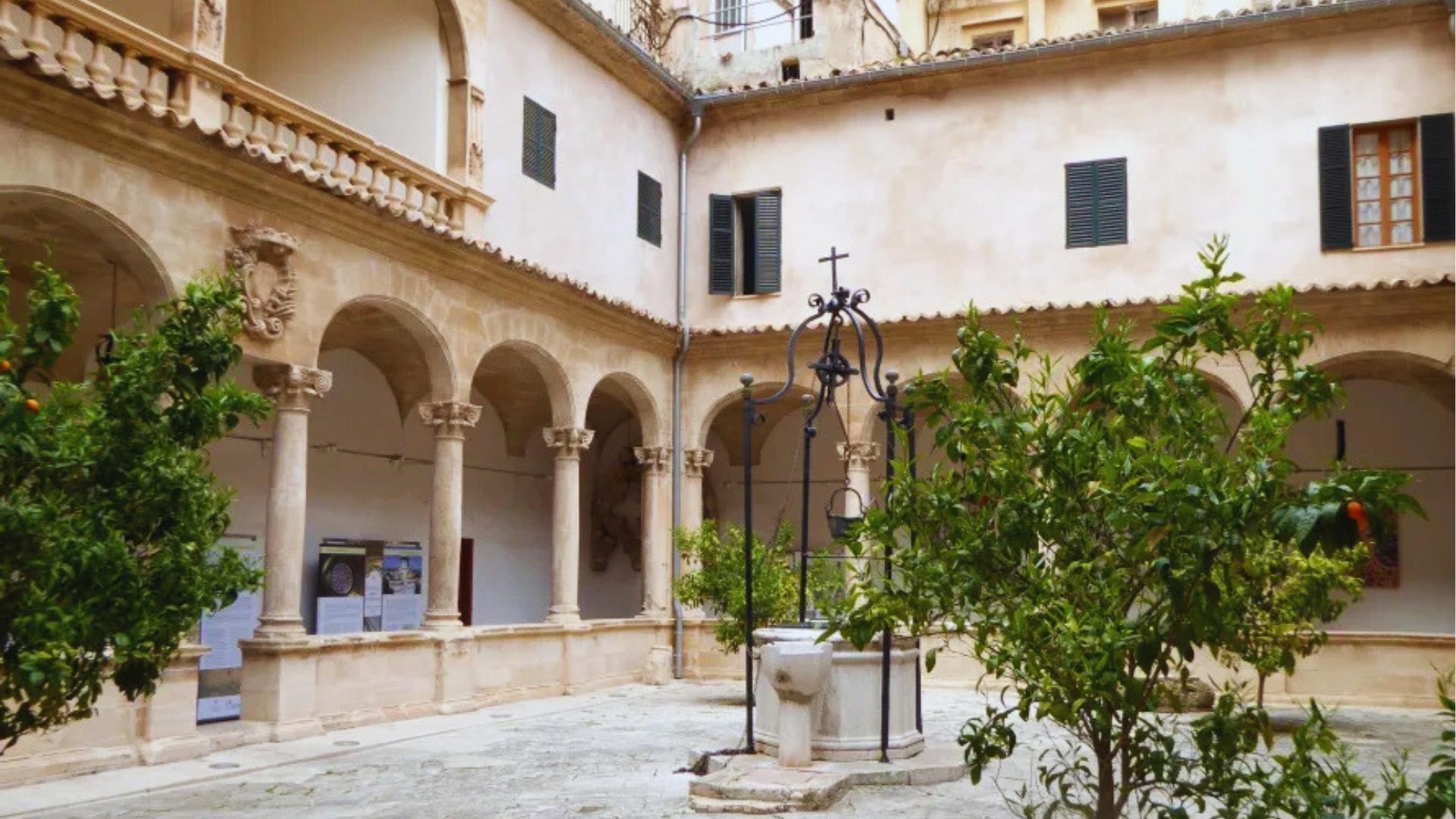
Palma's old mansions hide some of the most peaceful spots in the city. These inner courtyards, called patios, are often open during the day and free to walk into.
Look for large wooden doors left open along Carrer de Can Savellà and nearby streets. Most visitors walk right past them. If a door is open, step inside and have a look.
18. Join a Guided City Tour

A guided walking tour is a smart move if you want to understand what you're looking at. Most tours run two to three hours and cover the key sights in the old town.
Tip-based free tours are available daily, and paid private tours go deeper. A good guide adds real context that you won't get from reading a sign.
19. Take the Train to Sóller

The vintage wooden train from Palma to Sóller is one of the best day trips on the island. The ride takes about an hour and passes through mountain scenery that's hard to see any other way.
Sóller itself is a quiet town with good food and a relaxed pace. From there, a tram takes you down to the port. Book tickets early as they sell out fast.
20. Visit Nearby Beaches & Coves

Palma is a good base for reaching other beaches around Mallorca. Cala Pi, Cala Millor, and Es Trenc are all worth the trip. Most need a car or a booked day tour to reach.
Es Trenc stands out for its clear water and natural surroundings with no large hotels blocking the view. Plan this as a full day out.
21. Watch Sunset in Palma

Sunset in Palma is genuinely one of the better free things you can do here. Head to the hill near Bellver Castle, the waterfront promenade, or a rooftop bar with a west-facing view.
The sky goes orange and pink behind the cathedral. It happens every evening and never quite looks the same twice. Don't miss it on your last night.
Travel Tips for Visiting Palma
Simple, practical tips to help you visit Palma without stress or surprises.
- Two to three days covers the main sights comfortably. Add more time if you want to see other parts of Mallorca.
- A sit-down lunch costs around 10 to 15 euros. Eating at local markets keeps costs low.
- Walk instead of taking taxis where possible. The old town and waterfront are free and easy on foot.
- Wear comfortable shoes for cobblestone streets. Pack sunscreen in summer and a light jacket for cooler months.
- Tap water is safe to drink in Palma. Carry a reusable bottle to save money and reduce waste.
- Shops close between 2 and 5 PM for siesta. Plan meals and museum visits around this to avoid surprises.
Conclusion
Palma surprised me the first time I visited. I expected beaches. I found history, food, and a city that felt genuinely alive. The best Palma attractions go far beyond sunbathing. There's real depth here if you take the time to look.
If you're planning a trip to Mallorca, give Palma at least two full days. You won't regret it.
Have you been to Palma? Drop a comment below and share your favorite spot. Or share this guide with someone planning a Mallorca trip.
Frequently Asked Questions
Is Palma de Mallorca worth visiting?
Yes, Palma is worth visiting for its history, food, and architecture. It offers a lot beyond beaches and is great for culture lovers.
How many days do you need in Palma?
Two to three days is ideal to see the main sights. More time lets you take day trips to other parts of the island.
What is Palma de Mallorca known for?
Palma is known for its Gothic cathedral, Arab heritage, food markets, and waterfront. It's the cultural and historical center of Mallorca.
Is Palma de Mallorca expensive?
It's mid-range. You can keep costs low by eating at markets and focusing on free attractions. Peak summer months push prices higher.
What language do they speak in Palma?
Both Spanish and Catalan are official languages in Palma. Most people in the tourism industry also speak English.
