

Planning a trip to Portugal but not sure where to start? I've been there. With so many places to visit and things to do, it's easy to feel overwhelmed.
That's why I put together this guide on the 17 things to do in Portugal to make your planning simple and stress-free.
I've researched and gathered the best experiences across the country, from Lisbon's colorful streets to the Azores' volcanic islands.
You'll find top sights, hidden gems, and practical travel tips all in one place. With years of travel research behind this guide, you're in good hands.
Let's get into it.
Why Visit Portugal? A Quick Overview

Portugal packs history, food, beaches, and culture into one compact, easy-to-travel country worth every visit. The country is split into very different regions.
Lisbon is lively and full of history. Porto is charming with its old bridges and wine culture. The Algarve has some of Europe's best beaches.
The Azores feel like another world altogether. You get rich culture, warm people, great food, and beautiful landscapes all without breaking the bank.
Whether you plan a short trip or a long stay, Portugal fits every kind of traveler. There is always something new to see, eat, or experience no matter where you go.
17 Best Things to Do in Portugal
From historic city streets to volcanic islands, Portugal offers experiences that stay with you long after you leave.
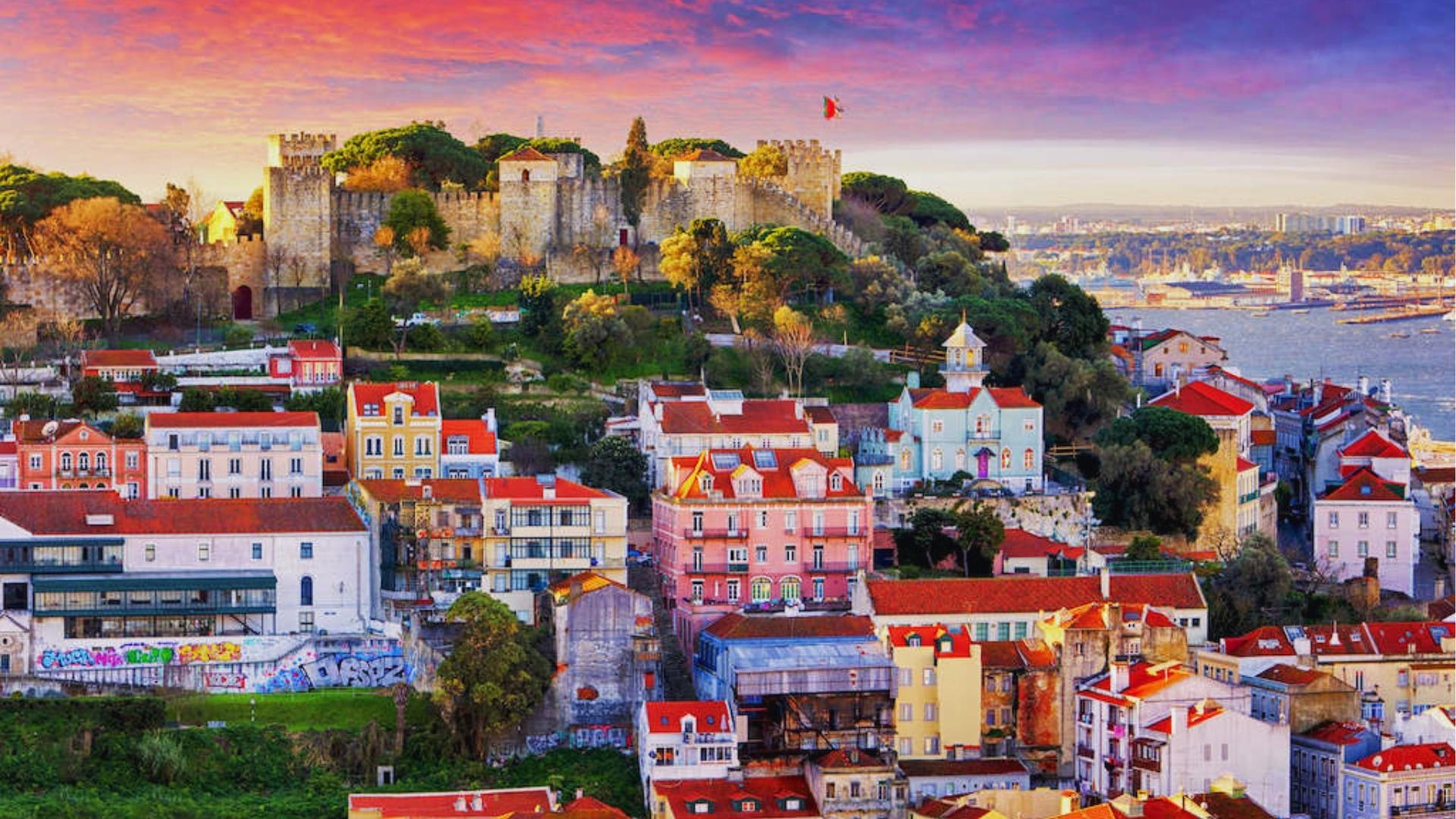
1. Walk Through Lisbon's Colorful Neighborhoods

Lisbon's Alfama district is the oldest part of the city. The streets are narrow, the tiles are colorful, and the views are worth every step uphill.
Stop at one of the miradouros (viewpoints) for a wide look at the city and the river. The neighborhood feels local and real, not overly touristy.
It is the kind of place where you slow down and just take it all in.
2. Ride Lisbon's Iconic Yellow Tram

Tram 28 is one of Lisbon's most recognized sights. It winds through old neighborhoods, up steep hills, and past centuries-old buildings.
It is a slow, scenic way to see the city without doing much walking. Get on early in the morning to avoid long lines. The ride itself is a fun and memorable part of any Lisbon trip.
3. See Belém's Historic Landmarks

Belém sits along the riverbank just outside the city center. The Jerónimos Monastery is a grand example of Portuguese architecture that took over 100 years to build.
Nearby, the Belém Tower stands right at the edge of the water. Both are UNESCO World Heritage Sites and worth a few hours of your time.
Pick up a pastel de nata from the nearby bakery while you are there.
4. Experience Fado Music in Lisbon

Fado is Portugal's soul music. It is emotional, raw, and deeply tied to Portuguese identity. Head to a small tasca in Alfama in the evening for a live performance.
The music, the dim lights, and the local wine create a deeply moving experience. Even if you have never heard fado before, it will leave a strong impression.
5. Visit the Fairy-Tale Palaces of Sintra

Sintra is just 40 minutes from Lisbon by train. Pena Palace sits on top of a hill, painted in bold yellow and red.
Quinta da Regaleira has underground tunnels and symbolic gardens worth spending time in. Both palaces are unlike anything you have likely seen before.
Go early to beat the crowds and give yourself a full day here.
6. Stand at Cabo da Roca
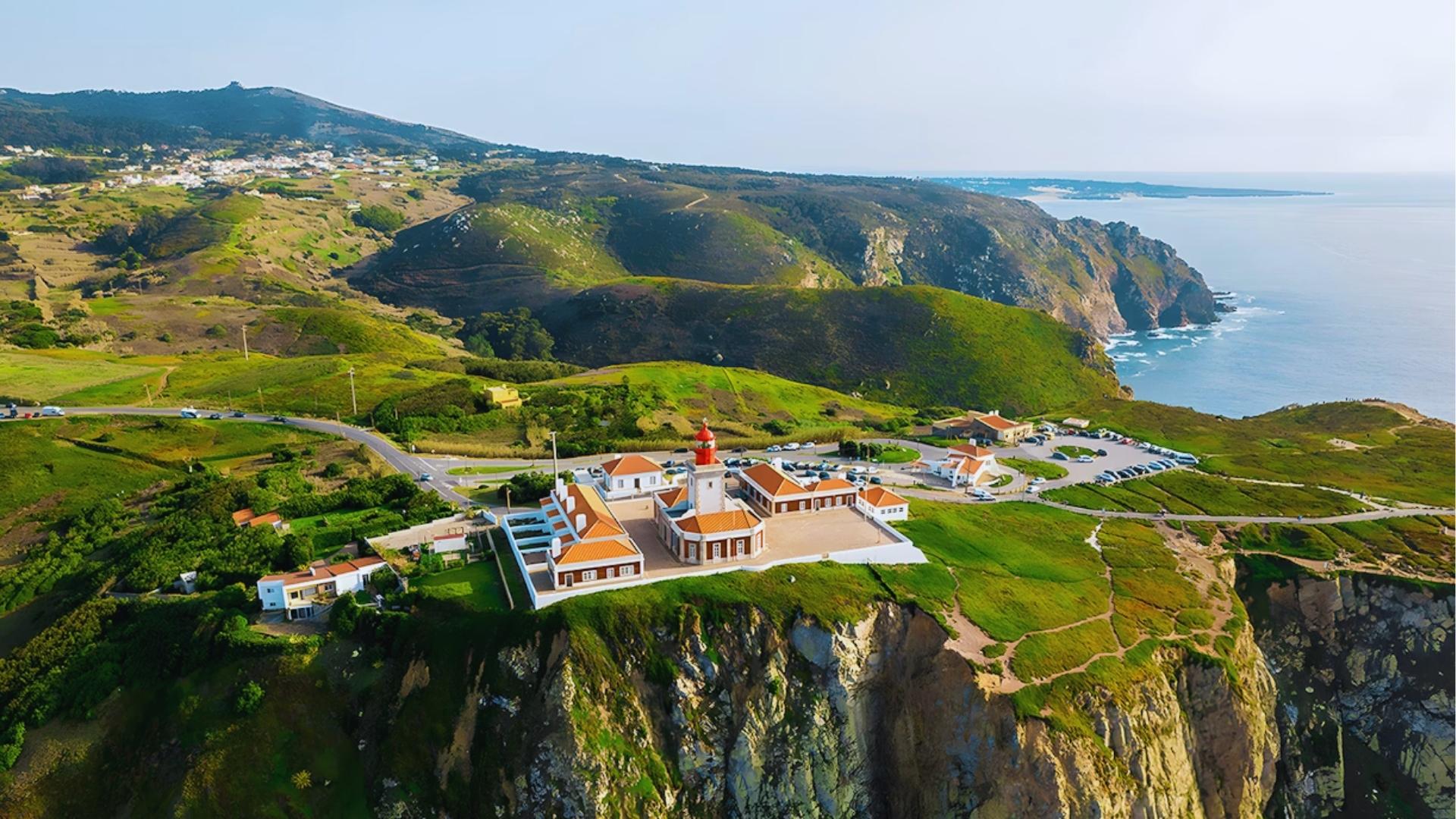
Cabo da Roca is the westernmost point of mainland Europe. The cliffs are dramatic and the ocean stretches out with no end in sight.
There is a small lighthouse and a stone marker where many visitors stop for photos. It is quiet, windy, and worth the trip out from Sintra or Cascais. The raw, open feeling of this place is hard to forget.
7. Relax in Cascais Coastal Town
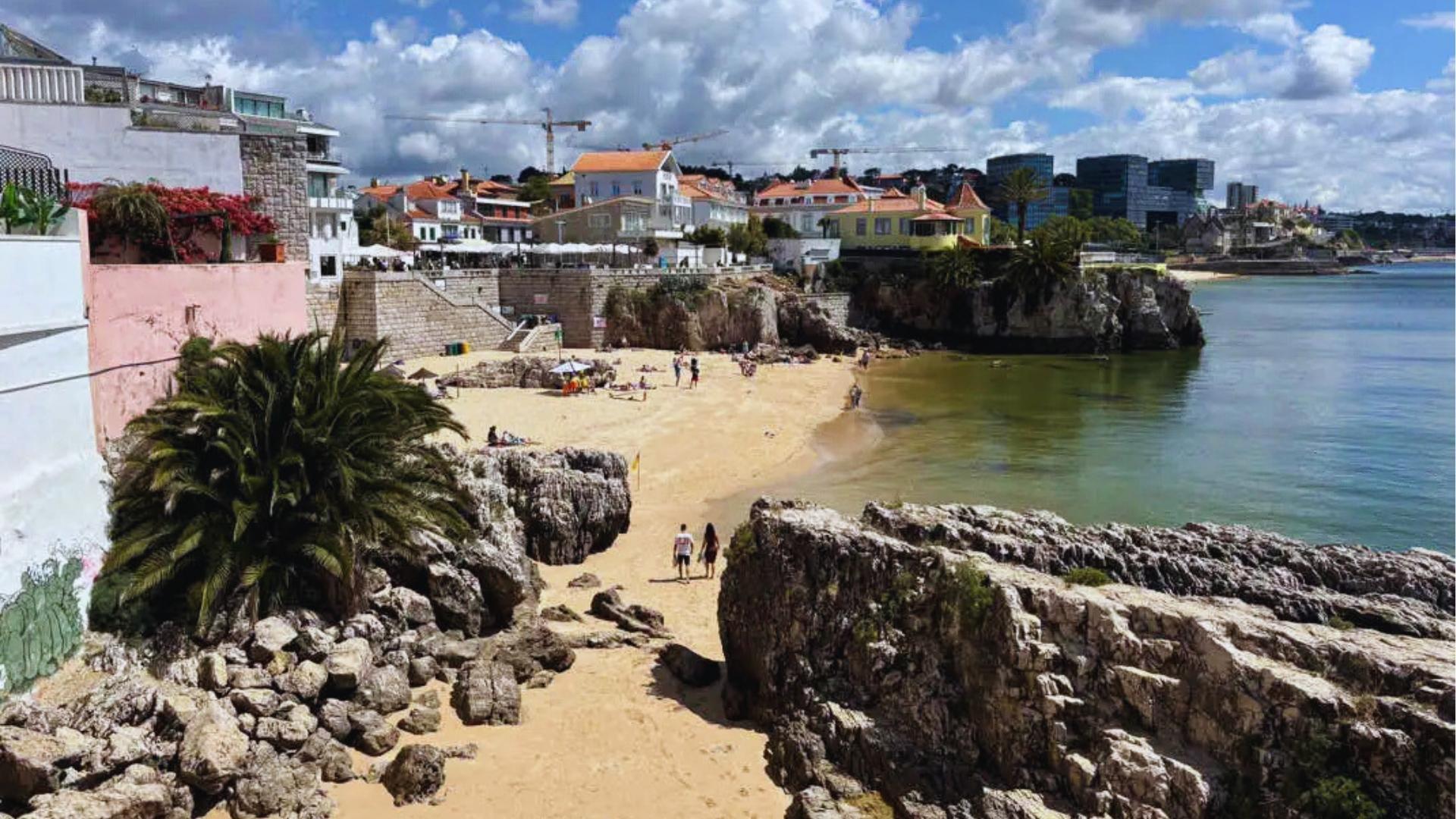
Cascais is a laid-back beach town about 30 minutes from Lisbon by train. It has sandy beaches, good seafood restaurants, and a relaxed pace that feels very different from the city.
It is a great spot if you want a break from sightseeing. Many locals come here on weekends to unwind. The marina area is lovely for an evening stroll.
8. Walk the Medieval Town of Óbidos

Óbidos is a small walled town that looks frozen in time. You can walk along the top of the castle walls for views over the town and surrounding countryside.
The whitewashed houses with colorful trim are charming at every turn. Do not leave without trying ginjinha, a local cherry liqueur served in a small chocolate cup.
It is one of those small experiences that makes Portugal feel special.
9. Walk Porto's Historic Center
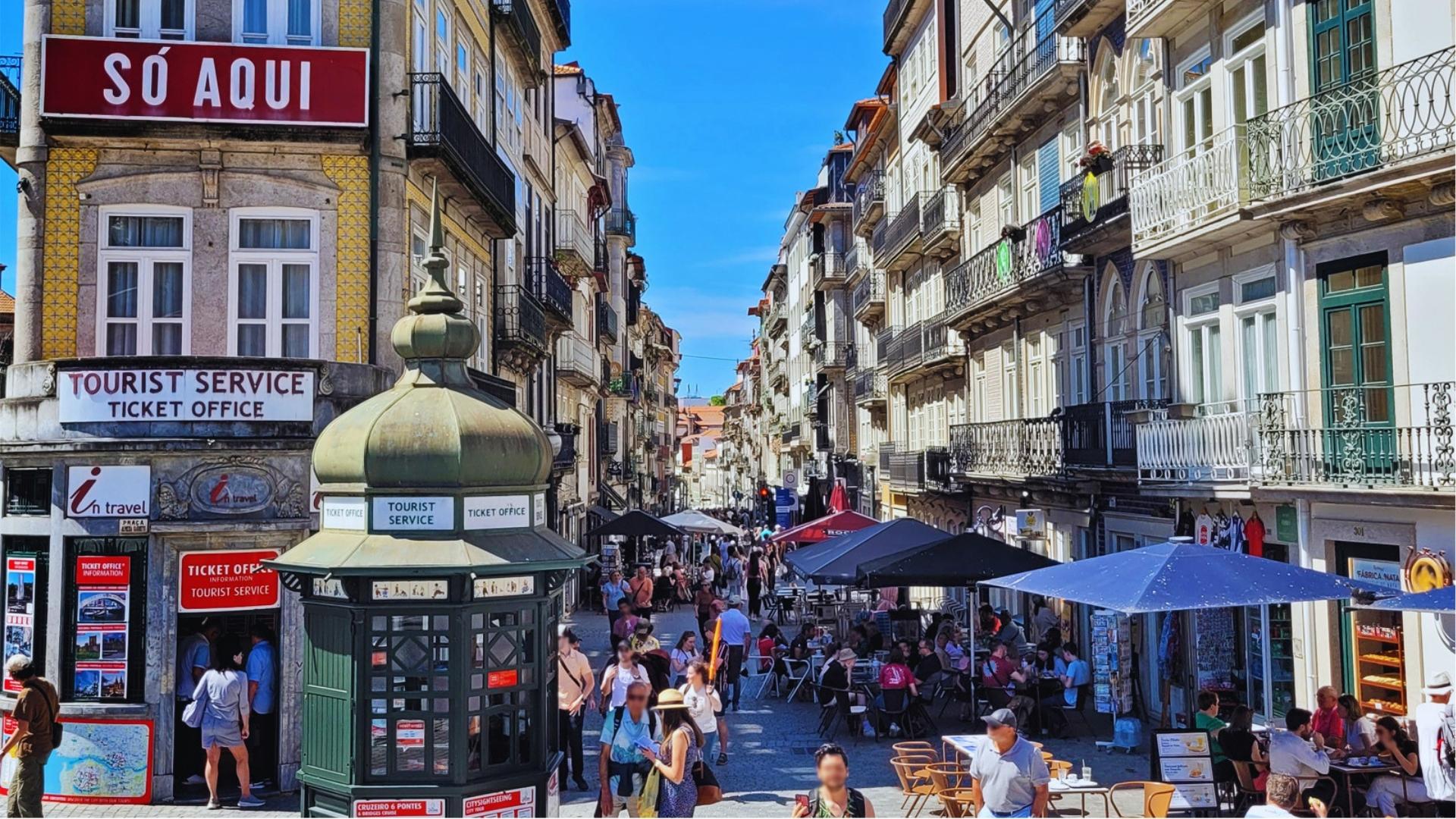
Porto's Ribeira district runs along the Douro River and is one of Portugal's most photogenic areas. Colorful buildings, old boats, and cobbled streets line the waterfront.
Walk across the Dom Luís I Bridge for wide views of both sides of the river. The area is lively with cafes, restaurants, and street musicians.
It is the kind of neighborhood where you can wander for hours without a plan.
10. Go Port Wine Tasting in Porto

Porto is the home of port wine and the best place in the world to try it. Cross the bridge to Vila Nova de Gaia where most of the wine cellars are located.
Many cellars offer guided tours followed by tastings of different varieties. You will learn how port is made and aged in large wooden barrels.
It is a relaxed and enjoyable way to spend an afternoon.
11. Visit the Douro Valley Vineyards

The Douro Valley is about two hours from Porto and one of the world's oldest wine regions. The hillside vineyards drop down to the river in dramatic layers.
You can take a boat cruise, visit a quinta (wine estate), or simply drive along the scenic winding roads. The landscape alone makes the trip worthwhile.
It is one of the most visually impressive parts of Portugal.
12. See the University of Coimbra

Coimbra was Portugal's capital for a period and still carries that historical weight. Its university, founded in 1290, is one of the oldest in Europe and sits on top of a hill overlooking the city.
The Joanine Library inside is truly remarkable, housing thousands of old books in ornate wooden shelves.
It also has a colony of bats that come out at night to protect the books from insects. A guided tour is highly recommended here.
13. Visit the Chapel of Bones in Évora

This chapel in southern Portugal has walls and columns lined with human bones and skulls. It sounds unsettling at first, but it carries a deep historical and religious message about life and mortality.
The inscription above the door translates roughly to "We bones that are here, await yours." It is thought-provoking more than anything else.
Évora itself is a lovely, quiet city worth spending a day in.
14. See Algarve's Beaches in Lagos

The beaches below are calm, clear, and great for swimming. Take a boat tour from the marina to see the rock formations up close from the water.
Lagos is one of the most visited spots in the Algarve for good reason.
15. See the Benagil Sea Cave

You can reach it by kayak, stand-up paddleboard, or small boat tour from Benagil beach. Swimming there is possible but only when conditions are calm.
It is a must-see if you are spending time along the Algarve coast.
16. Visit the Azores Islands
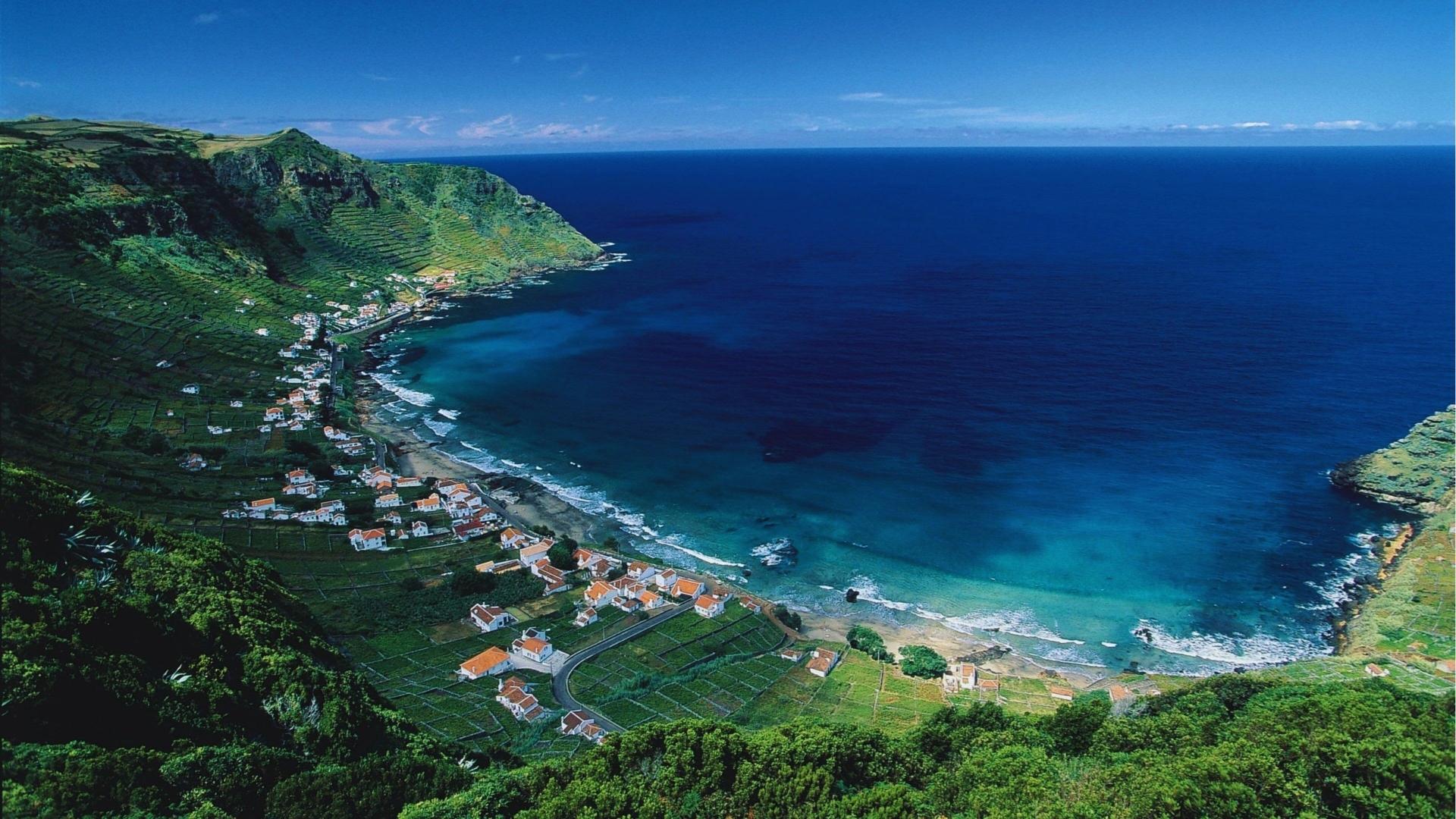
The Azores are a group of nine volcanic islands sitting out in the Atlantic Ocean. They are green, dramatic, and feel very different from mainland Portugal.
You will find crater lakes, hot springs, whale watching trips, and very few tourist crowds. São Miguel is the most visited island and a great place to start.
It is the kind of destination that surprises most people once they get there.
17. See Madeira Island
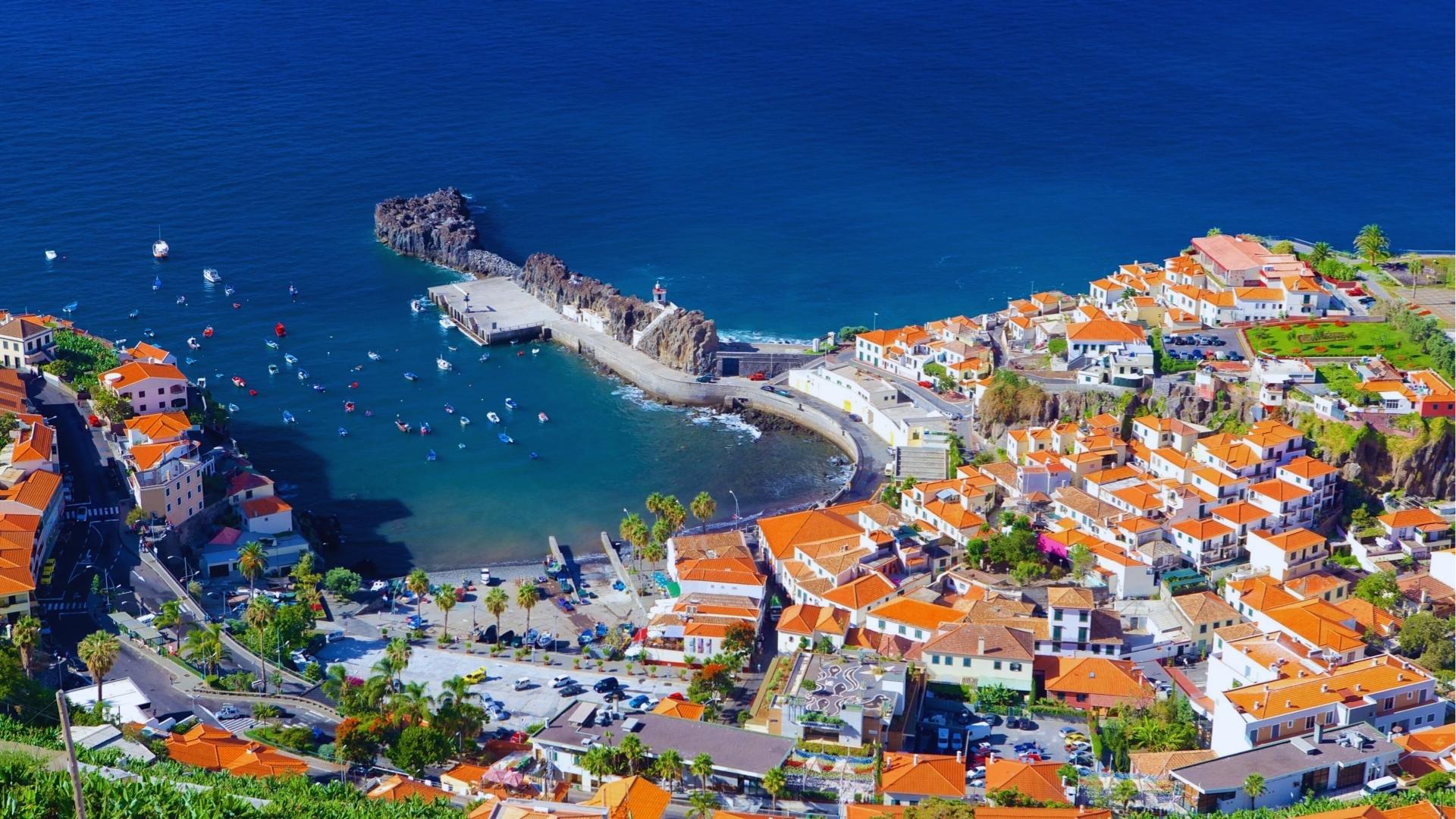
Madeira sits in the Atlantic off the coast of Africa and has a feel all its own. It is known for its steep cliffs, flower festivals, and levada walks, which are trails along old mountain irrigation channels.
The views from Cabo Girão, one of Europe's highest sea cliffs, are truly hard to put into words. The island has a lush, almost tropical feel that sets it apart from anywhere else in Portugal.
It rewards slow travel and quiet exploration.
Travel Tips for Visiting Portugal
Smart planning makes your Portugal trip smoother, cheaper, and more enjoyable from the first day.
- The best time to visit Spring and early fall offer mild weather with fewer crowds. Summer gets hot and busy.
- Getting around by train Trains are the easiest and most affordable way to move between Lisbon, Porto, and Coimbra.
- Renting a car For the Douro Valley, Algarve, or Alentejo, a car gives you far more freedom to visit.
- Food you must try. Have a pastel de nata, bacalhau, fresh grilled fish, and a glass of local port wine.
- Pack the right shoes Lisbon and Porto have steep hills and cobblestone streets. Comfortable walking shoes are absolutely necessary here.
- Carry some cash Smaller towns and family-run restaurants often prefer cash. Keep some euros on hand just in case.
Conclusion
Portugal genuinely surprised me. I expected beautiful places, but I didn't expect to feel so at home so quickly. The food, the pace, the warmth of people it all stays with you.
If you're thinking about visiting, stop waiting. Start with one city, then let the rest unfold. There's no wrong way to see this country.
I'd love to hear where you plan to go first drop a comment below and share your thoughts. If this guide helped you, share it with a friend planning their own trip!
Frequently Asked Questions
Is Portugal a good country for first-time visitors?
Yes, absolutely. Portugal is easy to get around, English is widely spoken in cities, and it's generally affordable compared to other Western European countries.
How many days do you need in Portugal?
A week gives you enough time to see Lisbon and Porto. Two weeks lets you add Sintra, the Algarve, and possibly the Azores or Madeira.
Is Portugal safe for solo travelers?
Portugal is considered one of the safest countries in Europe. Solo travelers, including women traveling alone, generally feel very comfortable there.
What is the best city to start a Portugal trip?
Most people start in Lisbon. It has the main international airport, plenty of things to see, and good transport links to the rest of the country.
Do you need to speak Portuguese to visit Portugal?
No. Most people working in tourism, hotels, and restaurants speak English well. Learning a few basic words like obrigado (thank you) is always appreciated though.
