

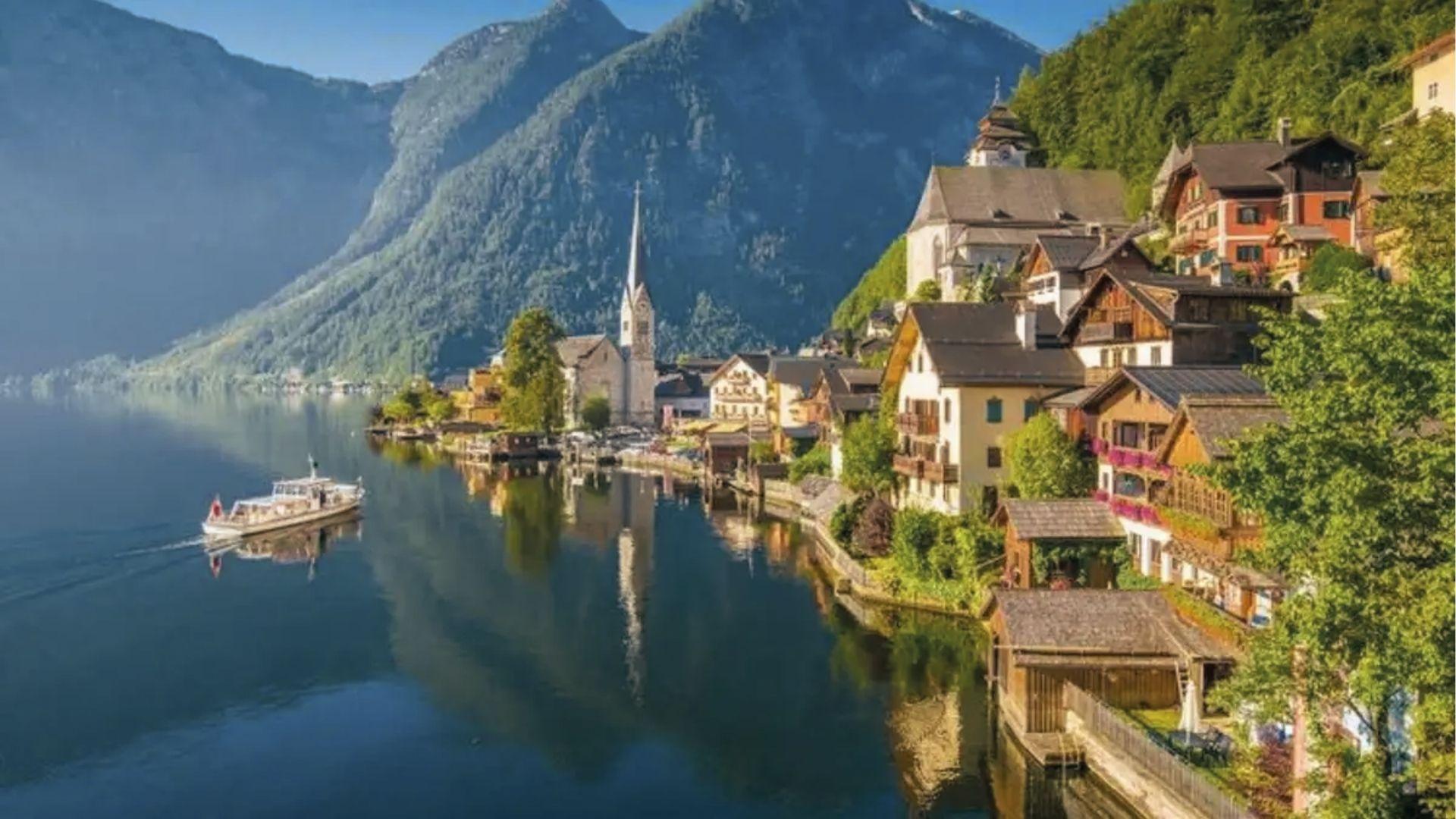
I have traveled across Europe more than once, and the places that stayed with me were never the famous ones.
They were the quiet towns, the empty beaches, and the local spots where everything felt real.
This guide covers 25 hidden gems in Europe that most travelers miss. You will find options for nature lovers, beach seekers, history fans, and budget travelers.
I have put together tips, destinations, and honest insights to help you plan a trip that feels personal, not packaged.
With over a decade of travel experience, I know what makes a place truly worth your time. Let this guide help you plan smarter.
Why Hidden Gems in Europe Are Worth Visiting

Skipping the tourist hotspots gives you something far better. Locals are genuinely glad to see you.
Restaurants serve real, home-style food instead of overpriced tourist menus. Streets feel open and easy to walk through.
Places like Mdina in Malta or County Sligo in Ireland still feel lived-in and unchanged.
On the budget side, flights, hotels, and meals cost much less in spots like Belgrade or Calabria compared to Paris or Rome.
The landscapes range from the fjord-like lakes of Slovenia to the wild cliffs of England's Jurassic Coast.
And the moments you carry home, a quiet island church or a family-run meal in southern Italy, only happen in places like these.
25 Hidden Gems in Europe to Visit
Skip the overcrowded spots and head to these 25 lesser-known European places worth every bit of your time.
1. Lake Bohinj, Slovenia

Lake Bohinj sits quietly in Triglav National Park, away from the crowds that flock to Lake Bled.
The water stays crystal clear all year, and the surrounding mountains make it a perfect spot for hiking, swimming, and photography.
2. Hochkönig Region, Austria

The Hochkönig Region in Austria is a lesser-known alpine area that offers breathtaking mountain views without the tourist rush of places like Salzburg.
It is ideal for hiking in summer and skiing in winter, with amazing villages scattered across the valley.
3. Saxon Switzerland, Germany
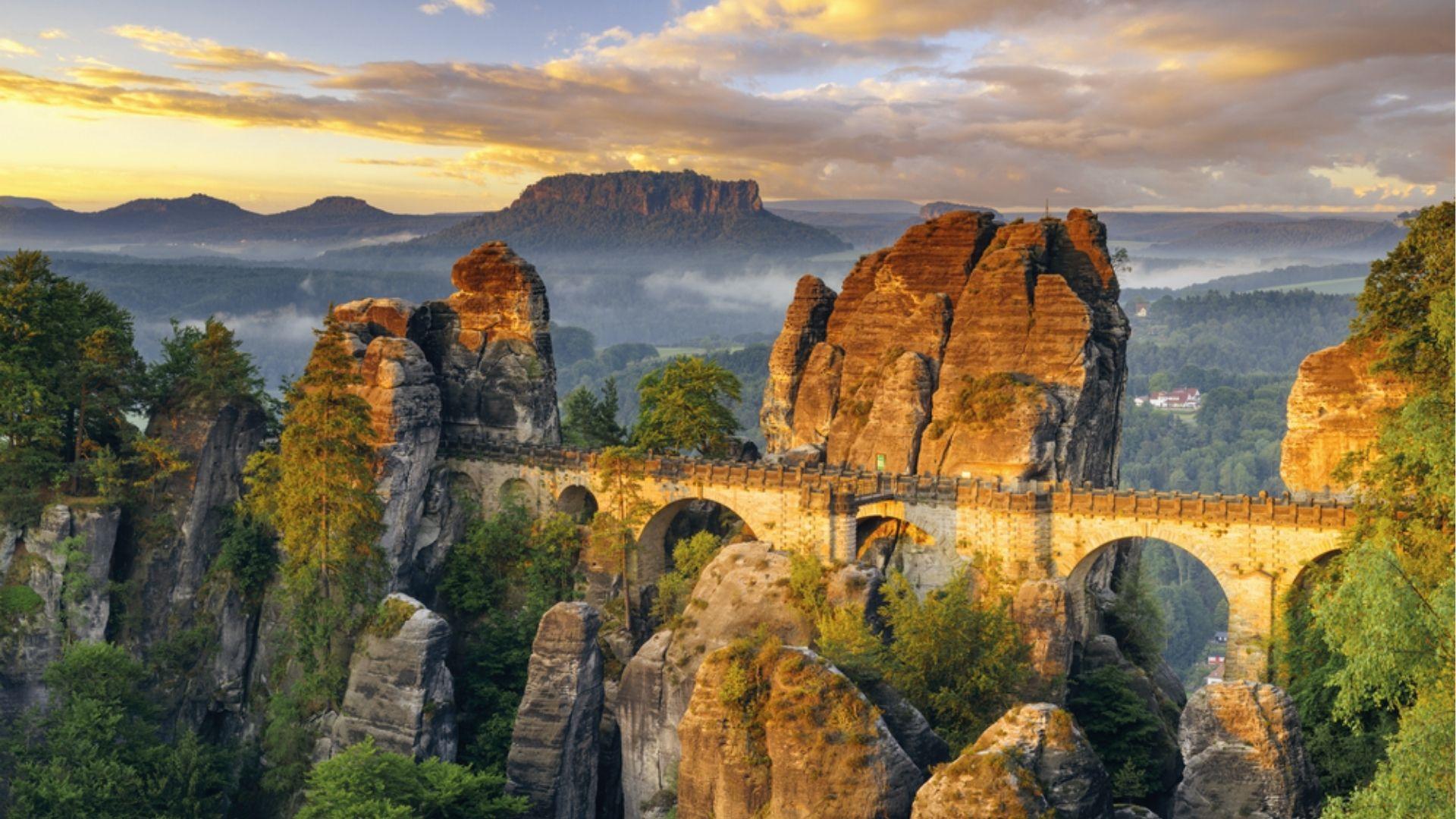
Saxon Switzerland is a dramatic sandstone landscape near Dresden that most travelers completely miss.
The towering rock formations and deep gorges make it one of Germany's most striking natural areas, great for climbing and long walks through the forest.
4. Ben Nevis & Scottish Highlands, Scotland

Ben Nevis is the highest peak in the British Isles, and the Scottish Highlands around it are filled with open moorlands, quiet lochs, and dramatic skies.
It is one of those places that feels genuinely remote and untouched, even on a busy day.
5. Troodos Mountains, Cyprus
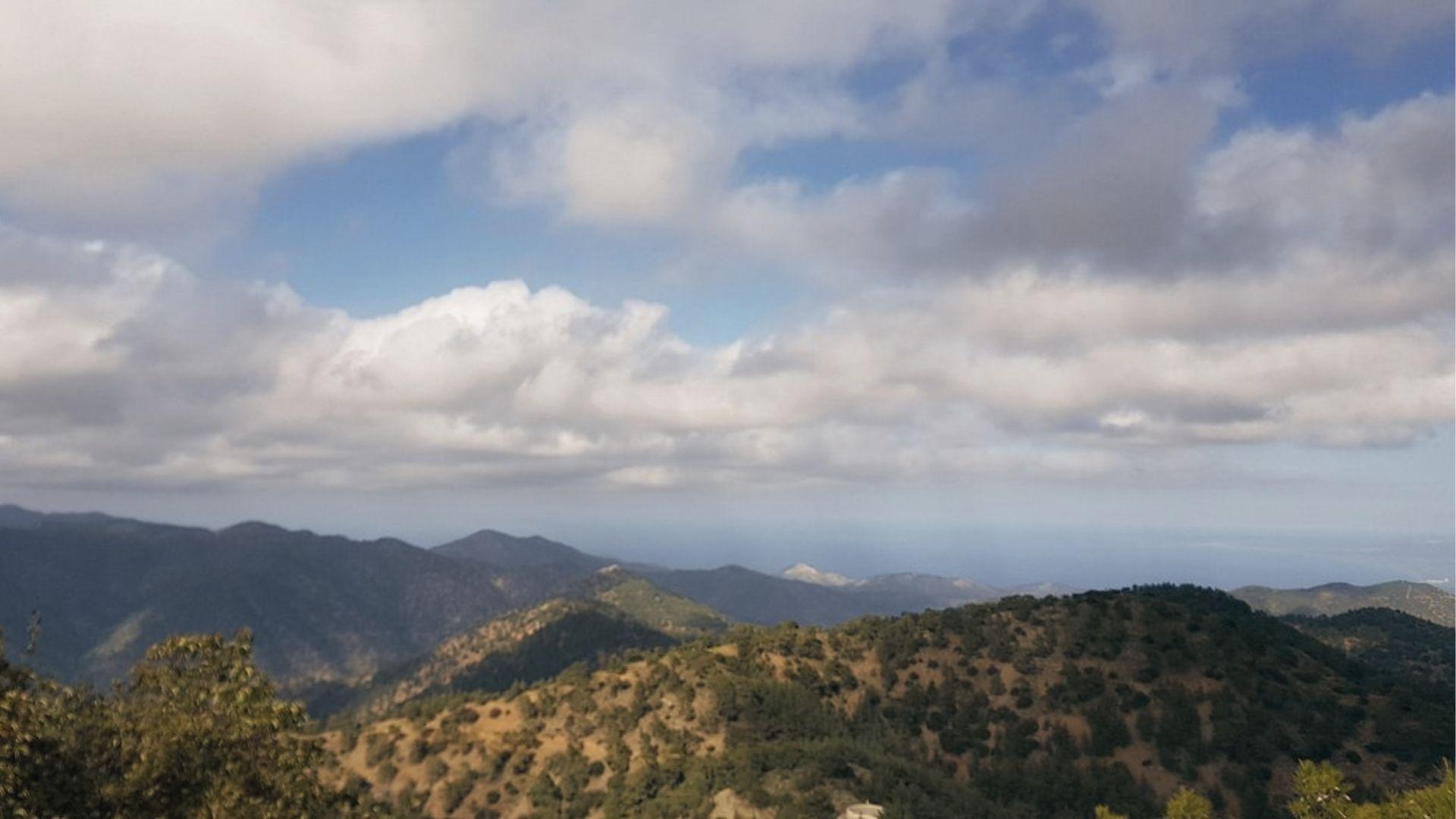
The Troodos Mountains sit at the heart of Cyprus and are often overlooked by visitors who head straight to the beach.
Here you will find cool forests, painted Byzantine churches, and traditional villages that have barely changed in decades.
6. Costa de la Luz, Spain
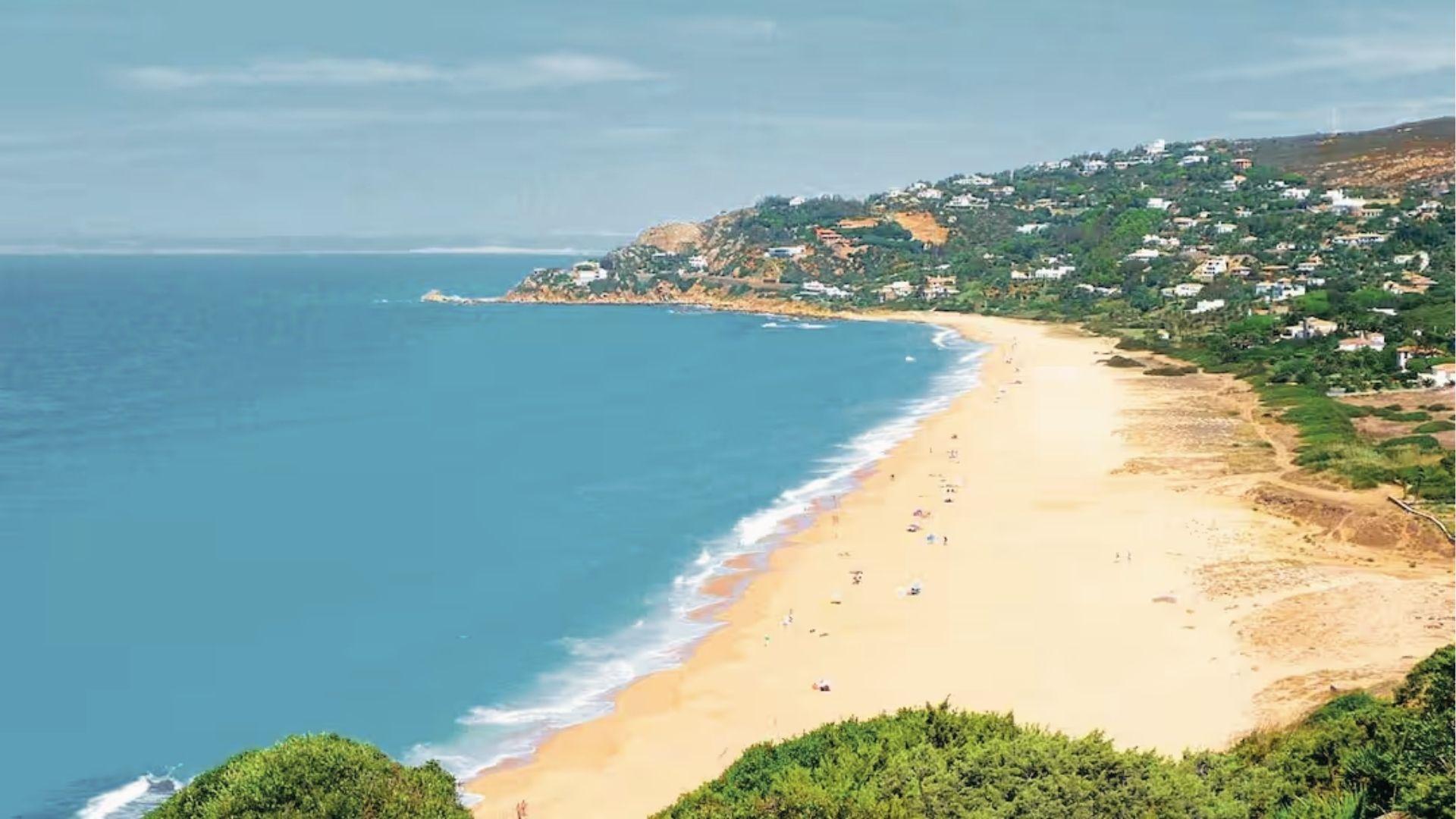
Costa de la Luz stretches along the Atlantic coast of southern Spain and remains far quieter than the busy Costa del Sol.
The beaches here are wide, wild, and backed by sand dunes, with strong winds that make it a favorite spot for windsurfers.
7. Albanian Riviera, Albania

The Albanian Riviera is one of Europe's best kept secrets, offering clear turquoise water and dramatic cliffs at a fraction of the cost of nearby Greece or Croatia.
Small fishing villages dot the coastline, and the food is fresh, local, and affordable.
8. Korčula Island, Croatia

Korčula is a green, forested island off the Dalmatian coast that sees far fewer visitors than Dubrovnik or Split.
Its old stone town sits on a small peninsula jutting into the sea, with narrow lanes, local wine bars, and a relaxed, easy pace of life.
9. Vietri Sul Mare, Italy
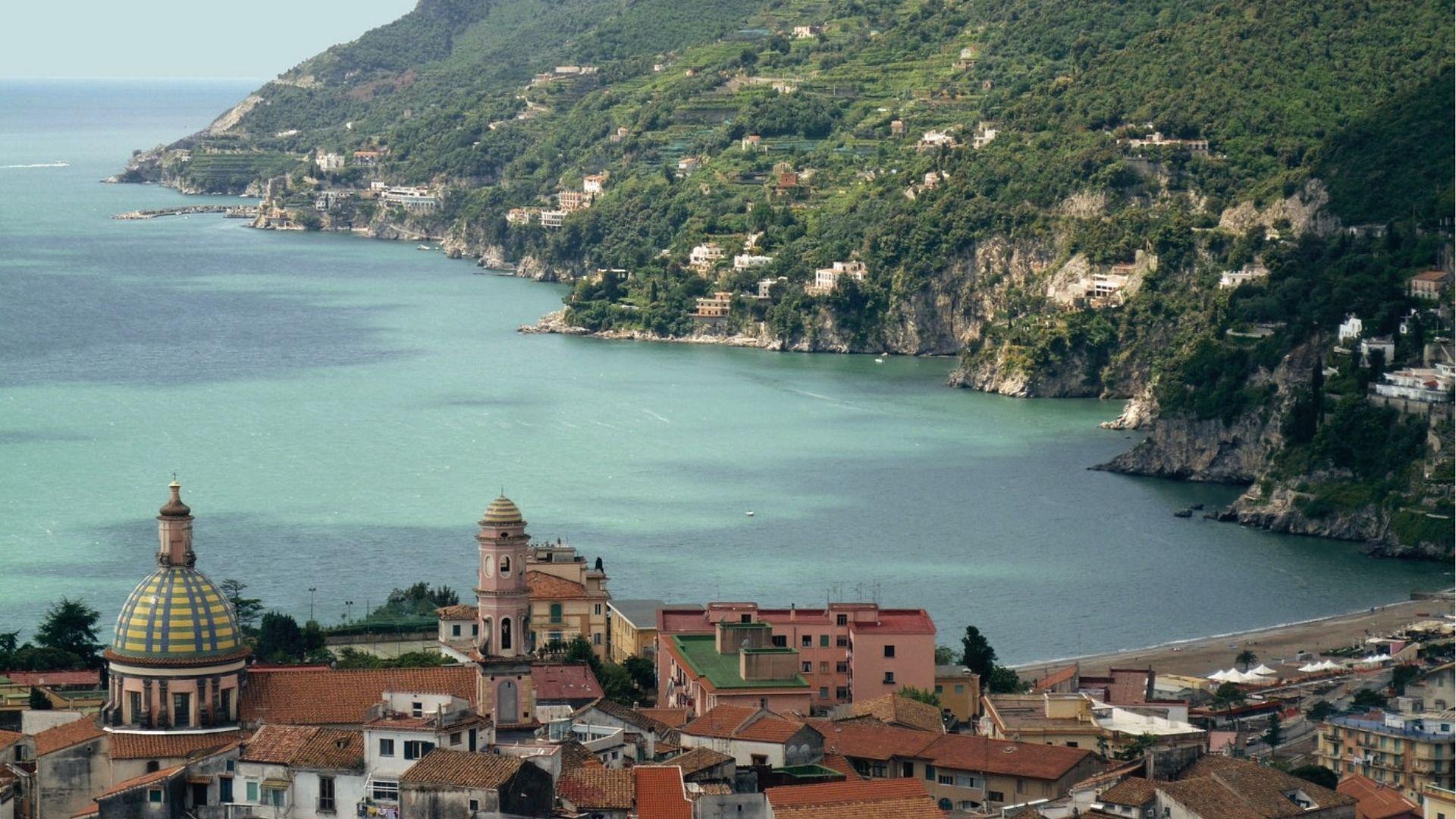
Vietri Sul Mare sits at the northern tip of the Amalfi Coast and is famous for its hand-painted ceramic tiles and colorful buildings.
It is much calmer than Positano or Ravello, making it a great base for visiting the coast without the crowds.
10. West Bay & Jurassic Coast, England

West Bay is a small harbor town in Dorset that opens onto the Jurassic Coast, a stretch of cliffs and beaches that spans 185 million years of Earth's history.
The golden cliffs here are unlike anything else in England and make for an easy, rewarding walk.
11. Vicenza, Italy

Vicenza is a northern Italian city full of Renaissance architecture designed by Andrea Palladio, one of the most influential architects in history.
Despite being a UNESCO World Heritage Site, it attracts far fewer visitors than Venice or Verona, making it a calm and rewarding stop.
12. Tallinn, Estonia

Tallinn's medieval old town is one of the best preserved in all of Europe, with cobblestone streets, Gothic churches, and ancient city walls still largely intact.
It feels like stepping back in time, yet the city is modern, affordable, and easy to get around.
13. Mdina, Malta

Mdina is a tiny walled city in the center of Malta that was the island's former capital.
Only a few hundred people live inside its walls today, and walking through its narrow stone streets in the early morning or evening feels very peaceful and still.
14. Cádiz, Spain

Cádiz is one of the oldest continuously inhabited cities in Western Europe, sitting on a narrow strip of land jutting into the Atlantic.
It has a relaxed Andalusian feel, great seafood, wide ocean beaches, and a warm, welcoming local culture that most tourists never get to see.
15. County Sligo, Ireland

County Sligo on Ireland's northwest coast is a place of wild Atlantic scenery, ancient passage tombs, and sweeping sandy beaches.
It was the childhood home of poet W.B. Yeats, and that quiet, windswept atmosphere he wrote about is still very much present today.
16. Belgrade, Serbia

Belgrade is one of Europe's most affordable and lively capitals, with a strong café culture, rich history, and a nightlife scene that draws visitors from across the continent.
The city sits at the meeting point of the Sava and Danube rivers, giving it a dramatic and open feel.
17. Calabria, Italy

Calabria is the toe of Italy's boot, and it remains one of the country's least visited regions despite having some of its best beaches, clearest water, and most authentic food.
Prices here are significantly lower than in Tuscany or the Amalfi Coast, and the locals are genuinely welcoming.
18. Kaszuby, Poland
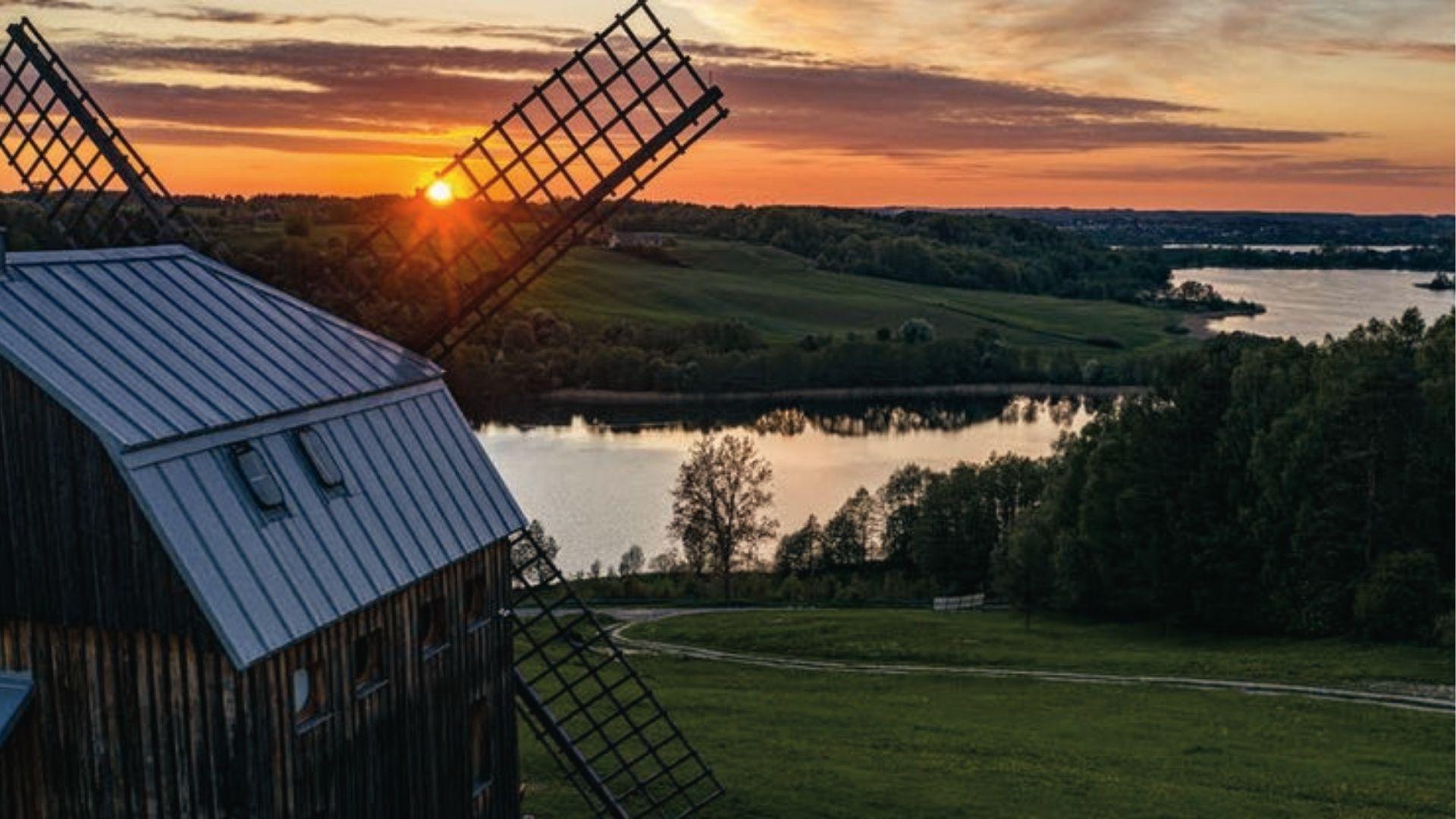
Kaszuby is a lake district in northern Poland with a strong regional culture, its own language, and a landscape full of forests, rivers, and over a thousand lakes.
It is popular with Polish travelers but almost completely unknown to visitors from outside the country.
19. Wales, United Kingdom

Wales offers dramatic coastlines, ancient castles, and a living Celtic language and culture that sets it apart from the rest of the UK.
From the Brecon Beacons to the Pembrokeshire Coast, the landscapes here are raw and open, with far fewer visitors than the Scottish Highlands.
20. Dumfries and Galloway, Scotland
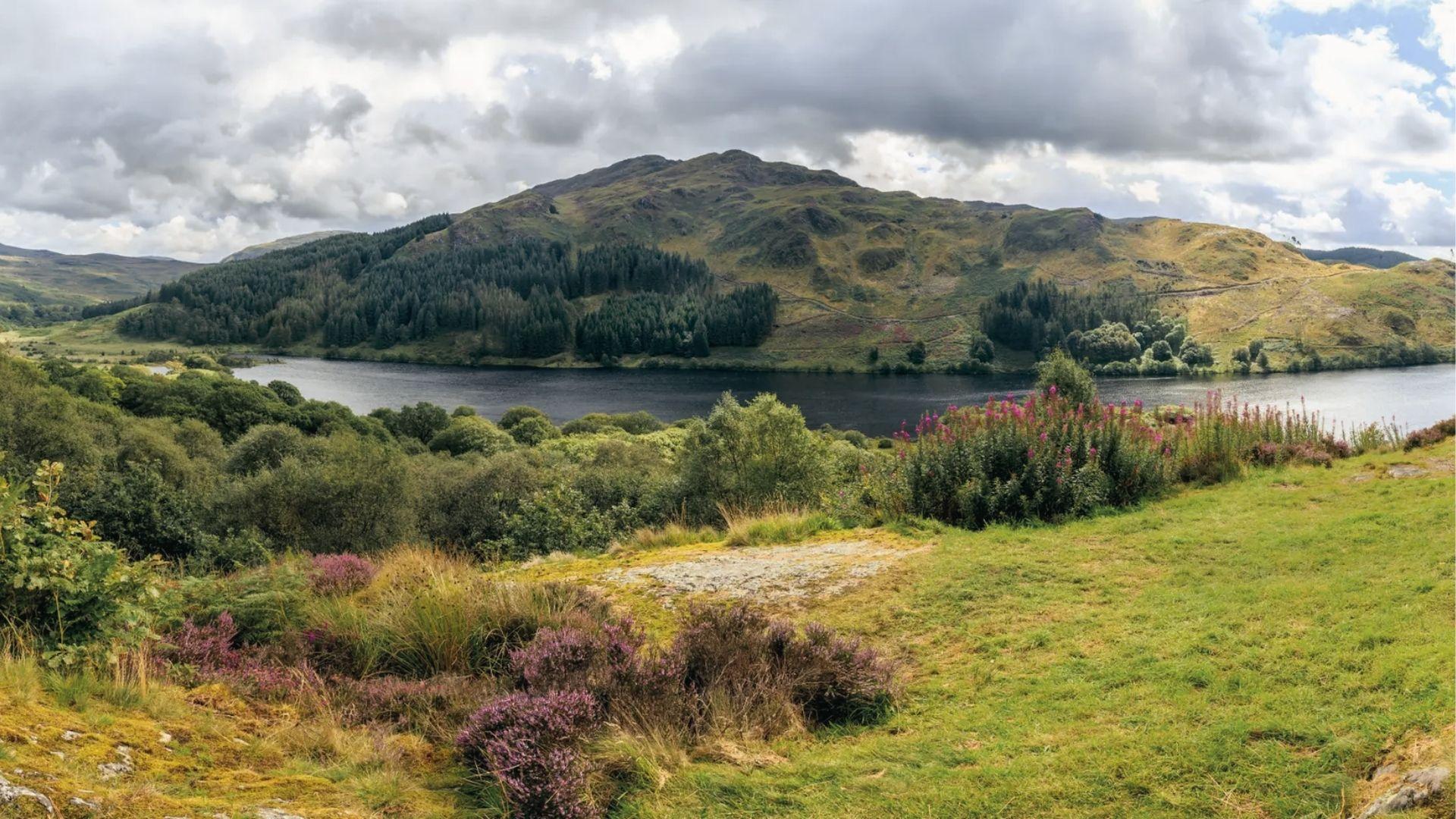
Dumfries and Galloway is the quiet southwestern corner of Scotland, often bypassed by travelers heading north to the Highlands.
It has dark sky reserves, forest trails, coastal villages, and the childhood home of Robert Burns, all with very little tourist traffic.
21. Mani Peninsula, Greece

The Mani Peninsula hangs off the southern tip of the Peloponnese and has a landscape that feels almost harsh, with stone tower houses, dry rocky hills, and deep blue water along the coast.
It is one of the most historically distinct regions in Greece and very rarely crowded.
22. Sörmland, Sweden

Sörmland is a quiet region just south of Stockholm that is full of lakes, forests, and old manor houses connected by well-marked hiking and cycling trails.
It is a favorite escape for Stockholm locals but largely off the radar for international visitors.
23. Rovinj, Croatia

Rovinj is a small fishing town on the Istrian coast of Croatia with a colorful waterfront, narrow uphill lanes, and a hilltop church that overlooks the Adriatic.
It has a relaxed, artistic atmosphere and is far less crowded than Dubrovnik while being just as photogenic.
24. Siurana, Spain

Siurana is a tiny village perched on a cliff in the mountains of Catalonia, known among rock climbers as one of the best spots in Europe.
The views over the surrounding valley and reservoir are hard to match, and the village itself has a quiet, almost forgotten feel.
25. Aeolian Islands, Italy

The Aeolian Islands are a small volcanic archipelago off the northern coast of Sicily, made up of seven islands each with its own character.
From the active volcano on Stromboli to the white pumice beaches of Lipari, this group of islands offers some of Italy's most dramatic and accessible natural scenery.
Hidden Gems in Europe Travel Tips for First-Time Travelers
Smart planning makes the difference between a good trip and a great one.
- Visit in spring (April to June) or autumn (September to October) for fewer crowds and better prices. Summer suits beaches like Korčula, while winter gives cities like Tallinn a real local feel.
- Travel on weekdays, book the first entry slot at popular sites, and stay overnight to experience places after day-trippers leave.
- Use Flixbus, regional trains, or overnight buses to cut costs. Book flights at least six weeks ahead and rent a car for rural spots like the Mani Peninsula.
- Pack a portable charger, offline maps, a light rain jacket, and a reusable water bottle. Download Google Translate for languages like Albanian, Serbian, and Estonian.
- Group nearby destinations together, allow two full days per location, and keep your plan flexible. The best moments often come from staying longer than you planned.
Conclusion
I still think about a quiet evening I spent in Mdina, with no tourists around and just the sound of distant bells. That kind of moment is why I travel.
Europe has so much more than its famous cities. The places in this guide gave me memories I genuinely treasure. I hope they do the same for you.
If you found this helpful, leave a comment below and tell me your favorite hidden spot in Europe. Share this post with someone who needs a better travel plan.
Frequently Asked Questions
What are the best hidden gems in Europe for first-time visitors?
Tallinn, Estonia and Korčula, Croatia are great starting points. Both are easy to get to, safe, and offer a rich experience without overwhelming crowds.
Which hidden gems in Europe are best for budget travel?
Belgrade in Serbia and Calabria in Italy offer excellent value. Accommodation, food, and transport are all affordable without compromising on quality or experience.
When is the best time to visit hidden gems in Europe?
Spring and early autumn are ideal for most destinations. The weather is pleasant, prices are lower, and popular sites are far less crowded than in peak summer.
Are hidden gems in Europe safe for solo travelers?
Yes, most of the destinations in this guide are safe for solo travel. Countries like Estonia, Slovenia, and Croatia regularly rank among Europe's safest destinations for tourists.
How do I get to lesser-known destinations in Europe without a car?
Many spots are reachable by regional trains or buses. For more rural areas like Dumfries and Galloway or Mani Peninsula, renting a car gives you the most freedom and flexibility.
