


I have seen a lot of travel lists come and go, but when The New York Times named Tsushima Island one of its “52 Places to Go in 2026,” I paid close attention.
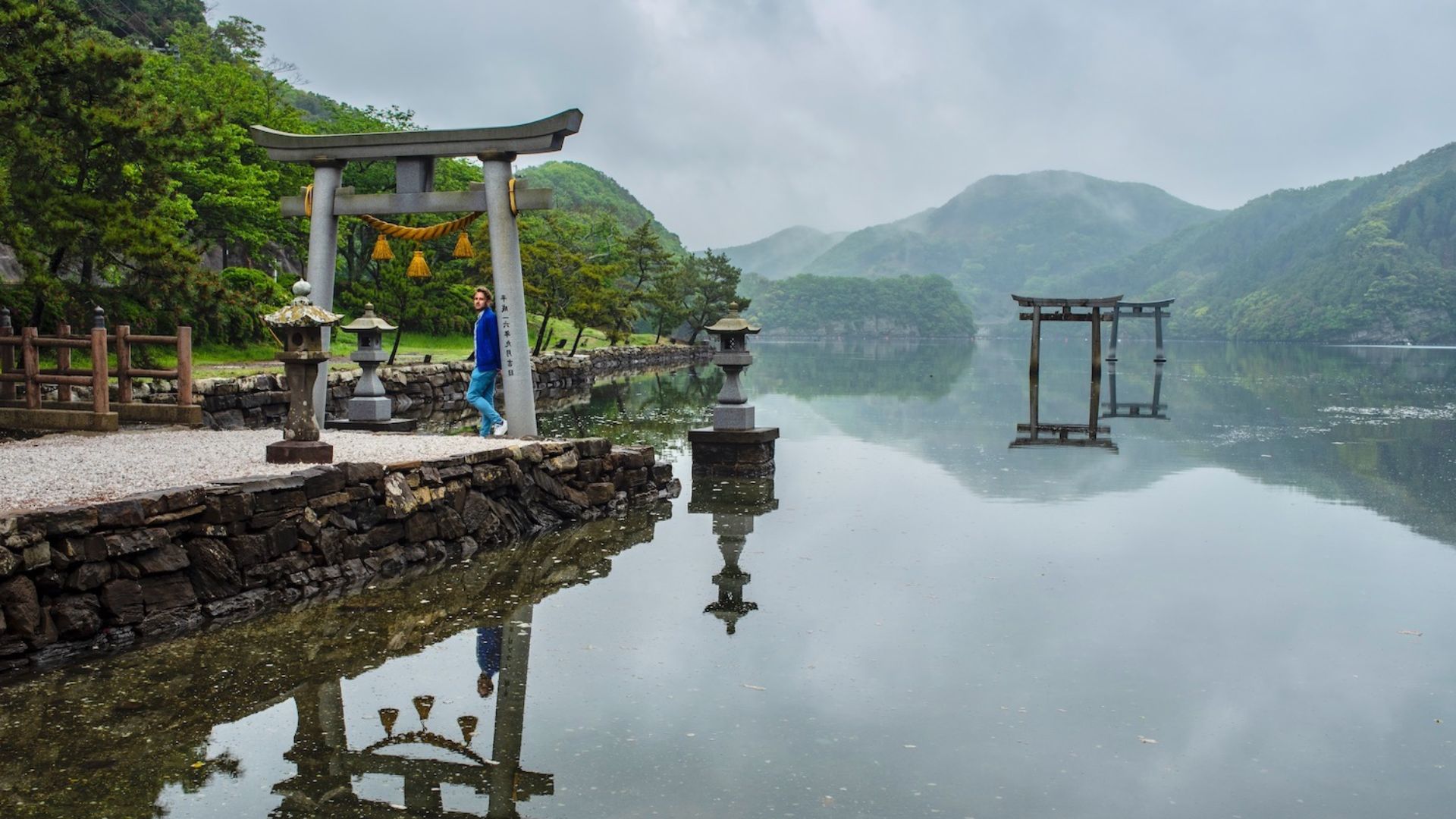
Tucked between Japan and Korea, this island is something truly special. Ancient shrines, dense forests, and peaceful fishing villages give it a character that is hard to find anywhere else.
If you are looking for a place that offers real nature, living history, and genuine culture, Tsushima might just be the trip you never knew you needed.
Let’s get started.
How to Get to Tsushima Island

Getting to Tsushima is straightforward once you know your options. You can fly or take a ferry, depending on your budget and travel style.
By Plane
The fastest way to reach Tsushima is by air. Flights from Nagasaki and Fukuoka take just 35 minutes and land at Tsushima Yamaneko Airport. It is a small airport, but it gets you there quickly and without any fuss.
By Ferry
If you prefer the water, ferries run regularly from Hakata Ferry Terminal in Fukuoka.
The Kyushu Yusen jetfoil takes about 2 hours and 15 minutes, while the standard Kyushu Yusen Ferry takes around 4 hours and 45 minutes.
Ferries dock at two ports: Izuhara Port in the south and Hitakatsu Port in the north.
Travel Tips
- First-time visitors should arrive at Izuhara Port in the south. It is the island’s main hub and gives you easy access to most key spots right away.
- Visit between April and June for mild weather and fresh green landscapes.
- September to November is ideal for cooler temperatures and stunning autumn foliage.
- Both seasons are perfect for walking, sightseeing, and enjoying the outdoors without extreme heat or cold.
Getting Around Tsushima
Once you arrive, getting around takes a little planning. Tsushima is large and hilly, so knowing your options ahead of time helps a lot.
Transportation Options
Public transport on Tsushima is quite limited. Buses run on select routes but are infrequent. Taxis are a reliable choice, but renting a car is the most practical option for most visitors. It gives you the freedom to stop wherever you want and reach spots that buses simply do not cover.
Touring the Island
Tsushima has a rugged, mountainous interior that makes it both beautiful and a little tricky to get around. If you drive, keep in mind that many roads are narrow and winding, so take it slow.
For those who would rather not drive, guided tours are a great option. Local operators know the island well and can take you to the best spots without the stress of figuring out the roads yourself.
Top Attractions on Tsushima Island
Tsushima has a lot more to offer than most people expect. From sweeping views to ancient ruins, there is something here for every type of traveler.
1. Observatories & Scenic Views

Mt. Eboshi-dake is one of the best spots on the island for views. From the top, you get a full 360° panorama of Aso Bay that is hard to forget.
On a clear day, head to Kankoku Lookout and you might just spot the city of Busan across the water in Korea. It is one of those moments that puts the island’s unique location into perspective.
2. Historical Sites

Tsushima has a rich military and cultural past. The ruins of Kaneda Castle and Shimizuyama Castle give you a real sense of the island’s strategic importance through the centuries.
Mount Himekami gun battery and Toyo gun battery are reminders of its more recent wartime history. For something more peaceful, Komodahama Shrine is a quiet and deeply atmospheric place worth visiting.
3. Sacred Mountains & Nature Spots

Mt. Shiratake and Mt. Taterayama are two of the island’s most rewarding natural spots. Both offer trekking routes through thick primeval forests that feel completely untouched.
If you enjoy hiking and being surrounded by raw nature, these mountains should be at the top of your list.
4. Saozaki Park
Saozaki Park is home to the Tsushima Wildlife Conservation Center, where you can learn about and see the endangered Tsushima Leopard Cat up close.
It is a rare and meaningful experience, especially for wildlife lovers.
Tsushima Island Activities

Tsushima is not just a place to look at. It is a place to get out and do things. There is a good mix of outdoor fun, cultural experiences, and guided options for those who want more structure.
Outdoor Adventures
The waters around Tsushima are perfect for kayaking and stand-up paddleboarding. If fishing is your thing, sea fishing trips are available and the waters here do not disappoint.
The ria coastline is also a great spot for bird watching, attracting a wide variety of species throughout the year.
Guided Tours
Local guides offer both historical and nature-focused tours that cover spots you might miss on your own.
They bring the island’s stories to life in a way that a map simply cannot. A guided tour is worth considering if you want to make the most of your time here.
Cultural Workshops
Tsushima offers workshops in pearl jewelry making, woodwork, and leather crafting.
These are fun, hands-on experiences that also give you a one-of-a-kind souvenir to bring home. It is a great way to connect with the island’s craft traditions.
Tsushima Island Cuisine to Try

Food on Tsushima is a big part of the experience. The island’s food culture is shaped by both Japanese and Korean influences. Here are some dishes you should not leave without trying.
- Taisyu Soba: This is not your average soba. It is a rare local variety made from buckwheat grown right on the island. The noodles are thinner and have a slightly different texture compared to mainland soba. Simple, honest food done really well.
- Iriyaki: Tsushima’s take on the traditional Japanese hot pot. It is hearty, warming, and packed with local ingredients. Locals have been enjoying it for generations.
- Tonchan: A Korean-inspired BBQ pork dish that reflects Tsushima’s close ties to the Korean peninsula. The meat is marinated and grilled, giving it a bold and smoky flavour.
- Anago Nigiri: Fresh conger eel sushi served over rice in classic nigiri style. It is light, fresh, and absolutely worth ordering.
- Japanese Honey Bee Honey: A rare local honey from Japanese honey bees native to the island. It has a more complex flavour than regular honey. Pick up a jar as a souvenir.
Travel Tips for Visitors
- The best months to visit are April to June and September to November. The weather stays mild and wildlife sightings are more common during these periods.
- Plan at least two to three days on the island. Split your time between historical sites, nature trails, and local food experiences.
- Pack sturdy walking shoes, light layers, sunscreen, and a rain jacket. The terrain can be steep and the weather can shift quickly.
- Stick to marked trails and carry enough water when hiking. Some routes around Mt. Shiratake and Mt. Taterayama can be quite challenging.
- Split your time between the north and south of the island. The south covers history while the north offers raw nature. A rental car makes this much easier.
Conclusion
Tsushima Island is one of those rare places that stays with you long after you leave. It has the kind of nature, history, and culture that you just cannot find everywhere.
Whether into hiking, local food, ancient ruins, or wildlife, this island delivers on all fronts. I genuinely believe a trip here is worth every bit of planning.
So go ahead, book that ferry or flight, and give yourself a few days to soak it all in. Tsushima is ready when you are.
Frequently Asked Questions
When is the best time to visit Tsushima Island?
The best months to visit are April to June and September to November. The weather is mild during these periods and outdoor activities are much more enjoyable.
How do I get to Tsushima Island?
You can reach Tsushima by a 35-minute flight from Fukuoka or Nagasaki, or by ferry from Hakata Ferry Terminal in Fukuoka. The ferry takes between 2 hours 15 minutes and 4 hours 45 minutes depending on the service.
Do I need to rent a car on Tsushima Island?
Renting a car is highly recommended as public transport on the island is very limited. It gives you the freedom to reach remote spots and move around at your own pace.
What wildlife can I see on Tsushima Island?
Tsushima is home to the rare and endangered Tsushima Leopard Cat, which you can see at the Tsushima Wildlife Conservation Center in Saozaki Park. The island also offers great bird watching along its ria coastline.
What local foods should I try on Tsushima Island?
Do not leave without trying Taisyu Soba, Iriyaki hot pot, and Anago Nigiri. Tonchan BBQ pork and Japanese Honey Bee Honey are also local favourites worth sampling.
