

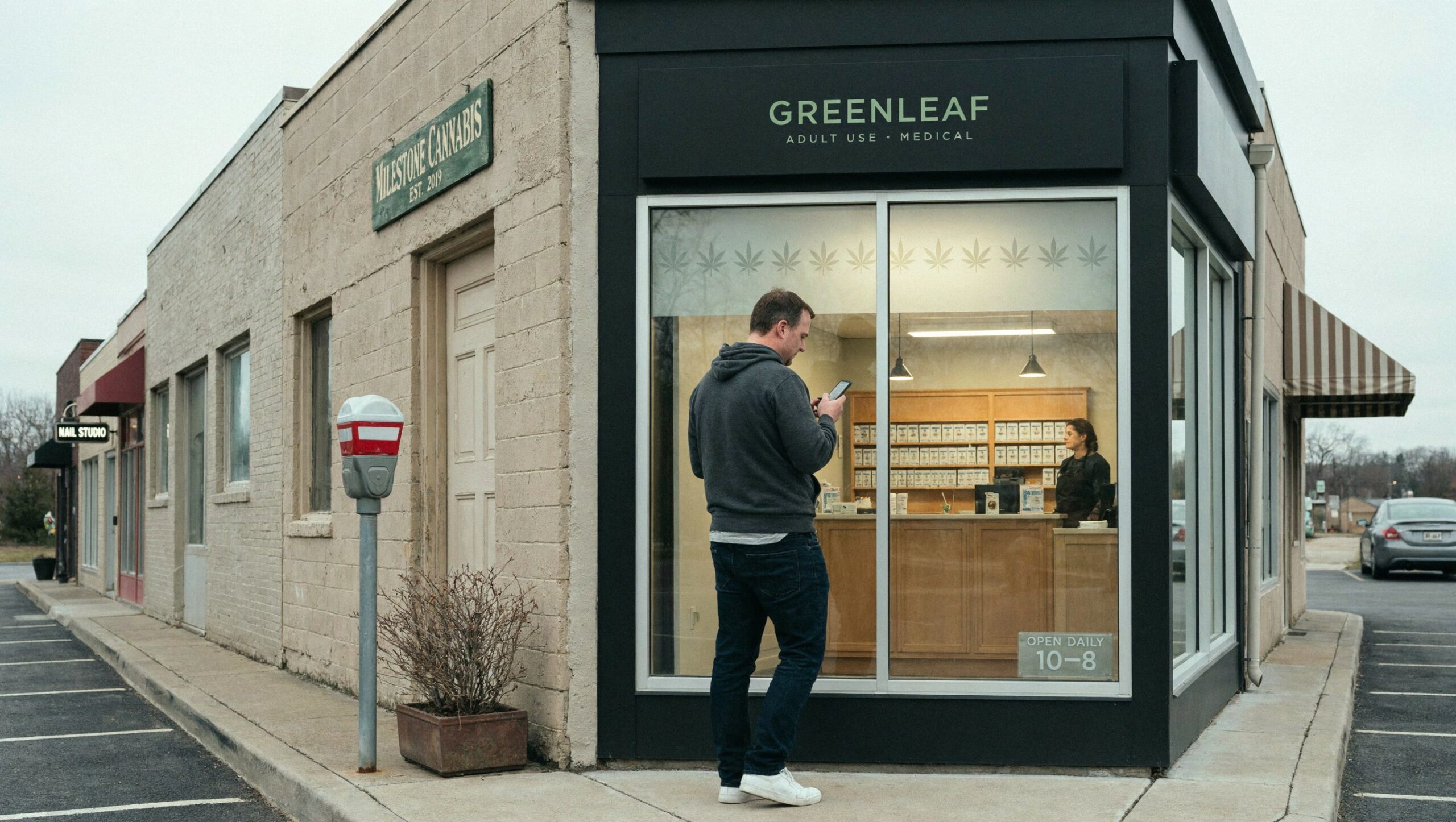
On my fridge is a magnet for a dispensary that stopped existing under that name three years ago. The building is still there. The parking lot still floods. The employees still know I take the 4:30 slot on Fridays. Only the sign changed, twice.
That little magnet is the whole story of Pennsylvania’s cannabis retail market in one piece of souvenir clutter. Stores rebrand, get absorbed into bigger chains, swap ownership, and open second locations a mile from the first. If you got certified and picked a favorite shop back in 2019, there’s a decent chance the store you love now answers to a name you’ve never heard and runs on software that can’t find your old patient profile.
None of this is a scandal. It’s what happens when a tightly licensed market grows up fast. The useful skill for you, as a cardholder, is learning to read the changes instead of getting surprised by them. Most of the shops you’ll drive past, including the PA cannabis dispensaries operating under new corporate banners, are the same physical stores with the same staff. The paperwork behind the counter is what moved.
Why the name on the door keeps changing
Pennsylvania runs a limited license system, and you can read the framework for yourself through the Commonwealth of Pennsylvania. A fixed number of permits means growth happens through acquisition and consolidation rather than a flood of new competitors. When a larger operator buys a smaller one, the first thing that changes is usually signage, followed by menus, loyalty programs, and branding on the bags.
What doesn’t change nearly as fast is the building and the people. That’s my read, anyway, after watching several locations near me cycle through names while the same budtender kept working the same register. The corporate logo is the least useful thing to judge a store by.
Second driver: the state has loosened rules over time to allow curbside service, more products, and eventually adult-use sales. Every rule change forces operators to retool their customer systems. A shop that handled your renewal paperwork through one platform last year might hand you a tablet running something completely different next year. Your purchase history doesn’t always make the jump.
What actually happens to your patient profile when a store rebrands
Here’s the part that catches people off guard. Your certification lives with the state. Your patient record lives with the dispensary’s point-of-sale vendor. Those are two different things, and only one of them travels with you.
When a store changes hands, the new owner might migrate the old system, run both side by side for a while, or start clean. I’ve walked into a rebranded location and had a pharmacist pull up my full history in ten seconds. I’ve also stood at a counter while someone typed my name into a fresh system and asked me to describe, from memory, what I bought in March.
So assume nothing. Before your next visit to a store that changed names, bring the things that don’t depend on anyone’s database:
- A photo of your current product labels, saved on your phone
- Your patient certification number written somewhere offline
- The name and dosage of anything you’ve been consistent with for months
It sounds fussy. It takes ninety seconds and saves a twenty minute conversation.
The three-signal check I run before switching stores
I’ve settled on a routine I call the Label, Lobby, Listener check, and it has kept me from wasting a lot of windshield time. Three signals, checked in order, no spreadsheet required.
Label. Look at how products are presented. Clear potency, harvest dates, batch numbers, and terpene info visible without asking means someone in that building cares about the details. If the only thing on the package is a logo and a mood word, you’ve learned something.
Lobby. Walk in and watch for two minutes. Is there a real consultation area or just a line and a counter? Do first-time patients get pulled aside, or does everyone funnel through the same register? The physical layout tells you how the store thinks about questions.
Listener. Ask one specific thing you actually want to know, like which flower in stock was harvested most recently. A good budtender answers the question. A rushed one pivots to whatever’s on promotion. This single exchange tells you more than any menu photo.
Run those three checks and you’ll know within one visit whether a newly rebranded shop is worth keeping in rotation. I’d rather visit two stores and pick the one that passes all three than chase every new opening in my county.
Hours, travel, and the boring logistics that break routines
Rebrands come bundled with quieter changes: new hours, new parking rules, new policies on who can come inside. A store that opened at eight sharp under one owner might now unlock at ten. That’s fine if you’re retired. It ruins your Tuesday if you’re squeezing a pickup between a school drop-off and a shift start.
The labor side of this is worth knowing, too. Retail hiring in the sector is steady enough that the Bureau of Labor Statistics tracks it as part of the broader retail trade, which is a bland way of saying staffing turnover is normal in this industry. A new owner will often bring in supervisors and keep the hourly staff. The person behind the counter isn’t the one who decided to rename the place.
My rule: recheck the store’s hours and pickup options every time the name changes. Not every visit. Just every rebrand. Ten seconds on your phone before you pull out of the driveway.
Adult use is coming, and it changes the math
Pennsylvania’s medical market has been the whole picture since 2016. If adult-use sales expand, as most people following the issue expect, every existing store operator has a strong reason to reorganize now rather than later. That means more mergers, more menu overhauls, and more signs coming down.
For patients, the practical risk is scarcity of attention. Counter staff get pulled in ten directions. Your specific question about a strain that worked for you gets answered faster if you arrive with a note and a label photo instead of a vague memory. Don’t take it personally when the vibe feels different after a rebrand. The store got busier and the margins got tighter.
What to do when your favorite store disappears
Use the same check on the replacement. If the address is identical, the building hasn’t moved, and the staff is familiar, it’s probably still your store with new paperwork. If the address is new and the staff is all new, treat it as a first visit and run the Label, Lobby, Listener check before you commit to a habit.
One more thing worth saying out loud. If a store’s rebrand includes a bigger collection of loyalty points, email lists, or purchase history than you’re comfortable with, you have choices. The Federal Trade Commission publishes plain guidance on how companies should handle consumer information, and a request to delete your data isn’t outrageous.
The sign isn’t the store
The Pennsylvania dispensary scene will keep reorganizing, and the names on the buildings will keep moving. The building, the parking lot, and the person who remembers your Friday slot are the parts worth caring about. When the lettering changes, update the magnet, recheck the hours, and run your three signals once. Where’s your old dispensary magnet stuck right now? If you can’t remember which store it used to advertise, that’s your first errand this weekend.
