

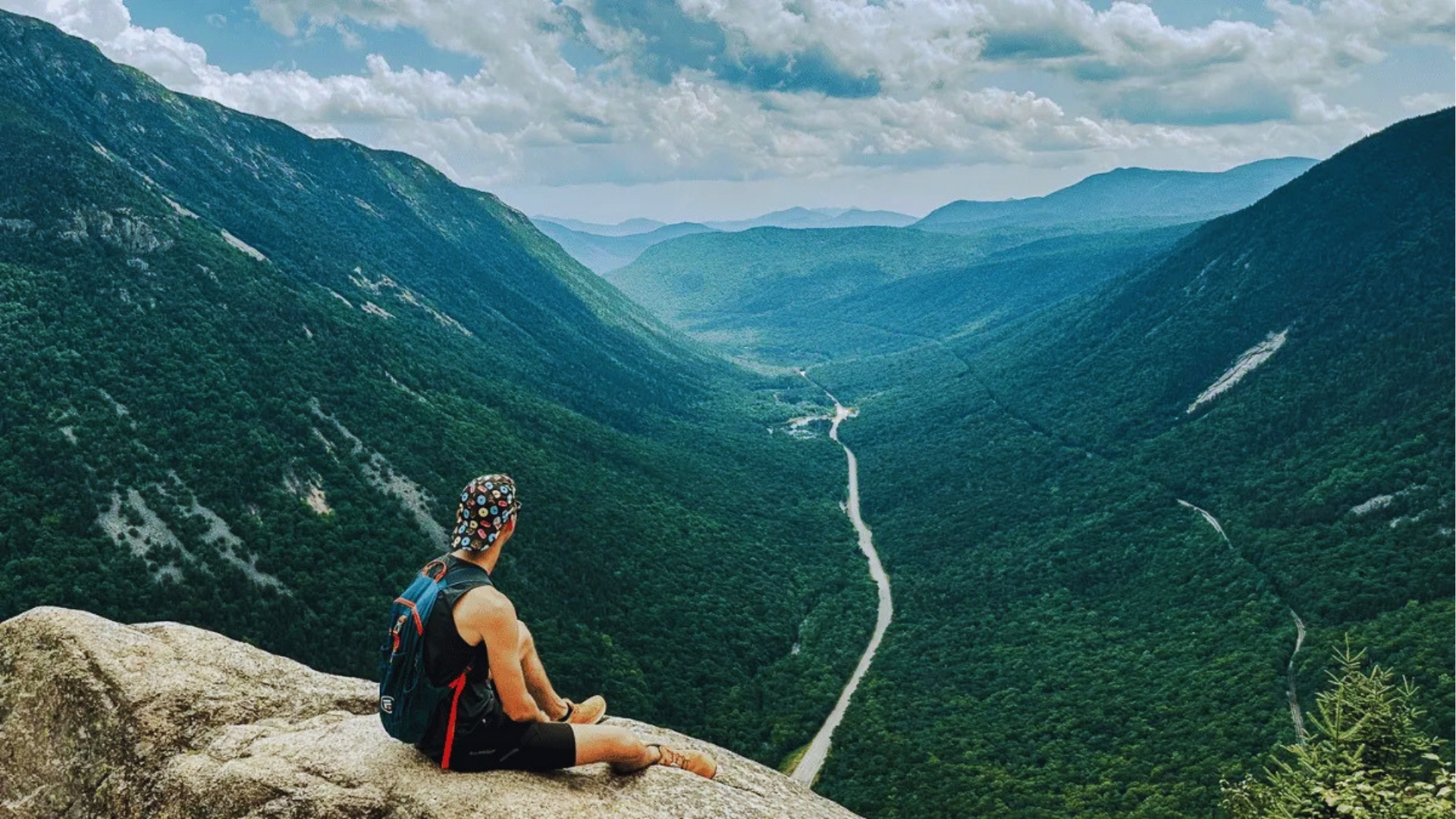
If you’ve been looking for a hike that rewards you big without punishing you hard, Mount Willard is the one. I’ve done this trail myself, and it truly lives up to the hype.
In this guide, I’ll walk you through everything you need to know trail details, parking, the step-by-step route, and the views waiting at the top.
You’ll also find tips on what to wear, when to go, and how to handle busy weekends. My goal is simply to help you have a great day on the trail, start to finish.
With years of hiking experience behind me, I’ve put together everything that actually matters so you don’t have to guess.
General Guide to Mount Willard Hike Experience
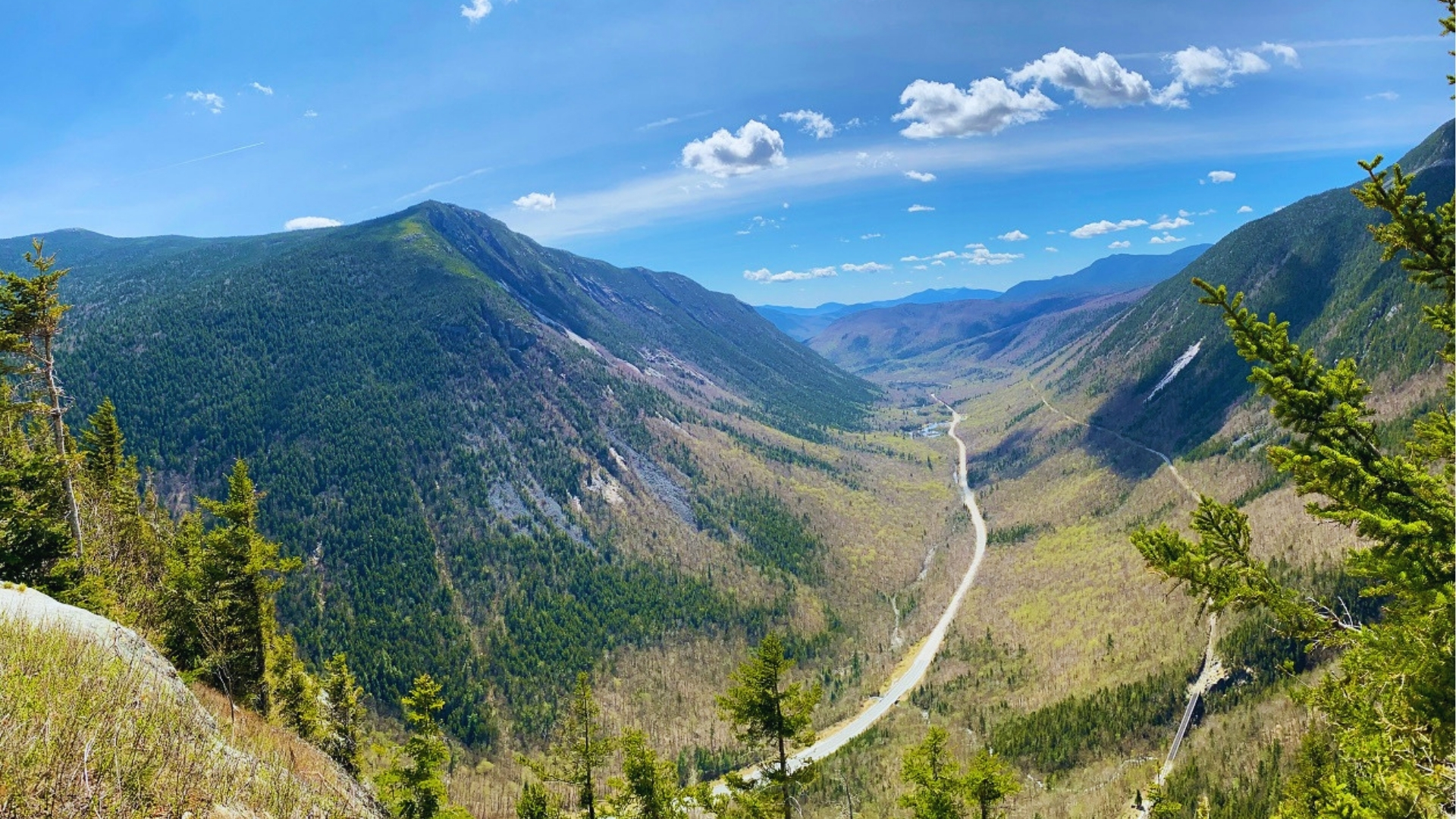
Mount Willard stands out as one of the most rewarding trails in New Hampshire’s White Mountains, offering a well-marked, out-and-back route that works well for a wide range of hikers.
The path is not technical, no scrambles, no steep drop-offs, nothing intimidating.
It suits families with kids who can manage 3-4 miles, first-time White Mountains hikers, and anyone who wants a strong payoff view without an exhausting climb.
Elevation builds gradually through a quiet, cool forest before the summit opens up to one of the finest panoramic views the region has to offer.
Mount Willard Trail Details Distance, Difficulty & Duration

Key stats every hiker should know before hitting the trail.
Trail Length and Elevation Gain
The round trip covers about 3.2 miles with a total elevation gain of roughly 900 feet. These numbers sit well within reach for most people in average physical condition.
The climb is gradual enough that it never feels overwhelming, even for those who don’t hike regularly.
Difficulty Level
Mount Willard is rated easy to moderate, making it a solid starting point for newer hikers. The path stays steady throughout, with a few sections that feel noticeably steeper but never demanding.
No hand-over-foot scrambling or special gear is needed to complete this trail comfortably.
Estimated Hiking Time
Most hikers complete the round trip in 2 to 3 hours at a comfortable pace. If you plan to stop at the waterfall or spend extra time taking in the summit views, set aside closer to 3.5 hours.
Pacing yourself works better than rushing through it.
Seasonal Trail Conditions
Spring and fall generally offer the most reliable conditions on this trail. Summer weekends draw larger crowds, so an early start helps.
Winter hiking is possible with microspikes or snowshoes, and mud season running from late March through early May leaves the trail soft and slippery, so extra caution is needed during that window.
Mount Willard Trailhead & Parking Information
Everything you need to know to find the trailhead and park without stress.
Where to Park
Park at Crawford Depot, which is managed by the AMC (Appalachian Mountain Club). The lot is right off U.S. Route 302 in Crawford Notch State Park.
How to Reach the Trailhead
From the parking area, the Avalon Trail starts directly behind the depot building. The trailhead is clearly signed. You don’t need to cross any roads.
Parking Tips During Peak Season
The lot fills up fast on summer weekends. Arrive before 8 a.m. if you want a guaranteed spot. There is a small fee to park. Overflow parking is available along Route 302, but space is limited. Weekday hikes are much calmer.
Mount Willard Hiking Route Step-by-Step Trail Breakdown
Follow this simple route breakdown so you know exactly what to expect mile by mile.
Start from the Avalon Trail Section
The hike begins on the Avalon Trail, leaving from Crawford Depot. This section is smooth and gradual. The forest is dense and pleasant, especially in the morning light.
Junction Leading to Mount Willard Trail
After about 0.5 miles, you’ll reach a clearly marked junction. Turn left onto the Mount Willard Trail. This is where the real climb begins, though it stays manageable throughout.
Forest Climb and Carriage Road Section
The trail winds upward through birch and spruce forest. You’ll cross a historic carriage road midway through the climb. This old road gives you a flat section to catch your breath.
Centennial Pool Waterfall Stop
Just before the junction, you can take a short side trip to Centennial Pool, a quiet waterfall and pool tucked into the forest. It’s worth a few minutes, especially on hot days.
Final Approach to the Summit Ledge
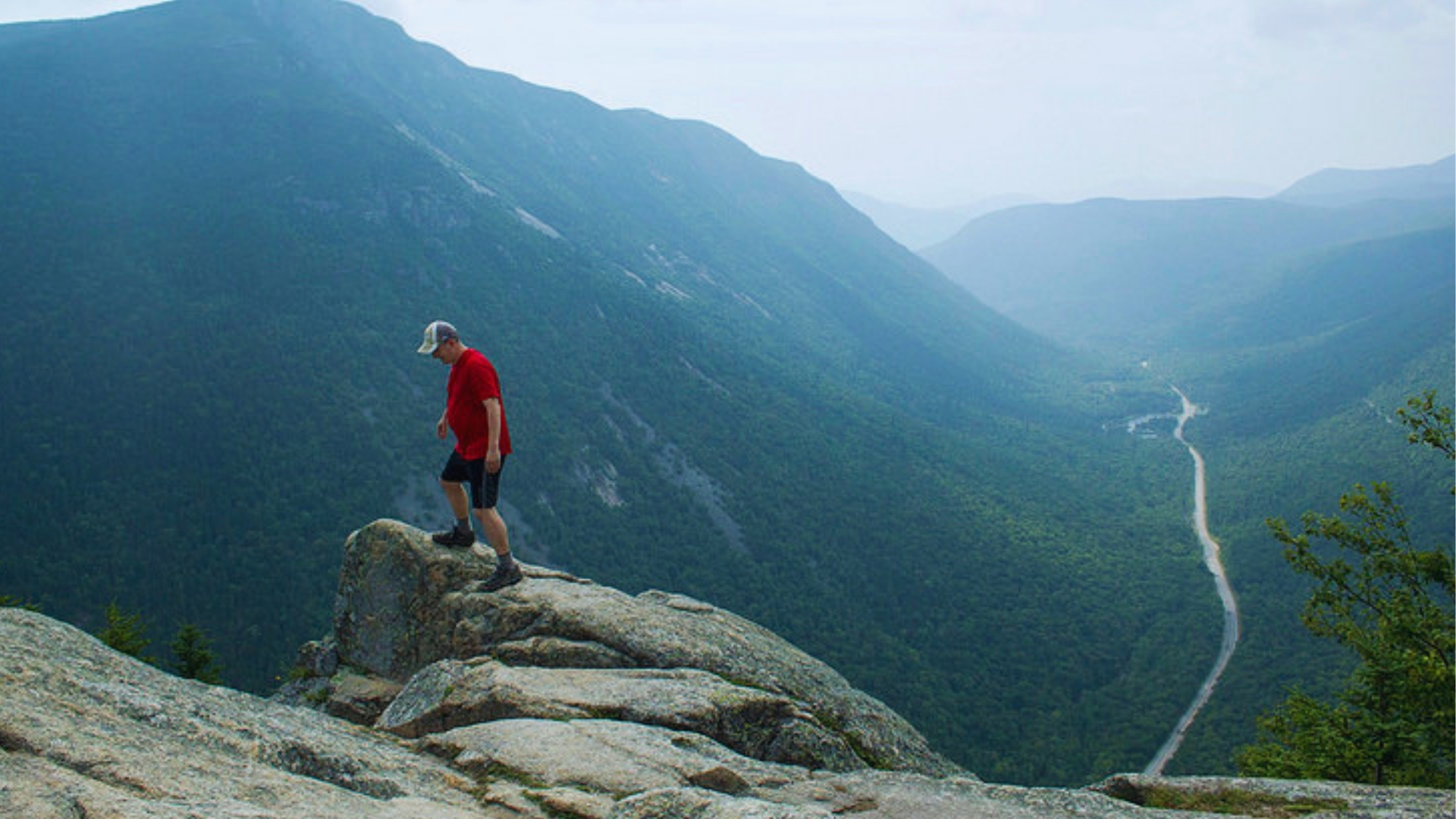
The last stretch opens onto an open ledge. The trees thin out and the ground becomes rocky. Then, without warning, the trees fall away completely and the view opens wide.
Mount Willard Summit Views Crawford Notch Scenic Experience
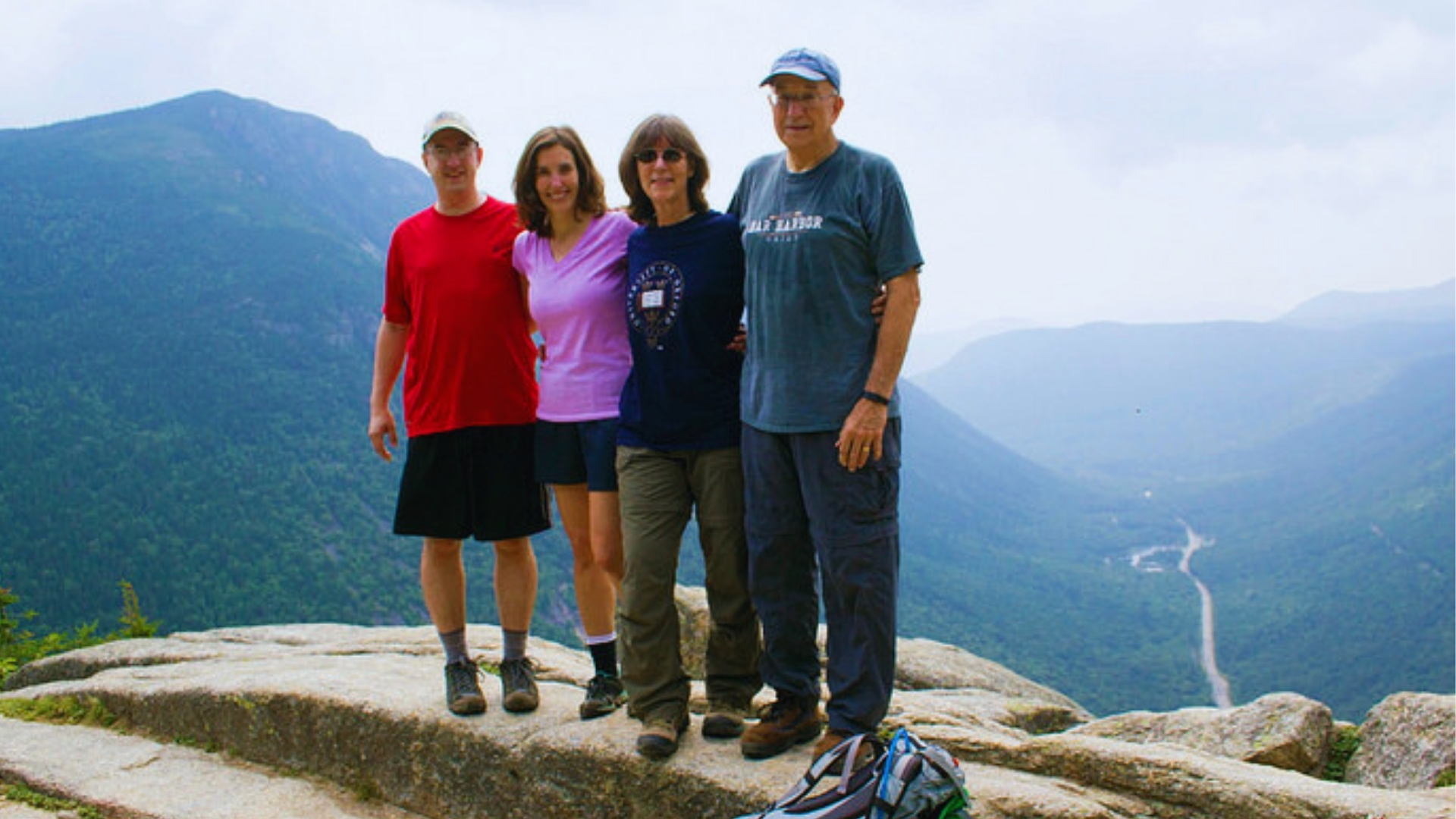
A straight-down look into Crawford Notch that makes the whole climb worth it.
Best Viewpoints on the Summit Ledge
The summit ledge is wide, flat, and open, with plenty of spots to sit and take in the view.
Standing there, you look straight down into Crawford Notch as the valley stretches out between two ridgelines far below.
Trains occasionally pass through the valley floor, and the sheer scale of it tends to stop people mid-step. No scrambling needed, the best view is right in front of you, facing south into the notch.
Photography and Scenery from the Top
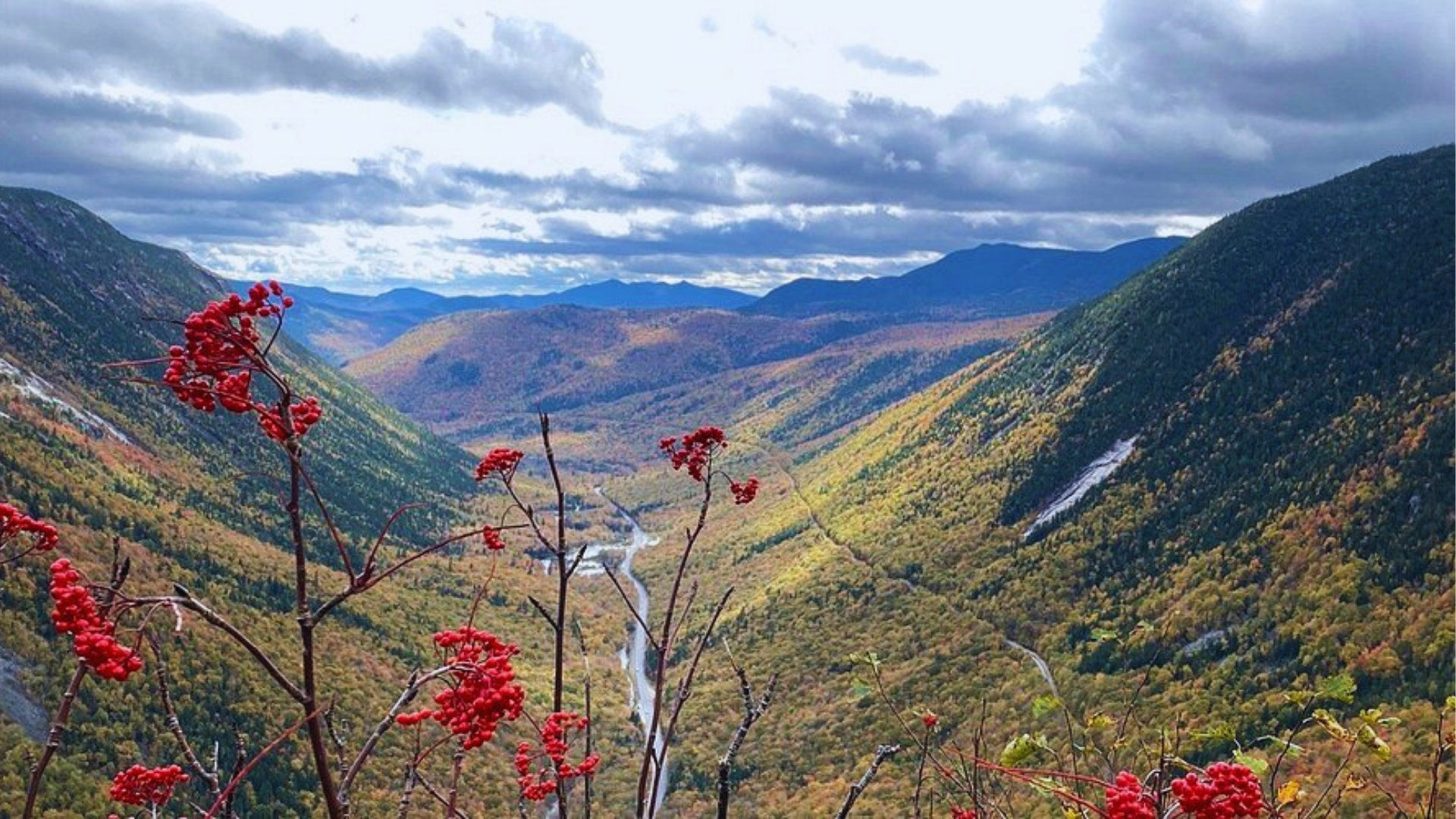
Fall foliage from this ledge ranks among the most photographed scenes in New Hampshire, typically hitting its peak in early to mid-October.
Morning light falls across the valley well before noon, making earlier start times ideal for photographers.
On clear days, the sightline carries far down toward Bartlett, giving a strong sense of just how deep and wide Crawford Notch runs.
Tips for Hiking Mount Willard
Practical advice to make your hike safe, comfortable, and enjoyable.
- Wear sturdy trail shoes or light hiking boots and layer up, as the summit ledge tends to catch strong, cold wind.
- Bring at least 1.5 liters of water per person and pack a light snack or lunch to enjoy at the top.
- Early morning on a weekday gives you the quietest trail, best light, and a much easier time finding parking.
- Fall is the most popular season for good reason: early June also works well before the summer crowds arrive.
- Stay on the marked trail, keep children close to the summit ledge edges, and yield to uphill hikers on narrow sections.
- Pack out everything you bring in, keep noise low, and never feed wildlife or pick plants along the trail.
Conclusion
Mount Willard was one of the first hikes I ever did in the White Mountains, and it’s still one I recommend to everyone.
It’s the kind of trail that builds your confidence and leaves you wanting more. If you’ve been putting off your first big hike, this is the one to start with.
Lace up, get there early, and take your time at that summit ledge. It’s worth every step. I’d love to hear how your hike goes.
Drop a comment below or share this with a friend who needs a nudge outdoors.
Frequently Asked Questions
Is Mount Willard good for beginners?
Yes. The trail is well-marked, the elevation gain is manageable, and the distance is short enough for most people with basic fitness. It’s one of the best starter hikes in the White Mountains.
How long does it take to hike Mount Willard?
Most people finish the round trip in 2 to 3 hours. Add extra time if you plan to stop at Centennial Pool or spend time at the summit.
Do I need a parking pass for Crawford Depot?
Yes, there is a fee to park at Crawford Depot. The AMC manages the lot. Arrive early on weekends since it fills up quickly, especially in summer and fall.
What is the best season to hike Mount Willard?
Fall is the most popular time because of foliage. Early summer and clear days in spring are also great. Winter is possible with the right gear, but the trail can be icy.
Are dogs allowed on the Mount Willard Trail?
Yes, dogs are allowed on the trail. Keep them on a leash and make sure they can handle the distance and terrain. Bring water for them too since there are no reliable water sources on the route.
