


Castles have been an obsession of mine for as long as I can remember.
The first time I stood before a real medieval castle in Europe, I felt the weight of centuries all at once.
It was unlike anything I’d experienced. I’ve spent years digging into European history.
In this post, I’m sharing 27 castles that genuinely fascinated me, covering their history, architecture, and lasting significance.
If you’re planning a trip or just love history, this one’s for you. Let’s get started.
A Quick Look at Medieval Castles in Europe
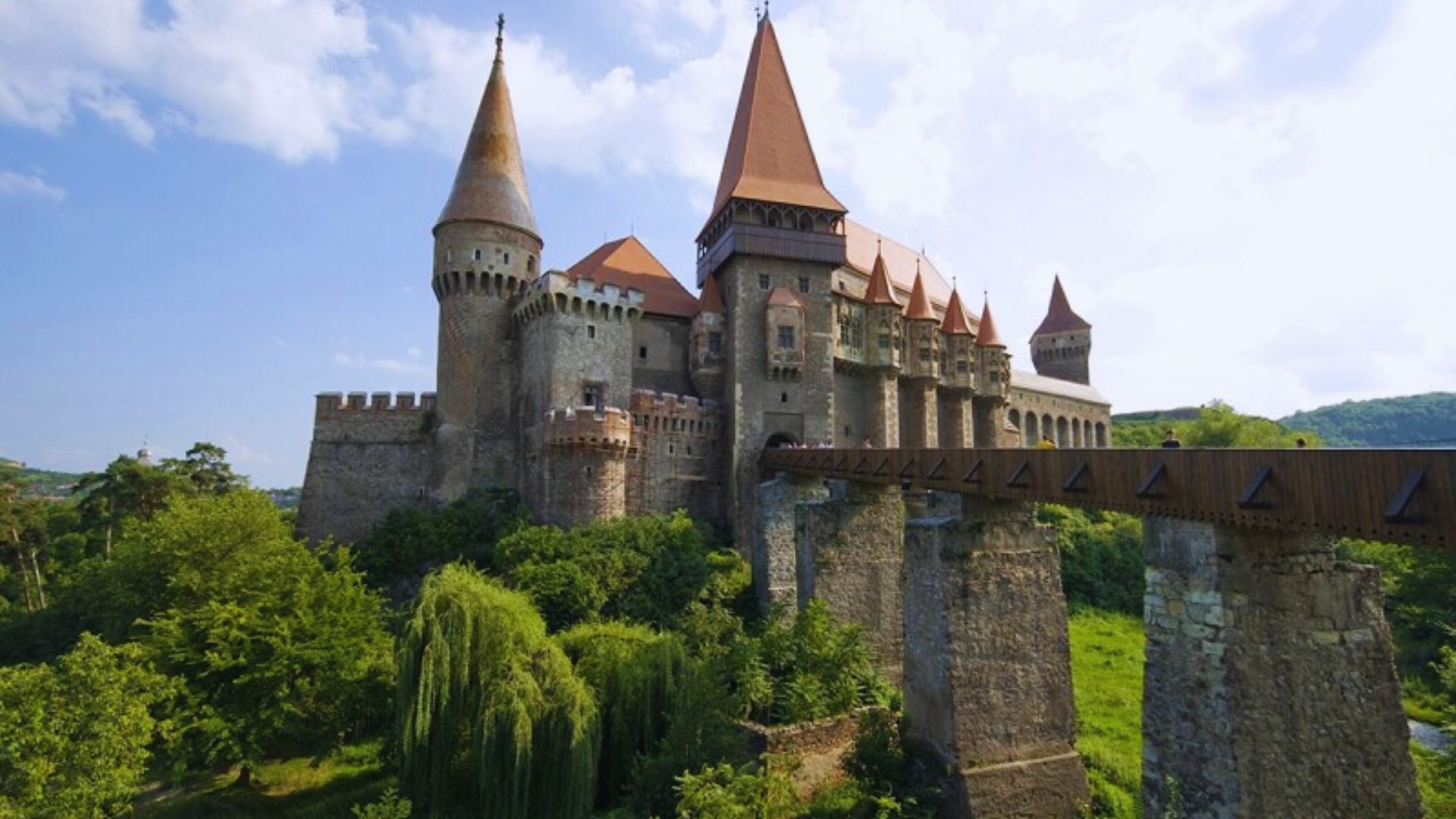
Medieval castles were built for protection, power, and control. Most went up between the 9th and 15th centuries.
Kings, knights, and religious orders all had their reasons for building them. Some were military forts. Others were royal homes. Many served both purposes at once.
The design changed over time, from basic stone towers to complex systems of walls, gates, and moats. Each castle reflects the era it came from.
Learning about them helps you understand how war, religion, and politics shaped early Europe. These structures were not just buildings. They were statements of power.
27 Mystical Medieval Castles in Europe (History, Architecture & Significance)
From rocky cliffs to lakeside shores, these castles shaped the history of an entire continent.
1. Neuschwanstein Castle (Germany)

King Ludwig II built this 19th-century Romanesque Revival castle as a personal retreat. Its fantasy design later became the blueprint for fairy-tale castles worldwide.
Today, it draws over 1.5 million visitors every year.
2. Bran Castle (Romania)
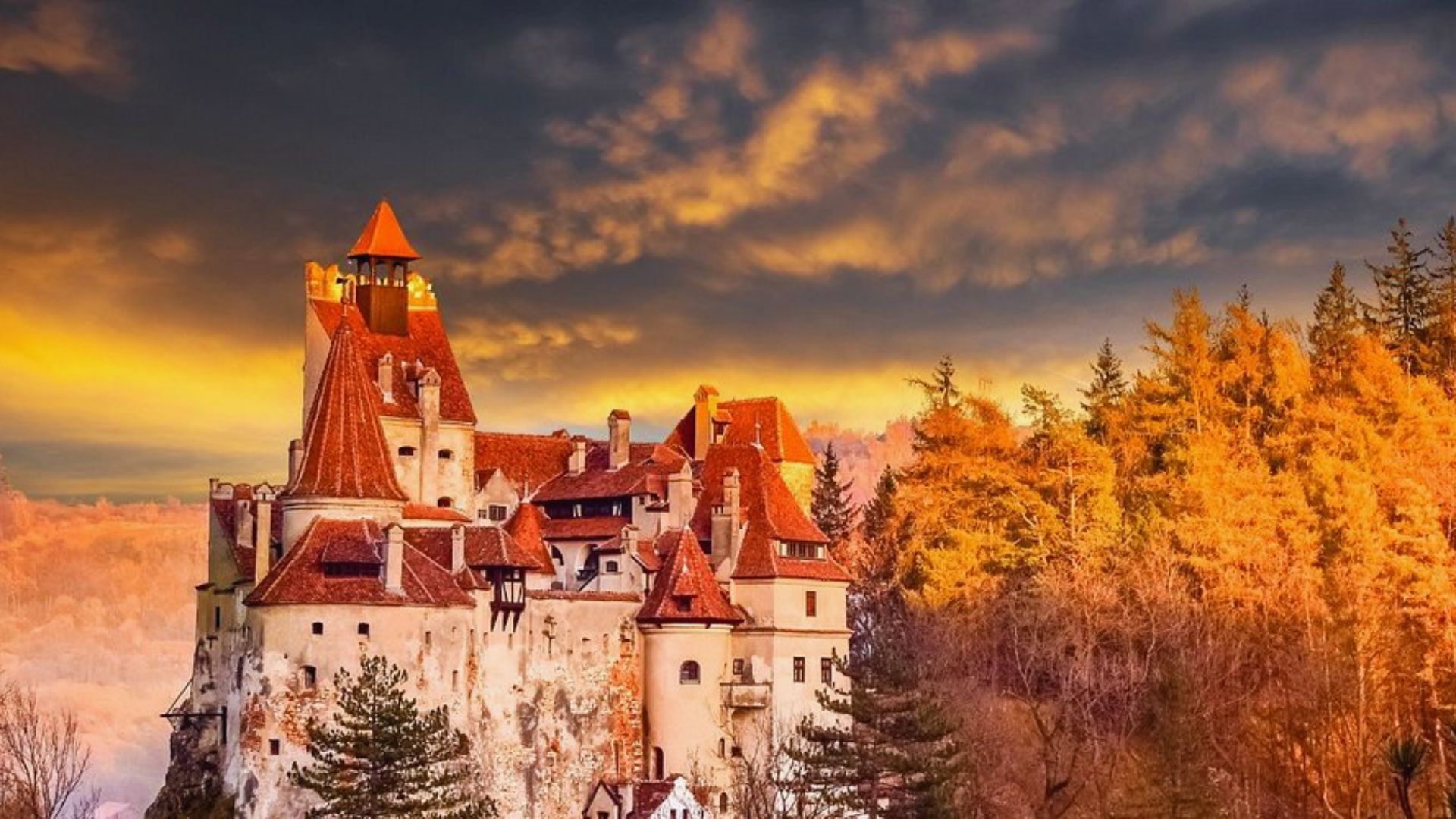
This Gothic fortress defended Transylvania for centuries. Its strategic layout and Dracula legends make it one of Romania’s most historically significant medieval structures.
It is now one of Romania’s top tourist sites.
3. Edinburgh Castle (Scotland)
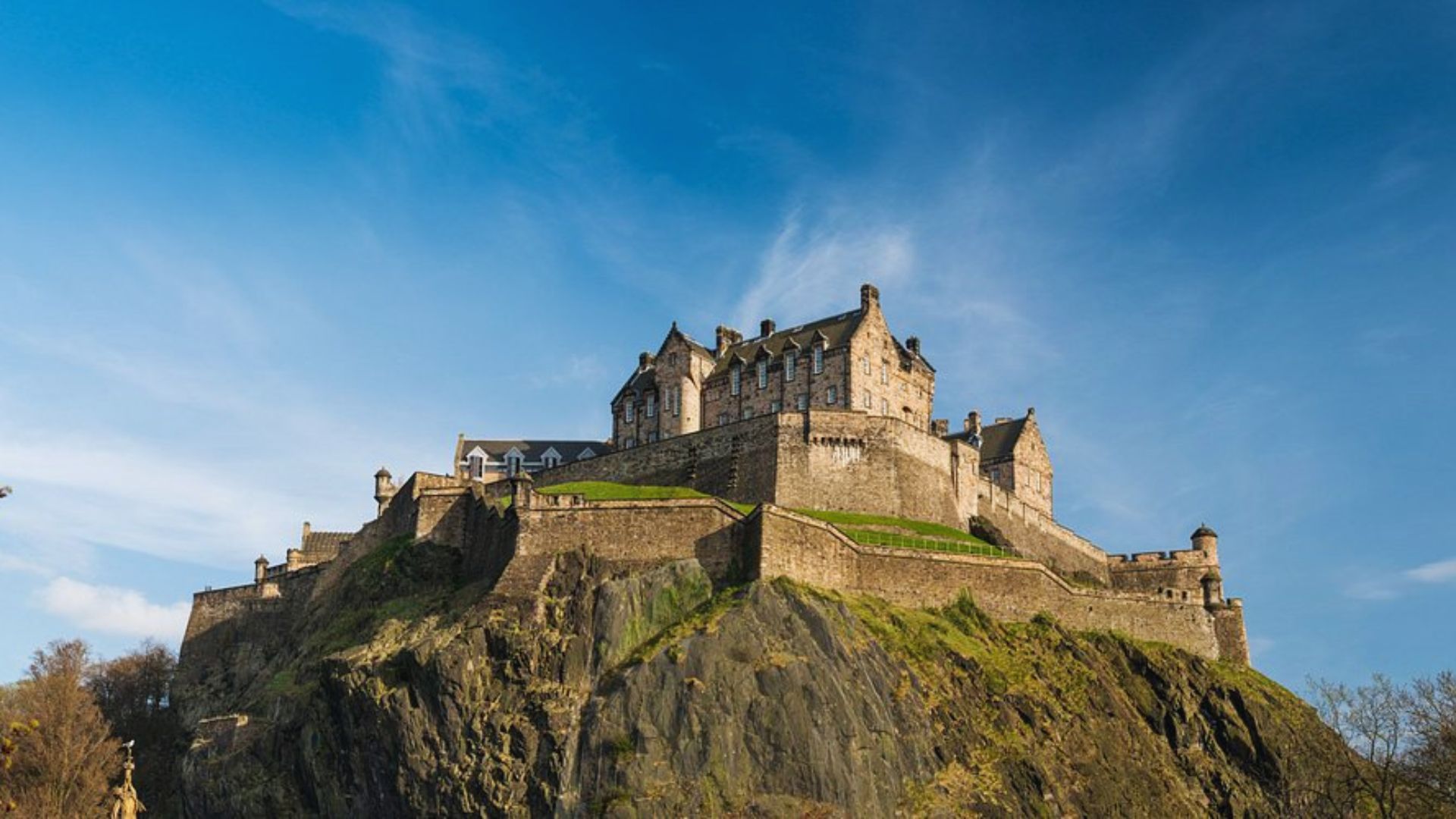
Built in the 12th century, this hilltop fortress served as a royal residence and military stronghold, sitting at the very core of Scottish history.
It still hosts the famous Royal Edinburgh Military Tattoo each year.
4. Eilean Donan Castle (Scotland)
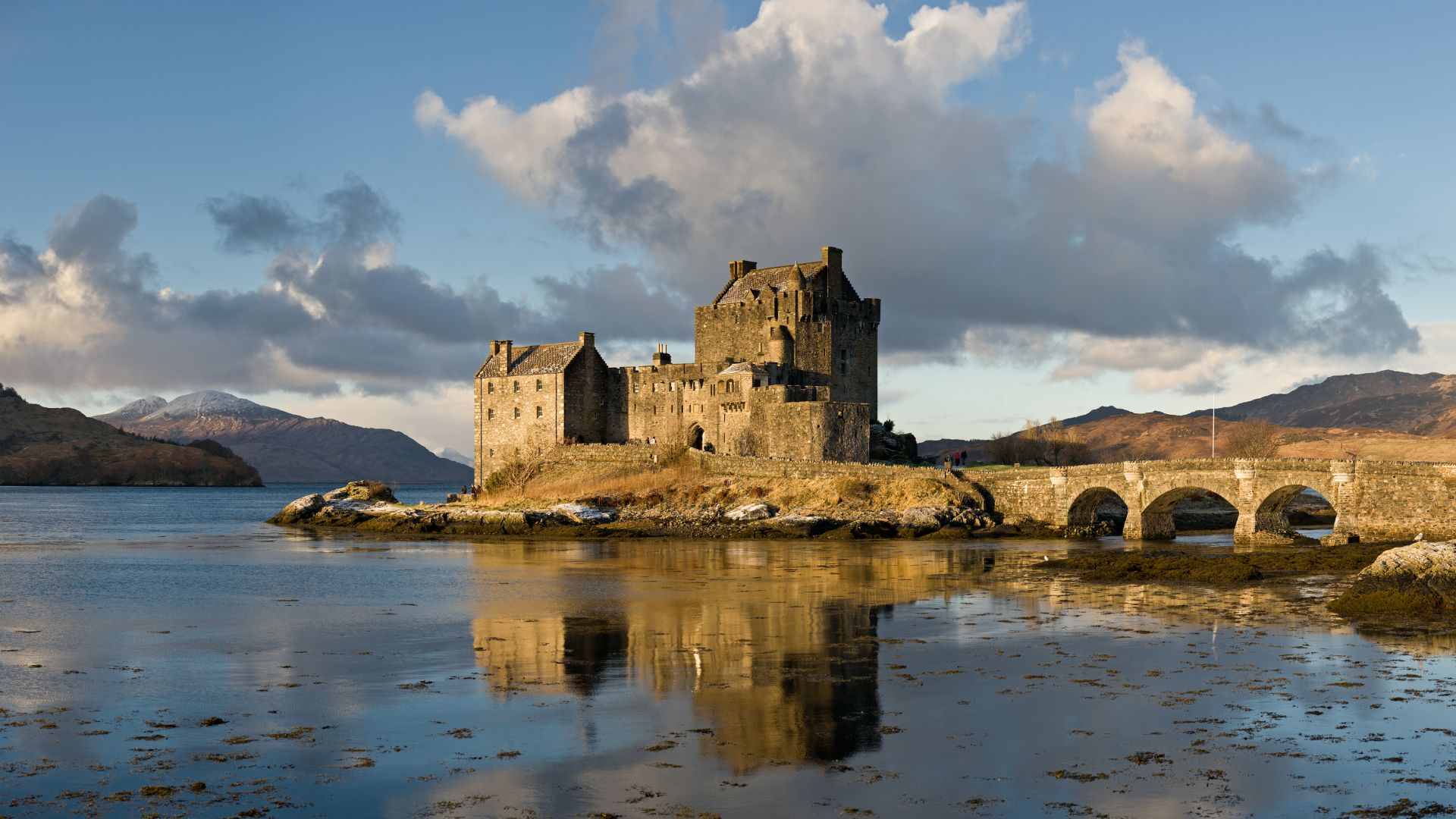
This 13th-century island castle defended local clans and was later rebuilt. It stands as one of Scotland’s most recognized and historically layered landmarks.
It has also appeared in several major films and TV productions.
5. Stirling Castle (Scotland)

This royal fortress controlled Scotland’s Highland and Lowland gateway. Renaissance additions over time made it both a military stronghold and a seat of royal power.
Several Scottish kings and queens were crowned here.
6. Alcázar of Segovia (Spain)
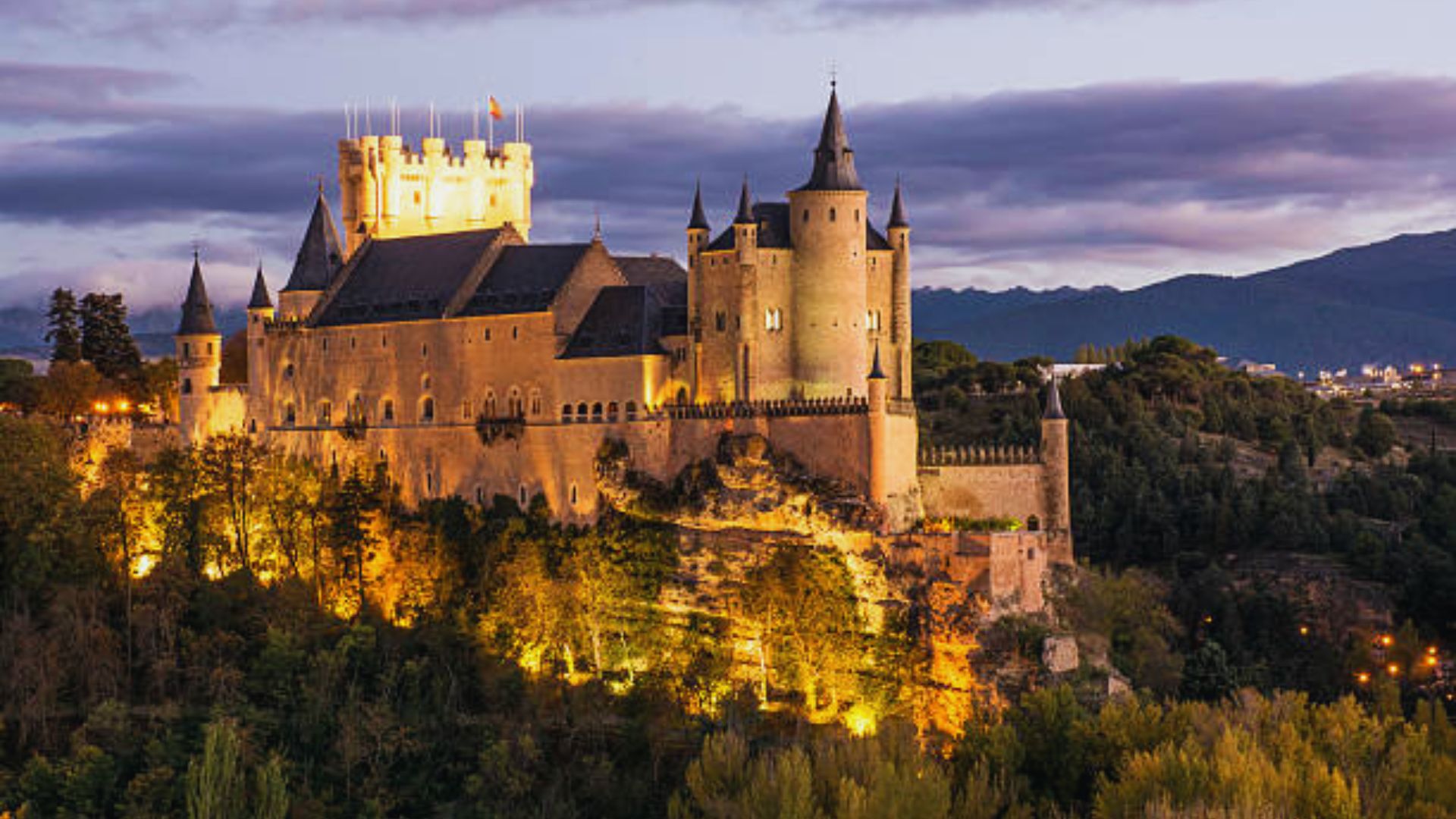
Originally a fortress, it became a Gothic royal palace with a ship-like shape. It served Spanish royalty for centuries as a powerful political symbol.
It also inspired the design of Disney’s Cinderella Castle.
7. Mont-Saint-Michel (France)
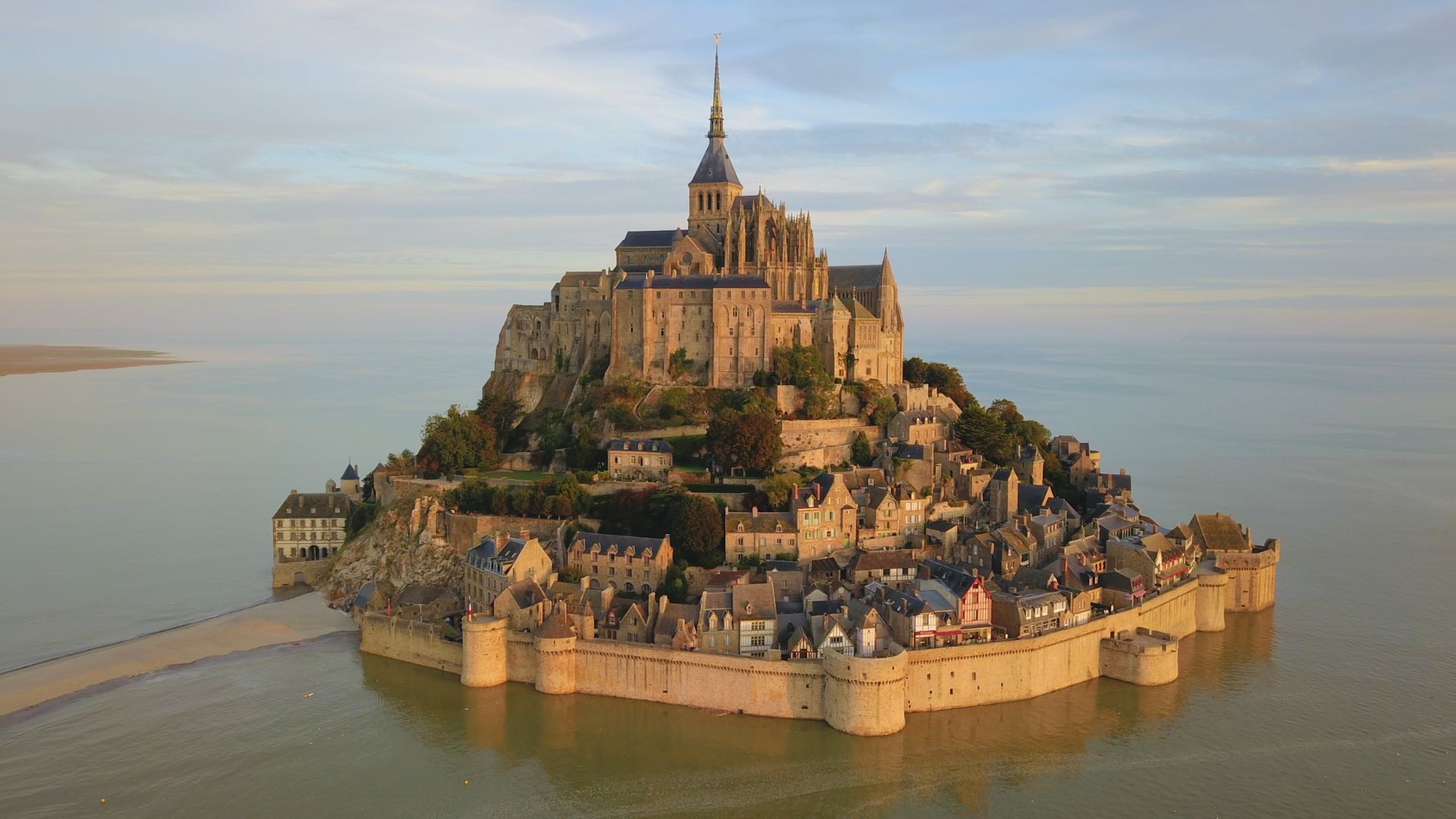
This sea-rising fortified abbey combined military defense with religious meaning. Its dramatic setting made it one of medieval France’s most powerful and iconic structures.
It became a UNESCO World Heritage Site in 1979.
8. Carcassonne (France)

A fully fortified medieval city with double walls and towers. It represents the peak of medieval military engineering and urban defensive planning in Europe.
It was also added to the UNESCO World Heritage list in 1997.
9. Hohenzollern Castle (Germany)
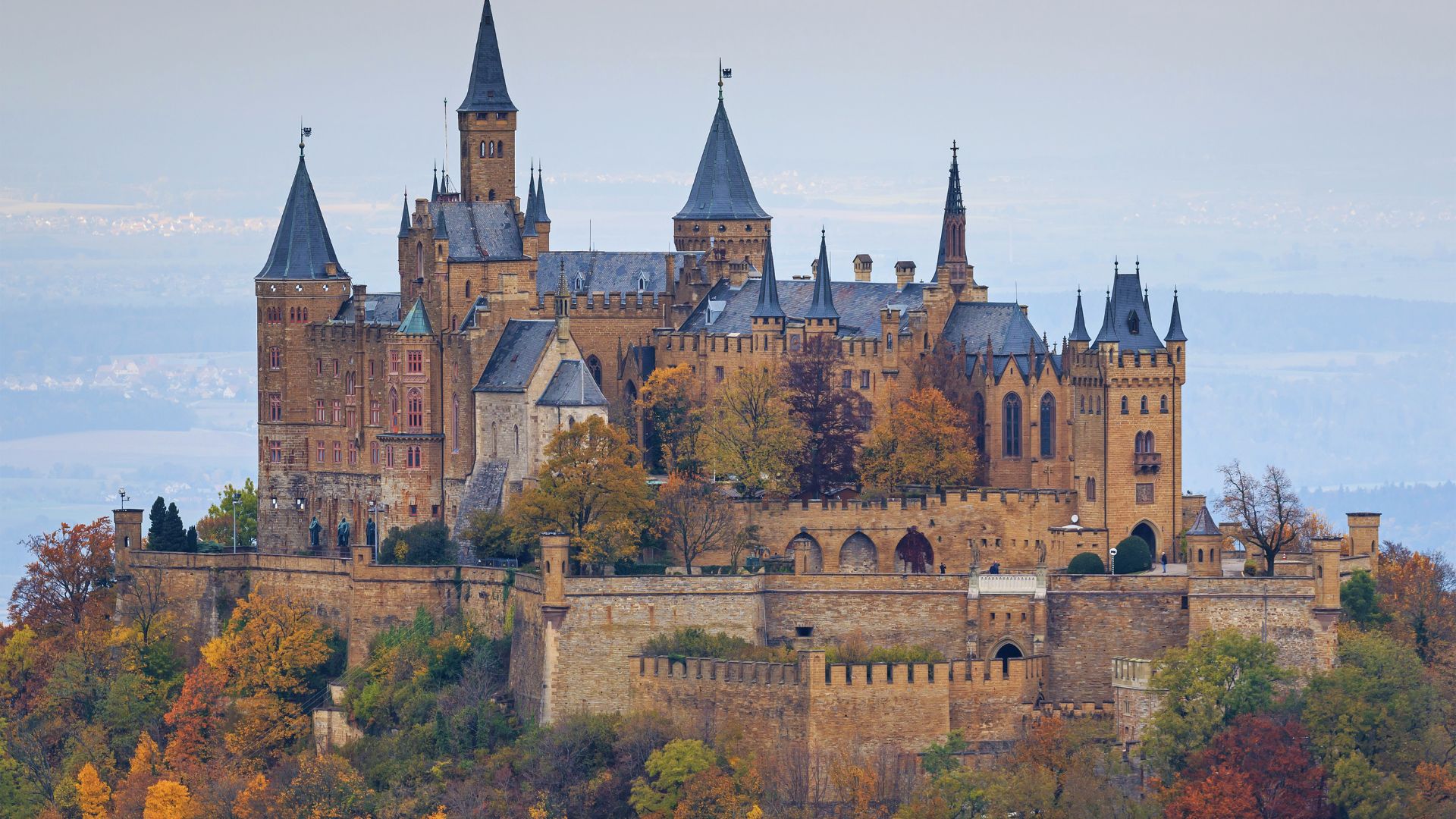
This Neo-Gothic hilltop castle symbolizes Prussian royal heritage. Built as a medieval revival structure, it reflects 19th-century Germany’s deepappreciation for its royal past.
It still houses the Hohenzollern family’s historic treasures and artifacts.
10. Malbork Castle (Poland)
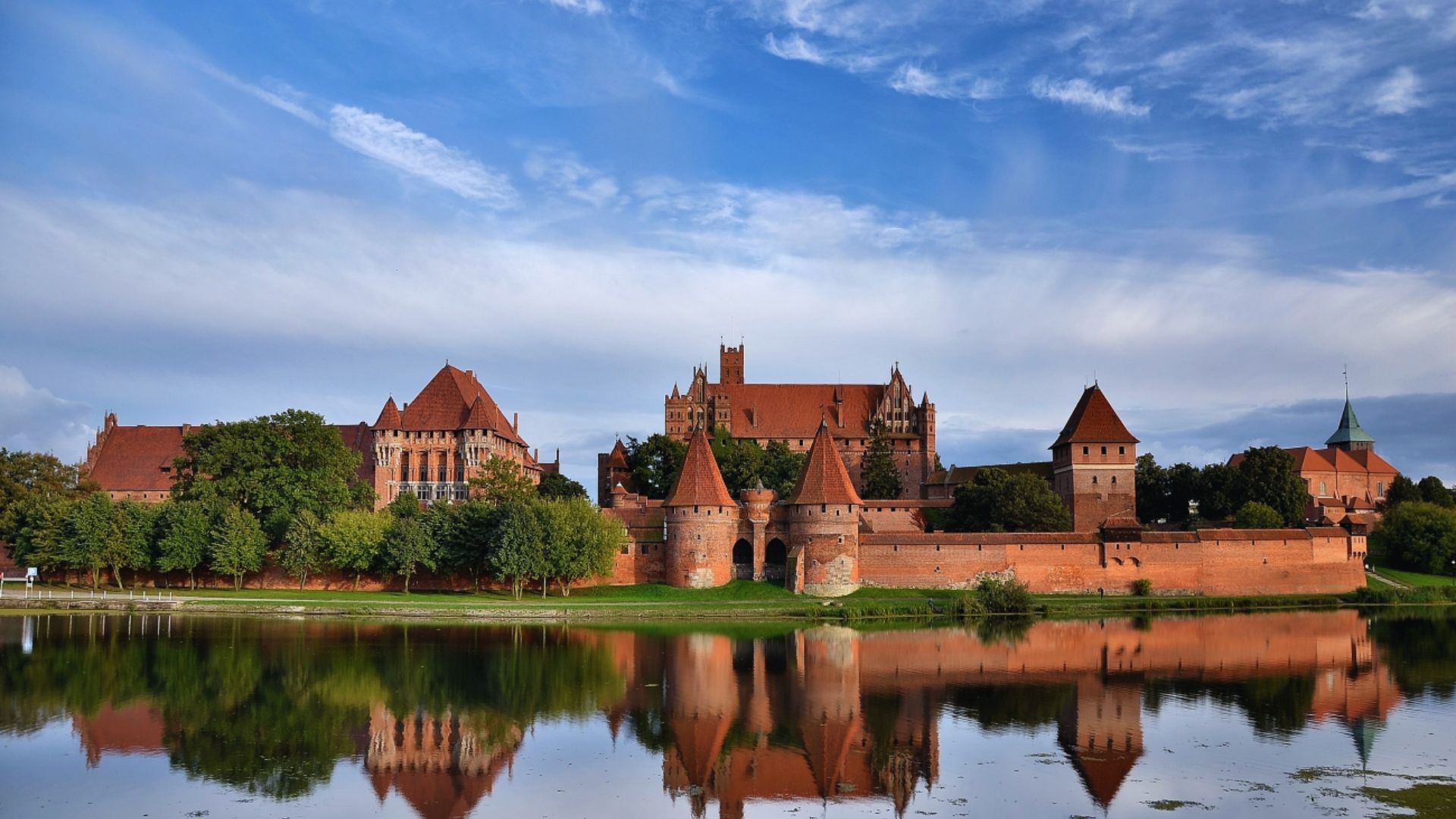
The Teutonic Knights built this, the world’s largest brick castle. Its massive scale reflects the height of medieval military construction and political dominance.
It was designated a UNESCO World Heritage Site in 1997.
11. Karlštejn Castle (Czechia)
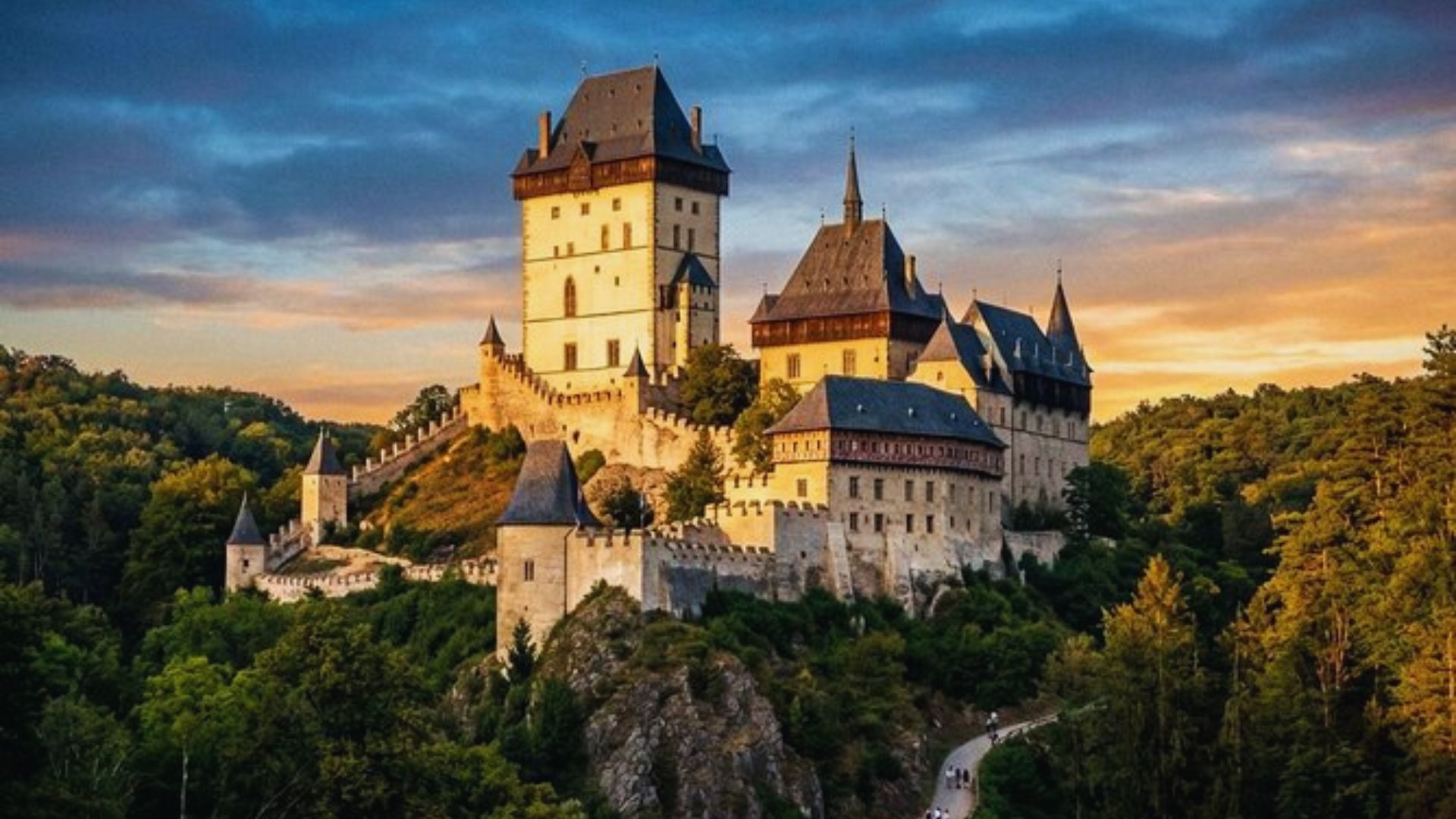
Emperor Charles IV founded this castle to guard imperial treasures and sacred relics. Its design balanced political authority with strong religious symbolism throughout.
It remains one of the most visited castles in the Czech Republic.
12. Chillon Castle (Switzerland)
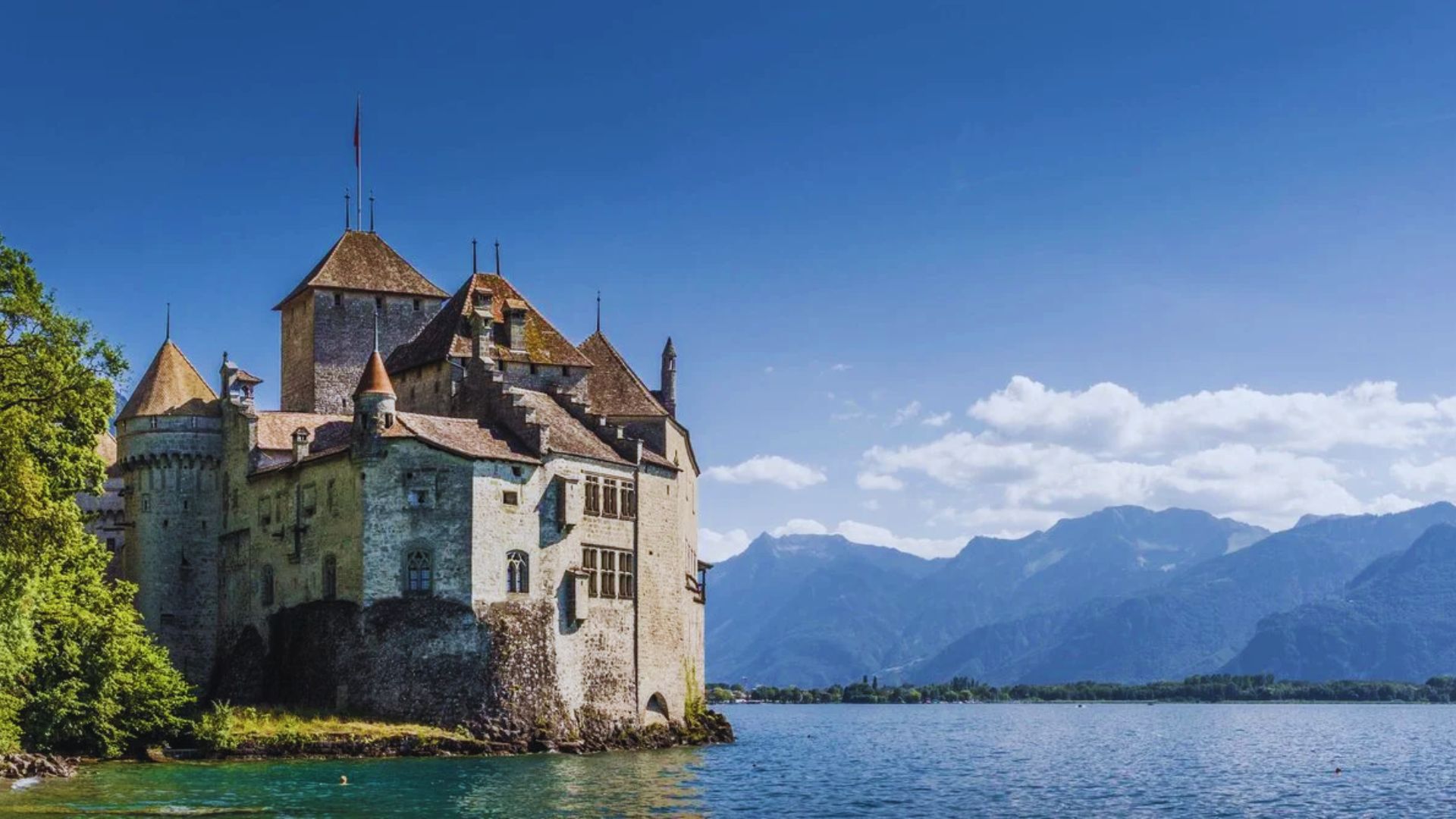
This lakeside fortress blends Romanesque and Gothic styles. Sitting on a key trade route, it controlled regional movement for hundreds of years with great efficiency.
English poet Lord Byron later immortalized it in his famous 1816 poem.
13. Conwy Castle (Wales)
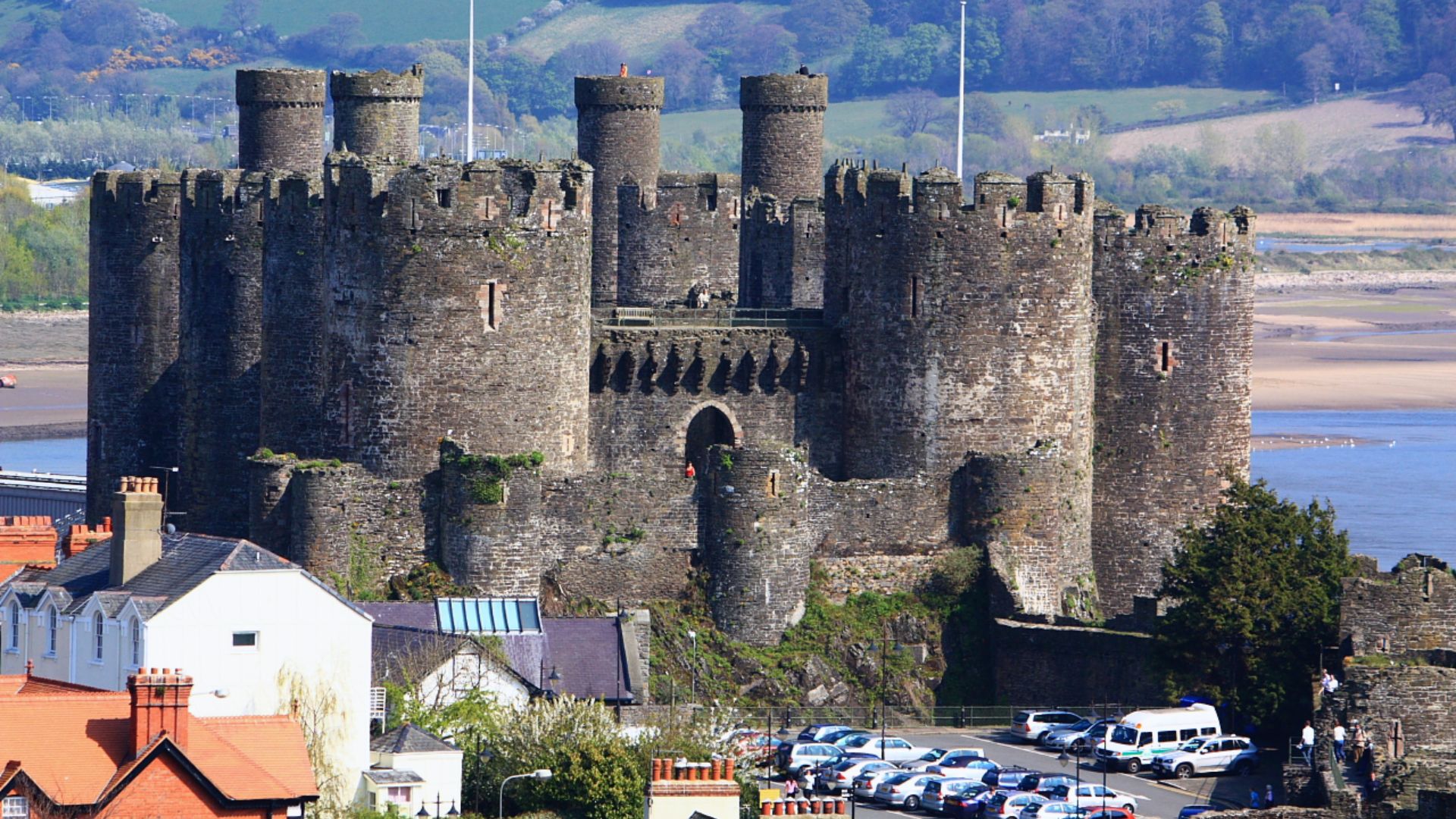
Edward I built this as part of his Welsh campaign. Its thick coastal walls and strong positioning made it one of Britain’s most strategically placed castles.
It is part of a UNESCO World Heritage Site designation in Wales.
14. Peleș Castle (Romania)
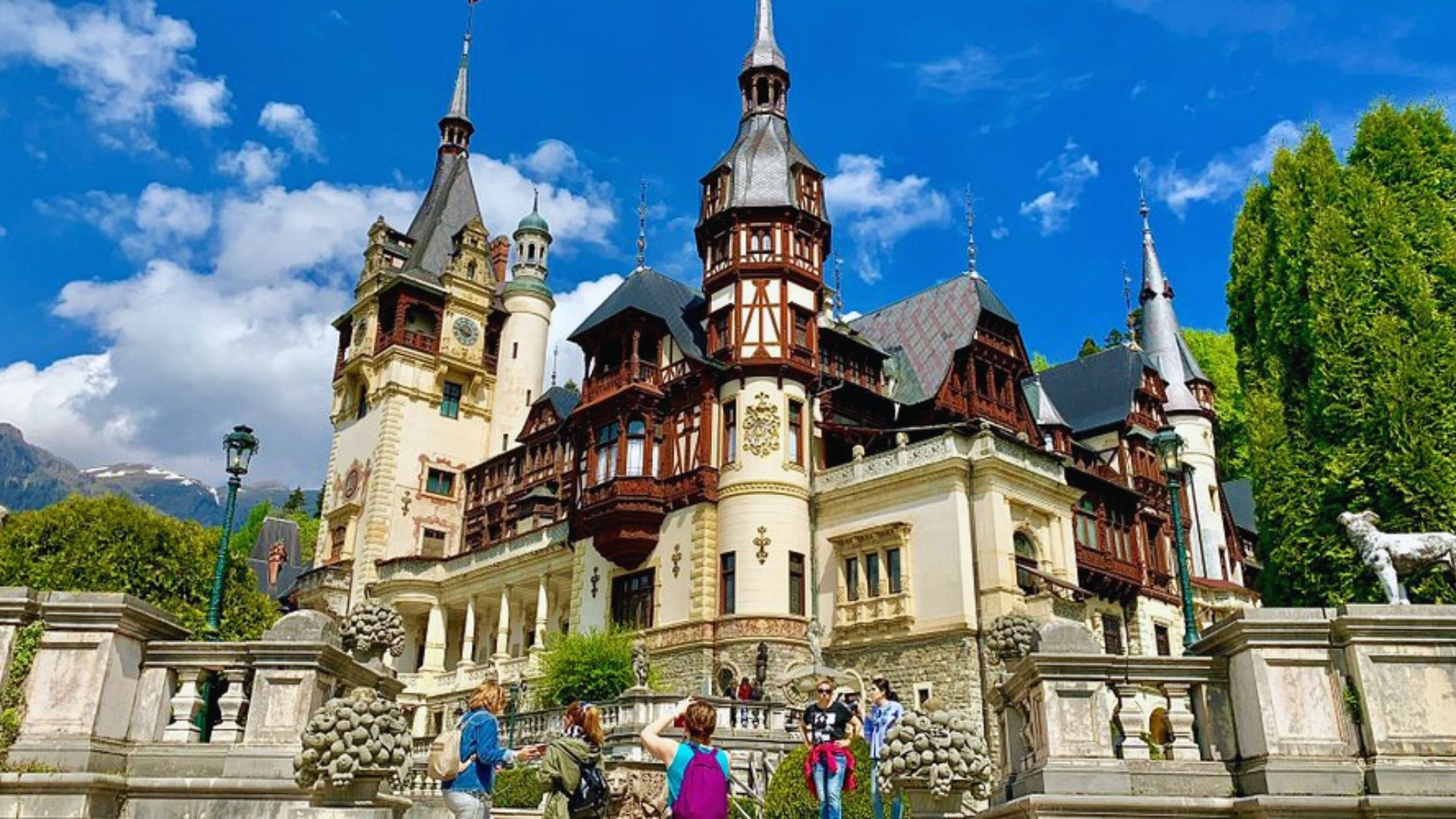
This late 19th-century Neo-Renaissance castle drew from medieval design to reflect royal luxury.
It shows how castle architecture continued growing and changing well beyond the Middle Ages. Its interiors hold one of Europe’s finest royal art collections.
15. Hohenwerfen Castle (Austria)
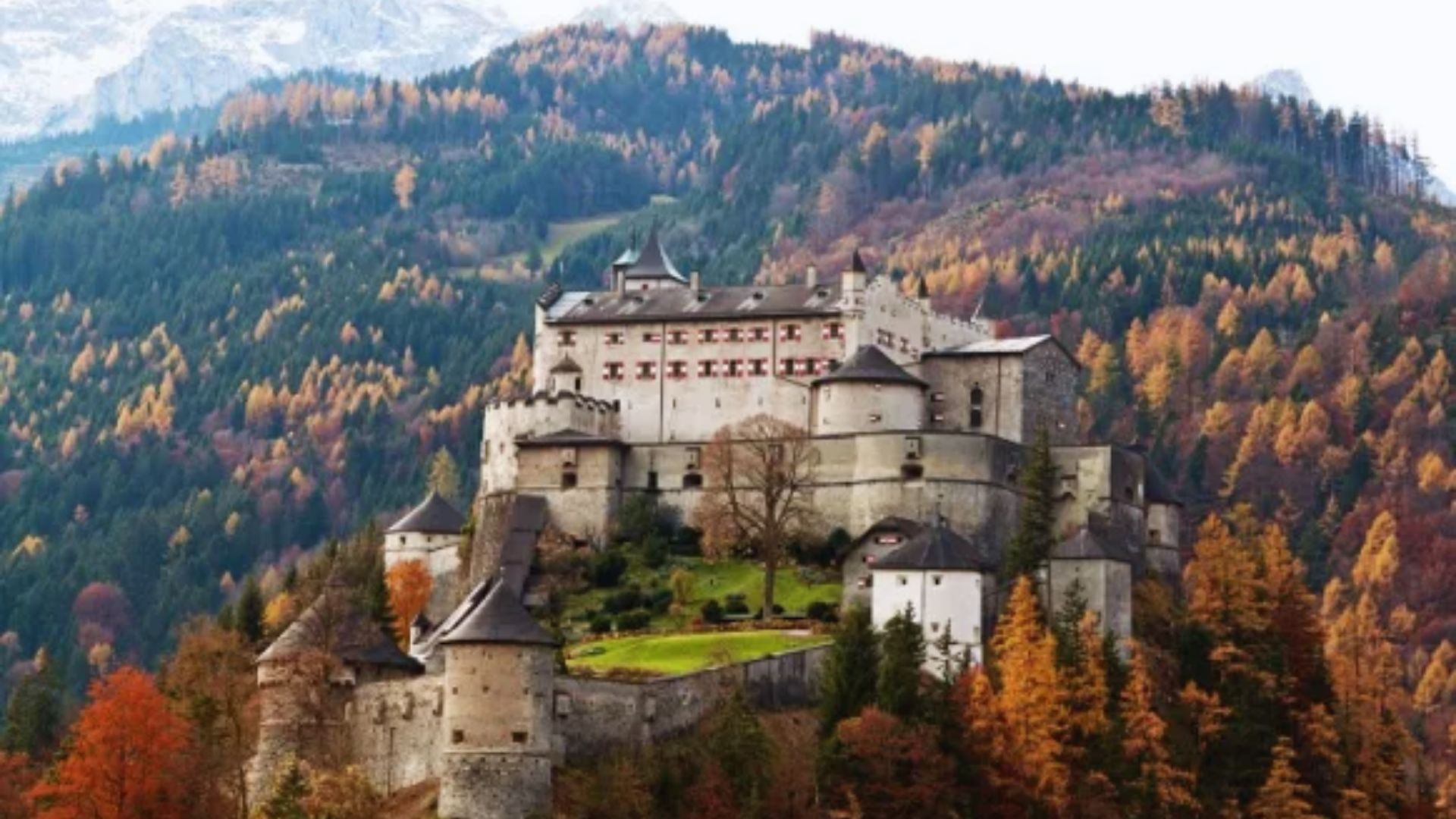
Perched on a cliff since the 11th century, this fortress was built for defense and regional control. Its natural position made it almost impossible to attack directly.
It also served as a prison for high-profile captives during the medieval period.
16. Kreuzenstein Castle (Austria)
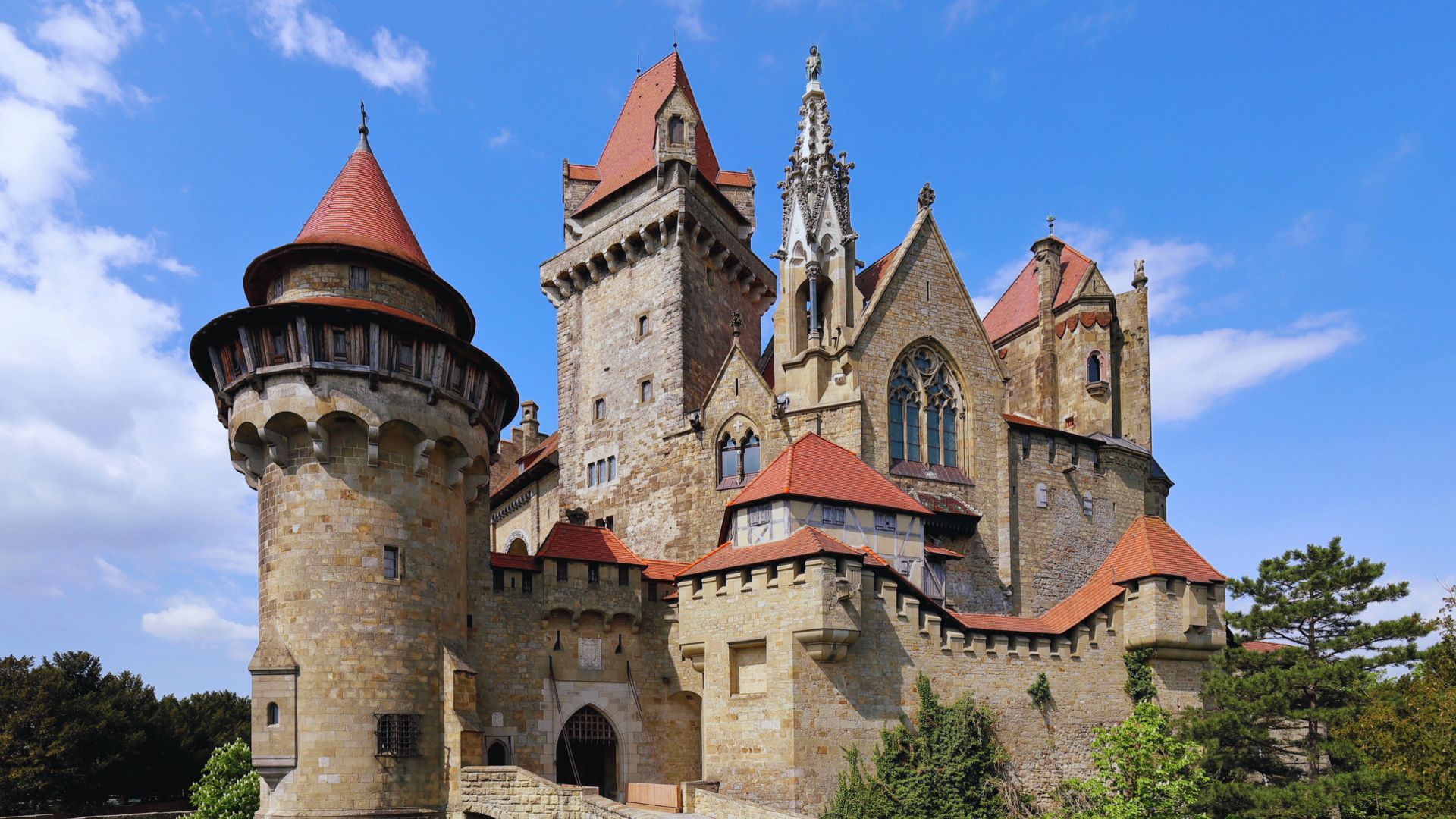
Rebuilt using authentic medieval artifacts, this castle is a careful reconstruction of traditional defensive design. It brings historic architecture back to life with real historical materials.
The collection inside includes armor, weapons, and rare medieval furnishings.
17. Wawel Castle (Poland)

This complex mixes Romanesque, Gothic, and Renaissance styles. As Poland’s main royal residence for centuries, it remains a key symbol of national history and cultural identity.
The castle also houses the famous Wawel Cathedral within its grounds.
18. Dunluce Castle (Northern Ireland)
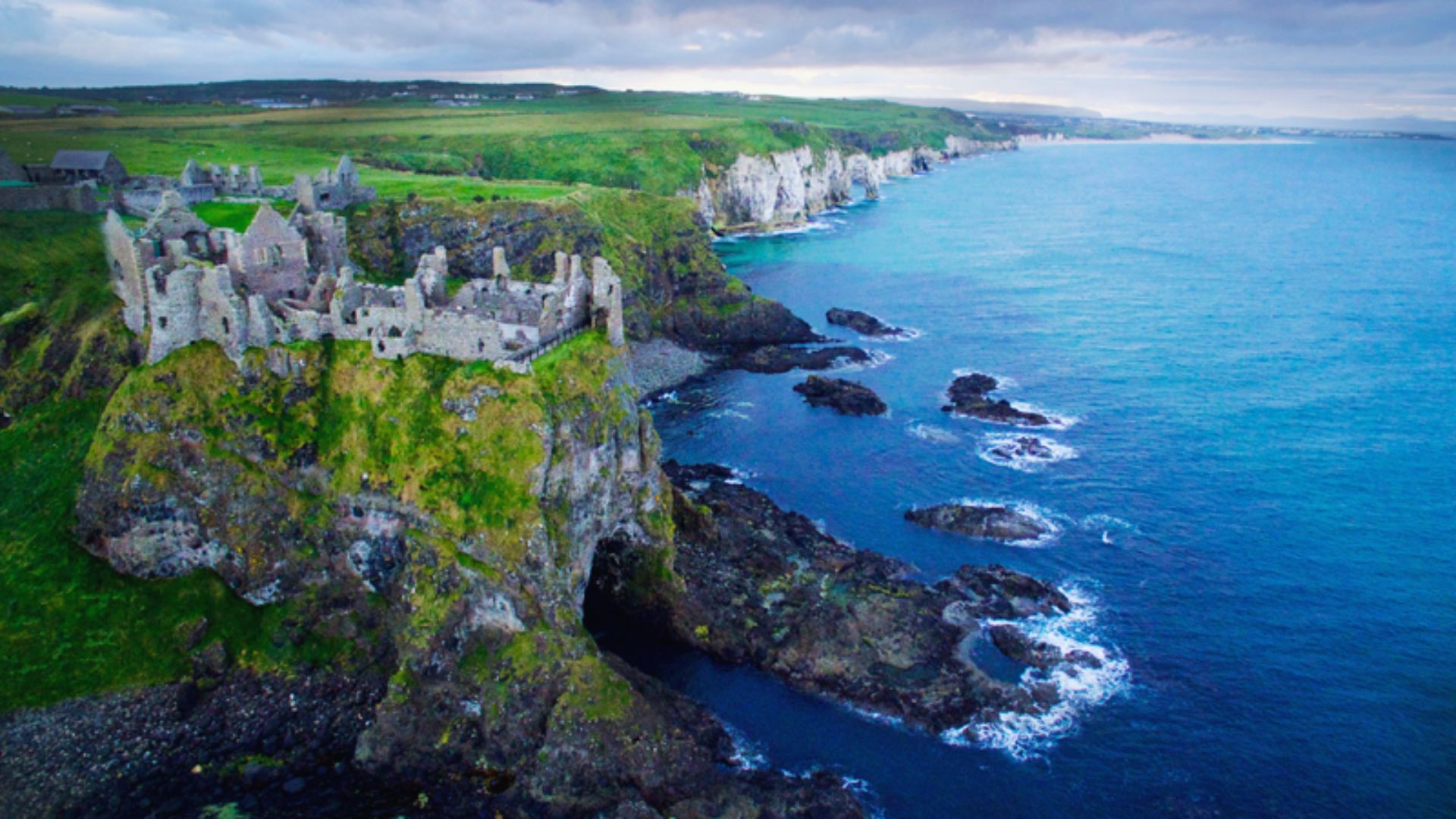
This ruined cliffside castle witnessed centuries of battles and shifting ownership. Its dramatic location and turbulent past make it one of Ireland’s most historically rich medieval sites.
Part of the castle famously collapsed into the sea during a storm.
19. Leeds Castle (England)
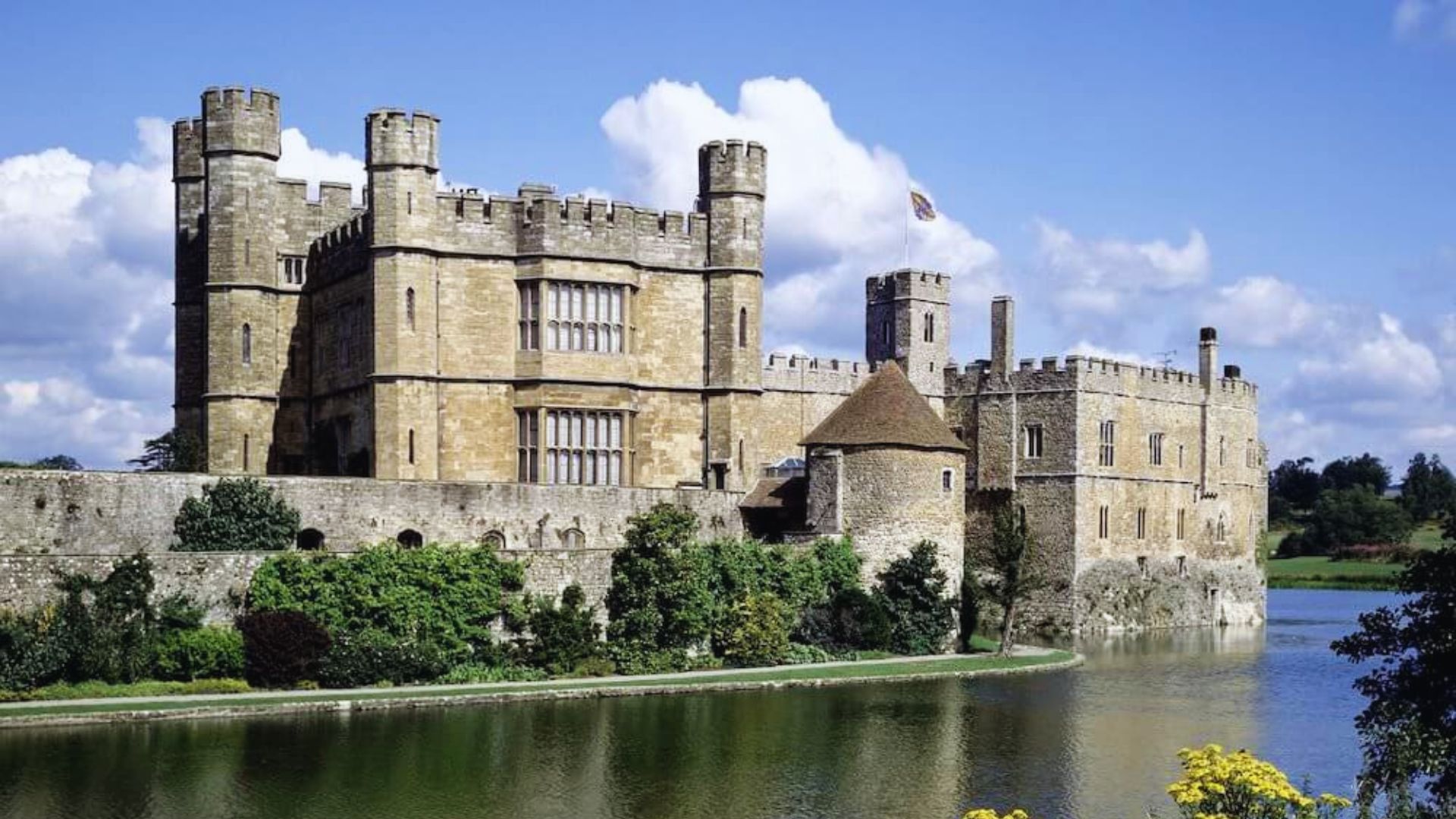
This Norman stronghold became a royal residence over time. Surrounded by a moat and set in a scenic landscape, it holds deep ties to English royal history.
It was used by several medieval English queens as a private residence.
20. Château de Pierrefonds (France)
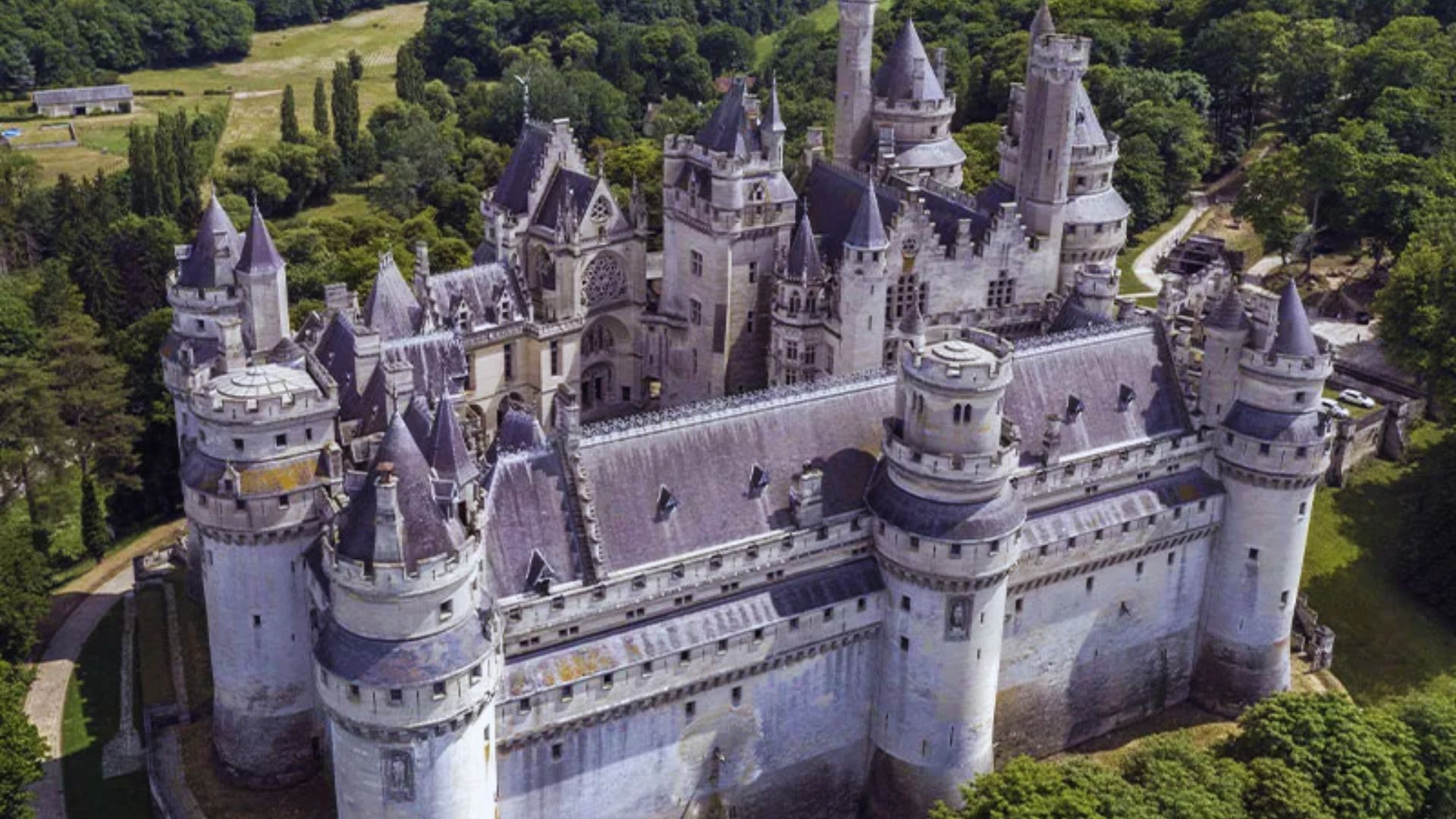
Restored in the 19th century, this castle showcases idealized Gothic architecture at its finest.
It was rebuilt to capture the grandeur that medieval design once represented across France. Emperor Napoleon III commissioned its full restoration after years of ruin.
21. Lichtenstein Castle (Germany)
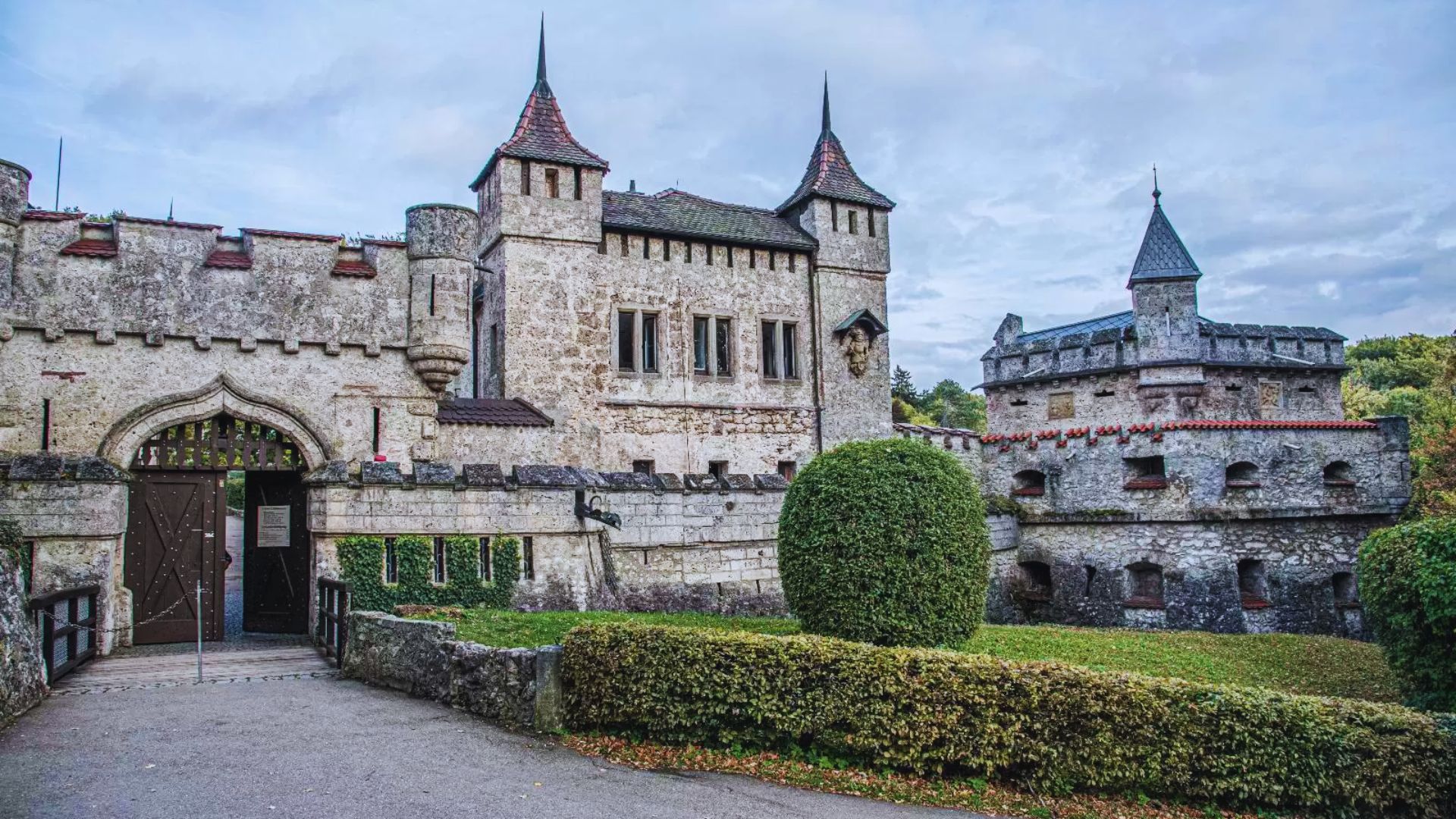
This revival castle drew from medieval knightly tradition and romantic literature.
Sitting on a cliff, its storybook appearance reflects a deep 19th-century fascination with medieval culture. It was built after a novel by Wilhelm Hauff inspired the owner directly.
22. Predjama Castle (Slovenia)
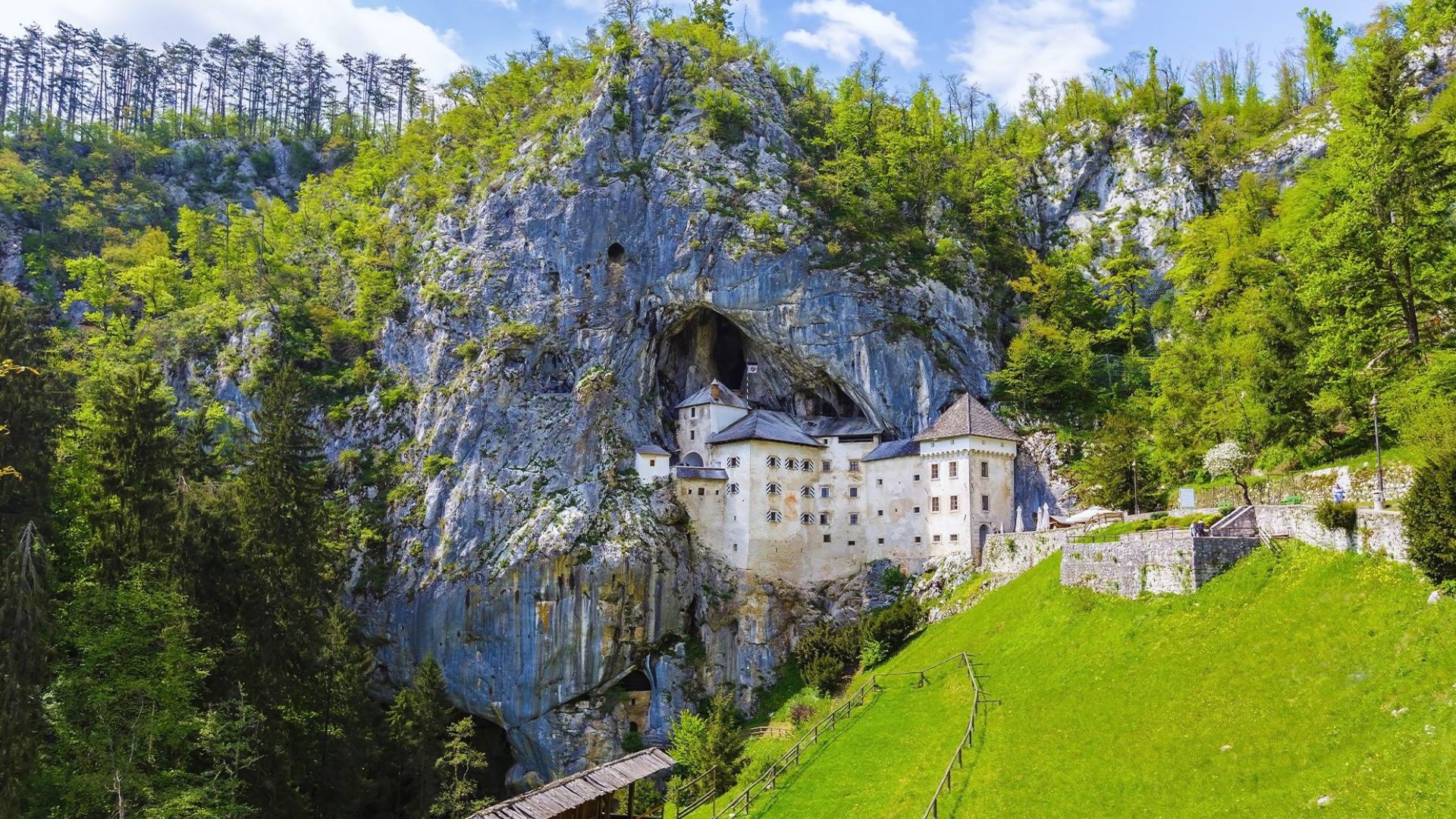
Built directly into a cliff face, this fortress used natural caves as part of its defense system.
It remains one of the most original castle designs found in Europe. A famous knight named Erazem Lueger once used it as his stronghold.
23. Burg Eltz (Germany)
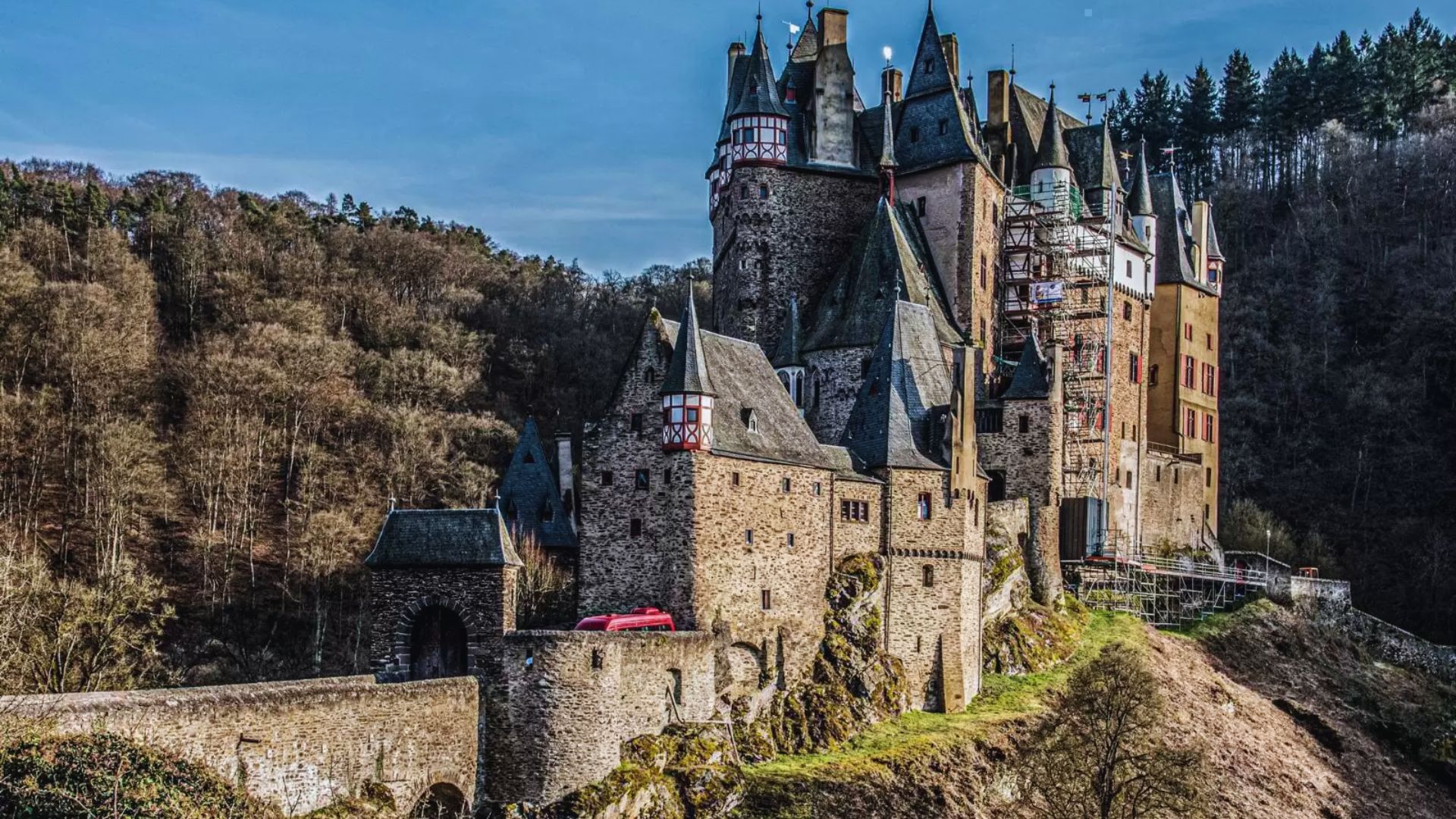
Owned by the same family for centuries, this castle is among Germany’s best-preserved medieval structures.
Much of its original architecture remains fully intact to this day. It has never been destroyed or significantly damaged throughout its long history.
24. Cochem Castle (Germany)
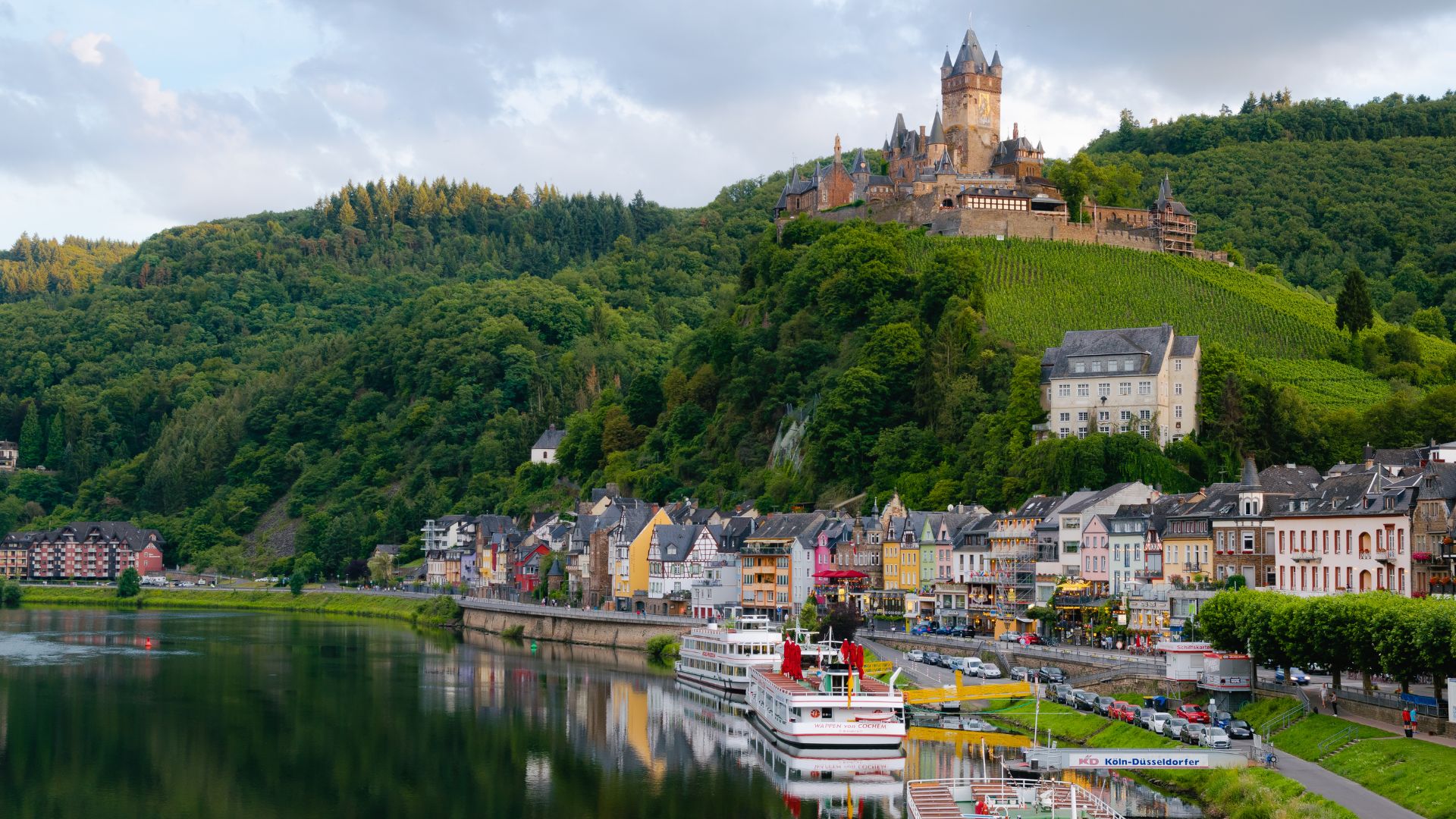
Rebuilt in Neo-Gothic style, this hilltop castle reflects strong medieval defensive traditions.
Sitting above the Moselle River, it draws visitors from across Europe throughout the year. Its original structure dates back to around 1000 AD, making it very old.
25. Castel del Monte (Italy)
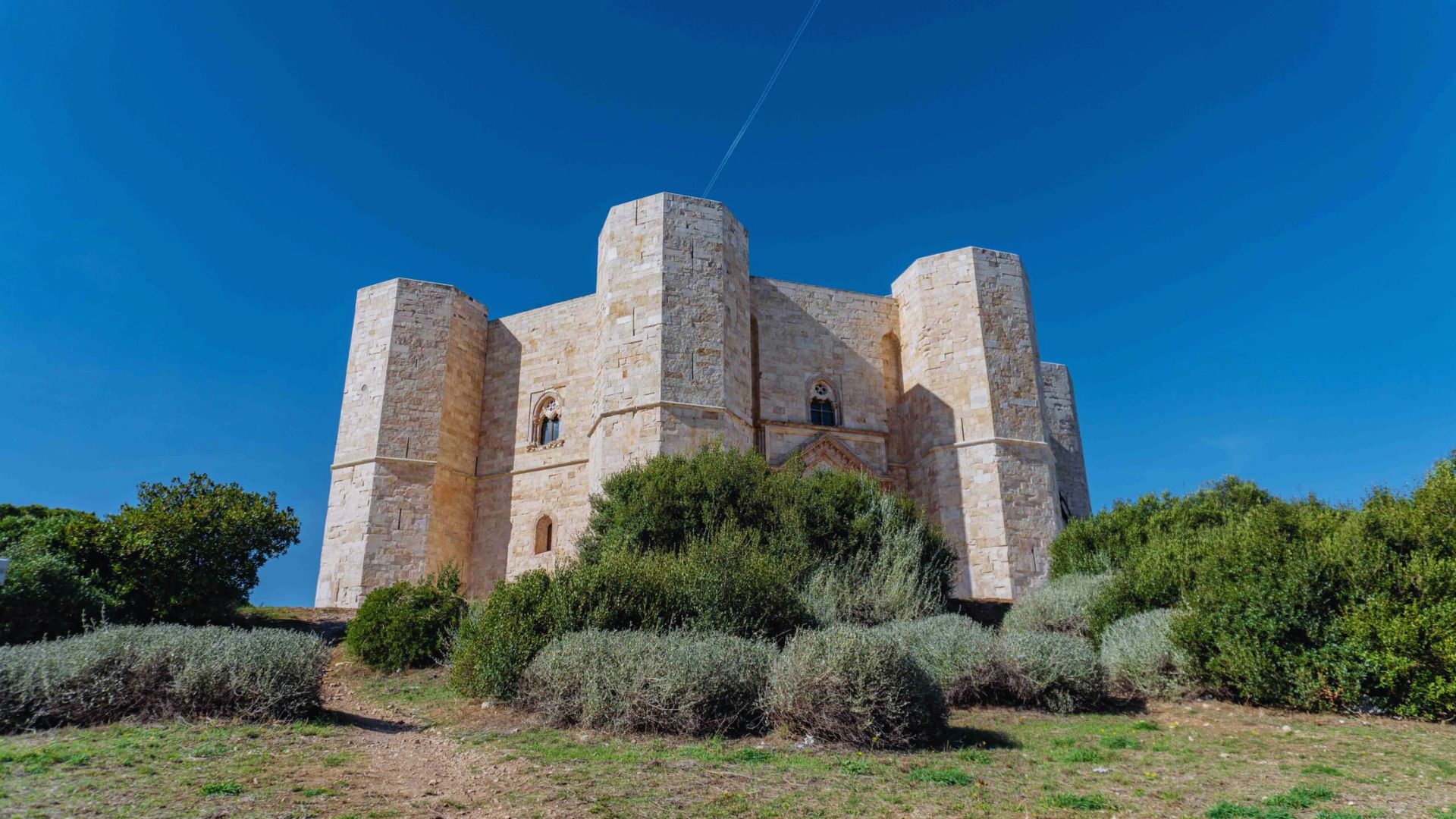
This 13th-century octagonal fortress blends classical and medieval design in a way that sets it apart from any other castle built during the same historical period.
Holy Roman Emperor Frederick II had it built, and its purpose still sparks historical debate.
26. Bouzov Castle (Czechia)

Known for its Gothic architecture and historical reconstructions, this castle was heavily restored in the early 20th century to reflect strong and authentic medieval design ideals.
The Teutonic Knights took ownership of it in the late 19th century.
27. Spiš Castle (Slovakia)
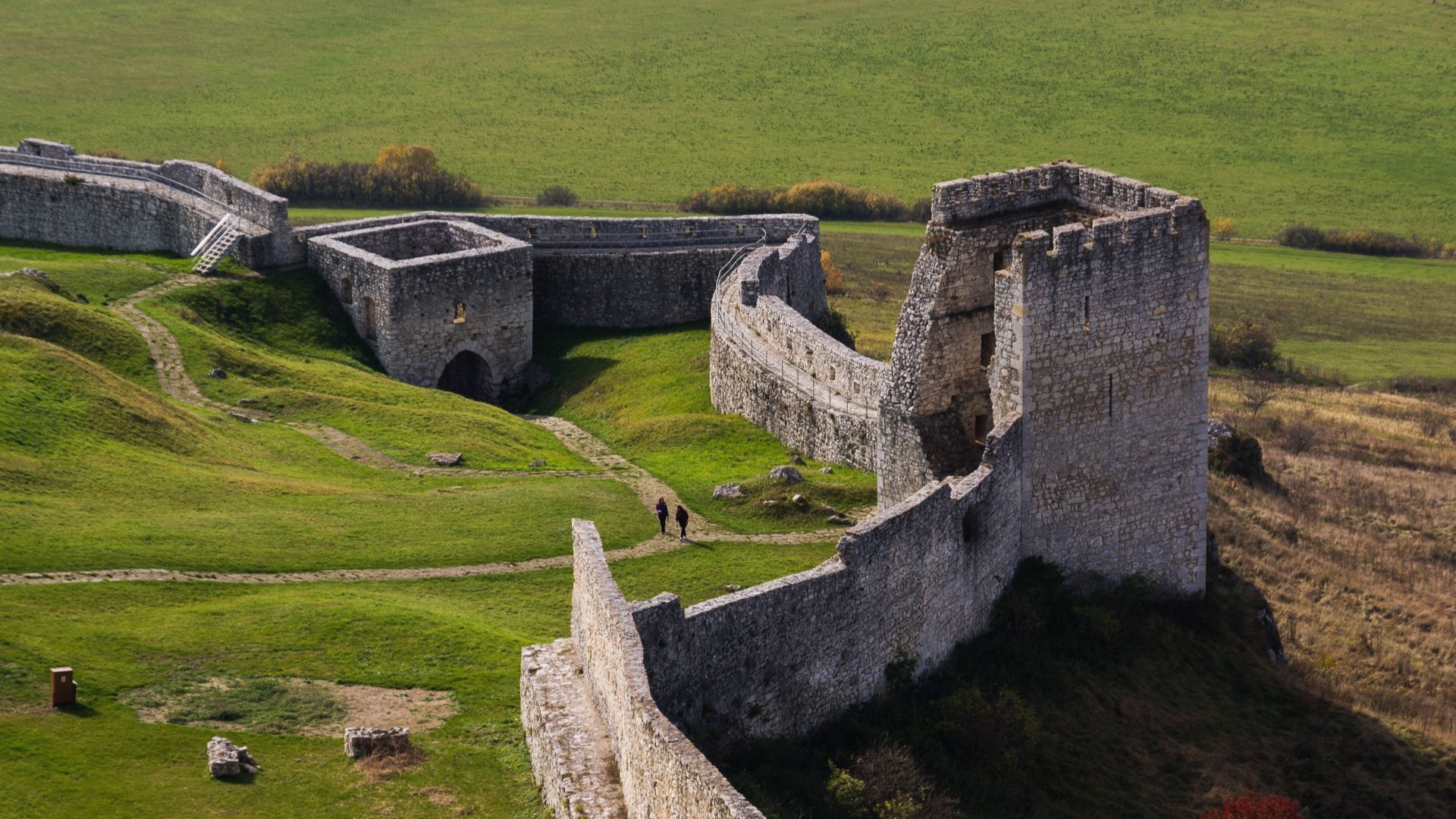
One of Europe’s largest castle complexes, Spiš Castle shows how early medieval fortification systems were built to control and defend wide stretches of surrounding land.
It was added to the UNESCO World Heritage list alongside other Slovak historic sites in 1993.
The Lasting Legacy of Medieval Castles in Europe
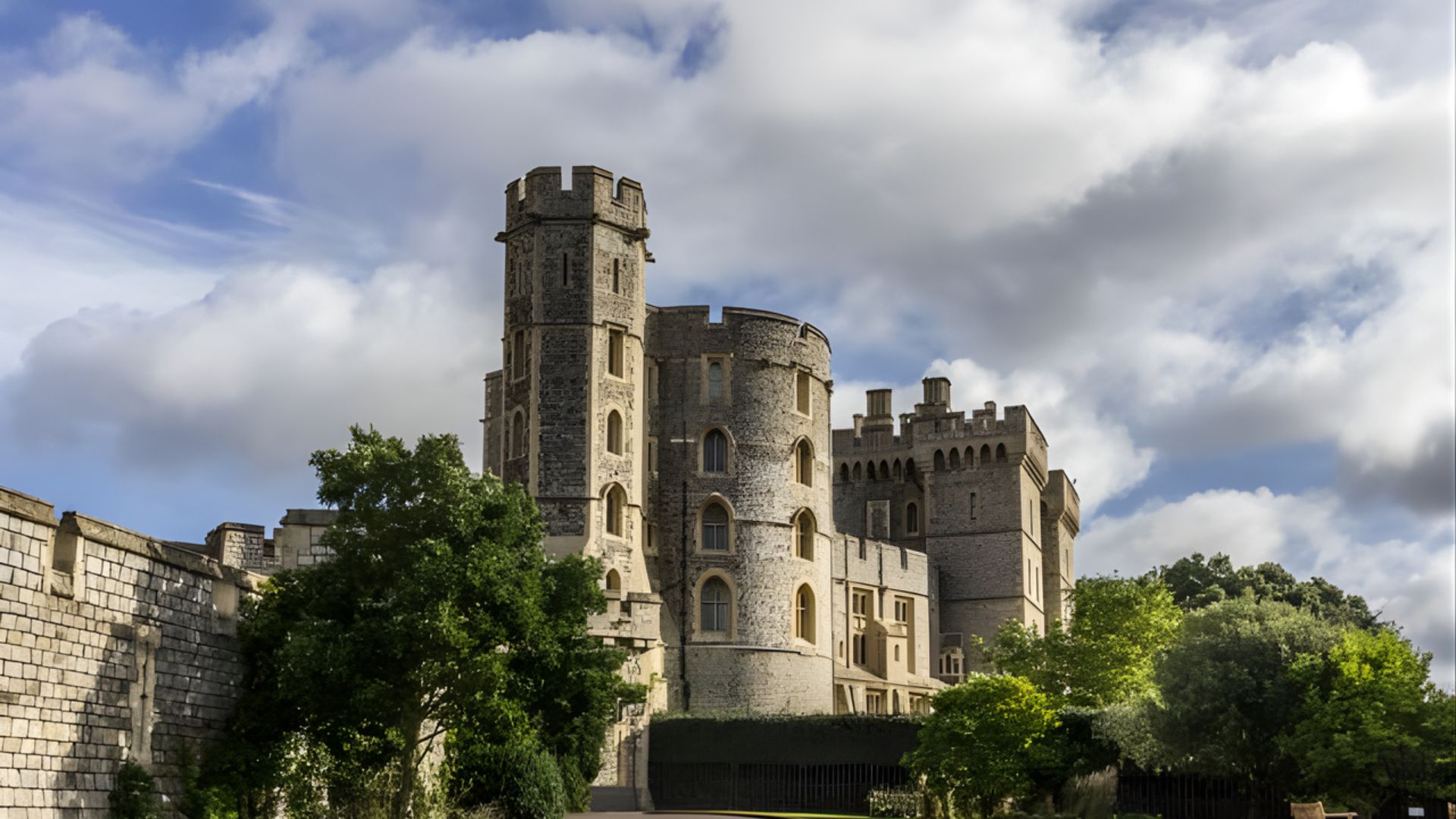
These castles shaped European history through war, religion, and politics, and their influence is still felt today.
Medieval castles in Europe did far more than provide shelter. They shaped how cities grew, how wars were fought, and how power was held and passed on.
Many became centers of culture and learning over time. Today, they draw millions of visitors every year.
They remind us of how much has changed, and how much has stayed the same. Walking through one feels like stepping back hundreds of years.
Their walls hold stories no book can fully capture. These places are living pieces of history, and they deserve to be seen.
Tips for Visiting Medieval Castles
Before you head out, here are a few things I always keep in mind. These small steps can make a big difference.
- Book tickets early: Popular castles like Neuschwanstein sell out fast, especially in summer.
- Wear comfortable shoes: Most castles involve steep steps, uneven stone paths, and long walks.
- Go early in the morning: Crowds build up quickly. Early entry means fewer people and better photos.
- Check seasonal hours: Many castles have limited hours in winter or close on certain days.
- Use a guide or audio tour: Context makes everything more interesting. A good guide changes the whole experience.
If you plan to visit one castle or ten, a little preparation goes a long way.
Conclusion
Medieval castles in Europe never get old for me. I still think about the first time I stood before a centuries-old fortress and felt the weight of its history.
Every castle on this list has its own story of power, survival, and design.
I hope this helps you plan your next visit or simply feeds your curiosity.
Drop a comment below telling me your favorite, share this post, and check out our other history guides.
Frequently Asked Questions
What is the oldest medieval castle in Europe?
The Tower of London, built in 1066, is one of the oldest surviving medieval castles in Europe.
Which medieval castle in Europe is the largest?
Malbork Castle in Poland is the largest castle in the world by land area.
Are medieval castles in Europe open to visitors?
Yes, most are open to the public, though hours vary by location and season.
Why were medieval castles built on hills or cliffs?
High ground gave defenders a clear view of enemies and made attacks harder to carry out.
What is the most visited medieval castle in Europe?
Neuschwanstein Castle in Germany, drawing over a million visitors each year.
