


I wasn’t expecting much when I first turned onto Torres Street in Carmel-by-the-Sea. Then I saw the cottages.
Tiny, tucked-away homes with curved rooflines, stone walls, and flower-covered doors. I spent the whole afternoon wandering, and I’ve been planning this guide ever since.
Here you’ll find 9 key storybook cottages, a simple walking route, and tips that actually help.
I’ve walked these streets and done the research so you don’t have to.
What Makes These Cottages Worth Seeing
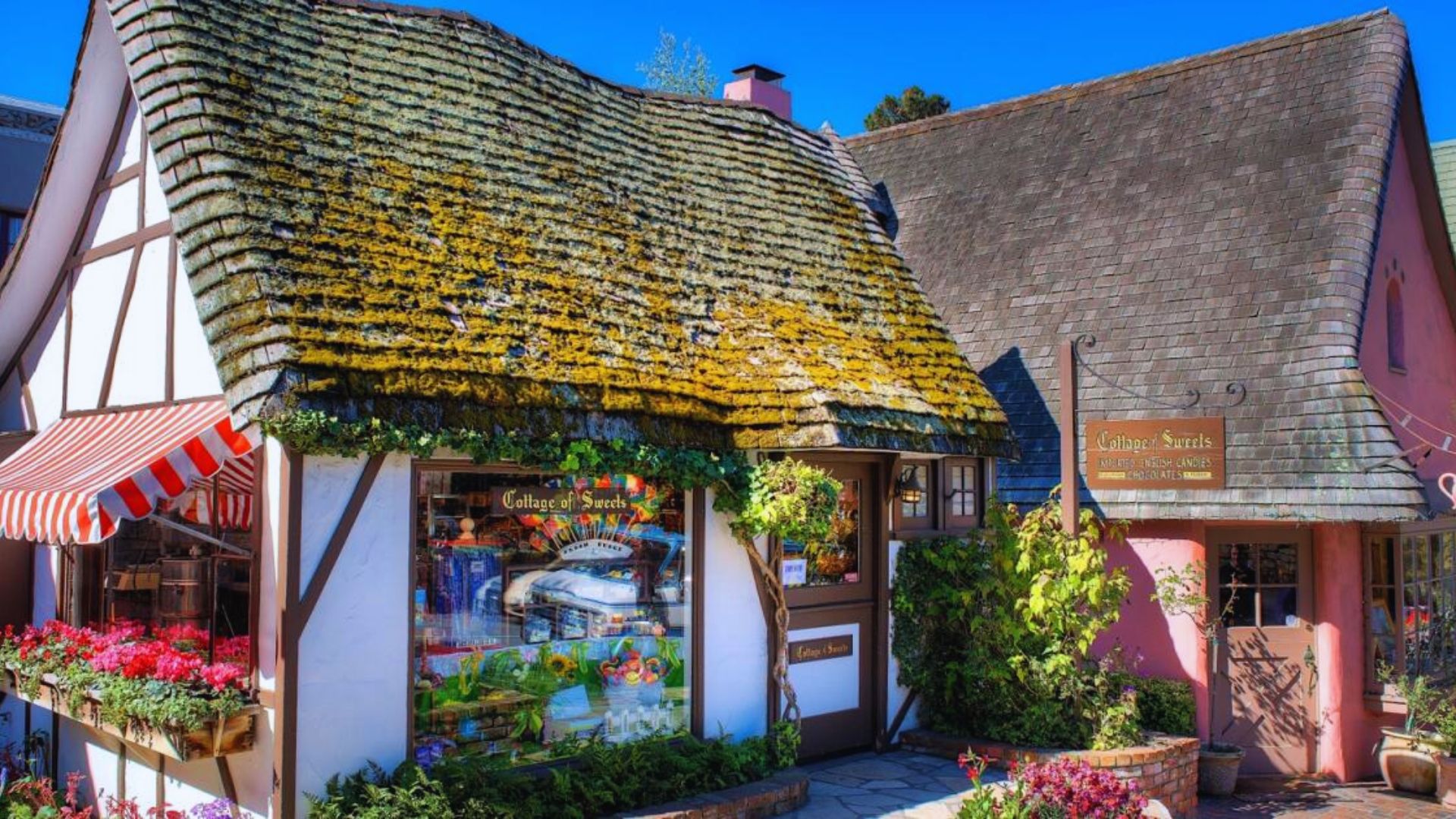
Most of these cottages were built by Hugh Comstock in the 1920s. His wife Mayotta sold handmade dolls, and he built small homes to support her work.
What started as a personal project slowly became part of Carmel’s identity. Today, these cottages still line the quiet side streets of town.
Each one has a story. Each one looks a little different from the last. The rooflines curve, the walls feel hand-shaped, and the details are hard to find anywhere else.
Together, they make Carmel one of the most charming walking towns on the entire California coast.
9 Key Fairytale Cottages to Include on Your Tour
Most of these cottages were shaped by one man’s vision, and each one still holds up nearly 100 years later.
1. Hansel & Gretel Cottages (1924–1925)
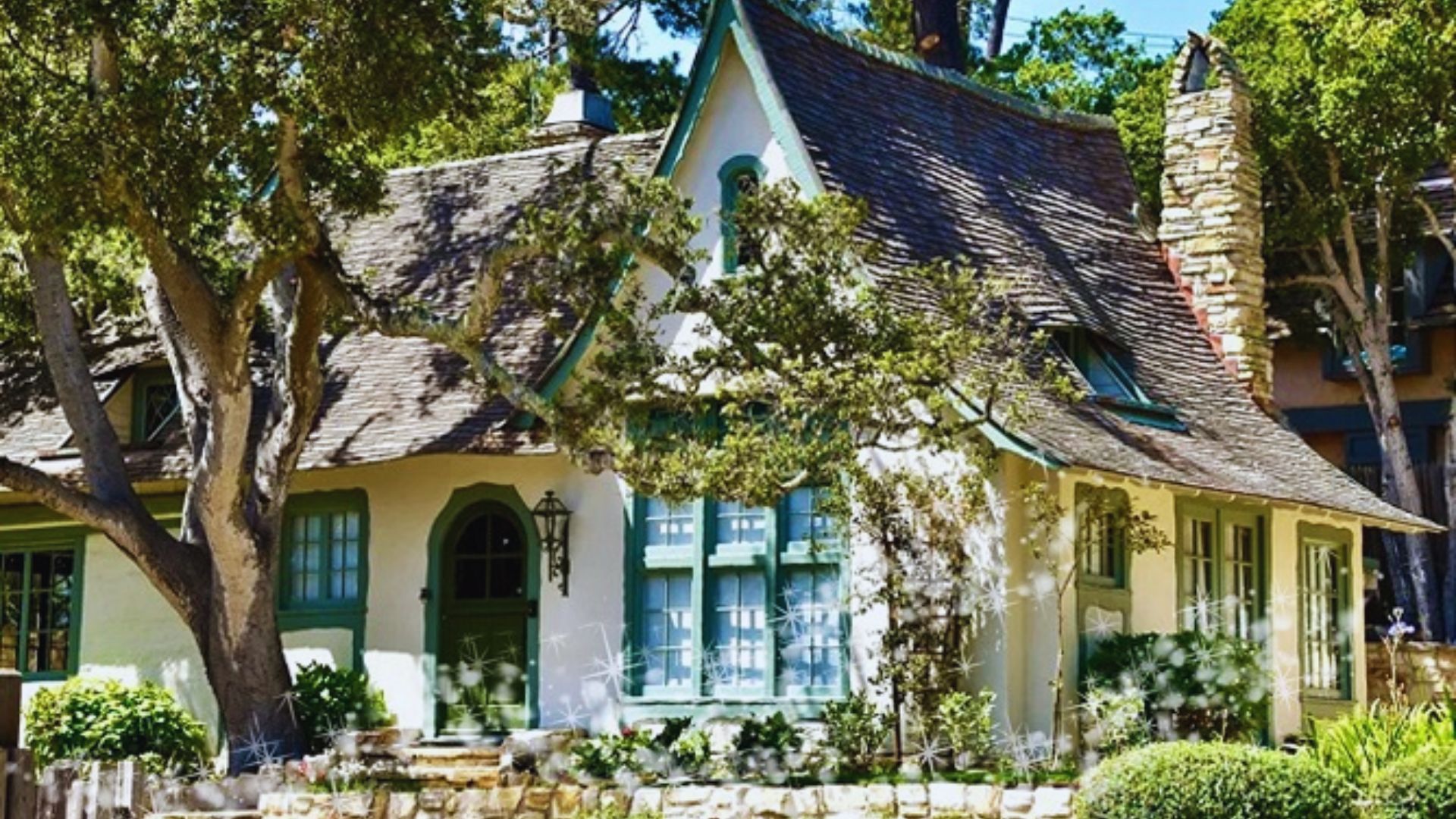
These two cottages started it all. Comstock built them for his wife Mayotta, who sold dolls from the space.
The curving rooflines and rounded doorways give them a clear storybook look. They sit on Torres Street and are the best place to start your tour.
2. Obers House (1925)
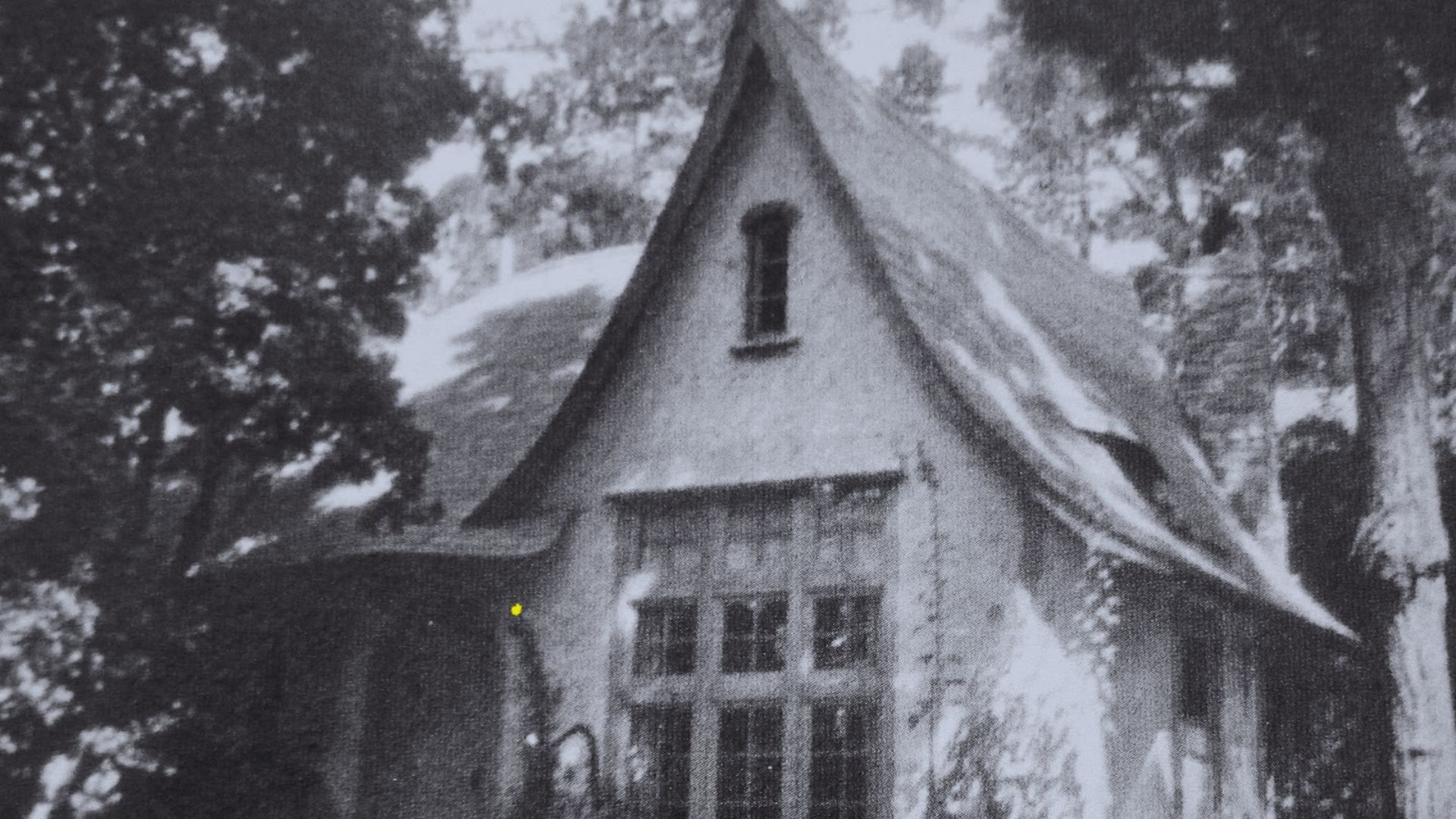
The Obers House has a steeply pitched roof and a cozy, hand-built feel.
It sits quietly on a Carmel side street. Look for the thick walls and small arched windows. It’s a clean example of Comstock’s early craft and easy to walk past if you’re not paying attention.
3. The Studio Cottage (1925)

Built as a working space, this cottage still carries Comstock’s signature look.
The curving roofline and handcrafted details make it stand out on the block. It blends into the neighborhood at first glance, but take a closer look.
4. House (1928)
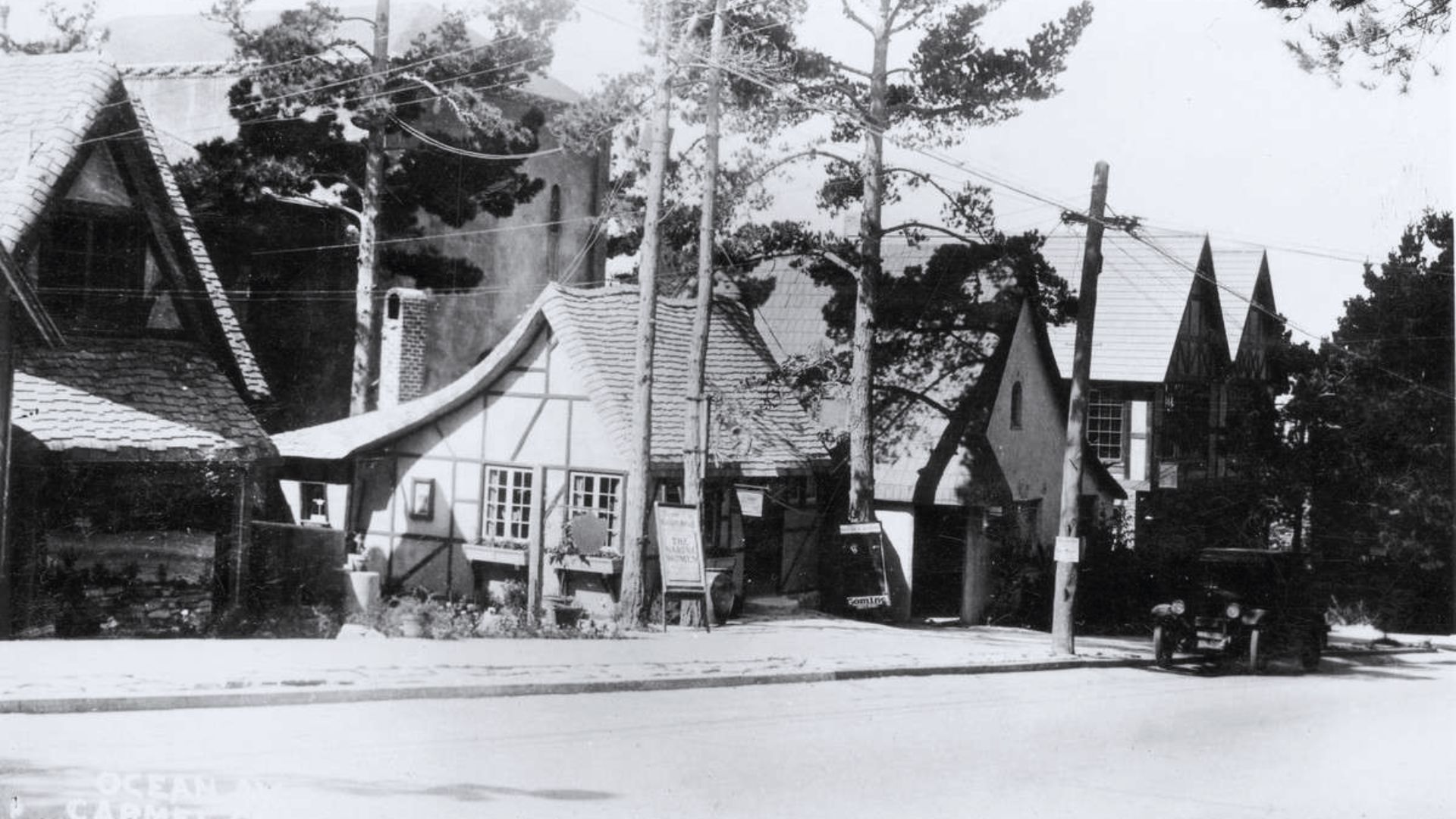
This 1928 build has a rounded roof and organic shapes that make it feel like it grew from the ground.
The storybook look is clear from the street. It is one of the later Comstock builds and shows how steady and consistent his style stayed across the years.
5. Storybook Cottage / Browne House (1926)
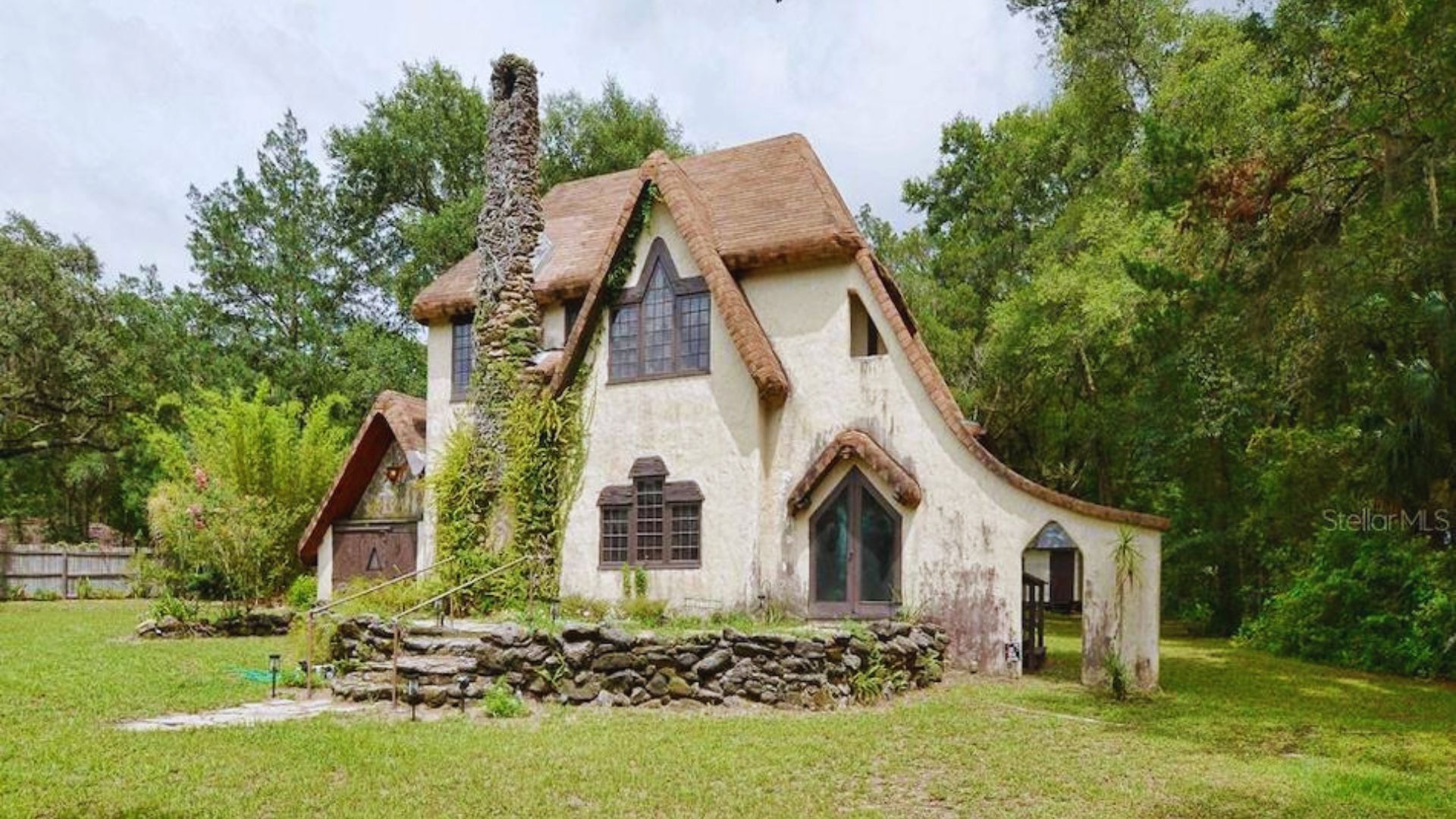
The Storybook Cottage fully lives up to its name. Built in 1926, it has rounded rooflines and hand-shaped details throughout.
It is one of the most photographed stops on the tour. Stand in front of it for a moment.
6. Fables & Doll’s House (1928)
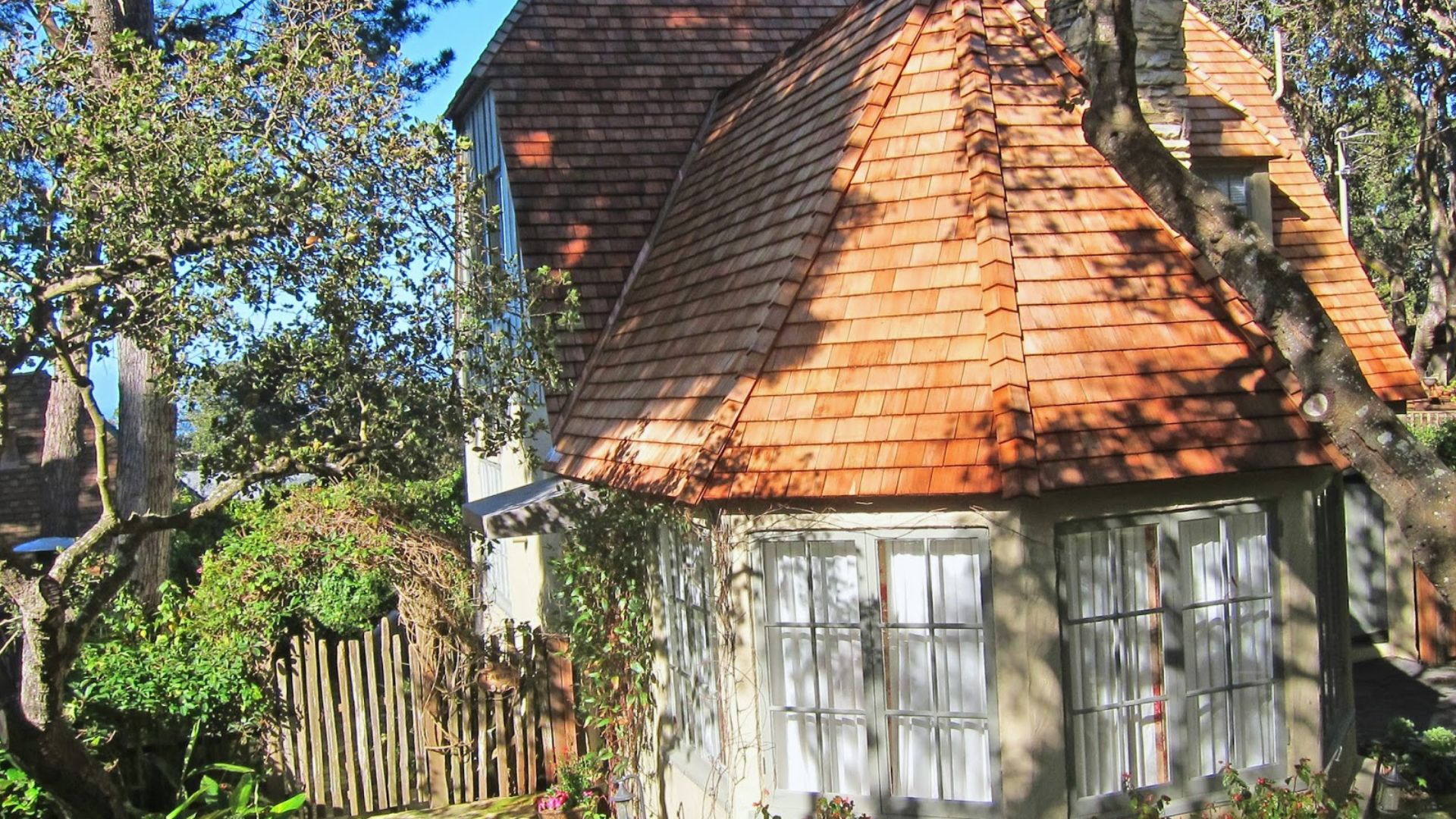
These two cottages sit close together. Built in 1928, they have a small scale and rounded features that make them look almost like props from a film set.
They are great to photograph side by side and show the playful side of Comstock’s work in Carmel.
7. Honeymoon Cottage / Yellow Bird (1928)

Known for its warm yellow tones and rounded roof, this cottage has a cozy, inviting feel.
Built in 1928, it was likely used as a private retreat. Today, it draws visitors who want to see Comstock’s work at its most personal and warm.
8. Ocean House & The Wood (1927–1928)

These two make up a two-part stop on the tour. Ocean House sits closer to the street, while The Wood feels more tucked away.
Both were built between 1927 and 1928. Seeing them together shows how well Comstock worked with the natural setting around him.
9. Marchen Haus (1926)

Marchen Haus means fairy tale house in German, and the name fits perfectly.
Built in 1926, it has one of the most dramatic rooflines of any Comstock built in Carmel. The steep pitch and curved edges give it a strong presence. It is a must-see final stop on the tour.
Planning Your Walking Tour

Start near Torres Street with the Hansel & Gretel Cottages, then work your way through the side streets from there.
No car is needed in Carmel. A good pair of shoes and a saved map will go a long way. Plan for two to three hours to cover all nine stops comfortably.
Most cottages are private homes, so stay on the sidewalk and be respectful of the people who live there.
Morning is the best time to go, before the streets get busy. Bring a camera too. The light in the morning hits these cottages really well. You will want to stop often.
Tips for Visitors
A little prep makes a big difference when visiting these historic cottages.
- Wear comfortable shoes: the streets in Carmel can be uneven, and you will be on your feet for a while.
- Download or print a map before you go: cell service can be spotty in town, so having a route saved offline will save time.
- Visit on a weekday if you can: weekends draw bigger crowds and the side streets feel tight.
- Stay on the sidewalk: most cottages are private homes, so look from the street and be respectful of residents.
- Go early for the best light: morning light hits these cottages well, and the streets are much quieter before 10 a.m.
With a little planning, this tour will be one of the most memorable walks you take in California.
Conclusion
I hope this guide gives you everything you need for your walking tour of Carmel-by-the-Sea fairytale cottages.
These aren’t just old buildings. They are hand-built works of art full of real history.
When I first walked this route, I stood in front of the Marchen Haus for five minutes and couldn’t move.
Take your time when you go.
Found this helpful? Share it with someone planning a trip. Drop a comment below and tell me which cottage was your favorite.
Frequently Asked Questions
Who built the fairytale cottages in Carmel-by-the-Sea?
Hugh Comstock built most of them in the 1920s for his wife Mayotta.
Are the Carmel-by-the-Sea fairytale cottages open to the public?
Most are private homes, so you can view them from the sidewalk only.
How long does the walking tour of Carmel-by-the-Sea fairytale cottages take?
Plan for about two to three hours at a relaxed pace.
When is the best time to visit for the cottage walking tour?
Weekday mornings offer the quietest streets and the best light.
Do I need a guided tour to see the fairytale cottages in Carmel-by-the-Sea?
No, a printed map or saved route on your phone is all you need.
