


I’ve visited over 30 heritage sites across the country with my family, and living history museums remain our favorites. They don’t just show you the past; they let you step into it.
From watching real blacksmiths at work to stirring stew in a colonial hearth, these museums make history real for kids and adults alike.
I visited each location, spoke to educators, checked reviews, and evaluated family-friendliness and educational value firsthand.
This guide covers seven of the best living history museums in the U.S. for 2025, with hands-on experiences to expect and insider tips to help you plan smart.
Why Living History Museums Offer a Deeper Way to Experience the Past
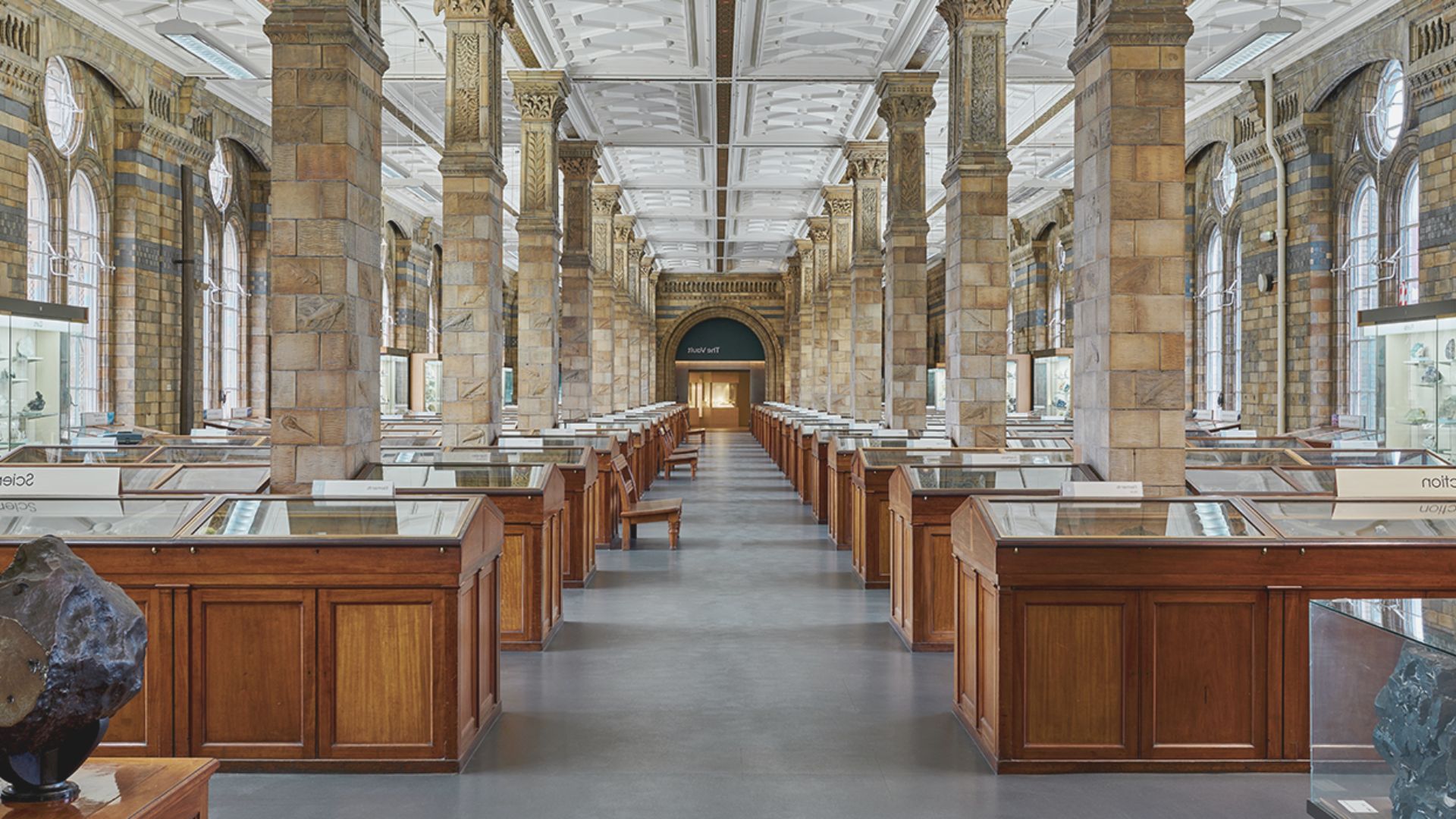
Living history museums create immersive experiences that traditional museums can’t match.
Instead of reading about history behind glass cases, you interact with costumed interpreters who demonstrate daily life from specific time periods.
You can touch tools, smell cooking fires, hear period music, and participate in authentic activities.
These hands-on experiences help children and adults understand history through multiple senses.
Research shows that active participation improves retention and creates lasting memories. Living history museums transform abstract historical concepts into tangible, relatable experiences that stick with visitors long after they leave.
The 7 Top Living History Museums
Here are seven standout living history museums in 2025 offering immersive, educational experiences, from recreated villages to interactive historical performances.
1. Colonial Williamsburg, Williamsburg, Virginia
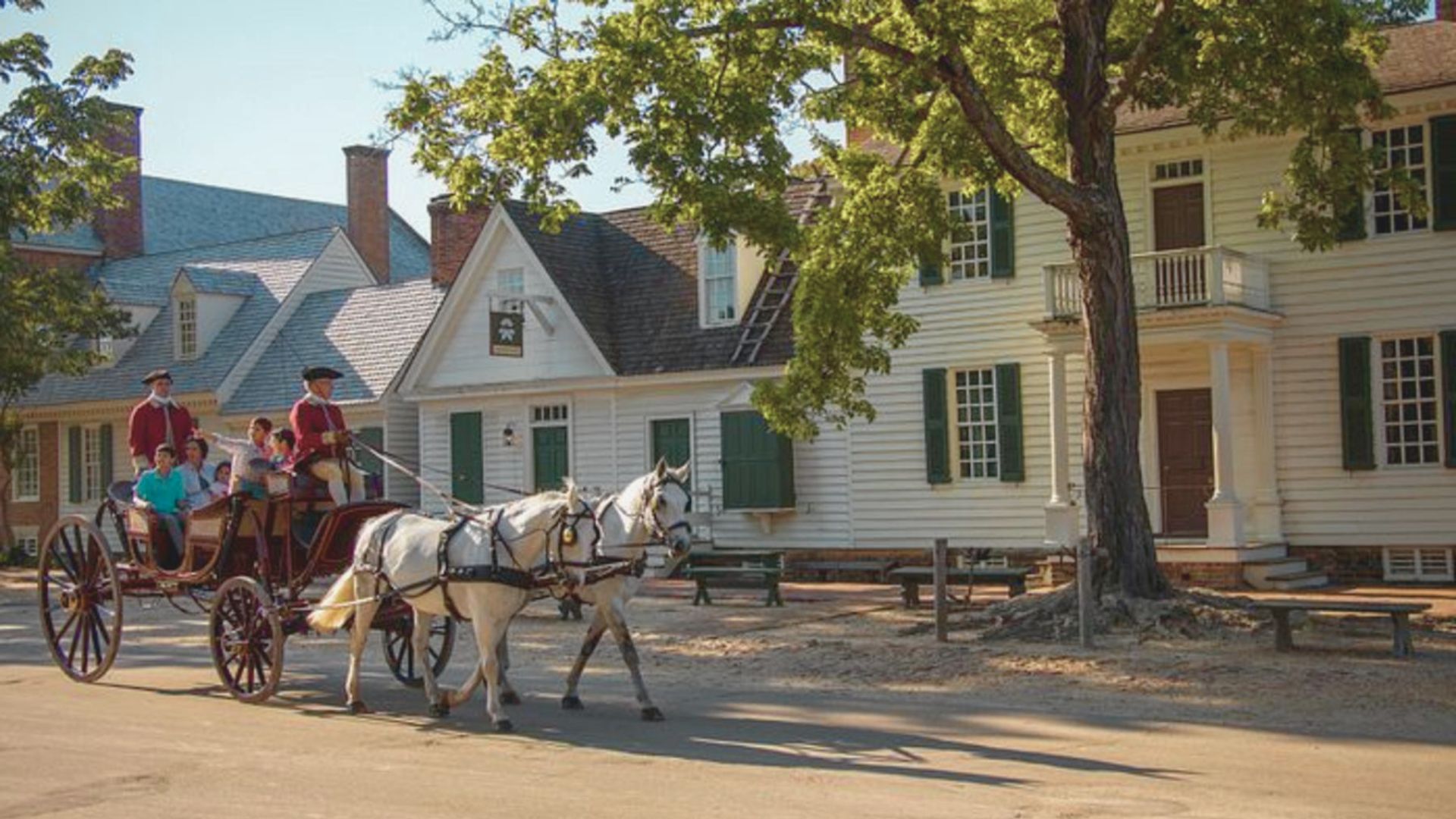
Period: Colonial America and Revolutionary War (18th Century)
I’ve visited many history museums, but Colonial Williamsburg stands apart. This isn’t your typical museum experience. You’ll find yourself on 301 acres of authentic colonial streets as the world’s largest living history museum.
Revolutionary War reenactments happen regularly, and you can watch demonstrations of colonial life. The trade shops are real; artisans complete 7-year apprentice programs here. They use Nation Builders, actual historians who study and portray real historical figures.
Key attractions include:
- Blacksmith, carpenter, and wigmaker demonstrations
- Palace and Capitol building tours
- Art Museums of Colonial Williamsburg
- Live Revolutionary War performances
Plan a whole weekend. The museum operates 365 days a year, making it America’s most complete living history experience.
2. Mystic Seaport Museum, Mystic, Connecticut
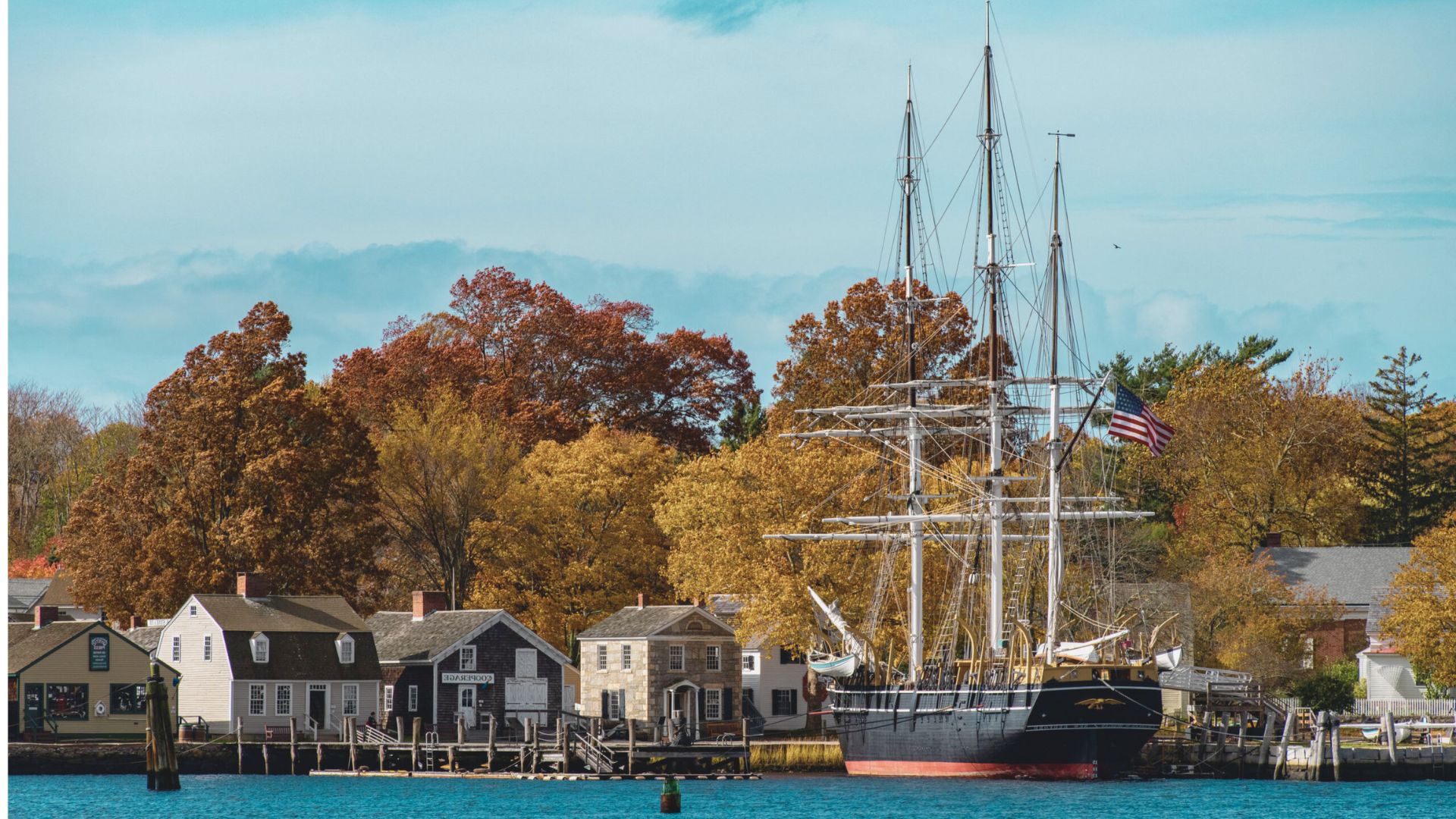
Period: 1800s Seafaring Village
Ever wonder what life was like in a 19th-century seaport? Mystic Seaport answers that question perfectly. This place focuses entirely on maritime history with authentic New England buildings moved from across the region.
The star attraction is the Charles W. Morgan whaling ship, which launched in 1841 and still operates today as the oldest commercial ship still working. You can watch traditional maritime trades:
- Shipsmiths forging anchor chains
- Coopers making wooden barrels
- Woodcarvers crafting ship details
- Riggers working with rope and sail
You won’t just watch. Take coal-powered steamboat cruises on the Mystic River or try captaining a wooden rowboat yourself.
They have a special children’s museum for visitors under seven. Summer gets crowded, but no other museum combines authentic sailing experiences with maritime history this well.
3. Plimoth Patuxet Museums, Plymouth, Massachusetts
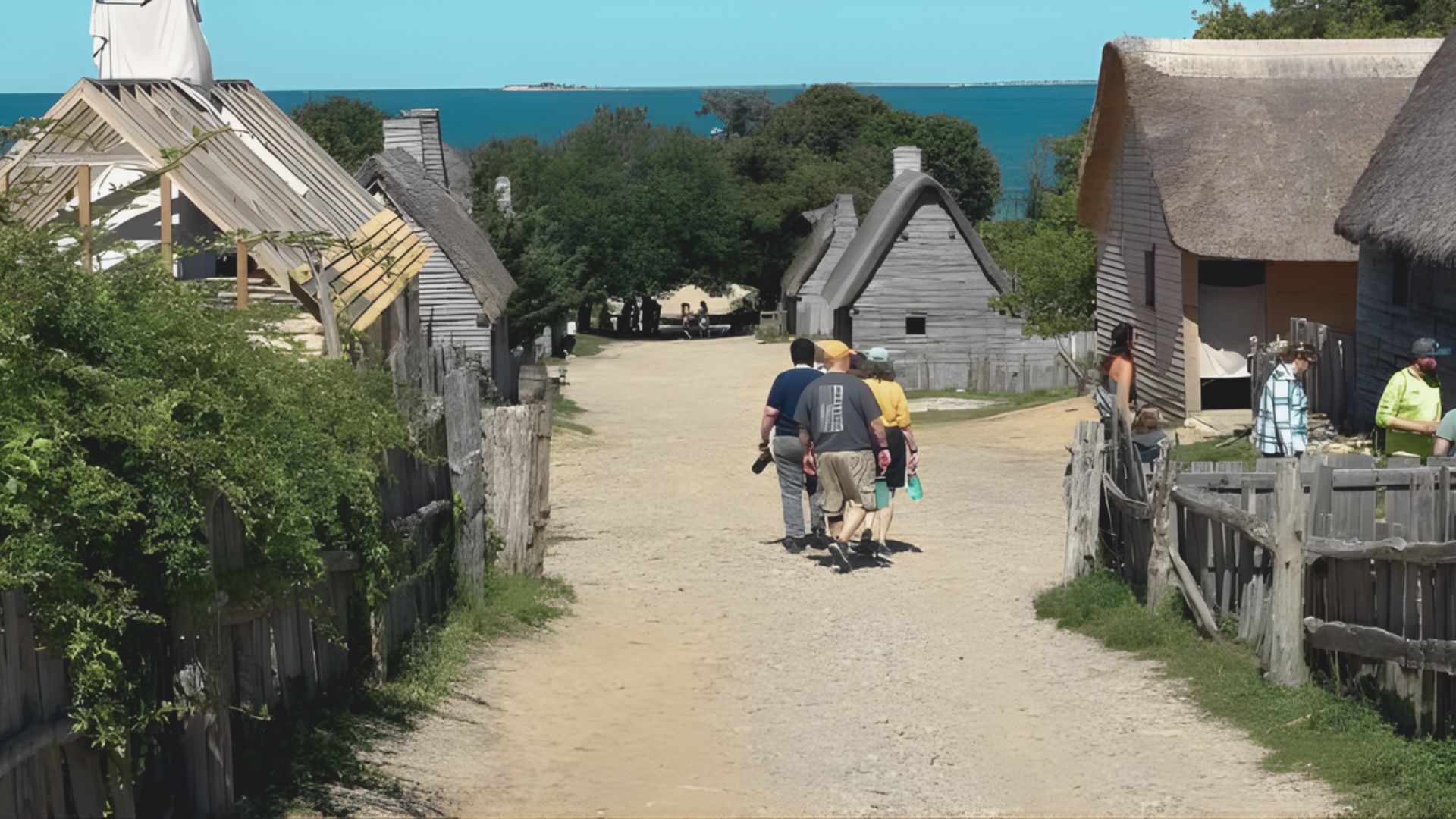
Period: 17th Century Colonial Settlement (1627)
This is where American history truly began. Plimoth recreates the original English settlement exactly as it was in 1627. The historical interpreters don’t break character and interact with you as “strangers” from 1627 who have no idea what a car is.
You’ll board the Mayflower II replica ship where 102 passengers crossed the Atlantic in this tiny vessel. The Historic Patuxet section features actual Wampanoag tribal members sharing their ancestors’ experiences. You’ll see:
- Daily colonial life demonstrations
- Historically accurate clothing and cooking
- Modern conversations with Native Americans about the past
- Traditional Wampanoag culture and customs
Plan your visit between March and November when they’re open. The cultural integration sets this museum apart, giving you both sides of the Pilgrim story told by people whose families lived it.
4. Conner Prairie, Fishers, Indiana
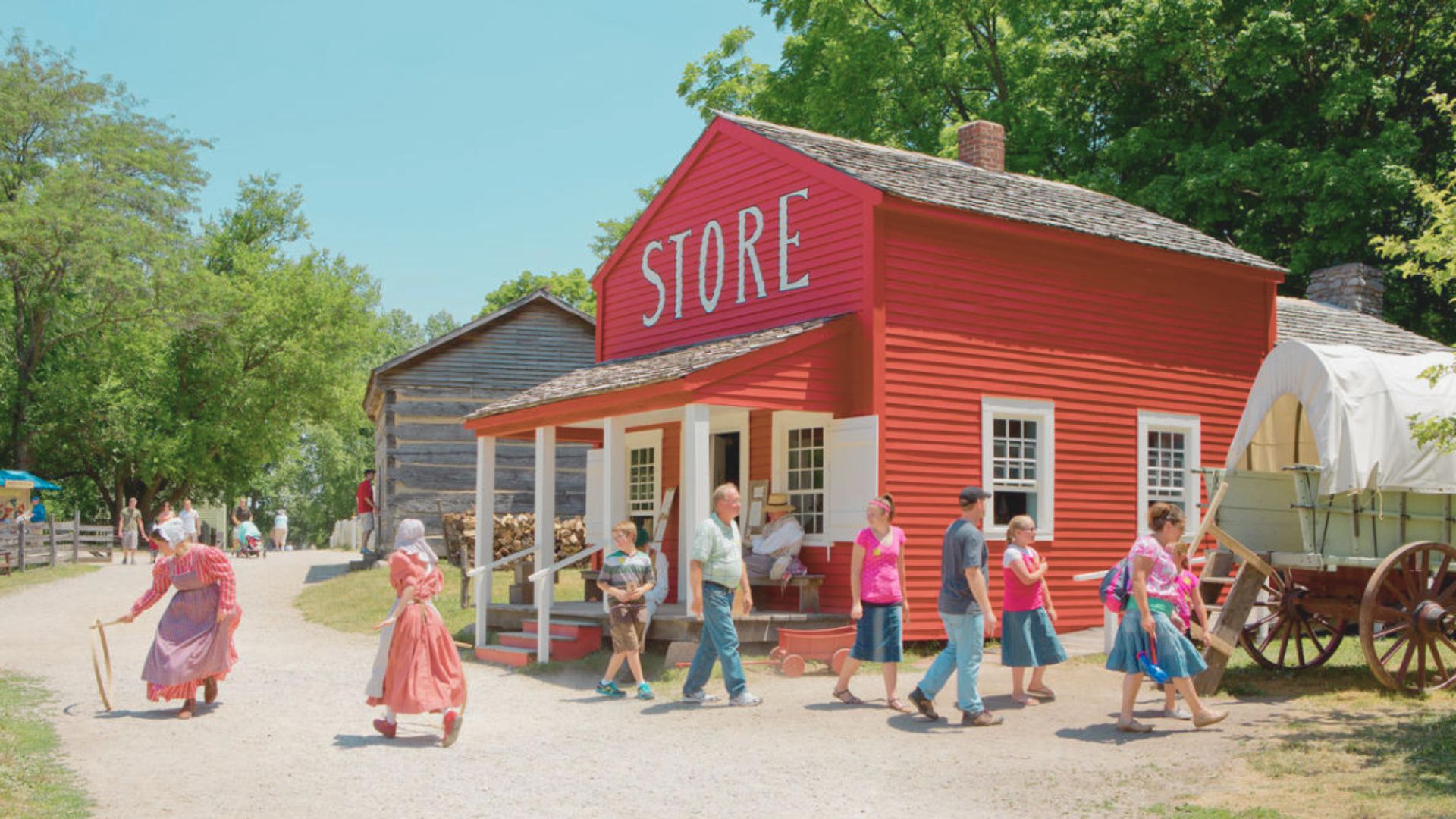
Period: 19th Century Indiana Prairie Life (1836)
Want to live like a pioneer? Conner Prairie makes that happen. This isn’t a place where you watch demonstrations; you become part of prairie life.
The staff encourages you to roll up your sleeves and help with daily chores. You can chop wood for cooking fires, feed farm animals, plant vegetables in the garden, create pottery using period techniques, or cook meals over open flames with other settlers.
Here’s the surprise: They have an 1869 balloon ride experience. You’ll learn how hot air balloons worked in the 1800s through interactive exhibits, then take a tethered balloon ride above the prairie with spectacular aerial views.
The museum operates year-round, but some outdoor exhibits close during winter. Most living history museums keep you at arm’s length, but Conner Prairie puts you right in the middle of frontier life.
5. High Desert Museum, Bend, Oregon
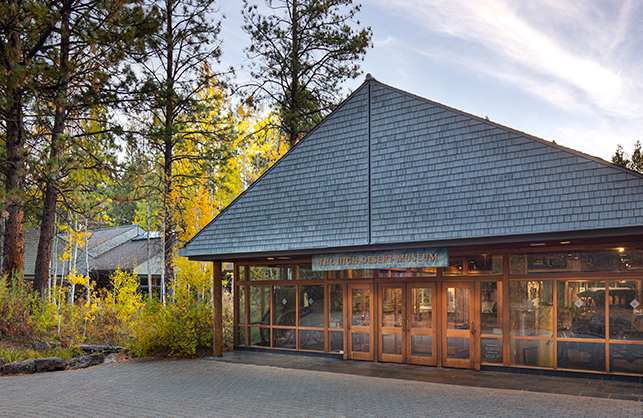
Period: Early 1900s Western Life
This museum breaks all the rules. High Desert Museum combines three experiences on 135 acres instead of focusing on a single aspect.
You’ll start at the Miller Family Ranch in 1904, meeting the Miller family and helping with authentic homesteading chores or playing frontier-style games.
Then you walk from the ranch directly into wildlife habitats. The resident bobcat watches curiously while river otters splash nearby, and birds of prey demonstrations happen throughout the day. Nature trails teach you about forest succession and prescribed burning techniques.
One minute you’re churning butter with pioneers, next you’re watching a hawk soar overhead. The museum shows you both sides of Western life seamlessly.
6. Old World Wisconsin, Eagle, Wisconsin
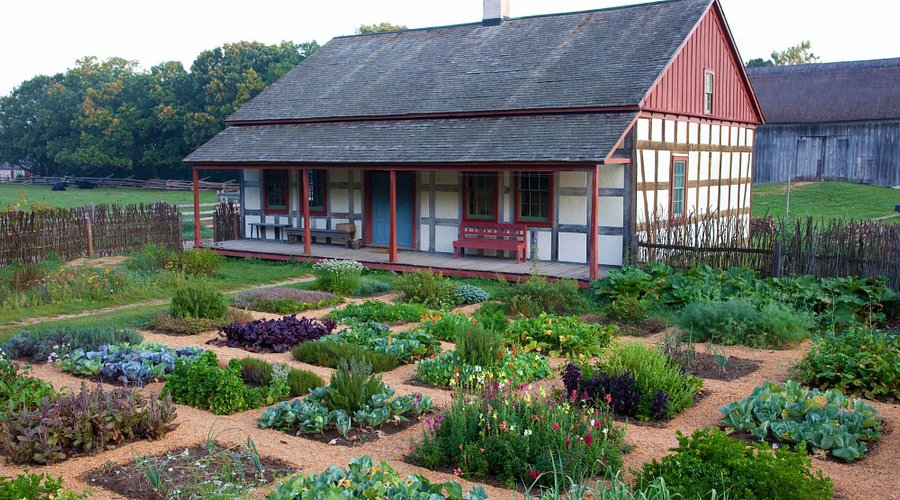
Period: Rural Life in the 1800s (1800-1900)
Six hundred acres of pure history await you in the Kettle Moraine State Forest. Old World Wisconsin tells a different story by focusing on immigrant families who built rural America.
You’ll walk through 60 restored buildings from actual 1800s farms, homes, and stores. Each represents different immigrant communities like German farmers, Norwegian settlers, and Polish families.
The hands-on activities bring these stories to life. Pet farm animals just like immigrant children did, sip old-fashioned soda water in the general store, and watch sparks fly from the blacksmith’s forge nearby. See beer-making processes that German immigrants brought to Wisconsin.
Special programs happen year-round, including homeschool days, Halloween events, and fall harvest celebrations. It’s America’s largest rural life museum, showing how immigrant families shaped our country through hard work and traditional crafts.
7. Shoal Creek Living History Museum, Kansas City, Missouri
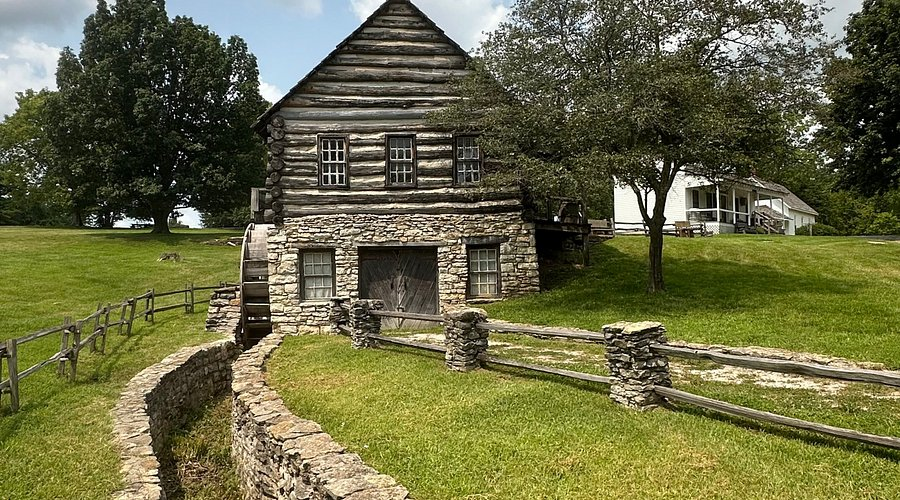
Period: 19th Century Missouri Village (1807-1885)
Sometimes smaller is better. This 80-acre village sits quietly within Hodge Park where you won’t fight crowds. Instead, you’ll get personal attention from passionate volunteers who love sharing Missouri’s frontier story.
Twenty-one structures tell the tale of 19th-century life, with seventeen being authentic buildings from the 1800s moved here piece by piece. Historical reenactments include skits and skirmishes showing frontier conflicts, while historic games let you play like pioneer children did.
First Saturday events are free during summer months, but you don’t need special events to visit. The grounds stay open dawn to dusk for self-guided tours at your own pace. Large museums can feel overwhelming, but Shoal Creek offers an intimate Missouri frontier experience where volunteers treat you like family.
Quick Planning Tips for Living History Museums
- Check websites before you go. Special events and seasonal schedules are subject to frequent changes. Many museums offer enhanced programming on weekends and holidays. Pack for any weather.
- Most activities happen rain or shine. Dress accordingly. Plan your time wisely. Large museums like Colonial Williamsburg need full weekend visits.
- Smaller ones work perfectly for day trips. But here’s the secret: Come ready to participate. Ask questions during demonstrations. Try the hands-on activities.
- Your attitude makes the difference. Visitors who jump in have amazing experiences; those who watch miss half the fun. Interactive participation transforms a simple museum visit into real-time travel.
Conclusion
These seven living history museums offer something special: the chance to experience American history firsthand.
From Colonial Williamsburg’s grand scale to Shoal Creek’s intimate charm, you now have options that fit any travel style and budget.
Pick the period that interests you most and check their seasonal schedules before booking. Reserve your tickets in advance for popular museums, especially during summer and holiday weekends.
Download site maps and plan your day around demonstrations and special events. Start planning your living history museum visit today and create memorable experiences for your family.
Frequently Asked Questions
What are living history museums?
Living history museums are interactive sites where costumed interpreters demonstrate daily life from specific periods. Visitors can participate in historical activities and learn through hands-on experiences.
How much do living history museums typically cost?
Admission ranges from $15 to $45 for adults, with many offering family packages and seasonal discounts. Some museums, like Shoal Creek, offer free events on certain days.
What’s the best age for children to visit living history museums?
Most living history museums welcome all ages, with many offering special children’s programs. Kids aged 6-12 typically enjoy the interactive demonstrations and hands-on activities most.
How long should I plan to spend at a living history museum?
Plan a full day for most museums, or an entire weekend for large sites like Colonial Williamsburg. Smaller museums can be explored in 4-6 hours.
Do living history museums operate year-round?
Most operate seasonally from March through November. Some, like Colonial Williamsburg, stay open year-round, while others offer special winter programming with limited hours.
