


I didn’t plan to live in an RV. It started as a six-month experiment. That was years ago.
Something happens when you remove the fixed address, the monthly rent, and the routine. You start seeing the country differently. You start living differently.
Full time RV living is growing fast, and it’s not hard to see why. The freedom is real, the costs can be lower, and the lifestyle is nothing like what most people imagine before they try it.
This guide covers everything you need, from full time RV living for beginners to tips that actually hold up on the road.
What is Full-Time RV Living?
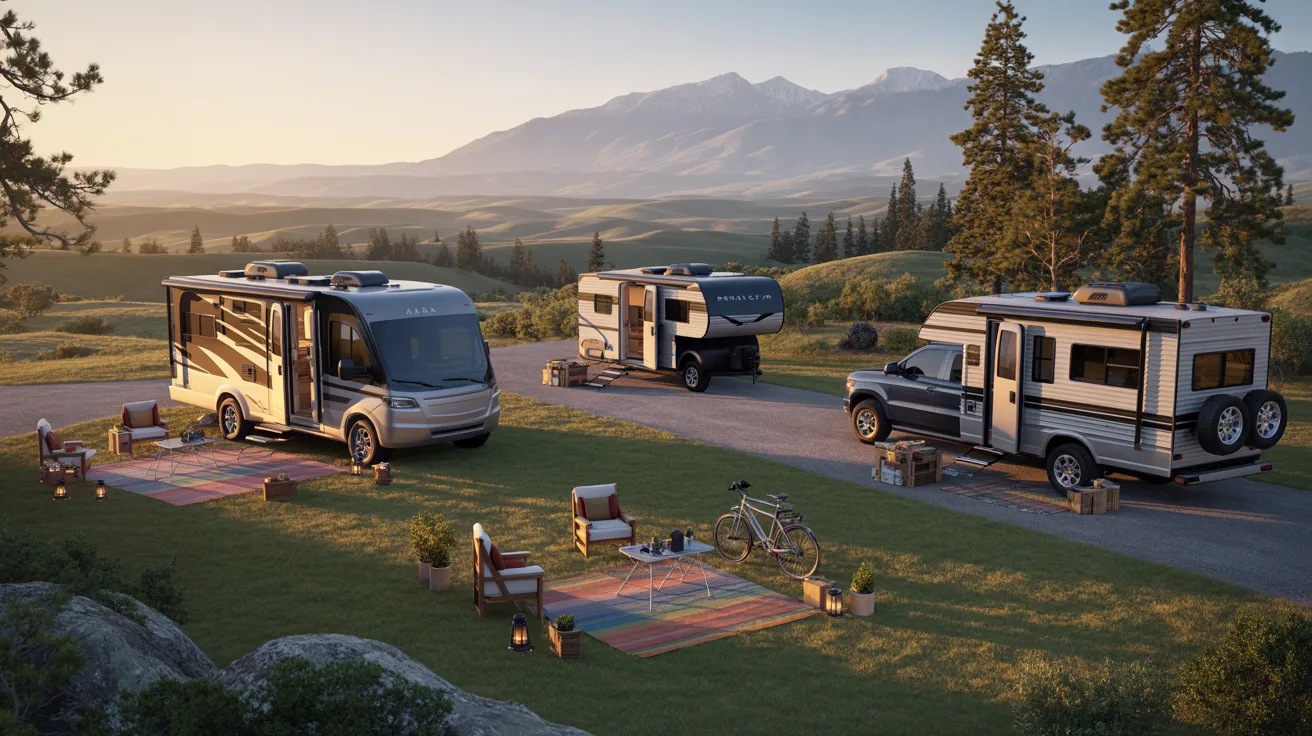
Full time RV living means your RV is your permanent home. No apartment, no house. Just you, your vehicle, and wherever the road takes you.
People do this in all kinds of rigs. Class A motorhomes offer the most space and comfort. Class B vans are compact and easy to drive.
Fifth wheels and travel trailers need a tow vehicle but give you a lot of living room for the money.
For full time RV living for beginners, the concept can feel overwhelming at first. But thousands of people make it work every day, across every age group and income level.
The appeal is straightforward. Lower living costs, total flexibility, no yard to maintain, and a community of like-minded people who genuinely love this life.
19 Key Full Time RV Living Tips
Getting the lifestyle right takes more than just buying an RV and hitting the road. These tips cover what actually matters once you’re living it day to day.
1. Choose the Right RV for Full-Time Living
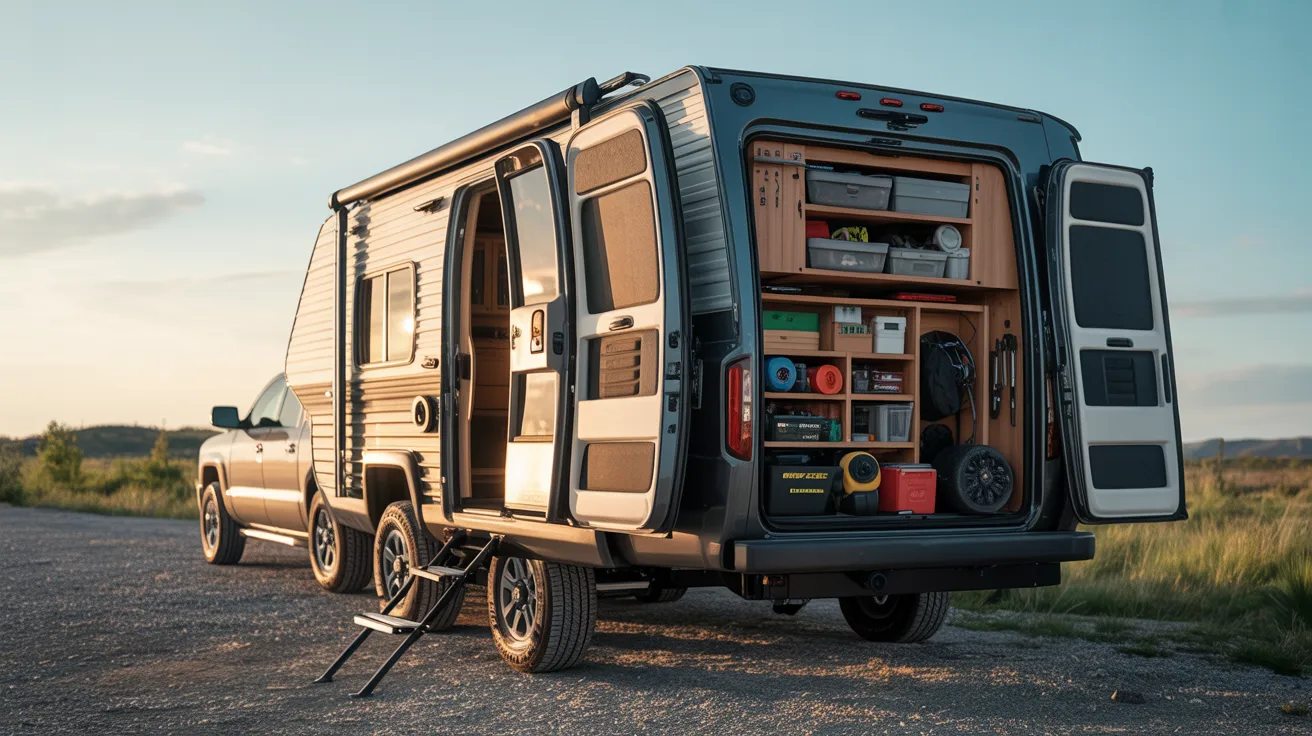
Your RV is your home, so the choice matters more than it would for a vacation rig. Think about how much space you actually need versus how easy you want it to be to drive and park.
Storage is often underestimated. Look for rigs with generous basement storage, interior cabinet space, and smart layout design. A good bedroom slide-out can make a real difference in comfort.
Durability matters too. Full-timing puts more wear on an RV than weekend use. Research reliability records before committing to a specific model.
2. Budget Smartly for Full-Time RV Life
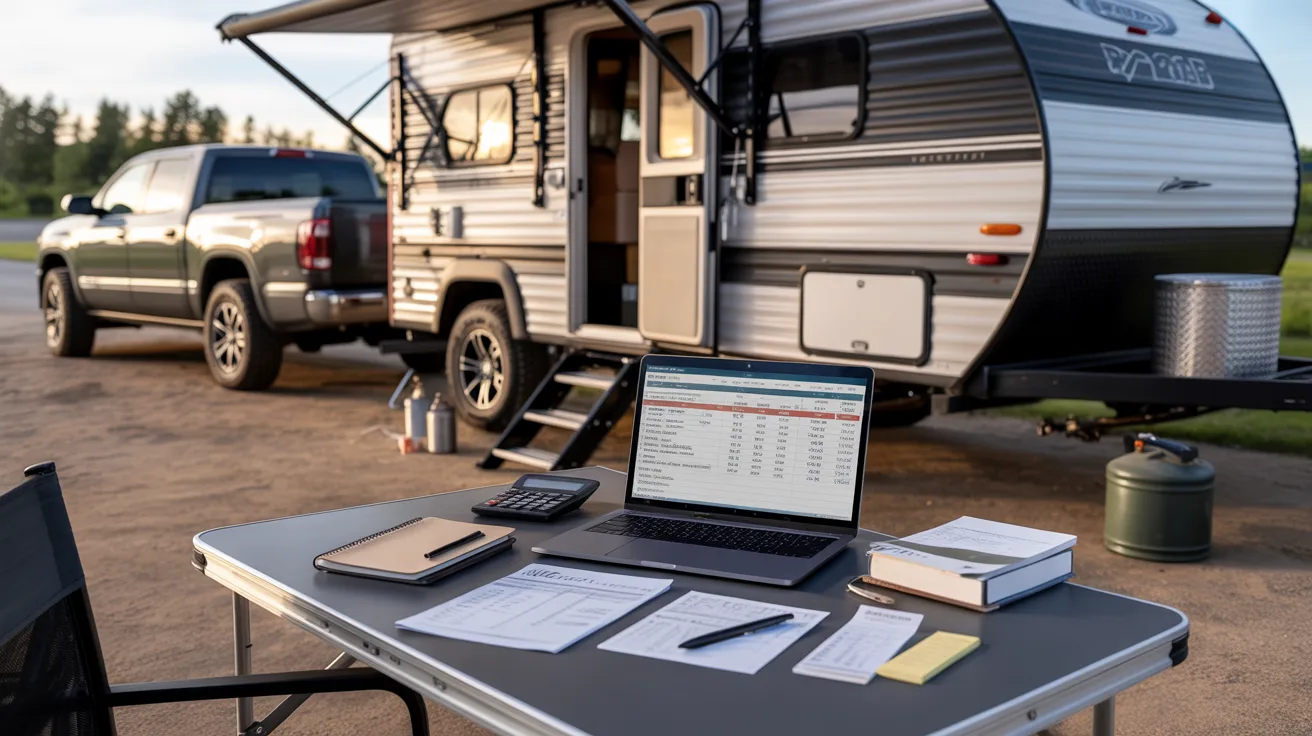
Many people go full time to save money. That works, but only if you plan the budget properly from the start.
Your main costs will be campsite fees, fuel, food, maintenance, and insurance. Some months will be cheaper. Others, especially when something breaks, will hit harder.
Build an emergency fund before you start. A good rule is setting aside at least $2,000 to $3,000 specifically for unexpected RV repairs.
3. Get Full Time RV Living Insurance
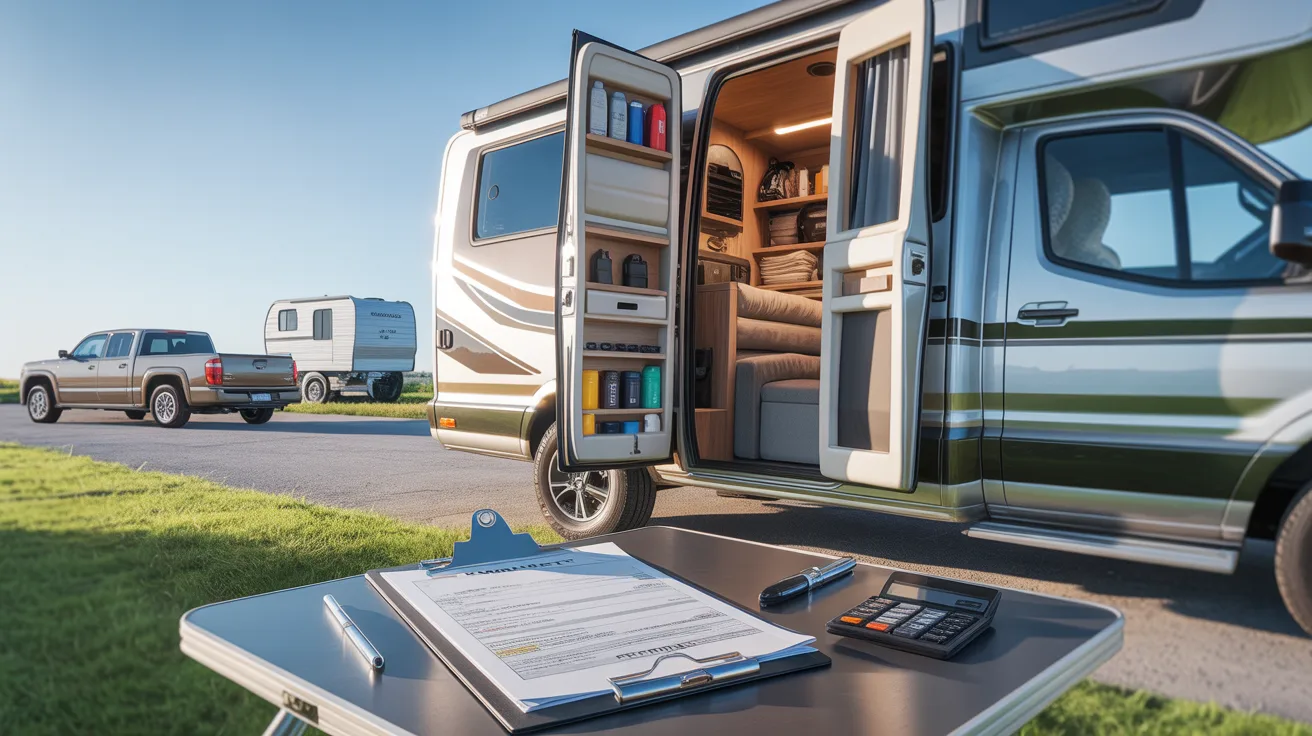
Standard auto insurance does not cover full-time RV living. You need a policy built specifically for people who live in their RV permanently.
Full time RV living insurance covers personal belongings inside the RV, liability, and often roadside assistance. Some policies also include vacation liability, which covers incidents at your campsite.
Compare providers like Progressive, National General, and Good Sam. Read the fine print on what counts as full-time use in each policy.
4. Master RV Maintenance
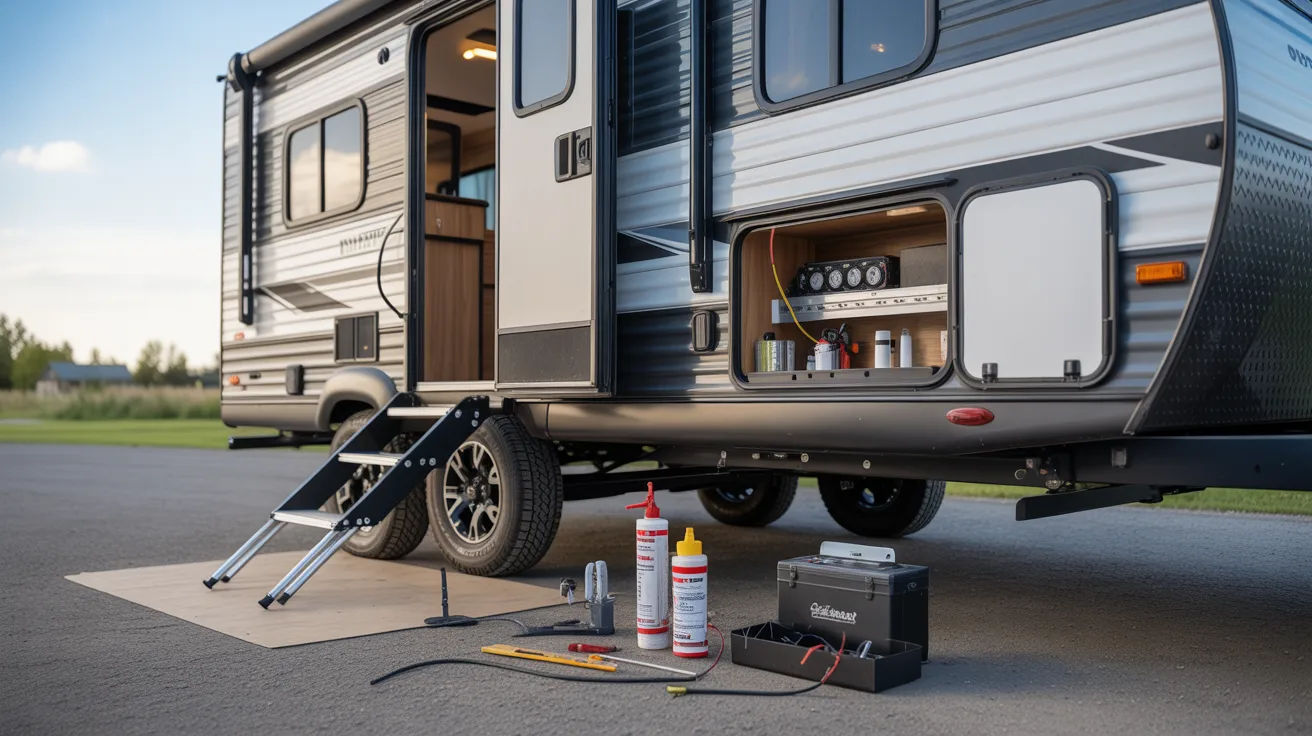
An RV that breaks down in a remote location is a serious problem. Regular maintenance keeps that from happening as often.
Check your tires, roof seals, slide-out seals, and battery systems on a consistent schedule. Catching small issues early is far cheaper than fixing major ones later.
Learn the basics yourself where possible. YouTube has reliable tutorials on most common RV repairs. Knowing how to handle minor issues saves both time and money.
5. Optimize Storage and Space
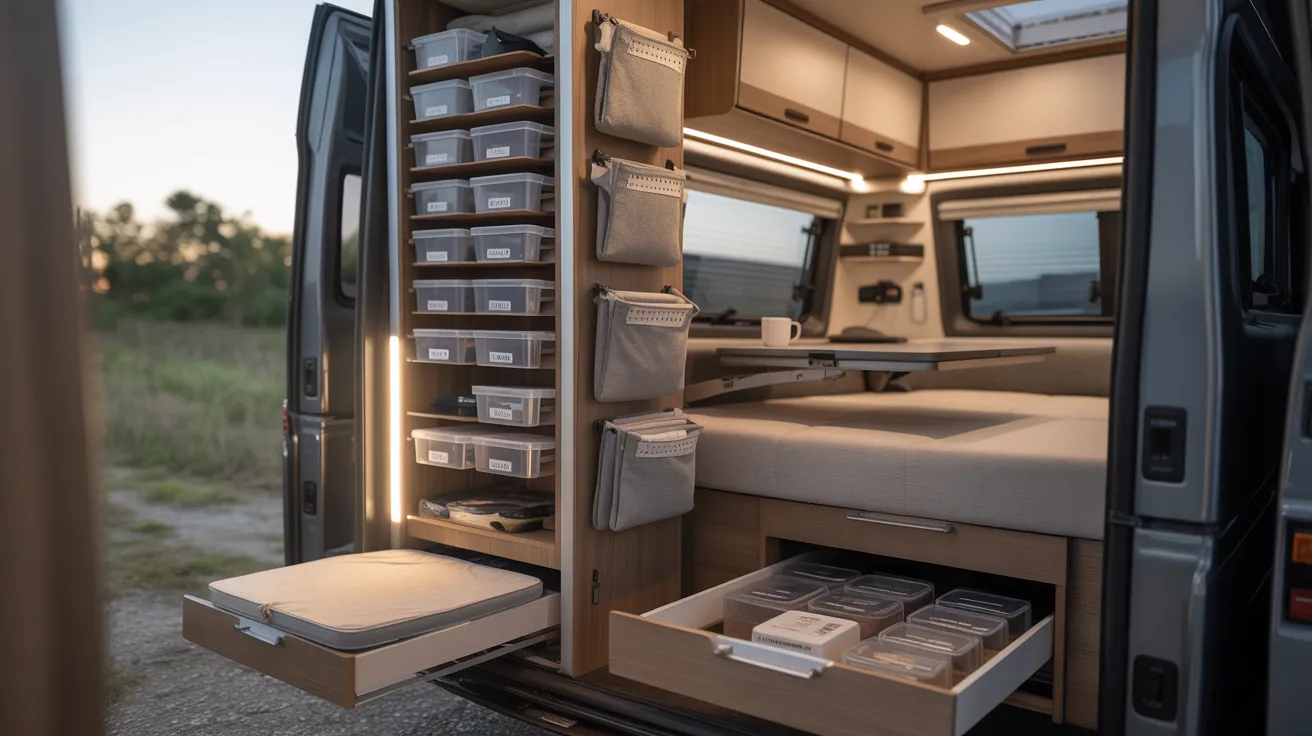
Living small means thinking differently about what you keep and where you put it. Every item needs a purpose and a place.
Use vertical space with stackable bins and hanging organizers. Multi-use furniture like storage ottomans and fold-down tables make a real difference in small floorplans.
Go through your belongings regularly. If you haven’t used something in 60 days, you probably don’t need it in your RV.
6. Stay Connected on the Road
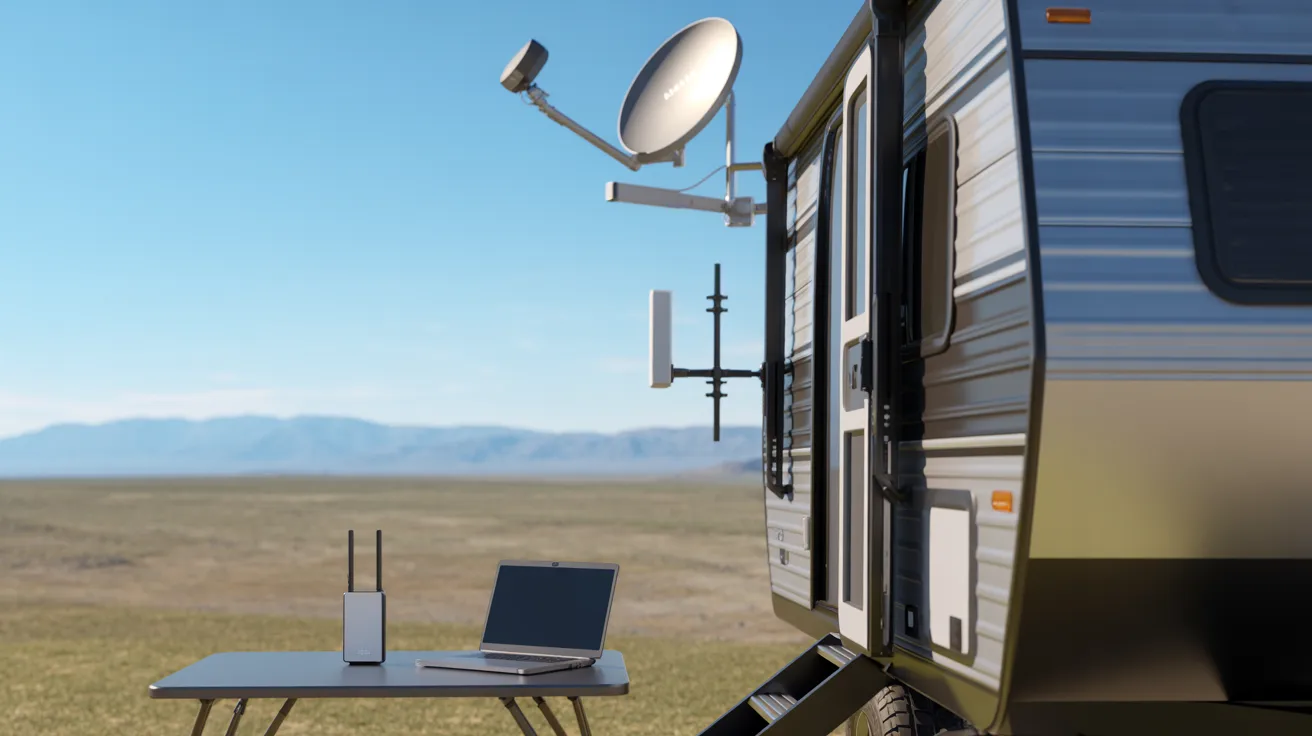
Reliable internet is non-negotiable for most full-timers, especially those working remotely. One provider rarely gives you solid coverage everywhere.
A combination of a cellular data plan with a hotspot device and a signal booster works well for most routes. Starlink has become a popular option for areas with weak cell coverage.
Download offline maps before heading into rural areas. Don’t rely on a live connection when you’re off the beaten path.
7. Manage Mail and Bills Efficiently
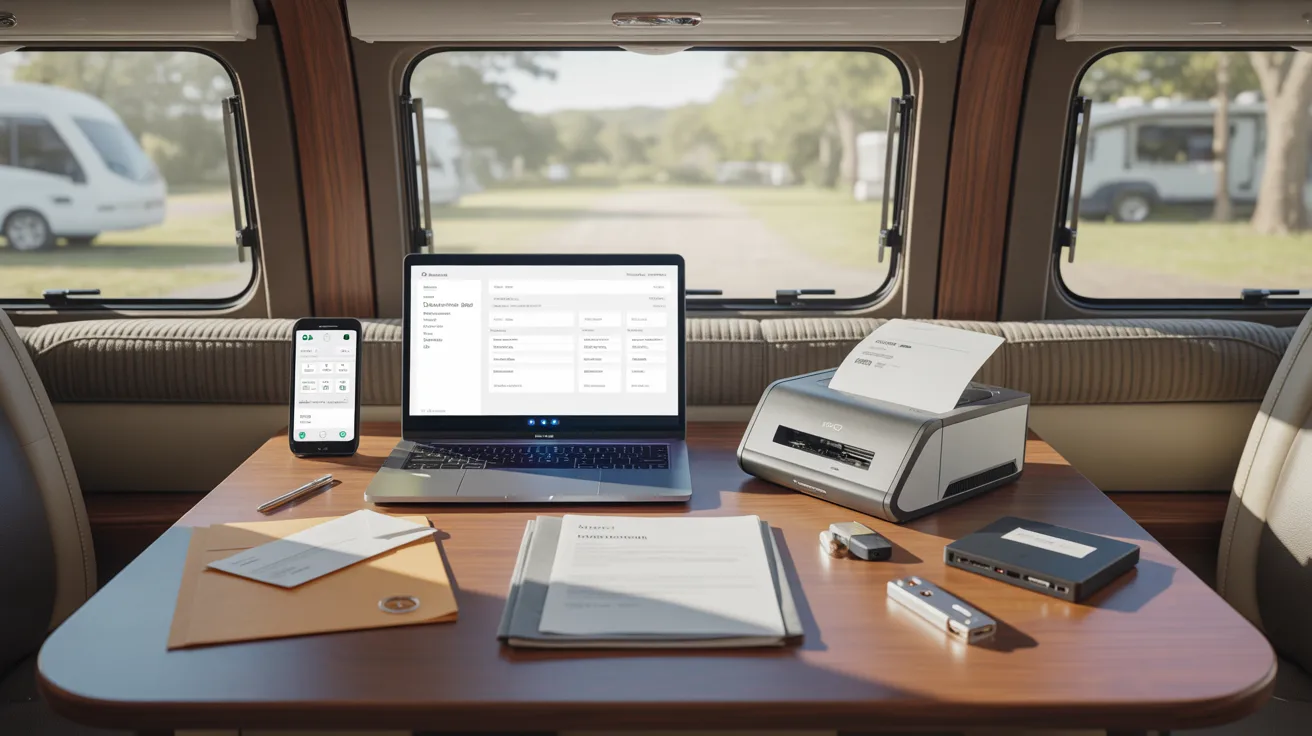
You need a physical address even without a permanent home. Mail forwarding services like Escapees, America’s Mailbox, or Traveling Mailbox handle this for full-timers.
Set up paperless billing for everything possible. Pay bills online and keep digital copies of important documents stored in cloud storage.
Choose your domicile state carefully. South Dakota, Texas, and Florida are popular choices for full-timers because of their registration and tax-friendly policies.
8. Plan Your Travel Routes
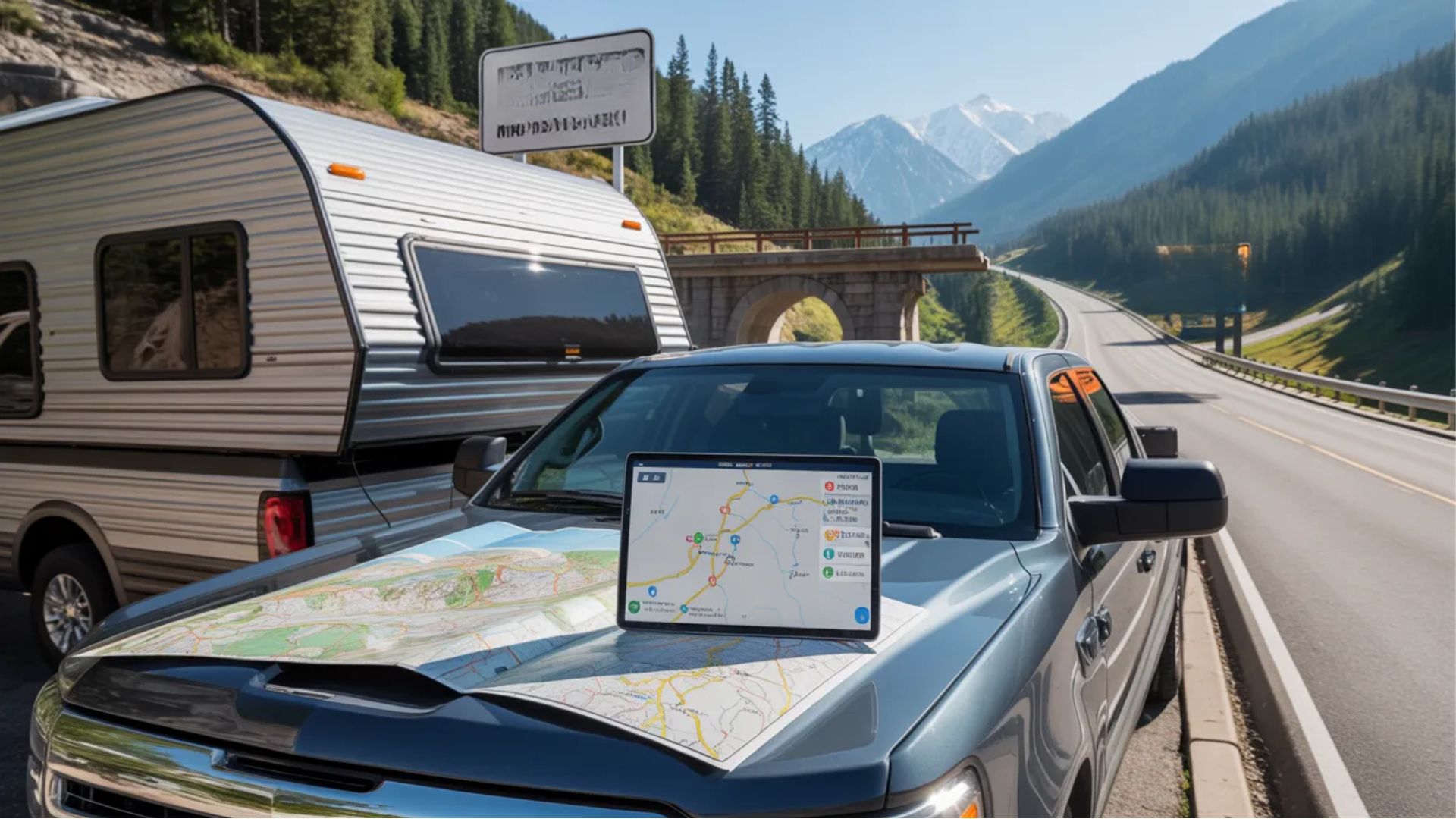
Spontaneous travel sounds great until you end up on a road your RV can’t handle. Low bridges, narrow mountain passes, and weight-restricted roads are real hazards.
Use apps like CoPilot RV, RV LIFE, or Roadtrippers to plan routes built around your rig’s size and weight. Google Maps does not account for RV restrictions.
Plan fuel stops in advance on longer drives, especially in remote areas where gas stations can be 80 or more miles apart.
9. Understand Campground Etiquette
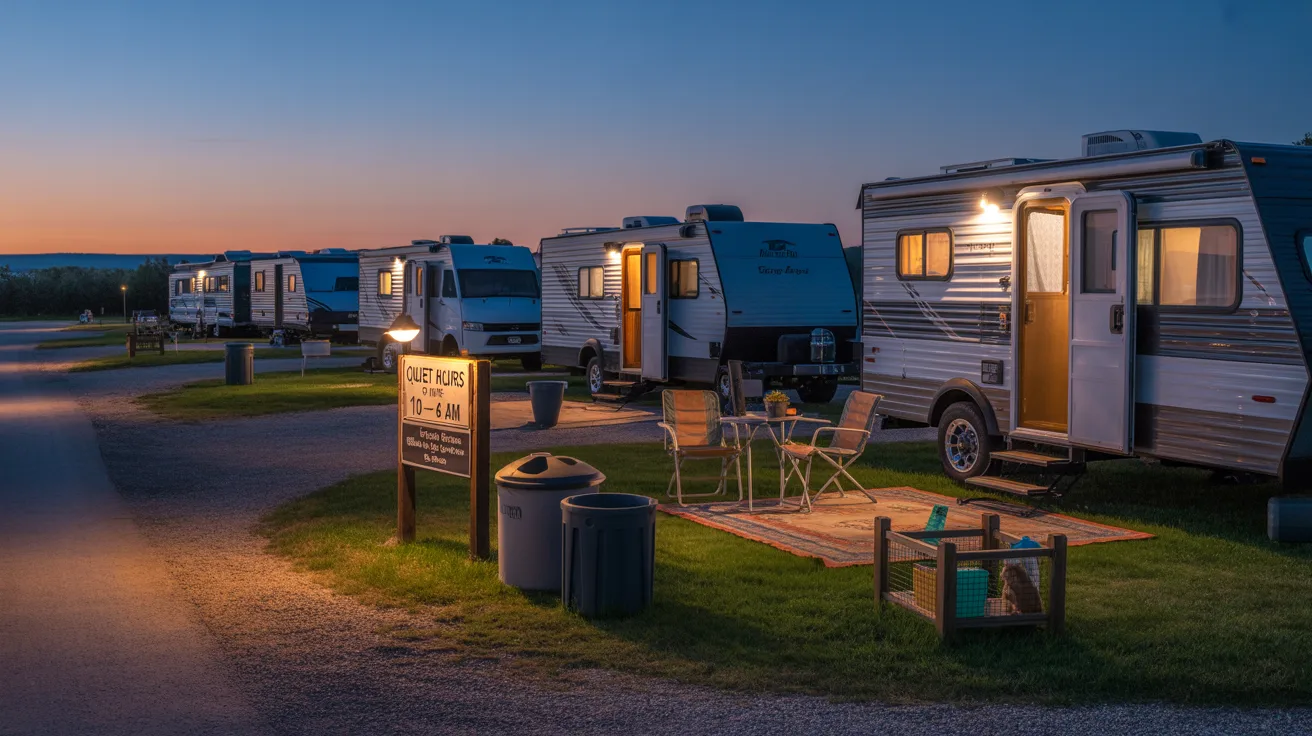
Campgrounds have unwritten rules that matter a lot when you’re surrounded by neighbors in a small space. Respecting quiet hours is the most important one.
Keep noise down after 10 PM. Don’t cut through other people’s campsites. Clean up after your pets. These basics go a long way toward being a good campground neighbor.
If you’re staying somewhere long-term, introduce yourself to the people around you. The full-timing community is generally friendly and helpful.
10. Stay Safe While Traveling
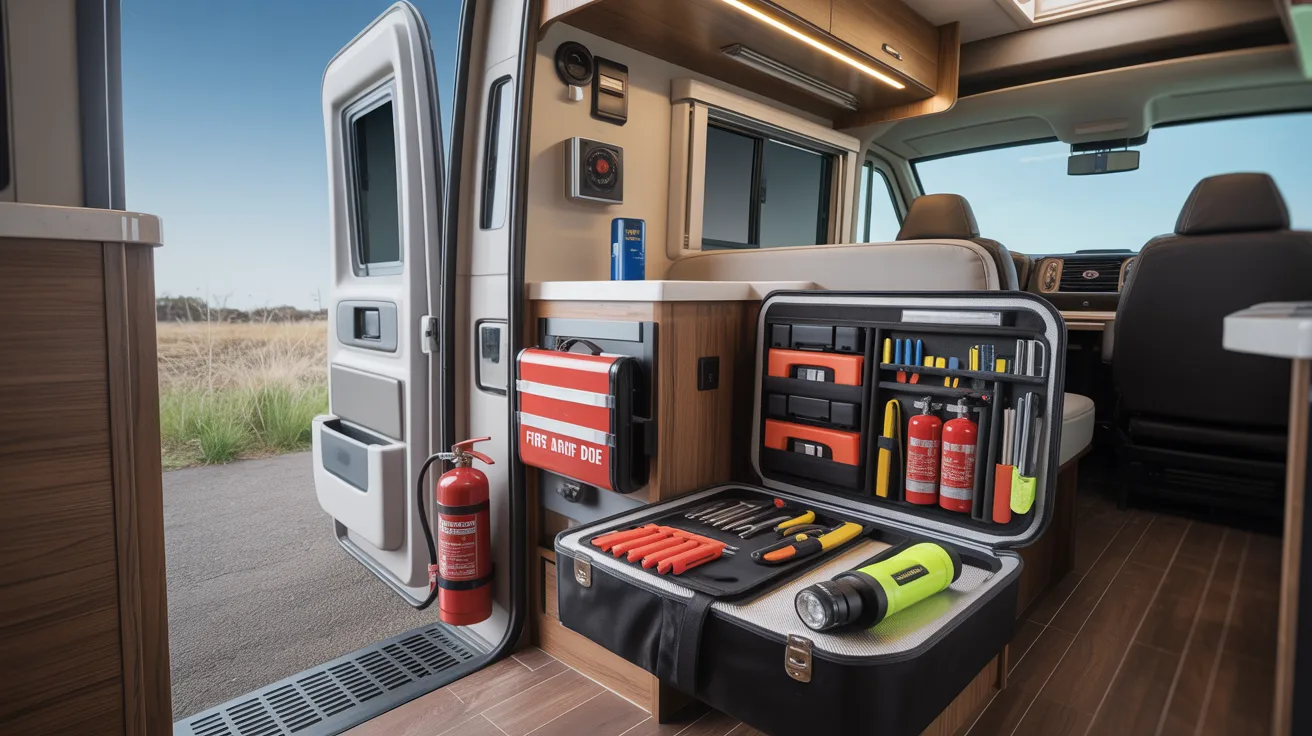
An emergency kit in your RV should include first aid supplies, a fire extinguisher, carbon monoxide detector, and basic tools. These are not optional.
Invest in a roadside assistance plan. Good Sam and Coach-Net are popular among full-timers and cover situations standard auto plans won’t.
Research campgrounds before arriving, especially for solo travelers. Check reviews and trust your instincts if a location feels off.
11. Maintain Health and Fitness
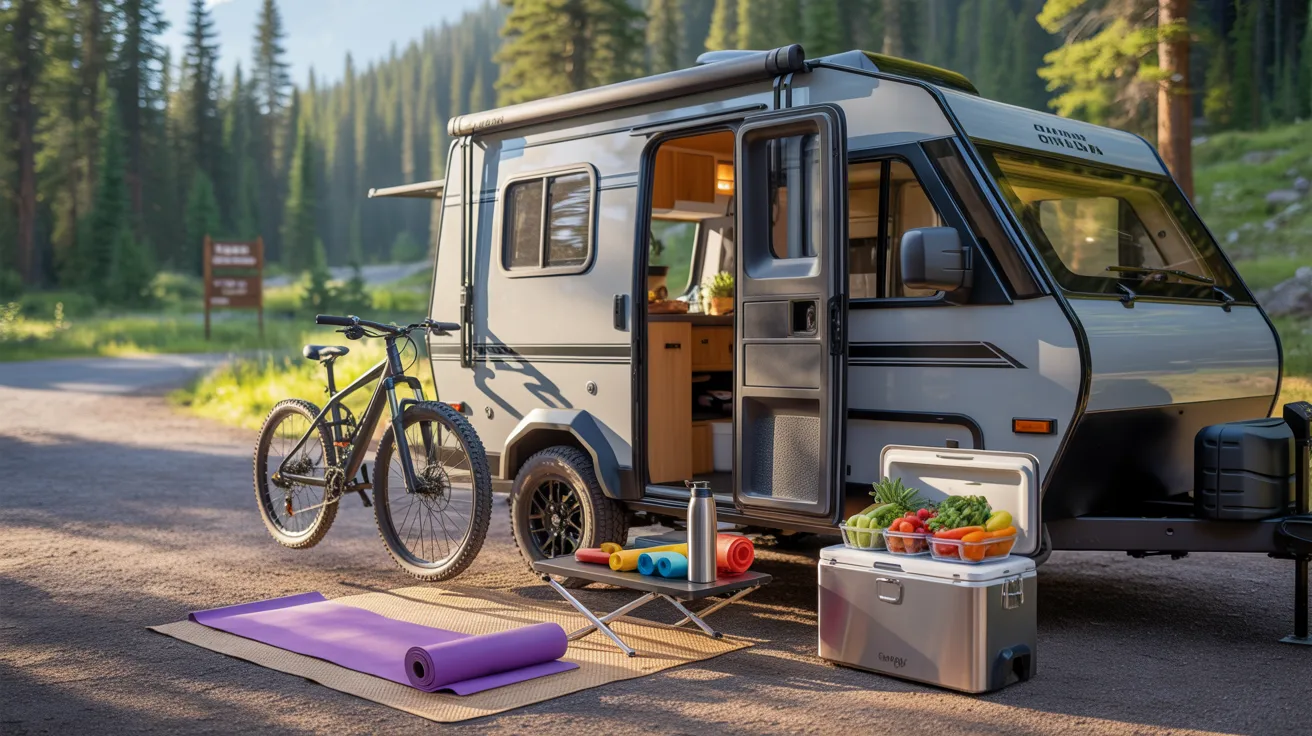
Staying active on the road takes a bit more intention than it does at home. Hiking, cycling, and bodyweight workouts are easy to incorporate into the lifestyle.
Healthy eating is trickier in a small kitchen. Meal prep helps. So does finding local farmers markets along your route for fresh produce.
Locate urgent care clinics and hospitals in each area you plan to stay. Keep a list of your medications and medical history accessible in case of emergencies.
12. Keep Your RV Clean and Organized
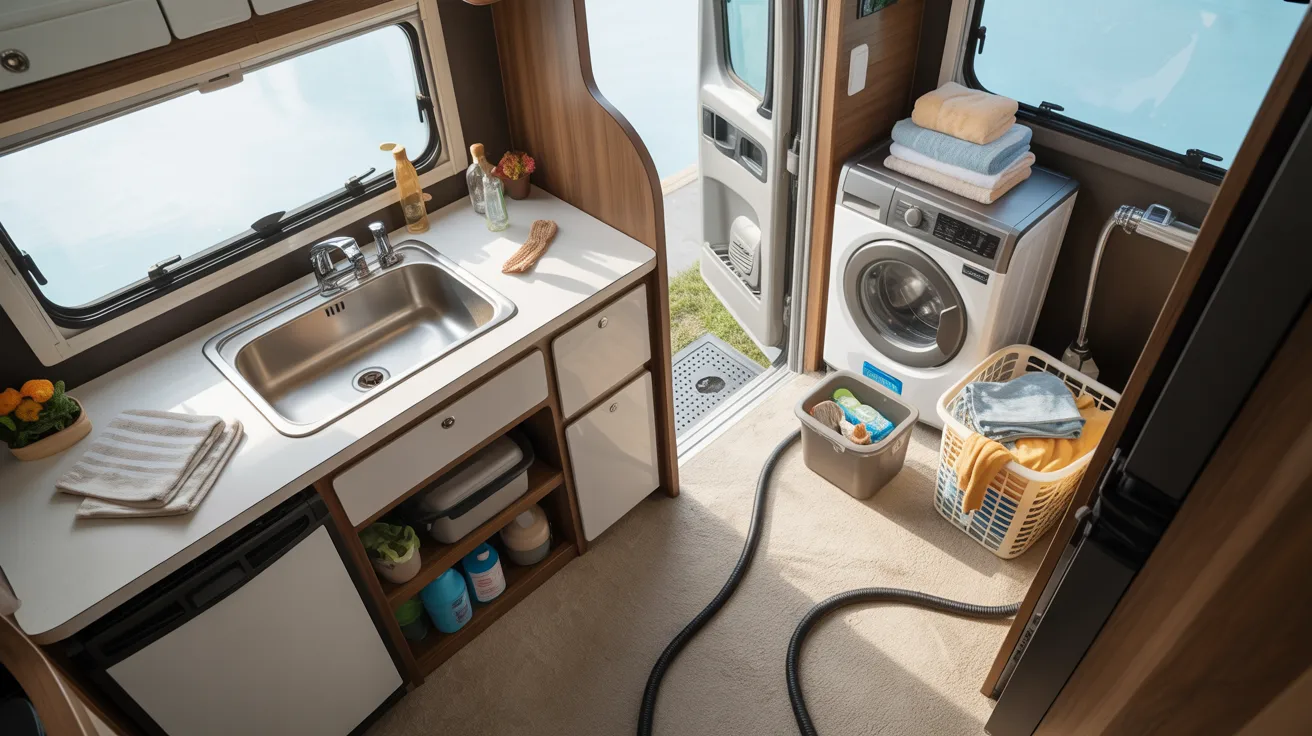
A clean RV feels bigger and more comfortable. In a small space, clutter builds fast and affects your mood more than you’d expect.
Set a simple weekly cleaning routine. Vacuum, wipe down surfaces, and clean the bathroom on a regular schedule rather than letting it pile up.
Laundromats are easy to find in most towns. Some full-timers use compact portable washers that hook up to a campsite water connection.
13. Build a Community on the Road
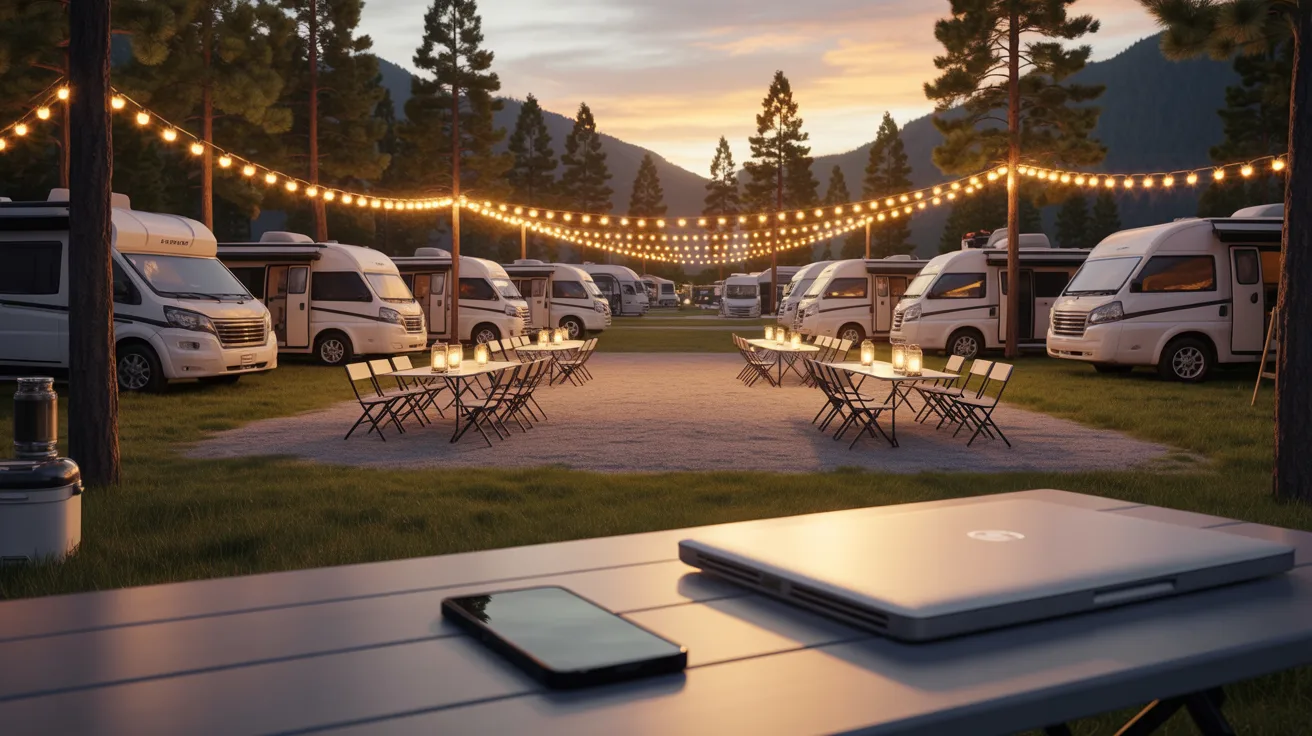
One of the biggest surprises about full time RV living is how strong the community is. People genuinely look out for each other.
Join online forums like Reddit’s r/fulltiming or Facebook groups for full-timers. Rally events like Xscapers gatherings are great for meeting people in person.
Don’t underestimate campground friendships either. Some of the best connections I’ve made started with a simple wave at the next site over.
14. Adapt to Minimalist Living
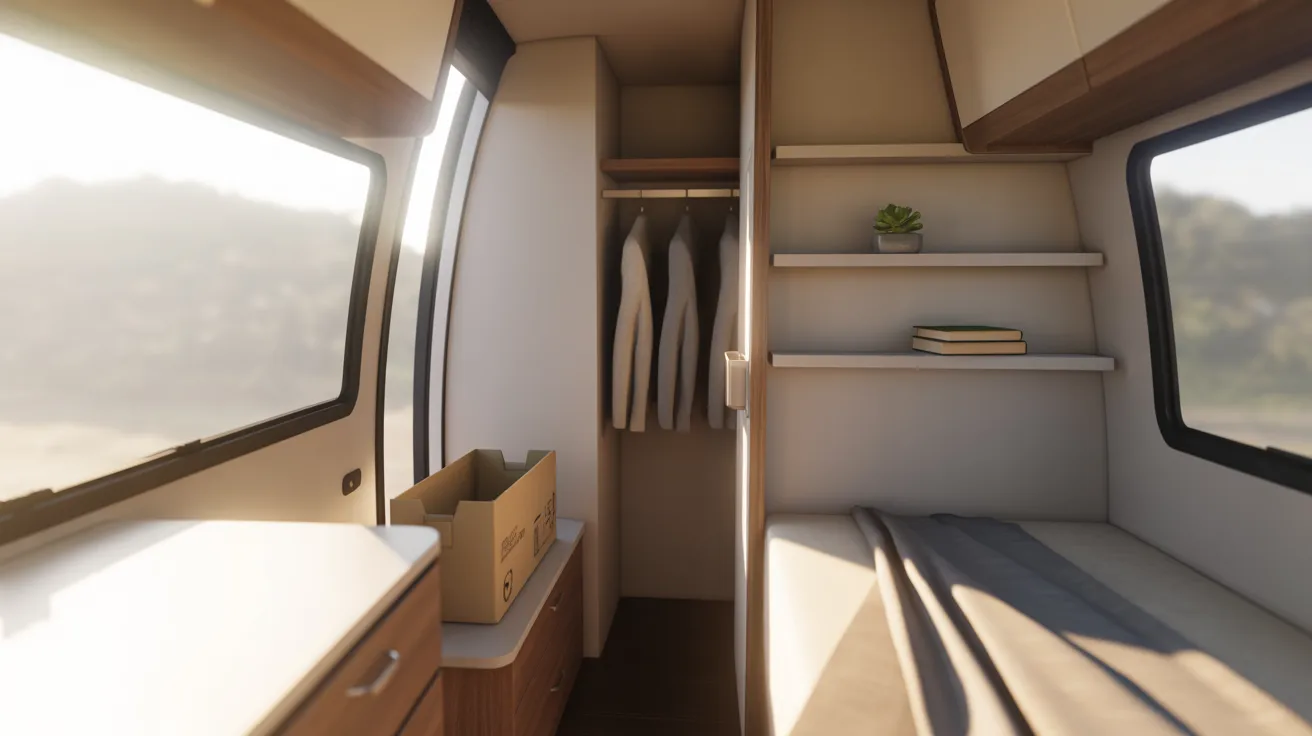
Going minimal isn’t just about owning less. It’s about being intentional with what you keep around you. Most full-timers find they miss very little of what they left behind.
Start downsizing before you move into the RV. Sell, donate, or store what doesn’t fit. Moving into a small space with too much stuff creates instant frustration.
The adjustment takes a few weeks. After that, most people say they wouldn’t go back.
15. Learn Basic DIY Skills
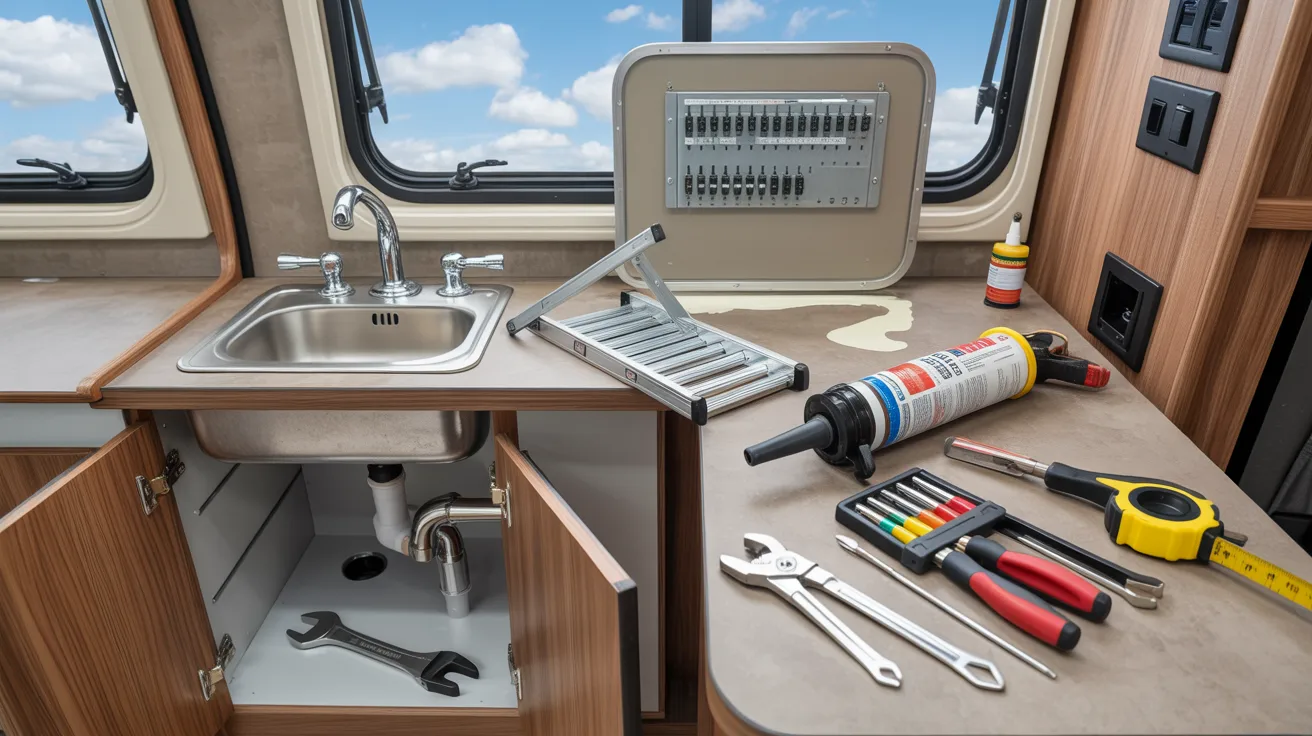
You won’t always be near a repair shop when something goes wrong. Basic plumbing, electrical knowledge, and carpentry skills will save you repeatedly on the road.
Learn how to fix a leaking faucet, reset a tripped breaker, reseal a roof vent, and patch a small interior wall. None of these require professional training.
YouTube and RV forums are your best learning resources. The full-timing community shares repair knowledge generously.
16. Balance Work and Travel
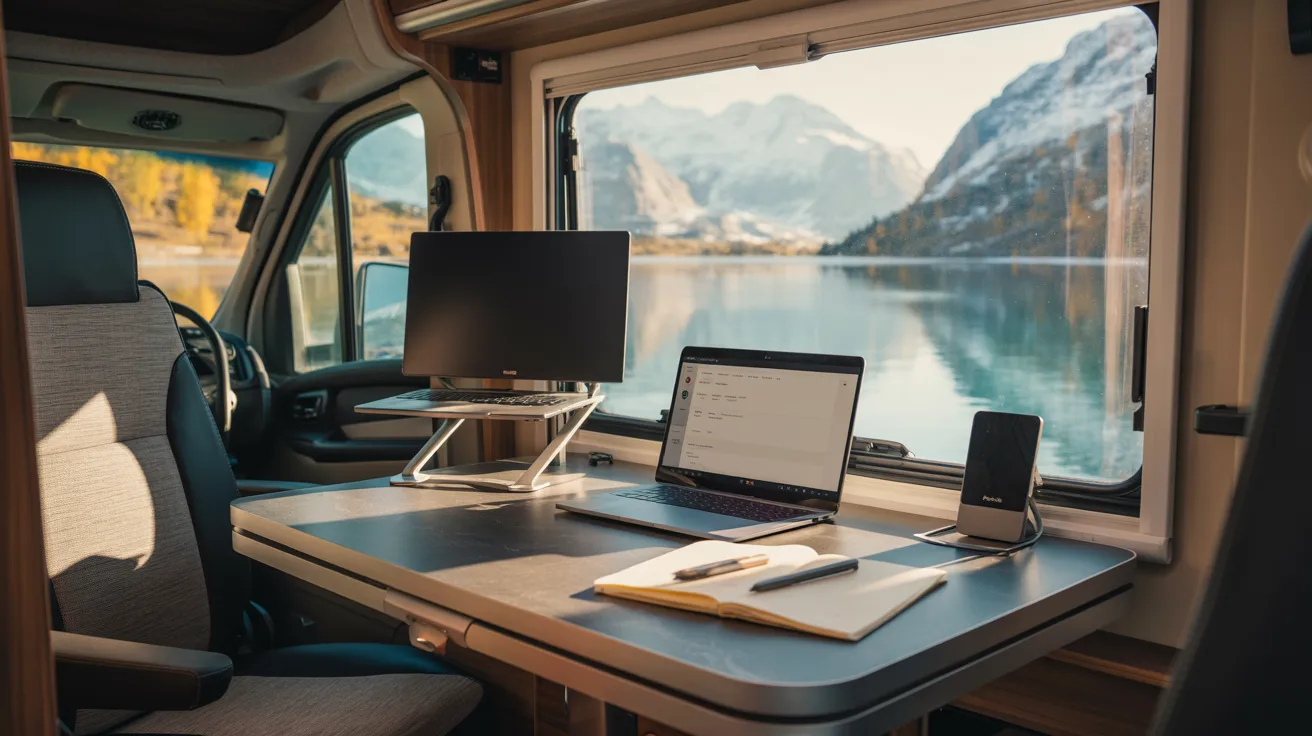
Remote work and full time RV living pair well together, but it takes structure to make both work. Set work hours and stick to them, even when a beautiful location is calling your name.
Reliable internet is the foundation of remote work on the road. Plan campsite stays around connectivity, especially during deadline-heavy weeks.
Coworking spaces are available in most mid-size towns and offer a productive change of environment when you need to focus.
17. Document Your Journey
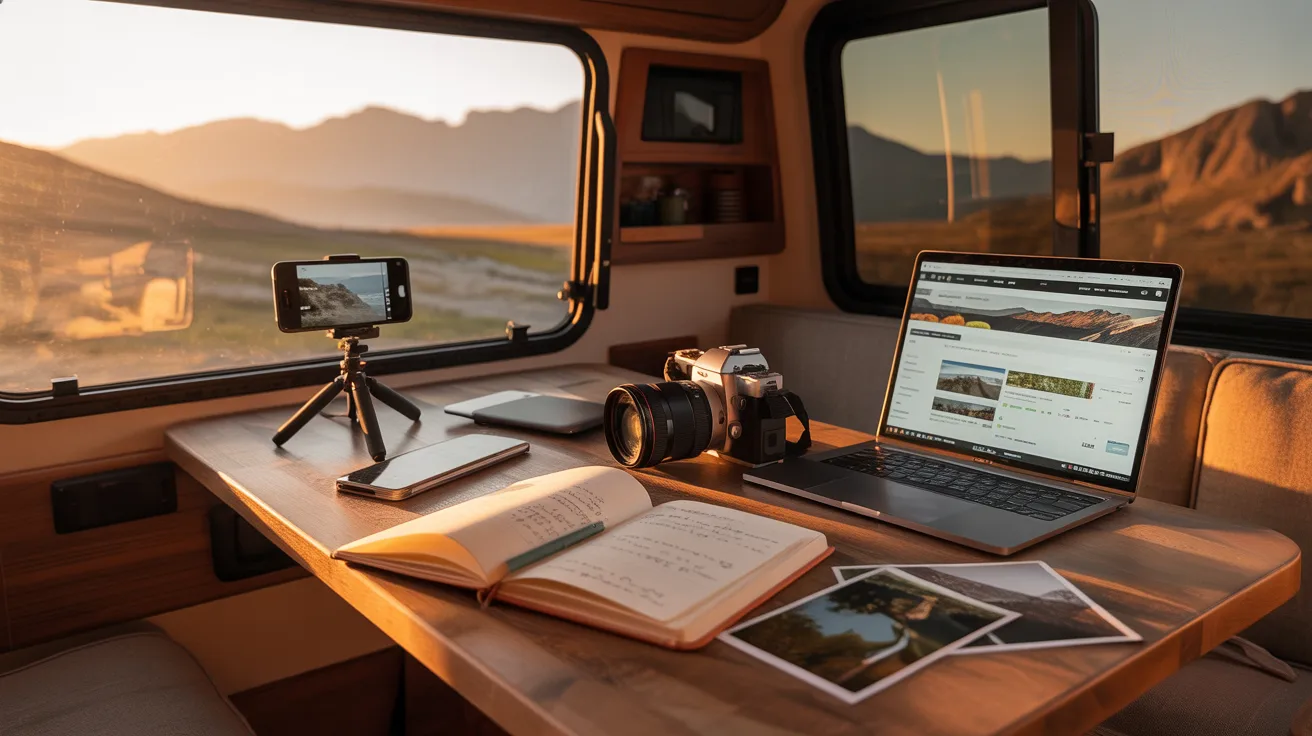
Keeping a record of your travels is worth doing, even if you never share it publicly. Photos, journals, and short videos help you remember experiences that blur together over time.
Many full-timers start blogs or social media accounts and find a ready audience. The RV community online is large and genuinely engaged.
Even a simple private journal written a few times a week captures details you’ll be glad you recorded five years from now.
18. Plan for Seasonal Changes
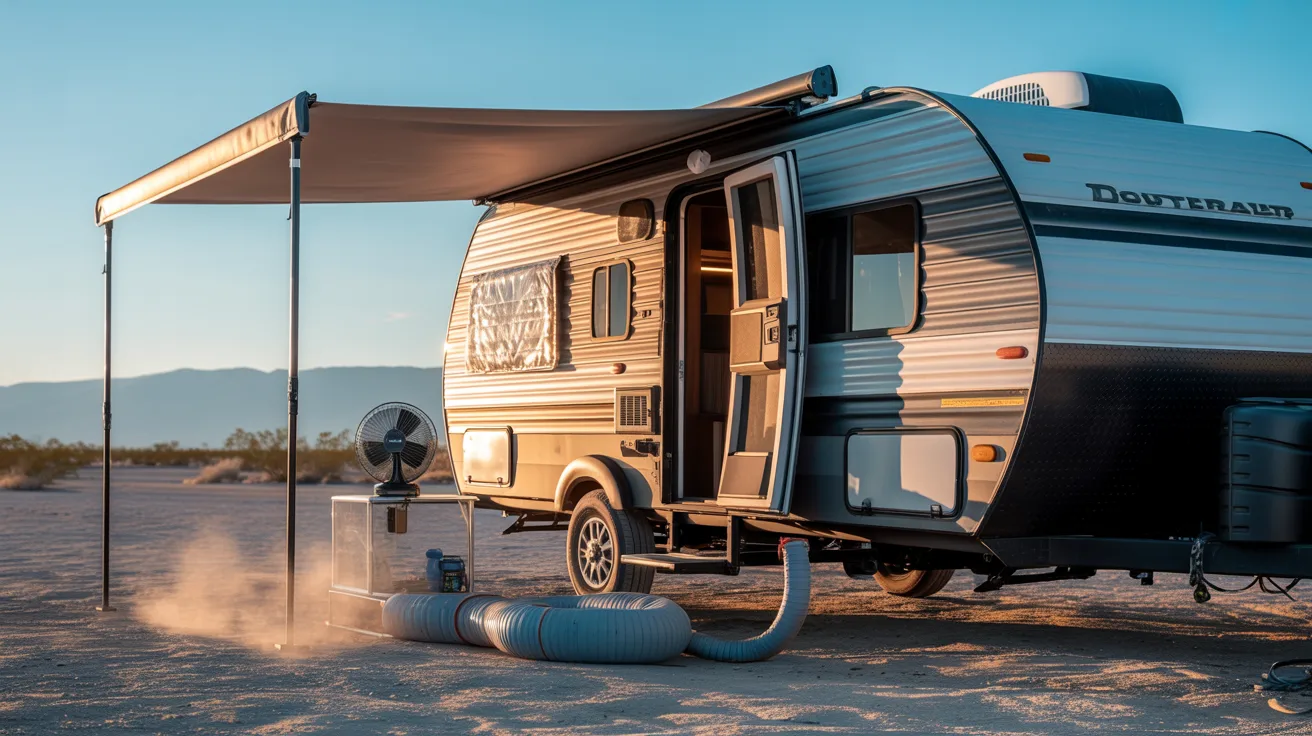
Weather affects full-time RV living more directly than most people realize before they start. Extreme cold and extreme heat both create real challenges.
Winterize your water systems before temperatures drop below freezing. In summer, use shade, reflective window covers, and good ventilation to manage heat inside the rig.
Follow the weather by planning your routes around it. Many full-timers spend winters in the South and summers in the North. It’s called being a snowbird and it works well.
19. Keep Learning and Adapting
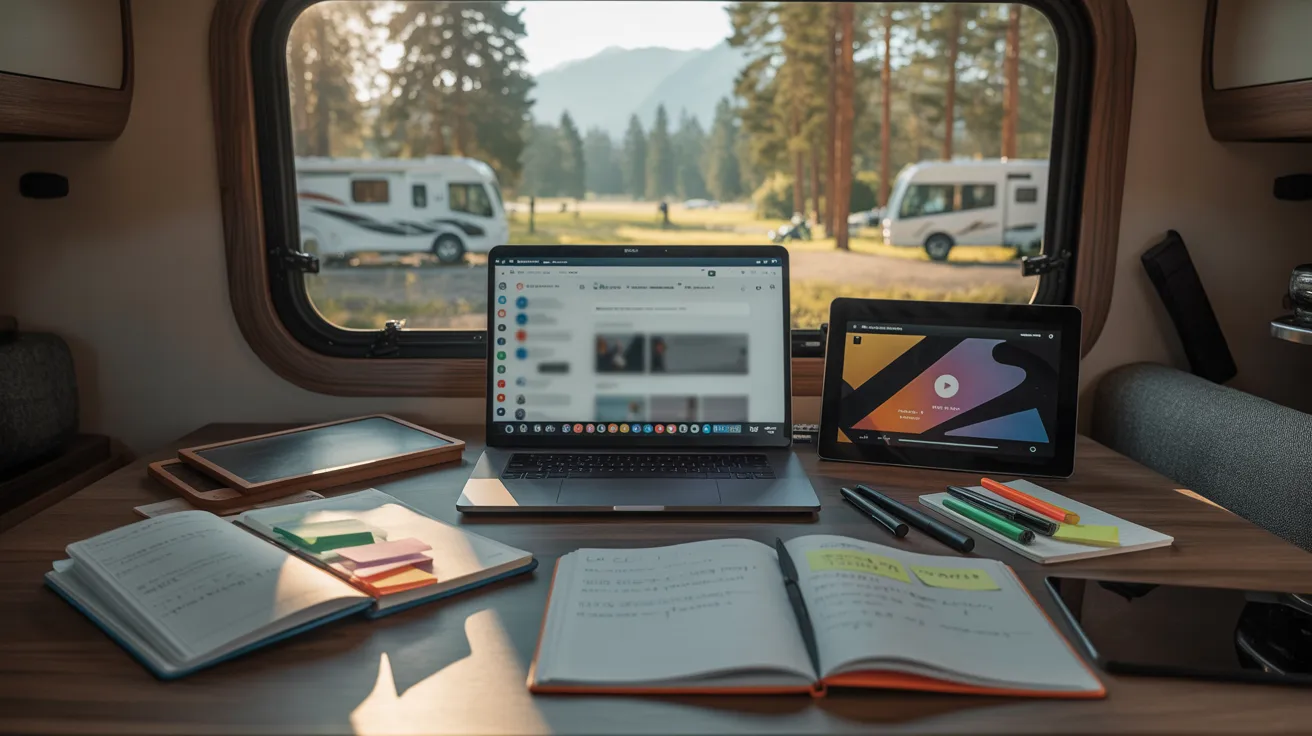
No one figures out full time RV living perfectly in the first few months. The lifestyle has a learning curve and that’s completely normal.
Read accounts from experienced full-timers, watch video diaries, and stay active in online communities. Other people’s mistakes are some of the most valuable lessons you can learn from.
The best full time RV living tips usually come from people who have been doing it for years. Listen to them. Stay curious. The lifestyle keeps rewarding people who keep improving.
Common Challenges of Full-Time RV Living and How to Overcome Them
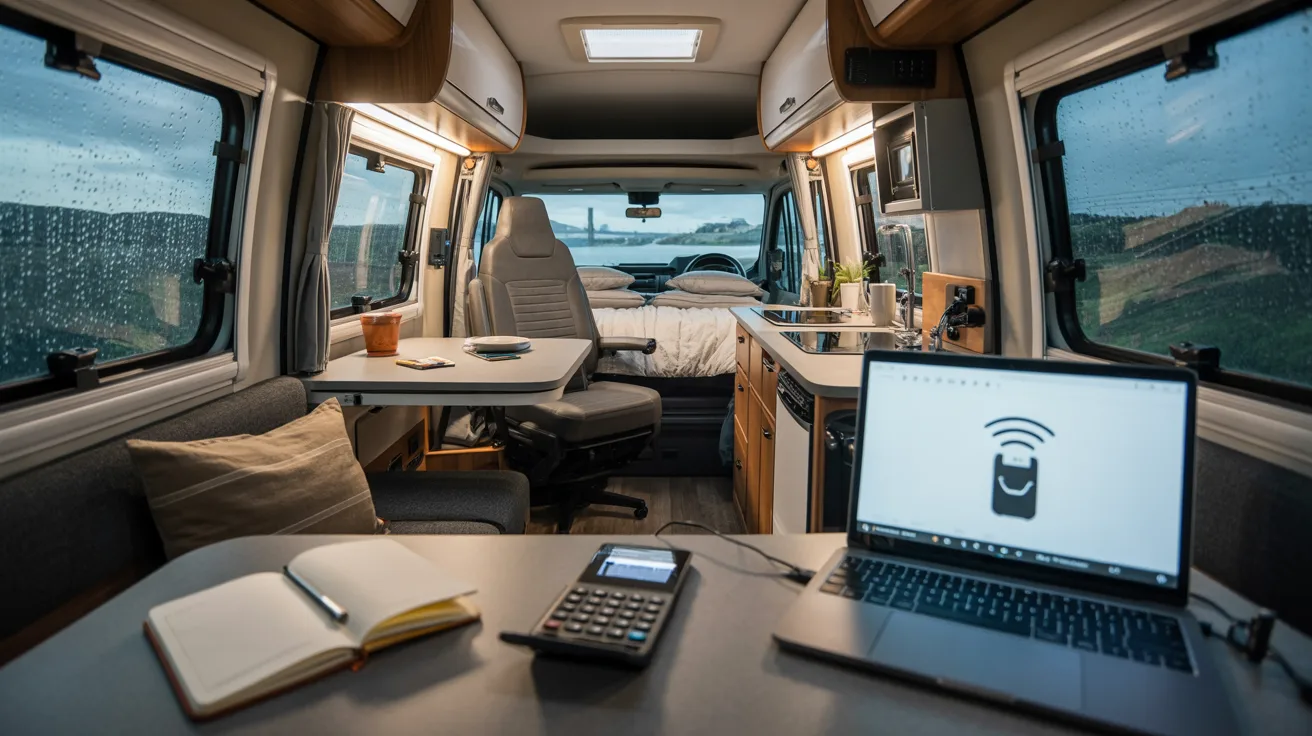
Full time RV living is genuinely rewarding, but it comes with real challenges that are worth knowing about before you commit.
The people who thrive in this lifestyle are the ones who prepare for the hard parts, not just the highlights.
Common challenges and how to handle them:
- Limited space. Small living areas feel even smaller during bad weather or long work days. Good organization and regular decluttering help. So does spending time outside whenever possible.
- Loneliness. Constantly changing locations means friendships take more effort to maintain. Prioritize online communities, rally events, and reaching out to fellow full-timers at campgrounds.
- Budget surprises. Unexpected repairs and rising campsite costs catch many new full-timers off guard. Build a buffer fund and track your spending from day one.
- Connectivity issues. Rural routes often have poor cell coverage. Research connectivity options before choosing extended stay locations.
- Physical discomfort. Sleeping, cooking, and working in a small space takes adjustment. Invest in a quality mattress and ergonomic workspace setup early.
For full time RV living for beginners, the first three months are the hardest. Most challenges ease once you settle into routines and build confidence on the road.
Give yourself time to adapt before judging whether the lifestyle works for you.
How to Find the Best RV Spots and Campsites
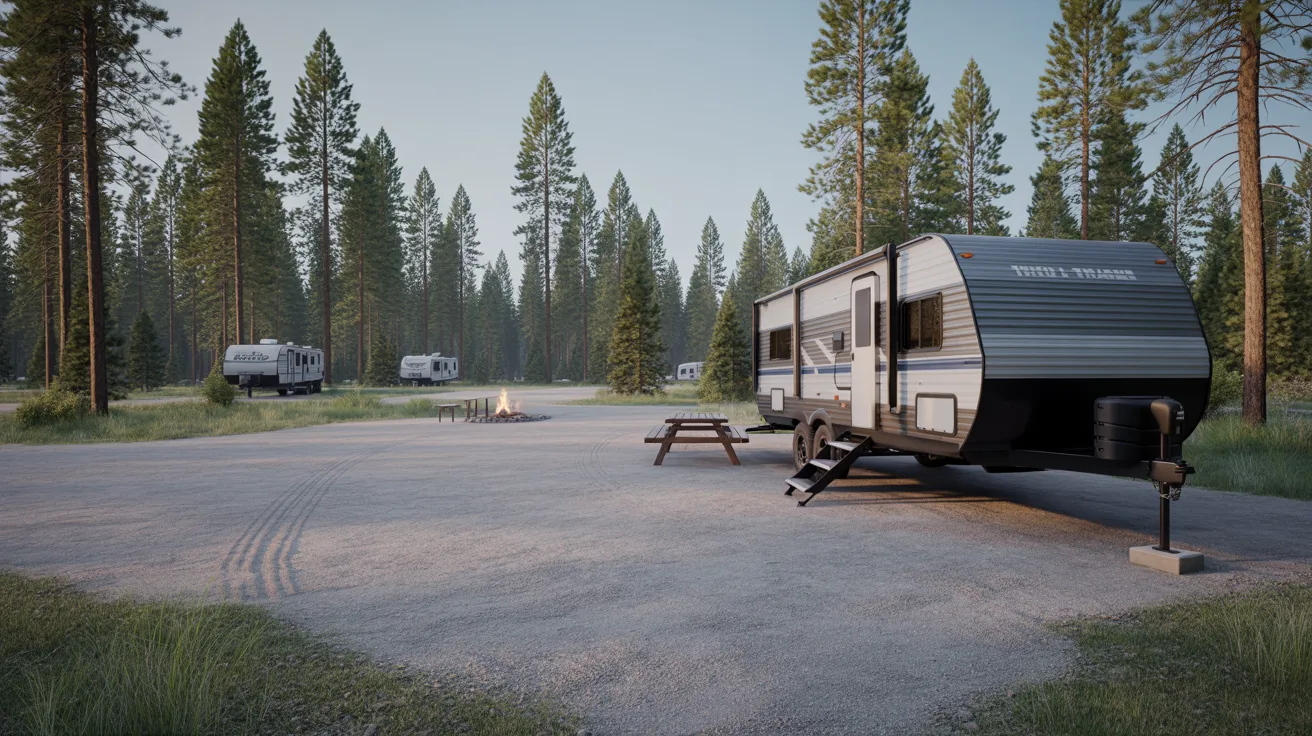
Finding good places to stay is one of the most important skills in full time RV living. The options range from free dispersed camping on public land to full-hookup resort-style parks.
Apps like The Dyrt, Campendium, and Freecampsites.net are essential tools. They show user reviews, photos, and amenity details for thousands of locations across the country.
For free camping, Bureau of Land Management (BLM) land and National Forests allow dispersed camping in most areas. Stays are typically limited to 14 days in one spot.
Membership programs like Thousand Trails, Harvest Hosts, and Boondockers Welcome give you access to a wide network of sites at reduced or no cost. These pay for themselves quickly if you use them regularly.
Legal and Insurance Considerations for Full-Time RV Living
The legal side of full time RV living trips up many beginners. Getting it right from the start saves headaches later.
You’ll need to think about domicile state, vehicle registration, health insurance, and RV coverage before you hit the road permanently.
Key legal and insurance points to address:
- Full time RV living insurance. As mentioned earlier, standard auto coverage is not enough. Get a policy designed for full-timers that covers personal property, liability, and roadside assistance.
- Domicile state. You need a legal home state for your driver’s license, vehicle registration, and taxes. South Dakota, Florida, and Texas are the top three choices for full-timers due to favorable laws.
- Vehicle registration. Register your RV in your chosen domicile state and keep registration current. Some states have annual inspections required as well.
- Health insurance. Employer plans often tie coverage to a specific region. Look into nationwide plans, health sharing programs, or marketplace options that cover you across state lines.
- Taxes. If you work remotely, understand which state considers you a tax resident. A tax professional familiar with nomadic lifestyles is worth consulting at least once.
Staying compliant is straightforward once you set it up correctly. The key is choosing your domicile state wisely and keeping your paperwork current as you move.
Conclusion
I won’t lie to you. The first few months of full time RV living are messy. You’ll make mistakes. You’ll second-guess yourself.
And then one morning, you’ll wake up parked somewhere incredible and realize this was the right call all along. That moment is worth working toward.
So here’s your next step. Pick one thing from this guide and act on it today. Not next month. Today.
Then come back and tell me where you’re headed first. Drop it in the comments. I’d love to hear it.
Frequently Asked Questions
What is full-time RV living, and is it right for me?
Full time RV living means permanently residing in a recreational vehicle instead of a traditional home. It suits people who value flexibility, travel, and a lower cost of living over having a fixed address.
How much does full-time RV living cost on average?
Most full-timers spend between $2,000 and $5,000 per month depending on campsite choices, fuel costs, and lifestyle preferences. Living frugally on BLM land and cooking at home can bring costs down significantly.
Do I need special insurance for living in an RV full-time?
Yes, standard auto insurance is not enough for full-timers. Full-time RV living insurance covers personal belongings, liability, and roadside assistance in ways a regular vehicle policy does not.
What are the top tips for full-time RV living for beginners?
Start with the right RV size, build an emergency fund, get proper insurance, and learn basic maintenance before hitting the road. Connecting with experienced full-timers online before you start is also genuinely valuable.
How do I find safe and affordable places to park my RV long-term?
Apps like The Dyrt and Freecampsites.net list thousands of options from free BLM land to paid campgrounds. Membership programs like Thousand Trails and Harvest Hosts also offer significant savings for long-term stays.
