


I’ve spent years cold weather camping in temperatures that would make most people stay home. This guide covers everything you need to stay warm and safe during winter camping trips.
You’ll learn about gear selection, proper clothing layers, and proven hacks that actually work. I’m sharing what I’ve learned from camping in snow, managing condensation issues, and testing different setups in freezing conditions.
We’ll cover planning your trip, choosing the right equipment, layering your clothing correctly, and practical techniques for staying comfortable.
You can trust this advice because I’ve made the mistakes so you don’t have to.
Planning Your Cold Weather Camping Trip
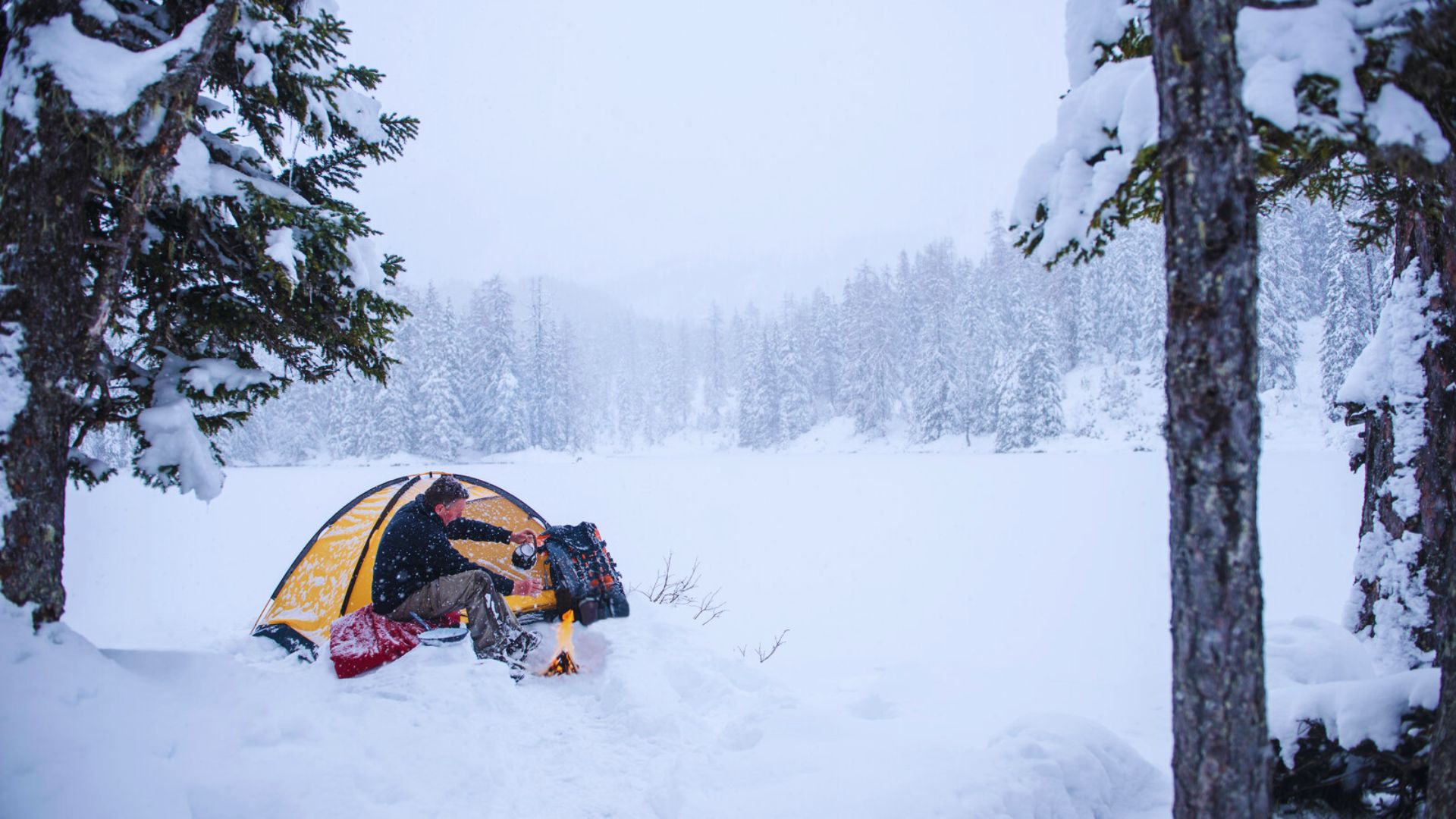
Smart planning makes the difference between a great winter camping experience and a miserable one. Pick a campsite with natural wind protection and south-facing slopes for warmth. Avoid low spots where cold air settles. Keep your first trips close to your vehicle.
Check the weather forecast three days before, then again the day before you leave. Winter weather changes fast. Look at nighttime lows and wind chill. Download offline weather apps for remote areas.
Start with one or two nights to test your gear. Plan activities that keep you moving like hiking or snowshoeing. Make a written checklist and test everything at home first. Pack extra batteries since cold drains them fast.
Needed Cold Weather Camping Gear
Your gear choices directly impact your comfort and safety in freezing temperatures. Cheap or wrong equipment can turn a fun trip into a dangerous situation quickly.
4-Season Tents vs 3-Season Tents
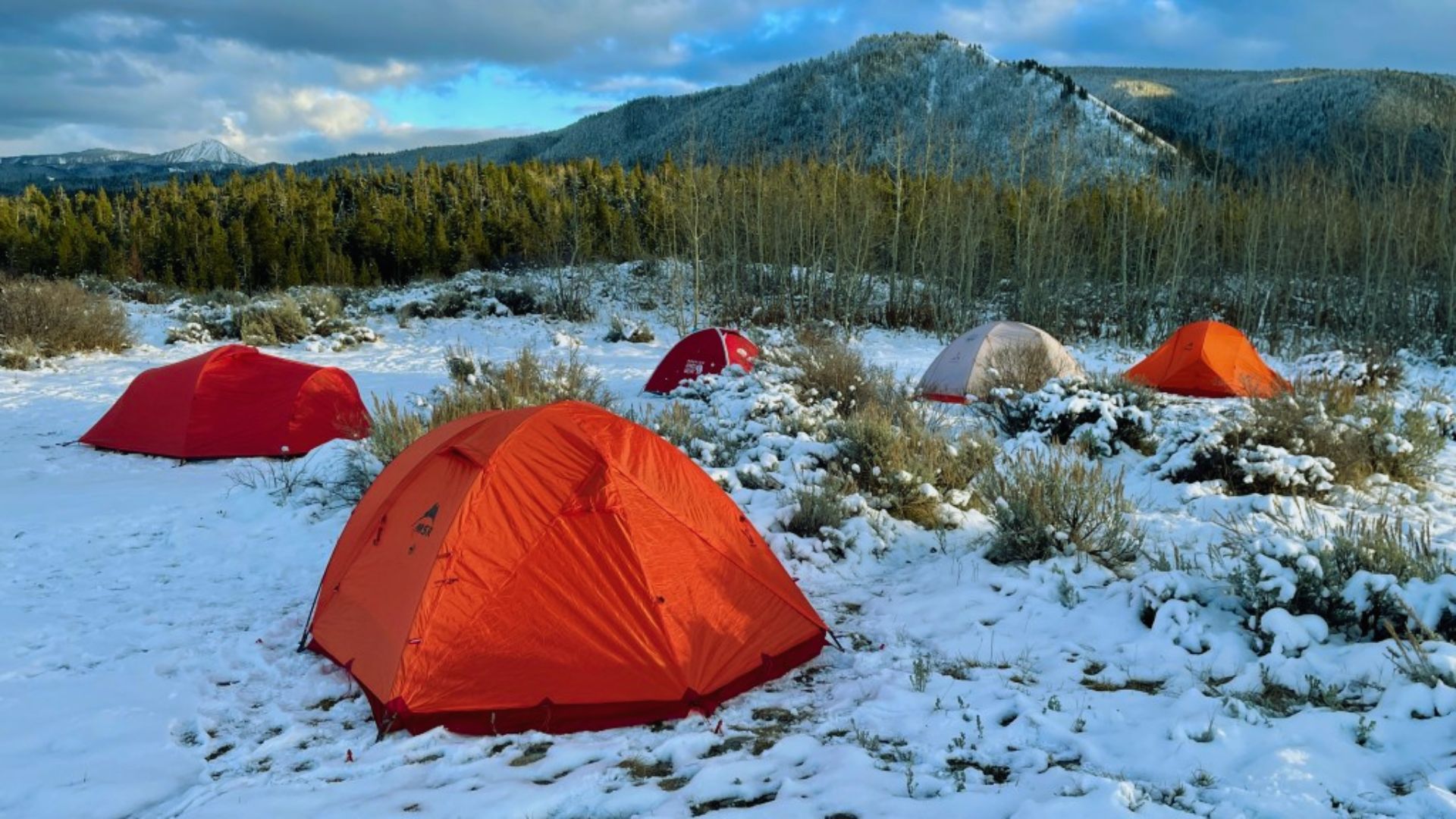
A 4-season tent handles heavy snow loads and strong winds with stronger poles and fewer mesh panels. They cost more but keep you warmer and safer.
3-season tents work for mild winter conditions above 20°F with no heavy snow. Look for tents with vestibules for gear storage. A smaller tent retains heat better than a larger one.
Insulated Sleeping Bags & Temperature Ratings
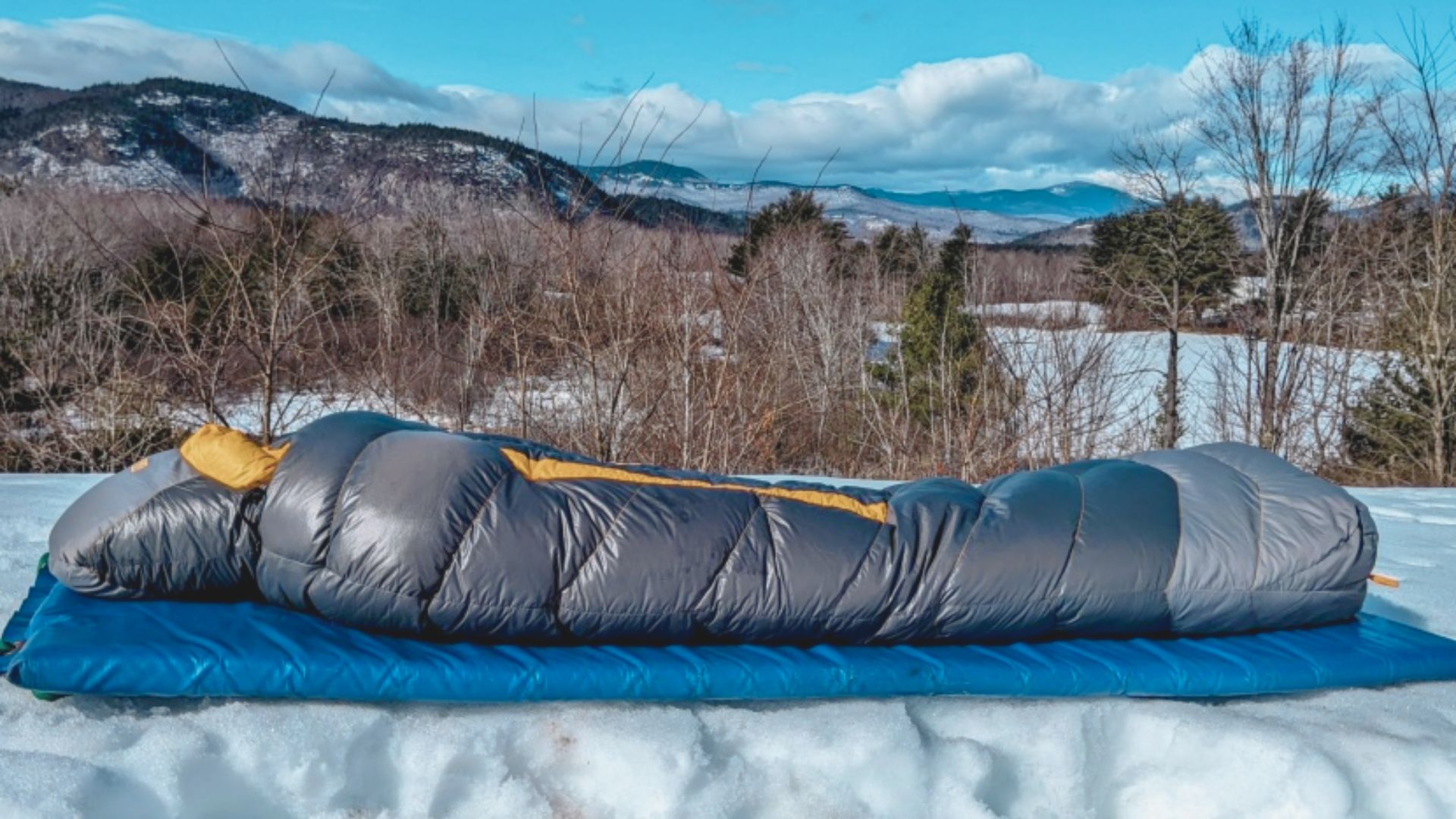
Get a sleeping bag rated at least 10 to 15 degrees lower than the coldest temperature you expect. Ratings are often optimistic. Down insulation offers the best warmth to weight ratio but loses insulation when wet.
Synthetic costs less and works when damp but weighs more. Mummy-style bags trap heat better than rectangular bags.
Sleeping Pads & R-Values
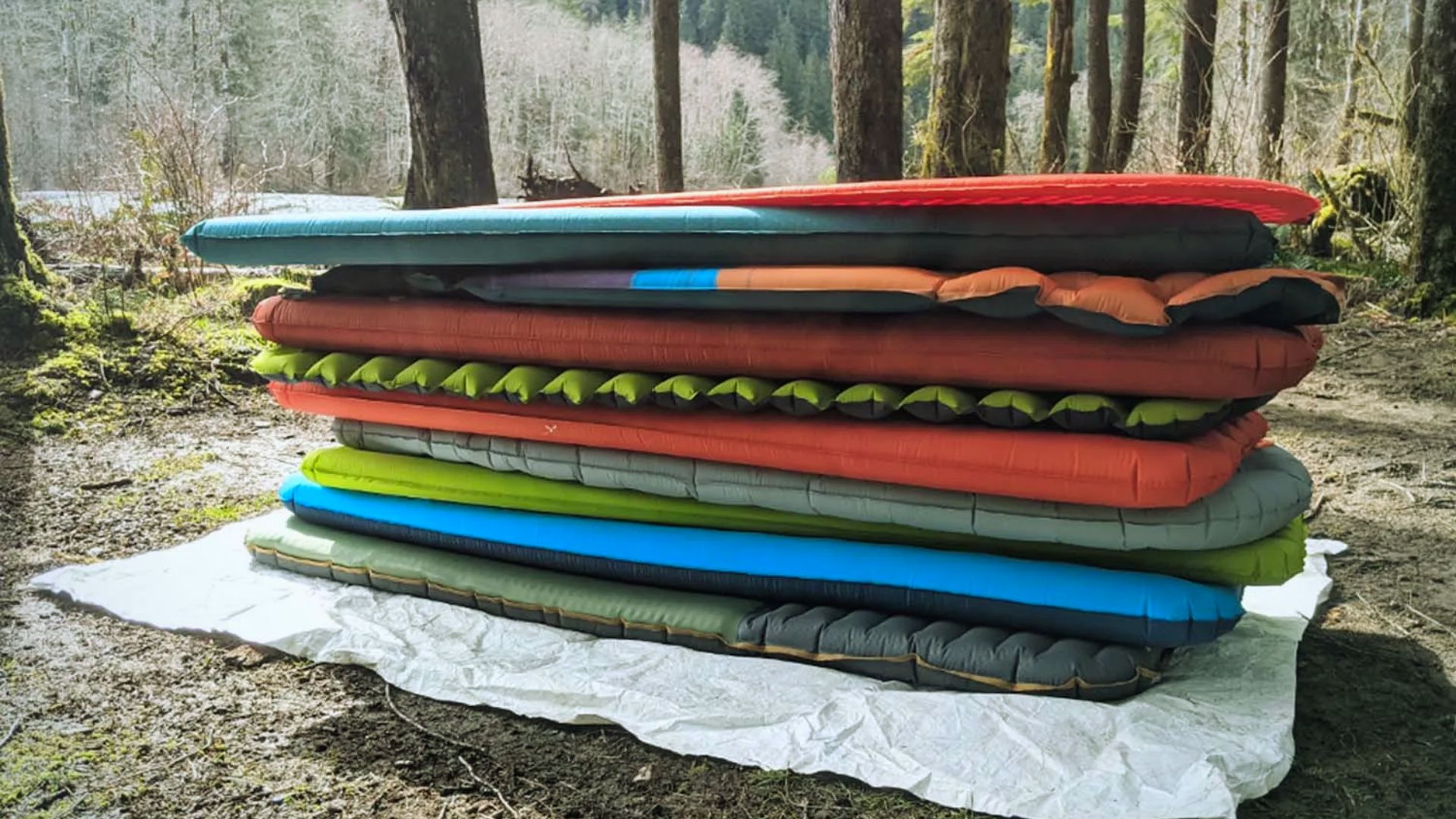
You need an R-value of at least 4 for winter camping. Higher is better for extreme cold. I stack two pads for winter trips.
A closed-cell foam pad on the bottom for insulation and an inflatable pad on top for comfort. Always carry a repair kit for punctures.
Portable Heaters and Fire Options
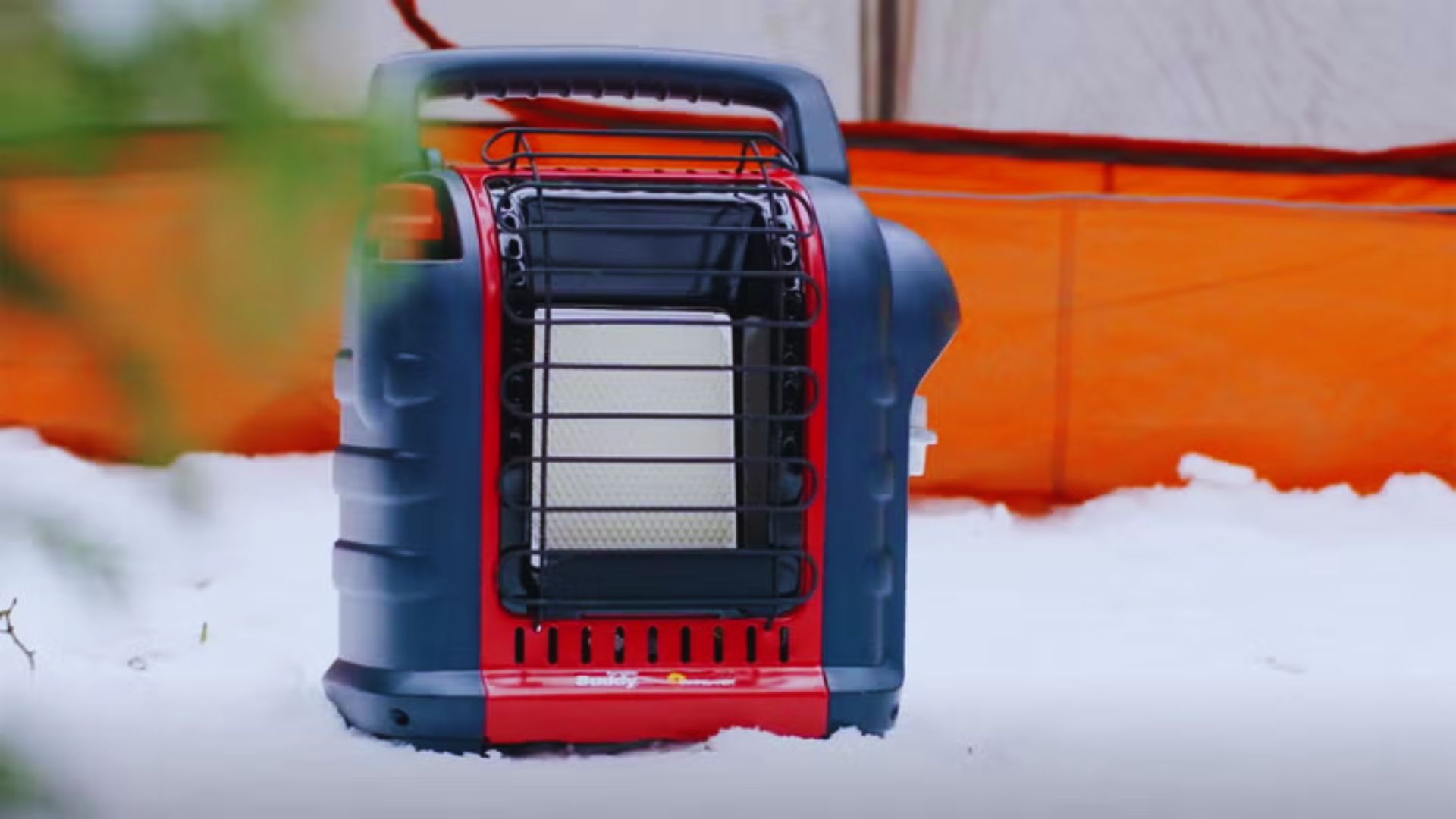
Propane heaters designed for camping can warm a tent safely with tip-over protection and oxygen sensors. Never use heaters without proper ventilation.
Wood-burning camp stoves provide heat and cooking in one unit. Chemical hand warmers last 8 to 10 hours and take the chill off cold spots.
Power Solutions for Winter Camping
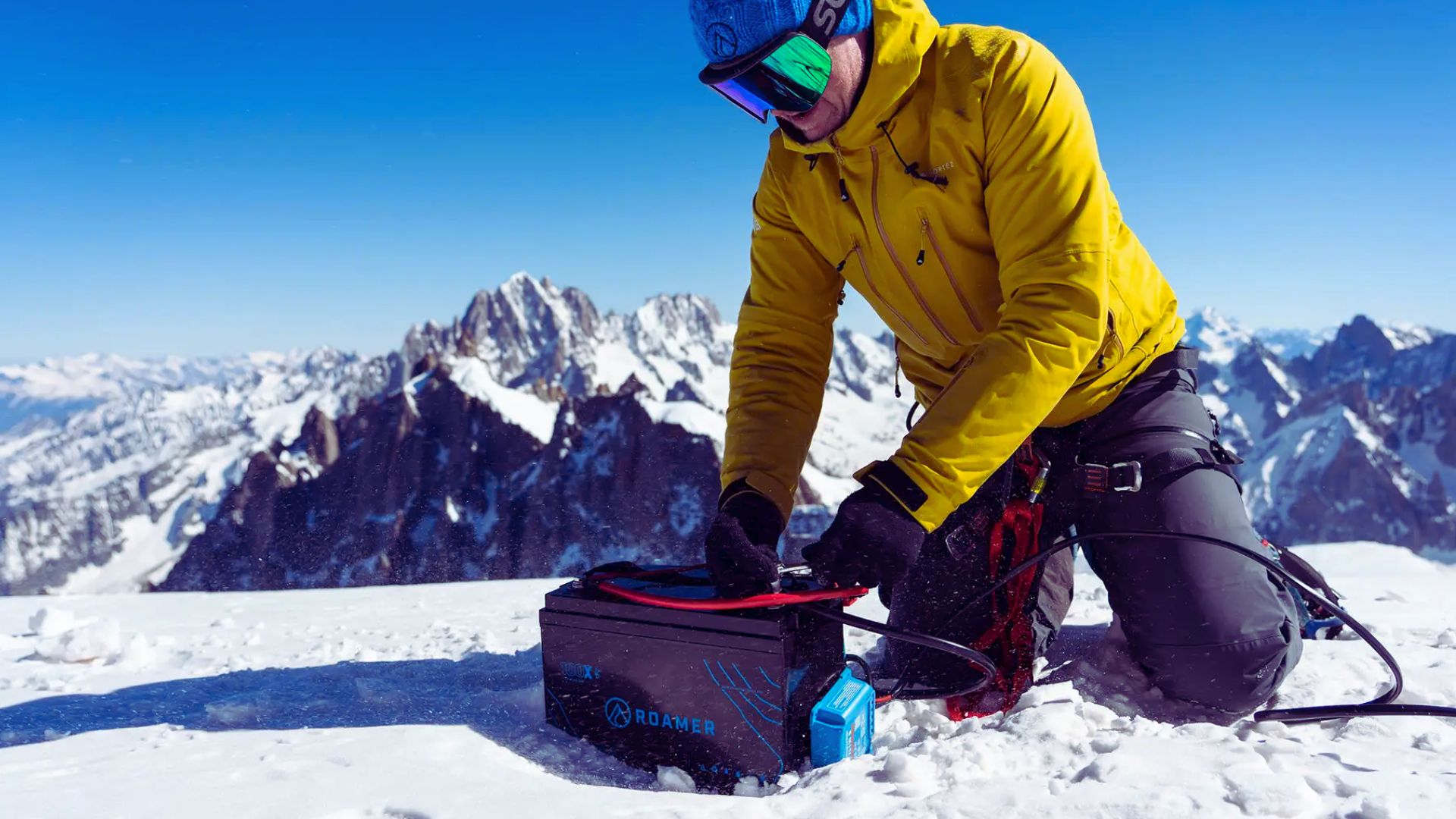
Lithium batteries perform better in the cold than alkaline batteries. Cold kills battery life fast. Keep your phone and power bank inside your jacket during the day.
Bring a fully charged 20,000mAh power bank instead of relying on solar panels. Bring spare batteries and store them in a warm pocket.
Cold Weather Camping Clothing
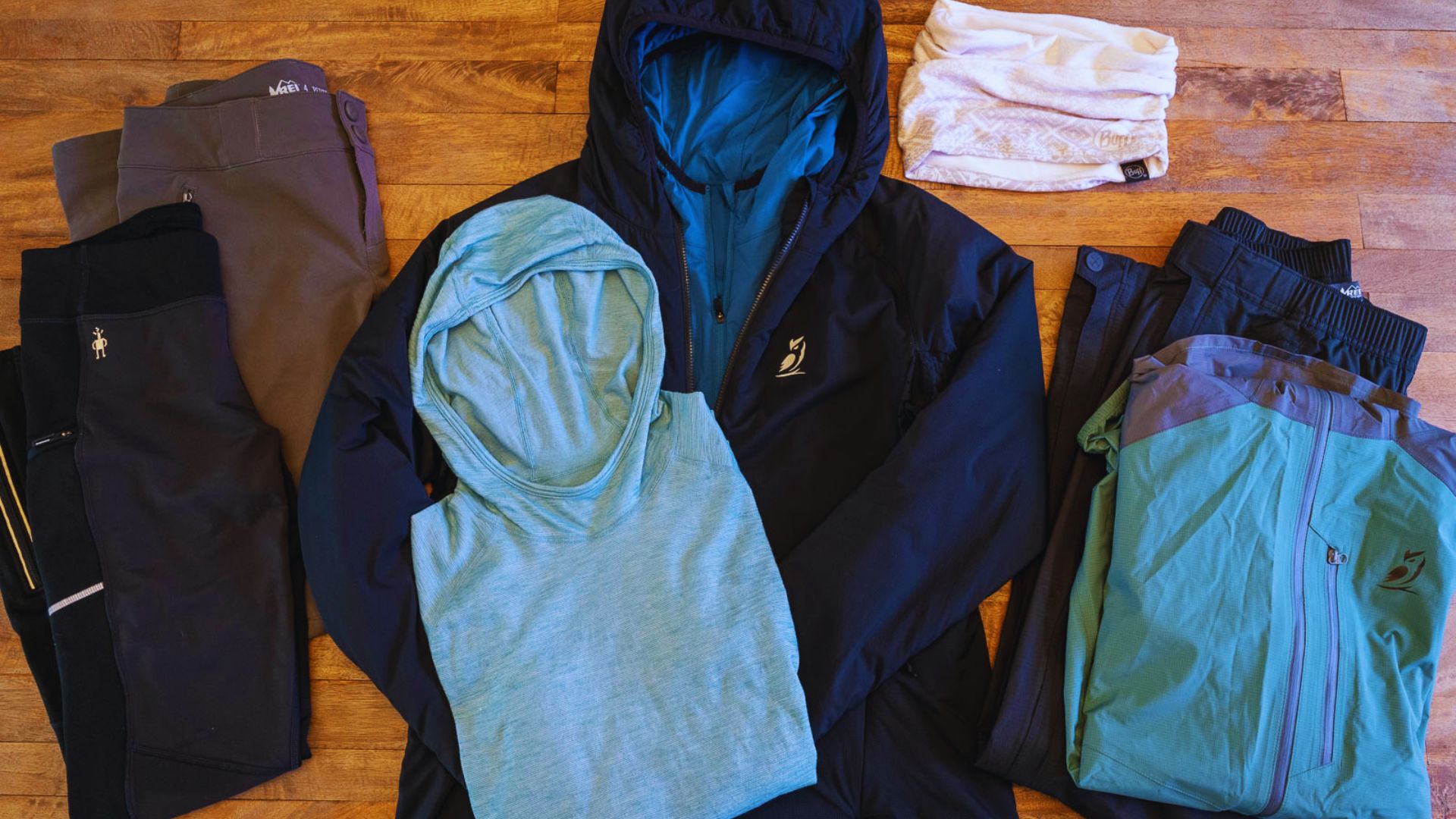
Proper layering makes or breaks your comfort in cold weather. The right clothing system keeps you warm without overheating when you’re active.
Base Layers (Merino Wool, Alpaca, Synthetic Options)
Base layers manage moisture against your skin. Merino wool naturally resists odor and regulates temperature. I prefer 200 to 250 weight merino for winter camping.
Alpaca wool costs more but is slightly warmer and more durable. Synthetic base layers dry faster and cost less but smell bad after a day or two.
Insulating Mid Layers (Fleeces, Puffy Hoodies)
Mid-weight fleece works for moderate activity while heavy fleece keeps you warm at camp. Puffy jackets provide serious warmth.
I wear mine over my fleece when temperatures drop at night. Hooded mid layers give you extra head and neck warmth that makes a huge difference in wind or snow.
Outerwear (Down Jackets, Waterproof Shells, Heated Jackets)
A waterproof shell jacket blocks wind and keeps precipitation out. Look for pit zips to dump heat when hiking uphill.
Down jackets offer incredible warmth for their weight. Heated jackets drain batteries fast and add weight. Traditional layering works better for most situations.
Headwear, Gloves, and Socks
You lose 30% of body heat through your head. A warm beanie or balaclava is non-negotiable.
Bring two pairs of gloves: thin liner gloves for camp tasks and thick insulated gloves or mittens for warmth.
Mittens keep fingers warmer than gloves. Bring extra pairs of wool or synthetic hiking socks to change into dry socks each day.
Footwear Tips (Waterproof Shoes, Insulated Booties)
Waterproof hiking boots keep your feet dry in snow. Dry feet are warm feet. Look for boots with insulation and Gore-Tex lining.
Insulated camp booties feel amazing at the end of a cold day. Gaiters prevent snow from getting inside your boots when hiking.
Avoiding Cotton and Staying Dry
Cotton kills in cold weather. Never wear cotton base layers, socks, or gloves. Once cotton gets wet, it sucks heat from your body.
Change out of sweaty clothes as soon as you stop moving. Keep a set of dry clothes in a waterproof bag as an emergency backup.
Cold Weather Camping Hacks & Techniques
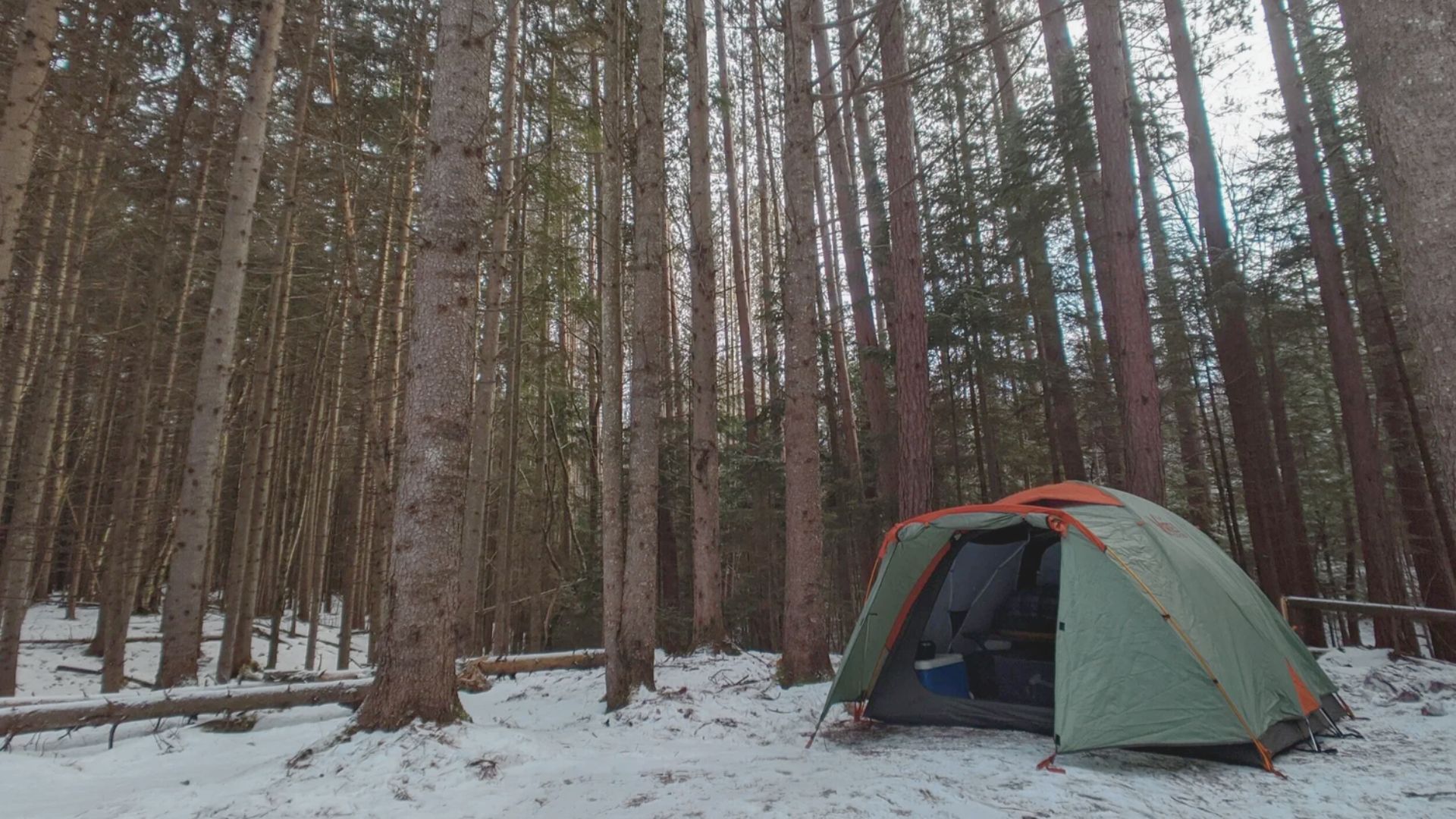
Small tricks and techniques can dramatically improve your winter camping experience. These hacks come from years of trial and error in cold conditions.
Keeping Clothes Warm Overnight
Put tomorrow’s clothes in your sleeping bag at night. They’ll be warm when you wake up. Store your boots in a stuff sack at the foot of your sleeping bag to prevent them from freezing.
Keep your water bottles inside your sleeping bag too since water freezes in bottles left outside.
Hack Your Campfire (fire starters, fire-building tips)
Bring waterproof fire starters like wax-coated cotton balls. Good fire starters get a fire going in any conditions.
Build a platform of green logs under your fire pit to prevent melting down into snow. Collect more firewood than you think you need since cold weather makes you want to stay by the fire longer.
Tent Hacks (staking with rocks, small tents for heat retention)
Use rocks, logs, or snow anchors for staking since frozen ground is hard to penetrate. Pack snow around stakes to freeze them in place. Smaller tents trap body heat better.
Your body warmth can raise the tent temperature 10 to 15 degrees in a compact tent. Create a windbreak with snow blocks on the windward side.
Sleeping Hacks (warm water bottles, insulating pads)
Fill a water bottle with hot water before bed and wrap it in a sock. This keeps you warm for hours.
Eat a small snack right before bed since your body generates heat digesting food. Wear a clean, dry base layer to sleep. Don’t sleep in the same clothes you wore all day.
Managing Condensation & Ventilation
Crack your tent vents even in cold weather. Proper airflow prevents water from dripping on you and your gear.
Wipe down tent walls in the morning before they freeze to prevent ice buildup. Keep wet gear in the vestibule, not inside your tent.
RV Winterizing Tips & Portable Heaters
Insulate your RV windows with reflective bubble wrap to cut heat loss. Heat only the space you’re using. Close off unused rooms to concentrate warmth.
Let faucets drip slightly overnight to prevent frozen pipes and keep cabinet doors open under sinks so warm air reaches the pipes.
Snow Camping Specific Tips
Snow camping requires different gear and techniques than regular winter camping to keep you safe in deep snow.
- Microspikes attach to your boots for traction on ice while snowshoes spread your weight across soft snow. Look for snowshoes rated for your weight plus pack weight.
- Gaiters seal the gap between boots and pants to keep snow out and feet dry. Tall gaiters work best for deep snow. Check them regularly to maintain a good seal.
- Start with liquid water in your pot before adding snow to prevent burning. Collect clean white snow from undisturbed areas and always boil for one minute.
- Trekking poles give you balance on icy snow and prevent falls. Swap regular tips for snow baskets so poles don’t sink deep into soft snow.
- Use poles to test snow depth before stepping to avoid hidden holes or unstable areas.
Conclusion
Cold weather camping challenges you in ways that summer camping never does. But there’s something special about being out in the quiet, frozen wilderness.
I remember my first snow camping trip where everything went wrong until I learned these lessons the hard way.
Now you have the knowledge to stay warm and safe from your first trip. Grab your gear, check that weather forecast, and get out there.
Start with a short overnight trip near your car. Then share your experience in the comments below. What worked for you?
Frequently Asked Questions
What temperature is too cold for camping?
Beginners should start around 20 to 30°F and avoid camping below 10°F until they have proper gear and experience.
Do you need a special tent for cold weather camping?
A 4-season tent is recommended for temperatures below 20°F or heavy snow conditions. 3-season tents work for mild winter camping.
How do you stay warm while sleeping in cold weather?
Use a sleeping bag rated lower than expected temps, layer two sleeping pads, and put a hot water bottle at your feet.
What should you not wear while camping in winter?
Never wear cotton as it stays wet and makes you colder. Avoid tight clothing that restricts blood flow.
How do you prevent water from freezing while camping?
Store bottles upside down and keep them in your sleeping bag overnight. Drink water regularly throughout the day.
