


I have been to Alaska twice, and both times, I almost packed the wrong things. The weather there shifts fast. One hour it is sunny, and the next, it is raining sideways.
That is why having a solid Alaska packing list matters more than most trips. In this guide, I cover everything including clothing, gear, footwear, and travel documents.
Whether you are heading there for the first time or going back, this checklist helps you pack smarter and stress less. I have done the guesswork for you.
Complete Alaska Packing List Overview
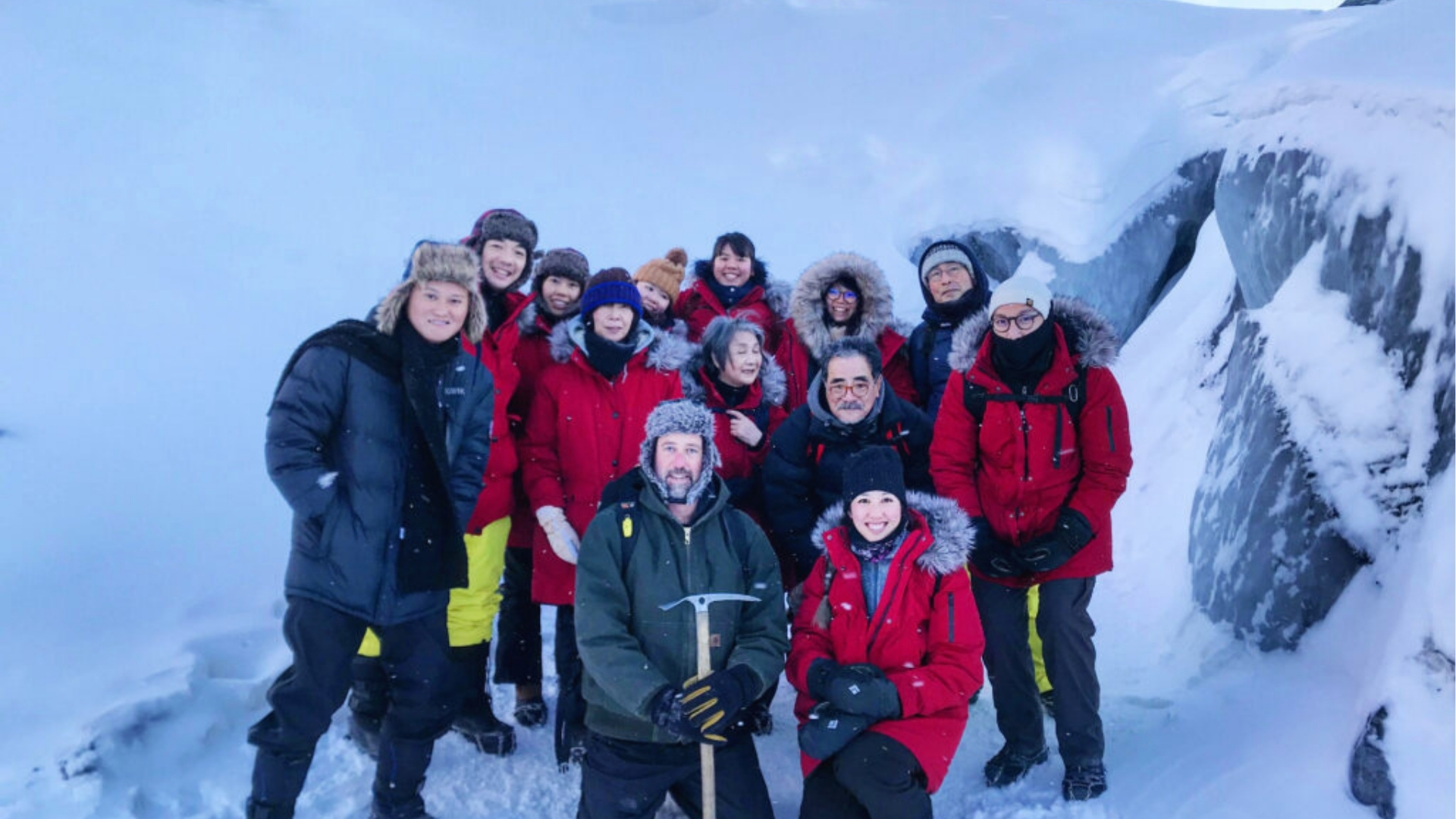
Alaska trips require layering, waterproof gear, and smart organization. This checklist covers every category you need before you fly out, from clothing and footwear to gear and travel documents.
It is split by section so you can work through it without missing anything important. Start with your clothing layers, then move on to outdoor gear, personal items, and documents.
Each section is straightforward and easy to follow. Do not wait until the night before to pack.
Going through this list a few days early gives you time to grab anything you missed and pack without the last-minute stress.
Clothing Checklist for Alaska Weather

Packing the right clothes for Alaska means planning for cold, rain, and surprise sunshine all in one day.
Layering Key items
Layering is the most important part of dressing for Alaska.
Here is what you need:
- Base layer: moisture-wicking tops that keep sweat off your skin
- Mid layer: fleece jacket, wool sweater, or insulated vest
- Outer layer: waterproof jacket and rain pants
Skip cotton entirely. It stays wet and makes you cold fast.
Daily Wear
Pack clothes that work hard and dry quickly
- Long-sleeved shirts (3 to 4)
- T-shirts (2 to 3)
- Quick-dry pants or zip-off pants
- Shorts if you are visiting in summer
- Comfortable sleepwear
Keep it simple. You do not need anything fancy here.
Cold Weather Accessories
Even in July, Alaska mornings can feel sharp and cold:
- Warm hat
- Gloves or mittens
- Neck gaiter or buff
- Wool or synthetic socks (pack extra pairs)
- Sun hat or rain hat depending on the season
Footwear Checklist for Comfort and Adventure
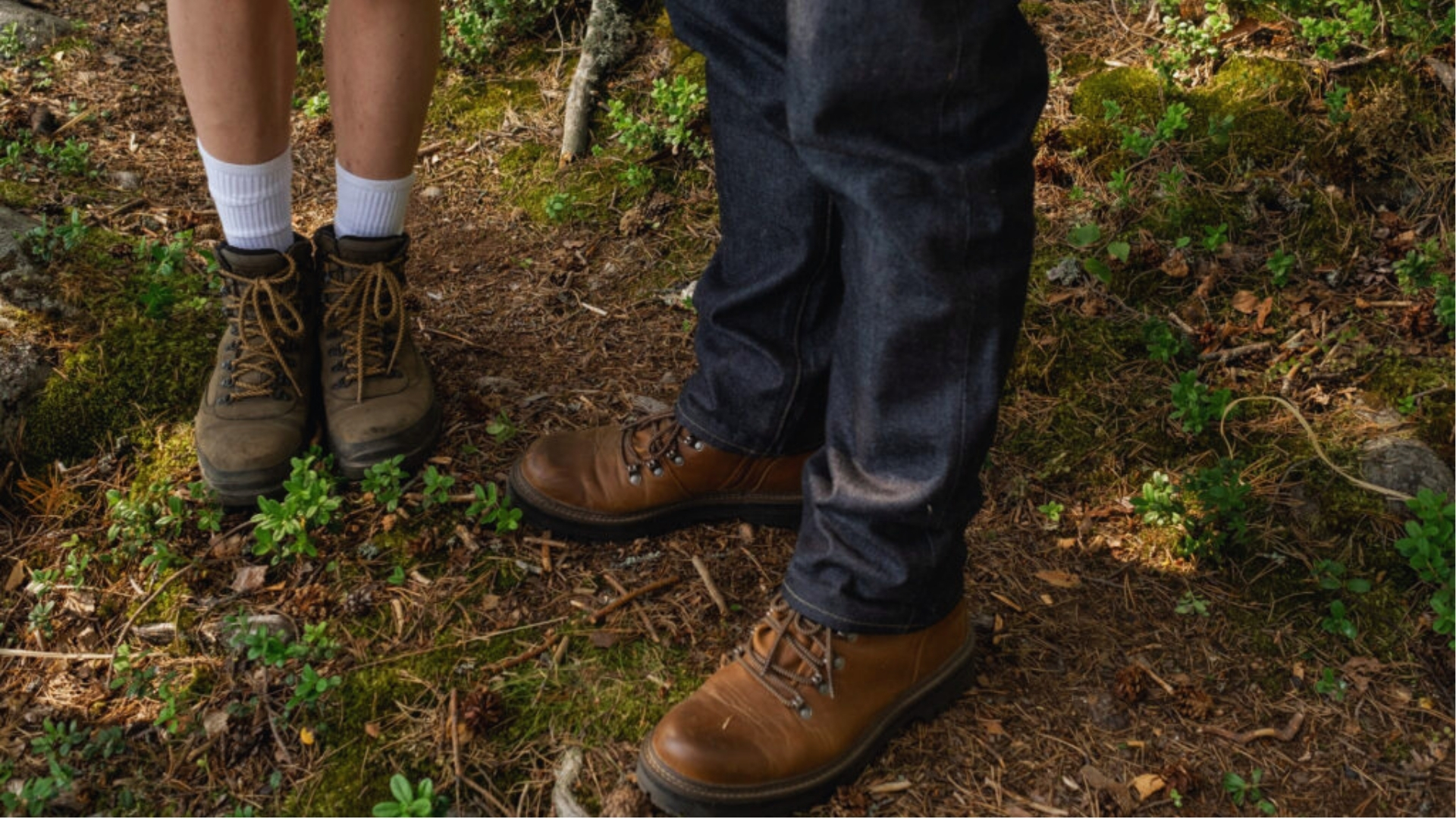
The right footwear protects your feet and keeps you moving all day long.
Primary Footwear
Waterproof hiking boots are non-negotiable. Go for ankle support, especially if you plan on any trails. Break them in before your trip. Blisters on day two are not fun.
Extra Footwear
Bring a second pair of shoes for casual days or boat trips. Sneakers or walking shoes work well. Sock liners are worth adding if you are doing long hikes. They cut down on friction and keep your feet dry longer.
Important Gear and Equipment Checklist
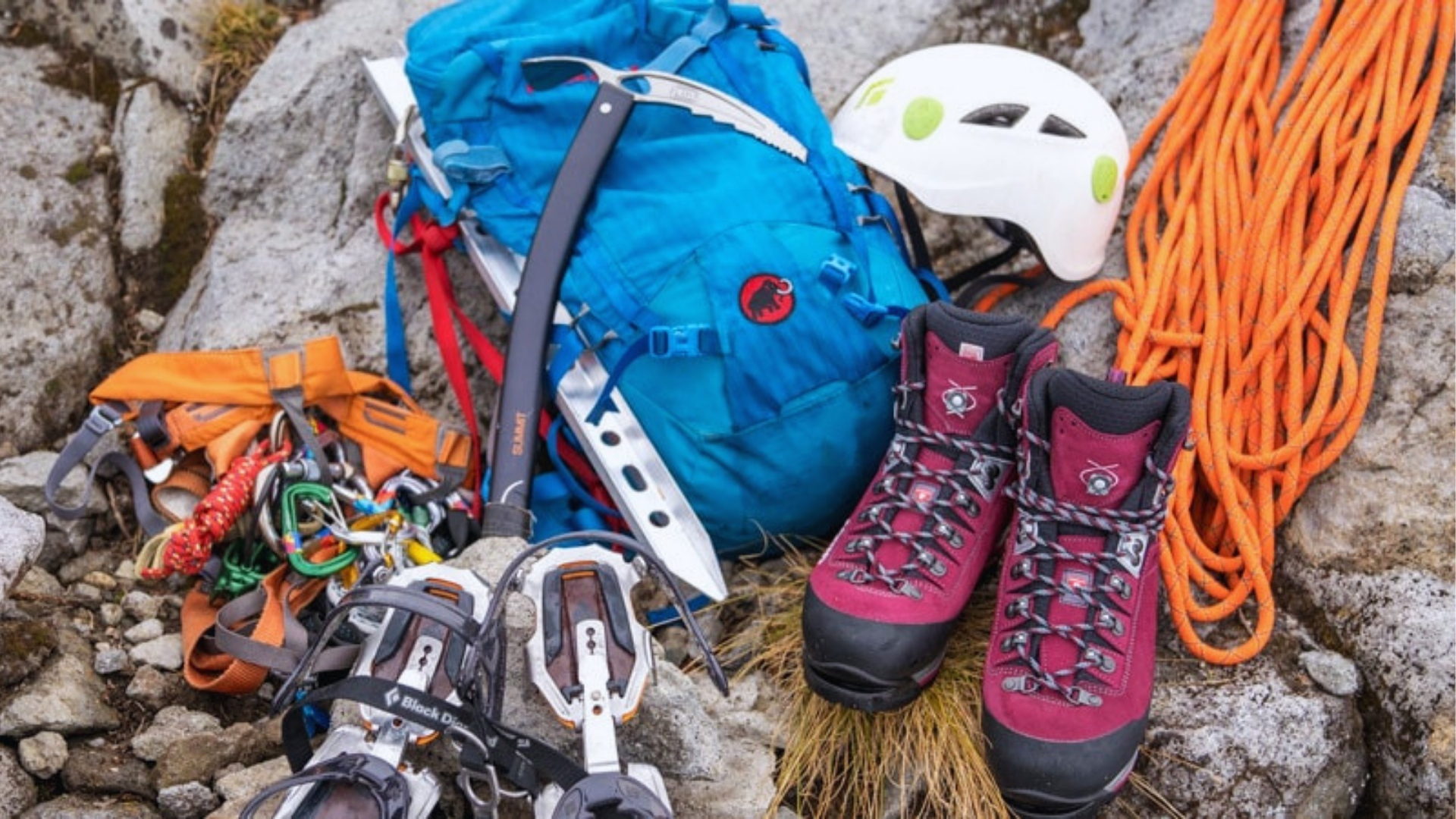
Good gear makes a huge difference when the weather turns or the trail gets muddy.
Outdoor Gear
The right outdoor gear keeps you prepared when Alaska’s weather turns without warning.
- Waterproof daypack (at least 20 liters)
- Dry bags to protect electronics and clothing
- Hiking poles if you plan on longer trails
A dry bag saved my camera once during a sudden downpour in Juneau. Pack one even if you think you will not need it.
Wildlife and Photography Gear
Alaska has incredible wildlife.
You will want to actually see it:
- Binoculars (8×42 is a good size for most people)
- Camera with extra batteries and memory cards
Cold weather drains batteries fast. Always carry spares.
Hydration Key items
Bring a reusable water bottle. Many areas in Alaska have clean water sources, so a filter bottle is a smart addition. Staying hydrated on the trails matters, especially at elevation.
Personal Items and Travel Key items Checklist
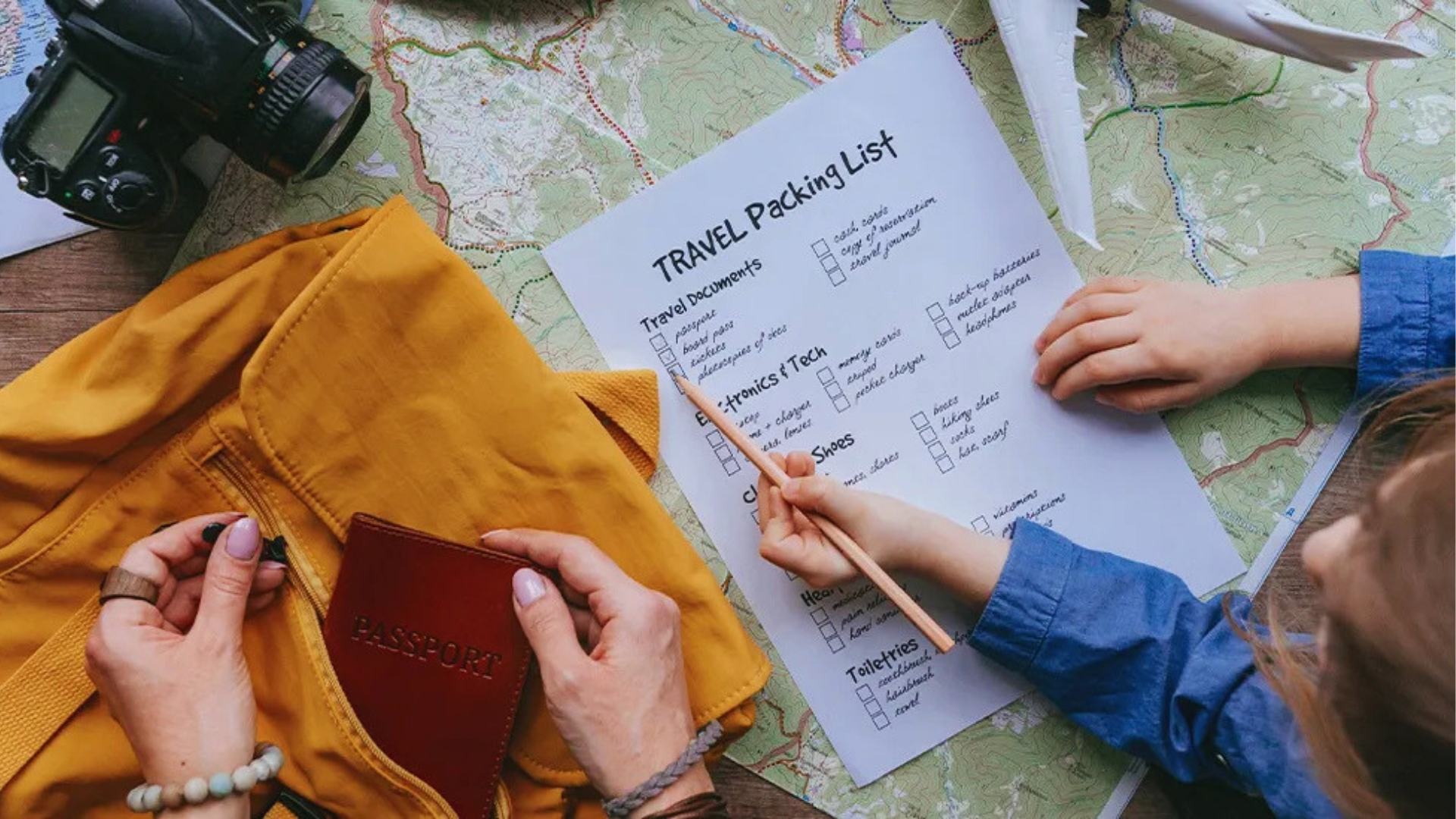
The small things you forget at home are always the ones you need most on the road.
Health and Hygiene
Stock up on the basics before you leave, some items are hard to find once you are out in remote Alaska.
- Toiletries (travel-sized)
- Any prescription medications plus extras
- Sunscreen (SPF 50 or higher, the UV can be strong even on cloudy days)
- Lip balm with SPF
- Insect repellent (mosquitoes in Alaska are serious)
Travel Accessories
Small items like a headlamp and sleep mask make a bigger difference in Alaska than you would expect.
- Sunglasses with UV protection
- Headlamp with fresh batteries
- Earplugs and a sleep mask for the midnight sun
The midnight sun is real. It stays light for nearly 20 hours in summer. A sleep mask is not optional, it is necessary.
Documents and Money
Keep everything organized and backed up so you are never caught off guard at a border or check-in.
- Government-issued ID
- Passport if you are taking a cruise that stops in Canada
- Travel insurance documents
- Printed hotel and tour confirmations
- Cash for tips, local markets, and smaller vendors
Keep copies of your documents in your bag and a digital backup on your phone.
Seasonal Alaska Packing Guide
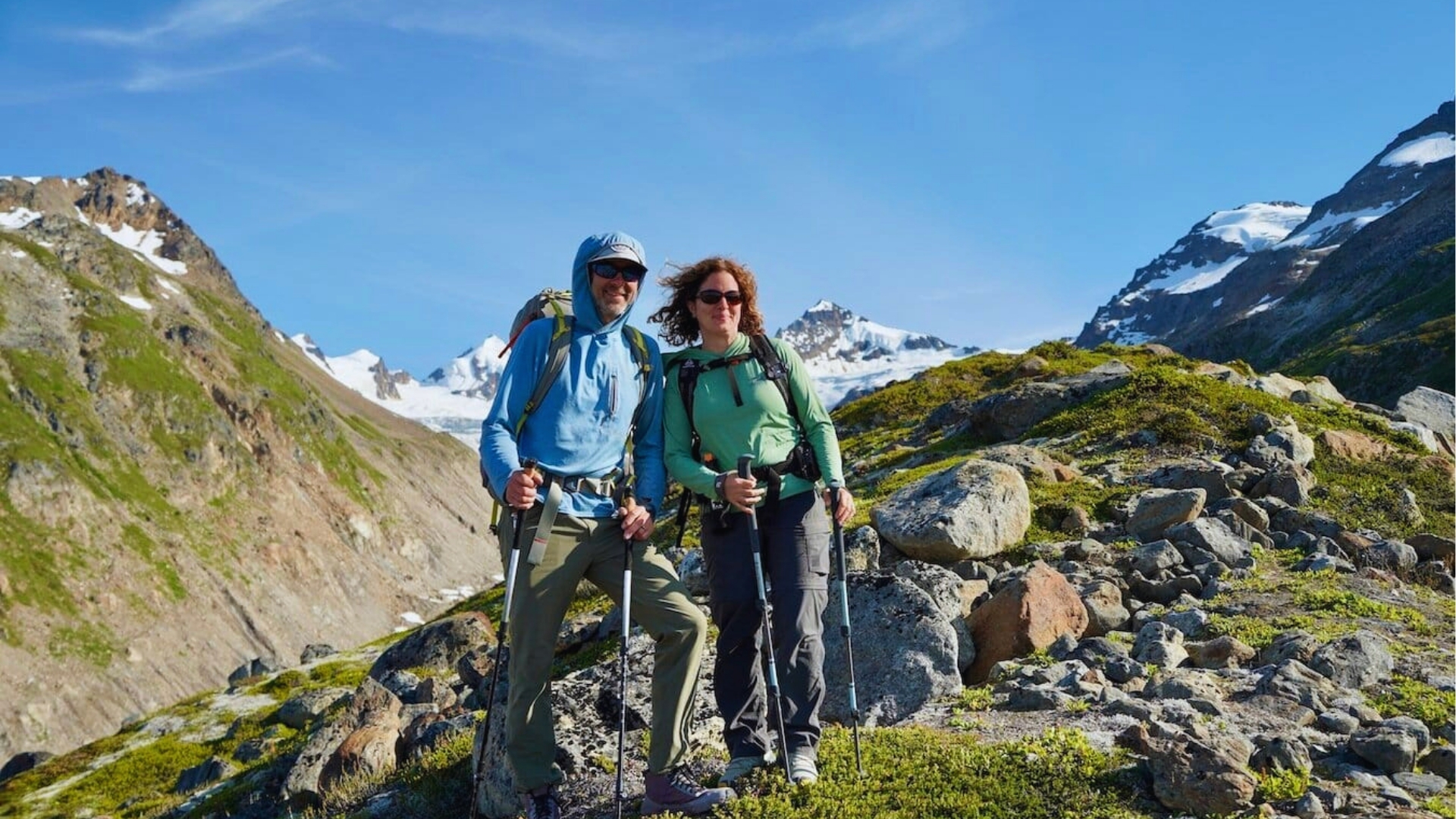
What you pack changes depending on which month you visit. Here is a simple breakdown.
June and July Packing Tips
June and July are peak summer months in Alaska. Days are long and temperatures feel warmer, but rain still shows up without warning.
Focus on lighter mid layers instead of heavy insulation since you will not need as much bulk. Strong insect repellent is a must because bugs are at their worst during these two months.
A packable waterproof jacket is also key. Pick one you can stuff into your bag so it is always within reach when the weather shifts.
August and September Packing Tips
Temperatures start dropping in August and fall colors begin showing up by September. Swap out lighter layers for a heavier insulated jacket that can handle colder mornings and evenings.
Thermal base layers become important during this time, especially on outdoor excursions. Regular gloves will not cut it either, so pack waterproof ones instead.
September in particular can feel like deep autumn, so dress with that in mind and add an extra layer or two just to be safe.
Tips for Packing Smart in Alaska
Simple habits that save space and keep you prepared for anything Alaska throws at you.
- Always pack waterproof gear, even if the forecast looks clear
- Avoid cotton in every layer, it does not dry and it keeps you cold
- Use layers instead of one big heavy coat
- Pack your most important items in your carry-on in case checked luggage is delayed
- Prepare for sudden weather changes by keeping your rain jacket at the top of your bag
- Pack light but pack smart, stick to versatile pieces that work across multiple outfits and conditions
Conclusion
Alaska caught me off guard the first time I went. I packed too much of the wrong stuff and not enough of the right things. Now I use a checklist every single time.
Having the right gear does not just make the trip easier, it makes it more fun. I hope this Alaska packing list helps you feel ready and confident before you go.
If you found this helpful, share it with someone planning their trip. Drop a comment below too, I would love to hear what you are most excited about.
Frequently Asked Questions
What is the most important item on an Alaska packing list?
A waterproof jacket is the one item you cannot skip. Alaska weather changes fast, and staying dry keeps you safe and comfortable throughout the trip.
How many days worth of clothes should I pack for Alaska?
Pack for 7 days even on longer trips. Most lodges and cruise ships have laundry facilities, so you can rewear and rewash without overpacking.
Do I need hiking boots for Alaska even if I am not hiking?
Yes, waterproof boots are useful beyond hiking. Uneven terrain, wet docks, and muddy paths are common, so good footwear protects you in many situations.
Is bug spray really necessary in Alaska?
Absolutely. Mosquitoes and gnats are very active from late May through July. A DEET-based repellent or a strong natural alternative is a must-have during these months.
Can I do laundry in Alaska during my trip?
Most hotels, lodges, and cruise ships offer laundry services. Packing quick-dry fabrics makes it easier to hand wash small items and have them ready by morning.
