

Finding a good travel camera without spending a fortune is harder than it sounds. Most guides push expensive gear that budget travelers simply cannot afford. This article is different.
I have tested and researched compact cameras for years, and I know what actually works on a tight budget.
Here, you will find what makes a camera worth buying, the best budget options available today, and real tips to avoid wasting money.
You do not need to spend $2000 to take great photos on the road.
What Makes the Best Travel Camera on a Budget
Not every spec matters for travel. Focus on what actually helps on the road.
A good budget travel camera should fit in your pocket and weigh under 300 grams. If it is too bulky, you will not carry it. Most solid options cost under $500, and buying used stretches your budget even further.
Dedicated cameras also beat smartphones in real ways. Larger sensors, true optical zoom, and better low-light performance make a clear difference, especially when you only get one shot at a moment.
Look for simple controls, a solid build, and decent battery life. A basic padded case handles most bumps on the road.
Types of Travel Cameras for Budget Travelers
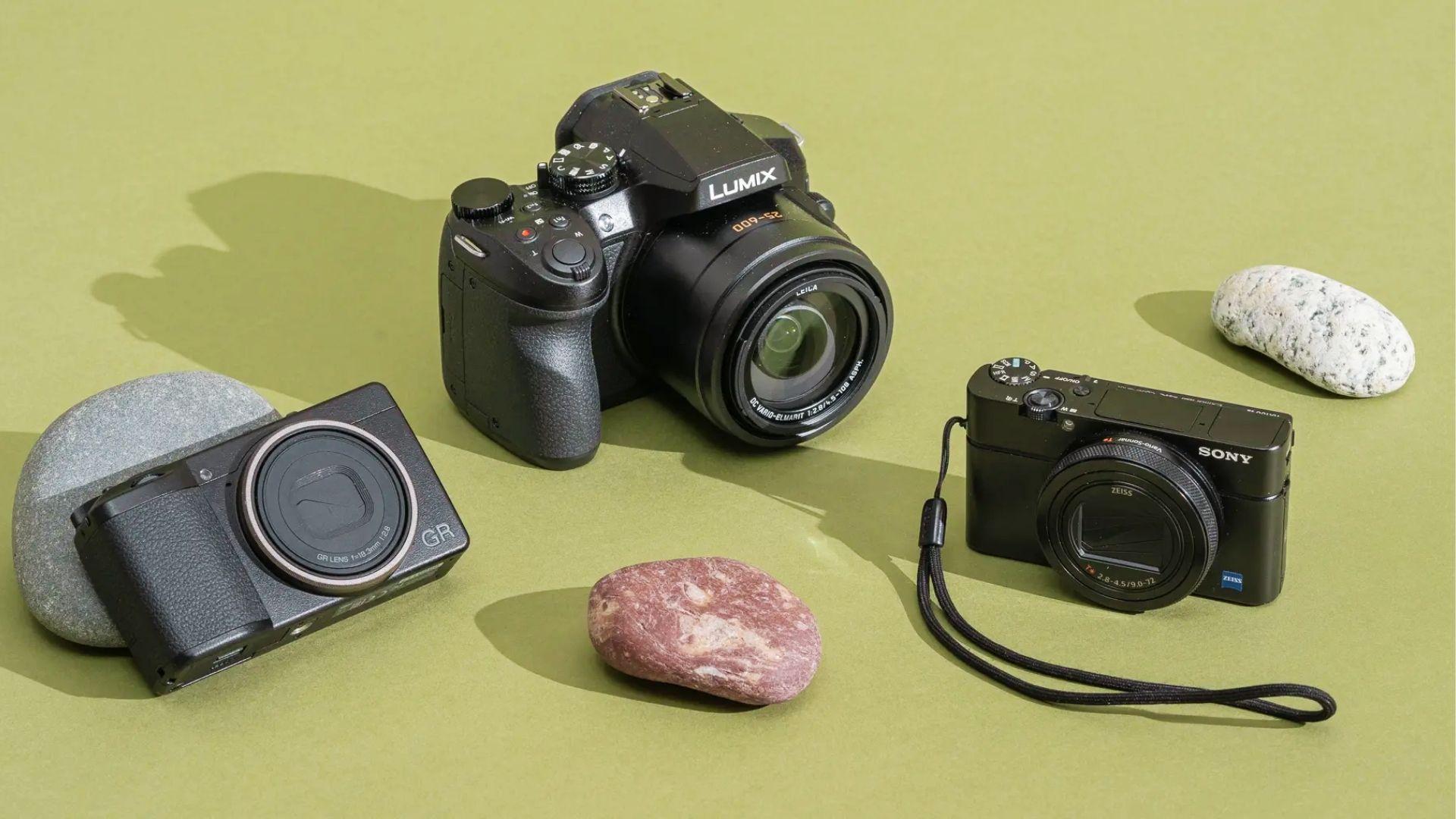
Each camera type fits a different travel style. Knowing the difference saves you money and frustration.
Compact Point-and-Shoot Cameras
These are the go-to choice for most budget travelers. They are small, affordable, and simple to use.
They fit in a pocket, start up fast, and take sharp photos in good light. If you want one camera that handles everything, start here.
Mirrorless Cameras (Entry-Level Options)
Entry-level mirrorless cameras offer better image quality with larger sensors and swappable lenses. Models like the Sony ZV-E10 sit under $700 body-only.
They are slightly larger but still travel-friendly. Stick to one kit lens to keep costs down.
Vintage Digicams (Cheap Old Cameras)
Old digital cameras from the early 2000s are popular again. Models like the Canon S90 or Panasonic Lumix LX3 cost $30 to $100 used.
Their CCD sensors produce a warm, film-like look many photographers love. Great low-risk option for first-time camera buyers.
Action Cameras for Active Trips
Action cameras like the GoPro Hero series are waterproof, shockproof, and very compact. They work best for water activities, hiking, and wide-angle video.
General image quality is lower than compact cameras, but for active trips under $300, they are hard to beat.
Best Budget Travel Camera Options to Consider
Here are the top picks based on value, performance, and portability for real travelers.
Fujifilm XF10: Best Compact APS-C Camera
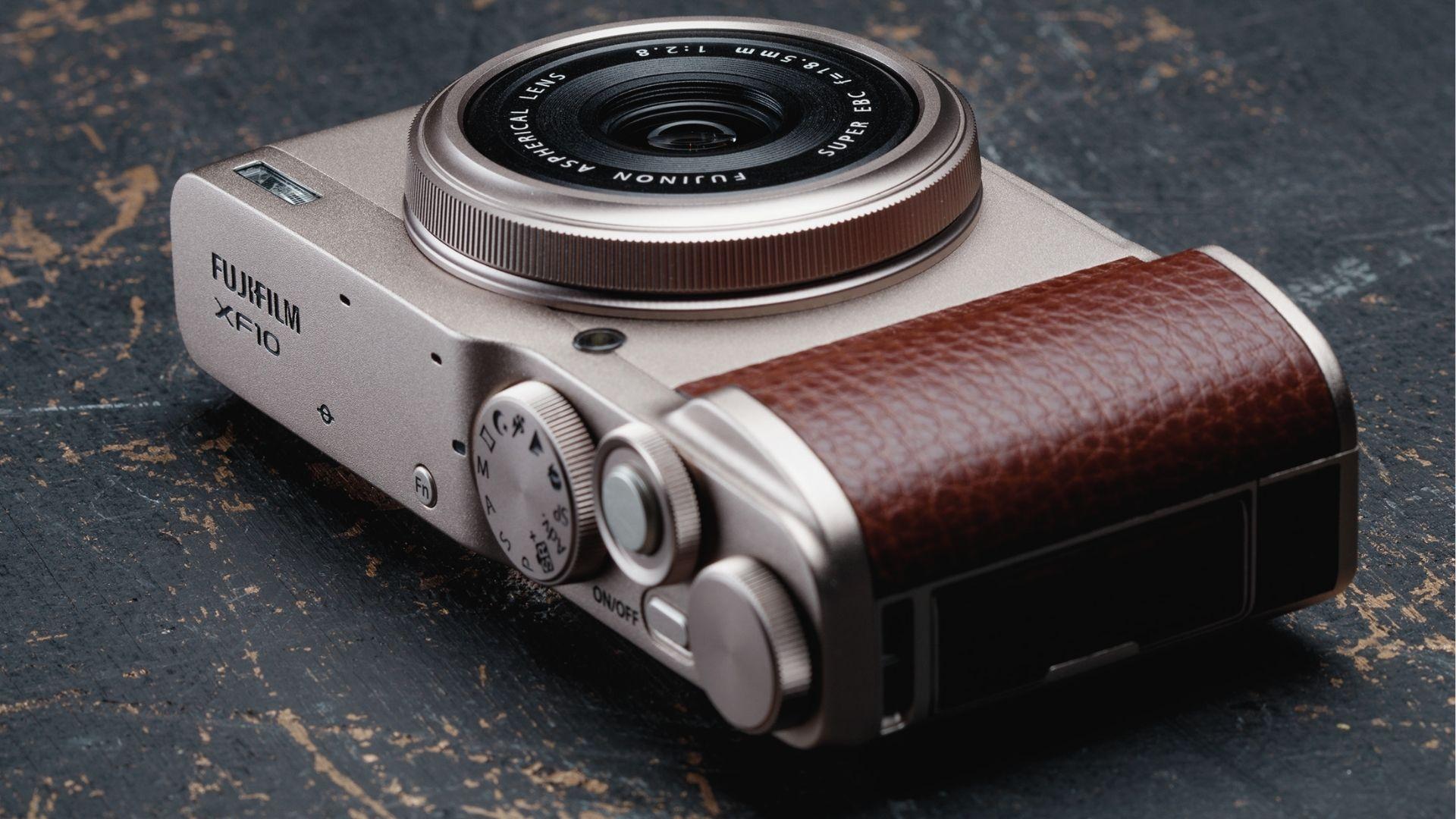
The Fujifilm XF10 fits in a shirt pocket but carries an APS-C sensor that cameras three times its price use.
The f/2.8 lens handles low light well, making it a solid pick for street and indoor shots. Colors look natural straight out of camera. You can find it used for around $300 to $400.
Sony RX100 Series: Best for Zoom and Versatility
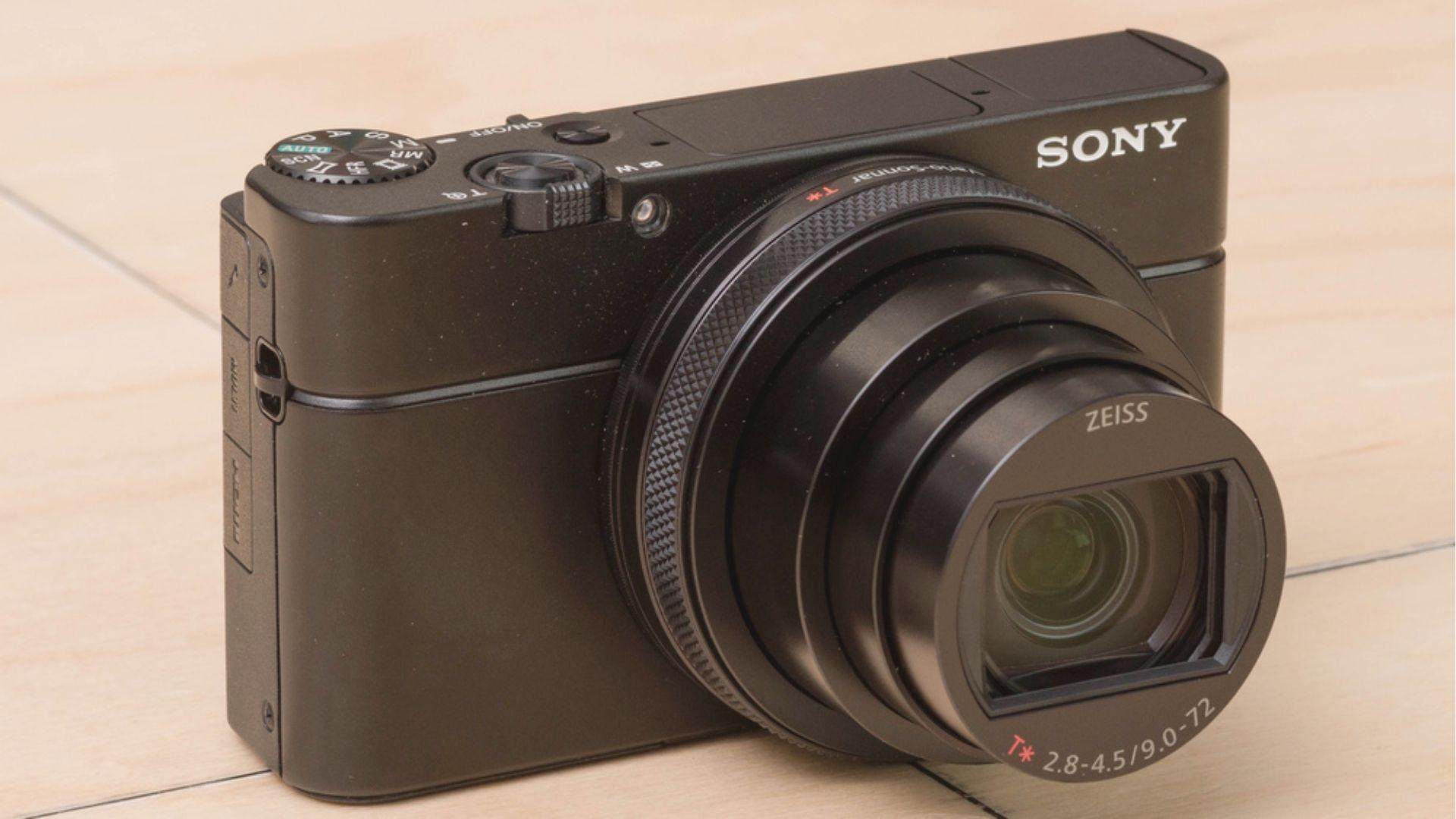
The RX100 line covers wide-angle to moderate telephoto in a pocket-sized body. Autofocus is fast, and newer models shoot 4K video.
The RX100 III is the best value entry point at around $200 to $250 used.
Canon PowerShot G7 X Mark II: Best for Vlogging
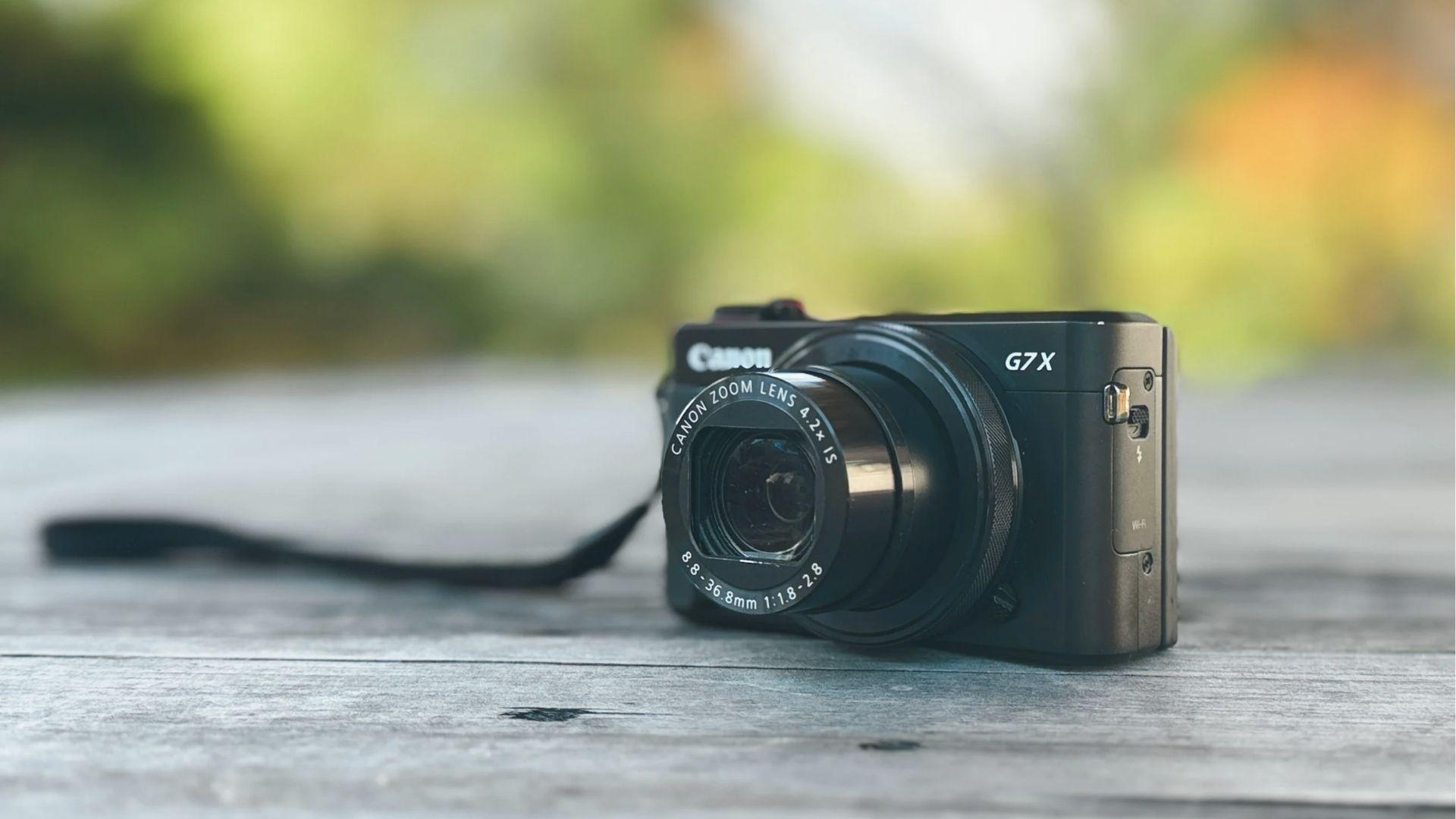
The flip-up touchscreen and clean 1080p video make this a go-to for travel vloggers. Controls are simple enough for beginners but offer manual options as you grow.
New prices sit around $600 to $700, lower used.
Canon S90 / Panasonic Lumix LX5: Best Cheap Digicams
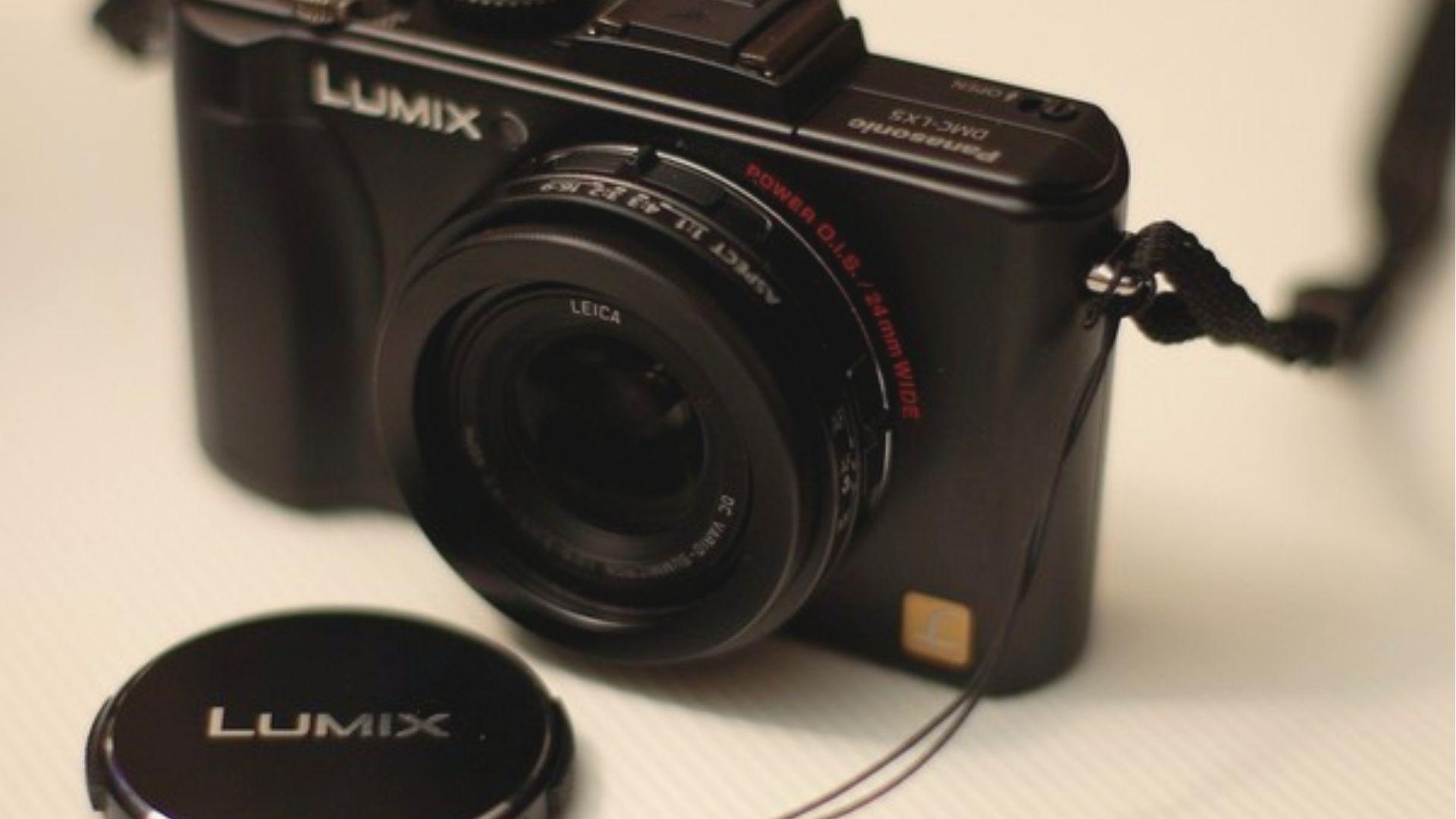
Both can be found for under $100 used. They shoot solid photos in good light and produce a warm, filmy look that many travelers prefer.
Low risk, low cost, and very pocketable.
Sony RX100 V: Best Performance Upgrade
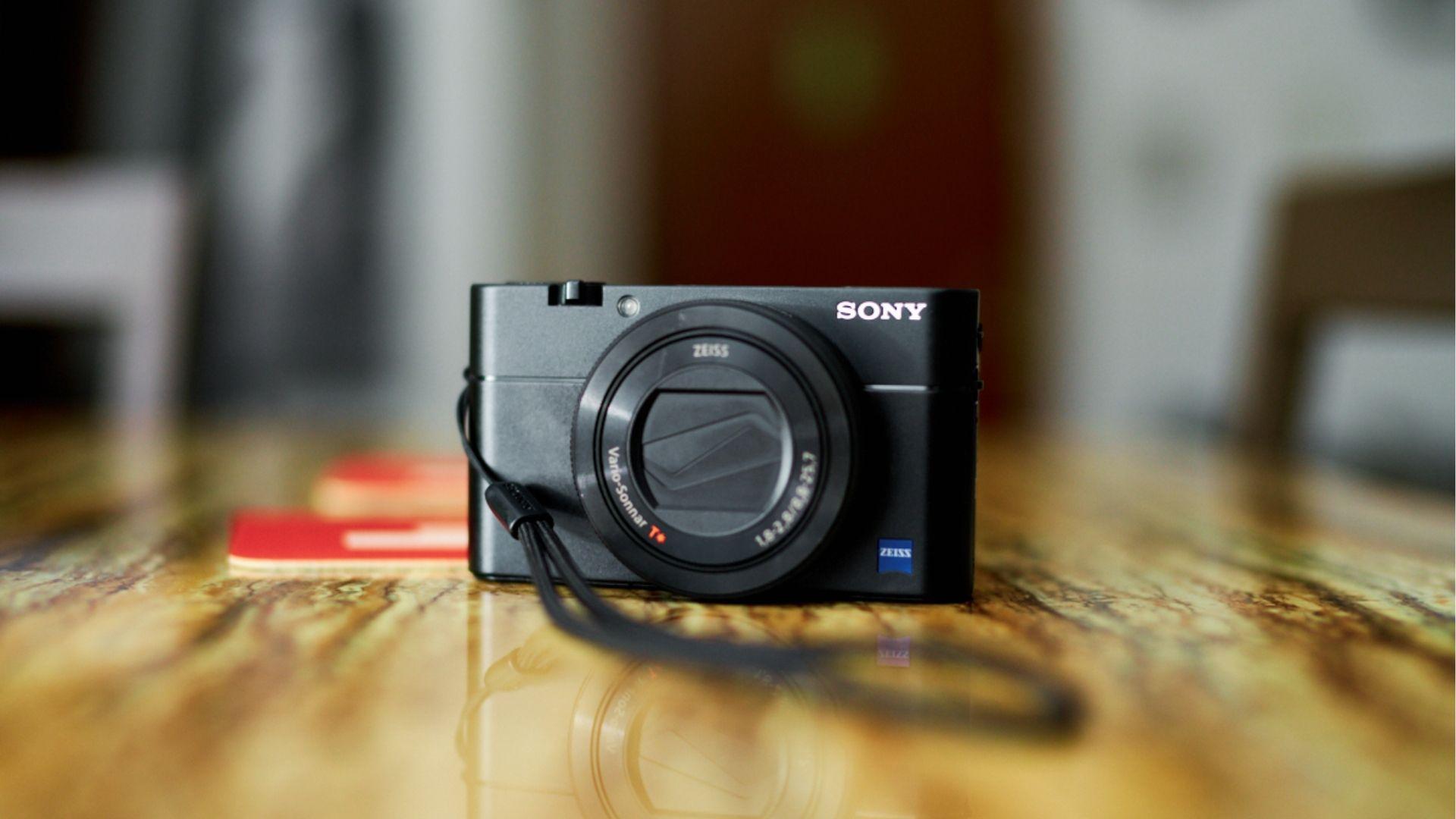
The RX100 V shoots 24 frames per second with fast phase-detection autofocus. It is the strongest performer in this list for moving subjects and demanding situations.
Used prices range from $400 to $500.
Why Cheap Old Digicams Are Trending Again
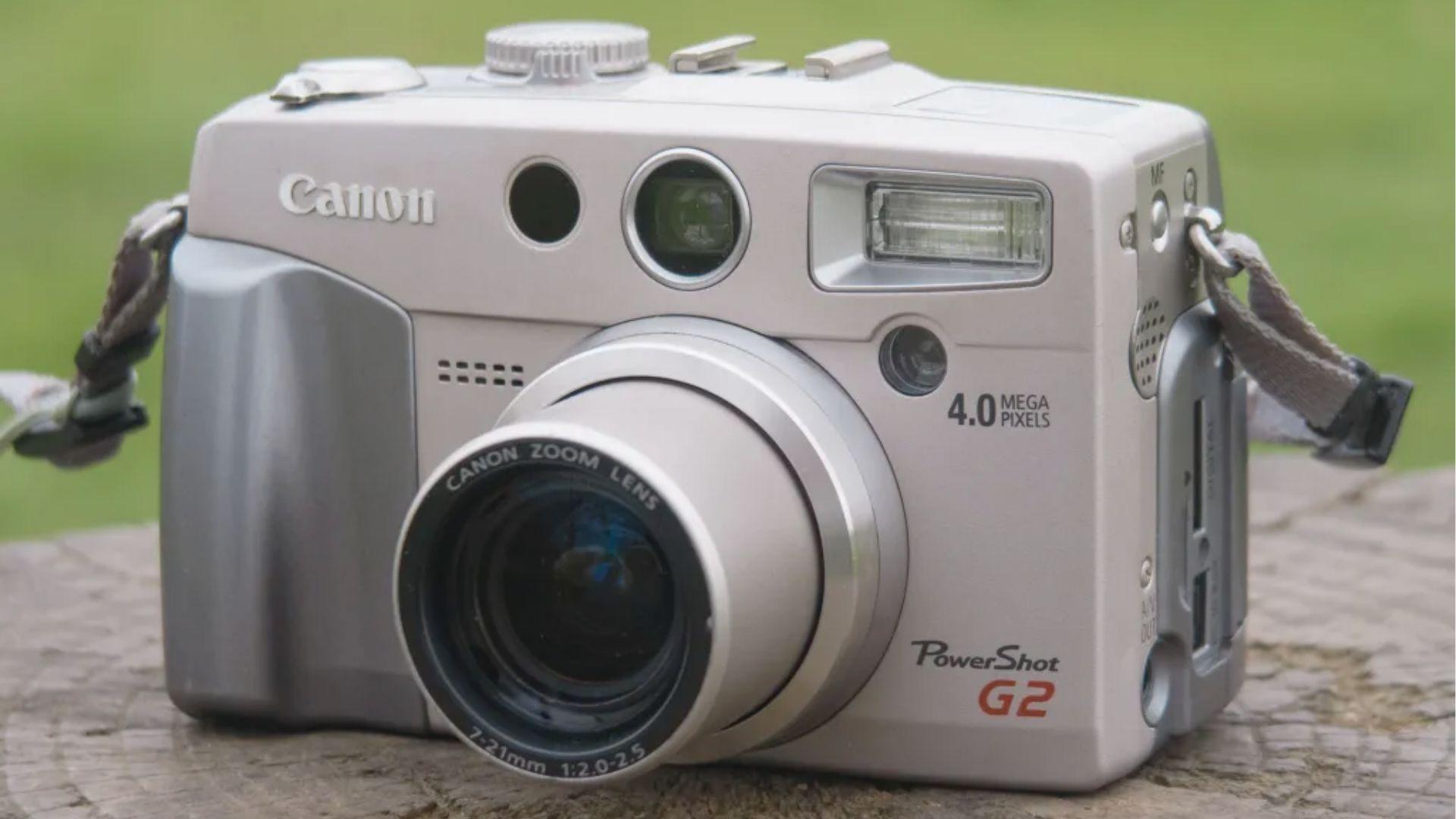
Old digital cameras are back in style, and the reasons are pretty simple.
CCD sensors from early 2000s cameras produce warm, soft colors that modern sensors cannot replicate. This look is hard to fake with filters, and many photographers prefer it over the overly sharp output of today's cameras.
Price is another big factor. A working digicam costs $20 to $80 on secondhand platforms. That is less than a memory card for a high-end camera. For first-time buyers, it is a low-pressure way to try a dedicated camera.
There is also the risk factor. Losing or damaging a $50 camera stings far less than losing a $500 one. Beach trips, crowded markets, late-night city walks. These are exactly the situations where you do not want expensive gear in your hands.
And since these cameras are so small, they go everywhere. They fit in any pocket without adding bulk. The best camera is always the one you actually have with you.
Real Travel Scenarios: Choosing the Best Travel Camera
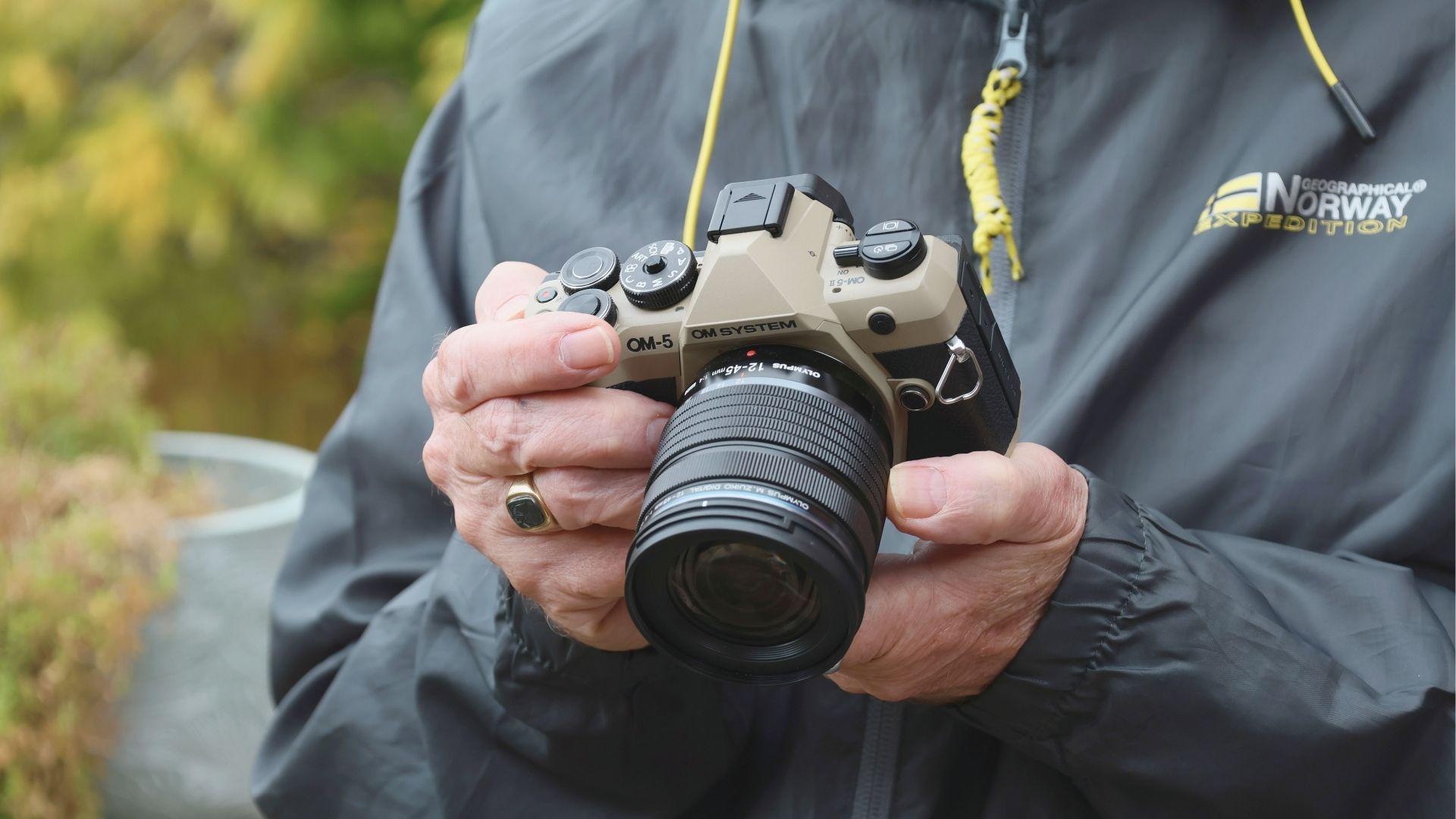
Different travel situations call for different camera strengths. Here is what to think about before making a decision.
Street Photography and City Travel
Street photography requires speed and discretion. A small camera attracts less attention than a large DSLR.
Best picks: Fujifilm XF10, Sony RX100 III, any small digicam.
Fast autofocus and a wide lens help capture candid moments without disturbing the scene. A silent or quiet shutter mode is also useful in quiet spaces.
Low-Light and Night Photography
Night and indoor photography separate good cameras from mediocre ones. Sensor size and maximum aperture are the two biggest factors.
Best picks: Fujifilm XF10 (f/2.8, large sensor), Sony RX100 V (fast AF, good high-ISO).
Look for cameras with manual ISO control and a stabilized lens. This gives you much more flexibility in dim conditions.
Landscapes and Scenic Views
Landscape photography rewards wide-angle lenses and good dynamic range. Most compact cameras cover this well.
Best picks: Sony RX100 series (zoom range), Canon G7 X Mark II (versatile zoom).
Shoot in RAW format if your camera supports it. This gives you more editing flexibility for exposure and color correction later.
Everyday Moments and Quick Shots
For casual daily photos, almost any camera on this list works well. The priority here is startup speed and ease of use.
Best picks:Canon PowerShot G7 X Mark II, any point-and-shoot with a fast lens.
A camera that powers on in one second and focuses quickly will capture more real moments than one with a complicated startup process.
Common Mistakes to Avoid When Choosing a Travel Camera
Avoiding these simple mistakes saves you money, weight, and a lot of regret later.
- Many travelers pick cameras that are too bulky to carry daily. If it does not fit your pocket or bag easily, it will stay at the hotel.
- Paying extra for 4K video or fast burst shooting sounds smart but most casual travelers never use those features on a real trip.
- Always check battery life before buying. Under 200 shots per charge is too low, and you should carry at least one spare battery.
- Do not ignore storage needs. Bring enough memory cards to last several days without stopping to offload photos mid-trip.
- Never choose a camera based on specs alone. A camera that feels easy and natural to use will always outperform one that frustrates you, regardless of numbers.
Pros and Cons of Budget Travel Cameras
Every camera type has strengths and weaknesses. Here is an honest look at both sides.
| Category | Pros | Cons |
| Weight and Size | Most compact cameras weigh under 300 grams. They fit in pockets and small bags without adding noticeable weight to your pack. | Some models with larger sensors or zoom lenses can still feel bulky compared to a smartphone. |
| Price and Accessibility | You can find solid options from $50 used to $800 new. There is a camera for almost every budget level. | Entry-level models may cut corners on build quality or features to stay affordable. |
| Image Quality | Larger sensors, real optical zoom, and manual controls give dedicated cameras a clear edge over smartphones for photo quality. | Autofocus can be slower than flagship smartphones or expensive mirrorless cameras, especially in low light or fast-moving situations. |
| Zoom Capability | Optical zoom keeps image quality sharp even at higher magnification levels, unlike digital zoom on phones. | Many compact models have modest zoom ranges. Wide zoom lenses are mostly found in pricier models, which can be limiting for wildlife or sports. |
| Battery Life | Spare batteries are small, cheap, and easy to carry in any bag or pocket. | Most compact cameras only get 200 to 350 shots per charge, so carrying a spare battery on long travel days is a must. |
Tips for Buying the Best Travel Camera on a Budget
Smart buying choices help you get the most value without going over budget.
- Buy used cameras from trusted platforms like eBay or MPB, and always check condition ratings and shutter count before purchasing.
- Prioritize larger sensors like 1-inch or APS-C over smaller 1/2.3-inch sensors for better low-light and detail performance.
- Look for cameras that shoot RAW files and offer manual controls so you have more editing flexibility and room to grow.
- Choose a lighter, simpler camera over a feature-heavy one. If you will not use a feature on a trip, do not pay for it.
- Set a firm budget before browsing. Under $100 for a digicam, $100 to $300 for a used RX100, and $500 to $800 for a G7 X or entry mirrorless.
Final Thoughts
I used a $180 Sony RX100 on my first long trip and it changed how I photographed everything around me. You do not need to spend a lot to get photos you are proud of.
Pick a camera that fits your pocket, your budget, and your travel style. Start simple and build from there.
If this guide helped you narrow down your options, drop a comment below and tell me which camera you are considering. I would love to hear what you end up choosing.
Frequently Asked Questions
What is the best travel camera for beginners on a budget?
The Sony RX100 III or Canon G7 X Mark II are excellent starting points. Both are easy to use, compact, and produce results far better than a smartphone at a reasonable used price.
Is it worth buying a used camera for travel?
Yes, buying used is one of the smartest ways to get a quality camera at a lower cost. Stick to trusted platforms with buyer protection and check condition ratings carefully before purchasing.
Can a budget camera replace a smartphone for travel photos?
For most casual travelers, a compact budget camera will take noticeably better photos than a smartphone, especially in low light or when zooming in on distant subjects.
How many megapixels do I need in a travel camera?
Around 12 to 20 megapixels is more than enough for travel photography. Sensor size and lens quality have a much bigger impact on image quality than megapixel count alone.
What should I look for in a budget travel camera for video?
Look for 1080p at 60fps minimum, a flip or tilting screen, and good image stabilization. The Canon G7 X Mark II and Sony RX100 V are strong picks for travelers who also want to shoot video.
