


The safety and independence of seniors and individuals with health issues are one of the primary concerns of families and caregivers. A good personal emergency response system acts as a lifeline, providing a reliable way of getting direct assistance, especially in cases of a medical emergency, sudden falls, and other unforeseen events. Therefore, when selecting the appropriate system, it is important to take into account factors that ensure rapid responses, ease of operation, and reliability.
Such devices not only safeguard the user, but they also offer peace of mind to the loved ones, so that they are always sure that help is within their reach. Also, current systems are meant to accommodate the daily routines and ensure active and confident living without affecting safety. In order to make a wise decision, you should pay attention to the main characteristics that define the effectiveness and reliability of the system.
The following section highlights the key details that should be considered when analyzing a personal emergency response system.
1. Continuous Professional Monitoring and Rapid Response
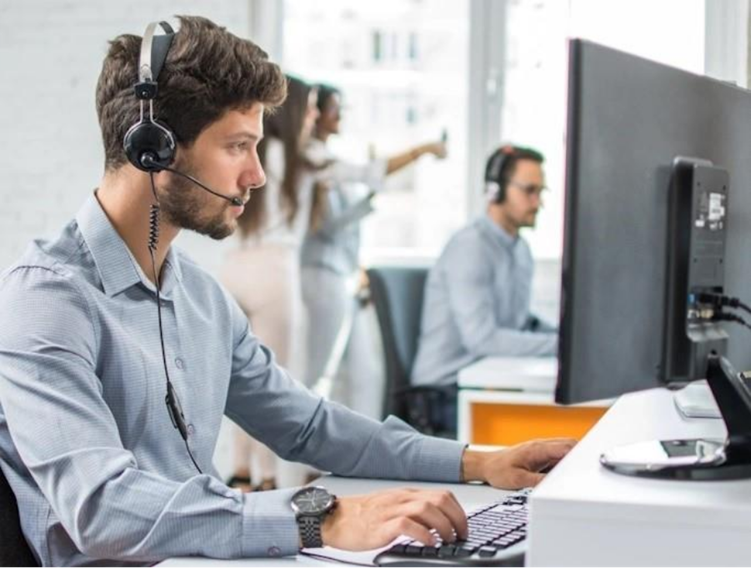
Reliable personal emergency response systemsare based on constant professional observation. The systems that provide twenty-four-hour monitoring ensure that, in case of an emergency, the situation is addressed promptly, regardless of the time of day or night. The trained operators can analyze the situation, communicate with the user, and call emergency services in case of necessity, which greatly shortens the response times in case of serious situations.
Moreover, smooth communication between the monitoring center and the user helps make sure that all alerts are handled in time. This constant connection makes the system more reliable and offers stable support at the time it is needed most.
In addition, 24/7 professional surveillance provides relief to family members and caregivers. Understanding that assistance is never too far to find builds trust in the system and makes monitoring one of the most significant factors to consider when purchasing a device.
2. Wearable Alert Devices with Easy Activation
Personal emergency response systems are most effective when they can be activated in time. Wearable gadgets, such as pendants, wristbands, or necklaces, allow the user to call for help by simply pressing a button. Their comfort and light weight make them easy to wear throughout the day without feeling inconvenienced.
In addition to that, rapid and convenient activation is especially important to individuals with low mobility or strength. A single-button operation ensures that the users obtain help even during stressful circumstances, and the precise positioning ensures that the device is always within easy reach.
Also, most wearable devices are water-resistant, meaning that they can be taken to the shower, the kitchen, or even outside, providing complete protection. Therefore, it is necessary to check comfort, usability, and life expectancy when testing a system to ensure that it serves well when required the most.
3. Automatic Fall Detection Technology
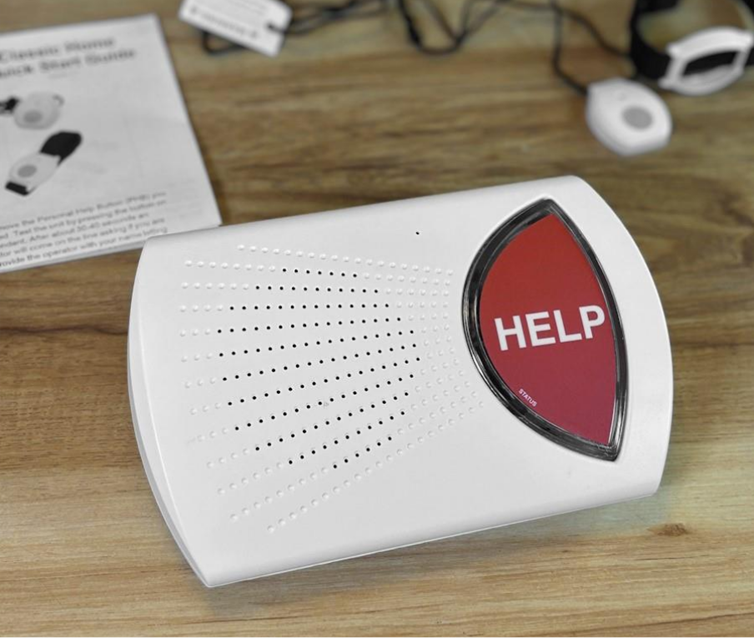
Automatic fall detectioncan greatly improve the efficiency of the emergency response systems. Devices that use this technology can detect unexpected movement or impact and automatically notify monitoring staff. This would be especially critical to users who might be physically incapable of reaching out or pressing the wearable device.
The device has advanced sensors that help identify normal daily activity in the device and genuine falls, minimize false alarms, and provide immediate response when needed. Such accuracy creates assurance that assistance will arrive immediately.
Furthermore, automatic fall detection gives the users and caregivers peace of mind. Although the user may not be in a position to press the alert button, the system notifies help automatically, ensuring constant safety in cases of emergencies.
4. Two-Way Voice and Reliable Communication
Effective communication is highly essential in times of an emergency. The two-way voice feature enables the user to talk to trained operators directly. This assists the responders in knowing the situation fast and gives instructions immediately. As a result, it helps alleviate panic and enable quicker decision-making.
Moreover, good microphones and speakers used in devices enable users to hear and talk clearly, although they may have hearing problems. The long-lasting batteries will also ensure the device remains active during emergency situations.
In addition, efficient voice communication keeps the user connected all the time. The fact that the system can reach out to help in real time gives peace of mind and assurance during urgent times to the user and their family members.
5. Mobility and Location Tracking Features

Location tracking is essential for protection beyond the home.Devices with GPScan pinpoint the user’s exact location, so help can arrive quickly even if they are outside or traveling. This feature ensures safety wherever the user goes.
Mobile systems are designed to be lightweight and portable, making them easy to carry during walks, errands, or trips. As a result, users can stay active without worrying about losing access to emergency support.
In addition, checking the accuracy of the GPS and smooth alert transmission is important when testing a system. Effective mobility and tracking features provide peace of mind by making help reachable anytime, anywhere.
Conclusion
Investing in a personal emergency response system ensures that help is accessible instantly during unpredictable situations. It fosters a sense of security, allowing users to carry on with daily routines confidently, knowing support is within reach whenever needed.
Additionally, these systems encourage independence while alleviating stress for caregivers. By selecting a device with reliable technology and seamless operation, families can create a safer environment that promotes well-being and peace of mind, ultimately enhancing quality of life for both the user and their loved ones.
