

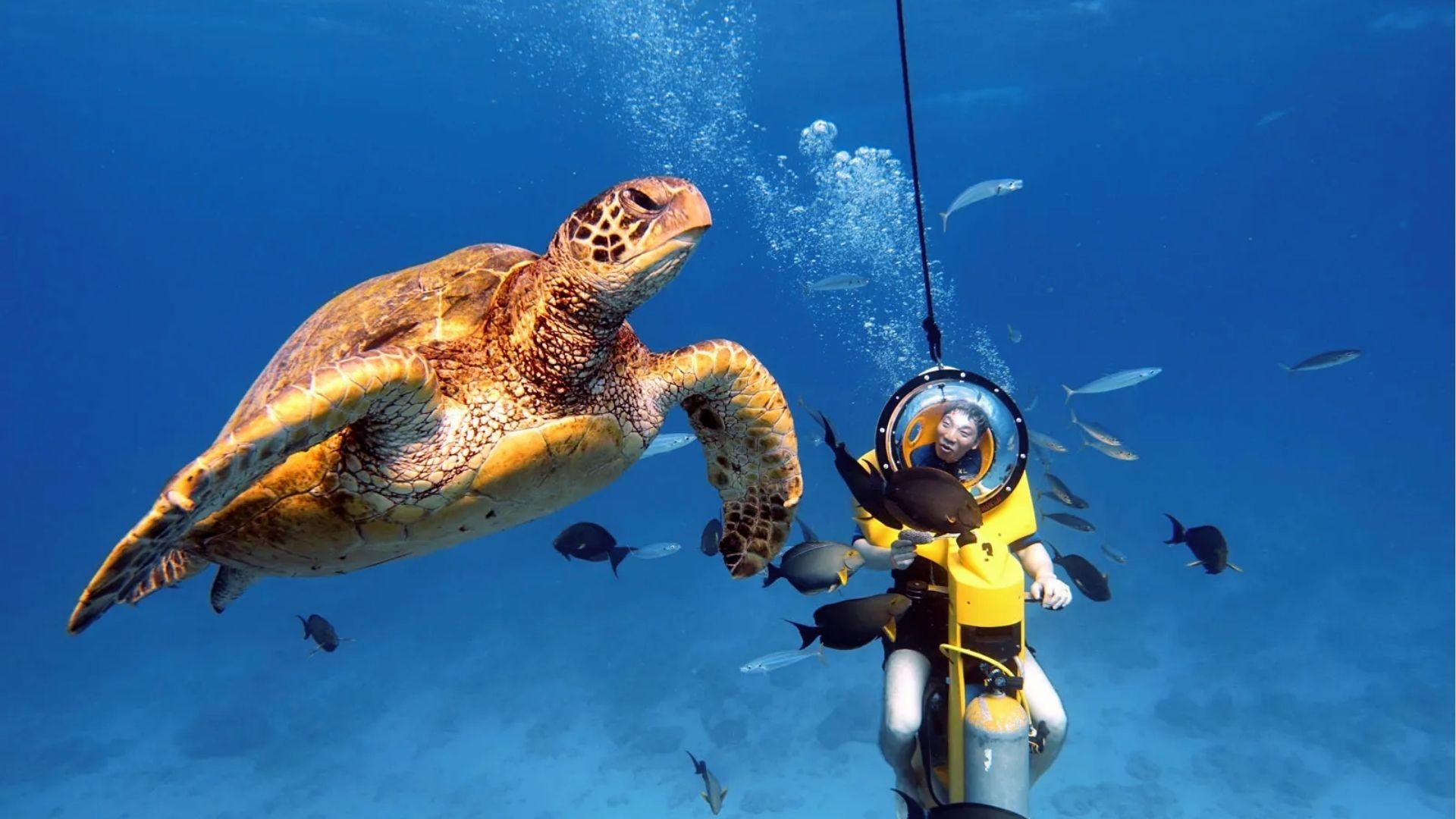
Hawaii is one of the best places in the world to snorkel. The water is clear, the reefs are full of life, and there is something for every skill level.
In this article, I'll share the 11 best places to snorkel in Hawaii so you can plan your trip with confidence.
I have spent time researching and reviewing these spots to help you skip the guesswork.
You'll find the top snorkeling spots across all major islands, what makes each spot worth visiting, and helpful tips to stay safe and get the most out of your time.
Let's get into it.
Why Hawaii Is Perfect for Snorkeling
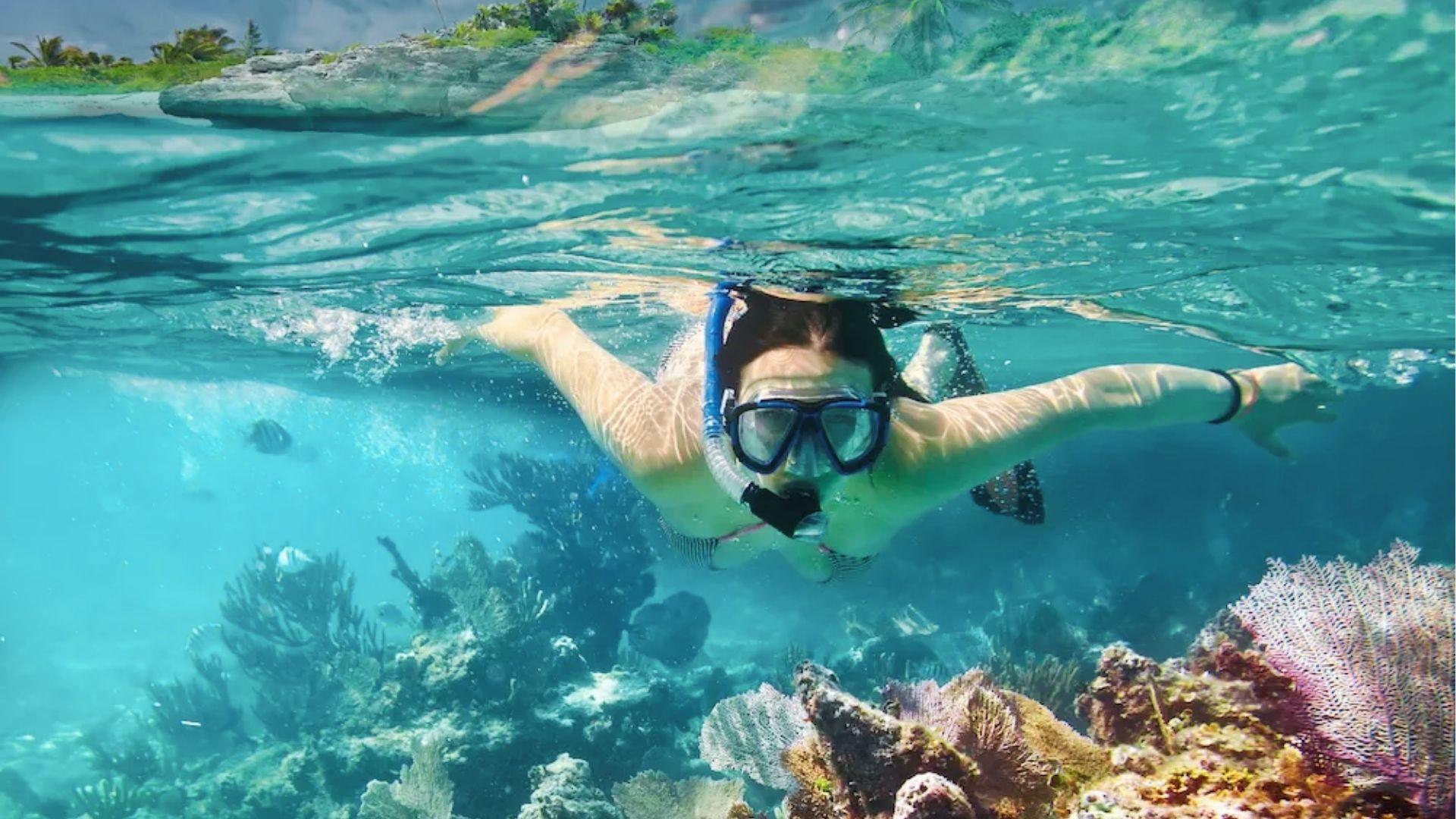
Hawaii sits in the middle of the Pacific Ocean. The water is warm all year, and visibility can reach 100 feet or more at many spots. The coral reefs here are healthy, colorful, and full of life.
Hawaii is home to over 1,000 species of marine life. You can spot Hawaiian green sea turtles, manta rays, spinner dolphins, and hundreds of tropical fish. Many of these species are found nowhere else in the world.
The best part? There is a spot for every skill level. Calm, protected bays work great for beginners. Deeper open-water areas are there for more experienced snorkelers. Some spots even have gear rentals right on the beach.
11 Best Places to Snorkel in Hawaii You Must Visit
Here are the top spots across the islands, each offering something different worth seeing.
1. Kealakekua Bay (Big Island)
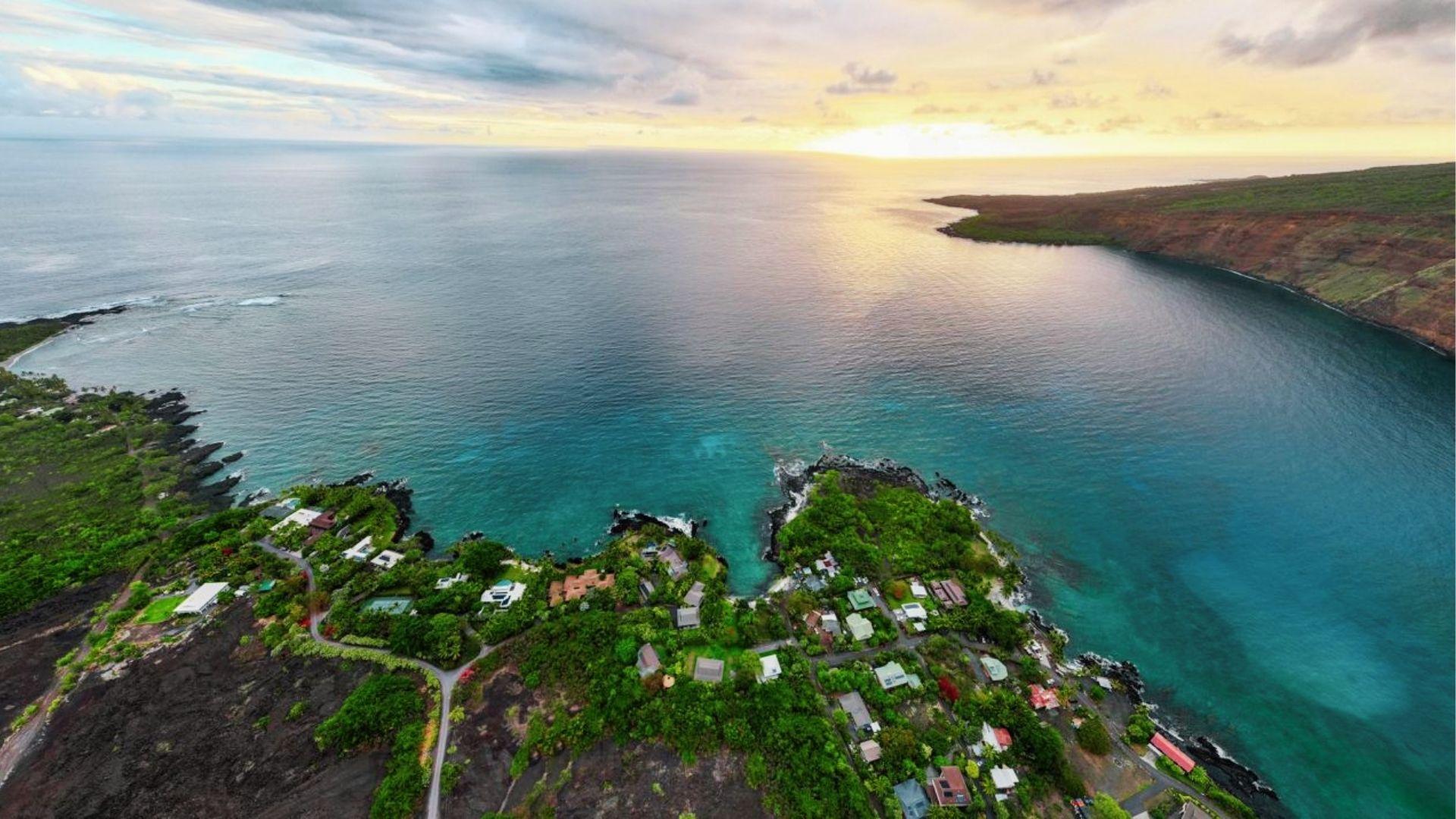
Kealakekua Bay is one of the most well-known snorkeling spots on the Big Island. The water here is incredibly clear, and the reef below is full of life.
What makes it special:
- Crystal-clear water with great visibility
- Vibrant coral reef close to the surface
- Huge variety of tropical fish
You can reach the bay by kayak or boat tour. It sits inside a state marine preserve, so the reef is well protected. That protection shows. The fish here are not afraid of people.
2. Hanauma Bay (Oahu)
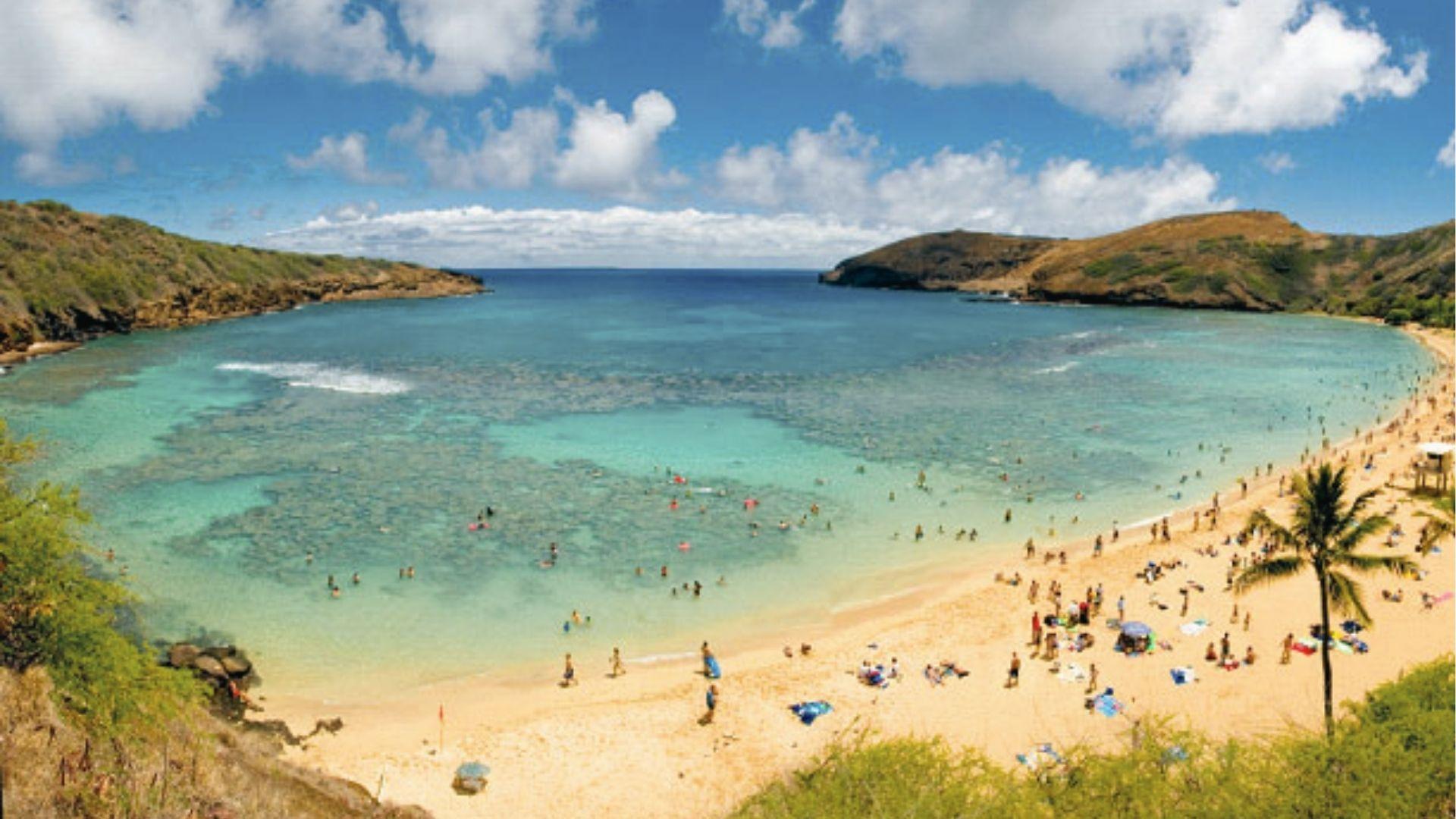
Hanauma Bay is probably the most famous snorkeling spot in all of Hawaii. It is a protected marine reserve inside a volcanic bay on the southeast coast of Oahu.
What makes it special:
- Calm, shallow water inside the bay
- Great for first-time snorkelers
- Thousands of fish visible right from shore
Before entering, visitors must watch a short video about reef protection. It sounds annoying, but it actually helps keep the bay healthy. The fish here are used to people, so you can get very close.
3. Molokini Crater (Maui)
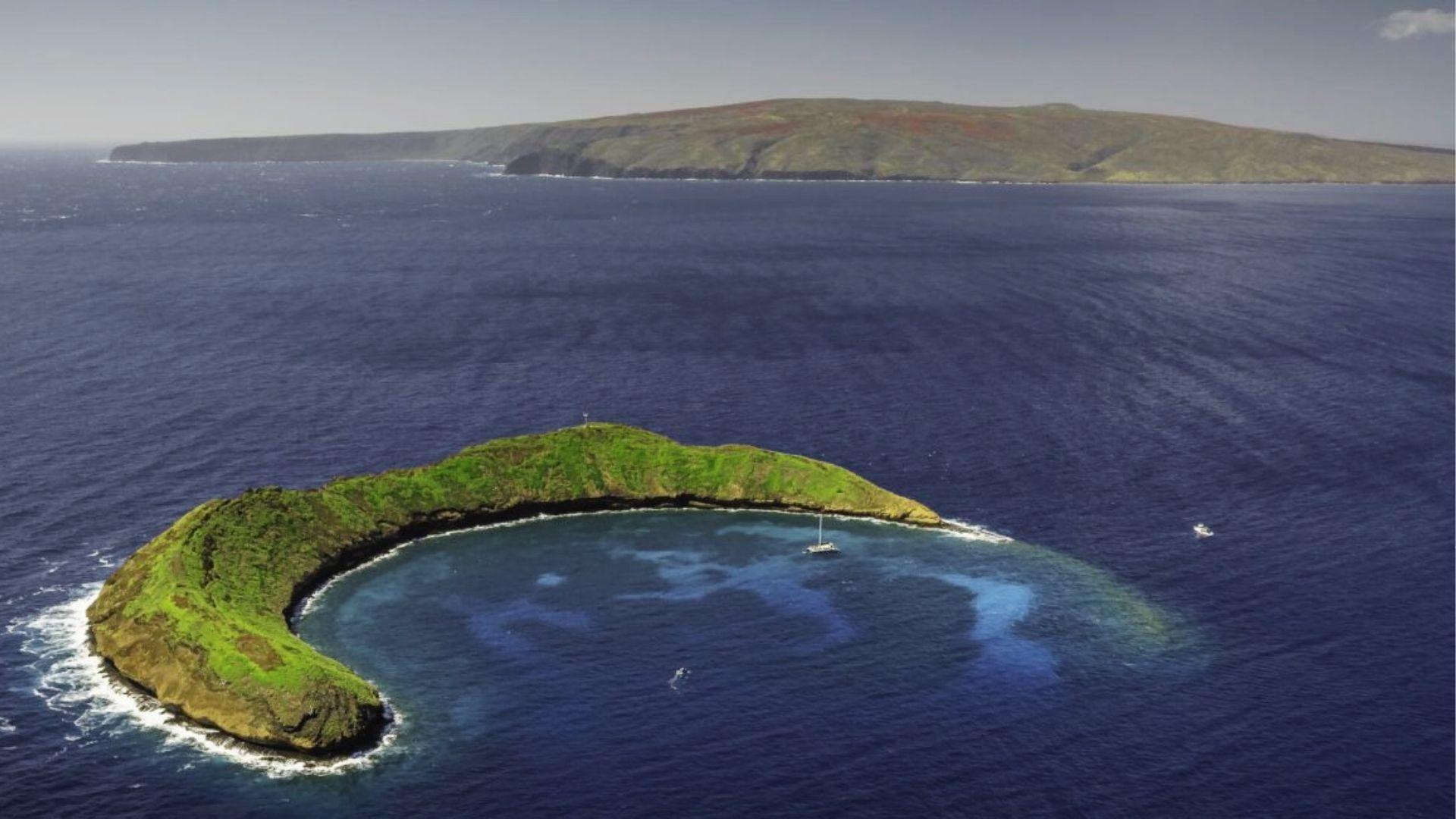
Molokini is a crescent-shaped volcanic crater that sits about three miles off the coast of Maui. It pokes out of the ocean just enough to create a sheltered snorkeling area inside.
What makes it special:
- Visibility can exceed 150 feet on calm days
- Wide variety of fish, eels, and rays
- Accessible only by boat tour
Because Molokini is offshore and accessed only by guided tours, the site stays cleaner than many beach spots. The biodiversity here is impressive. If you only snorkel one offshore spot in Hawaii, make it Molokini.
4. Tunnels Beach (Kauai)
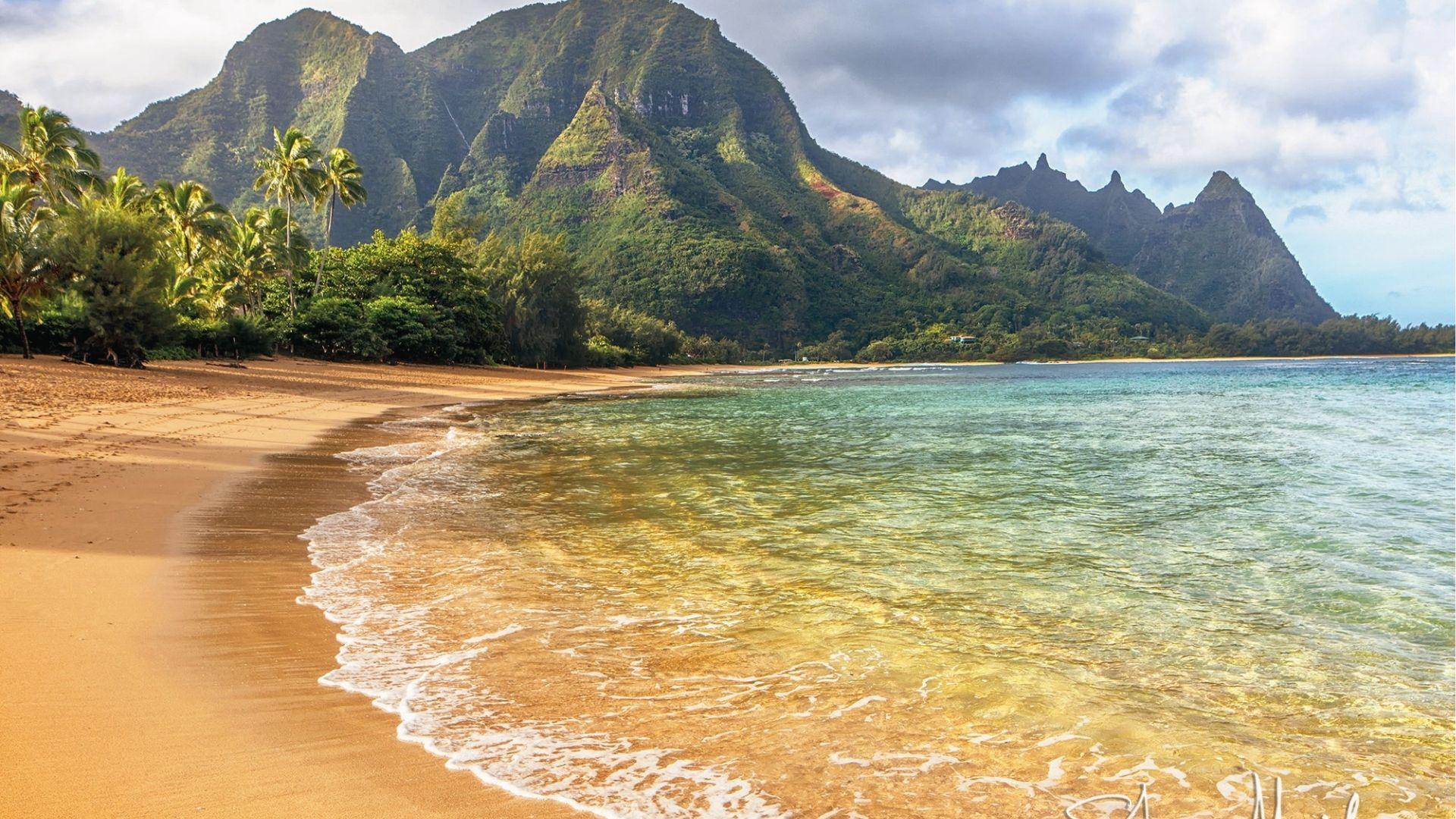
Tunnels Beach is on the north shore of Kauai. It gets its name from the tunnel-like formations inside the reef. The reef here is large, complex, and full of life.
What makes it special:
- Complex reef structure with tunnels and arches
- Great for spotting Hawaiian green sea turtles
- Good visibility in calm conditions
This spot is better in summer when the north shore water is calmer. Winter swells can make it rough. Go early in the morning for the best conditions.
5. Kahe Point Beach Park (Oahu)
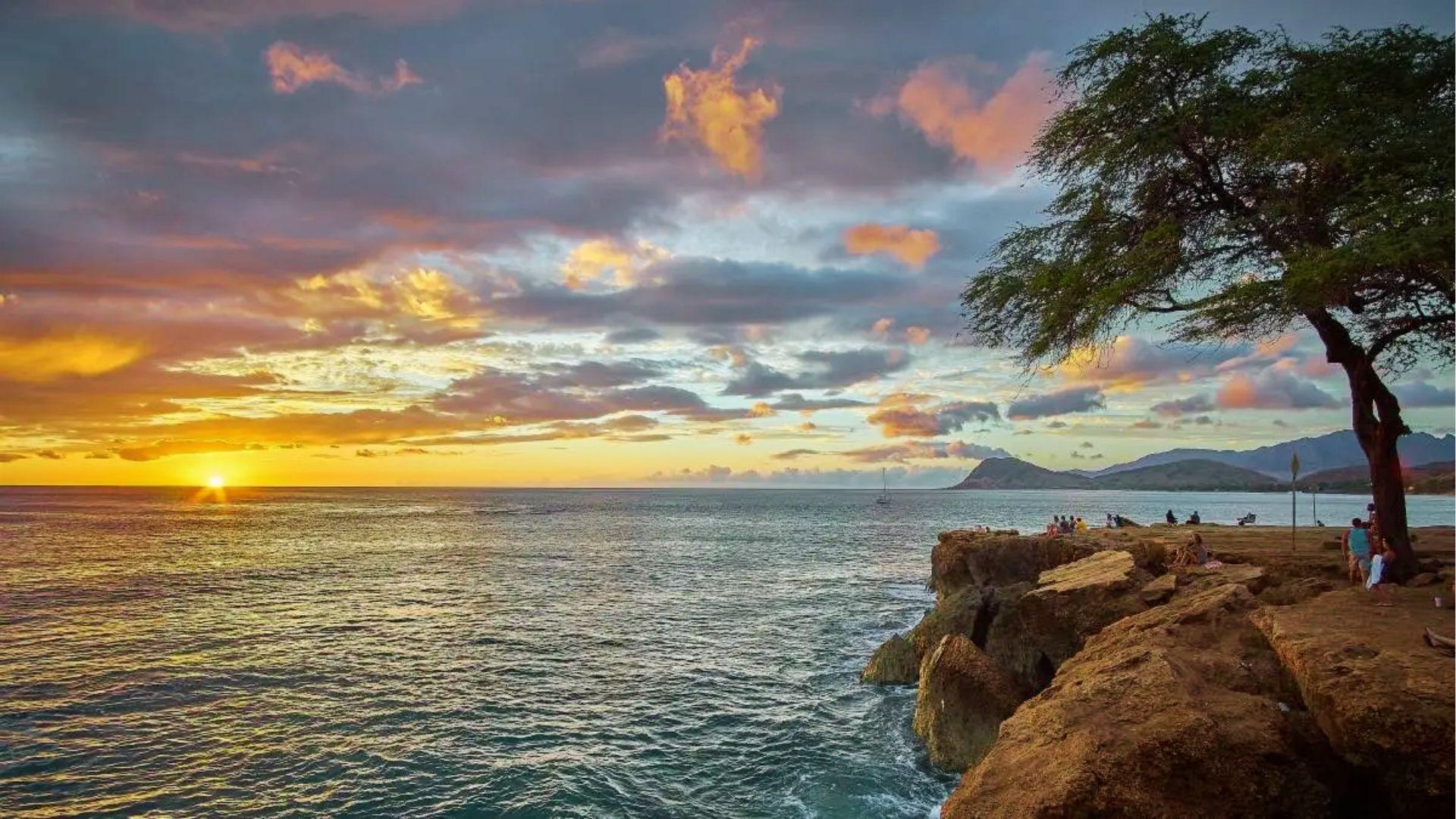
Kahe Point sits on the west side of Oahu. It is sometimes called "Electric Beach" because of the power plant nearby. Warm water discharge from the plant pulls in large numbers of fish.
What makes it special:
- Warm water attracts tropical fish in large numbers
- Good spot for seeing dolphins and turtles
- Better suited for confident snorkelers
This is not a beginner's spot. There can be currents and boat traffic. But for experienced snorkelers, the marine life concentration here is hard to beat.
6. Honolua Bay (Maui)
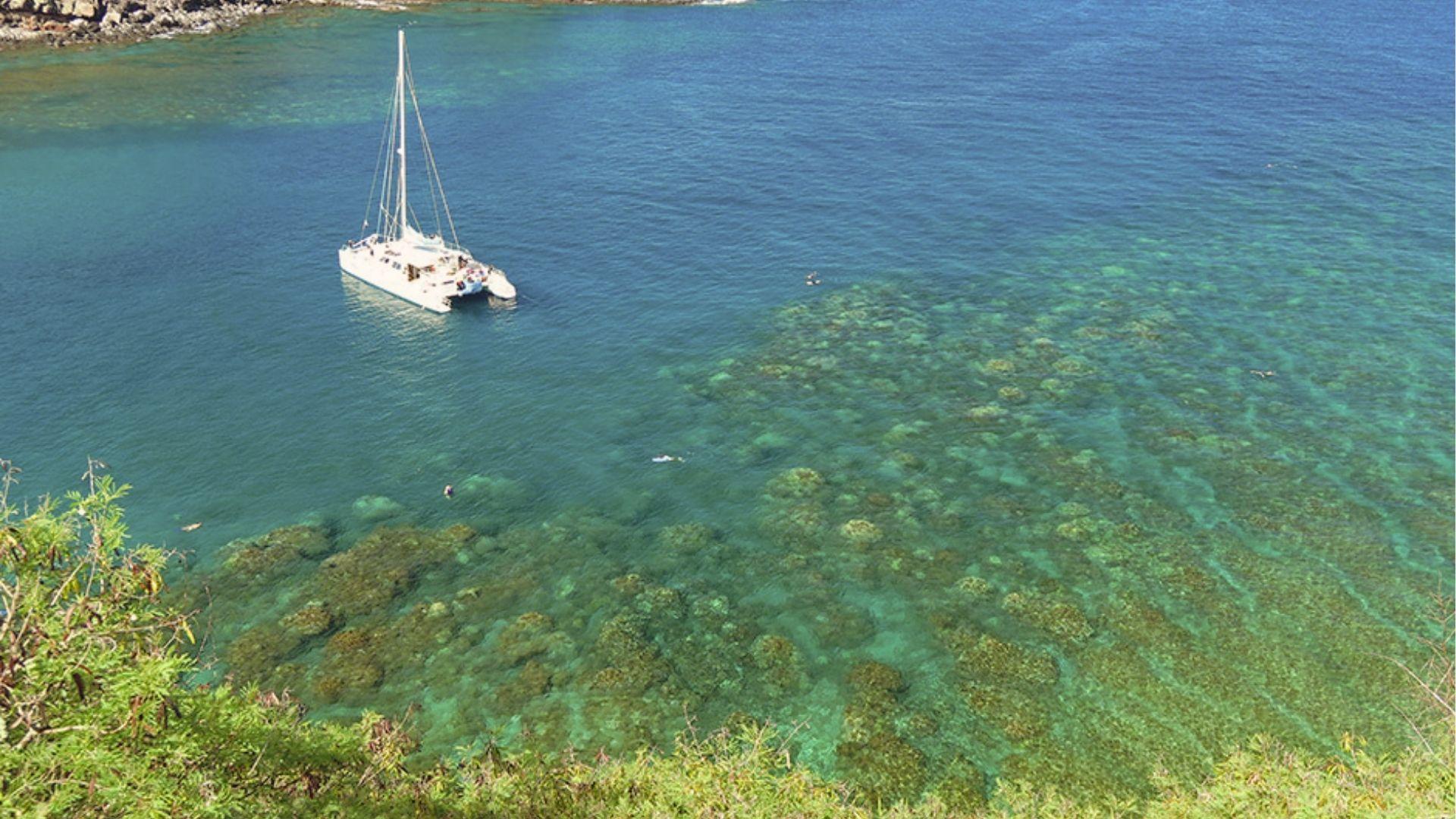
Honolua Bay is a marine conservation area on the northwest tip of Maui. It is protected from development, and that makes a real difference in water quality and reef health.
What makes it special:
- One of the healthiest reefs on Maui
- Protected conservation area with rich biodiversity
- Best snorkeling in the early morning before the wind picks up
Arrive early. The water is usually calmest before 9 AM. You may see large fish, eels, turtles, and healthy coral all in one session here.
7. Ke'e Beach (Kauai)
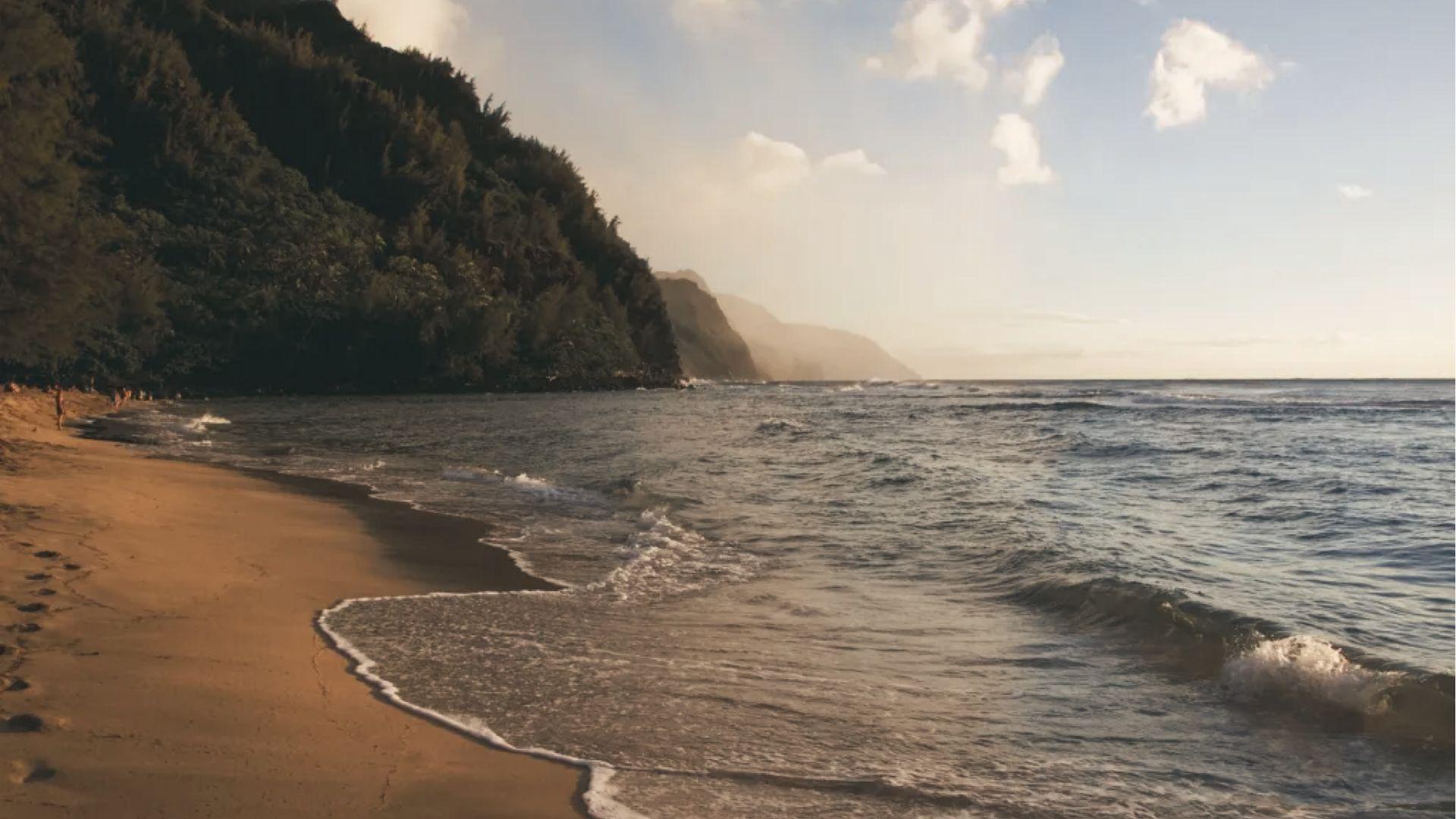
Ke'e Beach sits at the end of the road on Kauai's north shore. It is backed by dramatic cliffs and lush green mountains. The reef here creates a natural barrier that keeps the water calm and clear.
What makes it special:
- Reef-protected lagoon with very calm water
- Frequent turtle sightings near the reef edge
- Good for families and beginner-to-intermediate snorkelers
Parking is limited, so go early or take the shuttle from Haena State Park. The setting alone is worth the effort.
8. Pae'a (Two Step) (Big Island)
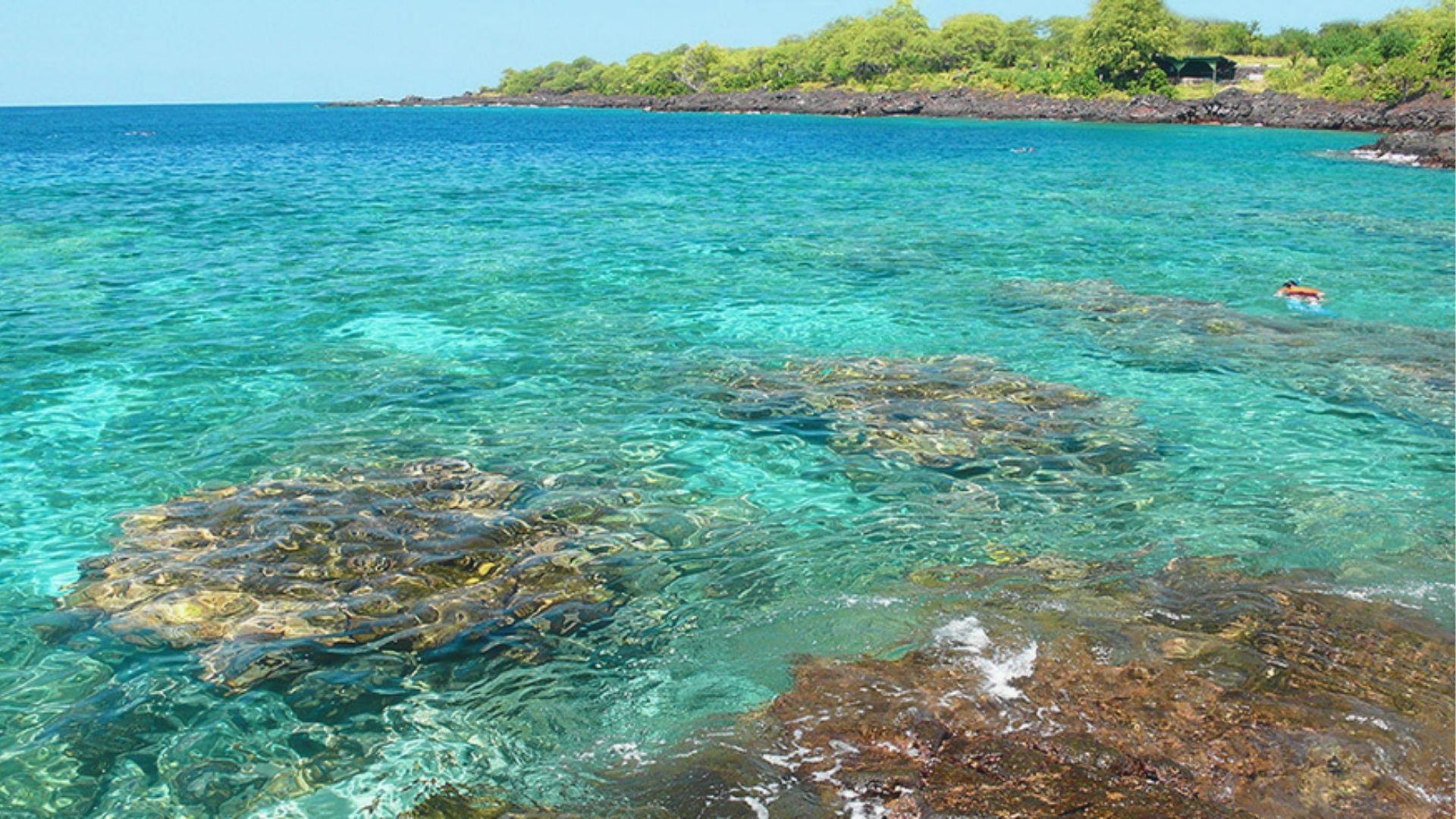
Two Step gets its name from the two natural lava ledges that make entering the water easy. It is located near Pu'uhonua o Honaunau National Historical Park on the Big Island.
What makes it special:
- Easiest water entry of any spot on this list
- Frequent sightings of spinner dolphins and sea turtles
- Clear water close to shore
Dolphins often rest in the bay in the morning. You are not allowed to swim with them (federal law protects them), but you may see them nearby while snorkeling.
9. Shark's Cove (Oahu)
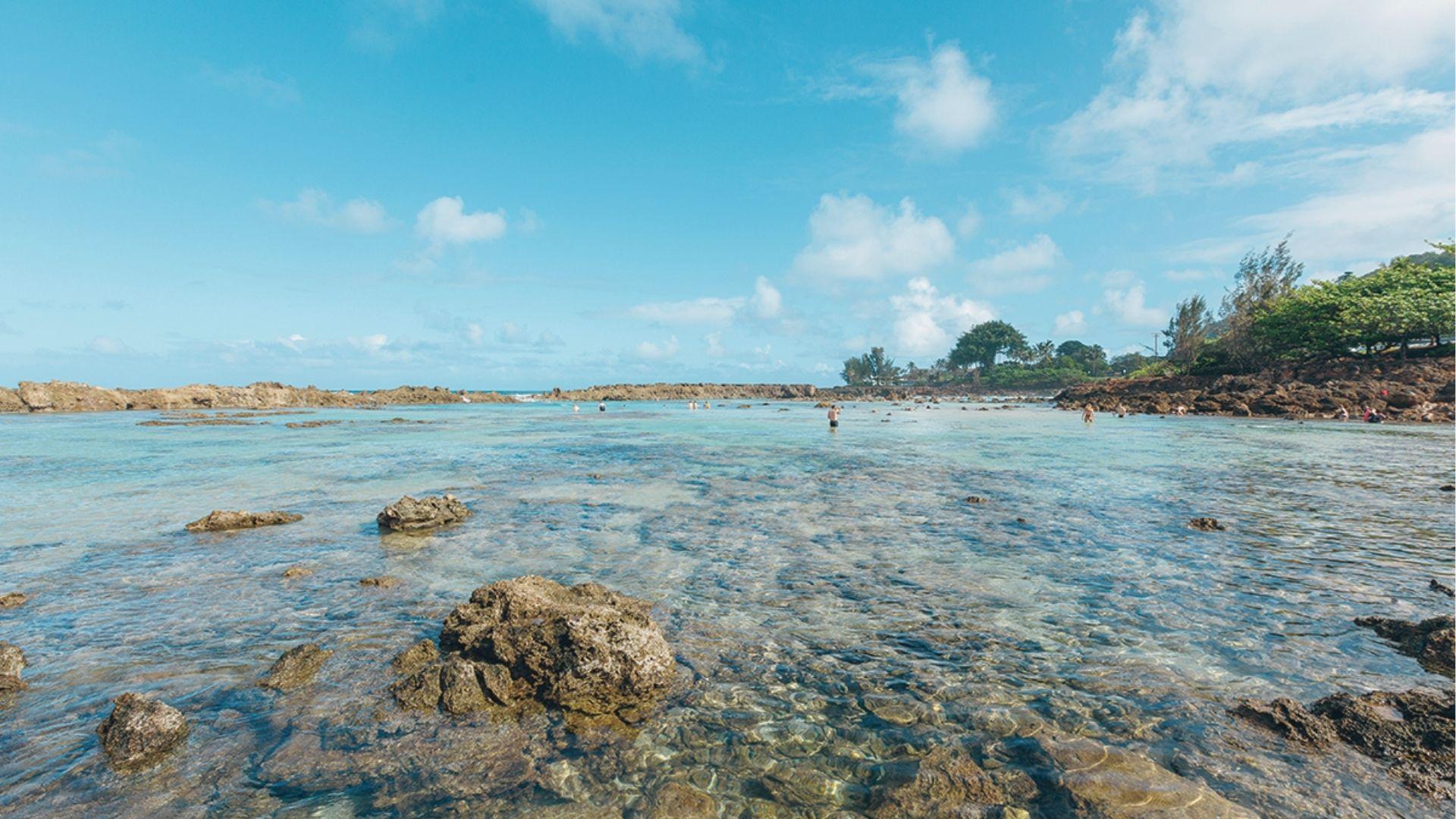
Despite the name, Shark's Cove is not actually full of sharks. It is a natural lava rock pool on the North Shore of Oahu, and it is one of the most family-friendly snorkeling spots on the island.
What makes it special:
- Natural rock pool that shelters the water
- Good for beginners and families with kids
- Colorful fish and sea life in shallow water
The cove is best in summer. Winter surf can close the area. When it's calm, the clear, enclosed water makes it feel like a natural aquarium.
10. Anini Beach (Kauai)
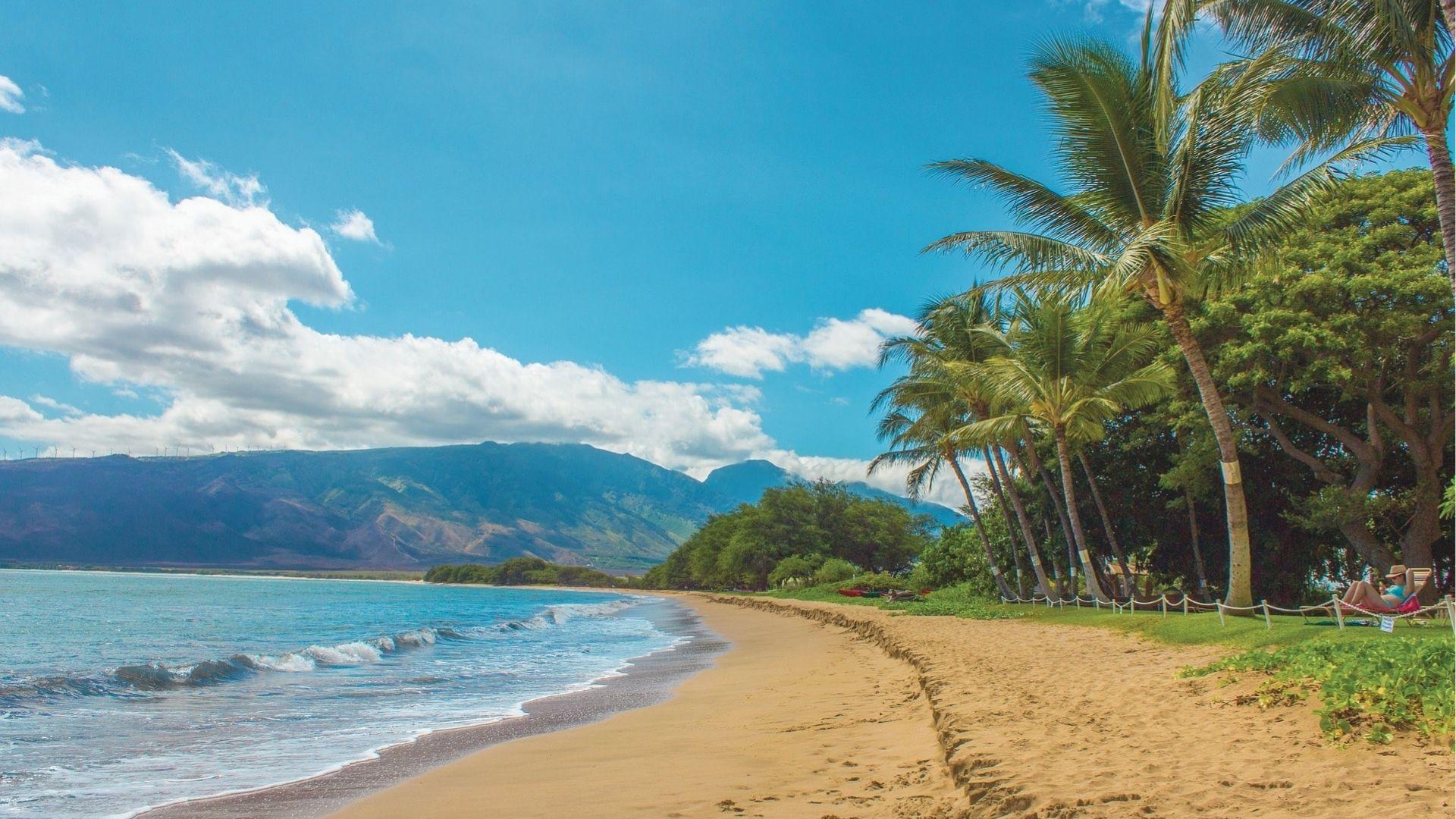
Anini Beach is tucked behind the longest fringing reef in Hawaii. That reef acts as a natural wall, keeping the water inside calm almost all year.
What makes it special:
- One of the calmest snorkeling spots in Hawaii
- Good coral and variety of fish species
- Safe for all skill levels year-round
This spot is less crowded than many others on this list. If you want a quieter experience without sacrificing marine life quality, Anini is a solid pick.
11. Kapoho Tide Pools (Big Island)
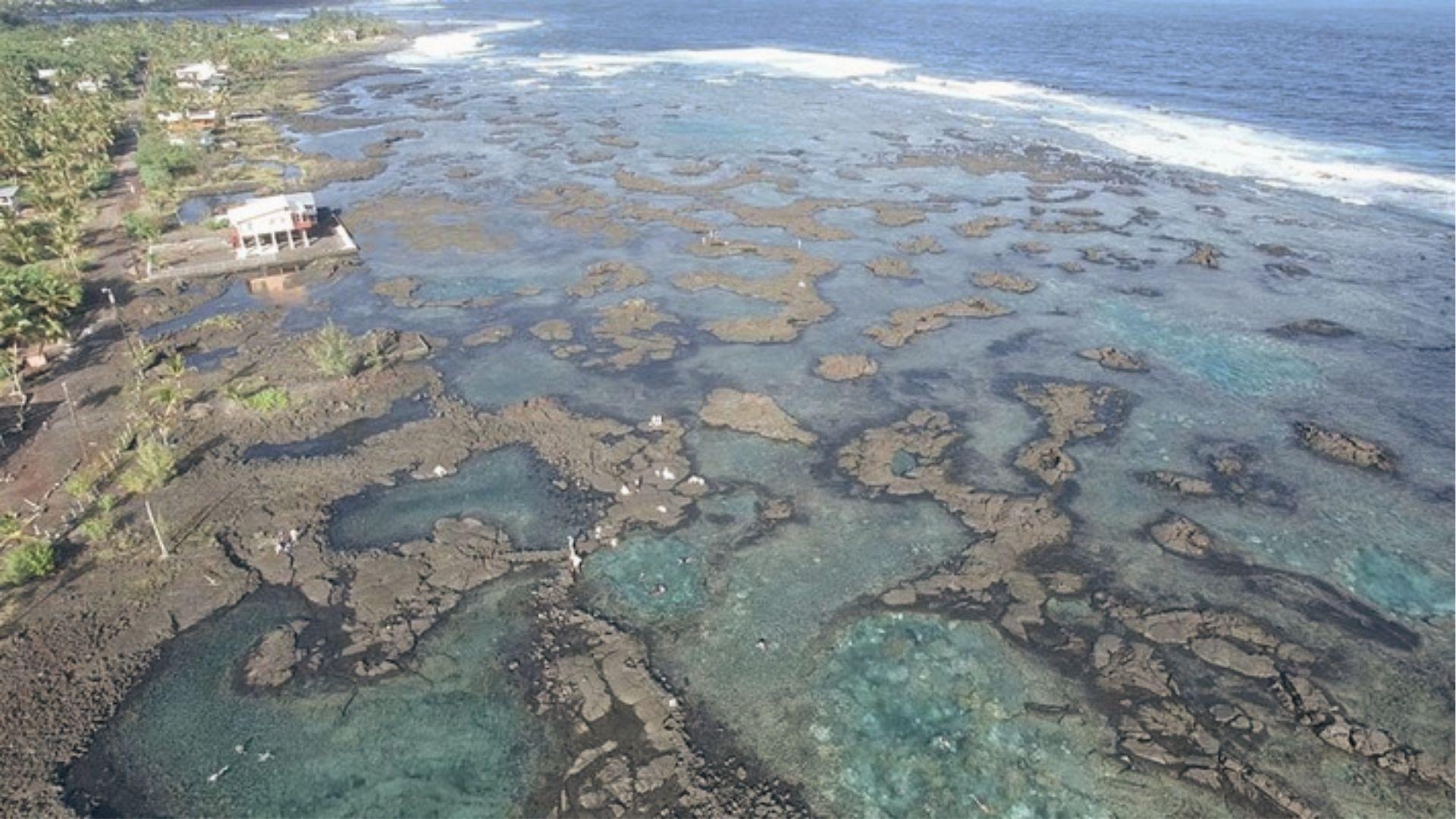
Note: Much of Kapoho was affected by the 2018 Kilauea eruption. Some tide pool areas may have changed or recovered partially. Check local conditions before visiting.
Kapoho sits on the eastern tip of the Big Island. The lava rock here created a series of natural pools connected to the ocean. Each pool has its own ecosystem.
What makes it special:
- Lava rock pools create a contained snorkeling area
- Wide variety of sea life in a small space
- Good for shallow-water snorkeling
The pools vary in depth. Some are very shallow, and some are deep enough to swim freely. It is a one-of-a-kind spot that feels different from any other place on this list.
Tips for Snorkeling in Hawaii
Good snorkeling starts before you even get to the beach. Keep these tips in mind before you go.
- Go early in summer. May to September is the best time to snorkel in Hawaii. Water is calm, visibility is clear, and most spots are at their best between 7 AM and 10 AM.
- Always check conditions first. Websites like Surf News Network give local forecasts. Never snorkel alone and watch for currents when you first enter the water.
- Keep your distance from wildlife. Do not touch sea turtles, dolphins, or coral. Federal law protects marine animals in Hawaii. Watching from a distance is always the right call.
- Use reef-safe sunscreen only. Regular sunscreen contains chemicals that bleach and damage coral. Many spots in Hawaii require reef-safe sunscreen by law. Brands like Raw Elements work well.
- Pack the right gear. You need a mask, snorkel, fins, and a rash guard. Most beaches have rental shops with gear for $10 to $30 per day. If you snorkel more than twice, buying your own is worth it.
Final Thoughts
Hawaii gave me some of my most memorable moments in the water. Seeing a sea turtle glide past me at Kealakekua Bay is something I still think about. If you are planning a trip, I hope this guide helps you pick the right spots.
Start with the beginner-friendly bays if you are new. Work your way up to the more open spots as you get comfortable.
Have you snorkeled in Hawaii before? Which spot was your favorite? Drop a comment below and let me know. If this guide helped you, share it with someone planning a Hawaii trip.
Frequently Asked Questions
Is snorkeling in Hawaii safe for beginners?
Yes, spots like Hanauma Bay and Shark's Cove have calm, shallow water perfect for beginners. Always check conditions before you go and bring a buddy.
What is the best island in Hawaii for snorkeling?
Maui and the Big Island are top picks for most snorkelers. Molokini Crater and Kealakekua Bay are two of the best spots on those islands.
Do I need to bring my own snorkeling gear to Hawaii?
No, rental shops are available near most popular snorkeling beaches. If you plan to snorkel more than once, buying your own gear saves money.
What marine life can I see while snorkeling in Hawaii?
You can spot sea turtles, spinner dolphins, manta rays, and hundreds of tropical fish. Some spots also have moray eels, octopus, and reef sharks.
What sunscreen should I use when snorkeling in Hawaii?
Use reef-safe sunscreen only, as Hawaii law bans harmful chemicals like oxybenzone. Brands like Raw Elements and Thinksport are good options.
