


Choosing where to stay in Rome for the first time can make or break your trip.
The right neighborhood puts you close to major sights while giving you a real feel for the city.
I’ve personally stayed in each of these neighborhoods multiple times and guided countless travelers to find their perfect Rome base
You’ll get honest pros and cons for each neighborhood, plus hotel picks that actually deliver. I’ve spent time in Rome and know which areas work best for different travelers.
Let’s get started.
How to Choose Where to Stay in Rome for the First Time

Pick your location based on what matters most.
First-timers usually want walkable access to ancient sites. Families need quiet streets and space.
Budget travelers care about transport links and affordable rates.
Best Areas to Stay in Rome for First-Time Visitors
The right location puts you steps from iconic landmarks while immersing you in authentic Roman life.
1. Centro Storico (Historic Center)

This is the heart of ancient Rome. You can walk to the Pantheon, Trevi Fountain, and Piazza Navona in minutes. The cobblestone streets feel timeless.
Pros: Everything is close. You’ll save time and skip long metro rides. The area feels magical at night when the crowds thin out.
Cons: Hotels cost more here. Tourists pack the streets during the day. Restaurants can be overpriced and average quality.
Best for: First-time visitors who want to see everything fast. Great for short stays of 2-3 days.
Recommended Hotels:
- Albergo del Senato
- Hotel Abruzzi
- Hotel Nazionale
2. Monti

Monti sits near the Colosseum and Roman Forum but feels more local. You’ll find indie shops, wine bars, and cafés where Romans actually hang out.
Pros: Central location without the chaos. Great food scene with real trattorias. The vibe is young and creative.
Cons: Some streets climb uphill with cobblestones. Boutique hotels here aren’t always cheap.
Best for: Young travelers, couples, and solo visitors who want a cool neighborhood feel.
Recommended Hotels:
- The Fifteen Keys Hotel
- H10 Palazzo Galla
- Hotel Raffaello
3. Trastevere
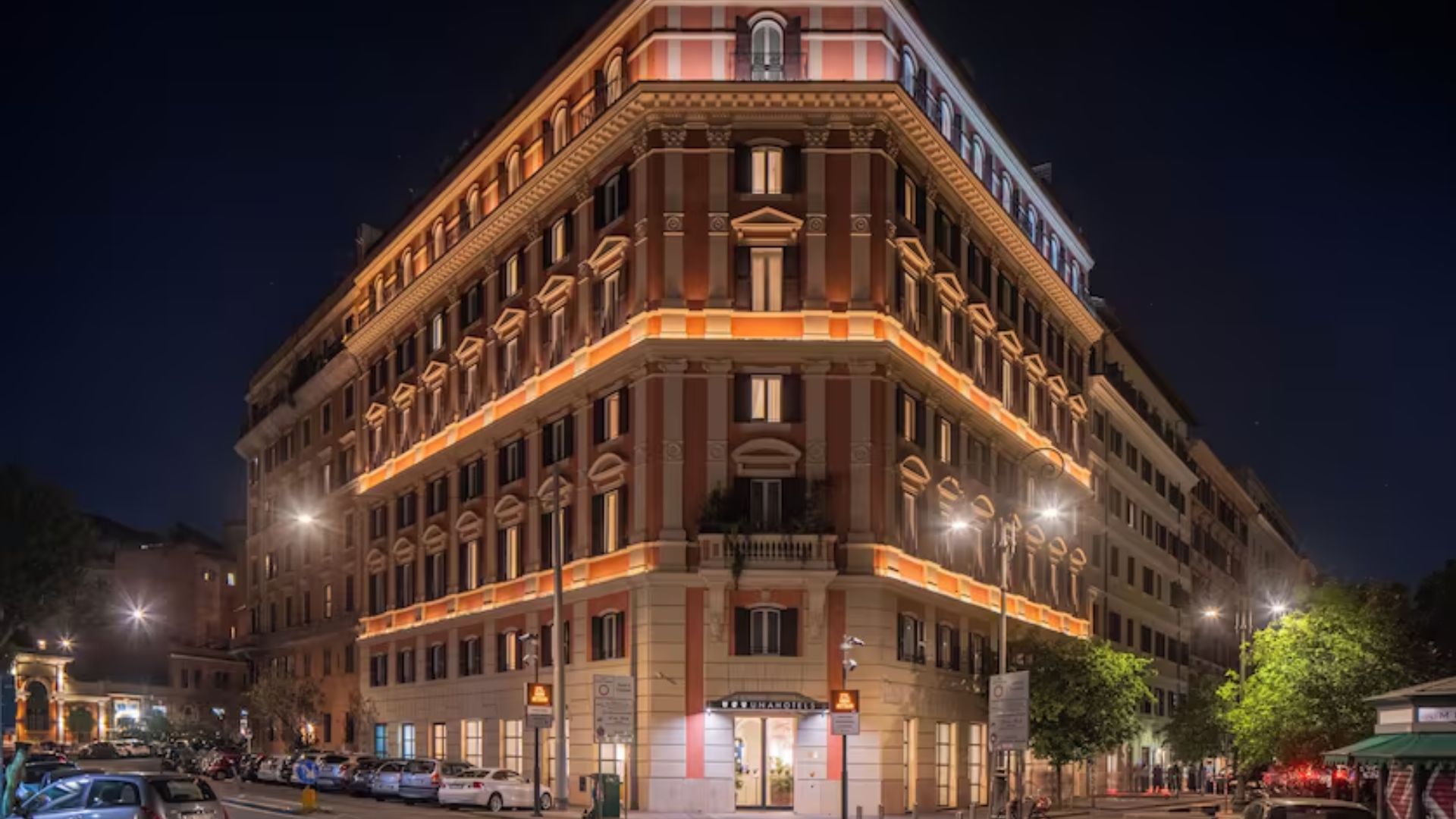
Cross the Tiber River and you’re in Trastevere, Rome’s bohemian quarter. Narrow lanes lead to piazzas full of outdoor tables. The food here is some of the best in the city.
Pros: Romantic atmosphere with ivy-covered buildings. Nightlife stays lively until late. Locals love this area too.
Cons: No metro station means more walking or taxis. Streets get loud after 10 PM, especially on weekends.
Best for: Couples, foodies, and anyone who wants nightlife within walking distance.
Recommended Hotels:
- Hotel Santa Maria
- Donna Camilla Savelli
- Horti 14 Borgo
4. Prati (Vatican Area)
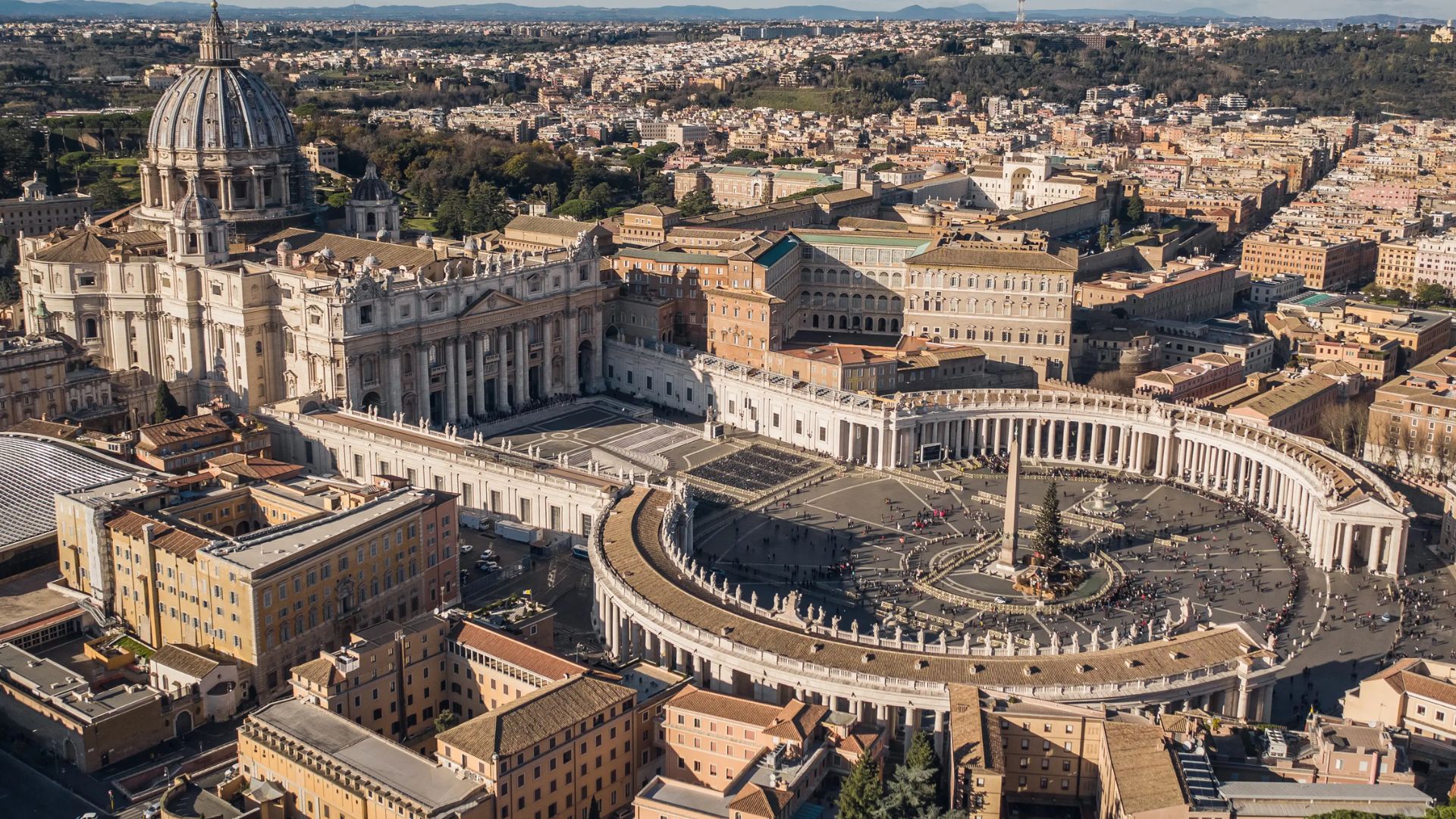
Prati is the district near the Vatican. Wide tree-lined streets, upscale shops, and a safer feel than other neighborhoods.
Pros: Quiet at night. Family-friendly with parks nearby. Close to Vatican Museums and St. Peter’s Basilica.
Cons: The Colosseum and ancient sites require a metro ride. Less character than older quarters.
Best for: Families with kids, religious travelers, and anyone wanting a peaceful home base.
Recommended Hotels:
- Orazio Palace Hotel
- Atlante Star
- Boutique Hotel Piedra
5. Termini / Esquilino

The Termini train station area offers budget stays and easy transport links. You can catch trains to the airport or day trips from here.
Pros: Affordable hotels line the streets. Metro and buses run constantly. Good for storing luggage before checkout.
Cons: The neighborhood lacks charm. Some blocks feel sketchy after dark. Not the Rome you see in photos.
Best for: Budget-conscious travelers, short overnight stays, or anyone taking early trains.
Recommended Hotels:
- The Hive Hotel
- iQ Hotel Roma
- NH Collection Palazzo Cinquecento
6. Aventino (Aventine Hill)
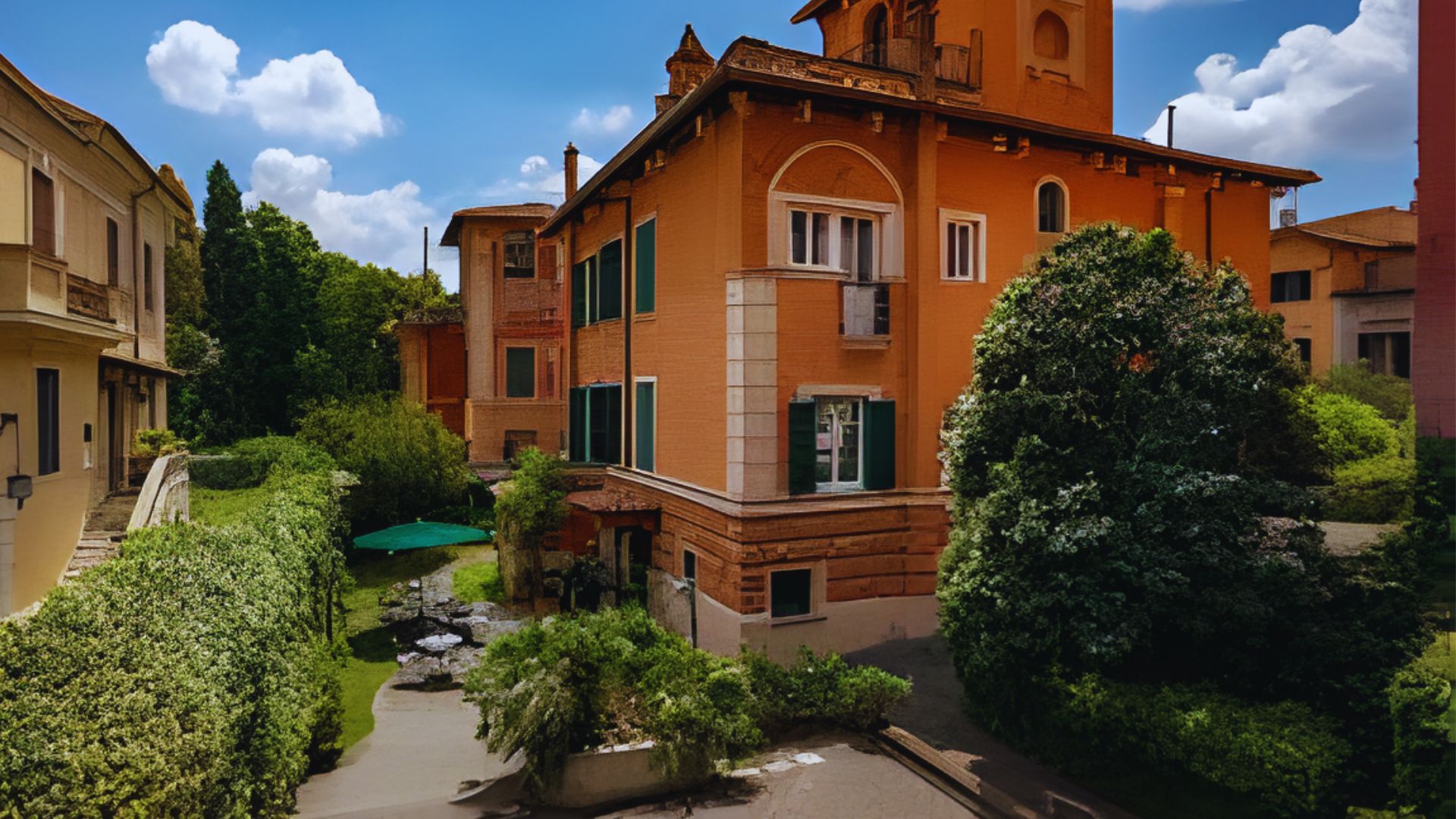
Aventino sits on a quiet hilltop with views over Rome. Orange trees line the streets. Ancient churches hide here.
Pros: Peaceful and green. Feels residential but stays central. Close to Circus Maximus and Testaccio market.
Cons: Limited restaurants and bars nearby. You’ll walk downhill to reach most attractions.
Best for: Families, couples seeking quiet, and luxury travelers who want space to breathe.
Recommended Hotels:
- Hotel San Anselmo
- Villa San Pio
- The Corner Townhouse
7. Garbatella
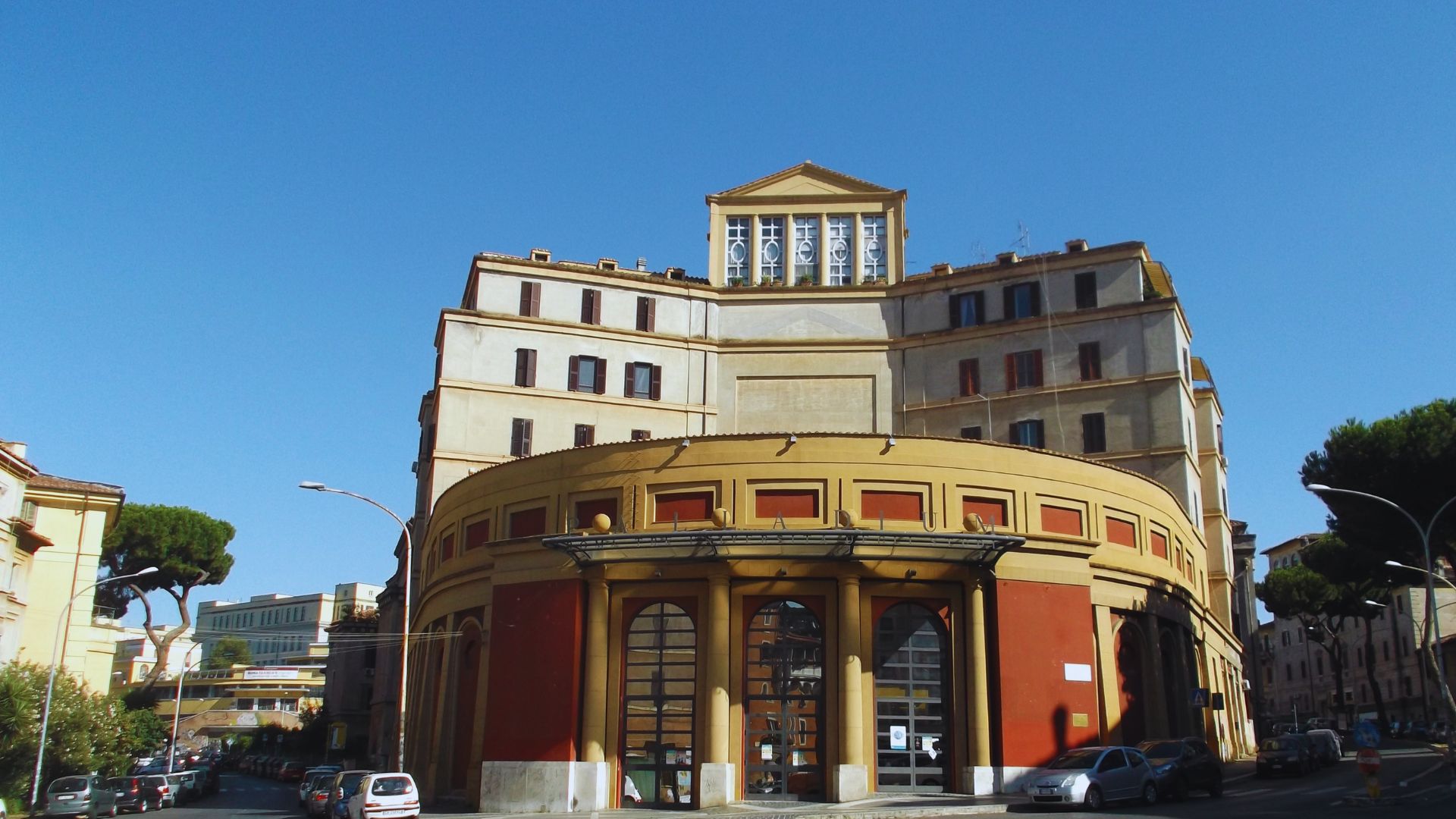
Garbatella is where actual Romans live. This working-class district offers affordable stays away from tourist traps. You’ll ride the metro to reach major sights.
Pros: Authentic neighborhood life. Lower hotel rates. Local bakeries and markets.
Cons: Not walkable to ancient sites. Fewer English speakers. Limited late-night options.
Best for: Repeat visitors who’ve seen the main attractions. Long-term stays. Slow travelers.
Recommended Hotels:
- Abitart Hotel
- Gasometer Urban Suites
- Hotel Caravel
Tips for Booking Hotels in Rome
These tips will help you find the right place at the best price.
- Book early if you’re visiting in spring or fall. Peak season fills up fast and prices jump. April through June and September through October are the busiest months.
- Stay longer midweek to get better rates. Many hotels drop prices Sunday through Thursday. Weekend rates can run 30-40% higher.
- Avoid booking too close to Termini at night. The immediate blocks around the station can feel uncomfortable after dark. Look for hotels at least 3-4 blocks away.
- Check for elevator access in older buildings. Rome has lots of walk-up apartments converted to hotels. Five flights of stairs with luggage is no fun. Always confirm this before booking.
Conclusion
Rome rewards careful planning. The neighborhood you pick shapes your whole experience.
I loved staying in Monti for the local vibe but wish I’d tried Trastevere for the food scene.
Where to stay in Rome the first time depends on your priorities, but you can’t go wrong with Centro Storico or Monti if this is your first visit.
Book early, read hotel reviews, and give yourself time to wander.
Drop a comment below with your favorite Rome neighborhood,I’d love to hear where you ended up staying.
Frequently Asked Questions
Where should I stay in Rome as a first-time visitor?
Centro Storico puts you right in the action near the Pantheon and Trevi Fountain. Monti offers a similar location with a more local feel and better food options at lower prices.
Is Trastevere a good area to stay in Rome?
Yes, but it depends on your style. Trastevere has great restaurants and nightlife but no metro access. Expect noise at night, especially on weekends when the bars stay packed.
What’s the safest neighborhood in Rome for families?
Prati near the Vatican is safe, clean, and family-friendly. The streets are wide and well-lit. You’ll find parks, gelato shops, and a more relaxed pace than the historic center.
Should I stay near the Termini train station?
Only if budget is your main concern. Termini offers cheap hotels and easy transport but lacks Roman charm. The immediate area can feel sketchy at night, though it’s generally safe.
How far in advance should I book a hotel in Rome?
Book 2-3 months ahead for spring and fall visits. Summer and winter give you more flexibility, but popular hotels in Centro Storico and Monti fill up regardless of season.
