


I pulled over at a random overlook on Skyline Drive once, not because I planned to, but because the view made it impossible to keep driving.
Blue ridges rolling into each other for miles, completely quiet, no city noise anywhere. That’s Shenandoah for you.
If you’re figuring out what to do in Shenandoah National Park, you’re in the right place.
This park is one of the East Coast’s best natural escapes, just 75 miles from Washington, D.C. Hiking, wildlife, waterfalls, stargazing, scenic drives. This guide covers all of it.
Let’s get started.
Why Visit Shenandoah National Park?
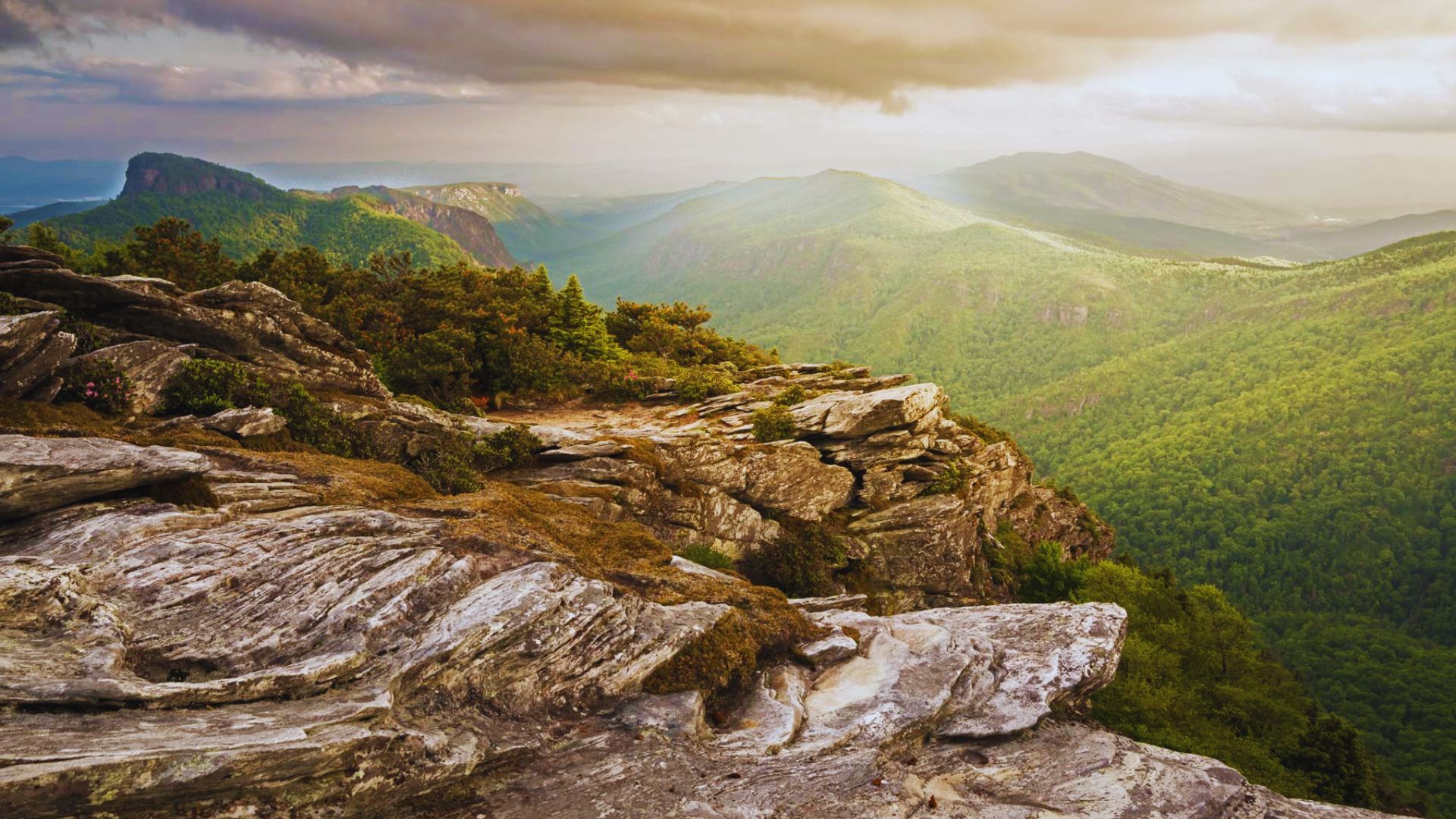
Shenandoah sits along the Blue Ridge Mountains in Virginia and stretches across 200,000 acres of forest, ridgelines, and open meadows.
Skyline Drive runs the full length of the park with overlooks around every bend. Waterfalls, wildlife, and wildflowers fill in the rest.
It works for every type of traveler. Families love the easy trails and ranger programs. Couples come for the sunsets and quiet campsites.
Solo hikers and photographers have more than enough to keep them busy for days.
The park looks different in every season. Spring brings wildflowers and rushing waterfalls. Summer opens every trail and campground. Fall turns the whole park into a wall of orange and red. Winter clears the crowds and brings a stillness worth the cold.
If you’re wondering what to do in Shenandoah National Park with kids, short waterfall hikes, open meadows, and hands-on ranger programs make it very manageable for families.
13 Best Things to Do in Shenandoah National Park
There’s genuinely a lot going on inside this park. Whether you want a big hike, a slow drive, or just a quiet spot to watch deer, Shenandoah delivers.
Here are the 13 best experiences to plan your trip around.
1. Drive Along Skyline Drive
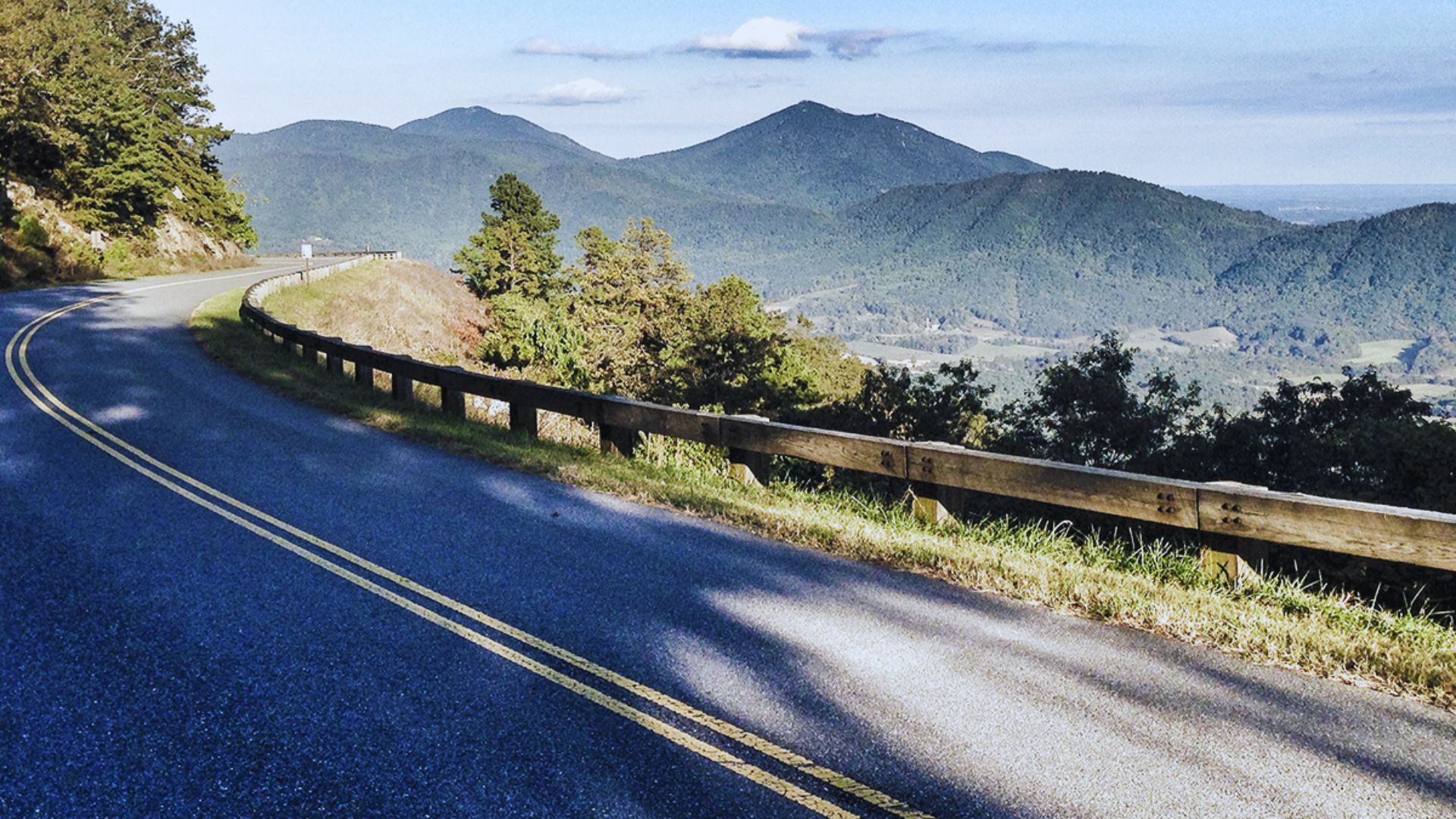
Skyline Drive is 105 miles of scenic road running the full length of the park with over 75 overlooks along the route. You don’t need to be a hiker to get the most out of Shenandoah because of it.
The speed limit is 35 mph, which gives you time to pull over whenever you want and actually take in the scenery. Don’t rush it.
For sunrise, head to the northern section near Front Royal. For sunset, the overlooks around Big Meadows and Thornton Gap are hard to beat.
This is also the best option if you’re visiting with older family members or anyone not up for long hikes.
2. Hike Old Rag Mountain
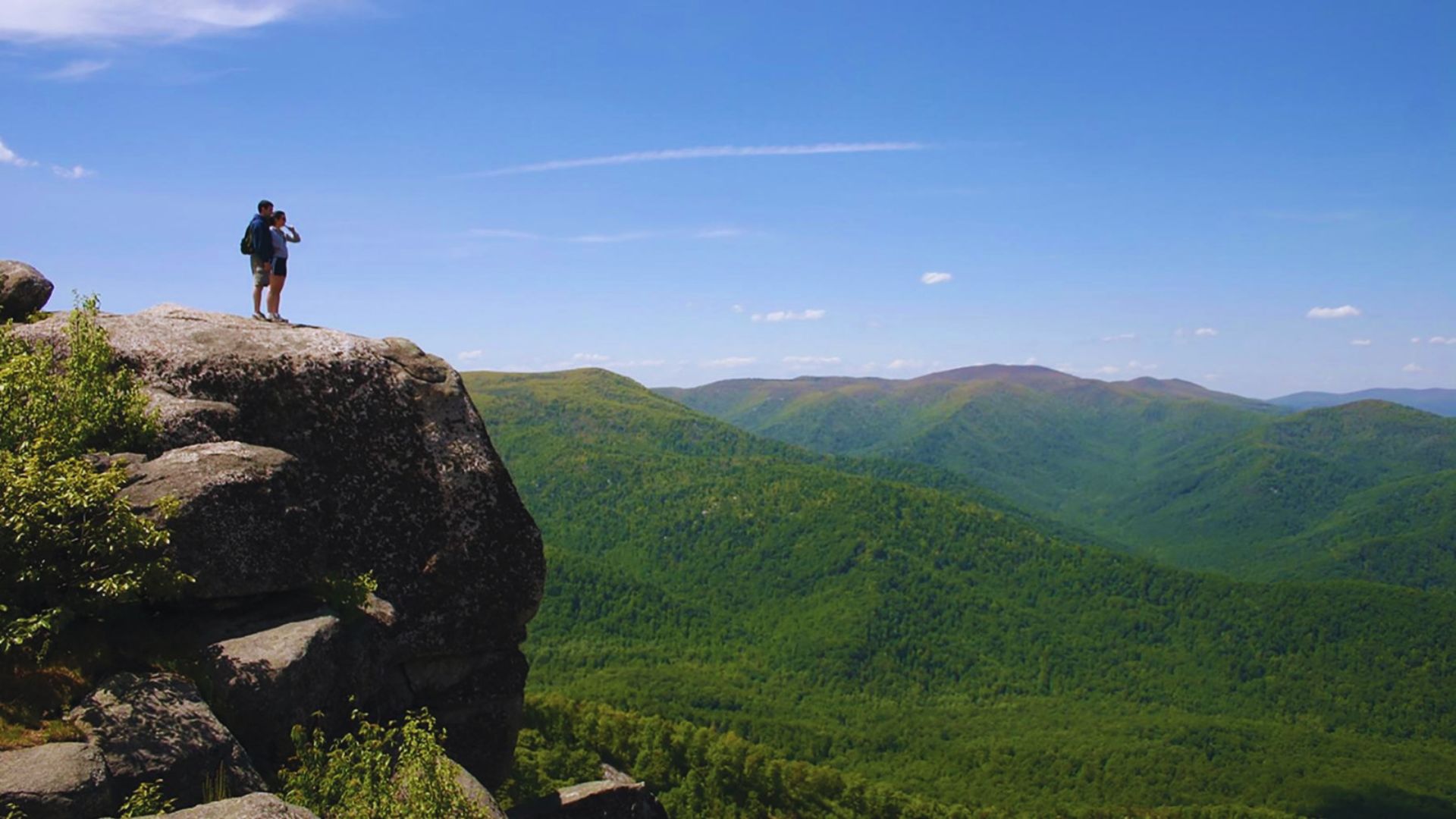
Old Rag is the most talked-about hike in the park and earns that reputation. The trail is about 9 miles round trip and includes a challenging rock scramble near the summit that requires using your hands to climb.
The elevation gain is real and the scramble takes focus, but the summit views over the Shenandoah Valley are worth every bit of effort.
You need a day-use permit to hike Old Rag. Permits are timed and sell out fast, especially on weekends from March through November. Book ahead on Recreation.gov and start early.
3. Check Out Dark Hollow Falls

Dark Hollow Falls is one of the most popular spots in the park. The hike is only 1.4 miles round trip and drops through a forested trail to a 70-foot waterfall.
Short enough for kids and beginners, but the payoff is one of the best waterfall views in the whole park. The falls are most impressive in spring when snowmelt keeps the flow strong.
Get there early in the morning if you want the falls to yourself. By 10 a.m. on weekends, the trail gets busy.
4. Visit Hawksbill Summit
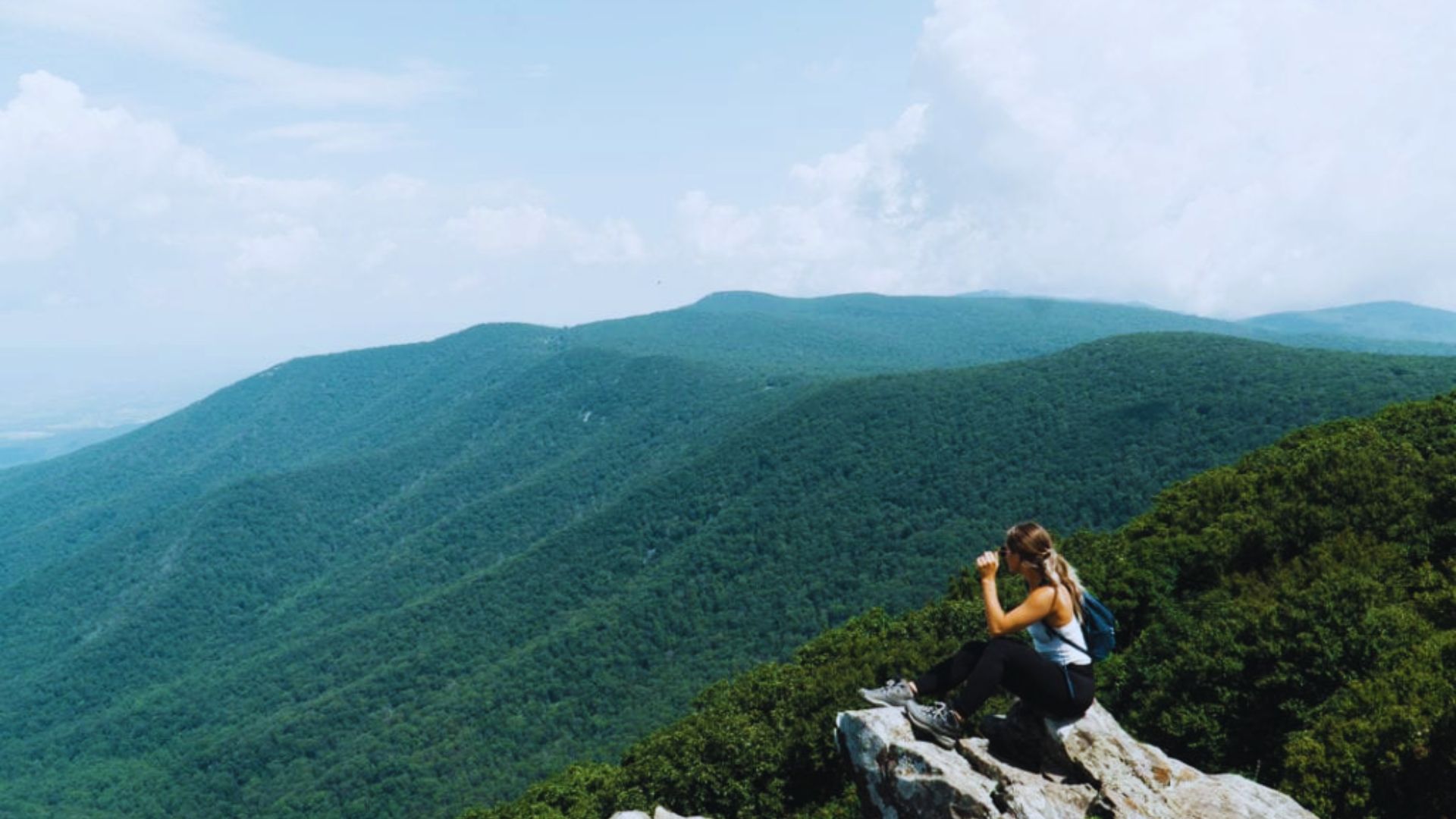
Hawksbill is the highest point in Shenandoah at 4,051 feet. The views from the top stretch across the valley in every direction and on a clear day they’re breathtaking.
Two trail options reach the summit. The shorter Upper Hawksbill Trail is about 2.1 miles round trip. The longer Lower Hawksbill Trail stays in the forest longer. Both are manageable for most hikers.
There’s a stone shelter at the top where you can rest and take in the panorama. A solid half-day outing that doesn’t require elite fitness.
5. Go Wildlife Spotting

Shenandoah is home to white-tailed deer, black bears, wild turkeys, bobcats, and over 200 bird species. You don’t have to look very hard. The wildlife comes to you.
The best times are early morning and around dusk. Drive slowly along Skyline Drive during those hours and keep your eyes on the tree line and meadow edges.
Black bears are active throughout the park. Keep your distance, never approach one, and store all food properly at campsites. Big Meadows is one of the most reliable spots for deer sightings in the evening.
6. Enjoy a Picnic with a View

The park has several designated picnic areas with tables, grills, and restrooms, most of them sitting right next to a ridgeline view.
Big Meadows is the largest and most popular, with full facilities, a visitor center nearby, and open meadow views. Loft Mountain in the southern section is less crowded with just as good a setting.
Pack everything in because there are no food shops along most of Skyline Drive. Bring more water than you think you need.
7. Experience Shenandoah’s Waterfalls

Beyond Dark Hollow Falls, Shenandoah has several other waterfalls worth the hike. Overall Run Falls in the northern district is the tallest in the park at around 93 feet, about 6.4 miles round trip.
Whiteoak Canyon is one of the best full-day hikes in the park and passes six waterfalls along the way. The lower falls are accessible on a shorter out-and-back if you don’t want the full loop.
Waterfall flow is best from March through May. By late summer some falls slow significantly, so time your visit if waterfalls are a priority.
8. Go Camping Under the Stars

Shenandoah has four developed campgrounds: Mathews Arm, Big Meadows, Lewis Mountain, and Loft Mountain. Big Meadows books out months in advance, so reserve early on Recreation.gov.
For something more remote, the park allows backcountry camping throughout most of its wilderness areas with a free permit from visitor centers or trailhead self-registration stations.
Backcountry sites must be at least 250 feet from any trail, water source, or road. It gives you access to parts of the park most visitors never reach.
9. Try Horseback Riding

Horseback riding is one of the more underrated ways to see Shenandoah. The park has over 480 miles of horse-friendly trails, and guided rides are available through outfitters near the park boundaries.
It’s a slower, quieter way to move through the forest and a great option for families with kids who want something different from a regular hike.
Guided rides typically range from one hour to a full day depending on the outfitter you choose.
10. Visit Big Meadows

Big Meadows sits at mile 51 on Skyline Drive and includes a lodge, campground, visitor center, camp store, and a large open meadow. It’s the most all-around useful spot in the park.
In summer the meadow fills with wildflowers. In the evening it becomes one of the best wildlife-watching spots in the park, with deer grazing in large numbers at dusk.
Dark Hollow Falls, Hawksbill Summit, and several other top hikes are all within easy reach from here.
11. Watch the Sunrise or Sunset

Shenandoah is one of the best parks on the East Coast for sunrise and sunset. The elevation and open ridgeline overlooks mean the sky puts on a full show with nothing blocking the horizon.
For sunrise, Stony Man Overlook faces east and catches the first light beautifully with just a short walk from the parking area. For sunset, the overlooks around Thornton Gap and the central section of Skyline Drive face west and catch long golden light.
Bring a camera, find a spot, and sit with it for a while.
12. Go Stargazing

Shenandoah sits far enough from major cities that on clear nights the sky is genuinely full of stars. The Milky Way is visible from most of the park during summer on moonless nights.
The best spots are open overlooks along Skyline Drive, away from lodges and campgrounds. Big Meadows is the most popular stargazing location due to its wide, tree-free sky.
The park occasionally runs ranger-led stargazing programs at Big Meadows in summer. Check the schedule on the park website before your visit.
13. Check Out Ranger-Led Programs

Shenandoah’s ranger programs are free and run year-round, with the most activity in summer and fall. Guided nature walks, campfire talks, astronomy nights, and Junior Ranger activities for kids are all on offer.
Rangers share information about the park’s geology, wildlife, and history that genuinely adds to the experience. It’s a great way to get more out of the park than you would on your own.
The Junior Ranger program is worth doing with children. Kids complete an activity booklet and earn an official badge at the end, keeping them engaged on the trail throughout the visit.
Best Time to Visit Shenandoah National Park
Spring runs from March through May with the best waterfall flow of the year and wildflowers covering the forest floor in April and early May. Trails are less crowded and the air is cool and fresh.
Summer is peak season with all facilities and trails fully open. Evenings cool down quickly at elevation, but book campsites and permits well in advance for July and August.
Fall is the most popular time to visit. Foliage peaks around mid to late October and Skyline Drive gets very busy on weekends. Arrive early or visit on a weekday to avoid the worst of the crowds.
Winter brings quiet and solitude. Some facilities close and Skyline Drive can shut in icy conditions, but the views are clear, the trails are empty, and the park has a completely different feel that serious visitors appreciate.
Tips for Visiting Shenandoah National Park
A little preparation makes a big difference at Shenandoah. The park is accessible but it’s still wilderness, and a few practical things are worth knowing before you go.
- Entry fees: A 7-day vehicle pass costs $35. The America the Beautiful annual pass covers entry and is worth it if you visit multiple national parks in a year.
- Skyline Drive navigation: Cell service is unreliable along most of the drive. Download an offline map before you enter and pick up a paper trail map at any visitor center.
- Water: Carry more than you think you need. Refill points are limited along Skyline Drive and nonexistent on most trails.
- Layers: Even in summer, ridge temperatures drop sharply in the evening. Bring an extra layer regardless of the season.
- Wildlife safety: Never feed animals and stay at least 200 feet from black bears. Store all food in bear boxes at campsites. This is required, not optional.
- Trail difficulty: Some trails look short on paper but involve significant elevation gain. Check AllTrails or the NPS website for difficulty ratings before heading out.
Once you know what to expect, the park is easy to enjoy at any pace. Go slow, stay flexible, and let Shenandoah surprise you.
Conclusion
Every time I think about what to do in Shenandoah National Park, the list gets longer. There’s always another overlook, another waterfall, another quiet evening watching deer in the meadow.
This park rewards people who take their time with it. Whether you’re here for the hiking, the drives, the wildlife, or just the silence, Shenandoah always delivers.
Plan around what matters most to you and go.
Have you visited before? Drop your favorite experience in the comments below.
Frequently Asked Questions
What is Shenandoah National Park best known for?
Shenandoah is best known for Skyline Drive, its sweeping Blue Ridge Mountain views, and spectacular fall foliage. It’s one of the most visited national parks on the East Coast.
How many days do you need in Shenandoah National Park?
Two to three days gives you enough time to cover the top highlights without rushing. A single day works if you focus on Skyline Drive and one or two short hikes.
Are there things to do in Shenandoah National Park besides hiking?
Yes, plenty. Scenic drives, wildlife spotting, picnicking, stargazing, horseback riding, and ranger-led programs are all great options that don’t require hiking at all.
Is Shenandoah National Park good for families?
It’s one of the better national parks for families, with easy waterfall hikes, open meadows, Junior Ranger programs, and plenty of wildlife to spot along the way.
When is the best time to visit Shenandoah National Park?
Fall is peak season for foliage, spring is best for waterfalls and wildflowers, and summer gives you full access to every trail and facility in the park.
Check out the best things to do in Sayulita, surf, beaches, food, day trips & hidden gems. Your complete guide to planning the perfect trip!
