


I’ll be honest. Peru completely changed how I think about travel.
One day I’m hiking through cloud forests, the next I’m eating ceviche by the coast, and then I’m watching the sunset over ancient Incan ruins.
It’s the kind of place where you can pack history, food, nature, and culture into one trip without it feeling rushed or forced.
I’ve put together 21 experiences that gave me the full Peru picture. These spots helped me create a trip that felt balanced and real, not just a checklist of tourist sites.
Let’s get started.
Why Peru Is One of the Best Travel Destinations in South America
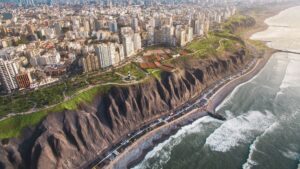
Peru packs more variety into one country than most of South America.
You get ancient ruins that rival anything in the world, rainforest adventures, coastal beaches, and mountain treks all in one trip.
The food scene here has put Lima on the global culinary map. Local cultures still practice traditions that go back centuries.
You can spend weeks here and still find new places worth visiting. It’s affordable, accessible, and offers experiences you won’t find anywhere else on the continent.
21 Best Things to Do in Peru
Peru offers experiences that range from ancient ruins to rainforest adventures. Here are the top activities and places that show you what makes this country special.
1. Visit Machu Picchu
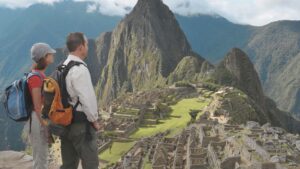
This 15th-century Inca citadel sits 8,000 feet up in the Andes. You’ll walk through stone temples, terraces, and plazas abandoned centuries ago.
The mountain views make the trip worthwhile.
Get there early to beat crowds and see morning mist. Book tickets weeks ahead since daily visitors are limited.
2. Roam Around Cusco
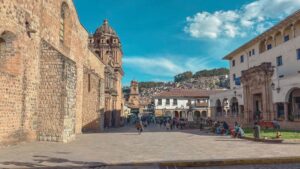
Cusco was the heart of the Inca Empire before Spanish colonizers arrived. Inca stone walls support colonial buildings throughout the city.
The main plaza, San Blas neighborhood, and Sacsayhuamán show layers of history. Spend two days here to adjust to altitude.
Local markets sell alpaca textiles and fresh produce.
3. Find the Sacred Valley
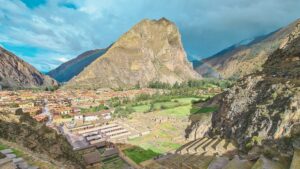
This valley between Cusco and Machu Picchu holds well-preserved Inca sites. Pisac has terraces and a colorful Sunday market.
Ollantaytambo features massive stone fortresses you can climb. Moray shows circular agricultural terraces.
The valley sits at lower altitude than Cusco, making it easier to explore these ancient spots.
4. Hike the Inca Trail
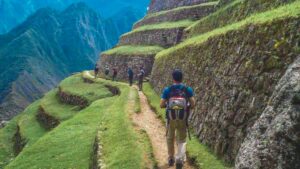
This four-day trek takes you through cloud forests and mountain passes before reaching Machu Picchu at sunrise.
You’ll camp along the way and hike about 26 miles total.
The trail requires permits that sell out months ahead. Porters carry most gear, but you need good fitness for altitude and steep sections.
5. See the Nazca Lines from the Air
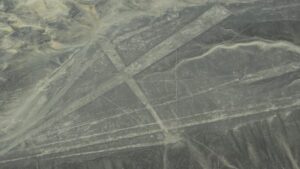
Giant geoglyphs etched into the desert show animals, plants, and geometric shapes created over 2,000 years ago.
Small plane flights circle over the monkey, hummingbird, and spider figures. The 30-minute flight gives you the only proper view.
Take motion sickness medication if needed. The mystery of their purpose still puzzles researchers.
6. Tour the Amazon Rainforest
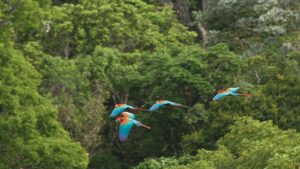
Peru’s Amazon basin covers 60% of the country and teems with wildlife.
Stay at jungle lodges near Iquitos or Puerto Maldonado for guided walks, canoe trips, and night tours.
Spot monkeys, sloths, pink river dolphins, caimans, and hundreds of bird species. Pack light, breathable clothes and strong bug spray for the intense humidity.
7. Visit Lake Titicaca & the Uros Reed Islands
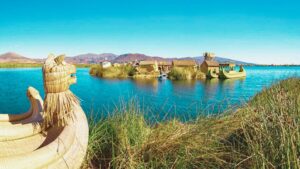
Lake Titicaca is the world’s highest navigable lake at 12,500 feet. The Uros people built floating islands entirely from totora reeds.
Visit these islands by boat from Puno and see how families maintain reed homes and boats.
Taquile and Amantani islands offer homestays with traditional Andean life and incredible sunsets.
8. Hike Colca Canyon
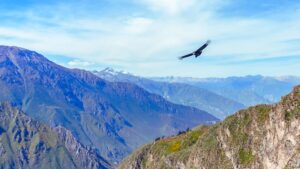
This canyon reaches depths twice that of the Grand Canyon. The town of Chivay serves as a base for multi-day hikes.
Cruz del Condor viewpoint is best for watching giant Andean condors soar on morning thermals.
Small villages dot the canyon floor for overnight stays. The trek challenges but rewards fit hikers.
9. Roam in Lima’s Historic Center
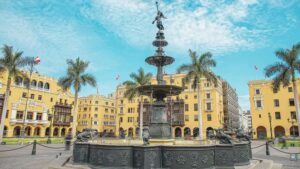
Lima’s colonial center holds ornate churches, grand plazas, and underground catacombs. Plaza Mayor features the Government Palace with changing of the guard.
San Francisco Monastery has catacombs with thousands of bones arranged in patterns.
Torre Tagle Palace shows Moorish-style balconies. Walk these streets before heading to coastal neighborhoods.
10. Experience Peruvian Cuisine

Peruvian food blends indigenous, Spanish, African, Chinese, and Japanese influences. Ceviche is raw fish cured in lime juice with onions and chili. Lomo saltado is stir-fried beef with fries.
Anticuchos are grilled beef heart skewers. Pisco sour is the national cocktail.
Lima has the most options, but every region offers specialties.
11. Visit Arequipa, the White City
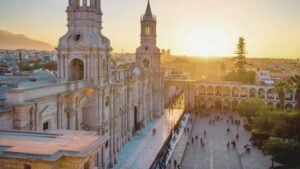
Arequipa earned its nickname from white volcanic stone in most buildings. Santa Catalina Monastery is a walled citadel painted in bright blues and oranges.
Three volcanoes surround the city, with El Misti most prominent. The main plaza has an impressive cathedral.
Markets sell alpaca goods and local cheeses. Great stop between Lima and Lake Titicaca.
12. Roam Chan Chan
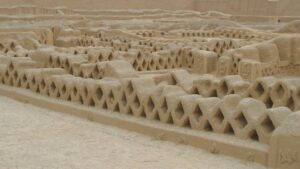
This massive adobe city near Trujillo was built by the Chimú civilization before the Incas conquered them.
At its peak, 60,000 people lived in labyrinthine compounds decorated with fish, birds, and waves. The restored Nik An palace shows the city’s scale.
Much has eroded over centuries, but excavations keep revealing new sections.
13. Visit the Islas Ballestas

These rocky islands off Paracas are called Peru’s mini Galápagos.
Two-hour boat tours bring you close to sea lion colonies, Humboldt penguins, pelicans, and cormorants.
Boats pass the Candelabra geoglyph carved into a cliff. You can’t land, but boats get close for photos. Nutrient-rich waters support massive amounts of marine life.
14. Relax on the Beaches of Máncora
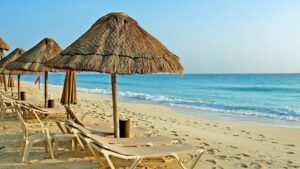
This northern beach town offers warm water year-round, consistent surf breaks, and a laid-back vibe.
The main beach has seafood restaurants serving fresh catches daily.
Surf schools rent boards and offer lessons. Nearby beaches like Vichayito and Los Órganos are quieter. Perfect for unwinding after weeks of mountain trekking.
15. Visit the Maras Salt Mines
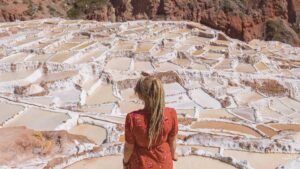
Thousands of small salt pools cascade down a hillside in the Sacred Valley, creating a patchwork of whites, pinks, and browns.
Families have harvested salt here since Inca times using water from a nearby spring.
Walk among the pools and watch workers scraping salt. Buy bags of pink salt directly from workers.
16. Trek in the Cordillera Blanca
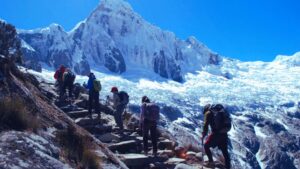
The Cordillera Blanca range near Huaraz has Peru’s highest peaks and dramatic alpine scenery.
Day hikes to Laguna 69 show turquoise glacial lakes surrounded by snow-capped mountains.
Multi-day treks like the Santa Cruz circuit take you through remote valleys. Less crowded than Cusco but equally impressive. Spend days acclimatizing in Huaraz first.
17. Visit Chavín de Huántar
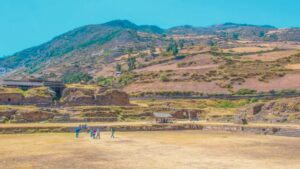
This 3,000-year-old temple complex in the highlands shows sophisticated engineering from one of Peru’s oldest civilizations.
Underground passages connect chambers decorated with carved stone heads and mythical creatures.
The main temple has a central stone idol called the Lanzón. It’s a three-hour drive from Huaraz through impressive mountain scenery.
18. Find Caral-Supe
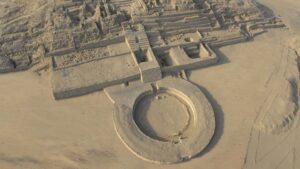
Caral dates back 5,000 years, making it older than Egyptian pyramids. The site has pyramid structures, sunken plazas, and residential areas spread across 150 acres.
It shows a complex civilization developed in the Americas earlier than previously thought. The site is three hours north of Lima.
No gold artifacts here, just impressive ancient urban planning.
19. Take an Inca Astronomy Tour in Cusco

The Incas were skilled astronomers who built temples and cities aligned with celestial events.
Evening planetarium tours teach you about the Southern Cross, the Milky Way, and dark constellations made from dust clouds.
Learn how they tracked seasons for agriculture and built Machu Picchu to align with solstices. Clear mountain skies make stargazing incredible.
20. Inspect the Paracas National Reserve
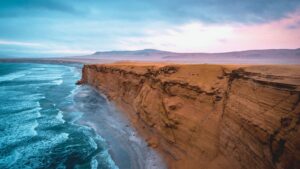
This coastal desert park features red sand beaches, rocky cliffs, and wildlife viewing points.
The landscape looks almost Martian with rust-colored earth meeting bright blue water.
Flamingos feed in shallow bays while sea lions sun on rocks. Drive through the reserve or take guided tours. Playa Roja shows the most dramatic color contrasts.
21. Taste Peruvian Chocolate

Peru grows some of the world’s finest cacao, especially in the Amazon and northern regions.
Chocolate museums in Lima and Cusco offer tastings and workshops where you make your own bars.
Learn about cacao’s 5,000-year history in Peru and taste beans from different regions. The chocolate here tends to be less sweet and more complex than mass-produced varieties.
How to Plan What to Do in Peru
- Most travelers need 10-14 days to cover the main highlights. Three weeks or more lets you add the Amazon, Lake Titicaca, or northern beaches.
- The dry season from May to September offers the best weather for hiking. The rainy season brings fewer crowds but muddy trails and occasional closures.
- Spend at least two days in Cusco before high-altitude hikes to avoid altitude sickness. Drink coca tea and take it slow.
- Book long-distance buses or domestic flights between cities since distances are huge. Overnight buses save time and accommodation costs.
- Use official taxis or ride apps in cities. Don’t flash expensive items in crowded areas and keep passport copies on your phone.
Conclusion
Peru works for every type of traveler, and that’s what makes it special. Mix the famous spots like Machu Picchu with smaller towns and local markets for a trip that feels real.
Don’t feel pressured to see everything. Pick what actually interests you and leave room for spontaneous detours.
I found some of my best memories came from unplanned stops and conversations with locals.
Build your itinerary around what excites you most, whether that’s food, history, nature, or all three.
What are you most excited to see in Peru? Drop a comment below!
Frequently Asked Questions
What is the best month to visit Peru?
May through September offers dry weather and clear skies, perfect for hiking and visiting Machu Picchu. Consider May or September for good weather with fewer crowds than peak season June to August.
How many days do I need to visit Peru?
Plan for at least 10 days to see Lima, Cusco, Sacred Valley, and Machu Picchu. Two to three weeks lets you add the Amazon, Lake Titicaca, or coastal regions comfortably.
Is it safe to travel to Peru?
Peru is generally safe for tourists who take basic precautions like using official taxis and keeping valuables secure. Stick to well-traveled areas and avoid walking alone at night in cities.
Do I need a visa to visit Peru?
Most visitors from the US, Canada, EU, and Australia can enter Peru without a visa for up to 183 days. Check current requirements based on your nationality before booking flights.
What should I pack for Peru?
Bring layers since temperatures vary between coast, mountains, and jungle. Pack sunscreen, a day backpack, hiking shoes, rain jacket, and altitude sickness medication for high-elevation areas.
