


Lyon is France’s third-largest city, and after spending time here, I can’t recommend it enough.
This place completely changed how I think about French travel.
The food scene is outstanding, the history goes back thousands of years, and there’s always something happening culturally.
I’ve put together this guide based on my own experiences exploring Lyon.
Whether planning a quick weekend or a longer stay, I’ll walk you through the best activities, sights, and experiences that make this city so special. Let’s get started.
Day 1 – Lyon’s Historic Old Town (Vieux Lyon)
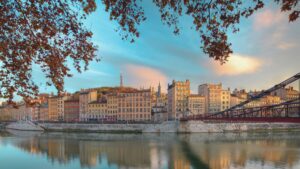
Walk through cobblestone streets, find hidden traboules, and enjoy cafes in this UNESCO World Heritage Site filled with Renaissance architecture.
Wander the Cobblestone Streets
Vieux Lyon is a UNESCO World Heritage Site, and walking through it feels like stepping back in time. The Renaissance architecture here is some of the best-preserved in Europe.
You’ll find colorful buildings lining narrow streets, hidden courtyards tucked behind doorways, and the impressive Gothic cathedral rising above it all.
Take your time here. There’s no rush, and you’ll want to soak in every detail.
Find the Traboules
Traboules are covered passageways that cut through buildings and connect streets. They were originally built for silk workers to transport fabric while staying protected from the weather.
Many traboules are open to the public during the day. Look for doorways that seem slightly ajar or have small signs indicating public access.
Push gently, and you might find yourself in a stunning Renaissance courtyard.
Cafes, Shops, and Local Dining
After all that walking, you’ll want to refuel. Vieux Lyon has plenty of cafes and traditional restaurants where you can rest your feet.
Grab a coffee at a sidewalk cafe or settle in for a proper meal at one of the family-run spots.
The atmosphere here is relaxed, and the food is always good.
Day 2 – Visit Fourvière Hill and Roman Heritage
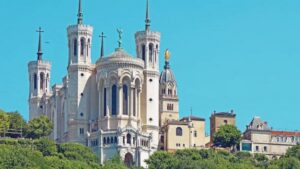
Visit the ornate basilica with panoramic views and ancient Roman theaters that showcase Lyon’s history as the capital of Roman Gaul.
Basilica of Notre-Dame de Fourvière
This basilica sits high above Lyon and absolutely dominates the skyline. The outside is impressive, but wait until you step inside.
The interior is covered in ornate mosaics, gilded details, and stained glass that fills the space with colored light. Head up to the observation deck for panoramic views over the entire city.
The funicular makes getting up the hill easy. You can take it both ways or walk down through the gardens afterward.
Lugdunum Roman Theaters
Right next to the basilica, you’ll find two ancient Roman amphitheaters. Lyon was once called Lugdunum and served as the capital of Roman Gaul.
The larger theater could hold 10,000 people. The smaller odeon was used for music and poetry. Both sit on the hillside with great views over the city.
There’s also a museum nearby if you want to see Roman artifacts, coins, and sculptures from the site.
Day 3 – Stroll Along the Saône River & Presqu’île
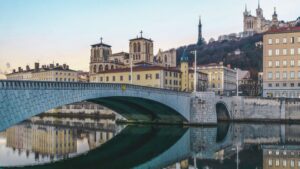
Walk riverside paths, browse Lyon’s largest outdoor food market, and relax in elegant squares perfect for watching city life unfold.
Riverside Promenade and Pedestrian Bridges
The Saône River runs along Vieux Lyon, and the riverside paths are perfect for a morning or evening walk. The water reflects the old buildings, and pedestrian bridges connect both sides.
It’s peaceful here, especially early in the day before the crowds arrive.
Market St Antoine Célestins
This is the largest outdoor food market in Lyon, and it’s held along the riverbank. Vendors sell fresh produce, cheese, meats, flowers, and prepared foods.
Go hungry. You’ll want to taste local specialties as you browse. The market runs several days a week, so check the schedule before you go.
Elegant Squares in Presqu’île
Presqu’île is the peninsula between the Saône and Rhône rivers. It’s the heart of modern Lyon, filled with shops, restaurants, and beautiful squares.
Place des Terreaux is the main square here. You’ll see the impressive City Hall, a huge fountain designed by Bartholdi (who created the Statue of Liberty), and cafes lining the edges.
Grab a seat and watch the world go by. This is one of the best people-watching spots in the city.
Day 4 – Savor Lyonnaise Cuisine

Experience traditional bouchons serving hearty Lyonnaise dishes like pike dumplings and sausages, with affordable 3-course lunch menus at authentic restaurants.
Traditional Bouchons
Bouchons are small, cozy restaurants that serve traditional Lyonnaise food. They’re a Lyon institution, and eating at one is a must.
The food is hearty and rustic. You’ll find dishes like Quenelle de Brochet (pike dumplings in creamy sauce), sausages, tripe, and more. Don’t expect light fare, but do expect incredible flavor.
Recommended Restaurants
Les Adrets and Le Layon are two solid choices for authentic bouchon experiences. Both have that old-school charm and serve classic dishes done right.
Many bouchons offer 3-course lunch menus at reasonable prices. It’s a great way to try multiple dishes without breaking the bank.
Day 5 – Visit Gourmet Markets
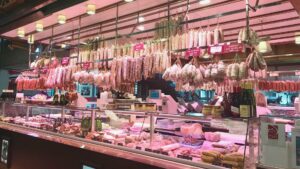
Browse Les Halles de Lyon Paul Bocuse for specialty foods, fresh oysters, artisan cheese, and frog legs prepared in open kitchens.
Les Halles de Lyon Paul Bocuse
This indoor gourmet market is named after Lyon’s most famous chef. It’s a food lover’s paradise with over 50 vendors selling everything from oysters to pastries.
The atmosphere is lively. You can shop for ingredients, grab lunch at one of the stands, or just wander and taste as you go.
Baba La Grenouille & Specialty Foods
Some stalls specialize in regional products you won’t find anywhere else. Baba La Grenouille serves frog legs prepared right in front of you.
You’ll also find artisan cheese, charcuterie, chocolate, and desserts. Many vendors offer samples, so don’t be shy about asking.
Day 6 – Learn About Lyon’s Silk History
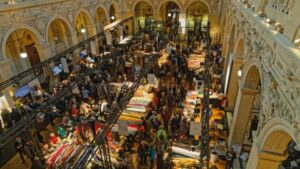
Tour the Croix-Rousse district where silk weavers worked, watch loom demonstrations at La Maison des Canuts, and walk scenic streets.
Croix-Rousse District
Lyon was once the silk capital of Europe, and Croix-Rousse was where the silk weavers (canuts) lived and worked. The neighborhood sits on a hill north of the city center.
The buildings here were designed with high ceilings to accommodate the large looms. You can still see some of these tall windows as you walk around.
La Maison des Canuts
This small museum tells the story of Lyon’s silk industry. The highlight is watching a demonstration on a Jacquard loom, which revolutionized silk weaving in the 1800s.
The guided tours are informative and give you real insight into how difficult and skilled this work was. The museum is run by former silk workers and their families.
Montée de la Grande-Côte Walk
This pedestrian street connects Croix-Rousse to Presqu’île below. It’s a steep climb, but the street is lined with murals, small shops, and cafes.
Take your time going up (or down). There are plenty of places to stop and catch your breath while taking in the views.
Day 7 – Lyon’s WWII History
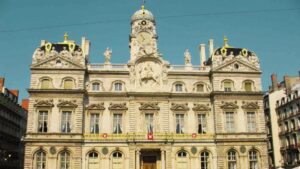
Learn about the French Resistance through multimedia exhibits, personal stories, and historical rooms at the Resistance and Deportation History Center.
Resistance & Deportation History Center
Lyon played a major role in the French Resistance during World War II. This museum documents that history through photographs, documents, and personal stories.
The traboules you explored in Vieux Lyon were actually used by Resistance fighters to move around the city unseen. It adds another layer to their historical significance.
Multimedia Exhibits & Historical Rooms
The museum uses audioguides, video testimonies, and recreated rooms to tell the story. Plan to spend at least two hours here if you want to see everything properly.
It’s a sobering but important visit, especially if you’re interested in WWII history or want to understand Lyon’s role during that period.
Tips for Visiting Lyon
- Visit Lyon between April and June or September and October for pleasant weather and fewer crowds. These months also feature food festivals and cultural events throughout the city.
- Get to Vieux Lyon and popular sites early in the morning or late afternoon to skip the midday rush. Weekdays are always quieter than weekends at major attractions.
- Book your bouchon reservations at least a few days ahead, especially for dinner. Popular restaurants and guided tours fill up fast during peak season.
- Don’t try to cram everything into one day. This itinerary works best over a week, but you can adjust based on your schedule and interests.
- Bring comfortable walking shoes with good grip for cobblestone streets and hillside climbs. You’ll be doing a lot of walking, so skip the fancy footwear.
Final Thoughts
Lyon has everything: riverside cafes, Roman ruins, incredible food, and a relaxed atmosphere that keeps you coming back.
Give yourself at least several days here. Rushing through won’t do it justice. Lyon also sits perfectly between Paris, Provence, and Toulouse if you’re planning an extended French trip.
Trust me, you’ll start planning your return before you leave.
What’s your favorite Lyon experience? Share in the comments below!
Frequently Asked Questions
How many days do you need in Lyon?
Plan for at least 3 to 4 days to see the main highlights without rushing. A full week gives you time to really soak in the food scene and visit all the historic sites comfortably.
What is Lyon most famous for?
Lyon is known as the food capital of France, famous for its bouchons and gourmet markets. The city also has impressive Roman ruins and played a major role in the silk trade and French Resistance.
Is Lyon better than Paris for tourists?
Lyon offers a more relaxed pace with excellent food, history, and culture minus the overwhelming crowds. It’s perfect if you want an authentic French experience without the tourist rush of Paris.
What should I eat in Lyon?
Try Quenelle de Brochet, sausages, and other hearty dishes at traditional bouchons. Don’t miss the gourmet markets for cheese, charcuterie, pastries, and regional specialties like frog legs.
Is Lyon walkable for tourists?
Yes, most attractions in Lyon are walkable, though some areas like Fourvière Hill are steep. The city has funiculars and good public transport for when your feet need a break from the cobblestones.
