


Have you ever been in the middle of something when suddenly the lights go out? I’ve been there too. Understanding what causes a breaker to trip in your home can save you time, money, and worry.
In this article, I’ll walk you through everything you need to know. We’ll cover how circuit breakers work, common reasons they trip, and when to call for help.
I’ll also share tips to prevent future problems. As someone who’s helped homeowners with electrical issues for years, I know how frustrating this can be.
Let’s fix this together.
What Does a Circuit Breaker Do?
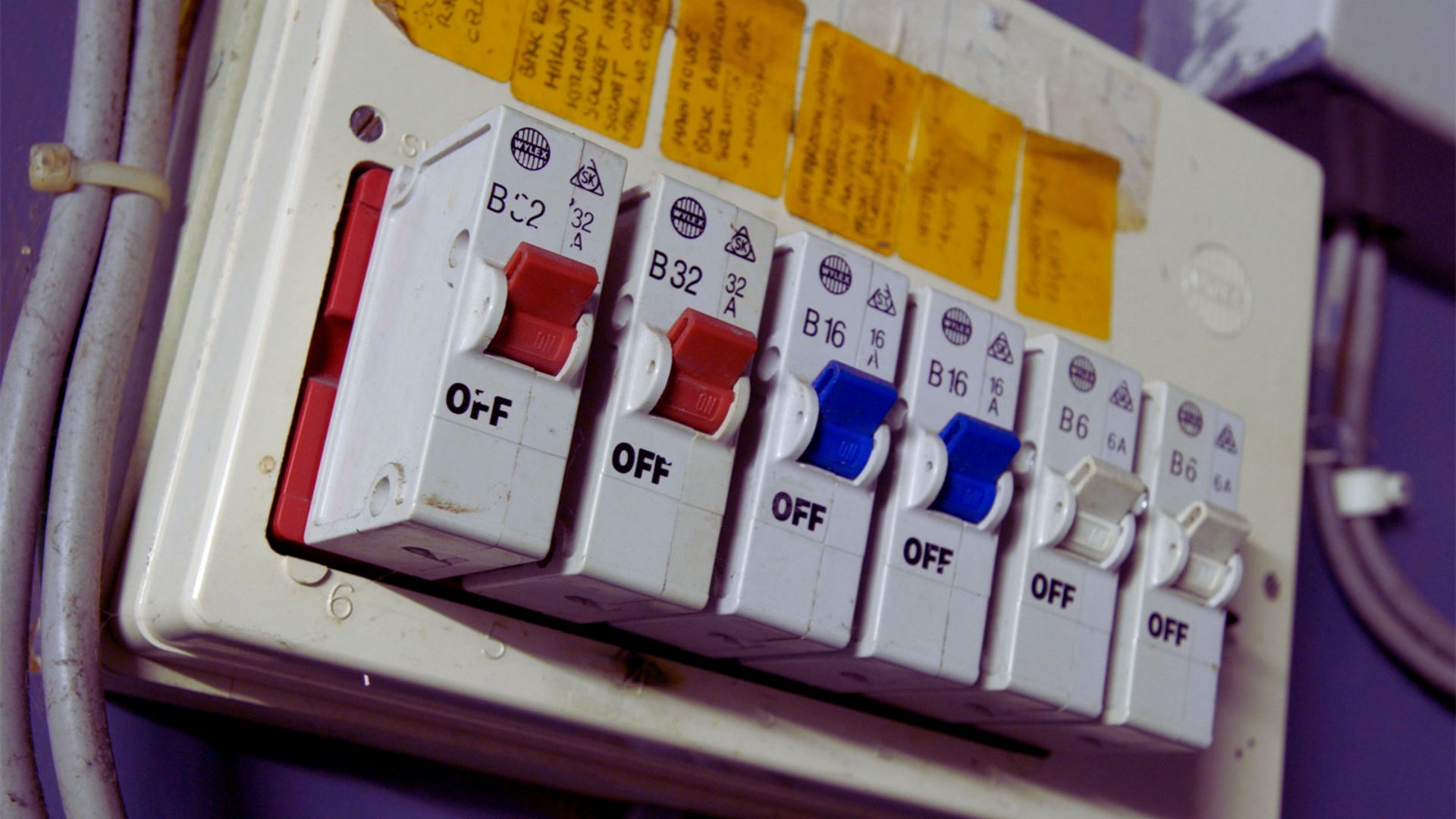
Your circuit breaker acts as a safety guard for your home’s electrical system. It monitors electricity flow and cuts power when something goes wrong to prevent fires or damage.
Circuit breakers detect when too much current flows through a circuit. They flip off before wires can overheat. Modern breakers respond in milliseconds and can detect issues like arc faults.
When a breaker trips, the switch sits between on and off. Reset it by turning it all the way off first, then back on. If it trips again immediately, you have a problem that needs fixing.
What Causes a Breaker to Trip?
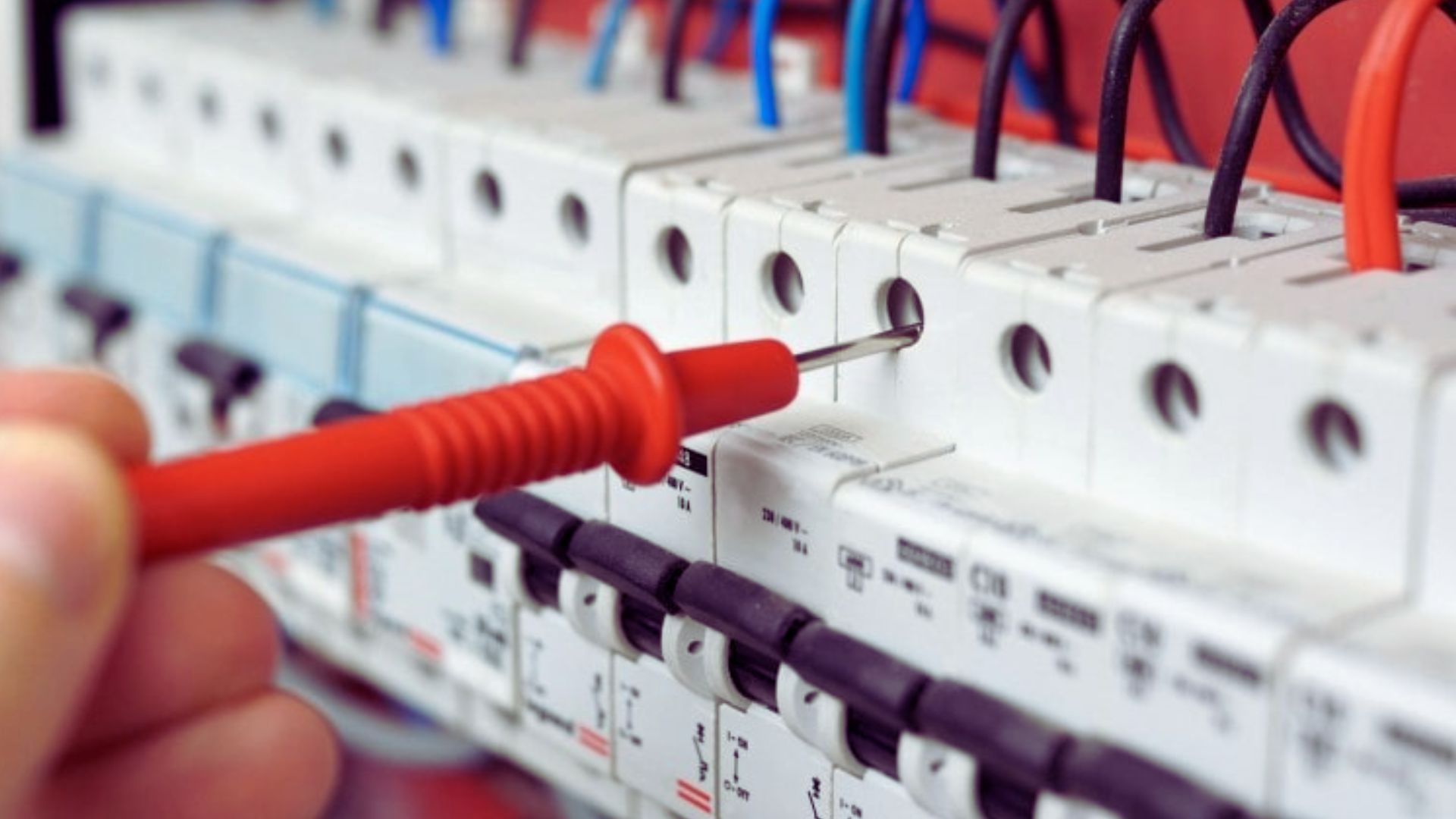
Several issues can make your trip breaker. Some are simple fixes. Others need professional attention.
Overloaded Circuits
This is the number one reason breakers trip. You’re asking one circuit to do too much work. Running too many appliances at once pushes past the safe limit. Hair dryers, space heaters, and microwaves use a lot of power.
Spread your appliances across different circuits. Don’t plug a space heater and microwave into outlets on the same circuit.
Short Circuits
A short circuit happens when hot and neutral wires touch. This creates a sudden surge of electricity. The breaker trips immediately to prevent a fire.
You might notice scorch marks around an outlet or a burning smell. Damaged cords, loose connections, and water exposure cause most short circuits.
Ground Faults
Ground faults occur when electricity takes an unintended path to the ground. This happens when a hot wire touches a grounded surface or water gets into electrical components. GFCIs protect you from shocks and trip faster than regular breakers.
You’ll find them in bathrooms, kitchens, and outdoor areas. If your GFCI keeps tripping, check for wet outlets or damaged appliances.
Arc Faults
Arc faults create small sparks in your wiring that can start fires inside your walls. AFCIs detect these dangerous arcs.
Damaged wire insulation, loose connections, old wiring, and pests chewing through wires cause arc faults. AFCI breakers are required in bedrooms and living areas in newer homes.
Faulty or Aging Appliances
Old appliances develop electrical problems over time. Motors wear out. Wiring frays. Internal components fail.
If your breaker trips when you use a specific appliance, that appliance is likely the problem. Unplug it and test it in a different outlet. Don’t keep using a faulty appliance. It’s a fire hazard.
Old or Damaged Wiring
Wiring doesn’t last forever. Insulation becomes brittle. Connections loosen. Rodents chew through cables. Old wiring is one of the most dangerous electrical problems.
Homes built before 1970 often have outdated wiring that needs replacement. Signs include frequent trips, flickering lights, and warm outlets.
Worn-Out Circuit Breakers
Circuit breakers themselves wear out after years of use. A breaker might trip at lower currents than it should.
Breakers typically last 30 to 40 years but can fail sooner. A breaker that won’t reset or feels loose probably needs replacement.
What Causes a Breaker to Trip Repeatedly?
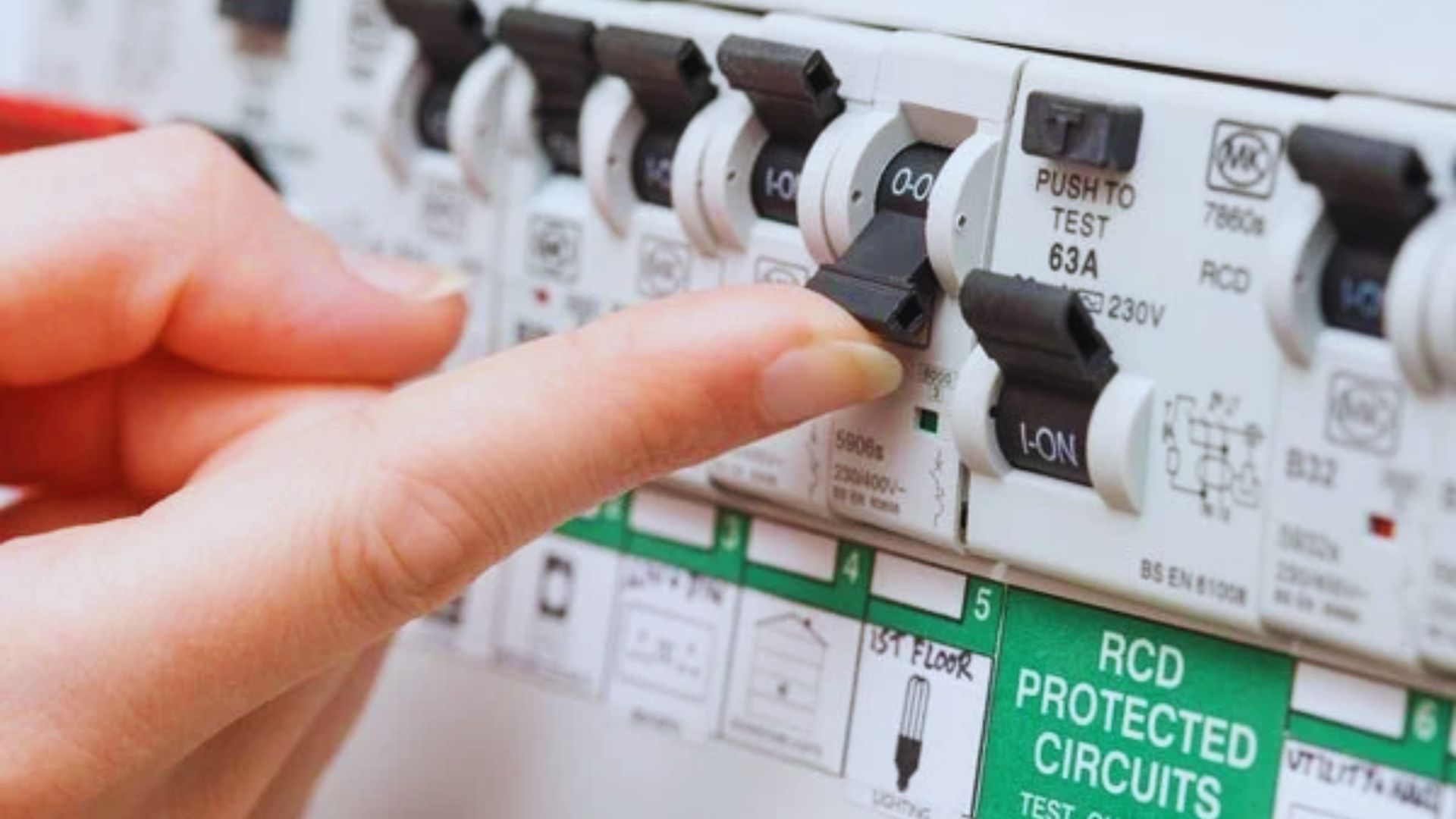
Repeated trips mean you have a persistent problem that needs fixing.
Continuous Circuit Overloads
If you keep overloading the same circuit, it will keep tripping. Calculate the total wattage on the circuit.
A 15-amp breaker handles about 1,800 watts. A 20-amp breaker handles about 2,400 watts. Move some devices to other circuits or reduce what you run at once.
Appliances that Keep Causing Trips
If the same device keeps causing problems, it’s defective. Motors draw extra power when starting, which is normal.
But if an appliance trips the breaker every time, something is wrong inside it. Get the appliance checked by a professional.
Loose or Failing Electrical Connections
Connections can work loose over time. Loose connections create heat and resistance. This can make a breaker trip even without overloading.
You might notice warm outlets or sparking switches. These need immediate attention from an electrician.
Breaker Reaching the End of its Lifespan
An old breaker becomes unreliable. It might trip at random times or at lower loads than it should. If you’ve ruled out other causes, the breaker itself might be failing. Replacement is the only fix.
What Causes a Breaker to Trip When Nothing Is On?
Everything seems off, but the breaker still trips. There’s always a reason, even if you can’t see it.
Hidden Wiring Issues Inside Walls
Damaged insulation lets wires touch. Staples or nails might pierce cables. Water leaks create shorts in hidden junction boxes.
An electrician needs special tools like thermal imaging to locate these issues. Don’t ignore mystery trips.
Shared Circuits with Unseen Loads
Your circuits might power more than you think. Outlets in different rooms often share the same circuit. Something might be on that you forgot about.
A garage refrigerator. An outdoor outlet with a timer. Check your circuit breaker panel label and walk through your home.
Faulty Outlets or Switches
An outlet can develop internal problems even when nothing is plugged in. Contacts can be short. Wiring can come loose.
Water can seep in through cracks. Feel your outlets and switches. Warm ones indicate a problem. Any discoloration or scorch marks mean danger.
Moisture or Pest Damage
A small leak can create big electrical problems. Moisture causes corrosion and shorts that trip breakers. Roof leaks, plumbing leaks, and basement flooding can all damage circuits.
Pests are another threat. Mice and squirrels chew through wire insulation. Look for droppings or nesting material near your panel.
What Causes a Breaker to Trip Instantly?
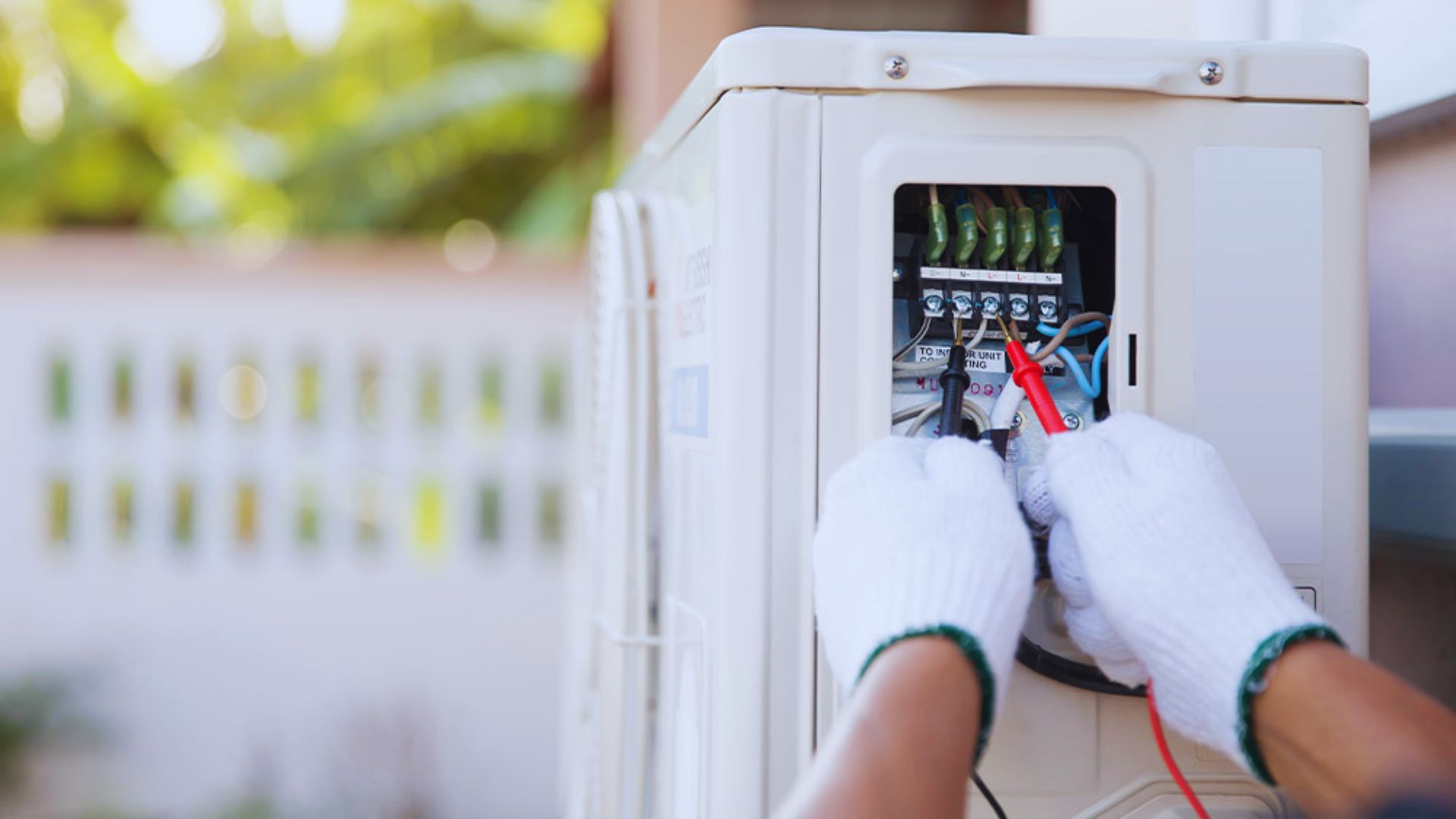
The breaker flips off the moment you reset it. This indicates a severe electrical fault.
Direct Short Circuits
A hard short creates a massive surge of current. This happens when hot and neutral wires touch directly.
Common causes include damaged cords, crushed cables, and failed appliances. Don’t keep trying to reset the breaker.
Severe Ground Faults
A major ground fault creates a direct path to earth. It can cause deadly shocks and start fires.
Water in an outlet often causes instant ground fault trips. So does a hot wire touching a metal electrical box. GFCI breakers are designed to trip instantly for ground faults.
Internal Breaker Failure
Sometimes the breaker itself fails. The trip mechanism can break. Internal contacts can weld shut or fall apart.
If you’ve disconnected everything and the breaker still trips instantly, the breaker is bad. Never try to bypass a breaker or force it to stay on.
When Should You Call an Electrician?
Some electrical problems are beyond DIY fixes. Knowing when to call a pro can prevent disasters.
If your breaker trips more than once for the same issue, call an electrician. Repeated trips mean a problem you can’t fix by resetting.
A breaker that won’t stay on has failed and needs immediate replacement. Don’t force it or you could damage the panel.
Instant trips after reset signal a serious fault. Turn off the breaker and call for help.
Watch for fire risk signs like burning smells, hot outlets, scorch marks, sparks, or buzzing sounds. If you see smoke or flames, call 911 first, then an electrician.
Tips to Prevent Breakers From Tripping
A few smart habits can save you from constant electrical headaches.
- Spread out high-power devices like space heaters and hair dryers across different circuits. Avoid running multiple heavy appliances on the same circuit at once.
- Install dedicated circuits for major appliances like refrigerators, washing machines, and dryers. These devices need their own power source to work safely.
- Replace outdated electrical panels if your home was built before 1990. Old fuse boxes and certain brands like Federal Pacific pose serious safety risks.
- Unplug devices you’re not using to reduce the electrical load. Even small changes in your daily habits can prevent overloads.
- Schedule electrical inspections every few years, especially after renovations. A professional can catch hidden problems before they cause trips or fires.
Conclusion
I know how frustrating breaker trips can be. I’ve stood in my own dark kitchen more times than I’d like to admit. What causes a breaker to trip in your home comes down to your electrical system protecting you from danger.
Sometimes it’s a simple overload you can fix yourself. Other times, it’s a warning about hidden problems that need professional attention.
Listen to what your breakers are telling you. Don’t ignore repeated trips or instant failures. If you’re unsure about anything electrical, call a licensed electrician. Your safety is worth it.
Have you dealt with tripping breakers? Share your experience in the comments below.
Frequently Asked Questions
Can I reset a tripped breaker myself?
Yes, flip it all the way off then back on. If it trips again right away, call an electrician.
How do I know which breaker tripped?
A tripped breaker sits between on and off. Some show a red indicator window.
Is it safe to keep resetting a breaker that trips?
No, repeated trips mean something is wrong. Ignoring it risks fires and equipment damage.
Why does my breaker trip at night?
HVAC systems and refrigerator compressors draw extra power when starting up. It could also mean an overloaded circuit.
How much does it cost to replace a circuit breaker?
Single breaker replacement costs $150 to $300. Full panel upgrades run $1,500 to $4,000.
