


Looking for the best waterfalls in Alabama? You’re in the right place.
I’ve found 15 exceptional falls across the state, from the commanding 107-foot DeSoto Falls to secluded cascades in Bankhead National Forest.
After years visiting these locations, I know reliable waterfall information is hard to find. You’ll get precise directions, trail conditions, and what sets each waterfall apart.
From roadside overlooks to rewarding hikes, I’ve covered options for families, serious photographers, and backcountry enthusiasts alike.
Let’s find your next Alabama waterfall adventure.
What Makes Alabama’s Waterfalls Special
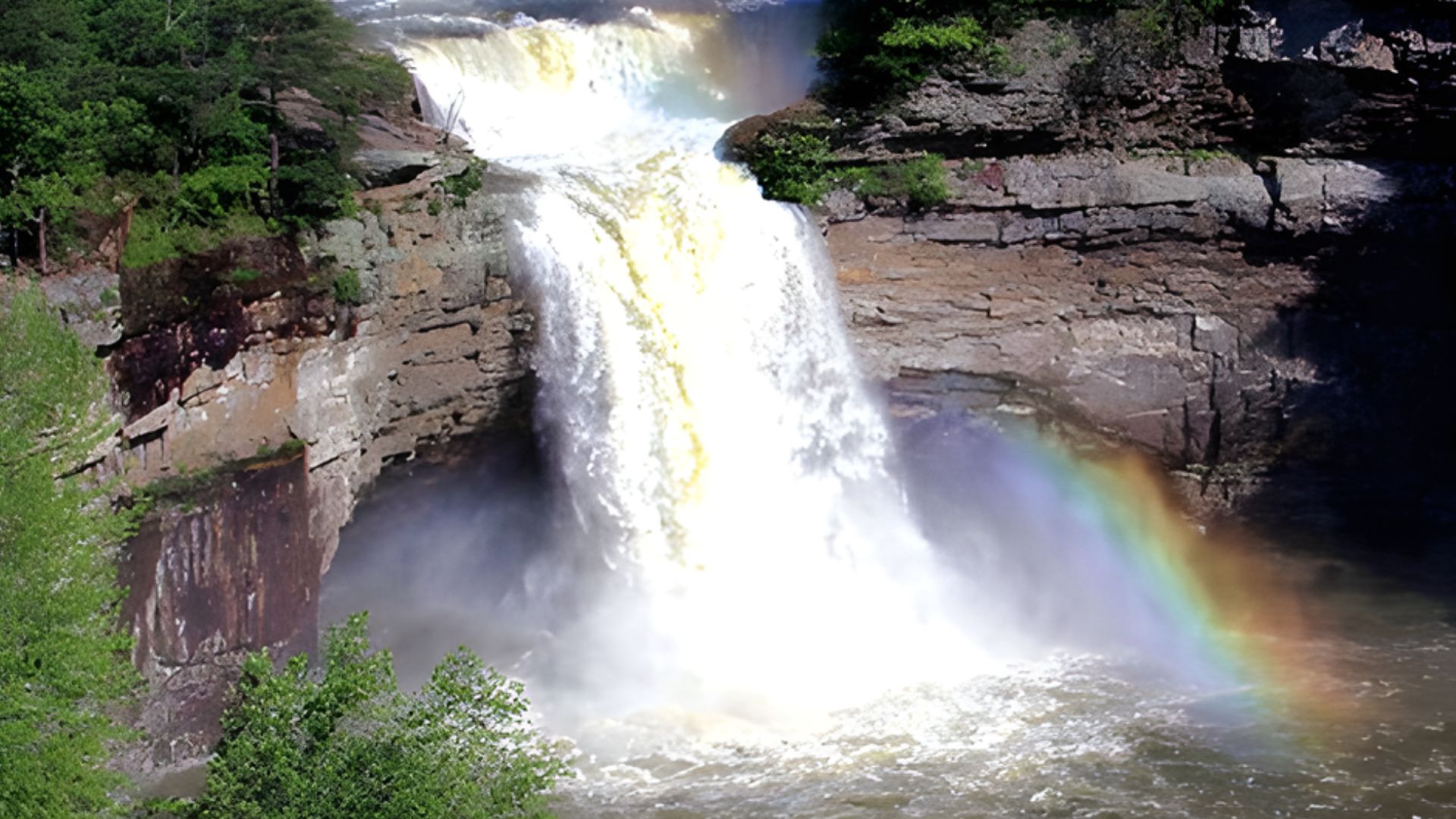
Alabama has more waterfalls than most people realize. The state sits on varied terrain with rivers cutting through mountains and forests.
You’ll find everything from 100-foot drops to gentle cascades perfect for swimming. Some require serious hiking while others sit right next to parking lots.
The variety means everyone can find a waterfall that fits their style.
Most are free to visit, and the best months run from December through May when water flow peaks.
Best Waterfalls in Alabama
Alabama’s waterfalls range from roadside stops to backcountry hikes,here are the best ones to see.
1. DeSoto Falls (Fort Payne)
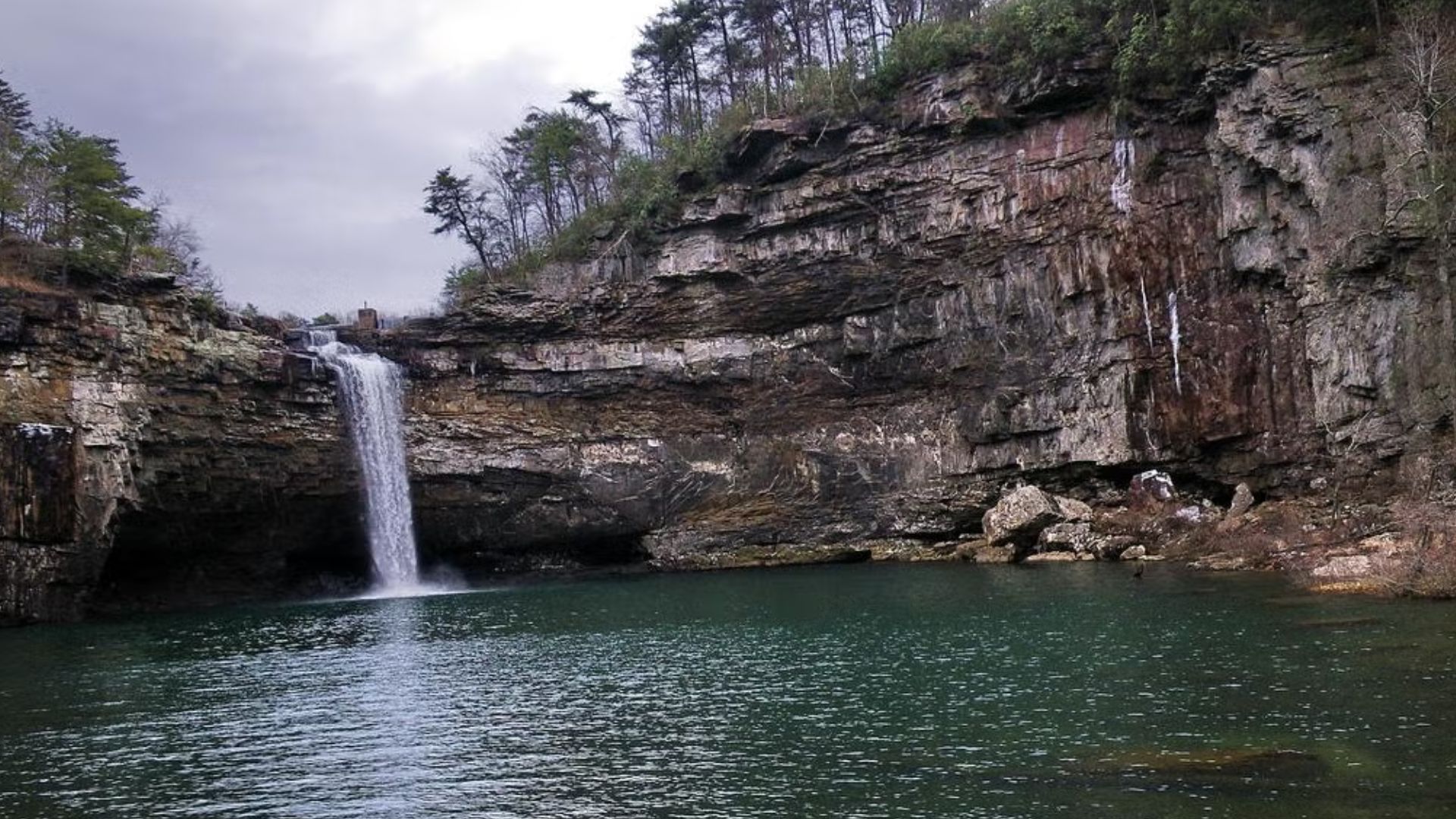
DeSoto Falls stands at 107 feet tall, making it one of Alabama’s highest waterfalls. The water drops straight down in a powerful cascade that you can hear from the parking area.
The falls sit inside DeSoto State Park, which makes access super easy. You can view them from multiple overlooks without much walking. The park has picnic areas and restrooms nearby.
Families love this spot because the trails are short and paved. Kids can safely see the falls without dangerous drop-offs. The park also has camping if you want to stay longer.
Best time to visit: Spring brings the most water flow. The falls slow down in summer but are still worth seeing.
2. Little River Falls (Fort Payne)
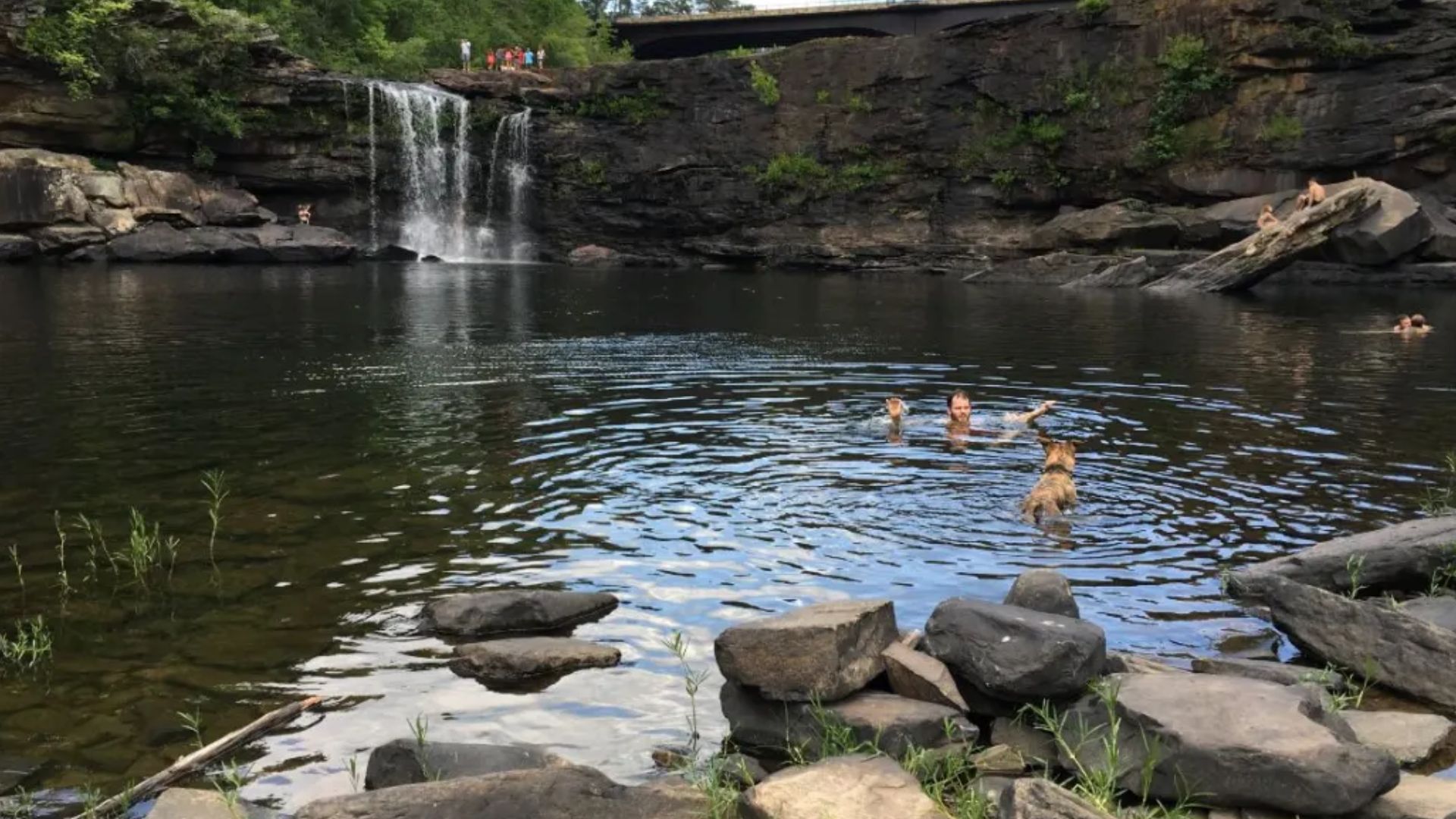
Little River Falls sits in Little River Canyon National Preserve. The water flows over wide rock ledges before dropping into a clear pool below.
A paved pathway leads right to an observation deck. You get a perfect view without climbing or hiking rough terrain. This makes it great for anyone with mobility concerns.
Martha’s Falls is just a short drive away. That spot allows swimming, so you can visit both in one day. The preserve has several other small falls too.
What to know: The parking lot fills up on weekends. Get there early in summer.
3. Noccalula Falls ( Gadsden)
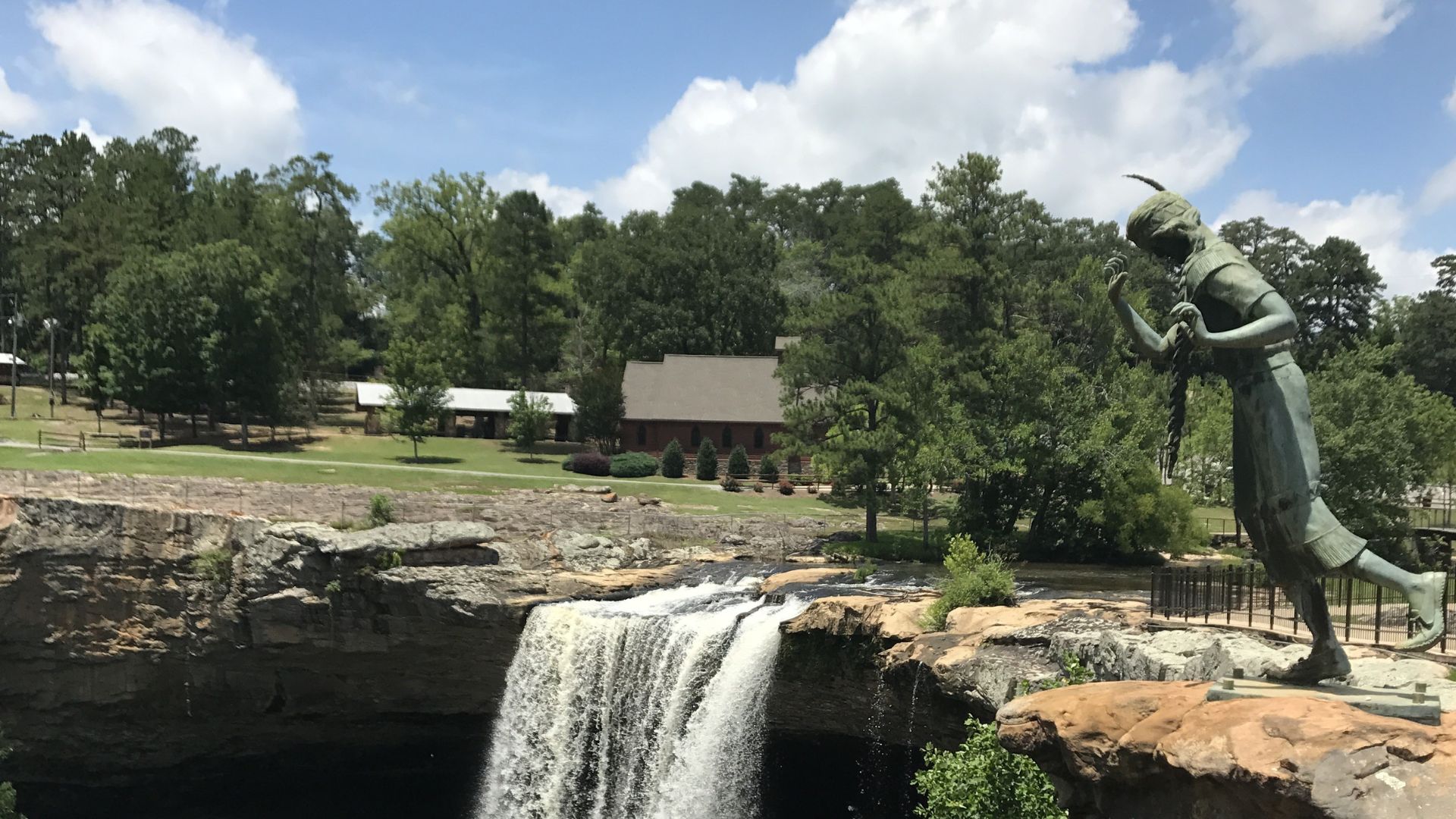
This 90-foot waterfall drops into a gorge with mist rising up the sides. The coolest part? There’s a cave behind the falls where you can walk through.
Noccalula Falls Park has way more than just the waterfall. You’ll find a pioneer village, mini golf, and walking trails. It’s set up like a full day trip destination.
Photographers get amazing shots here year-round. The cave adds an interesting angle that you won’t find at other Alabama falls.
Good for kids: The park has playgrounds and plenty of space to run around. Admission is cheap.
4. High Falls (Geraldine)
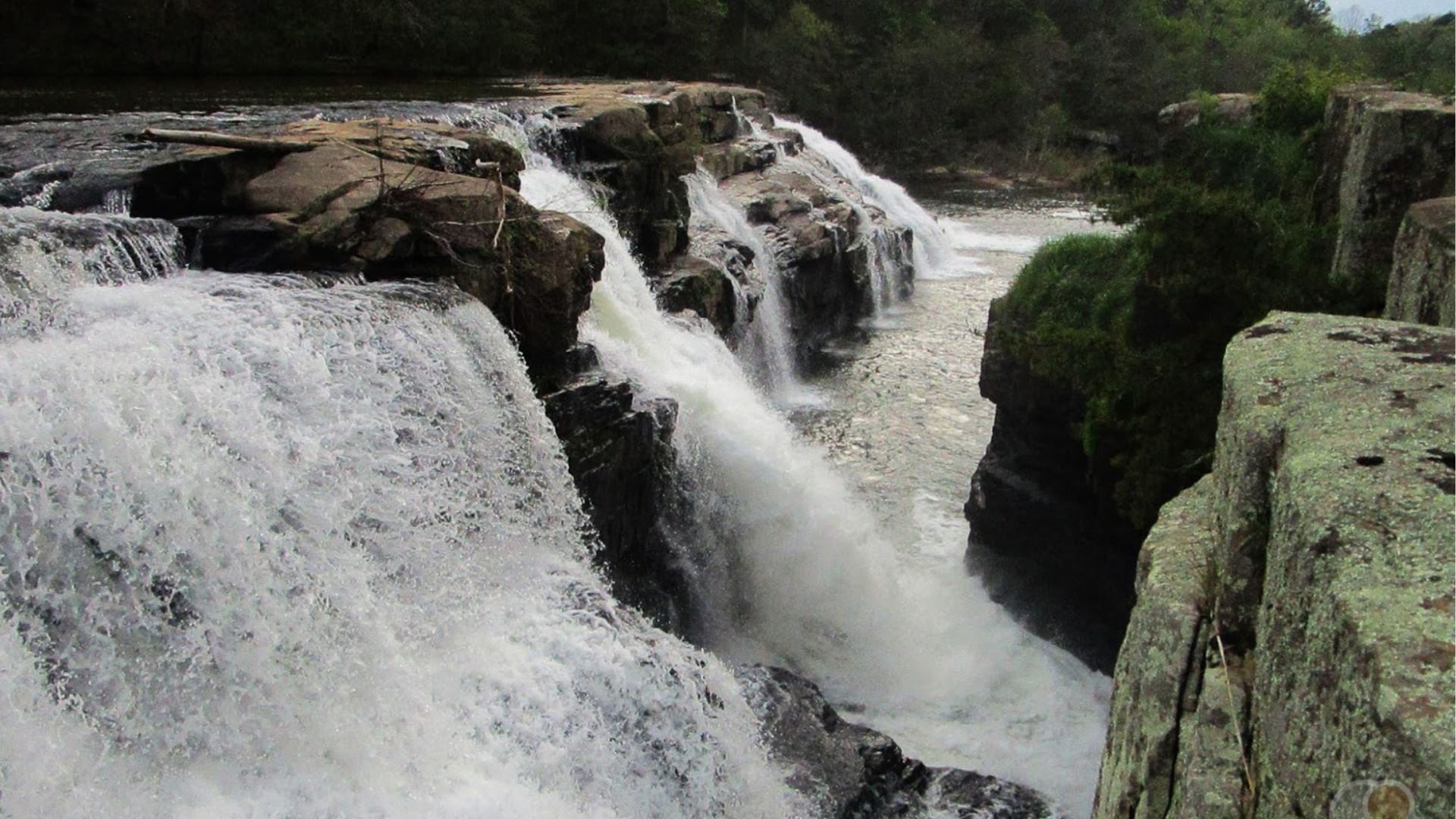
High Falls flows over a natural bridge, which creates a double-decker effect. The water thunders down with serious force after rain.
The paved trail is less than a quarter-mile long. You barely have to hike at all. This makes it one of the easiest waterfalls to reach in the state.
The falls are in a small park with parking right there. No long drives on dirt roads or confusing turns.
Pro tip: Go after heavy rainfall. The falls can be just a trickle in dry months.
5. Grace’s High Falls ( Fort Payne)
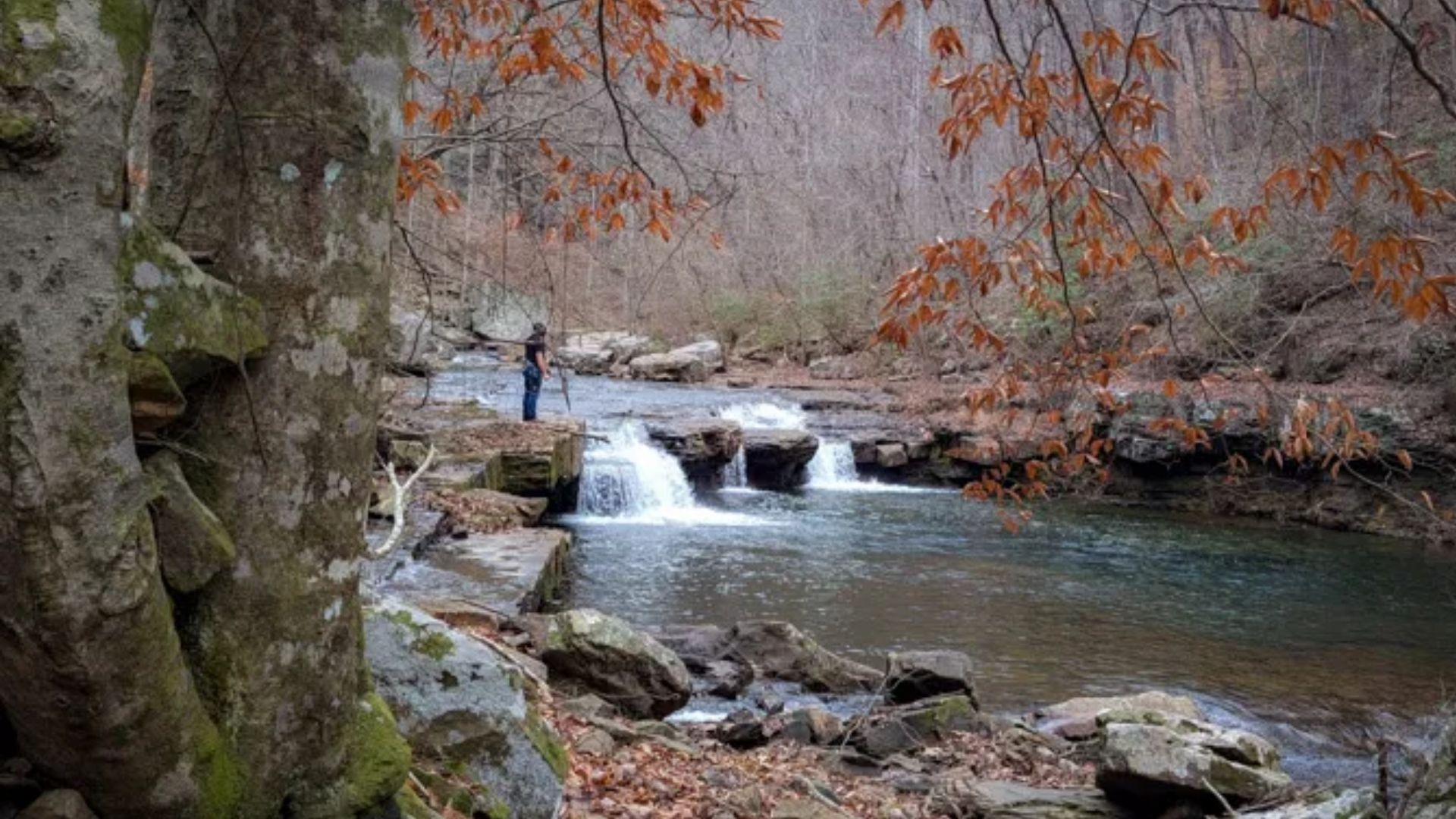
You can see Grace’s High Falls from your car. It’s visible from Canyon Rim Parkway overlook with no hiking required.
This is a seasonal waterfall that only flows well in winter and spring. After a good rain, it becomes a dramatic white ribbon down the canyon wall.
Don’t expect much in summer. The water dries up completely some years. Check recent photos online before making the drive.
Why visit: If you’re already driving through Little River Canyon, it’s an easy add-on stop.
6. Sougahoagdee Falls (Bankhead National Forest)

The hike to Sougahoagdee Falls is about 4 miles round trip. The trail winds through forest with lots of shade.
The waterfall has a curved drop that creates a turquoise pool at the bottom. The color comes from minerals in the rock. It’s one of the prettiest swimming holes in Alabama.
The trail difficulty is easy to moderate. You’ll cross a few creeks on rocks. Bring water shoes if you want to play in the pools.
Photography note: The turquoise water shows up best in photos on sunny days.
7. Shangri-La Falls ( Bankhead National Forest)
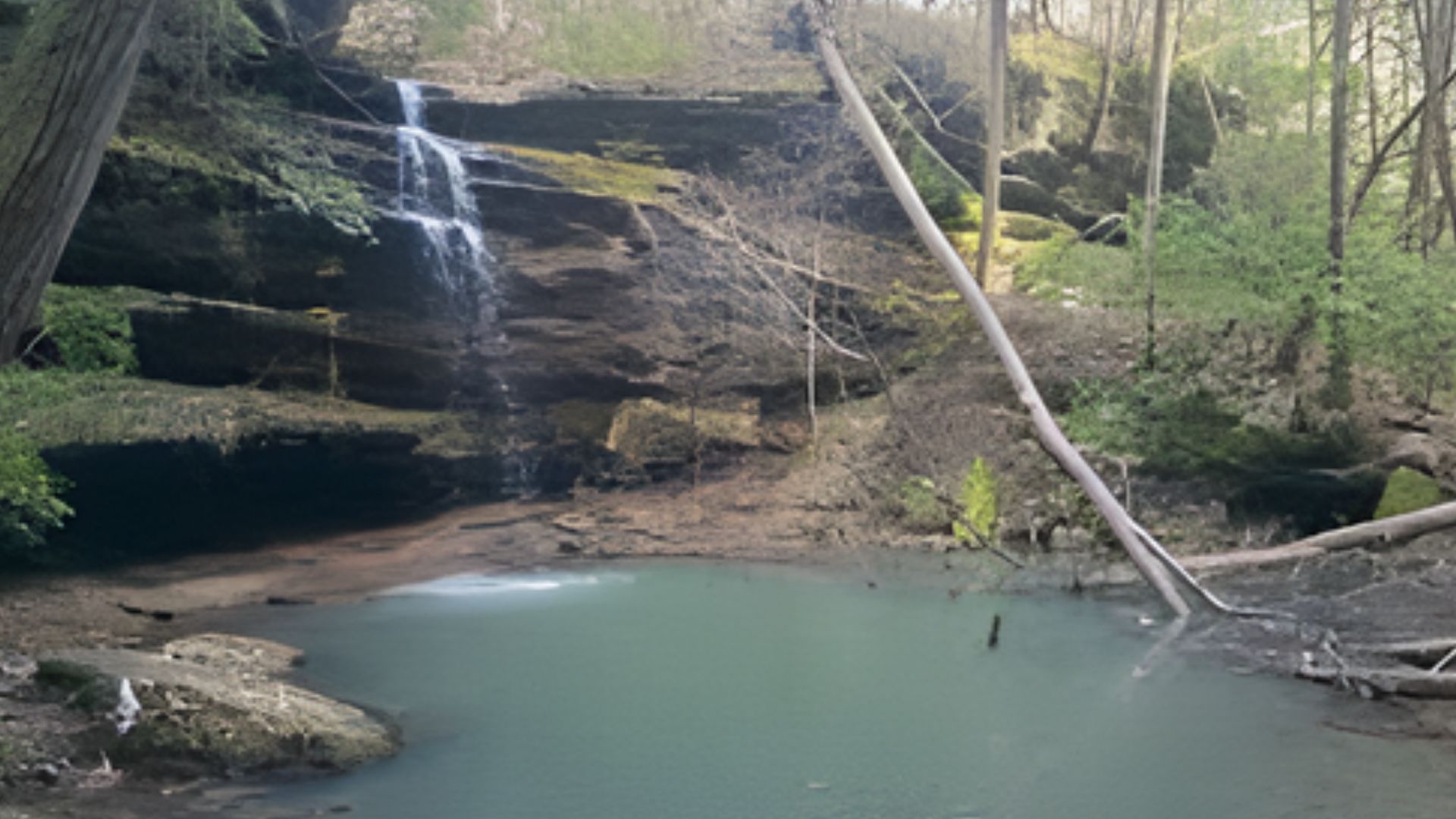
Shangri-La Falls sits in a lush canyon with ferns covering every surface. The water is crystal clear and stays cool even in summer.
This is a moderate hike that takes about an hour each way. The trail can be muddy and slippery, so good shoes matter.
After rain, this place comes alive. The falls get much bigger and the forest smells amazing. Dry months make it less impressive.
What makes it special: The canyon setting feels private and tucked away.
8. Cane Creek Nature Preserve Waterfalls ( Tuscumbia)
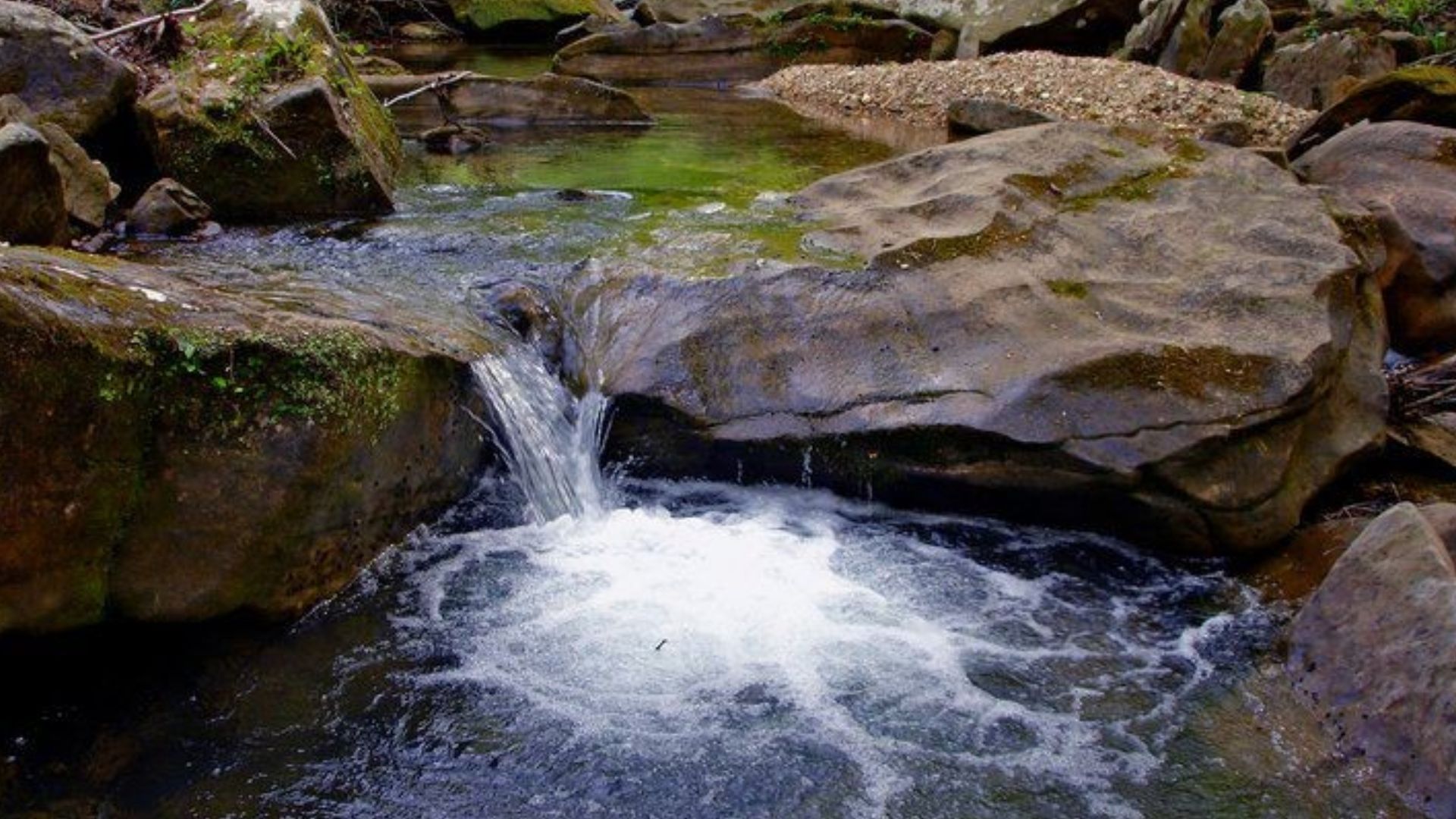
Cane Creek has multiple waterfalls along one trail system. You don’t have to pick just one spot.
The trail is kid-friendly and allows dogs. It’s well-maintained with clear markers. The preserve protects the area, so you’ll see lots of wildlife.
Plan for 2-3 hours to see all the falls and enjoy the scenery. Bring snacks and water.
Nature lovers appreciate the diversity here. You get waterfalls plus wildflowers, birds, and interesting rock formations.
9. Rainbow Falls at Dismals Canyon ( Phil Campbell)

Dismals Canyon is unlike any other spot in Alabama. The canyon has waterfalls and something extra special called “Dismalites.” These are tiny glowing creatures that light up the dark.
Rainbow Falls is the main waterfall here. The canyon walls create natural echoes. There are swimming spots too.
The site offers cabins for overnight stays. Night tours let you see the glowing Dismalites. It’s part nature walk, part science lesson.
Cost note: There’s an admission fee, but it includes guided tours.
10. Kinlock Falls
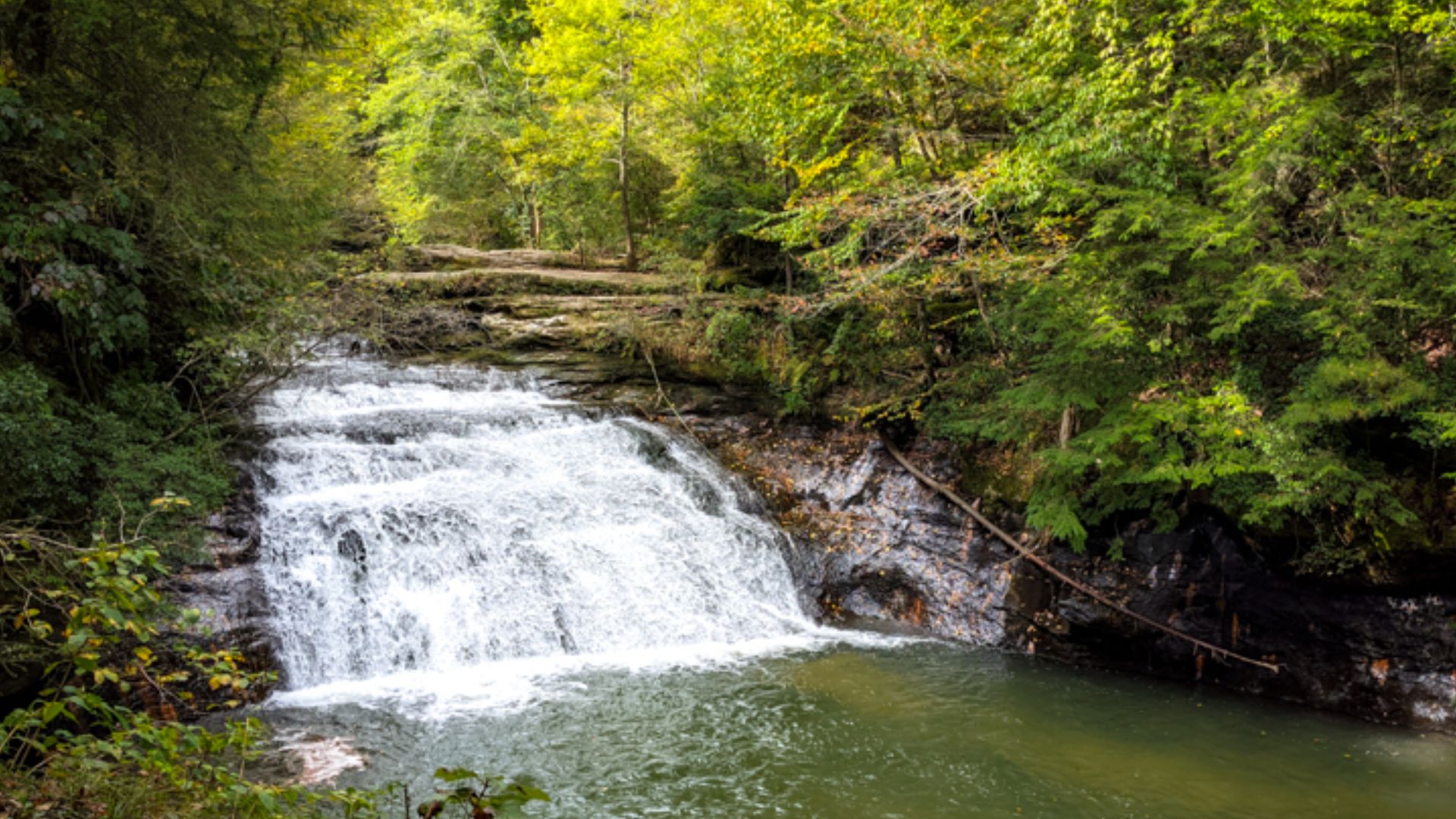
Kinlock Falls is a local favorite swimming hole in Bankhead National Forest. The water collects in a wide pool perfect for cooling off.
Easy to reach with just a short walk from parking. Families bring floats and spend hours here in summer.
The waterfall itself isn’t huge, but the swimming makes it worth the trip. The water stays cold even in July.
11. Mize Mill Falls & Turkey Foot Falls
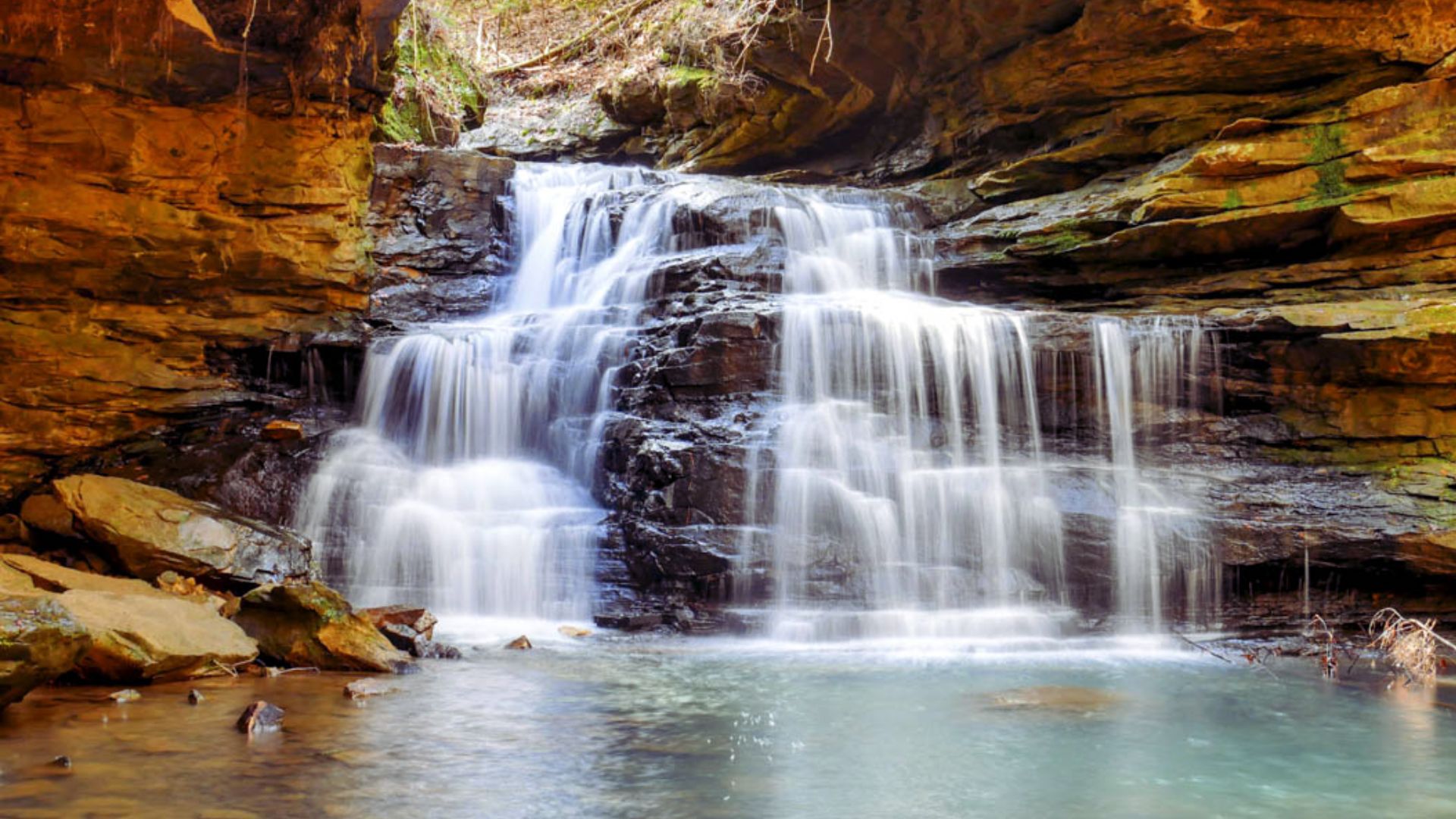
These two waterfalls sit close together, so you can visit both in one trip. They’re in a quiet area with not many visitors.
Both spots are great for wading and picnicking. The water is shallow enough for small kids. Pack a lunch and make an afternoon of it.
The trails are short and easy. You won’t get worn out walking between them.
What to expect: Small, peaceful falls in a pretty setting. Nothing dramatic, just nice.
12. Yellow Creek Falls (Leesburg)

Yellow Creek Falls is 100 feet tall and surrounded by rocky cliffs. Here’s the catch: you need a kayak or boat to reach it.
The falls are on Weiss Lake, so water access is the only way. Some people paddle out just to see this waterfall.
The scenery is worth the effort. Rock climbers also come here for the cliff faces around the falls.
Not for everyone: If you don’t have a boat, this one’s hard to reach.
13. Coldwater Falls ( Tuscumbia)
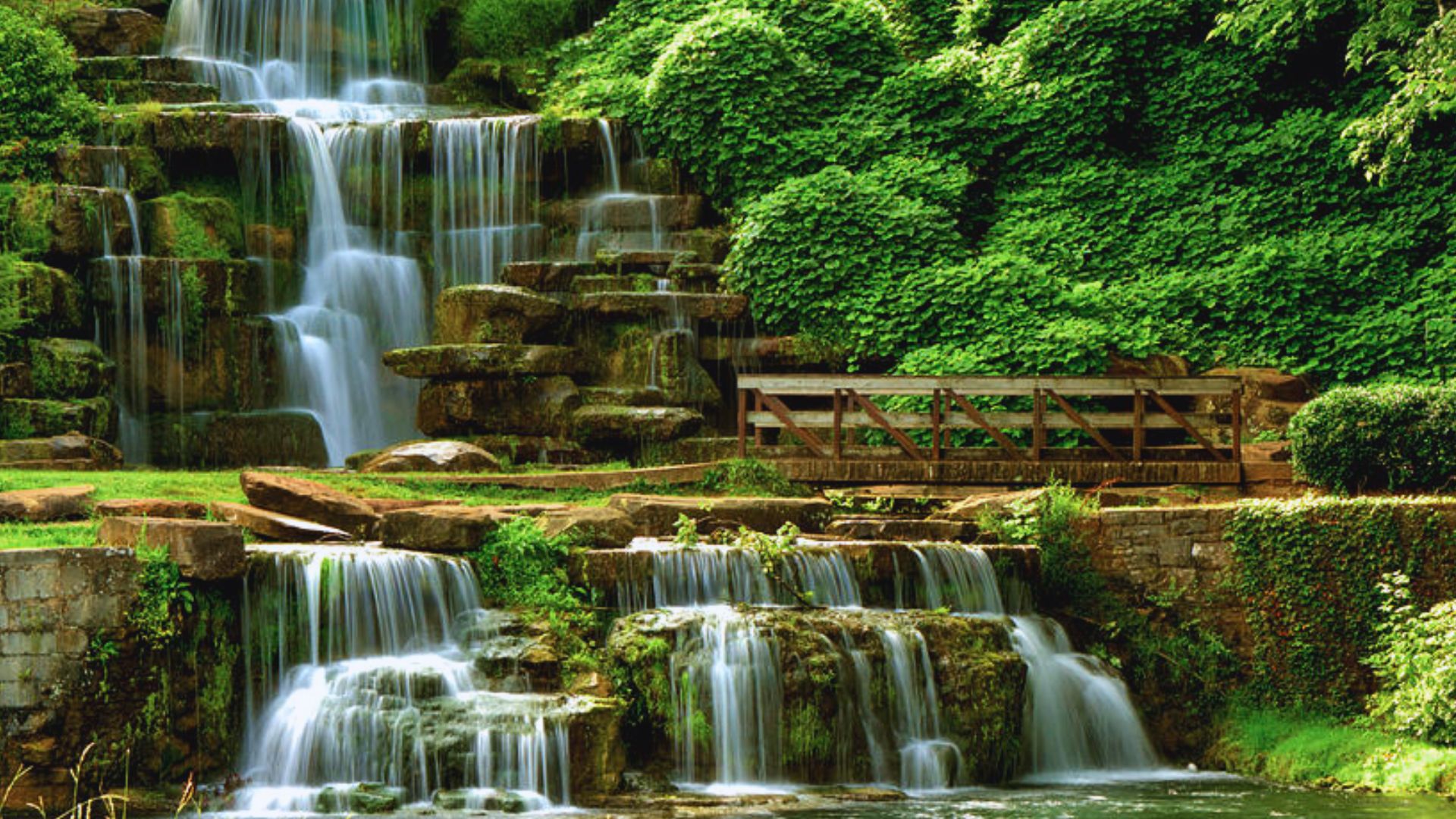
Coldwater Falls is man-made but still impressive.
More than 4 million gallons flow over it every single day.Families with strollers or anyone with mobility issues can easily visit.
There’s parking right there.
14. Larkwood Falls (Cullman)
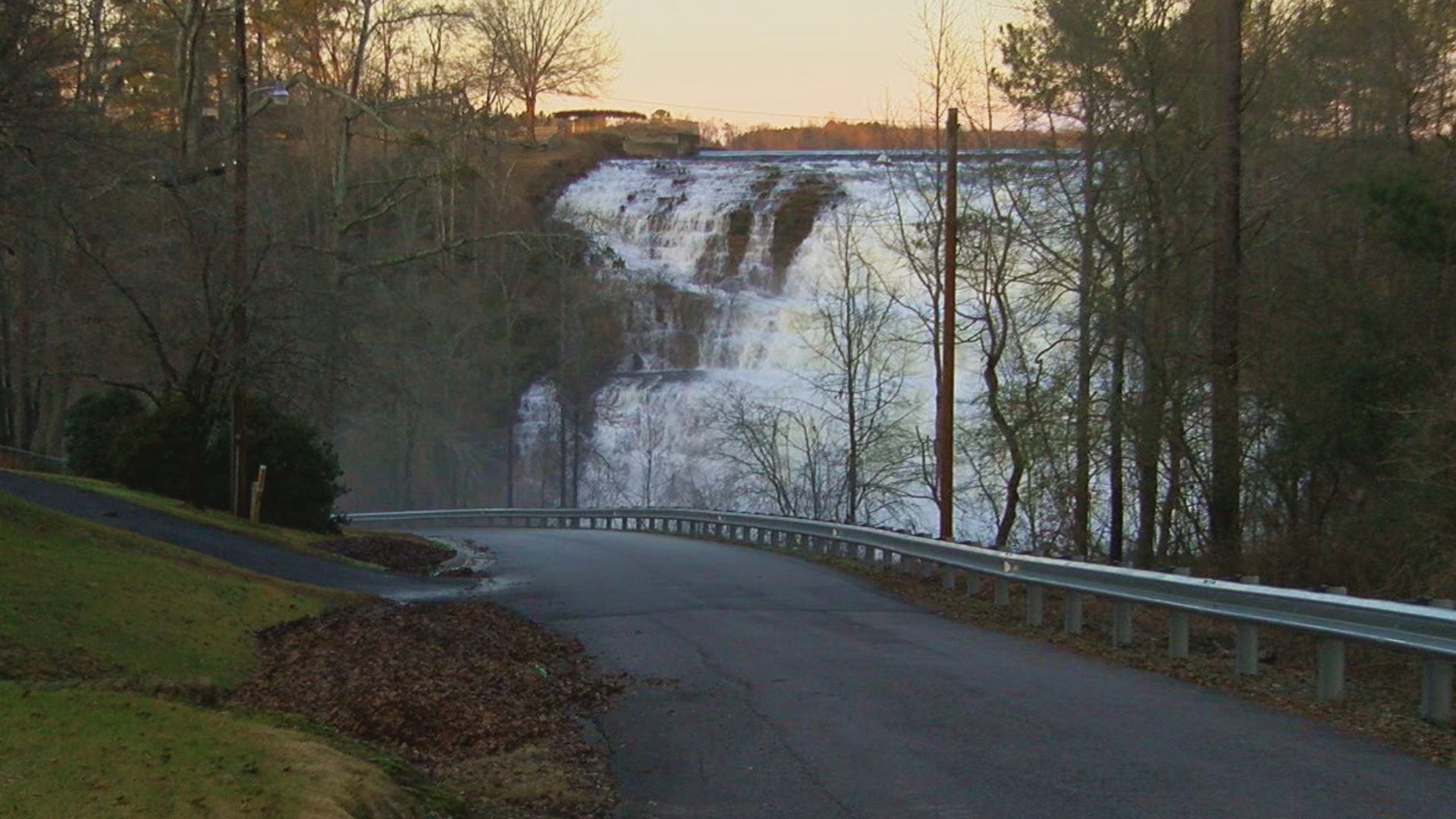
Larkwood Falls is visible right from the road on Larkwood Drive NE. You don’t even have to get out of your car.
This is a seasonal waterfall that only shows up after rain. It cascades down a rock face next to the street.
No hiking, no parking hassles. Just drive by when conditions are right.
When to see it: Late winter through spring after storms
15. Congo Falls Near Fort Payne
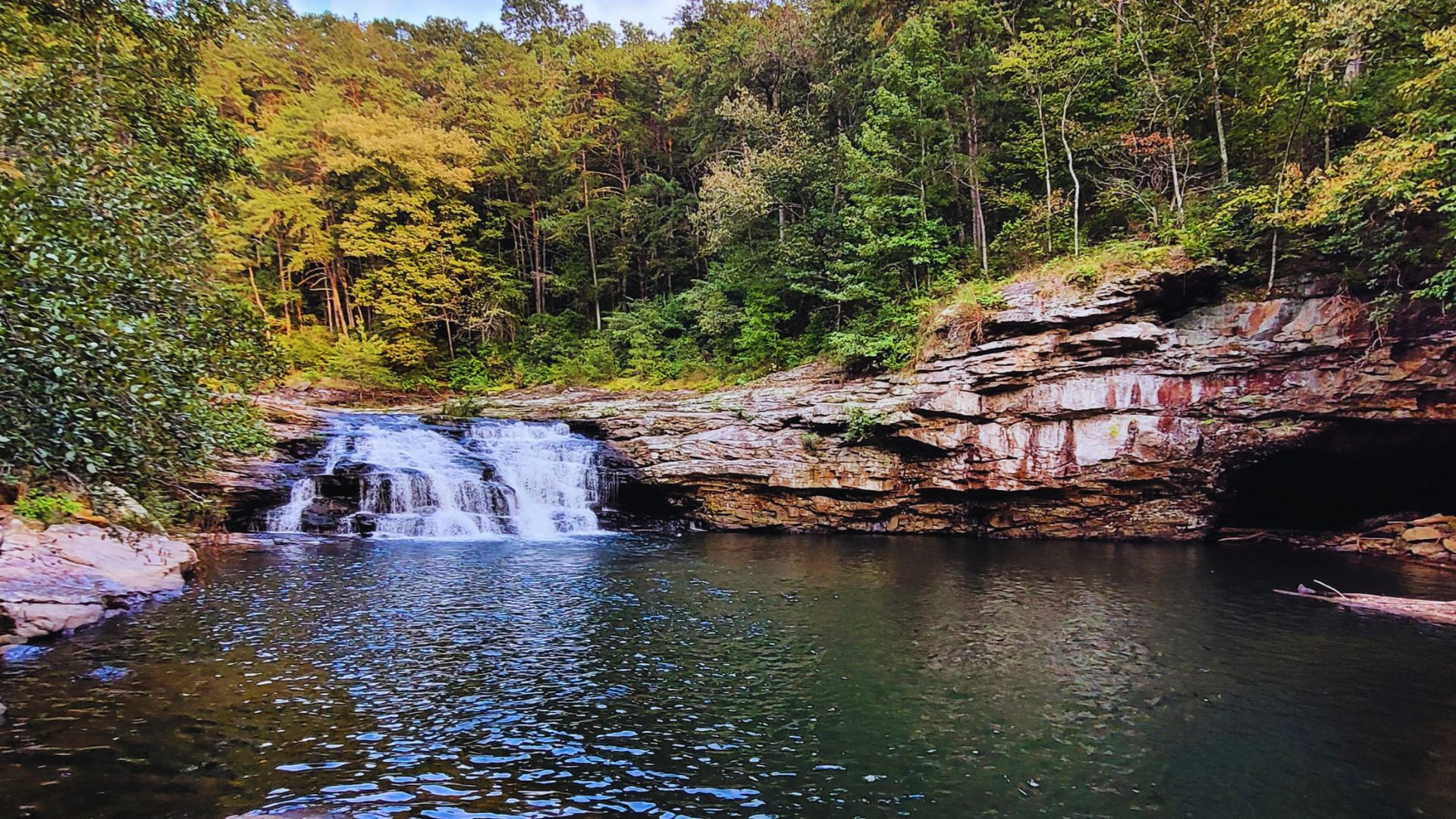
Congo Falls requires just a short walk from your car. No serious hiking involved.
It’s a perfect road trip stop if you’re visiting Little River Canyon. You can see it in 15 minutes and keep driving.
The falls aren’t huge, but they’re pretty and easy. Good for people who want waterfalls without the workout.
Tips for Visiting
- Wear non-slip shoes. Hiking shoes or sturdy sneakers work best on wet rocks and slippery trails. Flip-flops are dangerous near waterfalls.
- Pack water, snacks, and bug spray. Even short hikes make you thirsty. Bug spray is a must in warm months since mosquitoes love waterfall areas.
- Check park hours before you go. Some parks close gates early. You don’t want to drive all the way there only to find it closed.
- Leave no trace and respect private land. Pack out everything you bring in. Don’t carve names or stack rocks. Only visit waterfalls with public access.
- Visit after rain for the best views. Many falls slow down or dry up completely in summer. Go within a few days of rainfall for maximum water flow.
Conclusion
Alabama’s waterfalls offer something for everyone, whether you’re after an easy roadside view or a forest hike.
I love how each one has its own personality. Some thunder down with power while others trickle gently over moss-covered rocks.
Pick one this weekend and go see it. Bring your family or go solo for some peace.
The best part about these waterfalls? They’re all within a few hours’ drive.
Which Alabama waterfall will you visit first? Drop a comment and let me know. I’d love to hear about your experience.
Frequently Asked Questions
What is the tallest waterfall in Alabama?
DeSoto Falls near Fort Payne stands at 107 feet. You can view it easily from overlooks in DeSoto State Park.
Can you swim at Alabama waterfalls?
Yes, Martha’s Falls, Kinlock Falls, and Rainbow Falls all have swimming areas. Always check current conditions before entering the water.
What’s the easiest waterfall to visit in Alabama?
Coldwater Falls is wheelchair accessible and completely flat. Larkwood Falls and Grace’s High Falls are visible from the roadside with no hiking.
When is the best time to see waterfalls in Alabama?
Winter and spring (December through May) bring the most water flow. Visit within a few days after rain for the best views.
Do you need permits to visit Alabama waterfalls?
Most don’t require permits. DeSoto State Park and Noccalula Falls Park charge small entrance fees. Bankhead National Forest locations are free.
