


Planning to travel to Seoul? You’re in for an incredible trip. This guide covers everything you need to know before you go.
I’ll walk you through the best times to visit, top attractions worth your time, and where to stay based on your budget.
You’ll also find practical tips on money, transport, and local customs. I’ve been to Seoul many times, and I’m sharing what actually worked for me.
From palaces to street food, shopping districts to hidden neighborhoods, this post has all the details to help you plan a smooth trip.
Let’s get into it.
Why Should You Travel to Seoul?
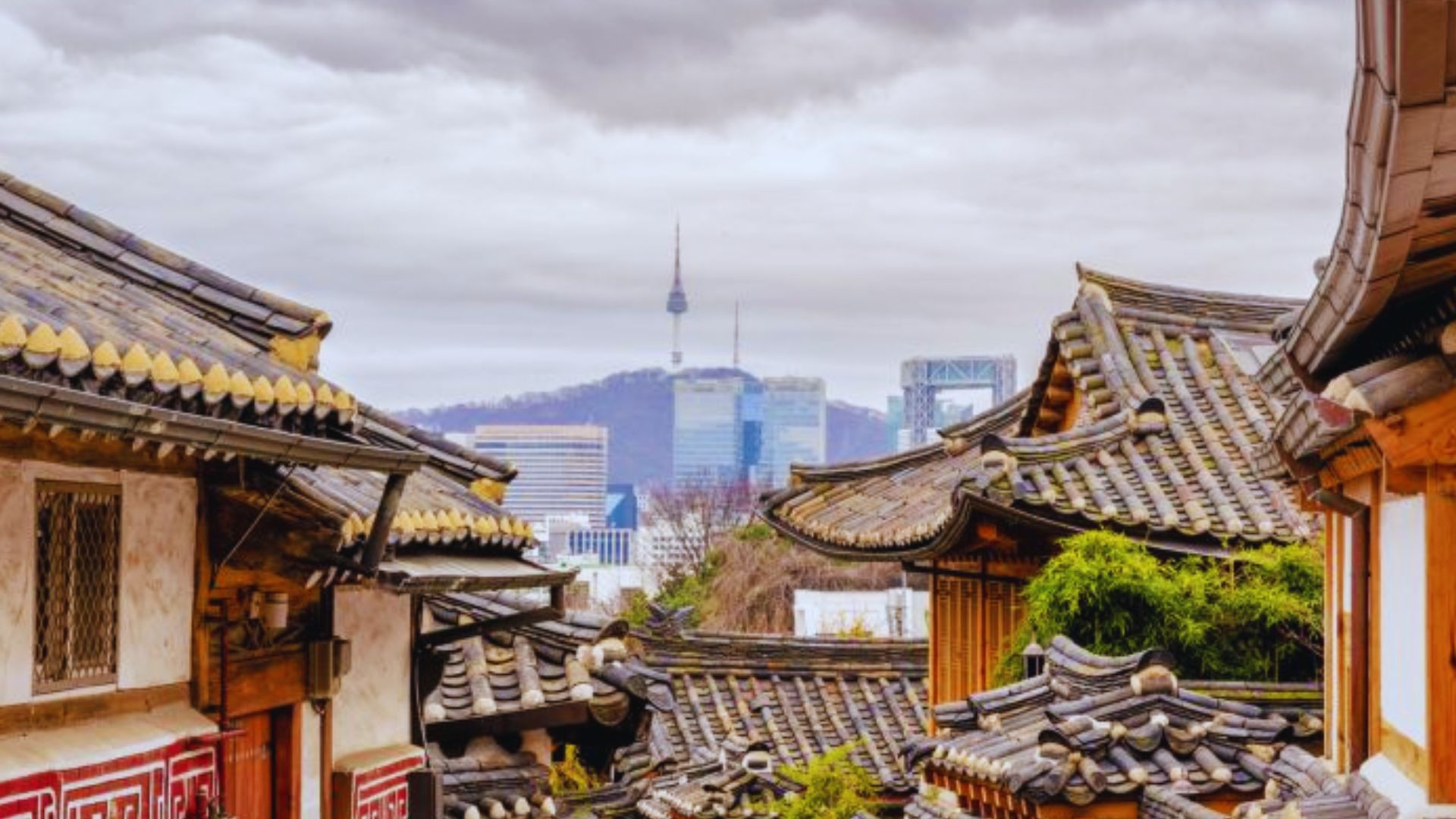
Seoul perfectly blends ancient palaces with neon-lit modern streets, creating a unique cultural experience.
The food is outstanding. Street vendors sell tteokbokki and hotteok everywhere, while Korean barbecue restaurants serve unforgettable meals.
Seoul is incredibly safe with clean, efficient public transport and English-Korean signage throughout.
K-pop culture energizes the city. Catch idol sightings in Gangnam or free performances in Hongdae.
Shopping is exceptional. Myeongdong offers countless Korean skincare brands at prices lower than abroad.
Locals are welcoming and helpful, always ready to assist lost travelers.
Top Things to Do When You Travel to Seoul
Seoul packs royal palaces, modern towers, shopping districts, and cultural neighborhoods into one city that never gets boring.
1.Gyeongbokgung Palace
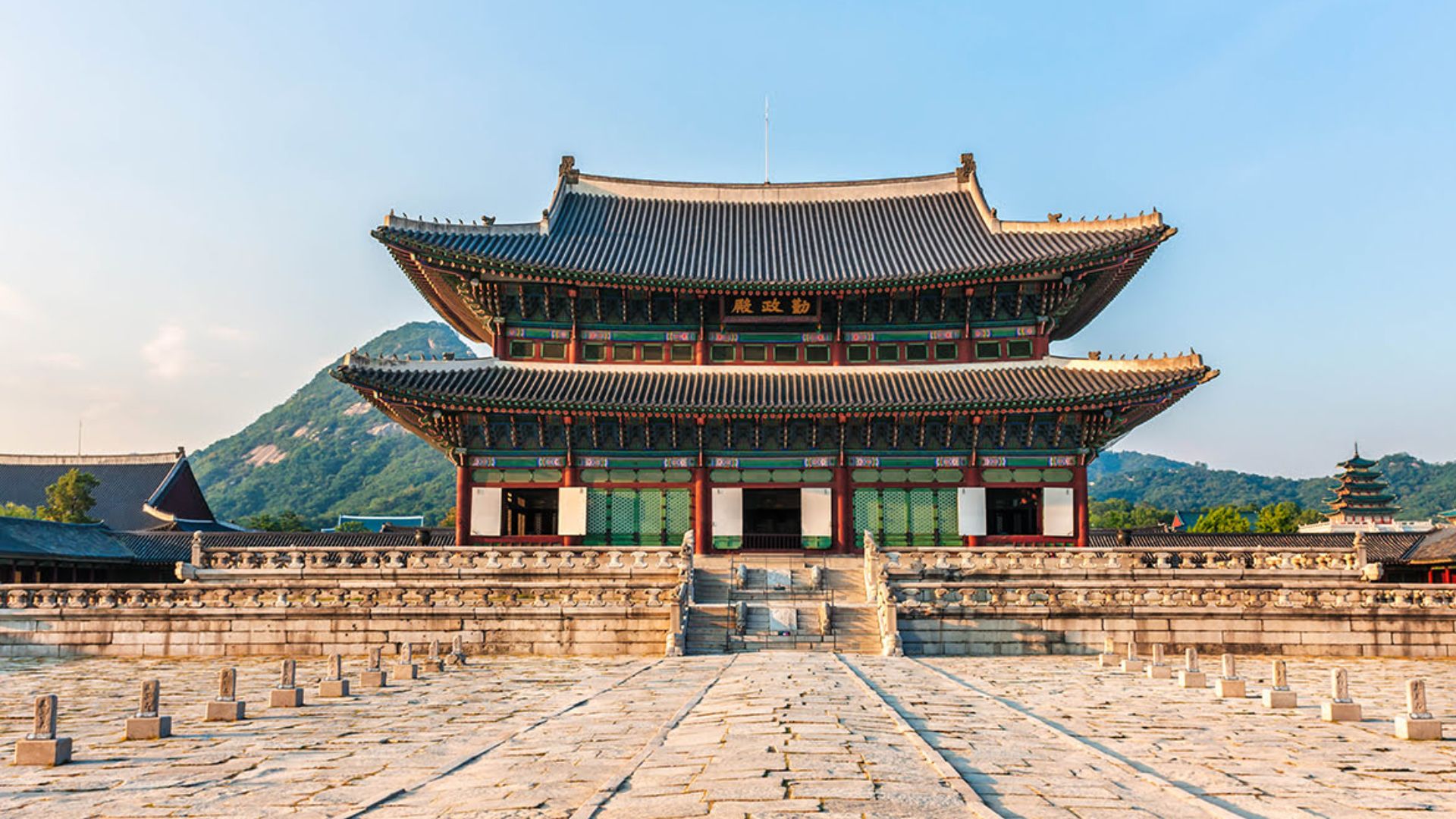
Gyeongbokgung Palace sits in the heart of Seoul. This massive royal complex dates back to 1395. The changing of the guard ceremony happens three times daily.
Rent a hanbok (traditional Korean dress) from nearby shops for a few dollars. Wearing one gets you free entry. The palace grounds take 2-3 hours to see properly.
2. Bukchon Hanok Village
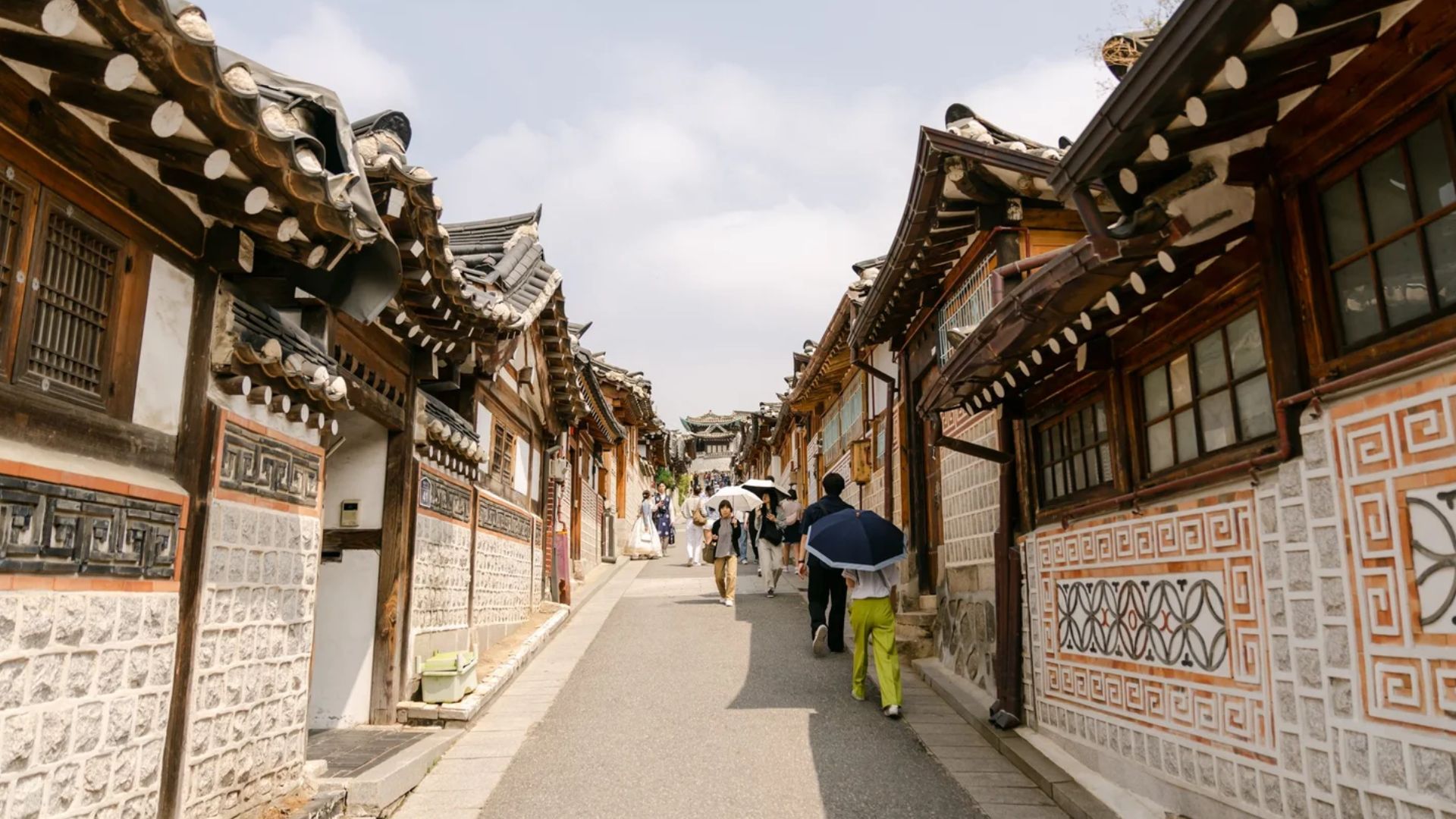
Bukchon Hanok Village preserves traditional Korean houses. Walk narrow streets lined with homes that are hundreds of years old.
Many buildings now house tea shops and small galleries. Go early in the morning to avoid crowds. The area sits between two palaces, so it’s easy to combine visits.
3.Myeongdong
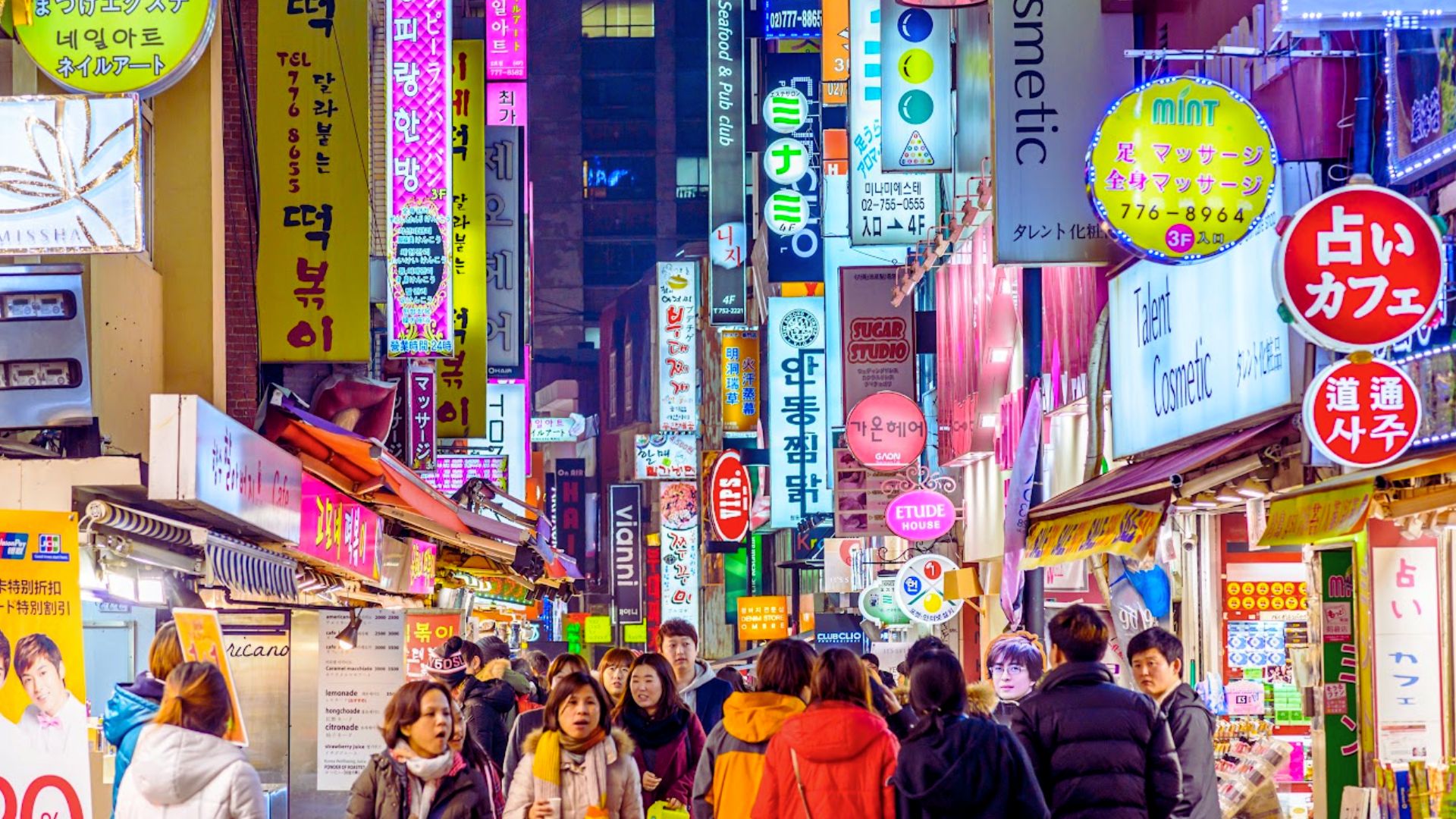
Myeongdong is a shopping center. This district closes to cars in the evening and becomes a pedestrian street market. Korean skincare brands have flagship stores here.
Street food vendors sell everything from grilled squid to twisted potatoes. I spent three hours here and barely scratched the surface.
4.N Seoul Tower
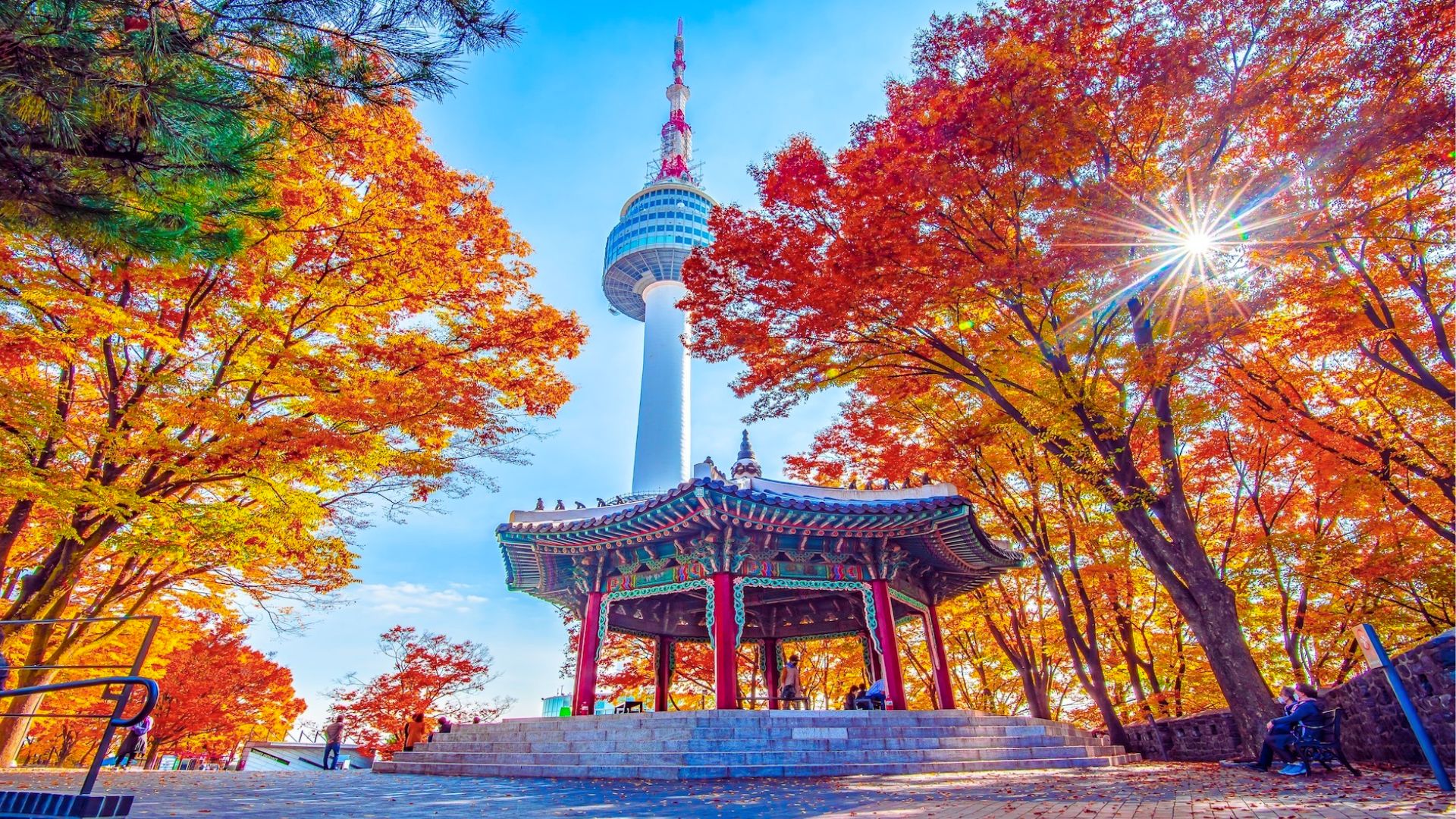
N Seoul Tower offers 360-degree city views from the top of Namsan Mountain. Take the cable car up or hike the trail. Couples attach love locks to the fence.
The observation deck costs about $10. Go at sunset to see the city transition from day to night.
5.Insadong
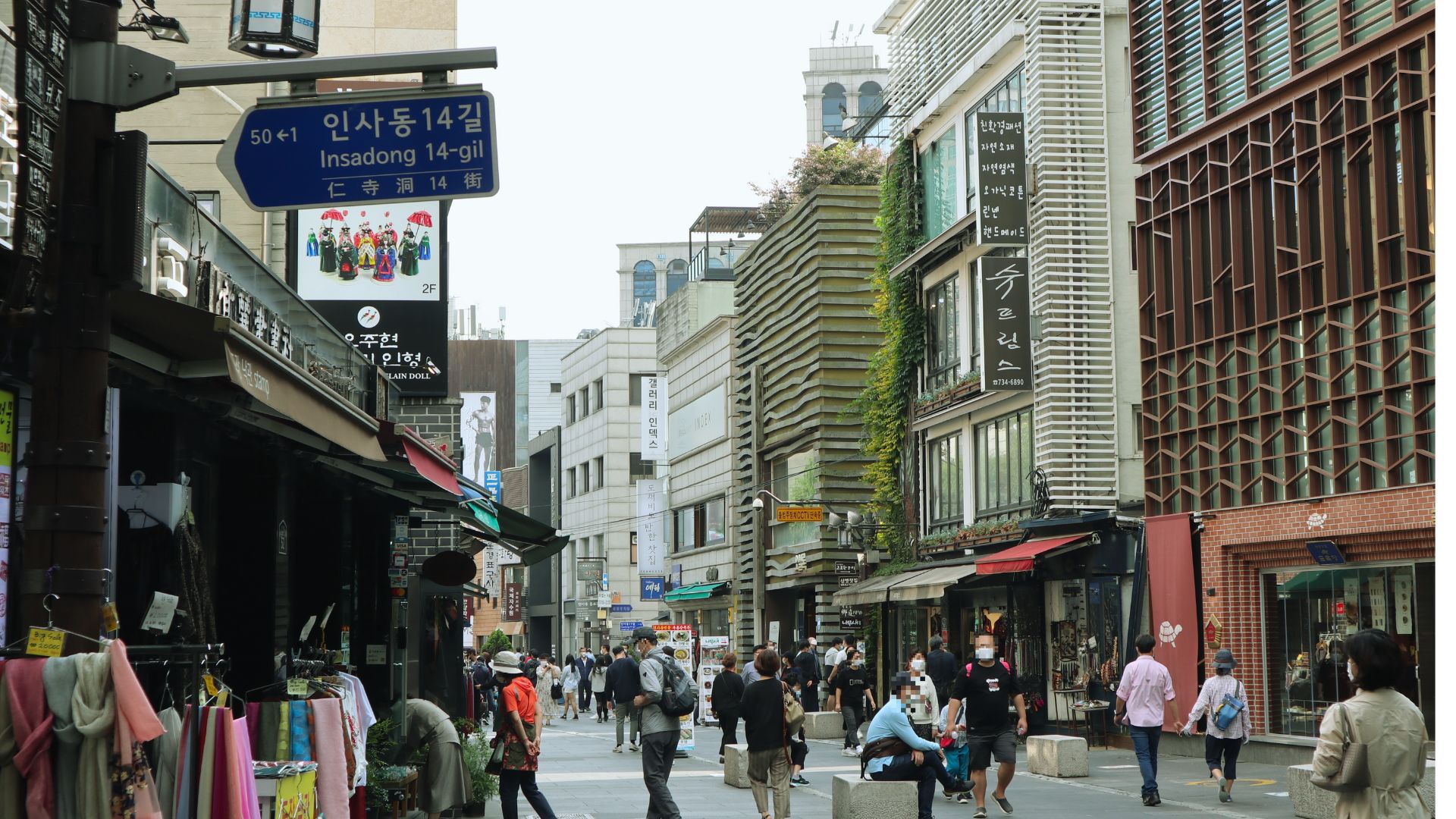
Insadong is where art meets tradition. Galleries, antique shops, and tea houses line the main street.
Sunday sees a traditional market with handmade crafts. Sample Korean sweets from vendors. The area stays calm compared to other tourist spots.
6.Hongdae
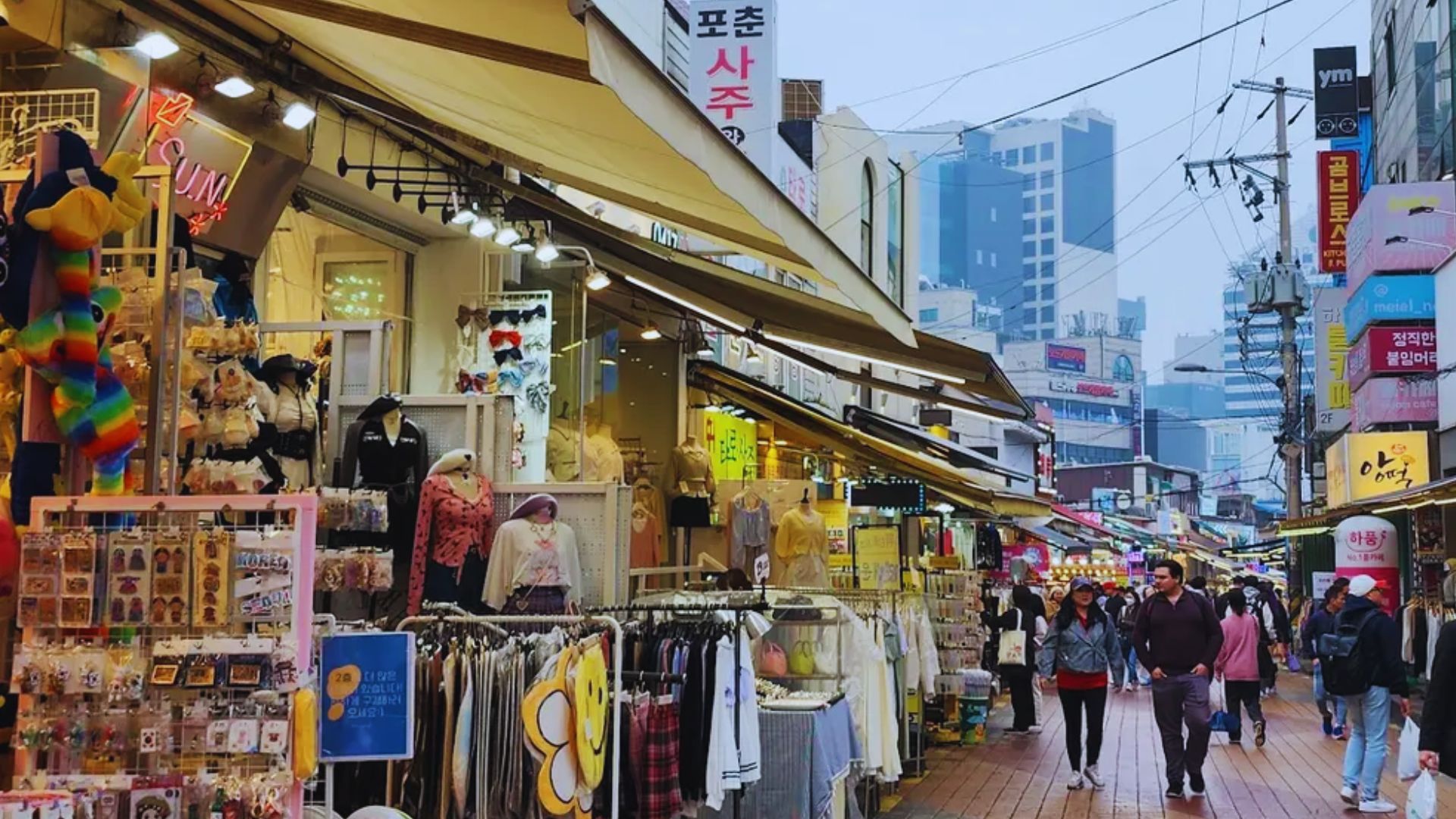
Hongdae pulses with youth culture. Live music spills out of basement clubs. Street performers dance for crowds.
The area around Hongik University is full of affordable cafes and shops. Night markets on weekends sell handmade jewelry and vintage clothes.
7.Dongdaemun Design Plaza
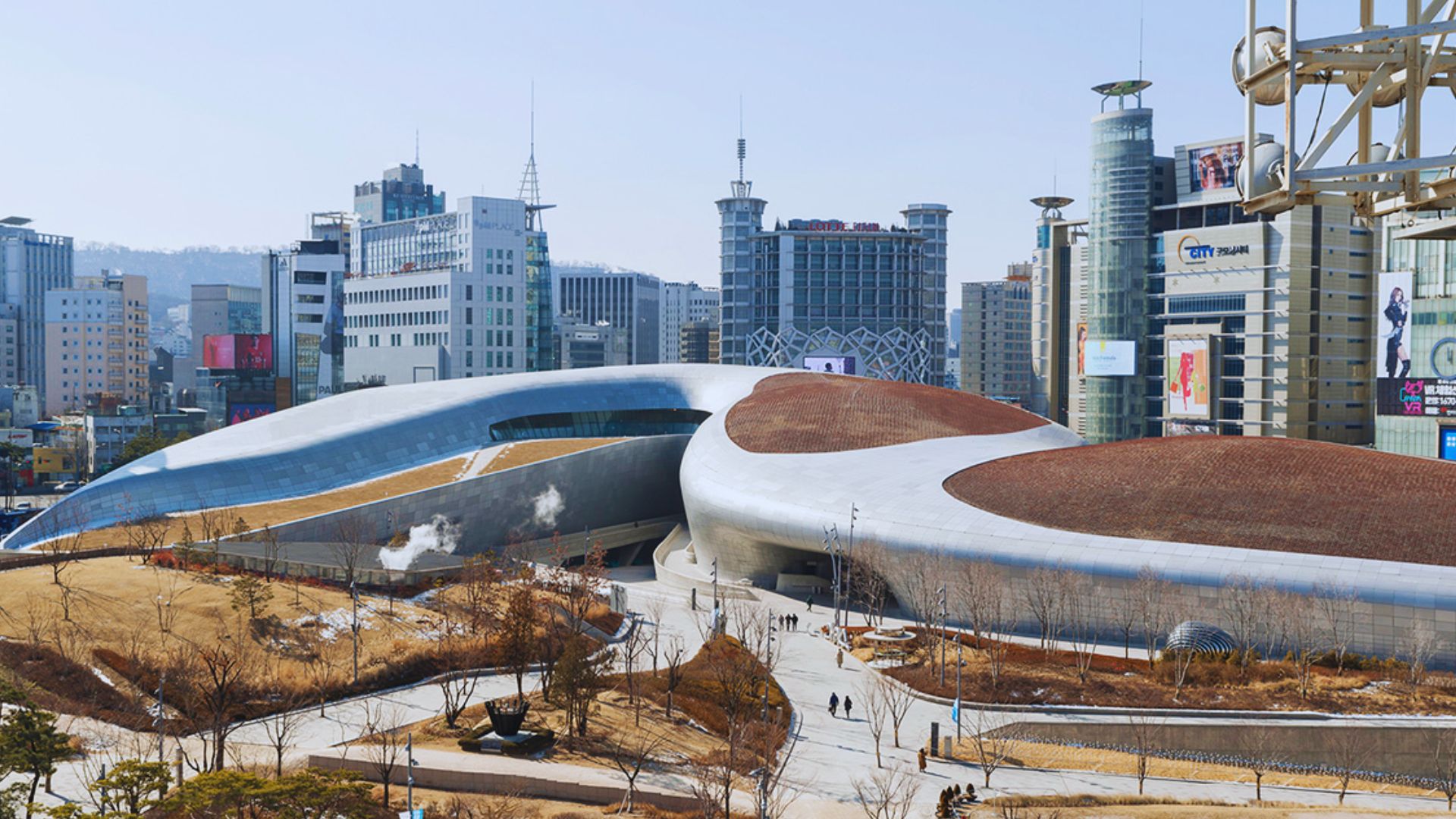
Dongdaemun Design Plaza looks like a spaceship landed in Seoul. This modern building hosts fashion shows and design exhibitions.
The night market outside sells clothes at wholesale prices. Shops stay open until 5 AM. Serious shoppers come here for deals.
8.Han River Parks
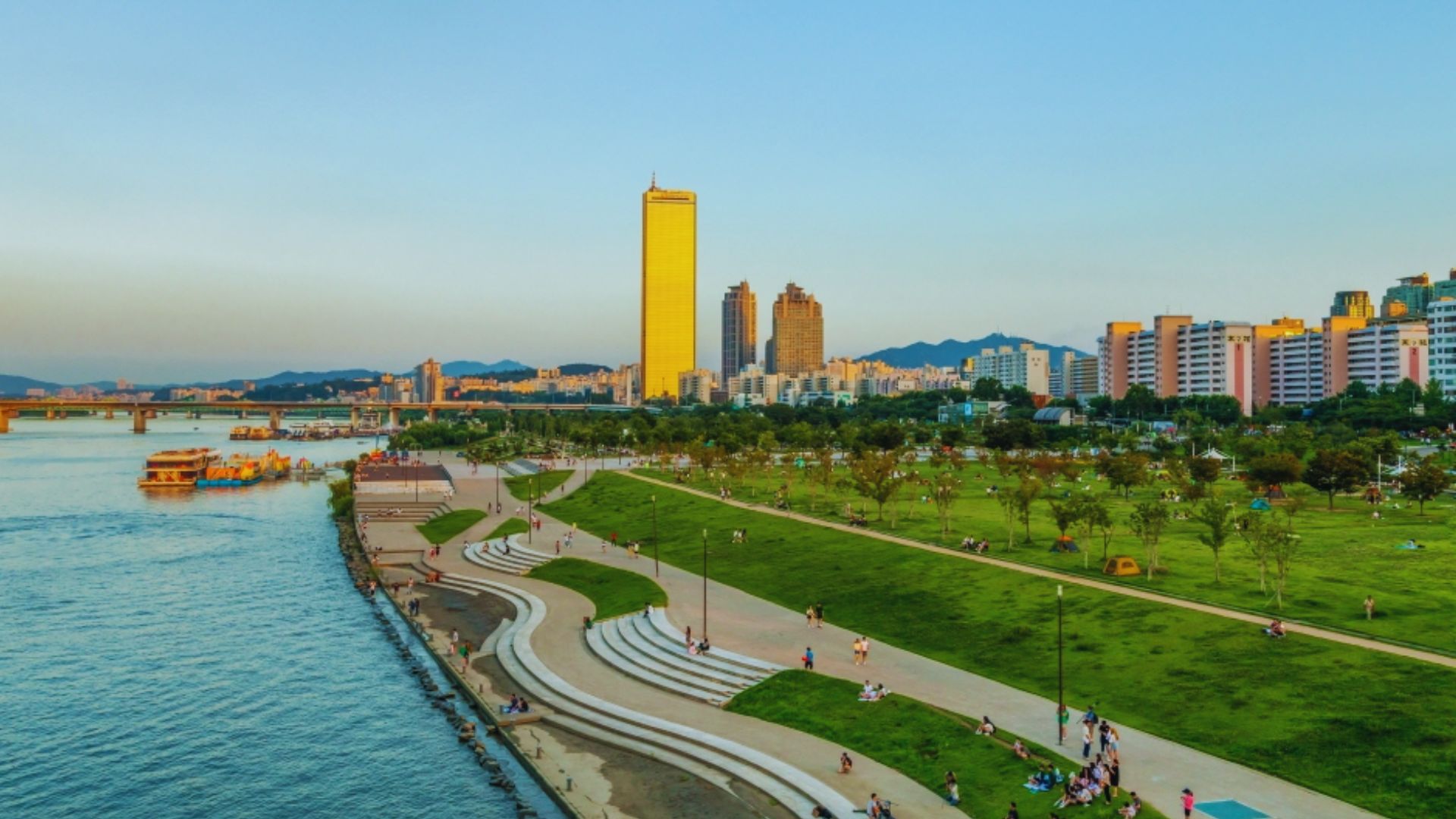
Han River Parks give you a break from the city pace. Rent bikes for $5 an hour. Locals gather for chicken and beer at sunset.
The parks stretch for miles along both sides of the river. Bring a blanket and join the picnic culture.
9.Lotte World Tower
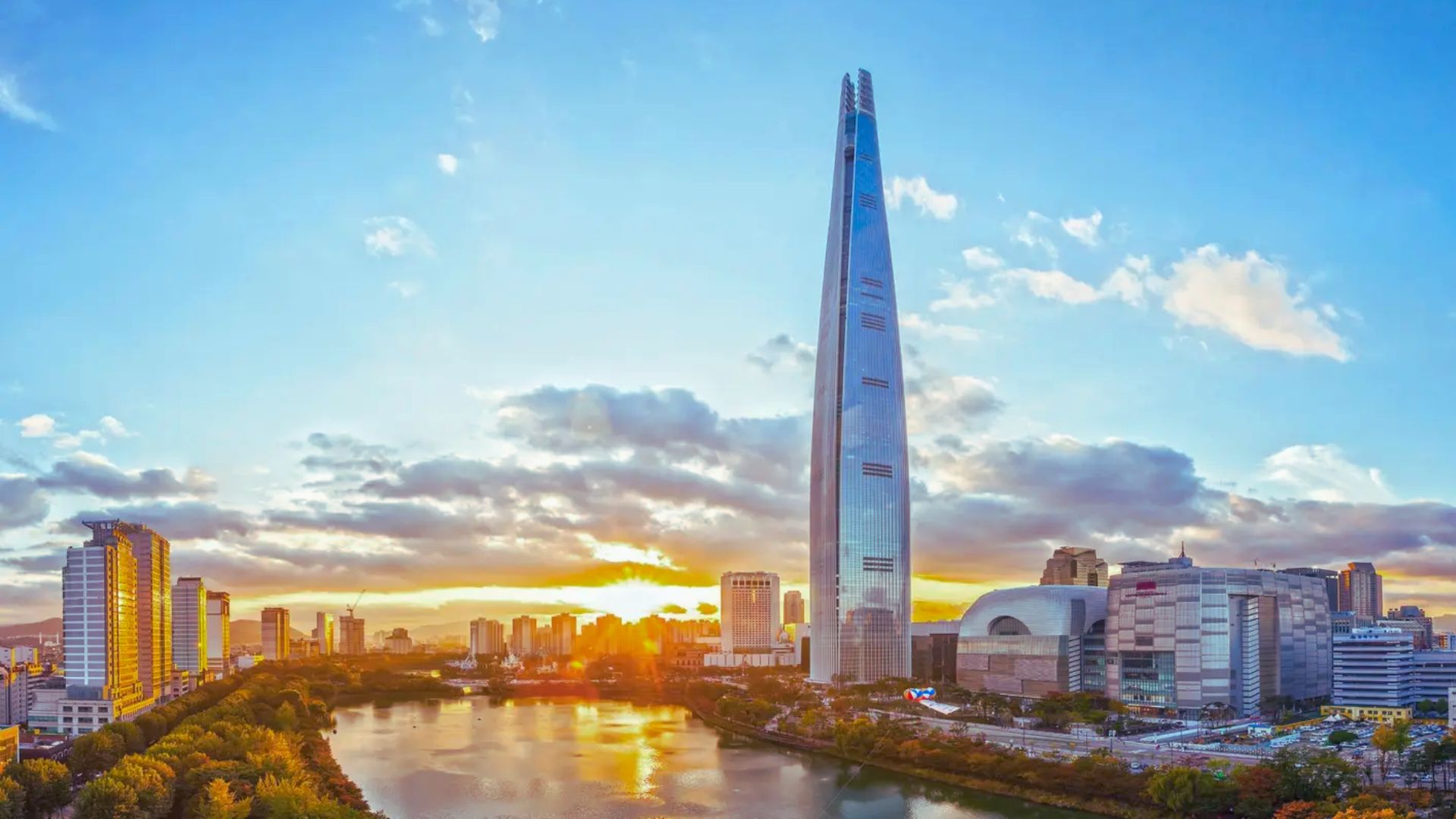
Lotte World Tower is the fifth tallest building in the world. The observation deck on the 123rd floor has glass floors.
Connected to the tower is Lotte World Mall with luxury shops and an aquarium. The view beats N Seoul Tower if you can only pick one.
Best Time to Travel to Seoul
Spring (March to May) brings cherry blossoms citywide with temperatures between 50-70°F, ideal for walking tours. Parks fill with picnicking families. Book hotels early as this is peak season.
Summer (June to August) sees temperatures reach 85°F with high humidity
Night markets open, K-pop concerts happen weekly, and the Han River buzzes after sunset. Pack light clothes and an umbrella for sudden rain.
Autumn (September to November) offers crisp air with red and gold foliage
Temple stays and cultural festivals abound. Comfortable weather makes this perfect for long walking days.
Winter (December to February) blankets Seoul in snow with temperatures at 25-35°F.
Ice festivals illuminate the city, and hotel prices drop significantly. Bring a warm coat for stunning snowy scenery.
Best Budget Time is late winter and early spring (February to early March) with 30-40% lower flight prices and hotel deals with fewer tourists.
Worth braving the cold for major savings.
Where to Stay in Seoul
Myeongdong suits first-time visitors with central location and 20-minute walks to major attractions.
Hotels range from budget guesthouses to four-star options with excellent subway connections and abundant shopping and dining.
Hongdae is perfect for solo travelers and budget seekers.
Hostels start at $15 per night in this lively area with younger crowds and nightlife. Accommodation costs 30-40% less than Myeongdong.
Gangnam offers upscale, modern hotels and designer shopping. Popular with business travelers, this cleaner, spacious district starts at $100+ per night for quality hotels.
Insadong provides traditional charm with hanok guesthouses offering authentic Korean stays.
This quieter neighborhood has cultural activities nearby and mid-range hotels at $60-80 per night.
Travel to Seoul Tips You Need to Know
Make your Seoul trip easier with these helpful travel tips.
- Use Korean Won and withdraw cash from ATMs to avoid fees. Credit cards work at most places, but street vendors prefer cash.
- Buy a tourist SIM card at the airport for $20-30. Free WiFi works on all subway lines and in most cafes.
- Learn basic etiquette like bowing slightly and using both hands when giving or receiving items from elders.
- Download a translation app and learn simple phrases. Taxi drivers rarely speak English, so have addresses written in Korean.
- Book hotels early during cherry blossom season (March-April) as prices double and rooms fill up months in advance.
Conclusion
Travel to Seoul changed how I think about cities. The mix of history and technology creates an atmosphere you won’t find anywhere else.
Start planning your trip with the seasonal guide above. Pick your neighborhood based on what matters most to you.
Don’t overthink it, Seoul is easy to figure out once you’re there. I’m already planning my third visit because one trip isn’t enough.
Drop a comment below if you have questions about planning your Seoul trip. I’d love to hear what you’re most excited to see.
Frequently Asked Questions
Is Seoul expensive for tourists?
Seoul costs less than Tokyo or Singapore budget $50-70 daily for mid-range travel including meals, transport, and hotels.
Do I need a visa to travel to Seoul?
Most Western countries get 90-day visa-free entry, but check your specific requirements and ensure your passport has six months validity.
Is Seoul safe for solo female travelers?
Yes, Seoul ranks as one of Asia’s safest cities with low crime rates and safe 24/7 public transport.
How many days should I spend in Seoul?
Five days is ideal for major sites, though three days covers the basics and a week allows time for day trips.
Can I get by without speaking Korean?
Yes, signs and subway announcements are in English, younger Koreans speak English, and translation apps work well for the rest.
