

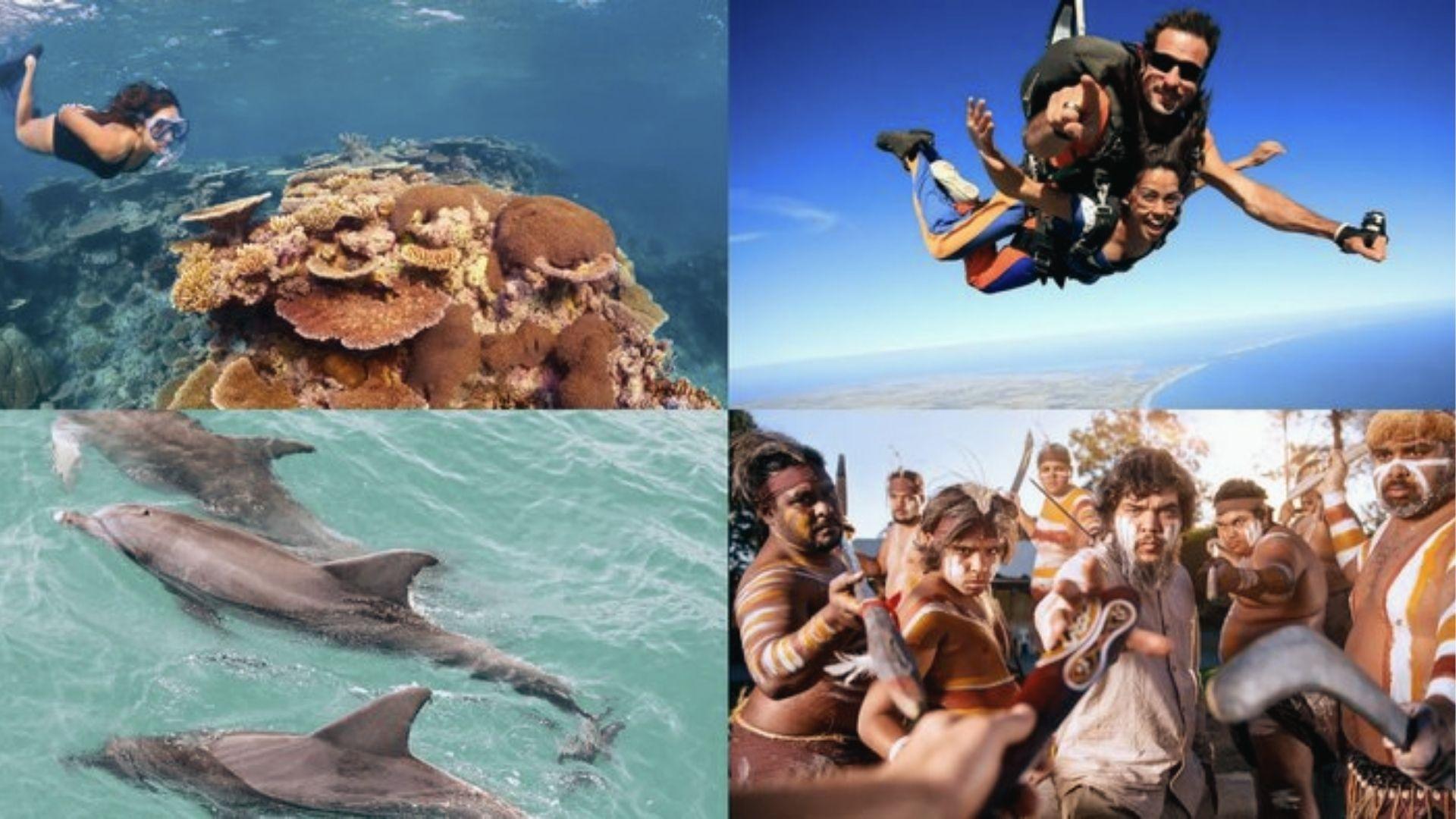
Australia is one of those places that stays with you long after you leave. I remember standing at the edge of the Great Barrier Reef for the first time, completely lost for words.
This guide covers the top 45 things to do in Australia from iconic landmarks and wildlife encounters to beaches, cities, and open road trips.
You will also find practical tips on planning, budgeting, and getting around the country.
I have spent years researching travel destinations, and this list reflects real experiences, not just brochure highlights.
If you want a clear, honest guide to Australia without the guesswork, you are in the right place.
Australia Bucket List Experiences You Can't Miss

Australia is the sixth-largest country in the world and it packs a remarkable range of experiences into one place.
You can snorkel a living reef in the morning, walk through ancient rainforest in the afternoon, and watch a city skyline light up at night.
It is known for its beaches, its wildlife kangaroos, koalas, wombats, and creatures found nowhere else on Earth and its vibrant cities like Sydney, Melbourne, and Brisbane.
The outback stretches across the heart of the country in a way that feels almost surreal.
Australia works for backpackers, families, honeymooners, and solo travelers alike. That is exactly why it keeps appearing on bucket lists across the world.
45 Places to Visit in Australia
From natural wonders to city highlights, here are the best things to do across Australia.
1. Great Barrier Reef

The Great Barrier Reef is the largest coral reef system on Earth. It stretches over 2,300 kilometers along the Queensland coast.
You can snorkel, scuba dive, or take a glass-bottom boat tour. The colors underwater are unlike anything you will see anywhere else.
2. Uluru and Kata Tjuta

Uluru rises 348 meters out of the flat red desert of the Northern Territory. It is a sacred site for the Anangu people and carries deep cultural meaning.
Visit at sunrise or sunset when the rock shifts through shades of orange, red, and purple.
3. Great Ocean Road

This coastal drive in Victoria runs for about 243 kilometers.
It passes sea cliffs, rainforest, and the famous Twelve Apostles rock formations standing tall above the Southern Ocean. Give it at least two days to do it right.
4. East Coast Backpacking Route

The east coast route from Melbourne to Cairns is one of the most popular travel paths in Australia.
It passes through Sydney, Byron Bay, the Gold Coast, Brisbane, and the Whitsundays. You can go as fast or slow as you like.
5. Fraser Island (K'gari)

K'gari is the world's largest sand island. It sits off the coast of Queensland and is home to dingoes, freshwater lakes, and ancient rainforest growing straight out of the sand.
4WD tours are the way to go here.
6. Sydney Opera House and Harbour Bridge

These two icons define Sydney's skyline. Walk across the Harbour Bridge for sweeping views of the city.
Take a tour inside the Opera House to understand the architecture and the stories behind it.
7. Sydney New Year's Eve Fireworks
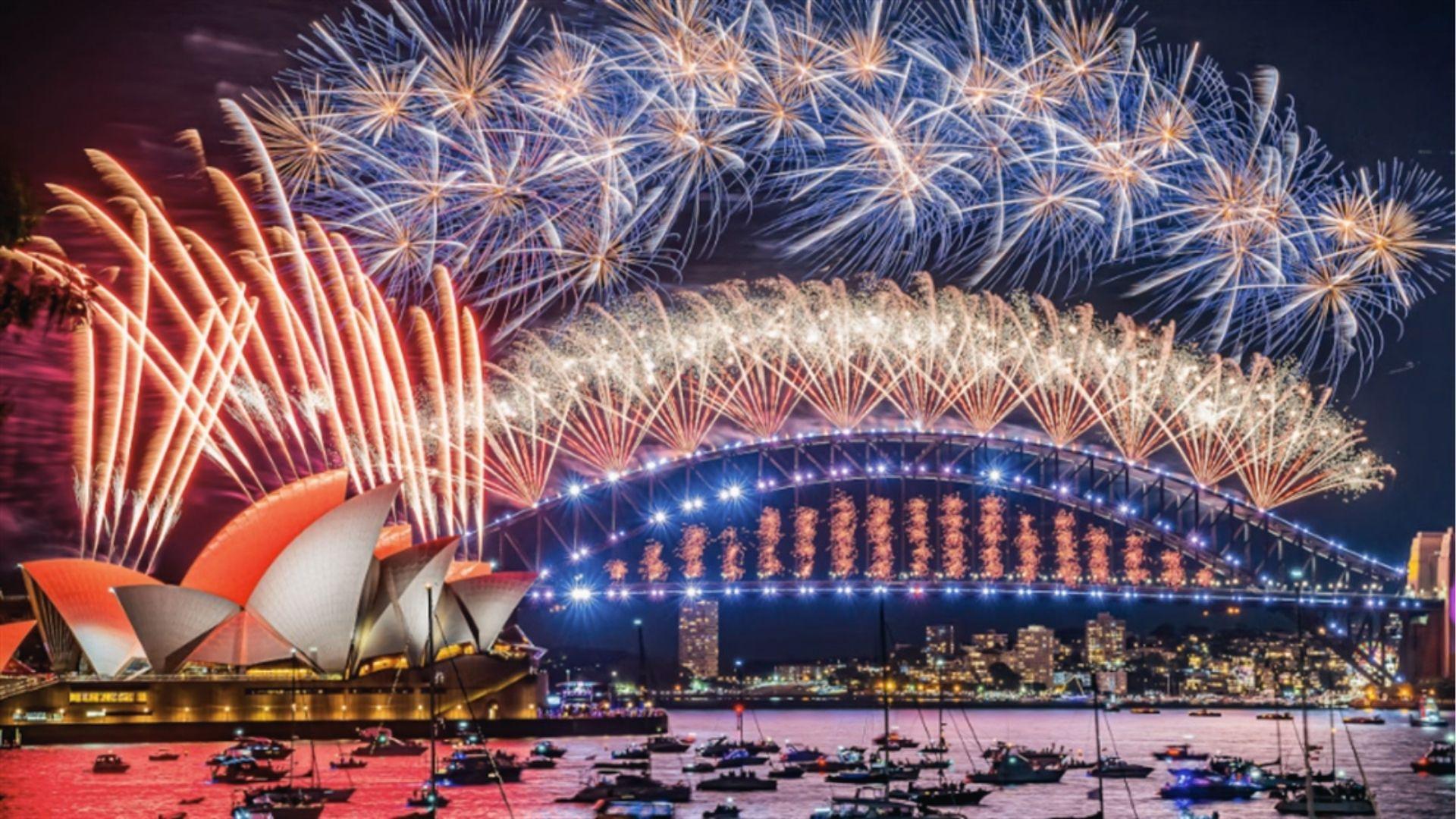
Sydney hosts one of the world's most watched New Year's Eve celebrations. The fireworks over the harbour are broadcast globally.
Book your viewing spot early some fill up months in advance.
8. Kakadu National Park

Kakadu is Australia's largest national park, covering nearly 20,000 square kilometers. It holds ancient rock art, wetlands, waterfalls, and wildlife.
It is a UNESCO World Heritage Site and one of the most significant cultural landscapes in the country.
9. Blue Mountains National Park
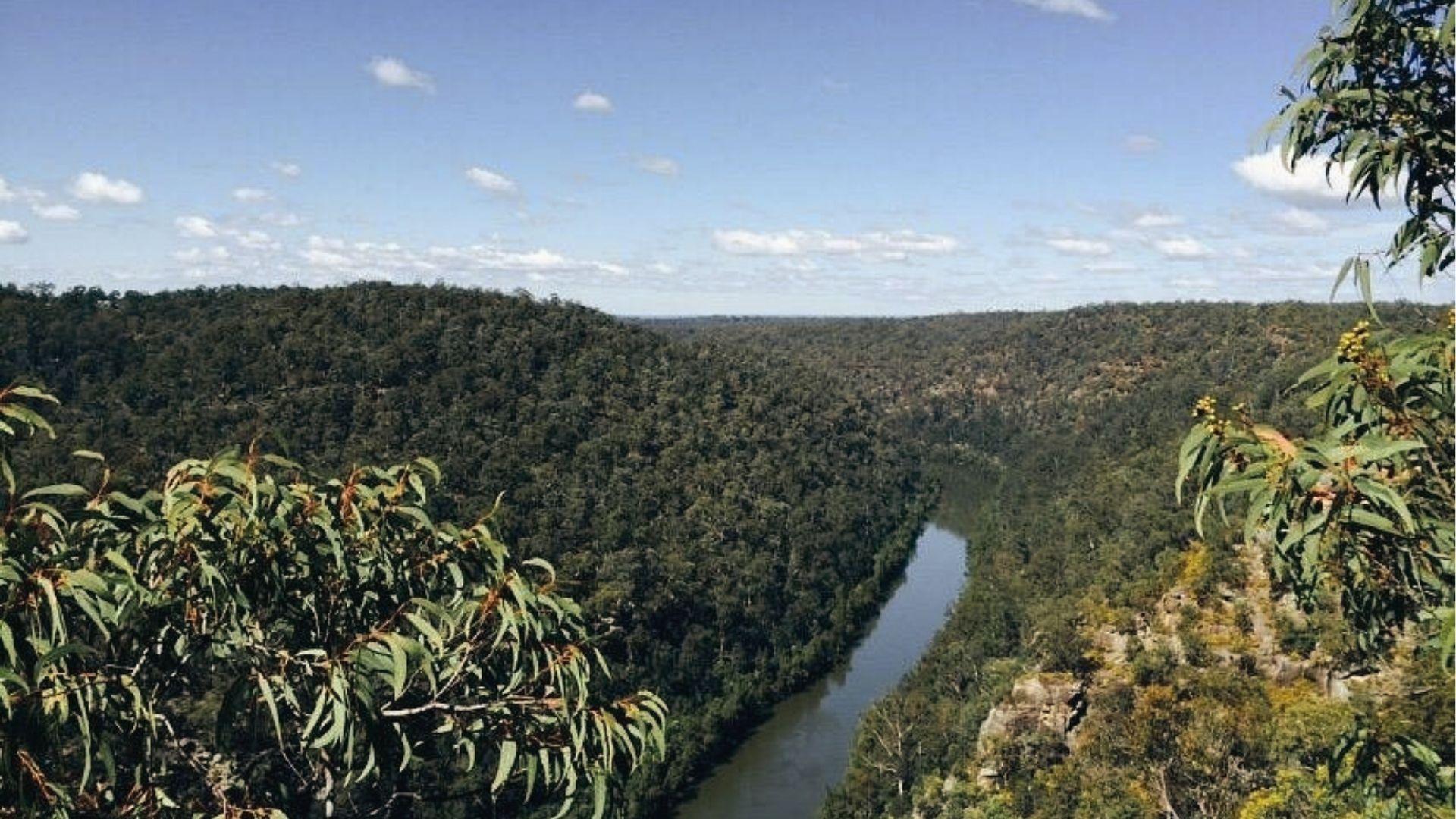
Just 90 minutes from Sydney, the Blue Mountains offer dramatic sandstone cliffs, waterfalls, and eucalyptus forests.
The Three Sisters rock formation is the most photographed spot. Walking trails range from easy strolls to full-day hikes.
10. Whitsundays Islands and Whitehaven Beach

The Whitsundays is a group of 74 islands off the Queensland coast. Whitehaven Beach is regularly voted one of the best beaches in the world.
The silica sand is so fine it squeaks under your feet.
11. Skydive at Mission Beach
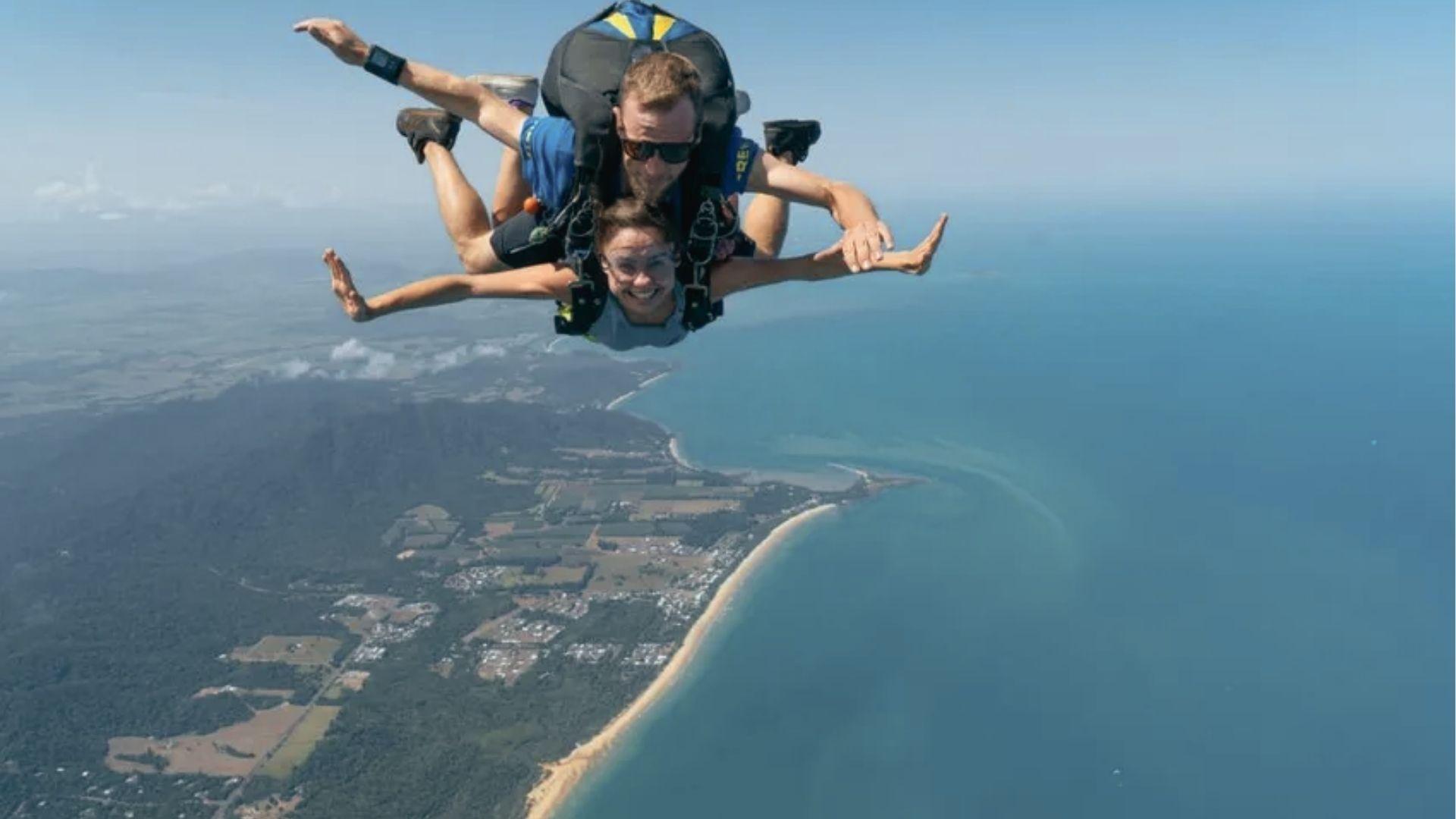
Mission Beach offers one of the most spectacular skydiving drops in Australia. You freefall over a tropical rainforest and land on the beach.
The views of the reef and coastline from the air are breathtaking.
12. White Water Rafting on Tully River

The Tully River in North Queensland is known for grade three and four rapids. It runs through rainforest and offers a solid full-day rafting experience. No prior experience is needed.
13. Hot Air Balloon over Gold Coast

A sunrise balloon flight over the Gold Coast hinterland gives you sweeping views of the coast and the ranges.
Flights usually last about an hour and end with a champagne breakfast.
14. Surfing at Burleigh Heads

Burleigh Heads is one of the Gold Coast's most loved surf breaks. It suits intermediate and advanced surfers.
The small national park behind the beach is also worth a walk.
15. Skiing at Mount Kosciuszko
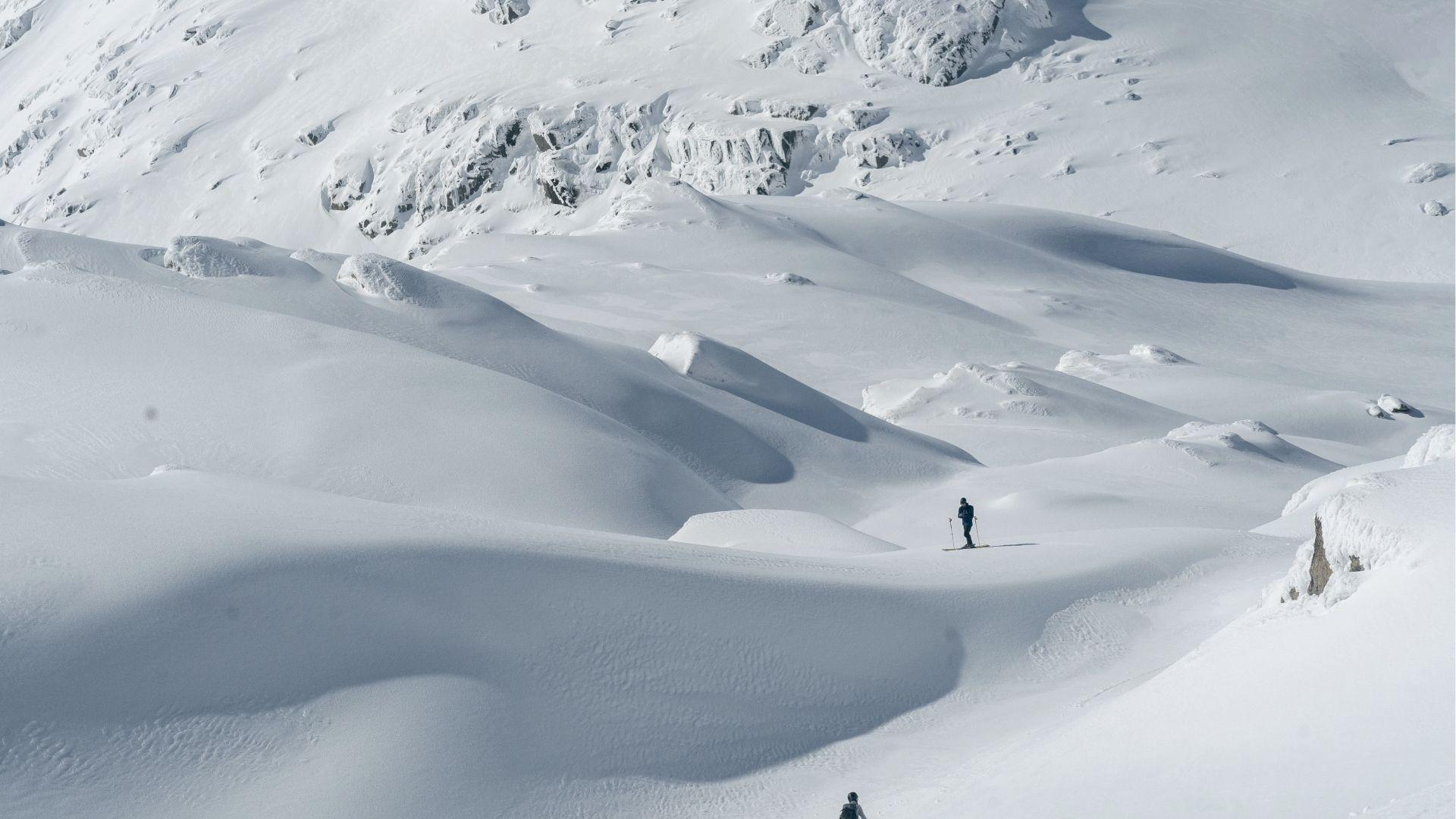
Australia does have snow. The Snowy Mountains in New South Wales are home to ski resorts at Thredbo and Perisher.
Mount Kosciuszko is also Australia's highest peak and can be hiked in summer.
16. Cradle Mountain Hike (Tasmania)
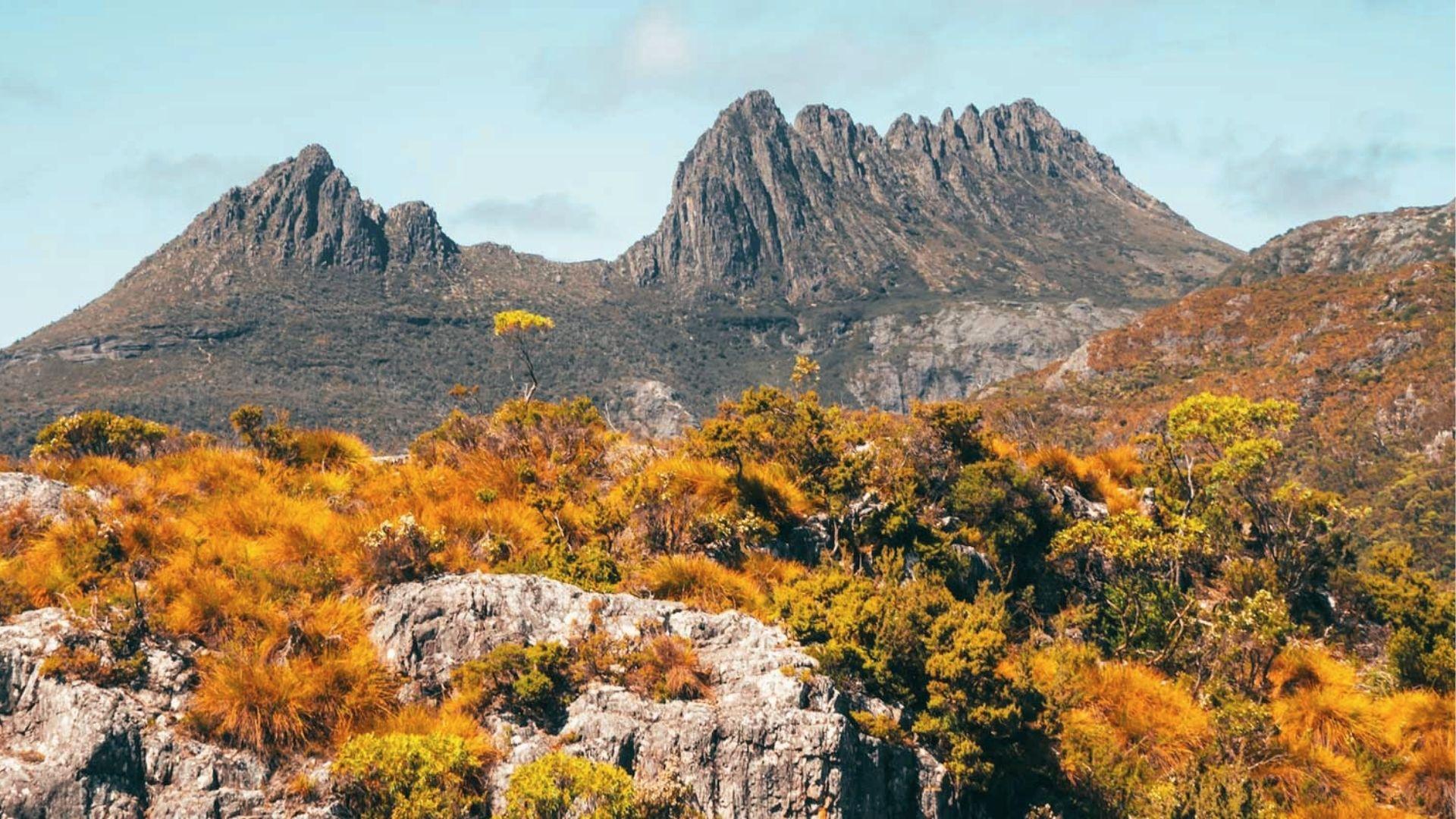
Cradle Mountain sits in the heart of Tasmania's wilderness. The Overland Track starts here and runs for 65 kilometers through some of the most remote and beautiful terrain in Australia.
17. Stockton Sand Dunes Drive
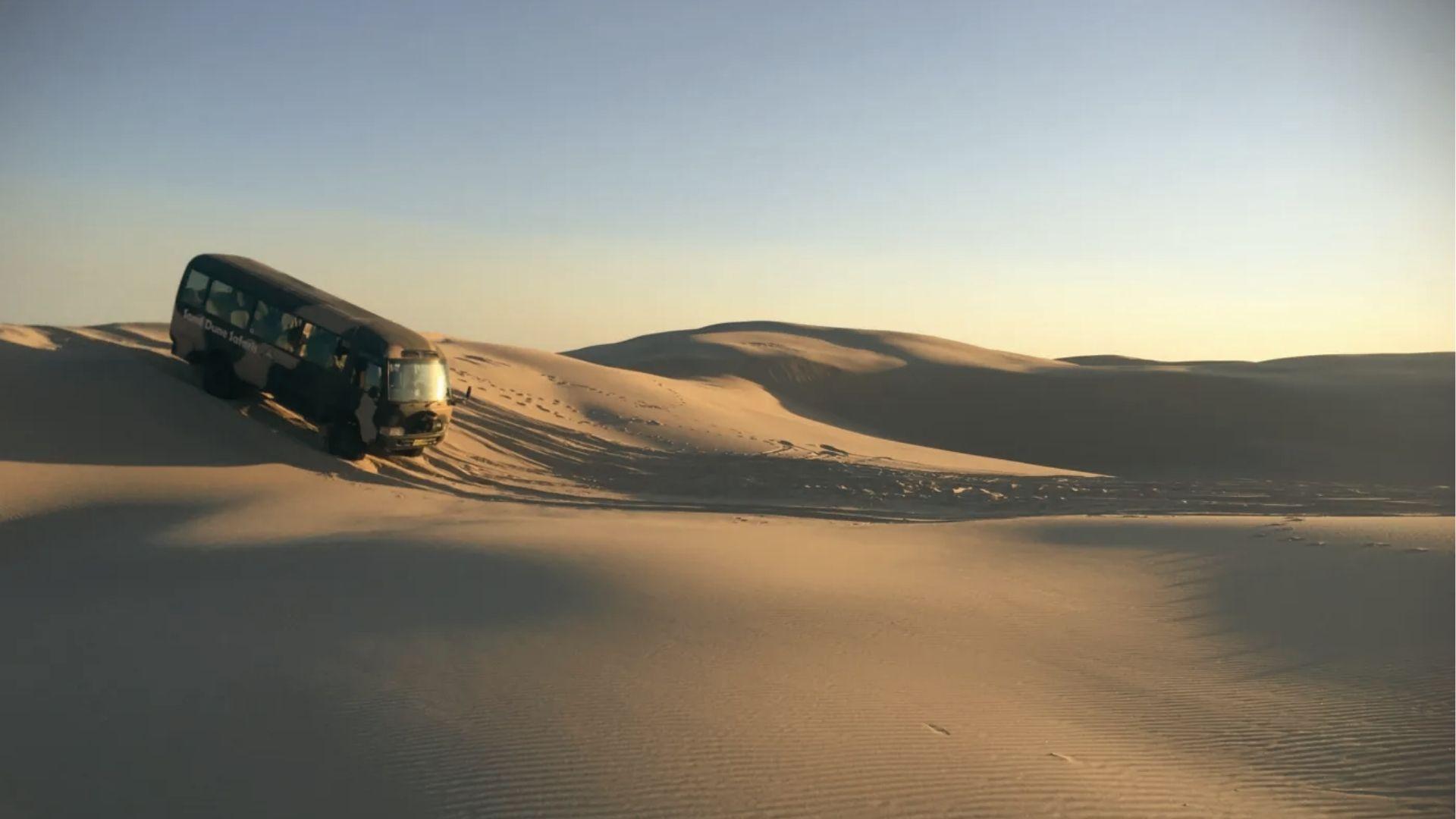
Near Port Stephens in New South Wales, these are the largest moving sand dunes in the Southern Hemisphere.
You can sandboard, take a quad bike tour, or just walk them at sunset.
18. Outback Camping Experience
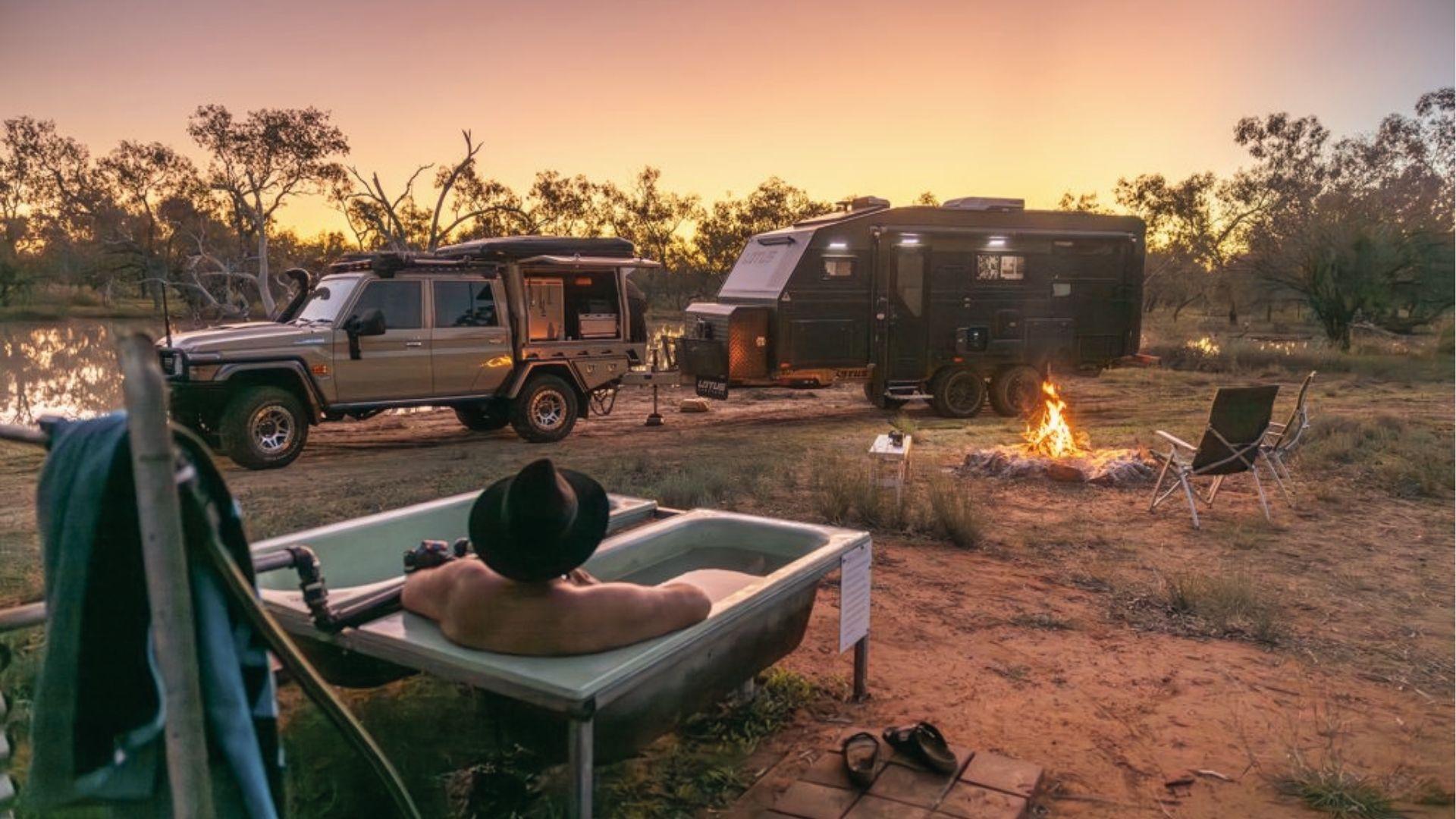
Camping in the outback is unlike anything else. The silence, the stars, and the scale of the landscape are hard to describe.
Areas around Coober Pedy, Alice Springs, and the Kimberley are popular base points.
19. Mount Warning Sunrise Hike
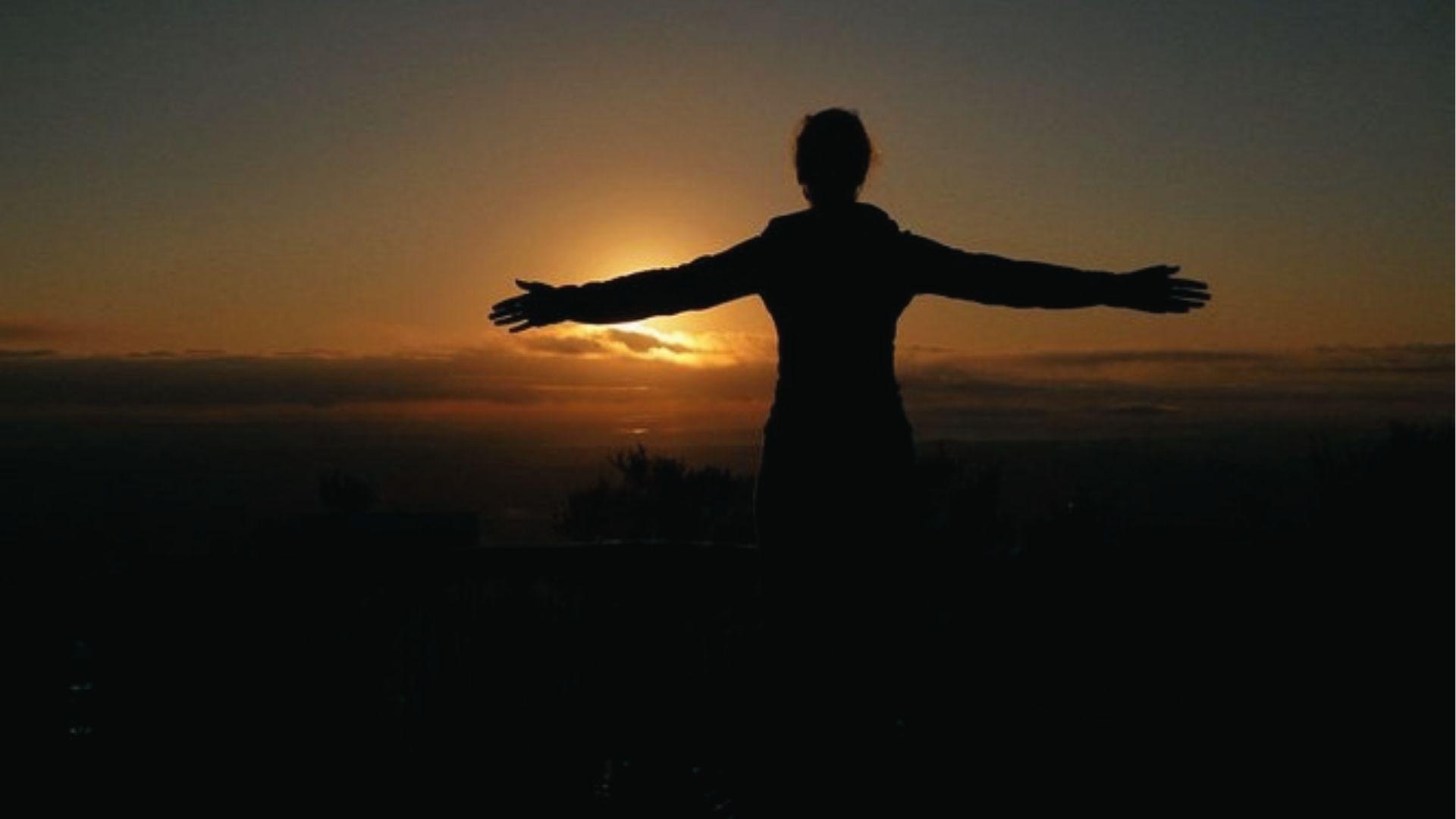
Mount Warning in northern New South Wales is the first place on the Australian mainland to receive morning sunlight.
The summit hike is steep but the reward is a 360-degree view across the hinterland and coast.
20. Scuba Diving at Ningaloo Reef

Ningaloo Reef in Western Australia is one of the few places on Earth where whale sharks gather reliably.
You can snorkel or dive with them between March and July. The reef itself is also world-class for coral and fish.
21. Byron Bay Beaches and Town
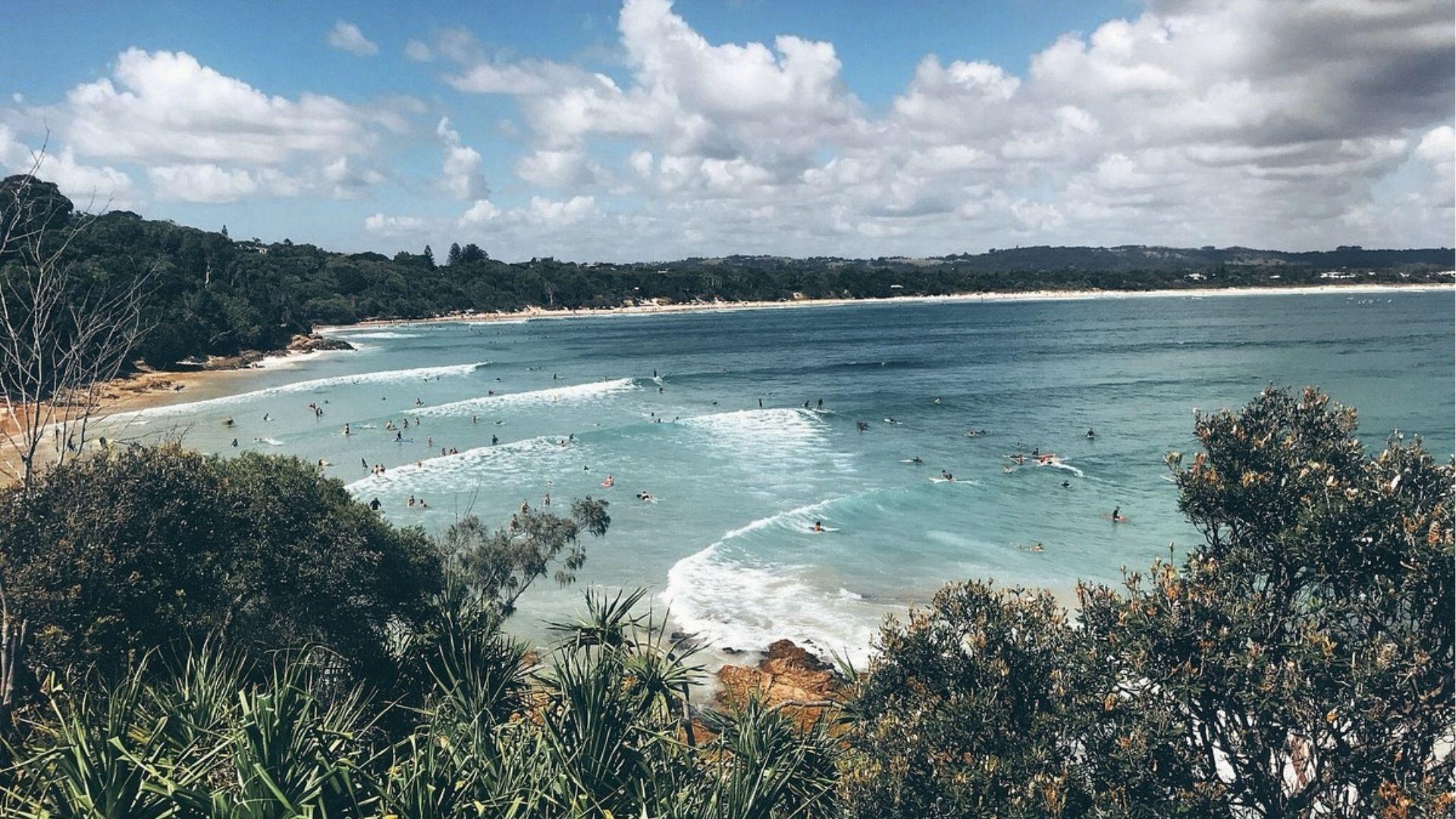
Byron Bay is known for its relaxed atmosphere, strong surf, and creative community. Cape Byron Lighthouse walk offers great coastal views. It suits everyone from surfers to families.
22. Bondi Beach (Sydney)

Bondi is probably Australia's most famous beach. The Bondi to Coogee coastal walk is a must.
The beach itself is lively year-round, with great cafes, surf schools, and outdoor pools carved into the cliff edge.
23. Whitehaven Beach Relaxation
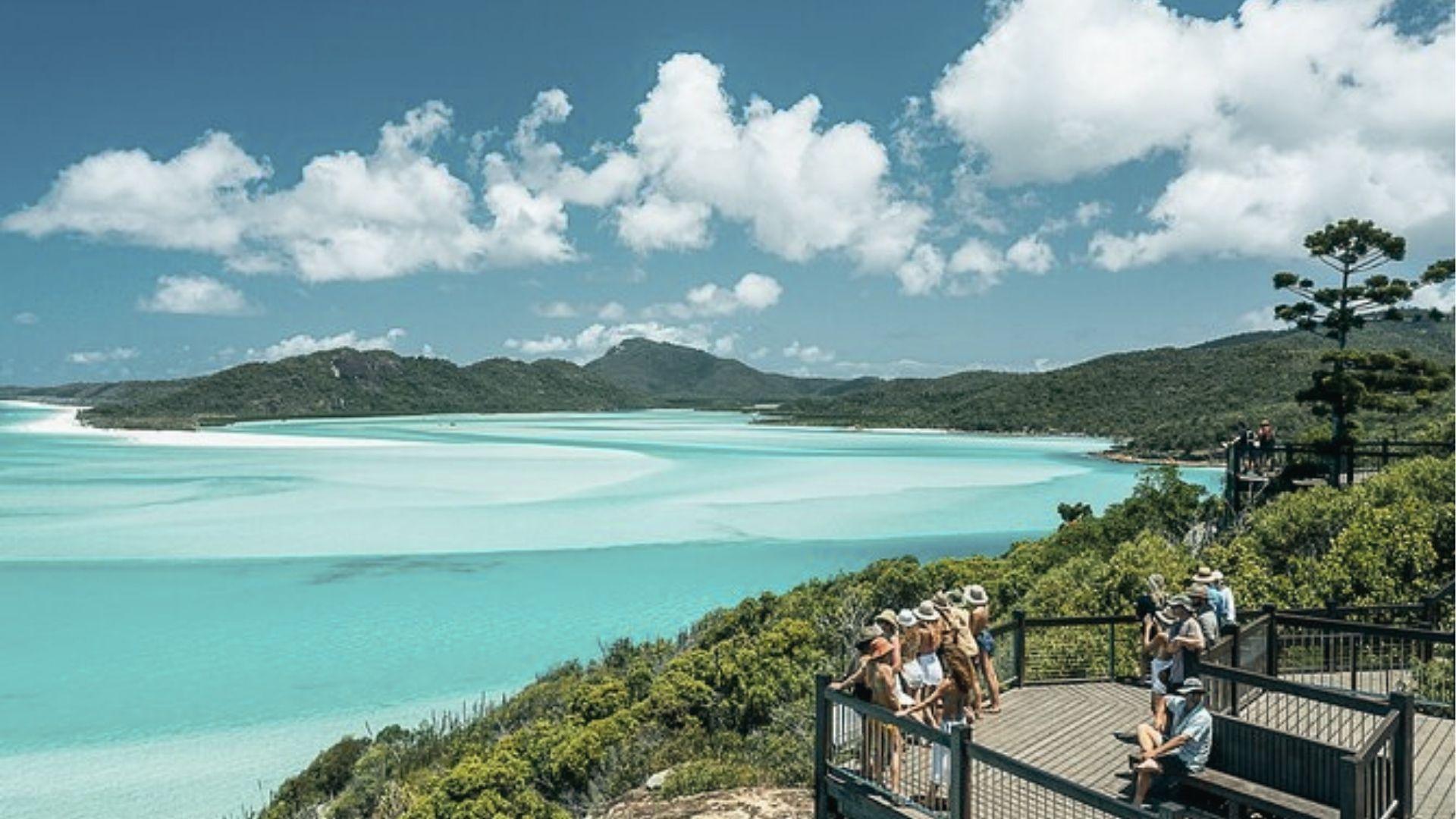
Beyond its famous sand, Whitehaven is also known for its clear turquoise water.
The Hill Inlet lookout gives you a view of the swirling sand and water patterns that have made it globally famous.
24. Noosa Fairy Pools

Tucked inside Noosa National Park, these natural rock pools are a quieter, local favourite. They sit along the coastal track and are best visited at low tide.
25. Wineglass Bay (Freycinet National Park)

Wineglass Bay in Tasmania is consistently listed among the world's top beaches. The hike to the lookout takes about 45 minutes. The full loop down to the beach takes around three hours.
26. Cable Beach Sunset (Broome)

Cable Beach in Broome stretches for 22 kilometers of red-tinged sand. Watching the sunset here especially from the back of a camel is one of those genuinely memorable travel moments.
27. Bay of Fires (Tasmania)
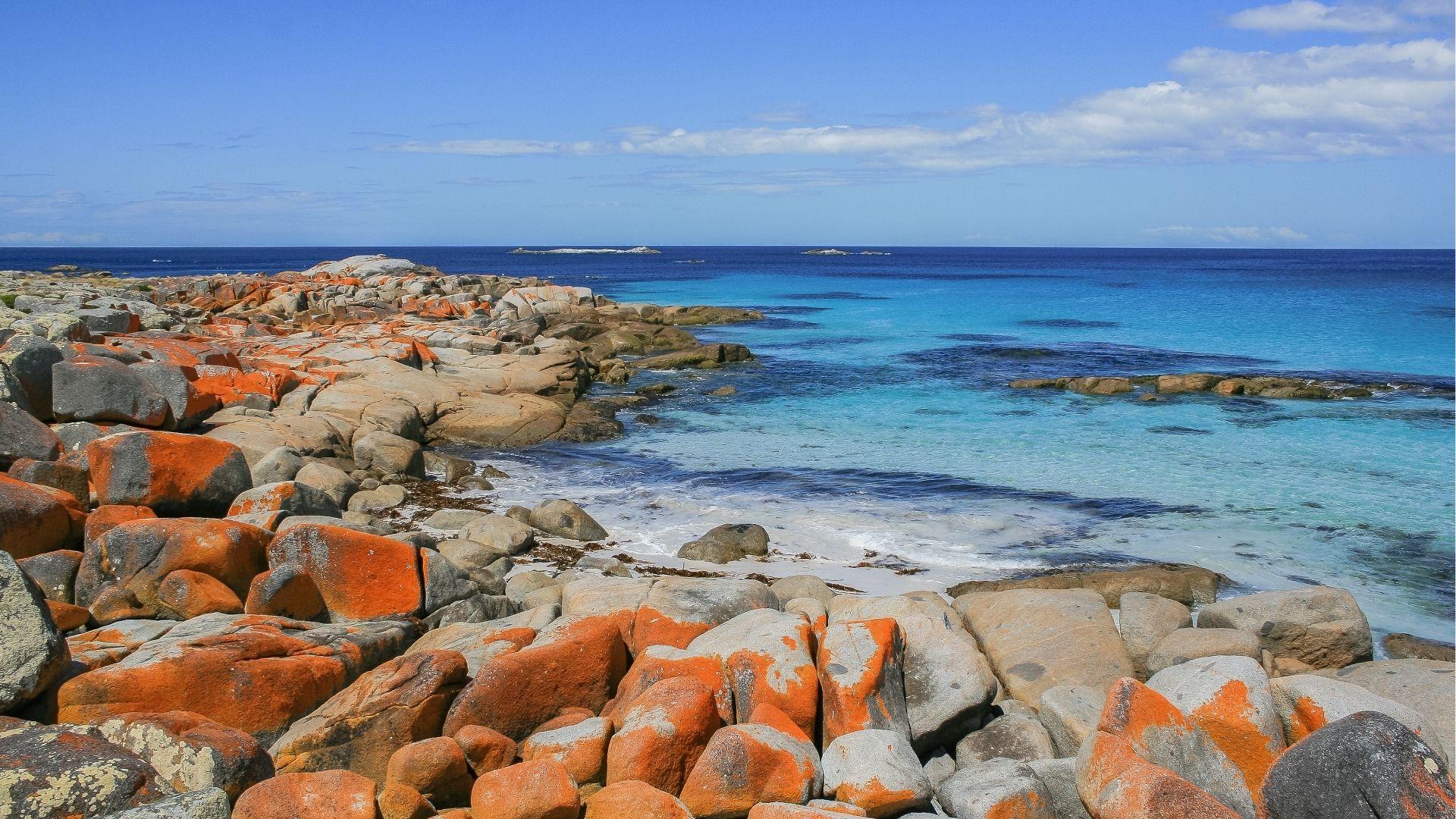
The Bay of Fires is named for the orange lichen on its rocks, not for any fire. It is remote, quiet, and one of the most photogenic stretches of coastline in Australia.
28. Whitsundays Sailing Tour

A sailing tour through the Whitsundays is the best way to see the islands. Tours range from one-night trips to five-day trips.
You sleep on the boat, swim in the sea, and stop at Whitehaven along the way.
29. Whale Watching in Hervey Bay

Hervey Bay in Queensland is considered the whale watching capital of Australia. Humpback whales pass through between July and November.
Tours go out daily and sightings are almost guaranteed.
30. Gold Coast Beaches
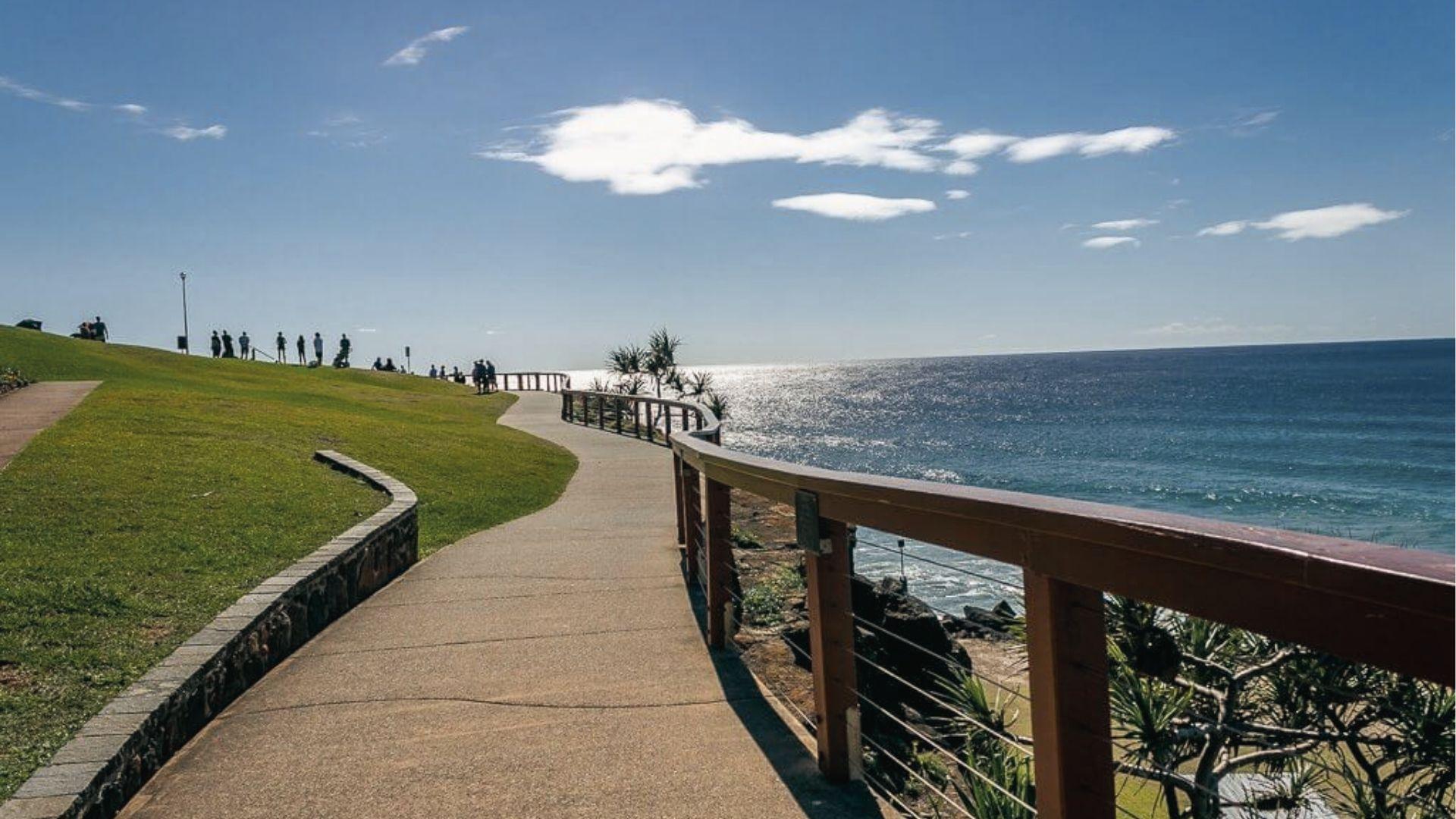
The Gold Coast has over 35 beaches, from the surf-heavy Snapper Rocks to the calm waters of Tallebudgera Creek.
Surfers Paradise is the most visited, but the quieter beaches to the south are often better.
31. Daintree Rainforest

The Daintree is one of the oldest rainforests on Earth. It sits in Far North Queensland and is home to thousands of plant and animal species.
River cruises at dawn are the best way to spot crocodiles.
32. Swimming with Whale Sharks at Ningaloo Reef

This is one of the most sought-after wildlife experiences in the world. Whale sharks can reach up to 12 meters in length.
Swimming alongside one is a slow, calm, and unforgettable experience.
33. Valley of the Giants Tree Top Walk
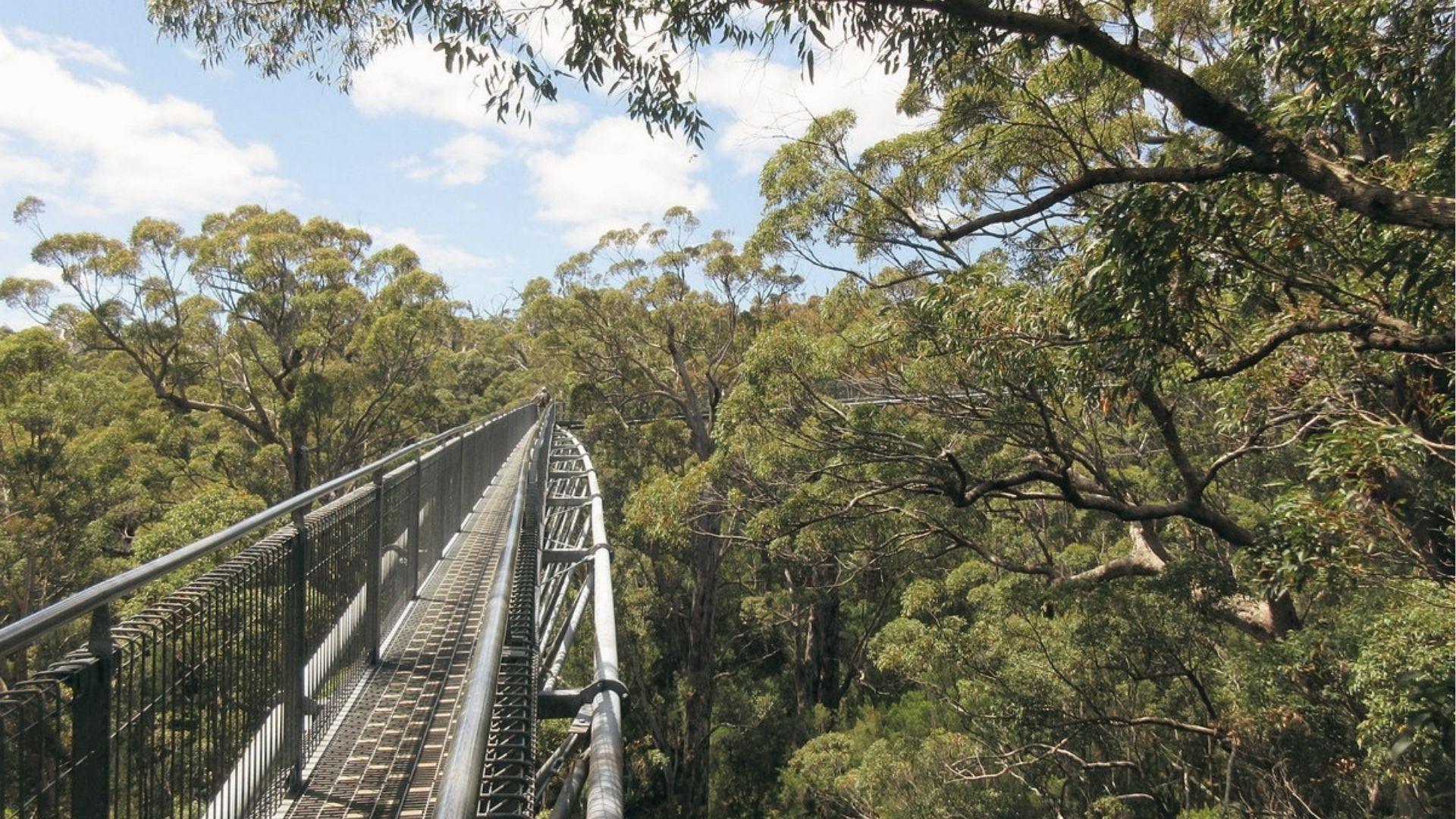
In Western Australia's south, this elevated walkway takes you through the canopy of ancient tingle trees.
The trees can be over 400 years old and up to 60 meters tall. The walk is fully accessible.
34. Kangaroo Island Wildlife Experience
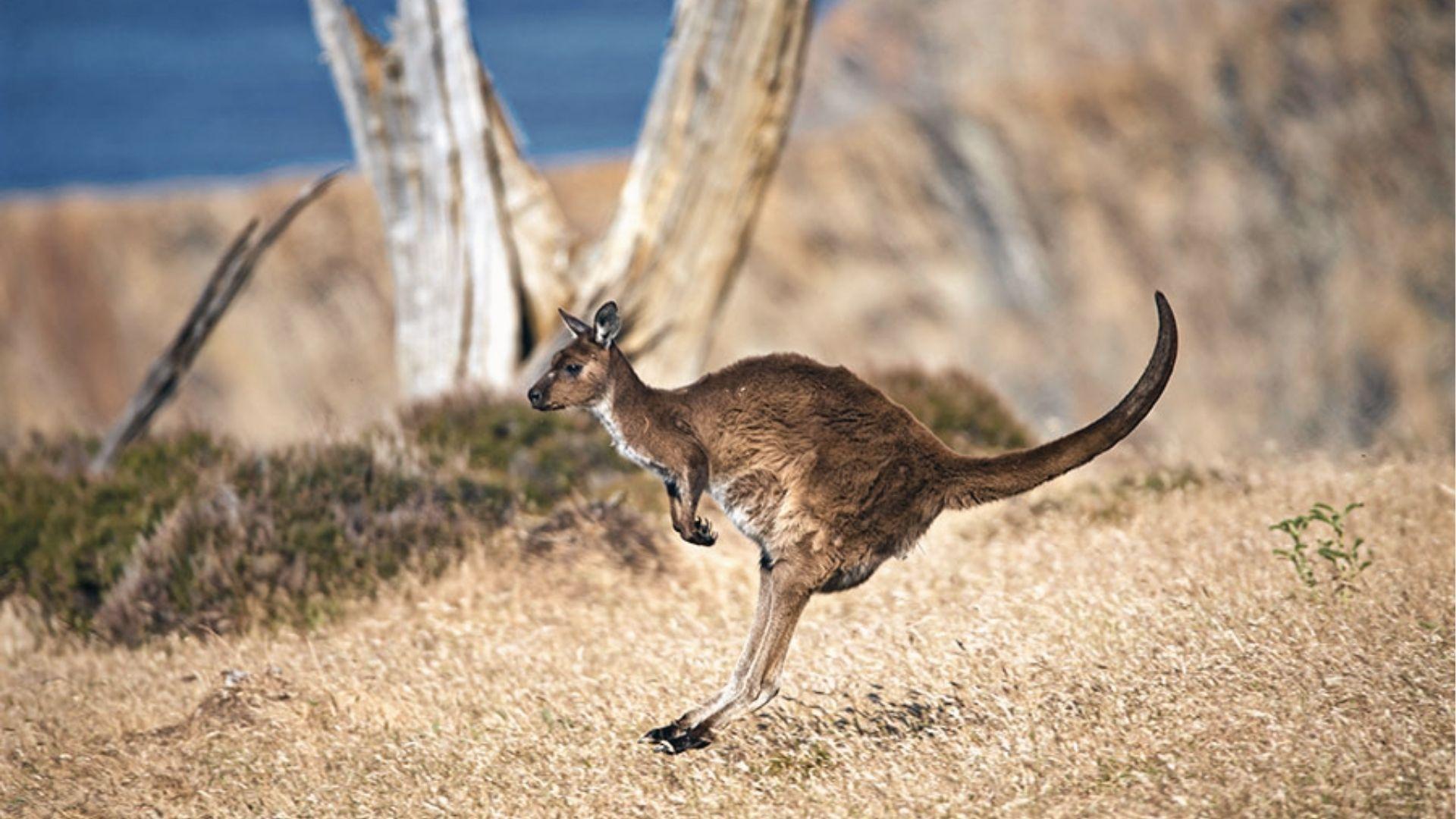
Kangaroo Island sits off the coast of South Australia. It has large populations of sea lions, koalas, kangaroos, and echidnas living in the wild.
Flinders Chase National Park is the highlight.
35. Kakadu Wetlands Exploration

The wetlands of Kakadu come alive in the dry season. Boat tours through Yellow Water Billabong offer up-close views of saltwater crocodiles, jabiru storks, and thousands of migratory birds.
36. Pinnacles Desert Stargazing
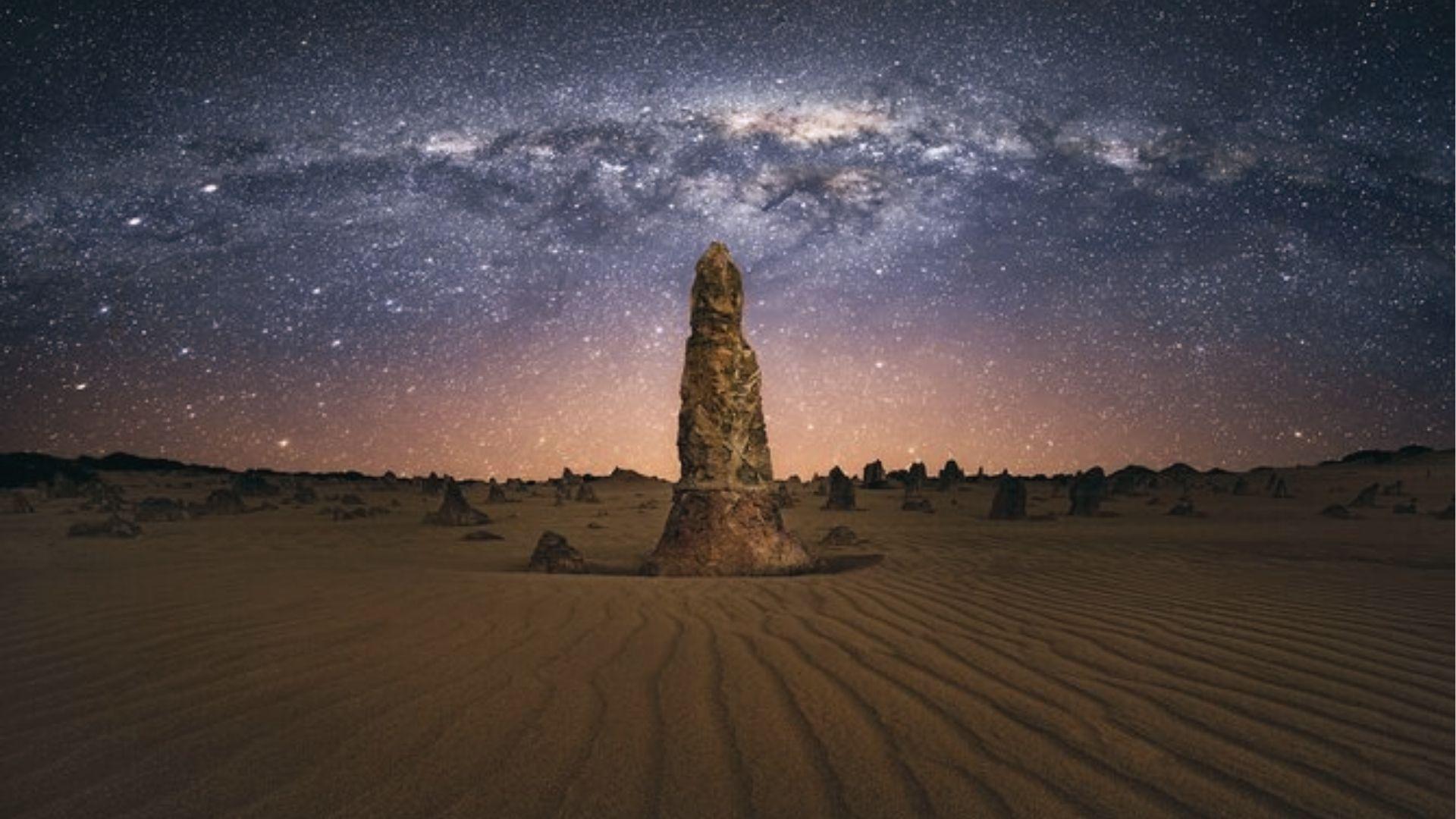
The Pinnacles Desert in Western Australia is striking during the day. At night, far from city lights, it becomes one of the best stargazing locations in the country.
37. Crocodile Spotting in Daintree River
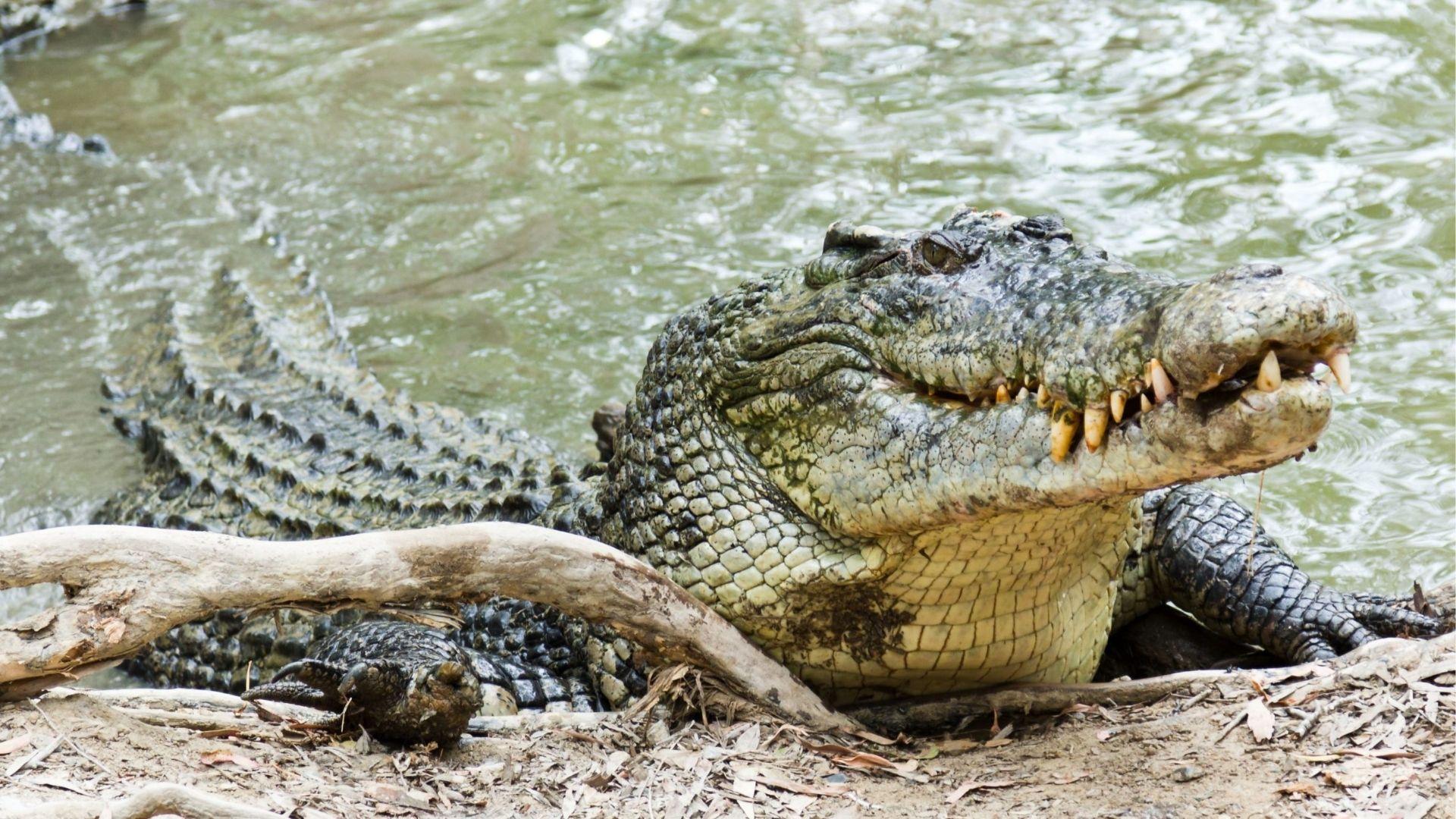
The Daintree River is home to large numbers of saltwater crocodiles. Guided boat tours run daily and rangers know exactly where to look. It is thrilling in the best possible way.
38. Tasmania Wilderness Parks

Tasmania has a higher percentage of protected land than almost anywhere in the world.
Parks like Southwest National Park and Franklin-Gordon Wild Rivers National Park are remote and rarely visited.
39. Penguin Parade in Phillip Island
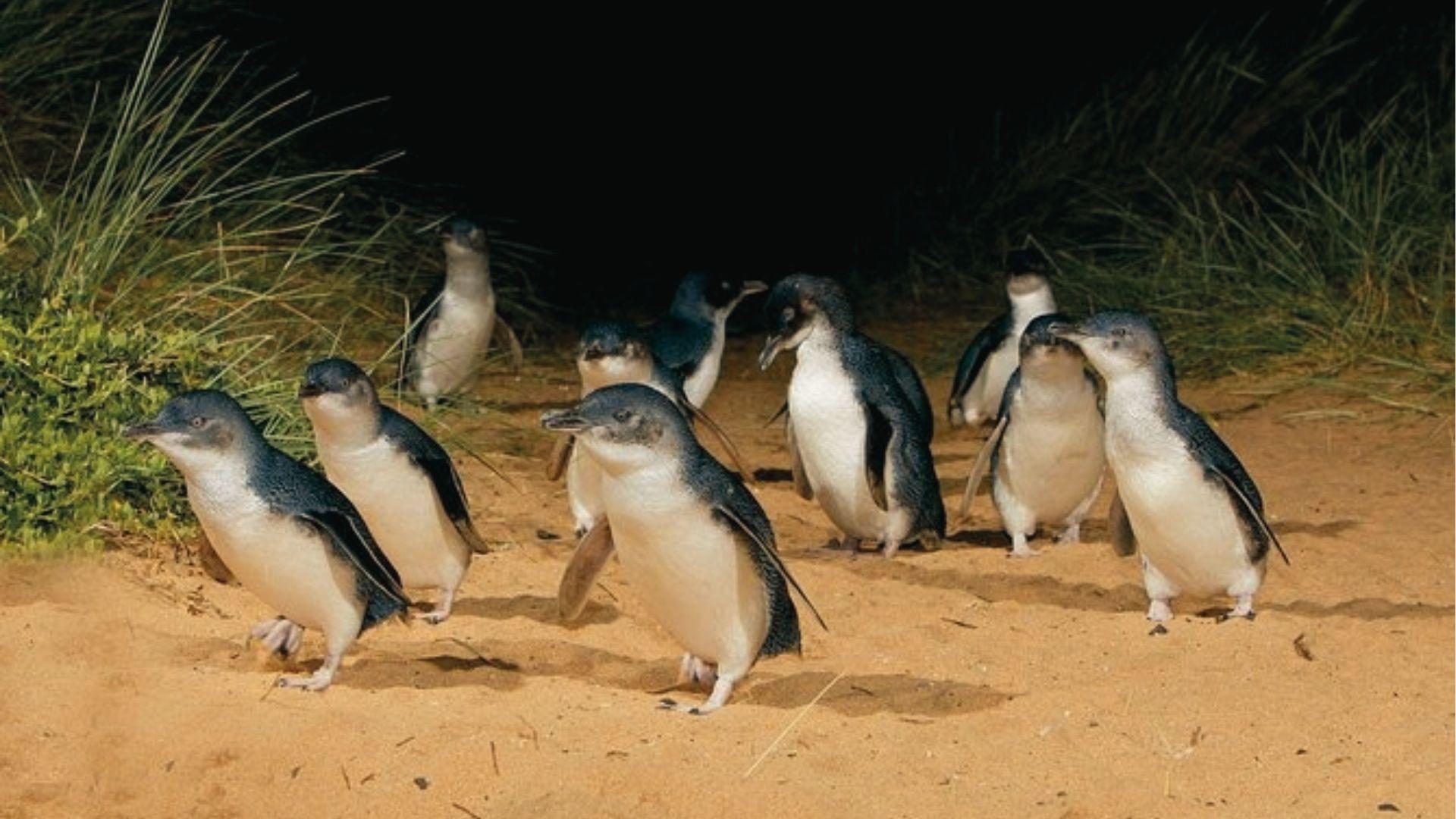
Every evening at Phillip Island, little penguins come ashore at sunset. It happens year-round. Watching hundreds of them waddle up the beach in the fading light is genuinely charming.
40. Kosciuszko National Park Exploration
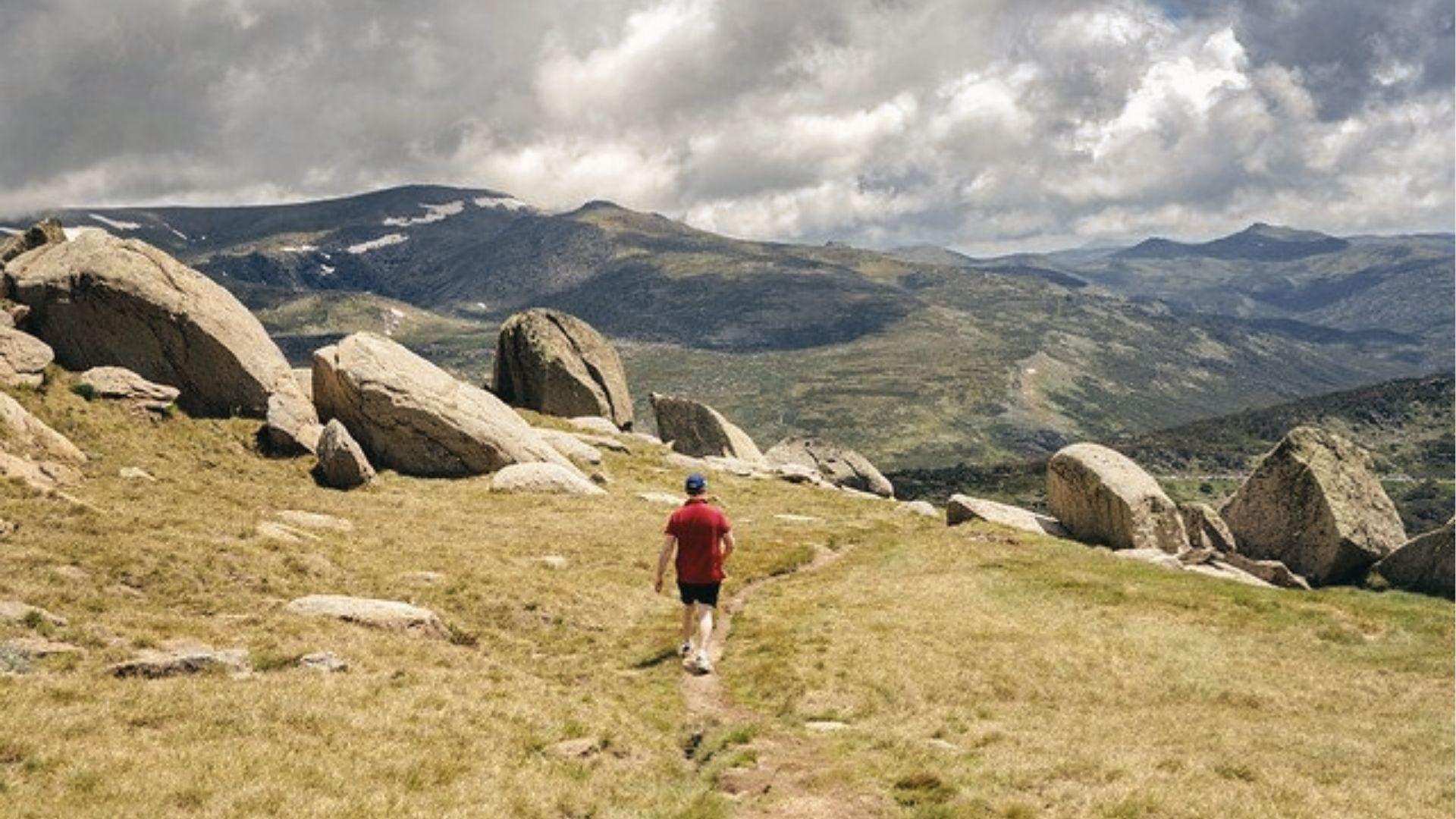
Beyond skiing, Kosciuszko National Park is great for hiking in summer. The summit trail is accessible and passes through alpine meadows and small glacial lakes.
41. Melbourne Café Culture

Melbourne is known for having some of the best coffee in the world. Its laneway café scene, food markets, and street art make it a city that rewards slow exploration.
42. Canberra Museums and History Tour

Canberra is Australia's purpose-built capital. The National Museum of Australia, the Australian War Memorial, and the National Gallery are all worth a full day each.
43. Perth City and Beaches
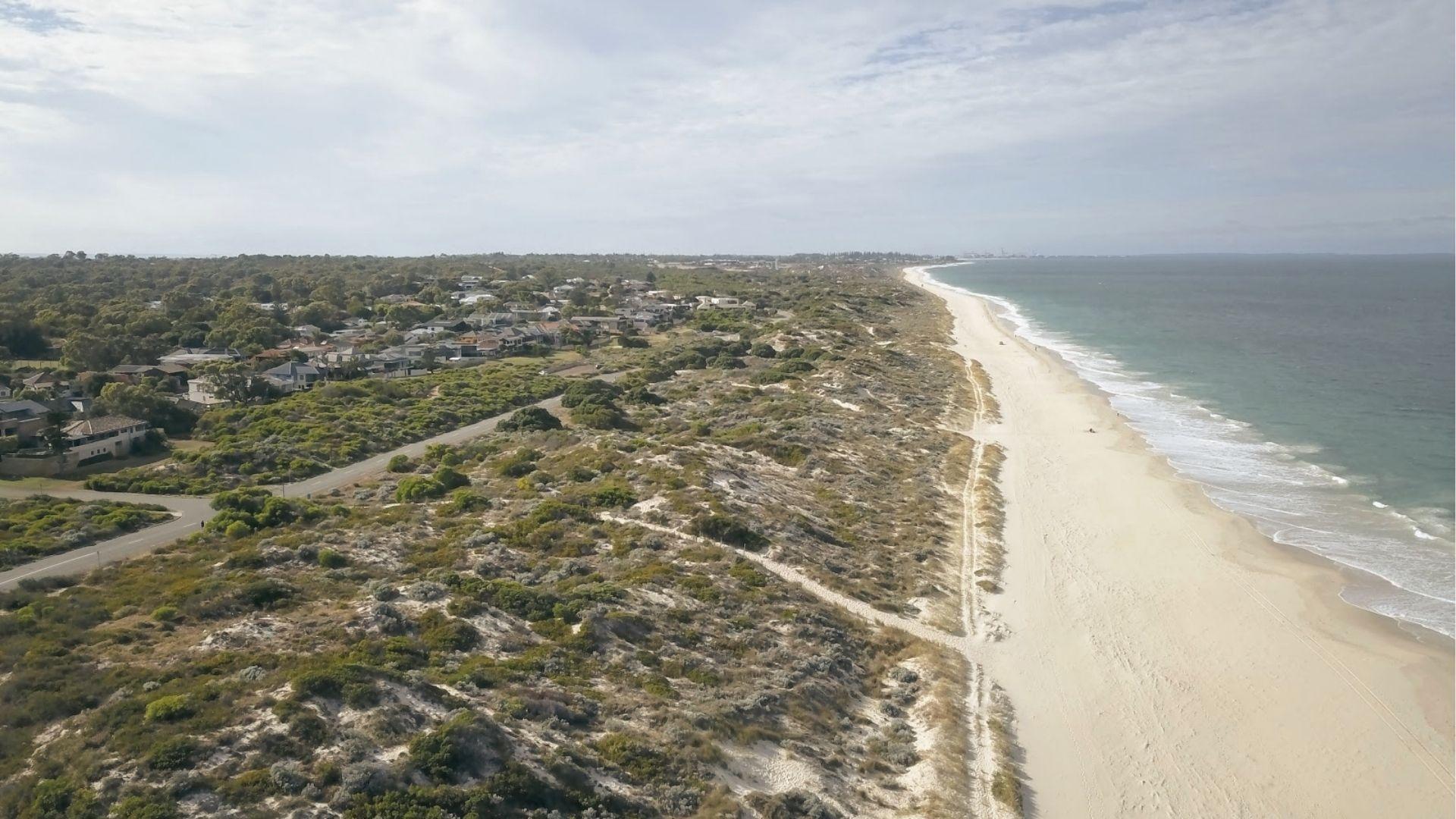
Perth is one of the most isolated major cities in the world, but it has great beaches, a strong food scene, and easy access to wine regions like Margaret River and Rottnest Island.
44. Hobart Creative Scene

Hobart has transformed into one of Australia's most interesting cultural cities. MONA (Museum of Old and New Art) is the headline attraction.
The Salamanca Market on Saturdays is a local institution.
45. Nimbin Alternative Lifestyle Town
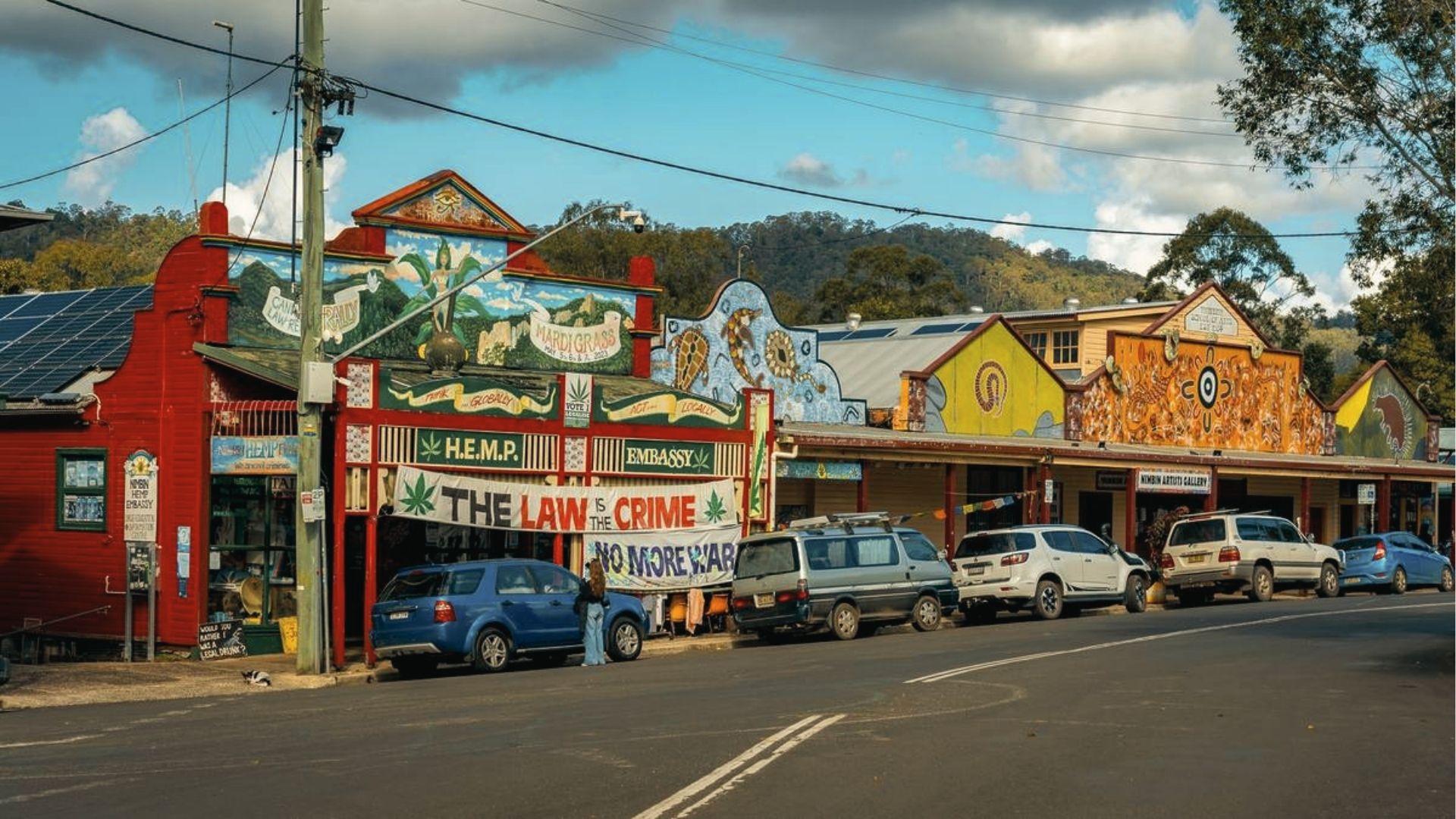
Nimbin is a small town in the New South Wales hinterland known for its counterculture history and rainbow-painted streets.
It is quirky, relaxed, and quite unlike anywhere else in the country.
Important Tips for Planning Your Australia Trip
Smart, practical advice to help you plan your time and budget across this massive country.
- Visit in summer (Dec to Feb) for beaches, road trips, and festivals, but expect very hot weather in some regions.
- Budget travelers usually spend around AUD $100 to 120 per day, while mid-range trips cost around AUD $200 to 300 daily.
- Domestic flights are the fastest way to travel long distances between major Australian cities.
- Campervans and Greyhound buses are popular budget-friendly options for road trips and backpacking.
- Plan and book expensive activities like reef tours, skydiving, and whale shark swims early to manage your budget better.
Conclusion
Australia has stayed with me since the first time I saw the reef glowing underwater and felt the red dust of the outback under my boots.
It is one of those rare places where nature, wildlife, and city life all sit side by side. If this guide has nudged you toward booking that trip, do it. You will not regret a single day of it.
Drop a comment below with the place you are most excited to visit, or share this with someone who needs a little push to go.
Frequently Asked Questions
What are the top things to do in Australia for first-time visitors?
First-time visitors should try to include the Great Barrier Reef, Sydney's iconic landmarks, and at least one road trip. The east coast route covers a lot of ground in a manageable way.
How many days do you need to visit Australia properly?
A minimum of three weeks gives you time to see the highlights across two or three regions. A month allows you to cover the east coast, a central landmark like Uluru, and one or two western highlights.
Is Australia expensive for travelers?
Australia sits in the mid-to-high range for travel costs. Accommodation and activities are the biggest expenses. Traveling by campervan, staying in hostels, and cooking your own food can bring costs down significantly.
What is the best time of year to visit Australia?
There is no single best time for the whole country. Winter (June to August) suits the north, while spring and autumn work well for the south and east. Summer is great for beaches but very hot inland.
Can you travel Australia on a budget?
Yes, budget travel in Australia is very doable. Hostels, free camping, cooking your own meals, and using buses or a shared campervan all help keep costs low while still covering a lot of ground.
