

Tokyo is one of those cities that rewards you only if you know where to look. Miss the right spots and you’ll spend a week hitting the same tourist traps everyone else does.
I’ve done the research so you don’t have to. This guide covers 29 must-visit places in Tokyo, from big landmarks to neighborhoods locals actually spend time in.
Temples, rooftop views, themed cafes, food halls, hidden streets it’s all here.
Every spot on this list earns its place.
Let’s build your trip the right way.
Planning Your Tokyo Trip: What You Need to Know
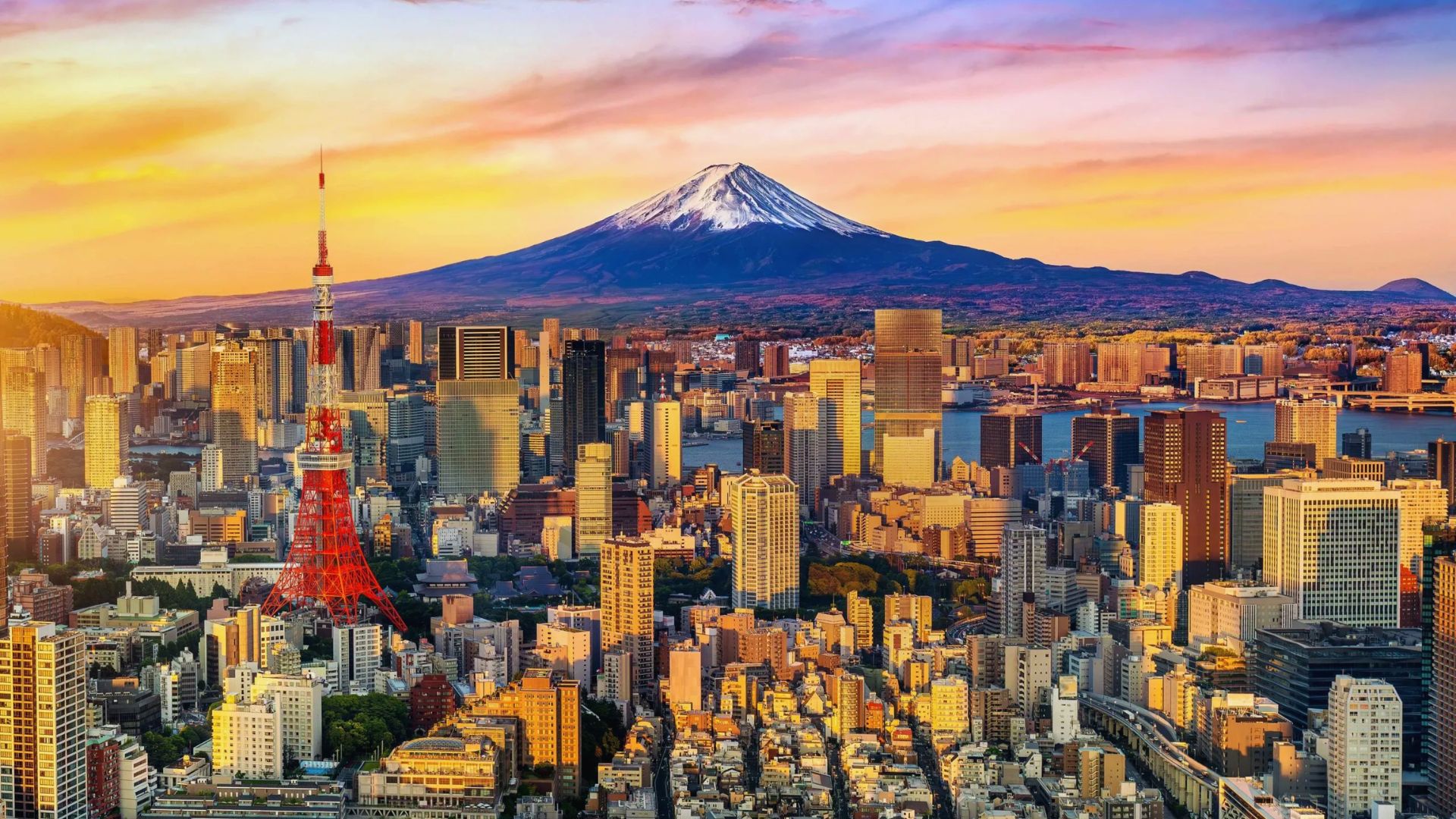
Tokyo is one of the best-connected cities in the world. Spring (March to May) is ideal for cherry blossoms, and fall (September to November) brings cool weather and fewer crowds.
Pick up a Suica or Pasmo IC card at the airport for easy travel on trains and buses. Most attractions open between 9 AM and 10 AM.
Book popular spots like the Ghibli Museum and TeamLab well in advance since they sell out fast.
A daily budget of around $80 to $150 covers food, transport, and entry fees. Always carry some cash since many local shops do not accept cards.
29 Must-Visit Places in Tokyo
From towering landmarks to hidden local gems, these 29 spots show you the real Tokyo.
1. Tokyo Tower
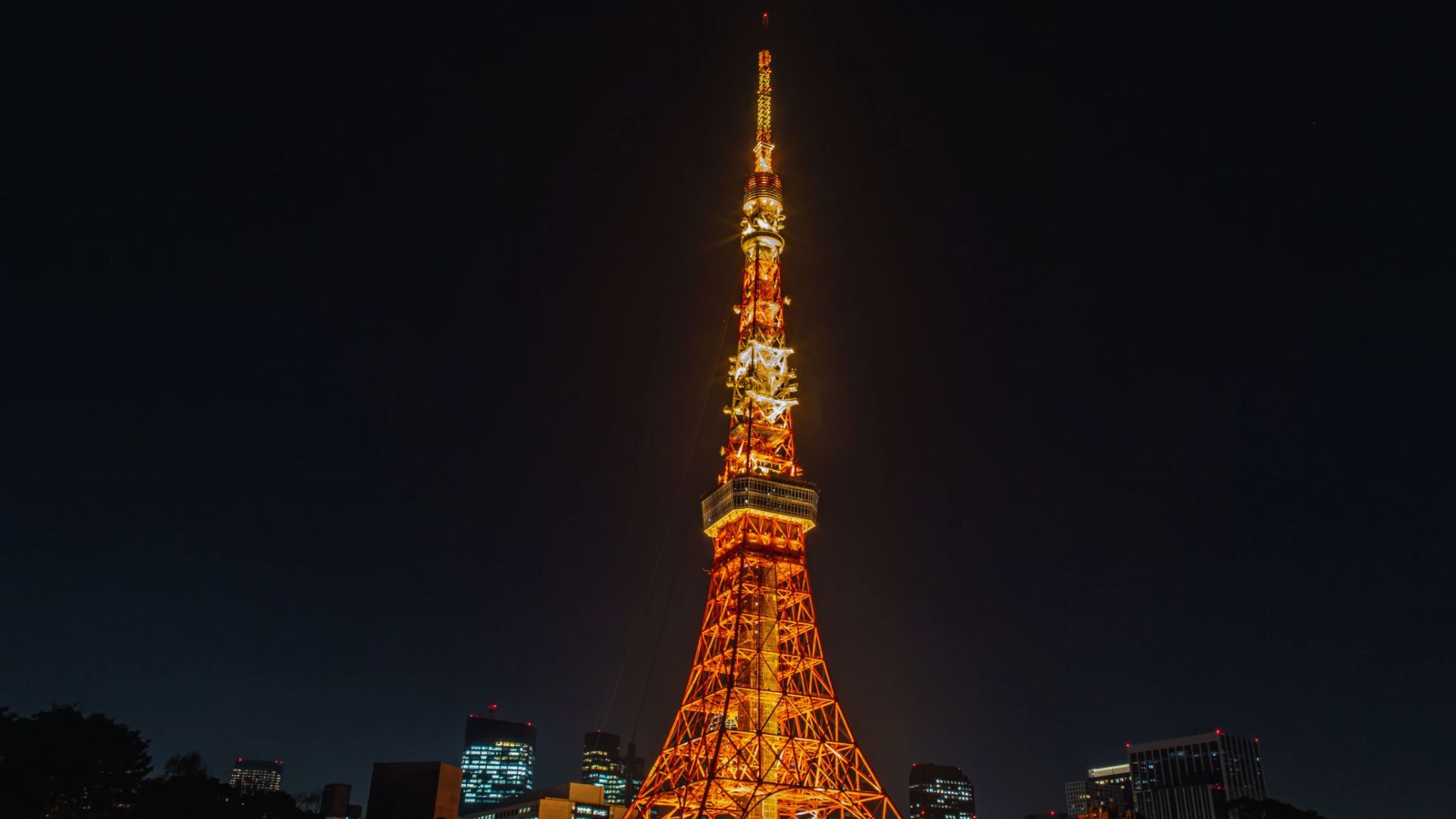
Tokyo Tower is one of the most recognizable landmarks in the city. Standing at 333 meters, it offers a clear view of the skyline from two observation decks.
The main deck sits at 150 meters and the top deck reaches 250 meters.
Visit at night for a fully lit version of the tower that looks completely different from the daytime experience.
2. Tokyo Skytree
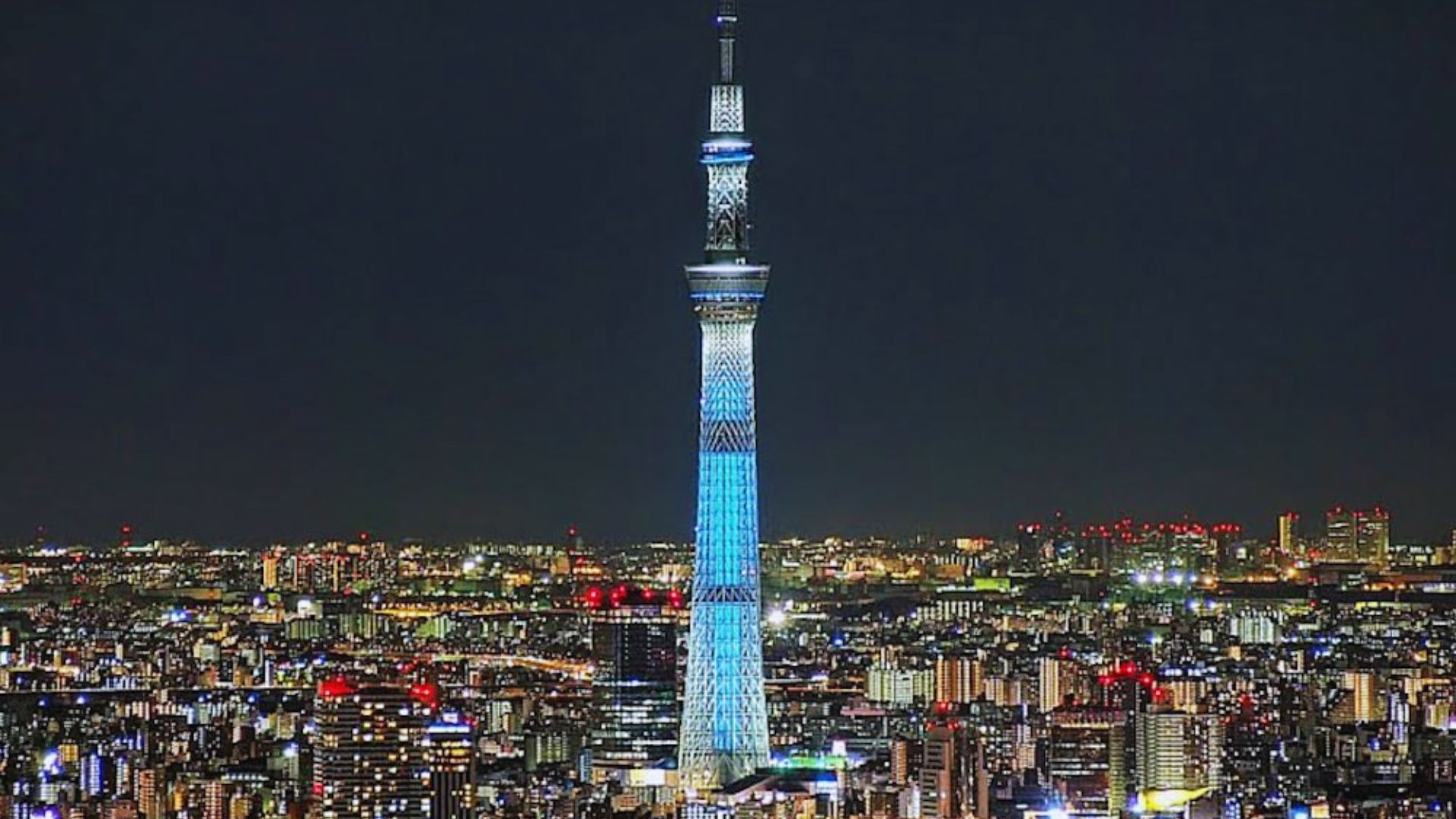
Tokyo Skytree is the tallest structure in Japan at 634 meters. It has two observation decks:
Tembo Deck at 350 meters and Tembo Galleria at 450 meters. On a clear day, you can see Mount Fuji from the top.
The base area includes a shopping mall and an aquarium, making it easy to turn this into a full-day outing.
3. Shibuya Crossing
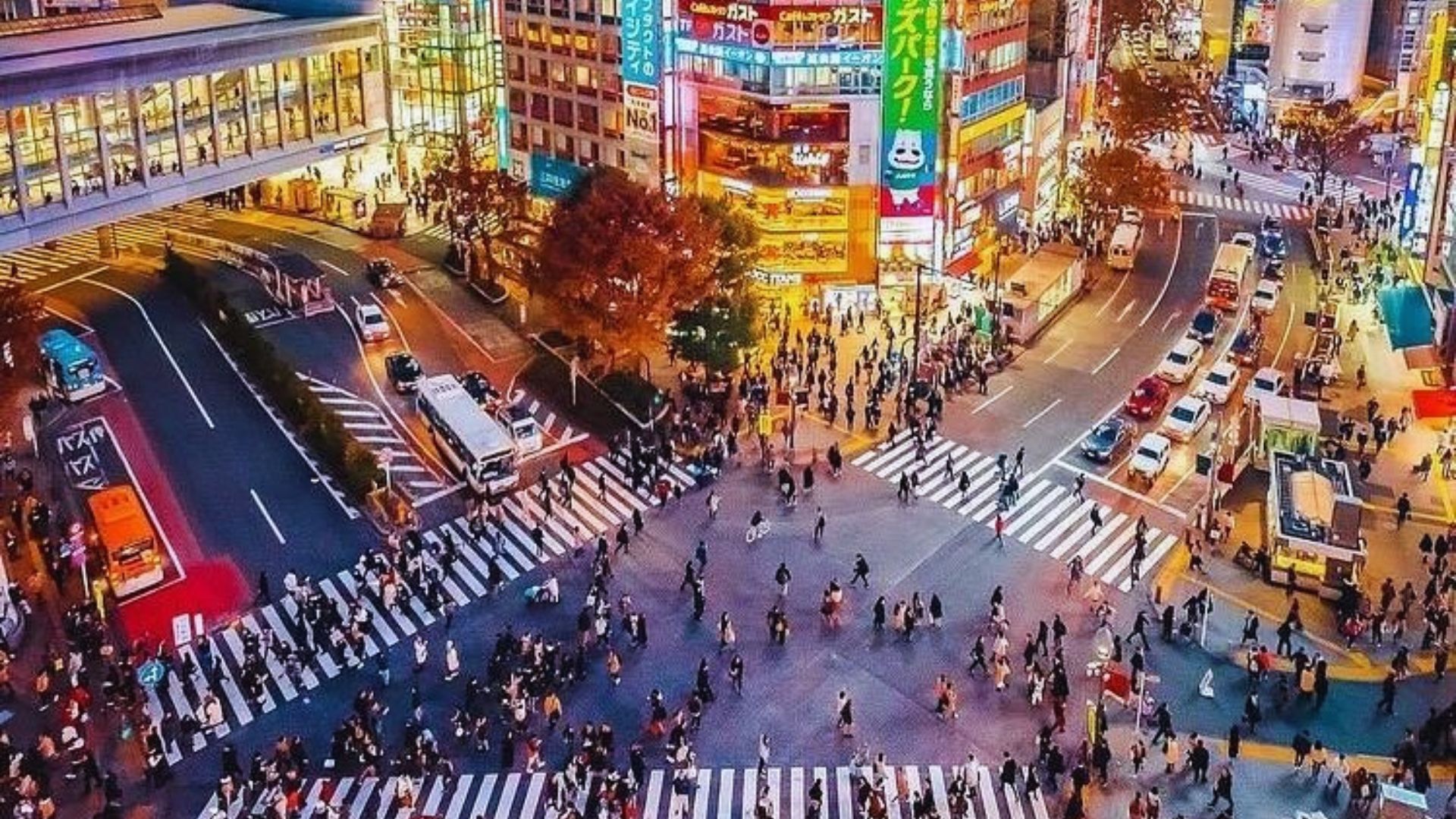
Shibuya Crossing is one of the busiest intersections in the world. When the lights turn red, traffic stops from every direction and hundreds of people cross at once.
The best view is from the Starbucks or Mag’s Park directly above the street level.
Go during evening rush hour on a weekday for the most active and lively version of the crossing.
4. Shibuya Sky
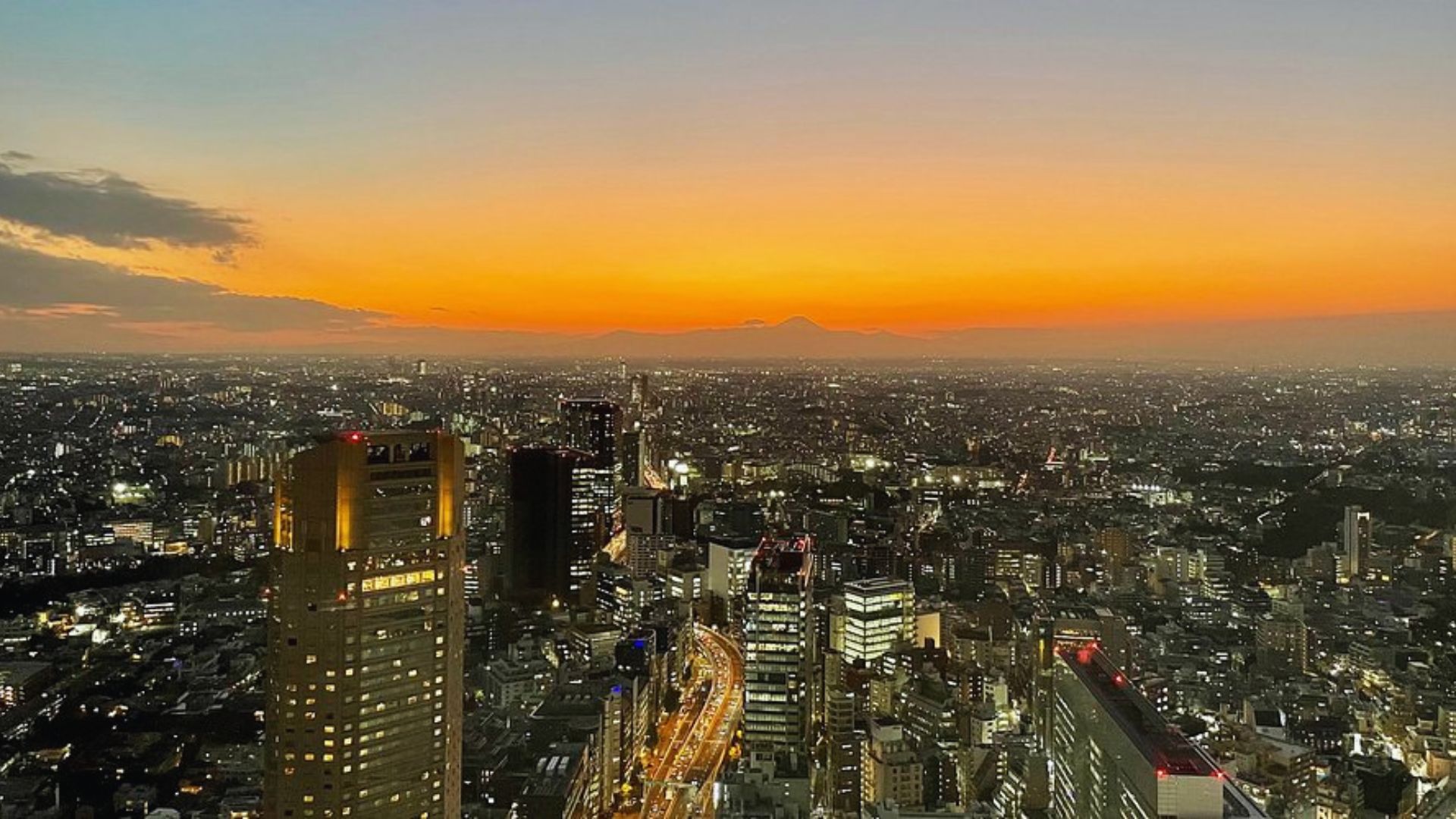
Shibuya Sky is an open-air rooftop observation deck on top of Shibuya Scramble Square. At 229 meters high, it gives a full 360-degree view of the city.
The outdoor deck lets you feel the wind while looking out over the entire Tokyo skyline.
Book your tickets online ahead of time to avoid long waits at the entrance.
5. Roppongi Hills Mori Tower
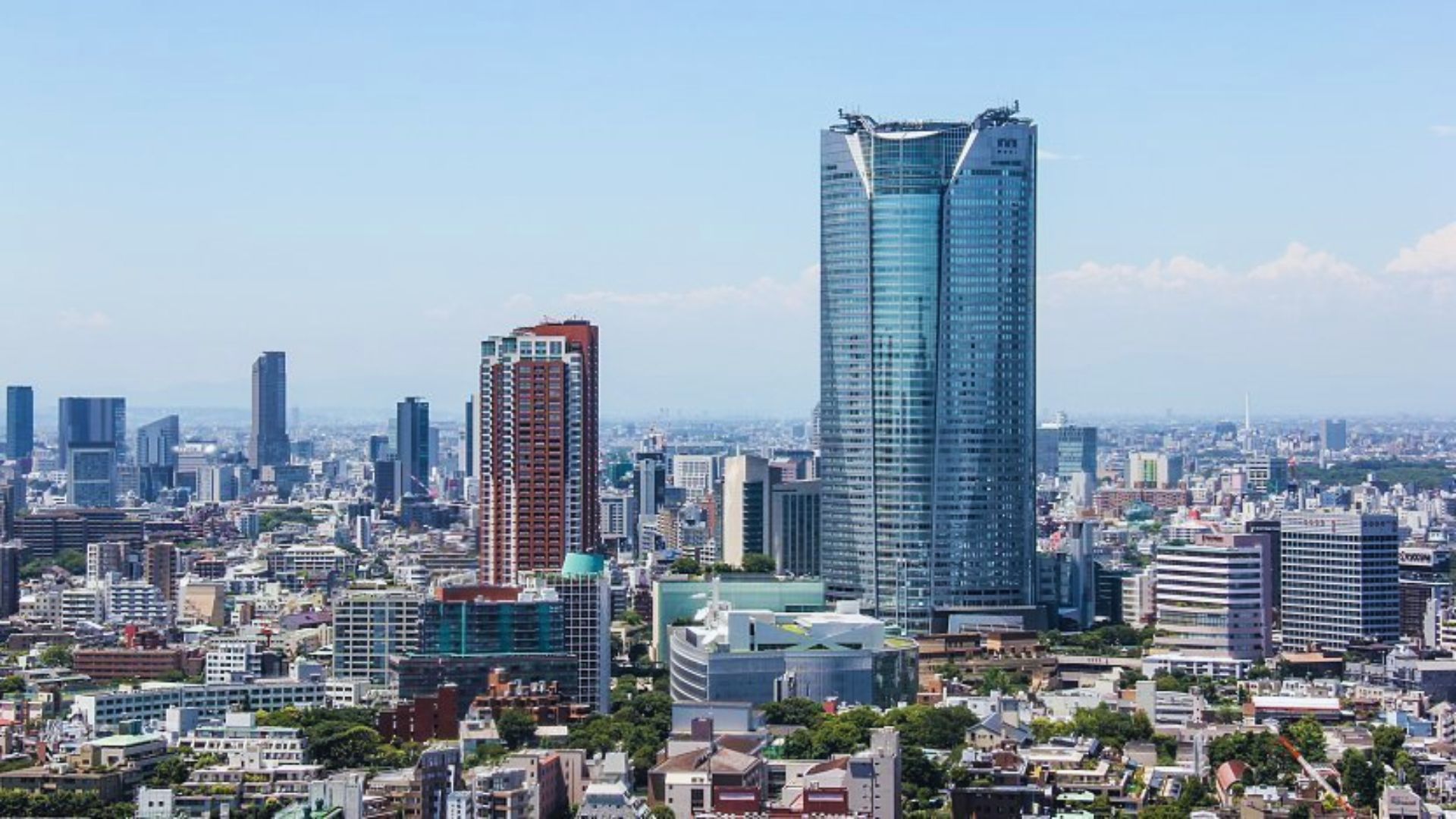
Roppongi Hills Mori Tower stands 238 meters tall and houses the Tokyo City View observation deck.
The Mori Art Museum is located on the 53rd floor, combining art with sweeping city views. At night, the view stretches all the way to Tokyo Tower.
It’s a strong spot for anyone wanting to combine a gallery visit with great sightseeing in one stop.
6. Sensoji Temple
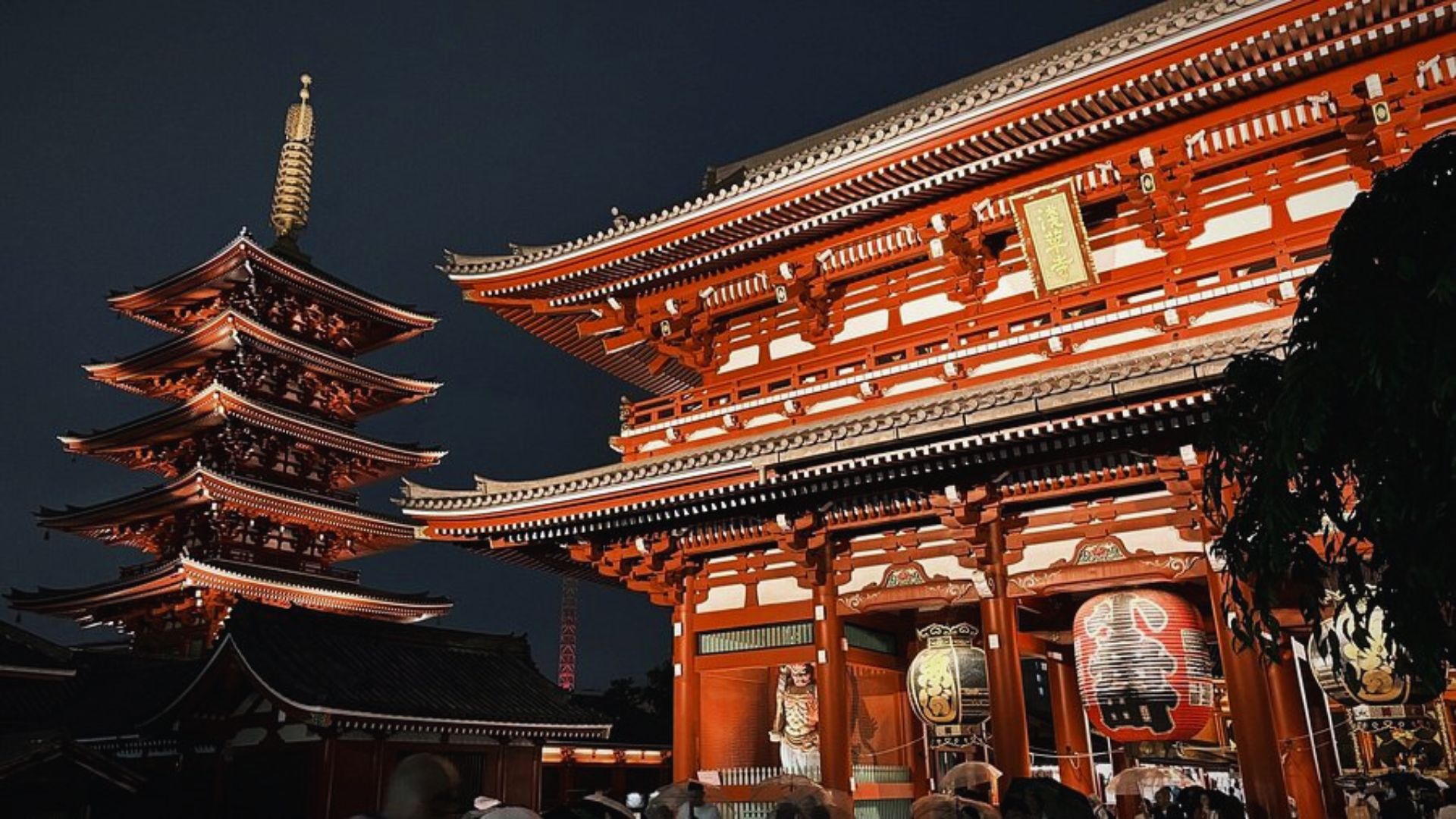
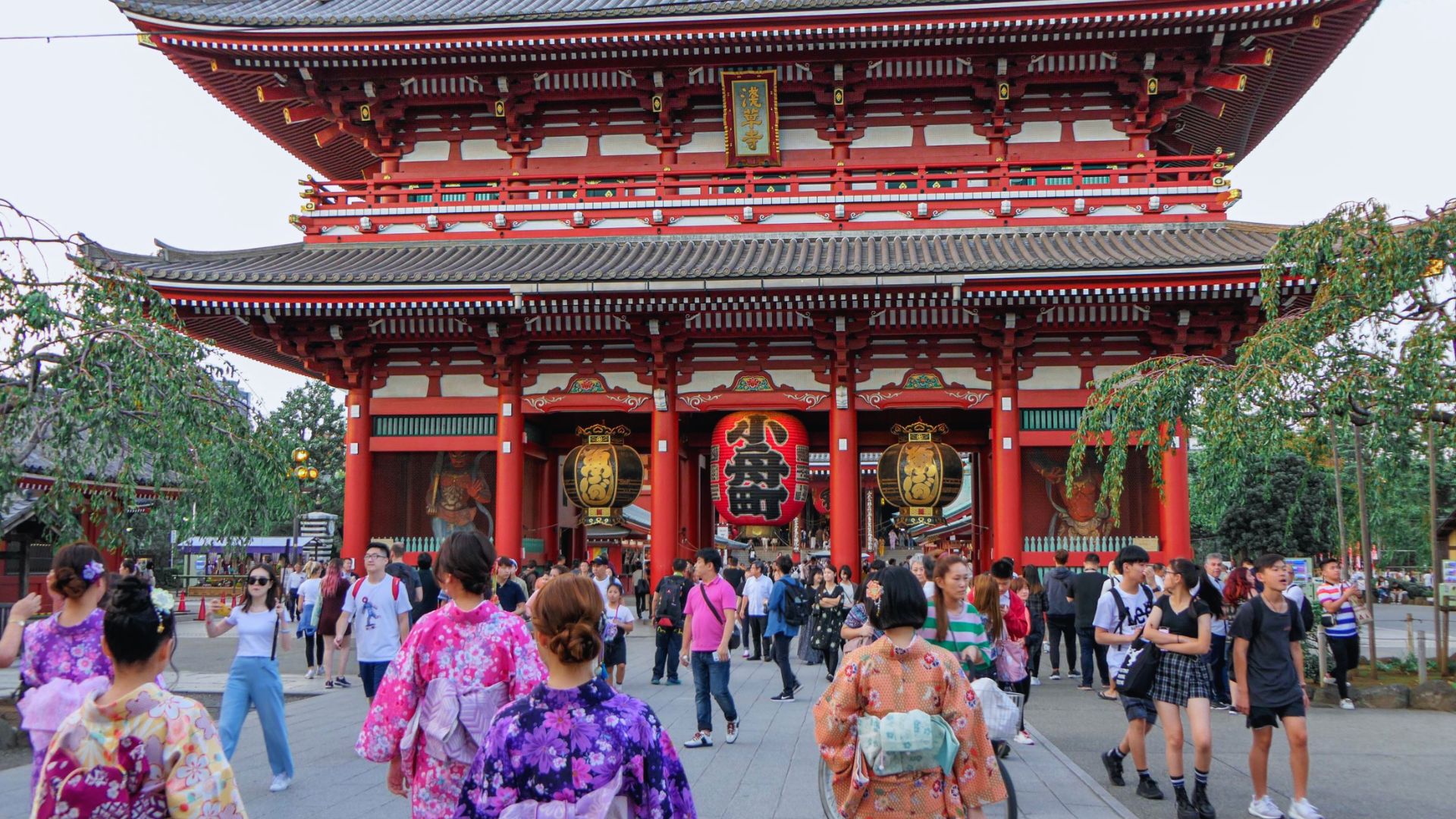
Sensoji Temple is Tokyo’s oldest and most visited temple, located in the Asakusa area. You enter through the iconic Kaminarimon Gate, lined with large red lanterns.
The Nakamise shopping street leads up to the main hall and is lined with traditional snacks and souvenirs.
Visit early in the morning to beat the crowds and enjoy a calm, unhurried experience.
7. Meiji Shrine
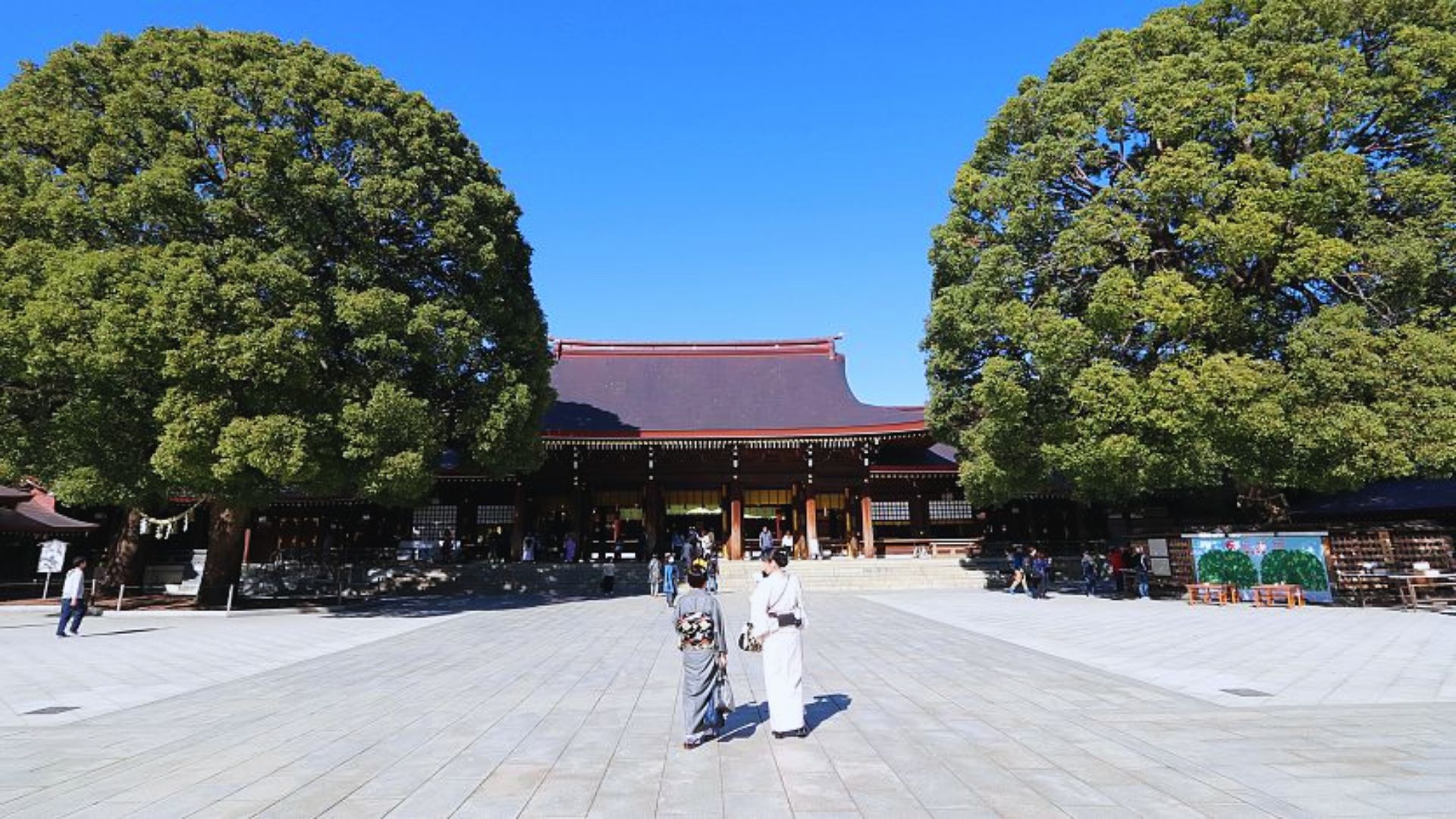
Meiji Shrine sits inside a forested area in Harajuku and is dedicated to Emperor Meiji and Empress Shoken.
Walking through the tall torii gate and the long tree-lined path feels calm and grounding. The shrine is open year-round and entry is completely free.
It’s a strong contrast to the fast pace of the streets just outside.
8. Gotokuji Temple
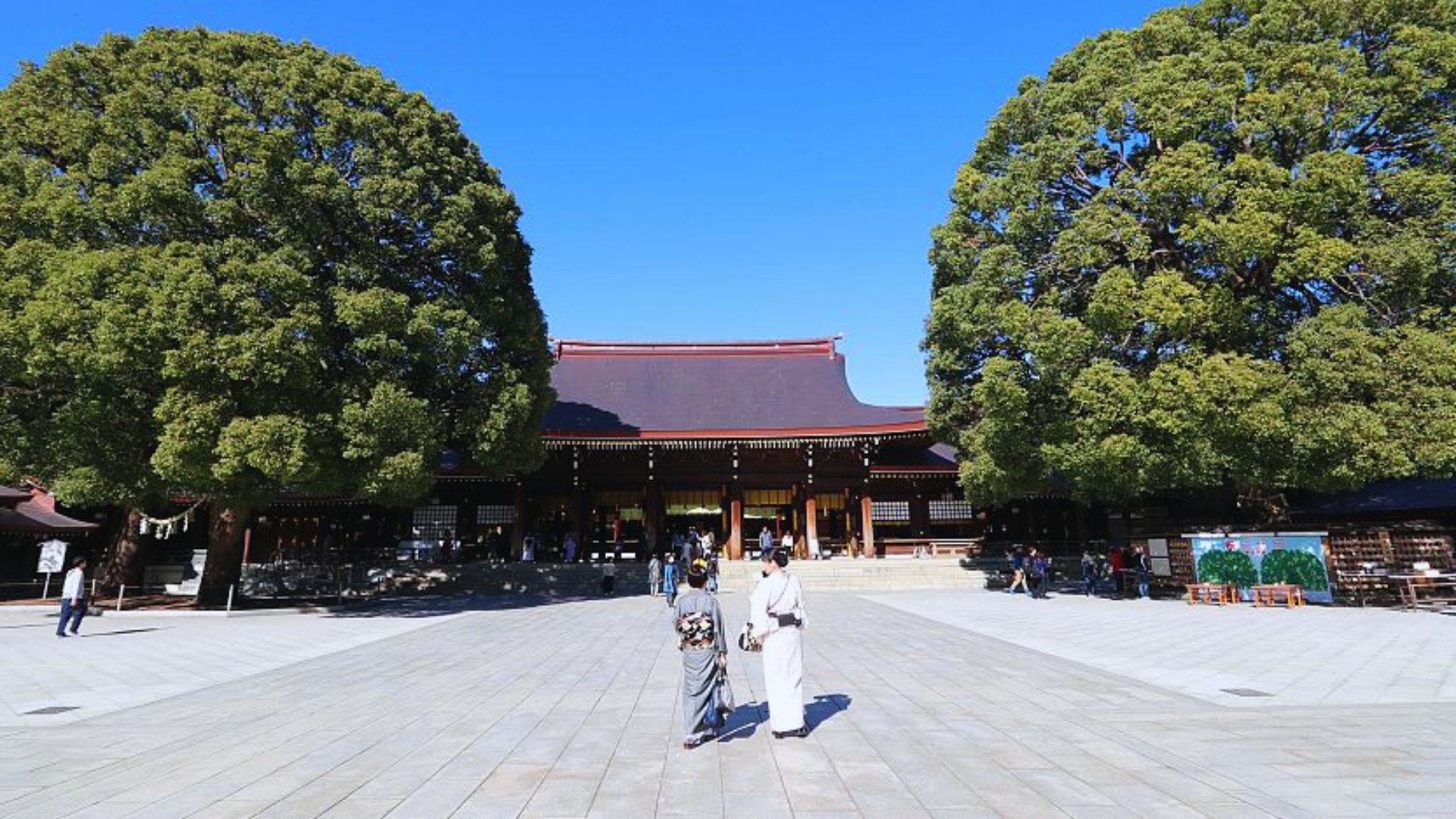
Gotokuji Temple in Setagaya is considered the birthplace of the maneki-neko, the famous lucky cat figure.
The temple grounds are filled with hundreds of small white cat statues left by visitors as offerings. It’s a quieter, off-the-beaten-path spot that most tourists miss entirely.
A weekday morning visit gives you the most peaceful experience with very few people around.
9. Nezu Museum
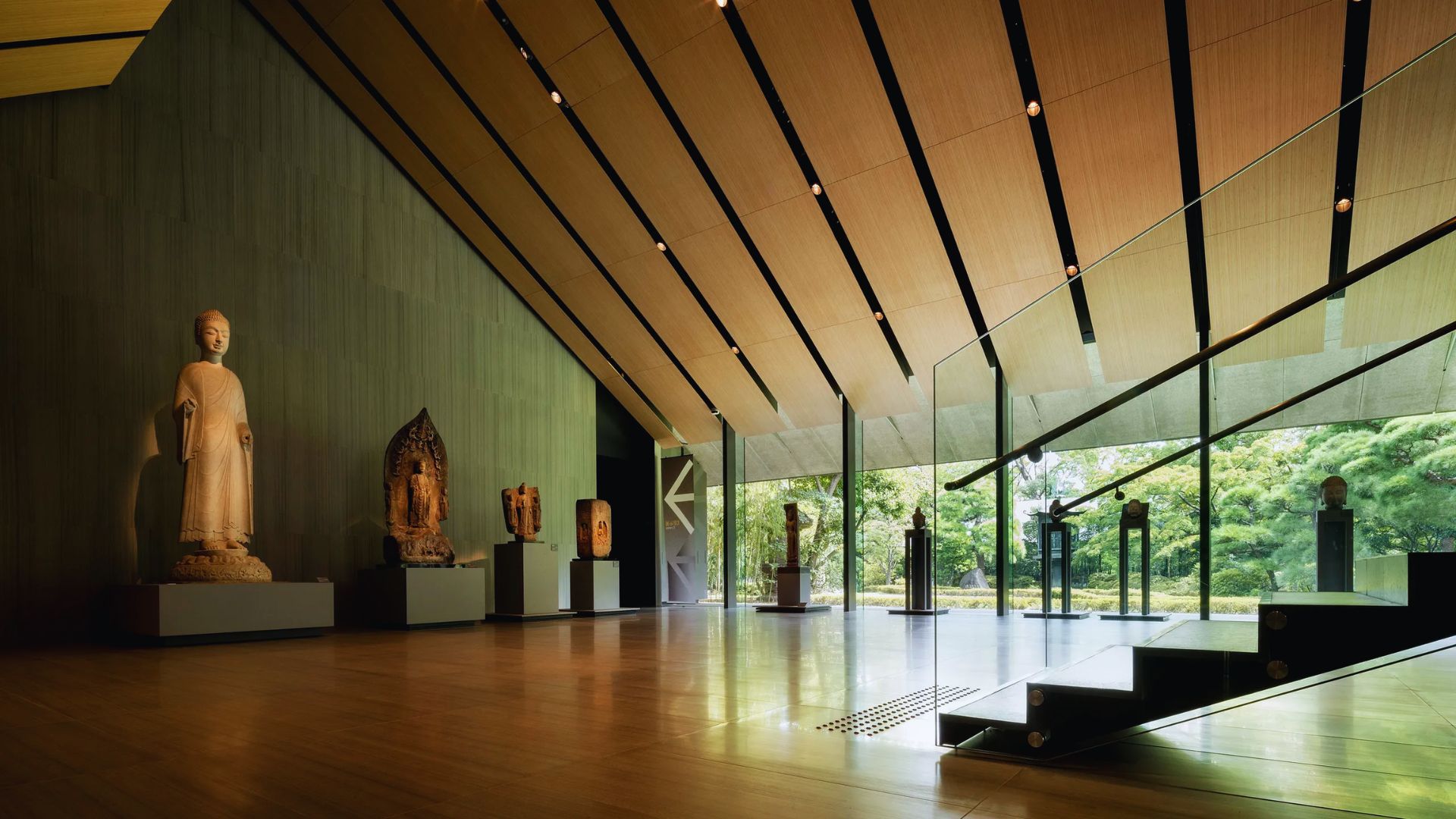
Nezu Museum is a private art museum in Minami-Aoyama with a strong collection of Japanese and Asian antiques.
The collection includes paintings, ceramics, and bronzes from across East Asia. The garden behind the museum is just as impressive as the displays inside.
It’s an ideal spot to slow down and take in traditional art without the noise of larger tourist attractions.
10. Edo-Tokyo Museum
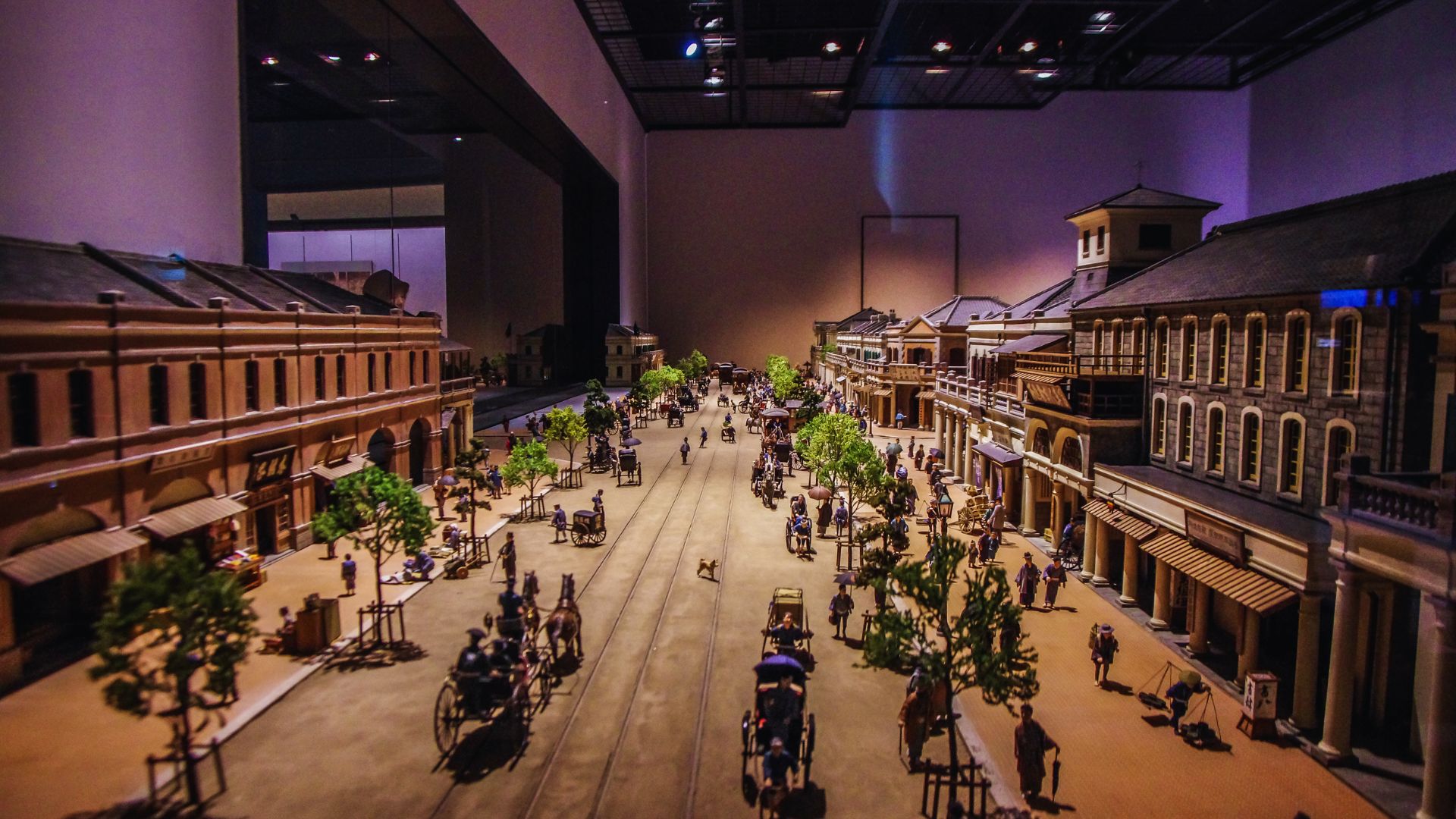
Edo-Tokyo Museum traces Tokyo’s history from its days as Edo all the way through the modern era.
Large-scale models and hands-on displays make the history easy to follow and absorb. You can see how the city looked in the 1600s and follow how it grew over centuries.
English audio guides are available, which makes the experience very accessible for international visitors.
11. Harajuku (Takeshita Street)
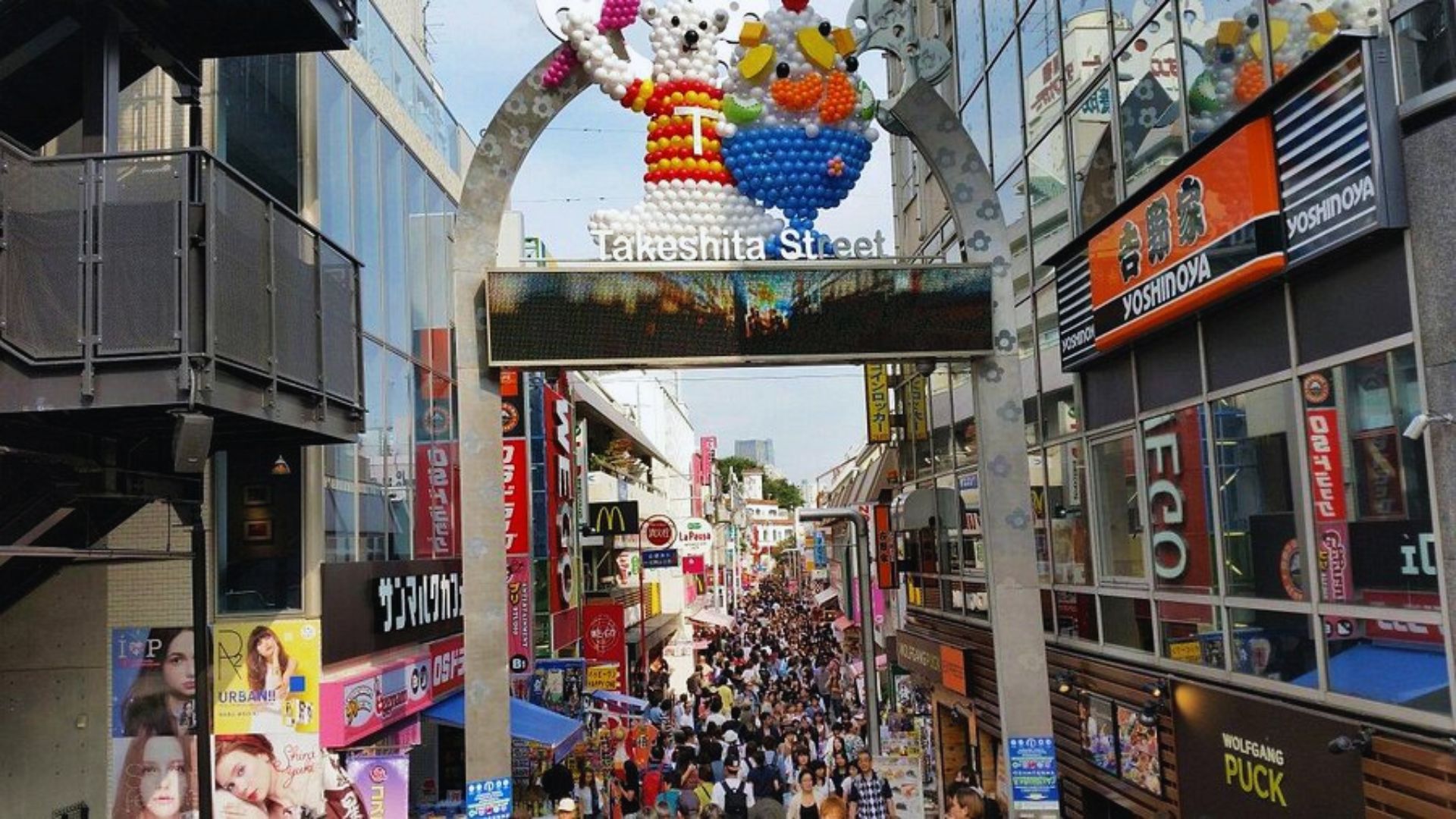
Takeshita Street in Harajuku is the heart of Tokyo’s youth fashion scene.
The narrow lane is packed with colorful clothing stores, crepe stands, and quirky shops selling everything from costume pieces to accessories.
It gets very crowded on weekends, so a weekday visit is much easier to manage. Even if you’re not shopping, one walk through the street is worth the experience.
12. Shimokitazawa
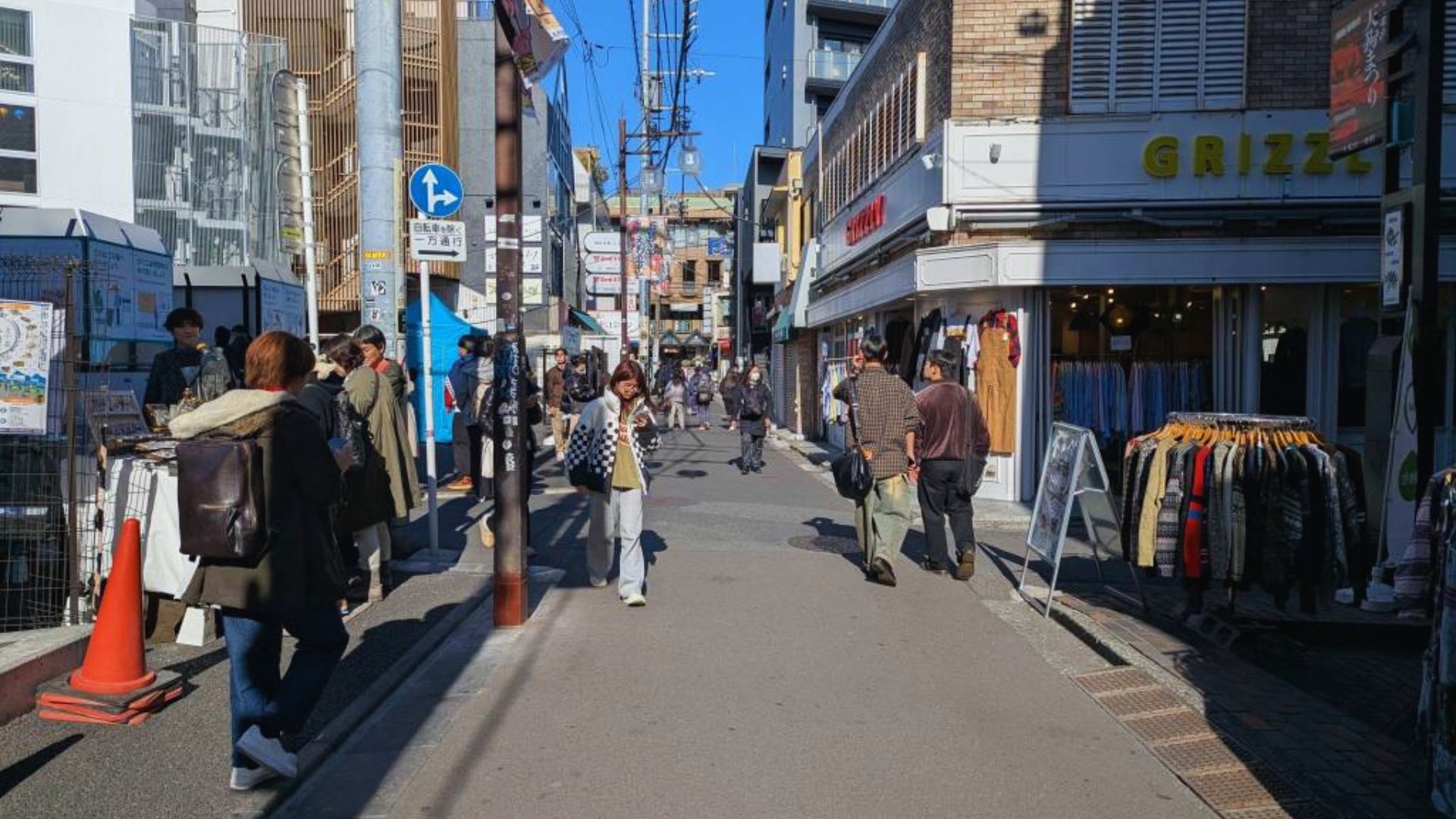
Shimokitazawa is a laid-back neighborhood known for vintage clothing, live music venues, and independent cafes.
It has a relaxed, creative feel that’s very different from central Tokyo. The streets are narrow and easy to walk, so you can wander without a strict plan.
It’s the kind of area where you go in expecting to stay an hour and end up spending most of the afternoon.
13. Jiyugaoka
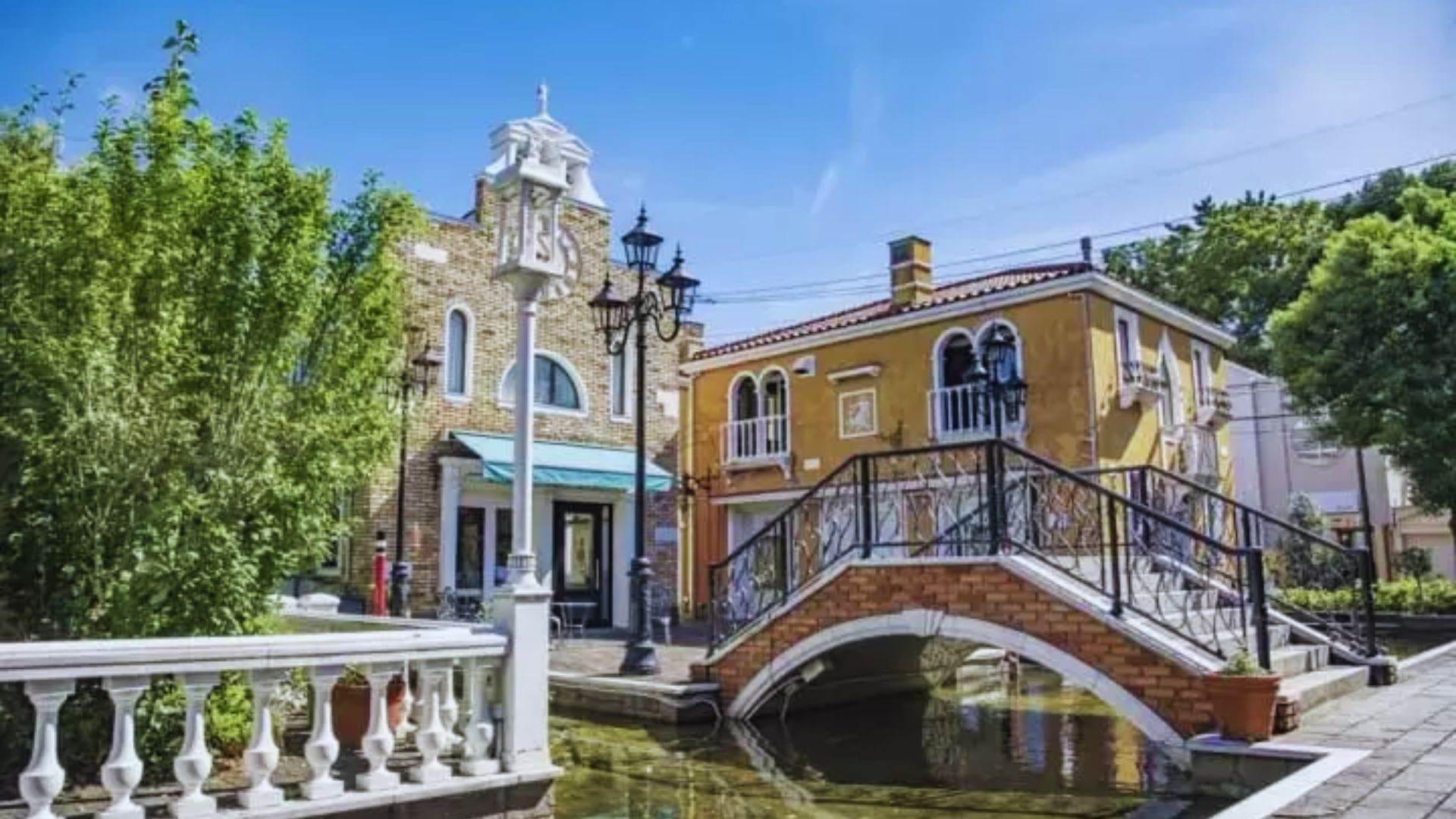
Jiyugaoka is a charming neighborhood in Meguro known for its European-style streets and pastry shops.
It’s often credited as the area that made Mont Blanc desserts popular across Japan. The streets have a calm, residential feel with plenty of small cafes and boutiques.
It’s a great afternoon stop for anyone who wants good coffee and a slow, relaxed walk away from the crowds.
14. Koenji
Koenji is one of Tokyo’s best neighborhoods for vintage shopping and local culture.
The streets around both the north and south exits of Koenji Station are lined with second-hand stores, indie cafes, and small bars.
It has a creative, low-key vibe that feels genuinely local. It’s a good place to step off the main tourist trail and see a more everyday side of Tokyo.
15. Nakameguro
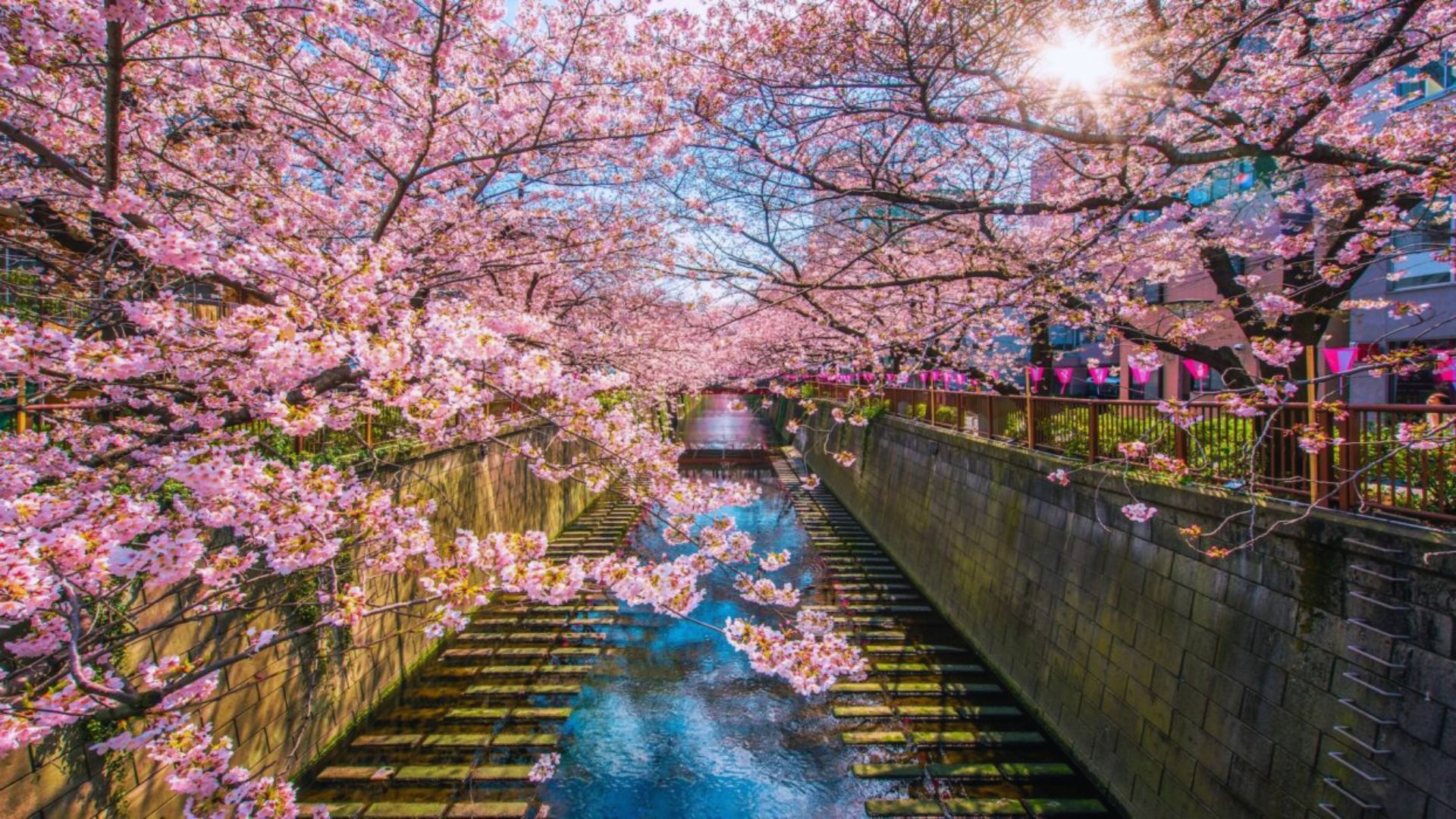
Nakameguro is best known for the Meguro River, which runs through the center of the neighborhood.
During cherry blossom season, this stretch of river becomes one of the most photogenic spots in the entire city.
Outside of spring, the area still holds up well with strong coffee shops, boutiques, and good evening walks along the water.
16. TeamLab Borderless
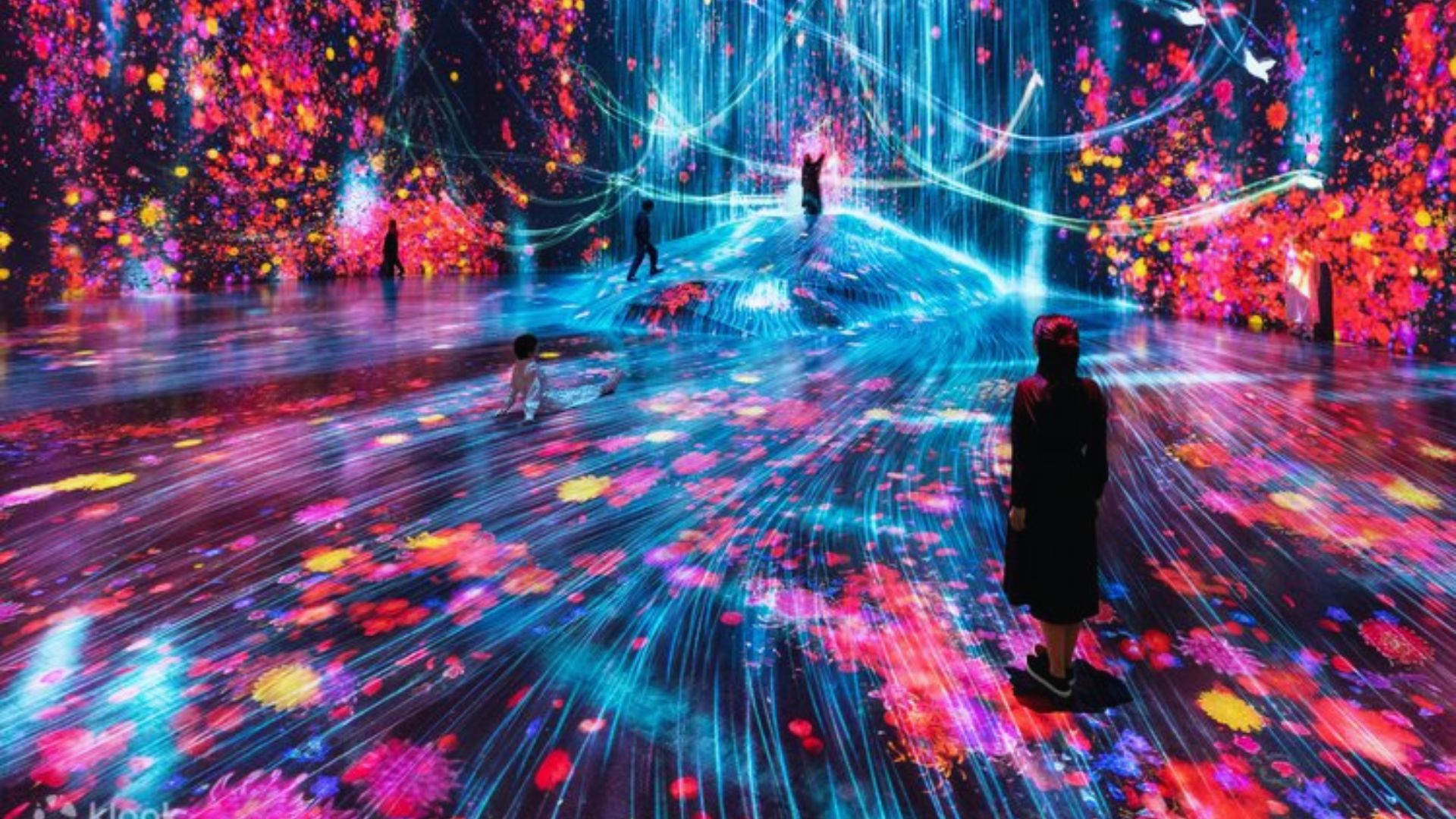
TeamLab Borderless is a digital art space where light projections cover the walls, floors, and ceilings across every room.
The artwork shifts and responds to your movements as you walk through. It reopened at Azabudai Hills in 2024. Tickets sell out quickly, so always book online before your trip.
Each room connects to the next in a way that makes the whole space feel like one continuous, moving art piece.
17. TeamLab Planets
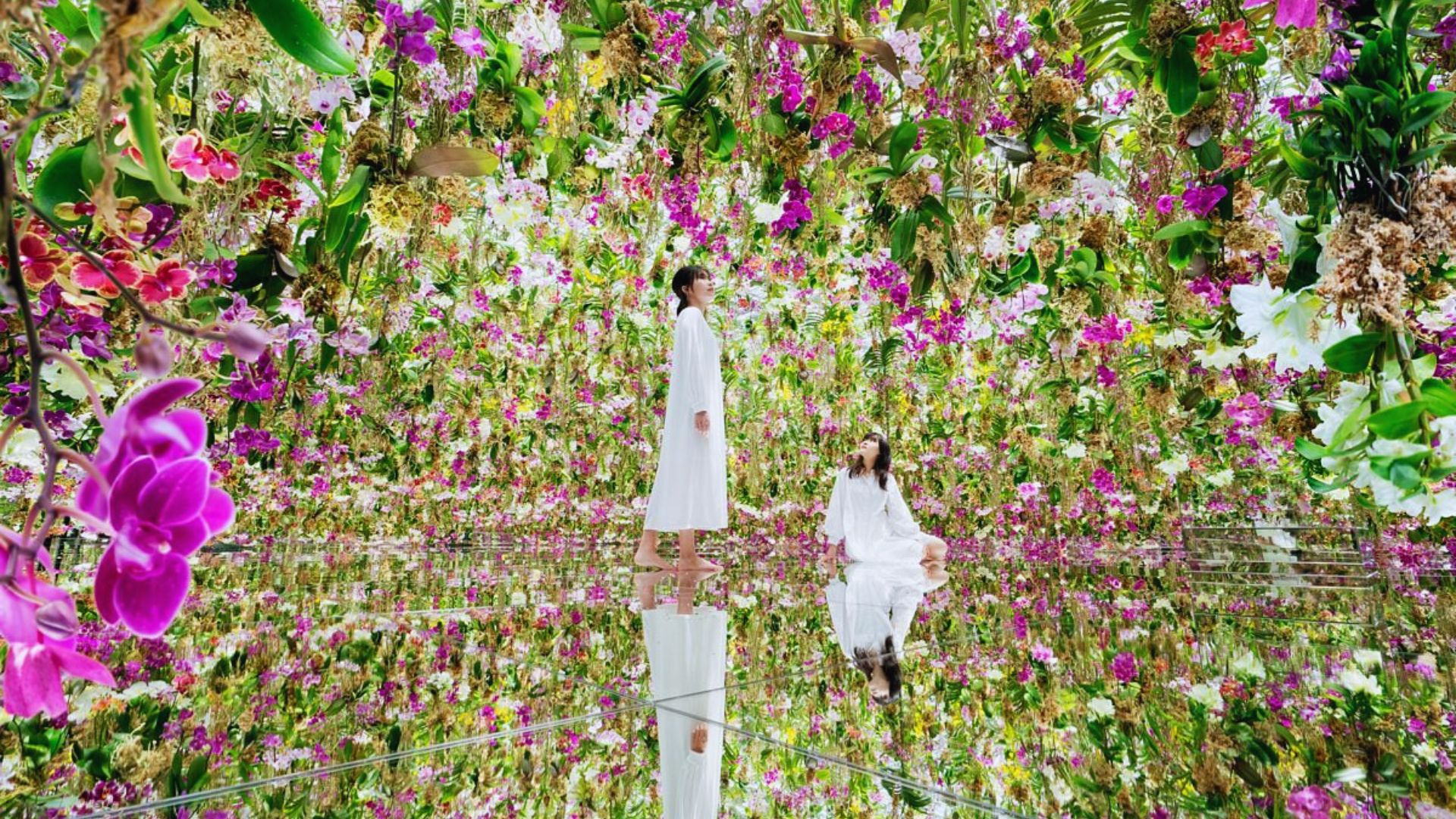
TeamLab Planets in Toyosu is a different experience from Borderless. Here, you walk barefoot through rooms filled with water, mirrors, and light projections.
The space is smaller but more immersive and intense. Each room is designed to make you feel fully surrounded by the artwork around you.
Book tickets well in advance as this one also sells out consistently throughout the year.
18. Ghibli Museum
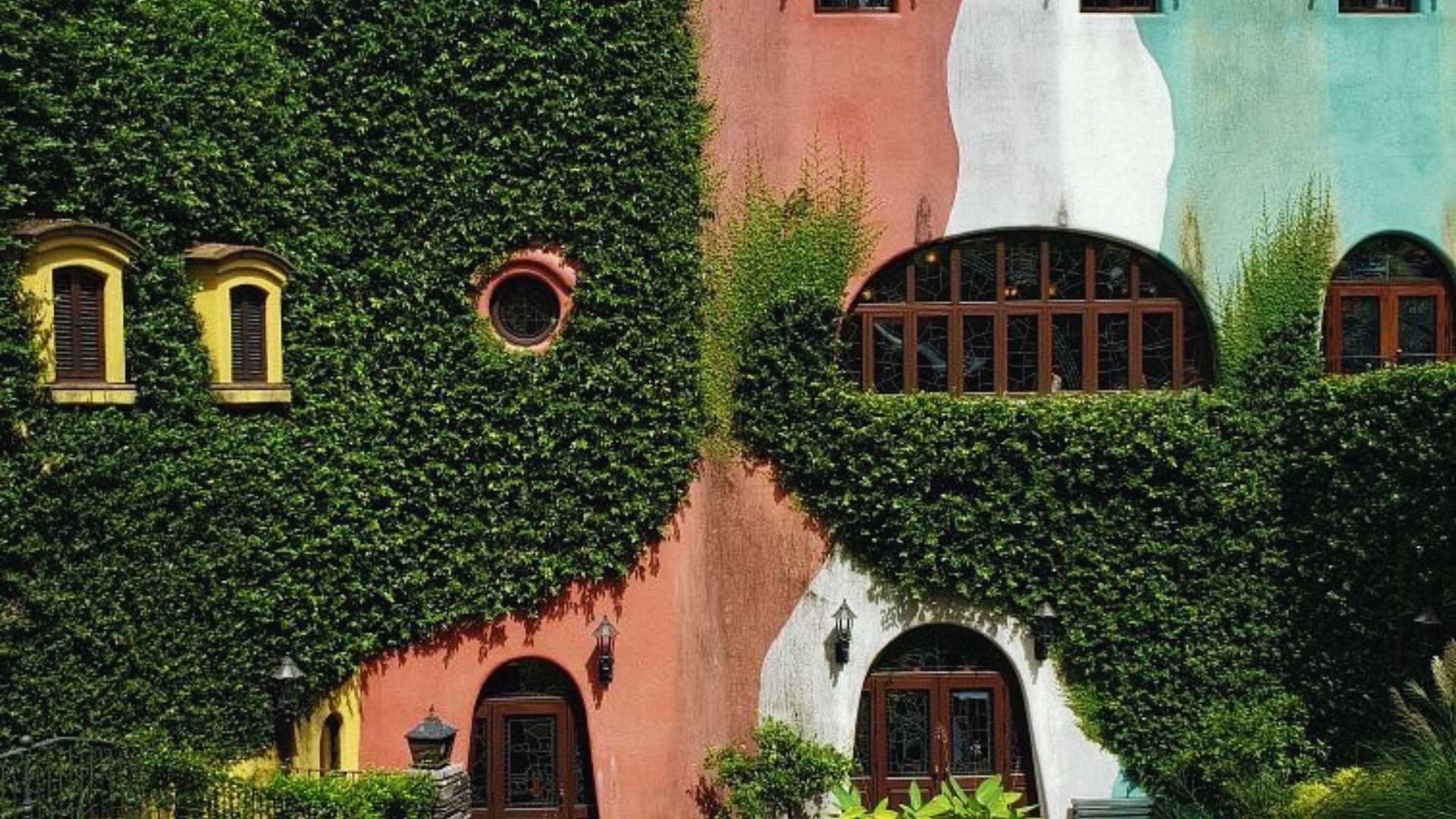
The Ghibli Museum in Mitaka is dedicated to the world of Studio Ghibli films. It feels like walking into one of the movies, with hand-painted murals and original animation exhibits.
Tickets are released monthly and sell out within minutes. Only purchase through the official Lawson ticket system to avoid scams.
It’s a must-visit for any fan of Ghibli films, regardless of age.
19. Tokyo DisneySea
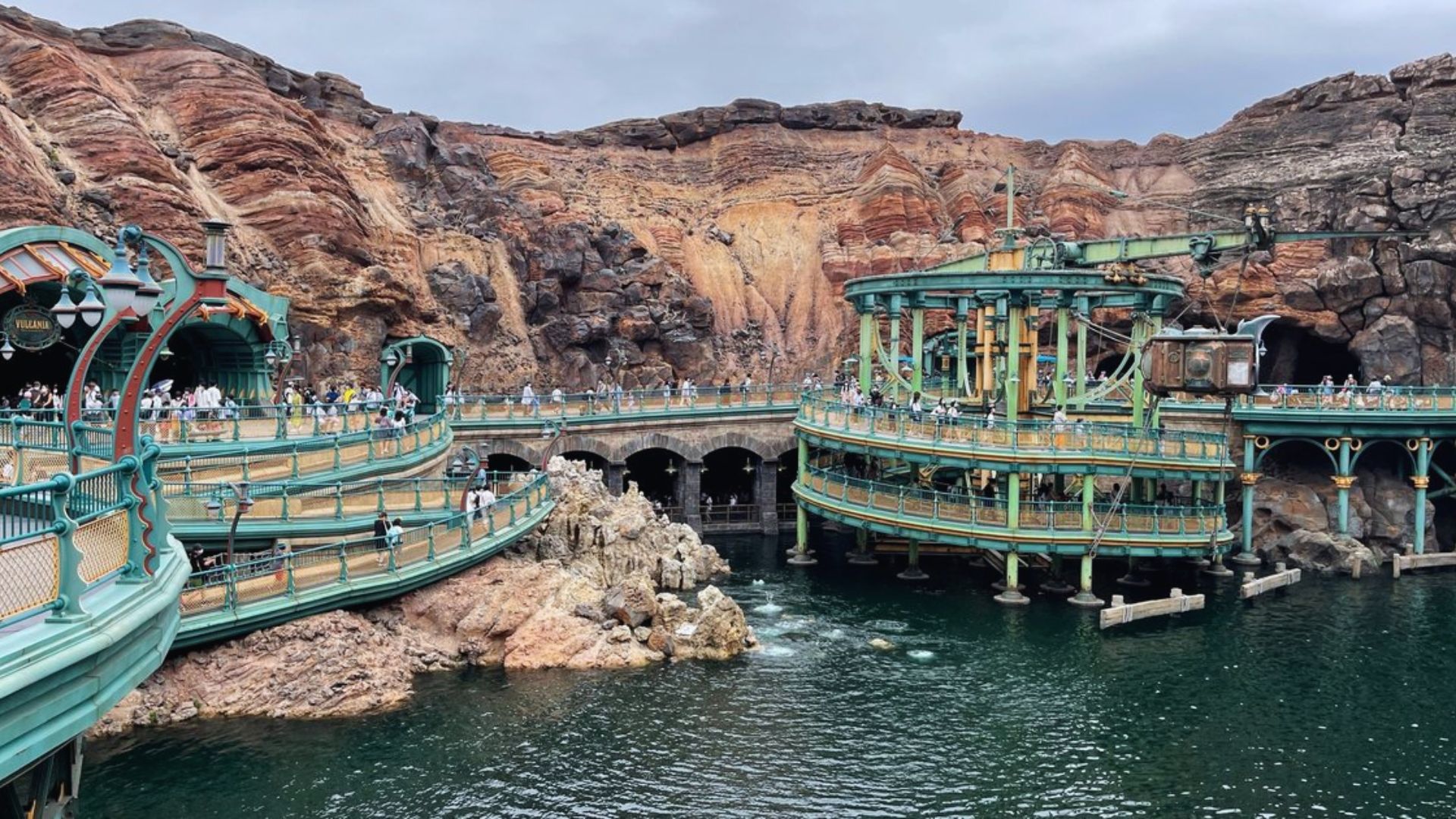
Tokyo DisneySea is widely considered the best Disney park in the world. Unlike other Disney parks, it has a nautical theme with seven ports of call set around a central lagoon.
The attractions tend to appeal more to teens and adults than younger children. Go on a weekday to avoid the longest lines.
Booking a fast pass for the most popular rides makes a real difference to your day.
20. Tokyo Disneyland
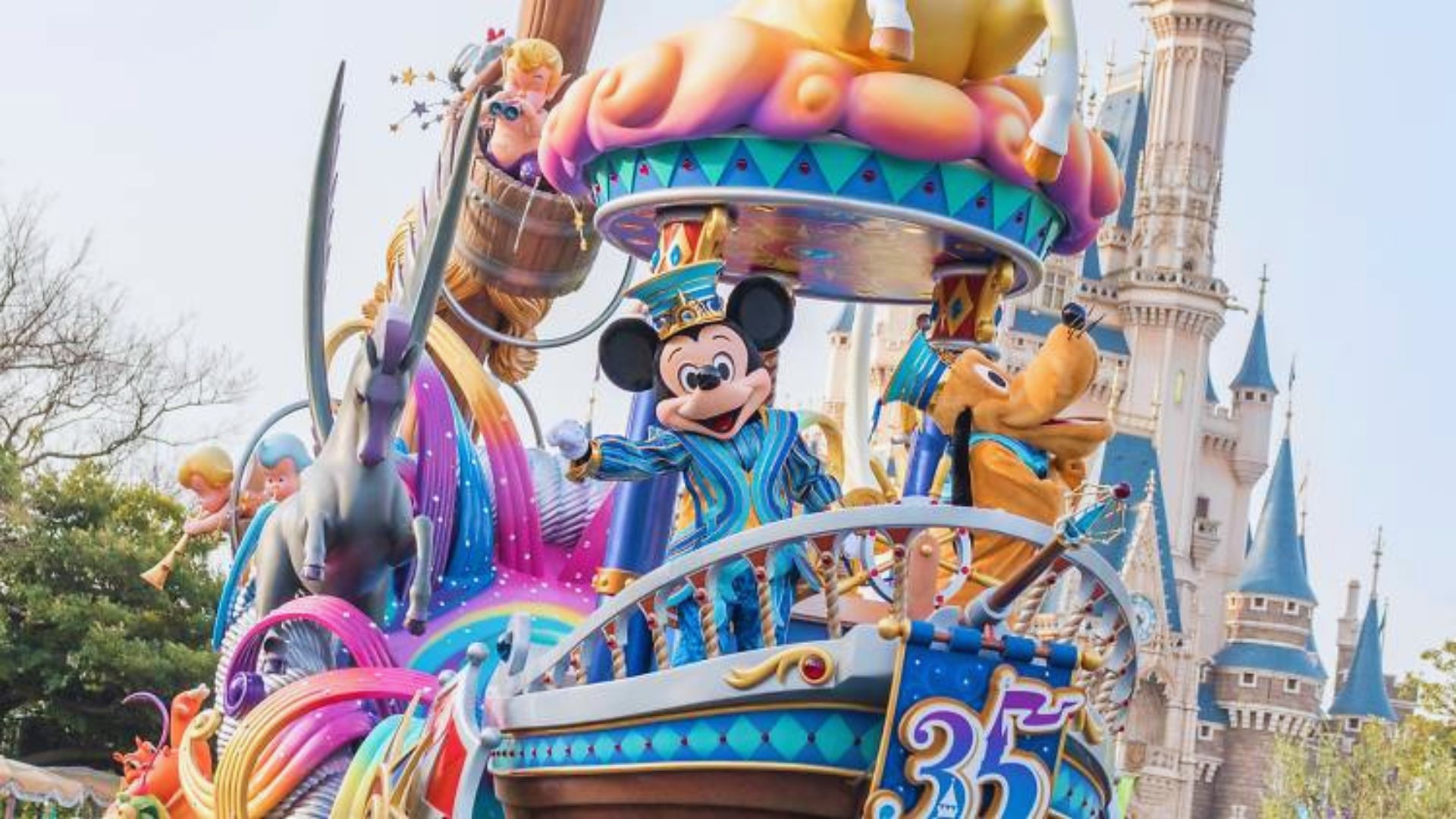
Tokyo Disneyland is the classic Disney experience, best suited for families with younger children.
It features all the familiar rides and characters, including Fantasyland and Tomorrowland. The park is known for its clean grounds and attentive staff.
January and February on weekdays tend to be the least crowded times to visit. Book tickets online in advance since entry is not available at the gate on busy days.
21. Pokemon Center Mega Tokyo
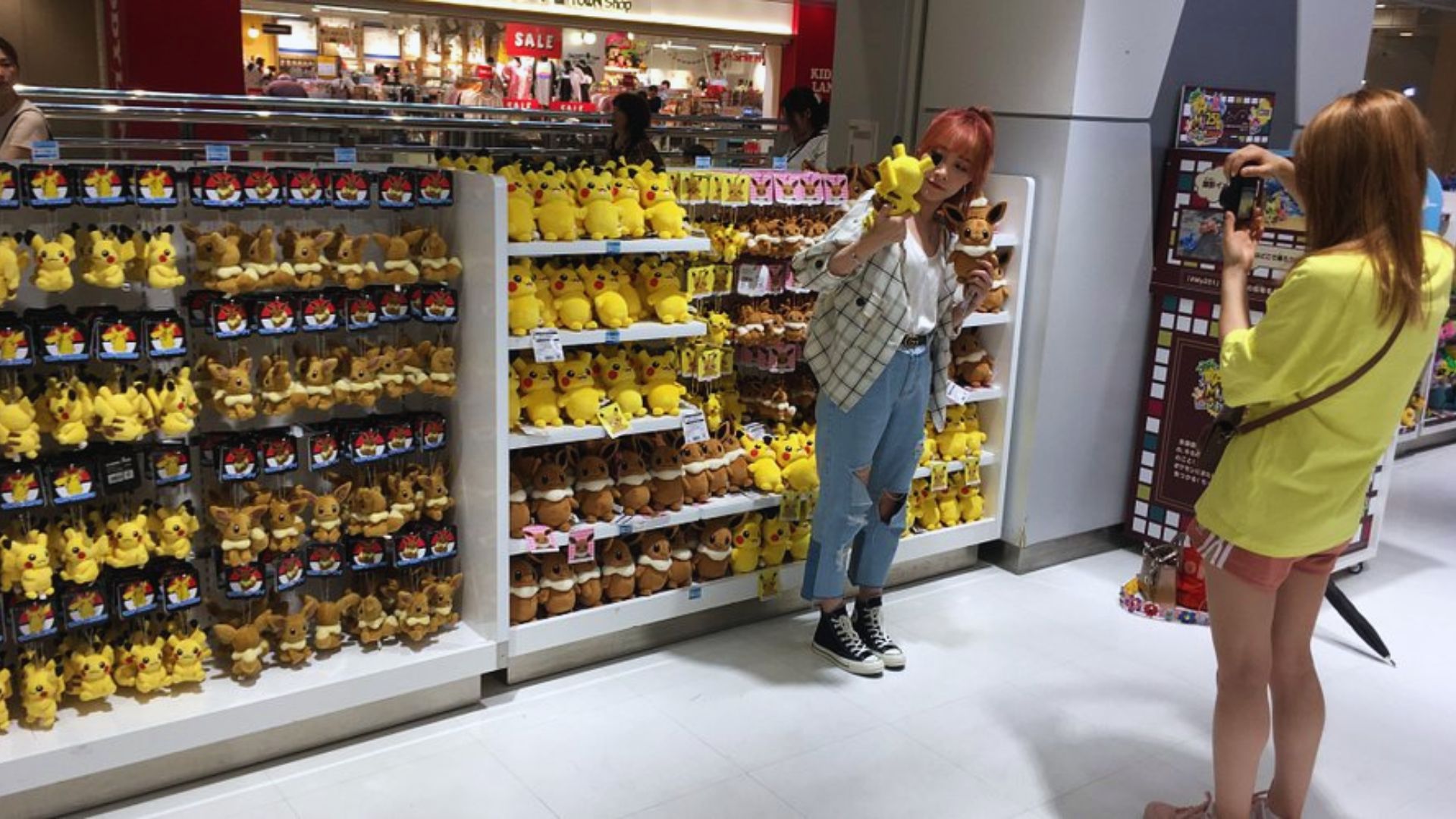
Pokemon Center Mega Tokyo in Ikebukuro is the largest Pokemon store in Japan. It carries a wide range of plush toys, trading cards, games, and exclusive Japan-only merchandise.
Even casual fans will find the scale of it impressive. Check the official website before your visit for any limited edition releases or special events.
It’s a fun stop that doesn’t take long but is easy to linger in.
22. Tsukiji Outer Market
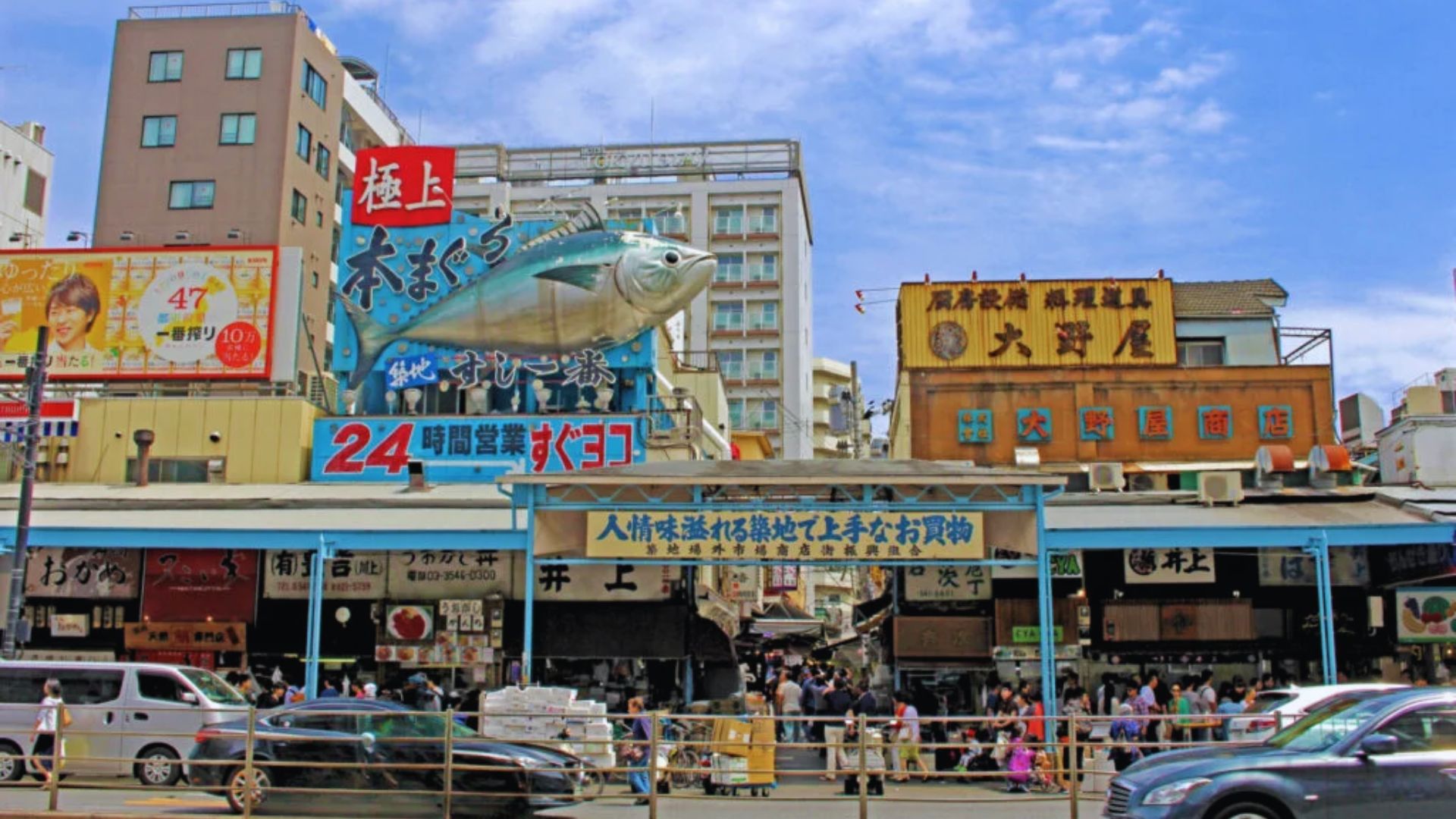
Tsukiji Outer Market remains one of the best food spots in Tokyo, even after the inner wholesale market moved to Toyosu.
The outer market is open to the public and packed with fresh seafood, tamagoyaki, sushi, and street snacks of all kinds.
Go early in the morning, ideally before 10 AM, when stalls are most active and freshly stocked for the day.
23. Depachika (Department Store Food Floors)
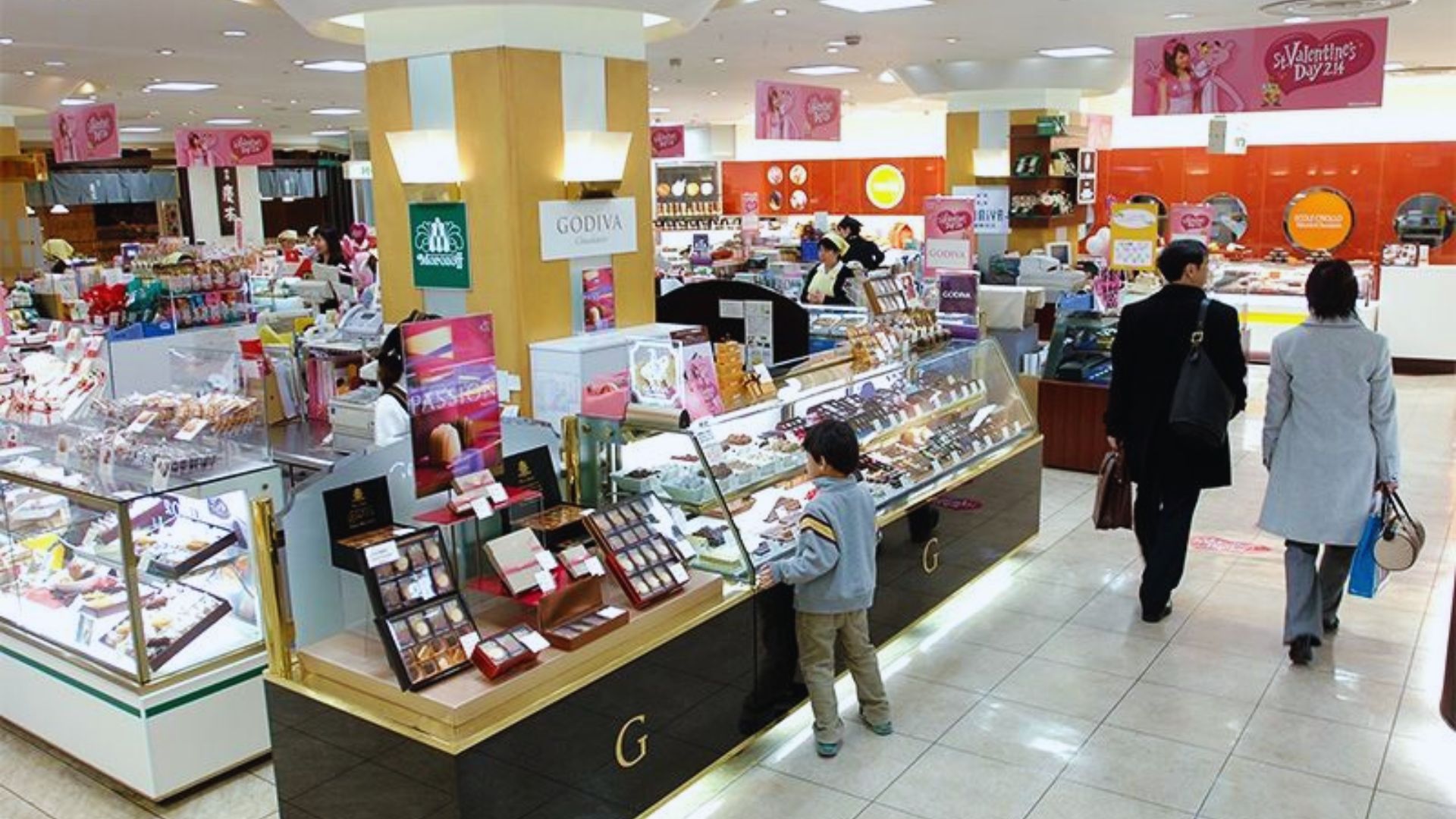
Depachika refers to the basement food floors found in most major department stores across Tokyo.
These floors are packed with high-quality prepared foods, sweets, bento boxes, and premium fresh ingredients. Isetan in Shinjuku and Mitsukoshi in Ginza are two of the best to visit.
It’s one of the most underrated food experiences in the city, especially for first-time visitors looking for something different.
24. Shiro-Hige’s Cream Puff Factory
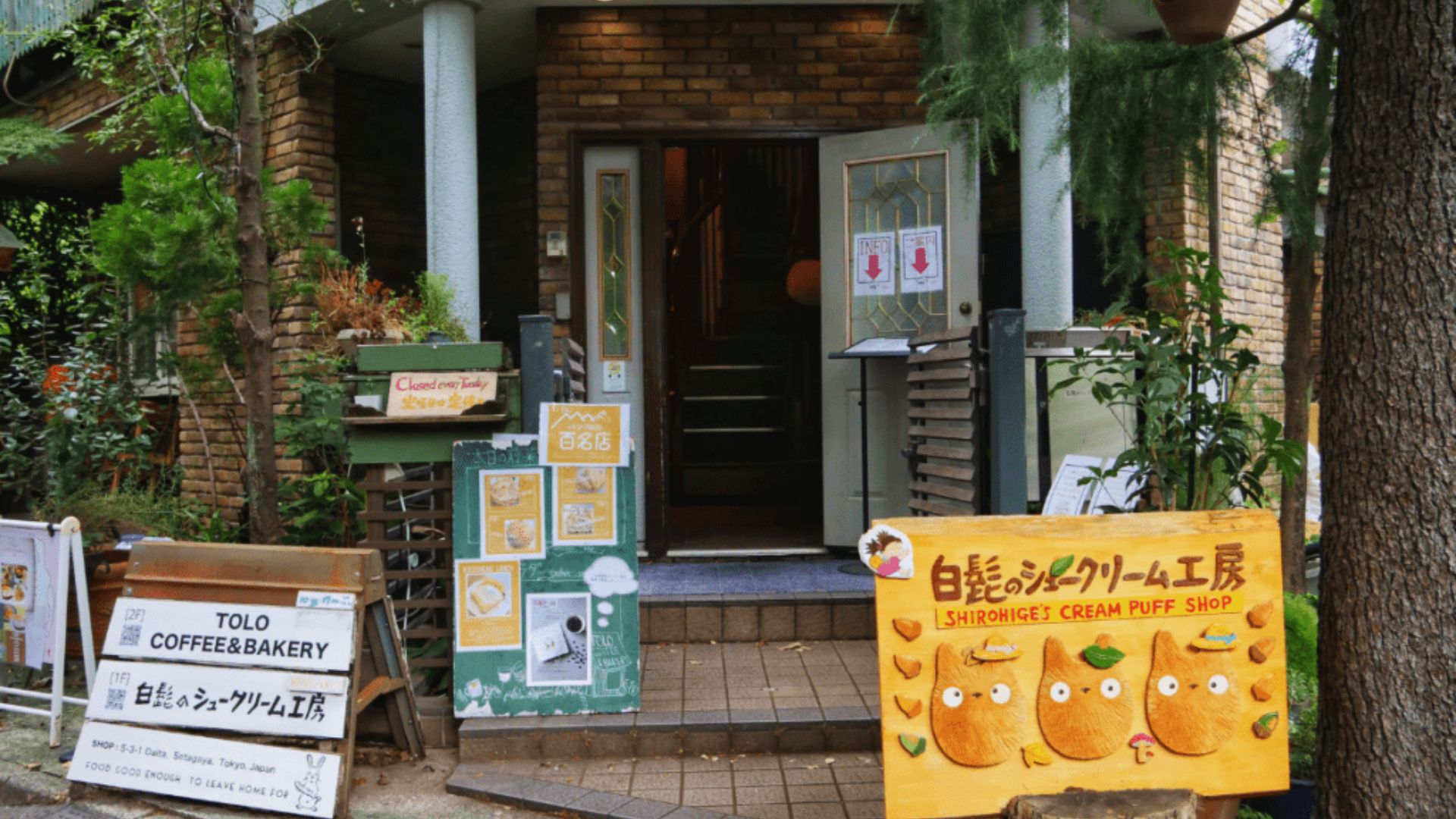
Shiro-Hige’s Cream Puff Factory is a small bakery in Setagaya that sells cream puffs shaped like Totoro from Studio Ghibli.
Each puff is handmade and filled with different custard flavors. The shop is small, so there’s often a short wait to get in.
It’s a fun, sweet stop for Ghibli fans who want a snack that doubles as a memorable photo moment.
25. Cafe Reissue (3D Latte Art)
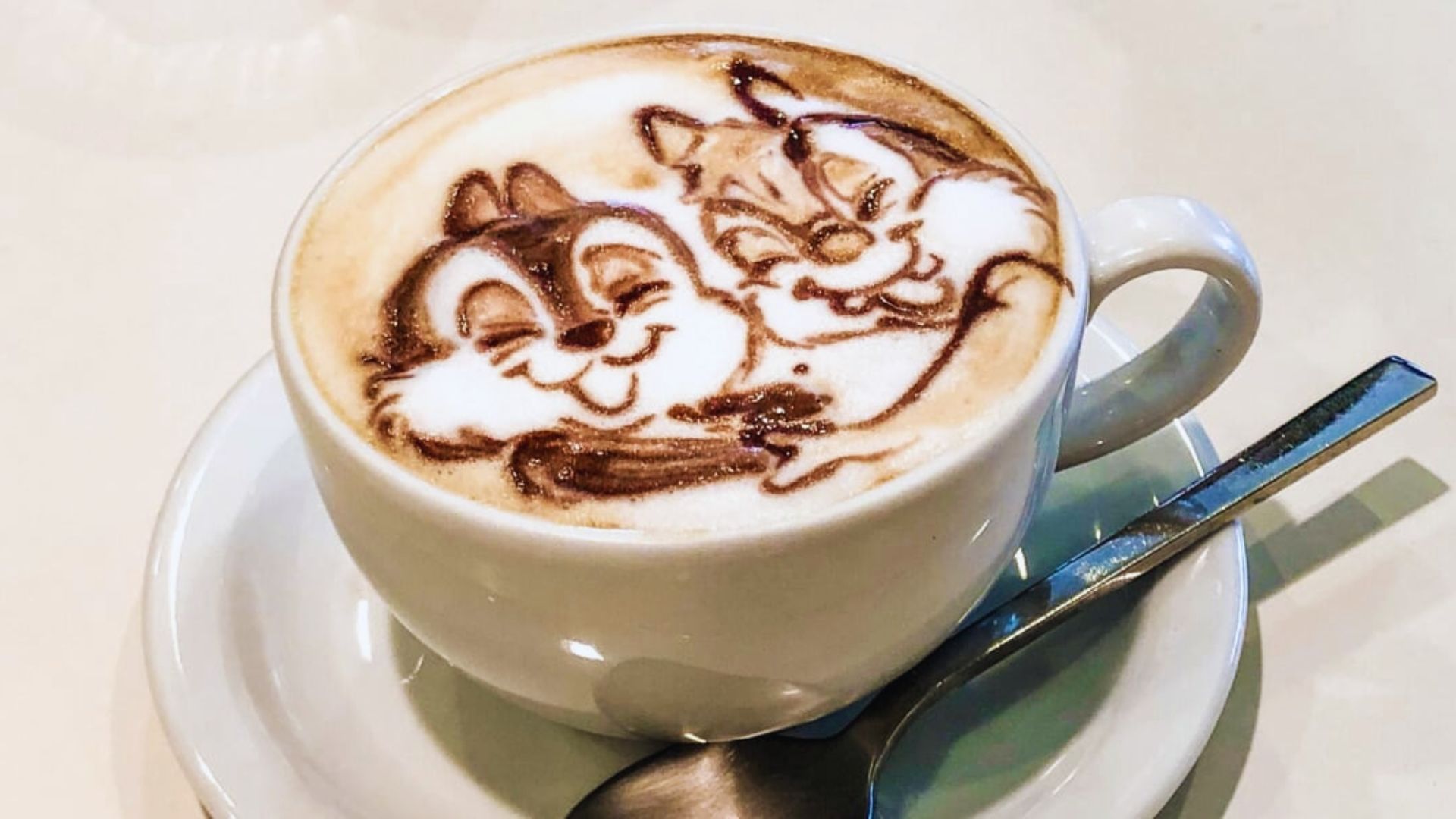
Cafe Reissue in Roppongi is known for its detailed 3D latte art. Each cup features a small foam sculpture of an animal or seasonal character sitting on top.
The cafe is cozy and intimate, so go during off-peak hours to get a seat without too long a wait.
It’s a great stop for coffee lovers and a very easy place to get a memorable photo for your trip.
26. Shinjuku Gyoen National Garden
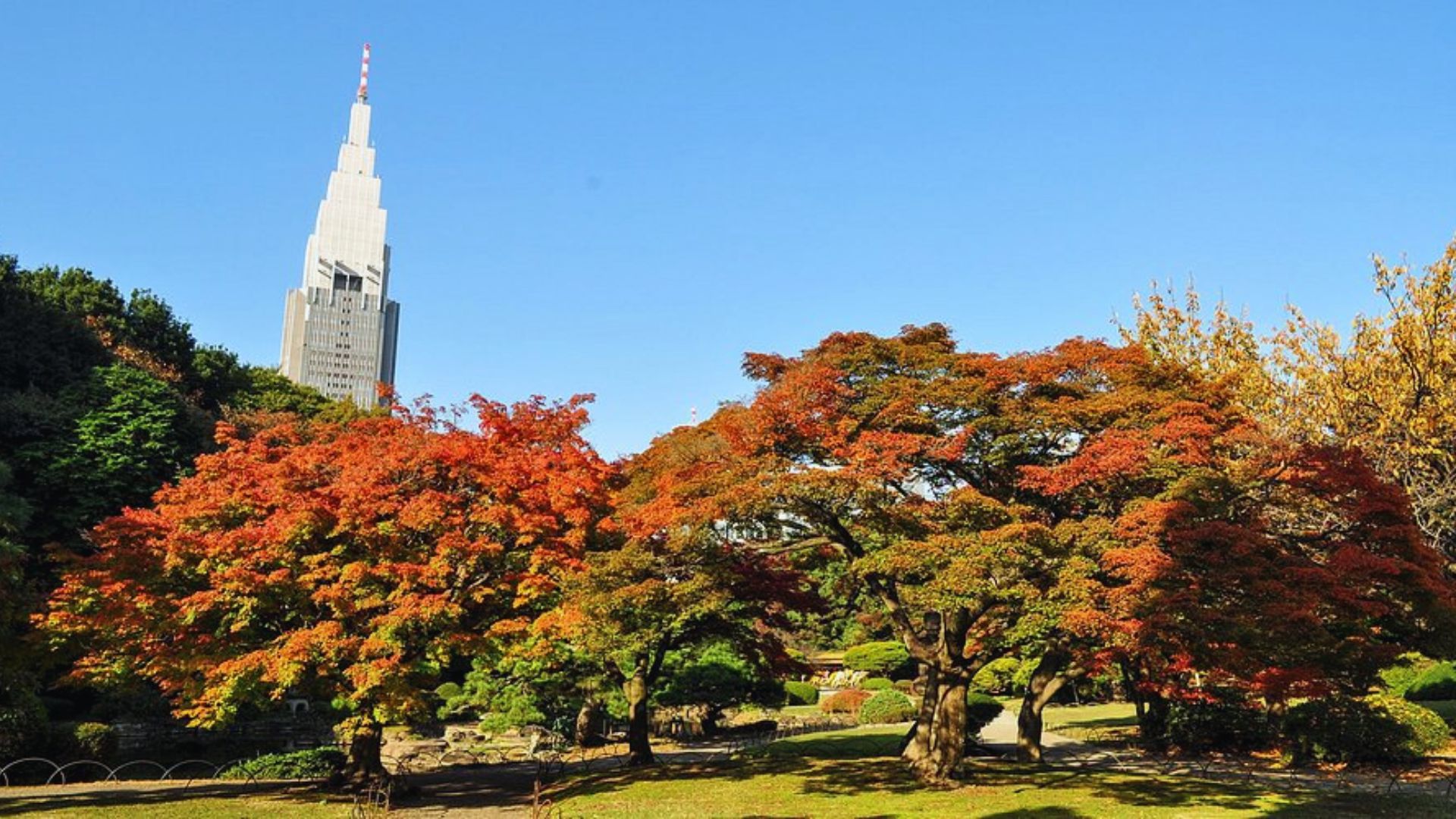
Shinjuku Gyoen is a large national garden that blends Japanese, French, and English garden styles in one open space.
It’s one of the top spots in Tokyo for cherry blossoms in late March and early April.
The garden is calm and spacious, making it a good place to rest and recharge in the middle of a busy day. Entry costs only 500 yen per adult, making it very affordable.
27. Ueno Park
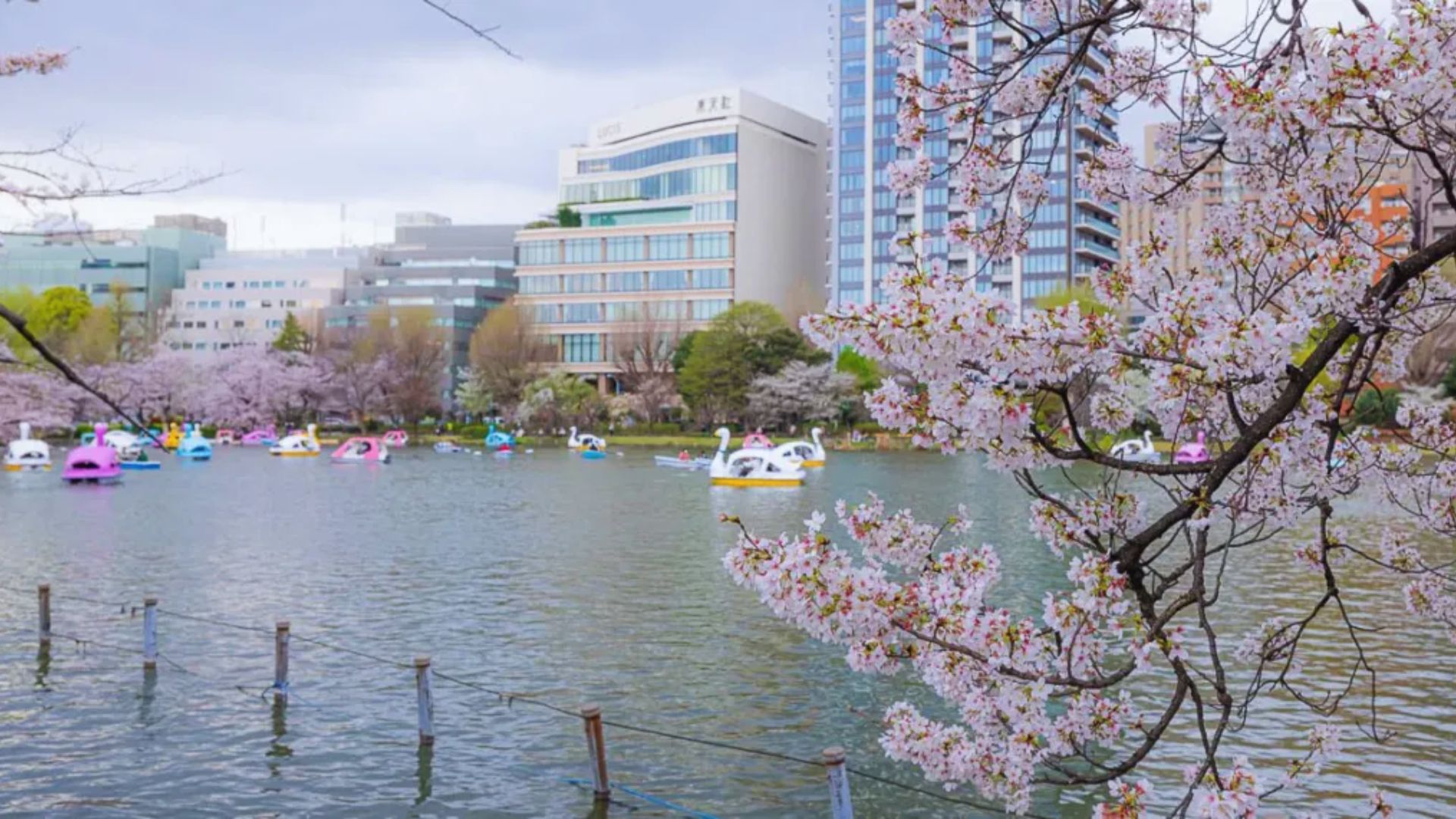
Ueno Park is one of Tokyo’s largest and most well-known public parks.
It’s home to several major museums, including the Tokyo National Museum and the National Museum of Western Art.
The park also has a zoo and a large pond covered in lotus flowers during summer.
28. Inokashira Park


The Samurai Restaurant Show is a dinner and performance experience based in Shinjuku.
It’s designed for tourists but delivers a high-energy, entertaining night. Book well in advance since shows fill up consistently.
It’s a fun way to close out a full day of sightseeing in Tokyo on a memorable note.
Tips for Visiting Tokyo Like a Local
Tokyo rewards people who plan a little and stay flexible.
- Get a Suica or Pasmo IC card at the airport for easy travel on trains and buses.
- Download Google Maps offline in case Wi-Fi drops underground or in older areas.
- Carry cash as many small shops and temples don’t accept cards.
- Eat where locals eat for the best food at the lowest prices.
- Avoid Golden Week and Obon if you want smaller crowds and lower prices.
Small habits like these make a big difference in how smoothly your trip goes.
Conclusion
I hope this guide on places to visit in Tokyo makes your planning feel a lot less overwhelming.
Tokyo surprised me. I expected big landmarks and got so much more: quiet temple streets, basement food halls, and neighborhoods that felt like a different world.
Start with this list, but leave room to wander. The best moments often happen off-plan.
Found this helpful? Drop a comment below, share it with a friend, or check out our other travel guides.
Frequently Asked Questions
What is the best time of year to visit Tokyo?
Spring (March to May) is great for cherry blossoms, and fall (October to November) offers cooler weather with fewer crowds.
How many days do I need in Tokyo?
Five to seven days is enough to cover the highlights without feeling rushed.
Is Tokyo expensive to visit?
Not necessarily. Eating at local spots and convenience stores keeps costs low, around $80 to $150 a day.
Do I need to speak Japanese to get around Tokyo?
No. Train stations have English signage and most restaurants offer picture menus or English options.
What should I book in advance for Tokyo?
The Ghibli Museum, TeamLab Borderless, TeamLab Planets, and any themed dining shows sell out fast, so book early.
