


Planning a trip to Tbilisi and not sure where to start? I’ve got you covered. This guide walks you through 53 things to do in Tbilisi from ancient churches and sulfur baths to rooftop bars and day trips.
I’ve spent time visiting this city myself and know how overwhelming the planning can feel.
Here you’ll find top attractions, museums, nightlife, and practical tips, all laid out simply so you can plan with confidence.
General Travel Overview for Visiting Tbilisi

Tbilisi is the capital of Georgia, the country, not the US state. It sits in the South Caucasus and has been a crossroads of cultures for centuries.
Best time to visit: Spring (April to June) and autumn (September to November). Summers are hot and winters can be grey.
Getting around: Taxis are cheap. The metro covers key areas. Walking works well in the Old Town. Use Bolt or Yandex apps rather than hailing unmarked cabs.
Currency: Georgian Lari (GEL). Carry cash as many smaller spots are cash only.
Language: Georgian, but English is widely spoken in tourist areas.
Cost: Very affordable. A full meal can cost under $10. A cross city taxi rarely exceeds $5.
Top Attractions, Culture & Experiences in Tbilisi
From ancient fortresses to lively streets, Tbilisi has more to see than most people expect.
1. Visit Fabrika

A former Soviet sewing factory turned creative hub with cafes, bars, shops, and co working spaces. The outdoor courtyard is lively in the evenings and worth a walk through even if you don’t spend money.
2. Try Homemade Wine at a Local Wine Cellar Near Fabrika
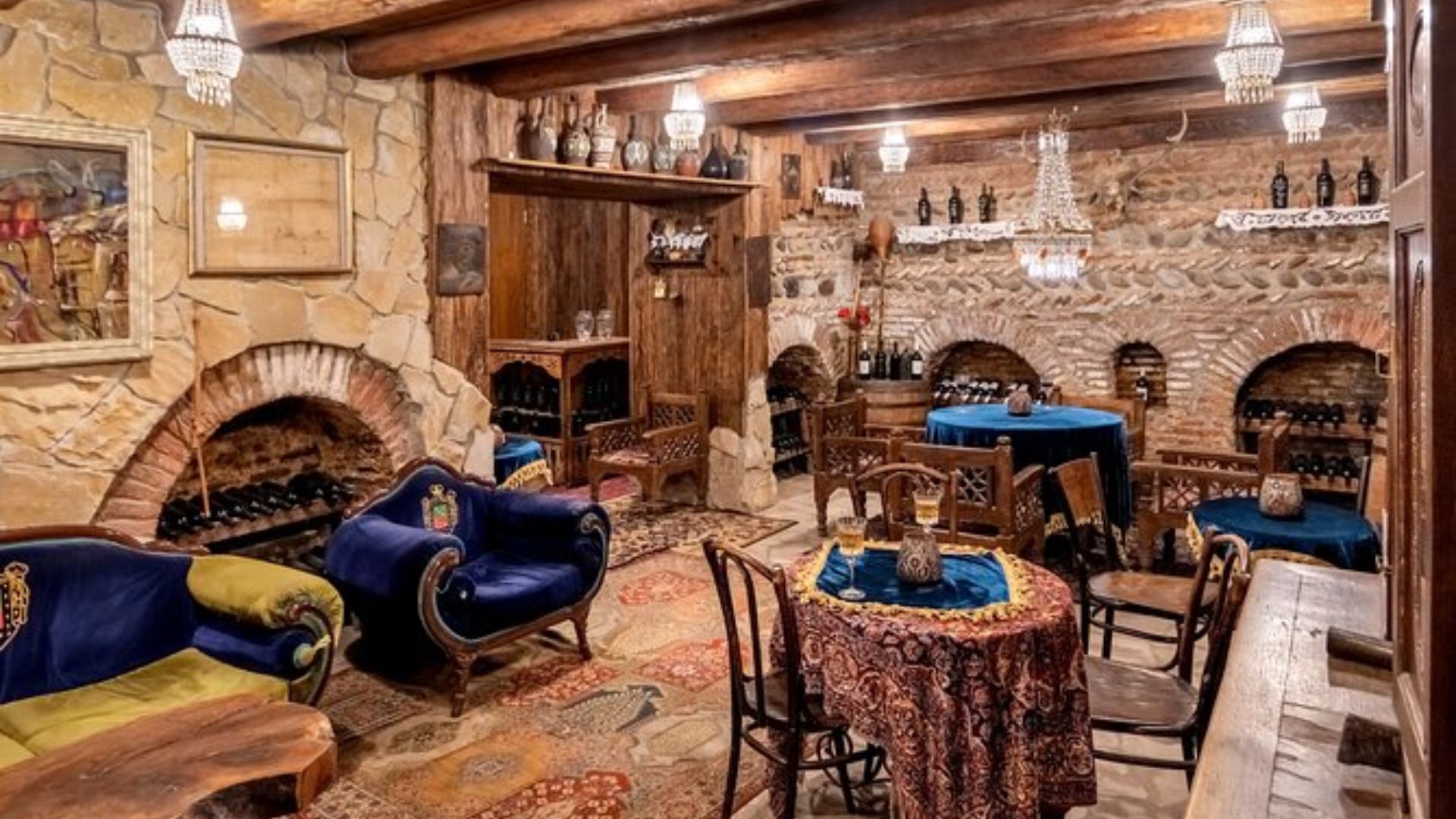
Georgia is one of the world’s oldest wine producing countries. Near Fabrika, small cellars make wine using the traditional qvevri method with clay pots buried underground. Try the amber wine for something unlike anything you’ve had before.
3. Walk Along Davit Aghmashenebeli Avenue
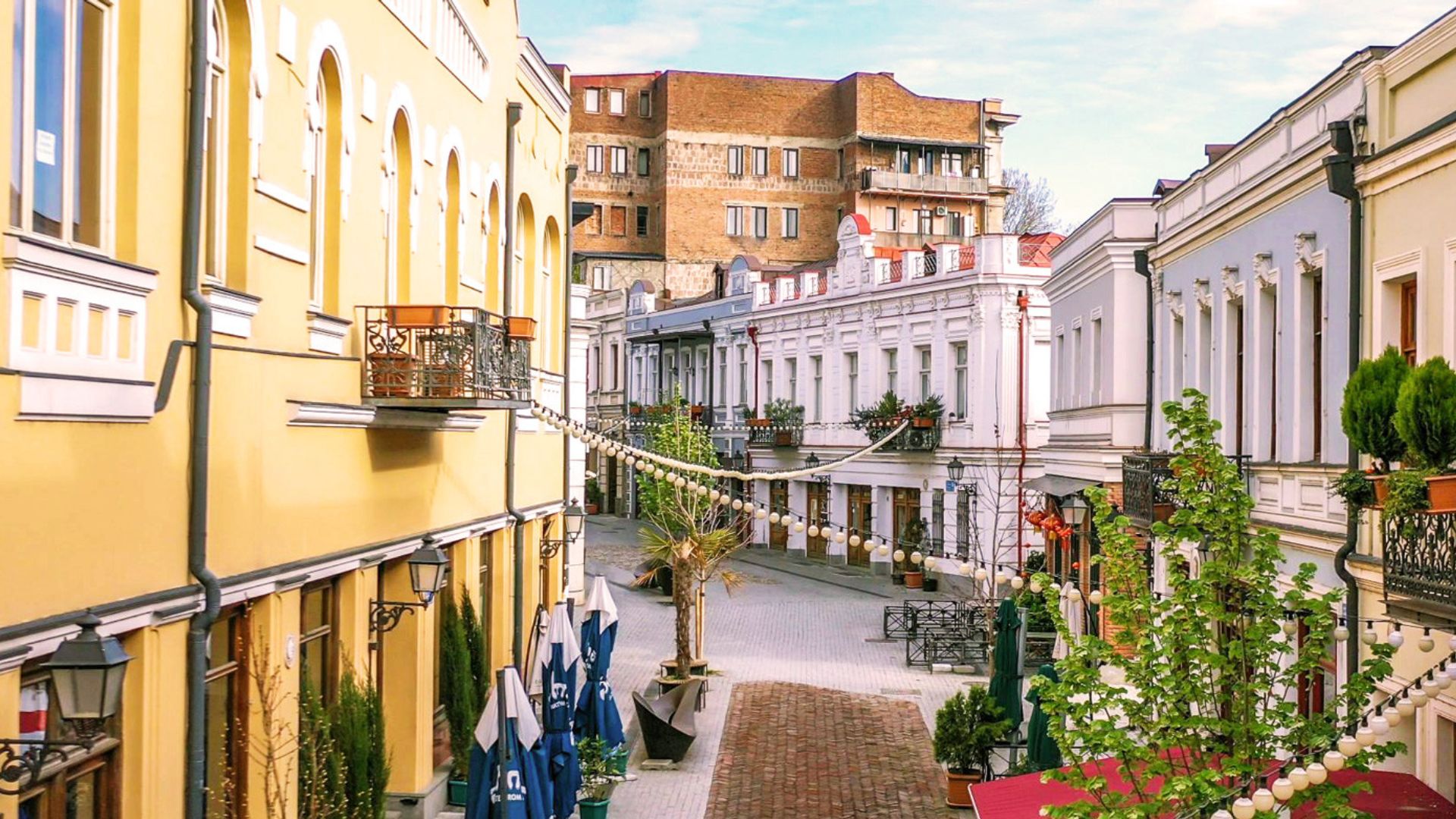
A long avenue in the Marjanishvili district lined with 19th century buildings, cafes, and local shops. Less touristy than the Old Town and great for seeing everyday Tbilisi life.
4. Cross the Bridge of Peace
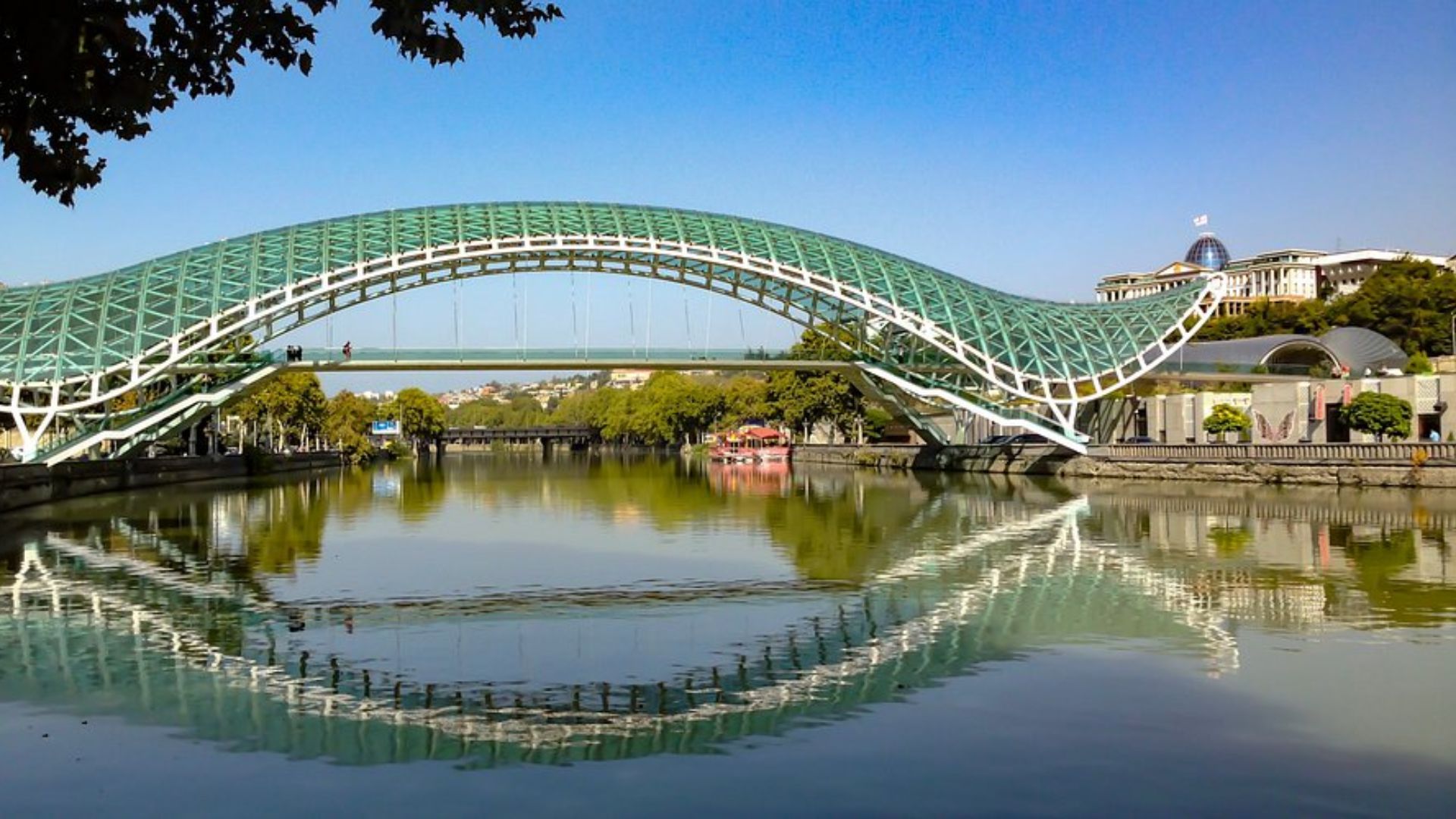
A glass and steel pedestrian bridge connecting Rike Park to the Old Town. Cross it at dusk for the best city views from the middle.
5. Photograph the City from Baratashvili Bridge
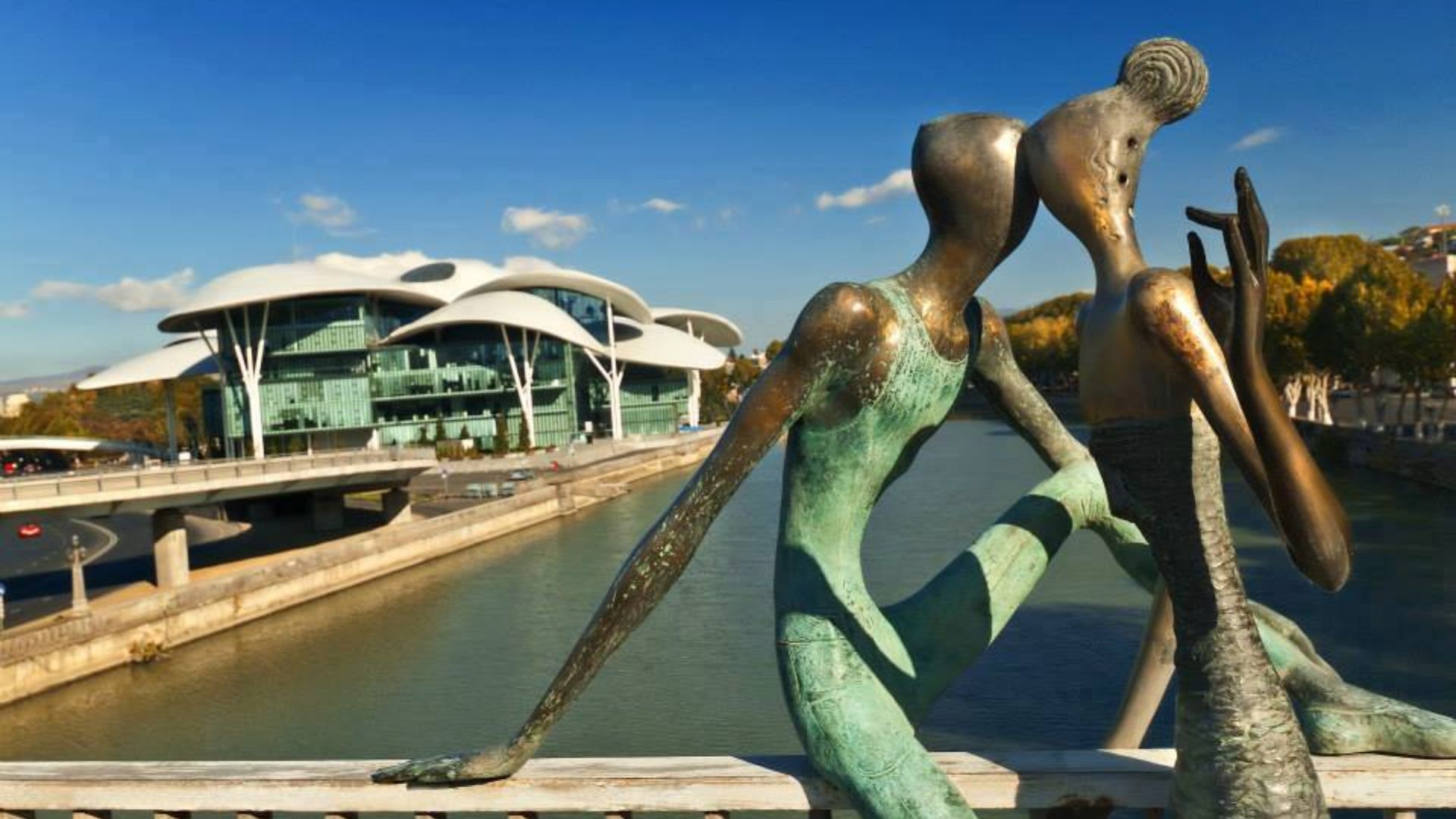
A less crowded viewpoint offering great angles of the Mtkvari River and the hillside. Best visited early morning for soft light and quiet streets.
6. Relax in Rike Park
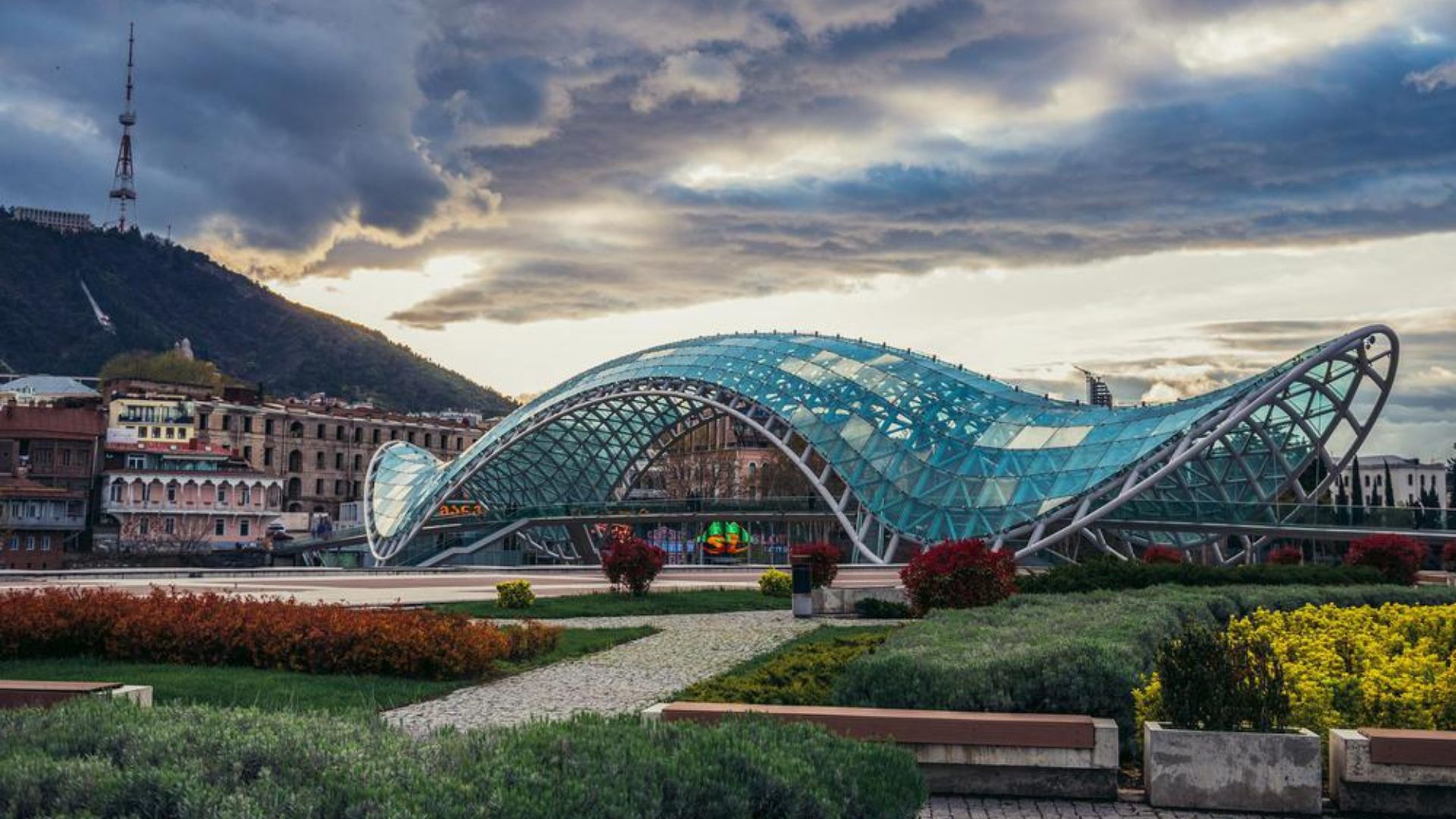
A green, open space along the river with benches and fountains. Connects directly to the cable car station, making it easy to combine with a trip up to Narikala Fortress.
7. Ride the Tbilisi Cable Car
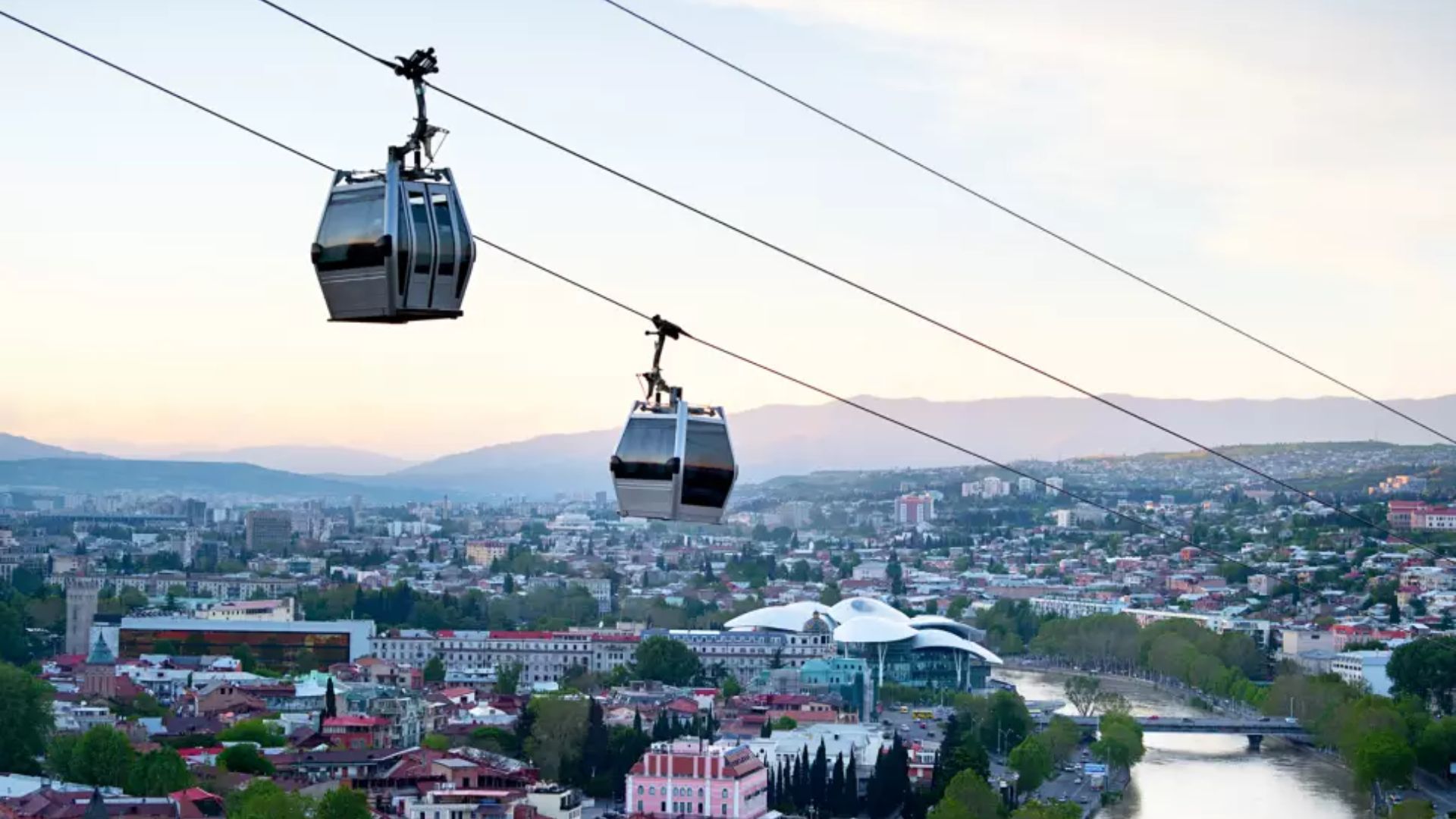
Runs from Rike Park up to Narikala Fortress. A short ride with sweeping views over the city. Cheap, quick, and saves you the steep uphill walk.
8. Find the Waterfall Near Metekhi Church
A small waterfall hidden in the gorge near Metekhi Church that most visitors walk straight past. Head toward the river bank and follow the path into the ravine for a quiet, unexpected spot.
9. Visit Metekhi Church and the Statue of King Vakhtang Gorgasali
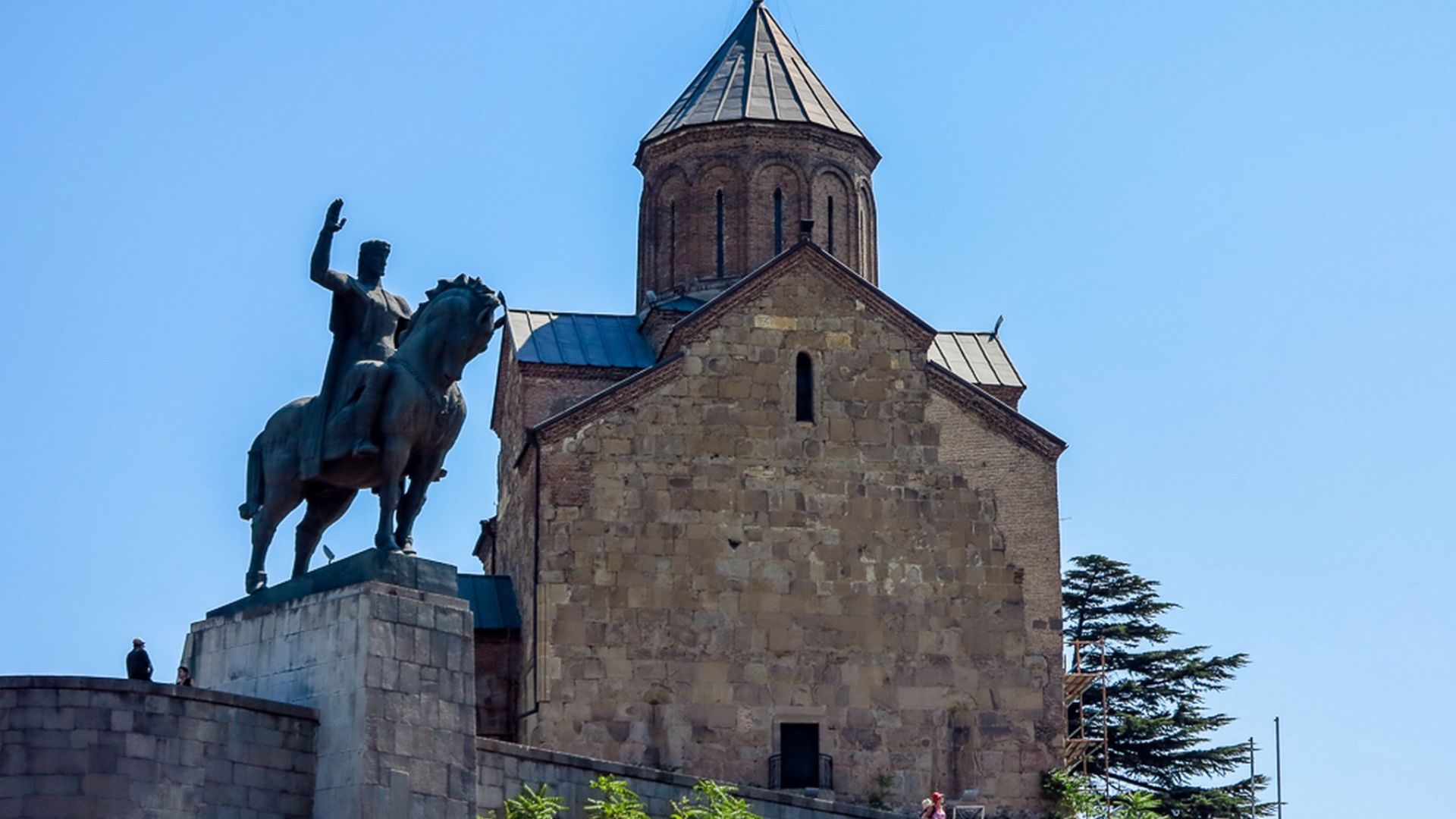
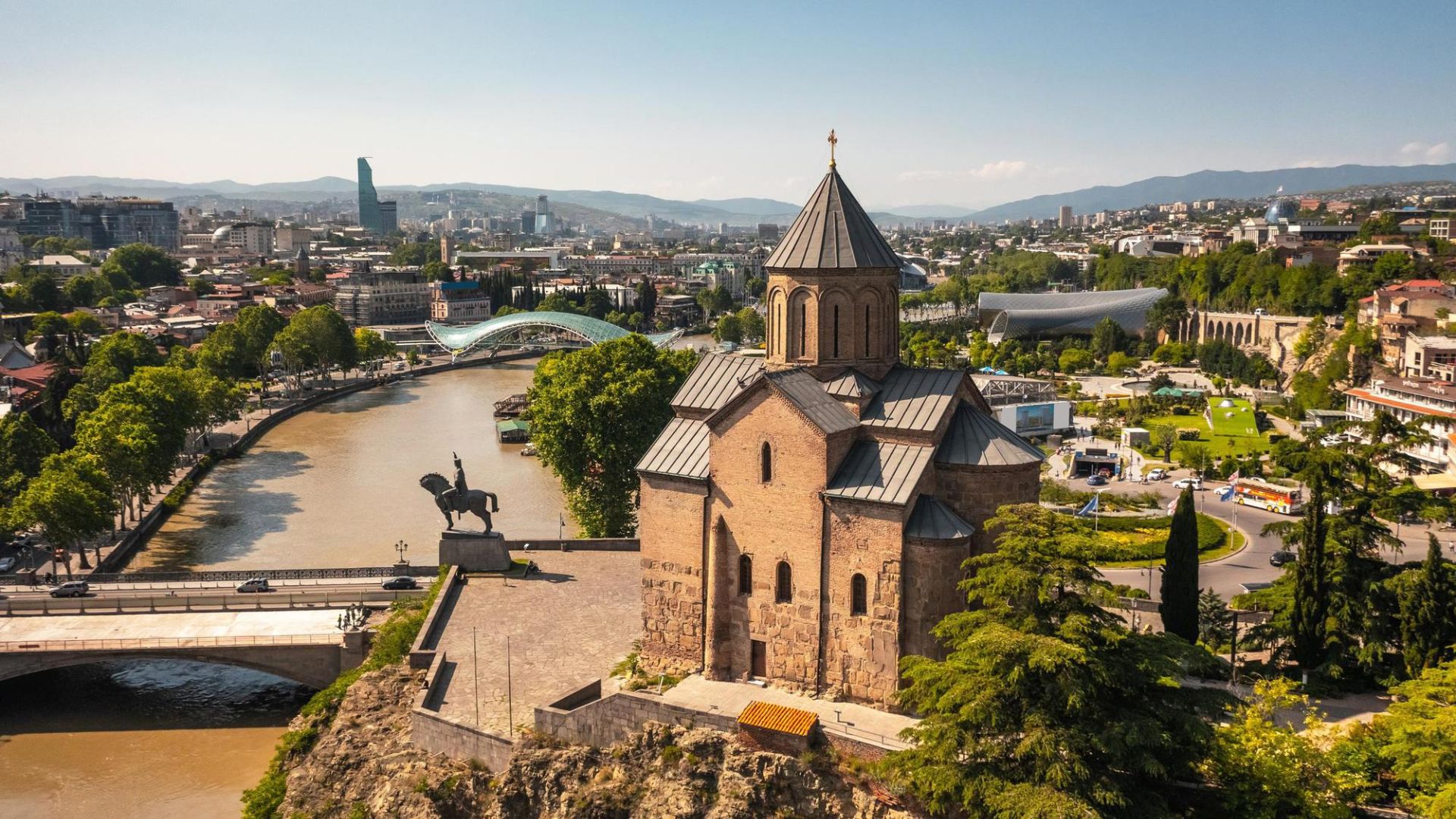
A 13th century church on a cliff above the river, paired with an equestrian statue of Tbilisi’s founder. One of the best photo spots in the city.
10. See the Holy Trinity Cathedral of Tbilisi
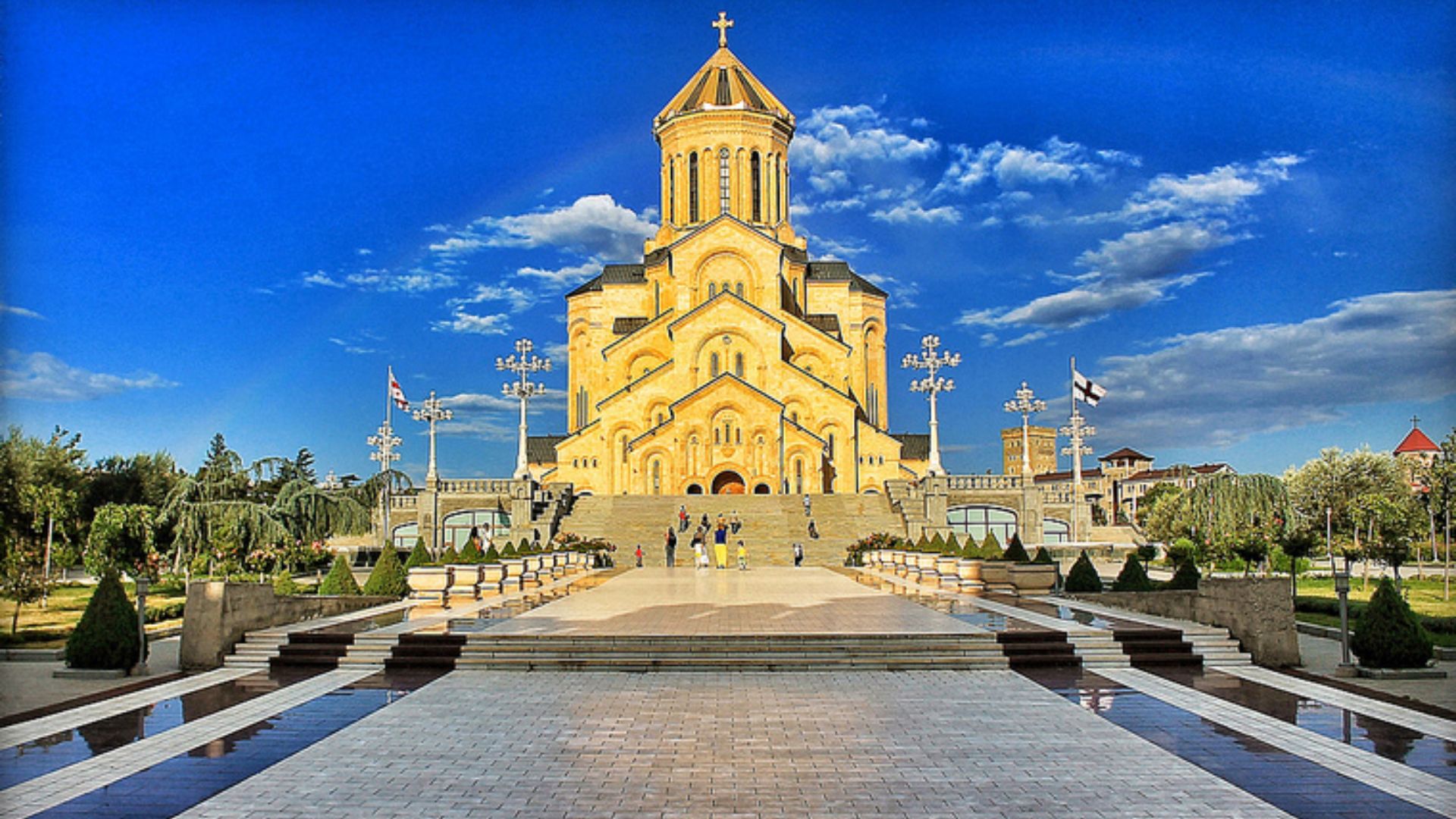
Known locally as Sameba, this is the largest cathedral in Georgia. Completed in 2004, the interior is richly decorated with frescoes. Dress modestly as shoulders and knees must be covered.
11. Tour Stalin’s Underground Printing House Museum
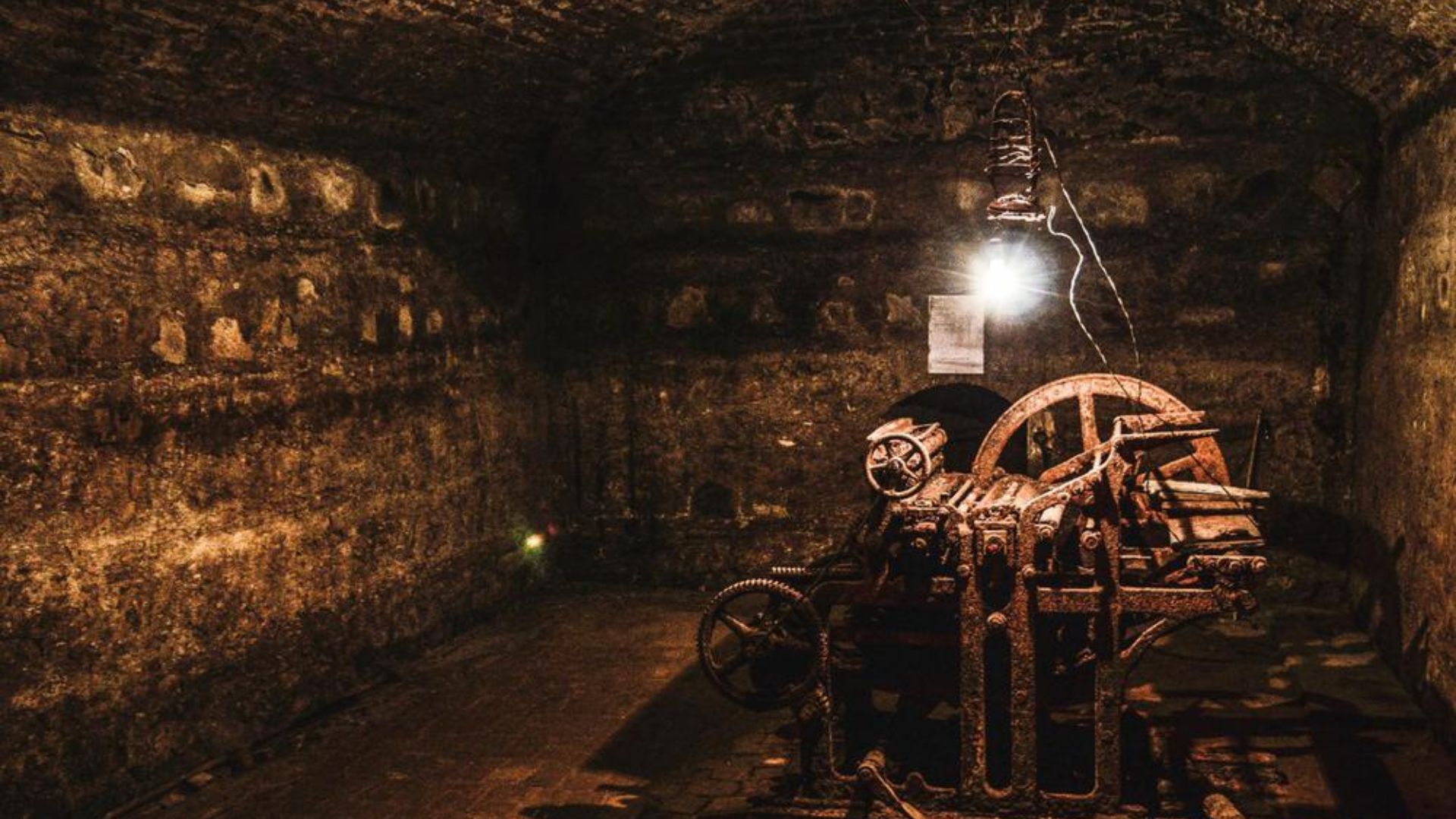
A secret underground printing press used by Stalin and the Bolsheviks in the early 1900s. Small, genuinely interesting, and easy to miss. You descend into the original basement to see the hidden press.
12. Soak at Chreli Abano
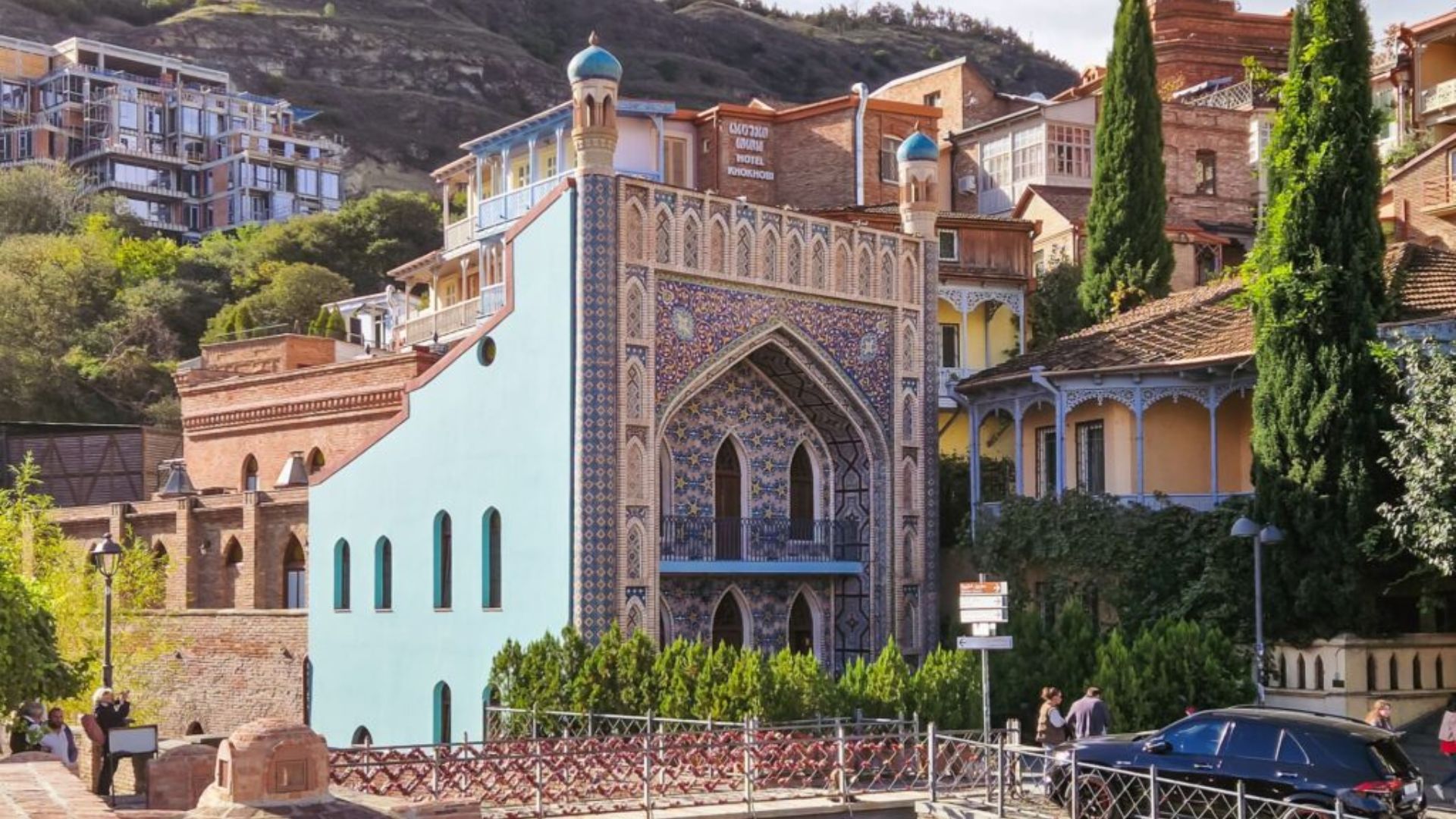
One of Tbilisi’s most well known sulfur bathhouses. Book a private room or use the public baths. The warm, mineral rich water is relaxing and feels very Georgian. Allow 1 to 2 hours.
13. Walk Through the Abanotubani District
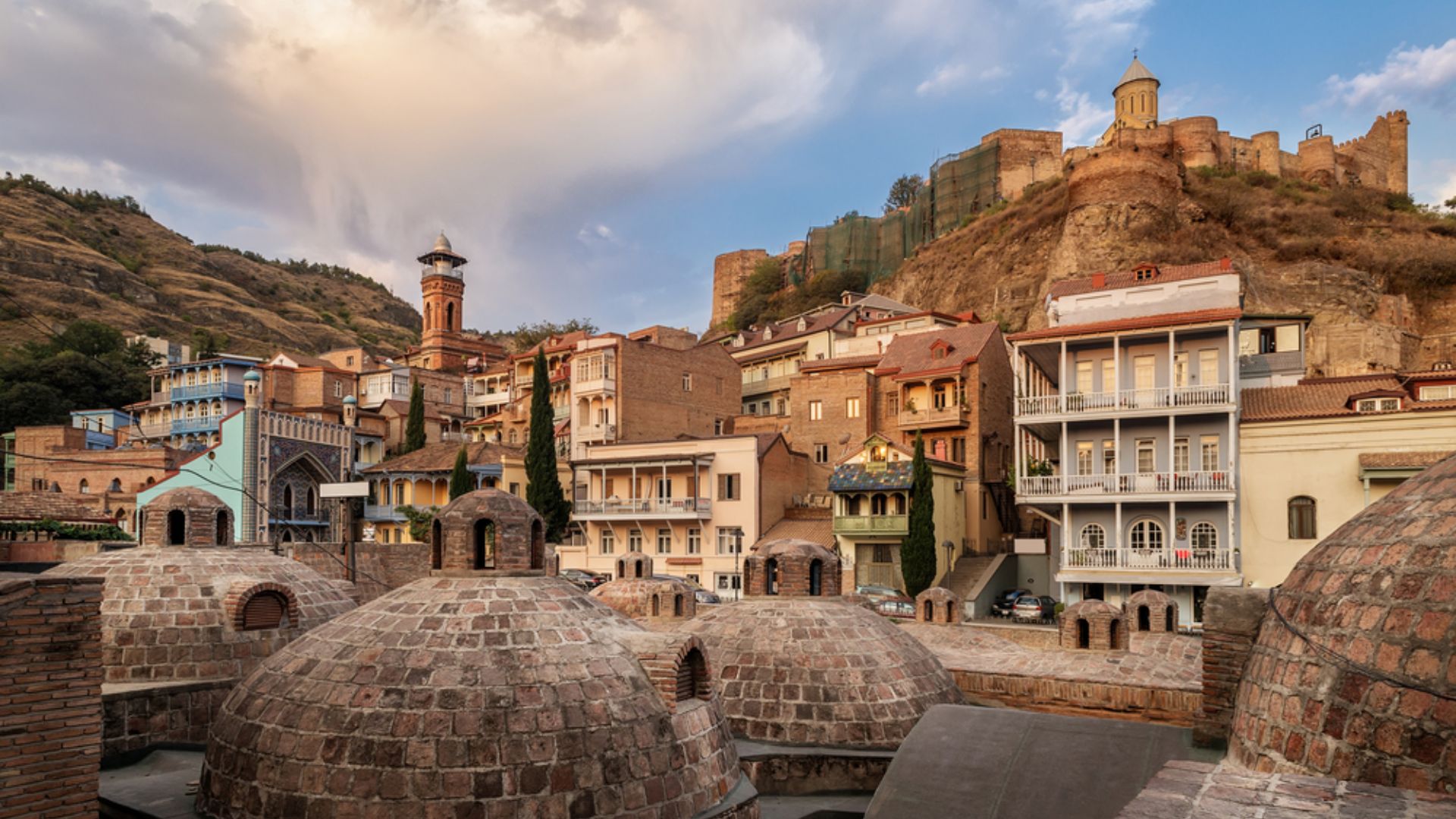
The old bath district, named after the sulfur baths operating here since the 5th century. The domed rooftops you see are the tops of underground bathhouses. Walk the narrow lanes and stop at a small cafe.
14. See the Juma Mosque Tbilisi
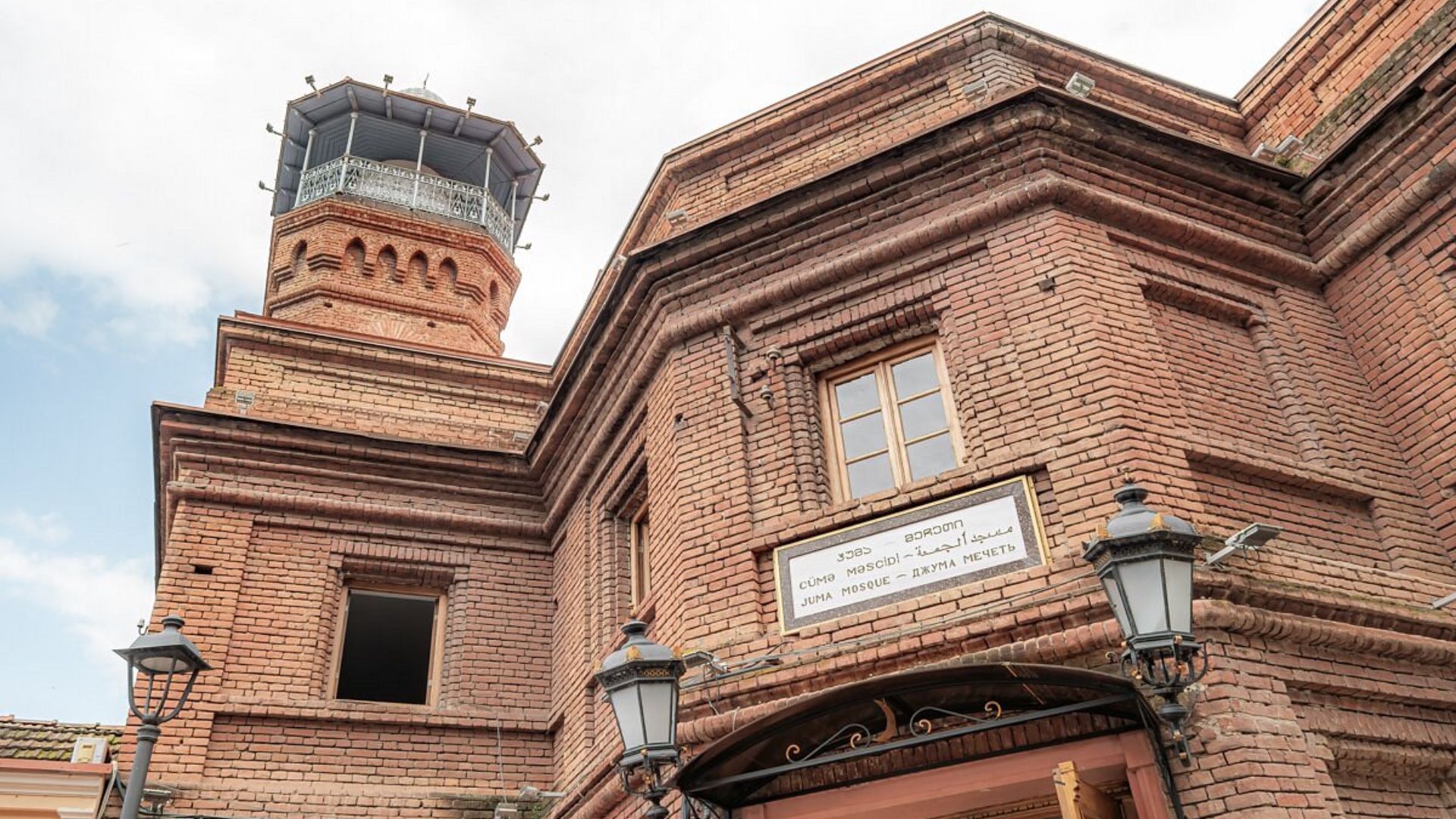
The only functioning mosque in Tbilisi, unusually serving both Sunni and Shia Muslims. Located in the old town near the bathhouses. Non Muslim visitors are welcome to view from outside.
15. Visit the Tbilisi Botanical Garden
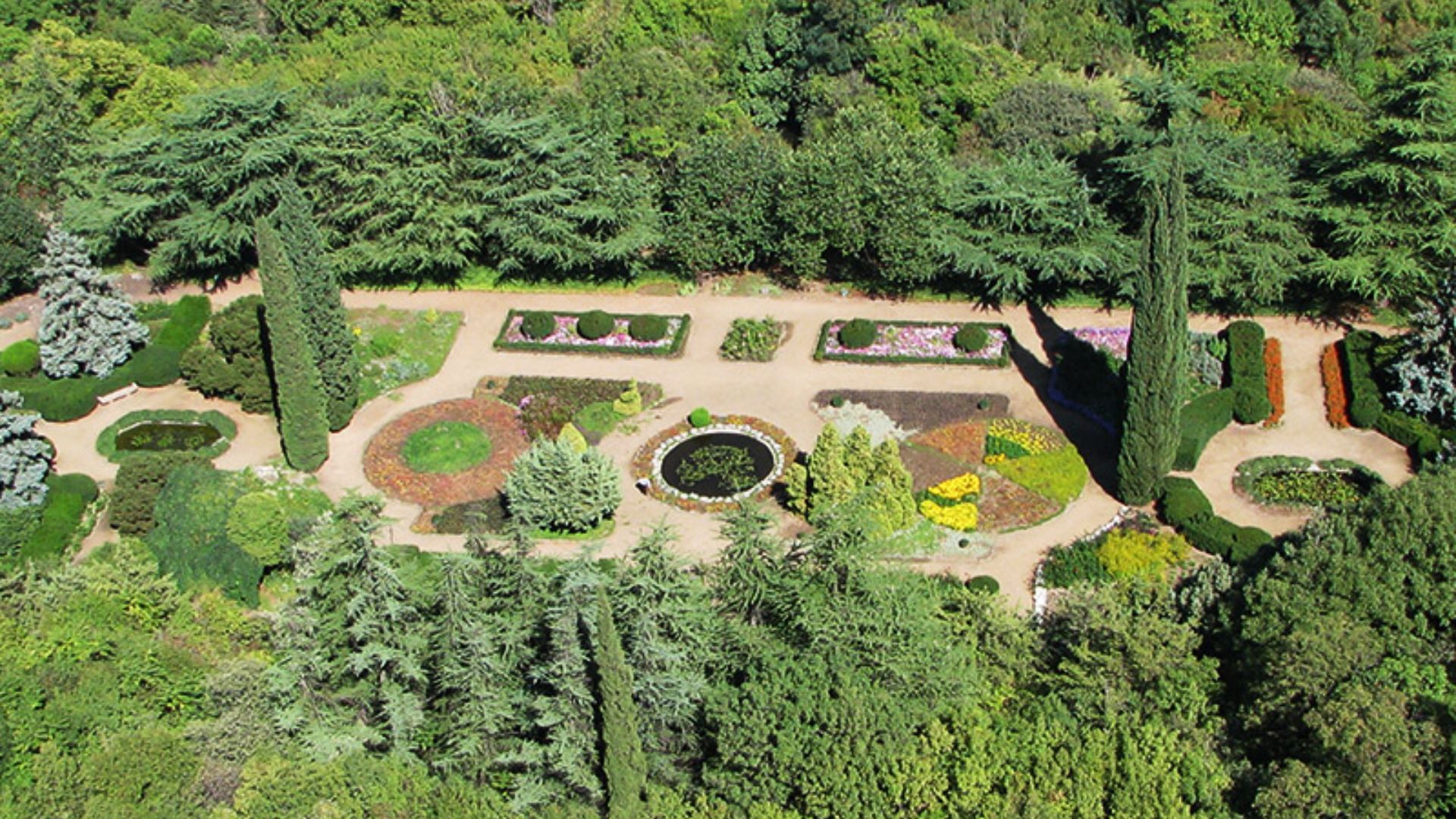
161 hectares of walking paths, a waterfall, a rose garden, and greenhouses on the slopes below Narikala Fortress. Cheap entry, rarely crowded, and a good break from city streets.
16. Visit Narikala Fortress
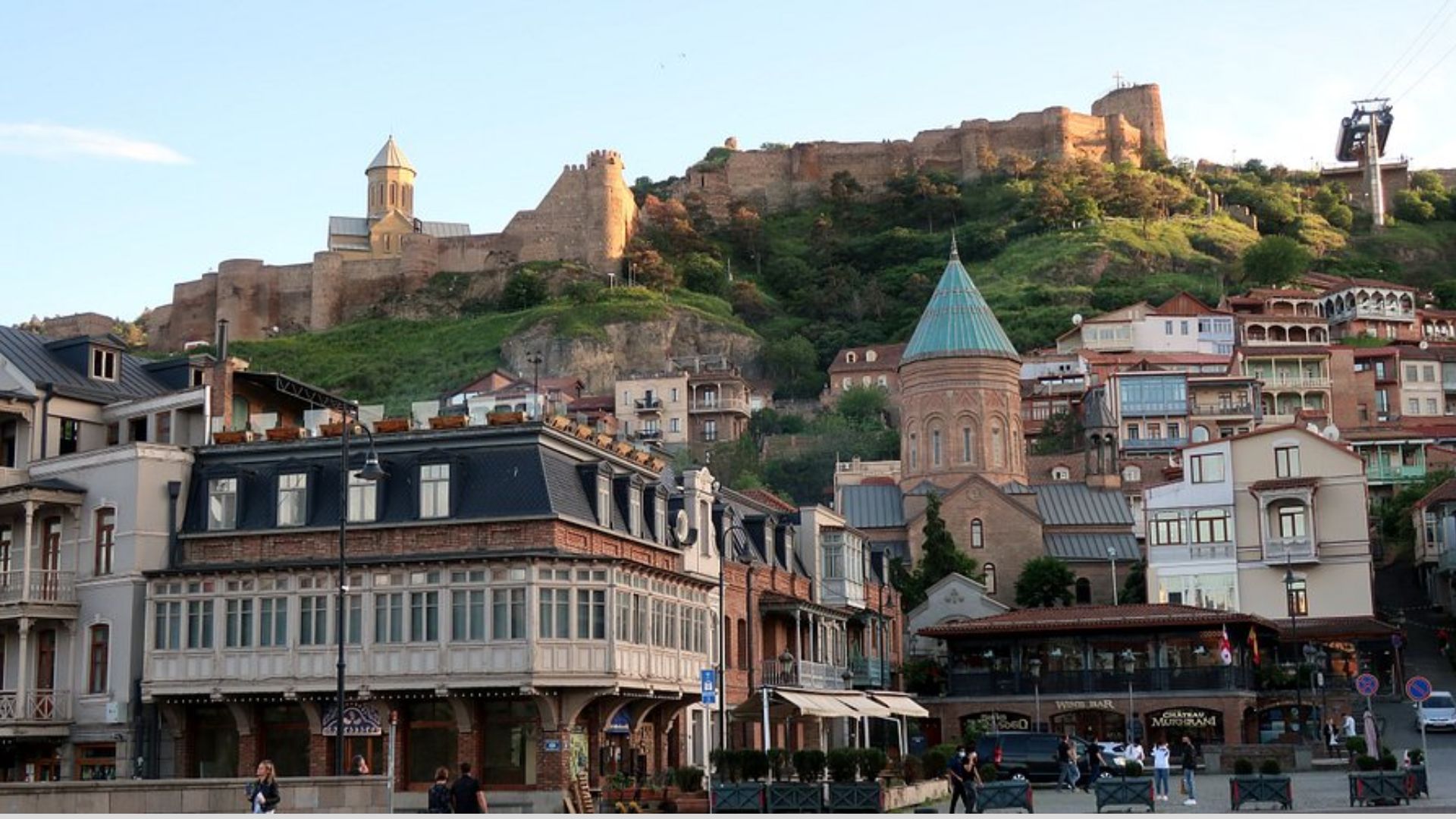
Standing above Tbilisi since at least the 4th century, the fortress offers wide views over the city and river. Free to enter. Reach it by cable car or on foot through the botanical garden.
17. Walk to Kartlis Deda
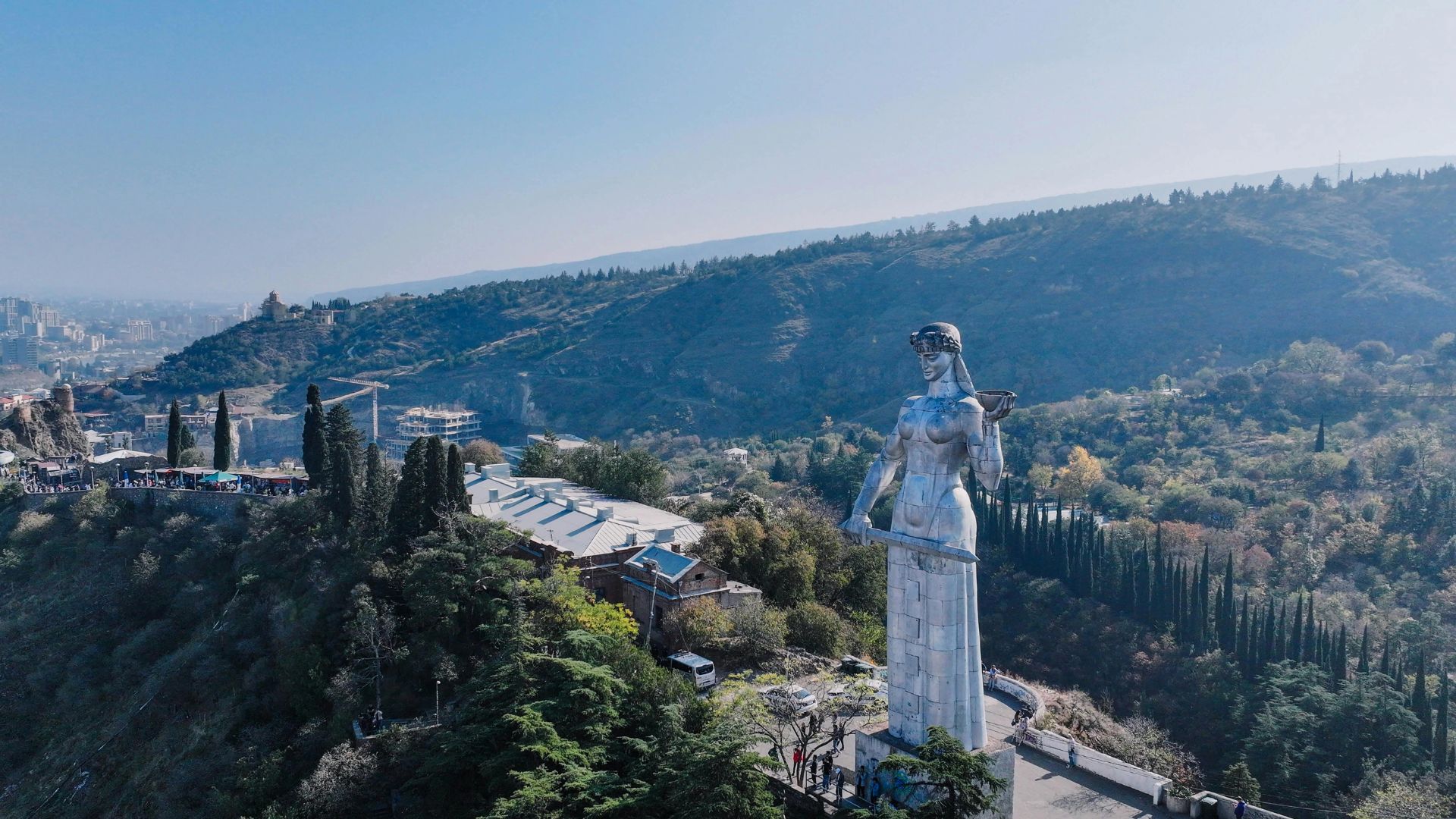
A large silver statue on a hilltop holding a sword and a bowl of wine, representing the Georgian spirit of defending the homeland while welcoming guests. Short but steep walk. One of the best views in Tbilisi from the top.
18. Wander the Streets of Old Tbilisi
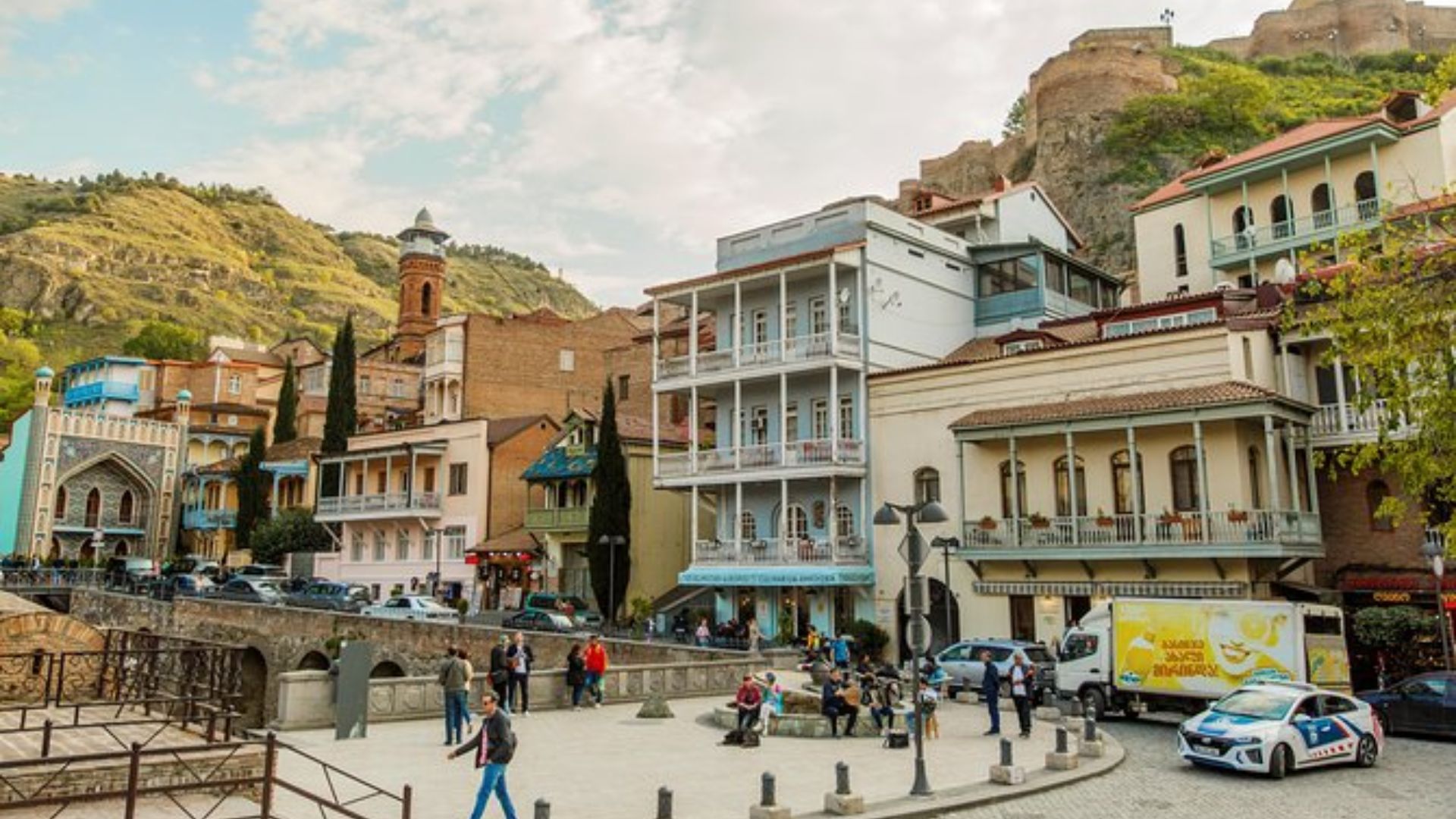
Narrow streets, wooden balconies, crumbling facades, and small cafes. No map needed, just walk and see what you find. The architecture is a mix of Persian, Ottoman, Russian, and Georgian styles.
19. Stop by the Gabriadze Puppet Theatre
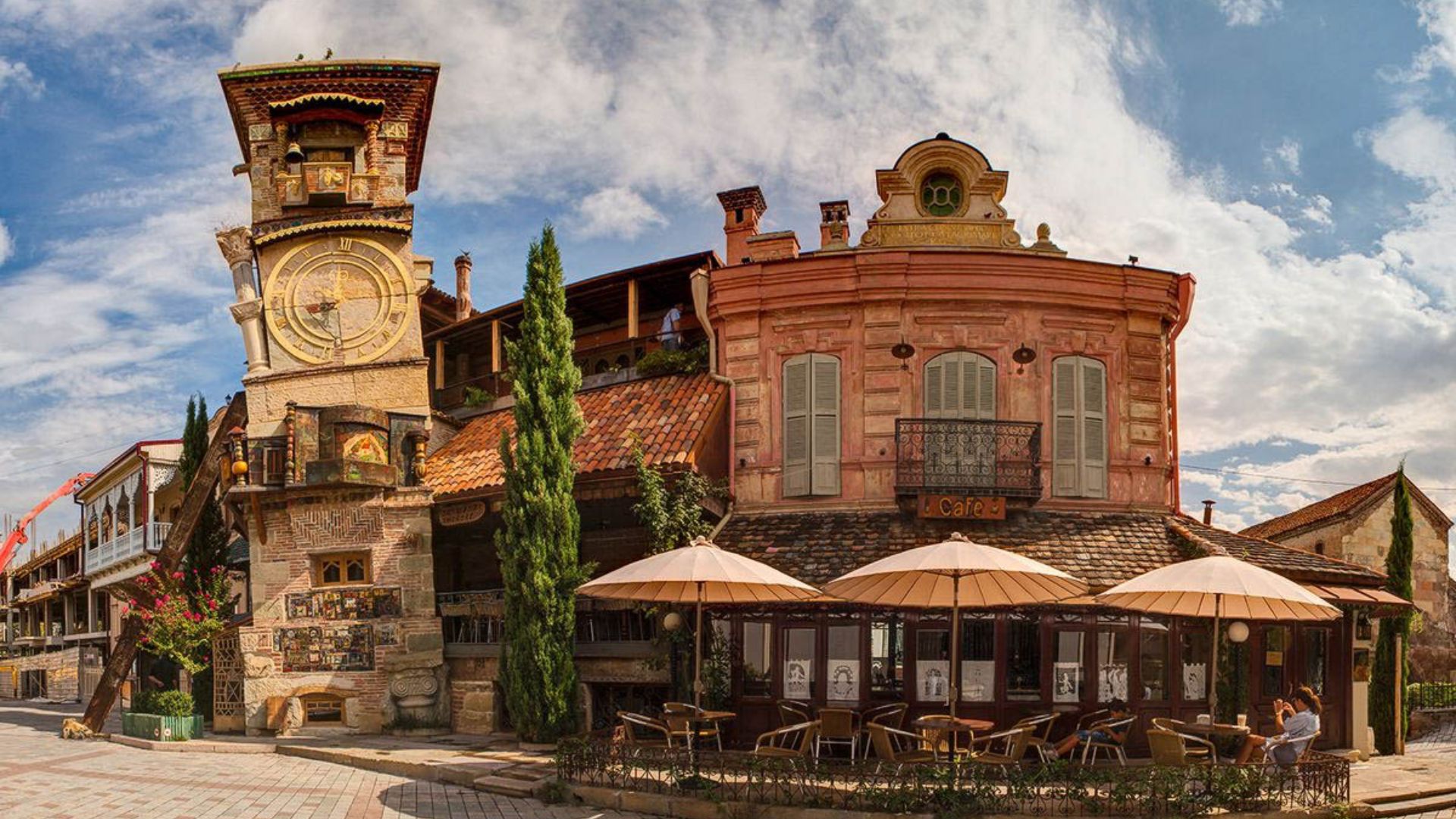
Founded by artist Rezo Gabriadze. The building’s tower clock puts on a short mechanical show every hour. The puppet theatre performs adult shows that are visual enough that the language barrier rarely matters.
20. Visit Anchiskhati Basilica
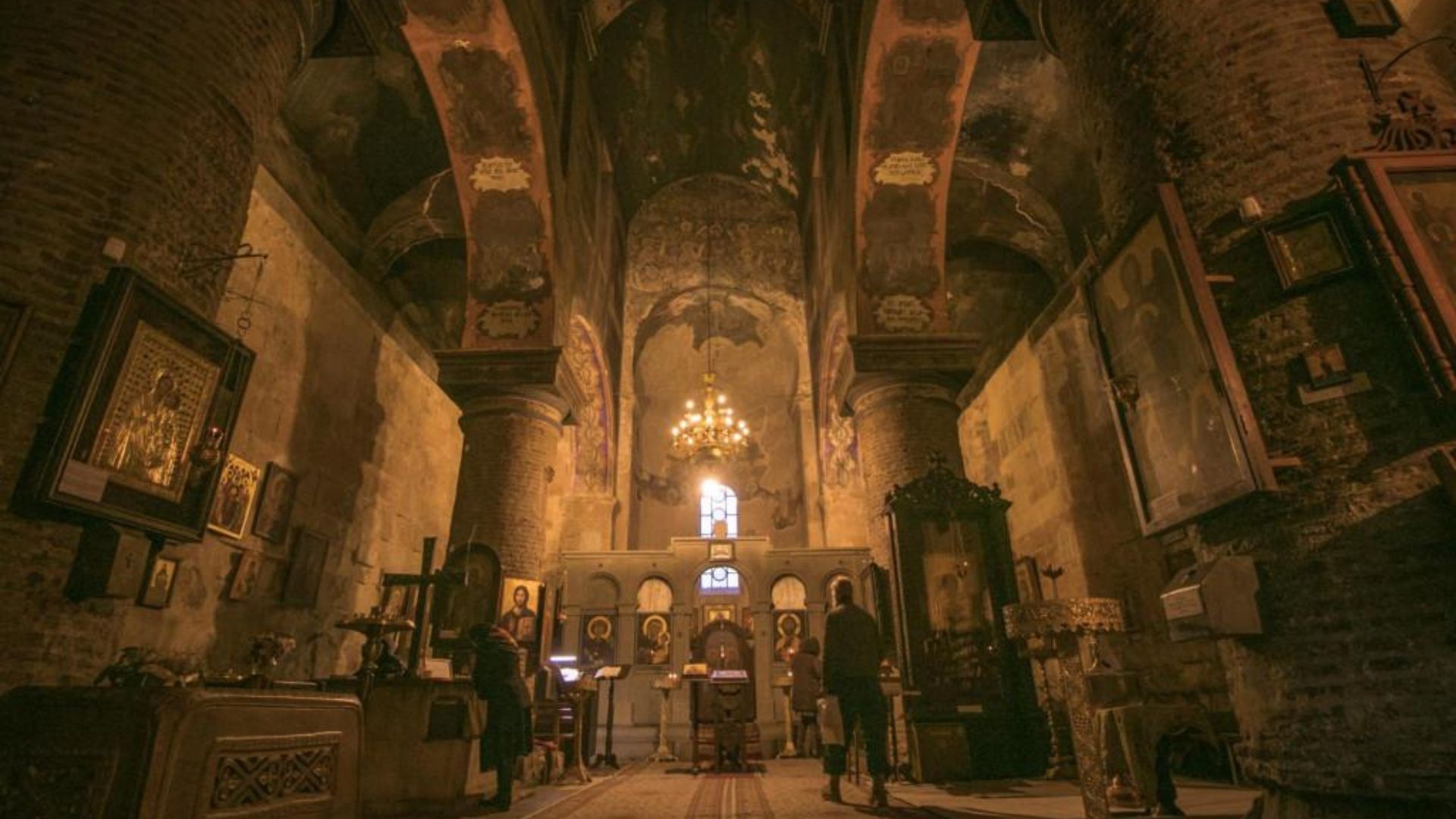
The oldest surviving church in Tbilisi, dating to the 6th century. Small and simple inside. Still an active place of worship. Best visited in the morning when light comes through the windows.
21. See Sioni Cathedral
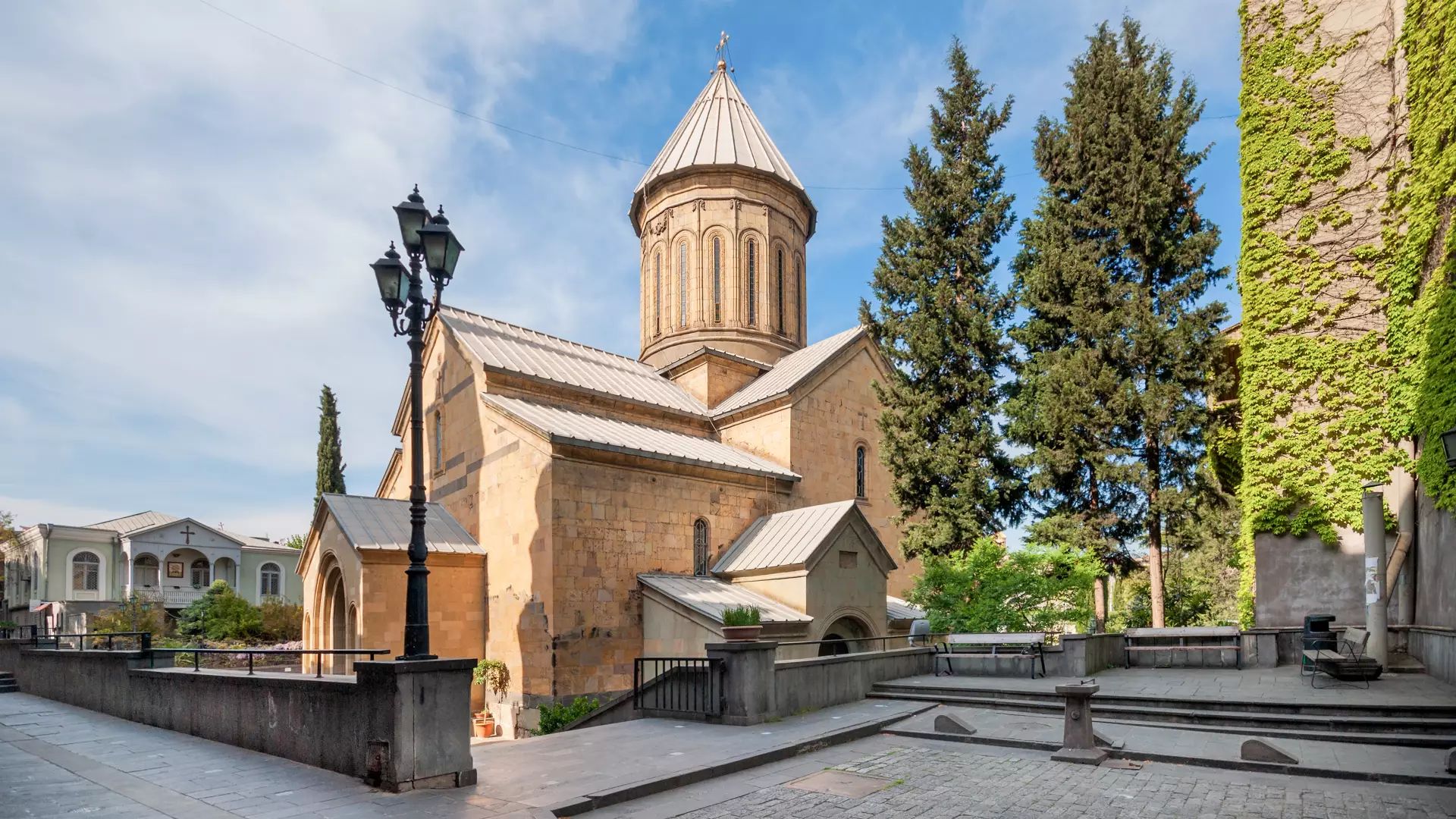
A major Georgian Orthodox cathedral dating to the 6th and 7th centuries, with old frescoes inside. Located just off a busy old town street and easy to add to any walking route.
22. Walk Along Shavteli Street
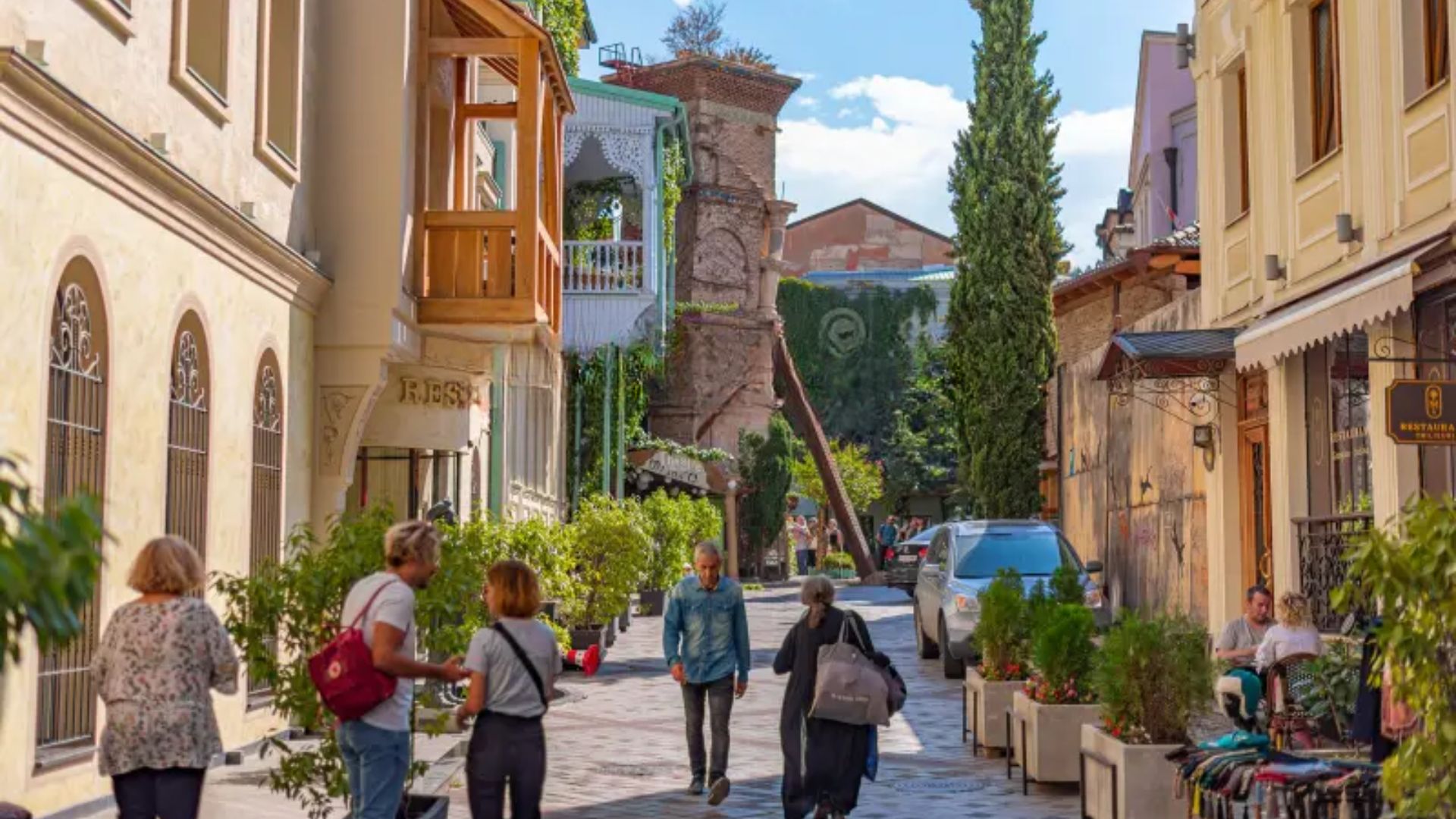
A quiet, atmospheric street in the old town passing several historic churches and old buildings. Less visited than the main tourist strips and worth the short walk.
23. Eat Khachapuri in the Old Town
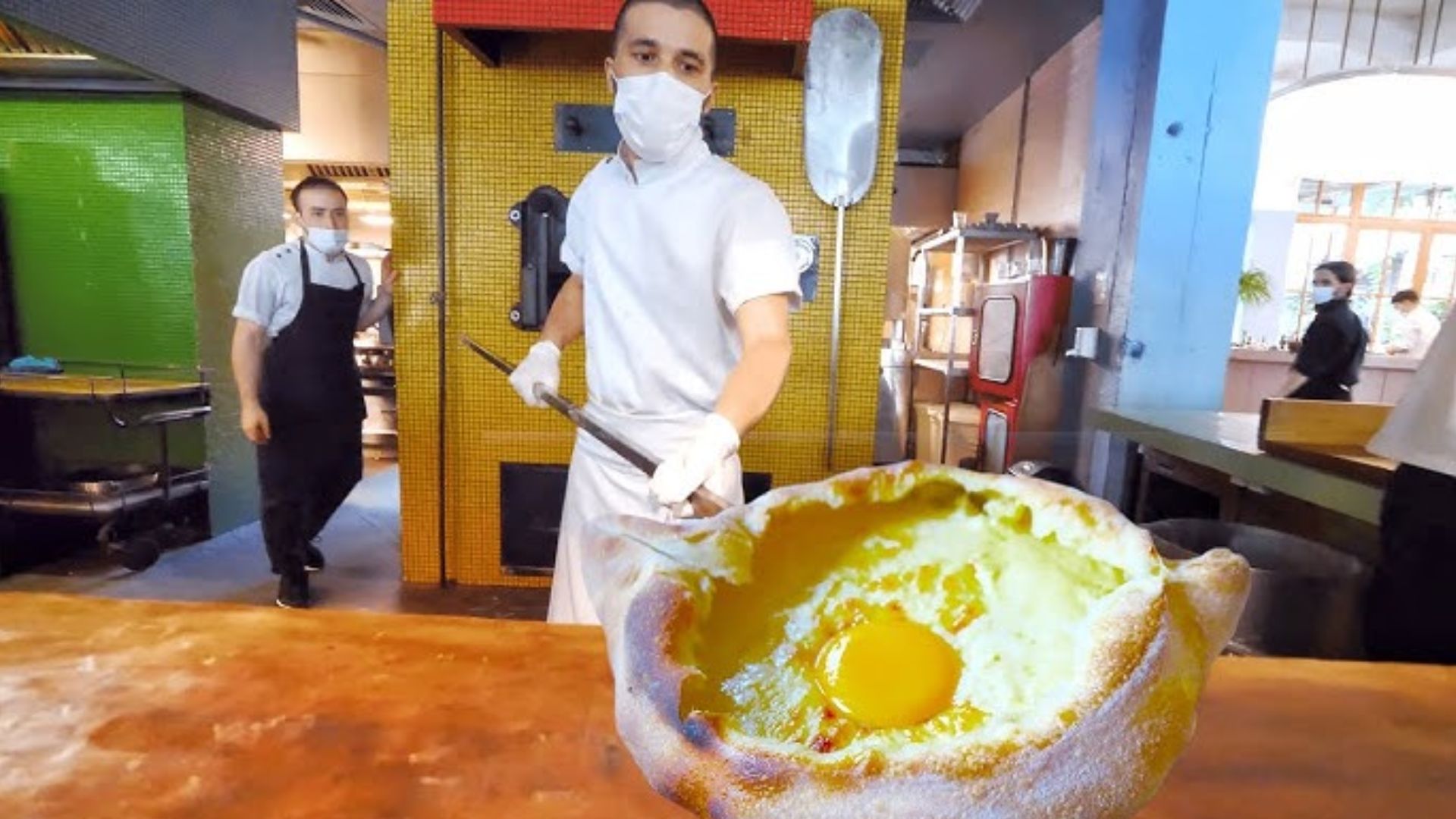
Georgia’s national dish is bread filled with cheese, topped with egg and butter. The Adjarian version is boat shaped and open faced. Eat it fresh from the oven while it’s hot.
24. Spend an Evening on Erekle II Street
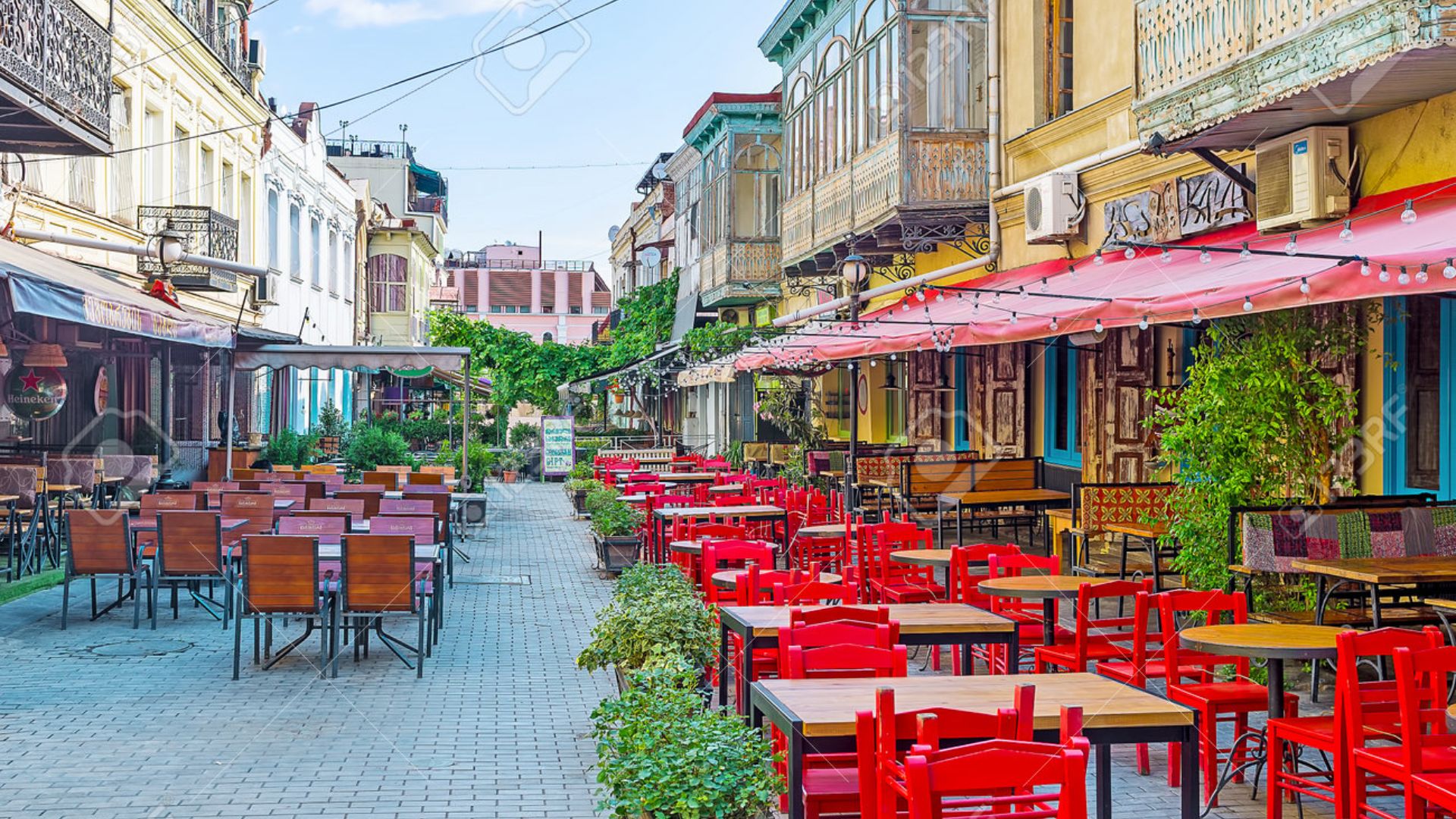
A lively pedestrian lane lined with bars, restaurants, and wine houses. Fills up in the evenings. A great spot to sit outside, drink Georgian wine, and let the night unfold without any plan.
25. Visit the Great Synagogue of Tbilisi
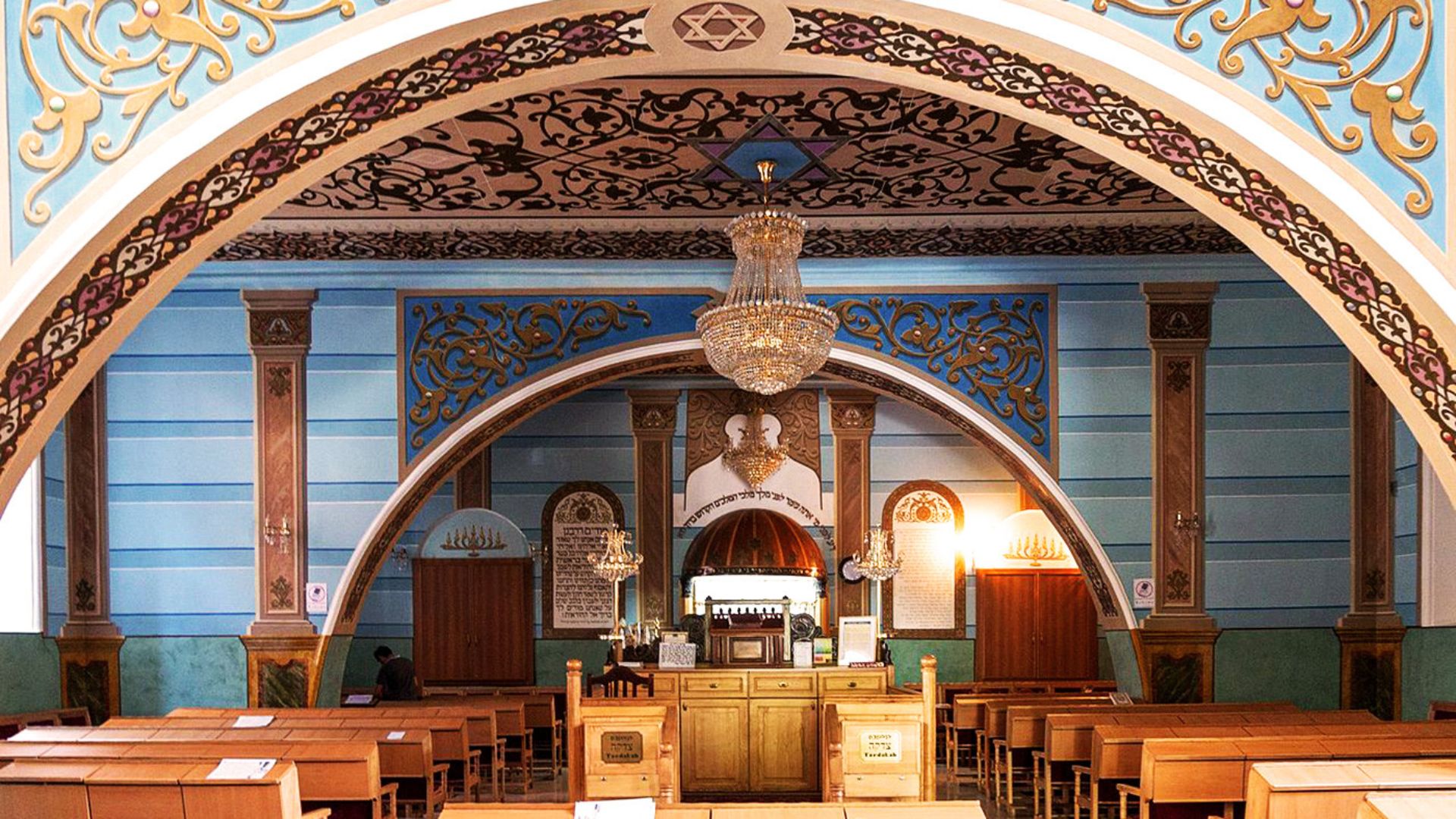
An early 20th century synagogue reflecting Georgia’s long Jewish history. Well maintained and still active. Visitors are generally welcome outside of services.
26. Visit Freedom Square
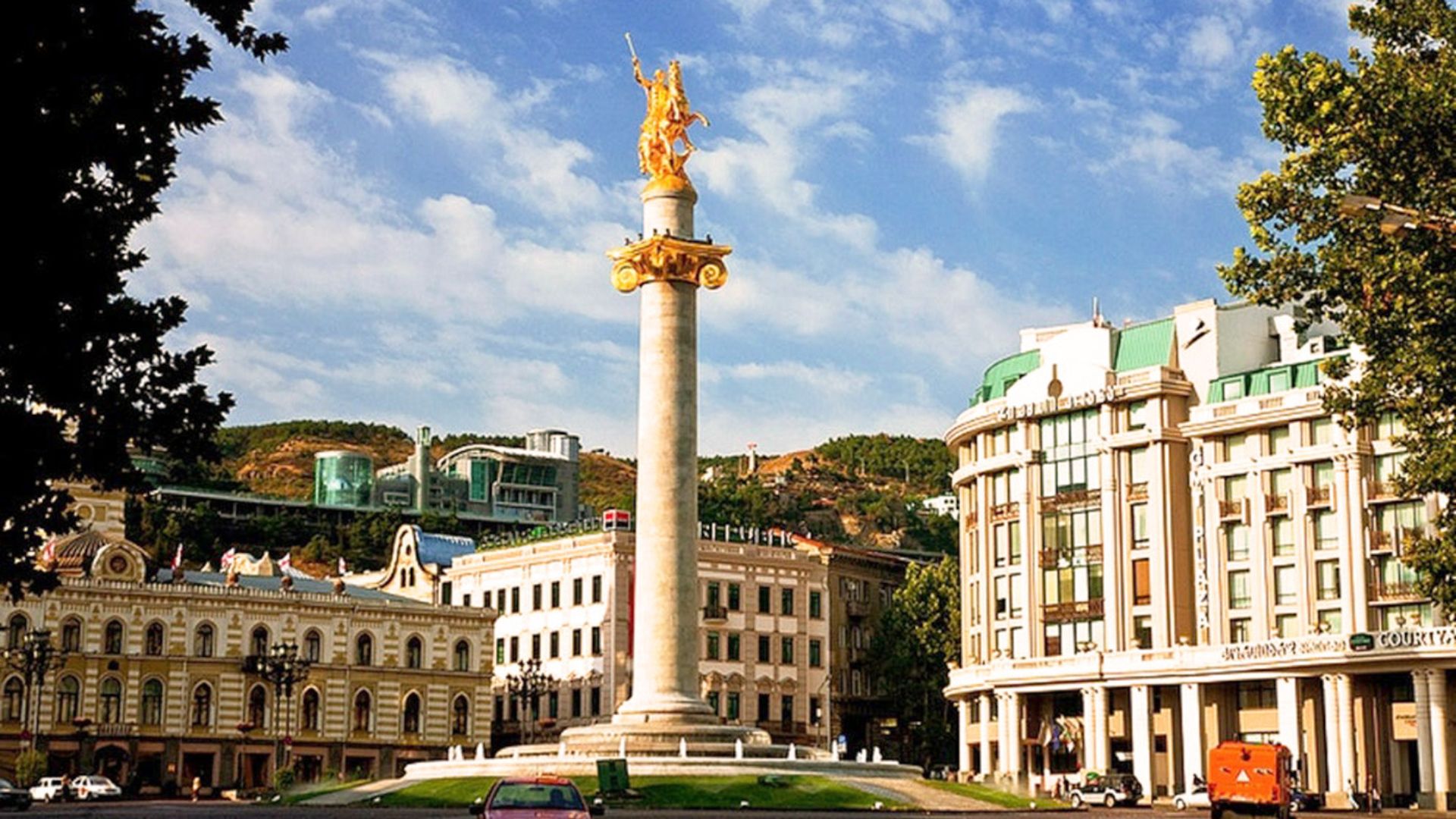
The central public square of Tbilisi, anchored by a tall golden St. George column. Surrounded by government buildings and hotels. A key orientation point and historically significant location.
27. See the Historic Bank of Georgia Building Linked to the 1907 Heist

In 1907, a young Stalin helped rob a bank stagecoach in Tiflis to fund the Bolshevik movement. The original building still stands near Freedom Square and is easy to walk past without knowing its history.
28. Visit Kashveti Church
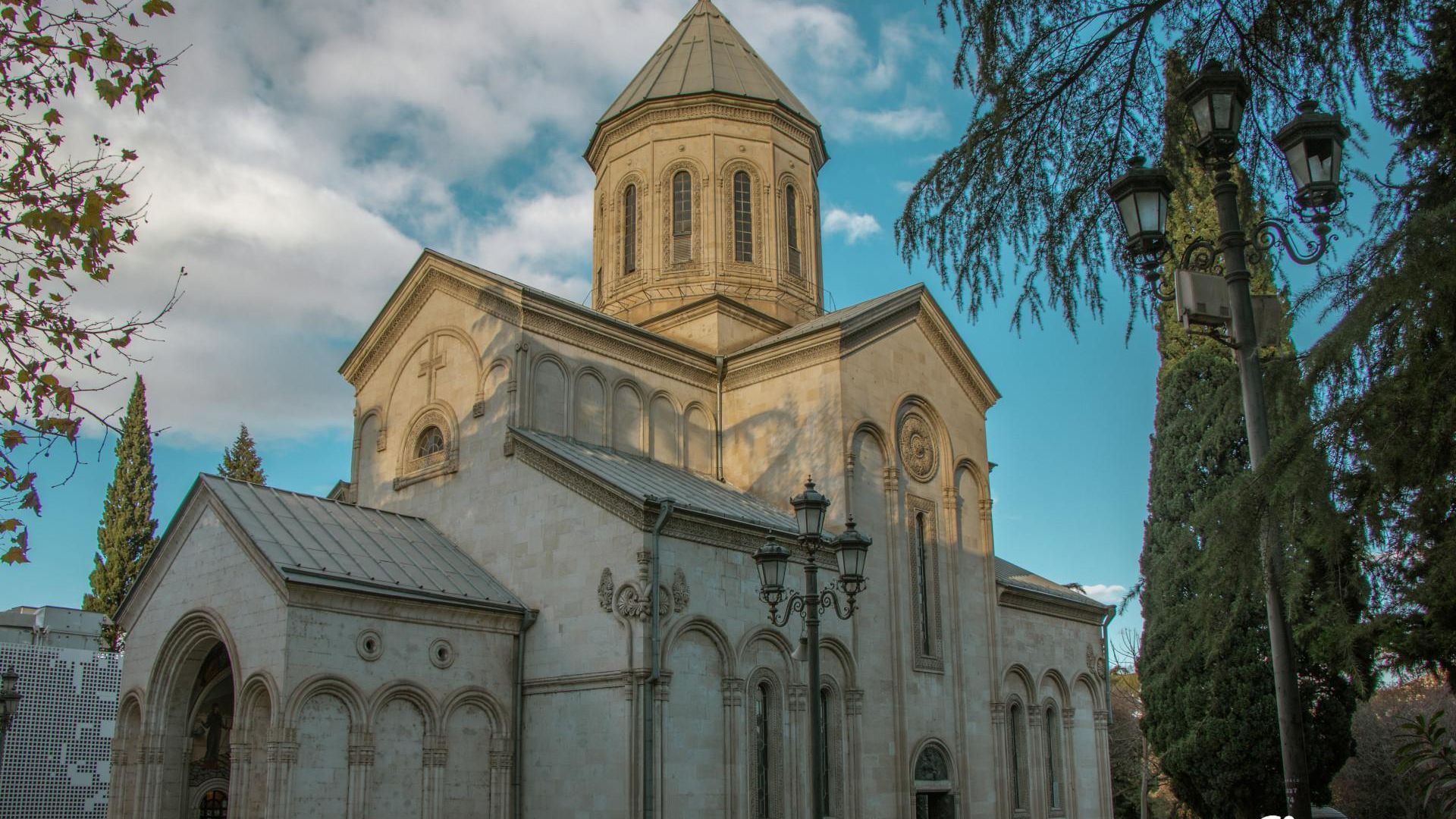
A small stone church on Rustaveli Avenue, directly across from Parliament. Known for its interior frescoes painted by Georgian artist Lado Gudiashvili. Usually quiet inside even when the street is busy.
29. Shop at the Dry Bridge Flea Market

One of the best flea markets in the Caucasus. Soviet memorabilia, antique jewelry, coins, carpets, and strange objects. Prices are negotiable. Runs on weekends and some weekdays.
30. See a Show at the Tbilisi Opera and Ballet Theatre
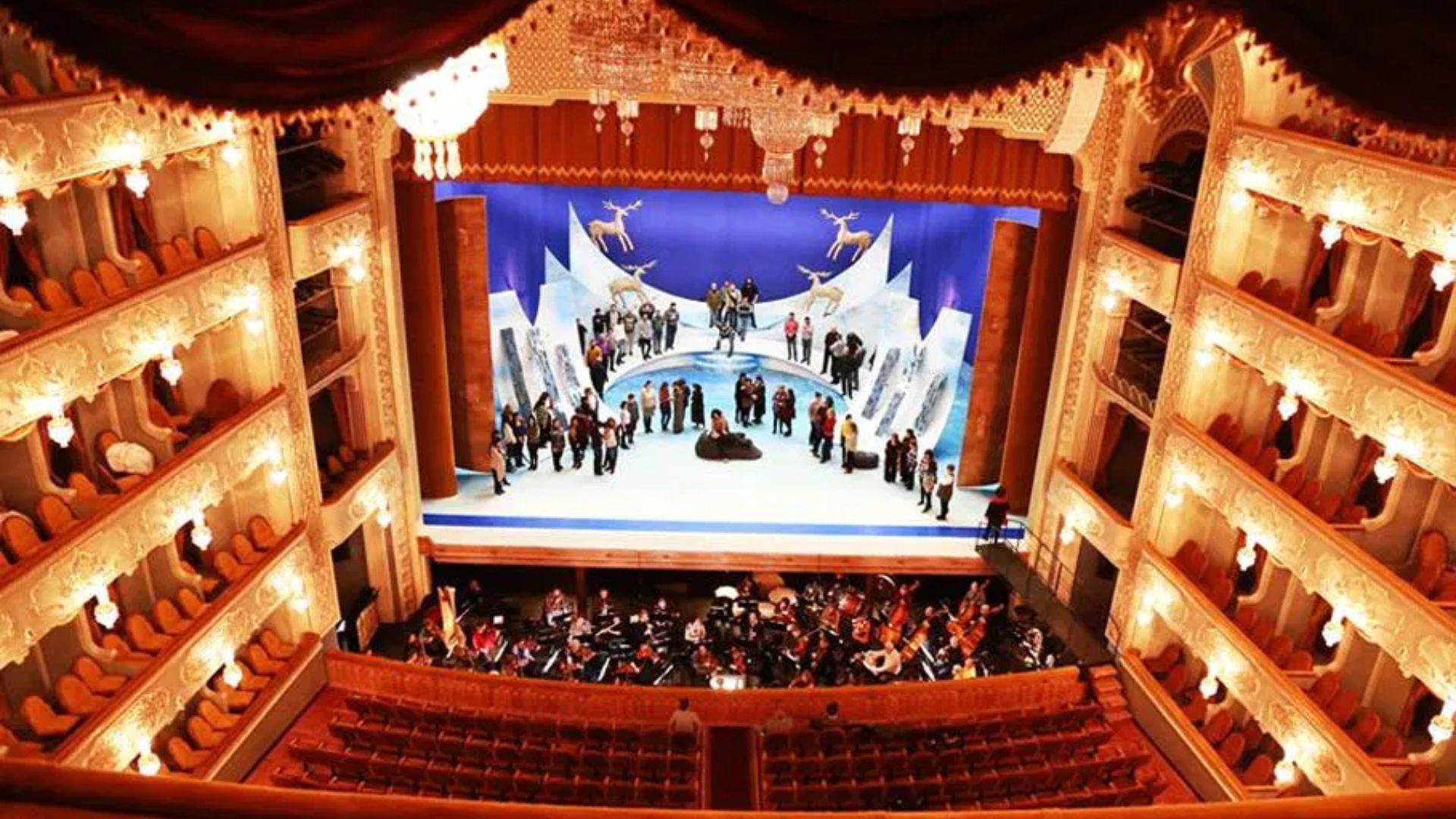
One of the oldest theatres in the region, housed in a striking 19th century Moorish building. Tickets are affordable. Check the schedule ahead as popular shows sell out.
31. Learn the History of the Radisson Blu Iveria Hotel Building
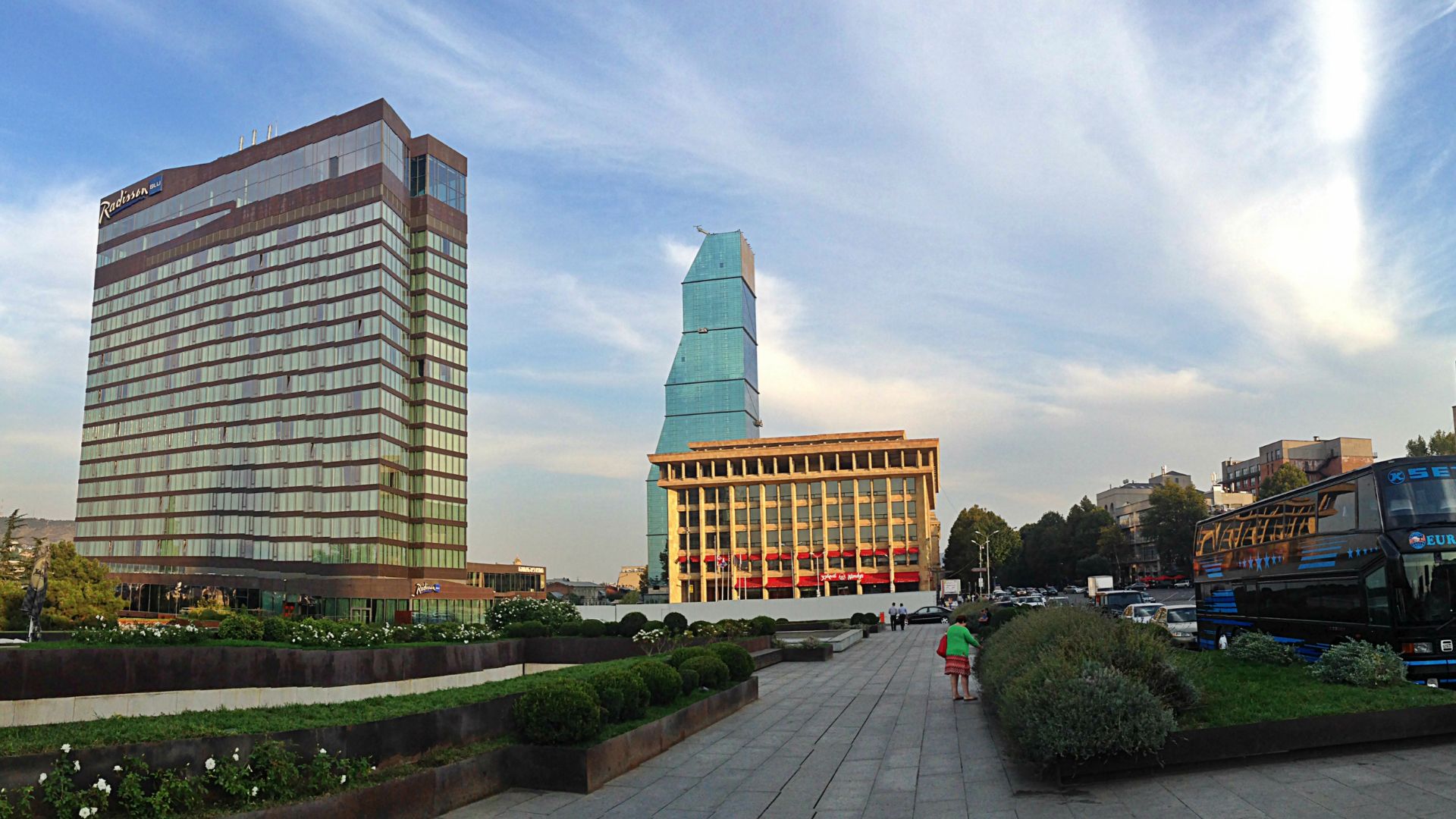
Built as a Soviet luxury hotel, then used to house thousands of refugees from the Georgian Abkhaz war in the 1990s. Renovated and returned to a hotel in 2009. A building that reflects Georgia’s complicated recent past.
32. Enjoy Views from Mtatsminda Park
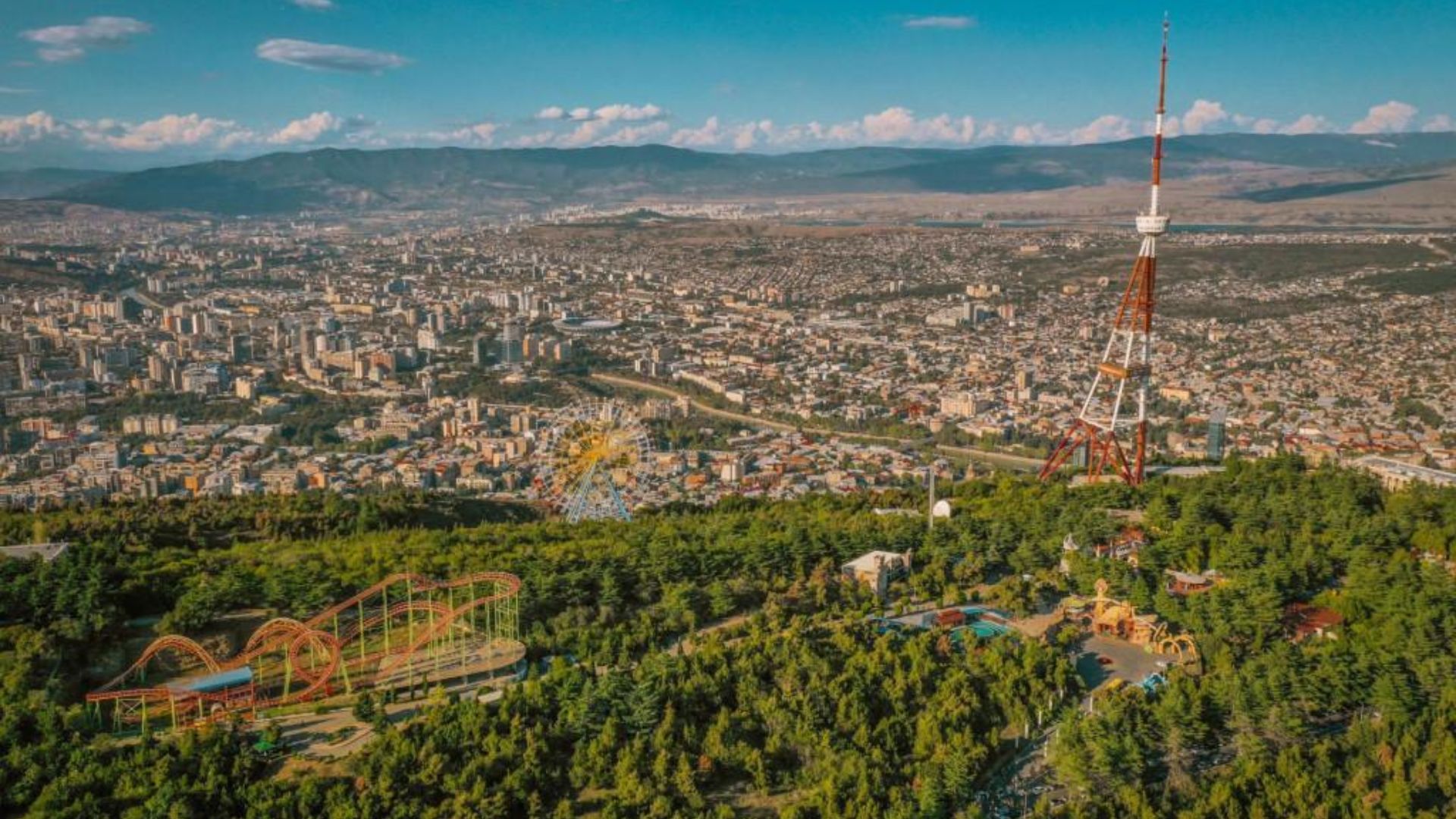
At the top of Mount Mtatsminda, reached by funicular. Has rides, restaurants, and an observation deck with panoramic views. Popular with locals at weekends. Best visited in the evening for city lights below.
33. Go for Drinks at Rooftop Bars Across the City
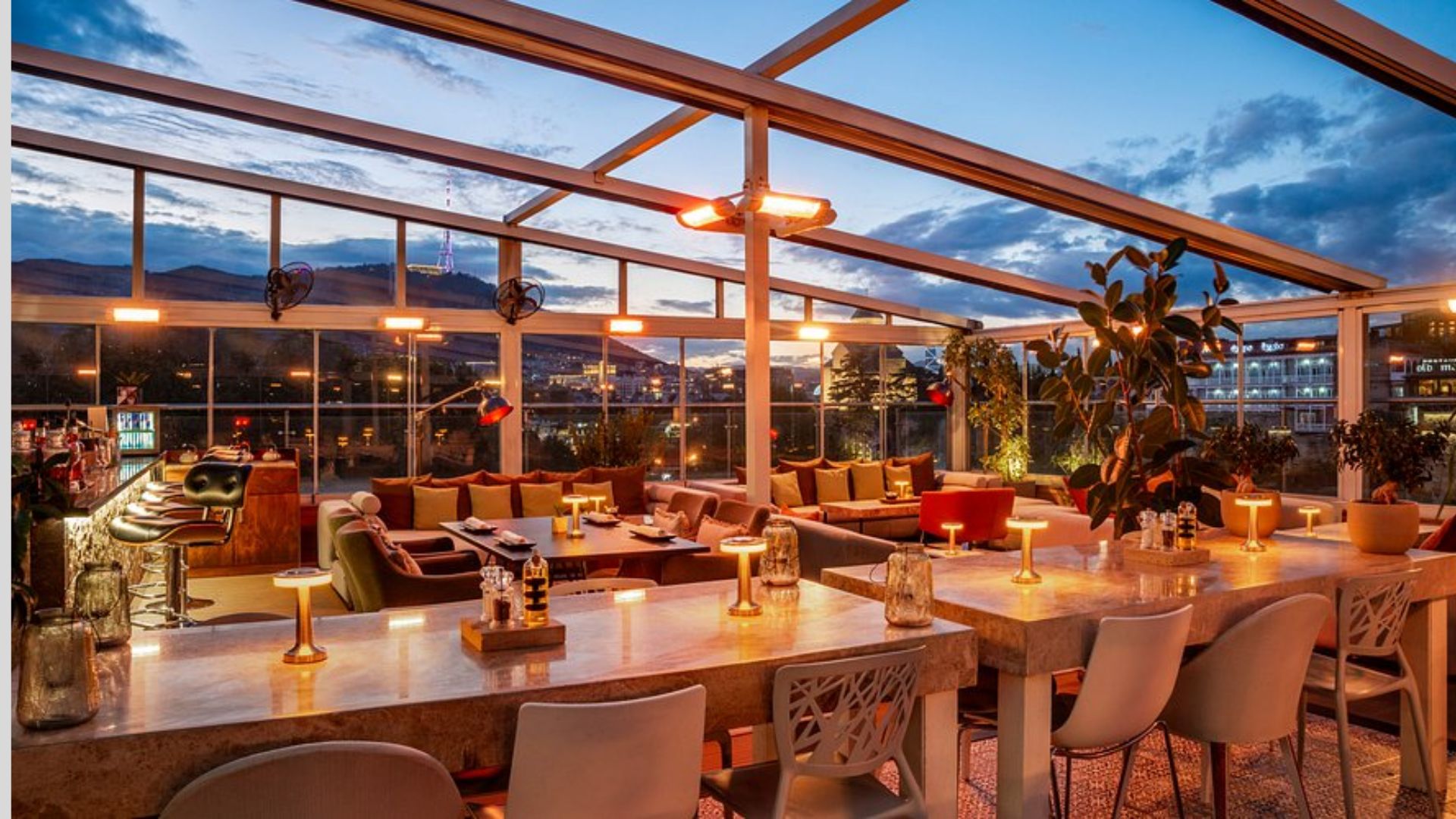
Tbilisi has a growing rooftop bar scene with views over the old town. Most open late and run past midnight on weekends. See the dedicated section below for specific spots.
34. Experience Didube Bus Station

Not a tourist attraction but an authentic slice of Georgian life. Minivans called marshrutkas head to every corner of the country from here. If you’re taking a day trip, you’ll likely pass through anyway.
35. Visit the Chronicles of Georgia
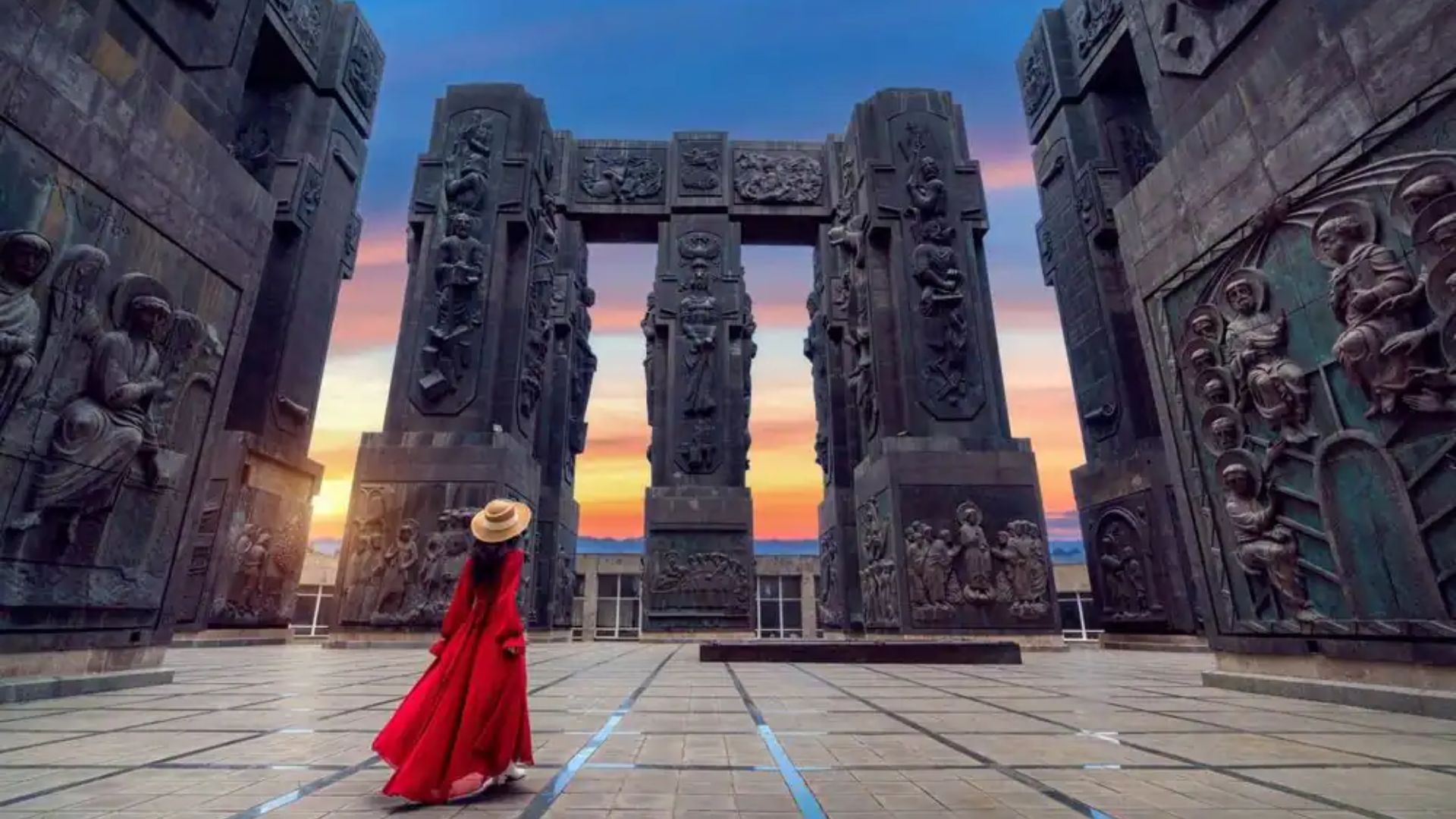
Sixteen massive carved stone columns rising 30 meters above the Tbilisi Sea reservoir on the city’s outskirts. Never fully completed. Rarely visited by tourists, which makes it genuinely worth finding.
36. Relax at the Tbilisi Sea
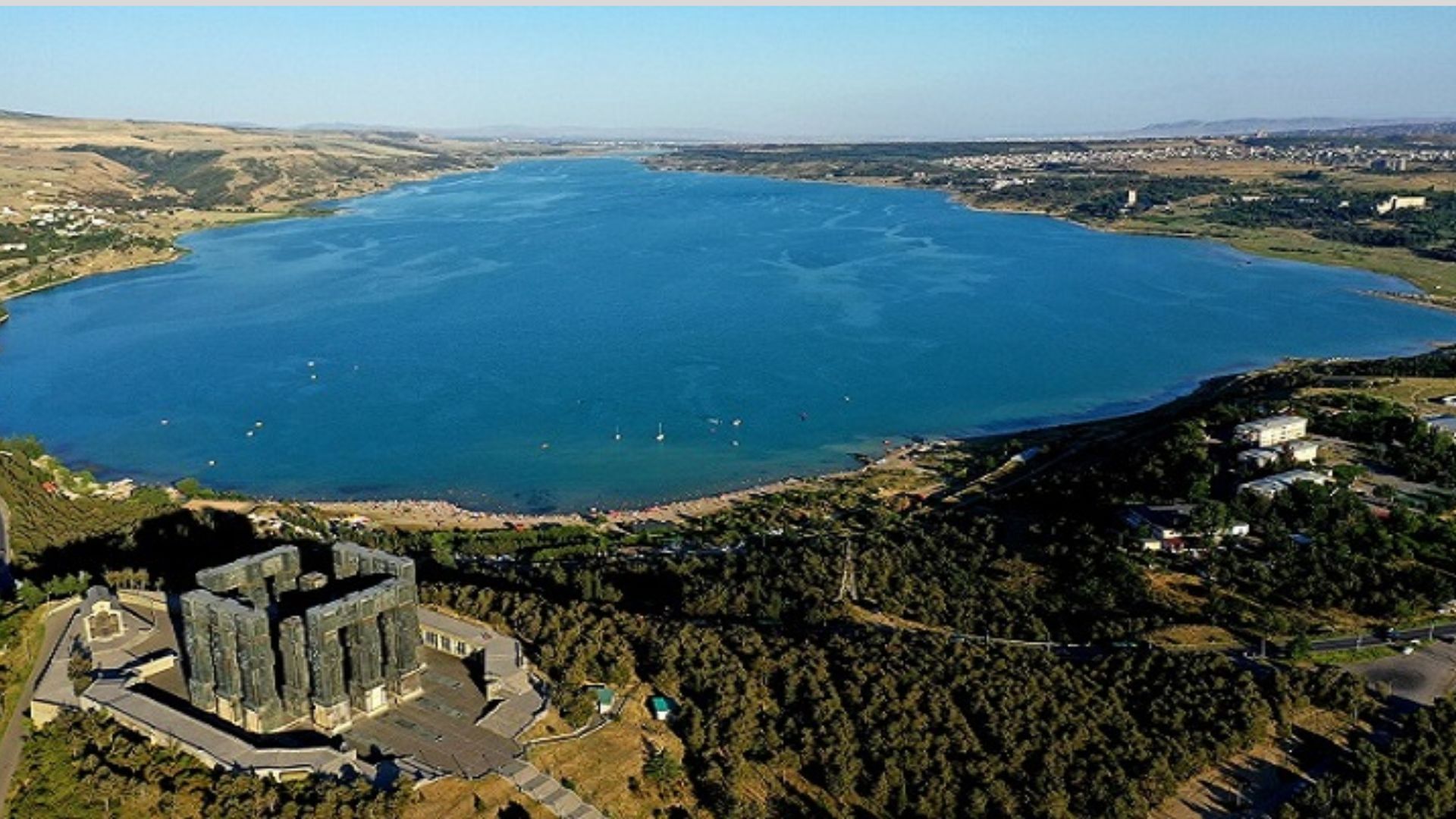
An artificial Soviet era reservoir on the edge of the city with beaches, cafes, and water sports. Where locals go on hot summer days. Combine it with a visit to the Chronicles of Georgia nearby.
37. Visit Gallery 27
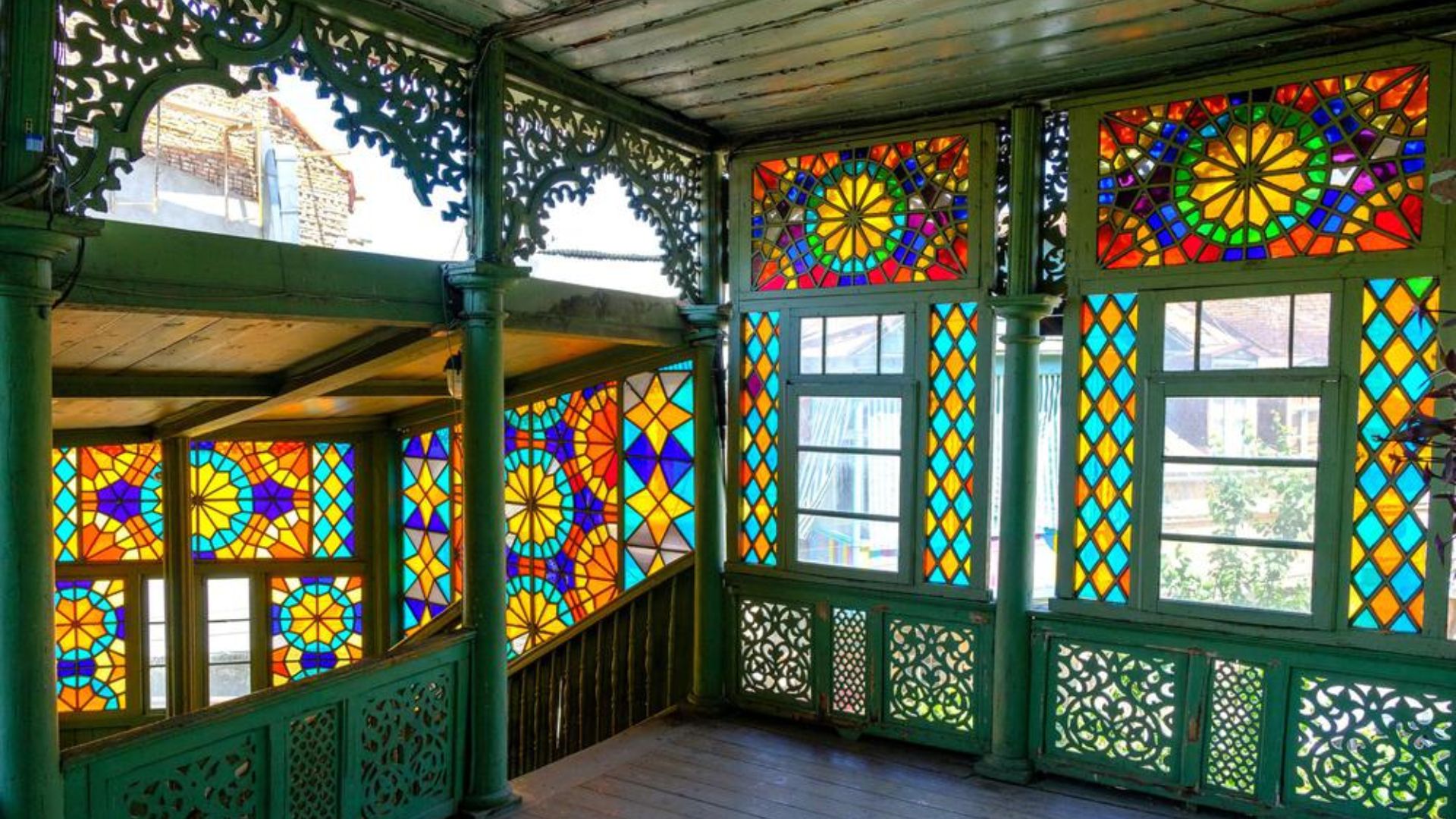
A small contemporary art gallery in a historic old town building. Rotating exhibitions by Georgian and international artists. Entry is free or very cheap.
38. Walk Around Europe Square Tbilisi
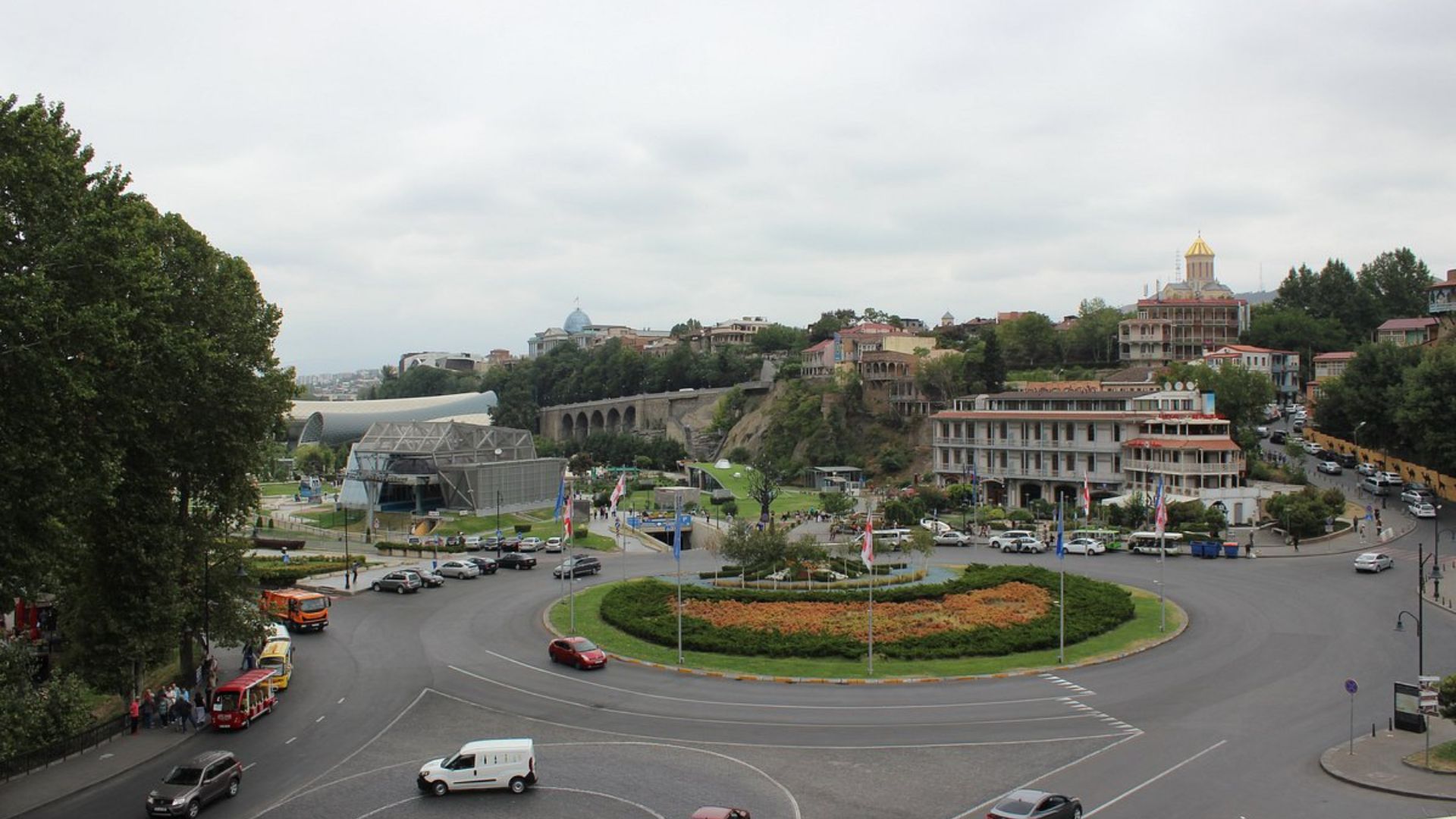
A paved open square near the Bridge of Peace with fountains and benches. Used for outdoor events and concerts. A good spot to sit in the evening when the riverside area lights up.
39. See the Exterior of the Parliament of Georgia

The Soviet era Parliament building on Rustaveli Avenue is worth seeing from outside. The avenue itself is lined with theatres, museums, and grand architecture, so a full walk covers many key sights.
40. Try Georgian Chacha in Local Bars

Grape vodka made from leftover skins after wine production. Strong, home distilled, and very Georgian. Try a small glass in a local bar as it is a genuine part of the hospitality culture here.
41. Take a Day Trip to Mtskheta
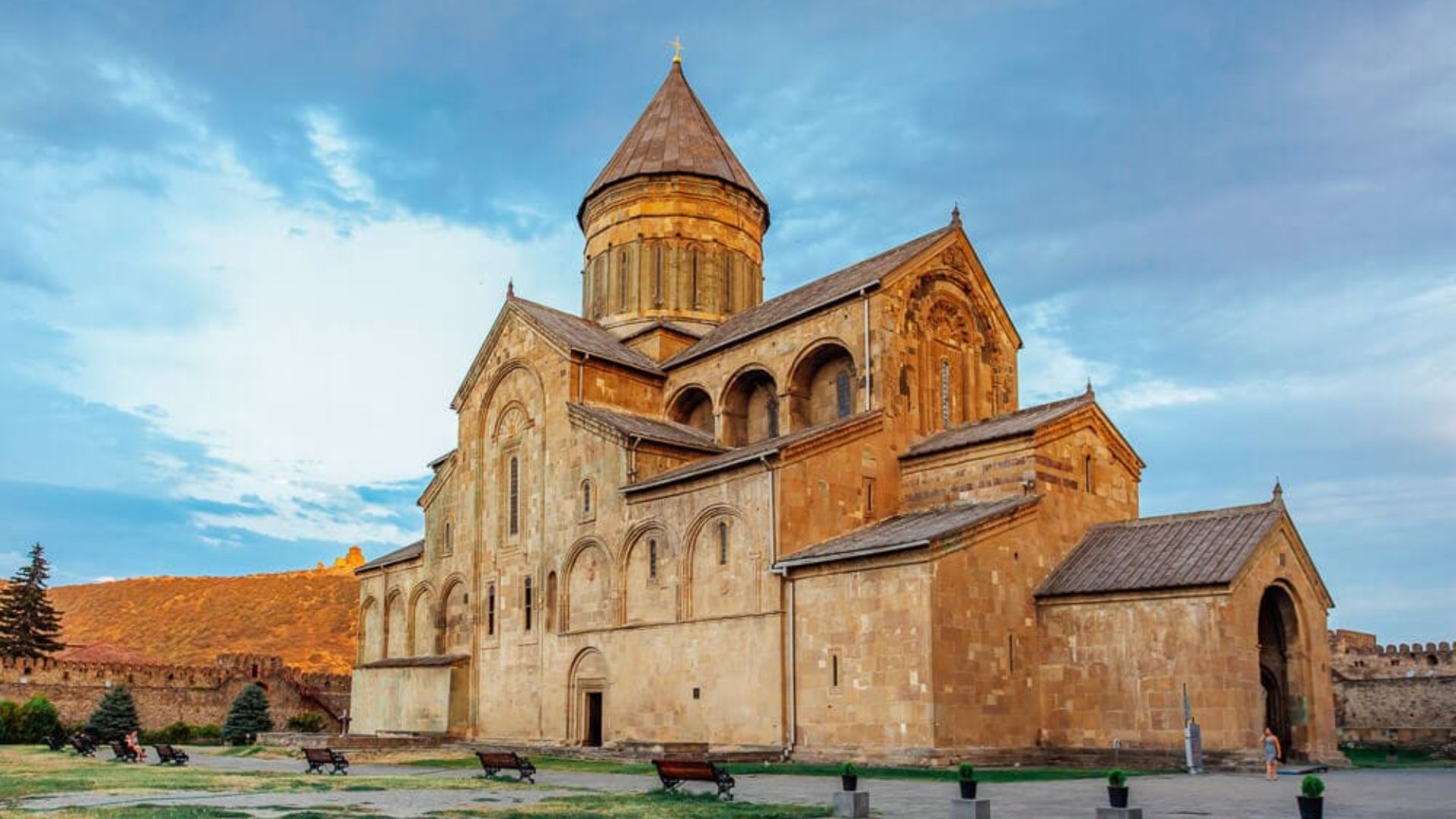
Ancient capital of Georgia, 20 kilometers from Tbilisi. A UNESCO World Heritage Site. The main sight is Svetitskhoveli Cathedral, an 11th century cathedral in the town center. Under 30 minutes by taxi.
42. Visit Jvari Monastery
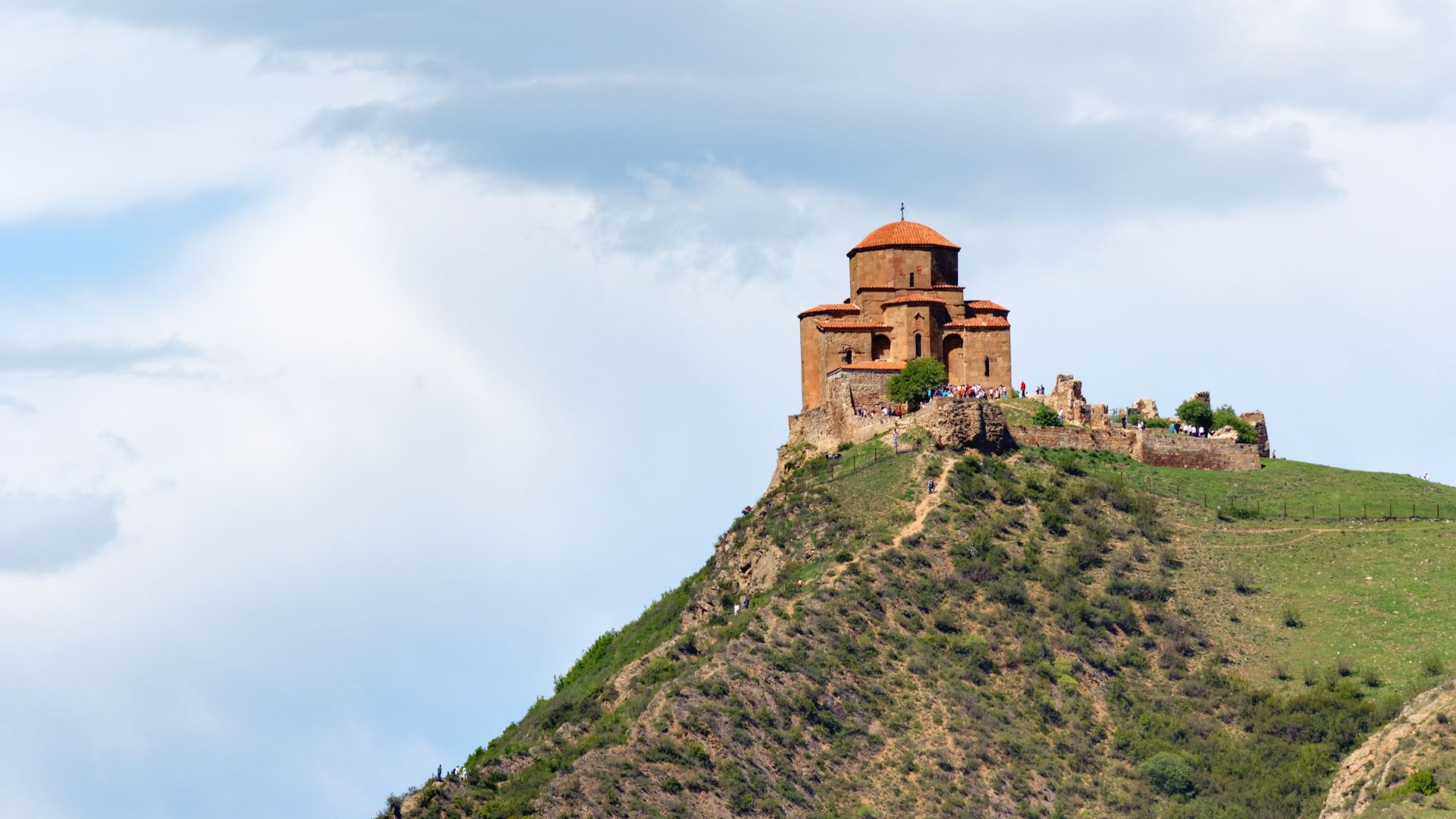
A 6th century monastery on a rocky hilltop above Mtskheta. The view looking down at two converging rivers and the ancient town below is one of the most memorable in all of Georgia. Combine with the Mtskheta visit.
43. Take a Day Trip to Gori
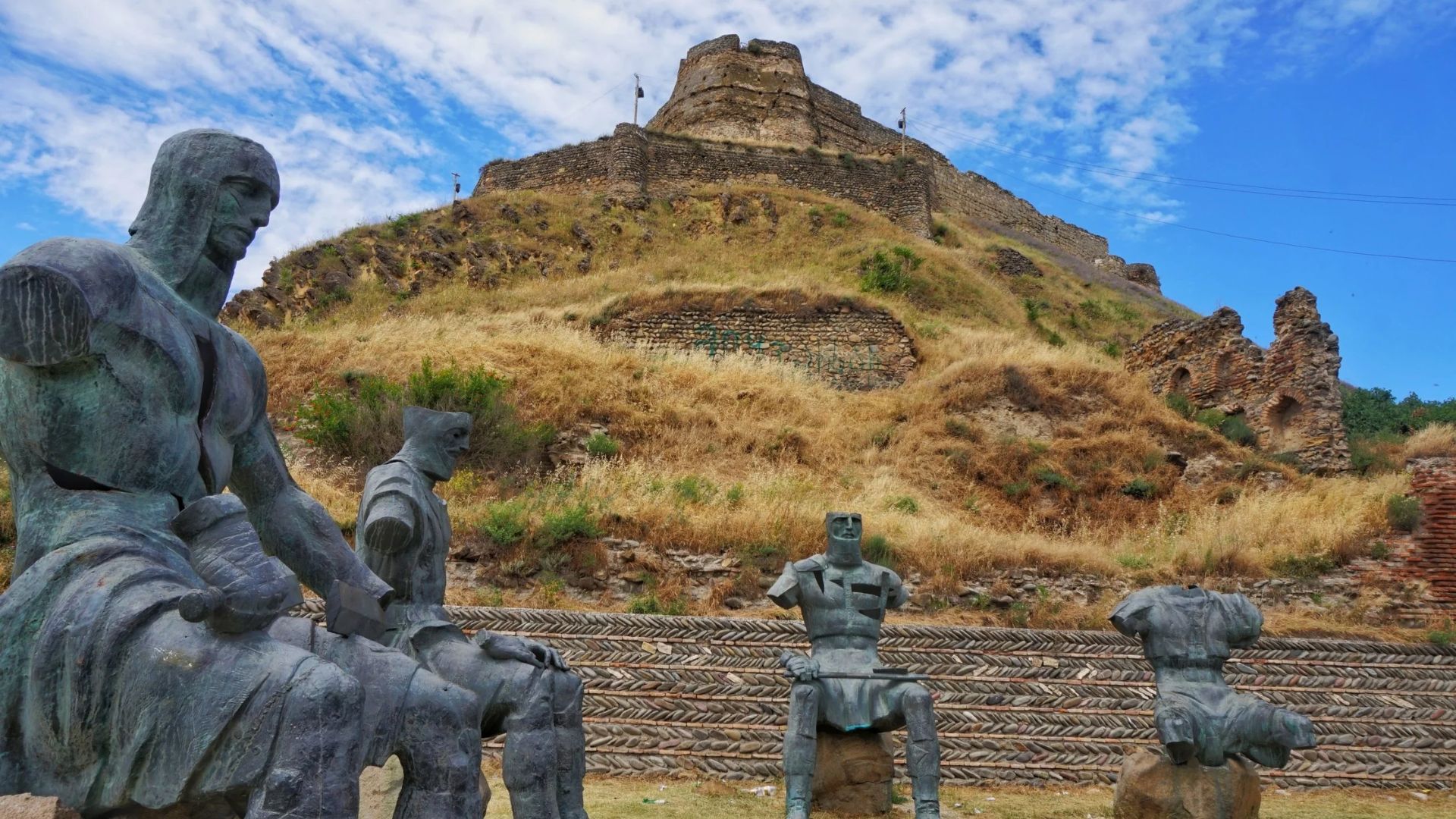
About 80 kilometers from Tbilisi. Best known as Stalin’s birthplace. The Stalin Museum here takes an unusually uncritical view of his life, making it a fascinating historical experience regardless of your views.
44. Visit Uplistsikhe
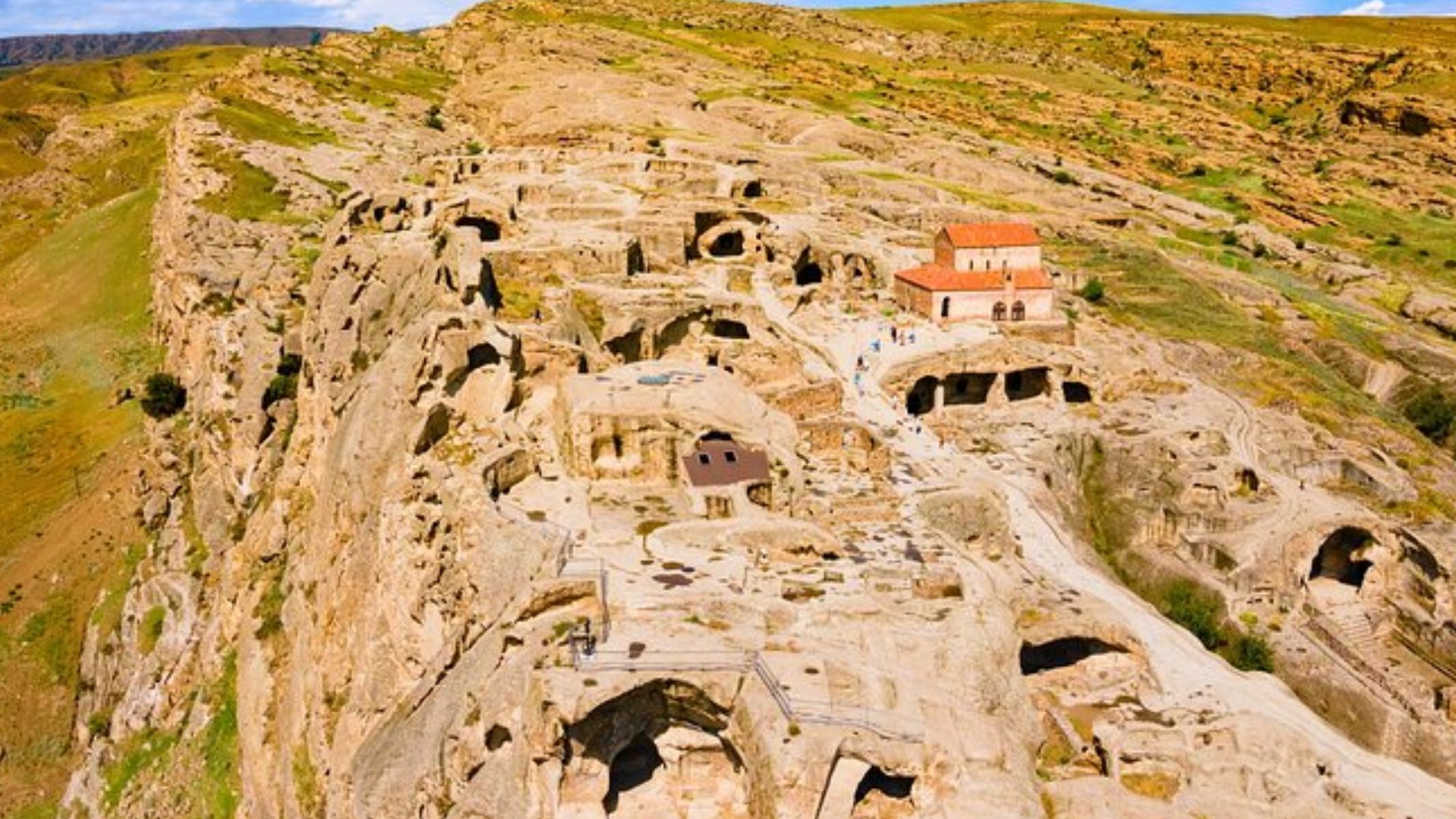
An ancient rock hewn town carved into a cliff near Gori, inhabited from around the 6th century BC. Walk through carved streets and rooms. Well worth combining with the Gori day trip.
45. Take a Scenic Trip to Stepantsminda

A mountain village 150 kilometers north of Tbilisi. Above it sits Gergeti Trinity Church, dramatically perched at over 2,100 meters. The drive along the Georgian Military Highway passes through breathtaking mountain scenery. About 2 to 3 hours each way.
46. Stop at Ananuri Fortress

A 16th to 17th century fortress on the shore of the Zhinvali reservoir, passed on the drive north to Stepantsminda. The blue green water against the old stone towers makes it one of the most photographed spots in Georgia. Stop for 30 to 45 minutes.
Museums and Galleries in Tbilisi
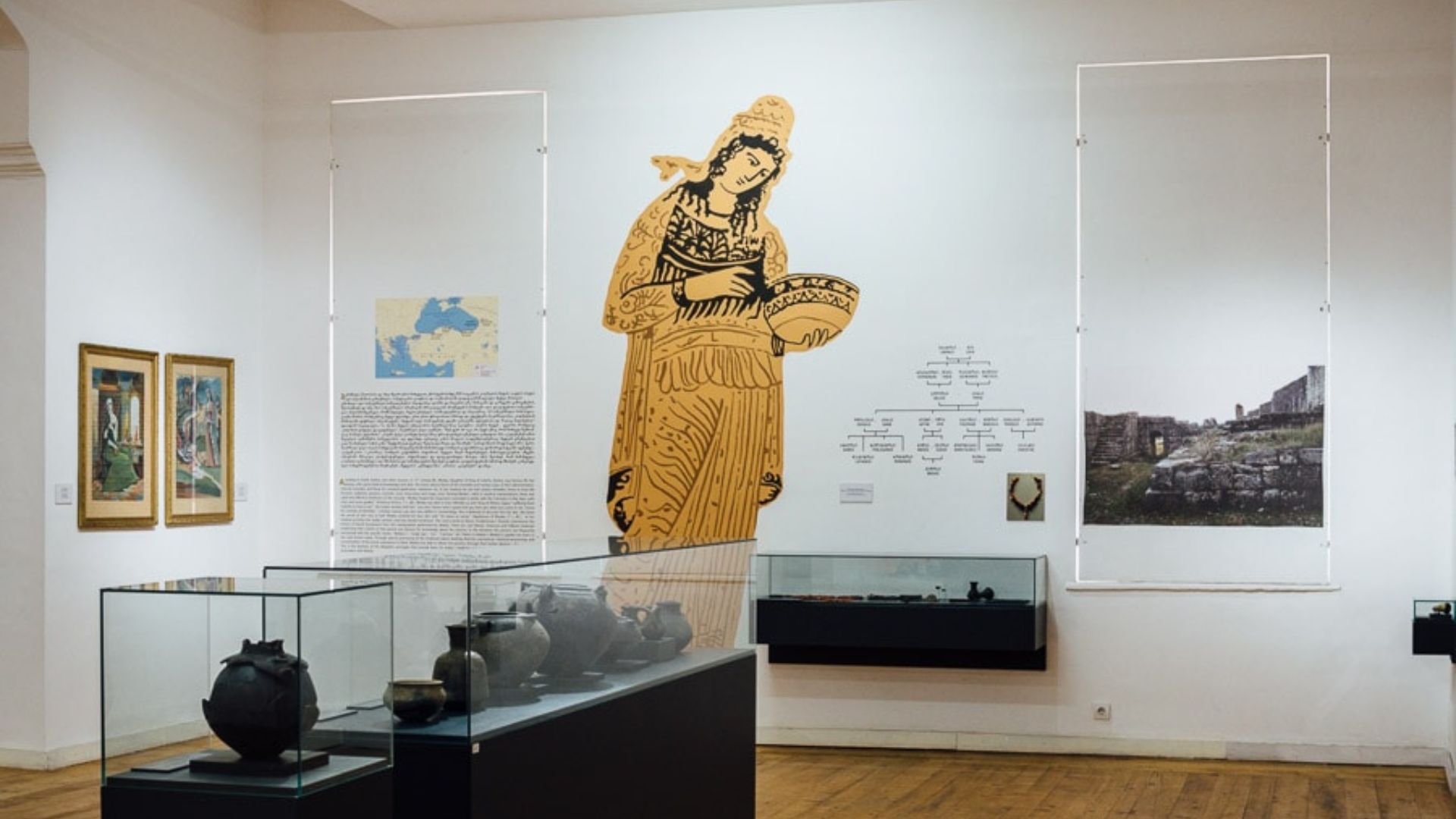
Tbilisi’s museums cover everything from ancient gold to Soviet era history.
- Georgian National Museum: The main national museum with multiple branches. The Gold Fund collection with jewelry and artifacts dating back over 5,000 years is the highlight. Allow at least 2 hours.
- National Gallery of Georgia: Focuses on Georgian fine art from the 19th and 20th centuries. Includes works by Niko Pirosmani, Georgia’s most celebrated self taught painter. The best starting point for understanding Georgian visual culture.
- Tbilisi History Museum: Housed in a former caravanserai in the old town. Traces Tbilisi’s history from its founding to the present through artifacts and photographs. Smaller and more focused than the national museum.
- State Silk Museum: An unusual museum covering the history of silk production in Georgia and the Caucasus. Includes weaving equipment and displays on historical silk trade routes. Easy to overlook but interesting if you have an hour to spare.
Rooftop Bars and Nightlife
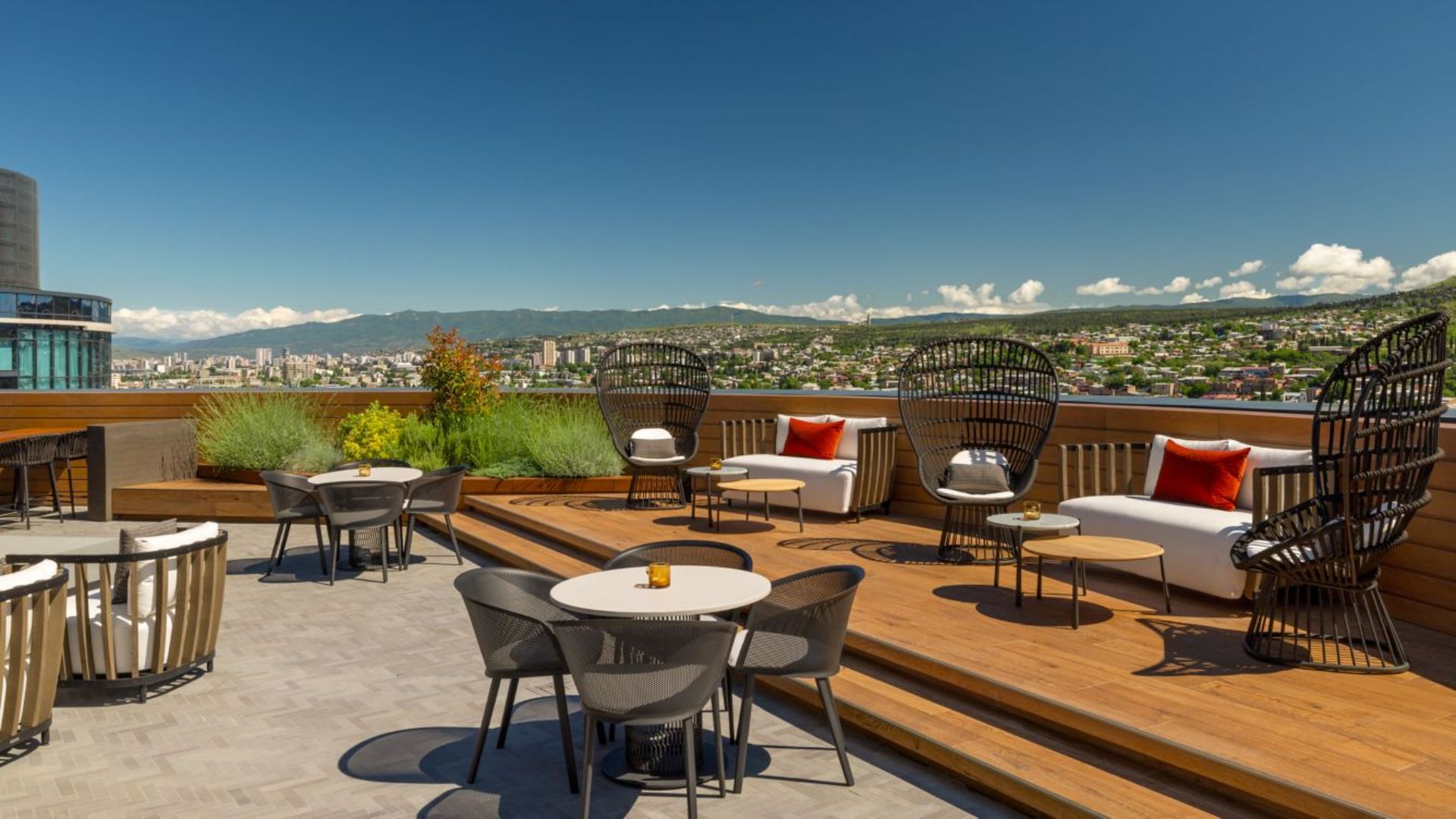
Tbilisi’s rooftop bars offer great views and a relaxed atmosphere well into the night.
- Art Café Home: A rooftop bar and cafe with views over the old town. Relaxed vibe, mismatched furniture, and local art on the walls. Good for an early evening drink before heading out.
- Carpe Diem Cafe: A well known rooftop with solid views of the city skyline. Gets busy on weekends. Georgian and international drinks menu. A reliable choice without needing a reservation.
- Point Terrasse: Reliable, casual rooftop popular with locals and travelers. Look out toward the old town and hills. Picks up late in the evening and runs past midnight on weekends.
Practical Tips for Visiting Tbilisi
Here are a few things worth knowing before you arrive in Tbilisi.
- SIM card: Pick one up at the airport. Local data plans are cheap and Magti or Geocell are the most reliable providers.
- Transport: Use Bolt or Yandex apps to get around and always confirm the fare before getting into an unmarked cab.
- Cash: Carry GEL at all times as markets, bathhouses, and smaller restaurants are often cash only.
- Dress code: Cover shoulders and knees when visiting churches. Women should also cover their hair inside Orthodox churches and scarves are usually available at the door.
- Safety: Tbilisi is generally safe for tourists. Take normal precautions with your bags and phone in crowded areas.
Conclusion
Tbilisi surprised me. I expected a small, overlooked city and found one of the most interesting places I’ve visited in years.
The food, the history, the warmth of the people, it all adds up. I hope this guide to 53 things to do in Tbilisi helps you plan a trip that works for how you like to travel.
Have you been? Drop a comment below and share your favorite spot. And if this helped, pass it on to someone planning a trip.
Frequently Asked Questions
How many days do you need in Tbilisi?
Three to four days covers the main city sights well. Add one to two extra days if you plan day trips to Mtskheta, Gori, or Stepantsminda.
Is Tbilisi safe for solo travelers?
Yes, Tbilisi is generally safe, including for solo female travelers. Violent crime against tourists is rare, though normal city precautions still apply.
What is the best way to get from Tbilisi airport to the city center?
Bus 37 runs to Freedom Square and is the cheapest option. Bolt and taxis are also available for around 20 to 30 GEL, taking roughly 30 minutes.
What currency is used in Tbilisi?
The Georgian Lari (GEL). Cards are accepted in most hotels and larger restaurants, but carry cash for markets, cafes, and the sulfur baths.
Do you need a visa to visit Georgia?
Citizens of the US, UK, EU, and Australia can enter Georgia without a visa for up to one year. Always check the latest entry requirements before you travel as policies can change.
