


Dakar is one of West Africa’s most compelling cities. It sits on the edge of the Atlantic, carries centuries of history, and pulses with music, art, and flavor. Few cities pack this much character into one place.
I put together this guide to help you plan your visit with confidence. You’ll find the top things to do in Dakar, along with practical tips to make your trip smoother.
This isn’t a generic list. It’s an honest look at what makes Dakar worth your time and how to experience it well.
Why Visit Dakar?
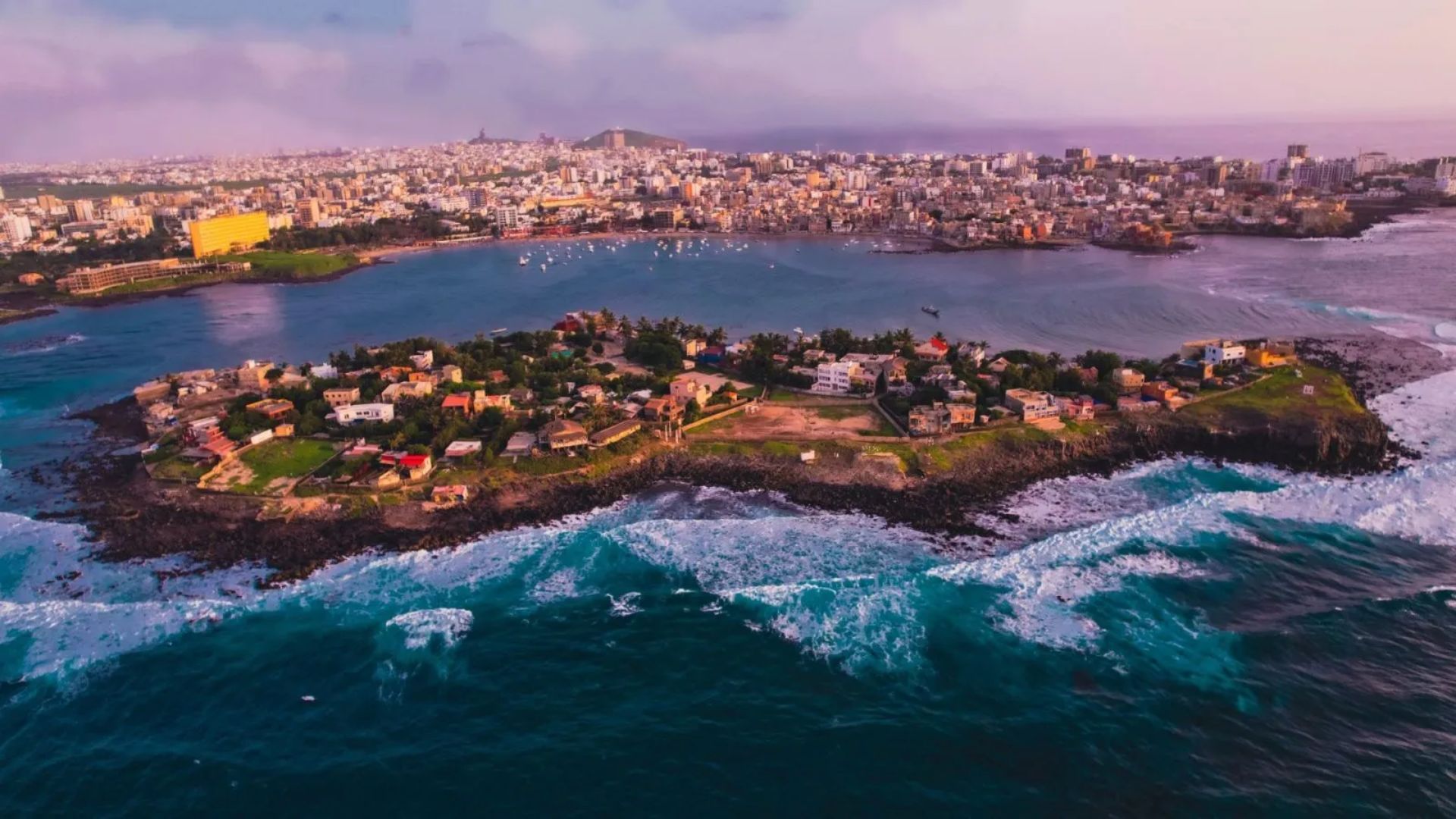
Dakar is the political and cultural heart of Senegal. It sits where the Atlantic meets West Africa, and that location shapes everything about it. The city carries the weight of colonial history while moving forward with its own energy.
Music plays in the streets, art shows up on walls and in galleries, and food is taken seriously at every level, from street stalls to family tables.
What makes Dakar worth visiting is how much it offers beyond the usual sightseeing. The coastline gives you dramatic ocean views and quick island escapes. The neighborhoods tell stories that go back centuries.
The people are warm, and the culture runs deep. For anyone curious about West African history, daily life, and identity, Dakar is a strong and rewarding place to start.
Top Things to Do in Dakar
Dakar has a lot going on. Here are the best ways to spend your time in the city.
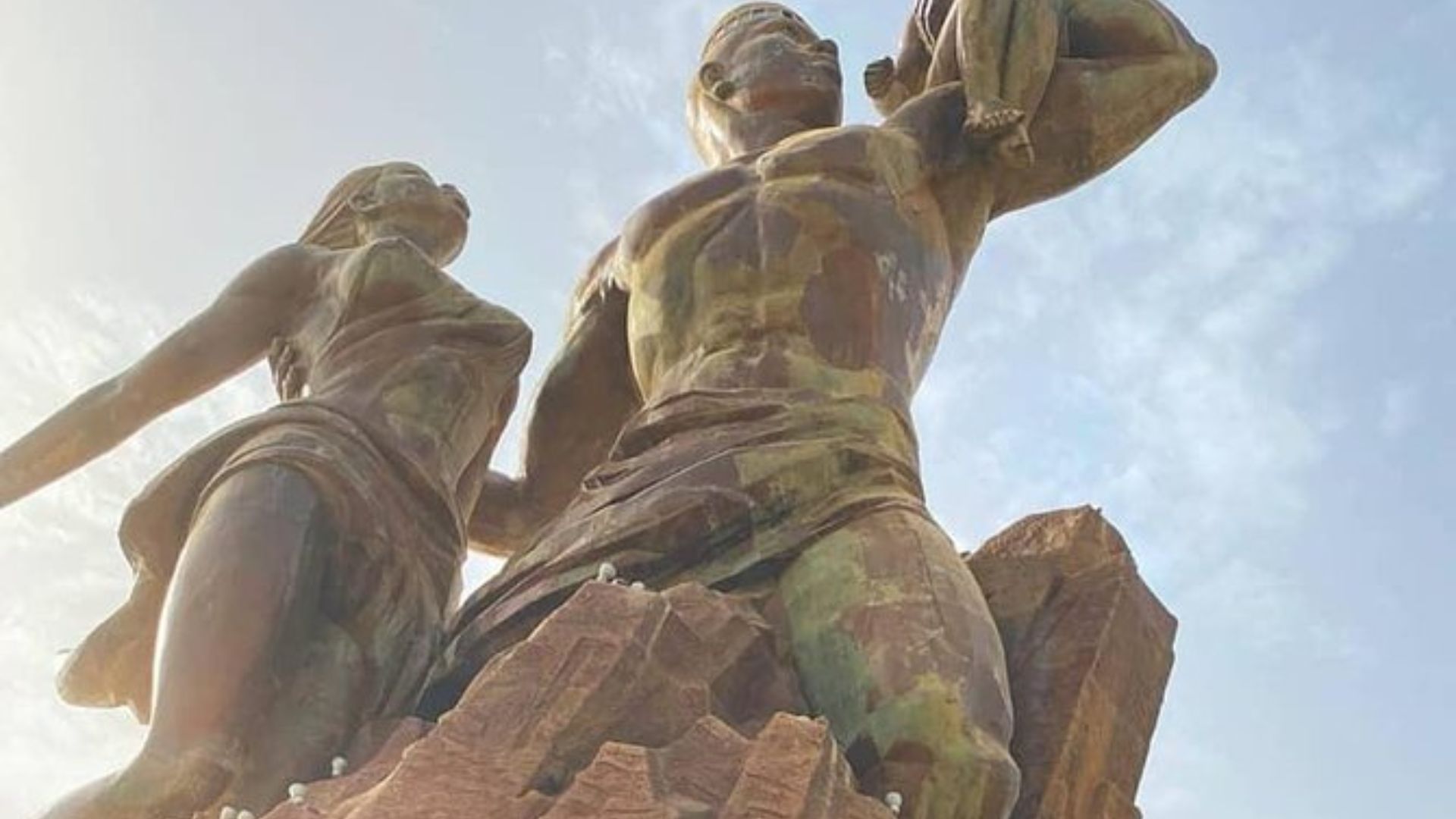
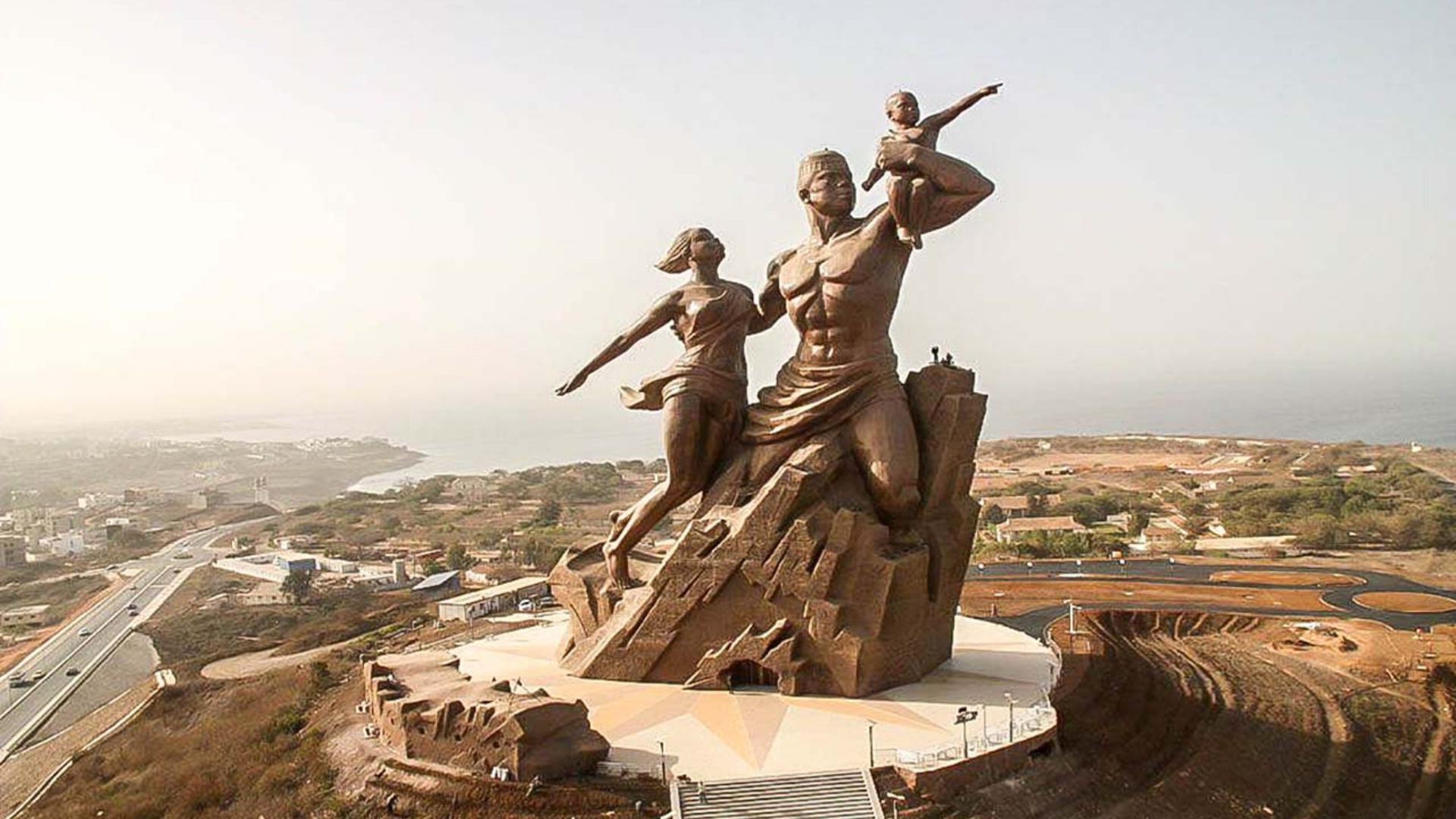
1. Climb the African Renaissance Monument
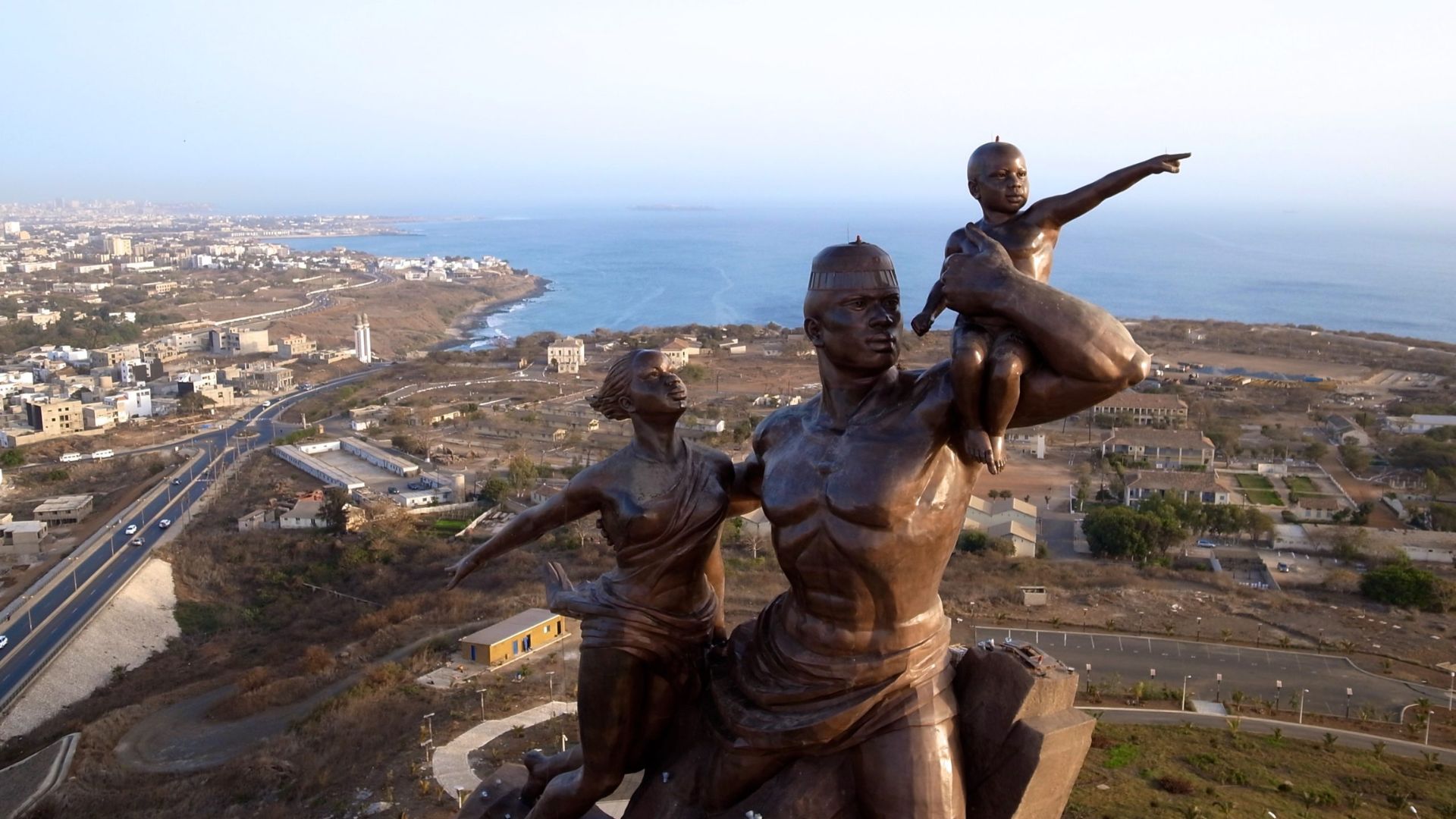
At 49 meters tall, this is one of the world’s tallest statues. It overlooks the Atlantic and offers wide city views. Take the elevator or stairs inside for the best vantage point. Guides are available on-site.
2. Take a Ferry to Gorée Island
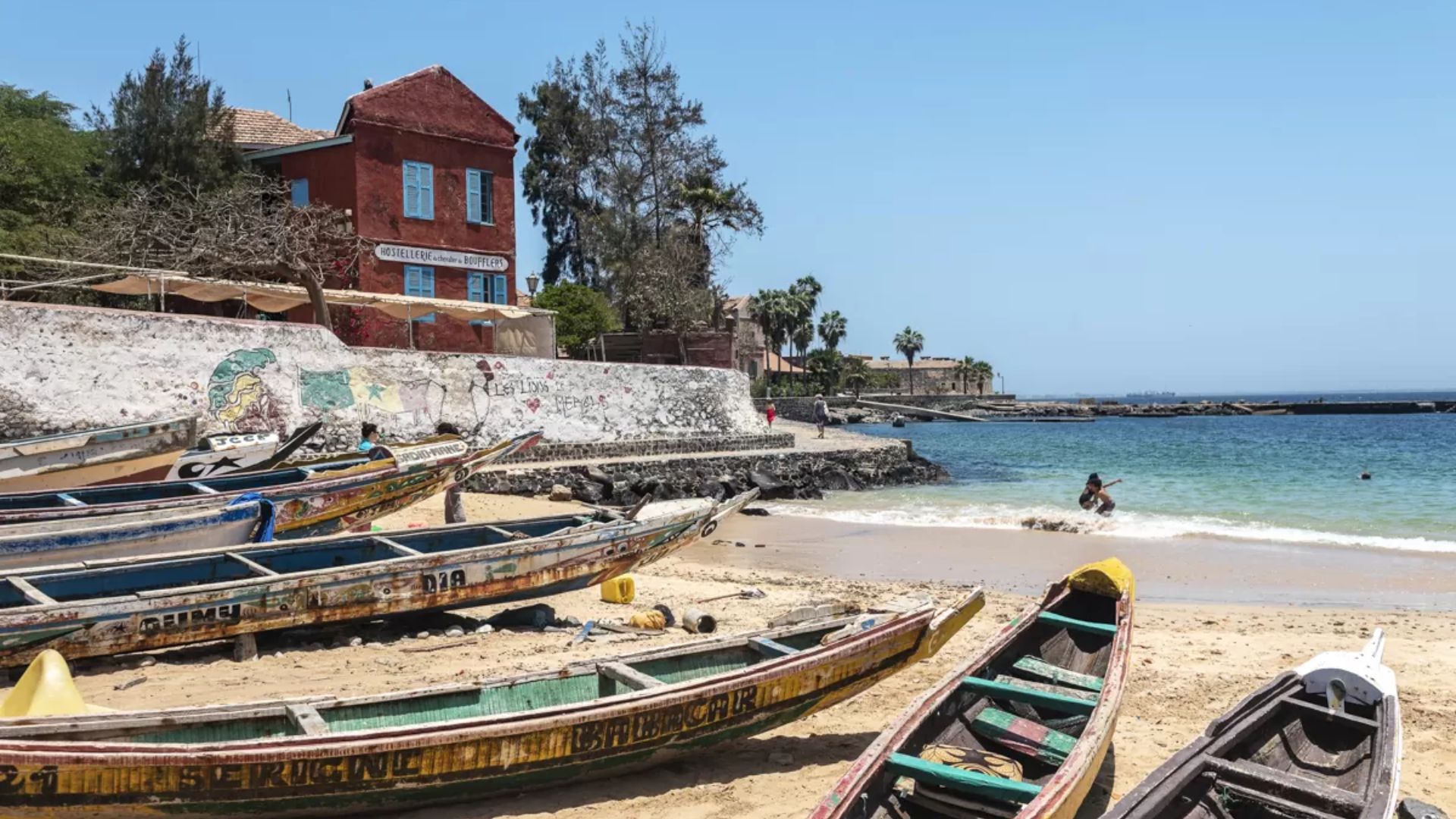
Just 3 kilometers from Dakar, Gorée Island is a 20-minute ferry ride away. Visit the House of Slaves and the Door of No Return. It’s a sobering but important stop. Plan for at least half a day.
3. Visit the Medina Neighborhood
One of Dakar’s oldest areas, Medina is full of street food, music, and open markets. It shows you real, everyday city life. Walk slowly, try the food, and take it all in.
4. Visit Dakar’s Stone Sculptors
These local artisans carve figures, masks, and decorative pieces by hand. They work in quieter parts of the city, away from tourist spots. Buying directly from them supports their craft.
5. See the Millennial Monument and Magic Land
The Millennial Monument marks Senegal’s independence and sits in the Yoff area. Next to it is Magic Land, a local theme park popular with families. It’s an unexpected but fun stop.
6. Experience Dakar’s Religious Heritage
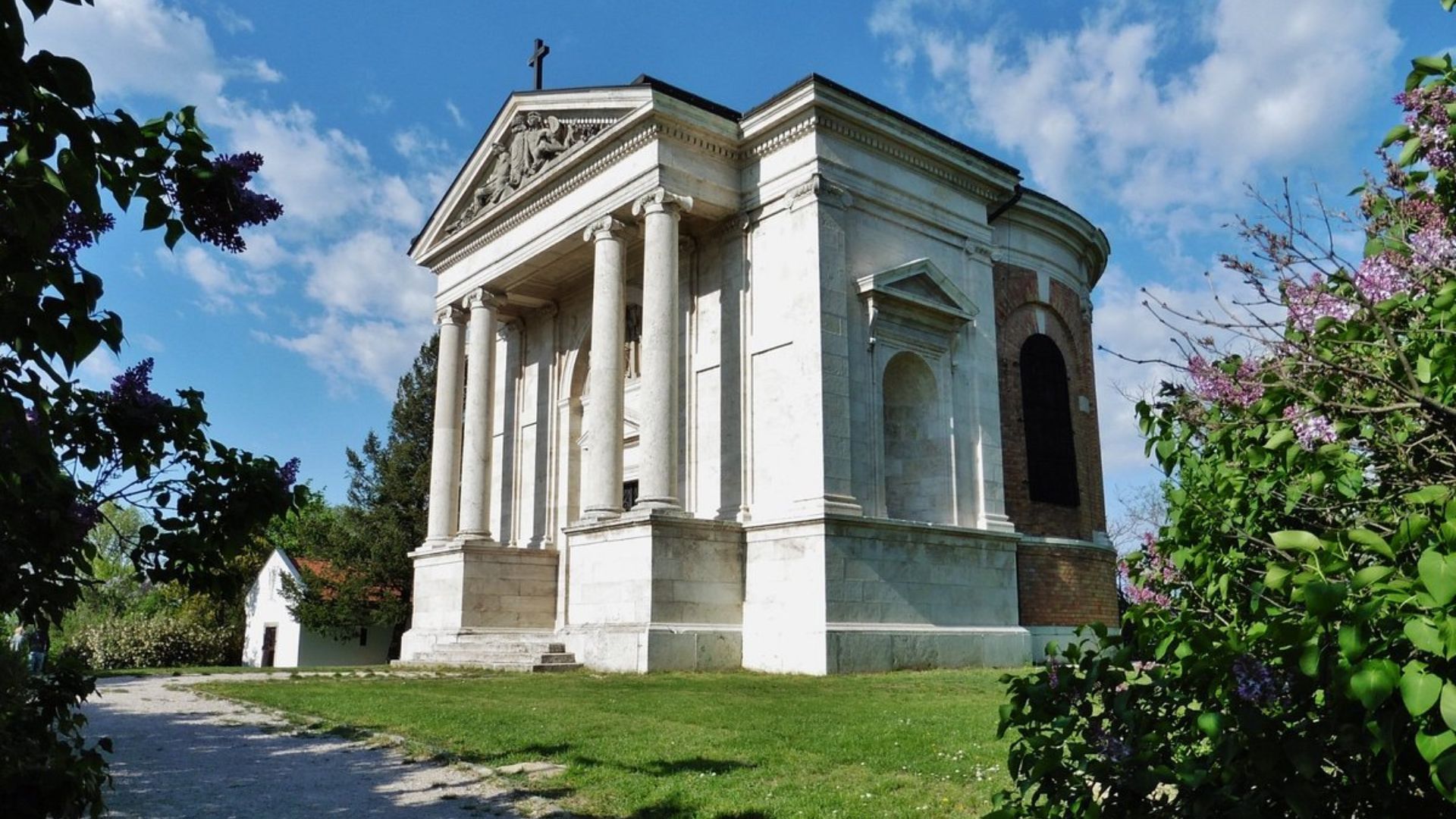
The Great Mosque of Dakar and the Cathedral of Our Lady of Victories sit close to each other. Both are open to visitors. Dress modestly and be mindful of prayer times.
7. Get a Traditional Street Pedicure

Street pedicures are part of daily life in Dakar. Vendors set up near busy areas and serve locals regularly. It’s a simple, grounded way to connect with city culture.
8. Taste Authentic Senegalese Cuisine
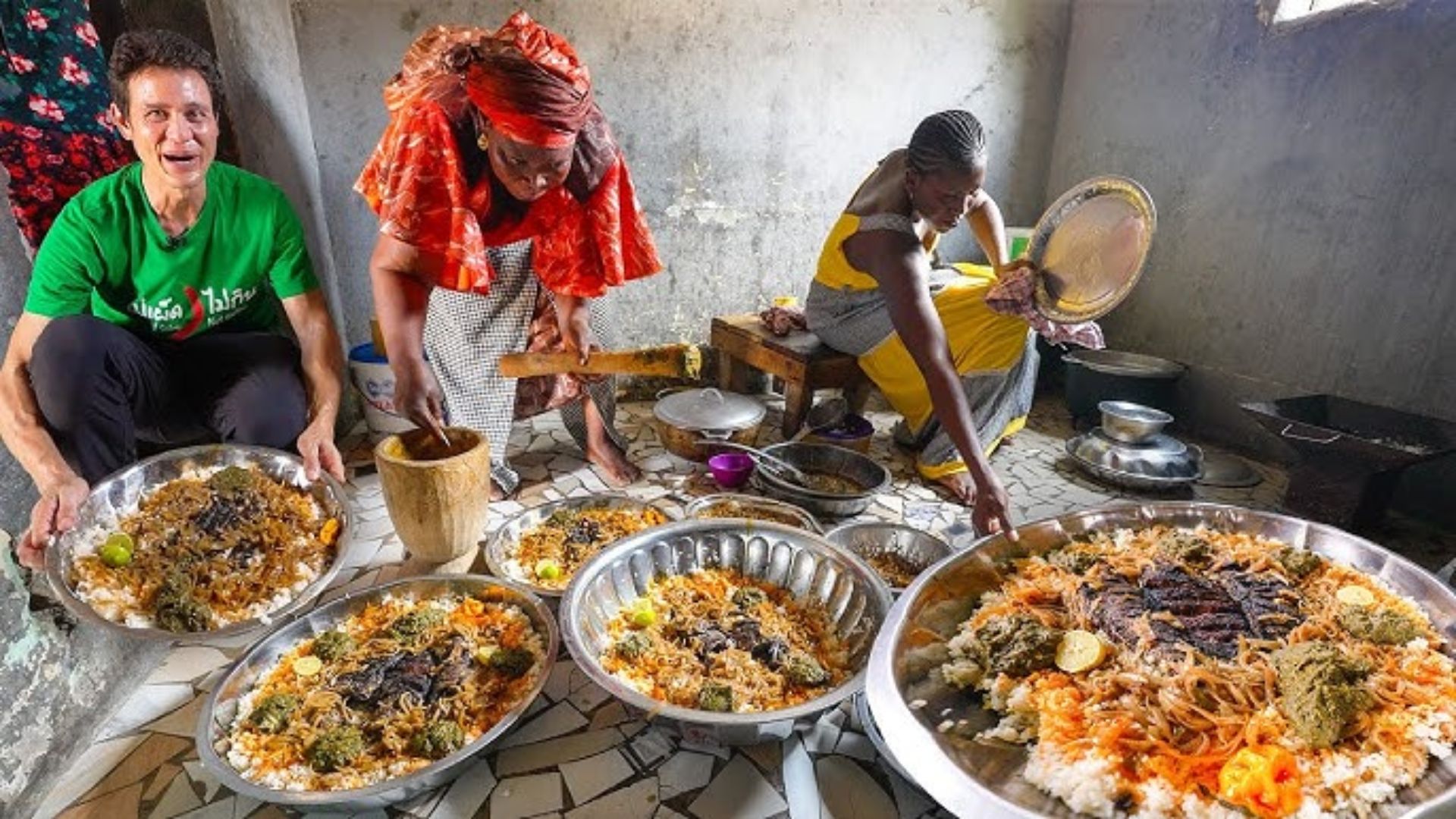
Try thieboudienne, the national rice and fish dish. Grilled seafood near the waterfront is also a strong choice. Wash it down with bissap, a sweet hibiscus drink. Eat where locals eat.
9. Shop at Dakar’s Markets
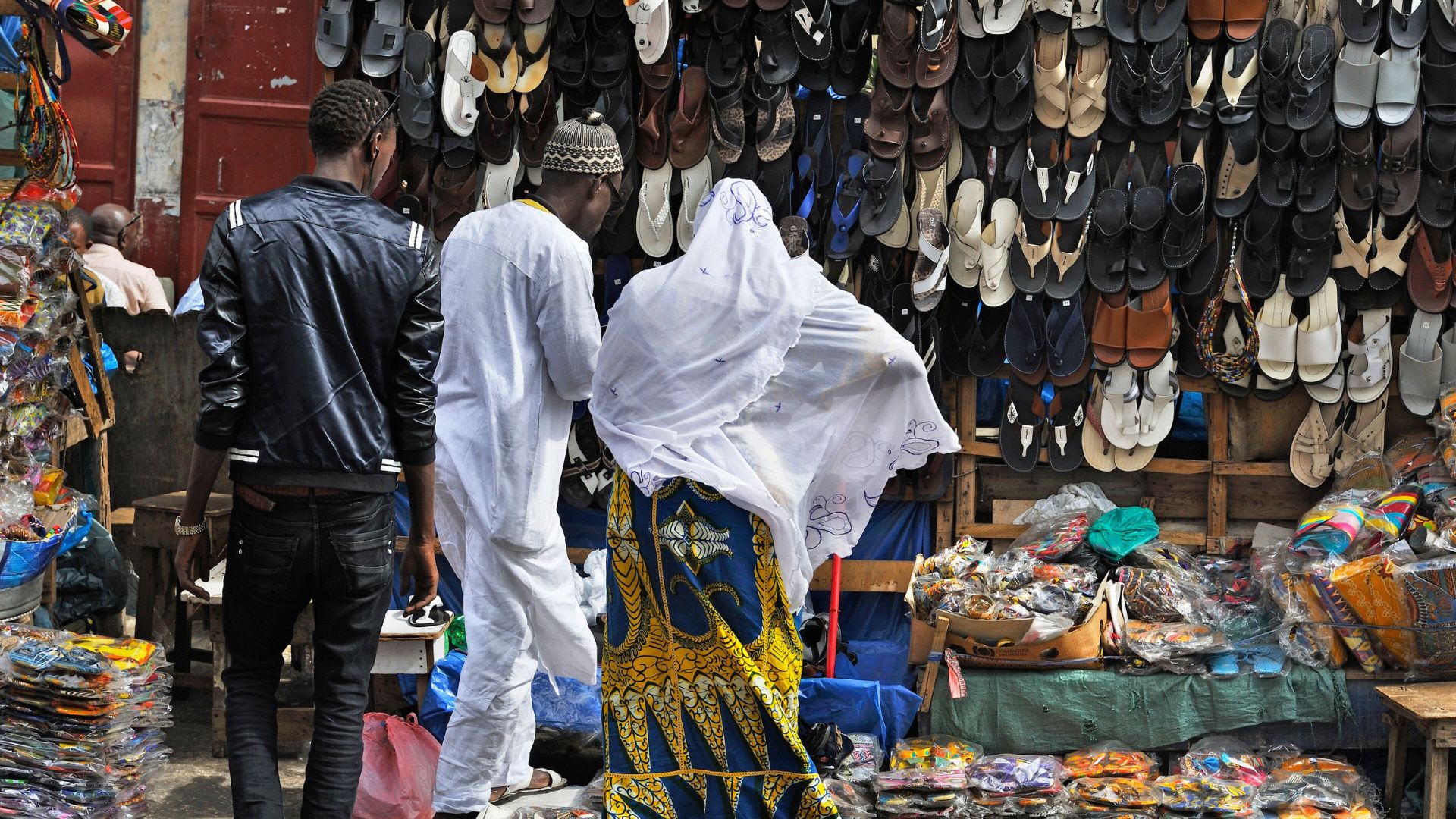
Marché Sandaga is great for everyday goods and bargains. Marché Kermel near the waterfront has crafts and spices. Marché HLM is the go-to spot for wax print fabrics and local tailors.
10. Take a Guided Dakar City Tour
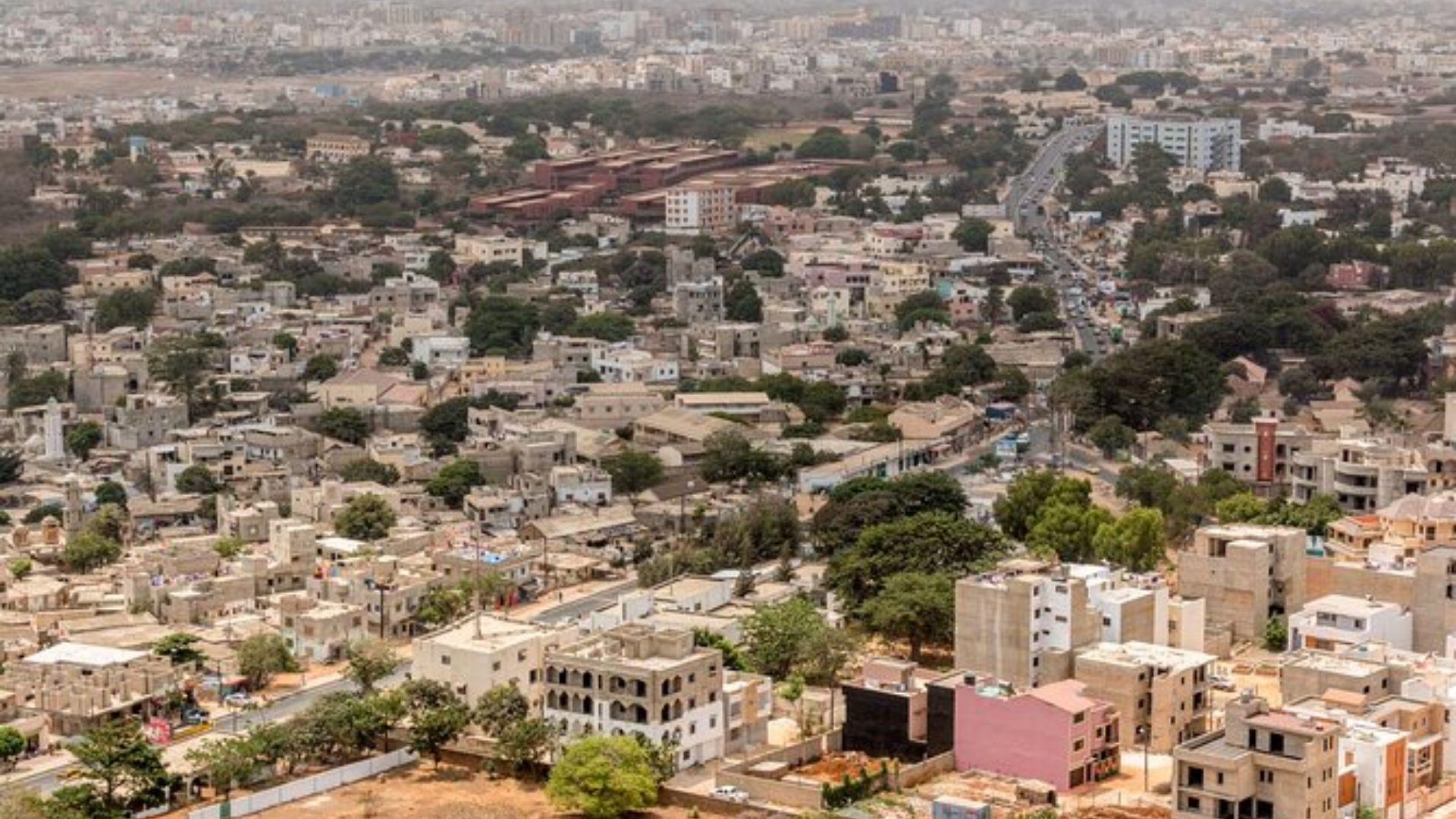
A local guide adds real context to what you see. They know neighborhood histories, skip the tourist traps, and offer walking or car tour options. Worth every franc.
11. Relax on Ngor Island
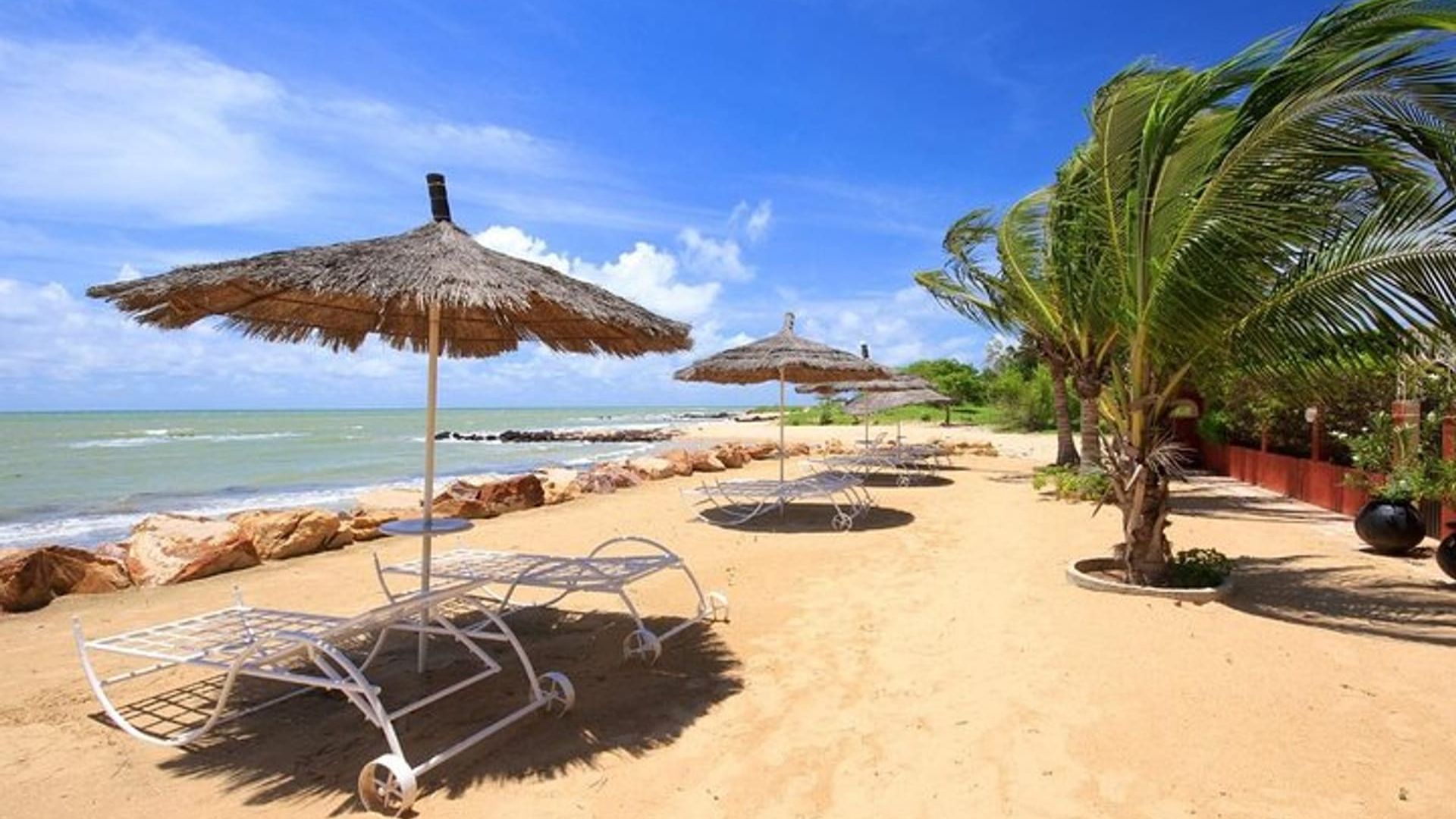
A short pirogue ride from the northern tip of Dakar brings you to this quiet island. Beach restaurants serve fresh fish, the pace is slow, and it’s a great way to wind down after busy city days.
Where to Stay in Dakar?
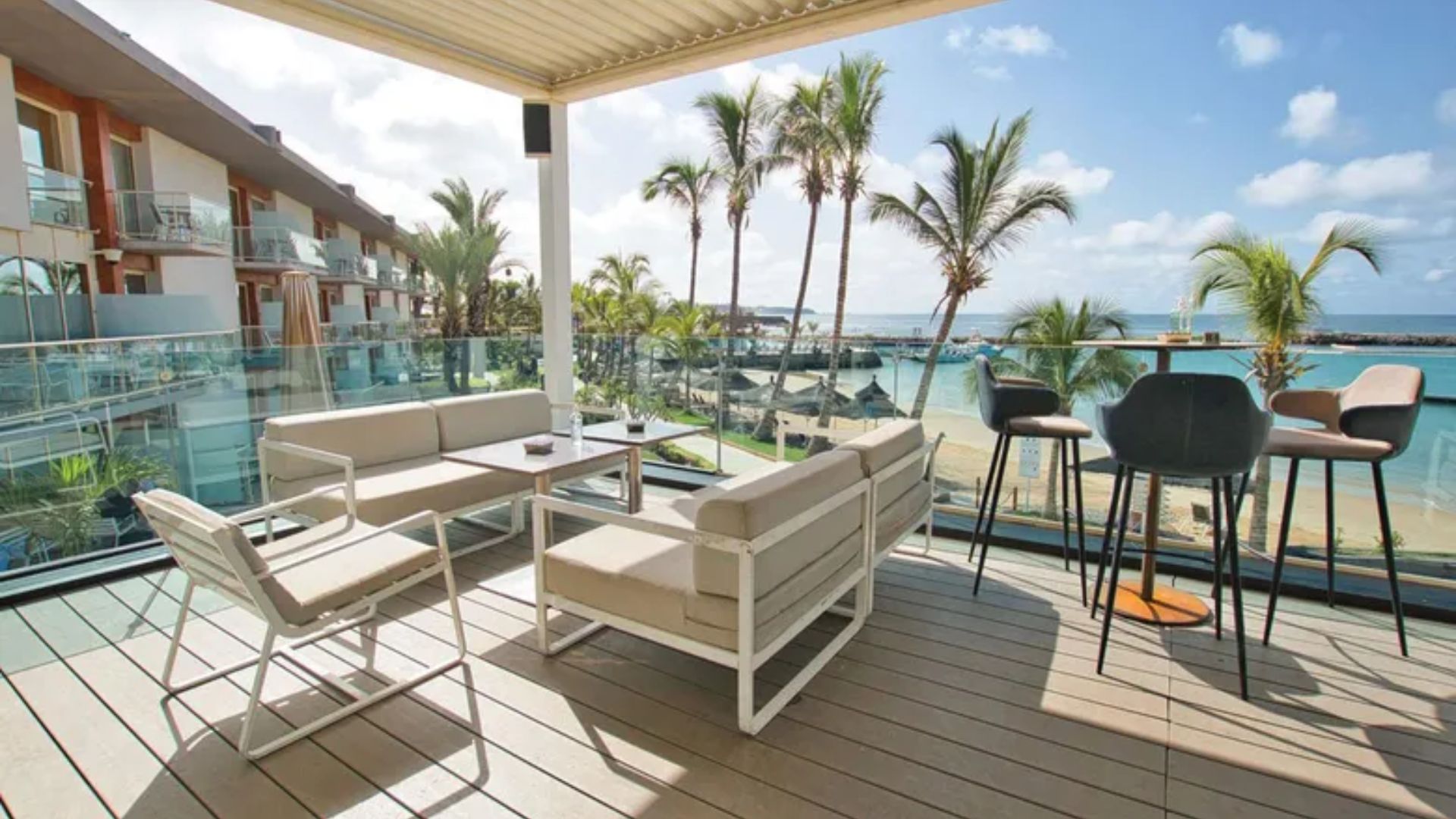
Dakar has options for every kind of traveler, from budget guesthouses to well-known hotels along the coast.
The Plateau area is central and close to most major sites. It’s a good base if you want easy access to markets, the waterfront, and guided tours. Hotels here range from mid-range to higher-end options.
For a quieter stay, the Les Almadies area in the north of the city sits close to Ngor Island and offers a more relaxed pace. It has a good mix of guesthouses, smaller hotels, and beach-facing spots that are popular with long-stay visitors.
If you’re on a tighter budget, local guesthouses in neighborhoods like Mermoz or Fann offer clean, affordable rooms with a more local feel. Breakfast is often included, and hosts can usually help with transport and recommendations.
Practical Tips for Visiting Dakar
A few simple things to know before you go will make your time in Dakar much smoother.
- French is official but most people speak Wolof daily. Learning Salaam alaikum (hello) and Jërejëf (thank you) goes a long way.
- The local currency is the CFA franc (XOF). Carry cash as most markets and small shops don’t accept cards.
- Taxis are everywhere but always agree on a price before getting in. Dakar Dem Dikk buses cover major routes reliably.
- Dress modestly near religious sites and traditional neighborhoods. Cover your shoulders and knees where appropriate.
- Tourist areas are generally safe but stay alert in crowded markets. Keep valuables out of sight and trust your instincts.
Conclusion
Dakar got under my skin in a way few cities do. It’s not perfect. The traffic is real, and some spots are rough around the edges. But that’s part of what makes it honest.
I walked away with a deeper respect for West African culture, history, and everyday life. It’s the kind of place that stays with you long after you leave.
If you’ve been thinking about visiting, I’d say go. And if you’ve already been, I’d love to hear what stood out to you most. Drop a comment below or share this post with someone who needs a good travel read.
Frequently Asked Questions
Is Dakar safe for tourists?
Dakar is generally safe for visitors, especially in well-traveled areas. Stay alert in busy markets, avoid displaying expensive items, and use registered taxis when moving around at night.
What is the best time of year to visit Dakar?
The dry season, from November to May, is the most comfortable time to visit. Temperatures are warm but manageable, with little rain and good conditions for outdoor activities.
Do I need a visa to visit Senegal?
Many nationalities can enter Senegal without a visa for short stays. However, entry requirements vary by country, so check with the Senegalese embassy or consulate before traveling.
What currency is used in Dakar?
Dakar uses the West African CFA franc (XOF). It’s best to carry cash, as card payments are not widely accepted outside larger hotels and modern restaurants.
What language do people speak in Dakar?
French is the official language, but Wolof is spoken widely in daily life. Most people in tourism-related businesses have some English, but knowing basic French phrases helps a lot.
