


Planning a trip and not sure where to start? I’ve put together this guide on things to do in Marrakech so you can spend less time searching and more time enjoying the city.
Marrakech mixes ancient history, lively markets, quiet gardens, and rooftop views into one place.
In this guide, I’ll show you what to see, what to expect, and how to plan your visit. I’ve been to Marrakech myself, and I’m sharing what actually worked.
Before You Go Marrakech Travel Basics
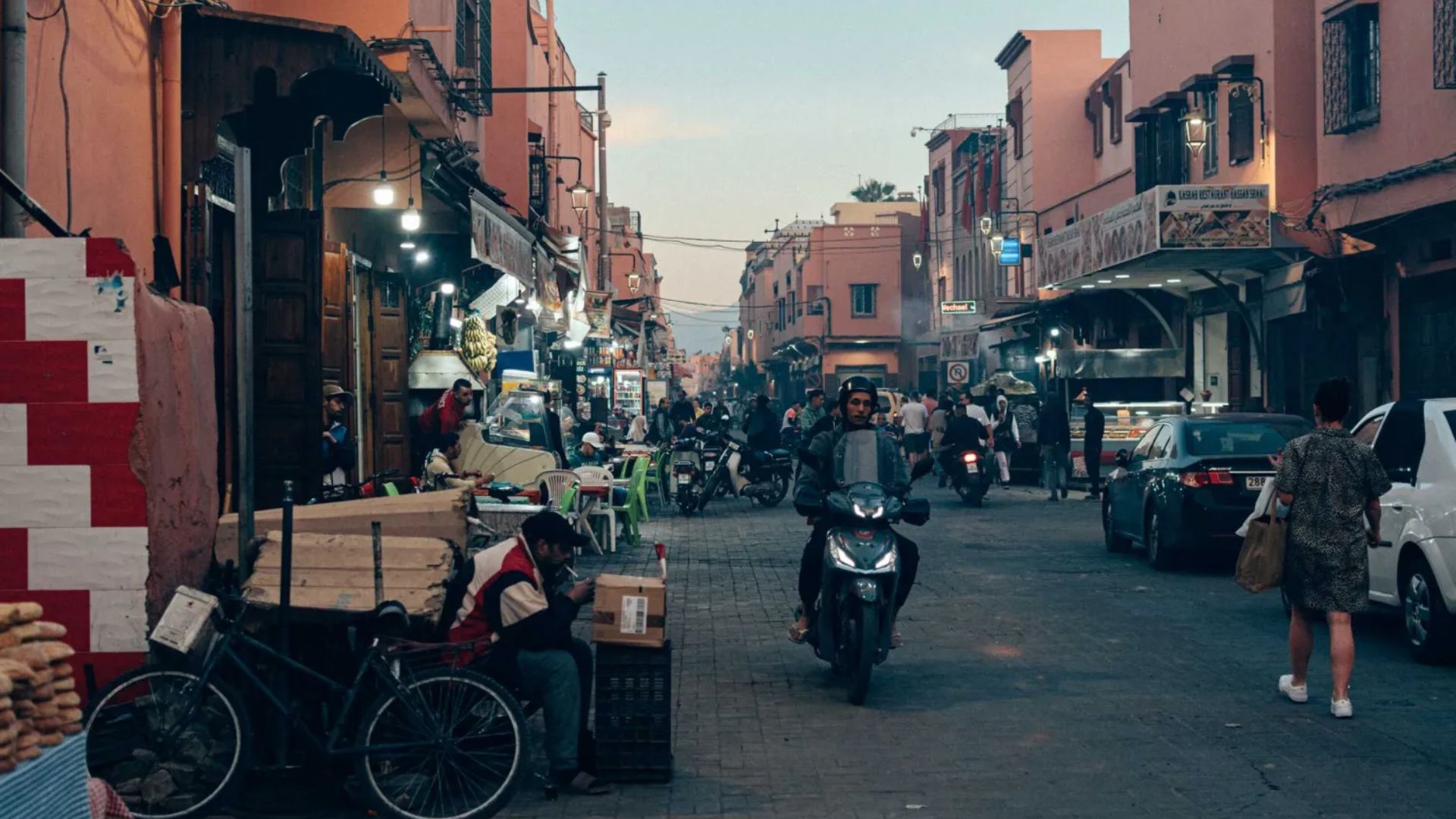
Two to three days covers the main sights, but four to five days gives you a more relaxed pace with room for day trips. I personally recommend at least four days.
Medina is best visited on foot. For the airport or spots outside the old city, take a taxi and always agree on the fare before you get in.
Morocco is a conservative country, so cover your shoulders and knees. Women should pack a light shawl for religious sites. Men should dress casually but modestly. Some restaurants also have dress codes, so it’s worth checking ahead.
11 Things to Do in Marrakech
Here is a short overview of what this list covers. These are the top experiences in the city, from old palaces to rooftop dinners to peaceful gardens..
1. Shop the Souks
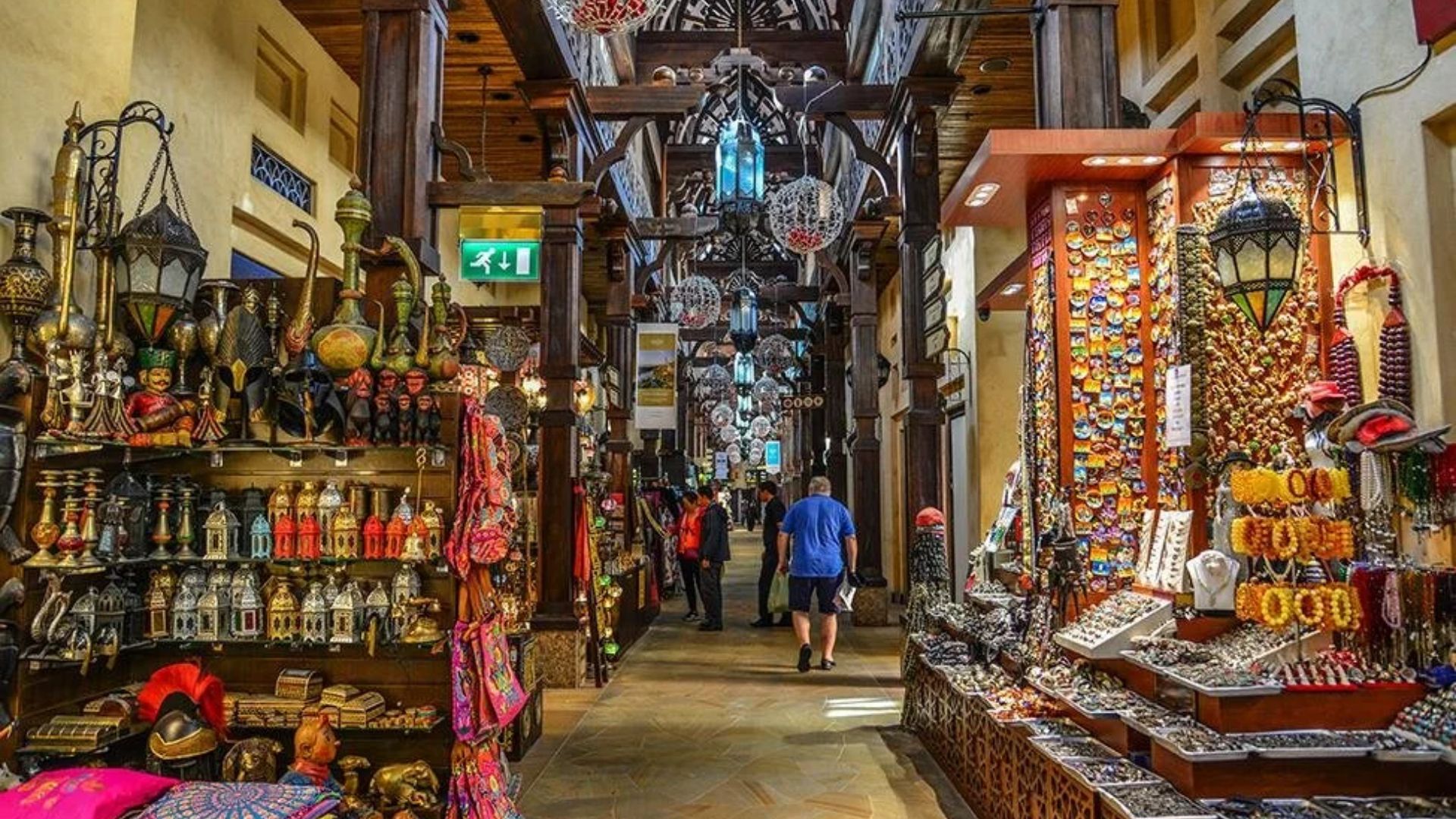
The souks inside the Medina are a world of their own. Narrow lanes are packed with stalls selling spices, handwoven rugs, argan oil, leather goods, and pottery. It can feel a little overwhelming at first. That’s normal.
Haggling is expected and part of the fun. Start with a lower price than you’re willing to pay. Walk away slowly if the price doesn’t come down. It usually will.
I picked up saffron and a small handwoven bag here. Both cost me very little once I got the hang of negotiating.
2. Visit Medersa Ben Youssef
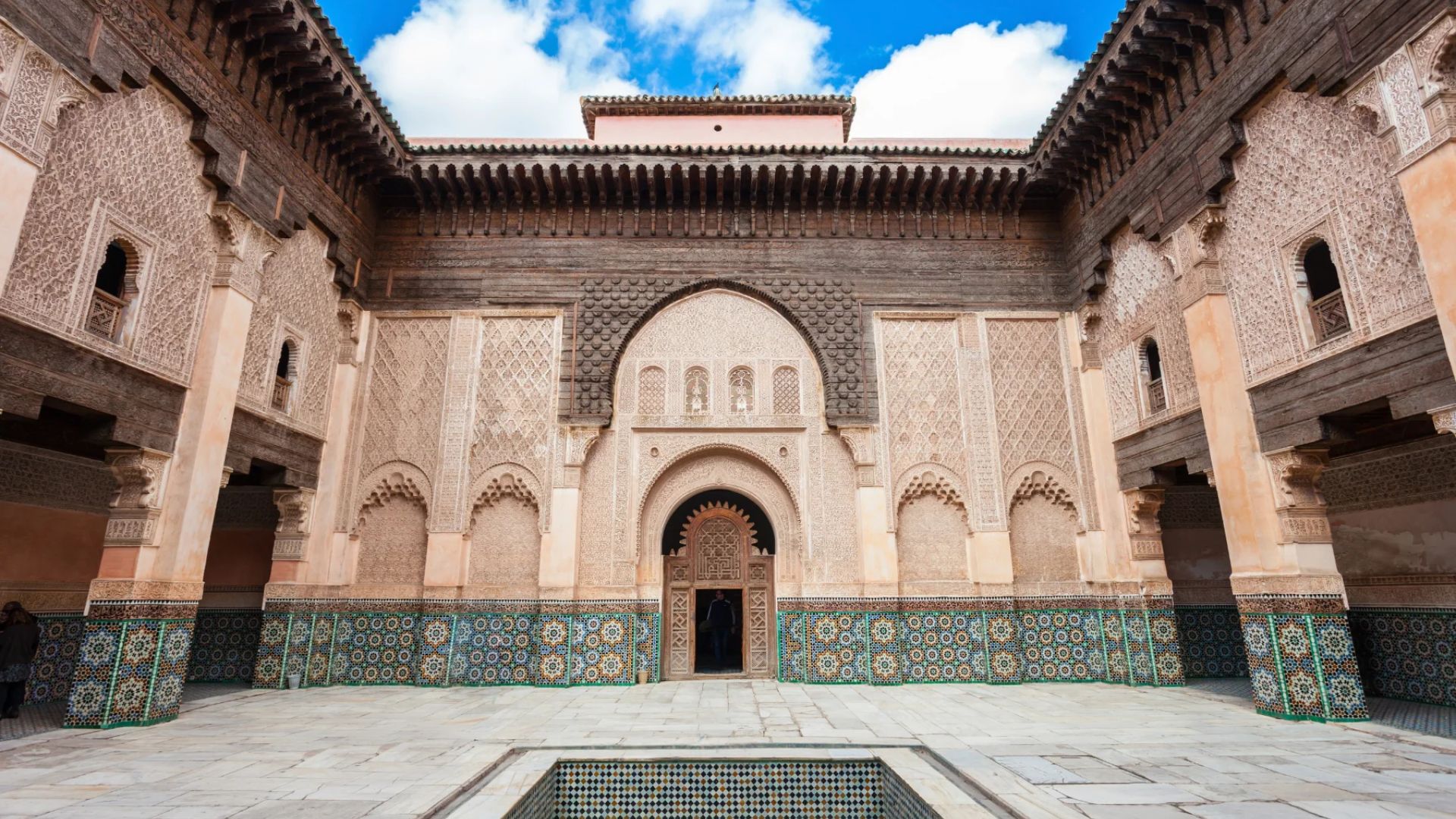
This is a 14th-century Islamic school and one of the most striking buildings in all of Marrakech. The carved plasterwork and geometric tile details inside are something you don’t forget.
Entrance fees 50 dirham for foreign visitors, 20 dirham for locals. Go early in the morning. It gets very crowded by mid-morning, and the experience is much better when it’s quiet.
3. Spend Time at Jardin Majorelle
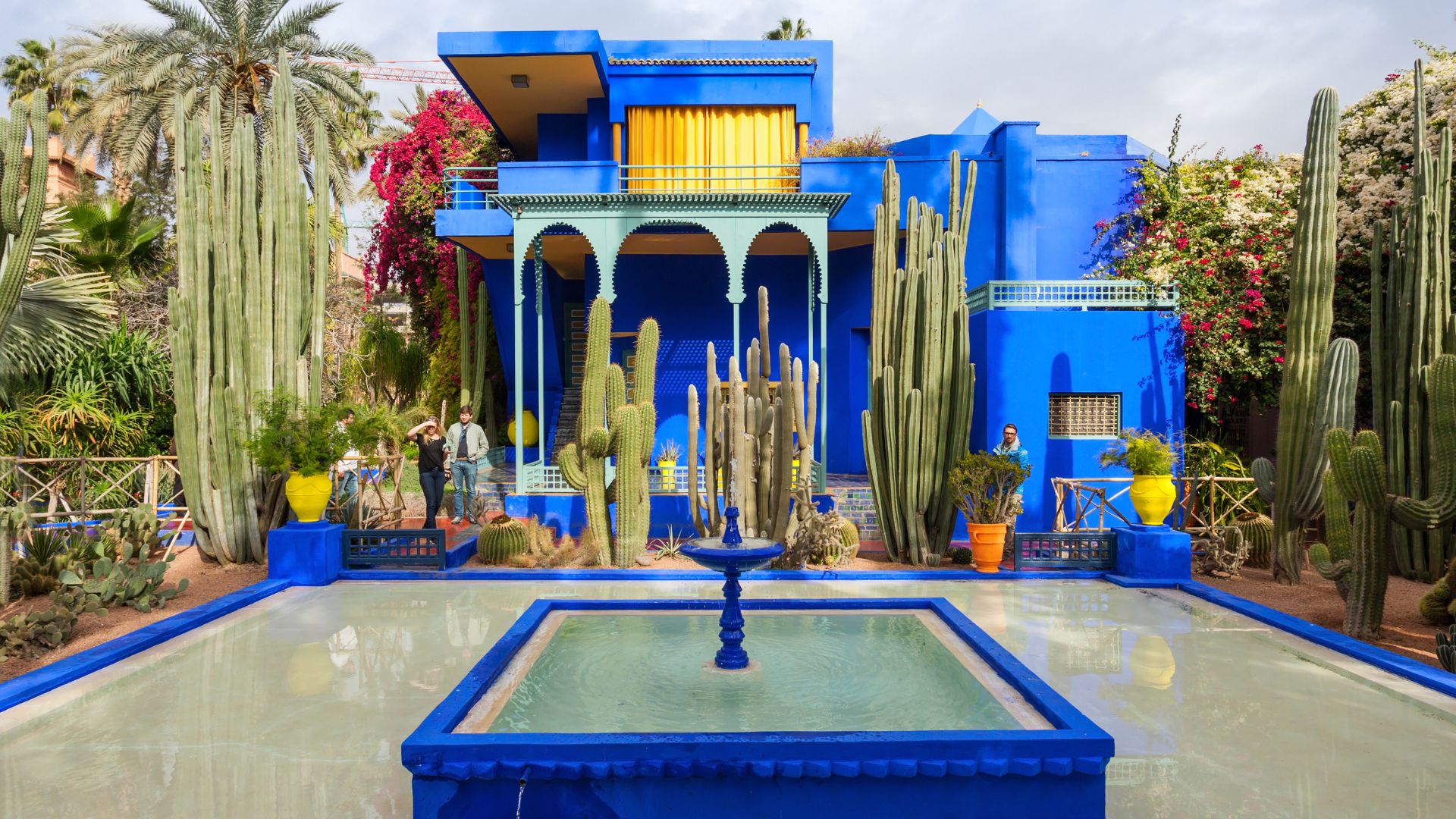
This garden was restored by Yves Saint Laurent and is one of the most visited spots in the city. It features tropical plants and a bold cobalt-blue villa that stands out against all the greenery.
Inside, you’ll also find the Pierre Bergé Museum of Berber Arts and the YSL Museum. Book your tickets in advance. The garden opens at 8:30 am and closes at 6 pm.
4. Visit Le Jardin Secret
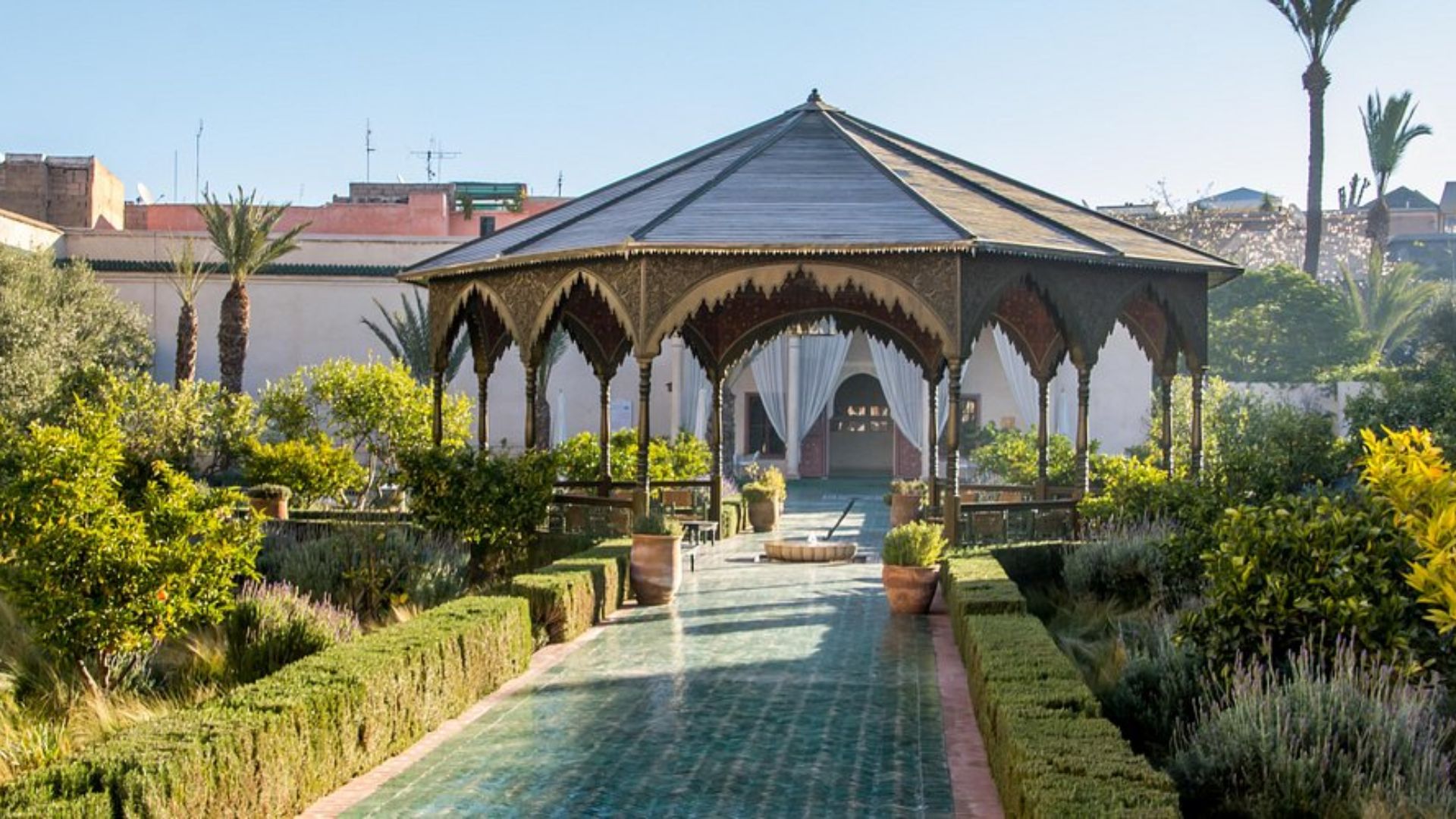
If Jardin Majorelle feels too crowded, Le Jardin Secret is a calmer option. It has two sections, the Islamic Garden and the Exotic Garden. There is a cafe on-site if you want to sit and rest.
Tickets are 100 dirham for foreign visitors. The garden opens at 9:30 am and closes at 6 pm. I found this place far more relaxing for a quiet afternoon.
5. Stay in a Riad
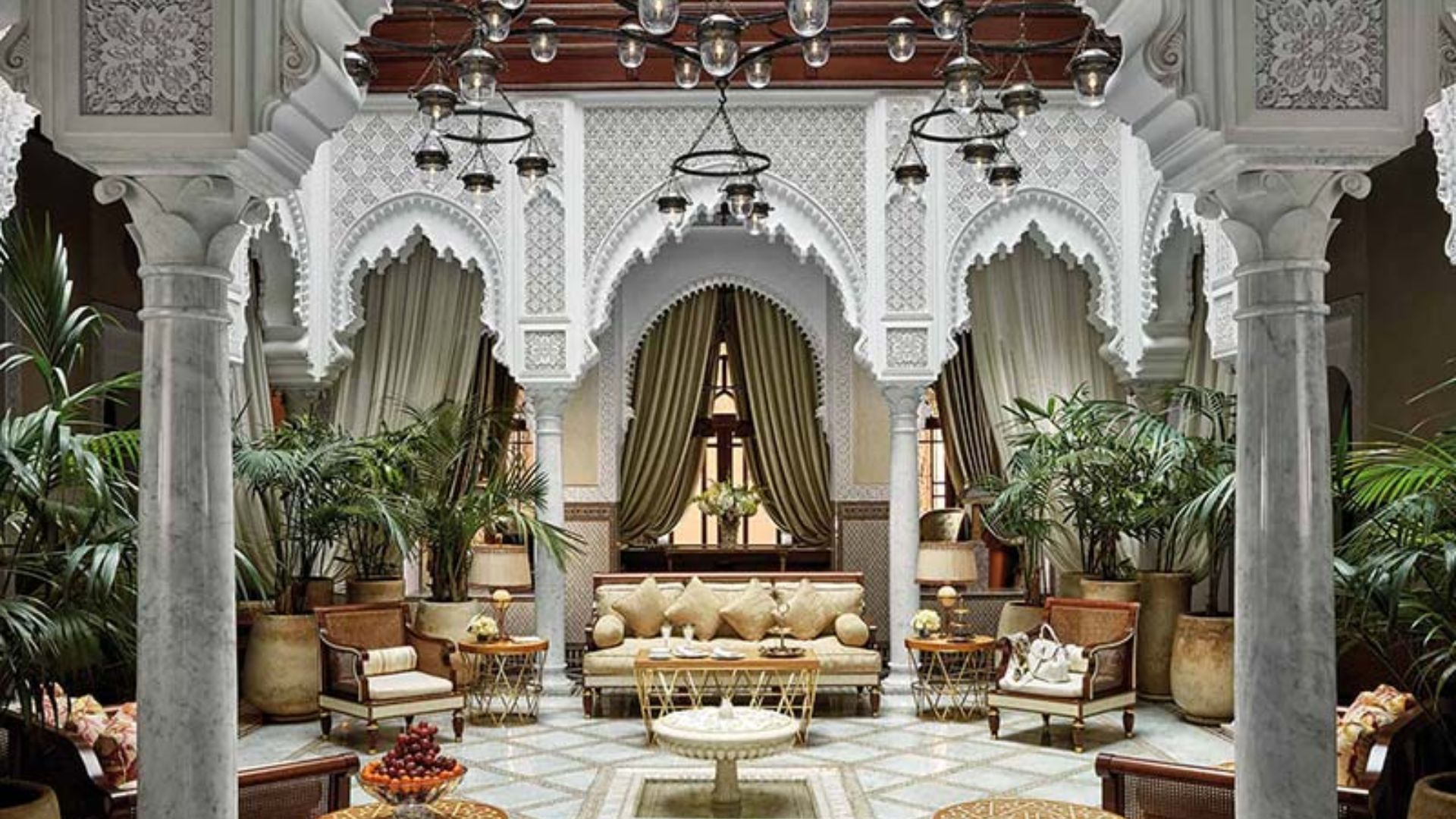
A riad is a traditional Moroccan house built around a central courtyard. Staying in one is one of the best ways to experience local culture. The architecture, the home-cooked food, and the hospitality all come together in a way that a regular hotel can’t match.
For budget stays, Riad Dar Dada, Riad Marraplace, and Riad Kilimini are solid choices. If you want something in the mid-range, Le Riad Yasmine and Riad Dar Anika are both worth looking at.
For a luxury experience, La Mamounia, Oberoi Marrakech, and La Sultana are among the best in the city. I stayed in a mid-range riad on my first visit. The rooftop breakfast alone was worth every dirham.
6. Try the Local Food
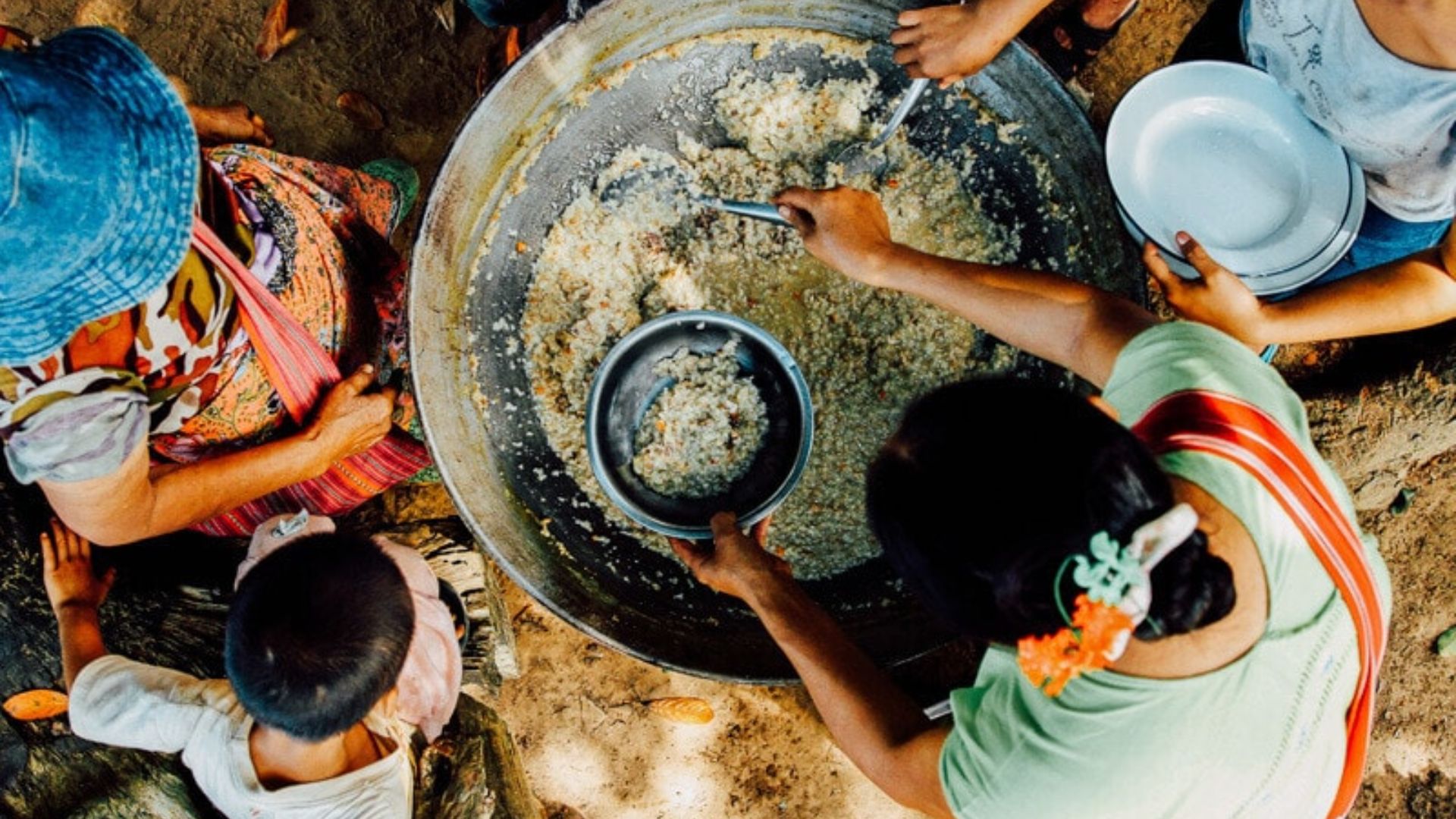
Marrakech has some of the best food in Morocco. The dishes here are slow-cooked, deeply spiced, and very filling. Tagine is a must, a slow-cooked meat or vegetable stew that shows up on almost every menu.
Briouats are crispy pastries filled with meat or cheese and are great as a quick bite. Bastilla is a savory-sweet pie, often made with chicken or pigeon, and well worth trying at least once.
Eat where the locals eat. Small spots near Medina usually serve the most flavorful food at honest prices.
7. Watch the Sunset from a Rooftop
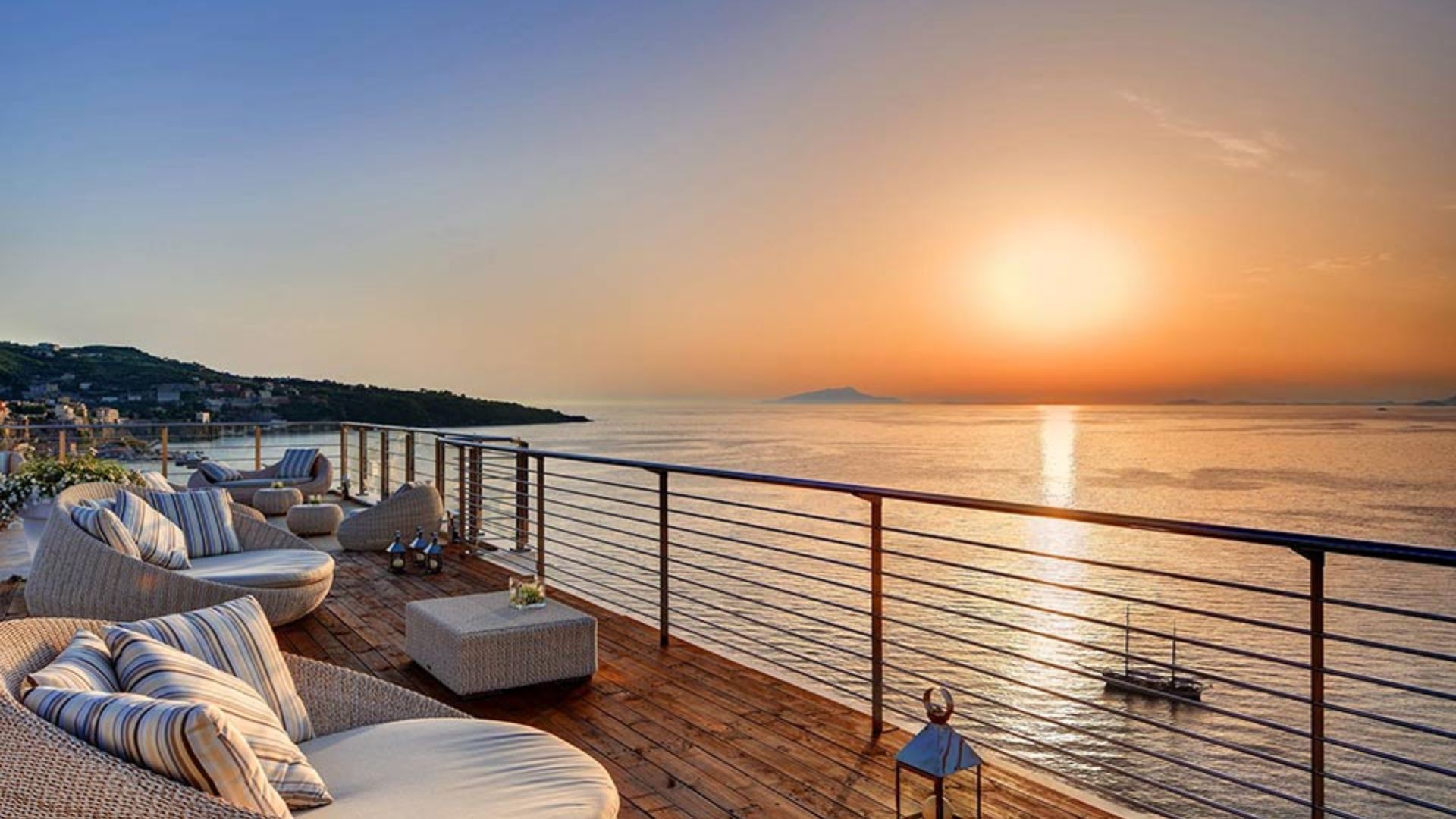
There is something about watching the sun go down over Marrakech that stays with you. The city turns golden, and the call to prayer fills the air.
Good spots to try Nomad and Rooftop Dardar both offer great views. Book a table in advance, especially on weekends. Going without a reservation is a risk not worth taking.
8. Visit El Badi Palace
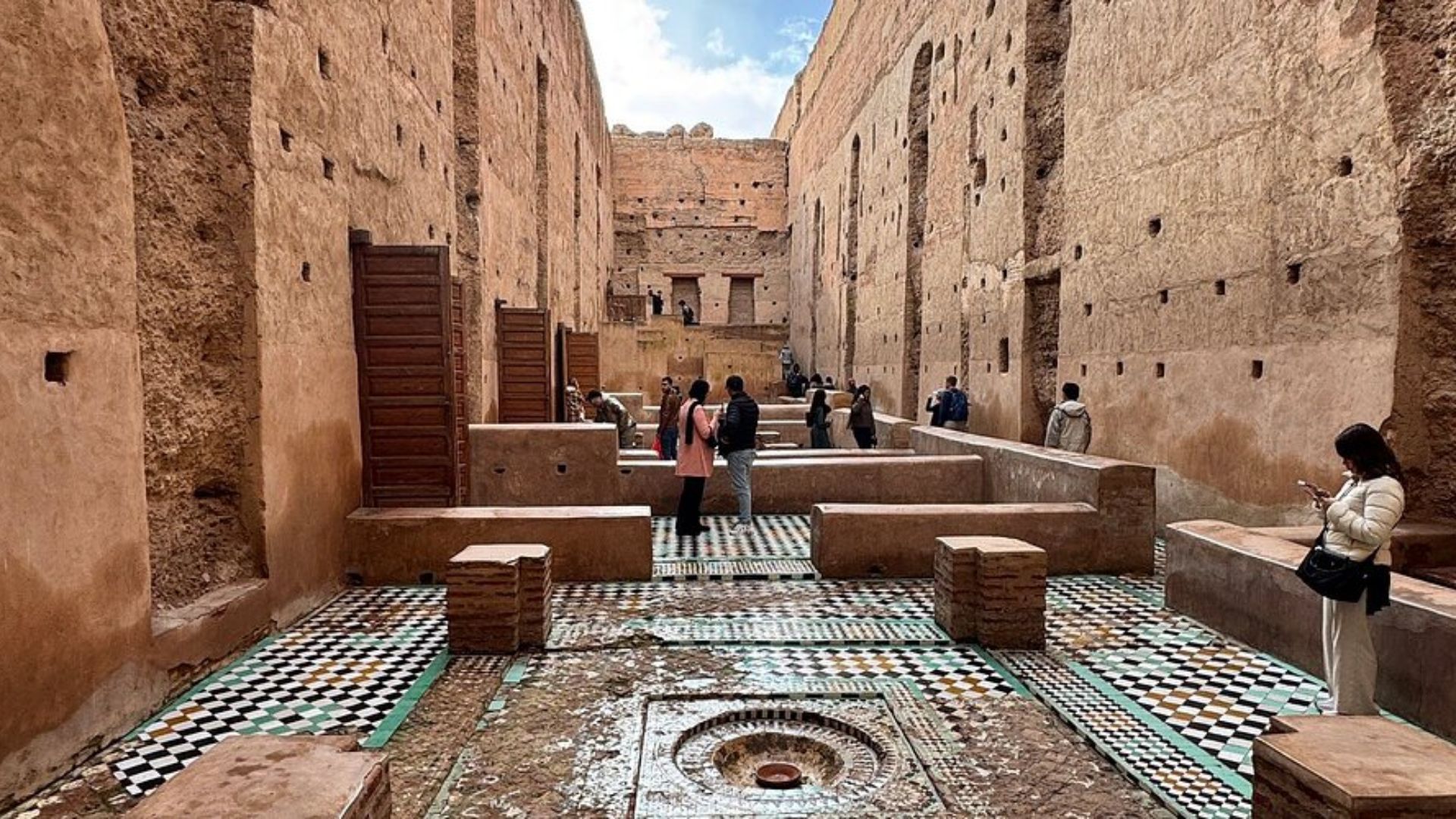
El Badi Palace was built in the 16th century by Sultan Ahmed al-Mansour. Today it’s a large ruin, but walking through it gives you a real sense of how grand it once was.
Entrance 100 dirham for foreign visitors, 20 dirham for locals. Take your time here. There’s a lot to look at, and the storks nesting on the walls add something unexpected to the visit.
9. Watch a Belly Dancing Show
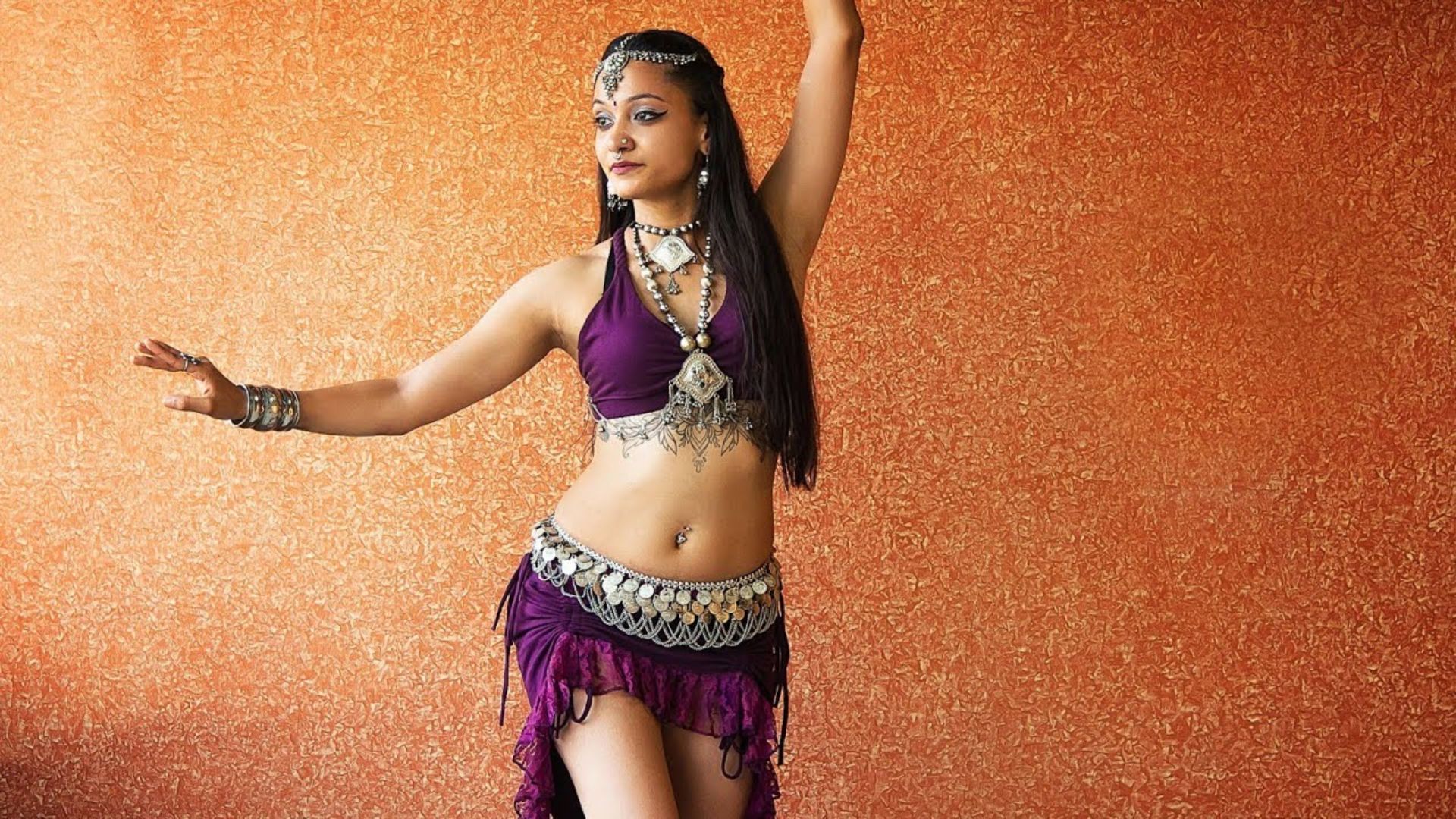
Several restaurants in Marrakech offer live entertainment at night. Comptoir Darna is a popular choice. Shows usually start between 9 and 10 pm. Ticket prices vary by venue.
It’s a fun evening out, especially after a long day on your feet in the Medina.
10. See Bahia Palace
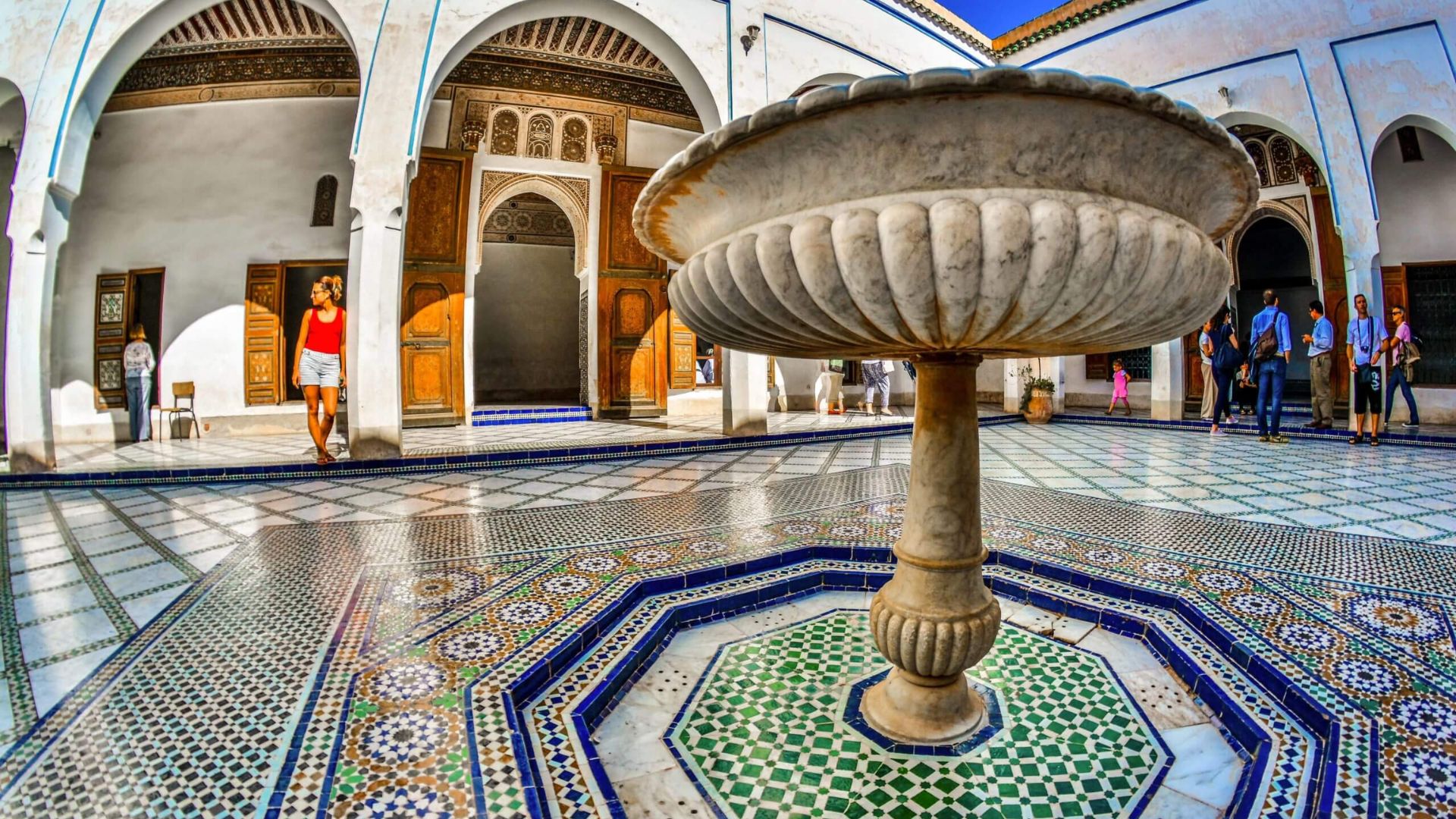
Bahia Palace was built in the 19th century as a royal residence. The interiors are detailed, the courtyards are wide, and the whole place feels like a step back into another time.
Entrance 70 dirham. Open from 8 am to 5 pm. Since El Badi Palace is nearby, visiting both on the same day is a smart and practical choice.
11. Take a Day Trip Outside the City
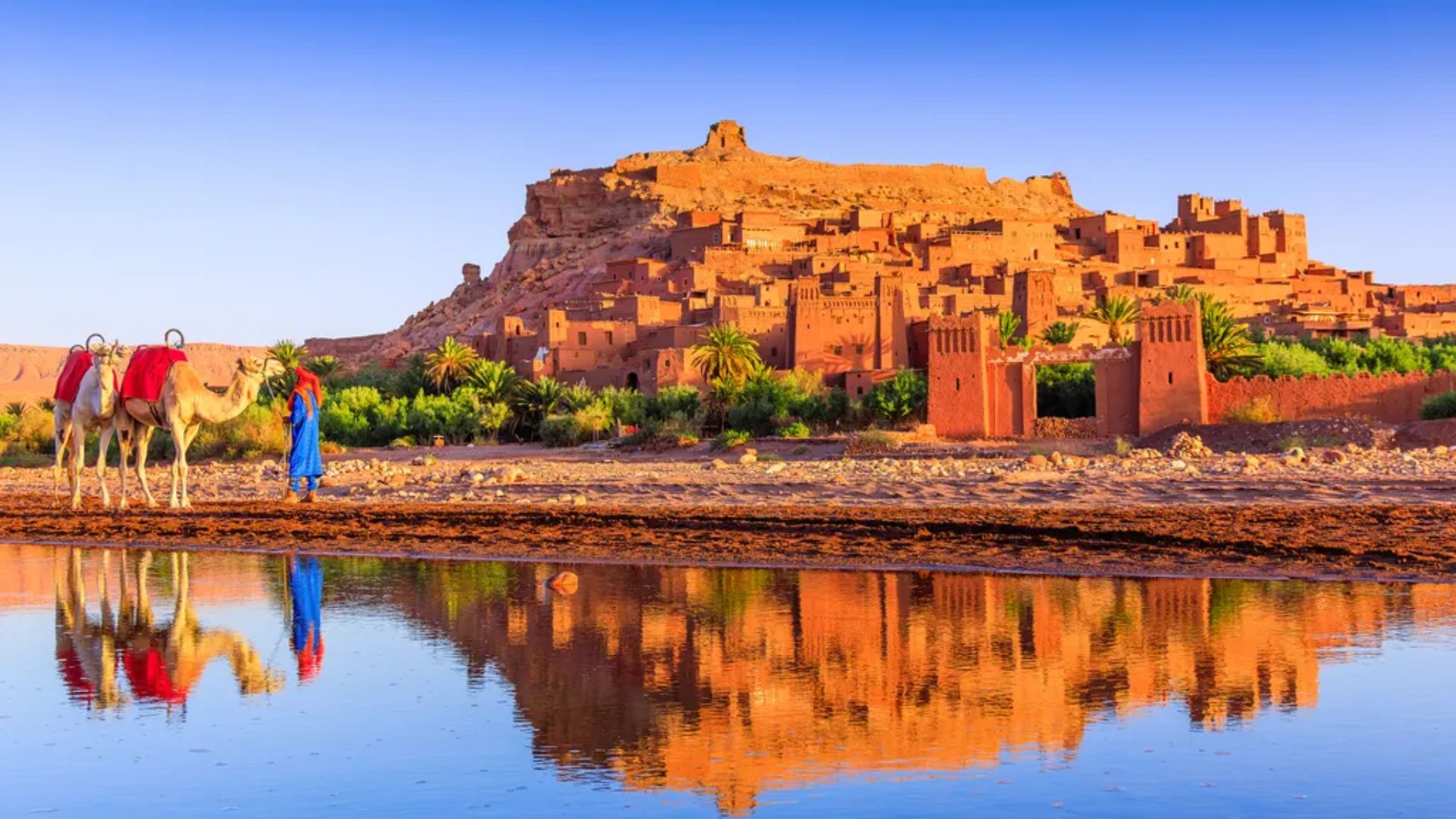
Marrakech is a great base for short trips outside the city. The Agafay Desert is close by and offers a rocky, quiet setting that feels far removed from the city crowds. The High Atlas Mountains are worth the drive for cooler air and wide open views.
The Ourika Valley is another good option, with green scenery and waterfalls that make for a refreshing day out.
You can also spend half a day at a traditional hammam spa, join a hands-on cooking class, or take part in a cultural workshop. All of these are worth making time for.
Practical Tips for Visiting Marrakech
A few simple things can make a big difference during your time in the city.
- Cash matters. The souks and smaller stalls don’t accept cards. ATMs are available across the city, but carry enough dirham before heading into the Medina.
- Ask before you photograph. Many locals prefer not to be photographed. Always ask first. Some may ask for a small tip in return, and that’s fair.
- Use your right hand. When eating or handing something to someone, use your right hand. It’s a sign of respect in Moroccan culture.
- Plan your riad check-in. If your riad is deep inside the Medina, let them know your arrival time. Most will send someone to meet you at a nearby landmark and walk you in.
- Stay connected. Pick up a local SIM card when you arrive, or use an eSIM like Holafly before you go. Having mobile data makes getting around much easier.
Conclusion
Marrakech stays with you long after you leave. I still think about the rooftop sunset and the smell of fresh spices drifting through the souk lanes.
It’s one of those cities that gets under your skin in the best way. Take your time here. Mix the well-known sights with the slower, quieter moments. That’s when the city really opens up. Have questions or tips of your own?
Drop them in the comments below. And if this guide helped, share it with someone who is planning a trip to Marrakech.
Frequently Asked Questions
How many days do I need in Marrakech?
Two to three days covers the main sights comfortably. For a more relaxed pace that includes day trips, four to five days is a better choice.
Is Marrakech safe for solo travelers?
Yes, Marrakech is generally safe for solo travelers. Stay aware in crowded areas, keep your bag close, and trust your instincts if something feels off.
What is the best time of year to visit Marrakech?
March to May and September to November offer mild weather with smaller crowds. Summer months can be extremely hot, often above 40°C.
Do I need to speak French or Arabic to get around?
Not at all. English is widely spoken in hotels, riads, and tourist areas. Learning a few words in Arabic or French is appreciated, but it’s not required.
Can I use a credit card in Marrakech?
Most hotels and larger restaurants accept cards. However, the souks and local food stalls run on cash only, so always carry dirham with you before heading out.
