


I still remember my first trip to Kamakura. The train from Tokyo took just an hour, but it felt like stepping into a different world.
This historic seaside city in Kanagawa Prefecture sits along the coast, filled with ancient temples and quiet shrines.
People call it “Little Kyoto,” and after spending time here, I get why. The mix of culture, history, and ocean views kept pulling me back.
If you love finding old temples one minute and relaxing by the beach the next, Kamakura hits that sweet spot perfectly.
Let’s get started.
Why Kamakura Should Be on Your Travel List

Kamakura packs a lot into a small area. You get historic temples, peaceful shrines, and beaches all within walking distance.
The city feels calm compared to Tokyo’s chaos, yet it’s close enough for an easy day trip.
I love that you can spend the morning at a 13th-century temple, grab lunch by the water, then browse traditional craft shops in the afternoon.
Plus, Enoshima Island sits nearby if you want to extend your visit.
List of 17 Best Things to Do in Kamakura
These 17 activities cover Kamakura’s temples, beaches, food spots, and cultural experiences. Plan your visit with this complete list of recommendations.
1. Ride the Enoden Train
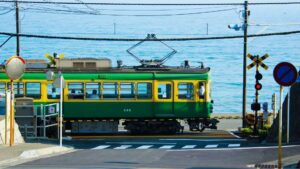
The Enoden train runs along Sagami Bay’s coastline, giving you ocean views through the windows.
This retro train feels nostalgic, with its older design and slower pace. It’s a charming way to move between Kamakura’s main spots while soaking in coastal scenery.
2. Visit the Great Buddha of Kamakura (Kotoku-in)
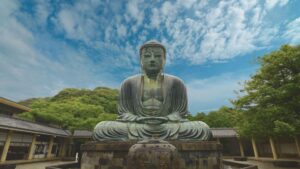
This bronze Buddha stands 43.8 feet tall and sits outdoors, exposed to the elements. Cast in the 13th century, it’s a National Treasure of Japan.
The statue’s size and serene expression make it one of Kamakura’s most recognized landmarks worth seeing.
3. Zeniarai Benten Shrine – Wash Your Money for Good Fortune
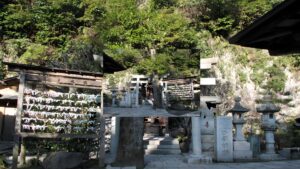
At this shrine, you wash coins and bills in a sacred spring to attract wealth. The ritual is simple and fun.
Bring a hand towel to dry your money and a resealable bag to carry it. Locals believe it doubles your fortune.
4. Roam Around Sasuke Inari Shrine
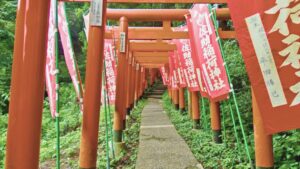
Red torii gates line a mossy forest path leading to this quiet shrine. Fox statues guard the grounds, representing the Inari deity of prosperity.
The atmosphere feels mystical, especially when sunlight filters through the trees. It’s less crowded than other Kamakura sites.
5. Stroll Along Komachi Dori Street
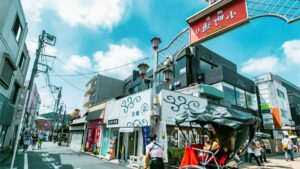
This busy street offers local snacks like shrimp shumai and Buddha-shaped cakes. You’ll find souvenir shops, cafes, and street vendors lining both sides.
It’s a good spot to try Kamakura’s food culture and pick up gifts. The energy here stays lively all day.
6. Hokokuji Temple Bamboo Forest

Walk through a peaceful bamboo grove that feels otherworldly. Tall stalks sway overhead, creating natural shade and quiet rustling sounds.
After exploring, sit at the traditional tea house and sip matcha while surrounded by greenery. It’s a calming break from sightseeing.
7. Try Local Seafood, Especially Shirasu
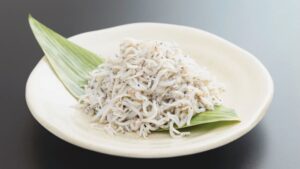
Kamakura sits by Sagami Bay, so seafood here tastes fresh. Shirasu, tiny whitebait fish, appears in many local dishes.
Try shirasu bowls, croquettes, or rice crackers. The fish is often served raw or lightly boiled. It’s a Kamakura specialty you shouldn’t miss.
8. Join a Japanese Cooking Class
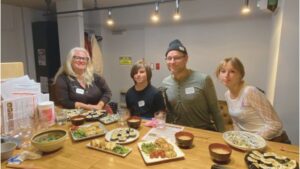
Learn to make sushi bento using fresh Kamakura ingredients. These classes give you hands-on experience with Japanese cooking techniques.
You’ll also get a peek into local home life and food traditions. It’s a fun, interactive way to connect with the culture beyond just sightseeing.
9. Meigetsuin (Hydrangea Temple)
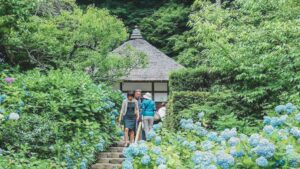
Over 2,500 hydrangea bushes bloom here each June, earning it the nickname Ajisai-dera. The temple also looks gorgeous during cherry blossom season and autumn.
Flowers frame the pathways and temple buildings. Visit during peak bloom for the best views and photo opportunities.
10. Tsurugaoka Hachimangu Shrine
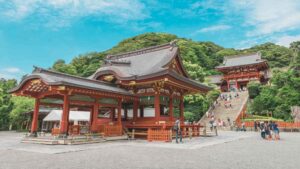
This is Kamakura’s most important shrine, with deep historical roots. The complex includes museums displaying artifacts, traditional architecture, and wide grounds for festivals.
Cultural events happen throughout the year. It’s a good place to learn about Kamakura’s role as a former political center.
11. Relax at Yuigahama Beach
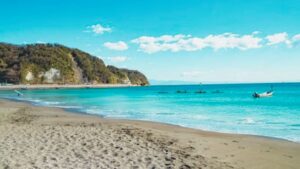
This beach welcomes both beginners and surfers. The waves stay manageable, and the sand stretches wide.
Beach cafes line the shore, serving cold drinks and light meals. Summer brings more crowds, but the relaxed vibe stays year-round. It’s a nice contrast to temple-hopping.
12. Try Buddhist Vegetarian Cuisine (Shojin Ryori)
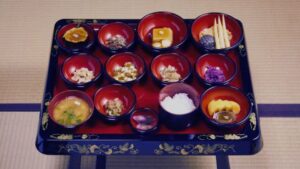
Monks developed this plant-based cuisine centuries ago. Shojin ryori uses seasonal vegetables, tofu, and grains prepared with care.
Goma dofu, or sesame tofu, is a signature dish with a creamy texture. The meals are light, healthy, and thoughtfully presented in multiple small dishes.
13. Hasedera Temple & Benten Cave

A 9.18-meter-tall Kannon statue dominates this temple. The grounds bloom with seasonal flowers year-round. Observation platforms give you views over Kamakura’s coastline.
The Benten Cave below features carved stone statues. It’s one of the more visually interesting temple complexes in the area.
14. Kamakura Carved Lacquerware (Kamakurabori)
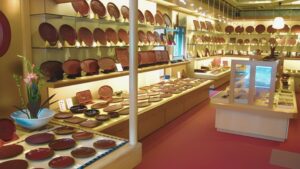
These handcrafted pieces date back to the Kamakura period. Artisans carve intricate designs into wood, then apply colored lacquer.
You’ll find trays, bowls, and decorative items in local shops. Each piece takes time to create. They make meaningful souvenirs with historical significance.
15. Hato Sabure – Pigeon-Shaped Cookies

These buttery cookies shaped like pigeons are Kamakura’s famous omiyage. Toshimaya bakery created them over a century ago.
The cookies taste simple but delicious, with a crisp texture. You’ll see them in shops across town. They’re light enough to pack and travel well.
16. Enoshima Island – Optional Extension
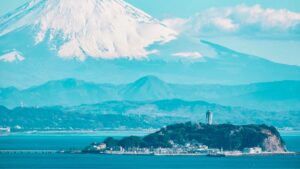
A bridge connects this island to the mainland near Kamakura. The island offers coastal walks, caves to explore, and observation decks with ocean views.
Seafood restaurants cluster near the entrance. If you have extra time, it’s worth the short trip for different scenery.
17. Shodo Calligraphy Lesson in Chigasaki
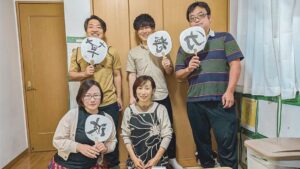
Nearby Chigasaki offers calligraphy classes with experienced masters. You’ll learn basic brush strokes and characters using traditional ink and paper.
The practice requires focus and patience. It’s a hands-on cultural experience that connects you to Japanese art traditions beyond what you see in temples.
Travel Tips for Visiting Kamakura
- Visit between late May and June for hydrangea season when temples bloom with color. The weather stays mild, and the flowers create perfect photo opportunities throughout the city.
- Most temples and shrines sit within walking distance of each other. Map out a route beforehand to save time and cover more ground without backtracking between locations.
- Arrive early in the morning to beat the crowds, especially on weekends. Popular spots like the Great Buddha and bamboo forest get packed by midday during peak season.
- Wear comfortable walking shoes since you’ll be on your feet most of the day. Many temple paths include stairs, uneven stones, and uphill sections that require good footwear.
- Buy a one-day Enoden pass if you plan to hop between beaches and temples. The pass costs less than individual tickets and gives you flexibility to explore at your own pace.
Conclusion
Kamakura gave me more than I expected. The temples feel peaceful, the shrines hold centuries of history, and the food tastes incredibly fresh.
Nature shows up everywhere, from bamboo groves to coastal views.
Whether you spend one day or two exploring from Tokyo, this city rewards you.
Pack this guide, wear good shoes, and give yourself time to wander. Save this post for when you’re ready to plan your trip.
Kamakura waits for you, and trust me, it’s worth the visit.
Frequently Asked Questions
How do I get to Kamakura from Tokyo?
Take the JR Yokosuka Line from Tokyo Station directly to Kamakura Station. The ride takes about an hour and costs around 920 yen one way.
Is one day enough to see Kamakura?
Yes, you can cover the main sites in one day if you start early. For a relaxed pace with beach time, consider staying two days.
What’s the best month to visit Kamakura?
Late May through June is ideal for hydrangea blooms at the temples. Spring and fall also offer pleasant weather with fewer crowds than summer.
Can I use a JR Pass in Kamakura?
Yes, your JR Pass covers trains to and from Kamakura Station. However, the local Enoden line requires a separate ticket or day pass.
Where should I eat shirasu in Kamakura?
Try restaurants near Kamakura Station or along the coast by Yuigahama Beach. Many shops serve fresh shirasu bowls, especially during fishing season from March to December.
