


Granada has my heart, and I think it’ll steal yours too.
This Andalusian city sits at the foot of the Sierra Nevada mountains and packs more history, culture, and charm into its streets than anywhere else I’ve visited in Spain.
If you’re wondering what to see, eat, and experience in Granada, this guide covers the best things to do in Granada Spain, from iconic sights to local-only spots.
You’ll learn where to catch the best sunset, how to score free tapas, and why wandering without a map might be the smartest thing you do here.
I’ve spent weeks exploring this city over multiple visits, so trust me when I say this list will help you make the most of your time.
Let’s get started.
Why Granada Is One of Spain’s Most Visited City
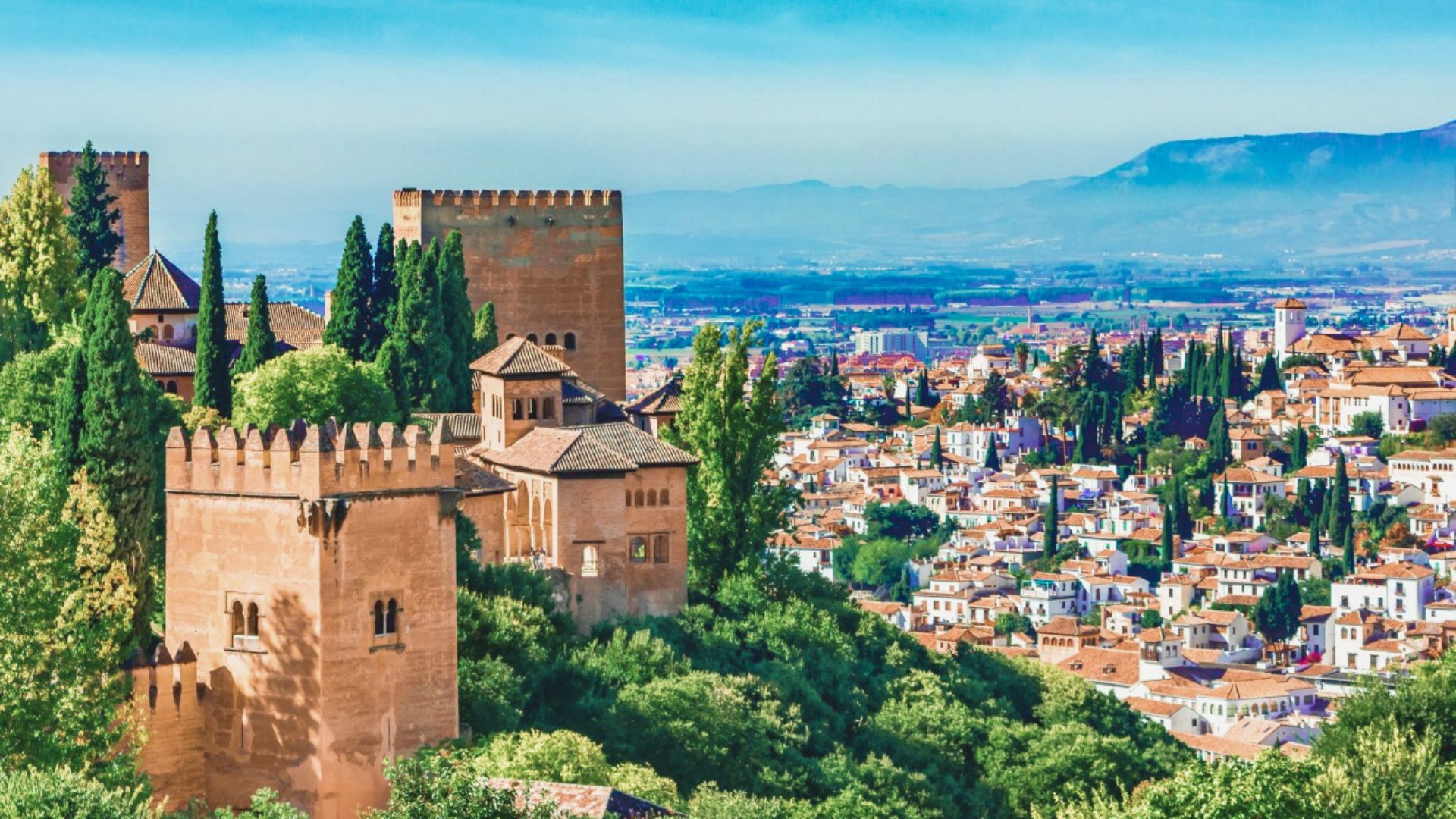
Granada pulls in millions of visitors every year, and the Alhambra alone would be enough reason.
It’s one of the world’s most visited monuments and a masterpiece of Moorish architecture.
The city sits where Moorish and Christian cultures collided and blended.
You see it everywhere: in the architecture, in the food, in the way neighborhoods flow from medieval labyrinths to grand Renaissance squares.
Granada holds onto traditions other Spanish cities have abandoned. Free tapas with every drink is still the rule here.
The city stays affordable compared to Barcelona or Madrid while offering something just as rich.
1. Visit the Alhambra & Nasrid Palaces (Granada’s Crown Jewel)
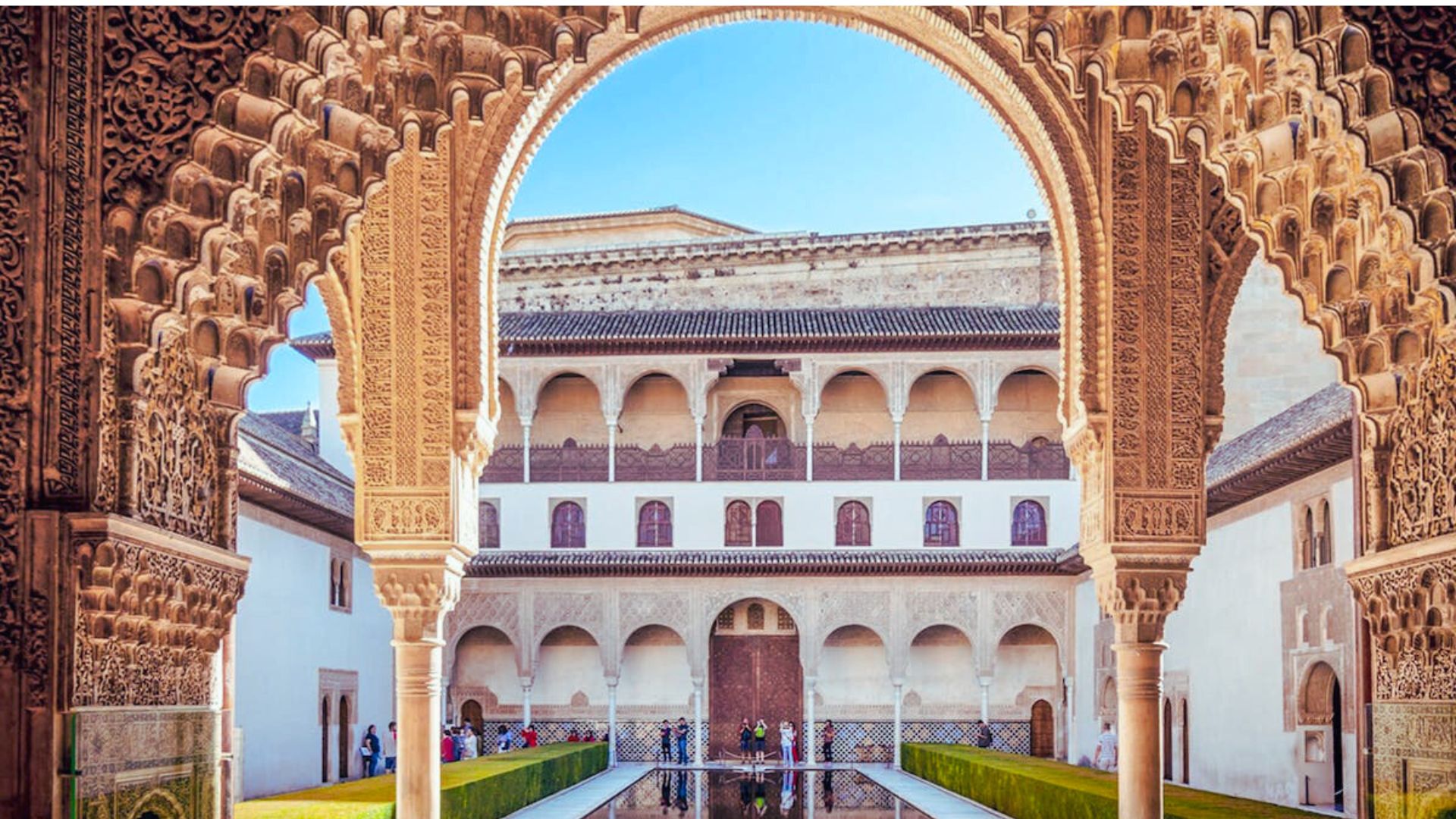
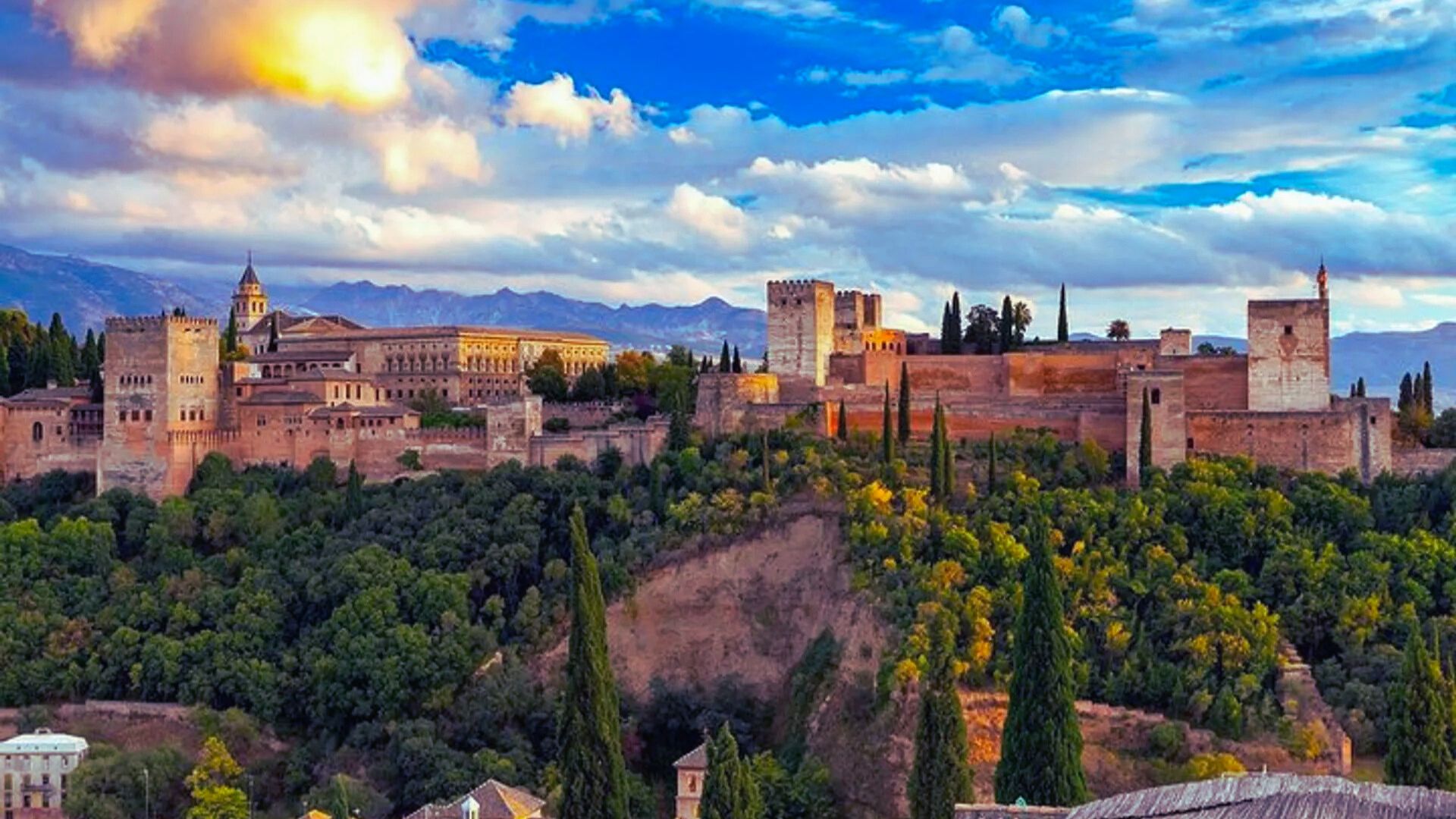
Alhambra isn’t just a palace. It’s a fortress, a royal residence, and a small city all rolled into one hilltop complex. This is easily one of the top attractions in Granada.
Give yourself at least three hours. I recommend going early in the morning or late afternoon to avoid crowds and heat.
The Nasrid Palaces are the highlight of the whole complex. Your ticket will have a specific time slot for entry. Don’t miss it.
These rooms showcase Islamic art at its finest. The Patio de los Leones is the most photographed spot, with twelve marble lions supporting a fountain.
The Generalife gardens are included in your Alhambra ticket. Water is the star here. Fountains, pools, and channels run throughout the terraced gardens.
In spring, the flowers bloom in incredible colors. The Patio de la Acequia features a long pool flanked by flower beds and fountains. It’s one of the most peaceful spots in Granada.
2. Wander the Albaicín’s Whitewashed Streets

The Albaicín is Granada’s old Moorish quarter, and it’s where I spend most of my time.
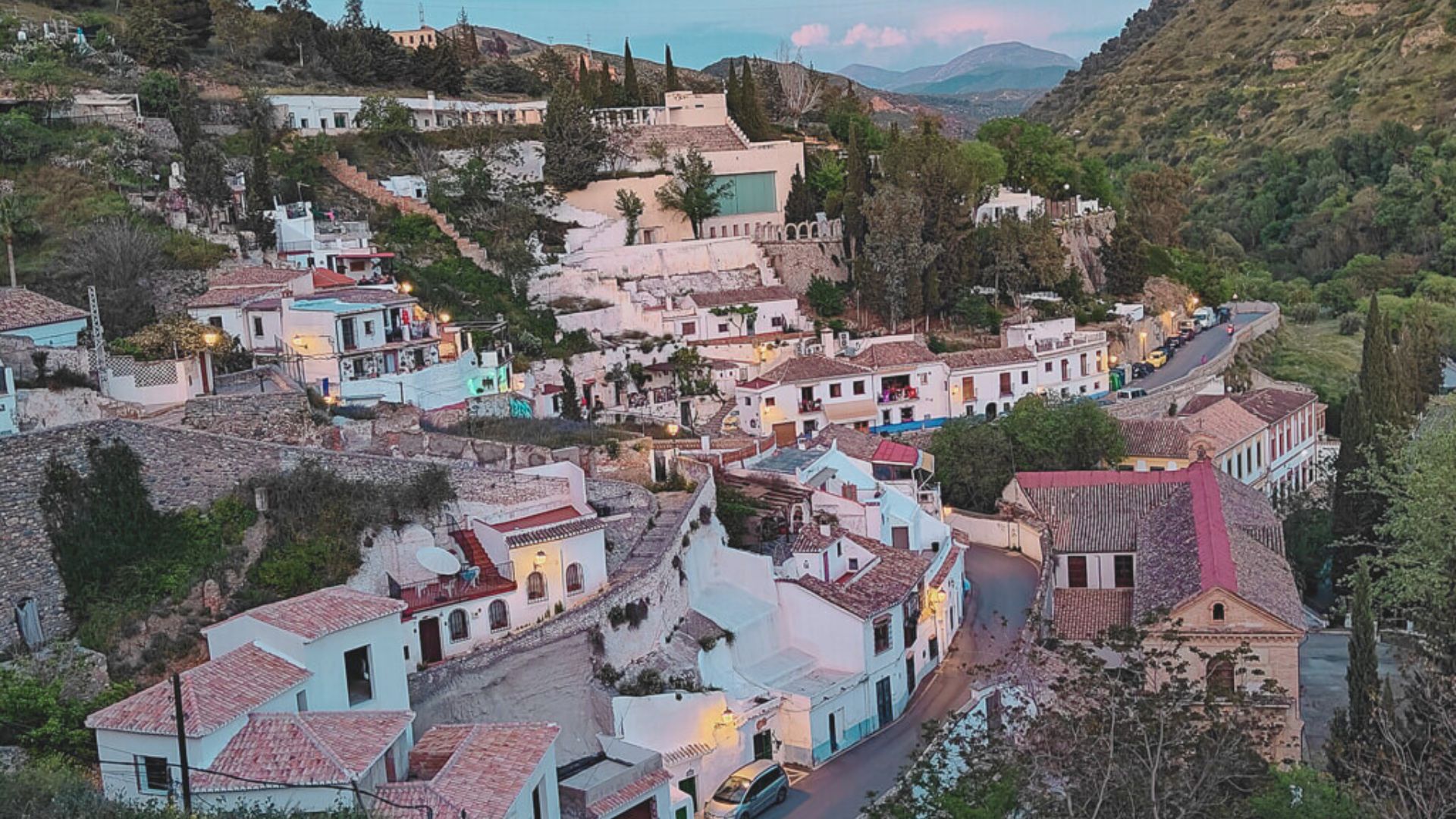
These narrow, winding streets climb up the hillside opposite the Alhambra. White houses with colorful flower pots line every corner.
The layout hasn’t changed much since the 11th century.
You will get lost. Accept it. That’s part of the charm.
Start at Plaza Nueva and work your way up. Take your time. Peek into hidden plazas. Stop at small cafes for mint tea.
Albaicín earned UNESCO World Heritage status for good reason. Many streets are too narrow for cars, which keeps things peaceful.
3. Watch the Sunset at Mirador de San Nicolás
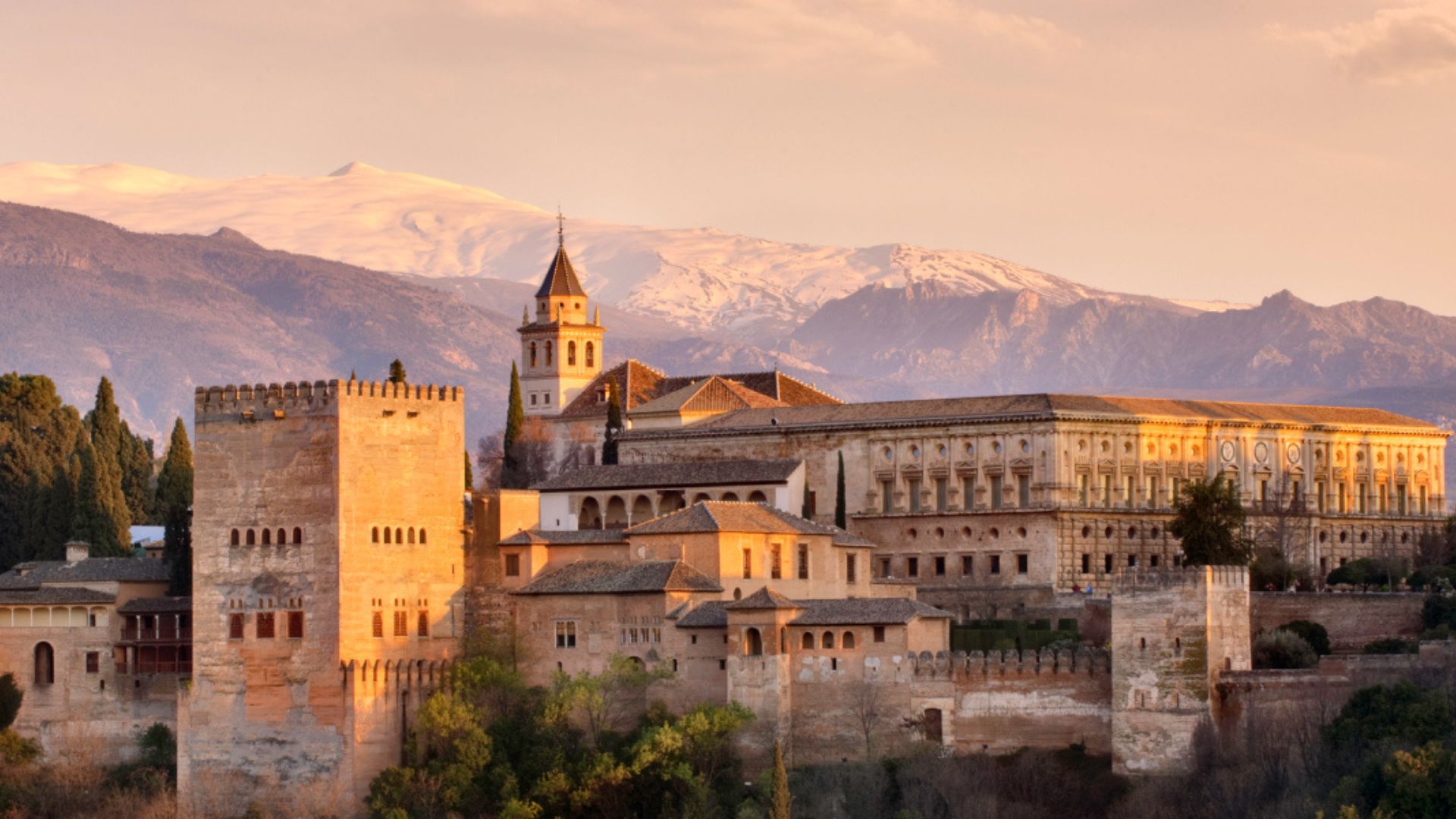
This viewpoint is probably the most famous spot in Granada, and the hype is real.
Mirador de San Nicolás offers a perfect view of the Alhambra with the Sierra Nevada behind it. At sunset, the palace glows golden and the mountains turn pink.
Get there about 45 minutes before sunset to claim a good spot. It gets packed, but the crowd adds to the atmosphere.
Street musicians usually play flamenco guitar. Vendors sell cold drinks. Everyone shares the same sense of awe as the light changes.
I’ve been here a dozen times and it never gets old. The viewpoint is free and open 24/7.
4. Experience Flamenco in the Sacromonte Caves
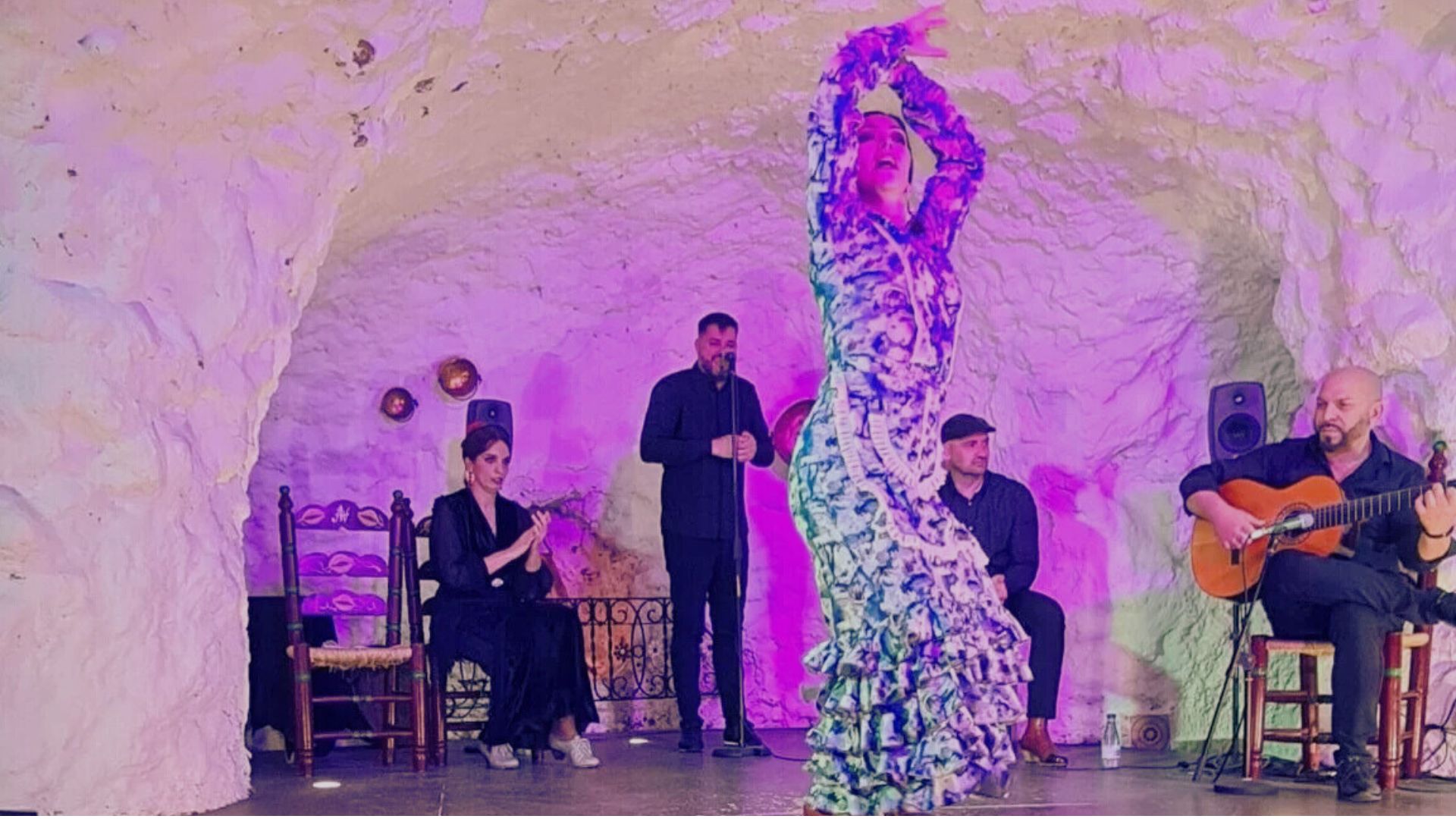
Sacromonte is the gypsy quarter of Granada, famous for its cave houses carved into the hillside.
Flamenco was born in communities like this one. Watching a show in an actual cave feels raw and authentic.
I recommend Cueva de la Rocío or Zambra María la Canastera. Both offer intimate performances with talented dancers, singers, and guitarists.
The shows usually include a drink and run about an hour. Book ahead if you’re visiting in high season.
The passion and skill on display will give you chills. Some caves double as homes and performance spaces, which adds to the authentic feel.
5. Enjoy Free Tapas With Every Drink

Granada maintains one of Spain’s best drinking traditions: free tapas with every drink you order.
Order a beer or wine, and the bartender brings you a small plate of food. Order another drink, get another tapa. The food gets better with each round.
This isn’t a tiny bowl of olives.
I’m talking about real dishes: jamón, fried fish, mini tortillas, patatas bravas.
Head to Calle Navas or the streets around Campo del Príncipe. Bar Los Diamantes serves excellent fried fish. Casa Julio makes the best patatas a lo pobre I’ve had anywhere.
The key is to bar hop. Have one drink and tapa at each place. You’ll eat a full meal and spend maybe 10 euros.
6. Walk Through the Granada Cathedral & Royal Chapel
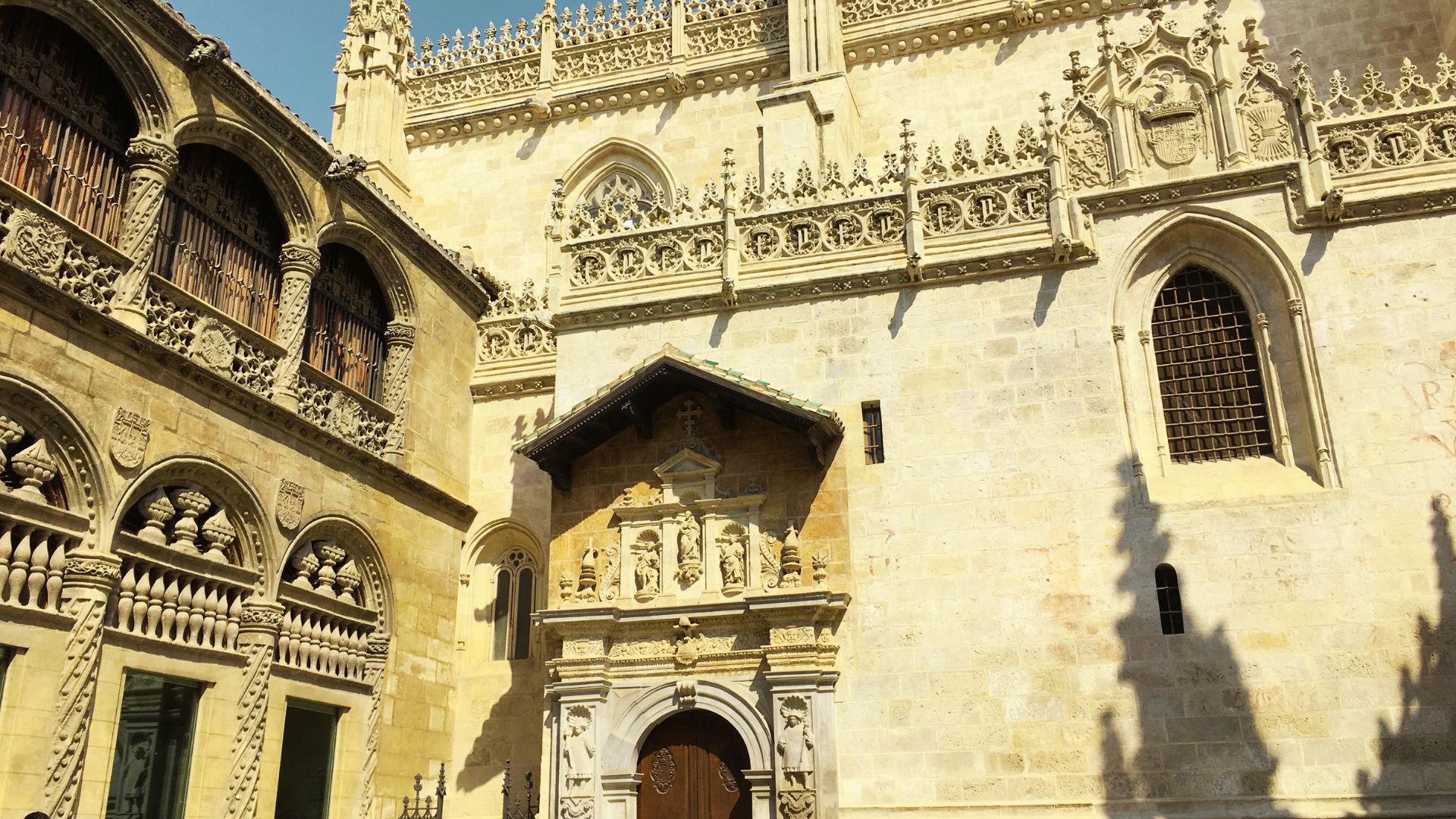
The Granada Cathedral sits in the city center and represents the Christian conquest’s architectural stamp.
Construction started in 1523 and took 180 years to complete. The interior is bright and spacious, with tall columns and high ceilings.
Right next door, the Royal Chapel houses the tombs of Catholic Monarchs Ferdinand and Isabella, who conquered Granada in 1492.
Their marble effigies lie in the chapel along with their daughter Juana and her husband Felipe.
The chapel also displays Isabella’s personal art collection, including works by Flemish masters.
7. Relax in an Arab Hammam (Traditional Bathhouse)
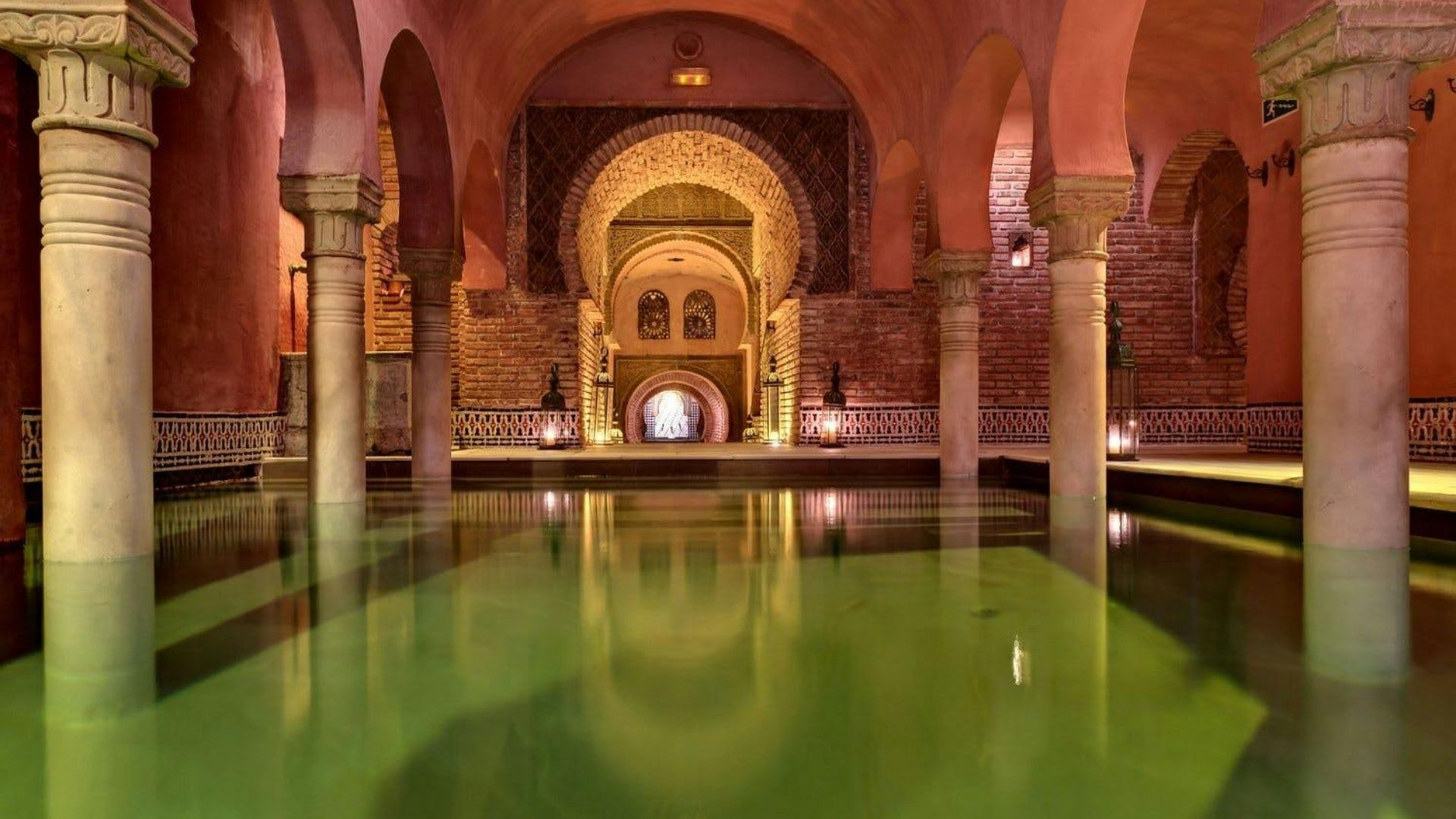
After days of walking Granada’s steep streets, an Arab bathhouse becomes a necessity.
Hammam Al Ándalus is the most popular option. You soak in pools of different temperatures, from cold to hot.
The rooms feature soft lighting and traditional tile work.
The experience lasts about 90 minutes. You can add a massage for extra relaxation.
I always book a session during my Granada visits. It’s the perfect way to rest tired feet and sore legs.
8. Step Into Little Morocco on Calle Calderería Nueva
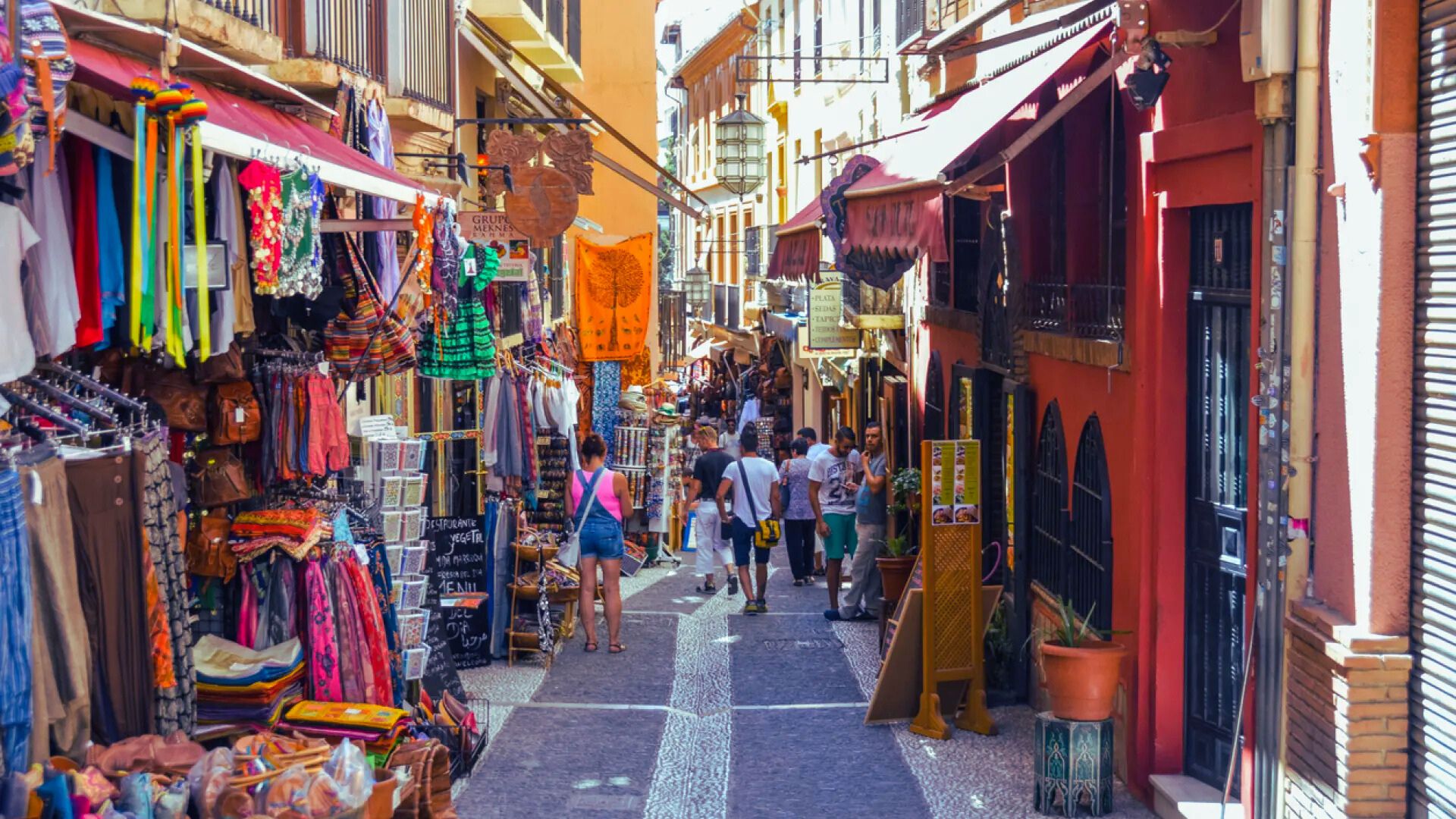
This narrow street in the lower Albaicín feels like you’ve been transported to Marrakech.
Tea shops line both sides of the street. Colorful lanterns hang from the ceilings. The smell of mint tea and hookah fills the air.
I like to stop here for tea and pastries in the afternoon. Most shops have cushioned seating areas upstairs where you can relax.
Shops sell everything from Moroccan lamps to spices to leather bags. The street connects to Calle Calderería Vieja, which has more of the same vibe.
Grab a mint tea, sit on floor cushions, and watch the world pass by for a while.
9. Hike the Sacromonte Abbey Trails
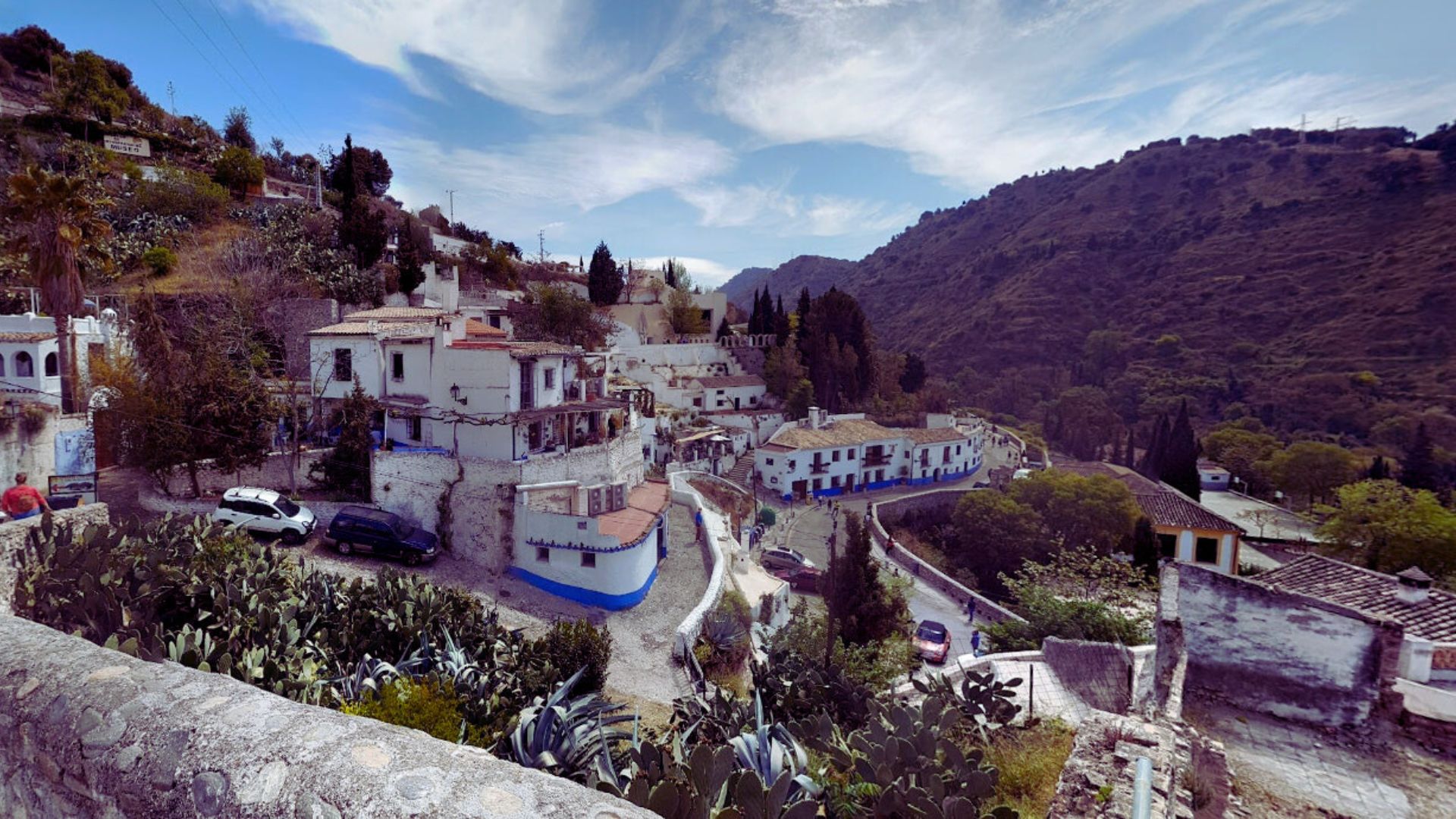
Most visitors see Sacromonte’s caves and call it done. But hiking trails loop through the hills above the neighborhood.
The Sacromonte Abbey sits at the top of the hill and offers great views back over Granada. From the abbey, trails continue into the scrubland.
The Vereda de Enmedio trail makes a nice loop through the area. It’s not difficult but wear good shoes because the paths can be rocky.
You’ll see a few other hikers up here. It feels remote despite being 15 minutes from the city center.
10. Roam Around the Science Park (Parque de las Ciencias)
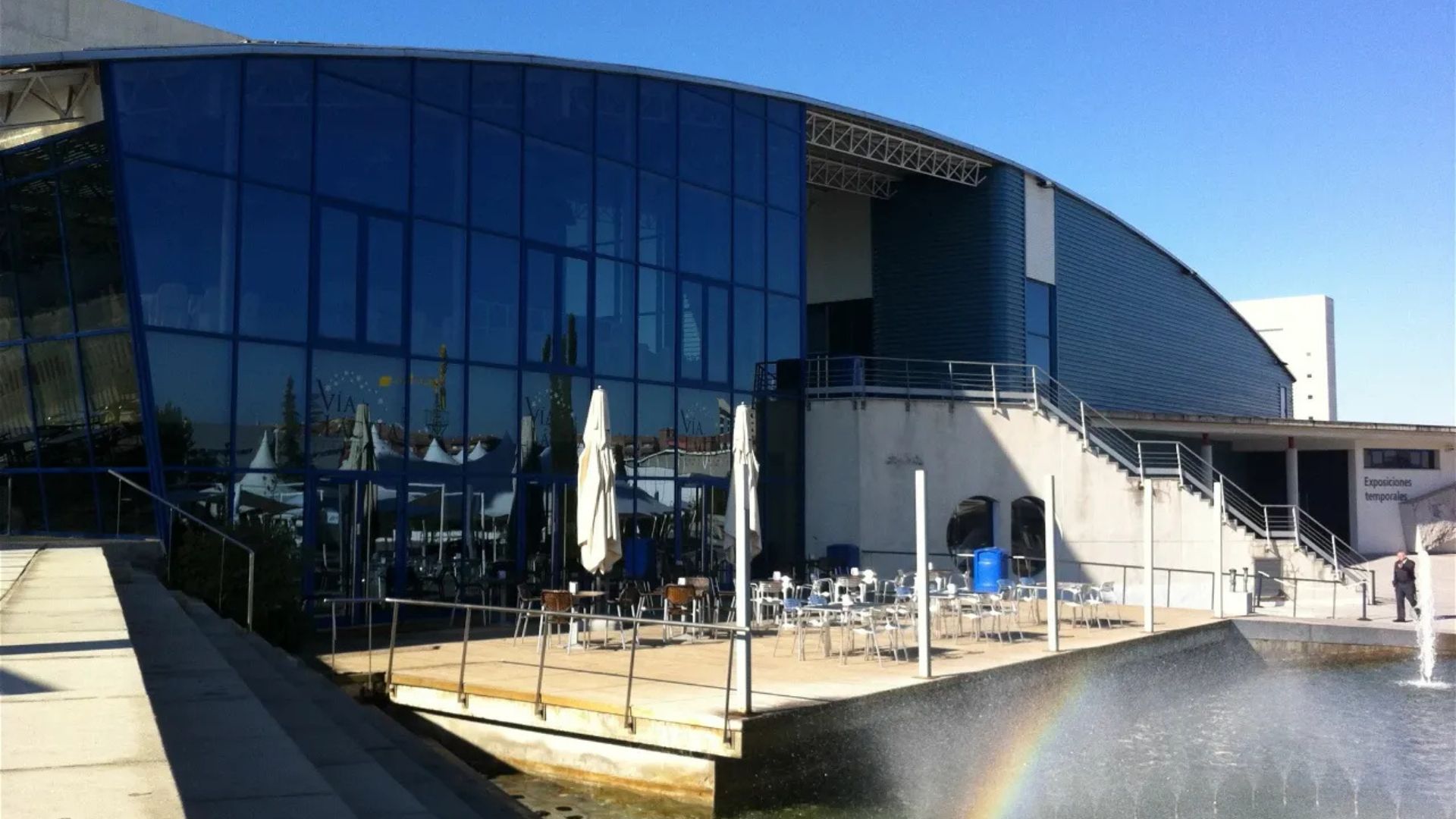
If you’re traveling with kids or just love hands-on museums, the Science Park delivers.
This is the first interactive science museum in Andalusia. It covers everything from physics to the human body to space exploration.
The planetarium shows are excellent. The tropical butterfly house lets you walk among free-flying butterflies.
Outside, an observation tower offers views over Granada. I spent half a day here and could have stayed longer.
11. Try Traditional Granadino Dishes
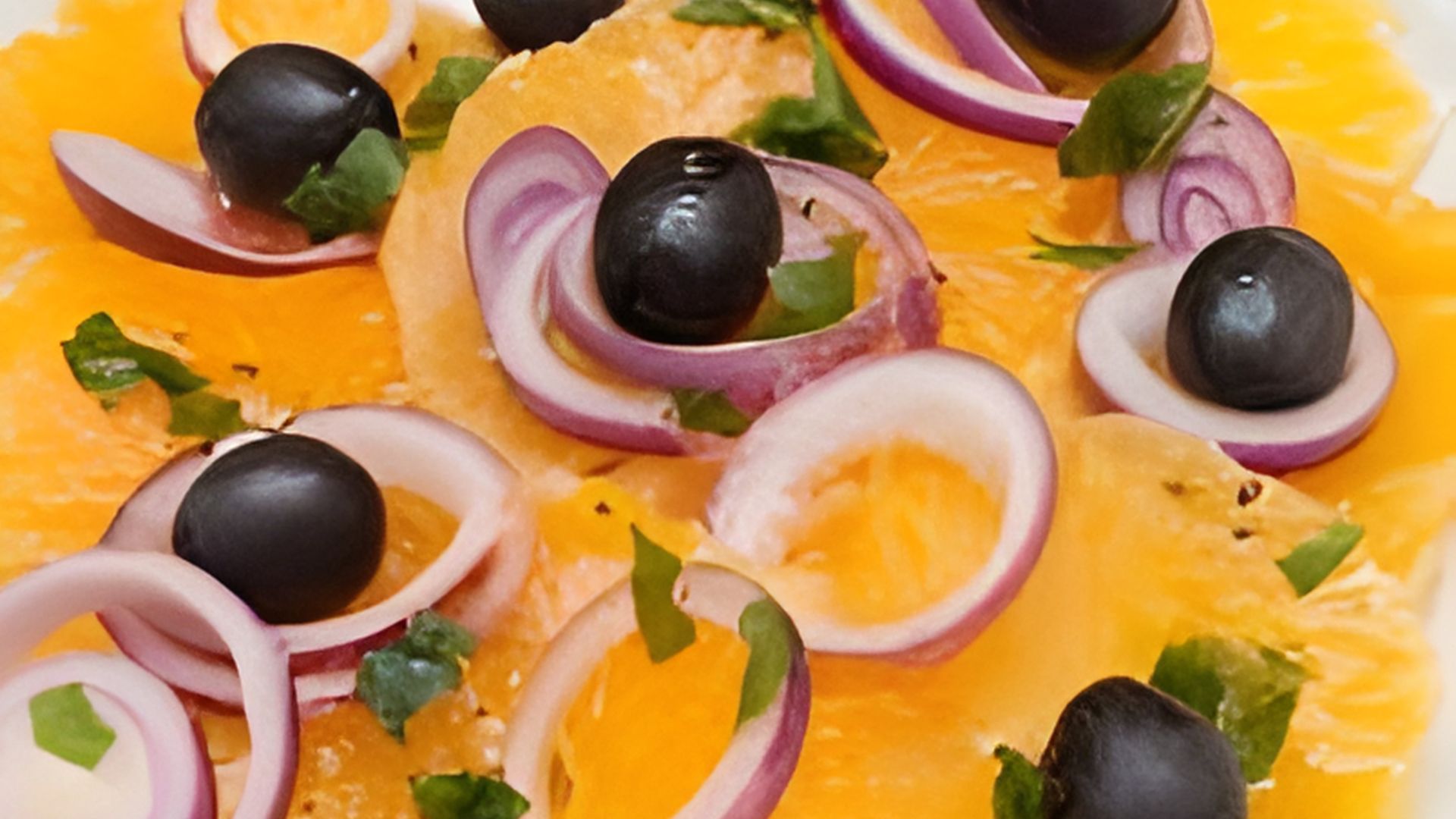
Granada has its own culinary identity separate from the rest of Andalusia.
Tortilla del Sacromonte is the local specialty: an omelet filled with lamb or veal brains, sweetbreads, and vegetables.
Remojón is a salad made with oranges, salt cod, olives, and onions.
Habas con jamón features broad beans cooked with ham. Pionono is a small cylindrical cake soaked in syrup and topped with cream.
Head to Bodegas Castañeda near Plaza Nueva for traditional food in a classic setting.
12. Visit the Monastery of San Jerónimo
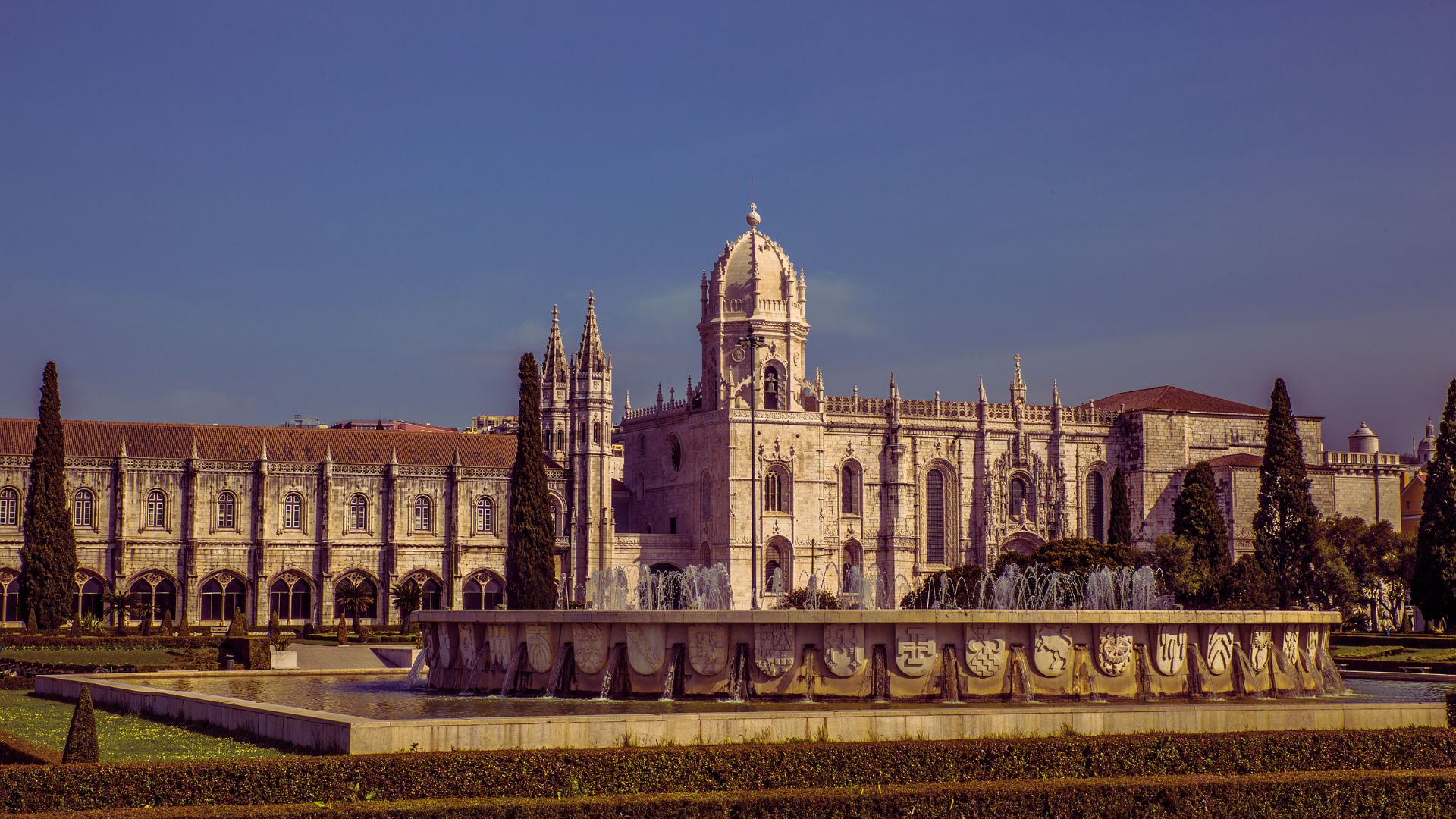
This Renaissance monastery gets far fewer visitors than it deserves.
The church interior is one of the most ornate I’ve seen in Spain. Every surface is covered in gold leaf, frescoes, and intricate carvings.
The main altarpiece soars toward the ceiling in tiers of religious figures. The monastery’s two-level cloister provides a quiet contrast with orange trees in the center courtyard.
Admission is cheap and it’s never crowded. I’ve had the place almost to myself on multiple visits.
13. Take a Day Trip to the Sierra Nevada
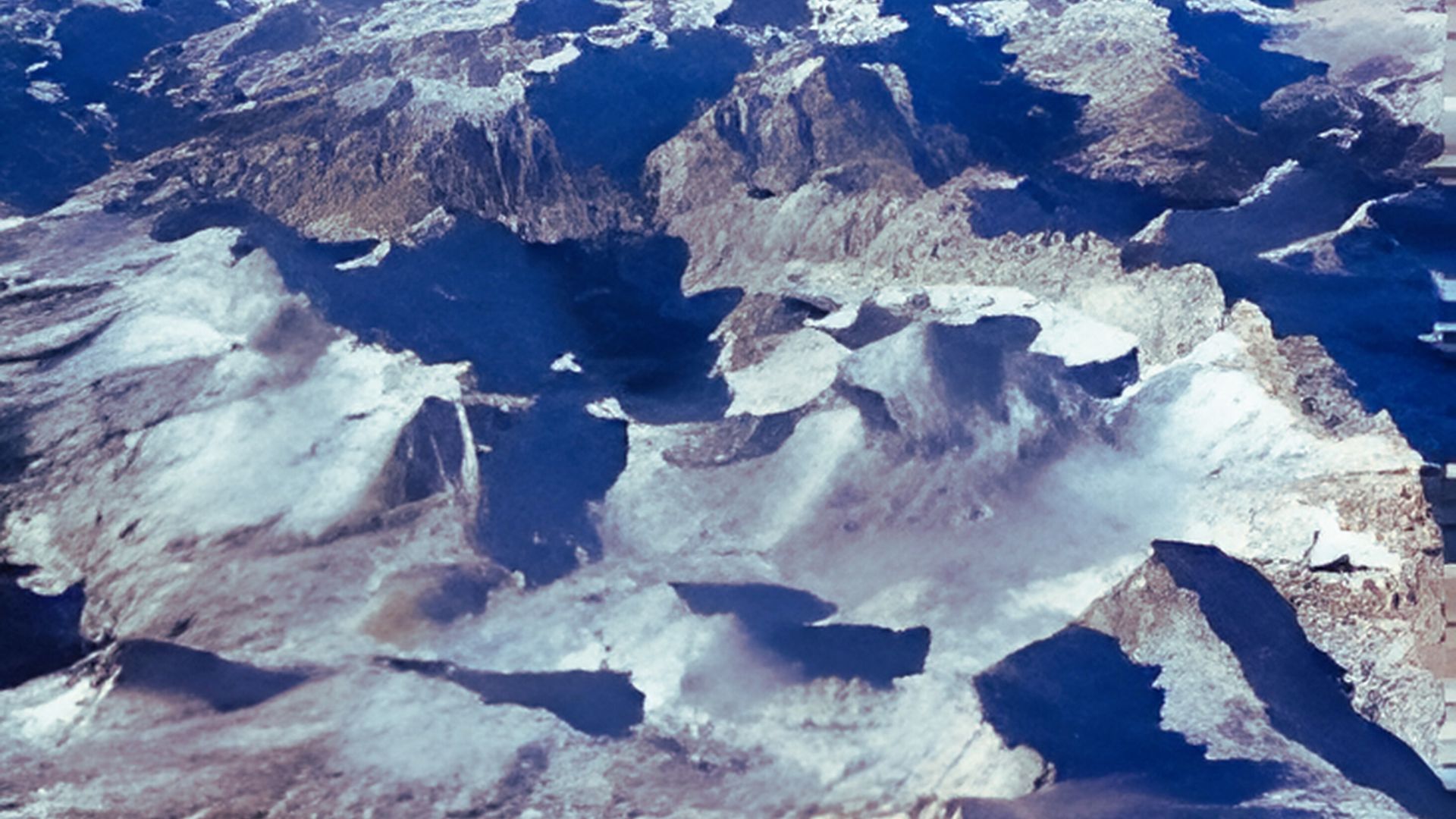
Europe’s southernmost ski resort sits less than an hour from Granada.
In winter, you can ski or snowboard at Pradollano. In warmer months, the Sierra Nevada National Park opens up for hiking.
Mulhacén, at 3,479 meters, is the highest point in mainland Spain. You can hike to the summit in a long day if you’re fit.
The village of Capileira makes a good base for exploring the Alpujarras region. Buses run from Granada to the ski resort in winter and to mountain villages year-round.
14. Shop Local at Alcaicería Market
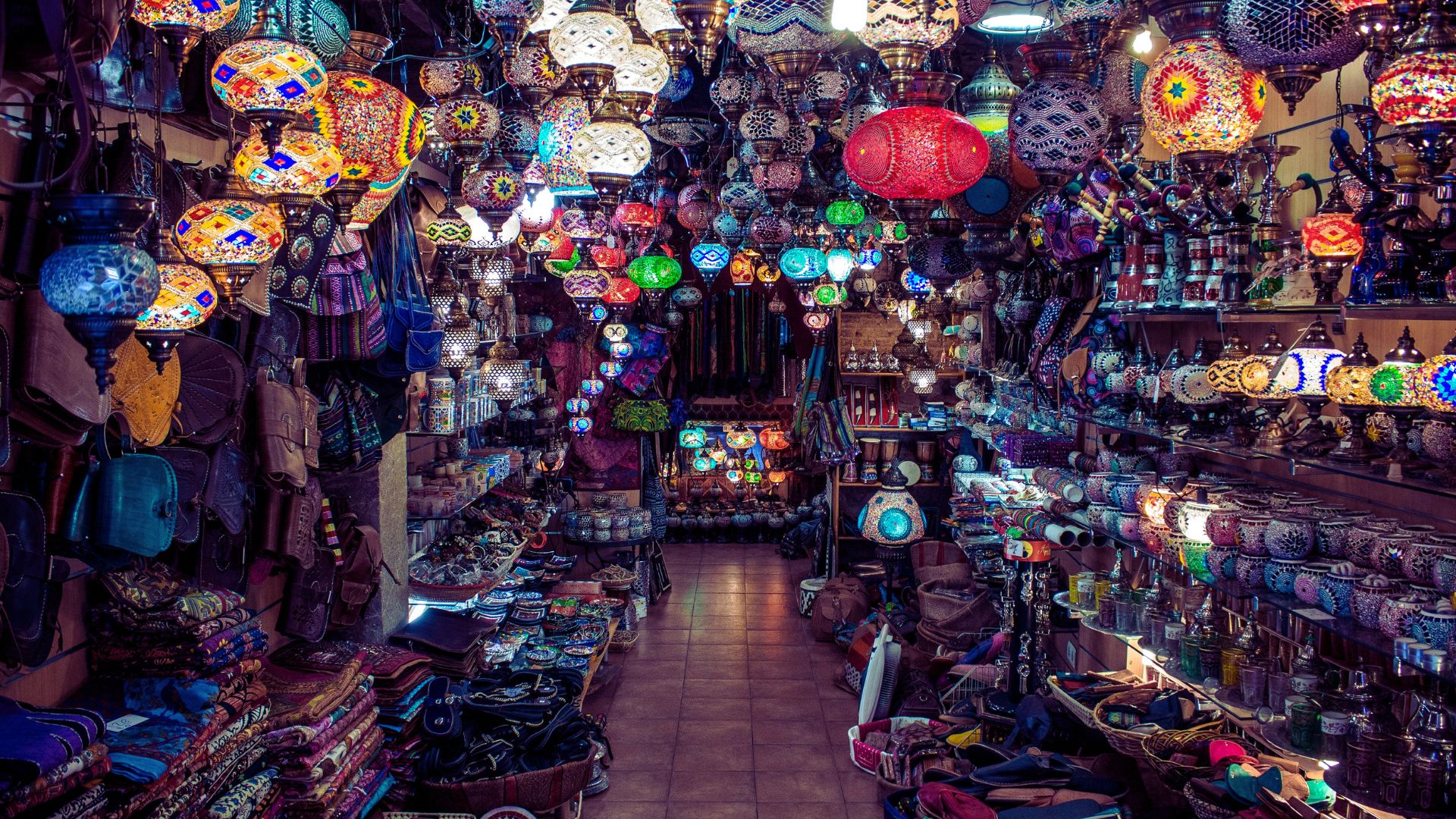
The Alcaicería was Granada’s historic silk market during Moorish times. The current version maintains the market atmosphere.
Narrow alleyways wind between small shops selling souvenirs, ceramics, textiles, and jewelry. The covered passages keep things cool even in summer.
Look for traditional Granada ceramics with their distinctive blue and green patterns. Handwoven textiles and leather goods make good purchases.
The market sits right next to the cathedral, making it easy to visit both.
15. Walk Along the Darro River at Night
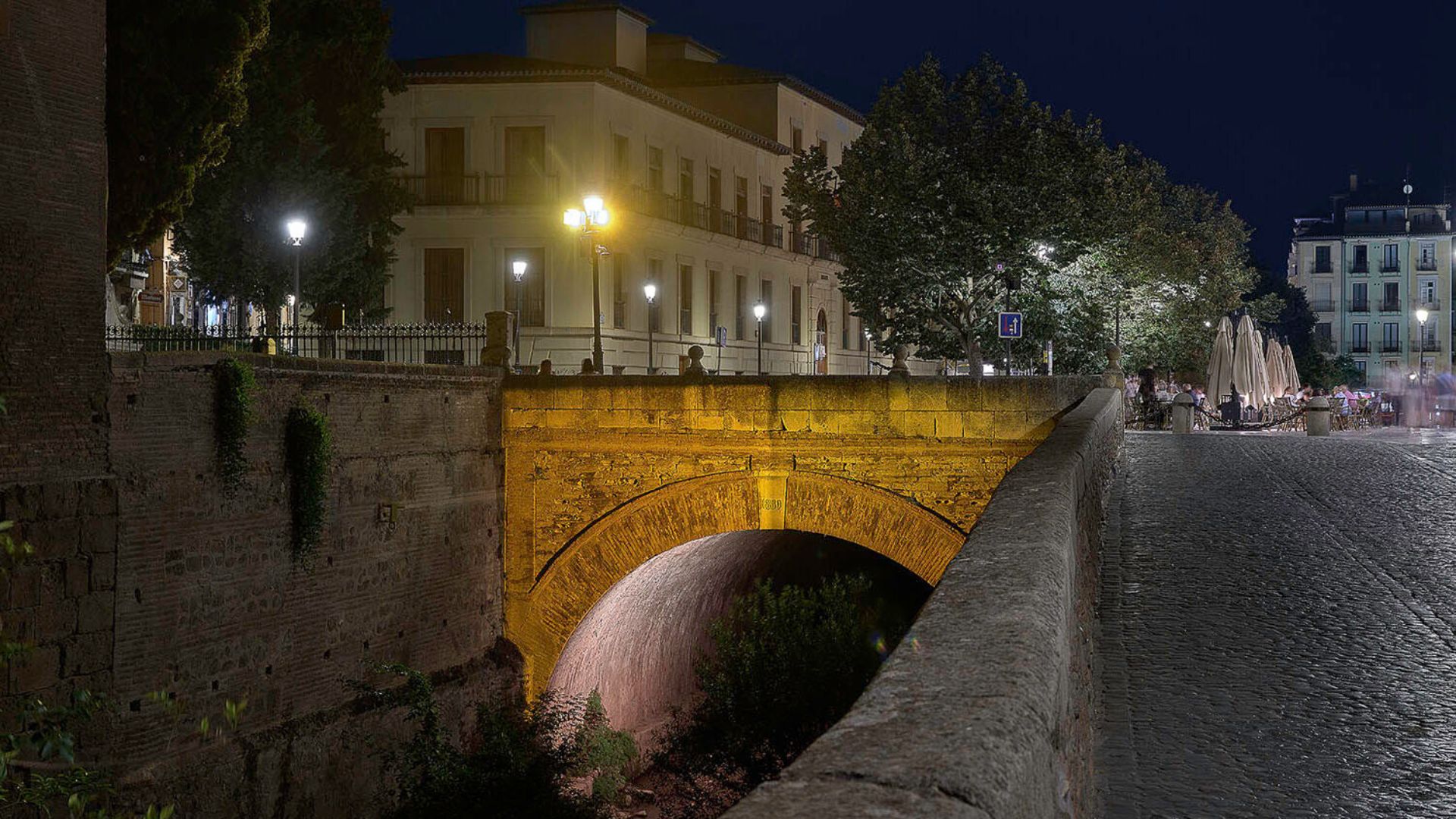
The Carrera del Darro runs along the river between the Albaicín and the Alhambra.
This is the most romantic walk in Granada, especially after dark when lights illuminate the palace on the hill above.
You’ll pass the Arab baths (Bañuelo), one of the best-preserved Moorish bathhouses in Spain. Street musicians often play along this route.
I recommend starting at Plaza Nueva and walking upstream. The walk is flat and paved, making it easy even after a long day of Granada sightseeing.
16. Visit Carmen de los Mártires Gardens
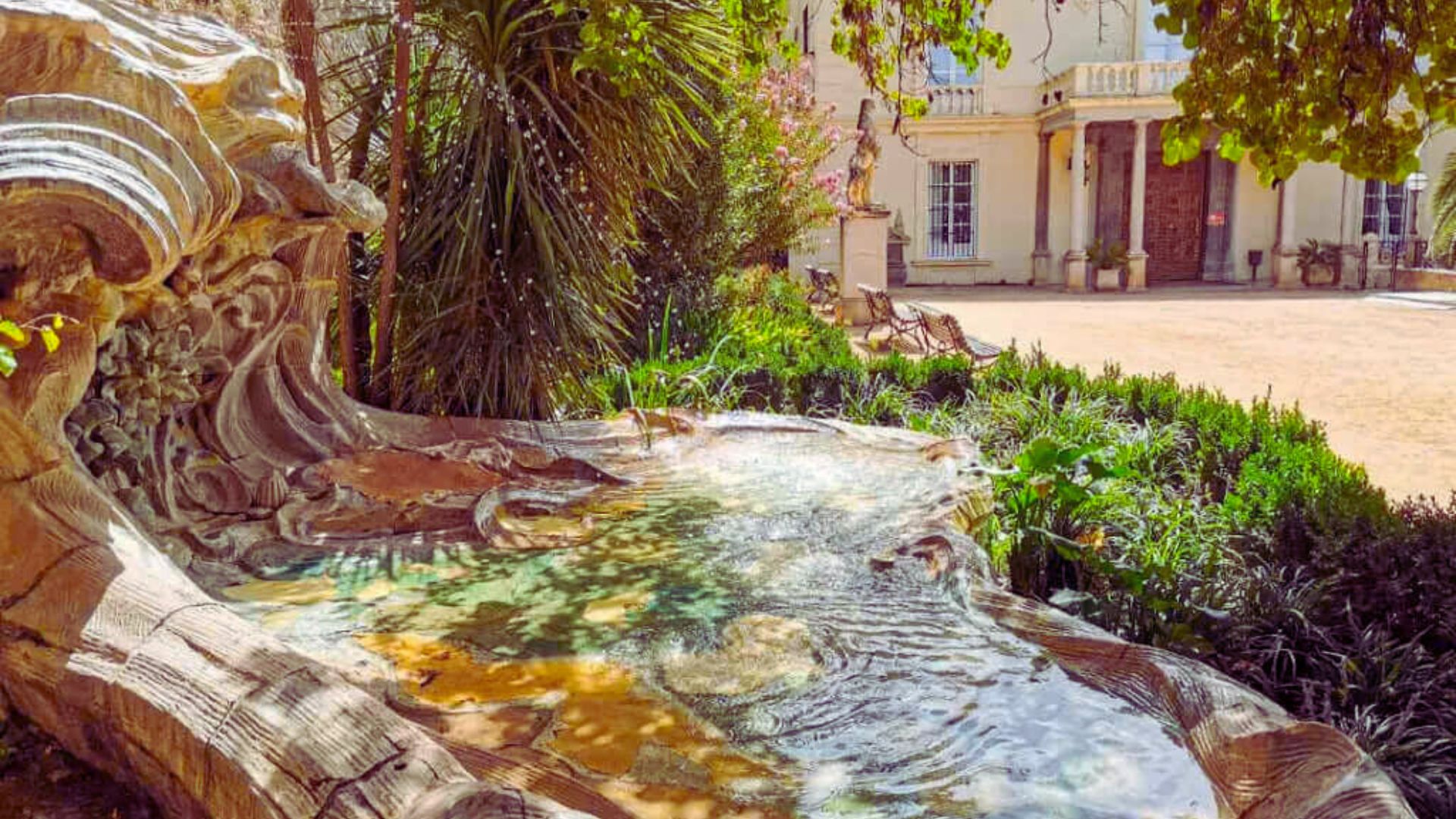
These gardens sit just outside the Alhambra complex and most tourists walk right past them.
The gardens mix different styles: French formal gardens, English romantic gardens, and Moorish courtyards. Peacocks roam freely through the grounds.
In spring, the roses bloom in incredible colors. A small lake with ducks sits in the English section.
You can see the Alhambra from several spots in the gardens without the crowds. Best of all, entry is free.
17. Experience Granada’s Nightlife Like a Local
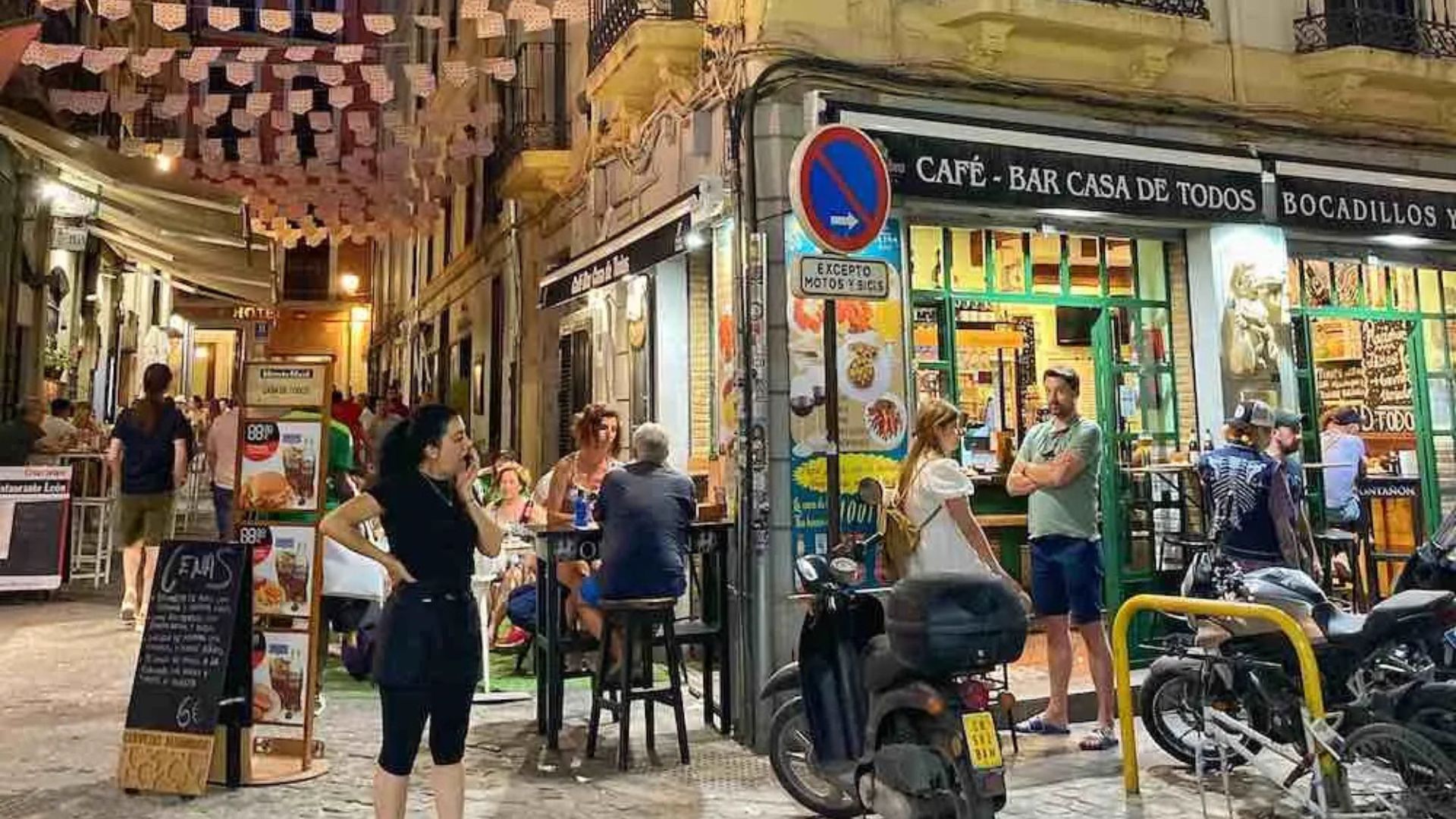
Granada’s student population keeps the nightlife lively and affordable.
Start your night late. Spaniards don’t even think about dinner until 10 PM. Bars get busy around midnight.
Calle Pedro Antonio de Alarcón has dozens of bars where students and young locals gather. Drinks are cheap and the energy is high.
Mae West is a Granada institution serving cheap drinks to students for decades. The best nights are Thursday through Saturday.
18. Take a Guided Walking Tour of Granada
A good guide brings context to everything you’re seeing.
Free walking tours run daily from Plaza Nueva. They cover the main sights and provide historical background. The guides work for tips.
For deeper knowledge, book a private guide through the official tourism office. I particularly recommend a tour focused on Moorish Granada.
Food tours are also popular. You’ll visit local markets, traditional bakeries, and several tapas bars while learning about Granada’s culinary culture.
19. Get Lost, On Purpose
My favorite thing to do in Granada is also the simplest: wander without a destination.
Put your phone in your pocket. Pick a direction. Start walking.
The Albaicín rewards this approach. Every turn reveals something new: a hidden plaza, a view through an archway, a quiet church tucked into a corner.
Some of my best Granada memories come from afternoons spent wandering. I’ve found tiny restaurants that don’t appear in guidebooks.
You can’t really get lost. The city isn’t that big. The point is to stop optimizing every moment and just experience the city as it unfolds.
20. Sample Wines at a Local Bodega

Granada’s wine region doesn’t get the attention it deserves, but local bodegas produce excellent wines.
The Contraviesa-Alpujarra region south of Granada makes interesting whites and reds adapted to the mountain climate. Many are organic or natural wines.
Visit Bodegas Calvente or Bodega Las Tinas for tastings. Both welcome visitors and offer tours of their facilities.
Pair your wine with local cheese and charcuterie. The combination of altitude, climate, and traditional methods creates flavors you won’t find elsewhere.
This makes a great afternoon activity when you need a break from monuments and museums.
21. Visit a Traditional Tetería (Tea House)
Granada’s tea culture runs deep, a legacy of its Moorish past.
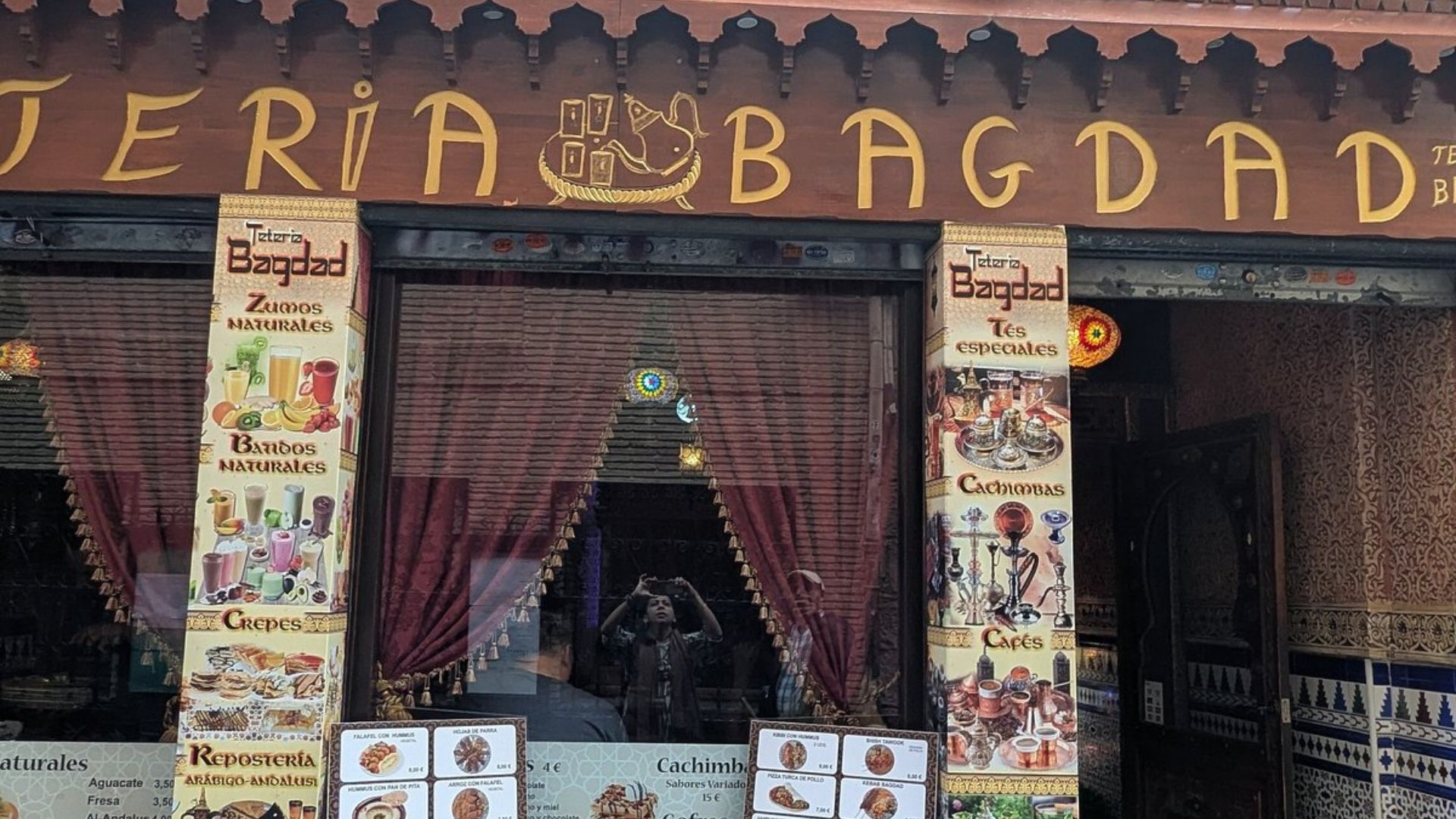
Teterías are scattered throughout the Albaicín and around Calle Calderería Nueva. These aren’t just cafes. They’re cultural spaces with low seating, elaborate decor, and extensive tea menus.
Order a Moroccan mint tea and a plate of pastries. Sit on cushions. Let time slow down.
Many teterías also serve hookah if that’s your thing. The atmosphere is relaxed and social.
Tetería Kasbah and Tetería Nazarí are two of my favorites. Both have rooftop terraces with views.
This is where locals come to catch up with friends, study, or just escape the heat. Join them.
Best Time to Visit Granada
Granada works year-round, but timing your visit right makes a big difference. Here’s what to expect each season.
- Spring (April to June): Ideal weather, warm but not hot. Flowers bloom everywhere. The Sierra Nevada still has snow while the city enjoys sunshine. This is peak season, so book early.
- Fall (September to October): Second-best time to visit. Summer heat fades but warm weather continues. Fewer tourists mean shorter lines at attractions.
- Summer (July to August): Very hot with temperatures hitting 35-40°C (95-104°F). The Alhambra becomes exhausting.
- Winter (November to March): Quiet and affordable. Rain is possible but not constant. You can ski in the Sierra Nevada. The trade-off is shorter days and reduced attraction hours.
I prefer May or September for perfect weather and reasonable crowds. Book Alhambra tickets regardless of when you visit since they sell out in every season.
How Many Days Do You Need in Granada?
The ideal length depends on your travel style and what you want to see. Here’s a breakdown to help you plan.
| Duration | What You Can See | Best For |
|---|---|---|
| 2 Days | Alhambra, Albaicín, sunset at San Nicolás, basic tapas tour | Quick visits, tight schedules |
| 3 Days | Above plus Sacromonte, flamenco show, Cathedral, Royal Chapel, proper tapas crawl | First-time visitors (recommended) |
| 4-5 Days | Above plus day trips to Sierra Nevada, relaxed pace, hidden gems, hammam experience | Deeper exploration, repeat visitors |
| 1 Week+ | Everything plus Alpujarras villages, extensive hiking, cooking classes, becoming a temporary local | Full immersion, slow travel |
Three days gives you enough time to see the main sights without rushing.
Day one covers the Alhambra and Generalife Gardens.
Day two includes the Albaicín, Sacromonte, and sunset at San Nicolás with a flamenco show in the evening.
Day three handles the cathedral, Royal Chapel, and a tapas crawl.
I’ve spent two weeks in Granada and still found new things to see. First-time visitors should plan on at least three full days since you came all this way.
Travel Tips for Visiting Granada
- Tickets sell out fast, especially in spring and fall. No ticket means no entry. This is your number one priority.
- Many small bars and shops don’t take cards. Granada is built on hills, so your feet will thank you for proper footwear.
- Restaurants close between lunch and dinner (roughly 4-8 PM). Many shops close from 2-5 PM for siesta. Plan accordingly.
- If you’re staying more than a few days, this card works on all city buses and saves money compared to single tickets.
- English is less common here than in Barcelona or Madrid. Locals appreciate the effort, and it makes everything smoother.
Conclusion
Granada has given me some of my favorite travel memories. The way sunset lights up the Alhambra from San Nicolás.
The taste of unexpectedly good free tapas. The quiet moments in hidden gardens. The sound of flamenco guitar echoing through cave walls.
This city rewards slow travel and open schedules. Don’t try to rush through everything. Pick the things that speak to you and give them your full attention.
It’s a living city where students party in ancient streets and locals still gather in tea shops. I hope this Granada travel guide helps you see beyond the obvious and find your own moments.
Now close this browser tab and go book those Alhambra tickets.
Frequently Asked Questions
Is Granada worth visiting for just a weekend?
Yes, but prioritize the Alhambra, Albaicín, and free tapas to get a taste of what makes Granada special.
Can you visit Alhambra without booking ahead?
Almost never, as same-day tickets rarely become available, so book online weeks in advance.
How much does a typical day in Granada cost?
Budget travelers need 40-50 euros, mid-range 80-120 euros, and luxury travelers 150+ euros.
Is Granada safe for solo travelers?
Very safe with normal city precautions like watching belongings and sticking to lit streets at night.
Do I need to speak Spanish to visit Granada?
Not required but helpful since English is less common here than in Barcelona or Madrid.
