


Ghana offers rich culture, pretty landscapes, and warm hospitality that draw travelers from around the world.
This guide covers 17 must-see attractions from vibrant markets in Accra to sacred monkey sanctuaries in remote villages.
I’ll help you plan your Ghana trip with practical tips based on real traveler experiences.
You’ll find everything from historical castles and wildlife safaris to traditional craft villages and coastal getaways.
I’ve spent months researching Ghana’s tourism landscape, analyzing hundreds of visitor reviews, and consulting with local tour operators who know these sites intimately.
Ghana has something for every type of traveler, and this post will show you exactly what to see and do.
Let’s get started.
Planning Your Ghana Trip: What You Need to Know
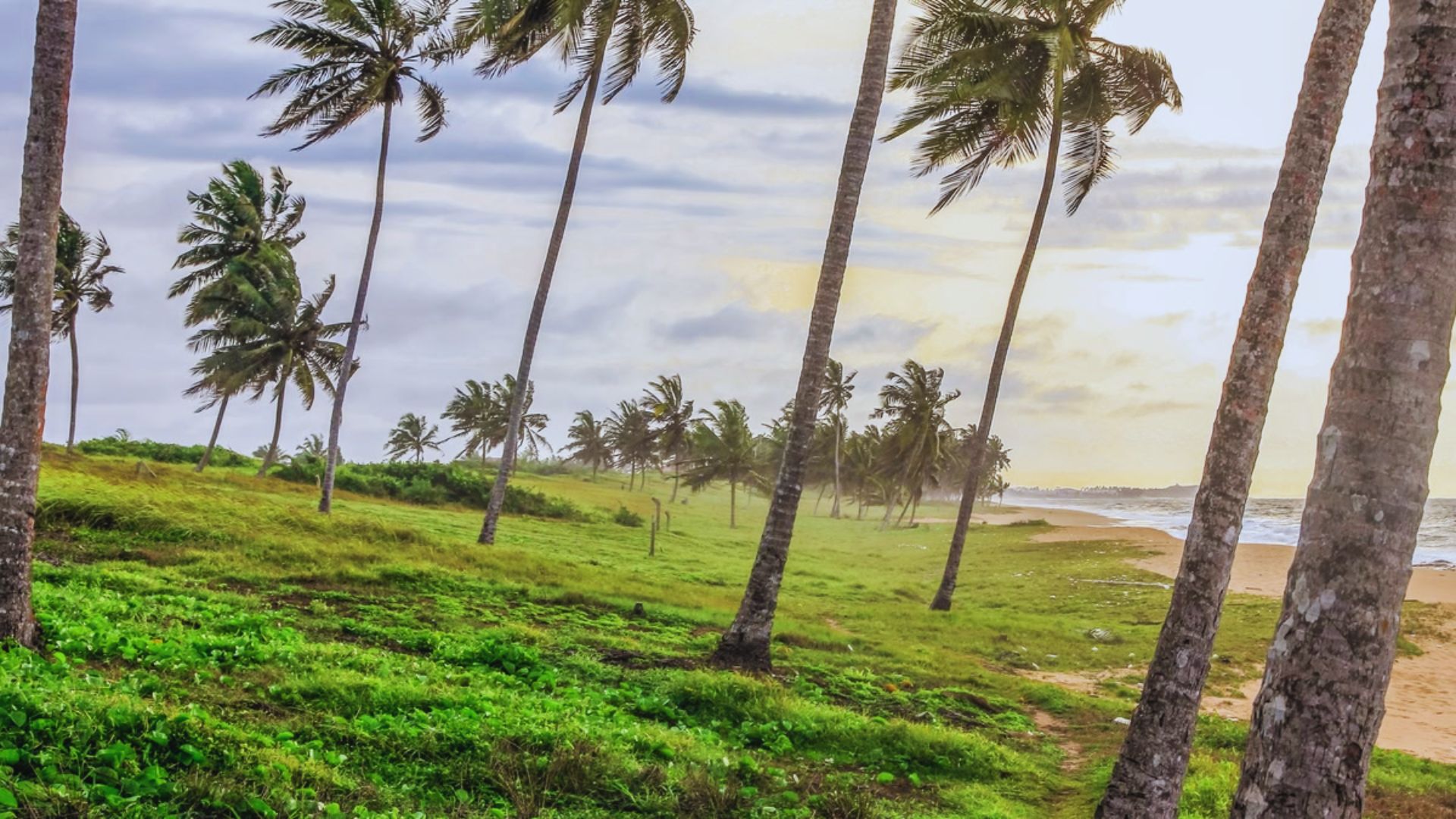
I’ve spent considerable time researching Ghana’s attractions and talking to travelers who’ve been there.
This guide brings together practical information from people who actually visited these places.
Ghana offers rich culture, stunning landscapes, and warm hospitality beyond typical tourist spots. I want you to experience both the famous sites and hidden gems.
This isn’t just a list of places. It’s a practical resource based on real experiences and honest feedback from travelers like you.
1. Tour Accra: The Vibrant Capital
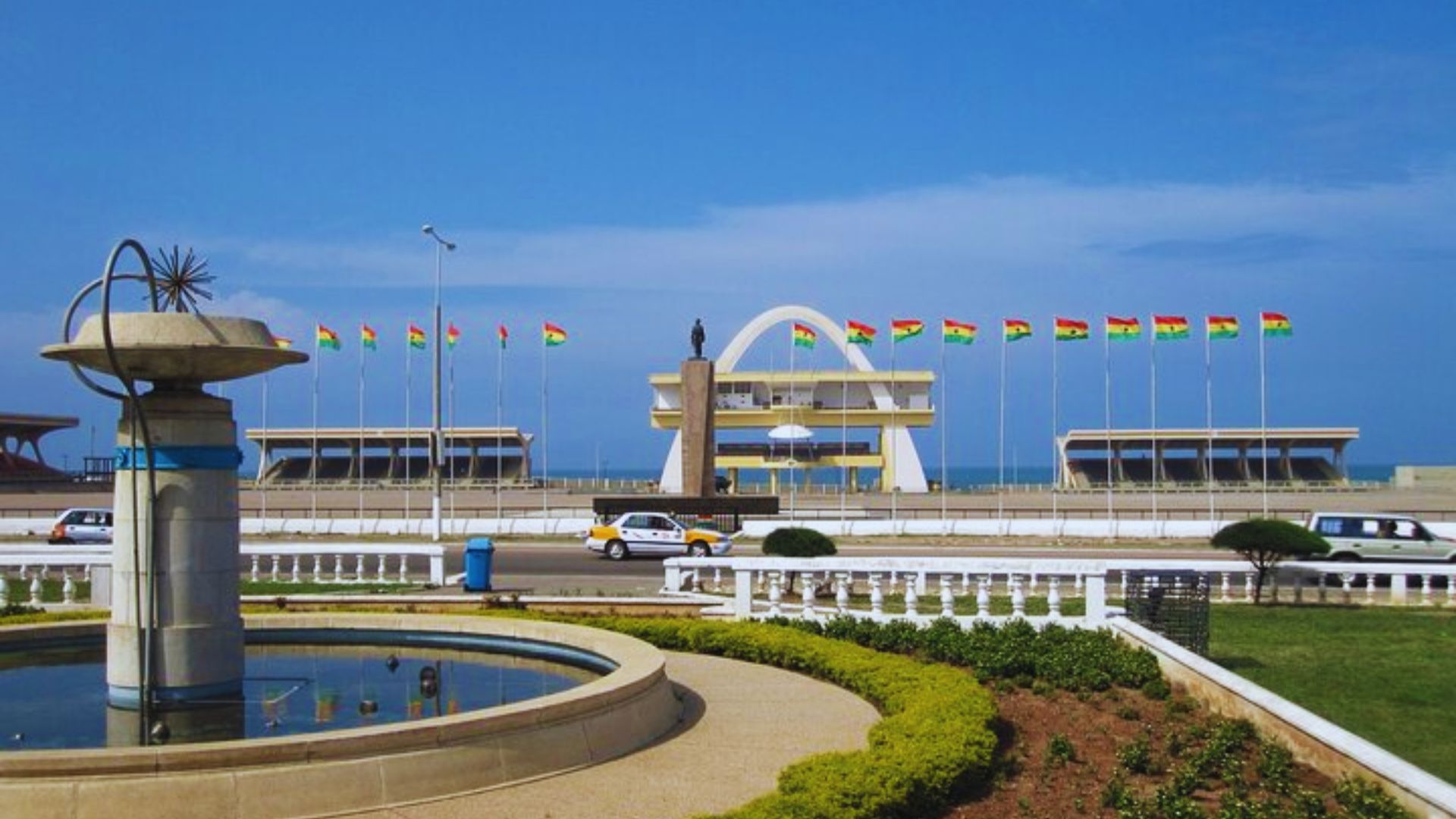
Accra blends modern city life with deep cultural roots, offering markets, beaches, museums, and historical landmarks all in one place.
Fun Things to Do in Accra
Start your Accra adventure at Makola Market, where colorful fabrics and handmade crafts fill every stall. Try street food favorites like kelewele (spiced fried plantains) or waakye (rice and beans).
Labadi Beach offers free ocean views with local musicians performing on weekends, creating the perfect introduction.
Cultural and Historical Spots in Accra
The National Museum displays traditional clothing and historical artifacts that tell Ghana’s story. Jamestown’s colonial lighthouse offers panoramic city views worth the climb.
Kwame Nkrumah Mausoleum honors Ghana’s first president with powerful exhibits about the independence movement that shaped the nation.
2. Ashanti Craft Villages
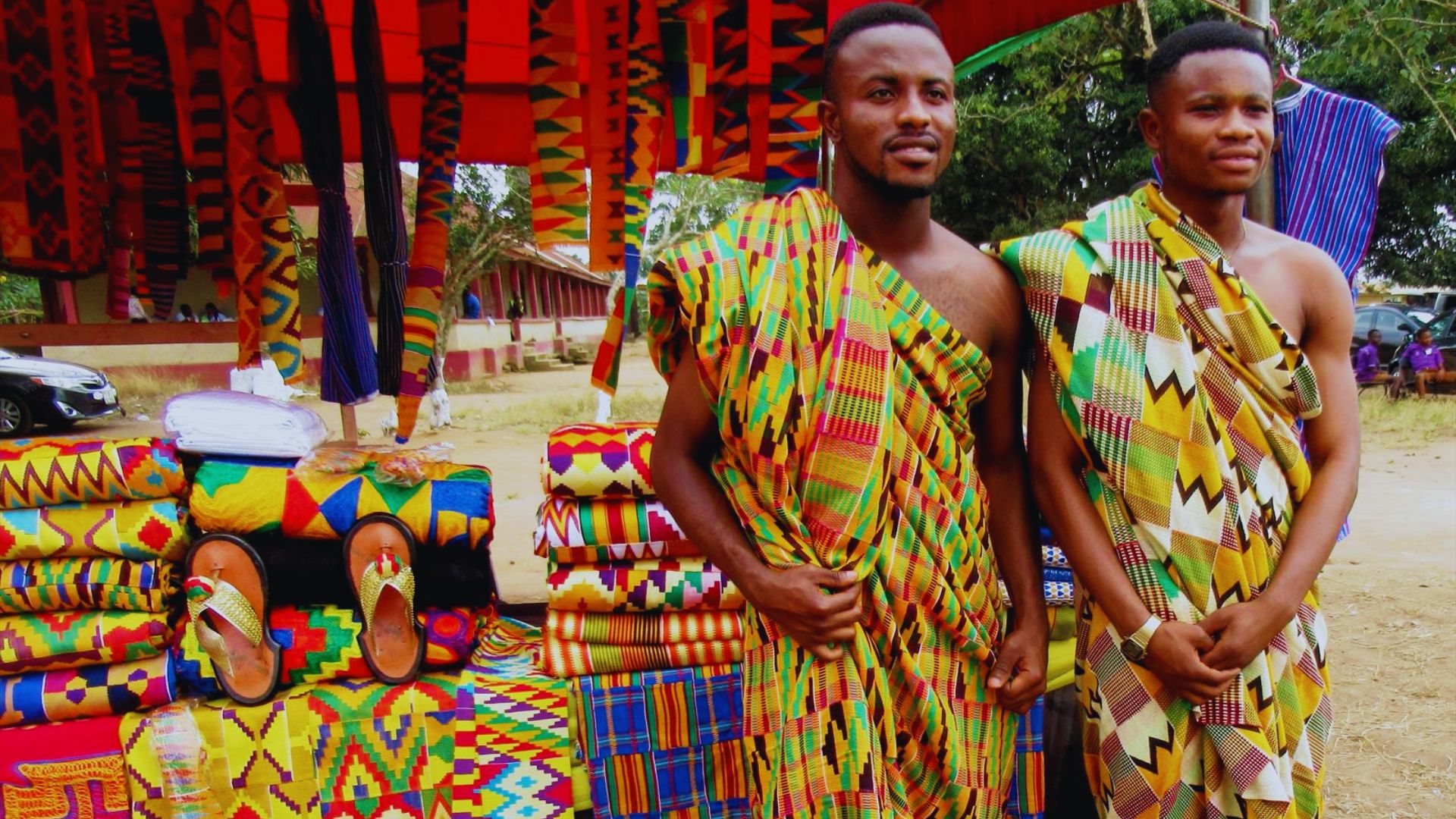
Traditional Ashanti villages preserve ancient crafts passed down through generations, giving visitors hands-on cultural experiences you won’t find anywhere else.
Adanwomase: Kente Cloth Weaving
Adanwomase specializes in kente cloth featuring bright geometric patterns woven with precision.
Watch skilled weavers create intricate designs on traditional looms using colorful threads passed down through generations.
You can buy authentic kente directly from artisans, supporting their craft and taking home genuine Ghanaian art.
Ntonso: Adinkra Stamping
Ntonso village focuses on adinkra cloth printing using ancient techniques. Artisans carve meaningful symbols into calabash stamps and press them onto fabric using natural dyes derived from local plants.
Each symbol carries specific meaning rooted in Ashanti wisdom, making every piece a storytelling canvas.
Ahwiaa: Wood Carvings & Fertility Dolls
Ahwiaa produces exquisite wood carvings and traditional fertility dolls with cultural significance. The akua’ba figures represent Ashanti ideals of grace and beauty.
Visiting these craft villages ranks among the most authentic things to do in Ghana, offering direct connection with living traditions.
3. Visit Kumasi: Heart of the Ashanti Kingdom
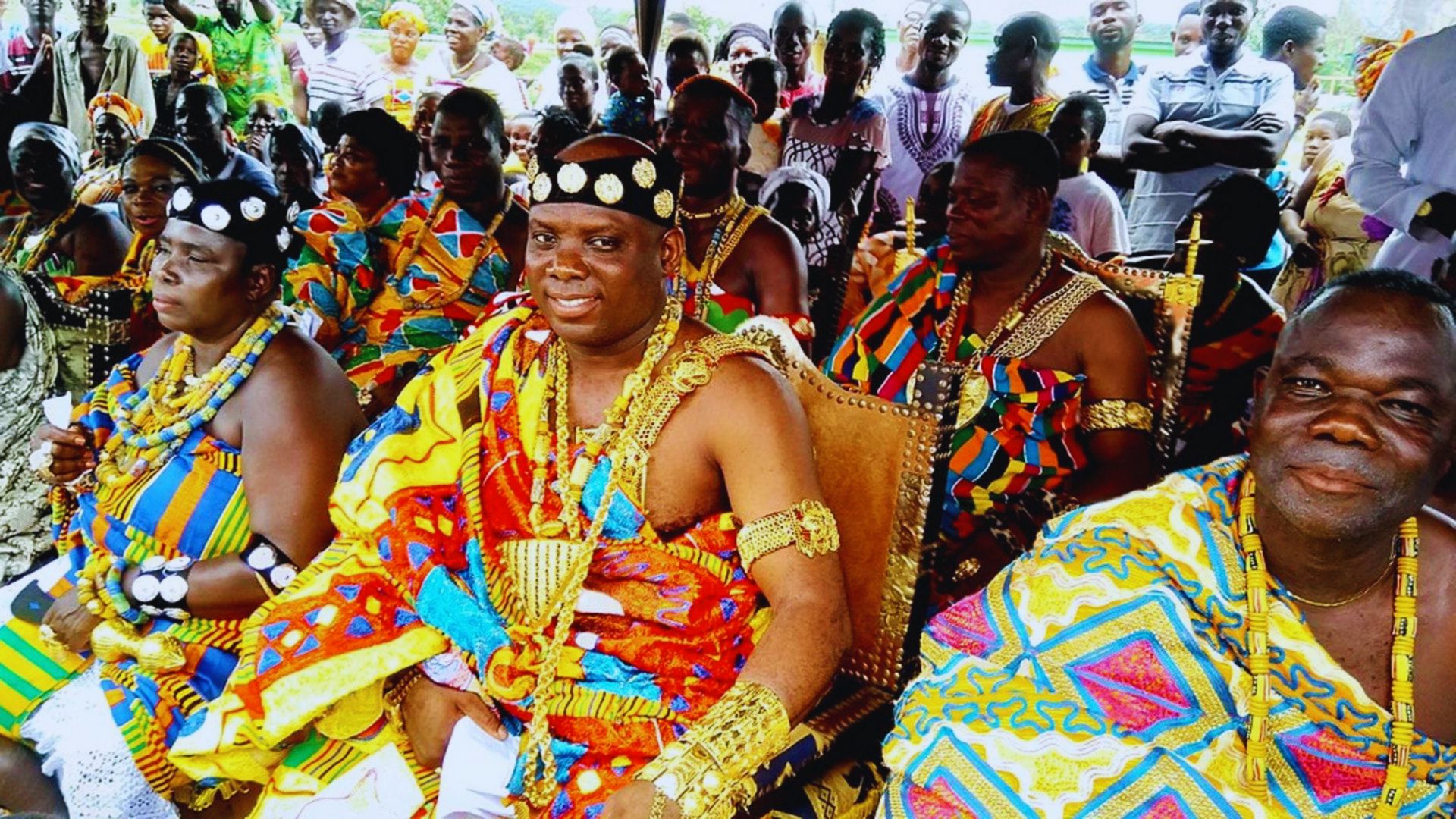
Kumasi serves as the cultural center of the Ashanti people, where royal traditions continue and markets overflow with goods from across West Africa.
Touring Kejetia Market
Kejetia Market is one of the largest markets in West Africa with over 10,000 stalls selling everything imaginable.
The sheer size overwhelms first-time visitors in the best way possible, creating sensory experiences through sights, sounds, and smells that define West African market culture completely.
Learning Ashanti History and Culture
The Ashanti Cultural Museum explains Ashanti history, the Golden Stool legend, and traditional governance systems that continue today.
Local festivals like Akwasidae happen every six weeks with drumming, dancing, and ceremonies. These celebrations offer windows into royal traditions maintained for centuries.
Family Activities in Kumasi
Kumasi offers excellent things to do in Ghana with kids who love adventure. Children enjoy the colorful markets with friendly vendors and cultural performances featuring traditional music and dance.
The welcoming atmosphere makes family exploration easy and educational for all ages.
4. Cape Coast Castle
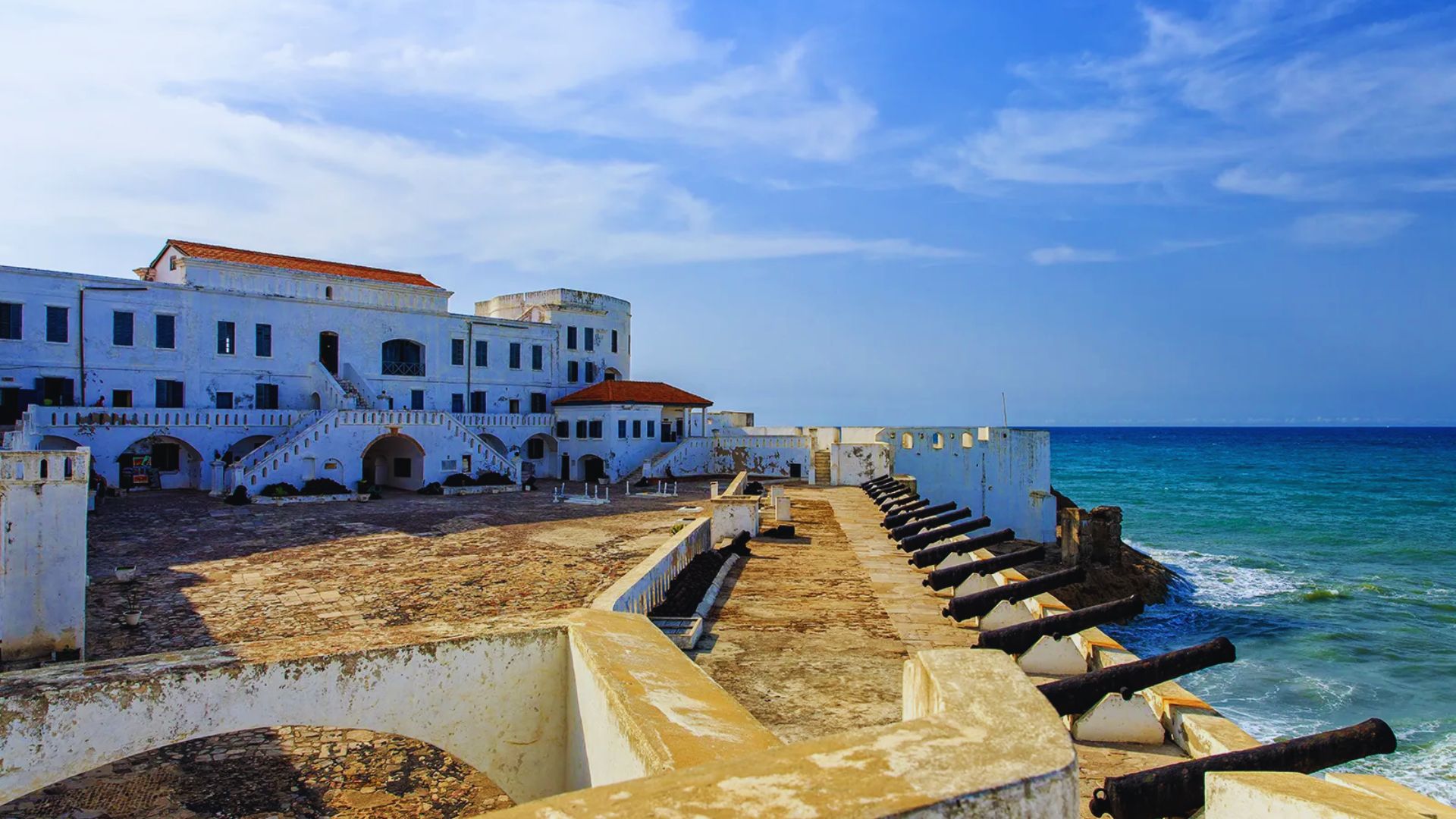
This UNESCO World Heritage site stands as a sobering reminder of the transatlantic slave trade and Ghana’s colonial history.
The Castle’s Dark History
Cape Coast Castle was built in the 1600s and served as a major slave-trading post for over 200 years.
Walking through the dungeons creates a powerful emotional experience that connects you with this painful history. The tour guides share stories that bring understanding.
The Door of No Return
The Door of No Return marks where enslaved people left African soil forever, never to return. Tours explain the horrific dungeon conditions where people suffered before being shipped across the Atlantic.
This doorway represents one of history’s darkest chapters, demanding remembrance and reflection.
Planning Your Visit
The museum provides detailed slave trade history through artifacts and educational displays. This is one of the most important things to do in Ghana as a tourist seeking to understand the full story.
Plan at least two hours to fully absorb the experience.
5. Elmina Castle
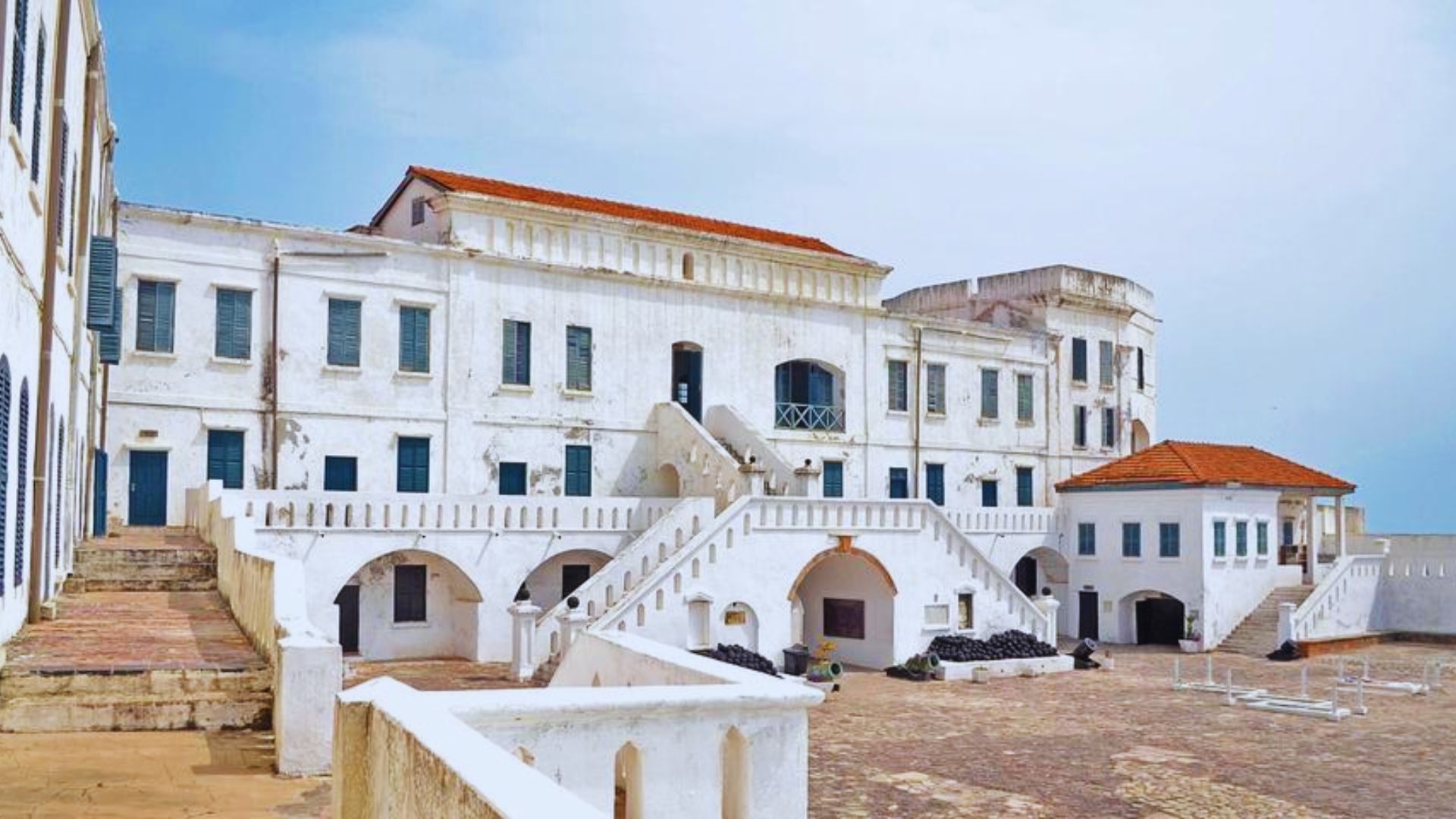
Elmina Castle predates Cape Coast as the oldest European building in Sub-Saharan Africa, with equally significant historical importance.
Portuguese Origins and Dutch Control
Built by Portuguese traders in 1482, Elmina Castle originally served as a trading post for gold and other valuable goods from the interior.
Later, it became a major slave-trading center under Dutch control, shifting from commercial trade to human trafficking over centuries.
Inside the Dungeons
The dungeons show the brutal reality of the slave trade through preserved spaces. Male and female captives were separated in dark, cramped spaces without ventilation or sanitation.
The contrast between the comfortable European quarters above and the dungeons below is stark and disturbing.
Understanding the Coastal Forts
Historical exhibits explain how the coastal forts operated. You’ll learn about local resistance movements and the eventual end of the slave trade.
Elmina makes an excellent day trip for things to do in Ghana: Accra, since it’s only a few hours from the capital.
6. Kakum National Park
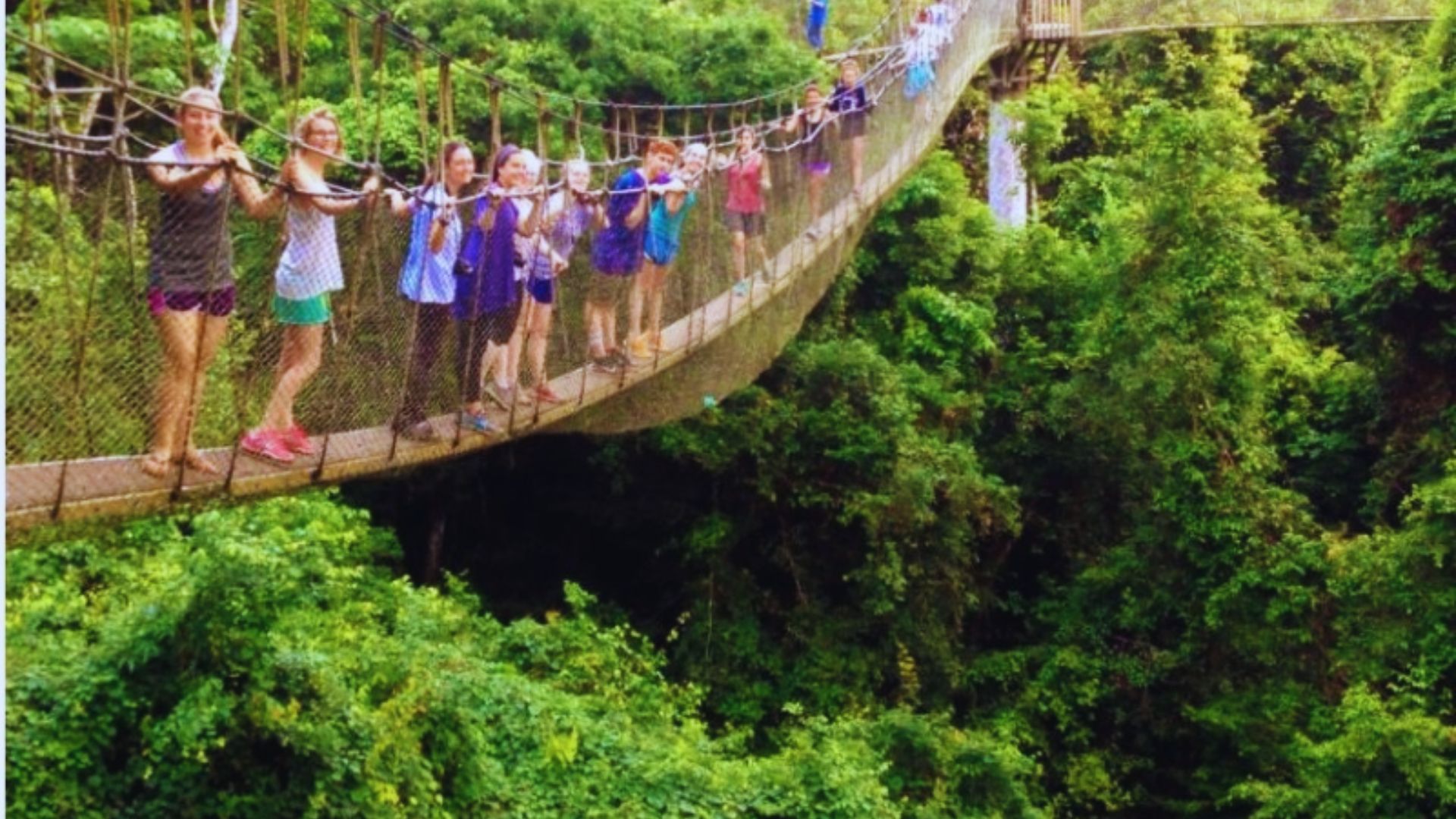
This protected rainforest offers thrilling canopy walks and opportunities to see rare wildlife in their natural habitat.
The Famous Canopy Walkway
The canopy walkway suspends visitors 40 meters above the forest floor on seven bridges connecting different platforms.
The walkway sways gently as you cross, adding thrill to the experience. Views stretch across the rainforest canopy, revealing a world few people see from above.
Wildlife Viewing From Above
Views from above the rainforest are incredible, showing the ecosystem from a unique perspective.
You can see birds, butterflies, and monkeys in the treetops going about their daily lives. Lucky visitors spot forest elephants below, though these magnificent creatures remain quite rare.
Guided Forest Trails
Guided forest trails take you through the dense jungle. Rangers explain the ecosystem and point out medicinal plants. The trails vary in difficulty, so choose based on your fitness level.
Kakum ranks among the most popular adventurous things to do in Ghana. The park gets busy during peak season, so arrive early.
7. Mole National Park
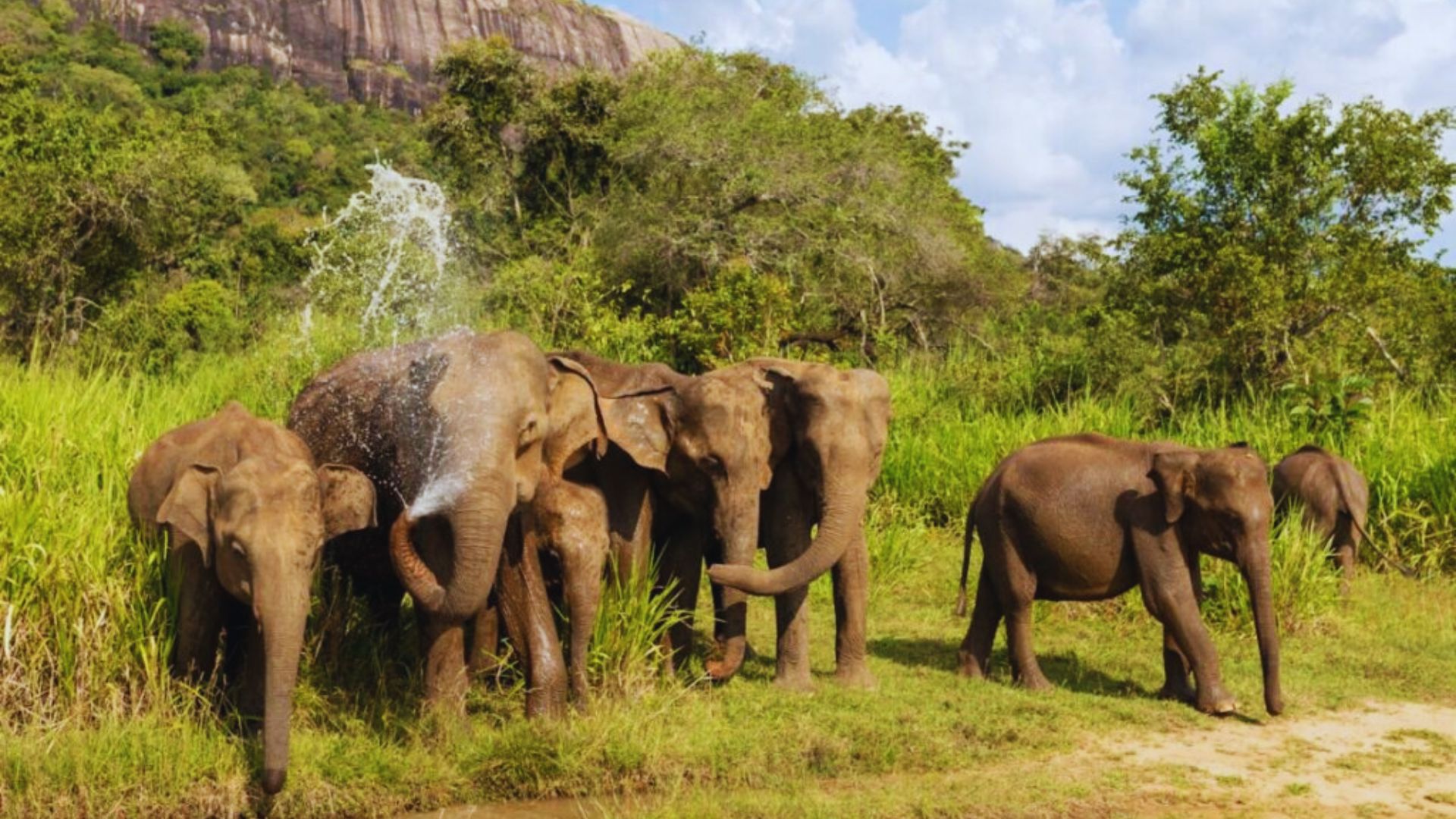
Ghana’s largest wildlife reserve offers safari experiences comparable to East African parks but with far fewer tourists.
Safari Drives and Wildlife Viewing
Safari drives at Mole give you chances to see elephants, buffalo, antelope, and warthogs roaming freely.
The park has about 800 elephants that move across the landscape. During the dry season, animals gather at watering holes, creating excellent viewing opportunities daily.
Walking Safaris With Rangers
Walking safaris with armed rangers let you track animals on foot for intimate encounters. This feels more immersive than vehicle-based safaris, connecting you directly with the bush.
Rangers carry rifles for safety but rarely need them, making walks generally secure.
Birdwatching Opportunities
Over 300 bird species live in Mole National Park throughout the year. Birdwatchers can spot rare species during different seasons across various habitats.
The diversity of wildlife makes this one of the best things to do in Ghana for nature enthusiasts seeking African biodiversity.
8. Lake Bosomtwe
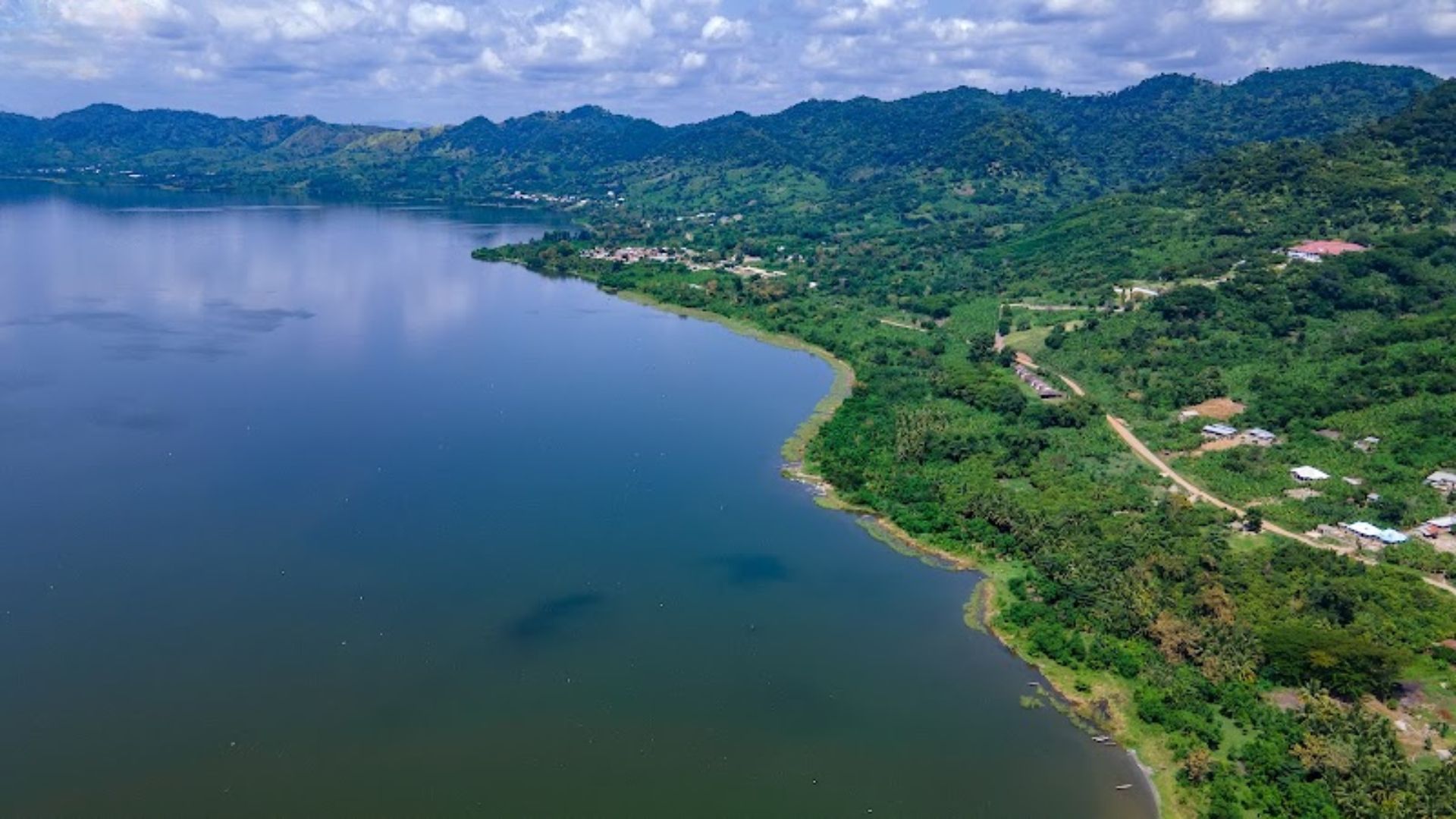
This sacred crater lake holds deep spiritual significance for the Ashanti people and offers peaceful natural grace.
The Sacred Crater Lake
Lake Bosomtwe formed in an ancient meteorite crater millions of years ago. The Ashanti consider it sacred and believe the souls of the dead come here to bid farewell to their god before moving on.
The spiritual significance adds depth to visits.
Traditional Fishing Methods
Local fishing practices follow traditional methods passed down through generations. Fishermen use wooden planks instead of boats, paddling while kneeling in a technique requiring balance and skill. This technique has been used for centuries, representing cultural continuity and adaptation to the lake’s sacredness.
Cultural Ceremonies and Rituals
Cultural rituals still happen at the lake throughout the year. You might see ceremonies or offerings along the shore performed by local communities.
The surrounding villages welcome respectful visitors who want to learn about Ashanti spiritual traditions without disturbing sacred practices.
Activities at the Lake
Swimming, kayaking, and relaxing by the water are popular activities for visitors. The lake makes a peaceful stop on your list of top 10 things to do in Ghana.
Surrounding guesthouses offer comfortable accommodations with lake views for extended stays.
9. Axim & Coastal Experiences
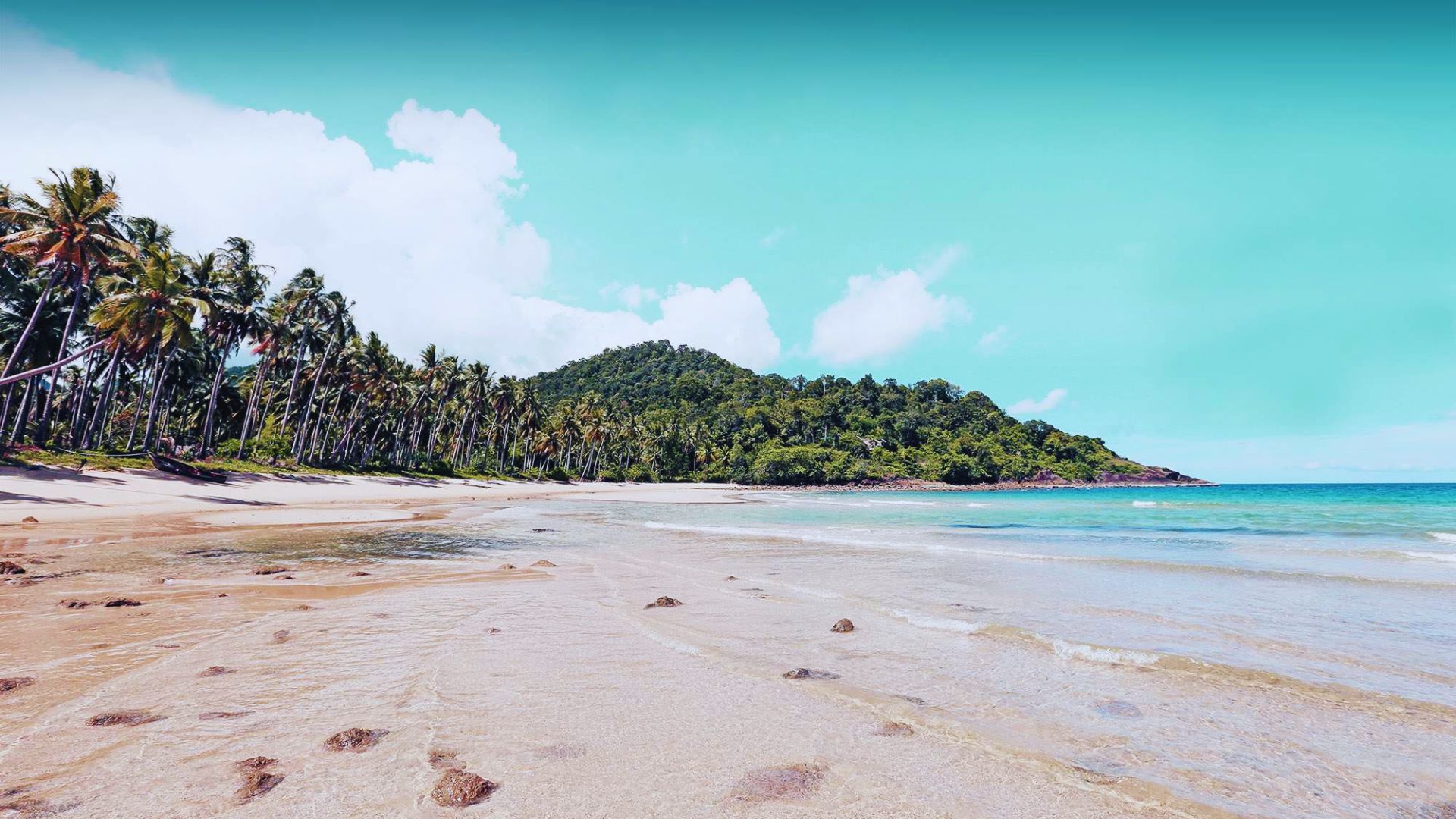
The coastal town of Axim provides pristine beaches, water sports, and access to wetlands teeming with wildlife.
Pristine Tropical Beaches
Tropical beaches near Axim offer white sand and calm waters perfect for swimming. These beaches feel less crowded than those closer to Accra, providing peaceful relaxation.
You can swim, sunbathe, or walk along the shore without fighting for space or dealing with crowds.
Kayaking Coastal Waterways
Kayaking through coastal waterways gives you close-up views of mangroves and marine life thriving in brackish waters.
Several tour operators offer guided kayak trips suitable for beginners and experienced paddlers. The peaceful exploration reveals hidden corners of Ghana’s coastline rarely seen.
Touring Amansuri Wetlands
The Amansuri wetlands support diverse bird populations. Nature walks reveal unique plant species and small wildlife. Fort San Antonio sits nearby, offering more historical context.
Axim works perfectly for things to do in Ghana vacation when you want to mix relaxation with activities.
10. Volta Region Adventures
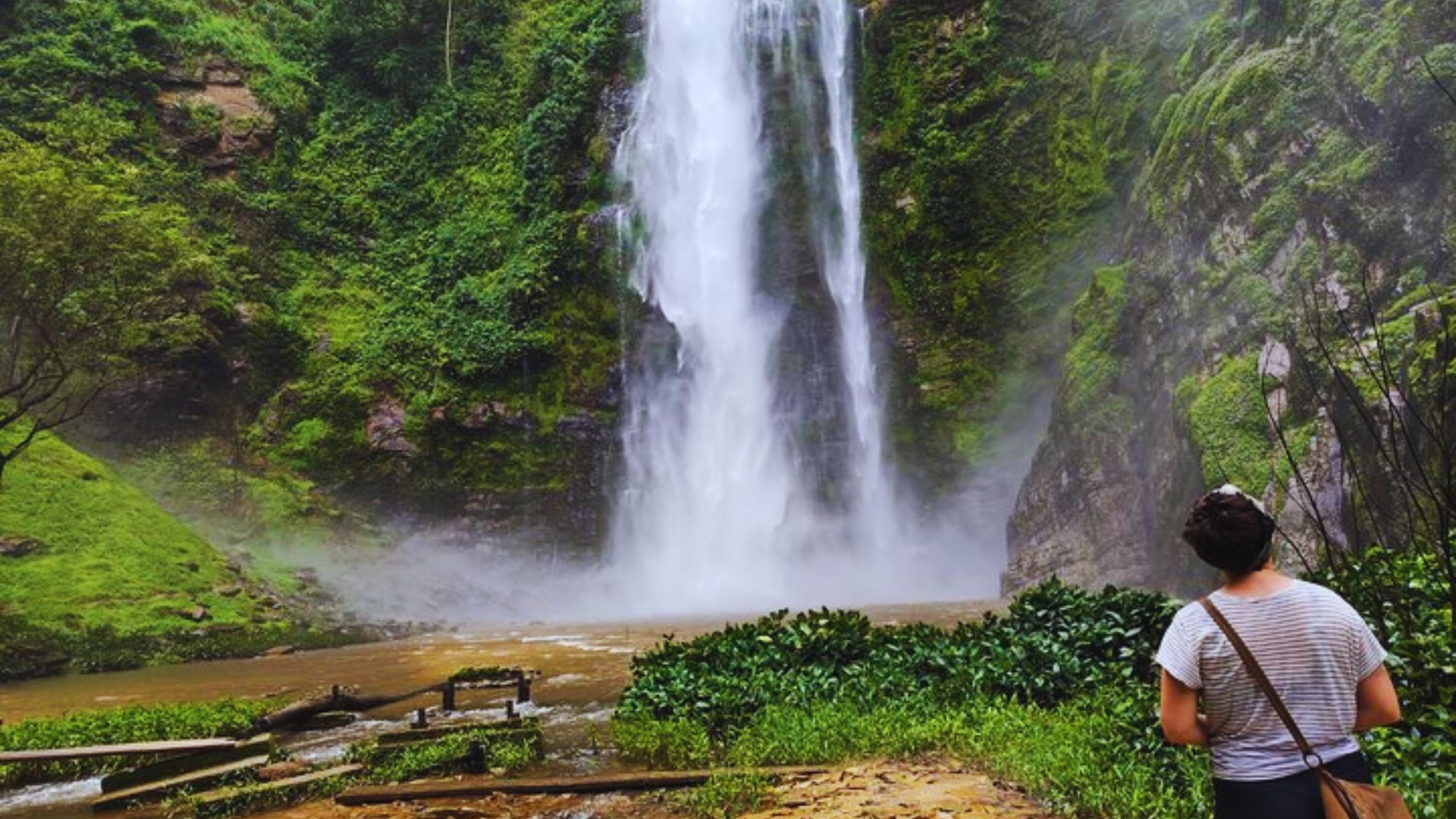
The Volta Region combines waterfalls, lagoons, traditional villages, and lush landscapes that feel worlds away from urban Ghana.
Wli Waterfalls
Wli Waterfalls is the highest waterfall in West Africa, cascading dramatically. The hike to reach it takes about 45 minutes through forest paths with moderate difficulty.
The falls cascade down in two tiers, creating a refreshing pool at the base perfect for cooling off.
Mangrove Boat Rides
Boat rides through mangrove channels show you a different side of Ghana’s ecology. The peaceful waterways wind through dense vegetation supporting complex ecosystems.
Birds and monkeys appear along the banks, creating memorable wildlife encounters from water level with experienced local guides.
Traditional Villages
Local villages produce traditional rum using age-old methods worth witnessing. Fishing communities demonstrate their techniques and welcome visitors interested in their way of life.
The region feels authentic and unhurried, offering genuine cultural exchange rather than staged tourist performances.
11. Upper East Region: Cultural Immersion
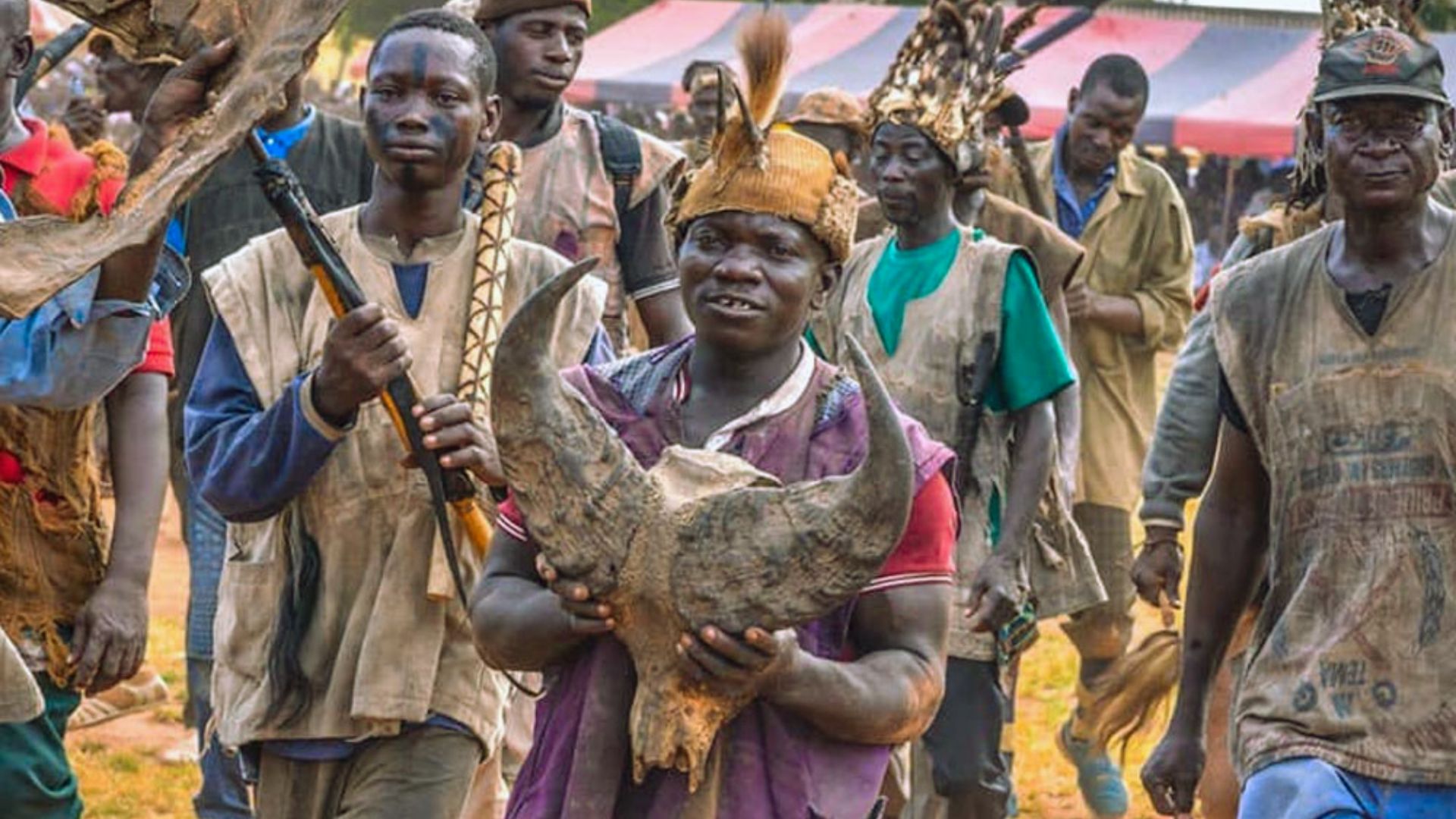
Northern Ghana offers deep cultural experiences in villages where traditional ways of life continue largely unchanged.
Sirigu’s Painted Houses
Sirigu village is famous for painted houses decorated by local women. Women decorate exterior walls with geometric patterns using natural pigments made from local materials.
Each design tells a story or represents something meaningful in Ashanti culture, turning homes into living art galleries.
Traditional Crafts
Local artisans make beautiful baskets and pottery using techniques unchanged for generations. You can watch the entire creation process and purchase directly from makers, ensuring fair compensation.
The craftsmanship is exceptional, combining functionality with artistic expression that reflects cultural values.
Animistic Traditions
Learning about animistic traditions gives insight into spiritual practices predating Christianity and Islam in the region.
Village elders share stories about their beliefs and customs with willing visitors. The experience feels genuine and educational, offering understanding of worldviews different from mainstream religions.
12. Boabeng Fiema Monkey Sanctuary
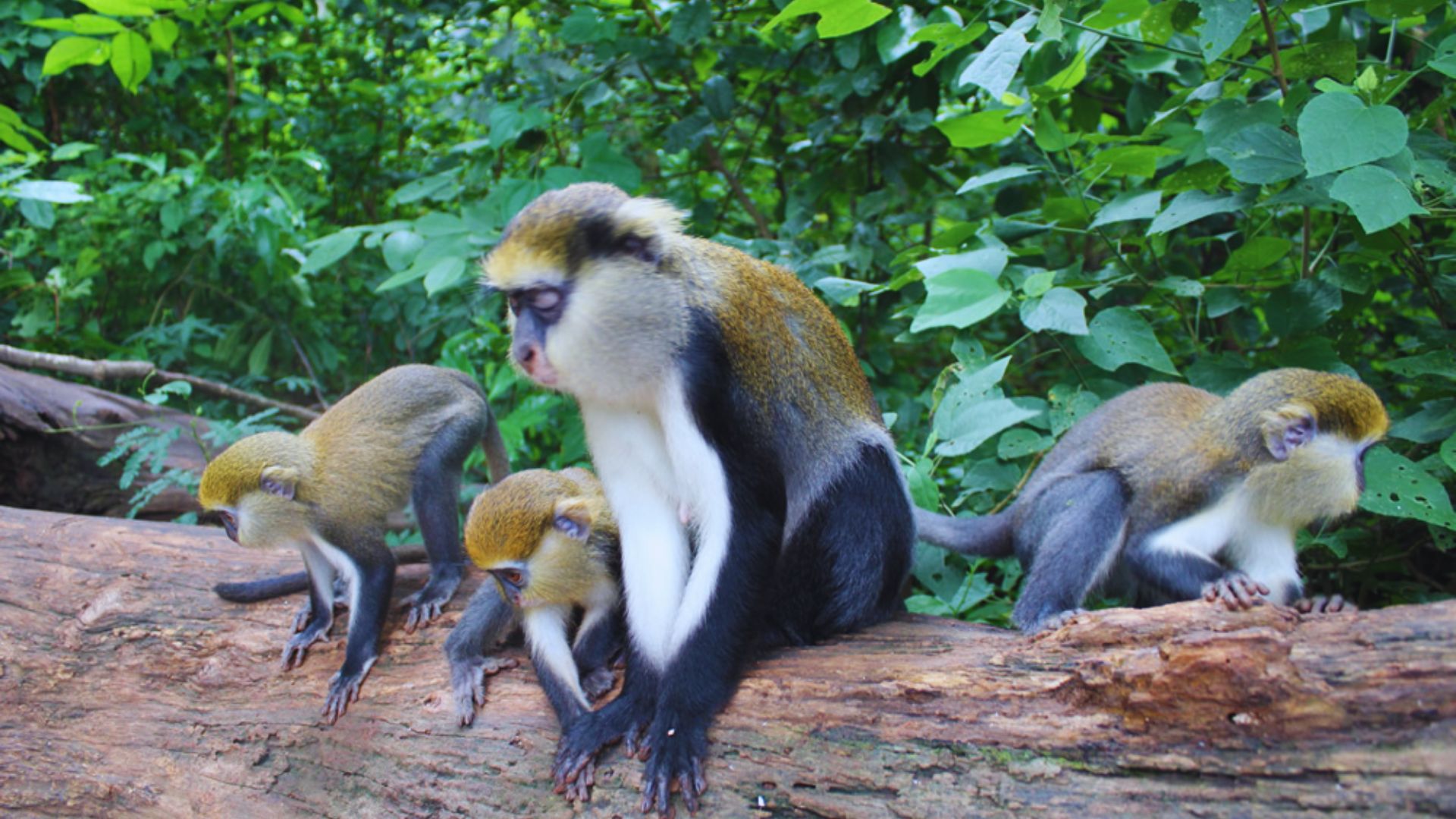
This community-run sanctuary protects sacred monkeys and teaches visitors about conservation and traditional beliefs.
Two Sacred Monkey Species
Two monkey species live here: black-and-white colobus and mona monkeys that roam freely. The monkeys show little fear of humans due to generations of protection.
You can observe them closely in their natural habitat, watching social behaviors and family groups interact.
Supporting Conservation
The sanctuary operates on a small admission fee that supports conservation efforts and the local community directly.
This makes it one of the accessible things to do in Ghana while contributing to wildlife protection. Your visit funds ranger salaries and habitat preservation programs.
Sacred Relationships
Villagers consider the monkeys sacred animals deserving respect and protection. When a monkey dies, it receives a proper burial with ceremonies.
The relationship between humans and animals here demonstrates traditional conservation methods that predate modern wildlife management, showing sustainable coexistence.
13. Daboya & Lobi Villages
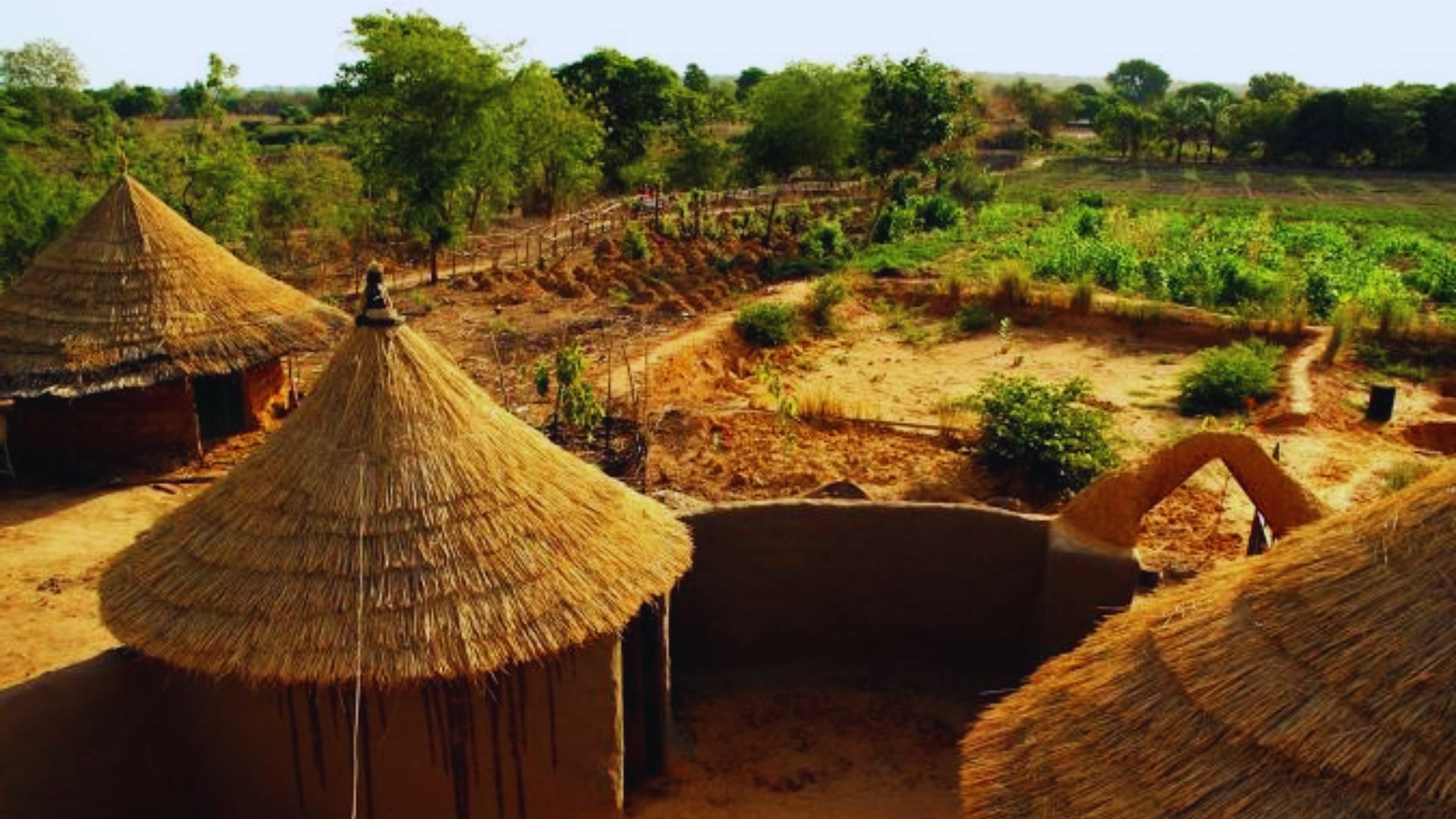
Remote northern villages showcase traditional weaving and architecture while offering authentic interactions with local people.
Traditional Weaving in Daboya
Daboya is known for weaving cotton strips into blankets and garments using inherited skills. The techniques haven’t changed in centuries, preserving cultural knowledge.
Weavers work on traditional looms set up under trees, creating functional textiles with distinctive patterns unique to the region.
Lobi Architecture
Lobi villages feature distinctive architecture with flat roofs and small windows designed for the climate. The design keeps homes cool during hot days and provides defense historically.
Walking through these villages feels like stepping back in time to pre-colonial building methods still perfectly functional.
Authentic Cultural Experiences
Experiencing authentic northern Ghanaian culture requires patience and respect for local customs. These communities don’t see many tourists, making interactions genuine.
Your visit supports their traditional economy, helping preserve ways of life threatened by modernization and providing income through cultural tourism.
14. Adventure & Outdoor Activities
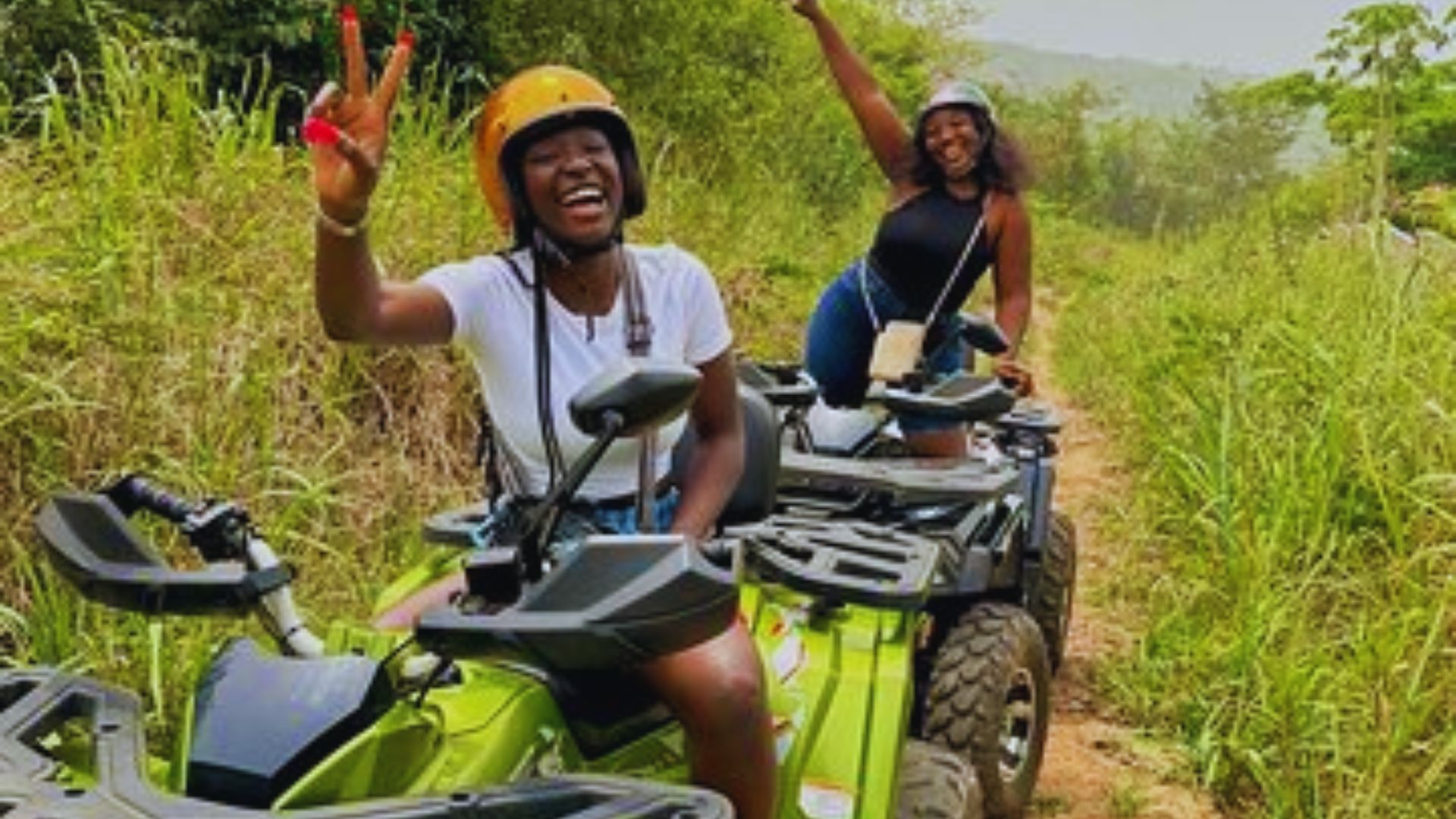
Ghana offers exciting outdoor experiences for adrenaline seekers and nature lovers beyond the typical tourist activities.
Hot-Air Balloon Rides
Hot-air balloon rides over Mole National Park provide aerial views of wildlife and savanna landscapes.
The experience costs more than other activities but delivers unforgettable memories and unique perspectives. Morning flights offer the best wildlife viewing when animals are most active below you.
Forest Trekking
Forest trekking takes you deep into Ghana’s jungles on multi-day adventures. Experienced guides lead treks through remote areas rarely visited.
You’ll see plants and animals found nowhere else, experiencing pristine rainforest ecosystems while camping under the canopy with small groups.
Kayaking Adventures
Kayaking opportunities exist along both coasts and inland waterways throughout Ghana. Rivers, lagoons, and ocean waters all offer different paddling experiences for various skill levels.
Equipment rentals and guided trips make it easy to explore Ghana’s waterways safely with proper instruction and support.
15. Seasonal & Special Experiences
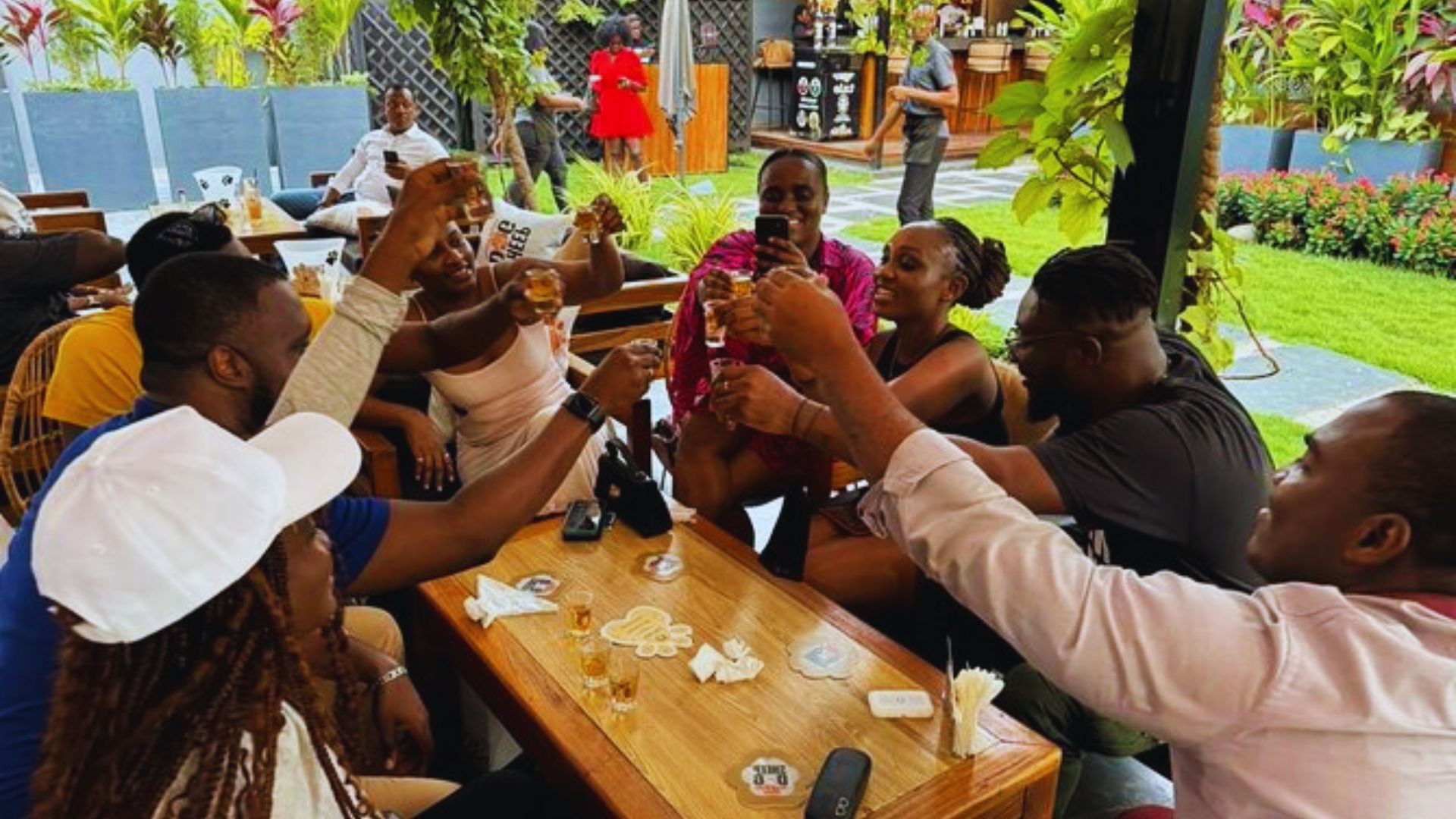
Timing your visit around specific seasons or events can boost your Ghana experience significantly.
Things to Do in Ghana in December
December brings perfect weather and major festivals. The dry season makes wildlife spotting easier. Cultural events and celebrations happen across the country.
Christmas and New Year’s festivities add extra energy to cities and towns. Hotels book up quickly, so reserve accommodations early.
Things to Do in Ghana Today
Popular attractions remain open year-round for visitors regardless of season. Daily market visits give you local flavor any day of the week.
Eco-lodges and cultural sites welcome visitors consistently, making spontaneous exploration possible. Current events and festivals can enhance your Ghana experience today.
Things to Do in Ghana During COVID
Outdoor activities like national parks and beach visits allow for social distance naturally. Local tours with small groups continued operating safely throughout the pandemic.
Ghana handled the pandemic well compared to many countries, implementing effective health protocols while keeping tourism sectors functioning.
16. Family-Friendly Experiences
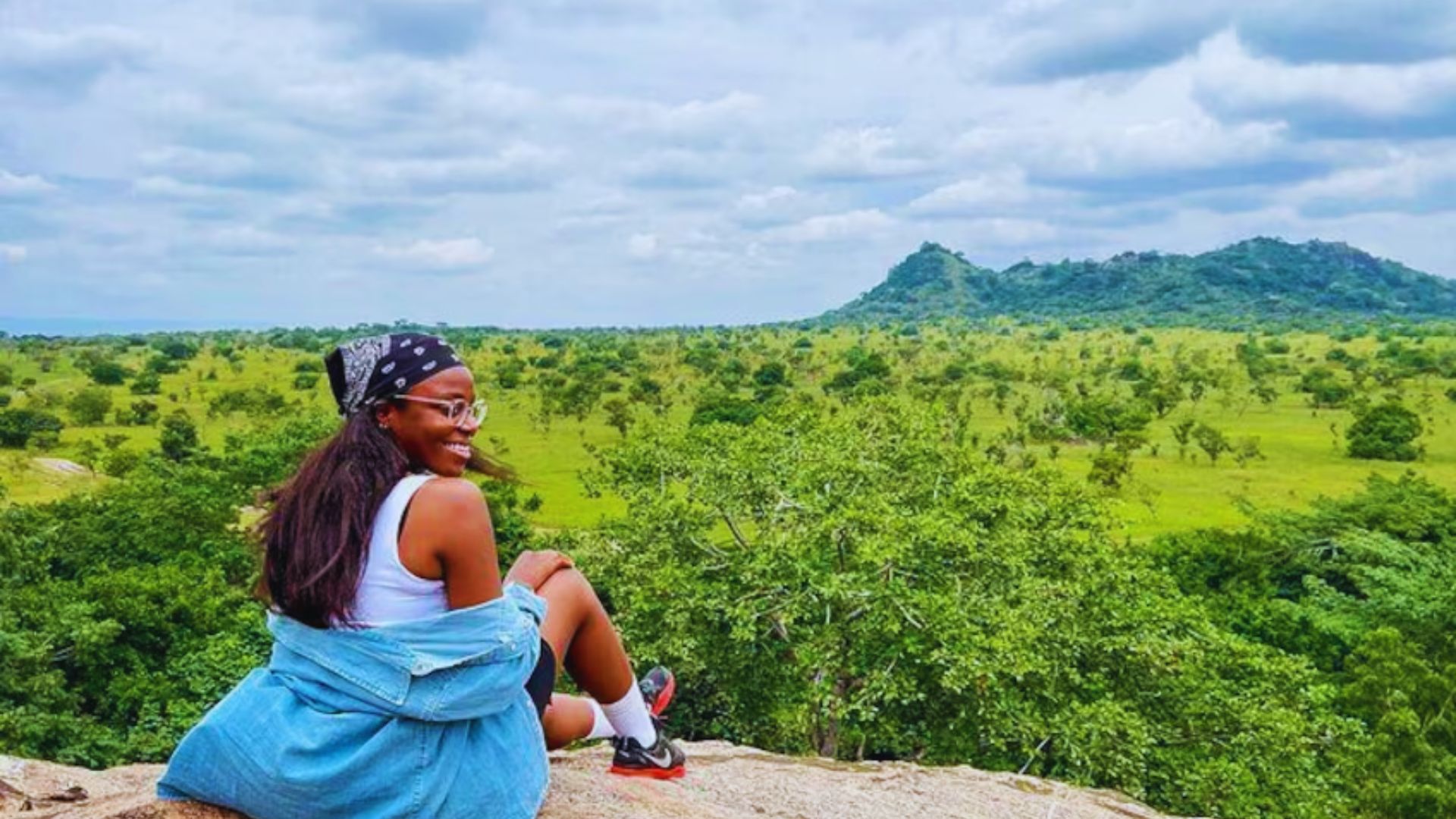
Ghana welcomes families with children through safe, educational, and engaging activities suitable for all ages.
Wildlife Education at National Parks
National parks teach kids about wildlife and conservation through ranger programs. Seeing elephants and monkeys excites children of all ages while building environmental awareness.
Rangers make the experience educational and fun, adapting information for different age groups with engaging storytelling and hands-on activities.
Hands-On Learning at Craft Villages
Craft villages let children watch artisans work and try simple techniques themselves under supervision. The hands-on learning feels more engaging than museums for active kids.
Children can practice weaving, stamping, or carving safely, creating memorable experiences while learning about cultural traditions firsthand.
Family Accommodations
Safe beaches and eco-lodges provide comfortable bases for family trips with children. Many accommodations cater specifically to families with connecting rooms and child-friendly meals.
These options make things to do in Ghana with kids stress-free and enjoyable for parents managing different ages.
17. Sample Ghana Itineraries
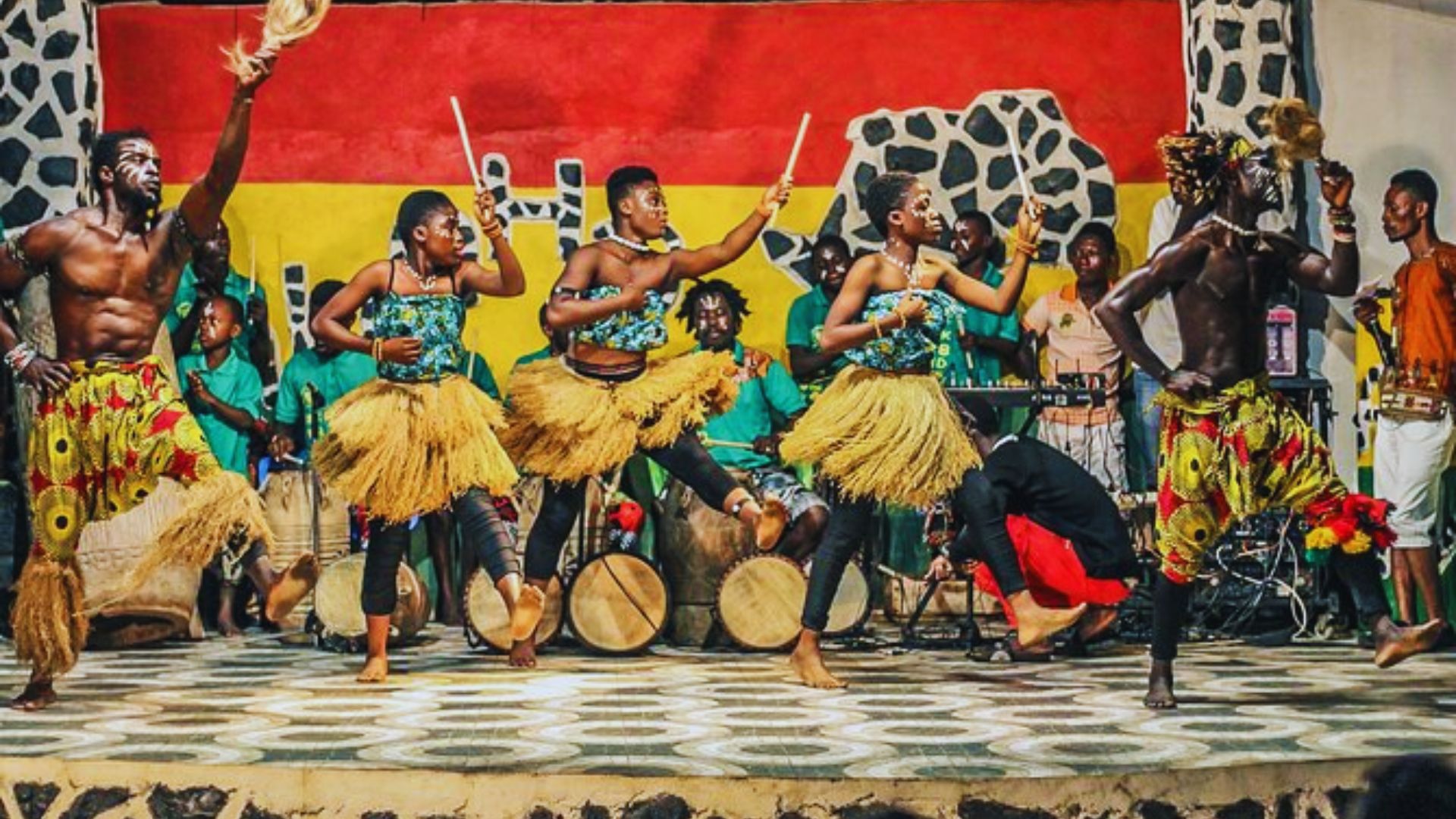
Pre-planned routes help you maximize your time and see the most important sites based on your interests.
Culture & Wildlife Vacation (8 Days)
Start in Accra for two days touring markets and museums that introduce Ghana. Head to Kakum for canopy walks and rainforest experiences next.
Continue north to Mole for safari drives watching elephants. End at Cape Coast to visit the historic castles before departing.
Coastal Tour (7 Days)
Base yourself in Accra, then visit Cape Coast Castle and Elmina on day trips. Spend time on beaches near Axim enjoying the coastline.
Include day trips to coastal wetlands and Fort San Antonio. This itinerary focuses on Ghana’s maritime history and beach relaxation.
Extended Cultural Tour (19 Days)
Cover everything from Accra’s urban culture to Ashanti craft villages. Visit northern communities and Volta Region waterfalls. Return through coastal areas before ending in Accra.
Each itinerary can be adjusted based on your pace and interests. Ghana’s good road network makes travel between regions manageable.
Tips for Your Ghana Trip
Planning ahead makes your Ghana experience smoother and more enjoyable. These practical tips come from real traveler feedback and local insights.
- Carry cash: Many villages and markets only accept cedis. ATMs are limited outside cities.
- Hire local guides: They provide insider knowledge and context you won’t find in guidebooks.
- Ask before photographing: Always get permission, especially at sacred sites and in villages.
- Arrive early: Beat the crowds and heat at popular attractions like Kakum and Cape Coast Castle.
- Stay hydrated: Drink bottled water constantly and use sunscreen and insect repellent.
Conclusion
Ghana has captured my attention through countless traveler stories and cultural richness. The country offers so much more than typical beach vacations.
From powerful historical sites to playful monkeys, every experience teaches you something new.
I hope this guide helps you plan a trip that matches your interests. Start with the sites that excite you most, then add others as time allows.
Have you visited Ghana or are you planning a trip? Share your experiences or questions in the comments below. Your insights help other travelers plan better trips.
Frequently Asked Questions
What is the best time to visit Ghana?
The dry season from November to March offers the most comfortable weather. December is great for festivals and wildlife viewing with clear skies.
Is Ghana safe for tourists?
Ghana is one of the safest countries in West Africa. The locals are friendly, and major tourist areas have good infrastructure with standard safety practices.
How many days do I need to Tour Ghana?
A week covers Accra, Cape Coast, and one national park. For northern regions and craft villages, plan 10-14 days for a complete experience.
What should I pack for a Ghana trip?
Bring lightweight, breathable clothing for the tropical climate. Pack comfortable shoes, sunscreen, insect repellent, and a light rain jacket for national parks.
Can I visit Ghana with children?
Yes, Ghana is very family-friendly with safe activities. Kids love the monkey sanctuaries, beaches, and traditional crafts at cultural sites.
