


Planning a trip to Cape Town and not sure where to start? I’ve got you covered. In this guide, I share the 51 best things to do in Cape Town, from hiking Table Mountain to eating your way through the city.
I visited Cape Town myself, and I know how overwhelming it can feel to plan from scratch. This blog covers top attractions, day trips, the best beaches and hikes, and where to eat.
I have spent real time on the ground here. Everything in this guide comes from personal experience.
Where Is Cape Town Located?

Cape Town sits at the southern tip of South Africa, on the edge of the Atlantic Ocean. It is the legislative capital of South Africa and home to about 4 million people.
The city is framed by the ocean on three sides and Table Mountain on the other. That setting alone makes it one of the most visually striking cities in the world.
It is about a 10 to 11-hour flight from London and roughly 14 hours from New York. Most visitors fly into Cape Town International Airport, which is well connected to major cities across Africa and Europe.
Top Attractions and Outdoor Activities
Cape Town has no shortage of things to see and do, and these are the ones worth prioritising first.
1. Visit the Summit of Table Mountain

The views from the top cover the City Bowl, the Atlantic, and the full length of the peninsula. There is a café, clear walking paths, and enough space to take your time.
Check the weather before you go. The mountain closes in strong winds, and the tablecloth cloud can roll in fast on unsettled days.
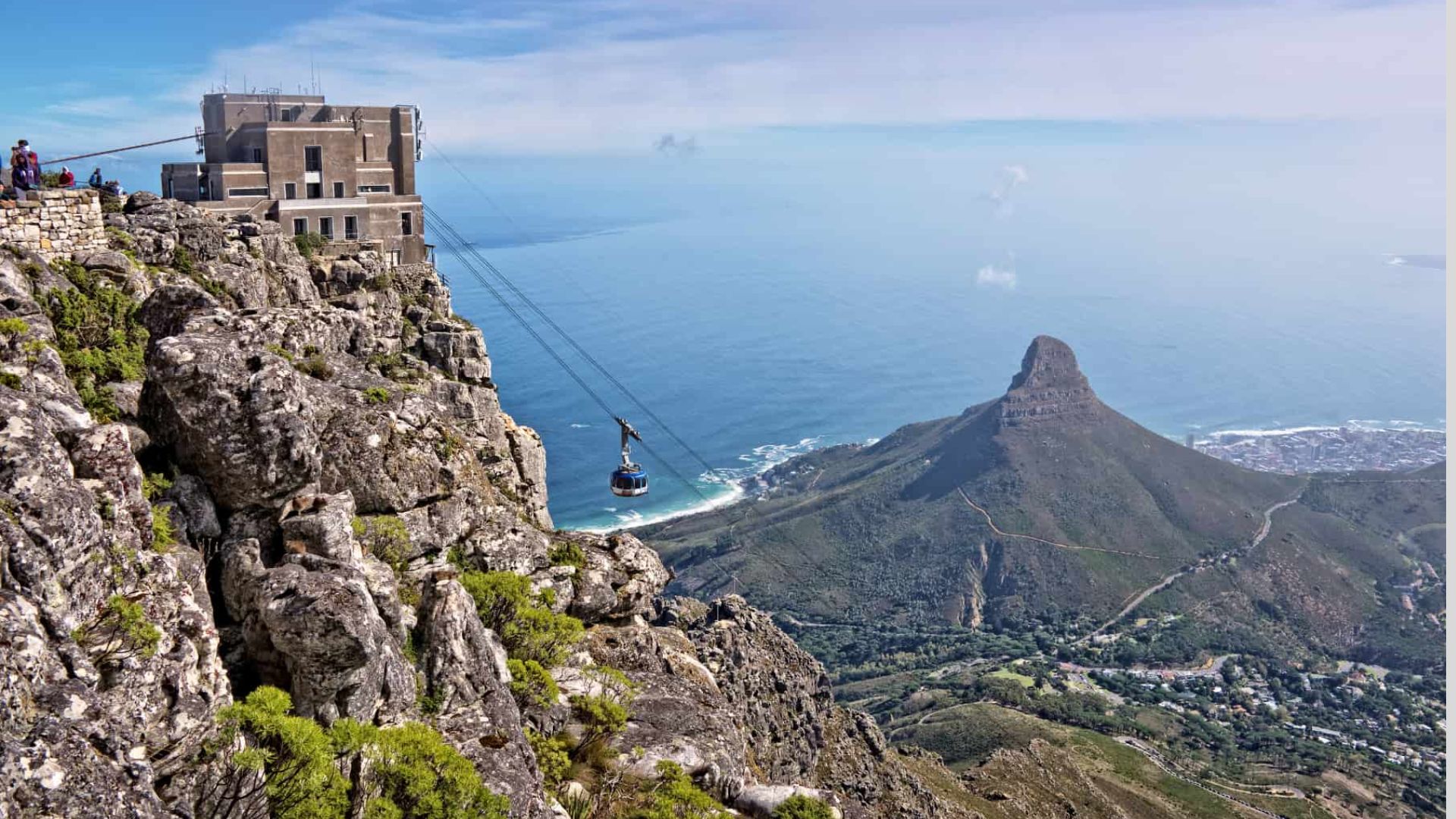
2. Ride the Cable Car on Table Mountain
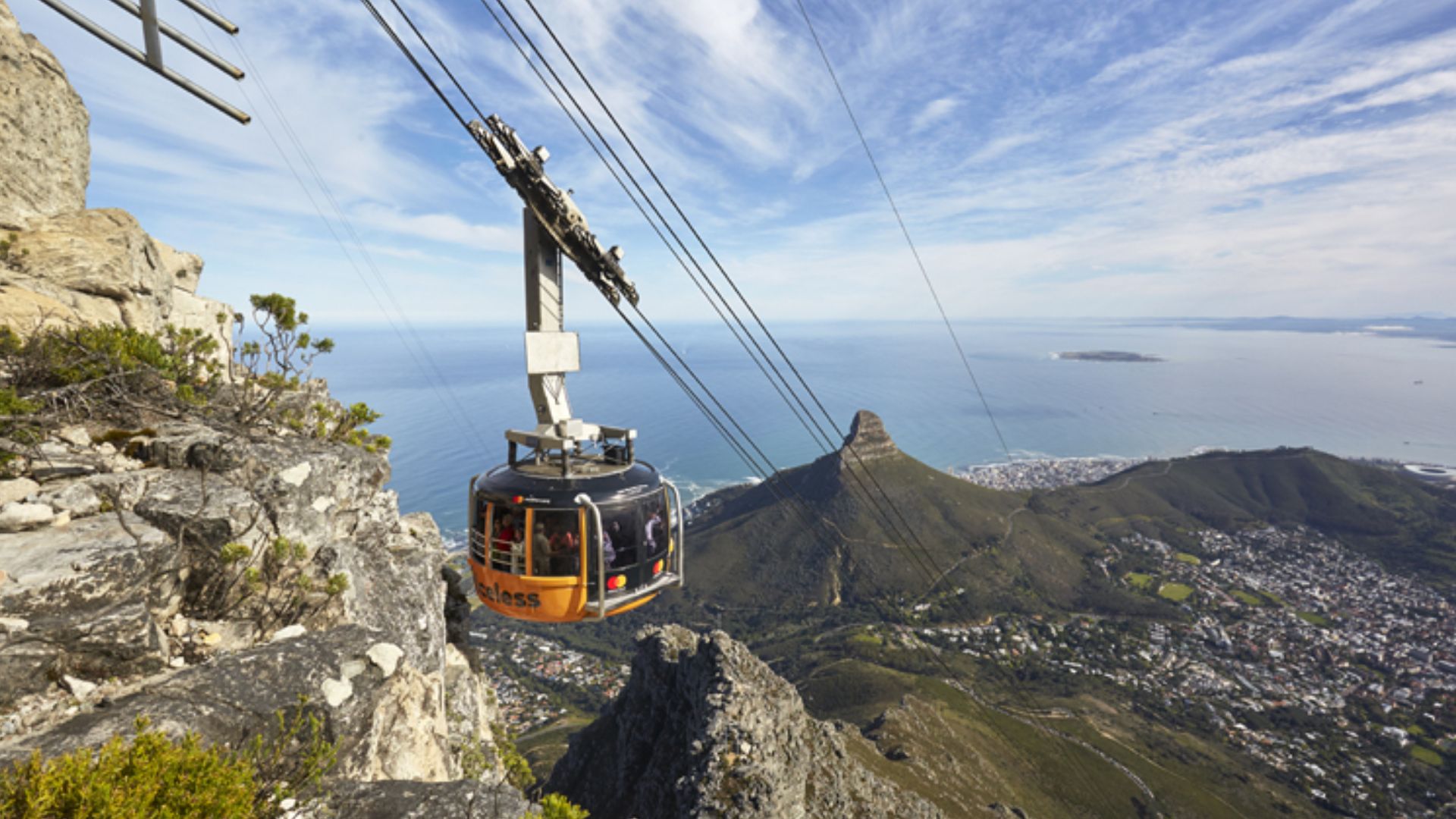
The cable car takes about five minutes from the Lower Cable Station to the summit. The rotating floor inside slowly turns during the ride, giving every passenger a full view without moving.
Buy tickets online in advance. Queues build fast by mid-morning. Return tickets cost around 420 ZAR for adults.
3. Go Hiking on Table Mountain Trails

Platteklip Gorge is the most popular trail, well-marked and taking about 1.5 to 2 hours to the top. India Venster is more scenic with some scrambling.
Skeleton Gorge starts from Kirstenbosch and climbs through shaded forest. Kasteelspoort is quieter and less crowded. Wear proper shoes and carry enough water on any route you choose.
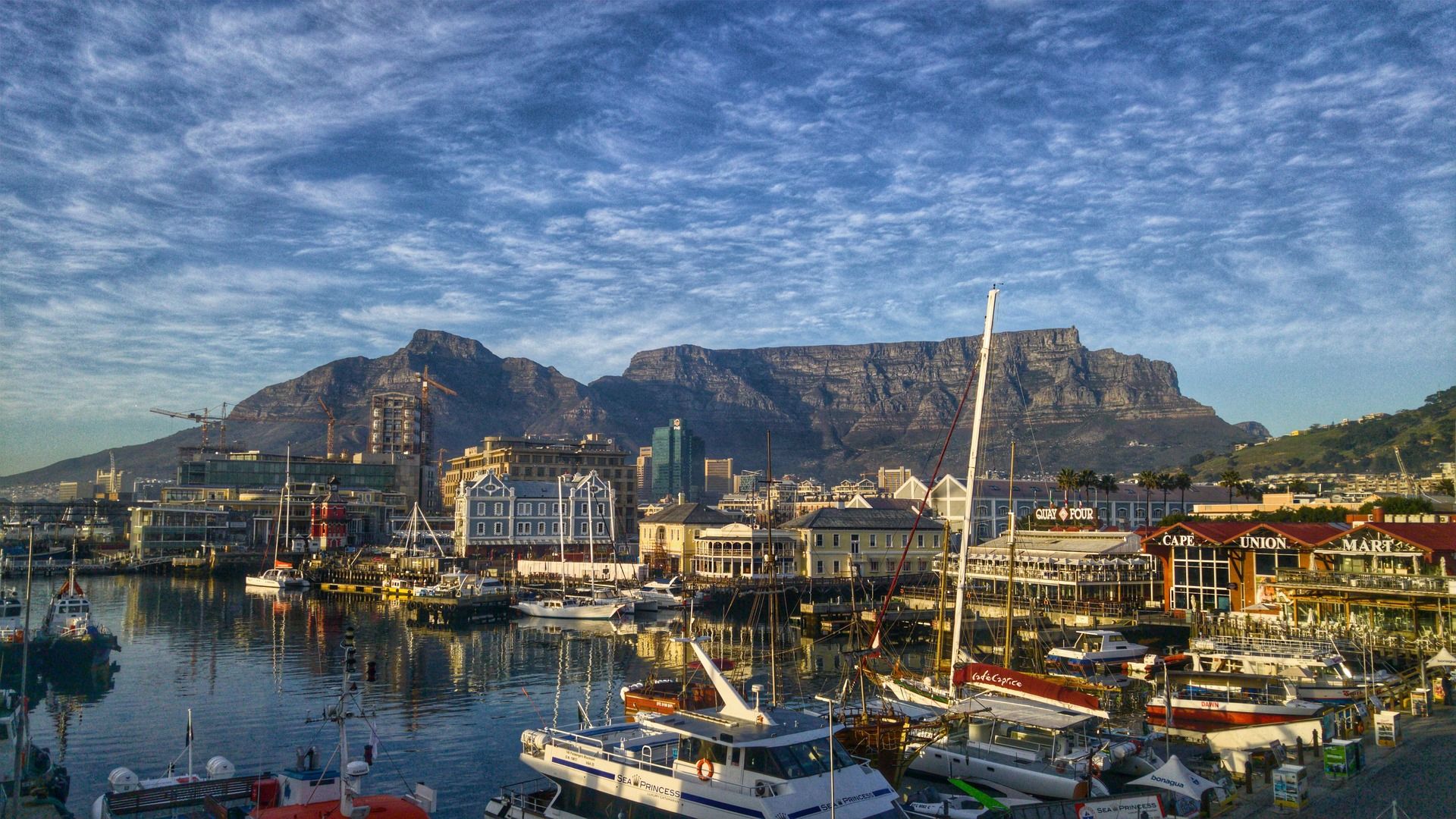
4. Visit the V&A Waterfront
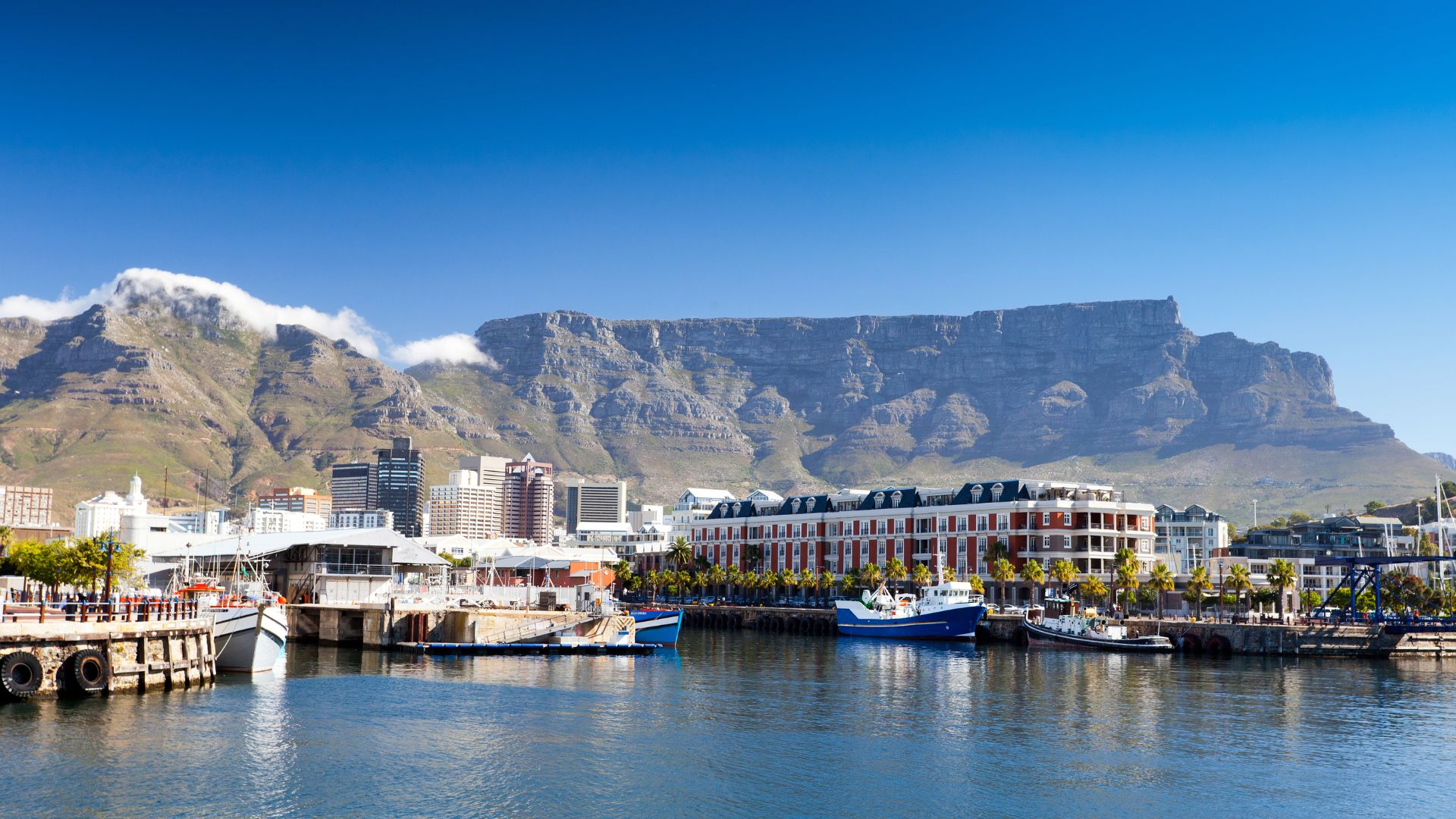
The V&A Waterfront combines a working harbour with restaurants, shops, and open walkways right on the edge of Table Bay. Boats move through the harbour and Table Mountain sits in the background behind it all.
It is one of the safest and most walkable parts of Cape Town, making it a natural first stop for new visitors.
5. Eat and Shop Around the V&A Waterfront Precinct

The Watershed market has over 150 local designers and food vendors under one roof. The Clock Tower area near the harbour has a good cluster of cafés and shops.
Nobel Square is a pleasant open-air space with water views. The Two Oceans Aquarium is worth adding if you have children. Food here ranges from casual seafood counters to proper sit-down restaurants.
6. Hike to the Top of Lion’s Head

Lion’s Head sits between Table Mountain and Signal Hill. The trail is a circular loop. The lower section is an easy path. Closer to the summit, iron rungs and chain sections help you up the steeper rock face.
The full hike takes about 2 to 3 hours. Views from the top cover the city, Camps Bay, and both coastlines. Start early to beat the heat and the crowds.
7. Watch Sunset from Lion’s Head

Lion’s Head faces west, making it one of the best spots in Cape Town to watch the sun drop into the Atlantic. The light across the city and water at that time of day makes the climb worth it.
The full moon hike is also popular, where people head up in the evening to watch the moon rise as the sun sets on the other side. Bring a headlamp if you plan to descend after dark.
8. Visit Cape Point

Cape Point sits about 65 km south of the city inside the Table Mountain National Park. The cliffs drop sharply into the sea and the views are wide and raw.
The old lighthouse at the top can be reached on foot or via the Flying Dutchman funicular. Allow at least half a day. Park entry is around 353 ZAR per adult. Keep car windows closed as baboons along the road are bold and quick.
9. Stop at the Cape of Good Hope

The Cape of Good Hope is a short drive from Cape Point within the same national park. The spot is open and windswept, with a rocky path leading down toward the water.
It is not the southernmost point of Africa, that is Cape Agulhas to the east, but it is where the Atlantic begins to meet the Indian Ocean, which makes it worth the stop.
10. Drive Along Chapman’s Peak Drive

Chapman’s Peak Drive is a 9 km coastal road carved into the cliffside between Noordhoek and Hout Bay. The cliff rises on one side and the Atlantic drops away far below on the other.
Pull-off points along the route let you stop and take in the coastline. A toll of around 50 ZAR applies. Check before you go as the road can close after heavy rain. Sunset is a particularly good time to drive it.
Best Beaches in Cape Town
Cape Town has beaches to suit every mood, from quiet and sheltered to lively and social.
11. Relax at the Beaches in Clifton
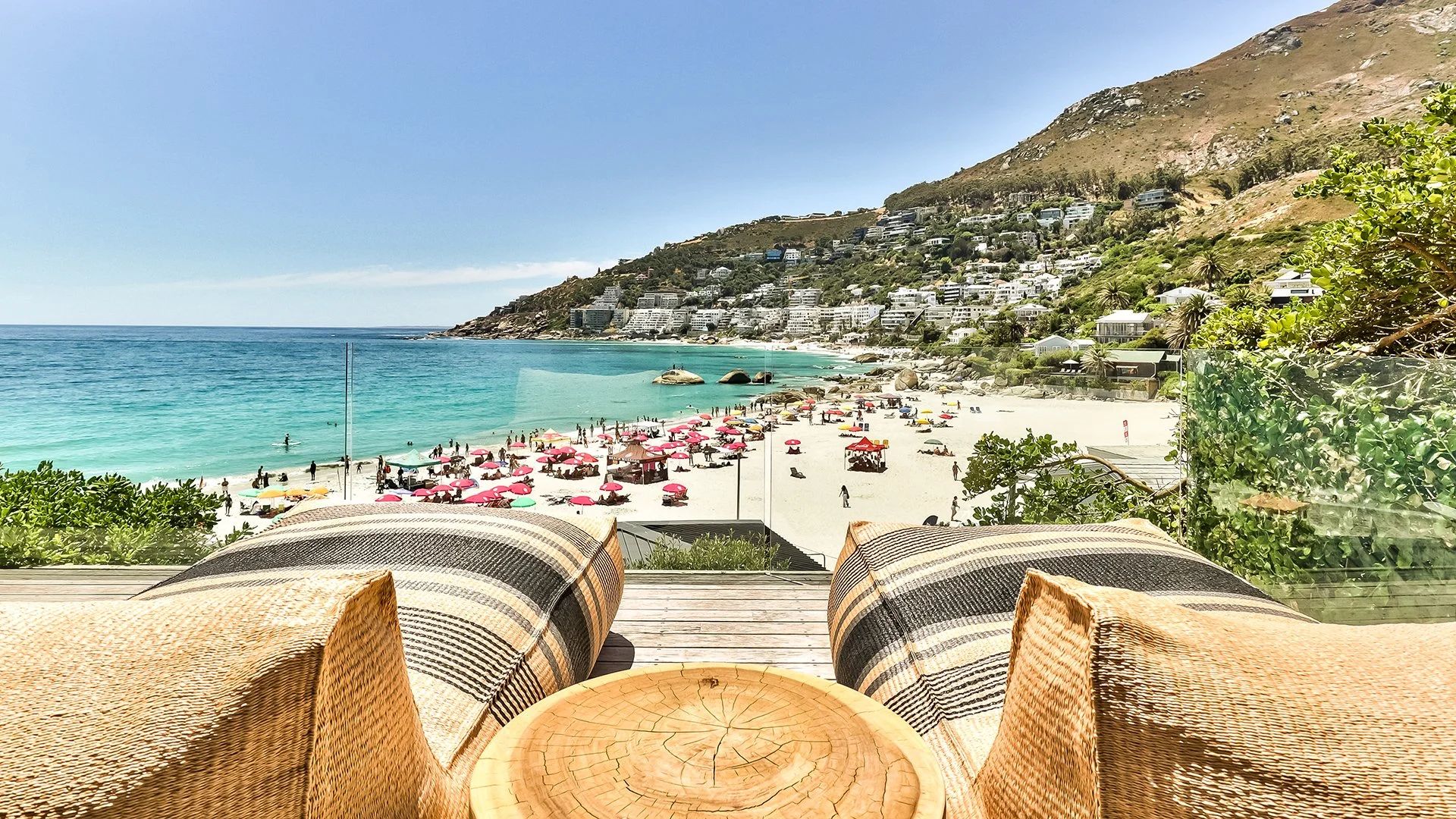
Clifton has four beaches sheltered from the south-east wind that sweeps Cape Town in summer. The water is cold but the white sand and granite boulders make the setting hard to beat.
The first and second beaches are quieter. Third and fourth are busier and more social. You reach each beach by walking down steps from the road above.
12. Spend Time at the Beach in Camps Bay
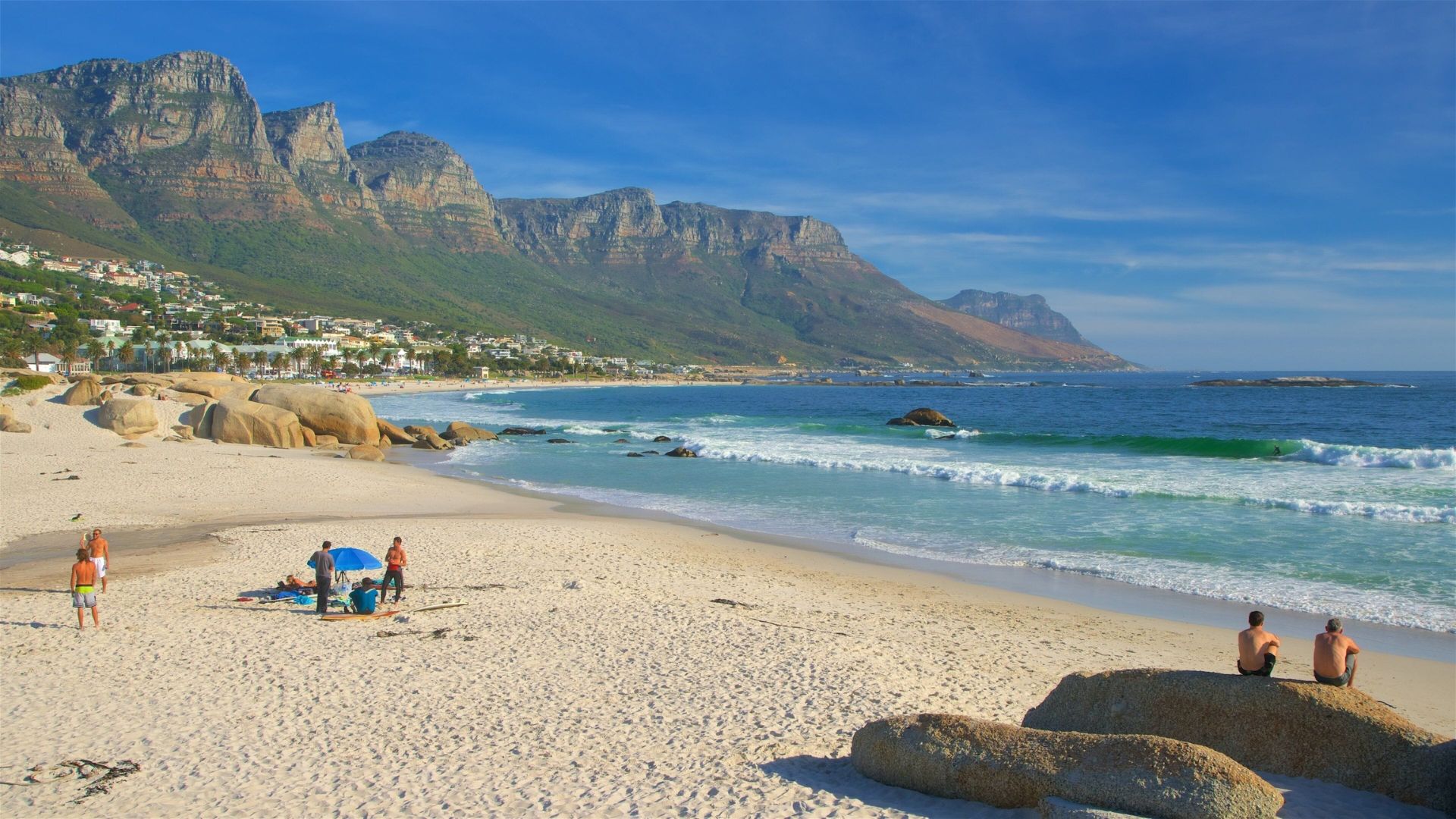
Camps Bay sits at the base of the Twelve Apostles mountain range with a long stretch of white sand and a row of restaurants and cafés along the road behind it.
The atmosphere is lively on summer weekends. If you want one beach day that combines a great setting and easy access to food, Camps Bay is the straightforward choice.
Culture, History and Local Experiences
Some of the most rewarding things to do in Cape Town have nothing to do with mountains or beaches.
13. Visit the District Six Museum

The District Six Museum documents the forced removal of around 60,000 residents from a mixed-race Cape Town neighbourhood during the 1970s under apartheid laws.
It is housed in a former church and filled with photographs, personal belongings, and testimonies from people who were displaced.
It is an emotional and important experience. Entry costs around 80 to 100 ZAR. Allow at least 1.5 hours.
14. Join a Guided Food Tour in the City Centre
 f
f
A guided food tour takes you through areas like Bo-Kaap or the Old Biscuit Mill with a local guide who stops at vendors, market stalls, and small restaurants. You try local food while your guide explains the cultural background behind it.
Tours run for 3 to 4 hours and cost between 600 and 1,200 ZAR. Book ahead as spots fill up quickly on weekends.
15. See African Penguins at Boulders Beach
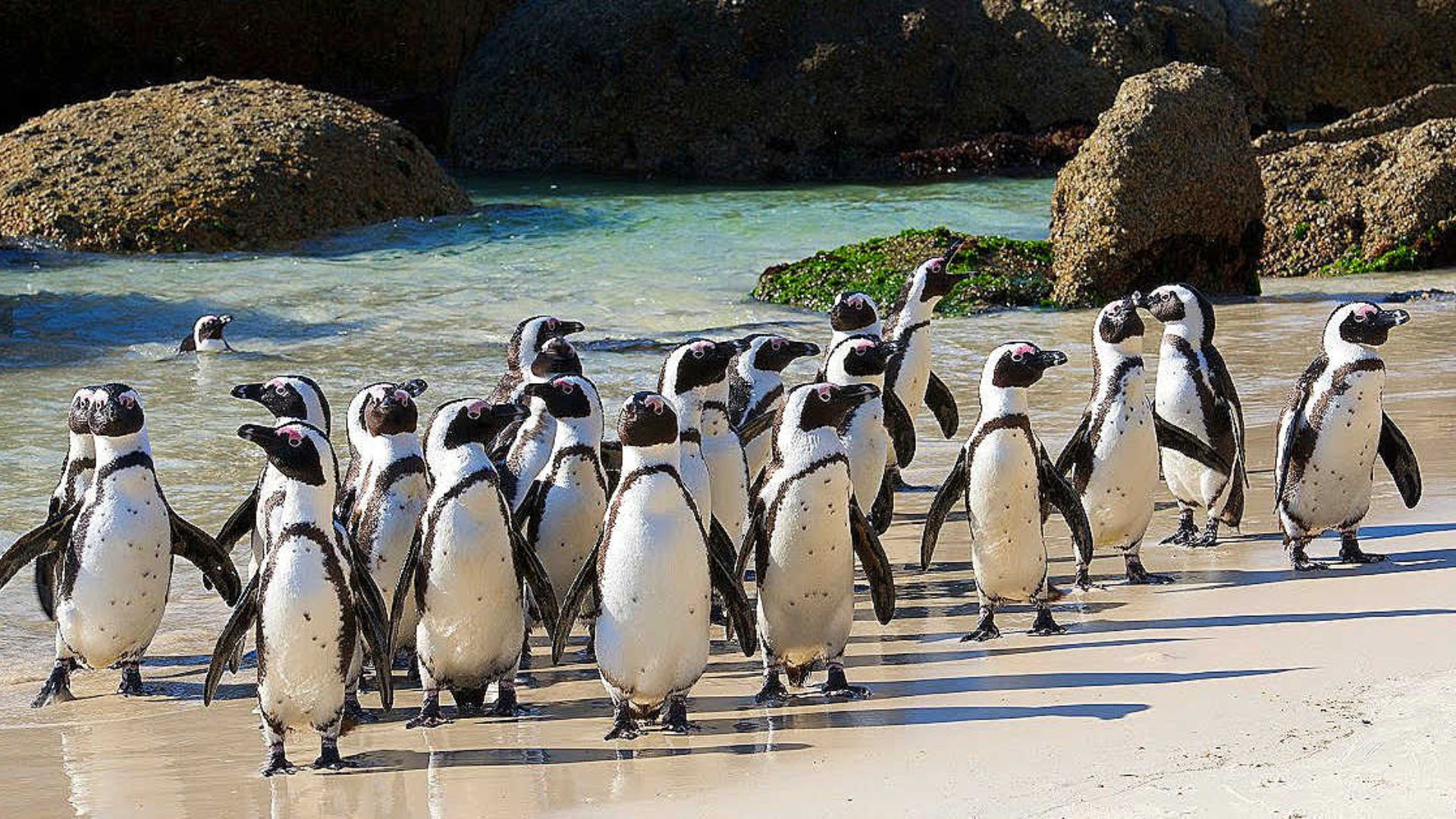
Boulders Beach is about 45 minutes south of the city near Simon’s Town. A large colony of African penguins nests here year-round among the granite boulders.
A boardwalk takes you close without disturbing the birds. The penguins are completely relaxed around people. Entry costs around 200 ZAR per adult. Go early to avoid the busiest part of the day.
Cape Winelands and Nature
The area around Cape Town is home to some of South Africa’s best wine estates, gardens, and natural scenery.
16. Take a Day Trip to the Cape Winelands in Stellenbosch

Stellenbosch is about 45 minutes from Cape Town with well-kept Cape Dutch buildings and a strong café and restaurant culture. The surrounding valleys produce respected wines including Pinotage, Cabernet Sauvignon, and Chenin Blanc.
Rent a car or book a driver. Choose two or three estates rather than rushing through more, and plan at least one lunch at an estate restaurant.
17. Visit the Wine Town of Franschhoek

Franschhoek sits in a narrow mountain valley about 30 km from Stellenbosch. French Huguenot settlers founded it in the late 1600s, and that influence is still visible in the street names and food culture.
The main street is lined with wine shops and restaurants. The Franschhoek Wine Tram connects several estates throughout the valley and is a relaxed way to visit without driving.
18. Go Wine Tasting at the Estates Mentioned in the Blog
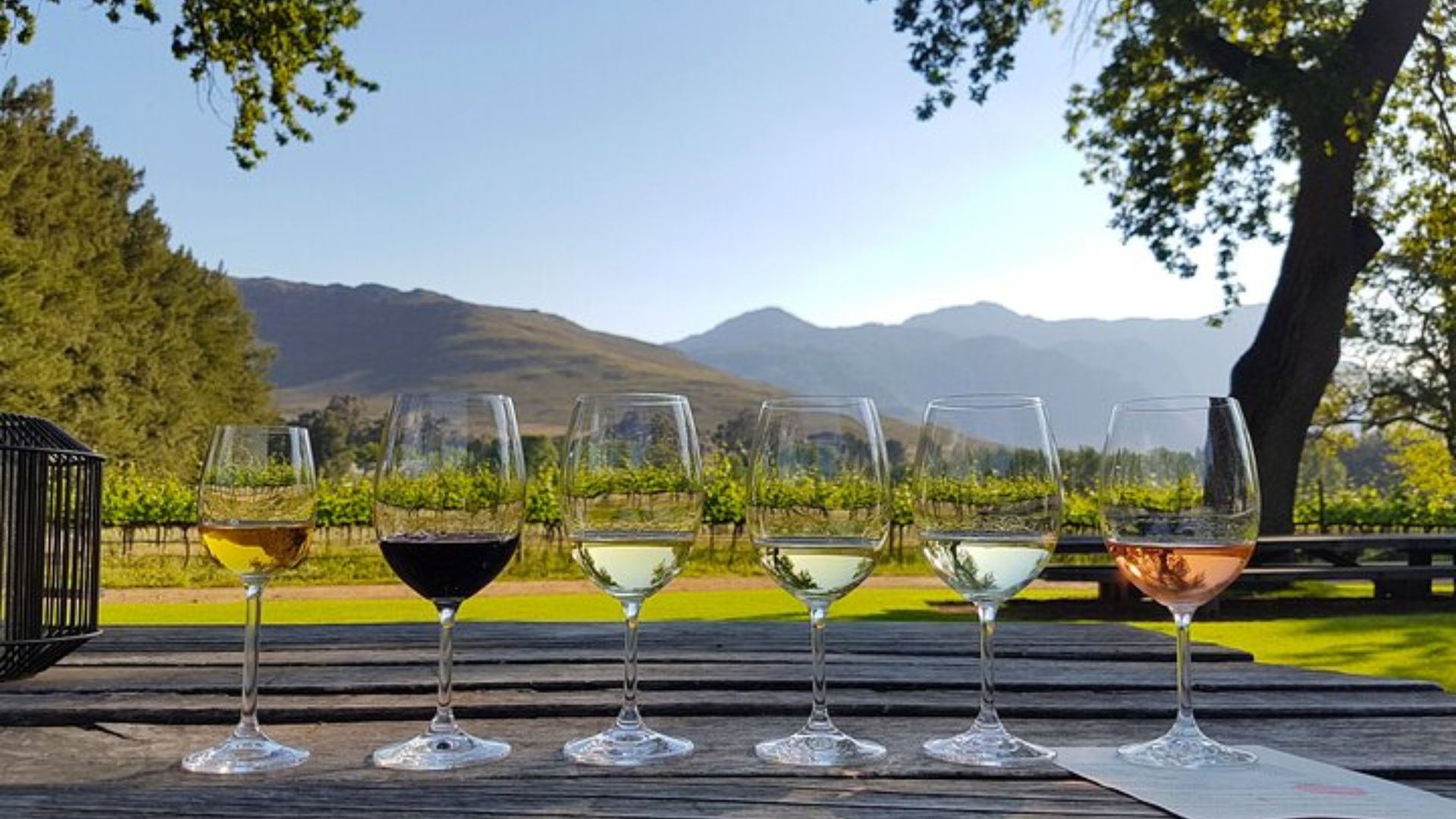
A few estates stood out during my time in the Winelands. Boschendal has strong whites and a well-known picnic lunch. Delaire Graff offers sweeping valley views and a high-end wine list.
La Motte in Franschhoek has solid reds and art on site. Spier is accessible and family-friendly. Grande Provence has a relaxed atmosphere and a lovely garden setting. Book ahead for tastings and lunches, especially on weekends.
19. Walk Through Kirstenbosch National Botanical Garden
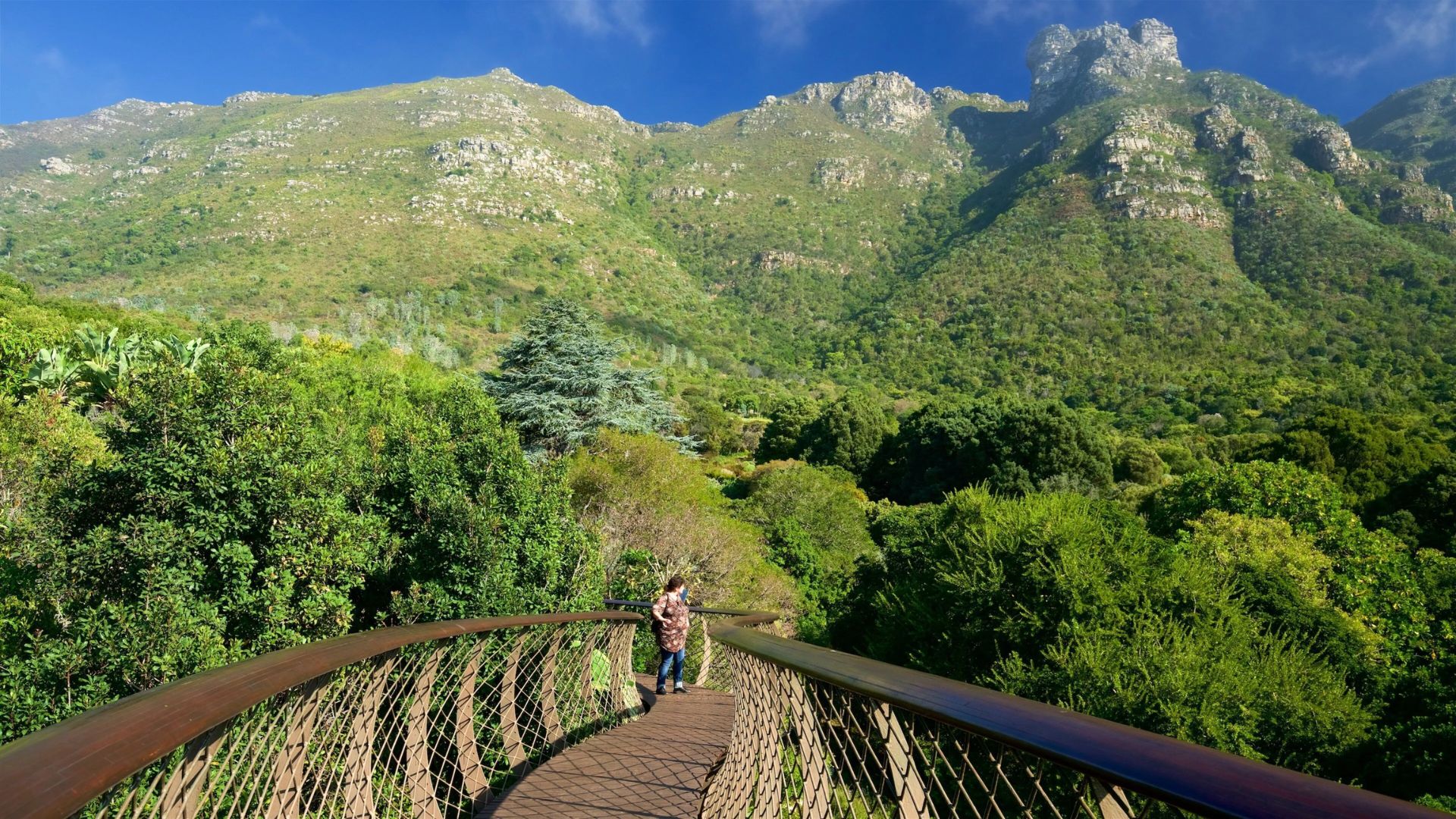
Kirstenbosch sits on the eastern slopes of Table Mountain and covers around 528 hectares of indigenous plants including fynbos, proteas, and cycads. Easy walking paths wind through different sections.
There is a café, restaurant, and gift shop on site. In summer, open-air concerts run on Sunday afternoons with locals bringing picnics and blankets to the lawn.
20. Hike Skeleton Gorge from Within Kirstenbosch

The Skeleton Gorge trail starts at the upper end of the garden and climbs through dense indigenous forest to the summit of Table Mountain. It is shaded for much of the way, making it a better option on hot days than the open-face routes.
Near the top there are wooden ladders before you reach the plateau. The hike takes about 2.5 to 3 hours. Take the cable car back down from the summit.
Best Places to Eat and Drink in Cape Town
Cape Town has a serious food scene, and these are the spots I actually visited and would go back to.
21. Eat at Thali

Thali is a small Indian-inspired restaurant in the Gardens neighbourhood with bold sharing plates and a relaxed atmosphere. The food is well-spiced, generous, and great value.
It fills up fast in the evenings so booking ahead is a smart move. I ate here on my second night in Cape Town and would have gone back if I had more time.
22. Dine at Chefs Warehouse at Tintswalo
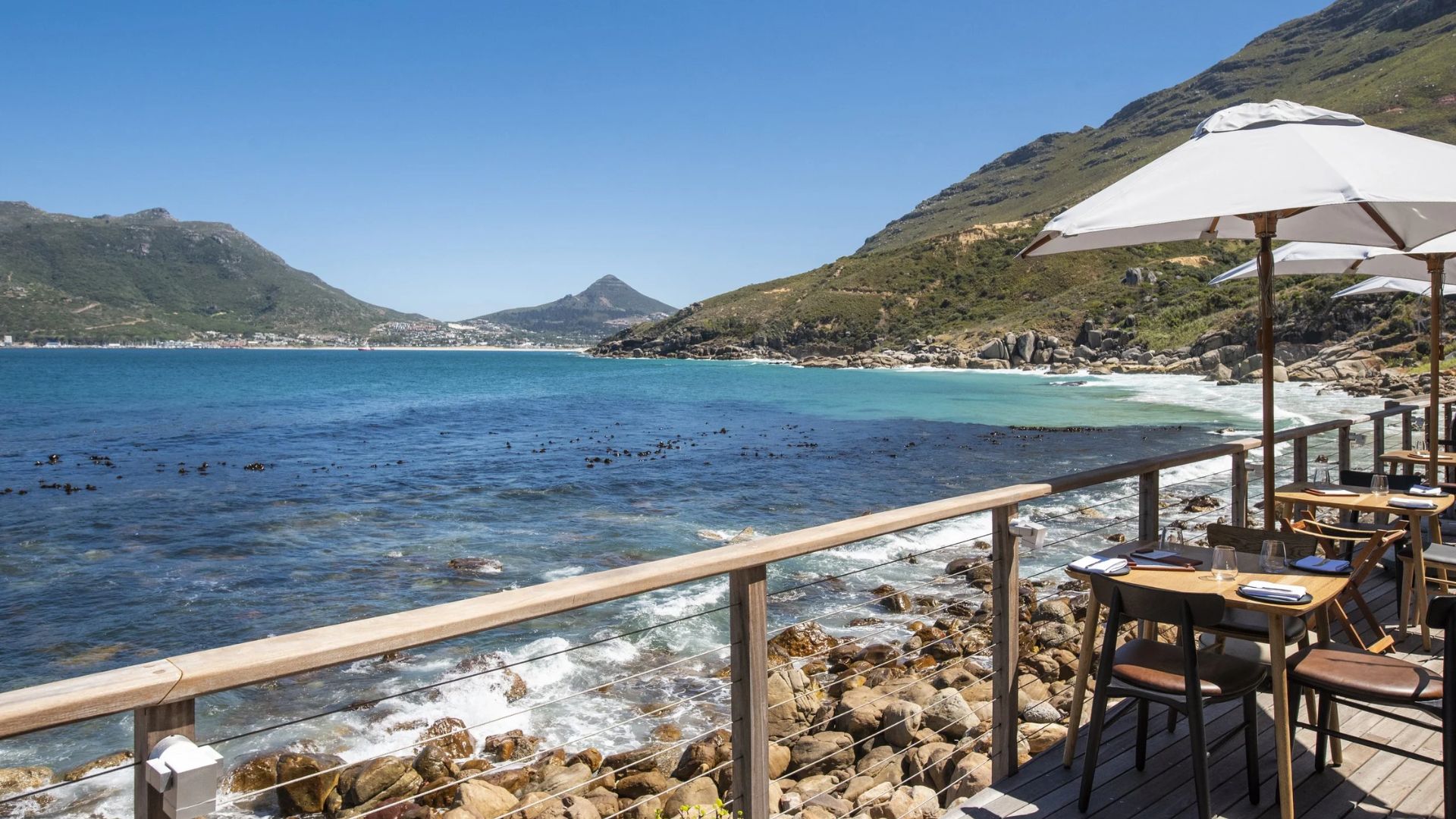
Chefs Warehouse at Tintswalo runs a set sharing menu format that lets the kitchen cover a wide range of creative dishes. The cooking is consistently high quality.
It is not the cheapest dinner in Cape Town, but for a special meal it delivers. Book well in advance as tables go quickly, particularly on weekends.
23. Enjoy Steak at The Butcher Shop and Grill

The Butcher Shop and Grill has been a Camps Bay fixture for years. It focuses on quality beef, properly cooked, with a solid South African wine list alongside it.
The atmosphere is relaxed, the portions are generous, and the service is attentive. One of the most reliable steak dinners you will find in Cape Town.
24. Try Asian Cuisine at Tang at the Waterfront

Tang at the V&A Waterfront covers a wide range of Asian flavours, from dim sum and dumplings to sushi and sharing plates. The menu suits groups with different tastes.
The cooking is solid and consistent, and the harbour setting adds to the overall experience. It works well as a casual dinner or a longer lunch between Waterfront stops.
25. Have Seafood at The Codfather

The Codfather in Camps Bay works on a simple format. You choose your fish or shellfish from a fresh display and they cook it the way you want. No printed menu, just fresh produce done well.
It has been one of the most talked-about seafood spots in Cape Town for years. Arrive early or book ahead as it fills up quickly.
26. Visit Our Local for Casual Dining

Our Local is a relaxed café and bistro in Sea Point with good brunch plates, fresh salads, and easy lunch options. The coffee is good and the atmosphere feels genuinely local.
It is the kind of neighbourhood spot you find yourself returning to each morning when staying nearby. I went twice during my time in Sea Point.
27. Stop by Cushty for Brunch or Coffee

Cushty is a small, unpretentious spot with good coffee, well-made sandwiches, and a comfortable atmosphere. Nothing over-complicated.
The quality is consistent and the prices are fair. A solid stop for a quick lunch or a mid-morning break while moving around the city.
28. Grab Coffee at Heaven Coffee

If coffee matters to you when you travel, Heaven Coffee is worth seeking out. The espresso is carefully made and the baristas take their work seriously.
The space is small and pleasant to sit in. It is a well-run coffee shop that gets the fundamentals right every time.
29. Try Pastries at Jason Bakery
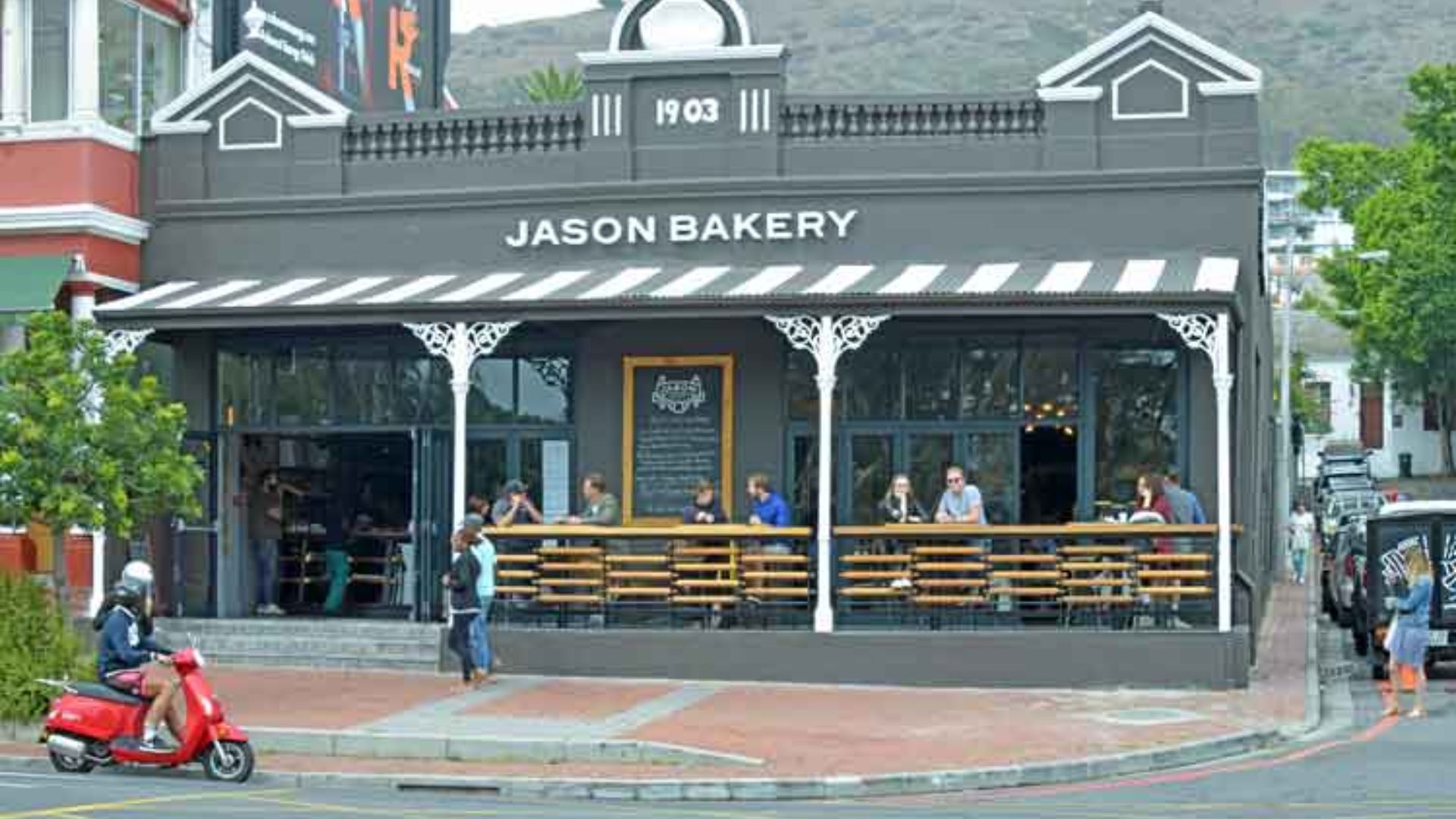
Jason Bakery has had a loyal following in Cape Town for years. The croissants are excellent, the pastries are made properly, and the bread is worth picking up to take back to your accommodation.
It gets busy in the morning, which is always a good sign. Go early and order more than you think you need.
30. Shop and Eat at Giovanni’s Deli
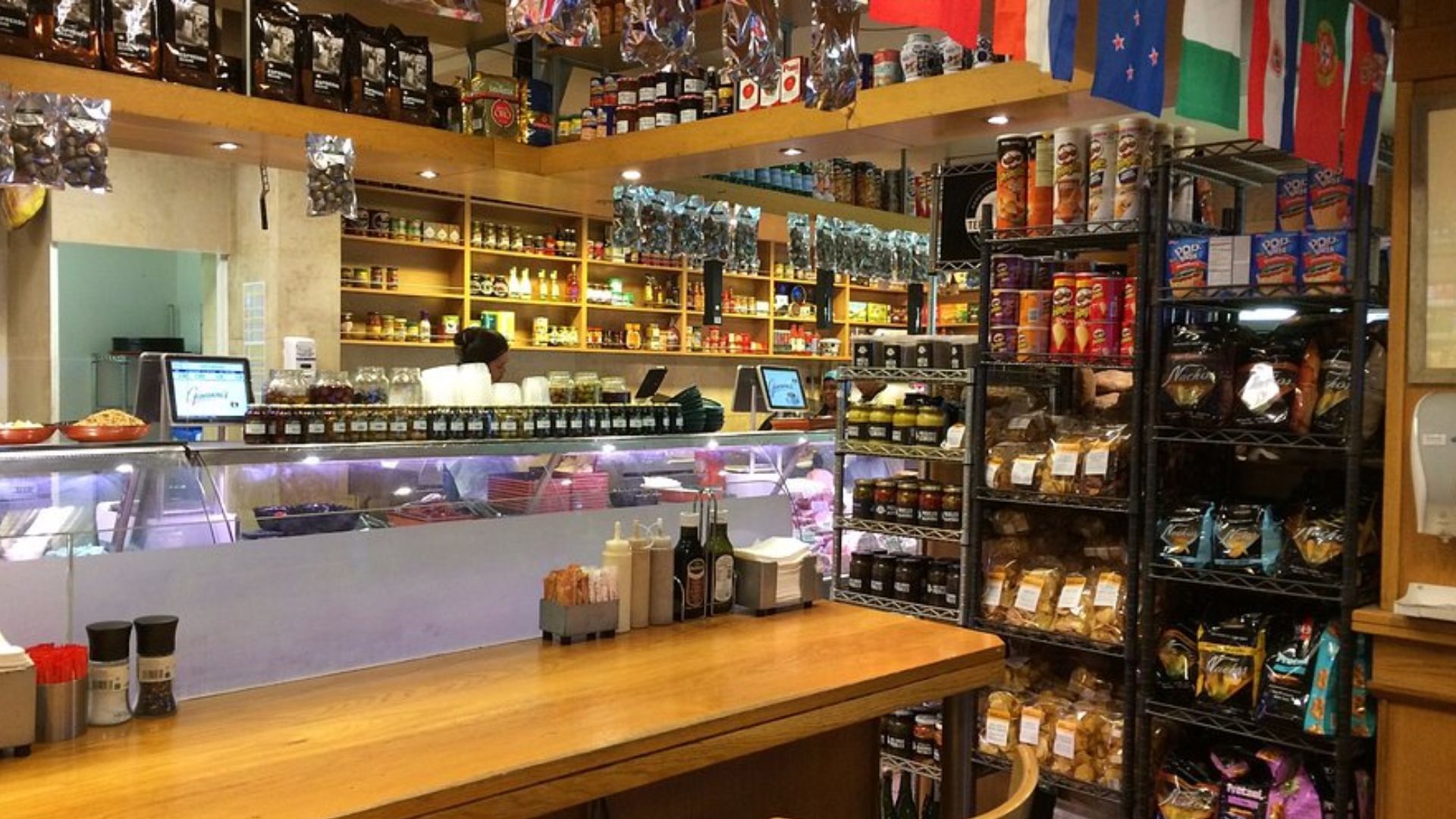
Giovanni’s in Green Point is a proper Italian-style deli that has been part of Cape Town for decades. It stocks imported and local cheese, good charcuterie, fresh pasta, and bread worth buying.
You can eat in, pick up picnic supplies, or stock the fridge if you have a kitchen. The fact that locals use it as a weekly shop tells you everything.
31. Have Sushi at Willoughby’s
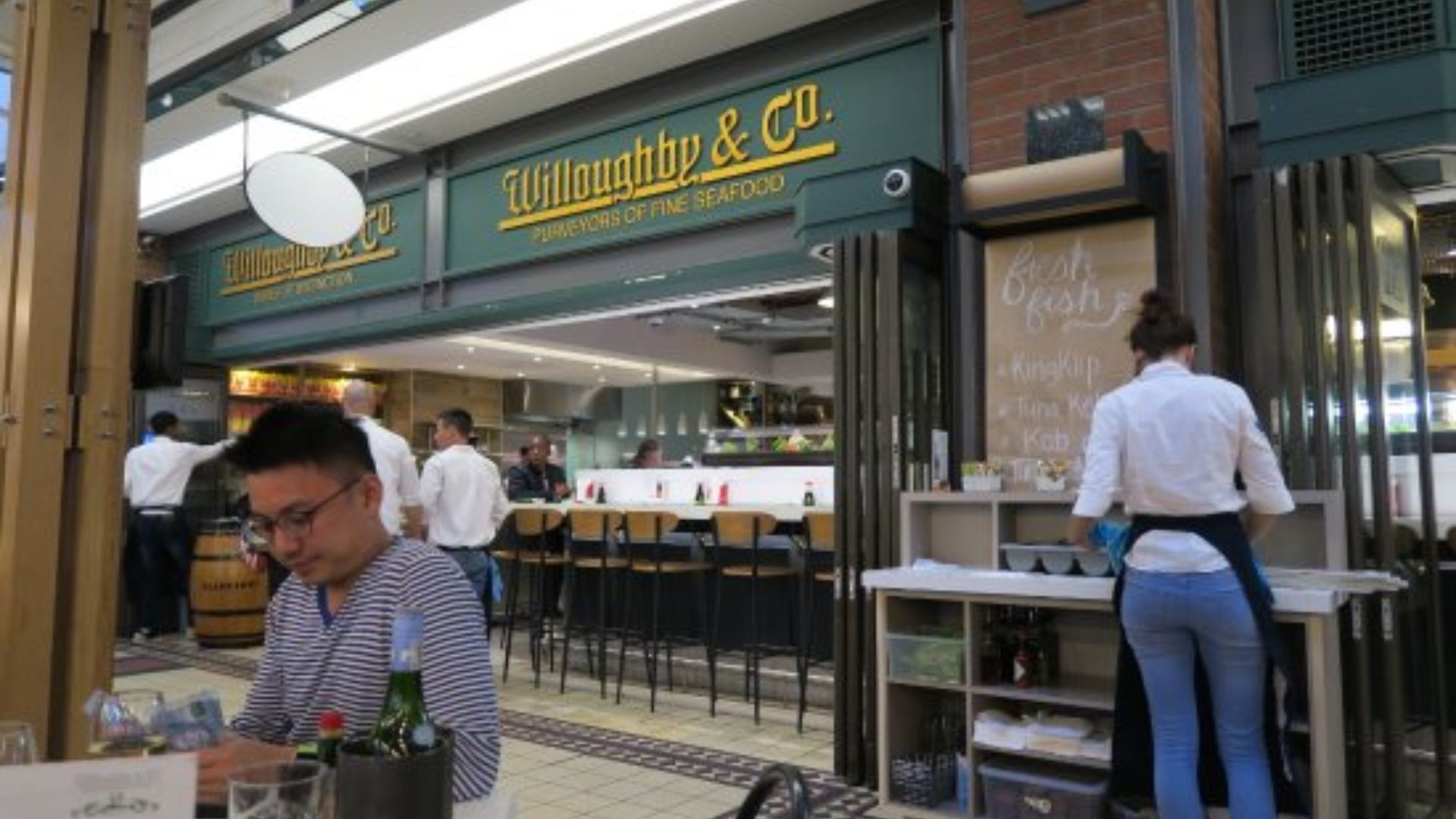
Willoughby’s is one of the most well-known restaurants at the V&A Waterfront. It is casual, consistently good, and offers a broad menu of sushi and fresh seafood.
Busier and more informal than some nearby options, it is a practical choice when you want a relaxed meal without a long wait.
32. Relax at The Lawns

The Lawns sits at the Vineyard Hotel in Newlands, a short drive from the city centre. It is a calm outdoor dining spot surrounded by green space.
The food is well-made and the setting encourages you to slow down. It feels more like a neighbourhood restaurant than a hotel dining room, which is exactly what makes it worth visiting.
33. Browse and Eat at Oranjezicht City Farm Market
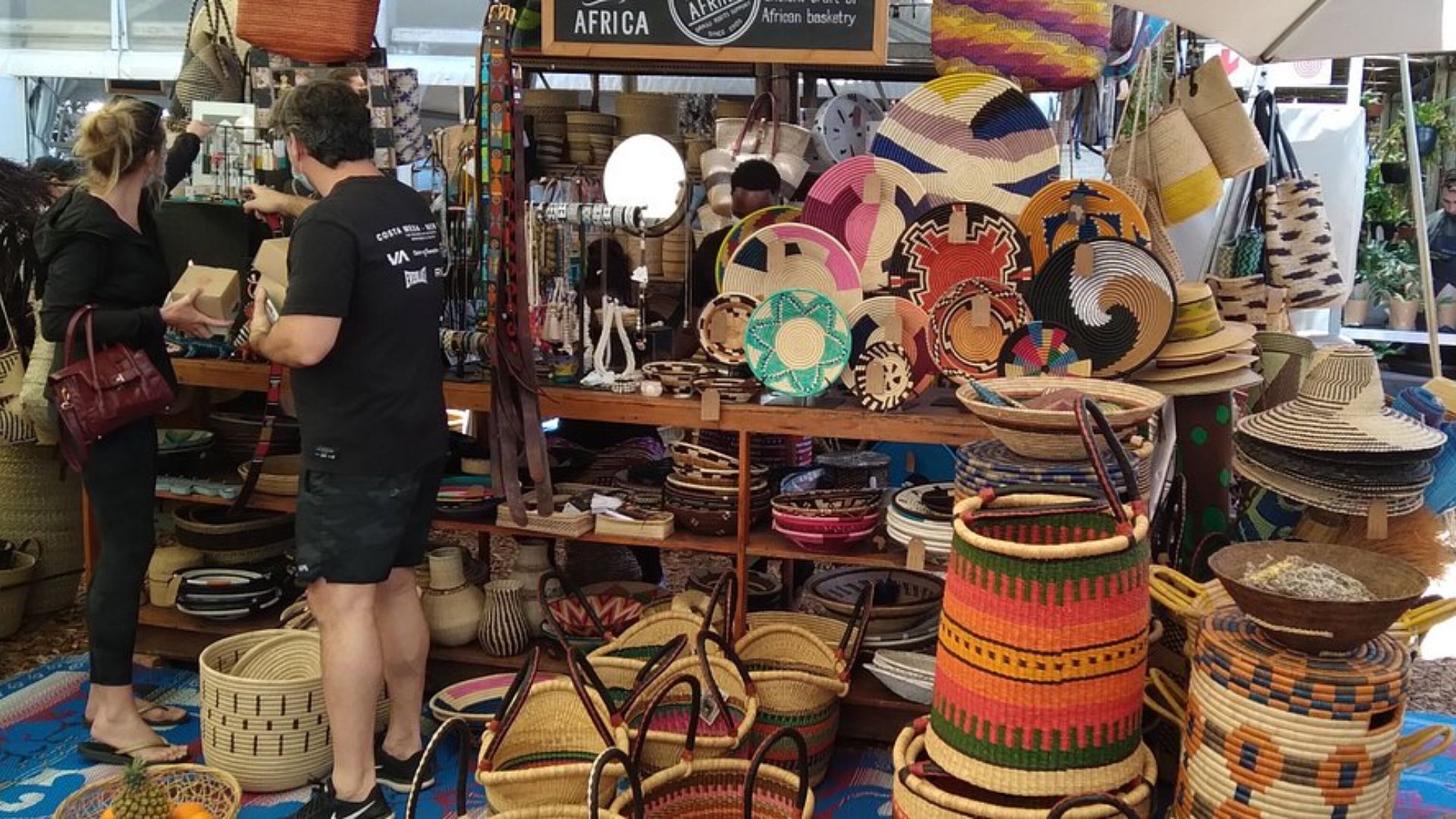
The Oranjezicht City Farm Market runs on Saturday mornings near the V&A Waterfront at Granger Bay. Local producers sell organic produce, prepared food, bread, cheese, and coffee in a relaxed open-air setting.
Table Mountain sits in the background over the water. I went twice during my trip. Both times were worth getting up early for.
34. Dine at The Greek Fisherman
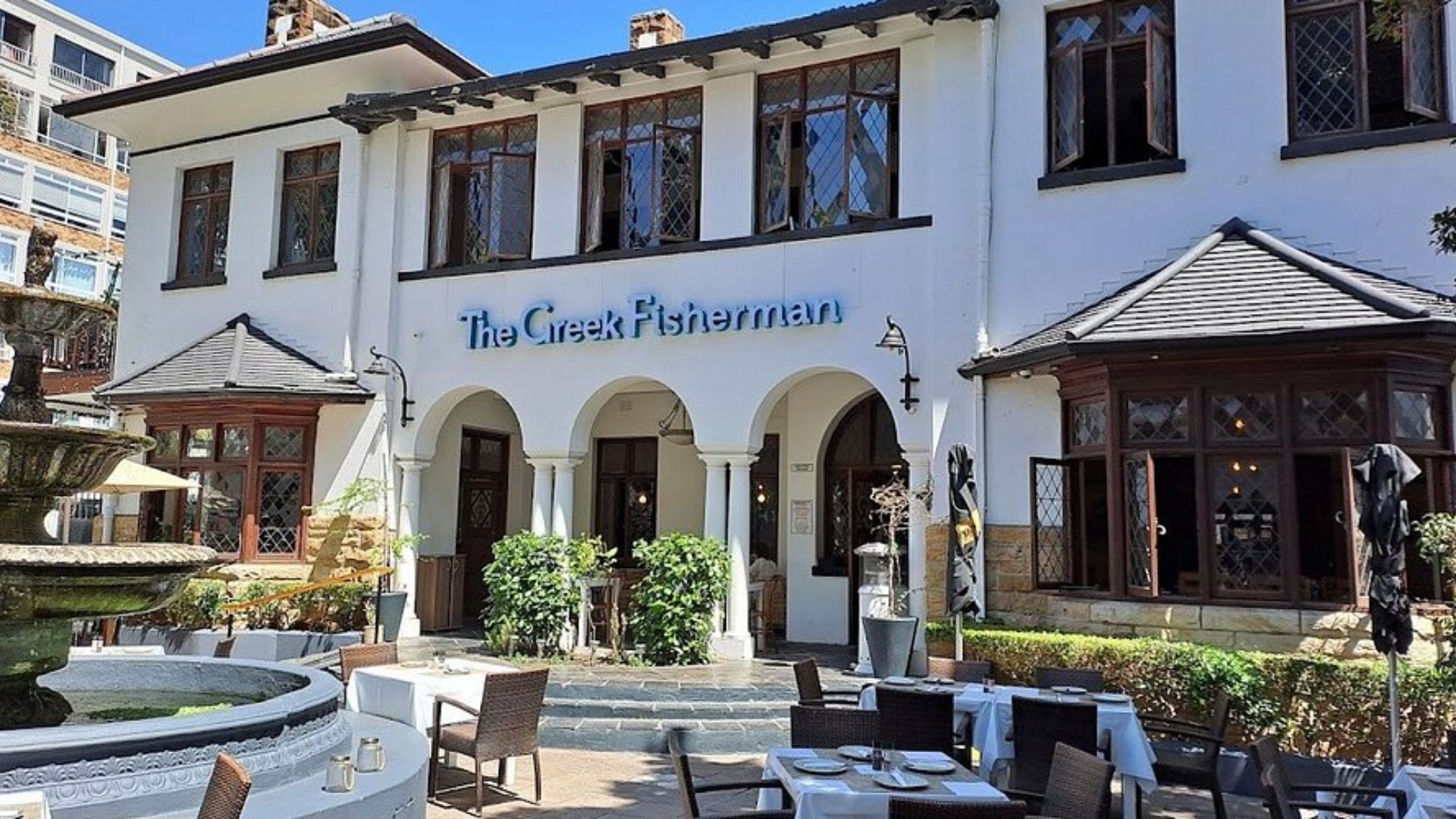
The Greek Fisherman is a Sea Point staple serving fresh fish, grilled meats, and shared mezze plates. The menu is straightforward, portions are generous, and prices are reasonable.
The atmosphere is warm and informal. A reliable choice for a relaxed dinner when you are based in the Sea Point or Green Point area.
Getting Around and Planning Your Visit
A little planning before you arrive makes a big difference to how smoothly your trip runs.
35. Get Around the City Using Local Transport
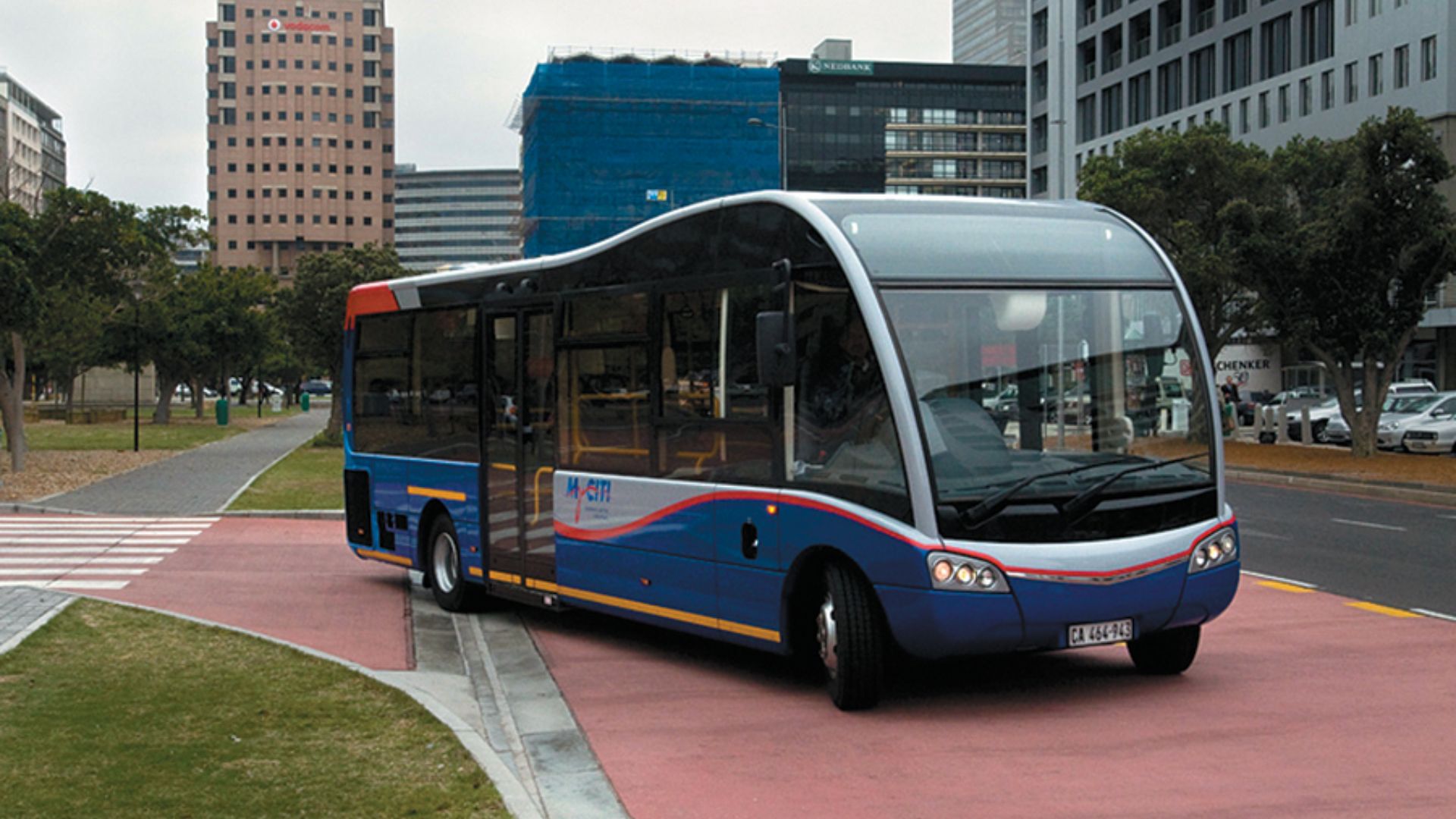
Uber and Bolt are the most reliable options for getting around Cape Town, widely available and reasonably priced. The MyCiTi bus connects the airport, City Bowl, Green Point, Sea Point, and the Waterfront at low cost.
Avoid unlicensed minibus taxis if you are unfamiliar with the routes. For anything beyond the main tourist areas, a rental car gives you the most freedom.
36. Visit Cape Town at Your Own Pace With a Rental Car

A rental car makes a real difference if you plan to go beyond the city centre. Chapman’s Peak, Cape Point, Boulders Beach, and the Winelands are all significantly easier with your own transport.
Roads are well-signed, traffic moves on the left, and GPS works reliably throughout. Book in advance and avoid leaving valuables visible when parked.
37. Plan Your Visit Around the Best Season
November to March is the best time to visit. Days are long, the weather is warm, and most outdoor activities are fully open. April and May are also good with fewer crowds and lower prices.
June to August brings cooler, wetter weather but is the cheapest time to visit. The Winelands are particularly good during winter.
38. Learn Currency and Payment Basics Before You Arrive

The South African Rand is the local currency. Cards are widely accepted in restaurants and shops, but carry some cash for markets and smaller vendors. Withdraw Rand from ATMs inside banks or shopping centres rather than street machines.
Tipping is expected. Ten to 15 percent at restaurants is standard.
39. Follow Basic Safety Tips While Sightseeing
Cape Town is safe for visitors who stay aware and plan sensibly. Stick to well-known areas during the day and use Uber or Bolt rather than street taxis at night.
Do not leave valuables visible in a parked car. Keep bags close in busy public areas and book tours with reputable operators.
40. Plan a Combined Beaches, Hikes and Food Itinerary

Cape Town works best when you mix different types of activities across your trip. A good day might start with a morning hike, move to a beach in the afternoon, and end with dinner at one of the neighbourhood restaurants.
Spreading your time across the city, the peninsula, and the Winelands gives you a much fuller picture of what Cape Town has to offer.
Where to Stay in Cape Town
Choosing the right area and the right type of accommodation makes a real difference to your overall experience.
Best Neighbourhoods to Stay In
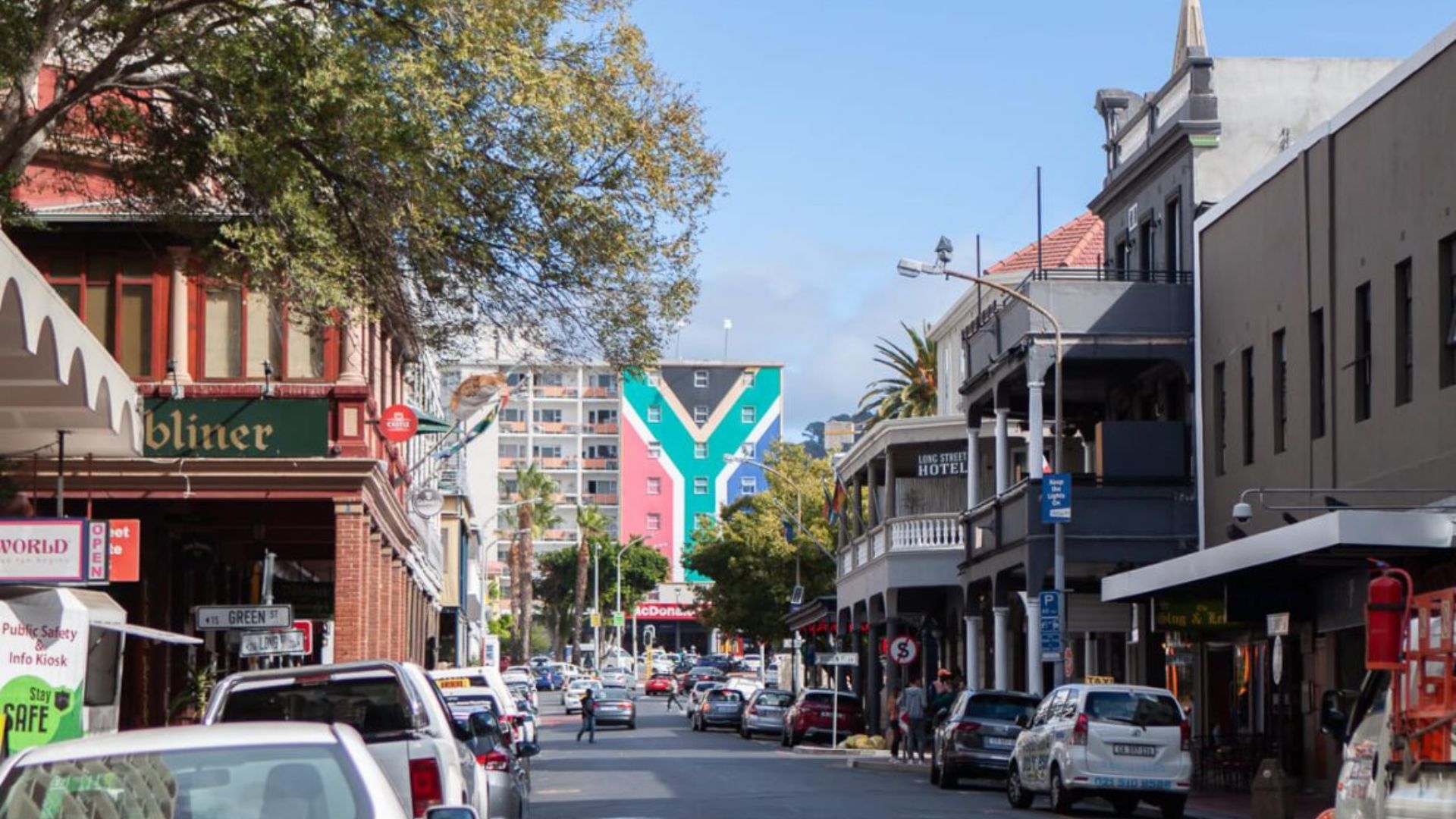
These areas are well-positioned, easy to get around from, and feel more local than the main tourist zones.
- Stay in the Green Point Neighbourhood: Green Point sits between the V&A Waterfront and Sea Point, within easy reach of good restaurants, coffee shops, and the seafront promenade. Getting to Table Mountain, Camps Bay, or the city centre takes less than 15 minutes by car.
- Stay in Sea Point: Sea Point runs along the Atlantic and has a long beachfront promenade, a good selection of restaurants, and a relaxed local character. It is well-connected to the rest of the city and suits visitors who want a quieter base close to the water.
- Stay in Gardens and Tamboerskloof: Gardens and Tamboerskloof sit on the lower slopes of Table Mountain just above the city centre. Both are quiet and residential with a good range of guesthouses and boutique hotels. They suit travellers who want to feel more like a local while staying close to everything.
Luxury Hotels in Cape Town

These hotels are among the best in the city, each offering a different kind of high-end experience.
- Stay at One&Only Cape Town: One&Only Cape Town is a large luxury hotel within the V&A Waterfront with a spa, multiple restaurants, a pool, and a marina setting. The location puts the entire Waterfront precinct at your door with easy access to the rest of the city.
- Stay at The Silo: The Silo is built inside a converted grain elevator at the V&A Waterfront and connects to the Zeitz Museum of Contemporary Art Africa in the floors below. The rooftop pool has one of the best views of Table Mountain in the city. It is expensive, but the experience is genuinely exceptional.
- Stay at Ellerman House: Ellerman House is a smaller, more intimate hotel in Bantry Bay looking directly over the Atlantic. It has a well-regarded wine cellar, an art collection throughout the property, and personal service that suits visitors who prefer a quieter, more private stay.
Boutique Hotels and Guesthouses in Cape Town

These smaller stays offer more character and a more personal experience than the larger hotel options.
- Stay at Labotessa Luxury Boutique Hotel: Labotessa is a boutique hotel in De Waterkant built around South African art, design, and materials. The service is personal, the rooms are well-designed, and the location puts you close to good restaurants with the Waterfront just a short drive away.
- Stay at The Cape Cadogan: The Cape Cadogan is a small boutique hotel in Gardens inside a restored historic building. It has a calm atmosphere that suits travellers who prefer smaller, quieter accommodation with easy access to the city centre and the mountain.
- Stay at Compass House: Compass House is a relaxed guesthouse in Sea Point, a short walk from the seafront promenade and the neighbourhood’s restaurants and cafés. Rooms are comfortable, hosts are friendly, and the location gives easy access to the rest of the city.
- Stay at Gorgeous George: Gorgeous George is a boutique hotel in the centre of Cape Town with bold interiors that feel distinctly local. The rooftop pool sits above the city with views of Table Mountain. A strong choice if you want a design-led hotel in the heart of the city.
- Stay at The Silo Hotel Neighbourhood Alternatives: If the larger hotels are outside your budget, the De Waterkant and Bo-Kaap areas have several well-run guesthouses and smaller boutique stays that offer real character at a lower price point. Both neighbourhoods are central, walkable, and full of good places to eat nearby.
Practical Travel Tips for First-Time Visitors
Cape Town is easy to visit if you go in prepared. Here are the most useful things to know before you arrive.
- Rent a car if you plan to visit the peninsula. Uber and Bolt work well for getting around the city.
- Withdraw Rand from ATMs inside banks or shopping centres. Carry some cash for markets and smaller vendors.
- Tip 10 to 15% at restaurants. A few Rand for petrol station attendants is also standard practice.
- Use sun protection every day. The sun in Cape Town is strong, especially on the water and mountains.
- Book popular restaurants and Table Mountain tickets in advance. Things fill up fast during the summer months.
Final Thoughts
Cape Town stayed with me long after I left. It is one of those cities that gets into your head, the mountain always in view, the light in the afternoon, the food, the wine, the ocean.
I hope this guide helps you plan a trip that feels real and not just ticked off a list. If you go, take your time. Walk more than you think you need to. Eat well.
If you have questions or want to share what you did in Cape Town, leave a comment below. I read every one. And if this guide helped you, share it with someone else planning the same trip.
Frequently Asked Questions
How many days do you need in Cape Town?
Most visitors need 5 to 7 days for the main highlights. Add a few more days if you plan to include the Winelands and the full Cape Peninsula.
Do I need a visa to visit Cape Town?
It depends on your nationality. The US, UK, and most EU countries do not need a visa for short stays. Check the South African Department of Home Affairs website before you travel.
Is Cape Town expensive to visit?
Cape Town is very affordable for international visitors. Accommodation, food, and activities cost significantly less than in most Western countries.
What language do people speak in Cape Town?
English is widely spoken across the city. You will also hear Afrikaans and Xhosa. Communication is rarely an issue for visitors.
Can I visit Cape Town with children?
Yes. Boulders Beach, the Two Oceans Aquarium, Kirstenbosch, and the V&A Waterfront are all great options for families with children.
