


I still remember my first sunrise at Big Bend. The way the light hit those canyon walls stopped me mid-step. After visiting dozens of national parks, this one was different.
Things to do in Big Bend go way beyond typical tourist spots.
I’m talking canyon hikes that make your jaw drop, roads that wind through landscapes you didn’t know Texas had, and night skies so dark you’ll see galaxies with your naked eye.
This guide covers the best things to do in Big Bend National Park based on what actually matters. No fluff, just real experiences.
Let’s get started.
Why Big Bend National Park Is Worth Visiting
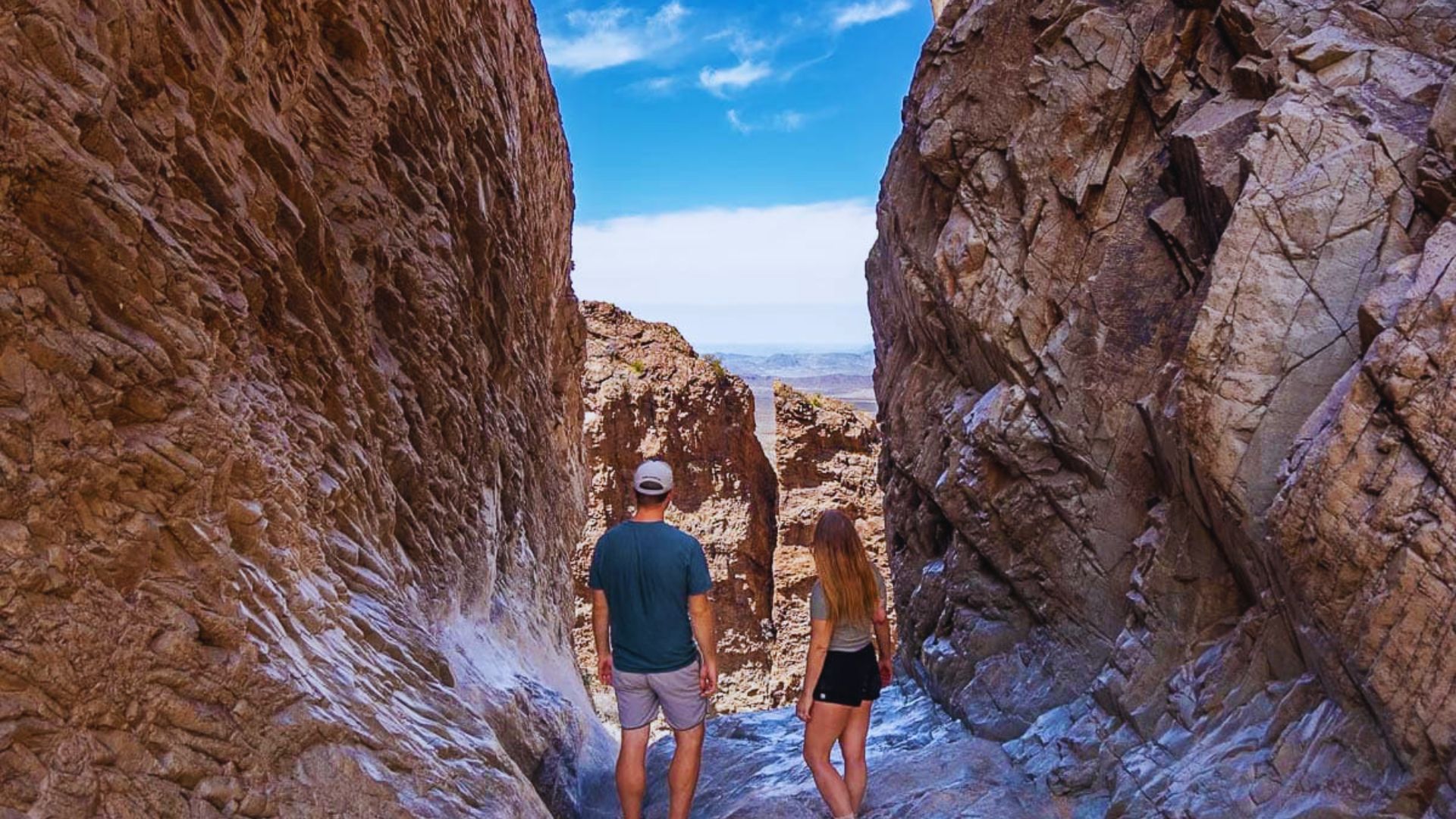
Big Bend sits in southwest Texas along the Mexican border. It covers over 800,000 acres of raw, untouched wilderness.
The park protects three distinct ecosystems: the Chisos Mountains, the Chihuahuan Desert, and the Rio Grande River corridor.
You can hike through pine forests in the morning and visit desert canyons by afternoon.
It’s one of the best things to do in Big Bend National Park if you love nature without the crowds. You’ll find solitude here that’s hard to come by in more popular parks.
Couples love the romance of sunset views and hot springs. Solo travelers appreciate the quiet.
Photographers get incredible shots at every turn. Families find plenty of easy trails and ranger programs to keep kids engaged.
Top Things to Do in Big Bend National Park
Here’s where the real thrill begins. I’ve broken down the top things to do in Big Bend National Park into activities that work for different interests and fitness levels.
1. Hike the Santa Elena Canyon Trail
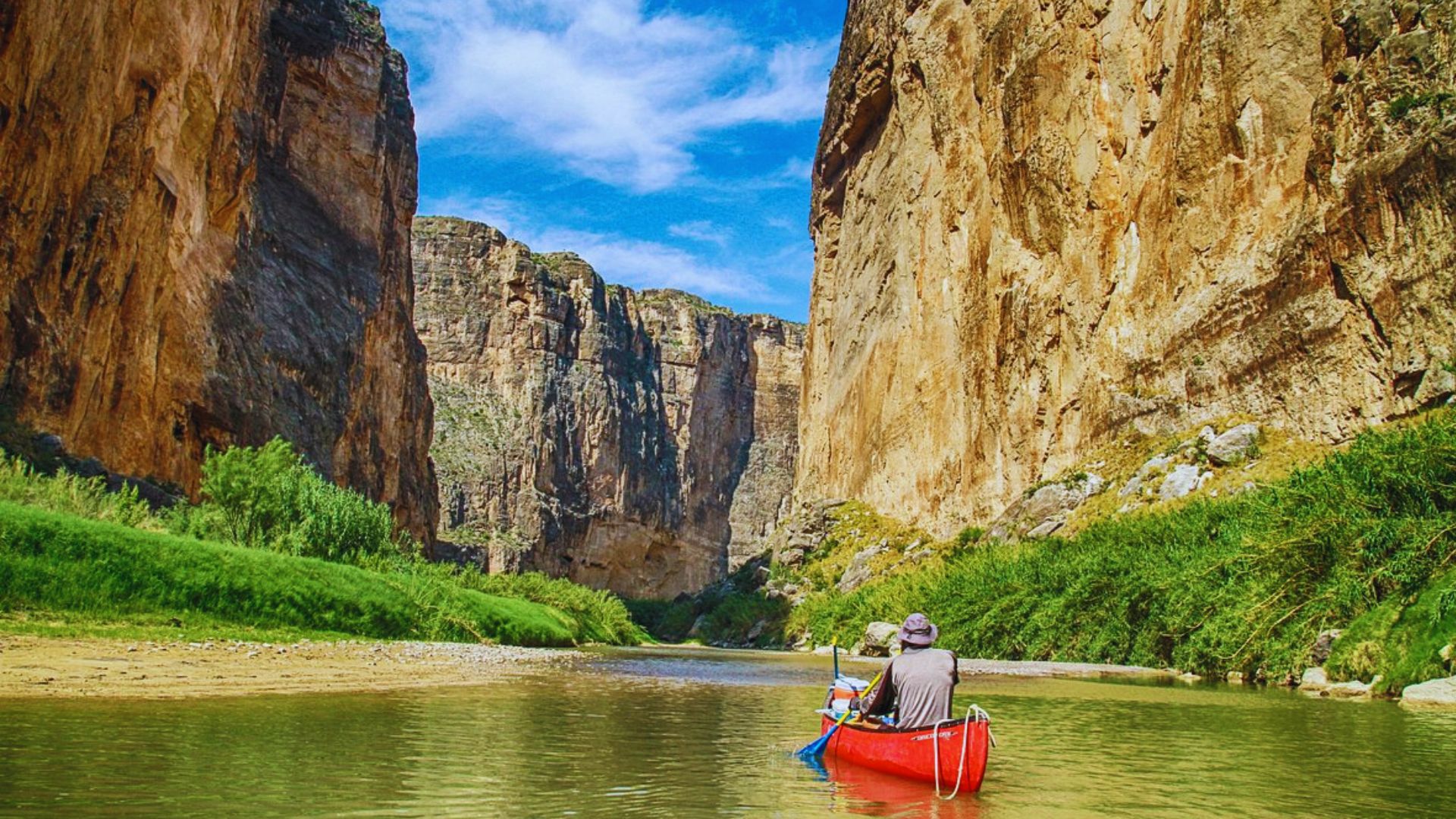
This 1.6-mile trail takes you into one of the park’s most iconic canyons. The walls rise 1,500 feet on either side of you.
You’ll cross Terlingua Creek at the start. The water level varies, so wear shoes you don’t mind getting wet.
The trail hugs the canyon wall and offers constant views of the Rio Grande below. It’s relatively easy with some stairs near the beginning.
This is hands down one of the top things to do in Big Bend National Park. The scale of the canyon walls makes you feel tiny in the best way possible.
2. Visit Lost Mine Trail
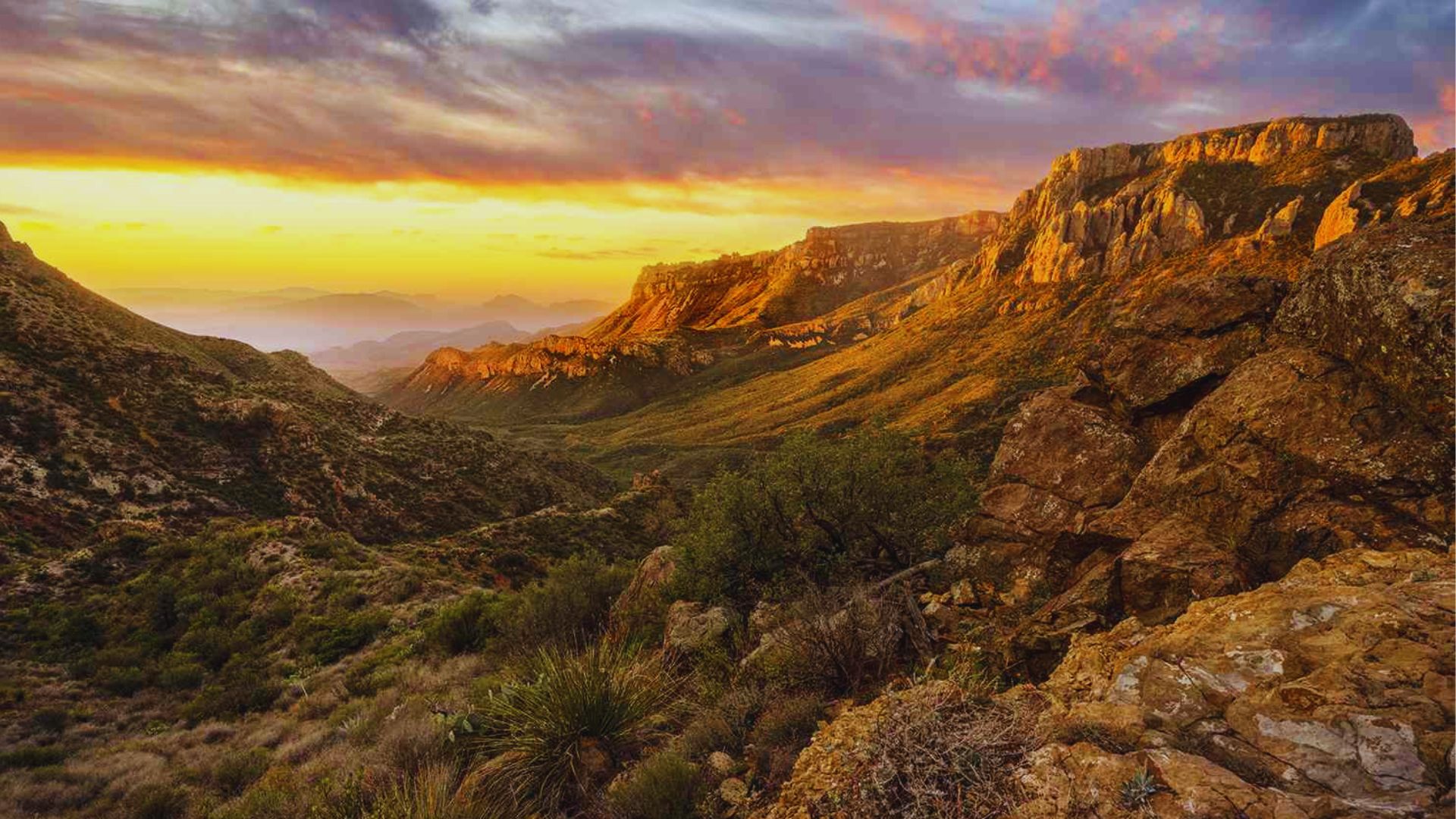
Lost Mine Trail runs 4.8 miles round trip with an elevation gain of about 1,100 feet. The views from the top are worth every step.
You’ll see panoramic mountain views of the Chisos range and valleys stretching into Mexico. On clear days, the visibility goes on forever.
The trail is moderate but well-maintained. I recommend starting early to avoid the midday heat.
Bring plenty of water and don’t rush it. The scenery gets better with each switchback.
3. Drive the Ross Maxwell Scenic Drive
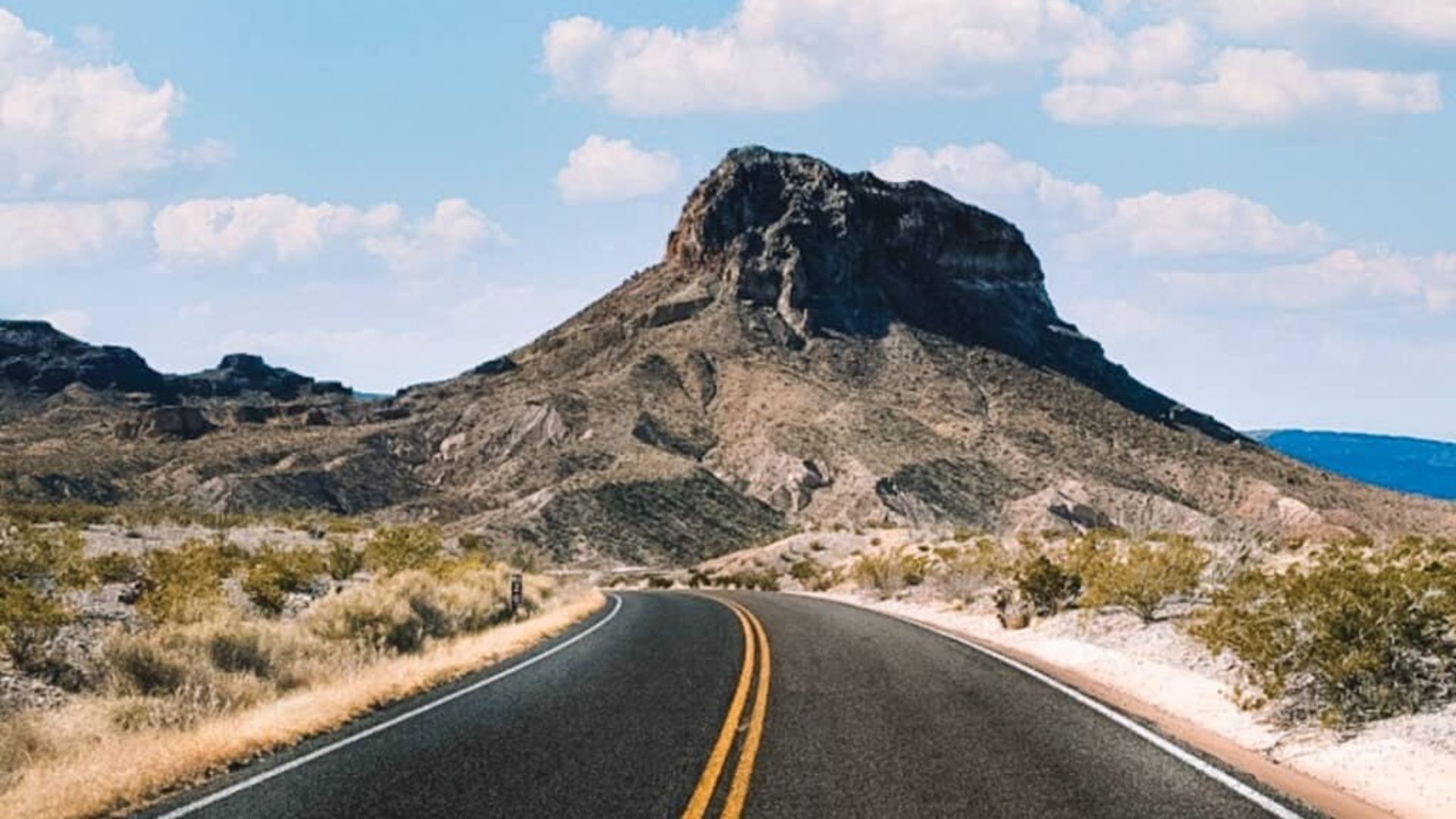
This 30-mile paved road takes you through some of the park’s most varied terrain. You’ll pass volcanic formations, desert flats, and canyon overlooks.
Iconic viewpoints include Sotol Vista, Mule Ears Overlook, and the drive’s endpoint at Santa Elena Canyon. Each pull-off offers something different.
It’s the best option if you want to see a lot without hiking. The drive takes about 90 minutes without stops, but you’ll want to budget at least three hours.
I always tell people this is the best sightseeing option for anyone with limited mobility or hot weather concerns.
4. Visit Chisos Basin
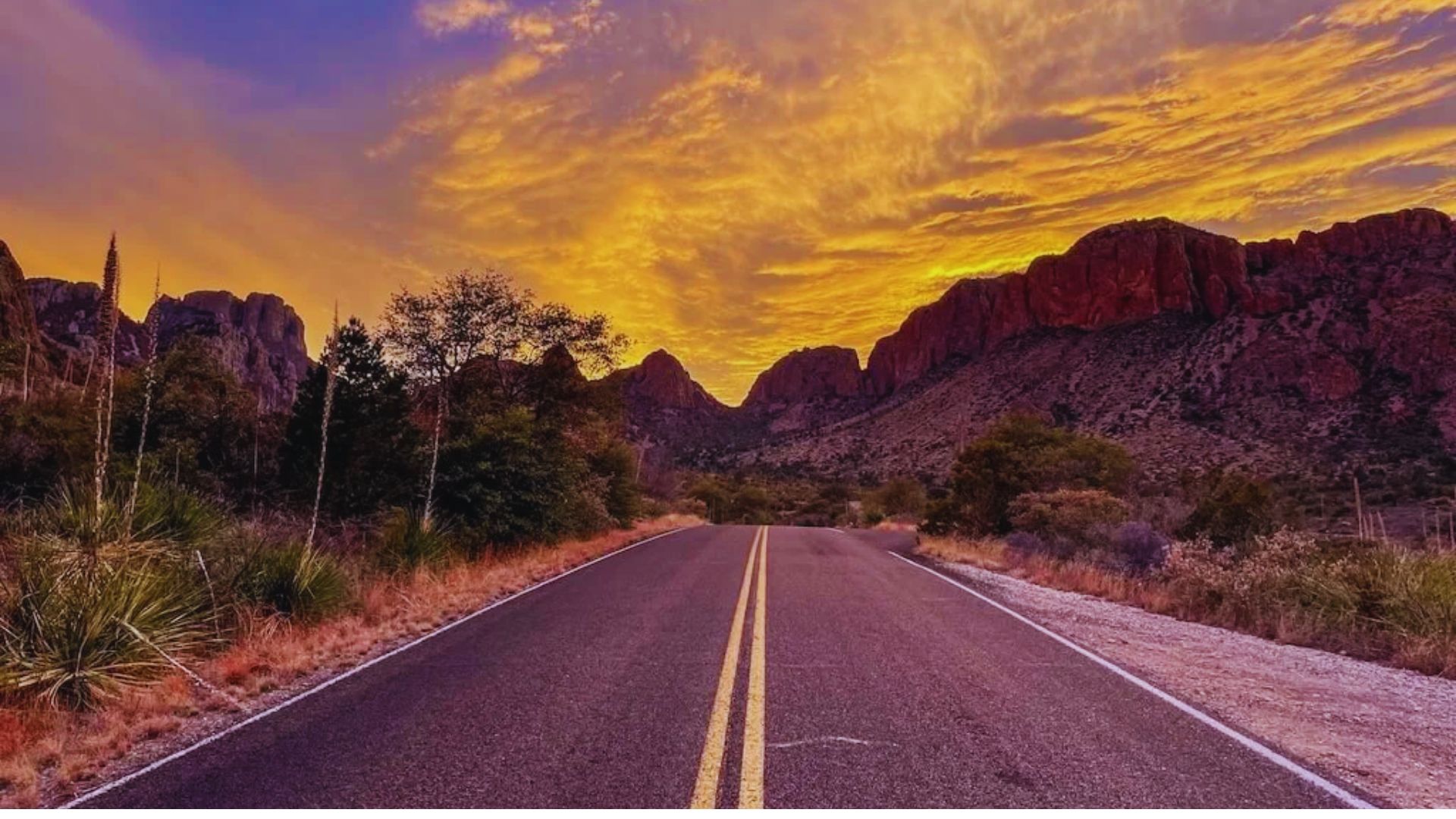
Chisos Basin sits at 5,400 feet elevation in the heart of the park. The temperature here runs 10-15 degrees cooler than the desert floor.
You’ll find the Chisos Mountains Lodge, a visitor center, and trailheads for several major hikes. The basin also has a campground and restaurant.
Wildlife shows up here regularly. I’ve seen deer, javelinas, and roadrunners all within the basin loop.
The scenic overlooks around the basin offer 360-degree views of the surrounding peaks. It’s a great base for experiencing the higher altitude.
5. Watch the Sunset at Santa Elena Canyon
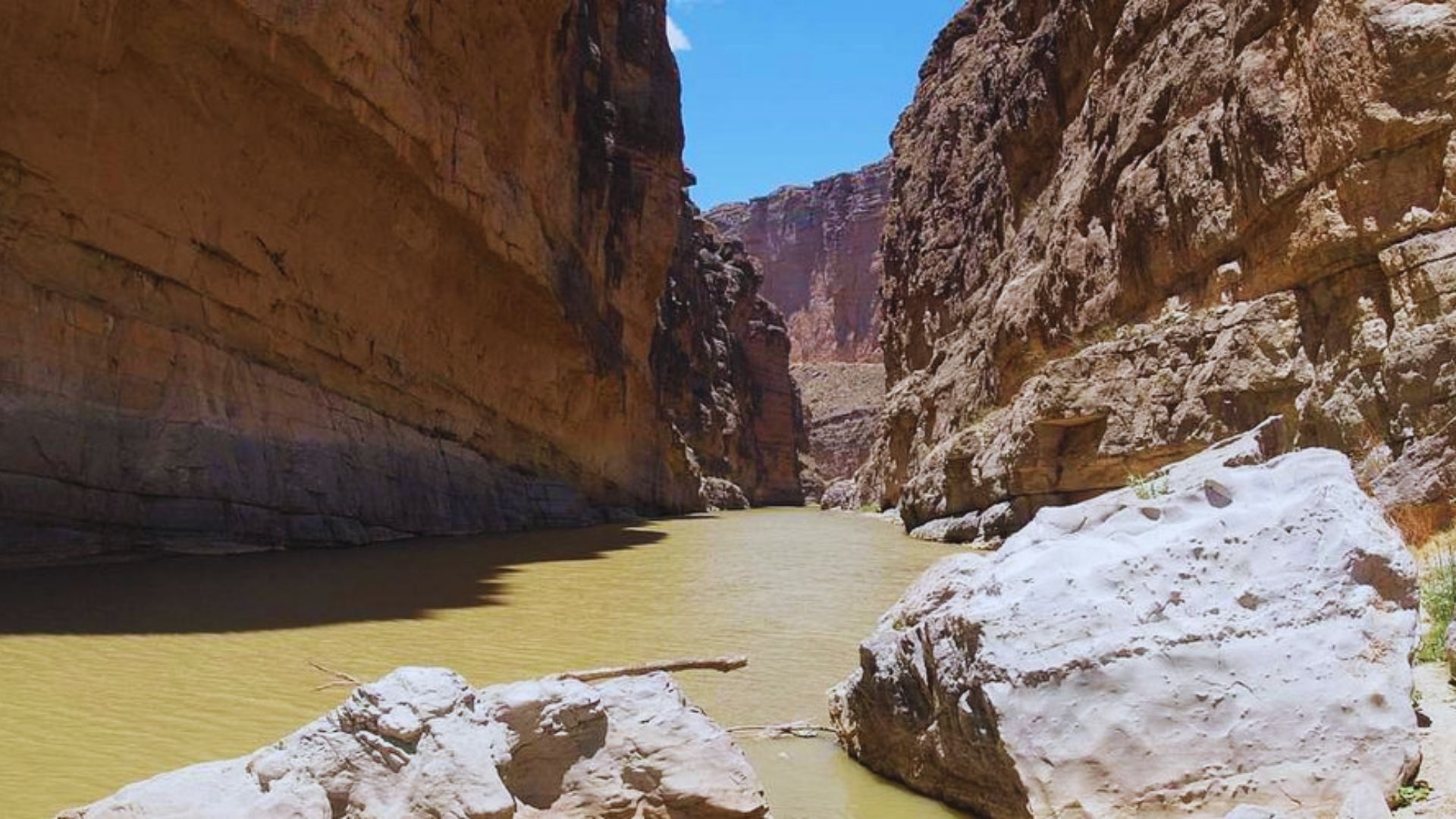
Golden hour at Santa Elena Canyon turns the rock walls into glowing sheets of orange and red. The light bounces off the Rio Grande and creates reflections you can’t capture anywhere else.
This is a golden-hour photography opportunity that rivals anything I’ve seen in the Southwest. Arrive about 45 minutes before sunset to scout your spot.
The trail gets quieter in the evening. You’ll likely have the canyon mostly to yourself.
Pack a headlamp for the walk back. The trail is easy to follow but gets dark quickly once the sun drops behind the canyon rim.
6. Stargazing in One of the Darkest Skies in the U.S.
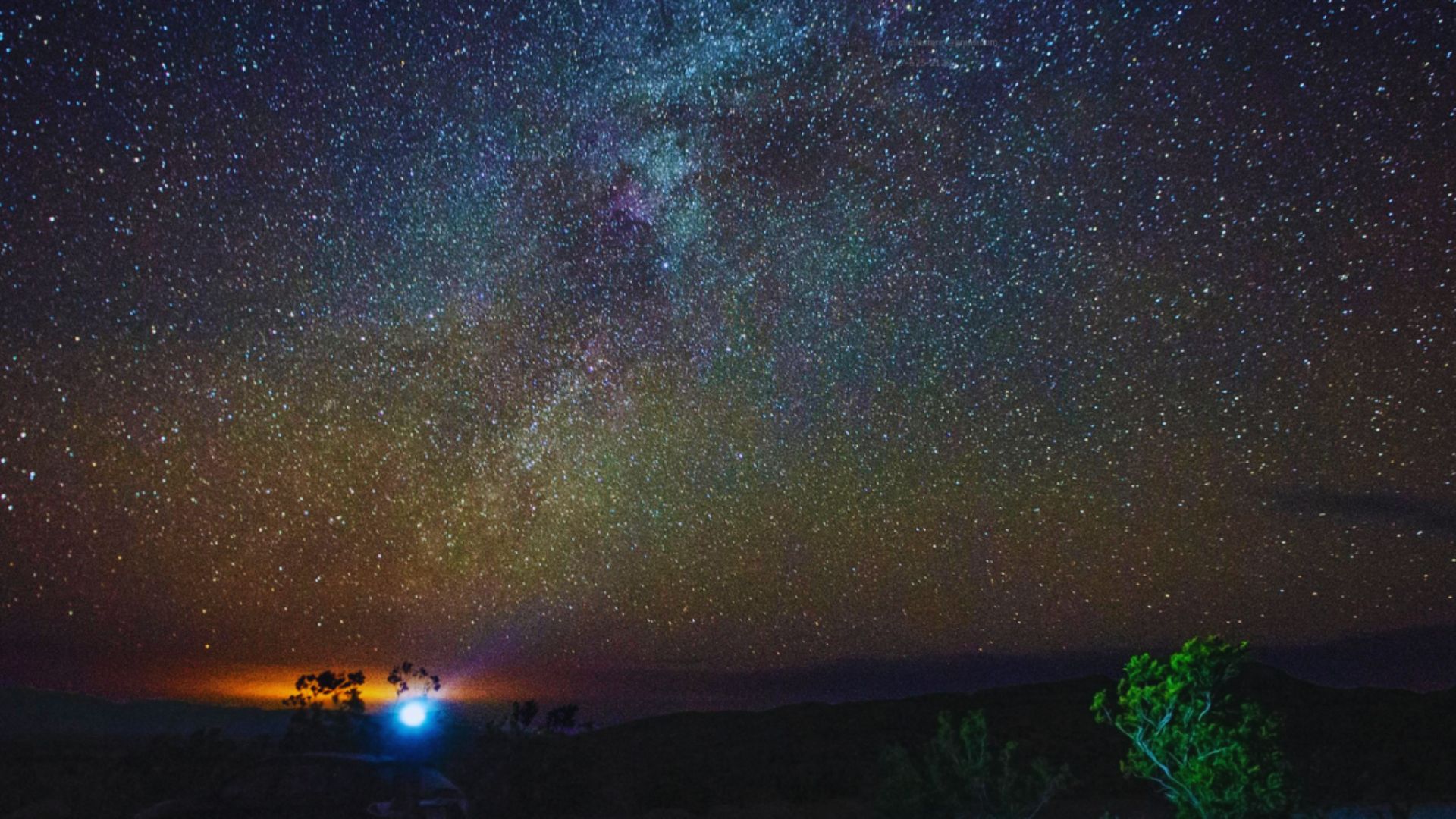
Big Bend holds an International Dark Sky designation. The lack of light pollution makes this one of the best places in the country to see the Milky Way.
You don’t need a telescope. On a clear night, you can see thousands of stars with your naked eye.
The best night-time experience happens during a new moon. Check the lunar calendar before you go.
Park rangers often host stargazing programs with telescopes and constellation talks. Check the schedule at any visitor center.
7. Float the Rio Grande

Canoeing and kayaking the Rio Grande gives you a completely different perspective of the park. You’ll float through canyons with walls rising straight out of the water.
Several outfitters in the area offer guided trips or rentals. The most popular sections run through Santa Elena, Mariscal, and Boquillas canyons.
Water levels vary by season. Spring runoff creates faster currents, while summer and fall offer calmer conditions.
This is a way to see the park that most visitors miss. It’s quiet, peaceful, and gives you access to areas you can’t reach by car.
8. Spot Wildlife

Big Bend is home to javelinas, roadrunners, black bears, and over 450 species of birds. You’ll also see mule deer, coyotes, and if you’re lucky, a mountain lion from a safe distance.
Early morning and late afternoon are the best times for wildlife viewing. Animals come out to feed when temperatures drop.
Great for kids because they can spot animals from the car or on short trails. Bring binoculars if you have them.
Photographers love the lighting during these hours. I’ve gotten some of my best shots just by being patient and quiet.
9. Visit Balanced Rock
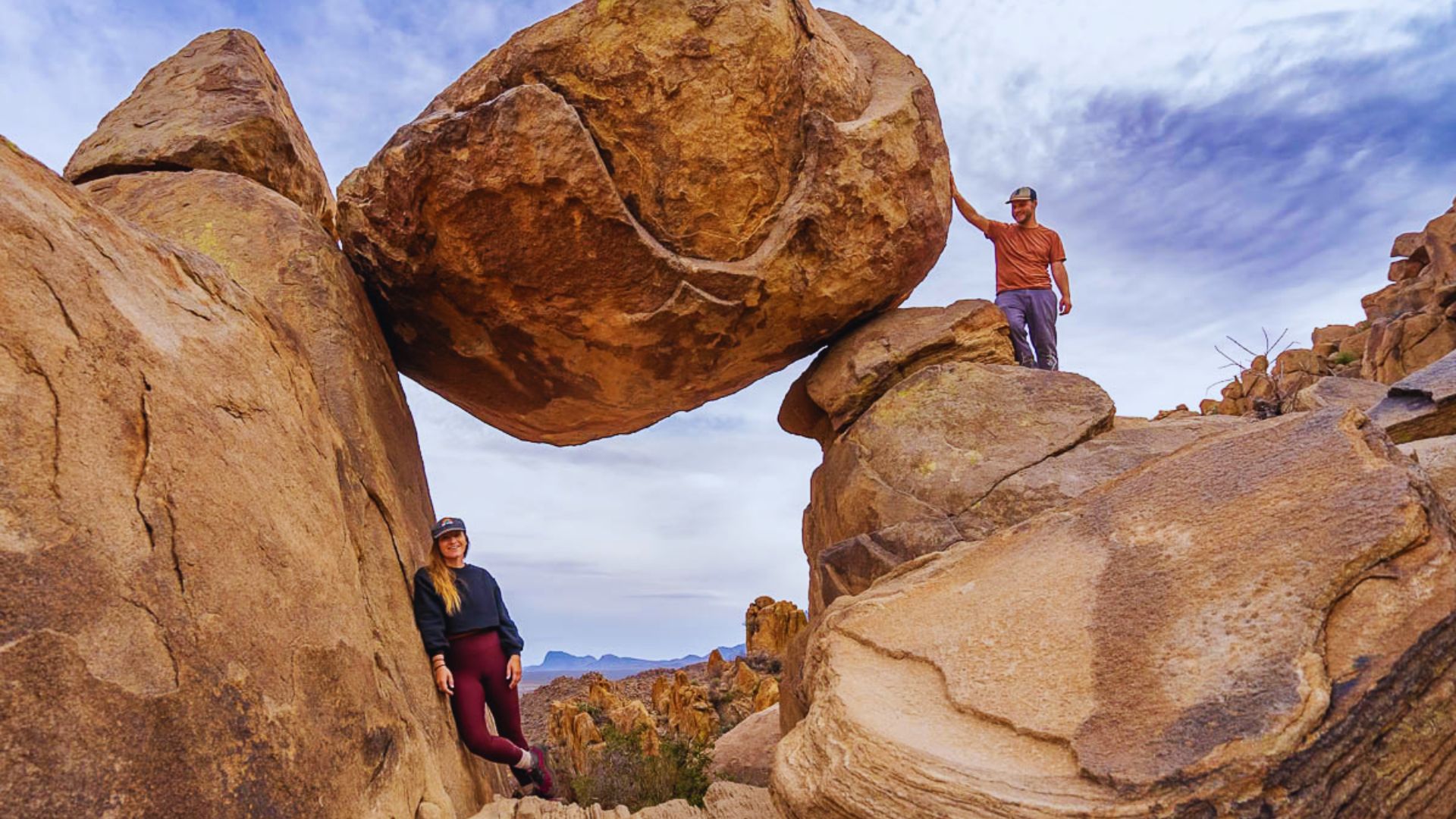
The hike to Balanced Rock is only 2.4 miles round trip. It’s short but takes you through classic desert terrain with ocotillo and prickly pear.
The dramatic payoff comes when you reach the rock itself. This massive boulder looks like it could tip over at any second, but it’s been balanced there for thousands of years.
It’s an easy activity for beginners or anyone who wants to experience the desert without committing to a long hike. Kids handle this trail well.
Go early or late in the day. There’s no shade on this trail, and the sun gets intense.
10. Visit Hot Springs Historic Area

The natural hot spring sits right along the Rio Grande at about 105 degrees year-round. You can soak in a stone bathtub built in the early 1900s.
The area also has ruins of an old resort and motel. It’s a glimpse into Big Bend’s history as a health tourism destination.
This makes for a relaxing break from hiking. The water feels amazing after a long day on the trails.
Access requires a 1-mile walk from the parking area. The trail is flat and easy, but bring a towel and water shoes.
11. Hike the Window Trail
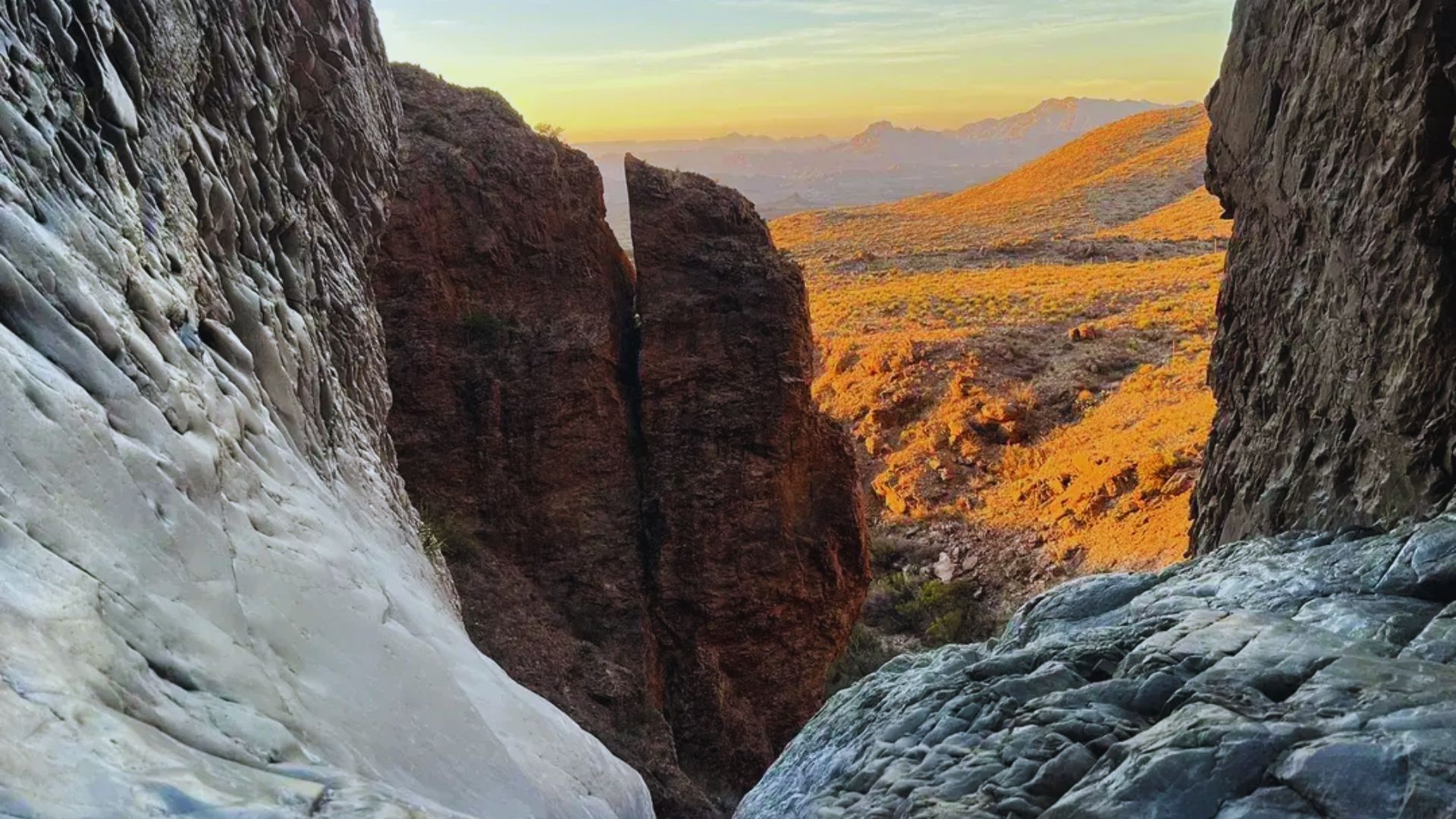
The Window Trail is 5.6 miles round trip and drops 800 feet into a drainage that forms a natural “window” in the rock. The trail starts in Chisos Basin.
The iconic rock “window” formation frames the desert valley below. Water flows through here after rains, creating a small waterfall.
This is one of the best things to do in Big Bend National Park for that perfect photo. The framing is natural, and the views stretch for miles.
Start this hike in the afternoon if you want to catch sunset at the Window. The light through the opening is incredible.
12. Take a Jeep or Backcountry Drive

High-clearance vehicles can access remote areas of the park on unpaved roads. Old Ore Road and River Road East are two popular routes.
These drives take you away from the paved tourist areas and into raw backcountry. You’ll see fewer people and more wildlife.
Ideal for travellers who want to get off the beaten path. Make sure your vehicle can handle rough, rocky terrain.
Check road conditions at a visitor center before you go. Flash floods can make these roads impassable.
13. Visit Boquillas Crossing

Boquillas Crossing offers a cultural experience across the Rio Grande into the small Mexican village of Boquillas del Carmen. You’ll need your passport.
The village has a few restaurants, craft vendors, and locals who are happy to share stories. It’s a different pace from the park.
This adds variety to things to do in Big Bend area beyond just hiking and camping. You can grab lunch and see a side of the border most people never experience.
The crossing operates with limited hours. Confirm the schedule before you make the trip.
14. Photograph Grapevine Hills
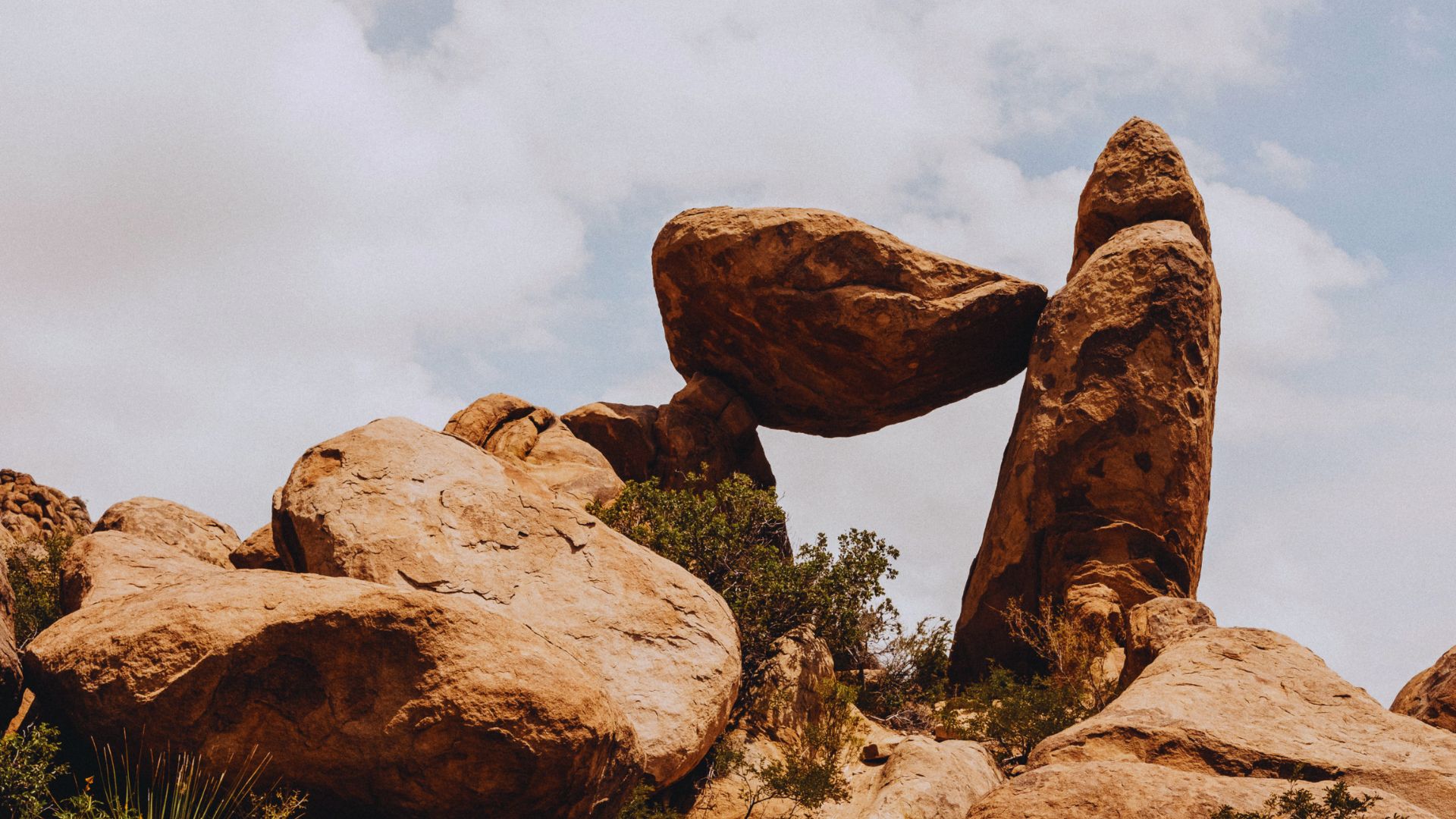
Grapevine Hills Trail is 2.2 miles round trip and ends at a natural arch formed by balanced rocks. The rugged desert scenery here is photogenic at any time of day.
Excellent sunrise and sunset shots happen when the light hits the rocks at an angle. The colors shift from pink to orange to deep red.
The trail is mostly flat until the final scramble up to the arch. It’s manageable for most fitness levels.
This is one of my favorite spots in the park for photography. The rock formations look like they belong on another planet.
15. Go Birdwatching

Big Bend attracts over 450 bird species, including Mexican specialties you won’t see anywhere else in the U.S. The Rio Grande Village is a hotspot.
Spring and fall migrations bring the most variety. You’ll see warblers, flycatchers, hummingbirds, and raptors.
This is one of the quieter, rewarding activities in the park. It doesn’t require special fitness, just patience and binoculars.
The Chisos Basin also offers great birding, especially early in the morning when birds are most active.
16. Experience Panther Junction
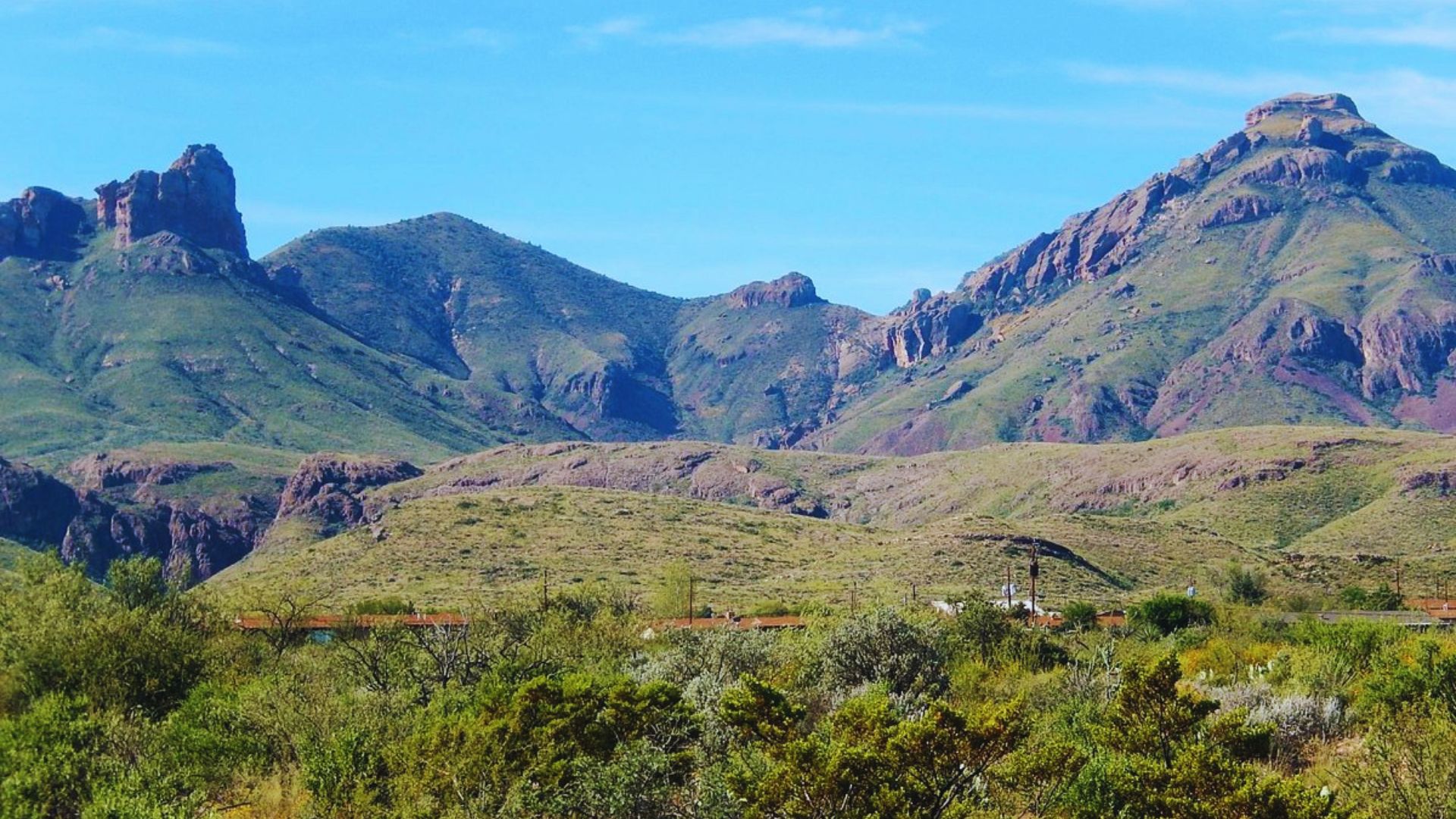
Panther Junction houses the main visitor center and park information hub. You can pick up maps, check weather conditions, and ask rangers for advice.
The center has exhibits on the park’s geology, wildlife, and human history. It’s a quick stop but worth your time.
This educational stop works well for first-time visitors who want to orient themselves before heading out.
There’s also a small bookstore with field guides and local authors. Gas is available here, too.
17. Hike Emory Peak
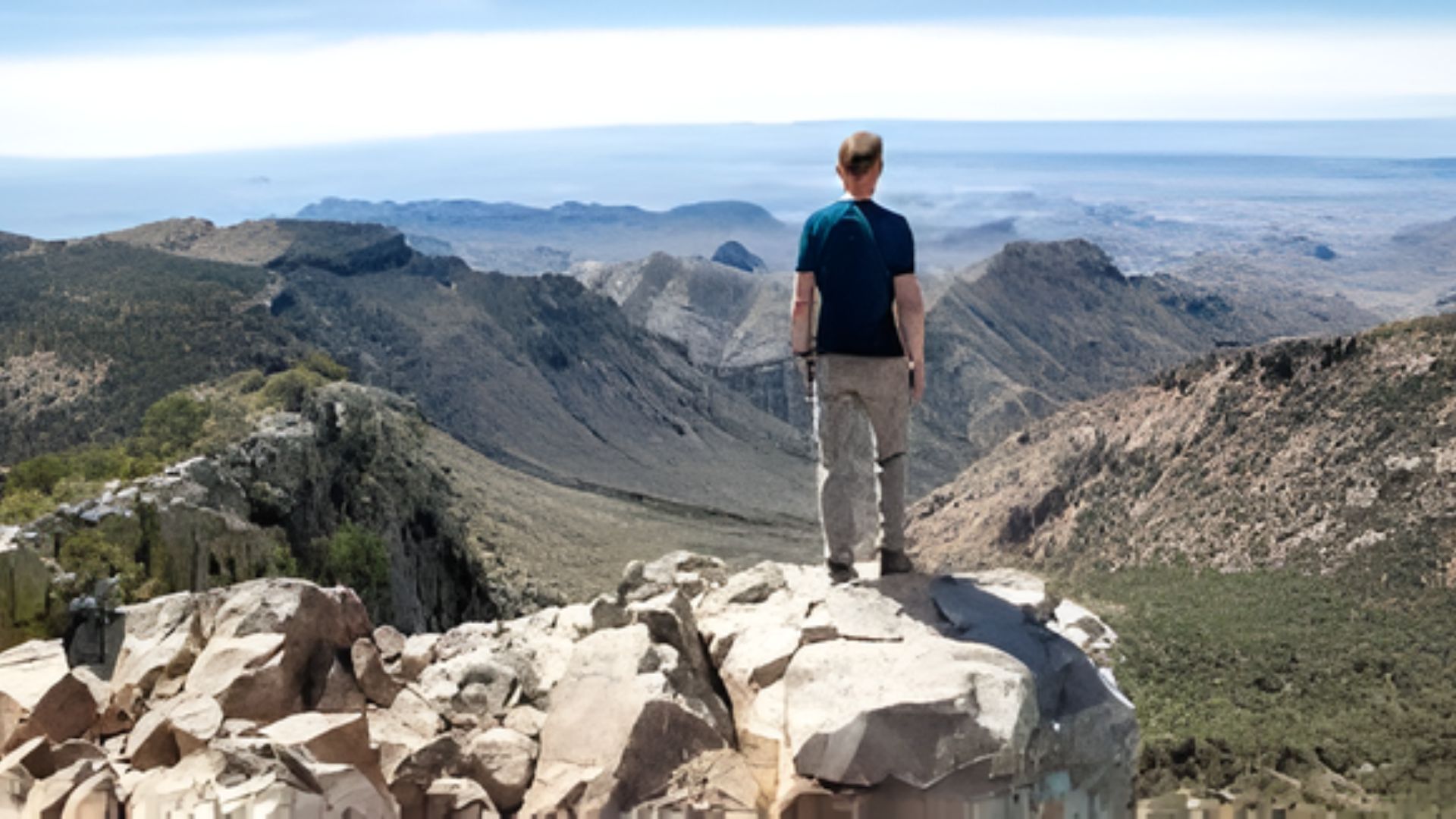
Emory Peak is the highest point in the park at 7,832 feet. The hike is 10.5 miles round trip with serious elevation gain.
You’ll climb through multiple climate zones. The final stretch requires scrambling over boulders to reach the summit.
Challenging but unforgettable experience for anyone who wants to say they stood on the roof of Big Bend. The 360-degree views are unmatched.
Start early. This hike takes most people 6-8 hours, and you don’t want to be on the trail in midday heat.
18. Picnic at Dugout Wells
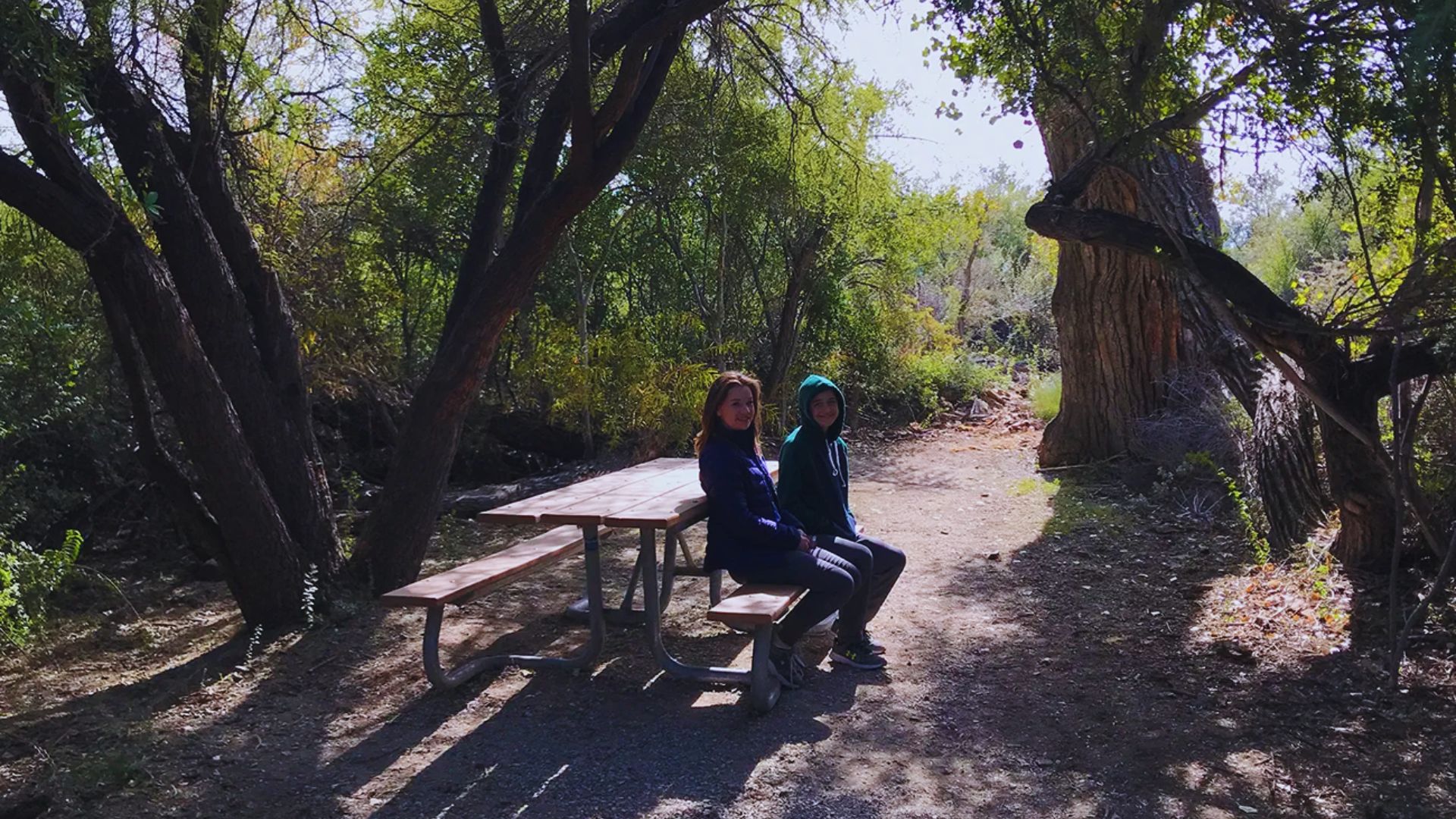
Dugout Wells is an easy stop with shade and picnic tables. The area has a short nature trail with interpretive signs about desert plants and history.
It’s a good option for families who need a break or a place to stretch legs between longer drives. The shade trees make it comfortable even on warm days.
The site was once a homestead, and you can still see remnants of the old structures. It’s a quick history lesson without much effort.
Pack a lunch and make this a mid-morning or afternoon rest stop.
19. Join a Ranger-Led Program
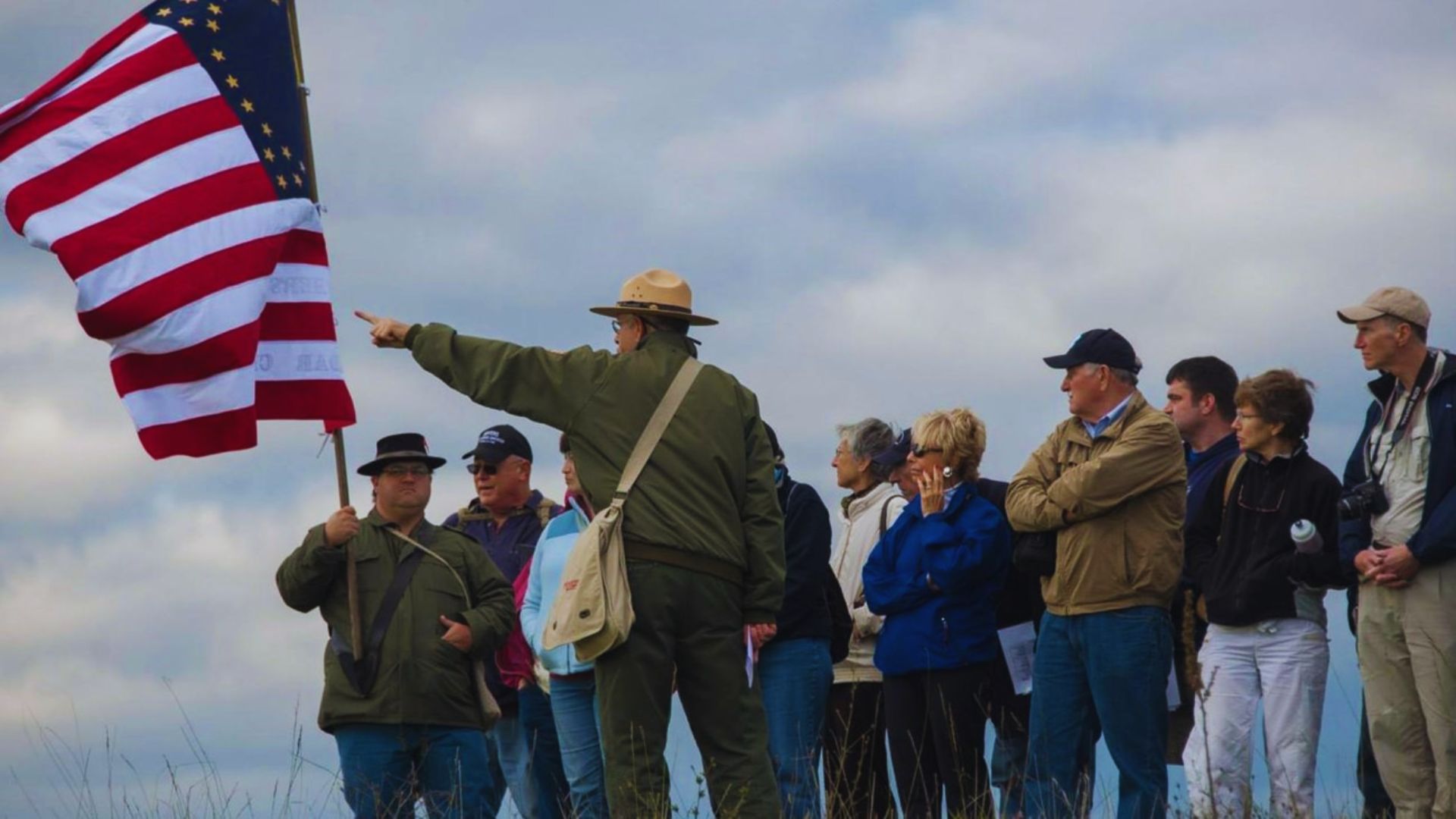
Park rangers offer educational and interactive programs on topics like geology, wildlife, stargazing, and desert survival. These are usually free.
Programs vary by season. Check the schedule at any visitor center or online before your visit.
This is among the most fun things to do in Big Bend National Park with kids. Rangers know how to make learning hands-on and engaging.
I always recommend at least one ranger program per visit. You’ll learn things you’d never pick up on your own.
Best Time to Visit Big Bend National Park
Spring and fall offer the most comfortable weather, with daytime temperatures in the 60s-80s. These are peak seasons, so expect more visitors during spring break and Thanksgiving week.
Summer brings extreme heat, often exceeding 110°F in desert areas. Plan hikes for early morning or evening. Monsoon season runs July through September and brings flash flood risks.
Winter provides mild days but cold nights. Snow is rare but possible in the Chisos Mountains. Mid-January sees fewer crowds.
Plan hikes for cooler months or early/late in the day. Save sightseeing drives for midday when hiking isn’t comfortable.
Where to Stay Near Big Bend
Big Bend offers several lodging options, but spaces fill up fast during peak season. Book early.
- Chisos Mountains Lodge: Rooms with mountain views inside the park (books months ahead)
- Chisos Basin Campground: Reservations required, cooler temperatures
- Rio Grande Village Campground: First-come, first-served or reservations depending on season
- Cottonwood Campground: Smaller, primitive sites
- Backcountry camping: Requires permit, complete solitude
- Terlingua: Closest town, 10 miles from west entrance, quirky lodging options
- Study Butte: Small and rustic accommodations
- Marathon: 75 miles north, more amenities and hotels
- Alpine: 110 miles north, full services including major chain hotels
There are no stores inside the park. The nearest full grocery store is over an hour away. Bring all food, water, and supplies with you.
Temperature swings between day and night can be extreme, especially in winter, so pack layers.
Travel Tips for Visiting Big Bend
Big Bend’s remoteness requires solid preparation. Here’s what you need to know.
- Water: Bring 1 gallon per person per day minimum, more for hiking
- Sun protection: Hat, sunscreen, sunglasses, and long sleeves
- Layers: Temperatures swing 30-40 degrees between day and night
- Headlamp: For early starts or late finishes on trails
- First aid kit: Remote location means help isn’t close
- Food: Pack all meals and snacks, only one restaurant at Chisos Basin
- Physical maps: Cell service is unreliable throughout the park
- Start hikes early: Beat the heat and have more energy
- Tell someone your plans: Especially for backcountry or remote areas
Cell service is limited to nonexistent in most areas. Don’t rely on your phone for navigation or emergencies.
The distances between services are real, and running out of fuel is a serious problem in this remote area.
Conclusion
Big Bend changed how I see Texas. Most people think it’s all flat land and tumbleweeds, but this park proves them wrong in the first five minutes.
The things to do in Big Bend I’ve shared come from real trips, not travel brochures. Some worked better than others, but that’s part of the fun.
Don’t wait for the perfect time. Book your trip, pack your car, and go see it yourself. Drop a comment below if you have questions about planning your visit.
I read every single one and I’ll help however I can.
Frequently Asked Questions
What are the best things to do in Big Bend National Park for first-time visitors?
Focus on scenic drives like Ross Maxwell, hike Santa Elena Canyon, visit Chisos Basin, and stay for stargazing. These cover the park’s main highlights without requiring extensive planning.
Are there fun things to do in Big Bend National Park without hiking?
Yes. Try scenic drives, wildlife viewing from your car, river activities like floating or kayaking, and sunset watching at canyon overlooks.
What are the best things to do in Big Bend National Park with kids?
Stick to easy trails like Balanced Rock, join ranger programs, have picnics at Dugout Wells, and spot wildlife. Kids love the hands-on learning and animal sightings.
How many days do you need to explore Big Bend?
At least 2-3 days lets you experience the top attractions comfortably. More time allows for backcountry visit and deeper immersion.
Is Big Bend National Park worth visiting year-round?
Yes, but fall and spring offer the most comfortable weather for hiking and outdoor activities. Summer requires early starts, and winter can be cold at night.
