


I’ll never forget my first bite of txuleta in San Sebastián. The smoky, perfectly grilled steak changed how I think about food.
The Basque Country, straddling Spain and France, grabbed my attention years ago and hasn’t let go since. This isn’t your typical travel destination.
The locals speak Euskara, a language that predates most European tongues, and their pride in tradition shows everywhere you look.
I’ve spent considerable time exploring this region, and I’m here to share what actually works.
Let me show you the spots that made my trips memorable.
Why Visit the Basque Country?
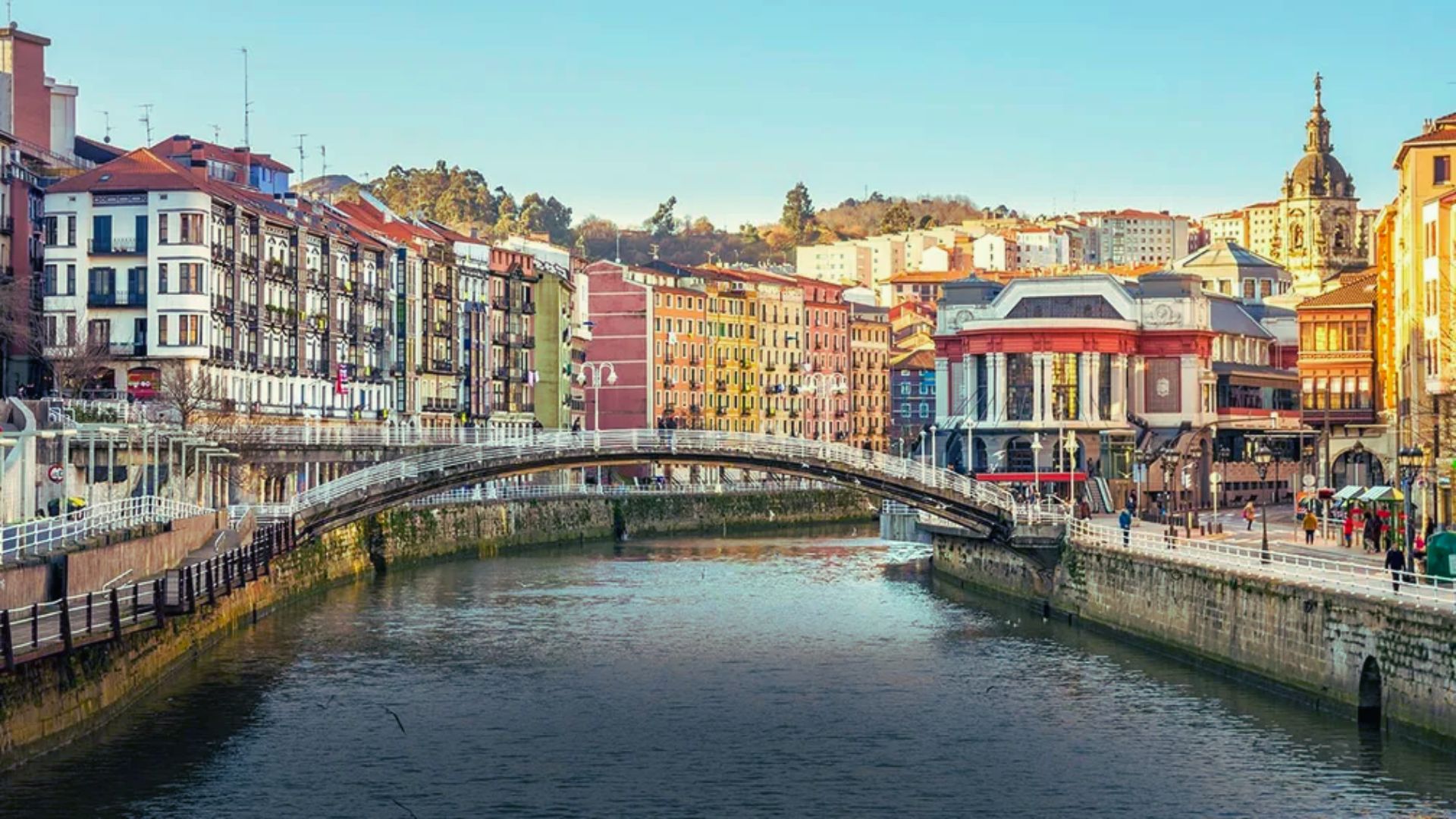
The Basque people speak Euskara, one of Europe’s oldest languages with no known linguistic relatives. This cultural identity sets the region apart from anywhere else I’ve traveled.
Food here reaches obsessive levels of quality. Chefs treat cooking like an art form, and you’ll taste the difference immediately.
The coastline offers dramatic cliffs meeting the Atlantic, while cities like Bilbao blend modern architecture with historic quarters.
Within an hour’s drive, you can go from surfing beaches to green mountain trails. It’s compact, diverse, and refreshingly authentic.
Top Cities to Visit in the Basque Country
Each city offers something different. San Sebastián brings beaches and food, Bilbao has modern art, and Vitoria-Gasteiz shows authentic local life.
1. San Sebastián
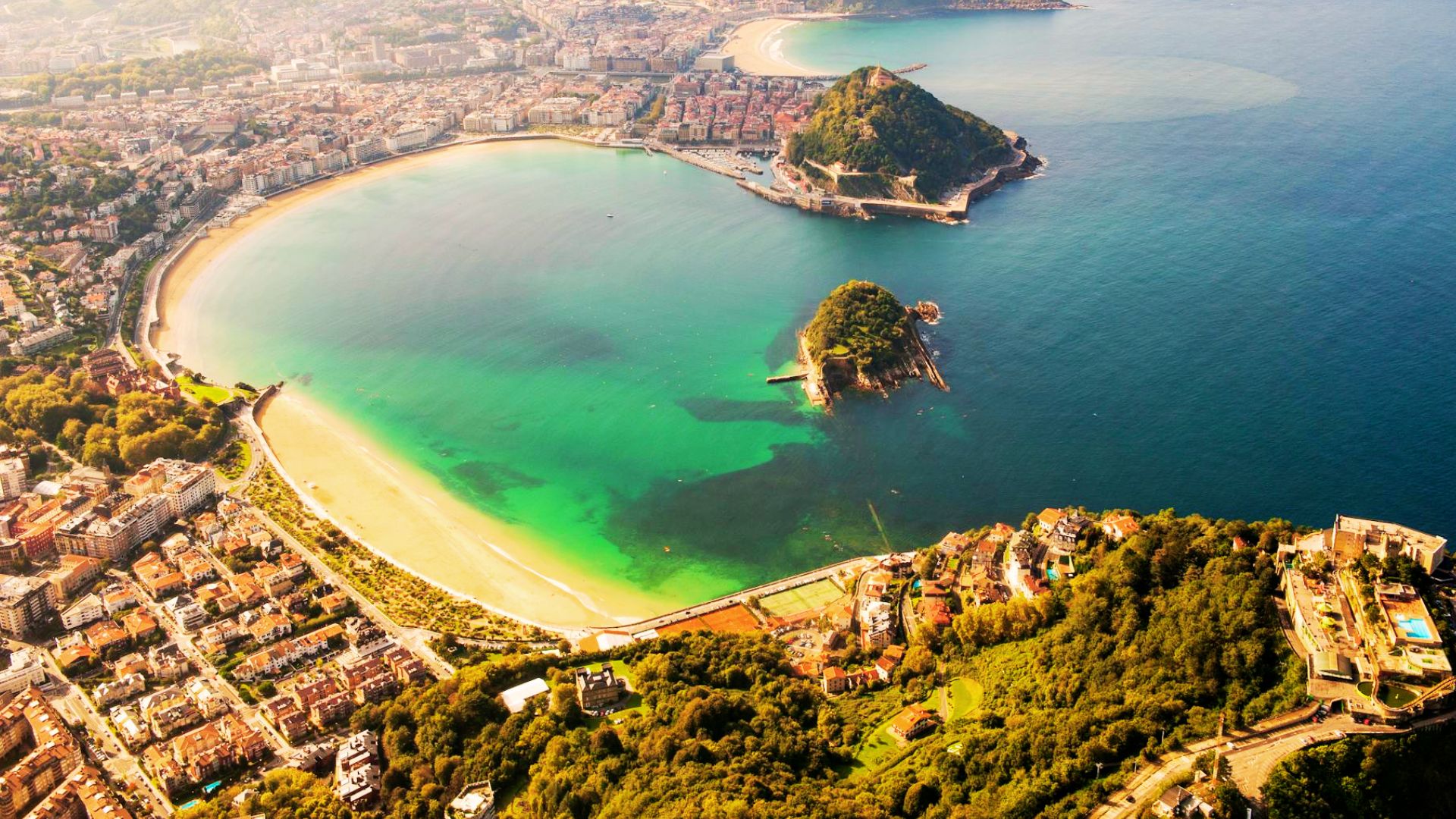
La Concha Beach curves along the bay in a perfect crescent. The pintxos bars in Parte Vieja open around 8 PM, and that’s when the real action starts.
These aren’t tapas. They’re small culinary creations on every counter. Bar hop like the locals do: one plate, one drink, then move to the next spot.
2. Bilbao
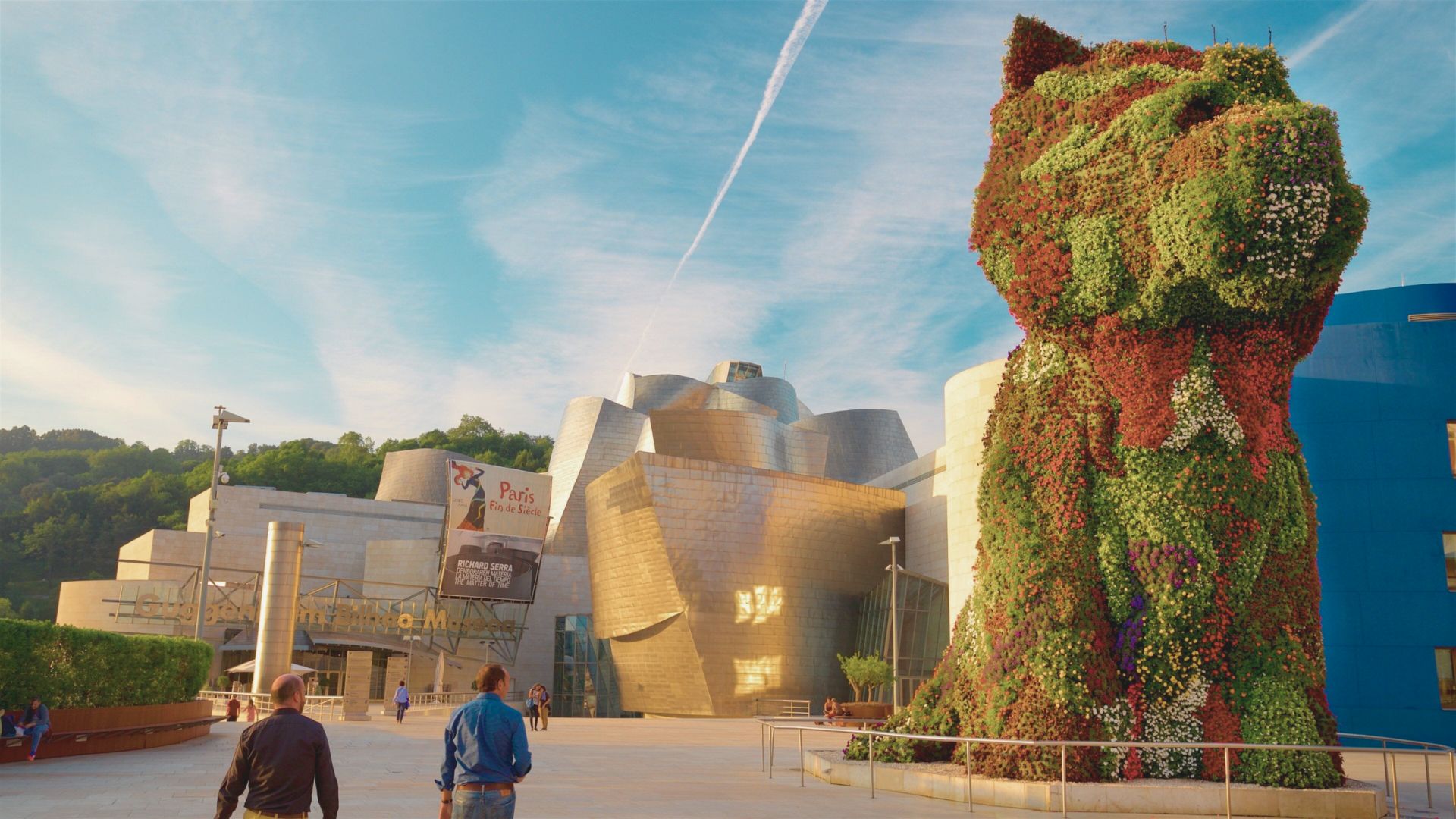
The Guggenheim Museum’s titanium exterior looks like a ship meeting the riverbank. After visiting, head to Casco Viejo for traditional bars and cheap eats.
The Ribera Market offers incredible local produce and cheese. This city transformed itself from industrial hub to cultural center.
3. Vitoria-Gasteiz
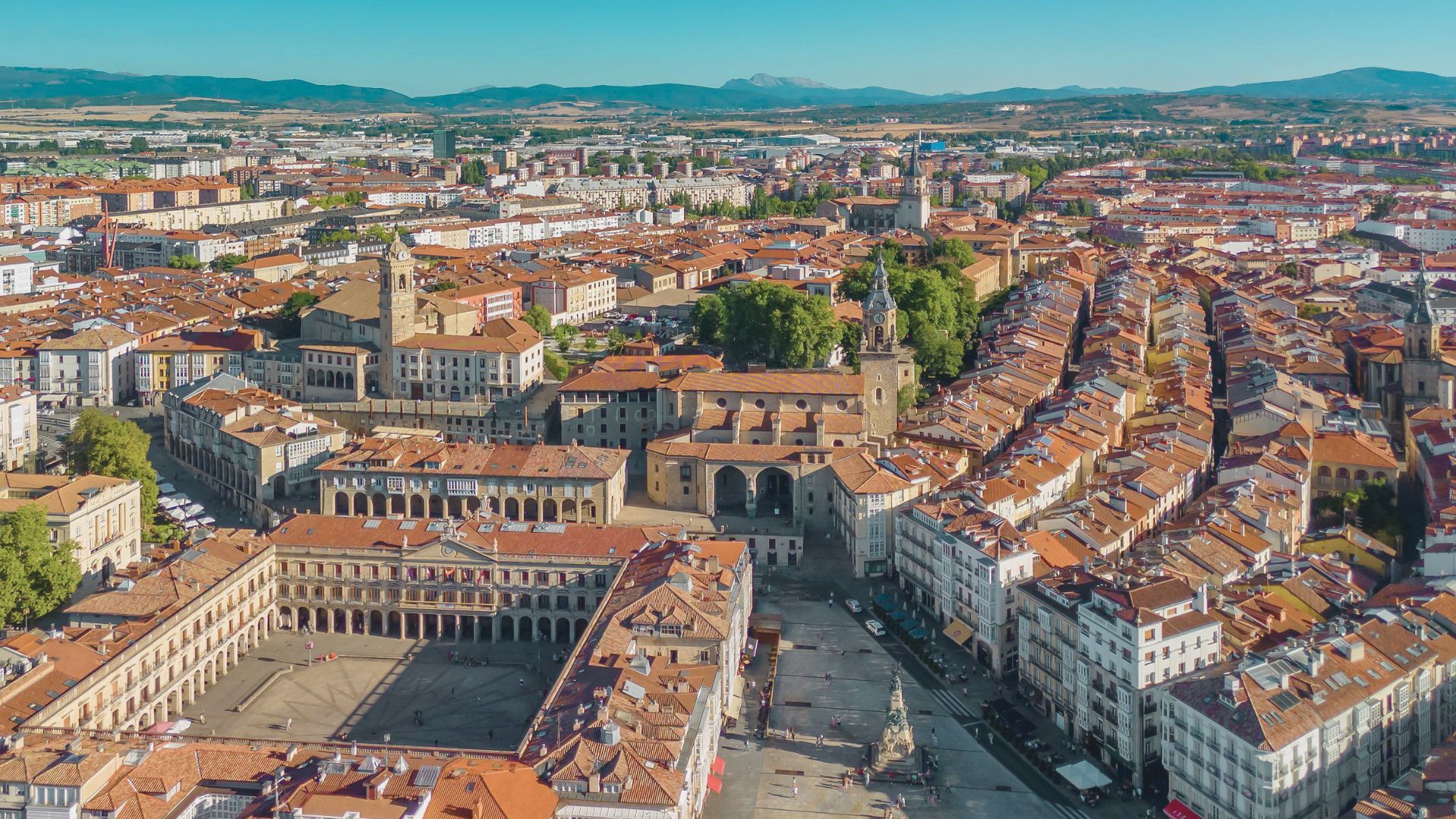
Most visitors skip this city, but the medieval quarter here beats the others. The almond-shaped old town sits on a hill with centuries-old streets.
A ring of parks surrounds the city, perfect for walks. It’s quieter and shows you real Basque daily life.
7 Best Things to Do in the Basque Country
From coastal hikes to world-class museums, these seven activities show you the best of the region. I’ve done them all and keep coming back.
1. Visit the Guggenheim Museum Bilbao
Frank Gehry’s titanium masterpiece changed Bilbao forever. The building itself is art, twisting and reflecting light off the Nervión River.
Inside, you’ll find rotating contemporary exhibits and permanent installations.
Go early to avoid crowds. The outdoor sculptures, especially Jeff Koons’ giant puppy, are Instagram favorites. Budget at least two hours for your visit.
2. Relax on La Concha Beach
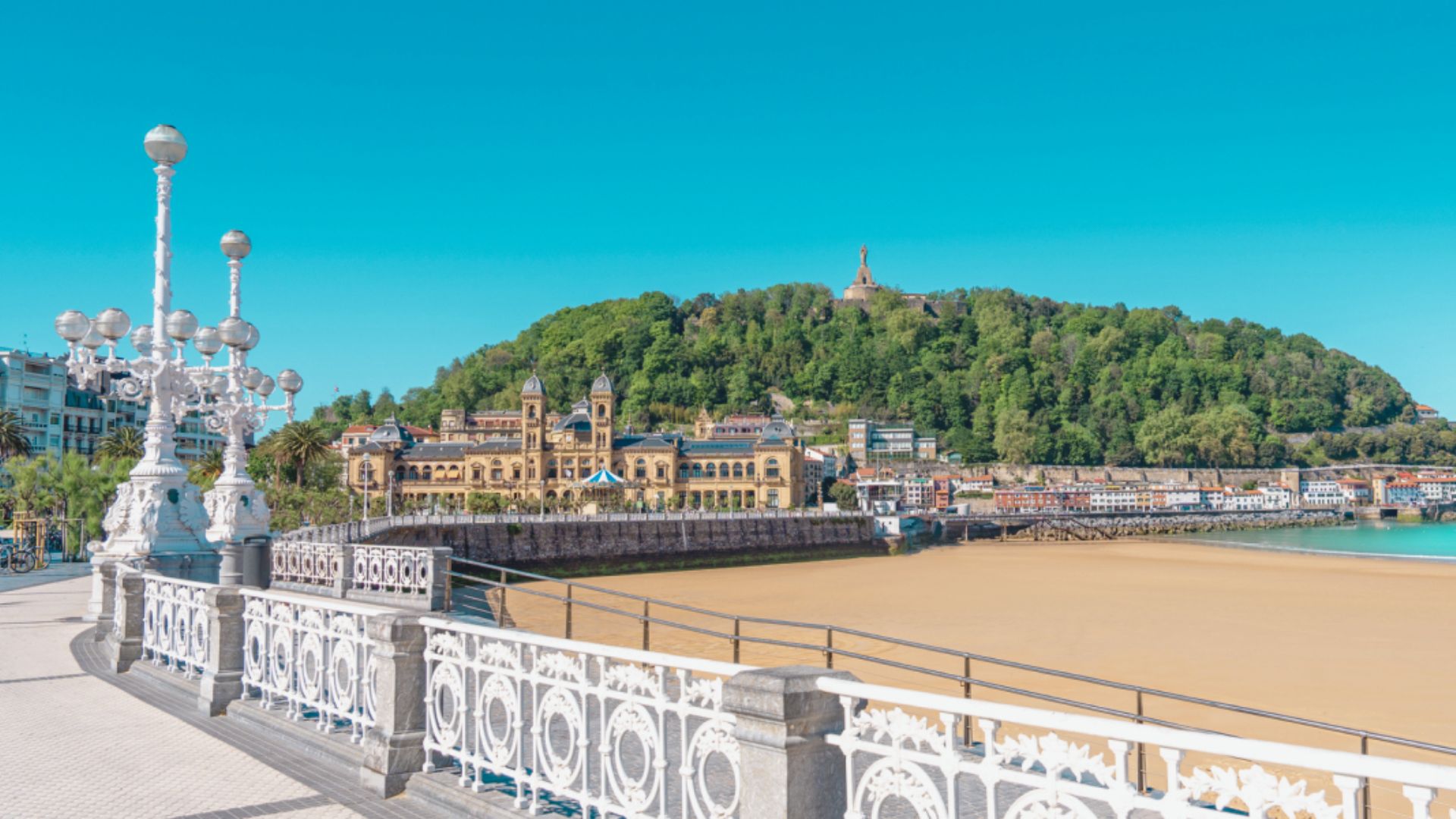
This crescent-shaped beach sits right in San Sebastián’s center. The calm bay waters make it perfect for swimming, even for kids.
I rented a beach chair and umbrella for the afternoon.
The promenade behind the beach has cafes and ice cream shops. Sunset here is special, with Monte Igueldo glowing in the background.
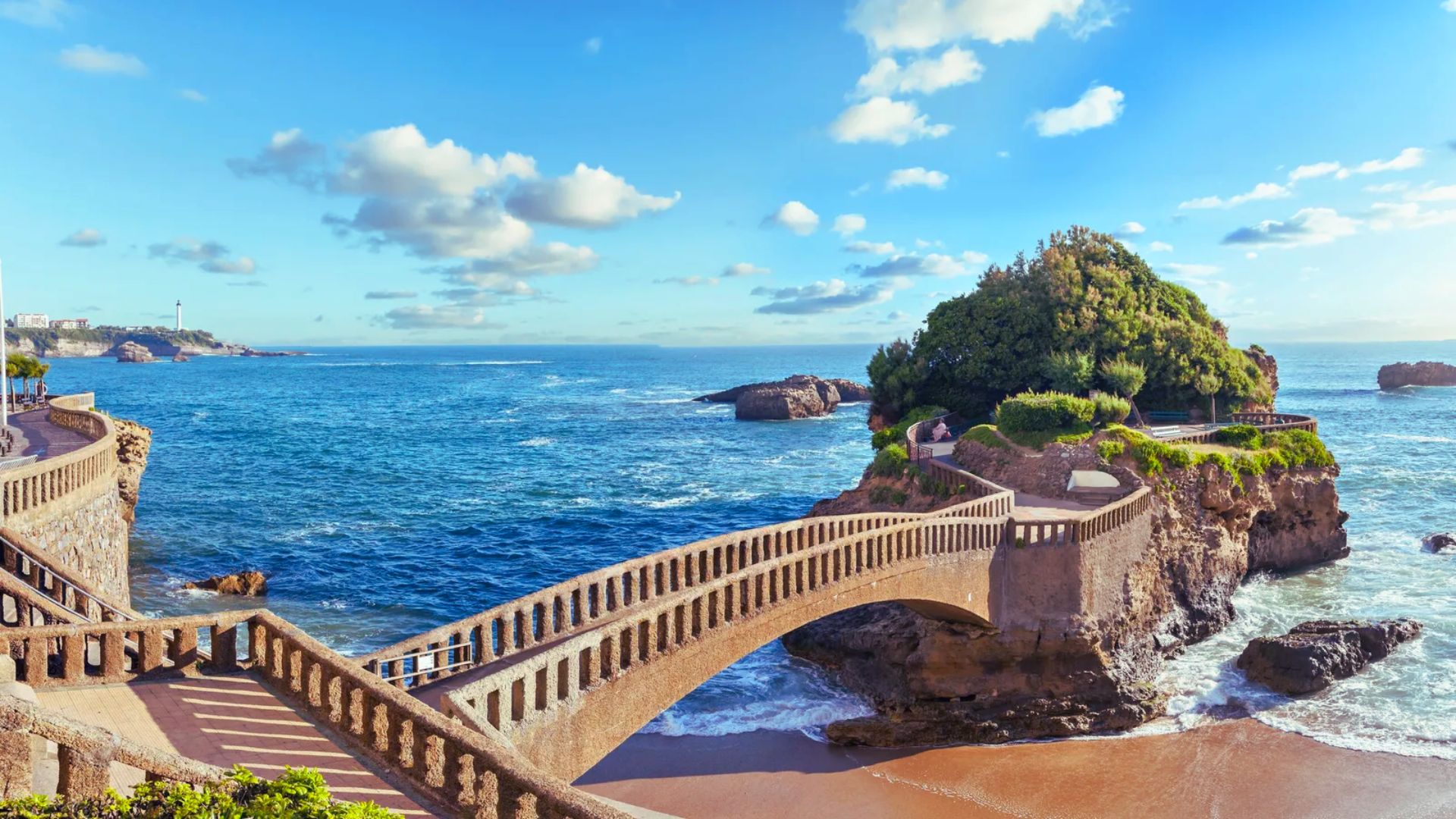
3. Roam Around San Juan de Gaztelugatxe
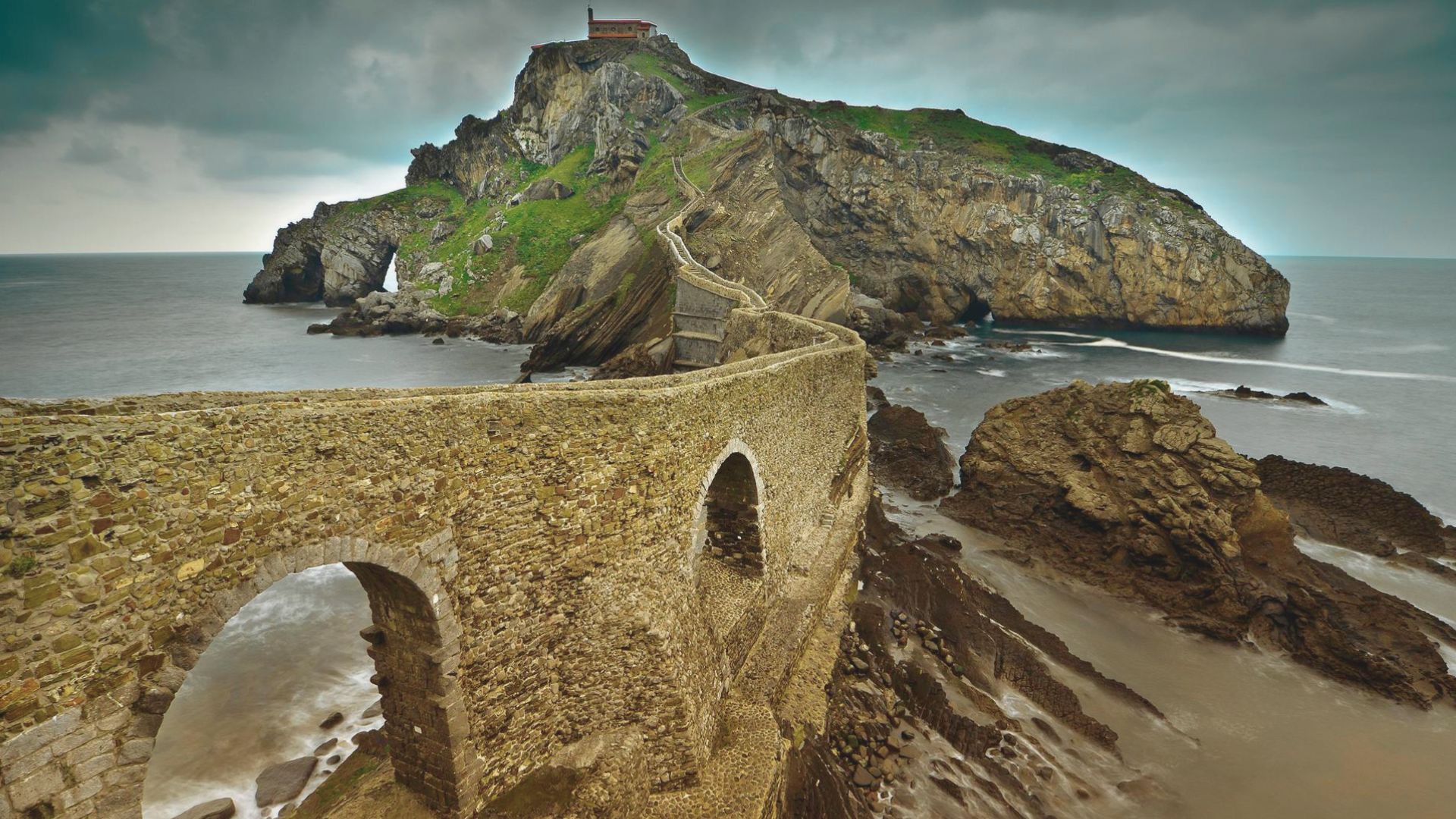
Climb 241 stone steps to reach this tiny island chapel. The Game of Thrones filmed here, calling it Dragonstone.
The views of jagged coastline and crashing waves make the steep walk worth it.
Ring the chapel bell three times for good luck, as tradition demands. Arrive early because parking fills up fast.
4. Go Pintxos Hopping in San Sebastián
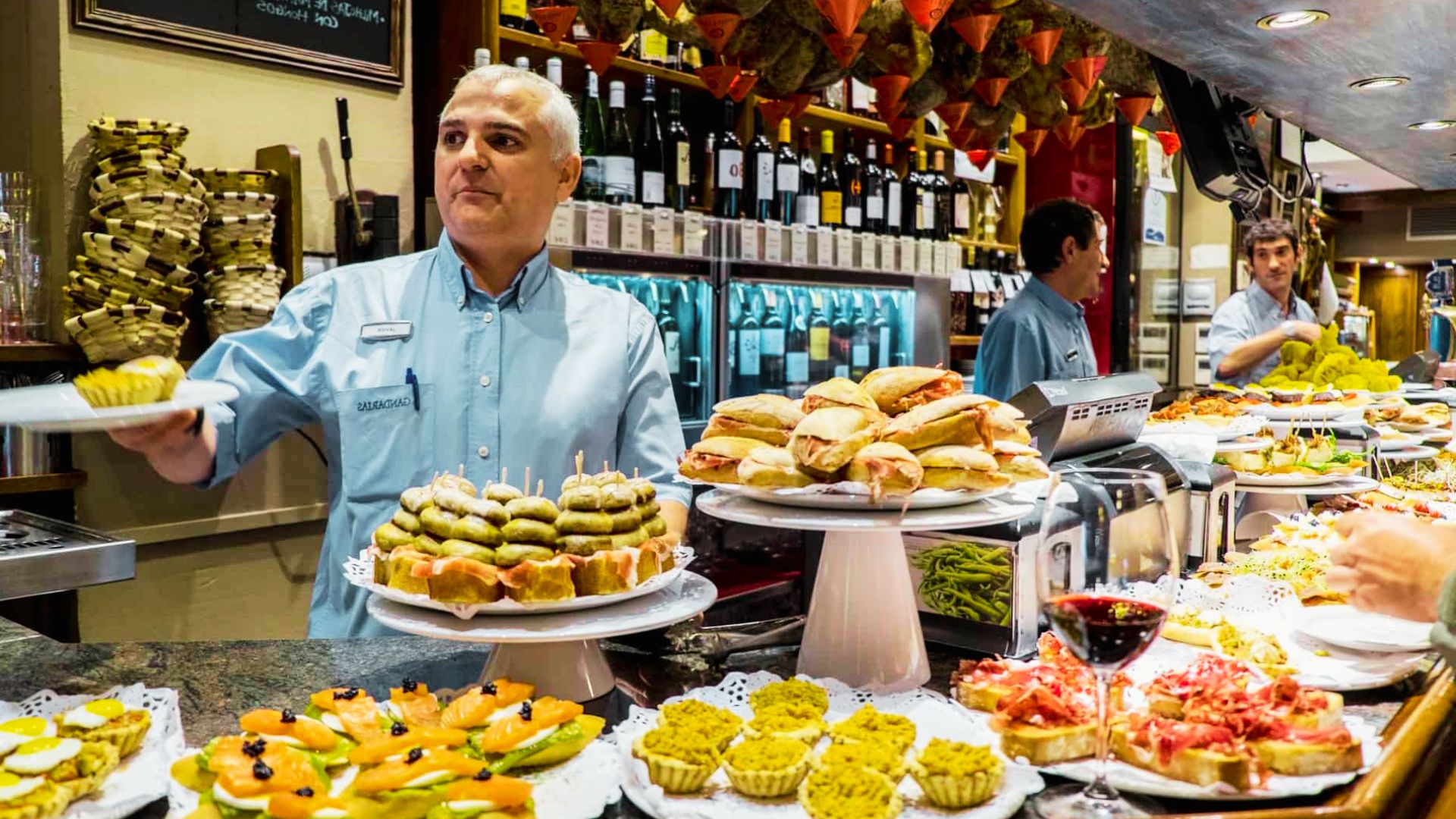
Start in Parte Vieja around 8 PM when bars fill with locals. Each bar specializes in different pintxos.
Try the mushroom ones at Gandarias, seafood at La Cuchara de San Telmo.
Order a small glass of txakoli, the local white wine. Move between bars every 20 minutes. This is dinner Basque style.
5. Walk Through Bilbao and San Sebastián Old Towns
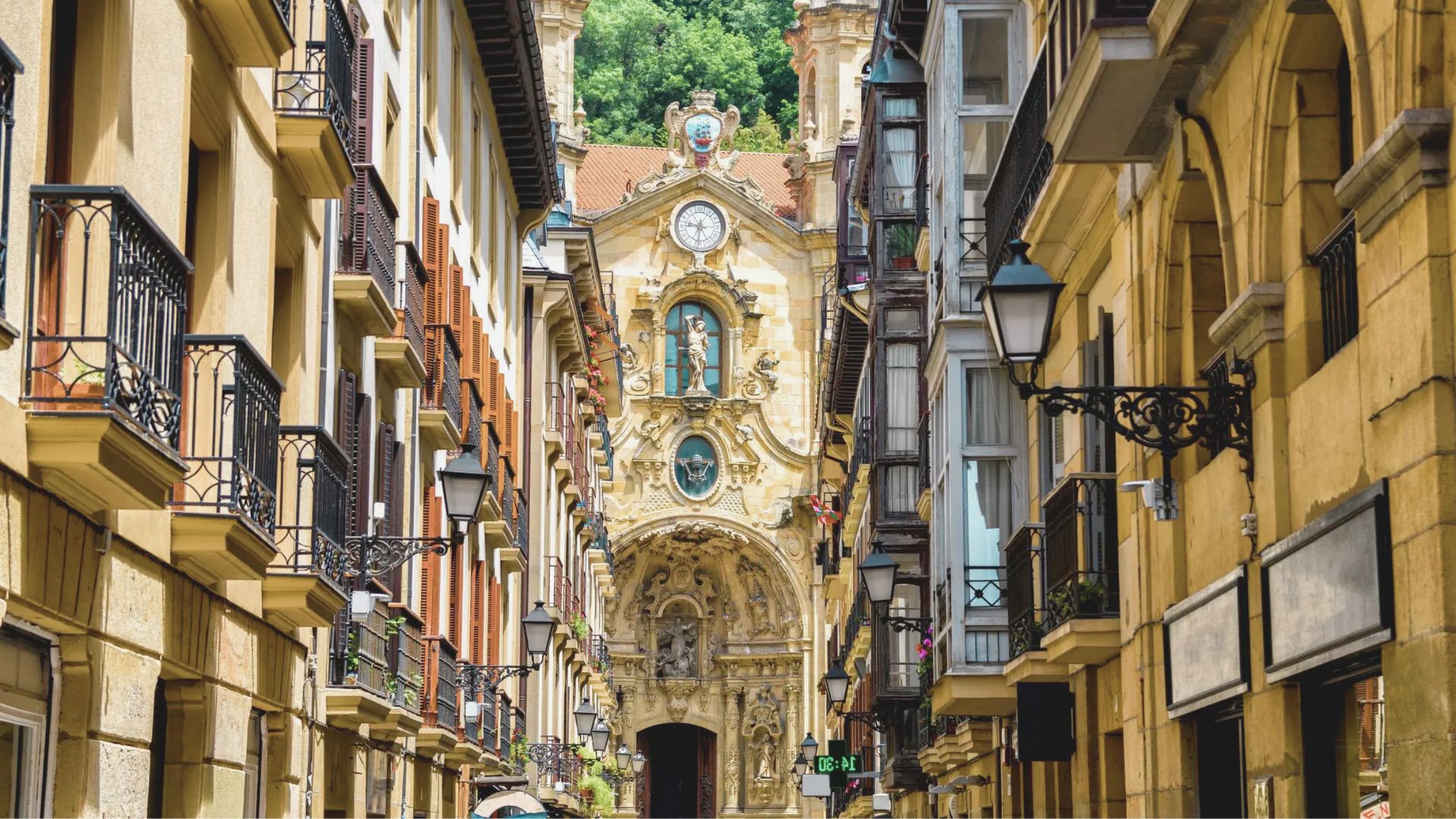
Both cities have medieval quarters worth exploring on foot. Bilbao’s Casco Viejo has seven original streets called Las Siete Calles.
San Sebastián’s Parte Vieja packs more bars per square meter than anywhere I’ve seen. Get lost in the narrow alleys.
Stop at small shops selling local products. These areas show the region’s history.
6. Find the Flysch Coast in Zumaia
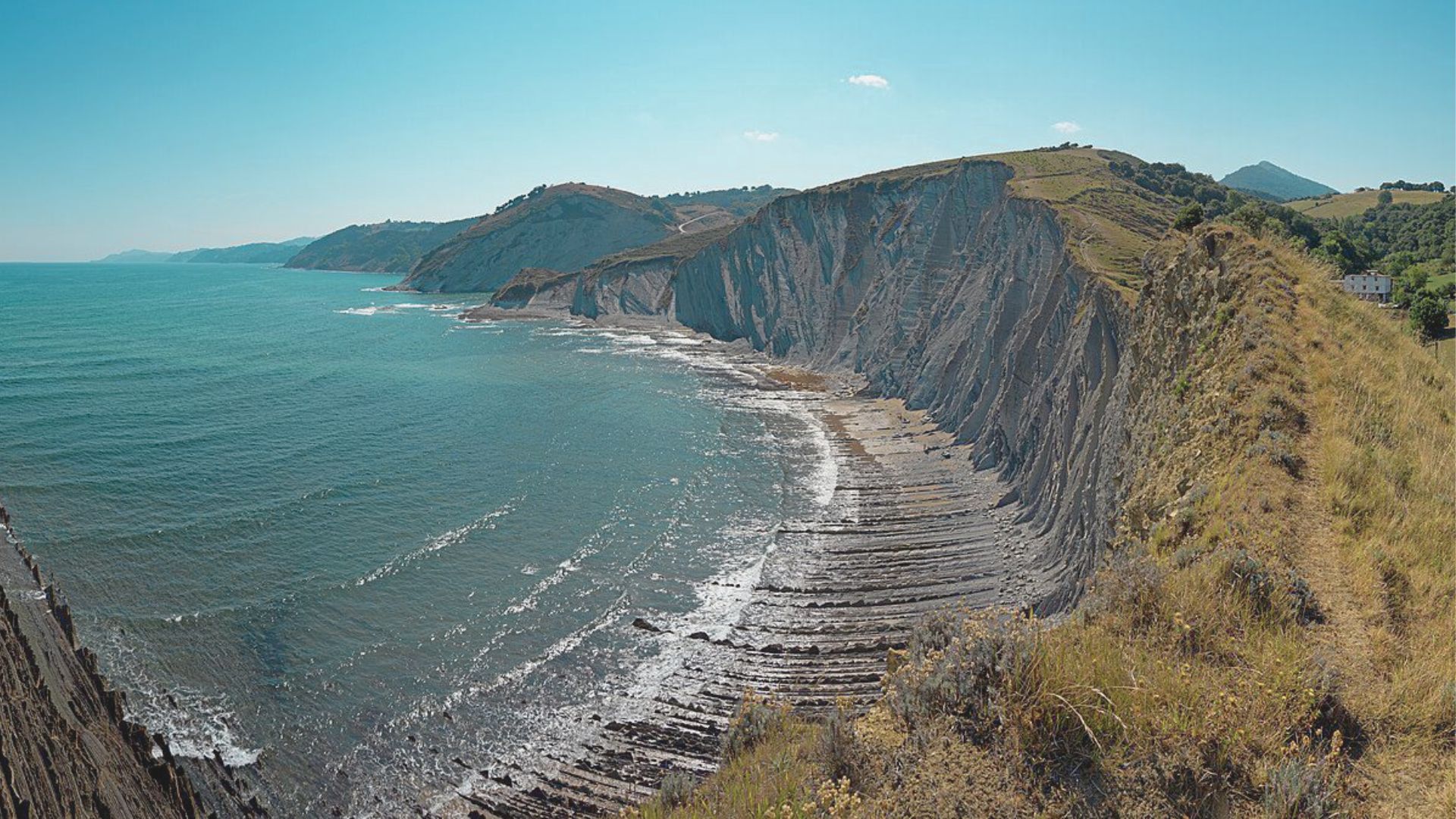
These rock formations tell 60 million years of Earth’s geological history. Horizontal layers of rock stripe the cliffs like a natural timeline.
Walk the coastal path during low tide for the best views. The beach itself, Playa de Itzurun, stretches wide with dark sand.
Scientists come here to study ancient climate patterns.
7. Enjoy Scenic Coastal Views and Villages
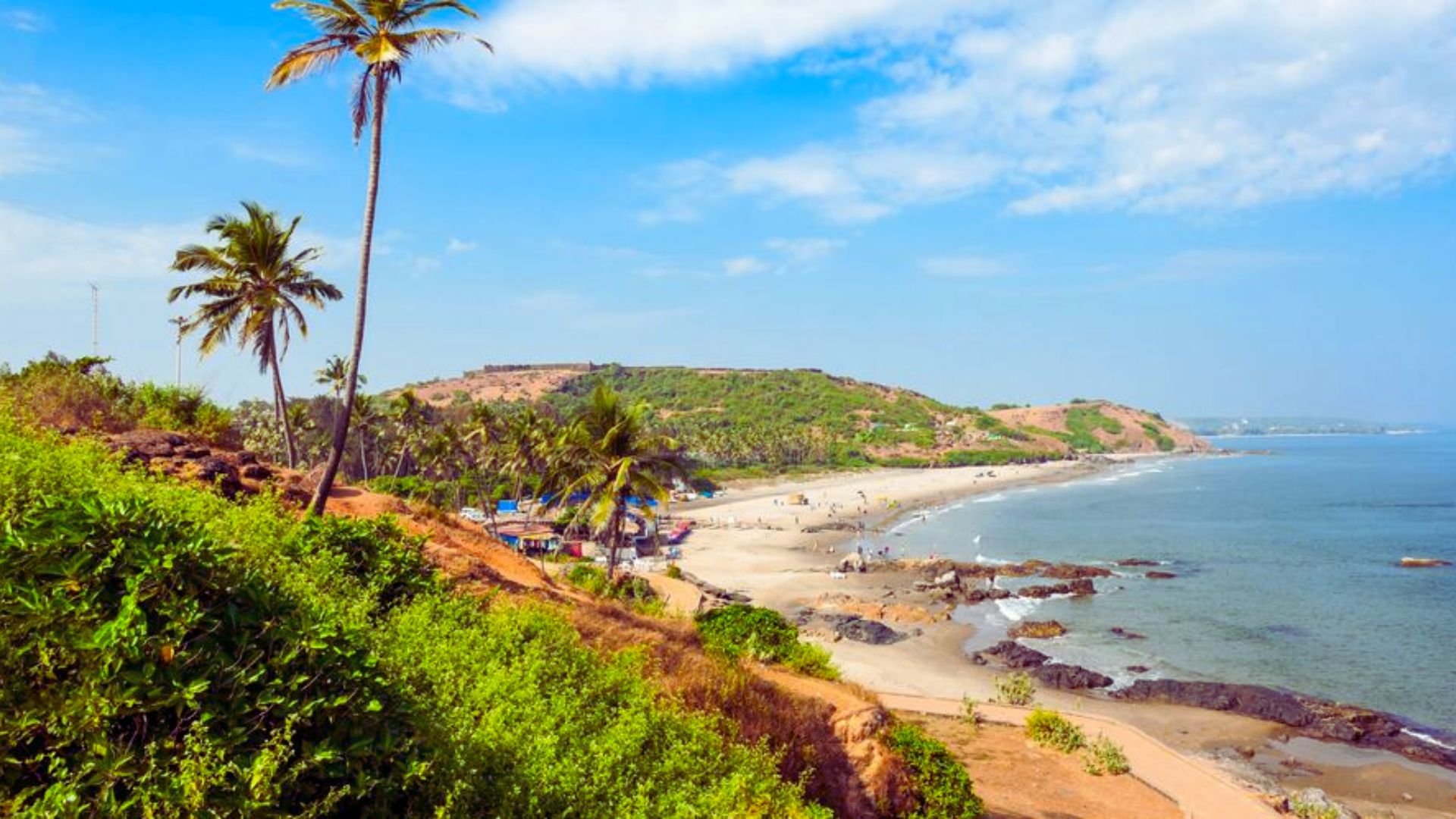
Drive the coastal road between San Sebastián and Bilbao, stopping at fishing villages. Getaria produces excellent txakoli wine and grilled fish.
Lekeitio has a protected harbor and colorful houses. Mundaka attracts surfers from around the world for its left-hand wave.
Each village has its own character and local bars serving fresh catches.
Outdoor & Nature Activities
- New Zealand’s beaches offer world-class surfing for all skill levels, from beginner waves to challenging breaks. Black sand beaches up north and golden stretches down south each have their own vibe.
- Coastal walks take you along dramatic clifftops with ocean views that stop you in your tracks. Trails range from easy hour-long strolls to full-day hikes through native bush.
- Popular viewpoints give you panoramic scenes of crashing waves and rock formations. Many are roadside accessible, while others need a short walk to reach the best spots.
- Summer (December to February) is ideal for coastal activities, though surfers hit the waves year-round. Pack layers since coastal weather changes quickly.
Suggested Basque Country Itineraries
Choose from 3, 5, or 7-day plans that cover cities, coastal towns, nature hikes, and food experiences based on your travel schedule.
3-Day Basque Country Itinerary
Spend two days in Bilbao visiting the Guggenheim Museum, wandering the old town, and eating pintxos in local bars.
Take a day trip to San Sebastián for beach time, La Concha promenade walks, and more incredible food at seaside restaurants.
5-Day Basque Country Itinerary
Start with two days in Bilbao, then head to San Sebastián for two nights of beach, pintxos, and city exploration.
Use your fifth day for a coastal drive through fishing villages like Getaria and Hondarribia, stopping for fresh seafood and ocean views along the way.
7-Day Basque Country Itinerary
Follow the 5-day plan, then add two more days for hiking in the Basque hills, visiting inland villages, and taking cooking classes.
This gives you time to experience rural Basque life, local farms, and traditional cider houses without rushing through anything.
Final Thoughts
The Basque Country hits all the right notes for food lovers, outdoor fans, and anyone who wants real cultural experiences. The cities are fantastic, but don’t stop there.
Some of my best memories came from small coastal villages and mountain towns most tourists skip.
The food gets even better, the locals are friendlier, and you’ll see what makes this region truly special.
Ready to plan your trip?
Share your Basque Country questions in the comments, and let me know which spots you’re most excited to visit!
Frequently Asked Questions
How many days do you need in the Basque Country?
Plan for at least 5 to 7 days to see the main cities and coastal areas without rushing. This gives you time for Bilbao, San Sebastián, smaller villages, and some nature activities.
What is the Basque Country famous for?
The Basque Country is known for its world-class food scene, especially pintxos and Michelin-starred restaurants. It’s also famous for its distinct culture, language, dramatic coastline, and cities like Bilbao with the Guggenheim Museum.
Is the Basque Country expensive to visit?
San Sebastián can be pricey, especially for hotels and dining at high-end spots. Bilbao and smaller towns are more affordable, and you can eat well at local bars without spending a fortune on pintxos.
What’s the best time to visit the Basque Country?
Late spring (May to June) and early fall (September to October) offer great weather with fewer crowds. Summer is busy but perfect for beaches, while winter brings rain but also lower prices and authentic local experiences.
Do I need to speak Spanish or Basque?
Spanish works fine throughout the region, and most people in tourist areas speak some English. Learning a few basic Spanish phrases helps, but you’ll get by without speaking Basque.
