


The Azores surprised me on my first visit. These nine volcanic islands off Portugal’s coast offer so much more than I expected.
I’ve spent weeks touring these islands, and I’m here to help you plan the perfect trip. You’ll learn about the top 17 things to do in Azores across São Miguel, Pico, Terceira, Faial, and São Jorge.
This guide covers everything. Hot springs and tea plantations. Whale watching and volcano hikes. I’ll share what worked for me and what you need to know.
You won’t waste time on tourist traps. I’m giving you the real spots locals love.
My experience across all these islands means you get honest advice. No fluff. Just practical tips that work.
Let’s get started.
Why the Azores Should Be on Your Radar
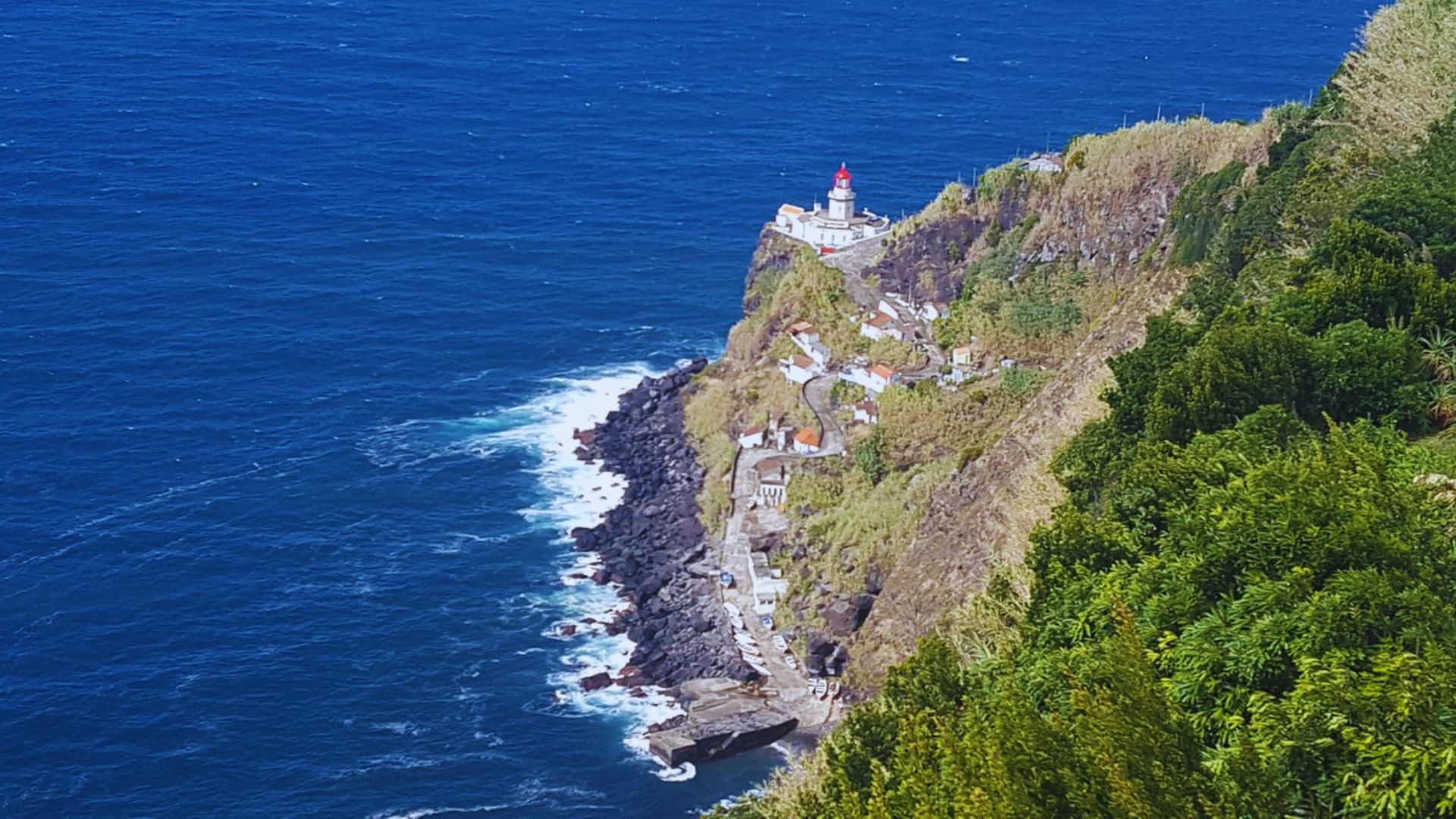
The Azores feel different from mainland Portugal. Each island has its own personality. You get volcanic landscapes, thermal pools, and ocean views everywhere you turn.
The food scene revolves around local ingredients. People here take their time.
The pace slows you down in the best way possible.
Things to Do in São Miguel Island
São Miguel is the biggest island. Most visitors start here. You’ll find volcanic hot springs, crater lakes, and tea plantations.
The island mixes natural wonders with local culture perfectly.
1. Visit Europe’s Oldest Tea Plantation: Gorreana
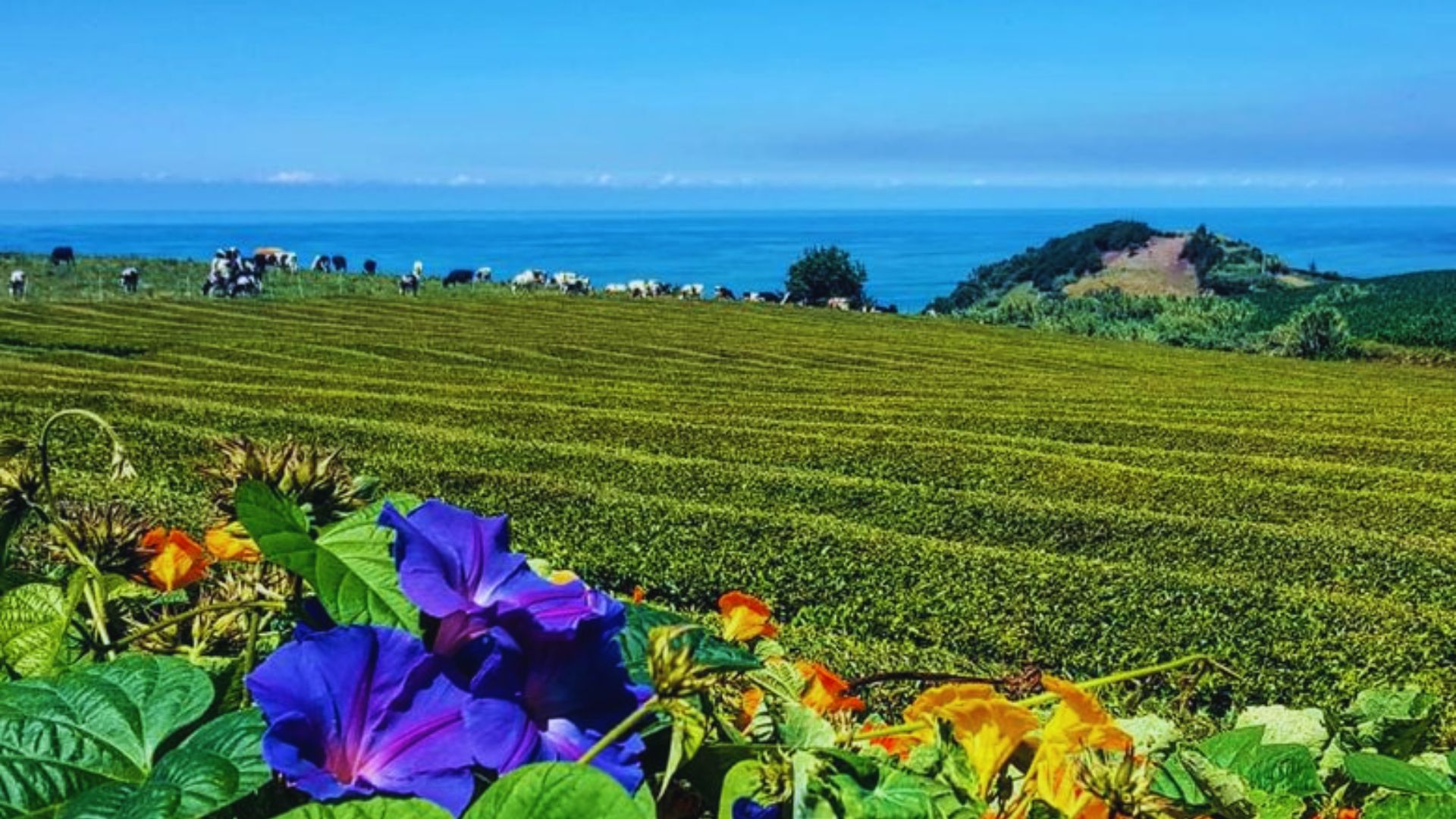
I loved walking through Gorreana’s tea fields. The plantation has been running since 1883. You can tour the factory for free.
The tea tasting room overlooks the ocean. Try both the green and black teas. The views alone make it worth the drive.
2. Relax in Geothermal Lakes and Thermal Pools
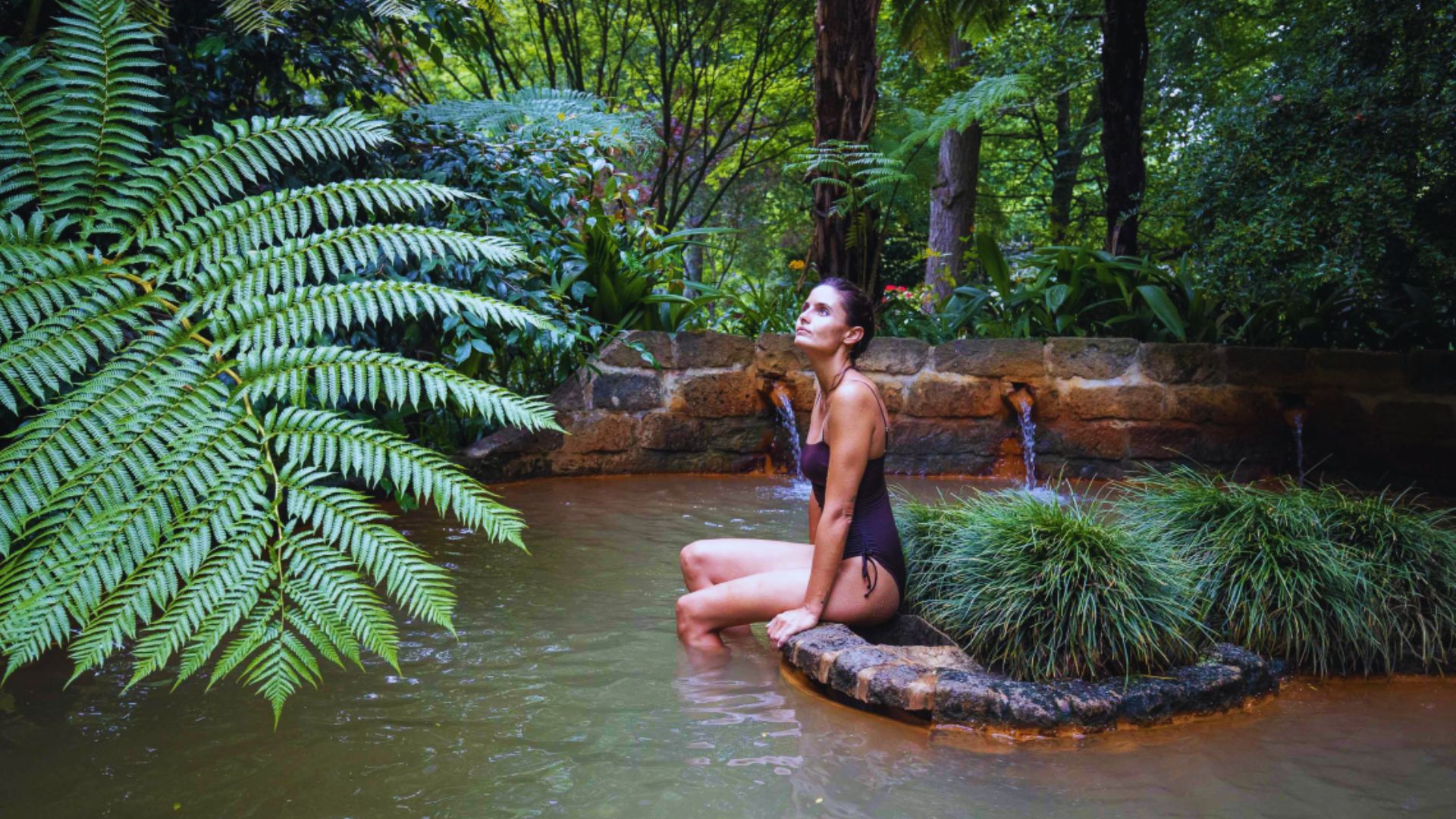
Terra Nostra Park sits in Furnas valley. The thermal pool here is huge. Don’t wear white swimsuits.
The iron stains them orange-brown. I learned this the hard way. Furnas Hot Springs offer another option. Both work great for families.
3. Hike to Sete Cidades and Twin Lakes
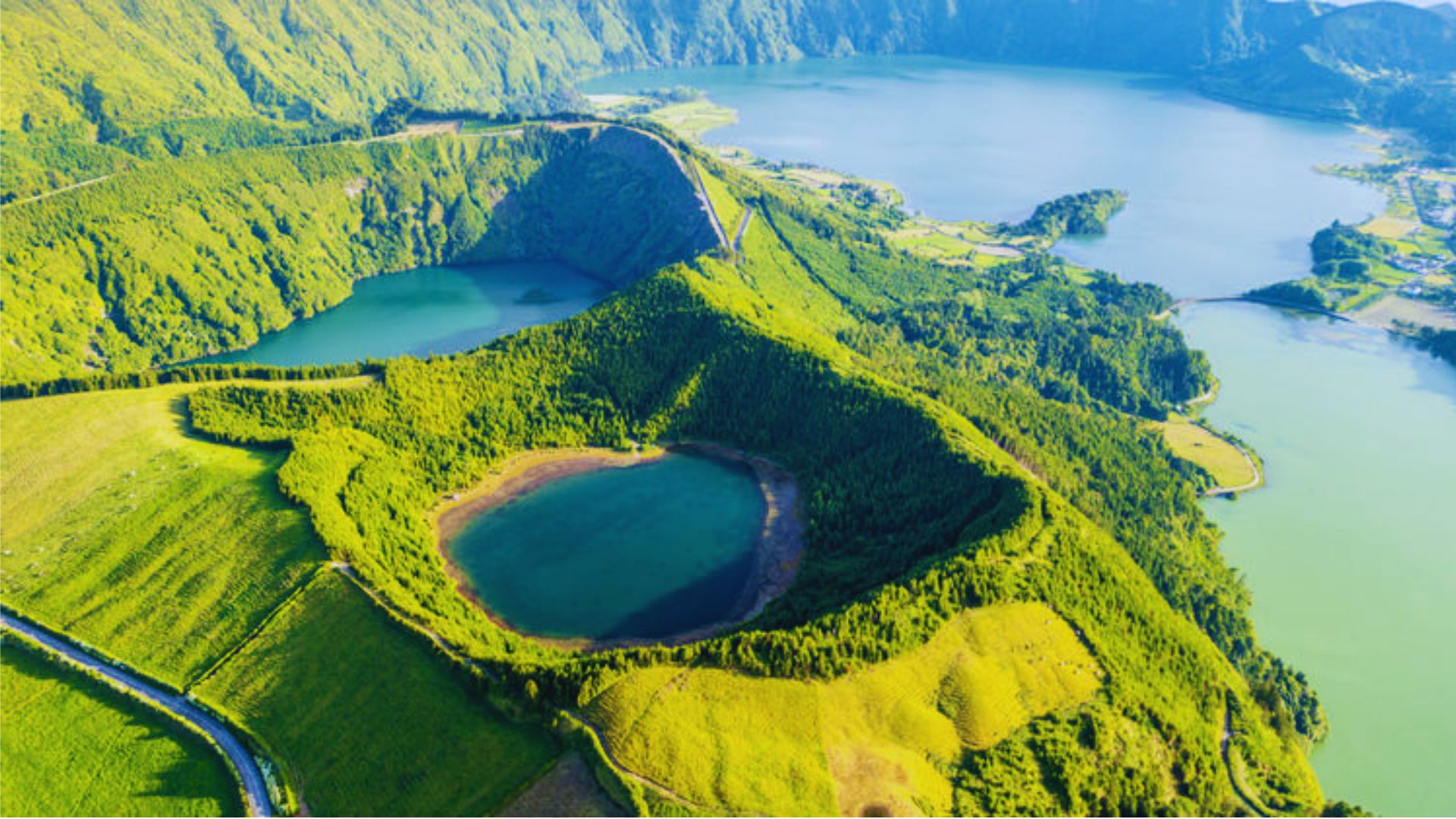
This crater hike ranks as my favorite on São Miguel. You’ll see Lagoa Verde (green) and Lagoa Azul (blue).
Hydrangeas bloom along the crater rim in summer. Start early to avoid crowds. The loop takes 3-4 hours depending on your pace.
4. Try Geothermal-Cooked Cozido
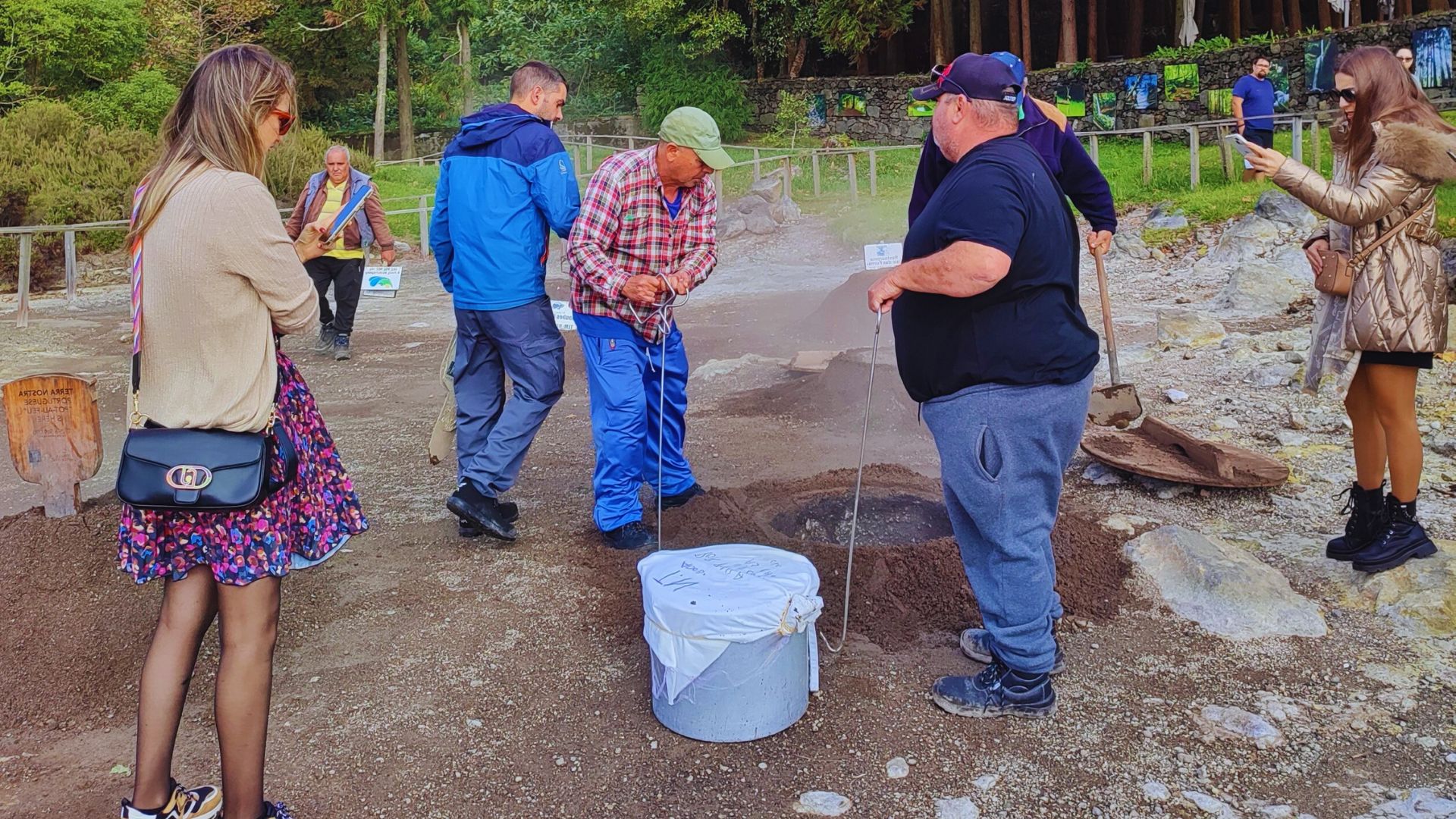
Cozido das Furnas is unlike anything you’ve tasted. Locals cook this stew in volcanic ground for six hours.
The meal includes beef, pork, chicken, vegetables, and sausages. Everything tastes smoky and tender. You can watch them pull pots from the ground at Lagoa das Furnas.
Things to Do in Pico Island
Pico Island centers around one massive volcano. The island also offers wine culture, whale watching, and a peaceful coastline. It’s quieter than São Miguel but just as rewarding.
5. Climb Mount Pico: Portugal’s Highest Peak
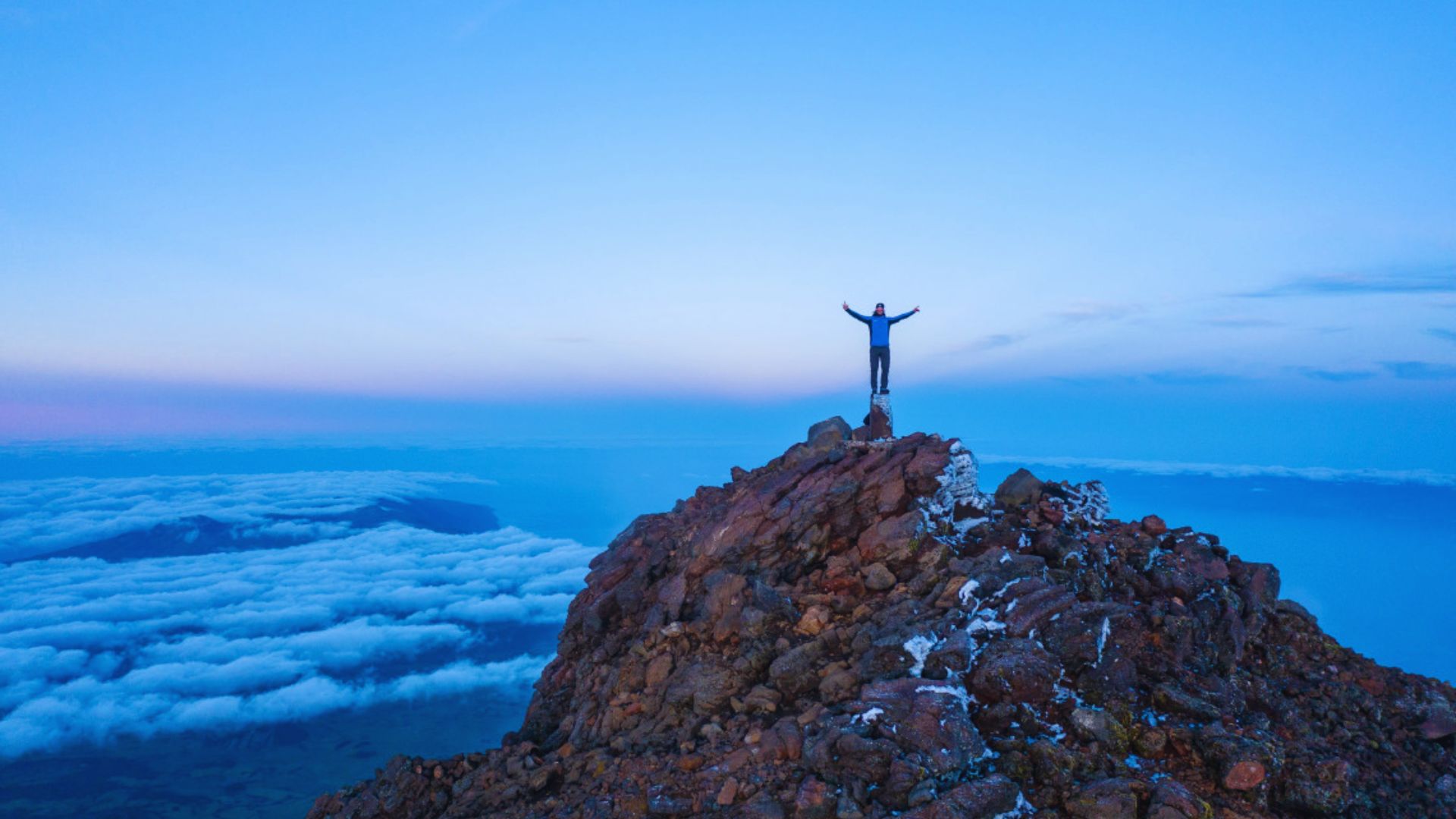
Mount Pico stands at 7,713 feet. I climbed it in August. The hike pushed me hard. Start before sunrise to reach the summit by dawn.
Bring warm layers. The temperature drops at the top. You need a guide or permit to climb.
6. Wander the UNESCO Vineyards of Pico
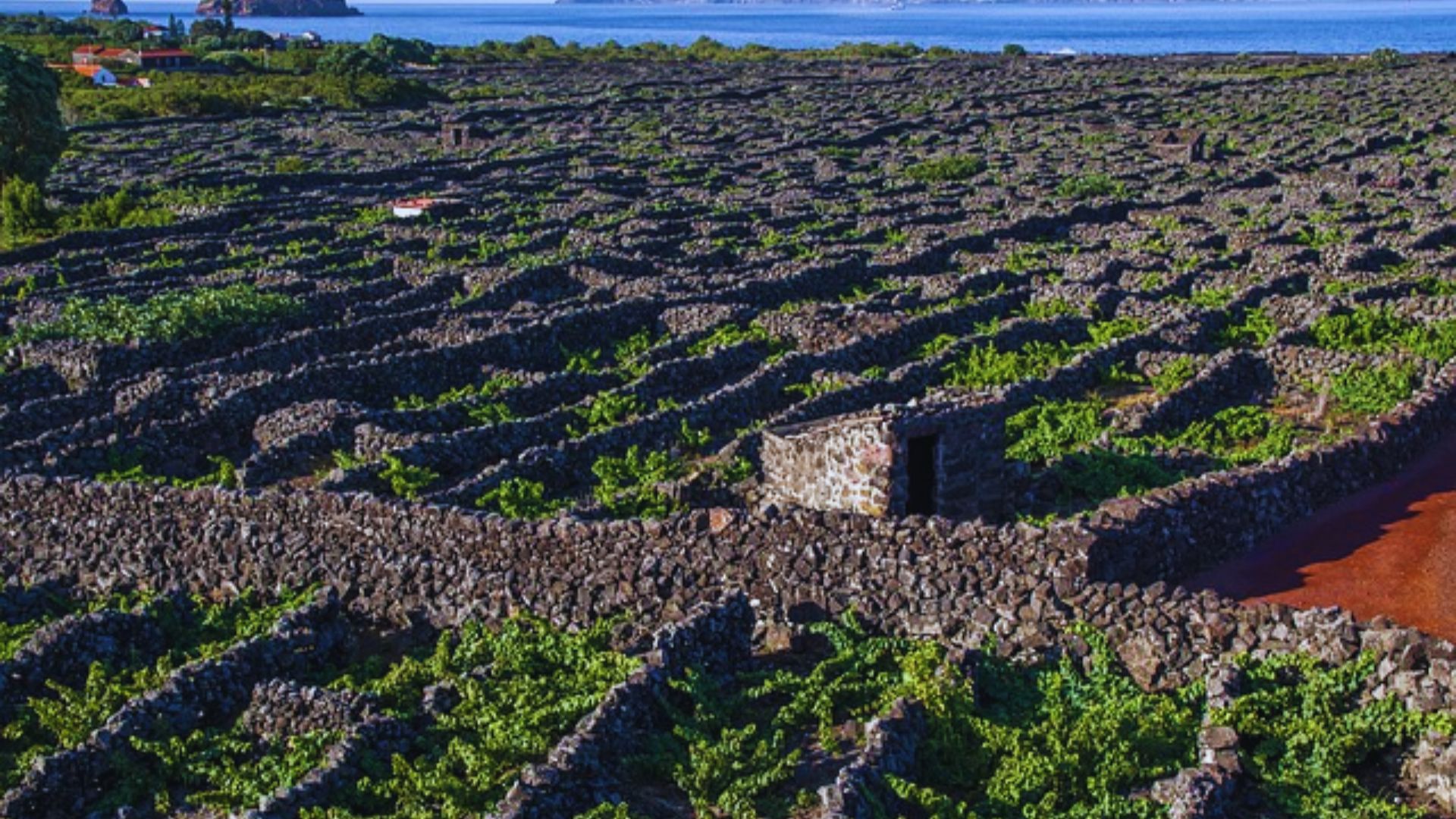
These vineyards look different from any others. Black basalt stone walls protect the vines from ocean wind.
The landscape creates a geometric pattern across the hillsides. Stop at local wineries for tastings. The volcanic soil gives the wine a mineral quality. Bring your camera.
7. Go Whale Watching in Pico
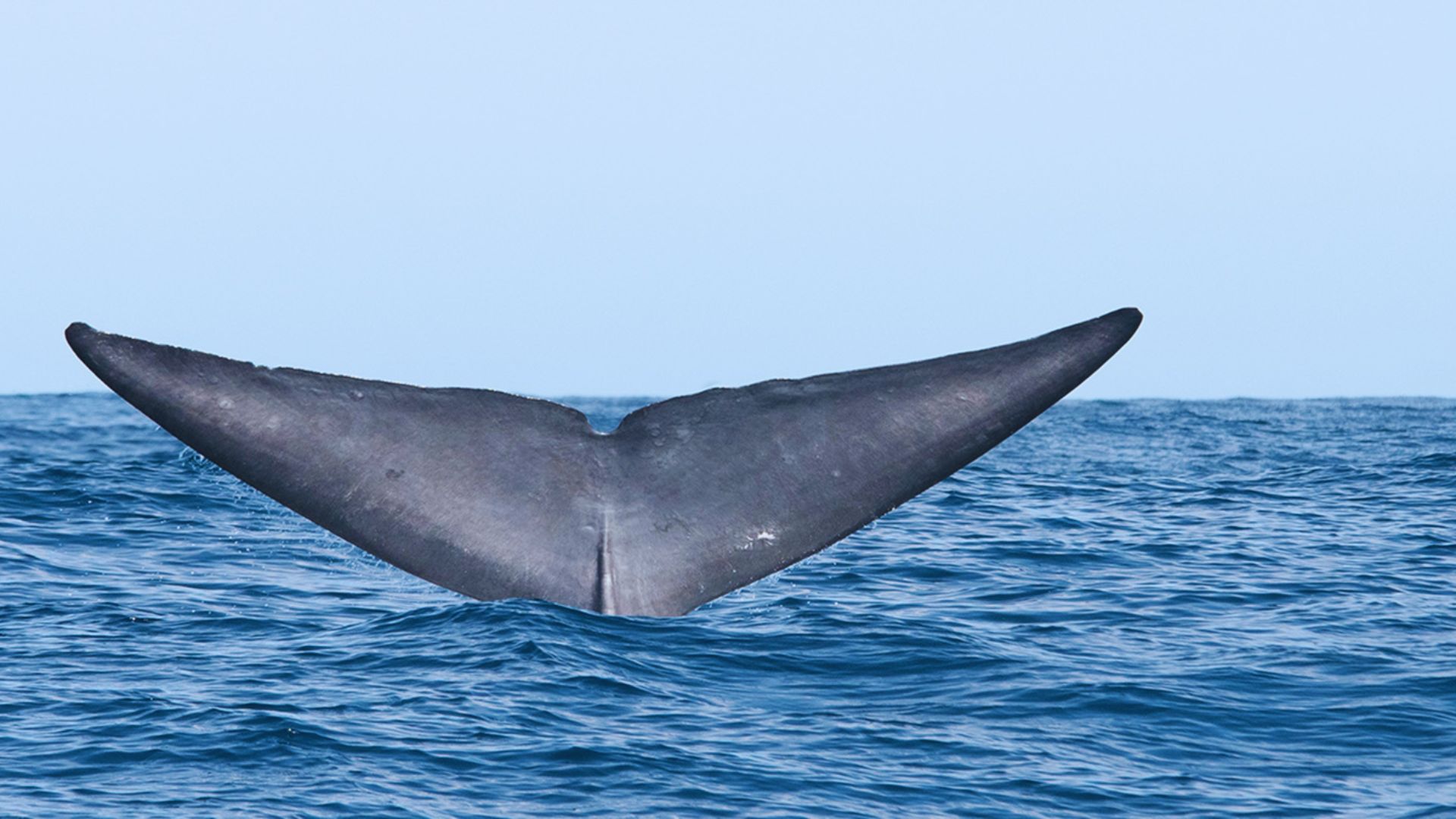
Pico offers some of the best whale watching in Europe. I saw three sperm whales on my trip. You might also spot pilot whales, dolphins, or blue whales.
Tours run from April through October. Boats leave from Lajes do Pico or Madalena. Tours last 2-3 hours.
8. Relax at Pocinho Bay
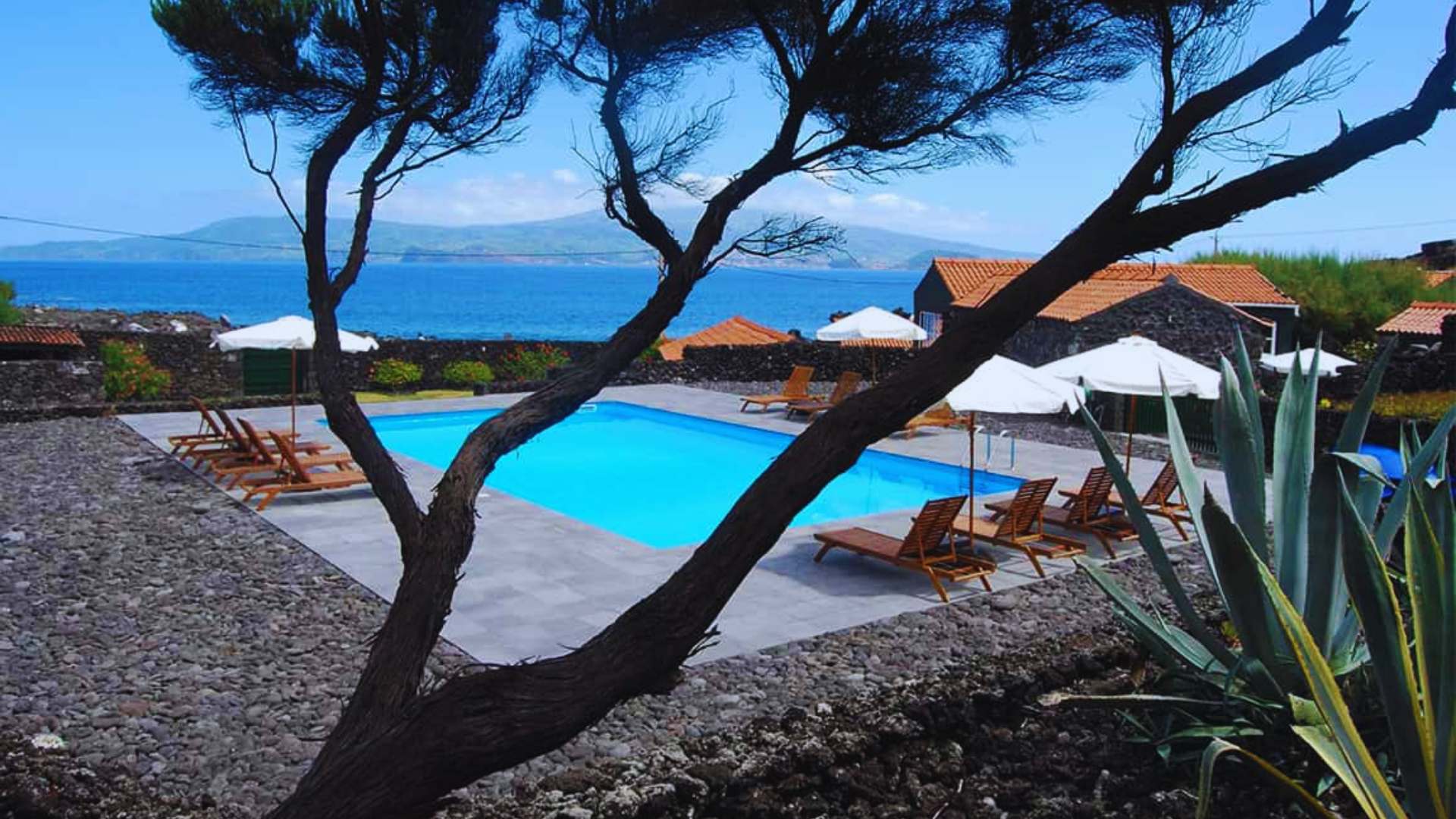
This swimming cove offers calm, clear water. Natural rock formations create protected pools. Locals swim here year-round.
The water stays relatively warm thanks to shallow areas. Bring snorkel gear. Small fish swim around the rocks. It’s a quiet spot, perfect after hiking or touring vineyards.
Things to Do in Terceira Island
9. Tour Angra do Heroismo: UNESCO Heritage City
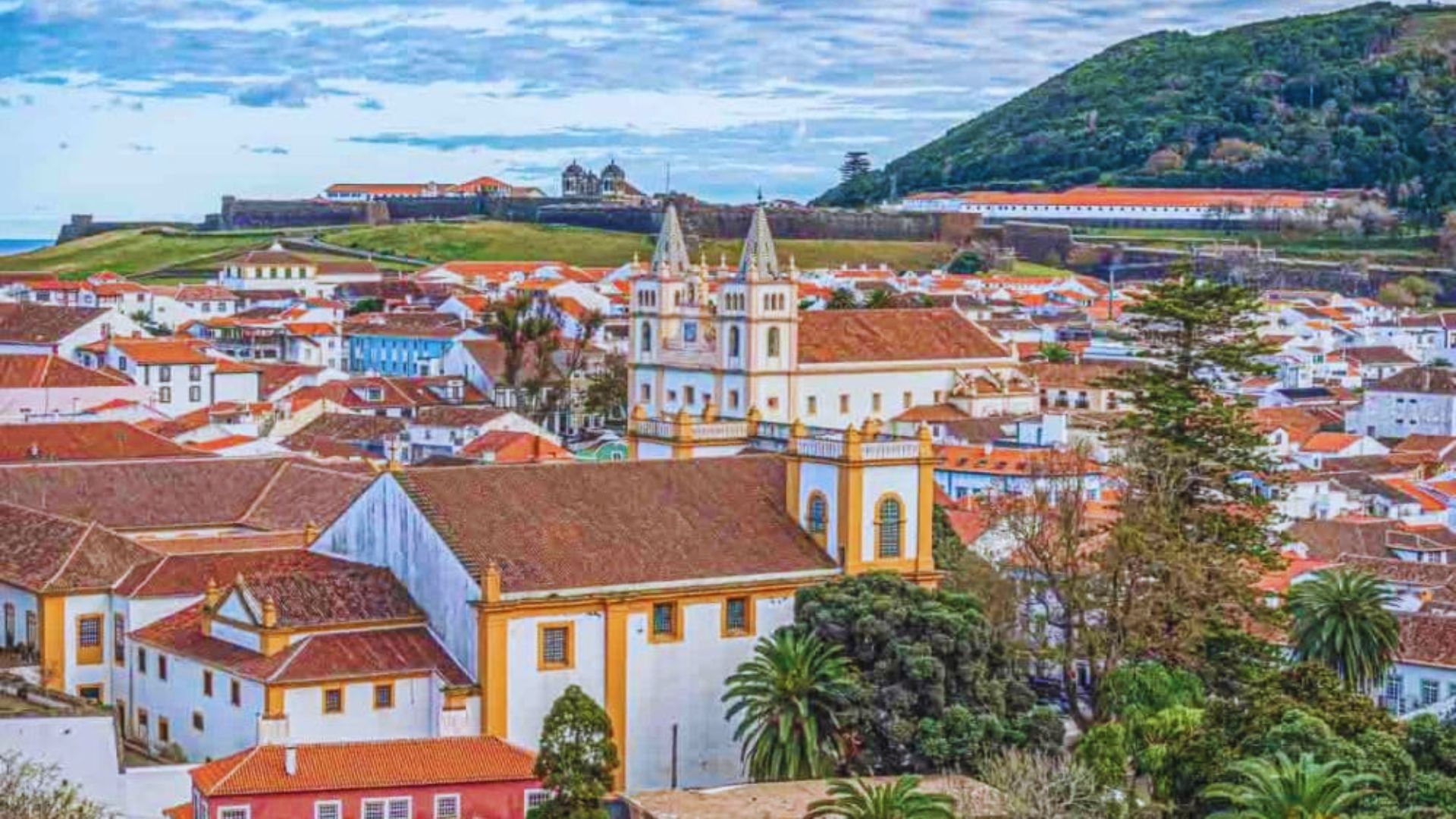
This Renaissance city dates back to the 15th century. Colorful buildings line narrow streets. The historical center survived a major earthquake in 1980.
Restoration work kept the original character intact. Visit the museums and churches. The Duke of Terceira Garden offers a peaceful break. Plan at least half a day here.
10. Visit Algar do Carvão Lava Tube
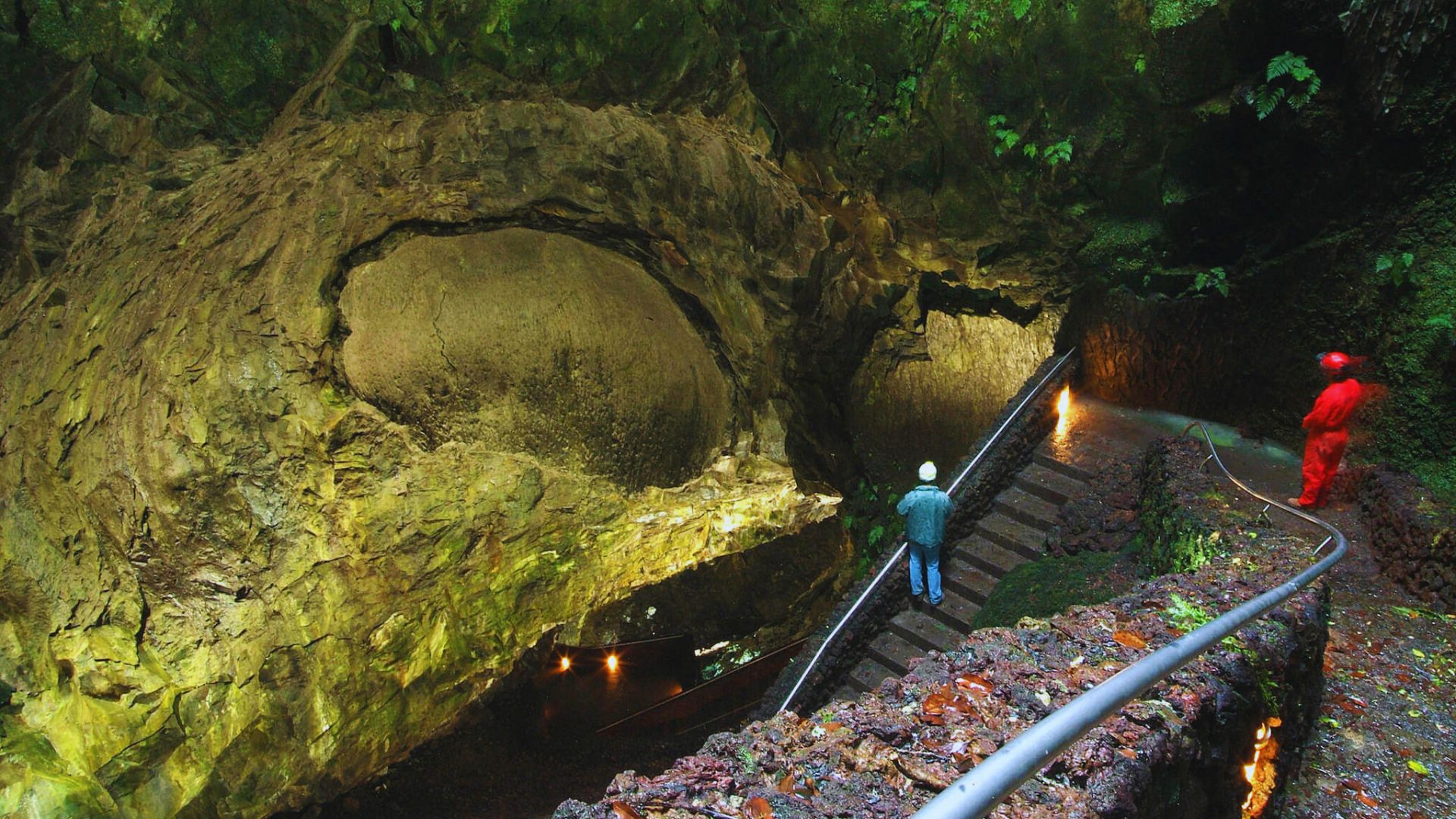
I descended 300 feet into this volcanic cave. A lake sits at the bottom. Stalactites hang from the ceiling. The formations took thousands of years to create.
The cave stays open from April to October. The temperature inside runs cool. Bring a light jacket. The geology is incredible.
Things to Do in Faial Island
11. Trek Capelinhos Volcano
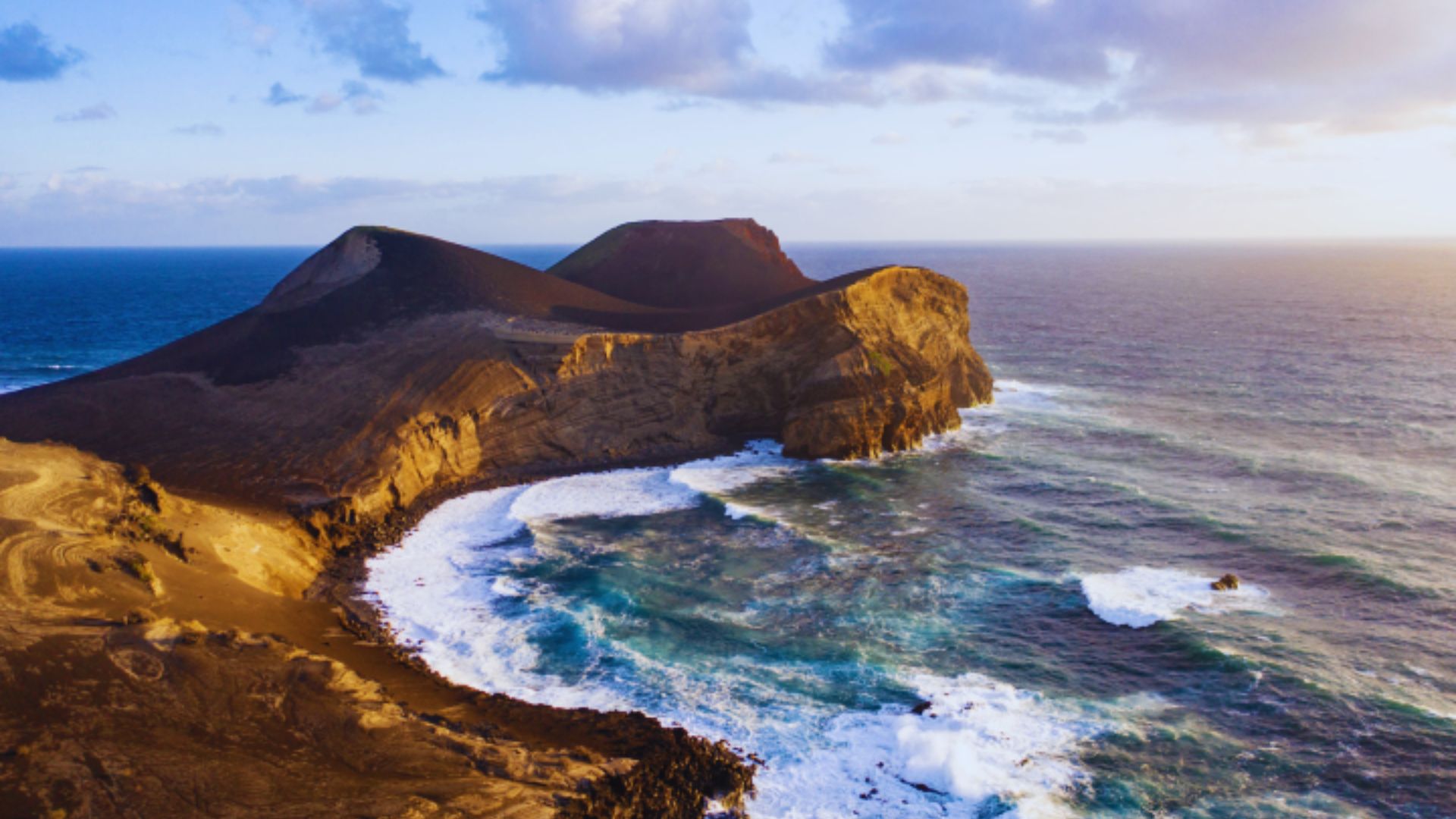
This volcano erupted in 1957. The landscape still looks lunar. Black sand and ash cover everything. A lighthouse stands near the crater.
You can tour the interpretation center underground. The trail to the crater rim is short but steep. Wear sturdy shoes. Bring water and sun protection.
12. Hike Pico Alto for Panoramic Views

Pico Alto reaches 3,478 feet. The trail is moderate to challenging. On clear days, you see Pico Island across the channel.
The coastline of Faial spreads out below. Hydrangeas line the lower sections in summer. The upper portions open to bare landscape. Start early for the best visibility.
Things to Do in São Jorge Island
13. Walk the Caldeira de Cima Gorge

This ridge walk offers dramatic coastal views. The trail follows the cliff edge. You’ll see a rocky coastline far below.
On clear days, Pico and Faial appear in the distance. The path can get muddy. Good hiking boots help. Watch for loose rocks near the edge. Plan 2-3 hours.
14. Tour Fajãs and Coastal Hamlets

Fajãs are small flat areas at the base of cliffs. Some formed from lava flows. Others from landslides. Fajã da Caldeira de Santo Cristo is one of the most famous.
These settlements show traditional Azorean life. Small farms, local cheese production, tight-knit communities. The setting is peaceful and authentic.
Best Beaches & Coastal Experiences in the Azores
15. Relax at Praia dos Moinhos Beach
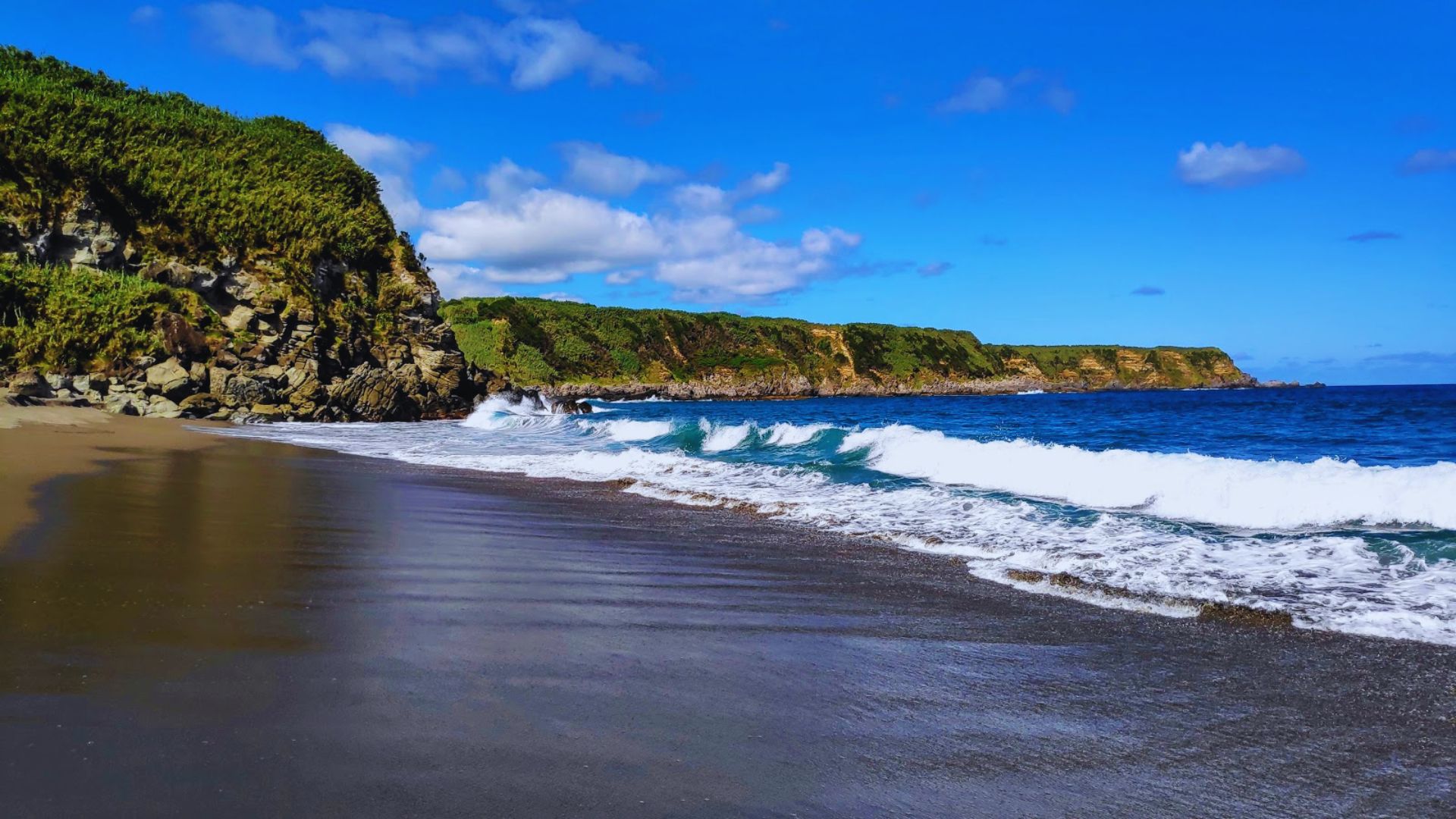
This sandy beach sits near Ponta Delgada. Hills rise behind the shore. The water stays calmer here than at exposed beaches.
Families come here often. Facilities include showers and a snack bar. Parking can fill up on summer weekends. It’s accessible and safe for children.
16. Swim at Ponta da Ferraria Thermal Pool
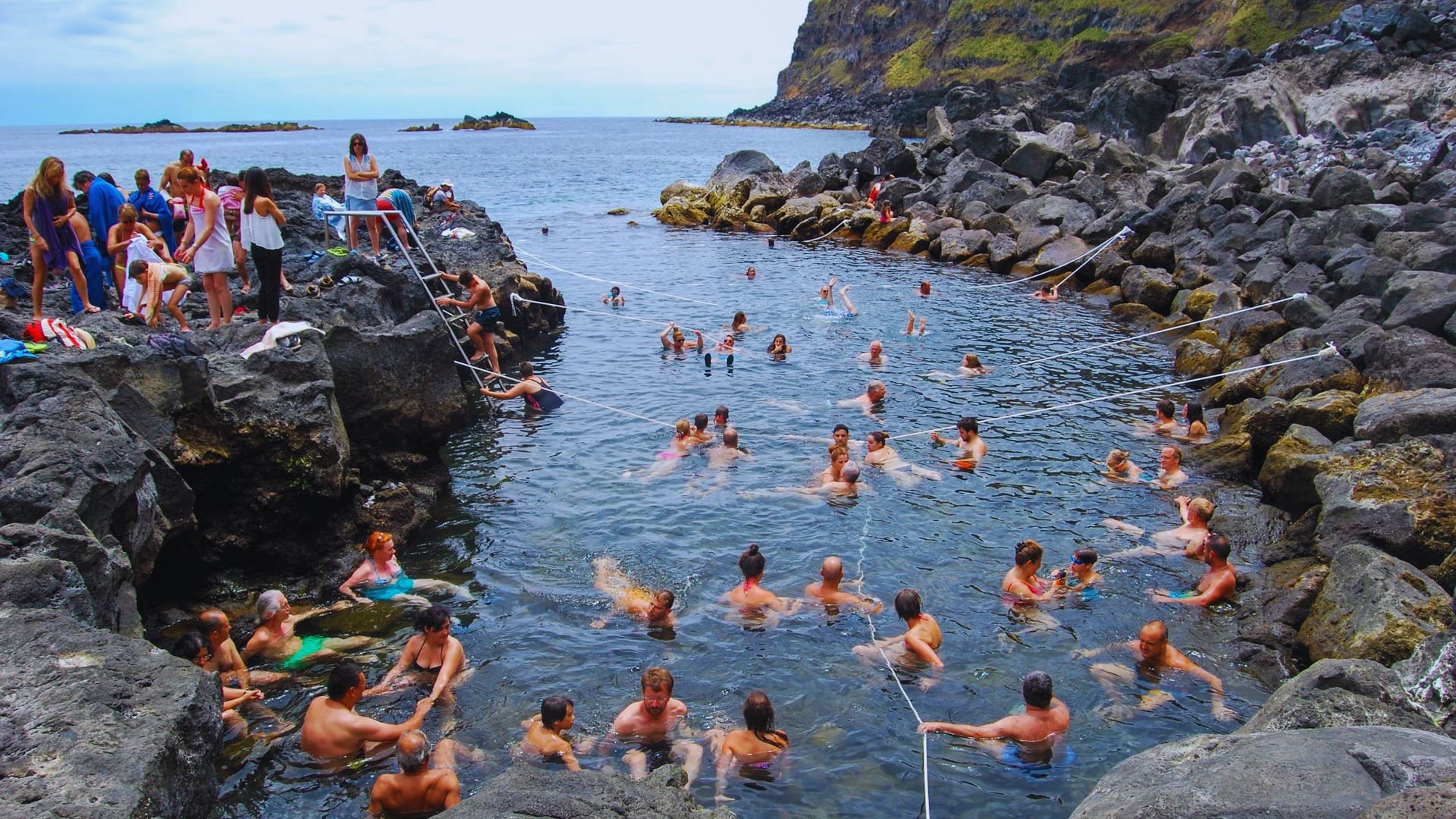
This natural pool sits right in the ocean. Volcanic heat warms the water. Timing matters here. At high tide, cold ocean water floods in.
At low tide, the thermal water stays warmer. Locals recommend arriving two hours before low tide. The iron-rich water can stain light-colored swimsuits.
17. Enjoy Mosteiros Beach & Cliffs
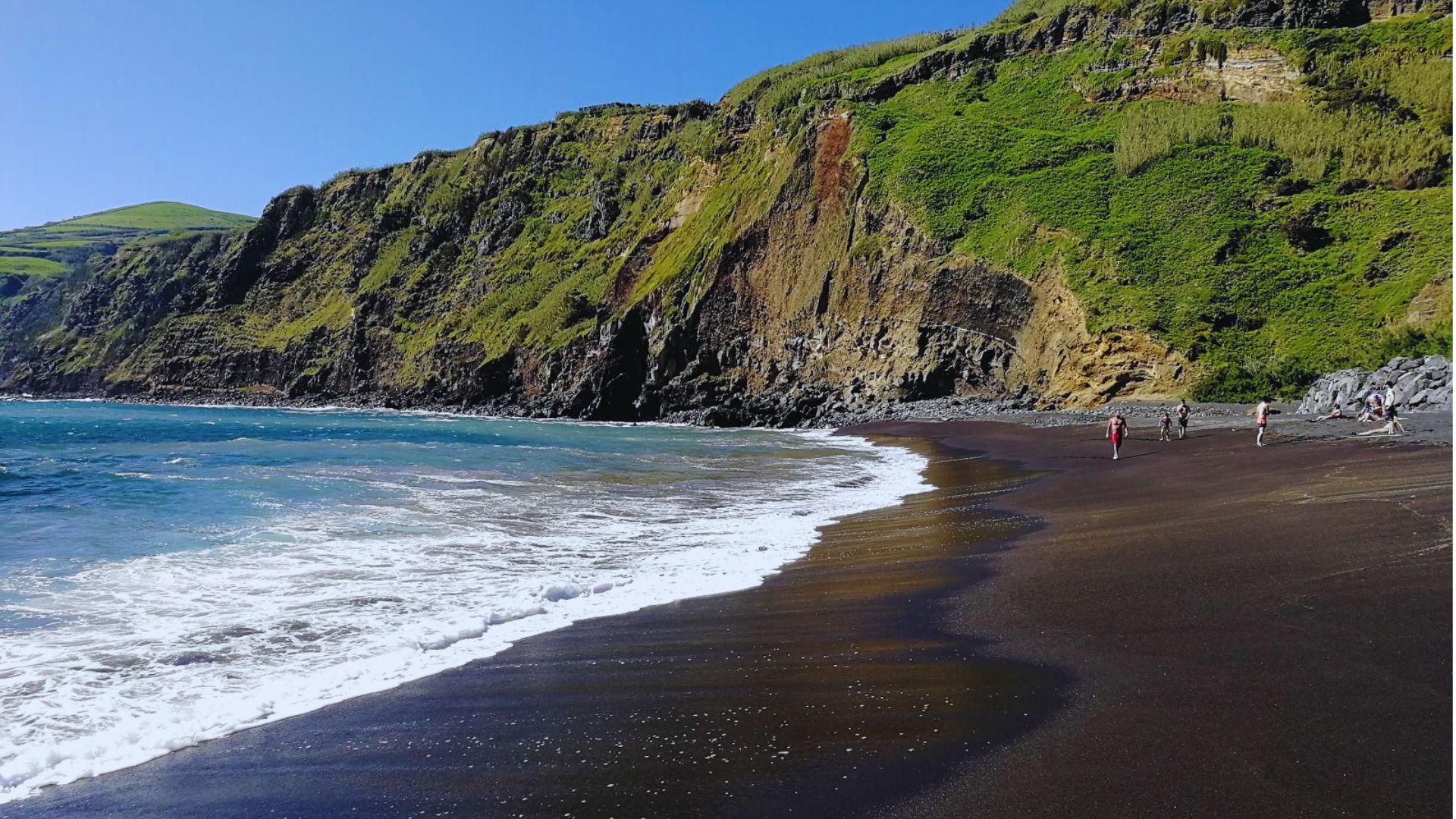
Black sand covers this beach. Rock formations jut from the water offshore. Some visitors cliff jump from lower rocks.
Only do this if you’re experienced and check conditions first. Sunbathing spots spread across the dark sand. The beach faces west for sunset views. Most people come for the scenery.
Seasonal & Family Adventures in the Azores

Tour the Azores in Different Seasons
October and November bring great hiking conditions. Temperatures cool down. Whale watching continues through October. Local festivals celebrate harvests and traditions.
March offers early spring blooms. Trails run quiet. Hotels cost less than summer rates. The weather can shift quickly in spring. Pack layers and rain gear.
Fun Experiences for Families and Kids
Thermal pools work perfectly for children. The warm water keeps them happy for hours. Botanical gardens offer easy walks. Terra Nostra Park combines both pools and gardens.
Safe beaches include Praia dos Moinhos and protected coves. Rocky areas need supervision. Short nature walks work better than long hikes.
Travel Tips for Visiting the Azores
Getting around and planning your trip takes some thought. These islands spread across the Atlantic.
Here’s what helps:
- Rent a car on each island you visit. Public transport runs are limited. You need flexibility to reach viewpoints and trailheads.
- Book accommodations early for summer travel. July and August fill up fast. Spring and fall offer better availability and prices.
- Pack layers and rain gear. Weather changes quickly. Microclimates mean one side of an island can be sunny while the other side rains.
- Allow travel time between islands. Flights and ferries connect the islands but schedules vary. Build in buffer days for weather delays.
- Try local foods at small restaurants. Skip the Tourist menus. Ask locals where they eat. The best food comes from family-run spots.
Conclusion
The Azores changed how I think about Portugal. These islands offer so much variety. Volcanoes, hot springs, whales, tea plantations.
You could spend weeks here and still find new spots. Start with one or two islands. São Miguel and Pico make a great combination.
I keep thinking about going back. There’s always another island to see, another trail to hike.
Plan your trip soon. The Azores haven’t hit peak Tourism yet. You can still find quiet beaches and empty hiking trails.
Drop a comment below about which island you’ll visit first. I’d love to hear your plans.
Frequently Asked Questions
When is the best time to visit the Azores?
May through October offers the most reliable weather. July and August bring crowds and higher prices. Spring and fall provide good conditions with fewer tourists and lower costs.
How many days do you need in the Azores?
Plan at least 5-7 days for one island. Two weeks lets you see two or three islands properly. More time gives you flexibility for weather delays and slower touring.
Do you need a car in the Azores?
Yes, renting a car makes sense on every island. Public buses run limited routes and schedules. Most attractions, trails, and viewpoints require your own transport to reach comfortably.
Is the Azores good for families with children?
Absolutely. Thermal pools, easy beach access, and short nature walks work great for kids. The islands feel safe and welcoming. Many attractions suit all ages well.
What should I pack for the Azores?
Bring layers, waterproof jacket, hiking boots, and swimsuit. Weather shifts quickly between sun and rain. Pack dark-colored swimwear for thermal pools to avoid iron stains.
