


I stumbled onto Slovenian food by accident during a layover in Ljubljana. What I thought would be a quick meal turned into a week-long eating spree.
What is Slovenian food? It’s where Alpine comfort meets Mediterranean freshness with a Balkan twist thrown in for good measure.
Slovenia sits tucked between Italy, Austria, Hungary, and the Balkans. This tiny country took the best bits from each neighbor and made something completely its own.
Traditional Slovenian food is finally catching global attention, and I’m here to show you why before everyone else figures it out.
Let’s get started.
The Story Behind Slovenian Food
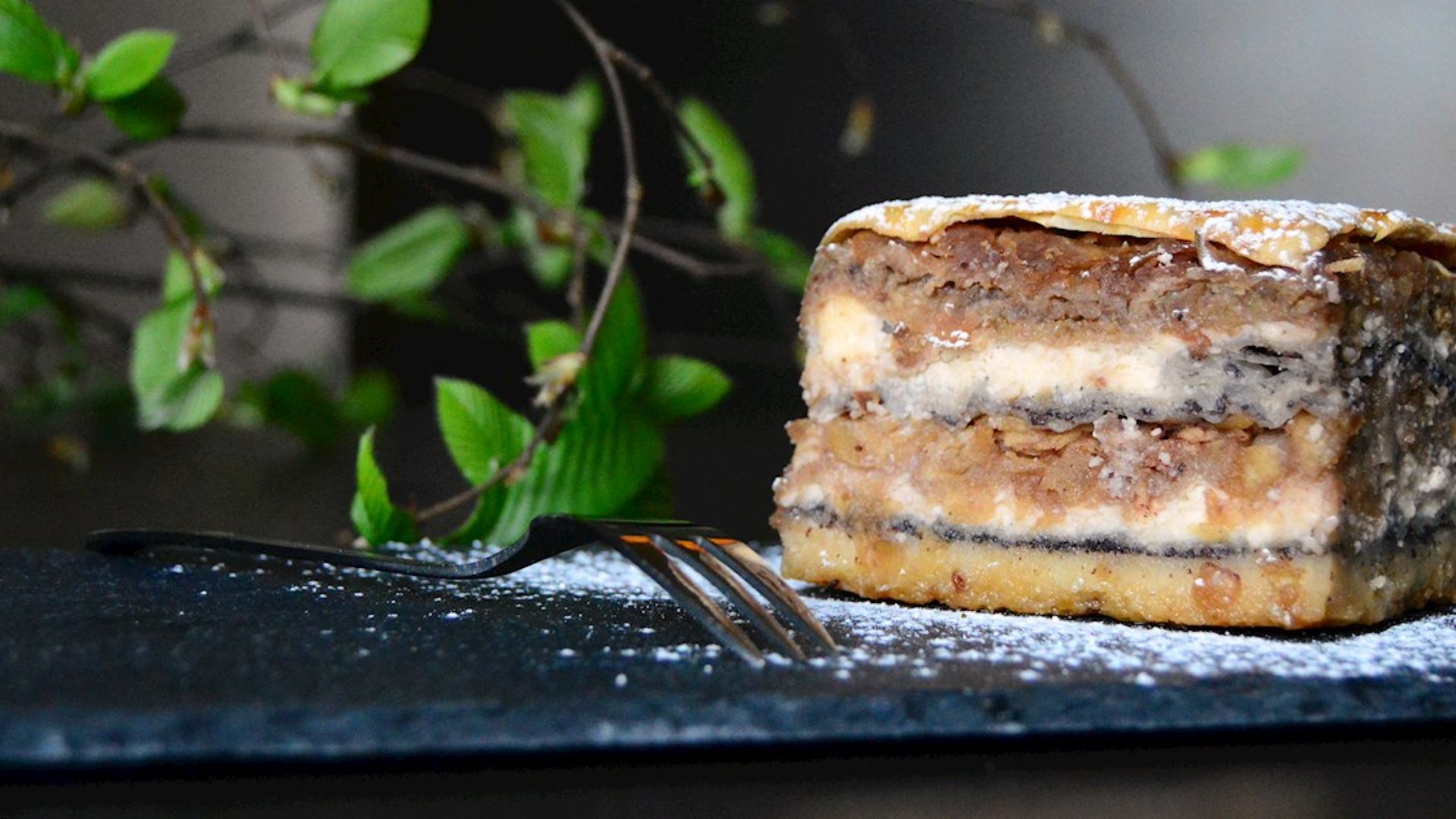
Slovenia’s cuisine tells the story of its geography. Mountains in the north mean hearty stews and buckwheat dishes. The coast brings Mediterranean ingredients like olive oil and seafood.
For centuries, Slovenian grandmothers passed down recipes through cooking, not writing. Most traditional Slovenian food recipes lived only in family kitchens.
Each region developed its own specialties based on what grew nearby. Prekmurje in the northeast makes different food than Karst in the southwest.
This diversity makes Slovenia one of the most interesting food destinations in Europe. You can eat Alpine food for lunch and coastal dishes for dinner.
15 Traditional Slovenian Food Dishes You Must Try in Slovenia
These dishes define Slovenia’s food culture. Some you’ll recognize, others will be completely new. All of them are worth trying.
1. Kranjska Klobasa (Carniolan Sausage)
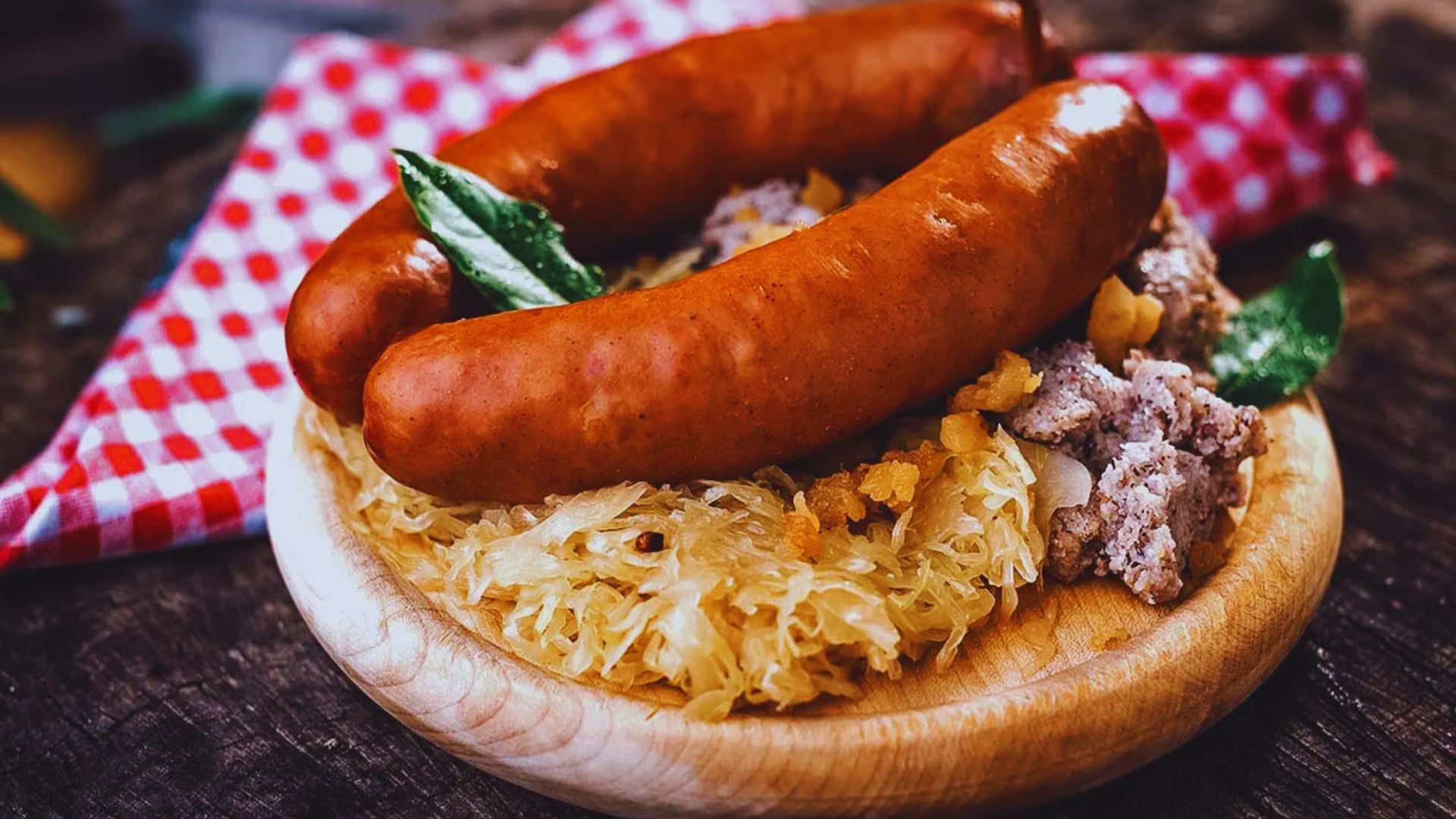
This is Slovenia’s most famous sausage, and it’s protected by law. Only sausages made in Slovenia using specific ingredients can use this name.
The sausage contains at least 75% pork (shoulder, belly, and bacon). Garlic, salt, and pepper are the only seasonings allowed.
You’ll see it on every menu across the country. Locals eat it with sauerkraut, mustard, and fresh bread.
I tried my first one at an outdoor market in Ljubljana. The snap of the casing and smoky flavor instantly made sense of its legendary status.
2. Štruklji
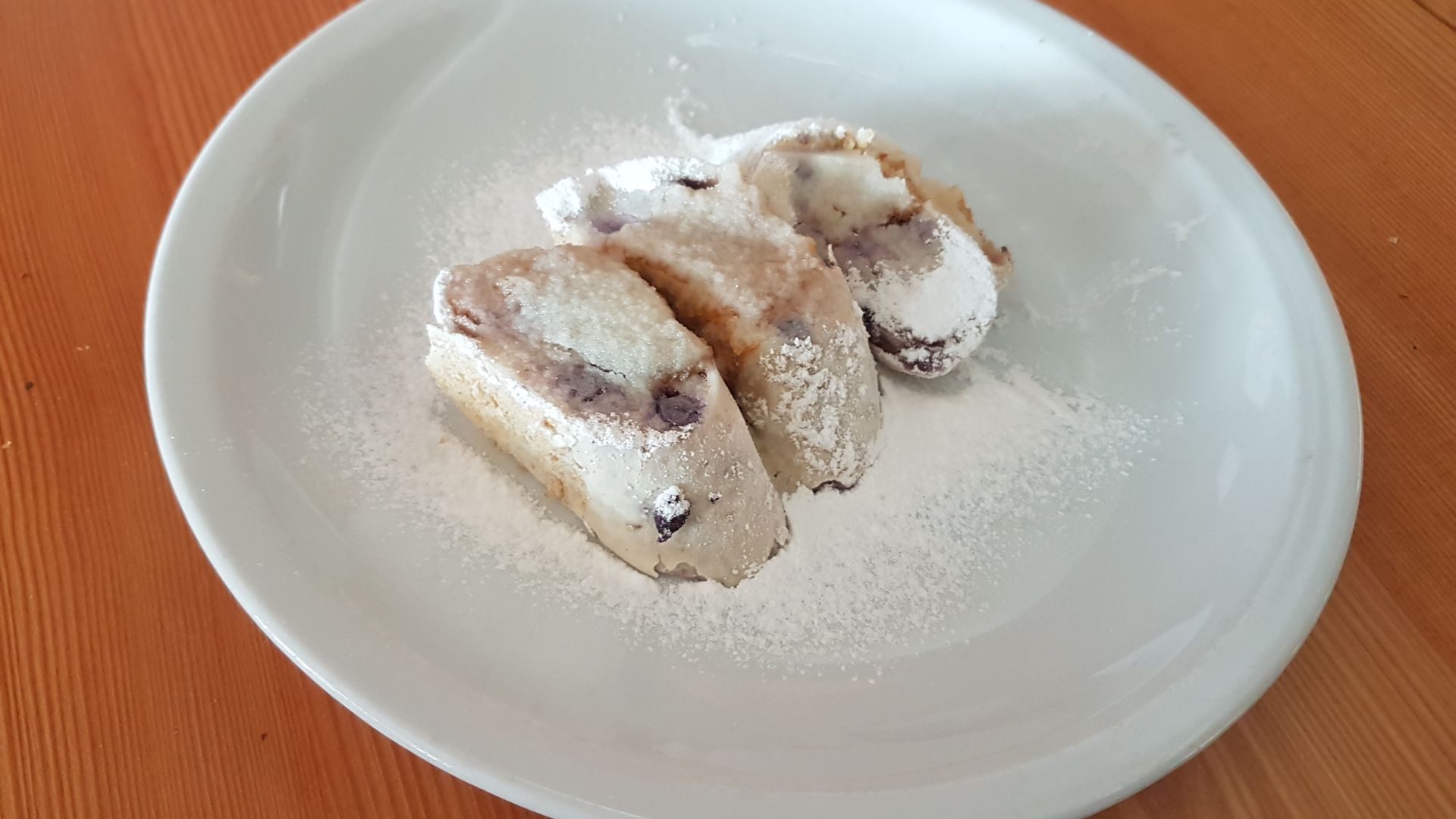
Štruklji are rolled dumplings that come in dozens of variations. Some are sweet, some are savory, and all of them are comfort food at its finest.
The most popular version uses cottage cheese filling. But you’ll also find walnut, tarragon, apple, and even chocolate versions.
They can be boiled, baked, or fried depending on the region. Each preparation method gives a completely different texture.
My favorite? The baked cottage cheese version with breadcrumbs on top. It’s creamy inside and crispy outside.
3. Potica
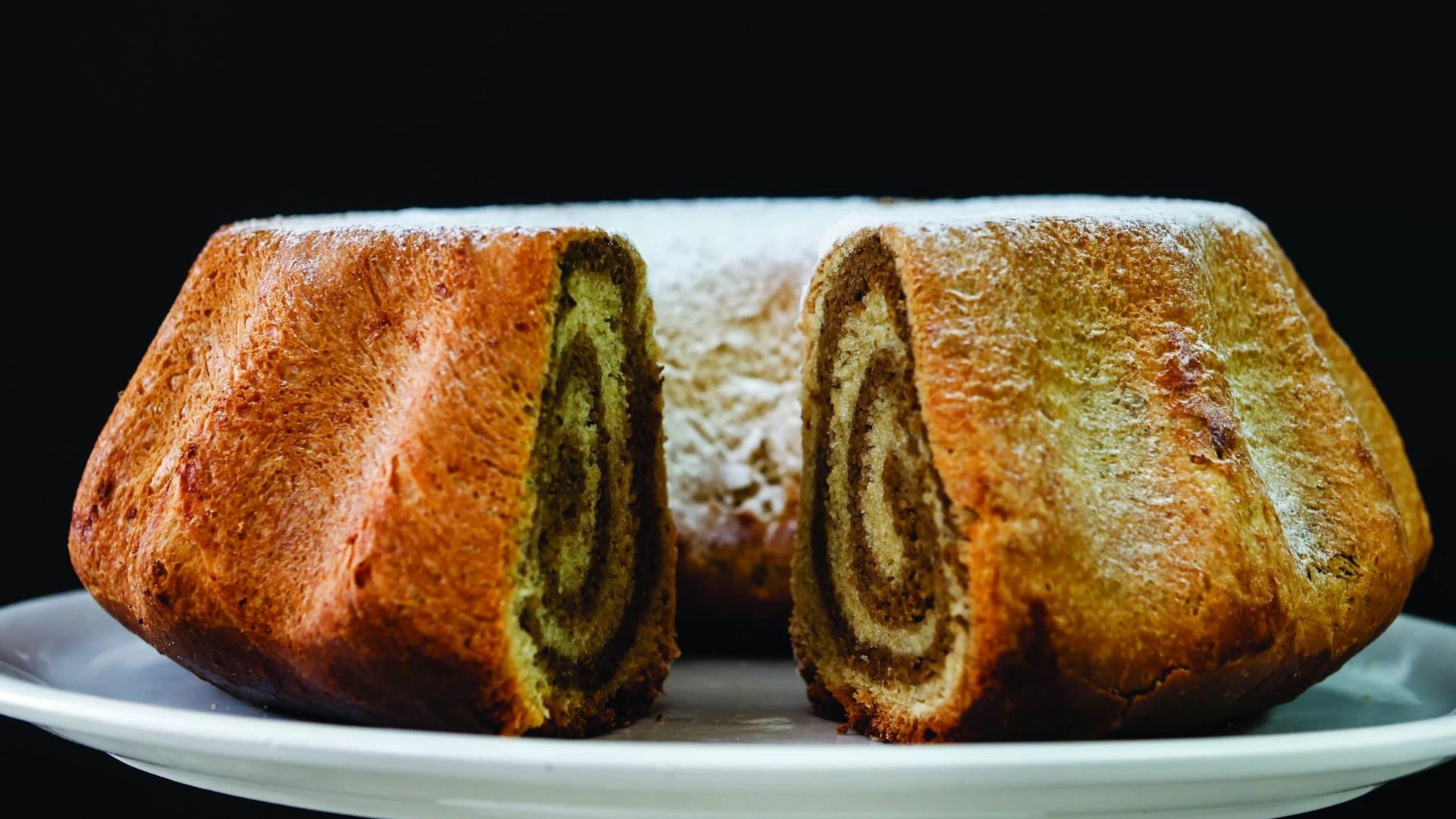
This iconic nut roll shows up at every Slovenian celebration. Weddings, holidays, Sunday dinners… if it’s special, there’s Potica on the table.
The dough gets rolled paper-thin, spread with walnut filling, then rolled into a spiral. It takes skill and patience to make it right.
Walnut is traditional, but modern bakers experiment with poppy seed, chocolate, and hazelnut fillings too.
One slice isn’t enough. The slightly sweet dough and rich nut filling create an addictive combination.
4. Prekmurska Gibanica
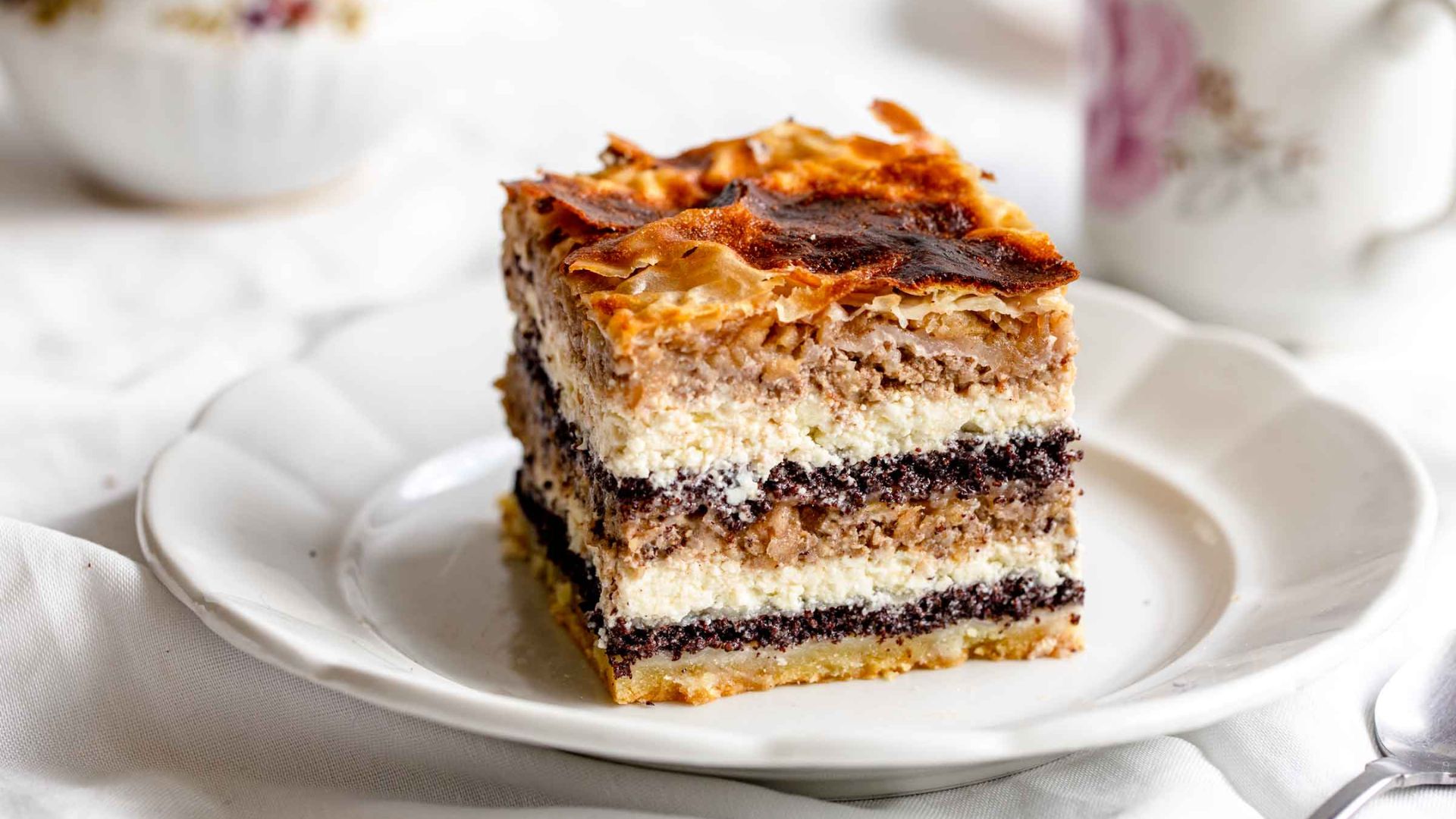
This layered dessert from the Prekmurje region is one of the richest traditional foods in Slovenia. It contains poppy seeds, walnuts, apples, and cottage cheese in separate layers.
Each layer is divided by thin pastry dough. The whole thing gets baked until golden and topped with cream.
It’s heavy, sweet, and absolutely worth the food coma. Locals serve it with coffee in the afternoon.
You need to plan ahead if you want to make this at home. The recipe takes time, but the result impresses everyone.
5. Idrijski Žlikrofi

These stuffed dumplings come from the mining town of Idrija. They look like little hats and taste nothing like any ravioli you’ve had before.
The filling is potato-based with added onions, bacon, and herbs. The dough gets pinched into a distinctive shape that became a protected dish in 2010.
Most restaurants serve them with meat sauce or a simple butter and breadcrumb topping. Both ways work.
I watched a grandmother make these by hand in Idrija. Her fingers moved so fast I couldn’t follow the folding technique.
6. Jota
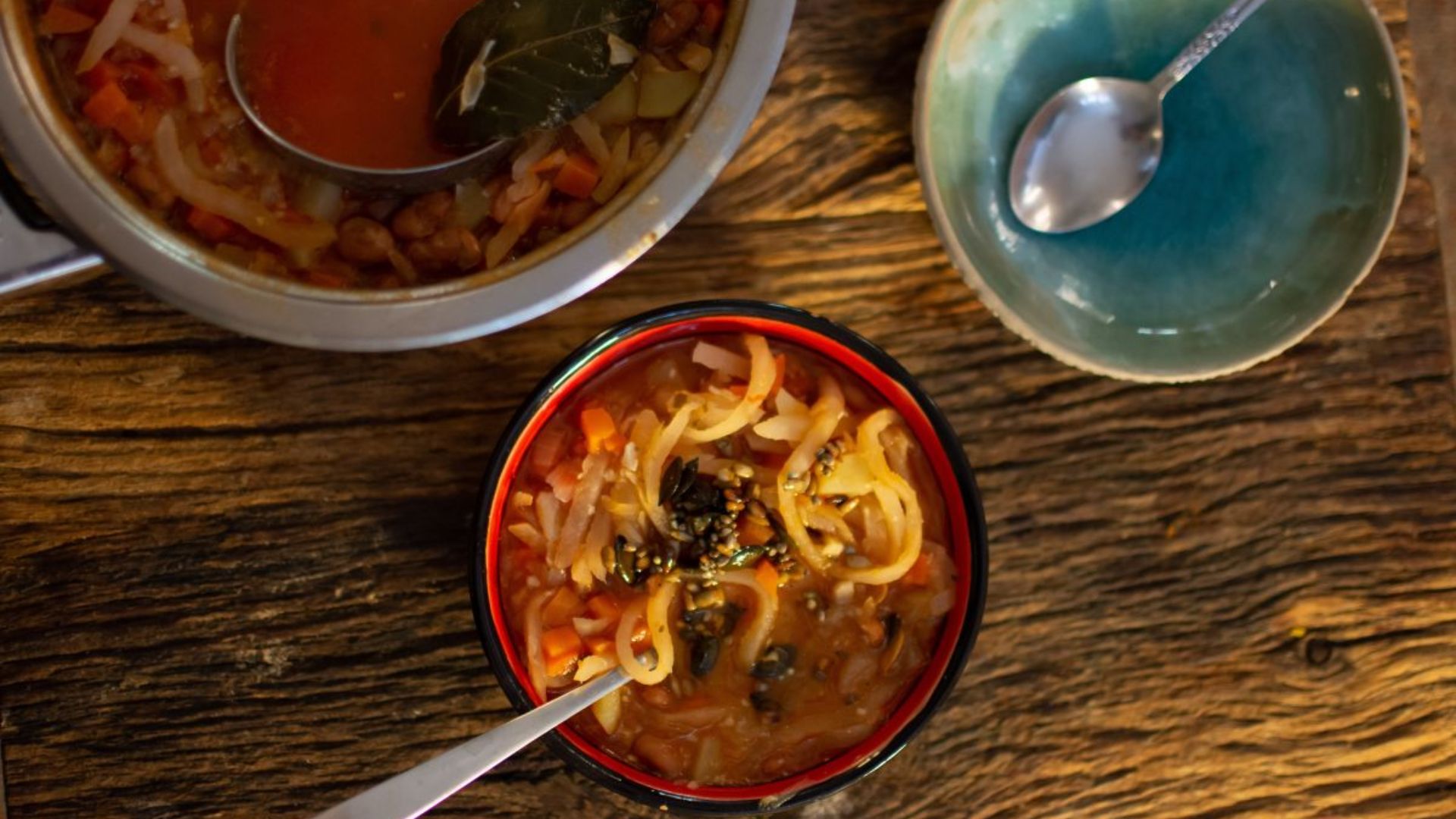
Jota is the soup that gets Slovenians through winter. It’s thick, hearty, and packed with sauerkraut, beans, and potatoes.
Smoked pork ribs give it a deep, smoky flavor. Some versions add barley for extra thickness.
Every family makes it slightly differently. Coastal regions use more olive oil, while inland versions lean heavier on pork fat.
It tastes even better the next day when all the flavors have married together. Serve it with crusty bread for dipping.
7. Ajdovi Žganci
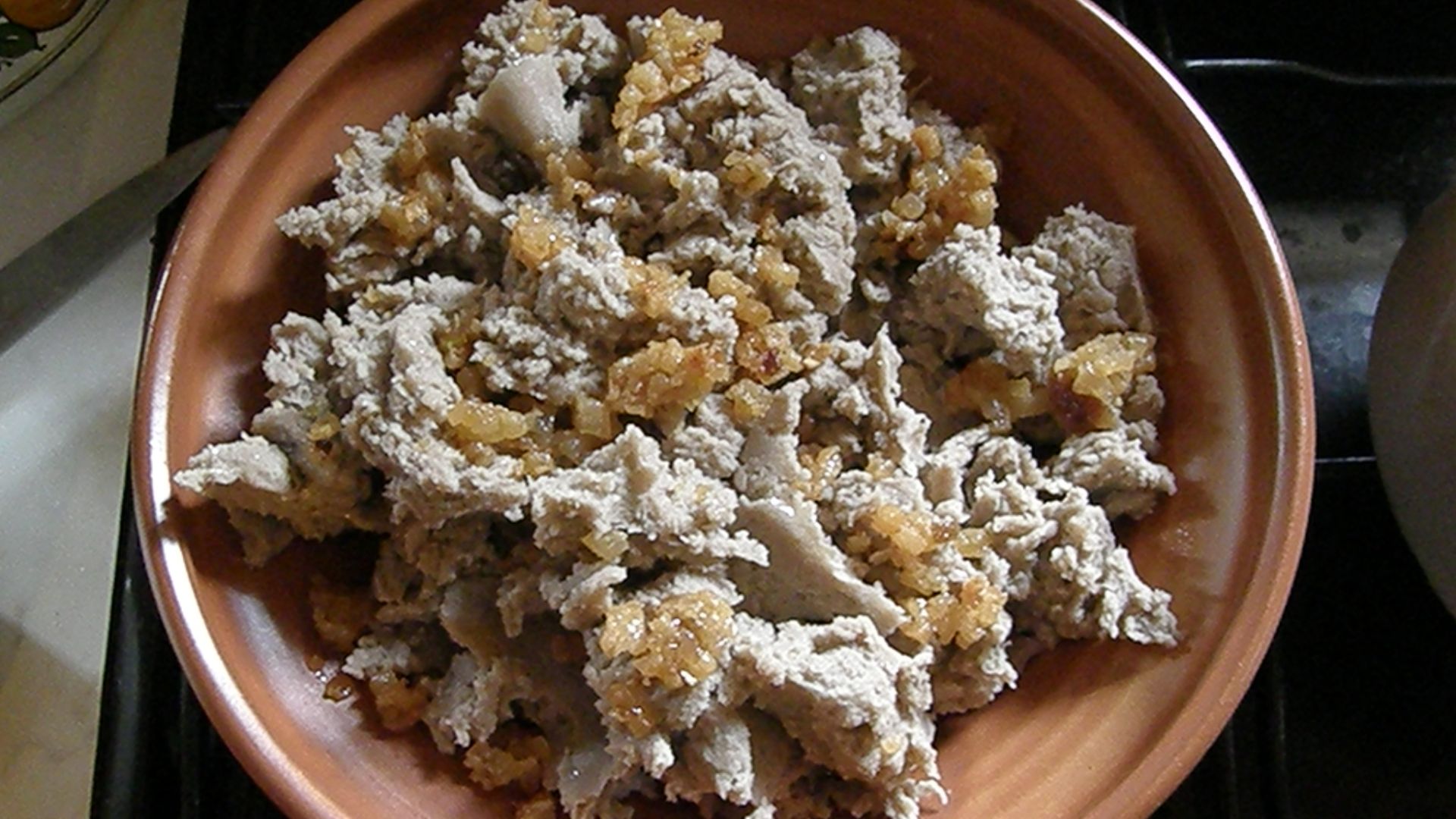
Buckwheat spoonbread is classic rural Slovenian food that’s been around for centuries. It’s simple, filling, and incredibly versatile.
Buckwheat flour gets cooked with water and salt, then broken into crumbles. The texture is somewhere between polenta and couscous.
Traditionally, it’s served with cracklings, sour milk, or mushroom sauce. Modern versions pair it with stews and roasted meats.
It’s gluten-free naturally, which makes it popular with health-conscious eaters today. But Slovenians were eating it long before gluten-free became trendy.
8. Bograč
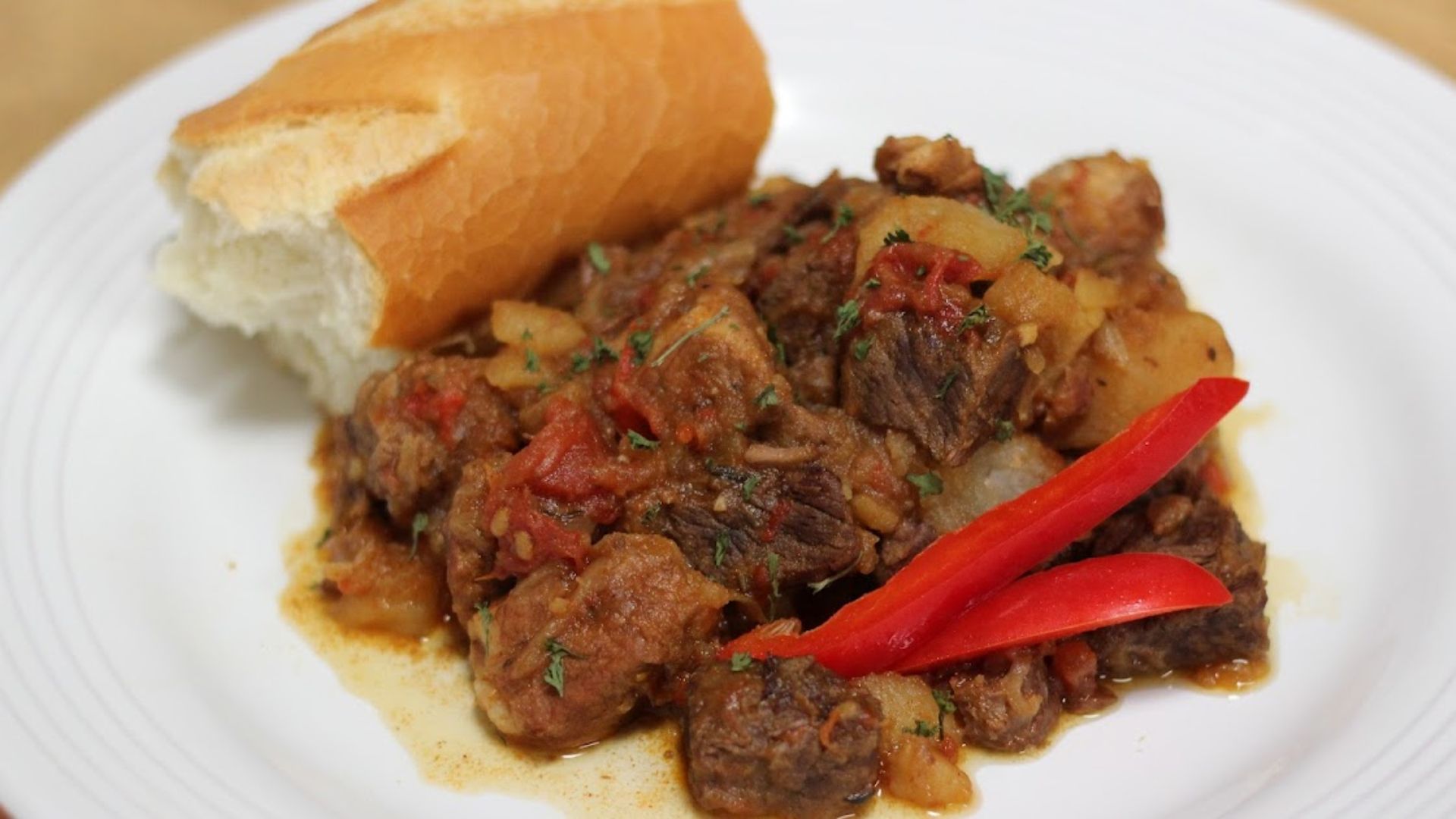
This Slovenian goulash shows Hungary’s influence on the cuisine. It’s a thick stew made with three types of meat, usually beef, pork, and venison.
Paprika gives it that characteristic red color and slight sweetness. Onions, peppers, and potatoes round out the ingredients.
Traditionally, it’s cooked outdoors in a big iron pot called a bograč. The long, slow cooking makes the meat fall-apart tender.
I had this at a food festival where they’d been cooking it for six hours. The aroma alone made my mouth water.
9. Matevž
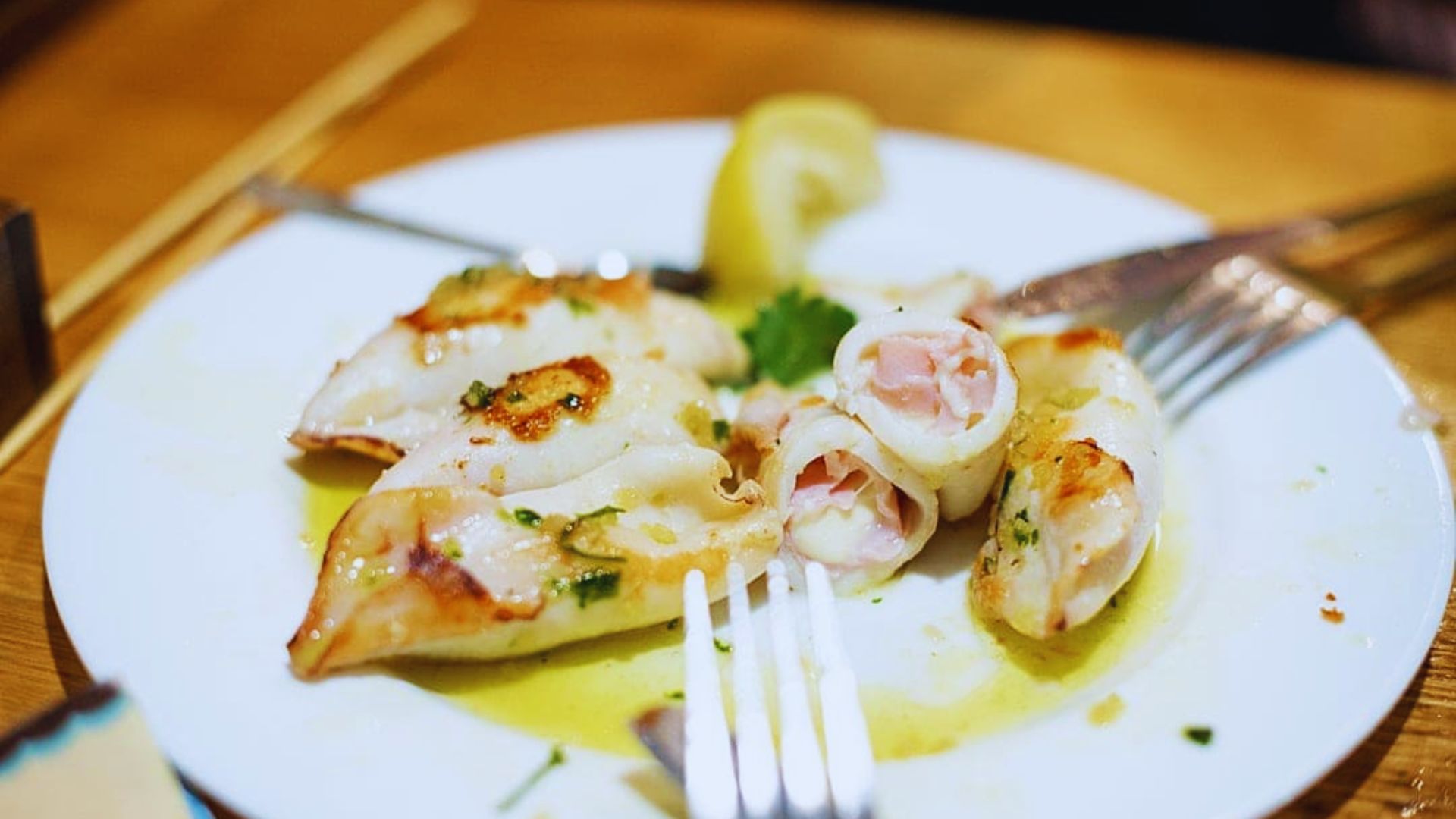
Matevž is pure comfort food. Mashed beans and potatoes get mixed with fried onions and pork cracklings.
It’s peasant food that’s made a comeback in modern restaurants. The simplicity lets the quality of ingredients shine through.
You’ll find it most often in traditional country inns. It pairs perfectly with sausages or roasted meat.
Don’t judge it by looks. It’s brown and mushy, but the flavor is rich and satisfying.
10. Kraški Pršut
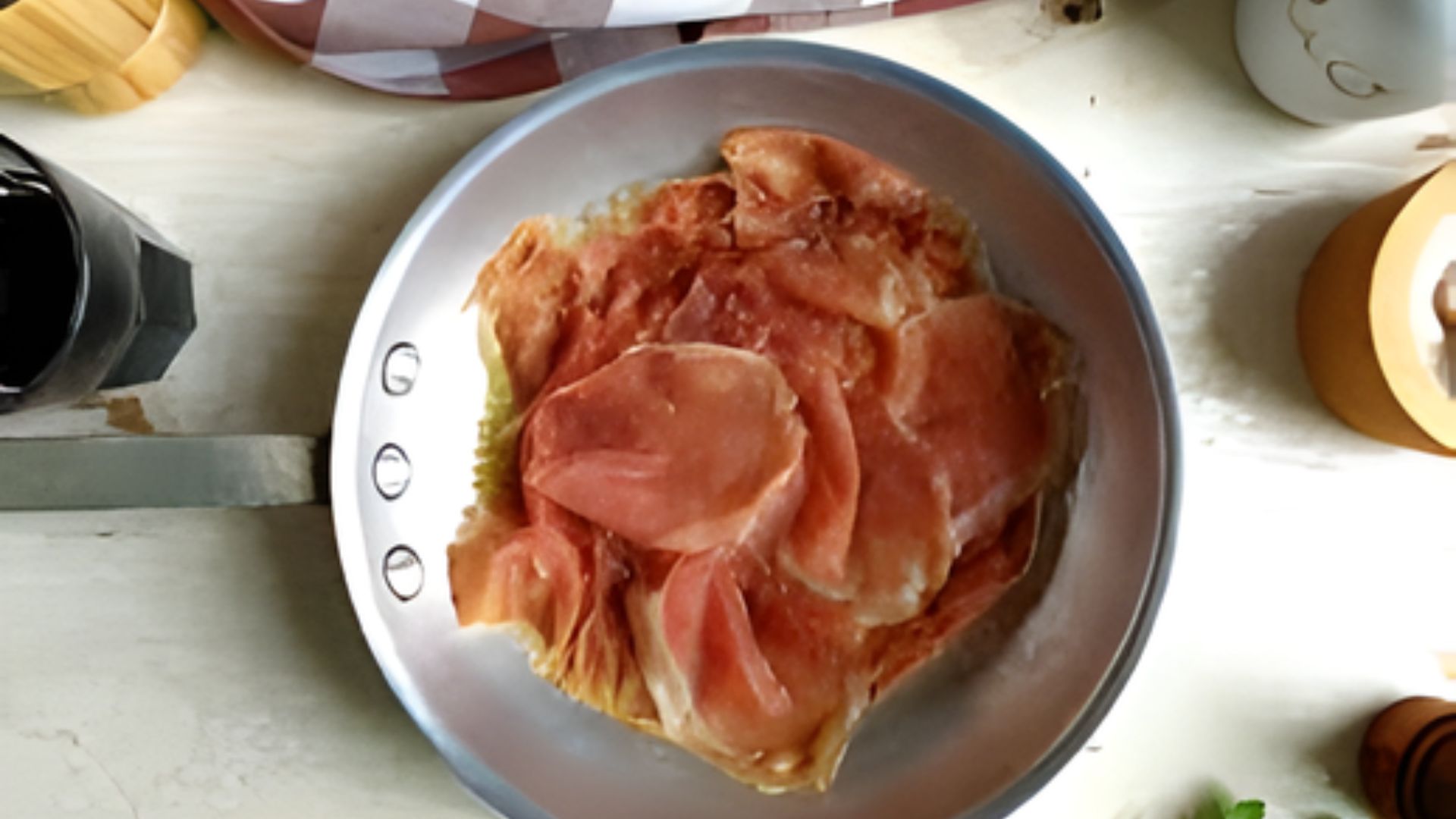
Karst prosciutto is Slovenia’s answer to Italian and Spanish cured hams. The Bora wind that blows through the Karst region creates perfect curing conditions.
The ham ages for at least 12 months, sometimes up to 18. The result is sweet, soft, and slightly less salty than Italian versions.
Locals eat it sliced paper-thin with fresh bread and local cheese. A drizzle of olive oil is optional but recommended.
I visited a producer who’s been making it the same way for three generations. The curing rooms smelled like heaven.
11. Ričet
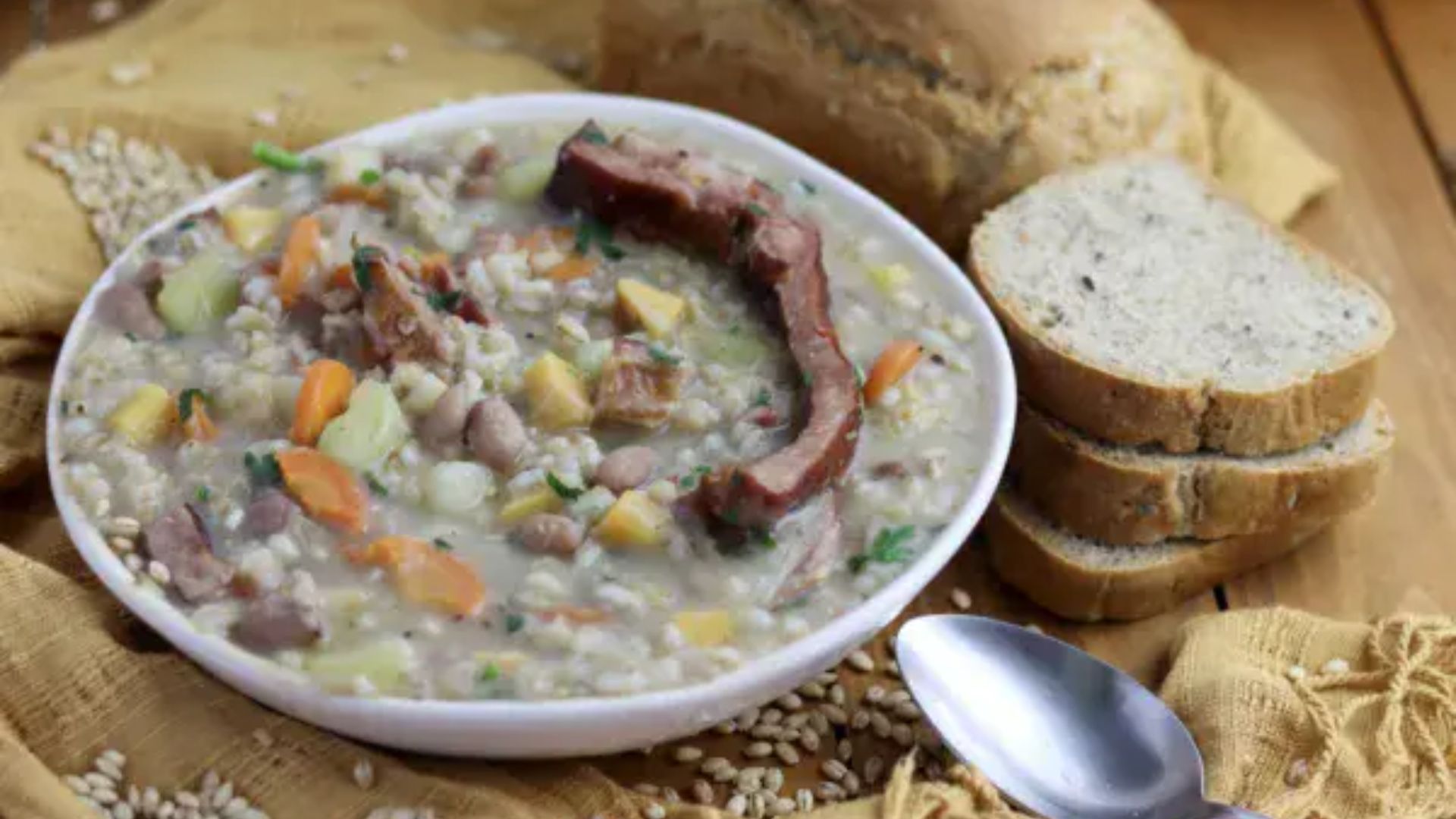
Ričet is the everyday meal that fed farming families for generations. This barley and bean stew is simple, cheap, and surprisingly filling.
Smoked pork bones or bacon add flavor to the base. Root vegetables like carrots and parsnips go in too.
It’s not fancy, but it’s honest food that sticks to your ribs. Perfect for cold days when you need something warming.
Many restaurants skip this one because it’s too simple. That’s a shame because it represents real Slovenian home cooking.
12. Frika
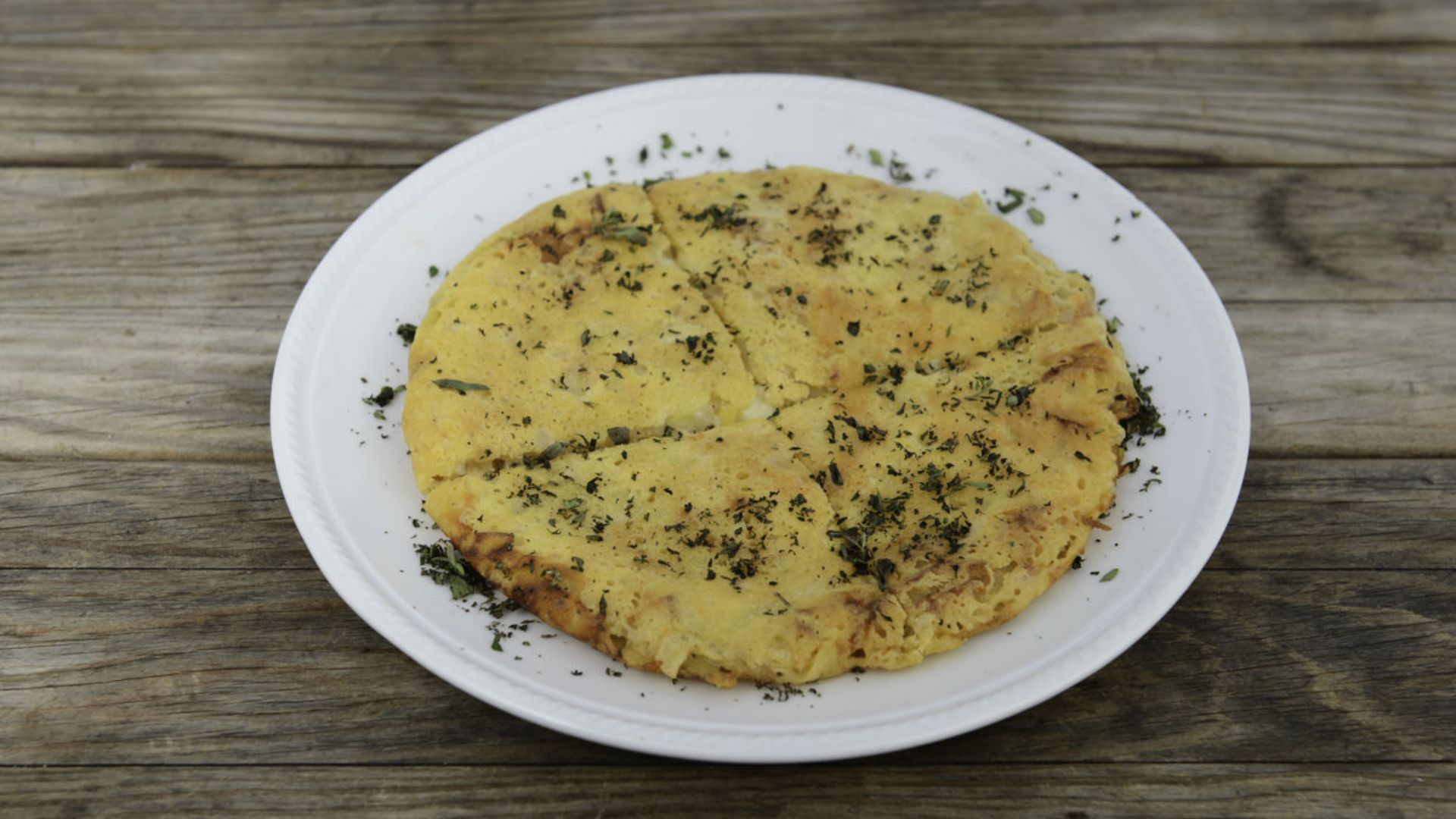
This cheese-based dish comes from the Alpine regions near the Italian border. It’s made with young cheese that hasn’t fully aged yet.
The cheese gets cooked with potatoes and sometimes eggs until everything binds together. The texture is creamy and slightly stretchy.
It’s a leftover dish originally. Farmers made it with cheese that was too young to sell at market.
You’ll find it in mountain huts and traditional Alpine restaurants. It’s the kind of food that makes you want to take a nap afterward.
13. Ocvirki
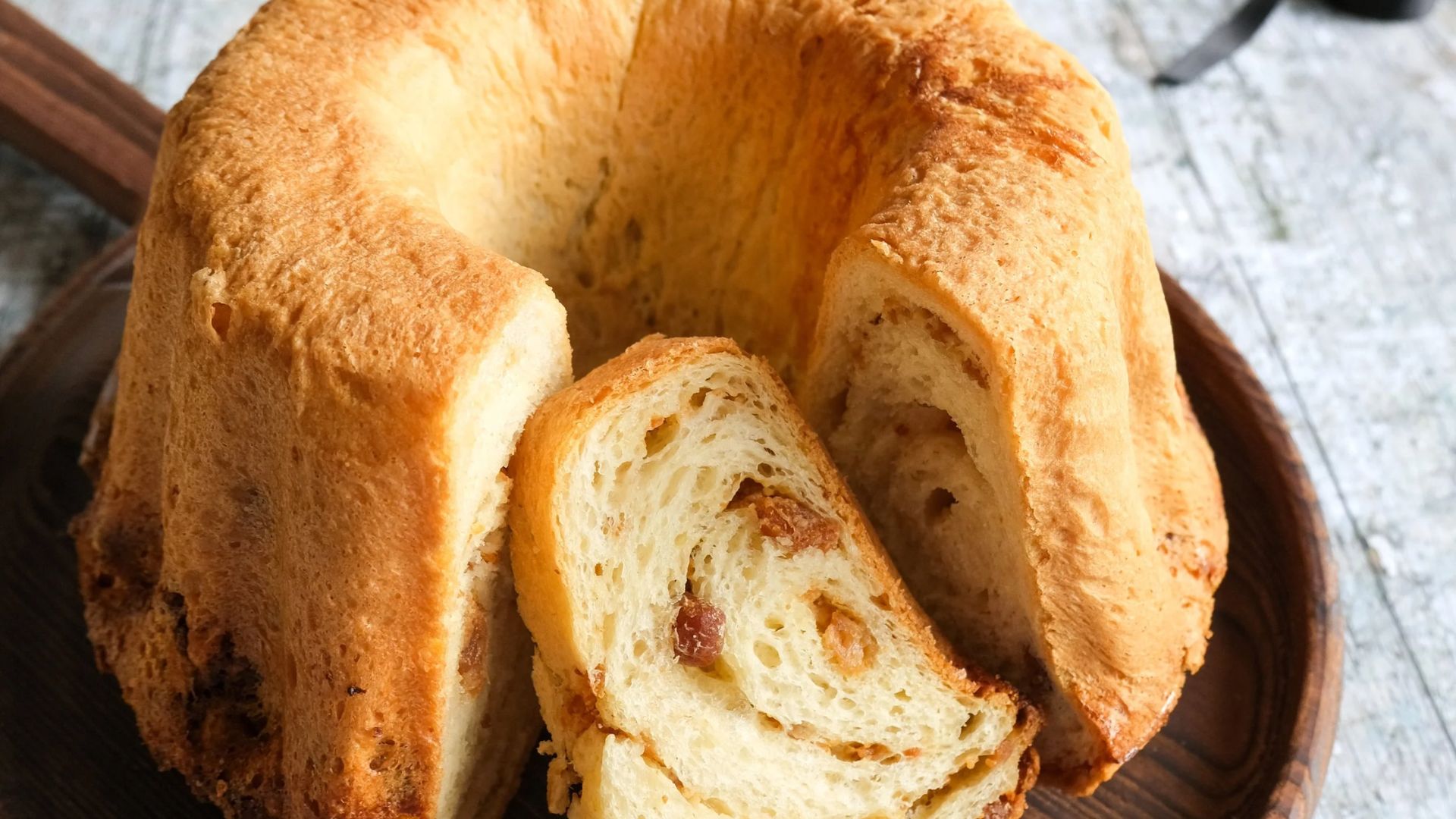
Crispy pork cracklings are more than just a snack in Slovenia. They’re a cooking ingredient that adds flavor and crunch to other dishes.
Pork skin and fat get cooked low and slow until all the fat renders out. What’s left is crispy, golden, and addictive.
People sprinkle them on soups, mix them into bread dough, or just eat them plain with a beer. They’re salty, crunchy perfection.
My cholesterol probably went up just from thinking about them. Worth it.
14. Belokranjska Pogača
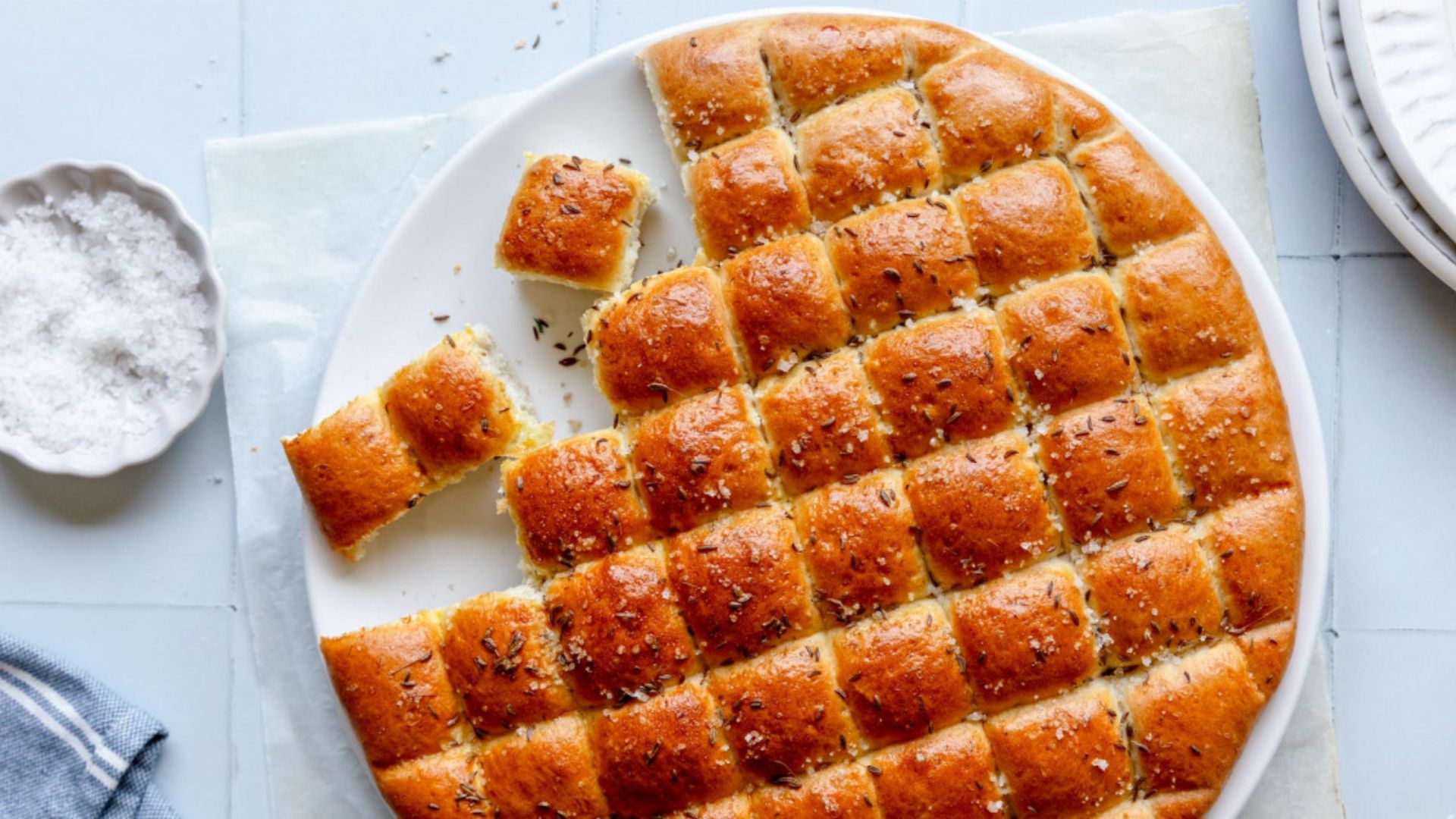
This flatbread from White Carniola is the perfect appetizer or side dish. It’s topped with cracklings and sometimes caraway seeds.
The bread is soft and slightly oily from the cracklings baked into the top. It’s best eaten warm right out of the oven.
Traditional versions are plain, but modern bakers add different toppings. Some use cheese, others add herbs.
I ate an entire loaf by myself once. No regrets.
15. Ljubljanski Zrezek
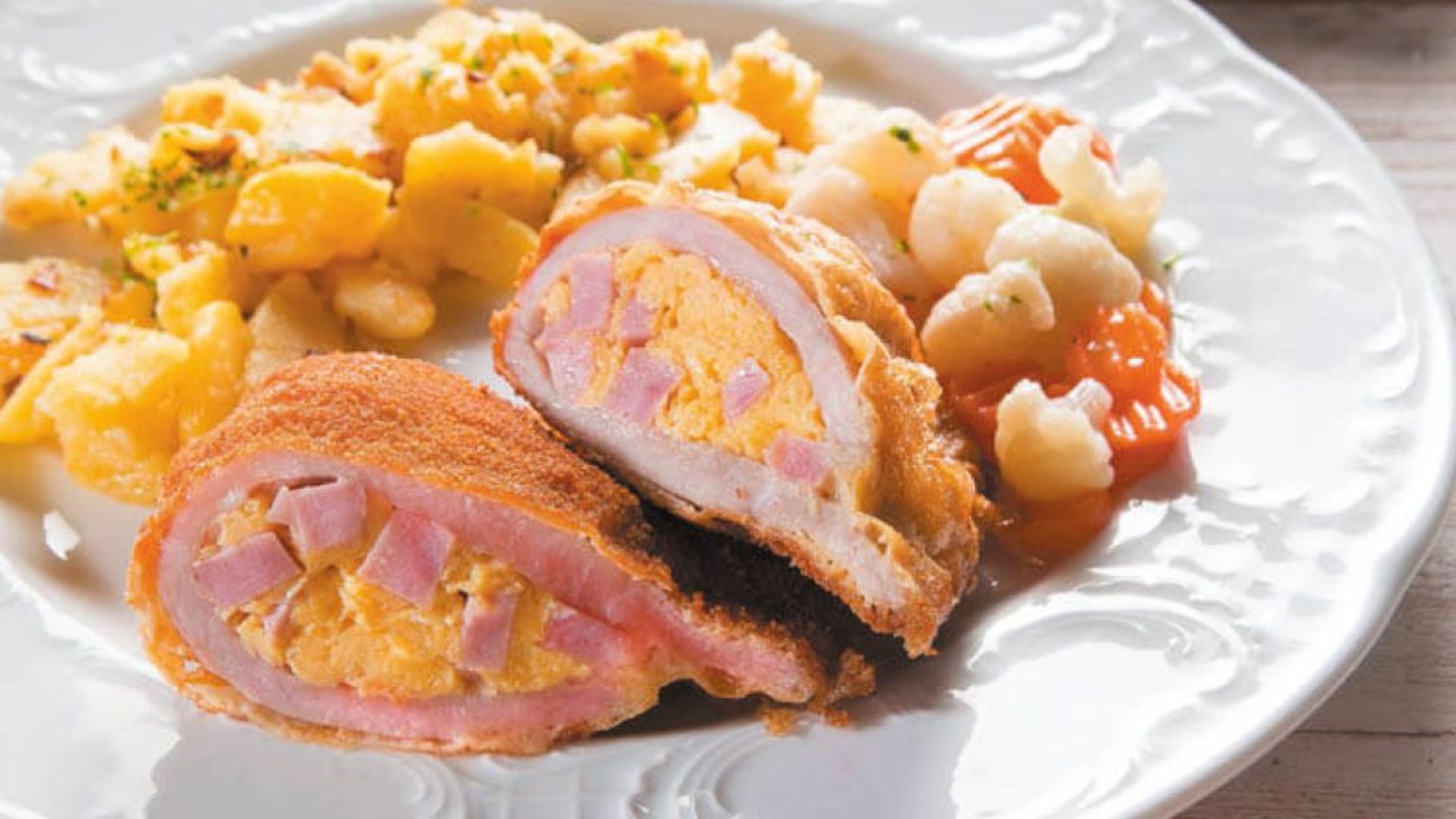
This stuffed breaded cutlet is Ljubljana’s claim to fame. It’s similar to a schnitzel but with a cheesy surprise inside.
A thin veal cutlet gets filled with ham and cheese, then breaded and fried. When you cut into it, melted cheese oozes out.
It’s rich, indulgent, and completely satisfying. Most restaurants in Ljubljana serve their own version.
If you’re searching for “traditional Slovenian food Ljubljana” options, this should be at the top of your list. It’s the city’s signature dish.
Slovenian Food Recipes to Try at Home
Here’s the good news: Slovenian food recipes aren’t complicated. Most traditional dishes use simple ingredients you can find anywhere.
Štruklji is a great starting point for beginners. The dough is forgiving, and even imperfect rolls taste delicious.
Ingredients you’ll use repeatedly include potatoes, beans, buckwheat flour, sauerkraut, and pork. Nothing exotic or expensive.
Many recipes have been passed down orally, so measurements are flexible. A little more or less of something won’t ruin the dish.
Why Slovenian Cuisine Is Still a Hidden Gem
Slovenia hasn’t commercialized its food culture like Italy or France. You won’t find Slovenian chain restaurants spreading across the world.
This keeps things original. Traditional Slovenian food tastes the same way it did 100 years ago because recipes haven’t been altered for mass appeal.
The farm-to-table movement isn’t a trend here. It’s how things have always been done. Local ingredients, seasonal cooking, and minimal processing are standard.
The cuisine balances comfort and quality perfectly. It’s hearty without being heavy, flavorful without being overwhelming.
Conclusion
Slovenian food changed how I think about European cuisine. It’s not trying to impress anyone, which somehow makes it more impressive.
Start small. Pick one Slovenian food recipe and try it this weekend. Or search “Slovenian food near me” and see what pops up in your area.
Better yet, add Slovenia to your travel plans. Walk through Ljubljana’s markets, talk to the vendors, and eat at family-run spots where menus are handwritten.
Stop scrolling and start cooking. Your kitchen needs a traditional Slovenian food night.
Let me know which dish you try first.
Frequently Asked Questions
What is Slovenian food known for?
Slovenian food is known for its regional diversity and blend of Alpine, Mediterranean, and Balkan influences. Dishes like Potica, Kranjska Klobasa, and Štruklji represent this mix perfectly.
What is the most traditional Slovenian food?
Potica (nut roll), Kranjska Klobasa (Carniolan sausage), and Štruklji (rolled dumplings) are considered the most traditional. Each one appears at celebrations and everyday meals across the country.
Is Slovenian food similar to Italian or Austrian food?
Slovenian food borrows elements from both but remains distinct. The Alpine regions lean Austrian with hearty stews, while coastal areas show Italian influence with olive oil and seafood.
Where can I find traditional Slovenian food in Ljubljana?
Visit the Central Market for fresh ingredients and prepared foods. Old Town restaurants like Gostilna na Gradu and traditional inns serve authentic dishes.
Can I cook Slovenian food at home easily?
Yes, most Slovenian food recipes use simple, accessible ingredients. Dishes like Štruklji and Matevž are beginner-friendly and don’t require special equipment.
