

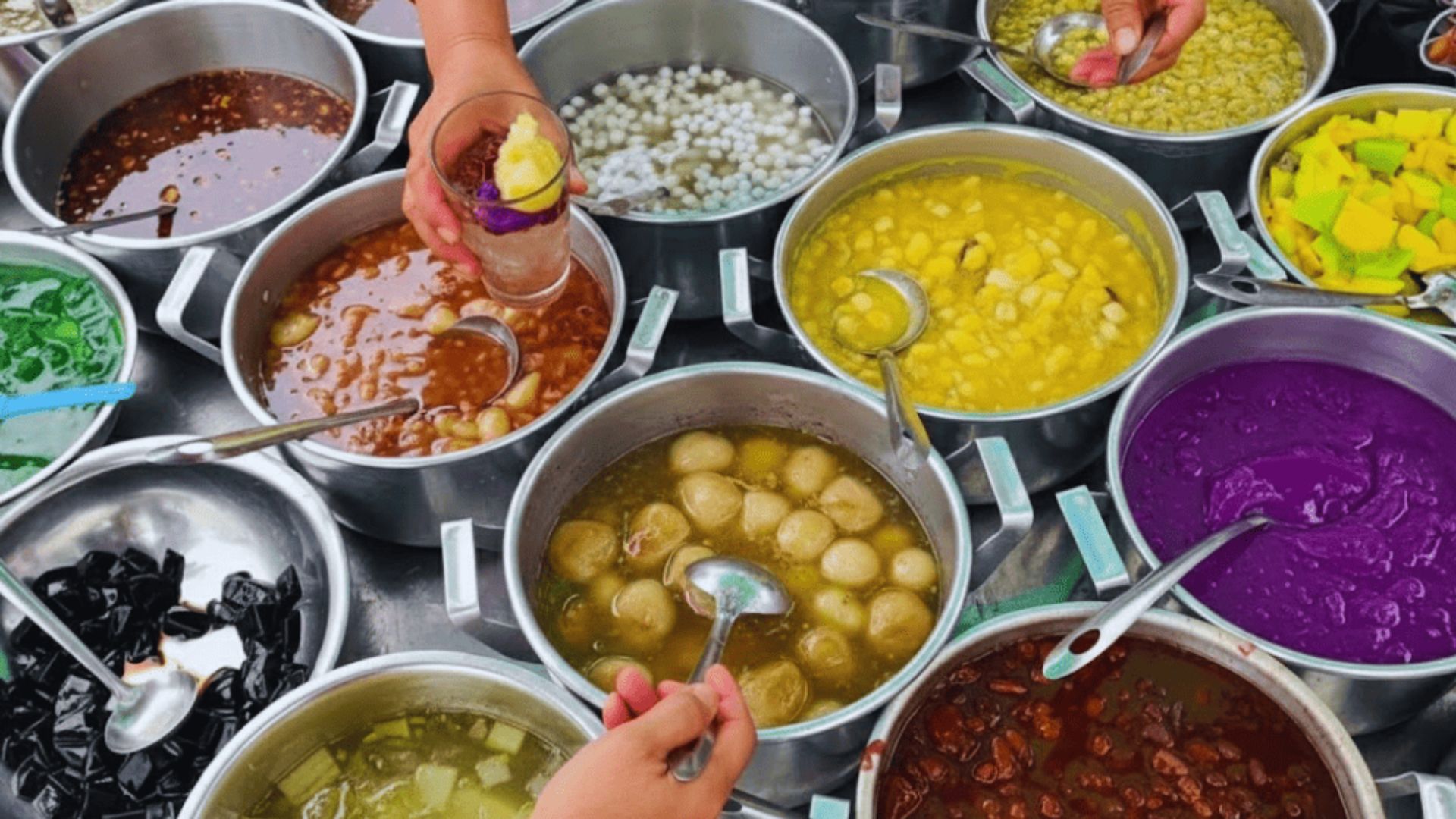
I still think about the bowl of pho I had on a plastic stool in Hanoi. No fancy restaurant. Just broth, noodles, and herbs, and it was one of the best things I’ve ever eaten.
If you’re planning a trip to Vietnam or just want to know what to order, this guide covers the 23 best Vietnam food dishes you shouldn’t miss.
From street snacks to slow-cooked soups, I’ll walk you through what each dish is, what makes it special, and where it’s from.
What Makes Vietnamese Food Unique
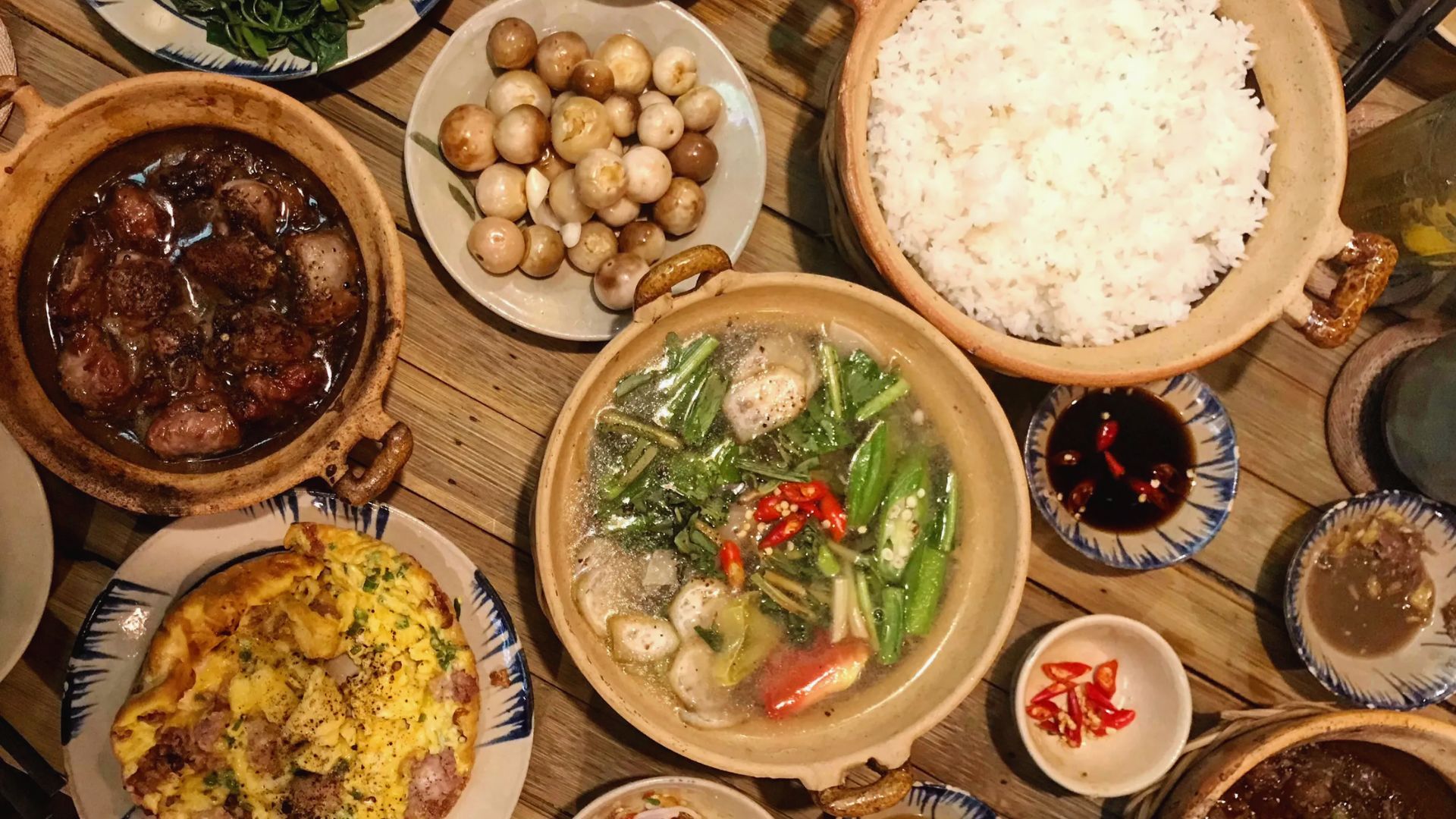
Vietnamese food stands apart because of how it balances flavor and freshness in every single bite.
Most dishes use a mix of fresh herbs, rice-based ingredients, and light broths that feel clean rather than heavy.
The flavors hit multiple notes at once, sweet, sour, salty, and savory all in one bowl. What also makes it special is how much the food changes depending on where you are in the country.
The north tends to be milder. The south goes bolder and sweeter. The central region brings the heat. That variety is what makes Vietnamese food so worth trying.
List of 20+ Best Vietnam Food to Try
Here are the top Vietnamese dishes, from iconic street food to regional favorites, that deserve a spot on your plate.
1. Pho
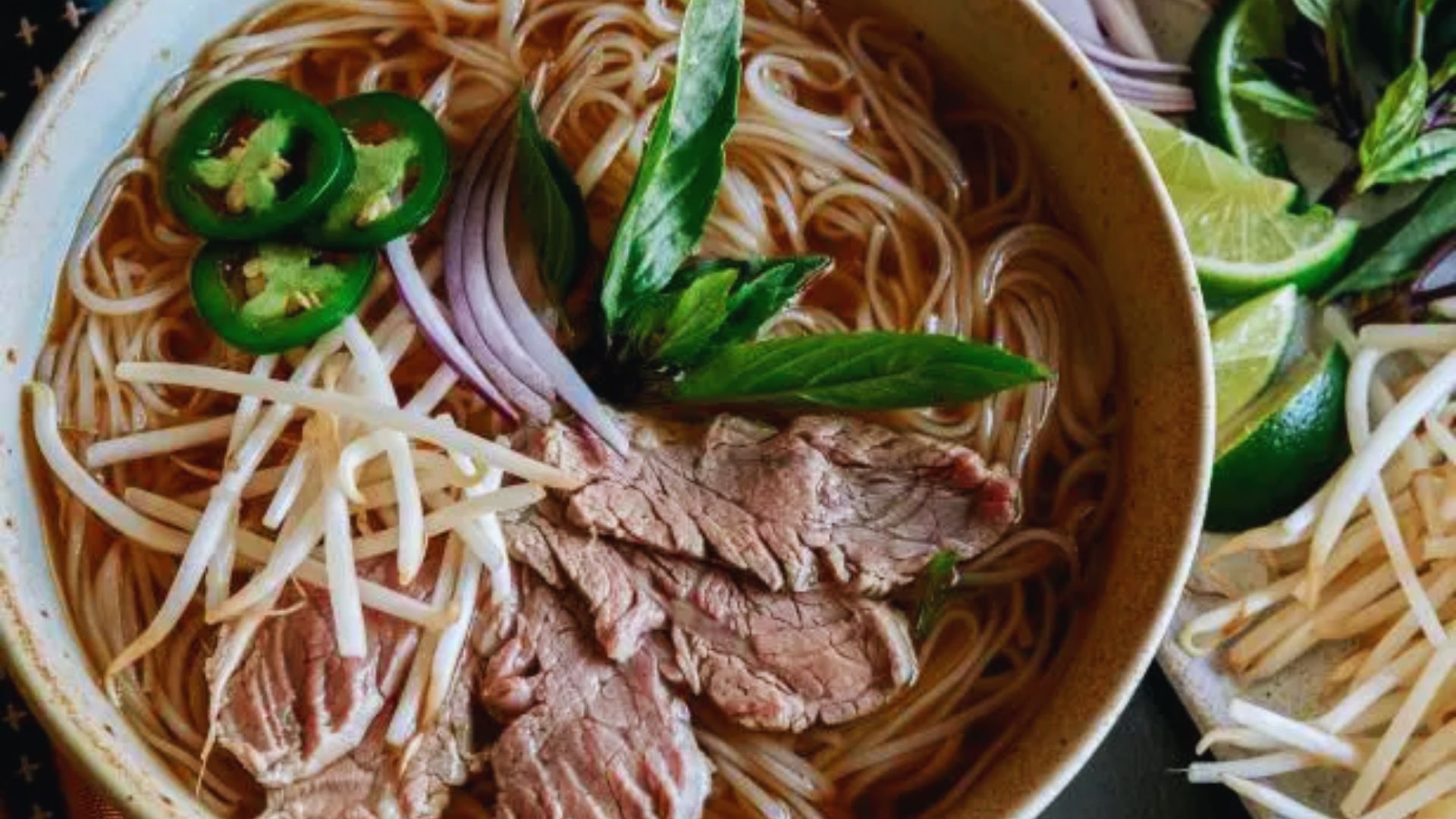
Pho is Vietnam’s most recognized dish, and for good reason. It’s a slow-cooked beef or chicken broth served with flat rice noodles, thin slices of meat, and a handful of fresh herbs.
You add lime, chili, and bean sprouts yourself. The broth takes hours to make and has a depth that’s hard to replicate.
It’s a full meal in a bowl and works for breakfast, lunch, or dinner.
2. Bun Cha
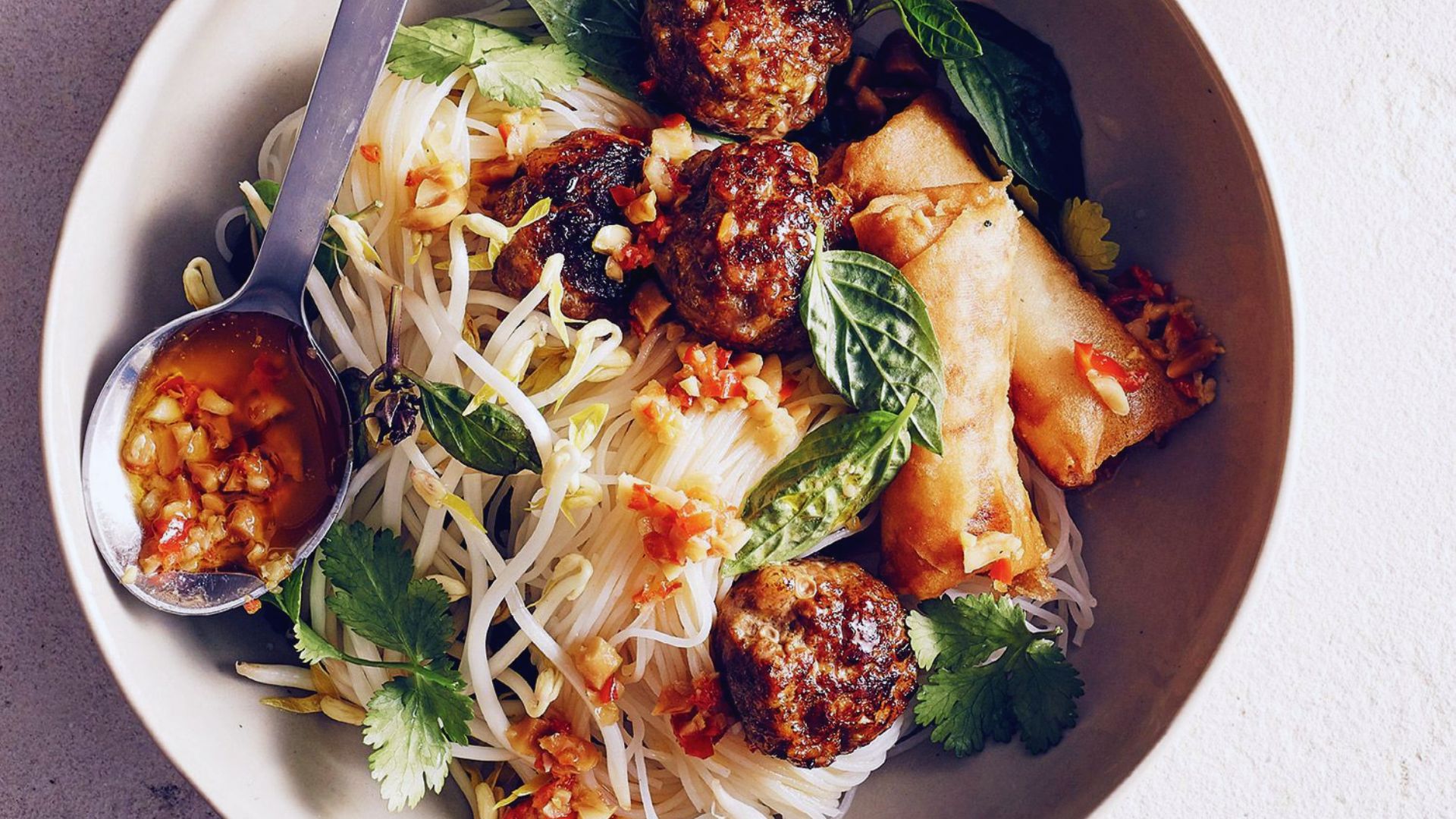
Bun Cha is a Hanoi classic. Grilled pork patties and pork belly are served alongside cold rice vermicelli noodles and a bowl of slightly sweet dipping broth.
You dip the noodles into the broth and eat everything together with fresh herbs and pickled vegetables.
It became internationally famous after Barack Obama ate it with Anthony Bourdain in a small Hanoi restaurant. Locals eat it mostly at lunch.
3. Banh Mi
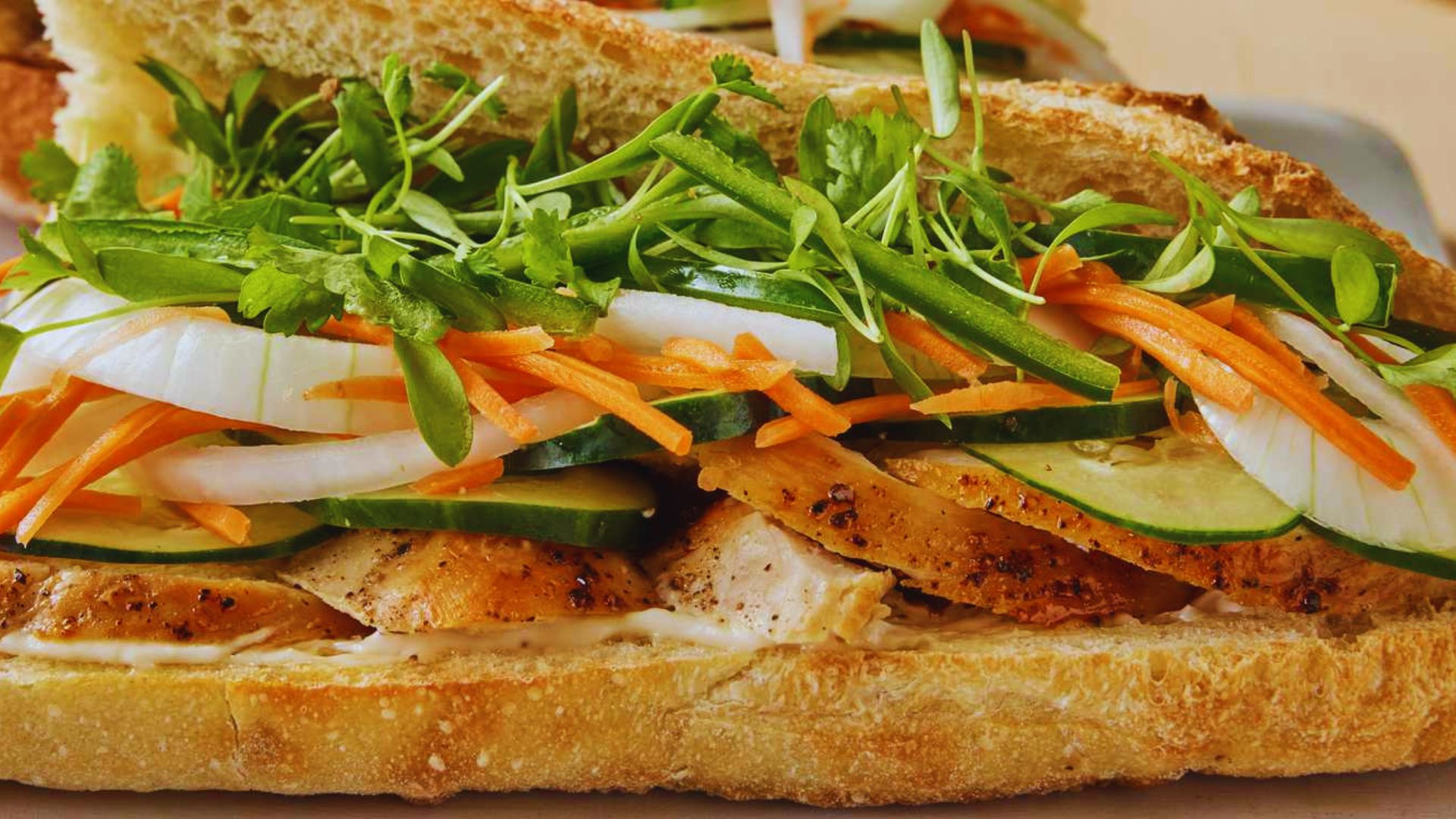
Banh Mi is a Vietnamese sandwich that blends French and local flavors. A crispy baguette is filled with pork, pate, pickled carrots, daikon, cucumber, cilantro, and chili sauce.
It’s cheap, fast, and packed with flavor. You’ll find banh mi carts on almost every street corner.
Each vendor has their own version, so trying a few is the best way to find your favorite.
4. Cao Lau
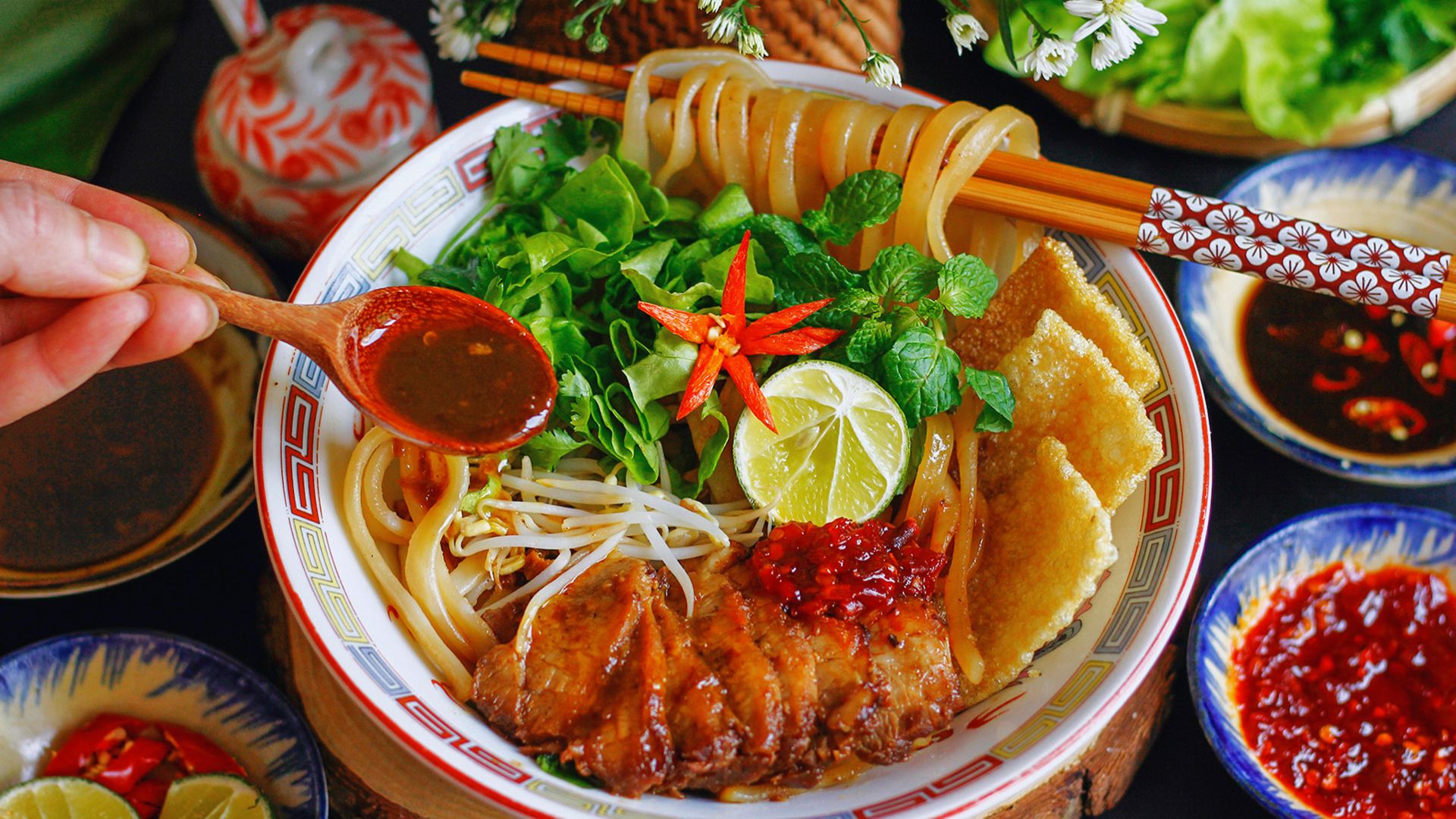
Cao Lau is a noodle dish found almost exclusively in Hoi An. The thick, chewy noodles are made with water from specific local wells, which gives them a texture you won’t find elsewhere.
They’re served with pork slices, crunchy rice crackers, greens, and a small amount of rich broth.
It’s not a soup, it’s more like a dry noodle bowl. If you’re in Hoi An, this is non-negotiable.
5. Mi Quang
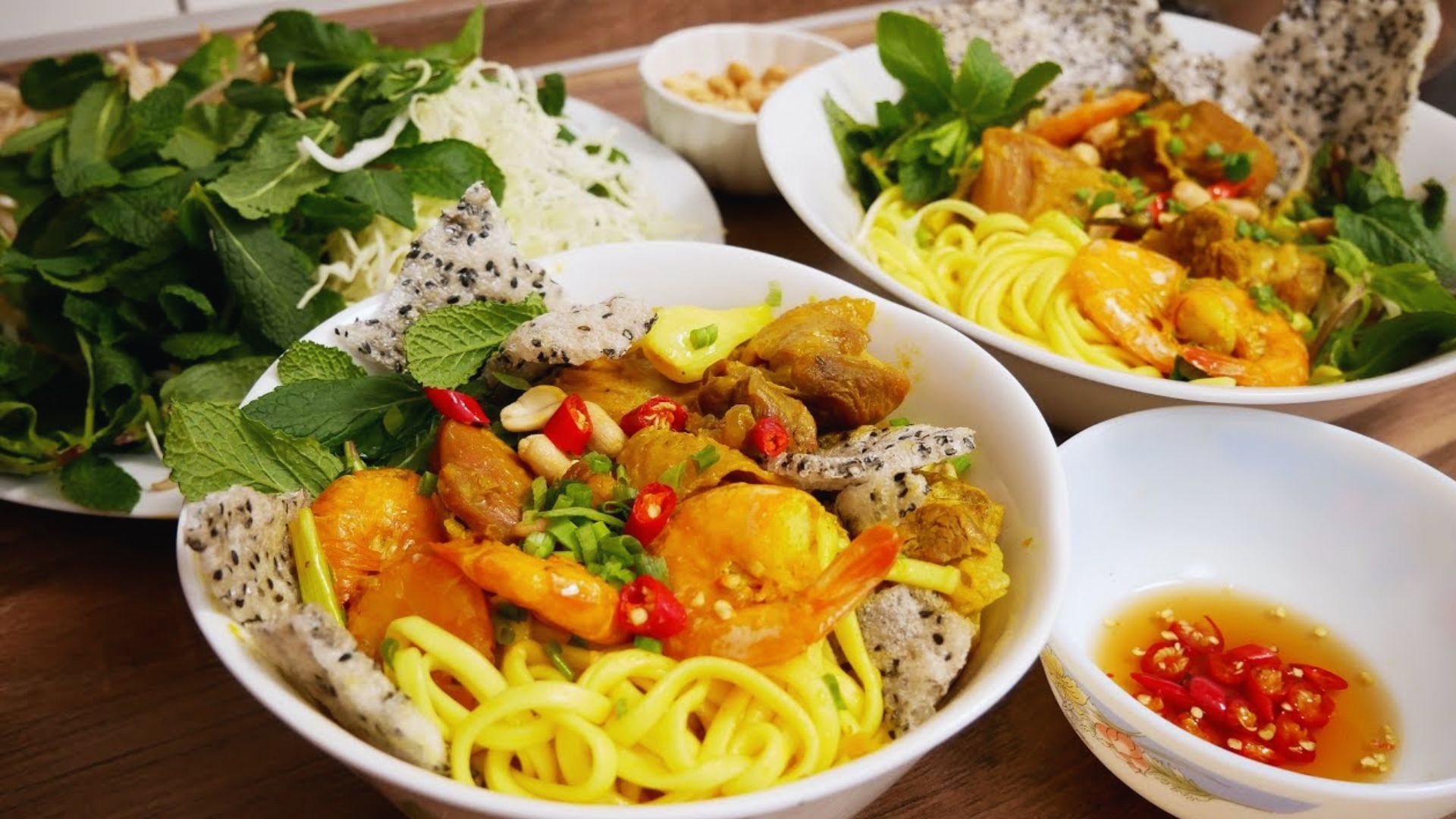
Mi Quang comes from Da Nang and the Quang Nam region.
It uses wide, turmeric-tinted noodles topped with pork, shrimp, a small amount of thick broth, peanuts, sesame crackers, and fresh herbs.
The broth doesn’t fully cover the noodles, it’s more of a sauce. The combination of textures and flavors is unlike anything else in Vietnamese cuisine. It’s filling, bold, and very satisfying.
6. Com Ga (Chicken Rice)
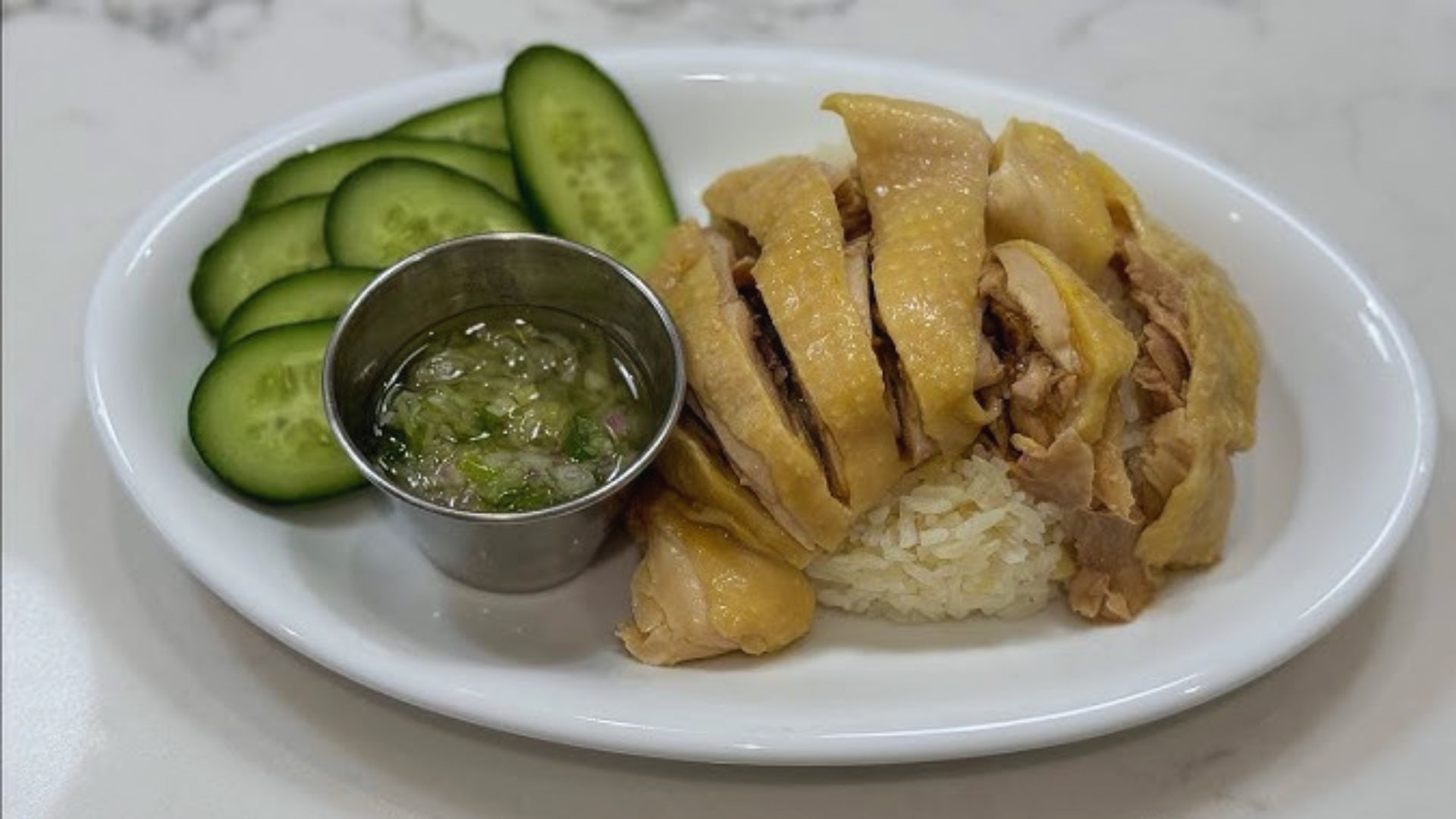
Com Ga is Vietnamese chicken rice at its finest. Poached chicken is served over rice that’s been cooked in chicken broth, which gives it a rich, savory flavor.
It’s topped with shredded chicken, fresh herbs, and sometimes onion oil. A side of ginger dipping sauce brings everything together.
Hoi An has its own version that uses a specific local chicken breed, and many say that’s the best you’ll find.
7. Banh Xeo (Vietnamese Pancakes)
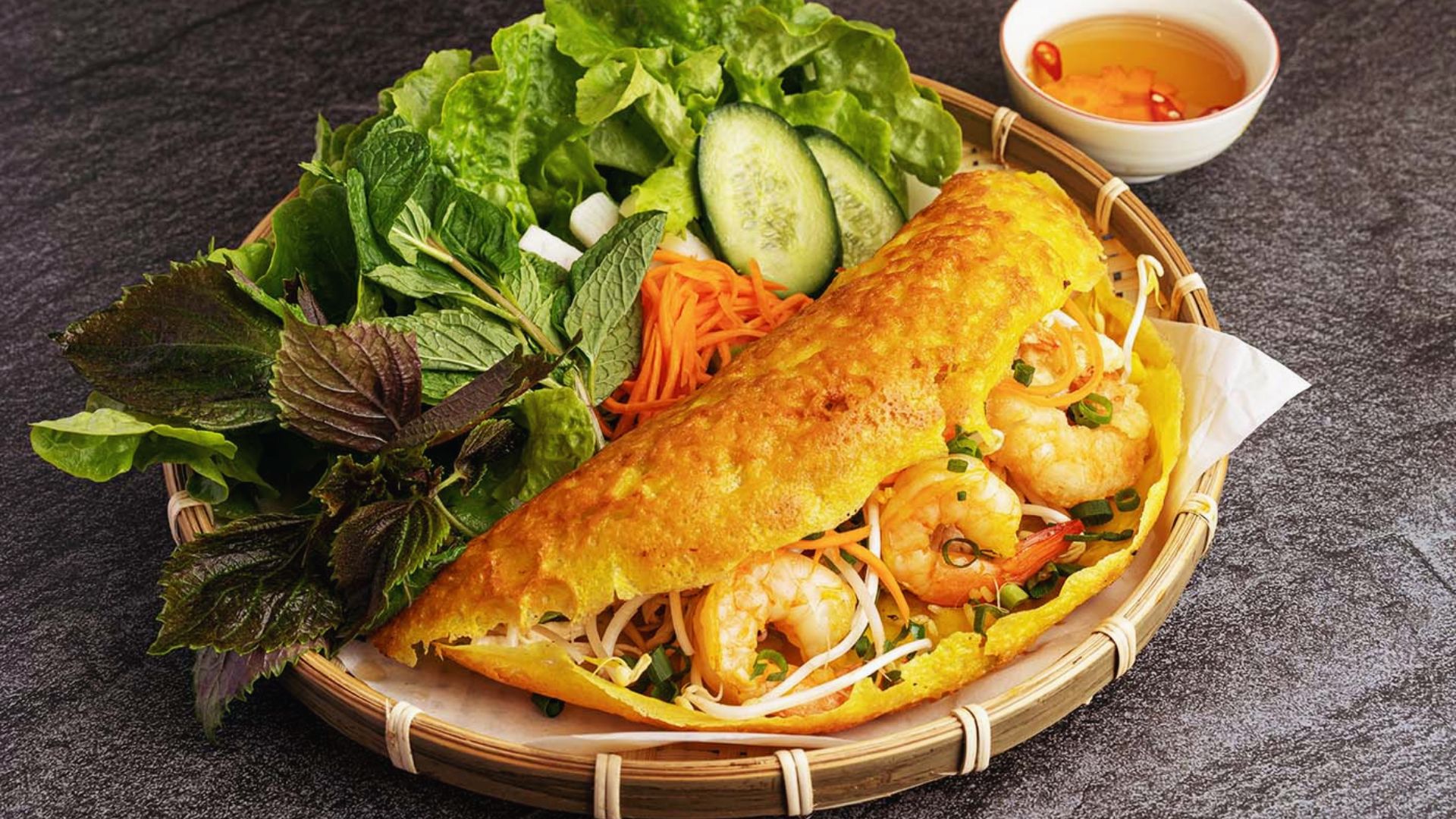
Banh Xeo is a savory rice flour pancake filled with pork, shrimp, bean sprouts, and green onions.
The outside is crispy and golden from turmeric-infused batter. You tear off pieces, wrap them in lettuce leaves with herbs, and dip them in sweet fish sauce.
The name literally means “sizzling cake,” because of the sound it makes when the batter hits the hot pan. It’s a fun, hands-on dish.
8. Goi Cuon (Fresh Spring Rolls)
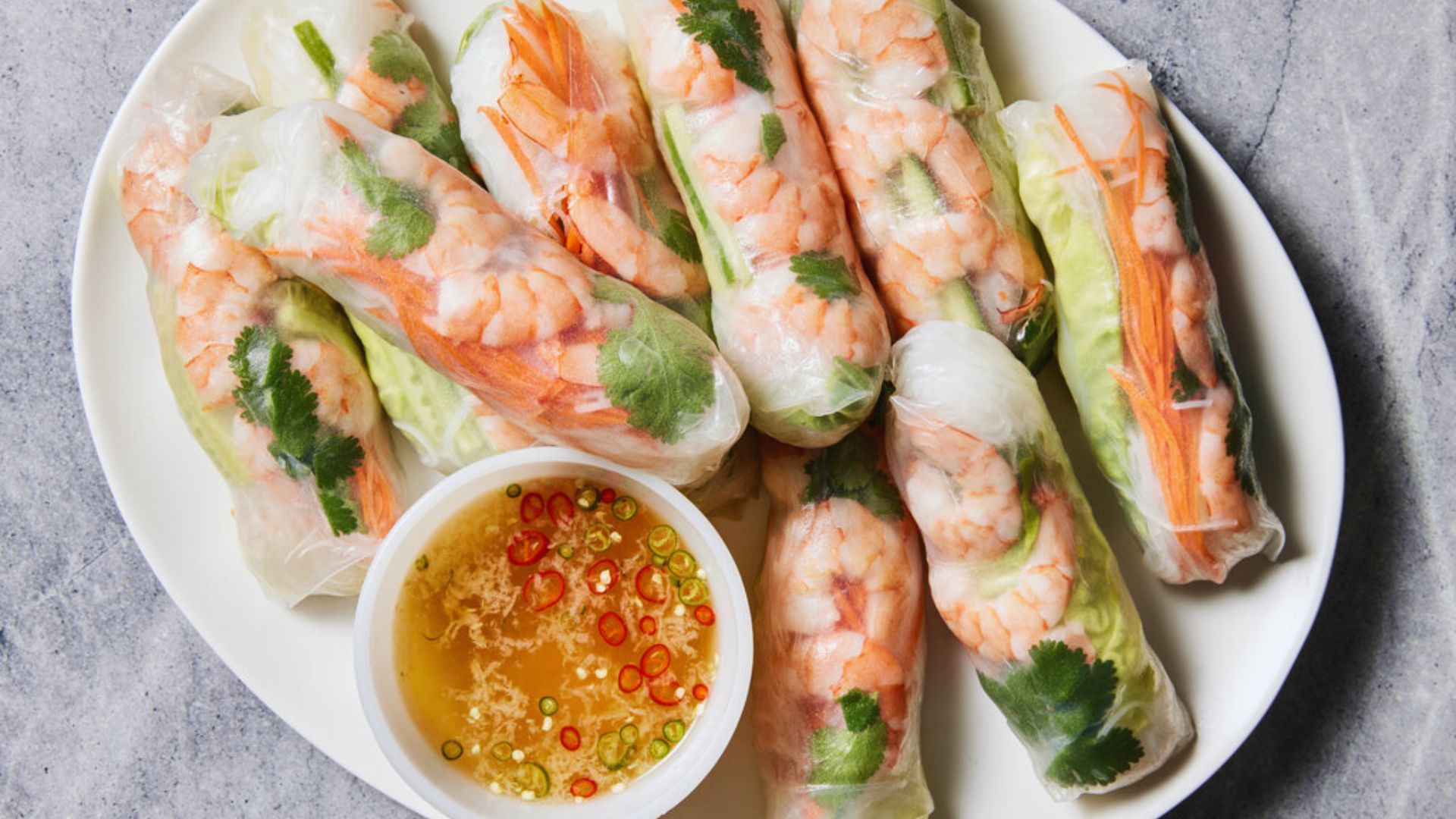
Goi Cuon are light, fresh spring rolls made with rice paper wrapped around shrimp, pork, vermicelli noodles, lettuce, and herbs.
They’re not fried, they’re served cold and are incredibly refreshing. The dipping sauce is usually a thick peanut-hoisin blend.
These are a great option if you want something lighter. They’re also easy to eat on the go, which is why they’re a popular street food snack across Vietnam.
9. Cha Gio (Fried Spring Rolls)
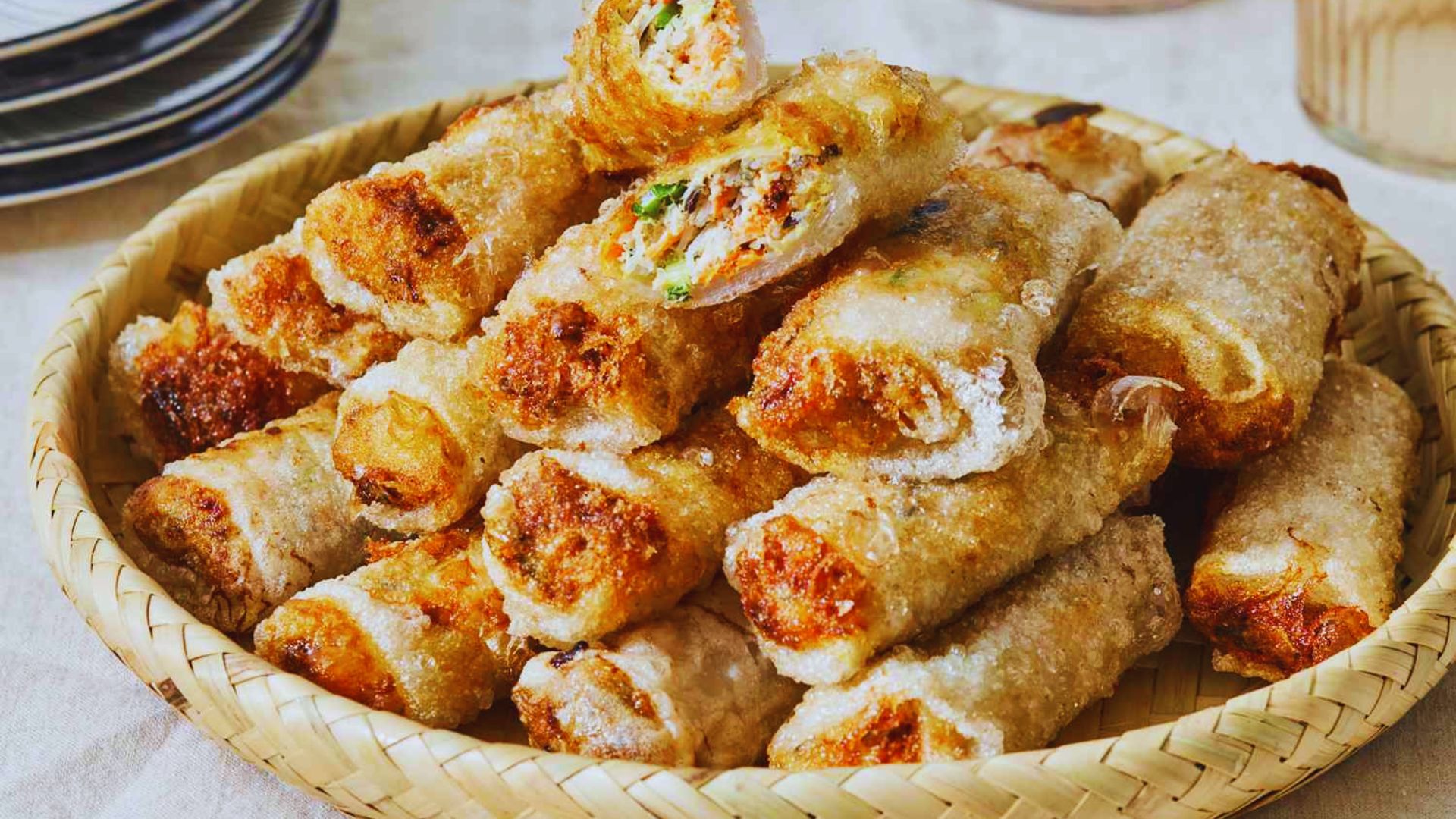
Cha Gio are the fried version of Vietnamese spring rolls. Minced pork, glass noodles, mushrooms, and vegetables are wrapped in thin rice paper and deep-fried until golden and crunchy.
They’re served with lettuce, fresh herbs, and a light fish sauce dip. The crunch is what makes them special.
They’re a common starter at family meals and celebrations, and you’ll find them at almost every Vietnamese restaurant around the world.
10. Bun Bo Hue

Bun Bo Hue is a spicy beef noodle soup from the city of Hue. It uses thick round noodles in a bold lemongrass and shrimp paste broth, topped with sliced beef, pork, and sometimes pig’s trotter.
It’s much spicier and more complex than pho. The broth has a deep, savory heat that builds as you eat.
It’s considered one of Vietnam’s most flavorful regional soups and is worth seeking out if you like bold food.
11. Bun Thit Nuong

Bun Thit Nuong is a cold noodle bowl topped with grilled pork, fresh herbs, pickled vegetables, crushed peanuts, and fried shallots.
Everything is brought together with a drizzle of sweet fish sauce dressing. It’s light but packed with flavor and texture.
The grilled pork has a slightly caramelized, smoky taste that contrasts well with the cold noodles and fresh herbs. It’s a popular lunch option across southern Vietnam.
12. Banh Khot (Crispy Mini Pancakes)

Banh Khot are small, round, crispy rice flour pancakes filled with a shrimp topping and coconut milk batter.
They’re cooked in special cast iron molds until the bottom is golden and crispy and the top is soft.
You wrap each one in mustard greens or lettuce with fresh herbs and dip it in fish sauce. They come from the Vung Tau region in southern Vietnam and are a great finger food to share.
13. Bo La Lot (Grilled Beef in Betel Leaves)
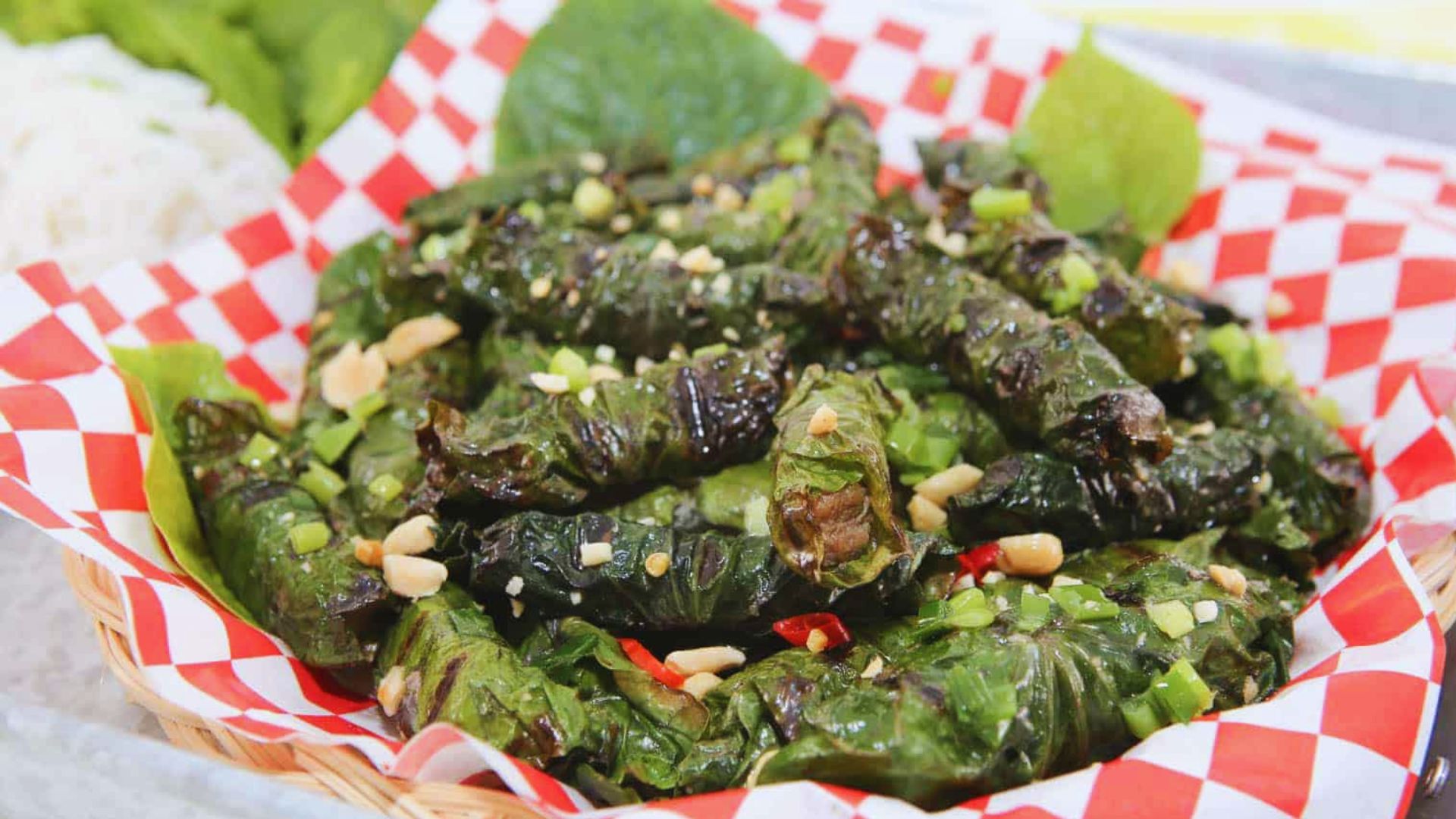
Bo La Lot features seasoned minced beef rolled inside betel leaves and grilled over charcoal. The leaves add a slightly peppery, herbal flavor to the smoky beef.
They’re usually served with rice paper, vermicelli, and dipping sauce, letting you build your own wraps. The aroma when they’re grilling is unforgettable.
This dish is especially popular in the south and is a common street food item at evening markets.
14. Com Tam (Broken Rice)
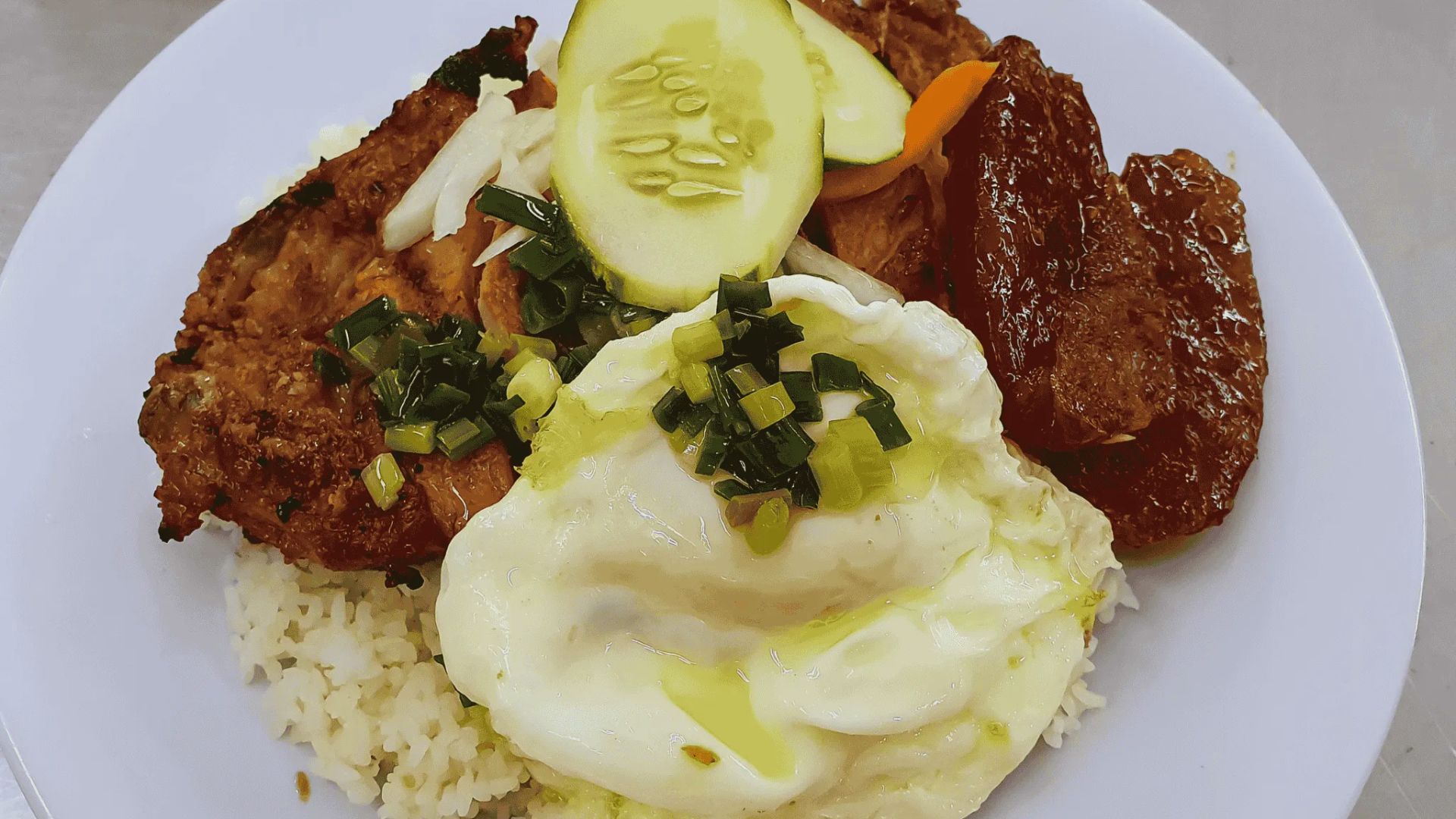
Com Tam means “broken rice” and it’s a southern Vietnamese staple. Broken rice grains are served with grilled pork chop, shredded pork skin, a steamed egg patty, and pickled vegetables.
It all comes with a small bowl of fish sauce for dipping. The broken rice has a softer, slightly sticky texture compared to regular rice.
It was originally a dish made from the rice grains left over after milling and has become a beloved comfort food.
15. Thit Xien Nuong (Grilled Pork Skewers)
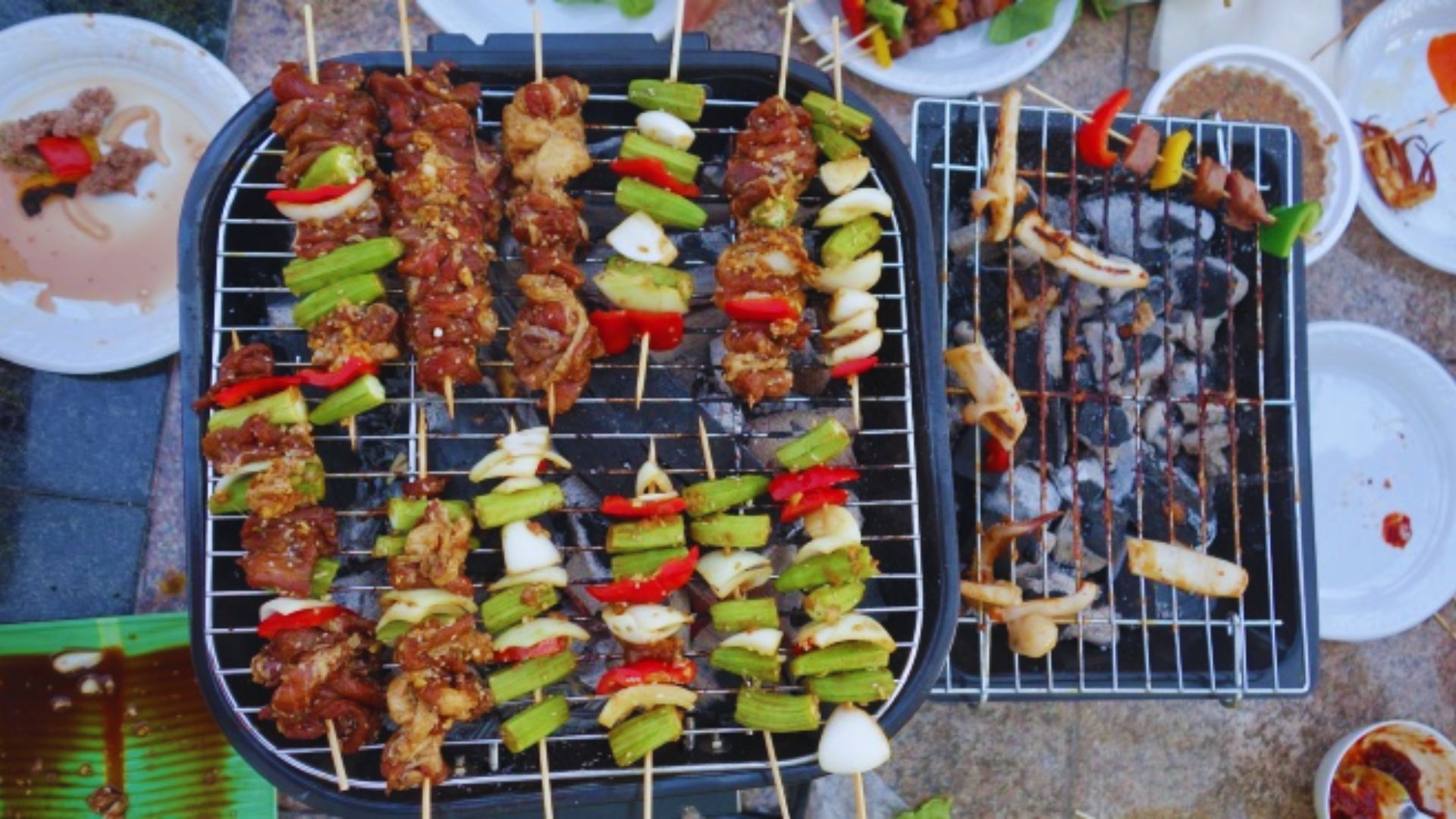
Thit Xien Nuong are marinated pork skewers grilled over an open flame. The pork is seasoned with lemongrass, garlic, fish sauce, and a little sugar, giving it a sweet and savory glaze.
They’re sold at night markets and street food stalls all over Vietnam. You eat them wrapped in rice paper with herbs, or just straight off the skewer.
They’re simple, affordable, and hard to stop eating.
16. Vietnamese Hot Pot (Lau)
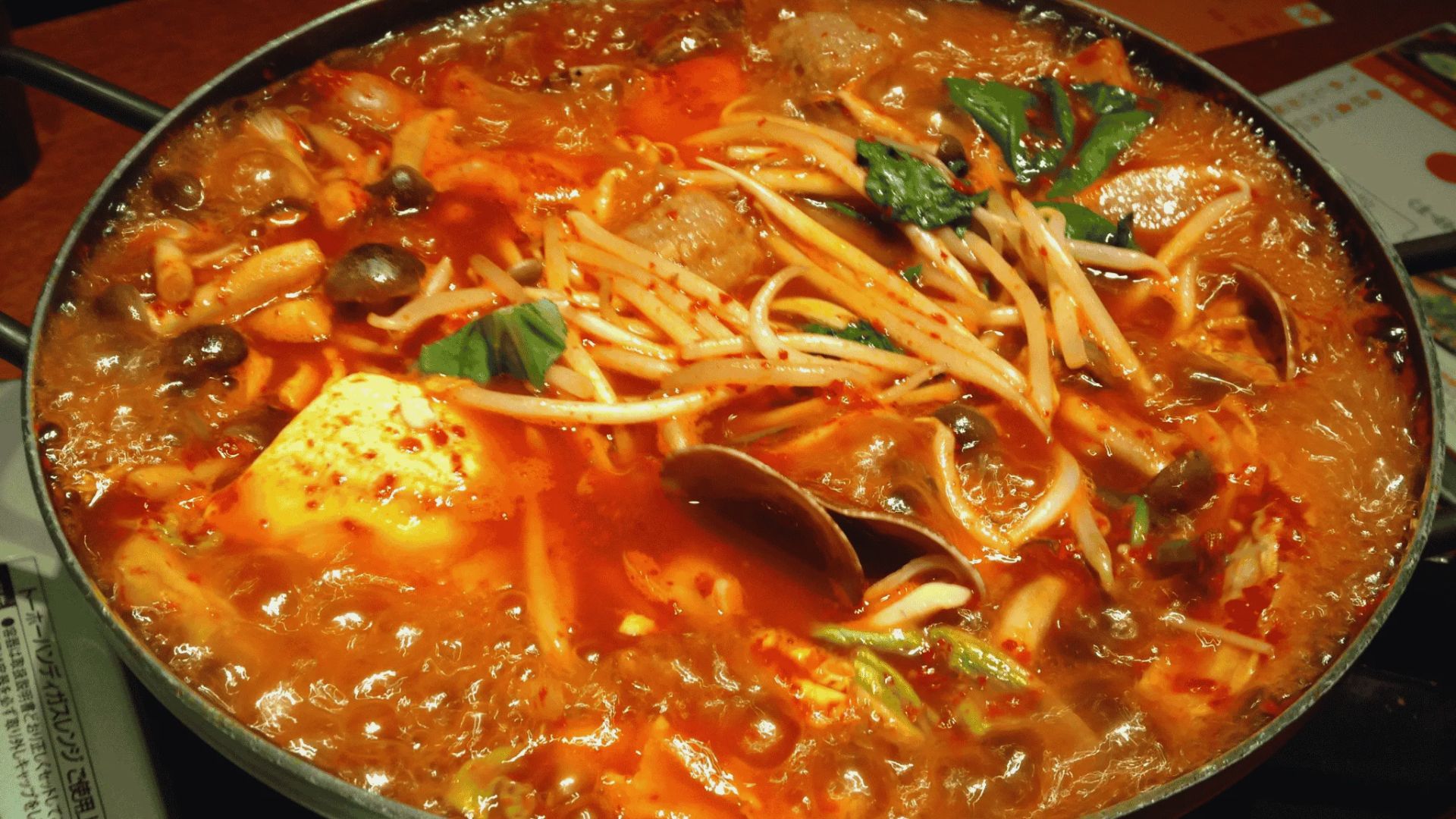
Lau is Vietnam’s version of hot pot. A simmering broth sits in the center of the table, and everyone dips their own meat, seafood, vegetables, and noodles into it.
The broth can be spicy, sour, or mild depending on the style. Lau is a social dish, it’s meant to be shared over a long meal with family or friends.
Popular versions include sour tamarind broth with seafood and spicy beef hotpot.
17. White Rose Dumplings
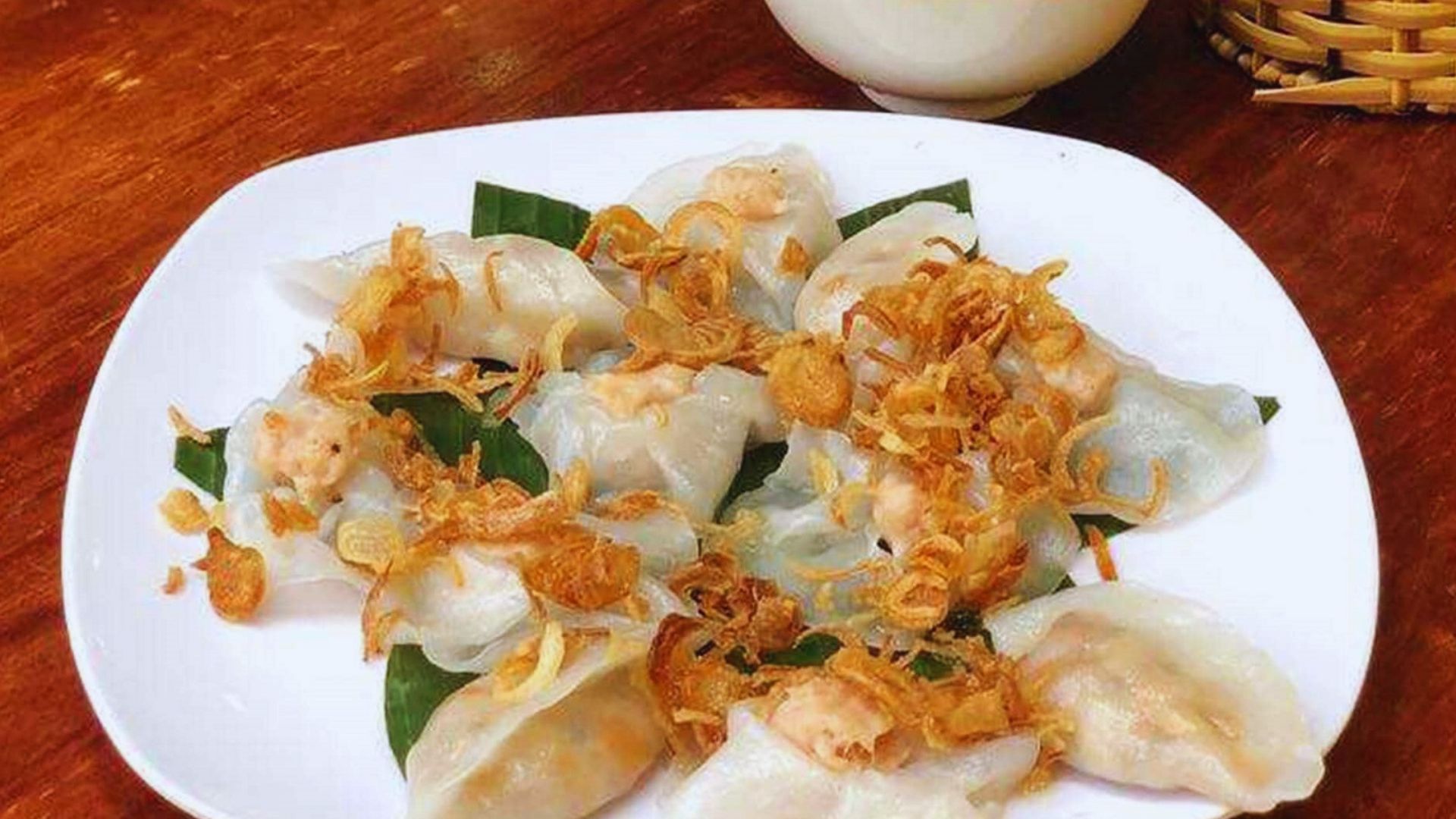
White Rose Dumplings are a Hoi An specialty. Thin, translucent rice paper is shaped into a flower and filled with minced shrimp or pork, then steamed and topped with crispy shallots.
The name comes from their soft white appearance. They’re delicate in texture but rich in flavor.
Only a few families in Hoi An hold the original recipe, so eating them there feels like tasting something truly local and special.
18. Chicken with Lemongrass and Ginger
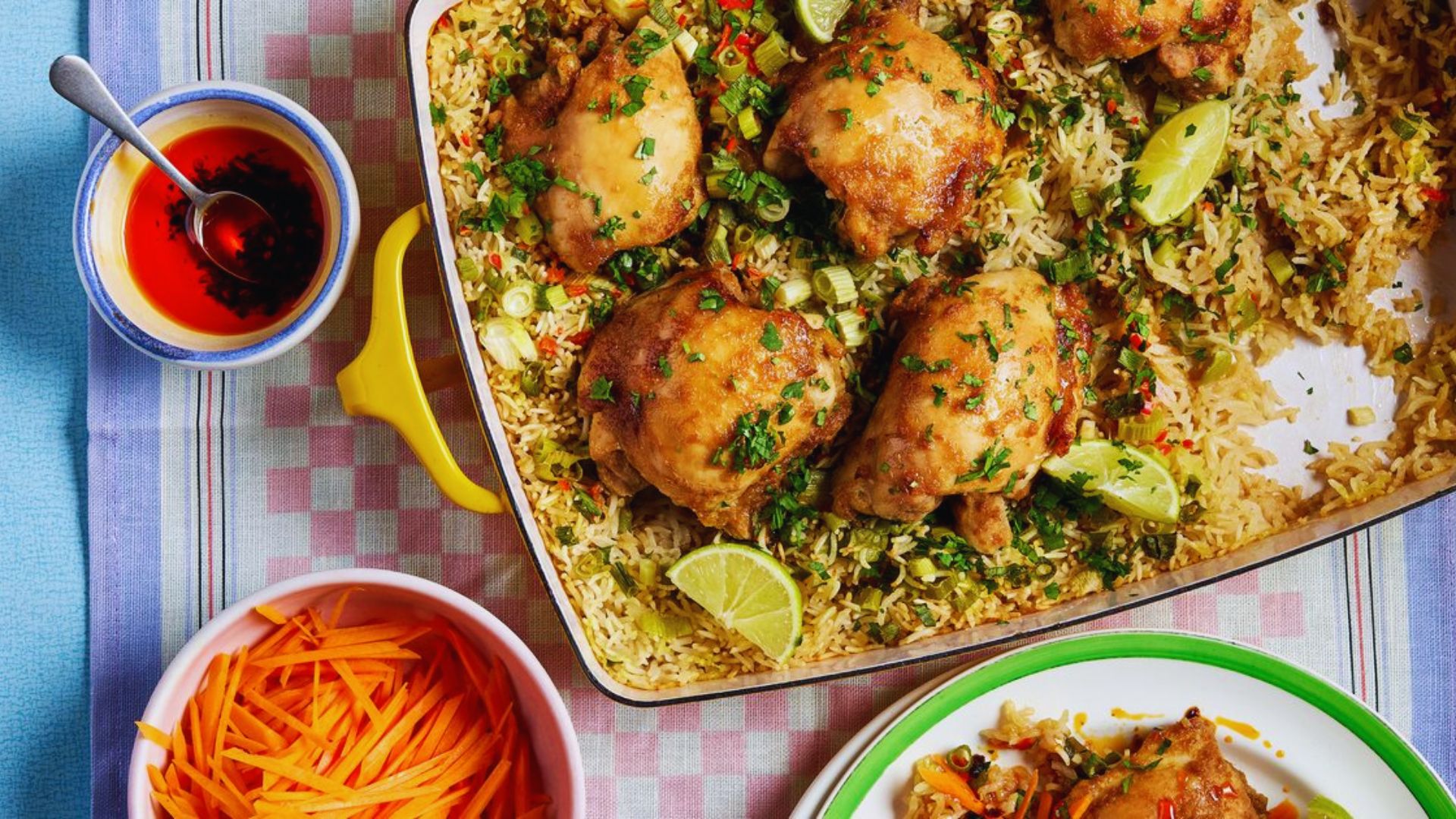
This is a straightforward but satisfying Vietnamese stir-fry. Chicken pieces are cooked with fresh lemongrass, ginger, garlic, fish sauce, and chili until fragrant and slightly caramelized.
It’s a home-cooked favorite across the country and pairs well with steamed rice.
The lemongrass gives it a citrusy brightness while the ginger adds warmth. It’s the kind of dish that feels simple but has layers of flavor with every bite.
19. Prawns in Chili Paste
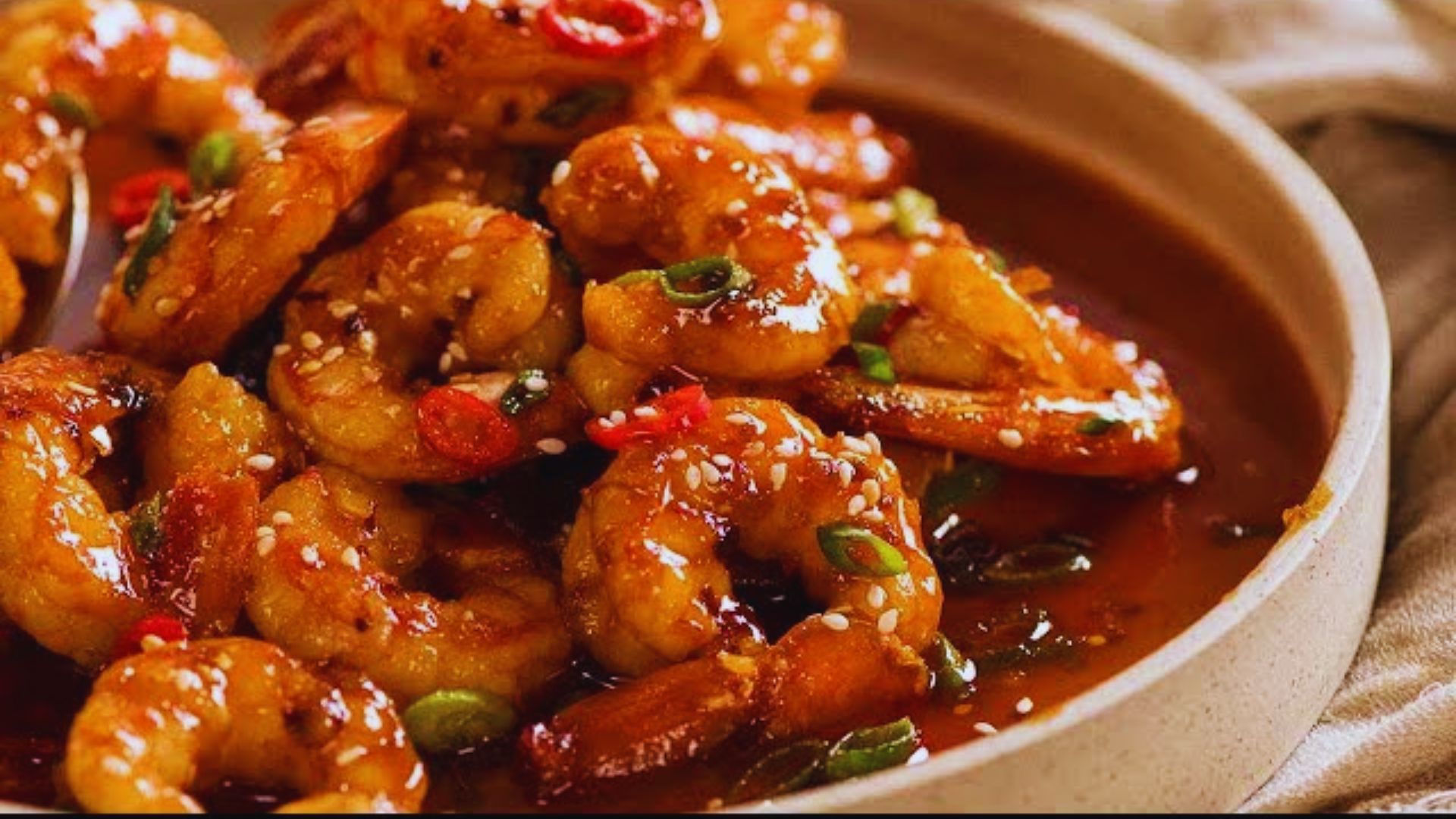
This dish features large prawns cooked in a thick, spicy chili paste with garlic, shallots, and sometimes tomatoes.
The prawns absorb the bold flavors of the sauce and become slightly sticky on the outside. It’s served with rice and is a popular dish in coastal areas where fresh seafood is easy to find.
The heat level varies, but even the milder versions have a deep, savory kick that makes it memorable.
20. Tay Ninh Salty Shrimp

Tay Ninh Salty Shrimp, known locally as muoi tom Tay Ninh, is a fermented shrimp paste with a strong, salty, and tangy flavor.
It’s used as a dipping sauce for grilled meats, green mango slices, and boiled pork. The paste is deeply savory with a slightly funky aroma that’s an acquired taste for some, but loved by locals.
It comes from Tay Ninh province and is considered one of the region’s most defining flavors.
21. Banana Sago in Coconut Milk
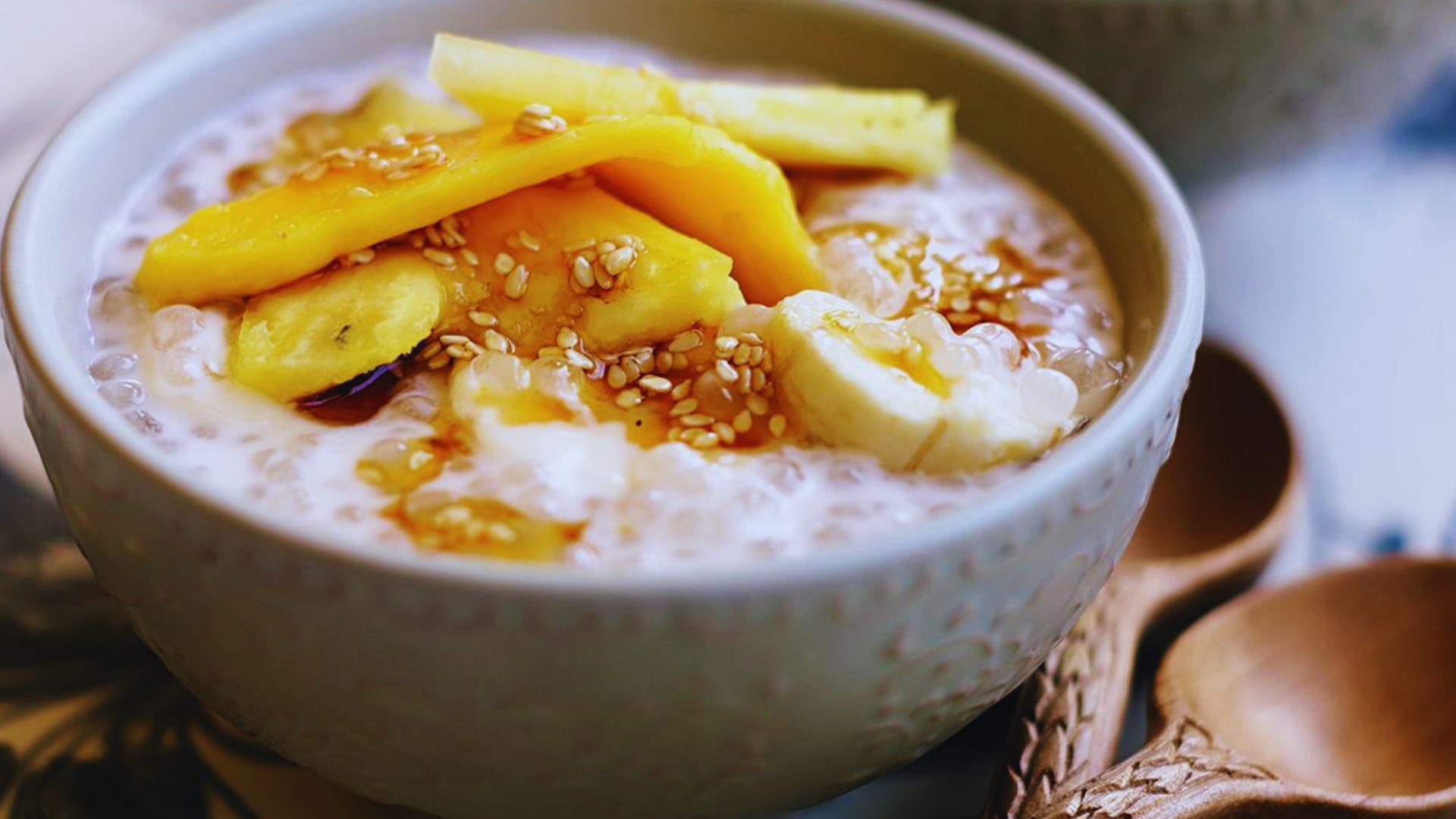
This is a classic Vietnamese dessert called Che Chuoi. Ripe banana slices are cooked in sweet coconut milk with tapioca pearls and topped with a pinch of salt and toasted sesame seeds.
The salt balances the sweetness of the coconut milk. It’s served warm or at room temperature.
It’s a comforting, simple dessert that shows up at street stalls and family tables alike, and it tastes far better than it sounds.
22. Mango Sticky Rice

Mango Sticky Rice is popular across Southeast Asia but Vietnam has its own spin on it. Sweet glutinous rice is served with ripe mango slices and drizzled with salted coconut cream.
The contrast between the sticky rice, sweet mango, and creamy-salty topping makes it a perfect dessert.
It’s widely available in southern Vietnam during mango season. It’s fresh, satisfying, and one of the easiest Vietnamese desserts to fall in love with.
23. Vietnamese Coffee
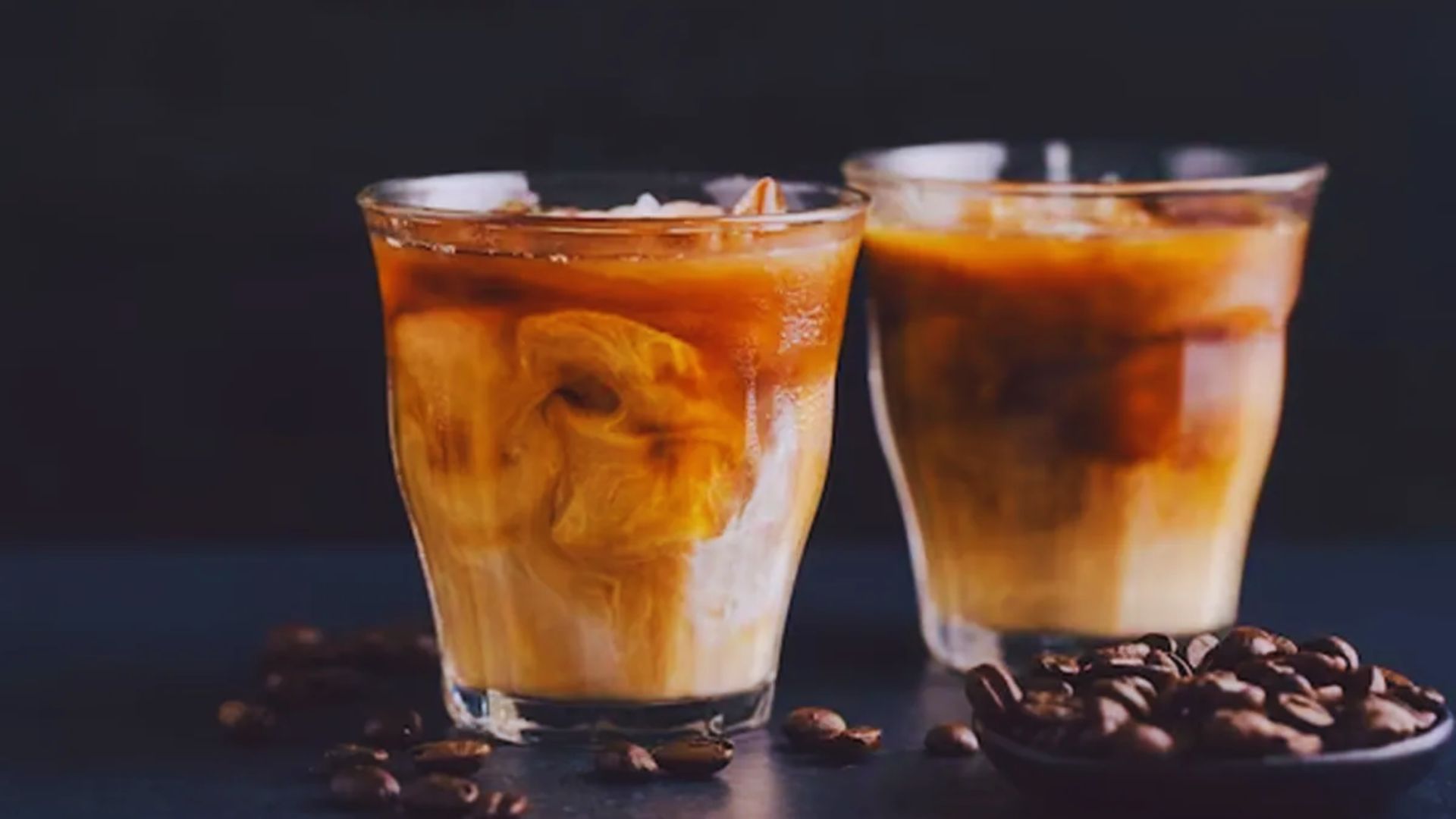
Vietnamese coffee is strong, slow-dripped, and often sweetened with condensed milk in a small glass over ice.
The coffee used is usually robusta beans, which are darker and more bitter than arabica. The result is a rich, bold drink that’s sweet and smooth at the same time.
Ca Phe Trung, or egg coffee, is a Hanoi version where whipped egg yolk sits on top of the espresso. Both are worth trying.
Regional Vietnamese Food Specialties
Vietnam’s food changes dramatically from north to south, here’s what stands out in three key cities.
Food in Hoi An
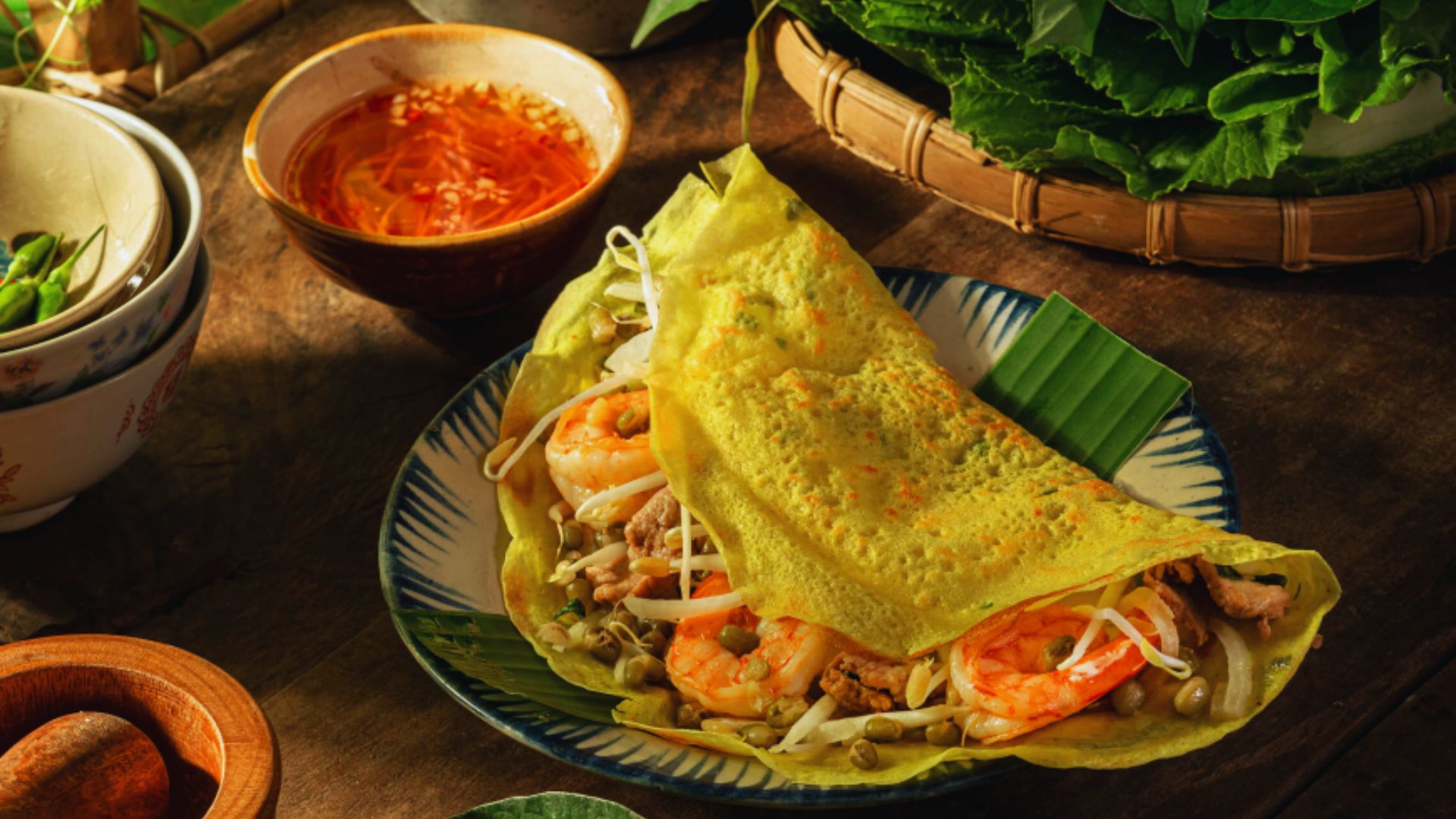
Hoi An has one of the most distinct food scenes in all of Vietnam. Cao Lau, White Rose Dumplings, and Banh Mi are all dishes closely tied to this ancient town.
The ingredients, especially for Cao Lau, are said to rely on local well water for their specific taste.
The town’s mix of Chinese, Japanese, and local influences over centuries has created a food culture unlike anywhere else in the country.
Food in Hanoi

Hanoi’s food is known for being milder, cleaner, and more focused on the quality of individual ingredients. Pho originated here, and the Hanoi version uses a clear, less sweet broth.
Bun Cha and Bun Thang are also northern staples. Hanoi’s street food culture is strong, sidewalk vendors, plastic stools, and morning soup are all part of the city’s daily rhythm.
If you want to understand northern Vietnamese cooking, Hanoi is the place to start.
Food in Da Nang
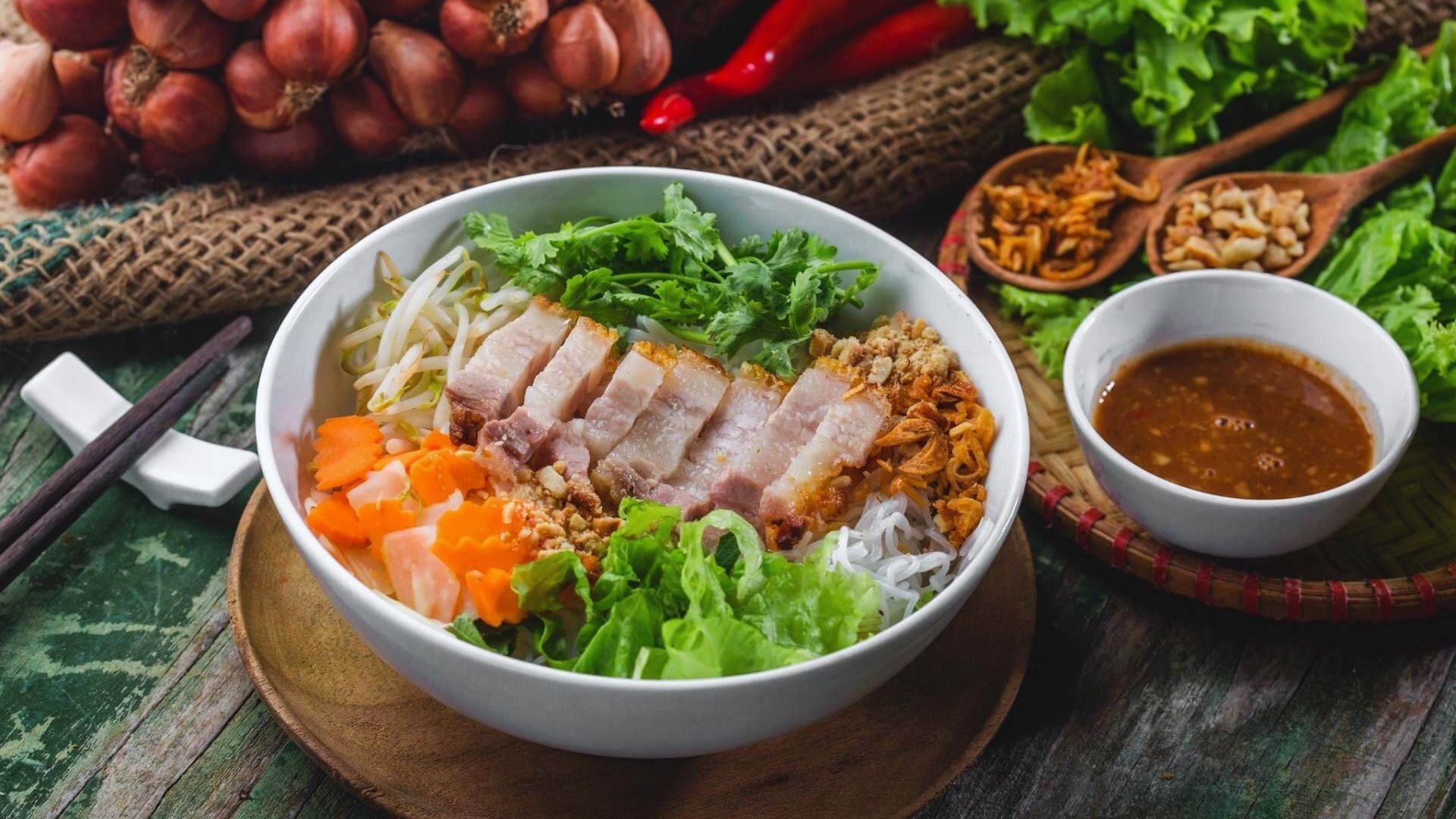
Da Nang sits in central Vietnam, and its food reflects the bold, spicy style of the region. Mi Quang and Bun Bo Hue are both served here and in nearby areas.
Da Nang is also known for its seafood, grilled clams, freshly caught fish, and whole prawns are staples along the beach restaurants.
The city has grown fast, but its street food scene remains strong. Central Vietnamese cuisine is arguably the most complex in the country.
Tips for Trying Vietnamese Food
A few simple tips can make your Vietnamese food experience much better.
- Go early, street food vendors often sell out by mid-morning
- Eat where locals eat, busy stalls mean fresher ingredients
- Say “an chay” for vegetarian and “khong thit” for no meat
- Fish sauce is in almost every dish, ask for it to be left out if needed
- Carry a written allergy card in Vietnamese for serious allergies
Keep these tips handy and you’ll eat well every single day in Vietnam.
Conclusion
Vietnam’s food is honest, fresh, and deeply satisfying. I’ve tried many of these dishes myself, and every single one was worth it.
This guide gives you 23 solid dishes to start with. No guesswork, no confusion, just good food waiting for you.
Now it’s your turn.
Which dish are you most excited to try? Drop a comment below and let me know. If this helped, share it with someone planning their Vietnam trip.
Frequently Asked Questions
What is the most popular food in Vietnam?
Pho is the most widely recognized Vietnamese dish, known for its rich broth and fresh herbs.
Is Vietnamese food spicy?
Not always. Northern food is mild, but central dishes like Bun Bo Hue can be quite spicy.
What should I eat first in Vietnam?
Start with Pho for breakfast, Banh Mi as a snack, and Bun Cha for lunch.
Is Vietnamese food healthy?
Yes, most dishes are light, fresh, and use minimal heavy fats or processed ingredients.
Can vegetarians eat Vietnamese food?
Yes, vegetarian options are widely available, especially near Buddhist temples and in bigger cities.
