


Planning a trip to Sequoia National Park can feel overwhelming. Where do you start? How many days do you need? Which trails are worth your time?
This Sequoia National Park itinerary breaks down exactly what to see and do. You’ll get day-by-day plans for 2-5 days, must-see spots like General Sherman Tree and Moro Rock, and realistic timing for each stop.
I’ll cover the Giant Forest, Kings Canyon, and the best trails that match your fitness level.
I’ve spent years helping families and solo travelers plan their national park trips. This guide gives you a solid plan that fits your schedule. No fluff, just what works.
Understanding Sequoia & Kings Canyon National Parks
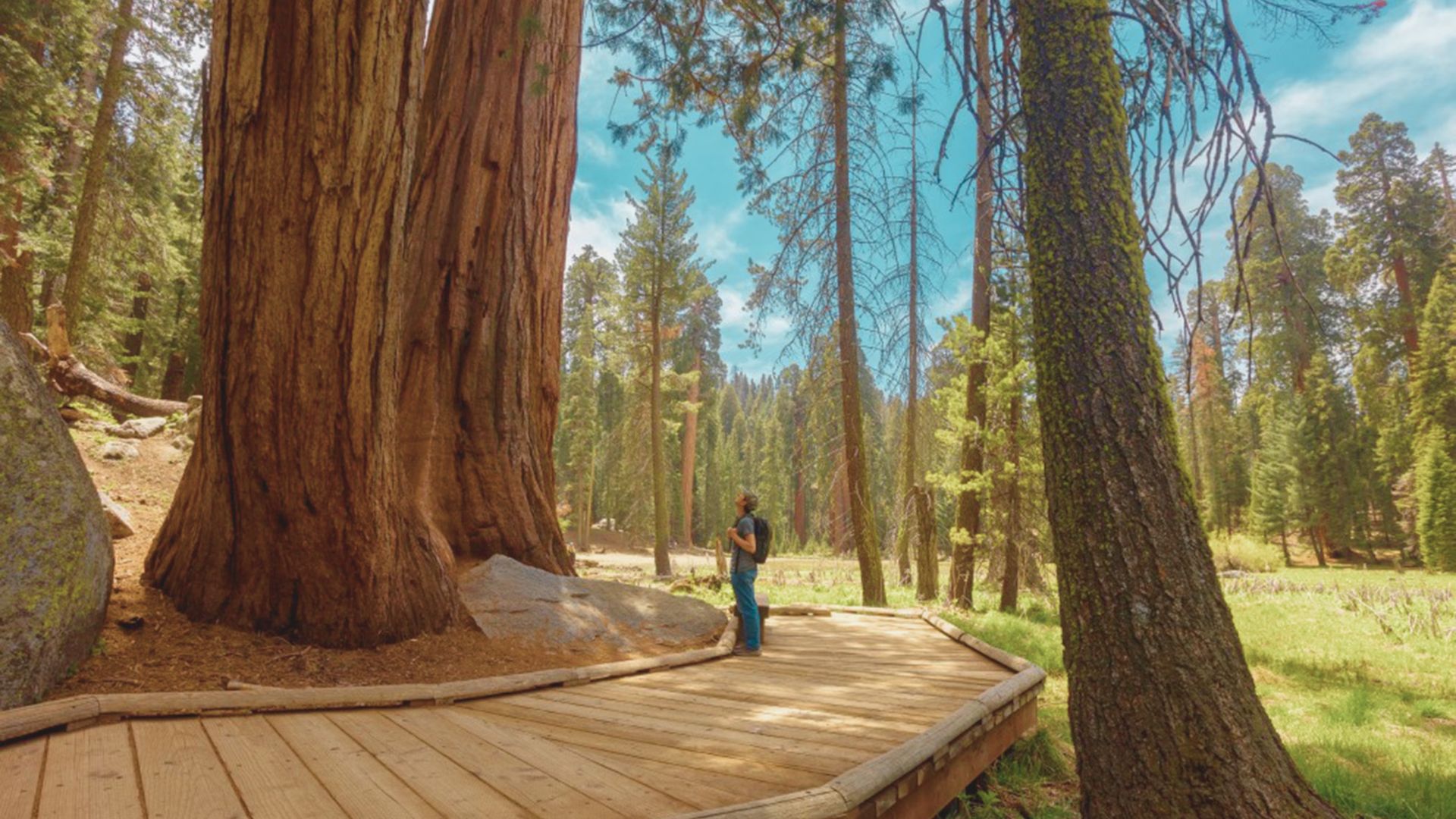
Sequoia and Kings Canyon are two separate parks that sit right next to each other. The Generals Highway connects them with a 30-mile scenic drive. Your entrance pass works for both since they’re managed as one unit.
Sequoia has many iconic landmarks. General Sherman Tree, Moro Rock’s granite dome, the Giant Forest, and Crescent Meadow. That’s where you get your “wow” moments with the giant sequoias.
Kings Canyon adds variety. Grant Grove, Zumwalt Meadow, and Mist Falls offer deeper canyons, better waterfall hikes, and way fewer people on the trails.
You drove all this way. Why not see both? They’re already connected.
Best Time to Visit
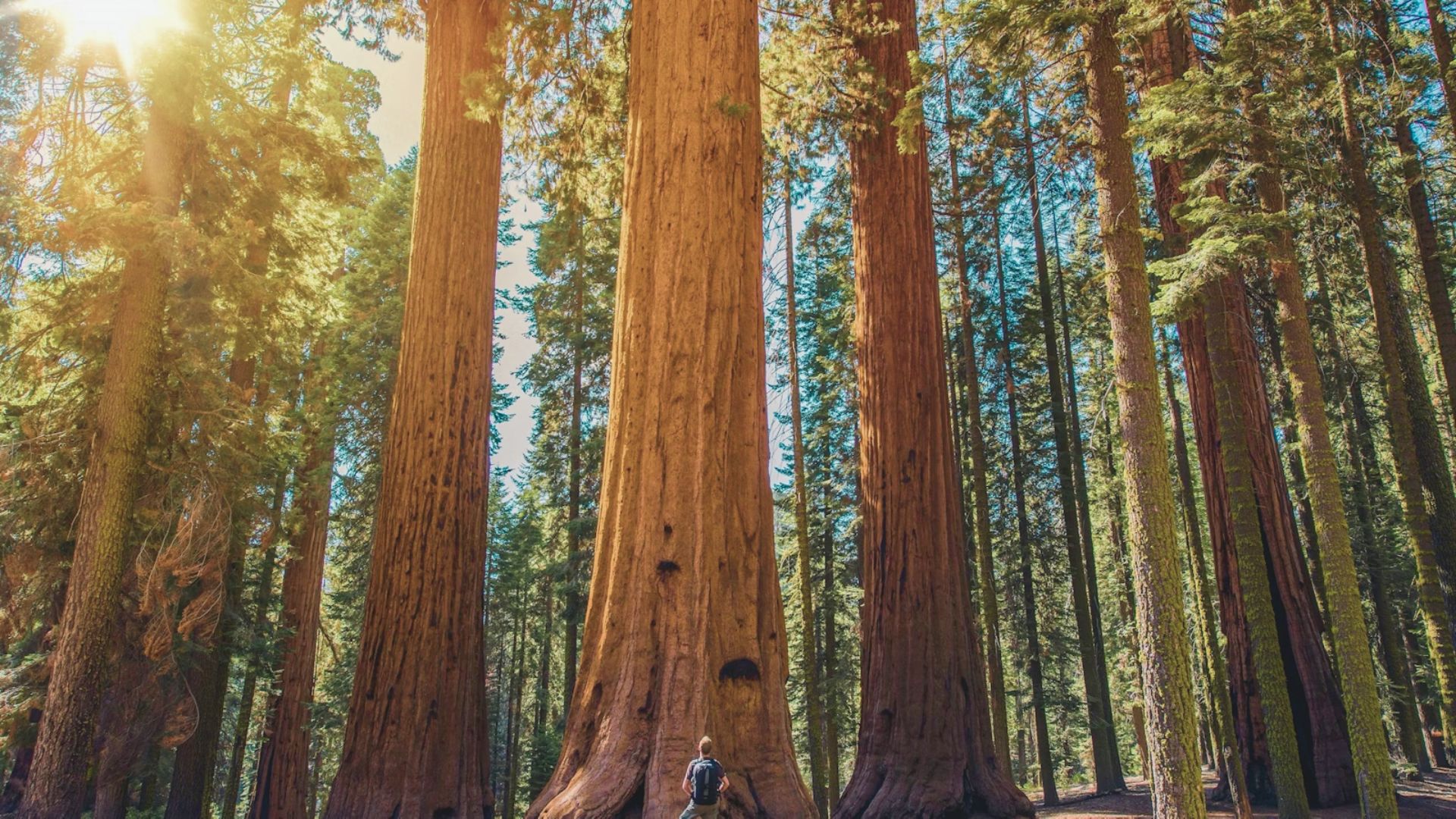
Timing matters more than you think. Each season gives you a completely different park experience.
Spring brings waterfalls running strong from snowmelt and wildflowers covering the meadows. Some higher areas stay closed until late May or June. Summer means everything’s open but crowds show up early. Expect full parking lots by 10 a.m.
Fall is my favorite time to visit. Temperatures drop to a comfortable level. Crowds thin out after Labor Day, and most facilities still operate. Winter limits access with heavy snow and frequent road closures, but snowshoeing through the Giant Forest is magical.
The Foothills entrance sits at 1,700 feet and can hit 100°F in summer. Giant Forest at 6,400 feet stays around 70°F. Bring layers no matter when you visit. Check the park website the morning you plan to enter.
How to Get to Sequoia National Park?
Getting there is easier than most people expect.
Fresno Yosemite International is your closest airport at 1.5 hours away. Los Angeles is 4 hours south. San Francisco sits 4.5 hours northwest. Fresno makes the most sense for fly-in visitors.
Highway 198 enters through Ash Mountain from Visalia and Three Rivers. This is the main southern entrance. Highway 180 brings you into Kings Canyon from Fresno. From LA, take Highway 99 north to Visalia, then follow 198 east.
The Visalia-Sequoia Shuttle runs seasonally from late May through September. Inside the park, free shuttles connect major spots during summer. Most visitors drive their own vehicles since parking fills up fast between 9 a.m. and 4 p.m. If you fly in, rent a car for flexibility.
Sequoia National Park 2-5 Days Itinerary
This is your complete plan. I’ve mapped out what to do each day based on what actually works in the park. You can follow this exactly or adjust based on your interests and energy levels.
Day 1: Highlights of Sequoia National Park
Start at the Foothills Visitor Center when you enter. Grab a map and ask rangers about current trail conditions.
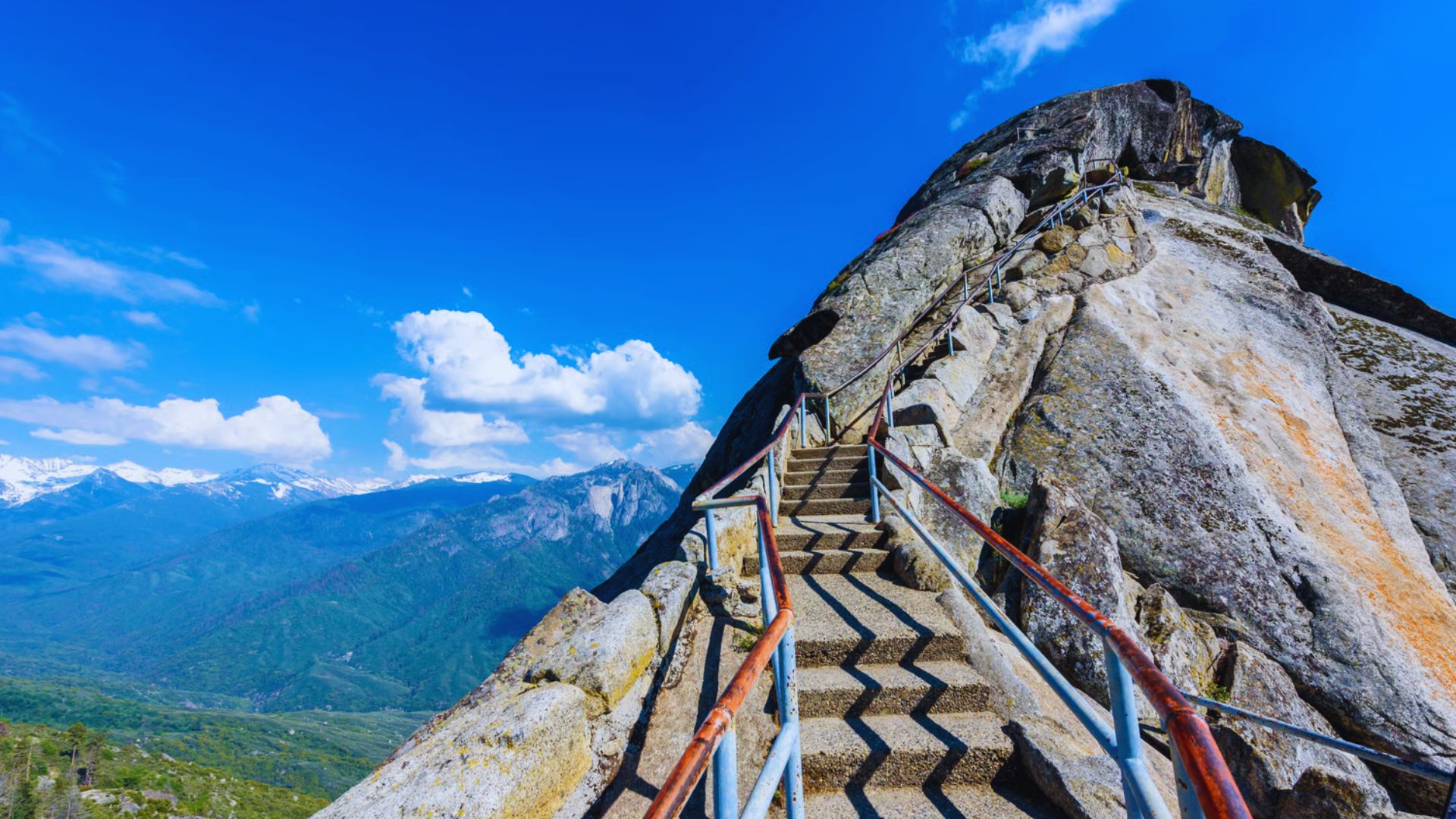
Climb 350 steps up Moro Rock’s half-mile trail for views that cover three states on clear days. Go early before crowds arrive. General Sherman Tree, the world’s largest tree by volume, sits on a short paved path. Connect to Congress Trail for more giant sequoias.
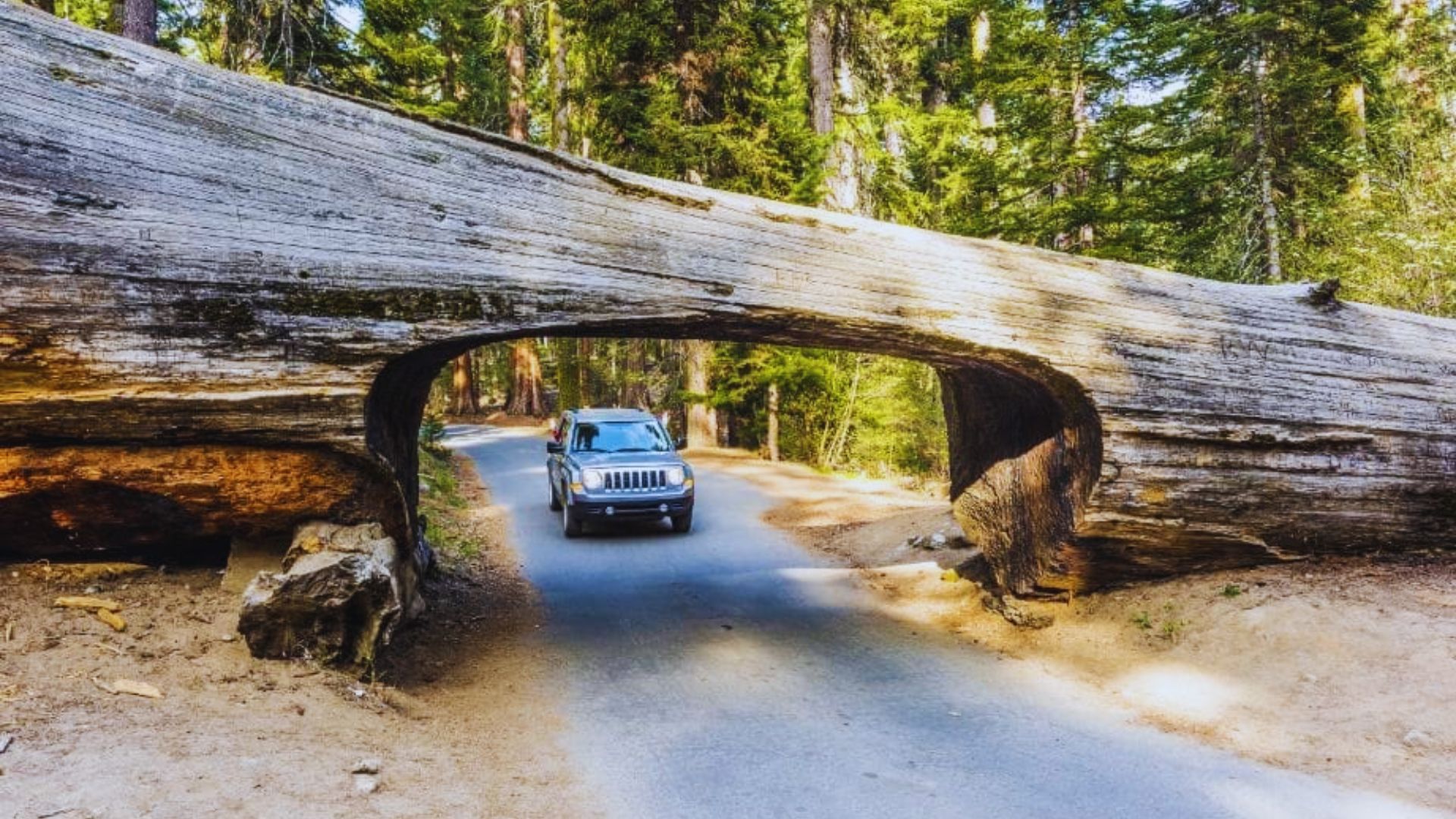
Walk to Crescent Meadow to see Tharp’s Log cabin, where a pioneer lived inside a fallen tree. Stop at Tunnel Log on the way and drive through a fallen sequoia.
End your day at sunset near Moro Rock or General Sherman. The golden hour light on these trees hits differently.
Day 2: Deeper Exploration of Sequoia
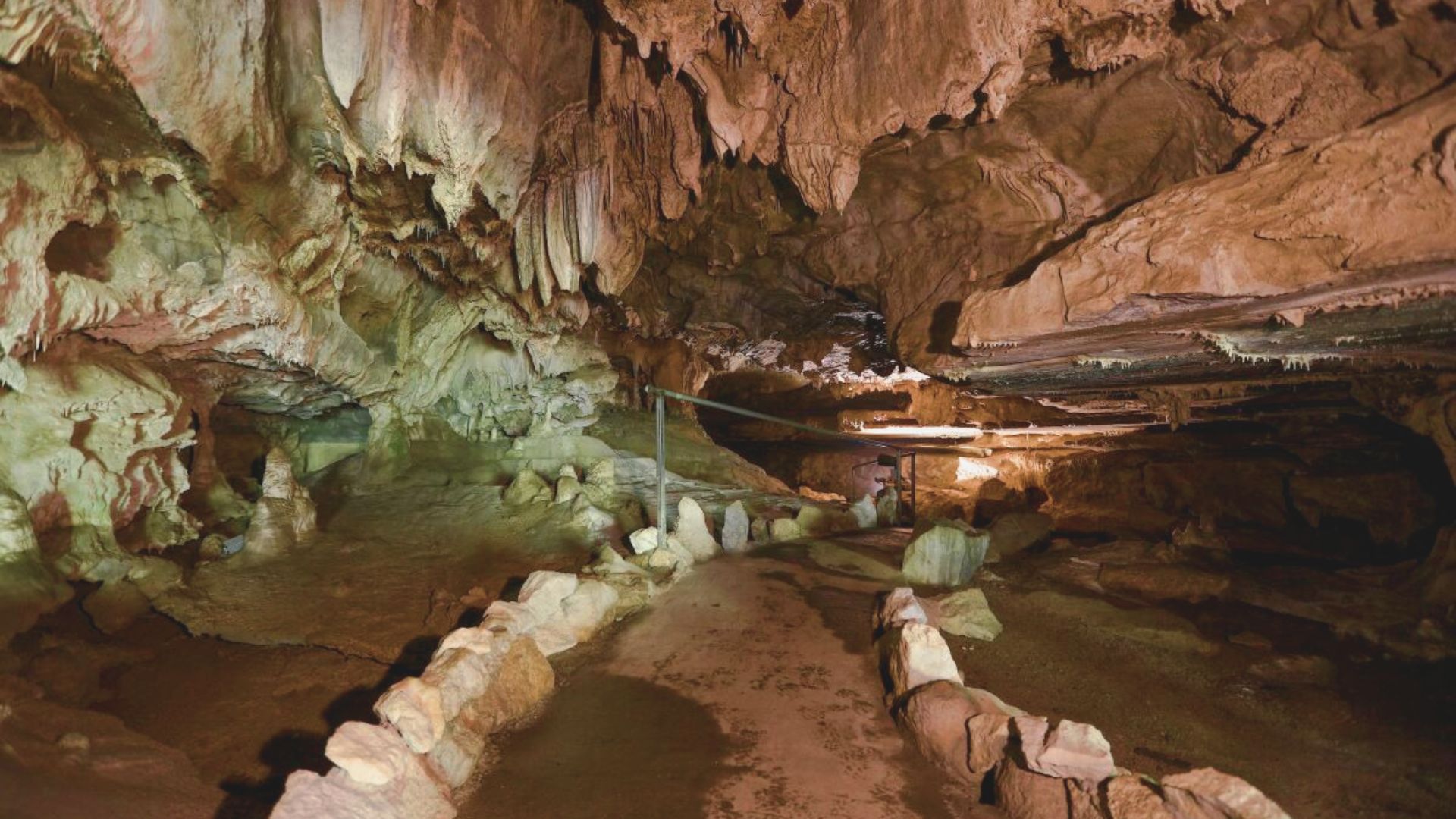
Book Crystal Cave in advance. It sells out weeks ahead in summer.
Learn sequoia ecology at the Giant Forest Museum, then walk the easy 1.3-mile Big Trees Trail. The Tokopah Falls Trail runs 4 miles round trip from Lodgepole. The waterfall runs strongest in June and early July.
Little Baldy Trail covers 3.3 miles round trip with 360-degree mountain views. Time this for late afternoon for incredible sunset views.
Pack extra water. The altitude makes you thirstier than normal.
Day 3: Kings Canyon National Park Trip

Stop at Grant Grove first. The visitor center and General Grant Tree Trail take about an hour.
The Kings Canyon Scenic Byway drops 30 miles into one of North America’s deepest canyons. Stop at Grizzly Falls and Roaring River Falls. Zumwalt Meadow offers a 1.5-mile loop with river views and granite cliffs. This is my favorite easy hike in Kings Canyon.
Muir Rock provides a swimming spot on the Kings River. The water stays cold but feels great in summer heat.
Pack a picnic lunch. Cedar Grove has a small market, but don’t count on it for meals.
Day 4: Extended Hiking Options
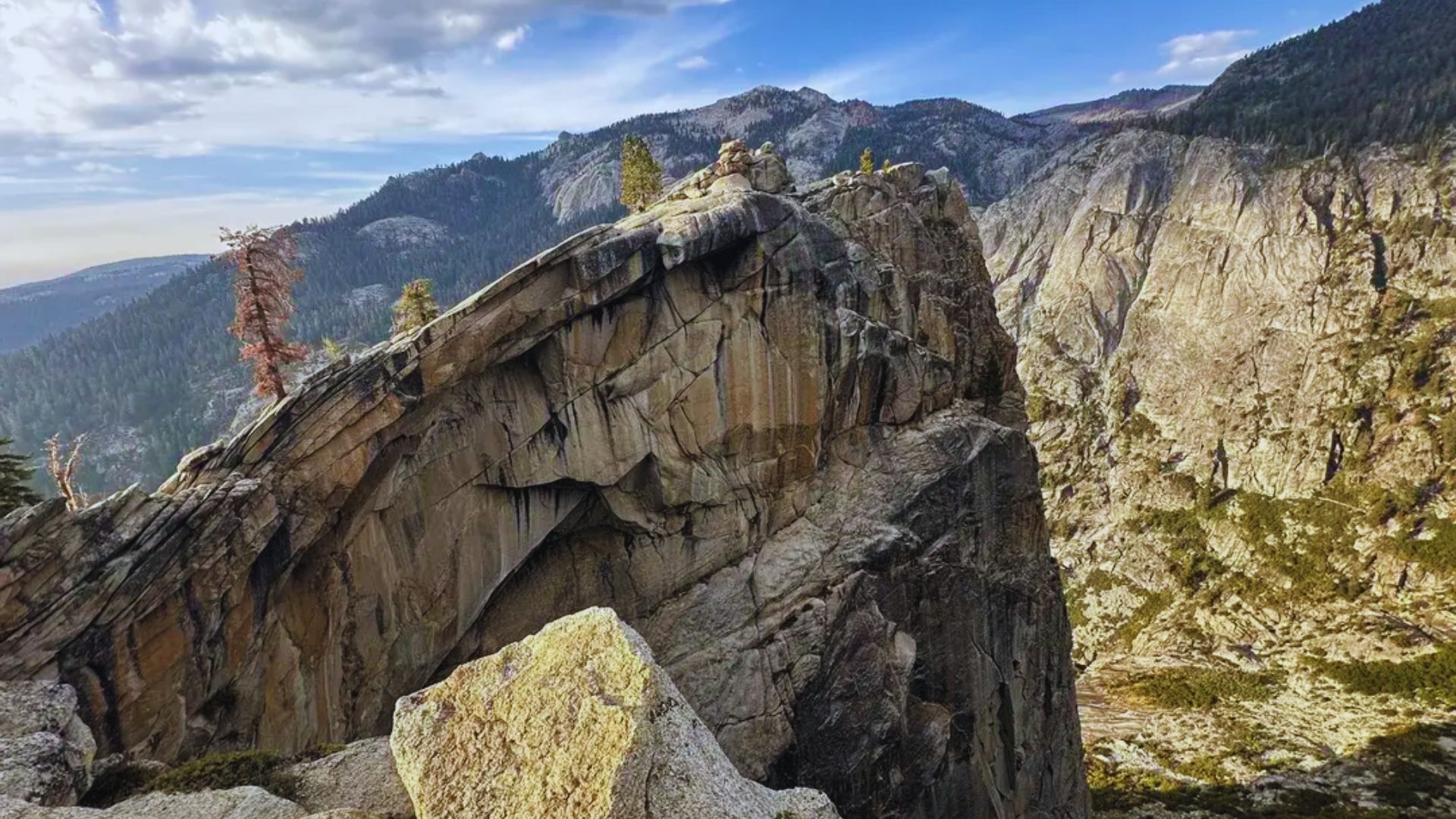
Got extra days? Go deeper into the backcountry. These options work for experienced hikers who want more challenges. Start early, like 6 a.m., for the big hikes. Afternoon thunderstorms can roll in quickly.
Watchtower Trail runs 8.3 miles round trip with moderate difficulty. You’ll get views of Tokopah Valley and an optional side trip to Heather Lake. Alta Peak Trail covers 13.5 miles and is definitely hard. It gains over 4,000 feet in elevation. Only attempt if you’re acclimated and fit.
Day 5: Mineral King or California Parks Loop
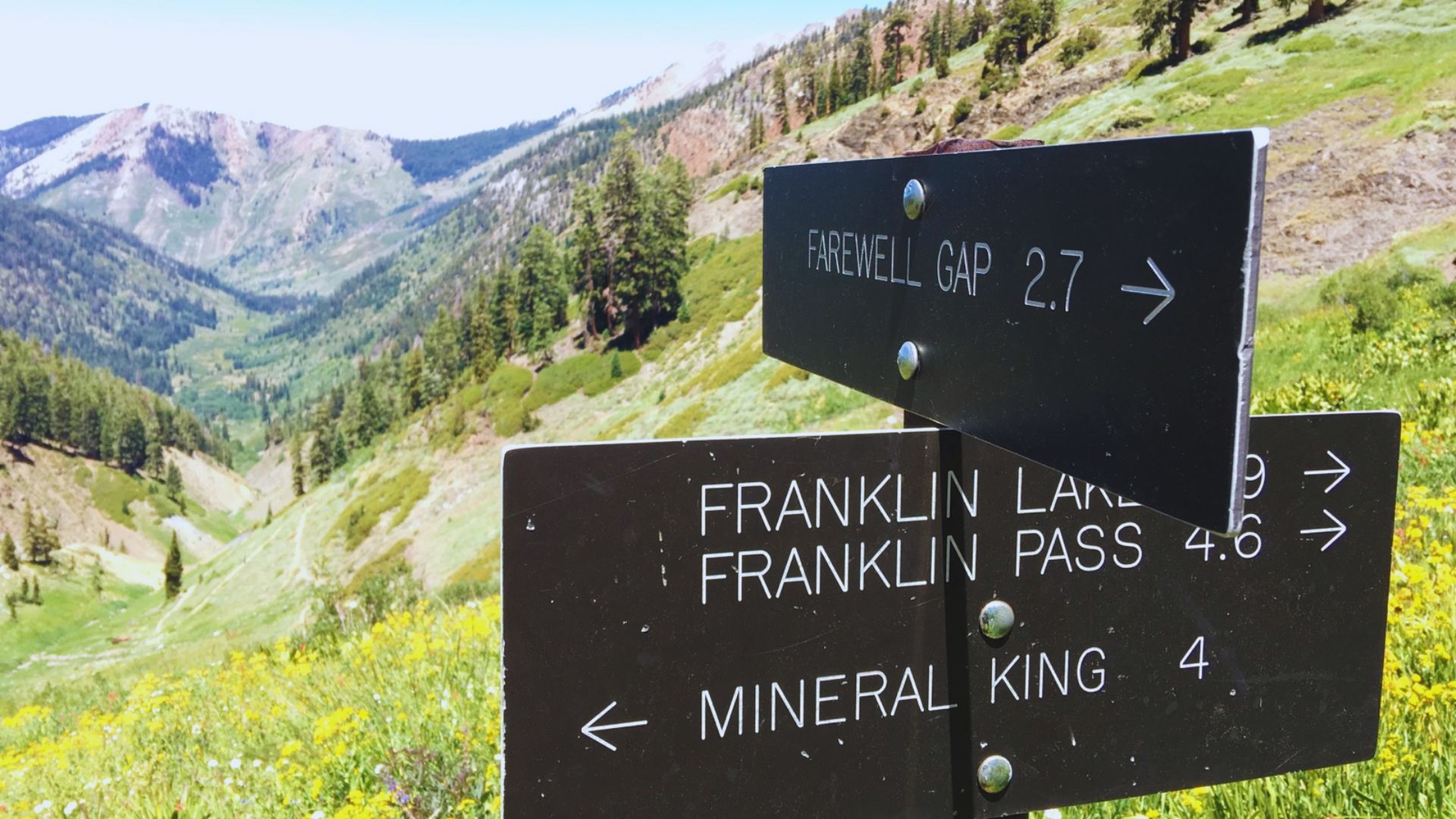
Mineral King Area is a remote section reached by a winding 25-mile road. Advanced hikers love this area for solitude and alpine lakes.
If hiking isn’t your thing, skip the hard trails and do a California parks loop instead. You can combine Sequoia, Kings Canyon, and Yosemite in one trip. It’s about 5 hours driving between parks. This works great if you have a week or more.
Where to Stay and What to Eat?
Finding a place to stay requires planning. The park has limited options inside, and they book up fast, sometimes a year in advance for summer dates.
Wuksachi Lodge is your only upscale option inside Sequoia at $300+ per night near Giant Forest. Campgrounds at Lodgepole and Dorst Creek need reservations 4 months ahead on recreation.gov. Kings Canyon offers John Muir Lodge, Grant Grove Cabins, and Cedar Grove Lodge at mid-range prices.
Three Rivers sits 15 minutes from the Ash Mountain entrance with small inns and vacation rentals. Way easier to book last-minute. Visalia is 45 minutes away with chain hotels and better prices. You’ll spend more time driving but save money.
Food options are limited inside the park. Peaks Restaurant at Wuksachi serves dinner. Lodgepole has a grill for burgers. Pack coolers with sandwich supplies. Three Rivers has delis and bakeries if you need supplies.
Travel Tips
These practical tips save you from common mistakes.
- Get to popular trailheads before 8 a.m. Parking lots fill by mid-morning in summer, and early starts mean cooler temperatures for hiking.
- Giant Forest sits at 6,400 feet. Take it slow on your first day, drink extra water, and watch for altitude symptoms like headaches and fatigue.
- No gas stations exist inside Kings Canyon. Fill up in Hume Lake or before you enter the park.
- Your phone won’t work in most areas. Download offline maps before you arrive using Google Maps.
- Pack out everything you bring in, stay on marked trails, and never approach or feed wildlife. Bears are common, and food storage rules are strict.
Conclusion
Your Sequoia National Park itinerary is ready to go. You’ve got the day-by-day breakdown, timing for each stop, and the spots that matter most.
I still remember my first sunrise at Moro Rock. The way the light hit those giant sequoias changed how I see these parks. You’re about to have your own moment like that.
Start with the Giant Forest. Hit the trails that match your fitness level. Budget enough time between stops.
Got questions about your specific dates or hiking ability? Drop a comment below. I read every one and usually reply within a day. Safe travels, and enjoy those giant trees.
Frequently Asked Questions
How many days do you need for Sequoia National Park?
Plan for 2-3 days minimum. One day covers the Giant Forest and main attractions. Three days give you time for backcountry trails and a relaxed pace.
What is the best time to visit Sequoia National Park?
Late spring (May-June) and early fall (September-October) offer the best conditions. Roads are open, crowds are smaller, and the weather is mild. Summer brings peak crowds but full access.
What are the must-see spots in a Sequoia National Park itinerary?
General Sherman Tree, Giant Forest Museum, Moro Rock, Crescent Meadow, and Tunnel Log. These five spots cover the park’s highlights in one day.
Where should I stay near Sequoia National Park?
Three Rivers (20 minutes away) has hotels and vacation rentals. Visalia (45 minutes away) offers budget options. Camping at Lodgepole or Dorst Creek puts you closest to attractions.
Is Sequoia National Park good for families with kids?
Yes, very family-friendly. The Giant Forest has easy, paved trails. Kids love Tunnel Log and touching the massive trees. Most main attractions require minimal hiking.
