


I have traveled to a lot of countries. Peru is the one people ask me about most. And honestly? It deserves every question.
The places to visit in Peru range from a lost Incan city above the clouds to a desert oasis surrounded by massive sand dunes.
From the world’s highest navigable lake to the deepest canyon on Earth. No other country packs that kind of variety into one trip.
I built this guide from real experience. Here are the best places to visit in Peru, and exactly what makes each one worth your time.
Why Peru Should Be on Your Travel Bucket List

Peru is one of the few countries where you can stand in an ancient Incan citadel in the morning and be in the Amazon rainforest by evening. That kind of range is rare.
Machu Picchu alone draws over a million visitors a year. But the Inca Trail, Colca Canyon, and the floating islands of Lake Titicaca are equally extraordinary and far less crowded.
The food scene is world-class. Lima consistently ranks among the top culinary cities on the planet. Peruvian cuisine blends indigenous, Spanish, Japanese, and African influences in ways that will genuinely surprise you.
Peru is also one of the most festival-rich countries in South America. Local celebrations happen year-round, and many are tied to ancient traditions that have been kept alive for centuries.
Top 15 Places to Visit in Peru
Peru rewards both the first-time visitor and the seasoned traveler. Here is a breakdown of the destinations worth putting on your list, from the iconic to the overlooked.
1. Machu Picchu

Machu Picchu is a 15th-century Incan citadel set high in the Andes at around 2,430 meters above sea level. It is a UNESCO World Heritage Site and one of the most recognized archaeological sites in the world.
The best time to visit is during the dry season, between May and September. Crowds are thinner on weekday mornings, so arriving at opening time makes a real difference.
You can reach it by train from Cusco to Aguas Calientes, then a bus up to the site. Alternatively, the four-day Inca Trail hike is one of the most rewarding ways to arrive.
Book your entry tickets well in advance. Daily visitor numbers are capped and slots sell out months ahead, especially during peak season.
2. Cusco
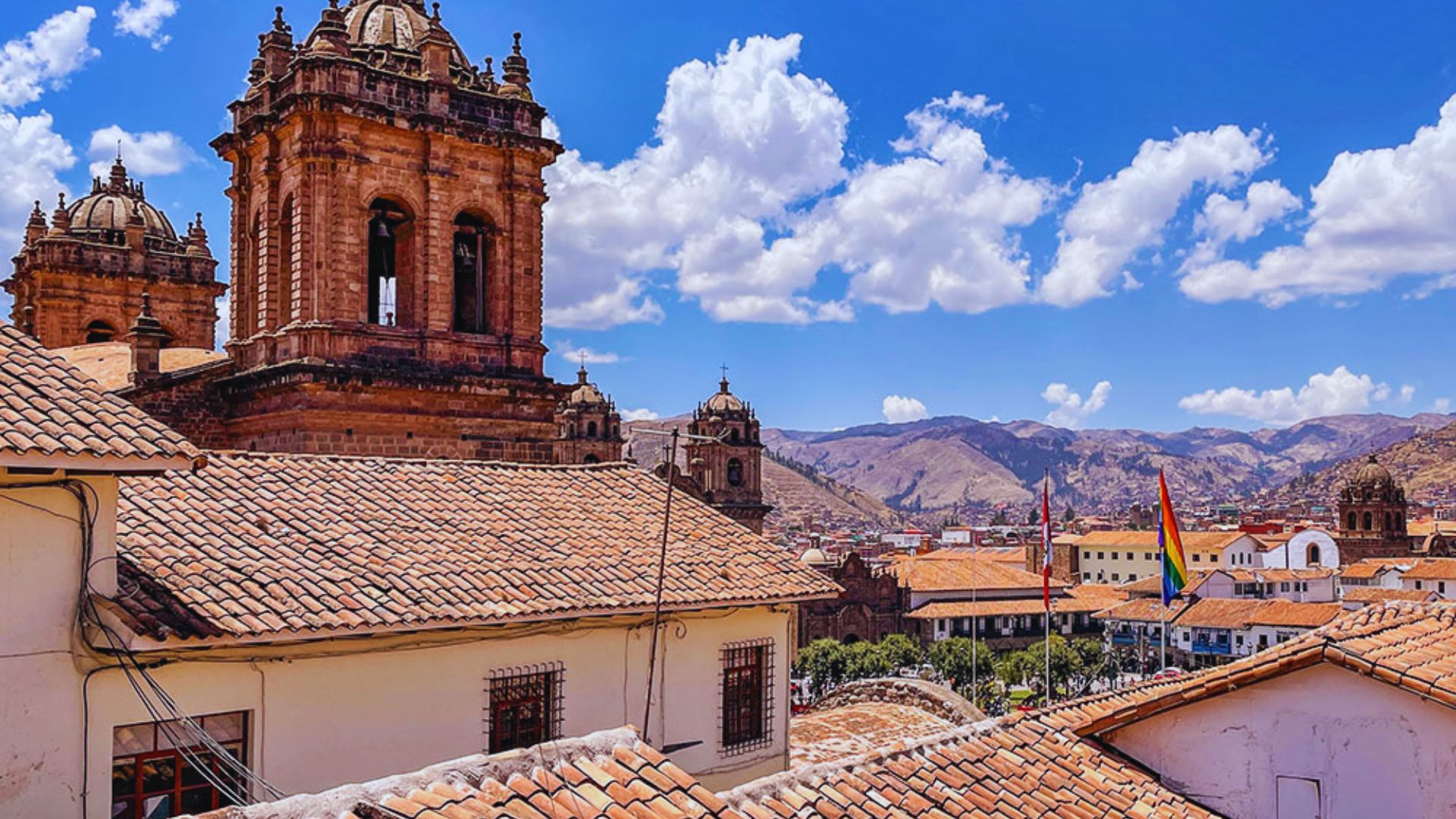
Cusco was the capital of the Inca Empire and today serves as the main gateway to Machu Picchu and the Sacred Valley. The city sits at 3,400 meters, so give yourself a day or two to acclimatize before doing anything strenuous.
The historic center is a mix of Incan stonework and Spanish colonial architecture built on top of it. The Plaza de Armas, Qorikancha temple, and San Blas neighborhood are all worth your time.
Cusco also hosts Inti Raymi, the Festival of the Sun, every June. If your timing works out, it is one of the most spectacular cultural events in all of South America.
3. Sacred Valley

The Sacred Valley stretches between Cusco and Machu Picchu and is often treated as a stopover. It deserves more than that.
Pisac has one of the best artisan markets in Peru, plus impressive Incan ruins on the hillside above town. Ollantaytambo is a living Inca town with terraced fortress walls still intact and still inhabited.
The valley sits lower than Cusco, making it a good acclimatization base. Adventure activities including zip-lining, white-water rafting, and mountain biking are all available here.
4. Lima

Lima is Peru’s capital and one of the most underrated cities in South America. Most travelers pass through it quickly, which is a mistake.
The Miraflores and Barranco districts sit on cliffs above the Pacific Ocean. The food scene in these neighborhoods alone justifies spending two or three days in the city.
Lima’s historic center, a UNESCO World Heritage Site, contains some of the finest Spanish colonial architecture in the Americas. The catacombs beneath the San Francisco monastery are also worth a visit.
For food, try ceviche at a local cevicheria rather than a tourist restaurant. The difference is significant.
5. Arequipa

Arequipa is known as the White City because much of its architecture is built from white volcanic sillar stone. It sits in a high desert valley surrounded by three volcanoes, including El Misti.
The Santa Catalina Monastery is the city’s centerpiece: a 16th-century religious complex so large it functions like a small town within the city. Plan at least two hours inside.
Arequipa is also the starting point for trips to Colca Canyon. Most travelers use it as a one or two night base before heading out.
The local cuisine is distinct from the rest of Peru. Rocoto relleno and adobo are worth ordering if you see them on a menu.
6. Colca Canyon

Colca Canyon is roughly twice as deep as the Grand Canyon, making it one of the deepest canyons in the world. It sits about four hours from Arequipa.
The Cruz del Condor viewpoint is the main draw. Andean condors with wingspans over three meters ride the thermal currents here, usually between 8am and 10am.
Trekking into the canyon floor takes two days and involves a significant descent and climb. The small village of Sangalle at the bottom has basic guesthouses and natural pools.
Even without the hike, the drive through the canyon is spectacular enough to justify the trip.
7. Lake Titicaca

Lake Titicaca sits on the border of Peru and Bolivia at 3,812 meters above sea level, making it the highest navigable lake in the world.
The Uros floating islands are the most famous attraction: man-made islands constructed from totora reeds by the Uros people, who have lived on the lake for centuries. Community visits are available and genuinely informative.
Taquile Island is a slower, more authentic experience. The community is known for its textile weaving tradition, which UNESCO has recognized as an intangible cultural heritage.
Puno is the main base for lake excursions. It is worth arriving a day early to acclimatize before spending time on the water.
8. Nazca Lines

The Nazca Lines are a series of enormous geoglyphs etched into the desert floor of southern Peru. They depict animals, plants, and geometric shapes, some stretching hundreds of meters across.
They were created by the Nazca culture between 500 BCE and 500 CE. How and why they were made remains genuinely debated among researchers.
The only way to fully appreciate the scale is from the air. Short flights over the lines depart from Nazca and Ica airports daily. The flight takes about 30 minutes and covers the main figures.
There is also a viewing tower near the Panamerican Highway that gives a partial ground-level view of a few figures.
9. Paracas and Ballestas Islands
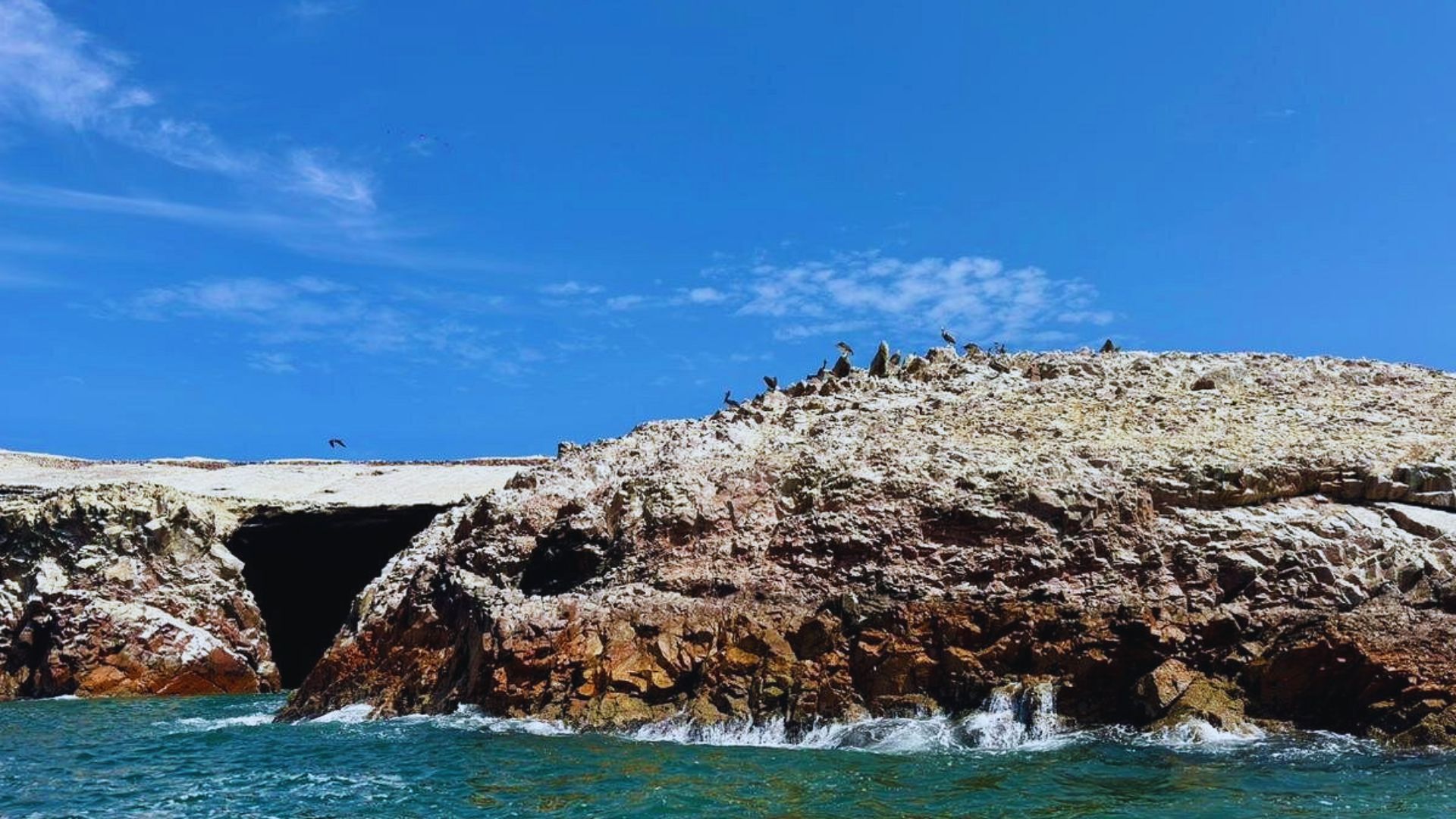
The Ballestas Islands are sometimes called the poor man’s Galapagos, which does them a disservice. The wildlife density here is extraordinary.
Boat tours from Paracas take you past sea lions, Humboldt penguins, pelicans, and thousands of seabirds in their natural habitat. The tours last about two hours and run every morning.
The Paracas National Reserve itself is also worth exploring. Red sand beaches, dramatic cliffs, and the famous Candelabra geoglyph carved into a hillside are all inside the reserve.
This area pairs well with a stop at the Huacachina oasis, about 90 minutes inland.
10. Ica and Huacachina Oasis
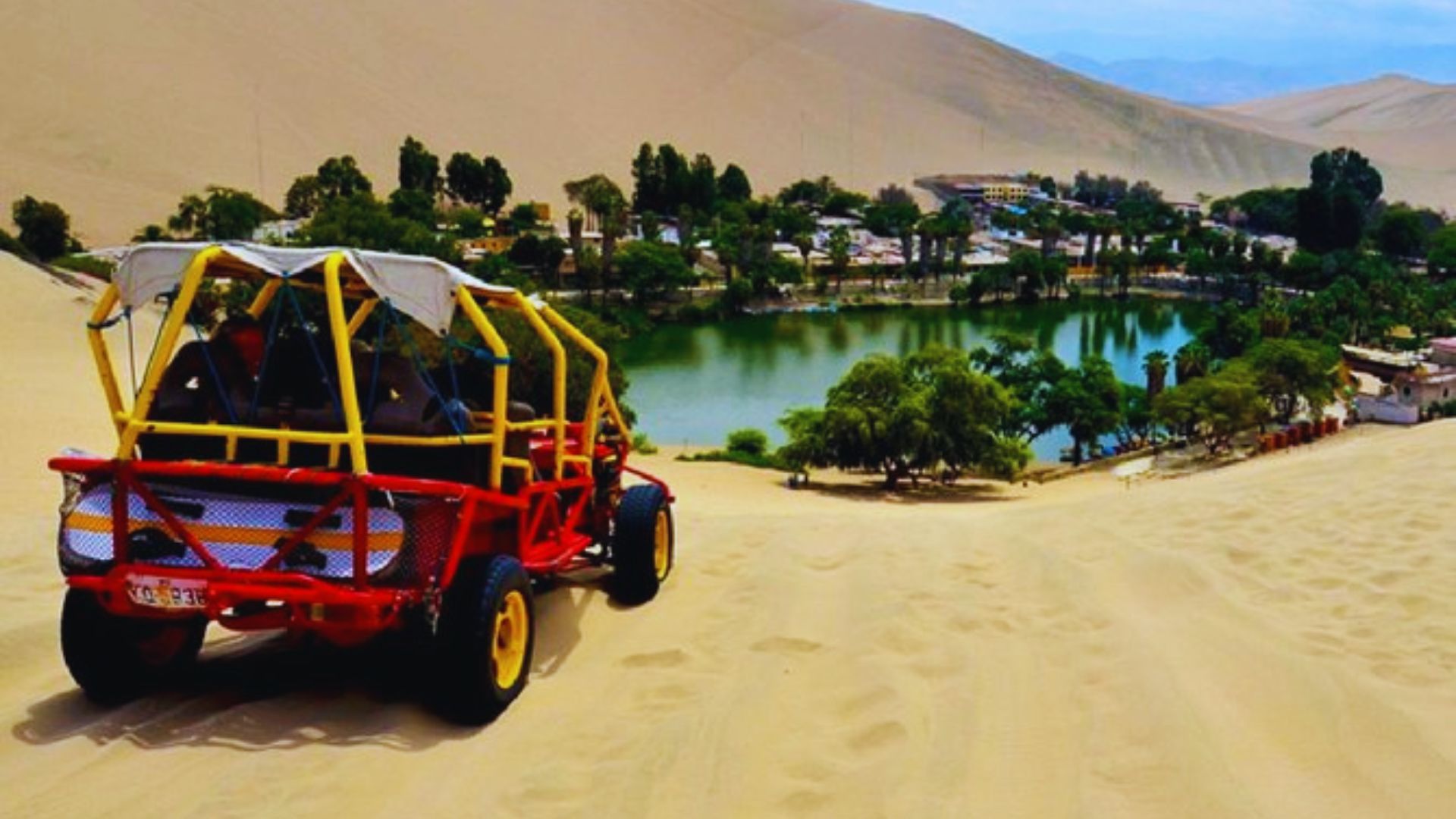
Huacachina is a small oasis town sitting inside a bowl of enormous sand dunes. It looks like it was designed for a postcard.
Sandboarding and dune buggy rides are the main activities. The buggy rides are fast, noisy, and genuinely fun. Sandboarding ranges from beginner slopes to steep drops that will test your nerve.
Sunsets over the dunes from the top of the highest point nearby are among the most striking I have seen anywhere in South America.
Ica itself is known for its pisco production. Several bodegas offer tastings and tours, and the local pisco is noticeably better than what you find in Lima.
11. Huaraz and Cordillera Blanca
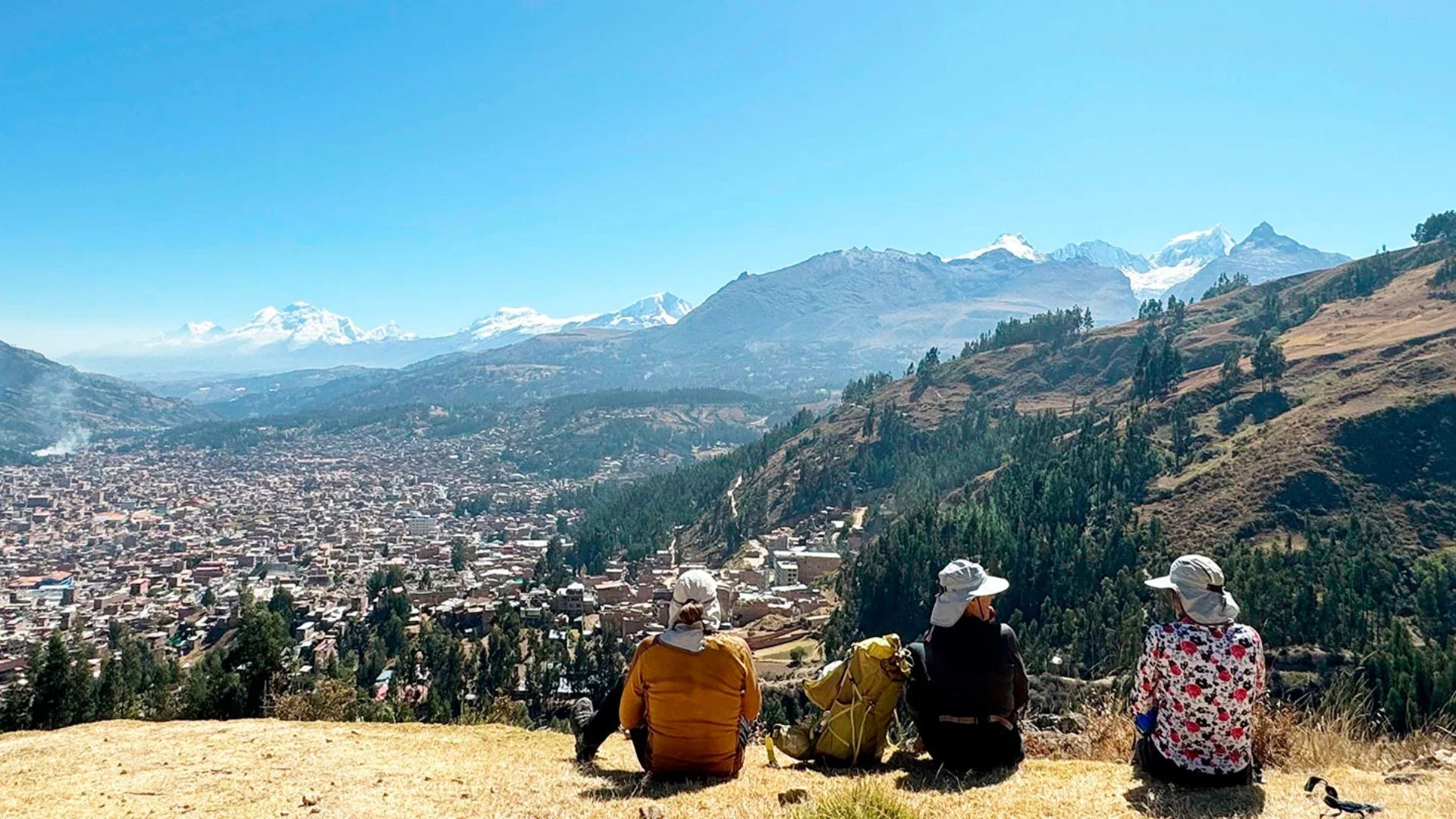
Huaraz is the trekking capital of Peru and sits in a high valley surrounded by the Cordillera Blanca, the highest tropical mountain range on Earth.
The Laguna 69 day hike is one of the most popular in South America for good reason. The turquoise glacial lake at the end sits beneath a sheer peak and the contrast is stunning.
The Santa Cruz Trek is a four-day route through high passes and past glaciers that competes with anything in Patagonia. Altitude acclimatization before attempting it is essential.
Huaraz is less visited than Cusco despite being arguably more dramatic for outdoor enthusiasts. That makes it one of the best hidden gems among places to visit in Peru.
12. Manu National Park
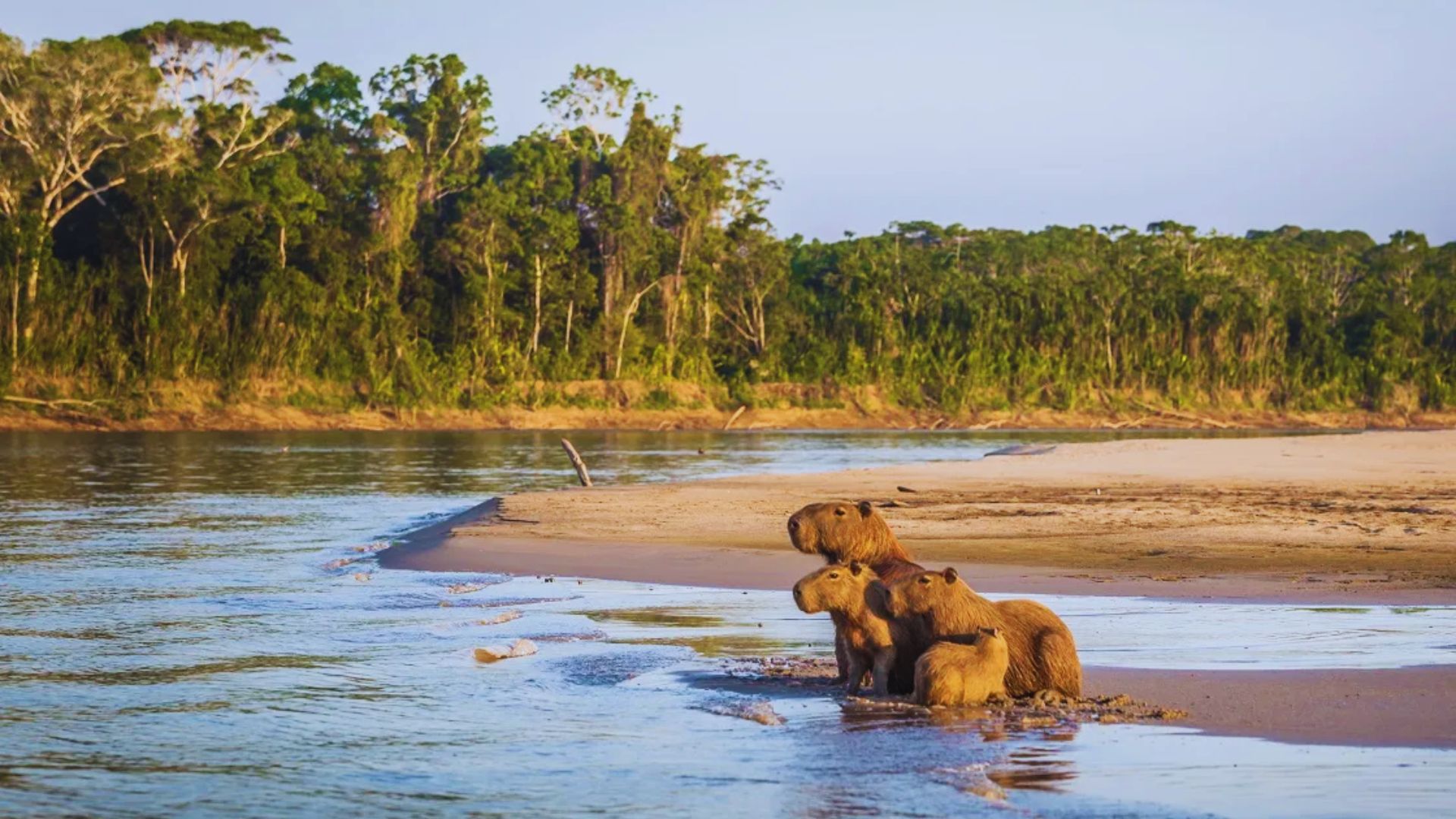
Manu National Park is one of the most biodiverse places on the planet. It covers over 1.7 million hectares of Amazon rainforest and cloud forest and is a UNESCO World Biosphere Reserve.
Jaguar sightings, giant river otters, hundreds of bird species, and over 200 mammal species have all been recorded here. This is not a zoo experience. It is the real Amazon.
Access is controlled and limited to protect the ecosystem. Most visits are arranged through licensed eco-tour operators based in Cusco or Puerto Maldonado.
Expect to spend a minimum of five days to experience it properly. It is not a quick add-on, but it is one of the most remarkable experiences available anywhere in South America.
13. Chan Chan

Chan Chan is the largest pre-Columbian city in South America and the largest adobe city in the world. It sits near Trujillo on the northern coast and was the capital of the Chimu Empire.
At its peak, the city housed around 30,000 people. Today, the preserved ruins include intricate friezes, ceremonial spaces, and royal compounds spread across a vast area.
It is a UNESCO World Heritage Site and one of the most significant archaeological sites in Peru outside of the Cusco region. It receives far fewer visitors than it deserves.
14. Trujillo

Trujillo is a colonial city on Peru’s northern coast with a relaxed pace and genuine character. It is often overlooked in favor of Cusco and Lima, which means you get the experience without the crowds.
The nearby Huaca de la Luna and Huaca del Sol are massive Moche pyramids that date back over 1,500 years. The painted murals inside Huaca de la Luna are among the best-preserved pre-Columbian artworks in South America.
Trujillo is also famous for marinera, a traditional Peruvian dance. The national marinera competition held here each January is a vivid and energetic event.
15. Puno

Puno is the main gateway city to Lake Titicaca and the folkloric capital of Peru. It sits at over 3,800 meters and is one of the highest cities in the world.
The city itself is modest, but it hosts some of the most vibrant festivals in Peru. The Candelaria Festival in February involves days of music, dance, and elaborate costumes and draws participants from across the country.
Puno is also the launching point for the most in-depth Lake Titicaca community visits. Staying overnight on Amantani Island is a different experience entirely from a day tour.
Travel Tips for Visiting Peru
Peru is genuinely rewarding to travel in, but it helps to know a few things before you go. A little preparation makes a significant difference to your experience on the ground.
Key tips to know before you travel:
- Altitude sickness is real. Cusco, Puno, and Huaraz all sit above 3,000 meters. Spend your first day resting, drink plenty of water, and avoid alcohol. Altitude medication is available from pharmacies without a prescription in Peru.
- The sol is the local currency. US dollars are widely accepted in tourist areas but you will get better value using local currency. ATMs are widely available in cities but less reliable in rural areas, so carry cash when heading off the main routes.
- Spanish is the official language. English is spoken in tourist areas but not everywhere. Learning a few basic Spanish phrases goes a long way, especially outside Lima and Cusco.
- Tipping is customary but not mandatory. In restaurants, 10 percent is standard. For guides, 10 to 20 soles per day is appreciated. Taxi fares are usually agreed before the ride, not metered.
- Pack in layers. Temperatures vary dramatically between regions and even within a single day in the highlands. A light down jacket, rain layer, and breathable base layers cover most situations.
- Vaccinations and health prep matter. Yellow fever vaccination is recommended if you are visiting the Amazon. Check current recommendations with a travel health clinic before departure.
- Book Machu Picchu tickets early. Entry is capped daily and sells out well in advance during peak season. Do not leave this until you arrive.
Peru is a safe country for tourists who exercise normal precautions. Petty theft in busy areas is the main concern. Keep valuables out of sight in cities, use registered taxis or apps like Cabify, and stay aware of your surroundings in markets and crowded spaces.
Conclusion
Peru does not just meet expectations. It resets them.
I have seen travelers come here for Machu Picchu and leave completely changed by something they did not even plan for. That happens here more than anywhere else I have been.
The hardest part is not getting there. It is deciding where to start.
So tell me: which destination on this list is calling you the most? Drop it in the comments. I read every one and I am happy to help you plan around it. Your trip to the best places to visit in Peru starts right now.
Frequently Asked Questions
What is the best time of year to visit Peru?
The dry season from May to September is ideal for most destinations, especially Machu Picchu and trekking routes. The wet season brings lush landscapes but can affect trail access and flight schedules.
Do I need a guide to visit Machu Picchu?
Guides are strongly recommended for historical context and to make the most of your visit. Since 2019, all visitors are required to follow a set circuit route, and licensed guides are available on-site.
Is Peru safe for tourists?
Peru is generally safe for travelers who take standard precautions. Petty theft in cities is the main concern, so keep valuables secure and use reputable transport options.
How long should I spend in Peru?
A minimum of 10 to 14 days allows you to cover the key highlights comfortably. Three weeks gives you room to add northern sites or the Amazon without feeling rushed.
What are the must-try foods in Peru?
Ceviche, lomo saltado, anticuchos, and rocoto relleno are all essential. The pisco sour is the national cocktail and worth trying at a reputable bar in Lima or Arequipa.
