


Hungary wasn’t even on my radar the first time I visited. I tagged it onto the end of a longer trip almost as an afterthought. That was a mistake I’m actually glad I made.
The places to visit in Hungary stopped me in my tracks in a way I didn’t see coming. Thermal baths older than most countries.
Castle ruins overlooking rivers. Wine regions that barely show up on international lists.
And a capital city that somehow keeps getting better after dark. This guide covers 37 experiences that prove Hungary is anything but an afterthought.
Why Hungary Should Be Your Next Travel Destination
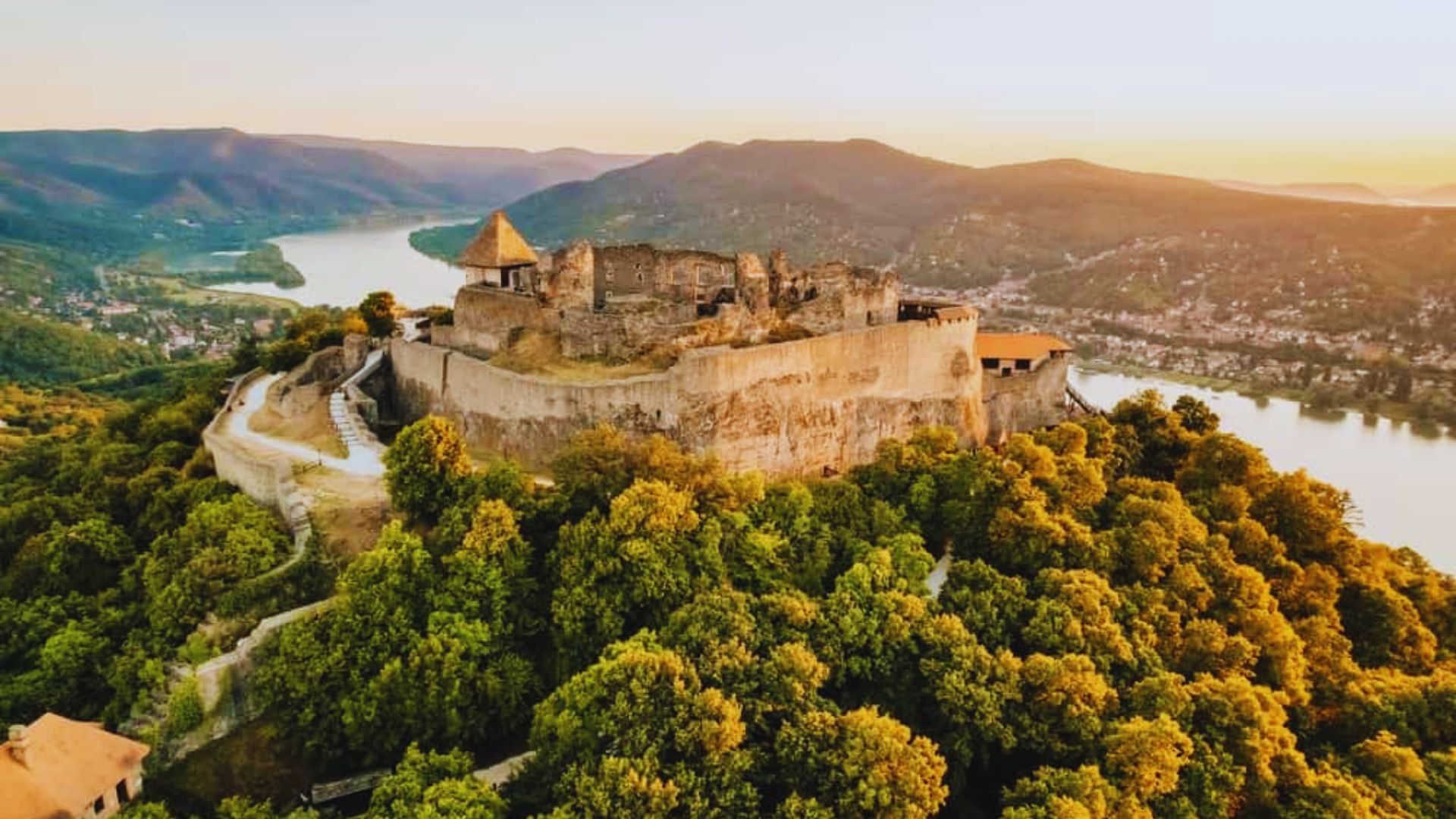
Hungary sits right in the heart of Central Europe. That puts you within easy reach of Vienna, Prague, and Bratislava, making it a natural hub for longer regional trips.
The history here is dense and fascinating.
Hungary has three UNESCO World Heritage Sites, thousands of years of layered civilization, and architecture that ranges from Roman ruins to Gothic cathedrals to communist-era buildings.
Costs are significantly lower than Western Europe. A full day of meals, transport, and entry fees in Budapest costs a fraction of what you’d spend in Paris or Amsterdam.
The country is also known for its thermal bath culture, dramatic Danube River views, and one-of-a-kind ruin bar scene.
For first-time travelers, the best places to visit in Hungary for a starting point are all concentrated in Budapest, but the rest of the country rewards anyone willing to go a little further.
37 Best Places to Visit in Hungary & Things to Do
Hungary has more going on than most people realize.
These 37 picks cover the full range, from Budapest’s core landmarks to countryside escapes and cultural experiences you won’t find anywhere else.
1. Check out Buda Castle
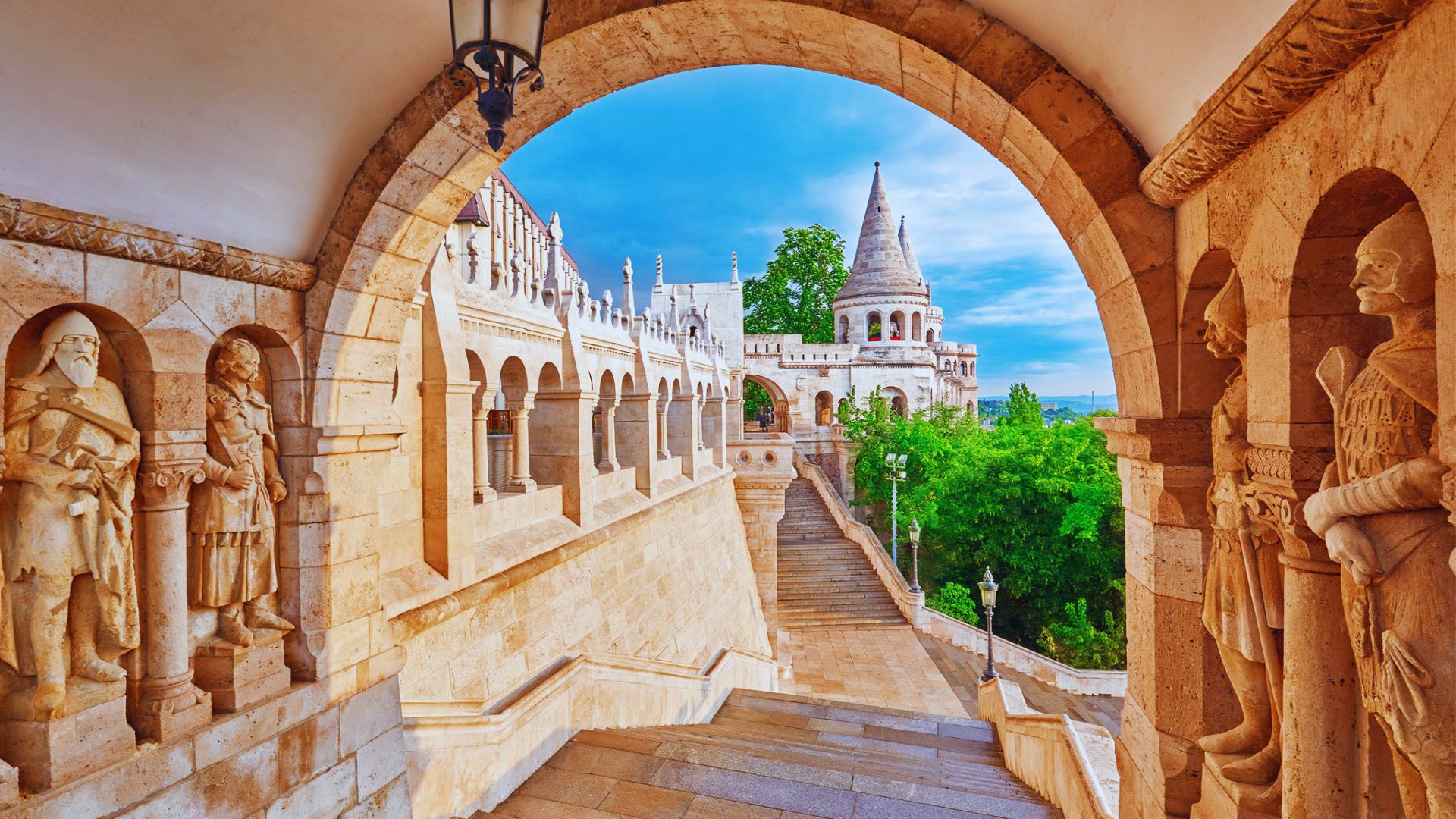
Buda Castle sits on Castle Hill above the Danube and has been at the center of Hungarian history for over 700 years. It’s a UNESCO World Heritage Site and holds two major museums inside its walls.
The views from the castle grounds across the river to Pest are among the best in the city. Go in the morning before the tour groups arrive.
Walking up from the Chain Bridge is a good option if you want to take it slowly. The funicular is available if you’d rather save your legs for exploring inside.
2. Walk Across Széchenyi Chain Bridge
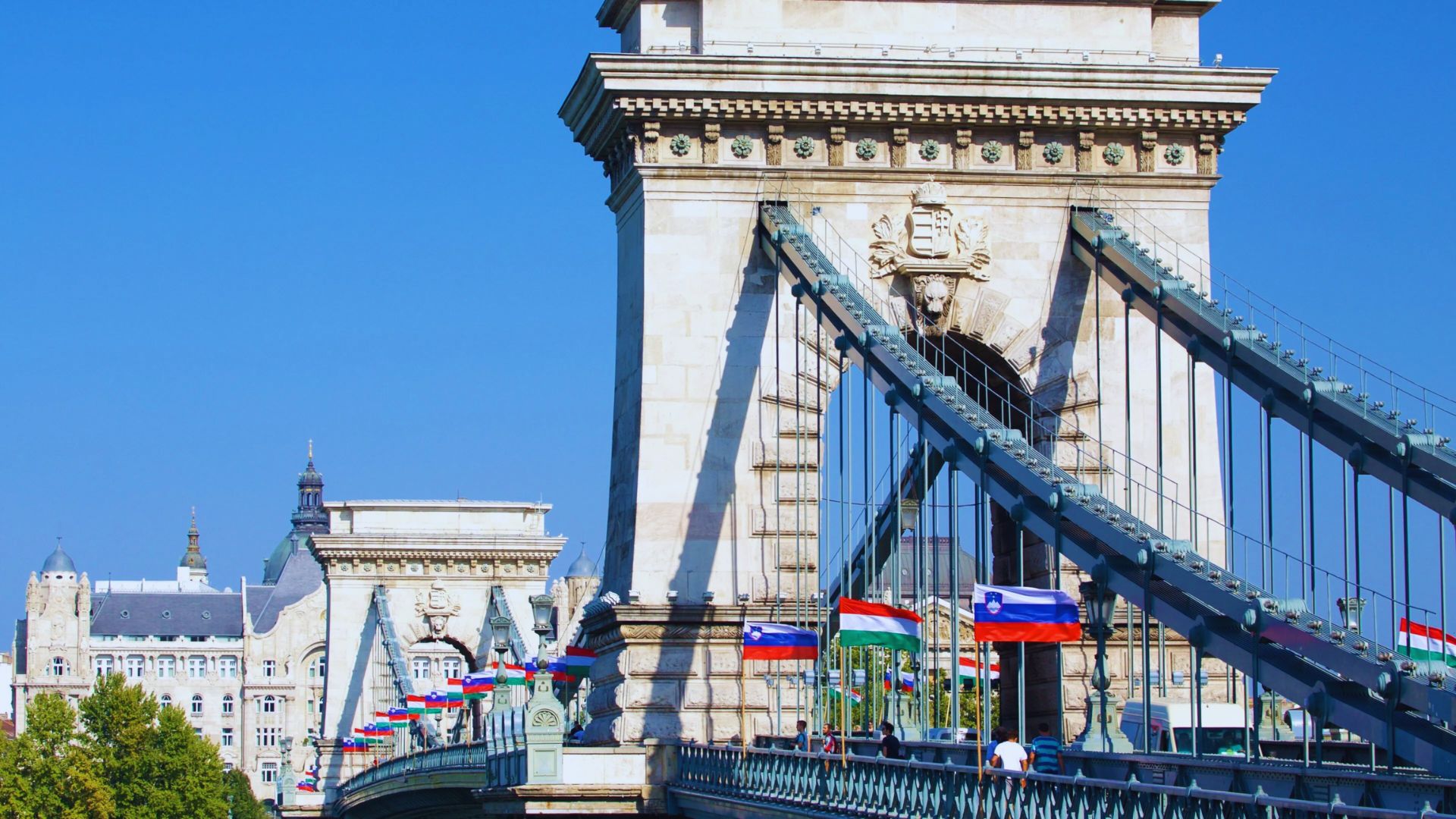
The Chain Bridge is one of the most recognized symbols of Budapest. It connects the Buda and Pest sides of the city across the Danube and opened in 1849.
Walk it after dark. The bridge is lit up at night and the views of both the castle and the parliament building from the middle are genuinely impressive.
It’s one of those places that looks great in photos but feels even better in person. A short walk that earns its spot on any Hungary itinerary.
3. Visit Hungarian Parliament Building
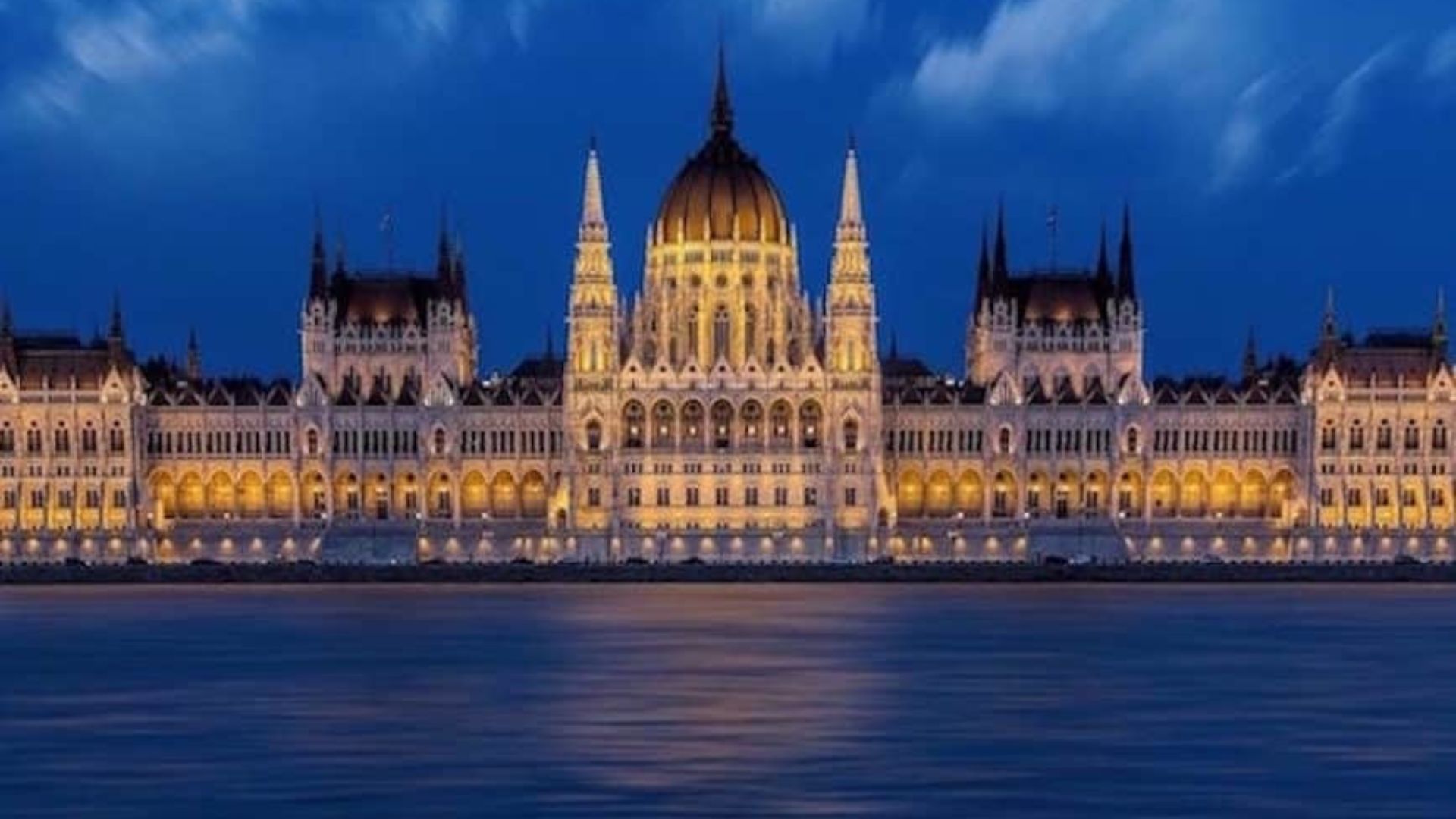
The Hungarian Parliament Building is one of the largest parliament buildings in the world. Its Gothic Revival exterior along the Danube is one of the most photographed views in all of Central Europe.
Guided interior tours run throughout the day and include the Hungarian Crown Jewels. Book tickets online well in advance, especially in summer.
The building looks different at every hour of the day. The reflection in the Danube at golden hour is something you won’t want to miss.
4. Relax at Széchenyi Thermal Bath
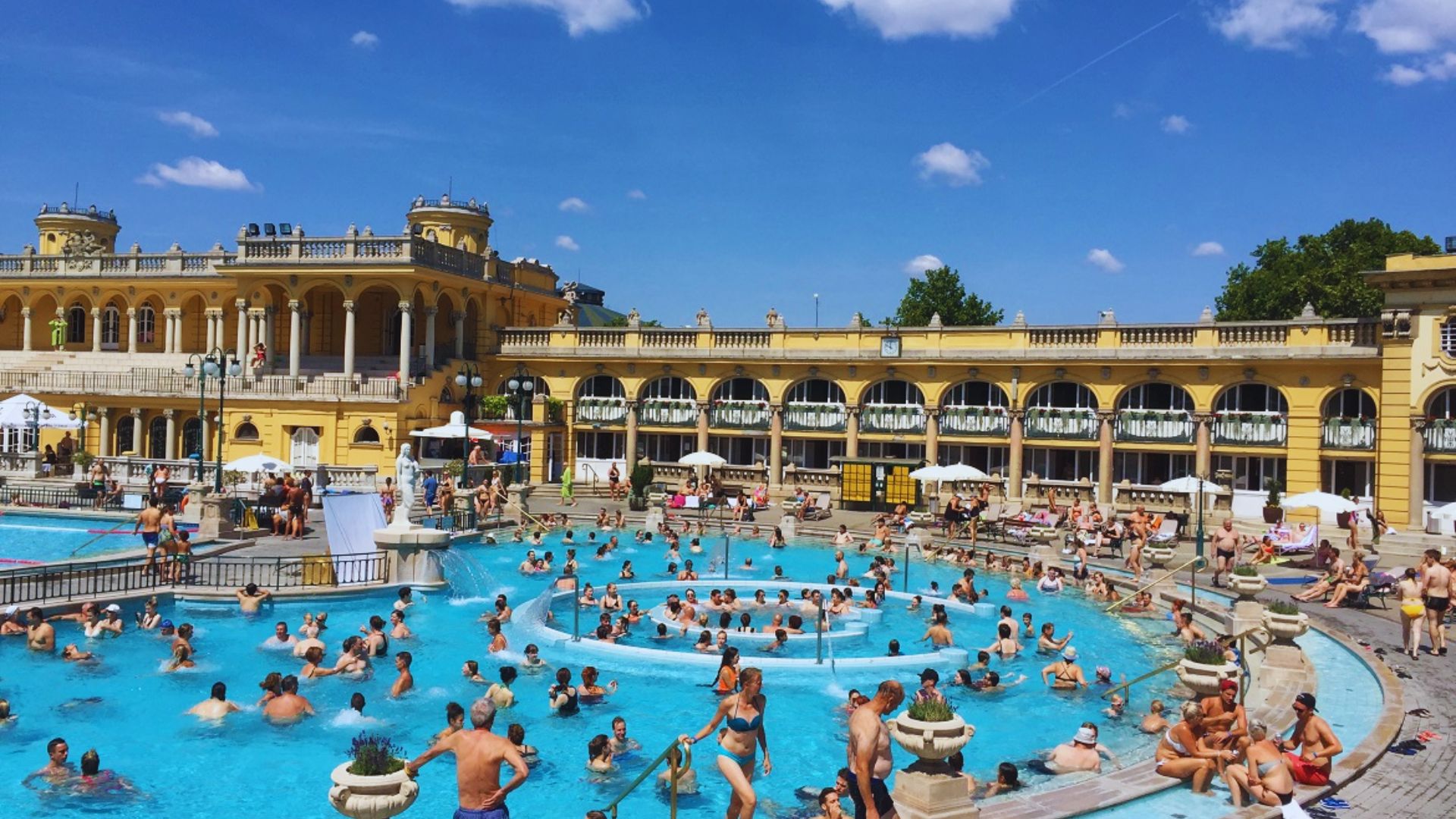
Széchenyi is the largest thermal bath complex in Europe. It has 18 pools, including three large outdoor ones that stay open year-round.
The water comes from natural geothermal springs and sits at around 37 to 40 degrees Celsius. It’s deeply relaxing in a way that a hotel pool never manages to be.
Go on a weekday morning to avoid the crowds. Towel and locker rentals are available at the entrance if you don’t want to carry gear.
5. Check out Fisherman’s Bastion

Fisherman’s Bastion sits next to Matthias Church on Castle Hill and offers seven towers with panoramic views over the Danube and the parliament building below.
The white stone structure was built in the early 1900s and has a fairy-tale quality to it that photographs extremely well. It looks almost too perfect to be real.
Entry to the lower terrace is free. The upper terrace charges a small fee but gives you a slightly better angle for photos.
6. Stroll Along the Danube Promenade
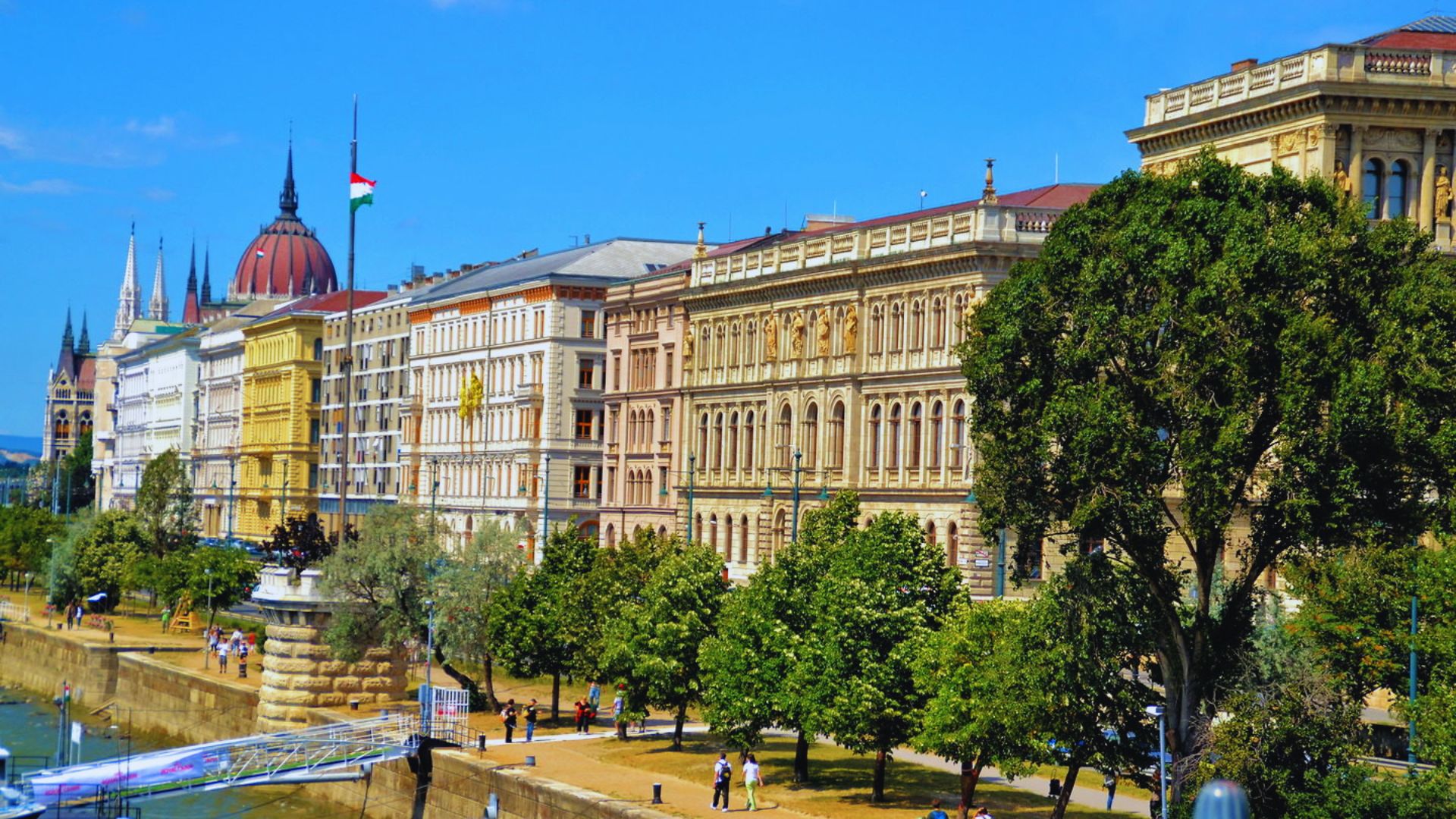
The Danube Promenade runs along the Pest side of the river between the Chain Bridge and the Elizabeth Bridge. It’s a pleasant, flat walk with uninterrupted views of Buda Castle across the water.
Street musicians, outdoor cafés, and a relaxed pace make this one of the more enjoyable stretches of any city walk I’ve done in Europe.
Start at the Chain Bridge and walk south toward the Elizabeth Bridge at your own pace. No entry fee, no schedule. Just a good walk.
7. Visit St. Stephen’s Basilica
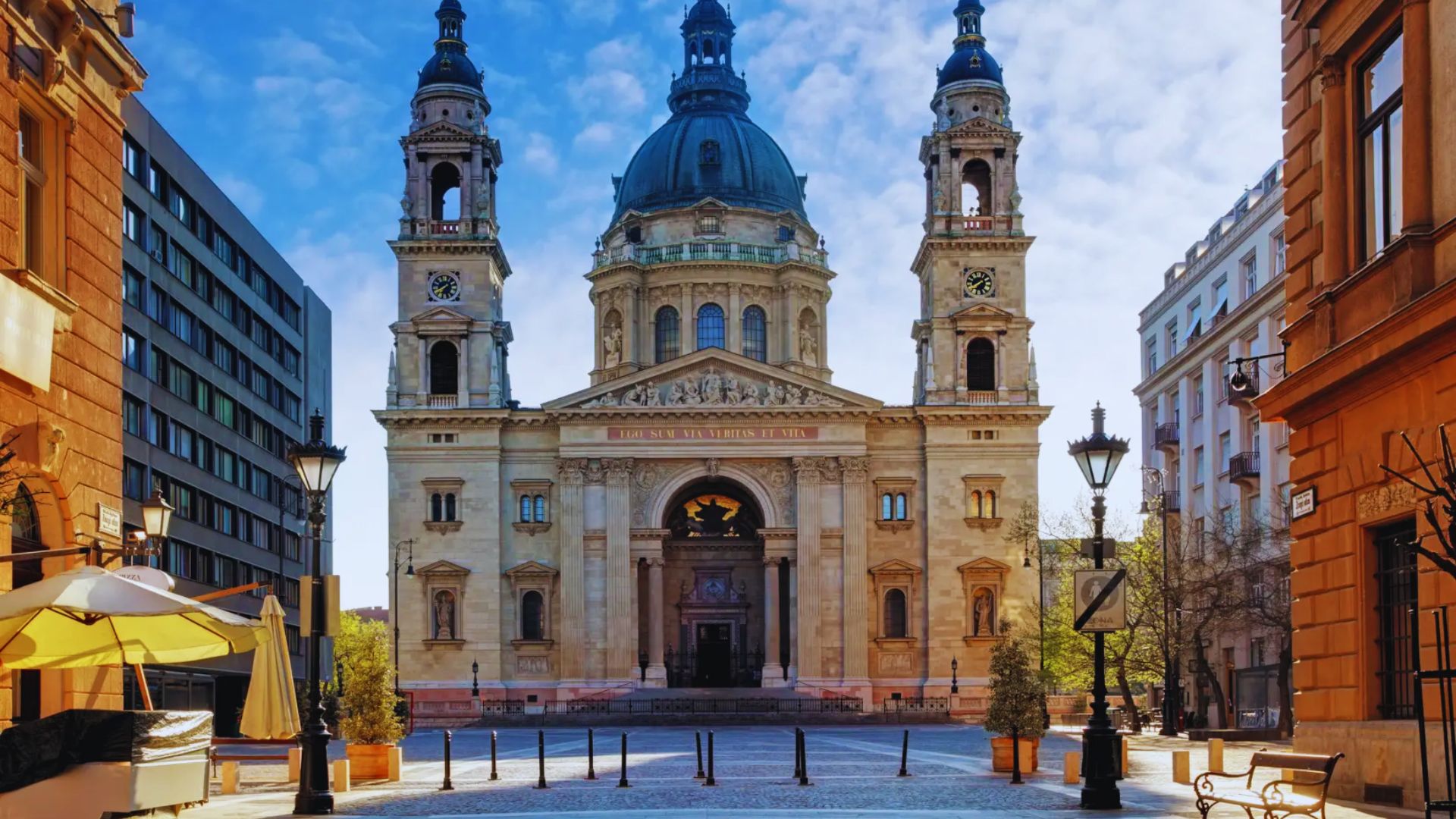
St. Stephen’s Basilica is the most important Catholic church in Hungary and one of the tallest buildings in Budapest. The interior is richly decorated with marble, gold, and painted ceilings.
A panoramic viewing platform sits at the top of the dome and gives you a 360-degree view of the city. The climb is worth it on a clear day.
The church also holds the mummified right hand of St. Stephen, Hungary’s first king. Strange, yes. Worth seeing, absolutely.
8. Experience Budapest Ruin Bars
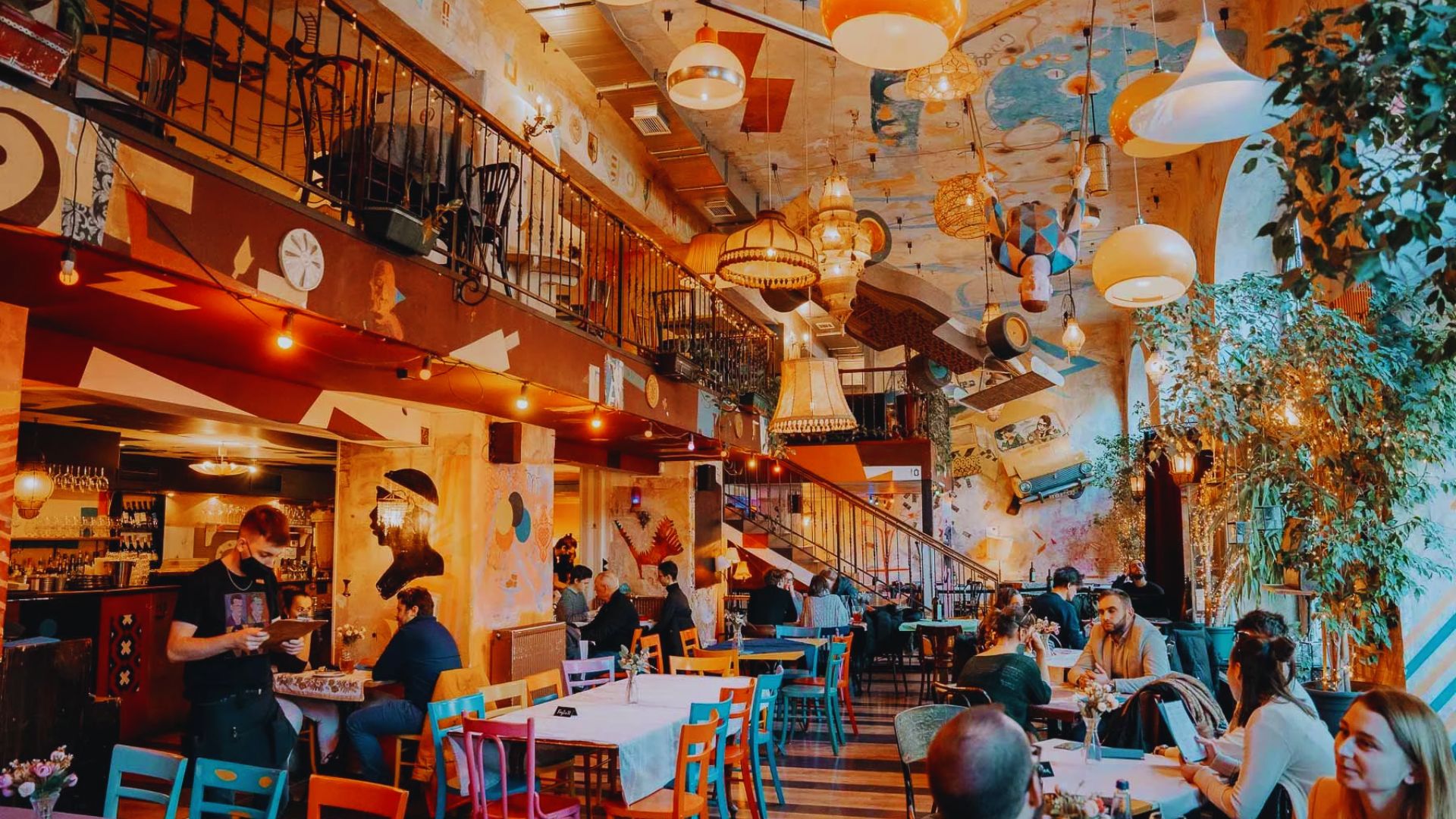
Ruin bars are bars built inside abandoned buildings and courtyards in the old Jewish Quarter. The concept started with Szimpla Kert in the early 2000s and spread across the neighborhood.
Each one has its own character. Mismatched furniture, street art, open-air sections, and a very relaxed atmosphere. They work as much for an early evening drink as for a late night.
This is one of the most genuinely original nightlife experiences in Europe. No other city does this quite the same way.
9. Check out Heroes’ Square
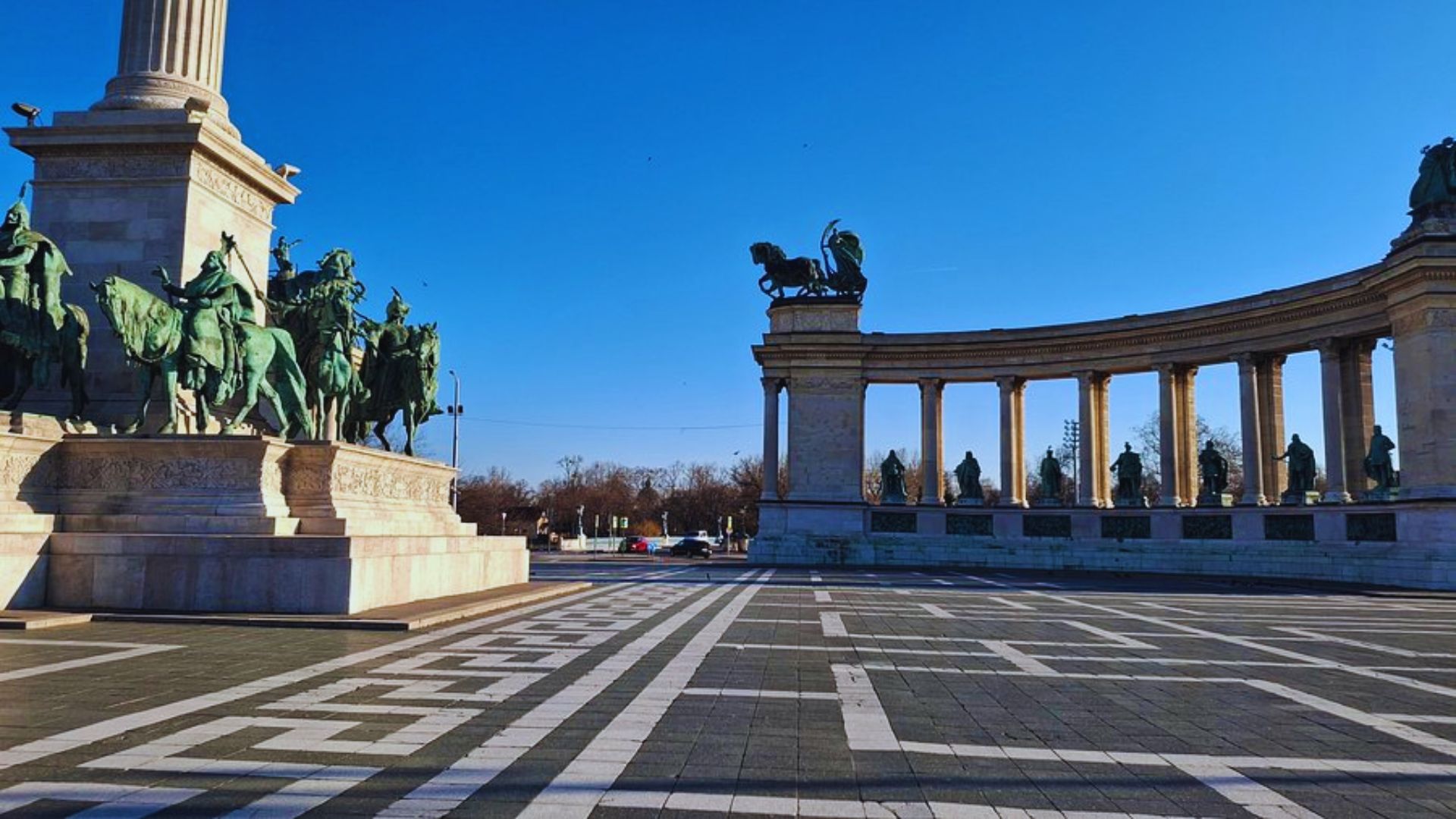
Heroes’ Square marks the entrance to City Park and commemorates the Magyar chieftains who founded Hungary over a thousand years ago. The statues are large, dramatic, and surrounded by open space.
Two museums flank the square on either side. The Museum of Fine Arts and the Hall of Art are both worth a quick visit if you’re already there.
The square is free to visit and easy to reach by metro. A natural pairing with a walk through City Park or a visit to Széchenyi Thermal Bath nearby.
10. Cruise the Danube River
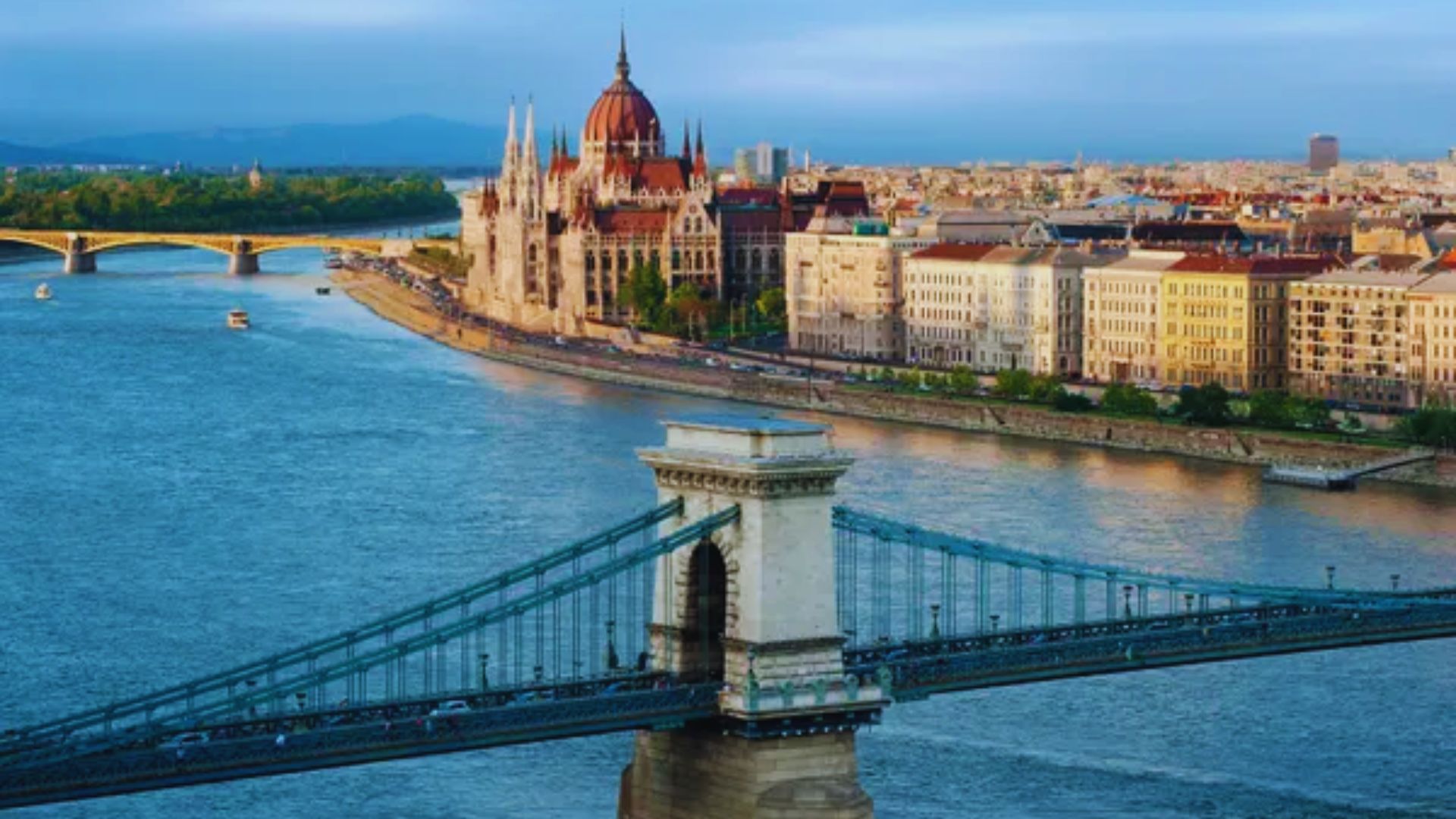
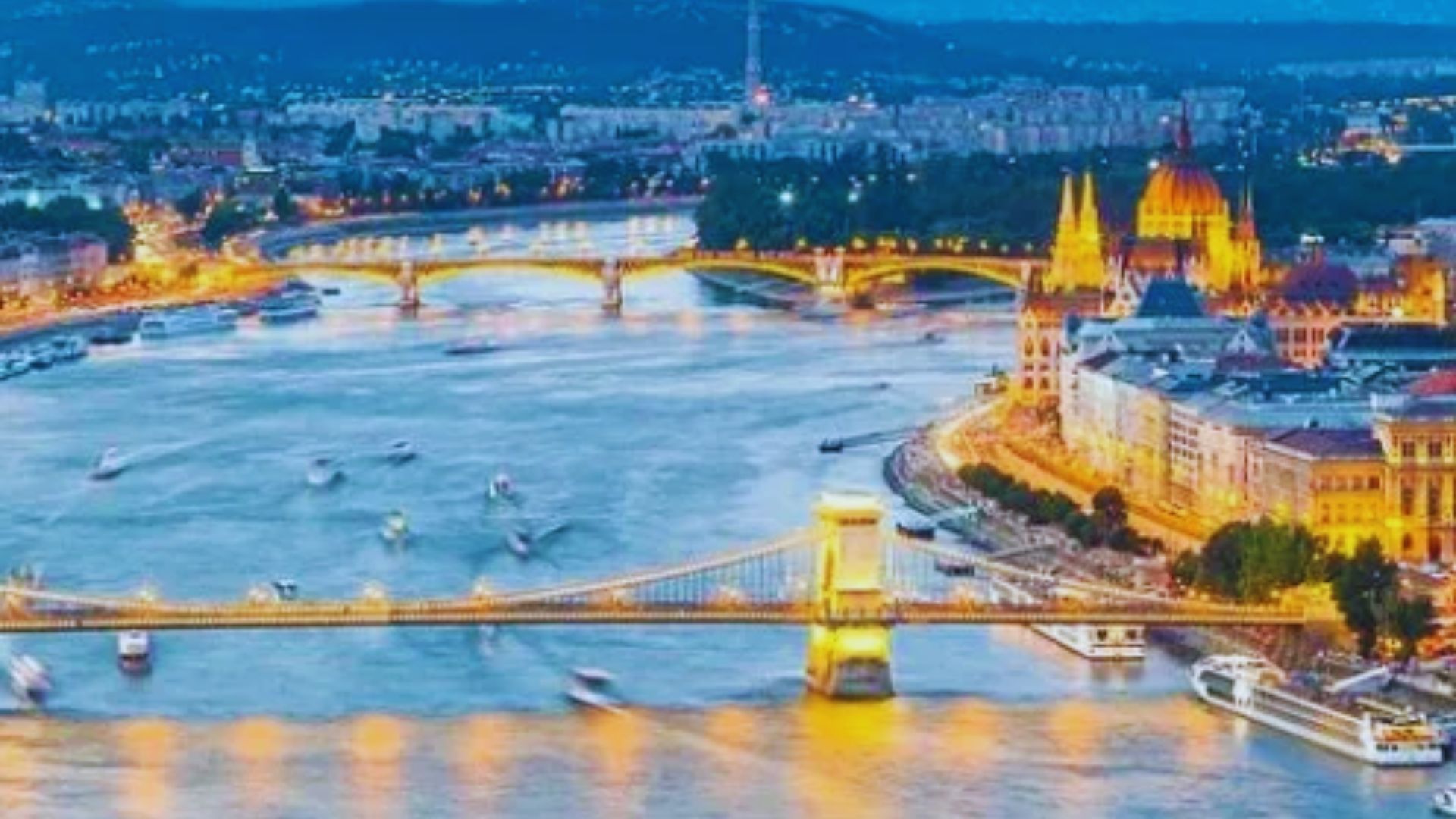
Evening cruises on the Danube run year-round and give you a completely different perspective on Budapest. The city looks different from the water, especially once the lights come on after dark.
Most cruises last 60 to 90 minutes. Some include dinner or a drink with the ticket price.
Book in advance during peak season. The combination of lit-up bridges, the illuminated parliament, and Buda Castle reflecting on the river is one of the best things you can see in this city.
11. Visit Lake Balaton
Lake Balaton is the largest lake in Central Europe and functions as Hungary’s version of a coastal resort. In summer, the beaches fill up with locals and visitors from across the country.
Water sports, lakeside restaurants, and vineyards along the northern shore keep things interesting beyond just swimming. The southern shore is flatter and more family-friendly.
It’s about 90 minutes from Budapest by train. A solid two to three day side trip if you want to slow down between city stops.
12. Check out Eger
Eger is a small city in northern Hungary known for two things: its castle and its wine. The Eger Castle sits above the town and played a famous role in resisting the Ottoman invasion in 1552.
The Valley of the Beautiful Women is a short walk from the center and lined with wine cellars where you can taste local reds directly from the barrel.
It’s one of the more overlooked places to visit in Hungary. A very manageable day trip or overnight from Budapest.
13. Check out Debrecen
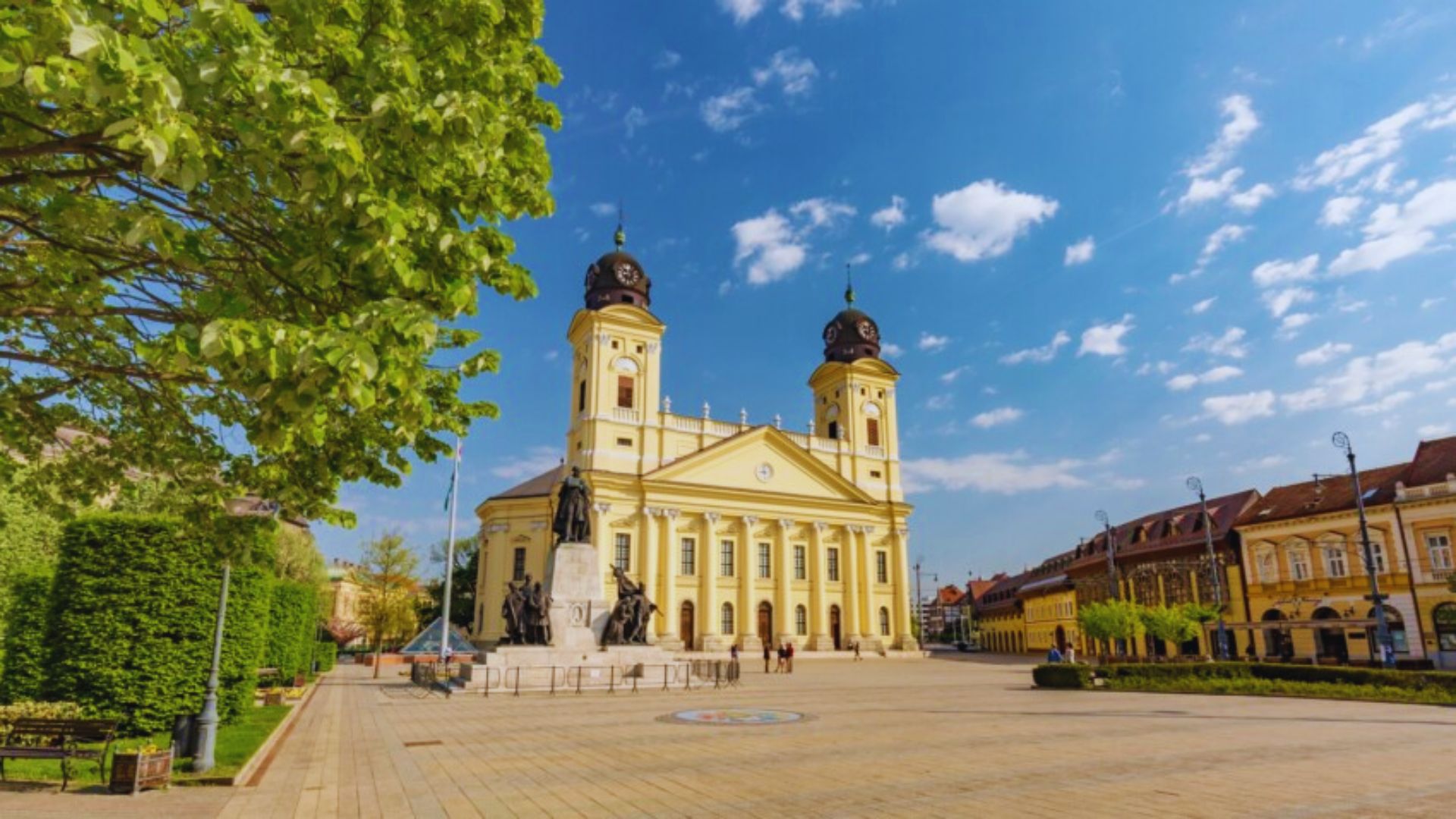
Debrecen is Hungary’s second-largest city and the cultural center of the eastern part of the country. The Great Reformed Church on the main square is one of the most recognizable buildings in Hungary.
The city has a confident, independent character that sets it apart from the capital. Festivals, museums, and a well-preserved old town center give it enough to fill a full day easily.
Worth visiting if you’re spending more than a week in Hungary and want to see a city that doesn’t cater primarily to tourists.
14. Visit Szeged
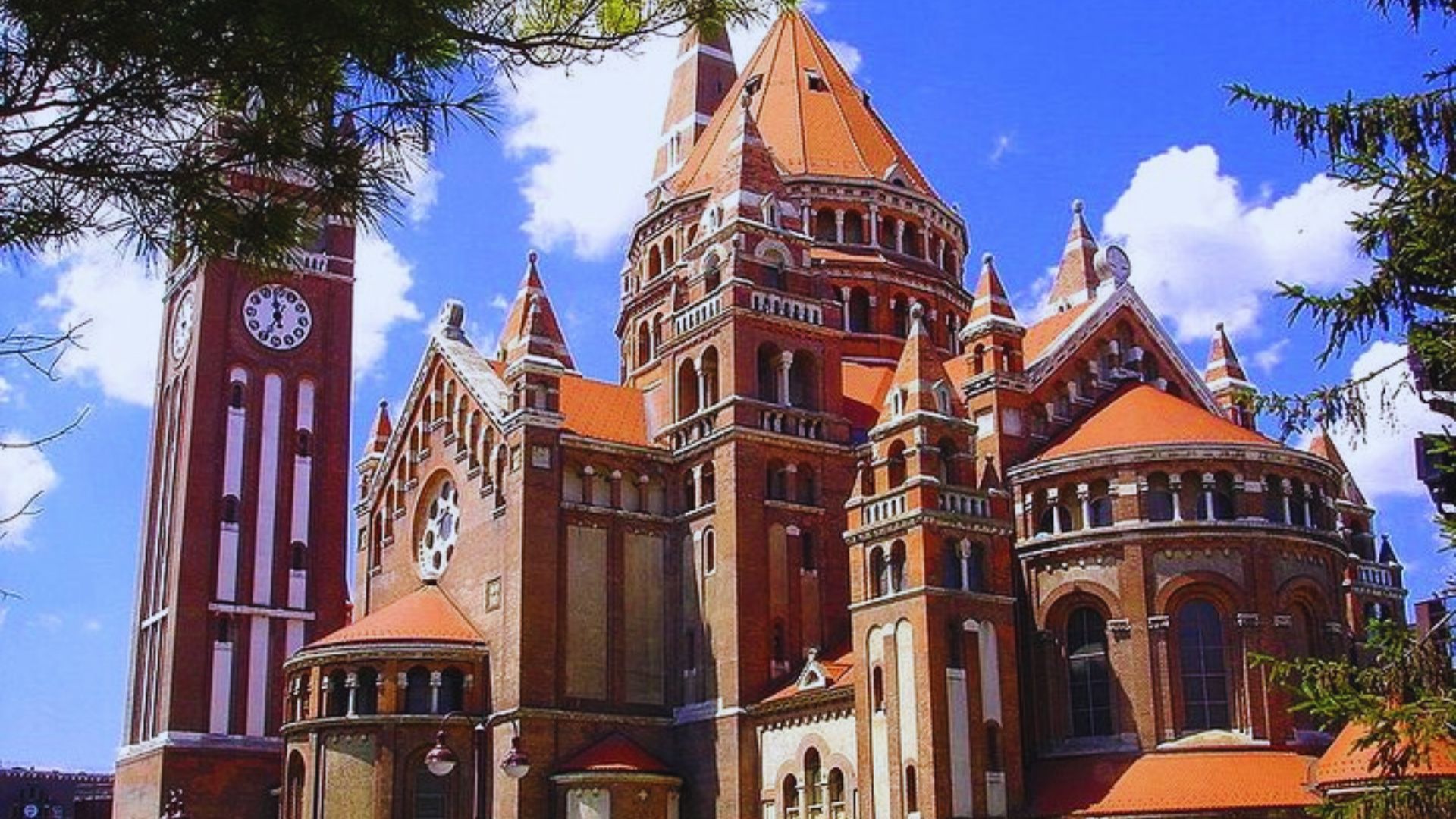
Szeged sits in the far south of Hungary near the Serbian border. It gets more sunshine than almost any other city in the country, which shapes both its architecture and its mood.
The Votive Church on Dóm Square is the main landmark and one of the largest churches in Hungary. The square itself hosts an open-air theater festival every summer.
Szeged paprika and fish soup are local specialties worth seeking out while you’re here. Food is a big part of the experience in this city.
15. Check out Pécs
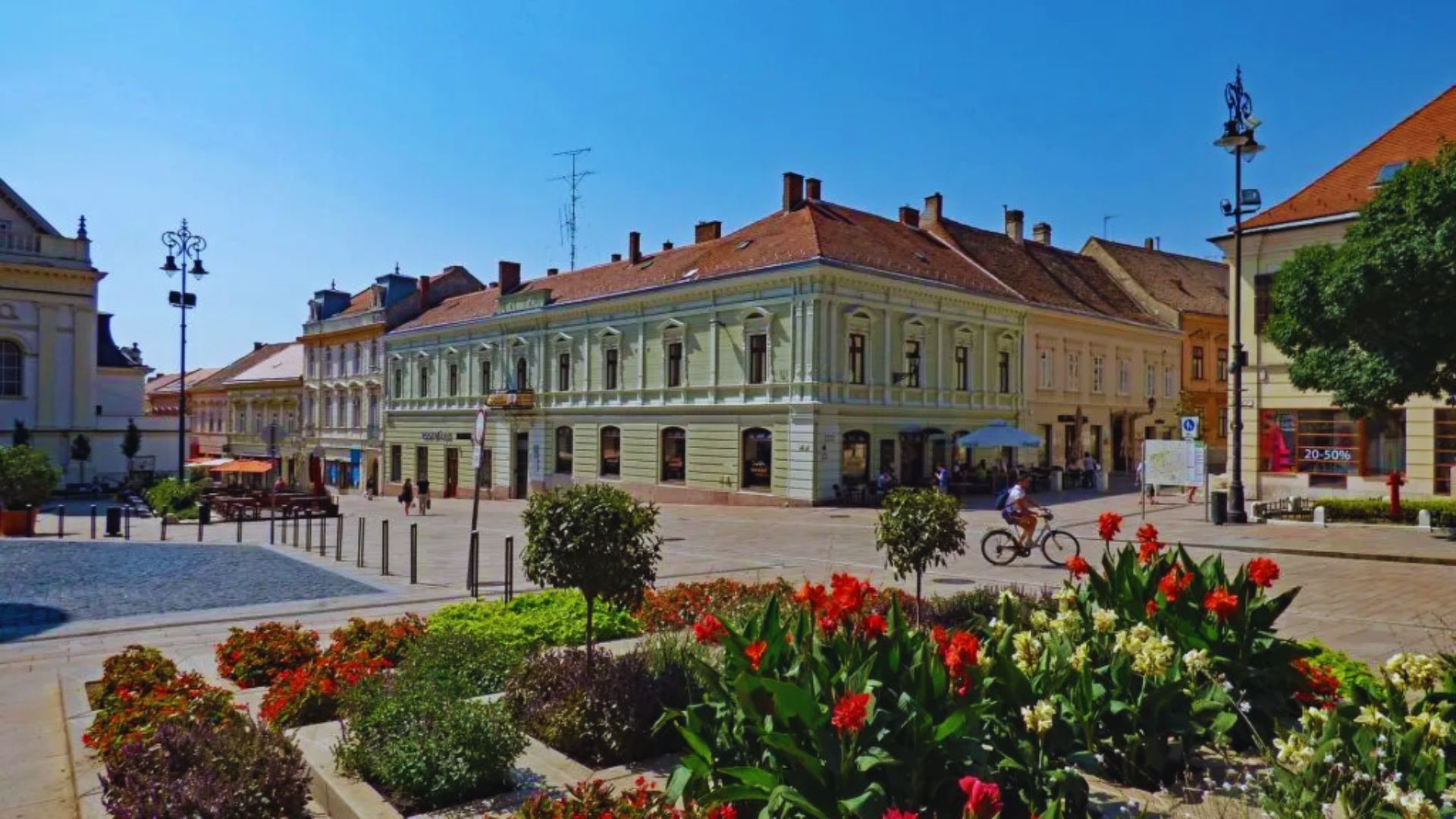
Pécs has been continuously inhabited for over 2,000 years. The old town holds Roman ruins, an early Christian necropolis listed as a UNESCO site, and Ottoman-era mosques that were later converted into churches.
It also has a strong arts scene. Pécs was a European Capital of Culture in 2010 and still carries that energy through galleries, theaters, and public art.
One of the most historically layered places to visit in Hungary. Deserves at least two full days if you can manage it.
16. Tour Hortobágy National Park
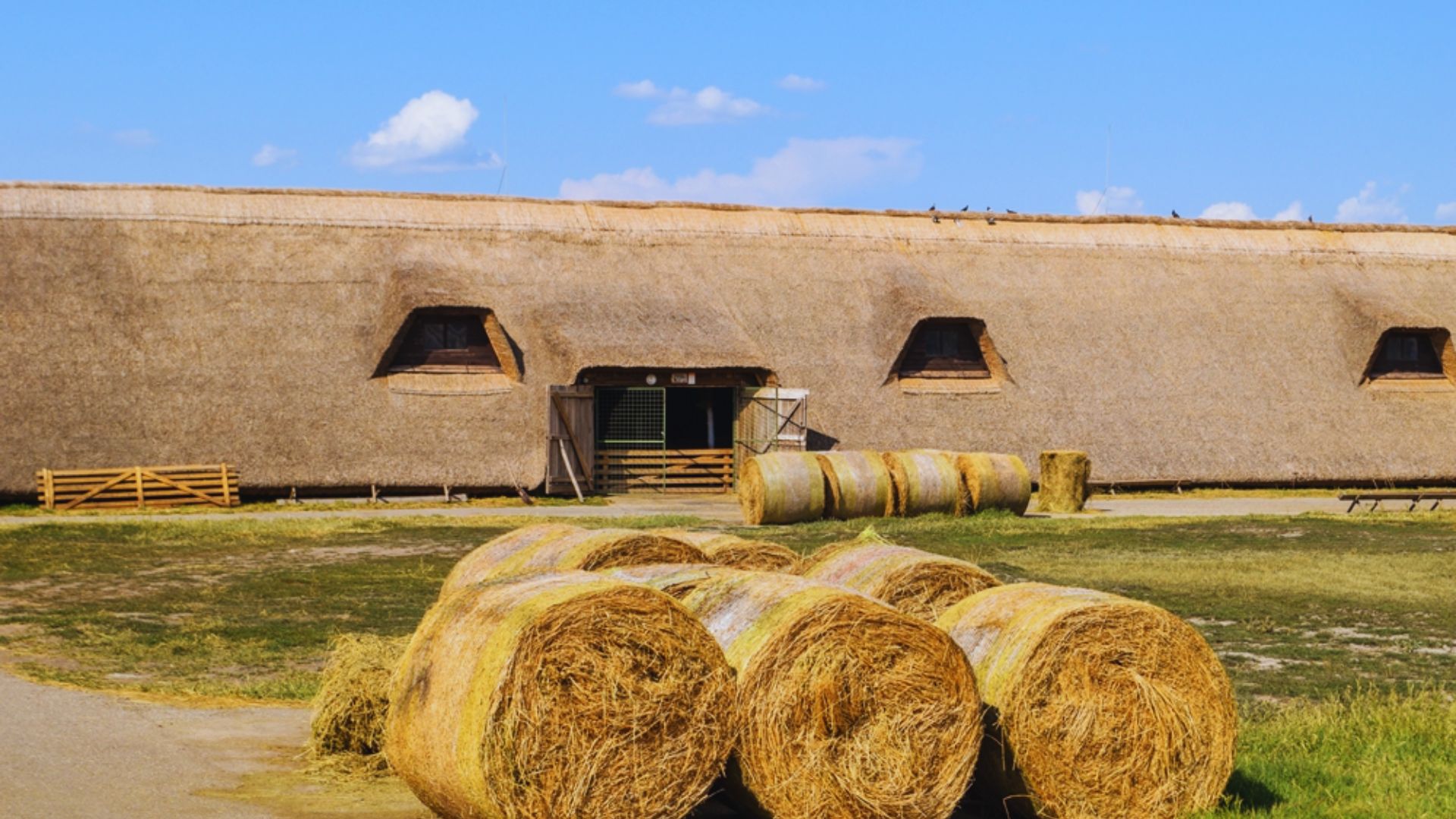
Hortobágy is Hungary’s largest national park and one of the oldest in Europe. It covers a vast stretch of flat grassland called the puszta, which is unlike anything else in the country.
Traditional Hungarian cowboys called csikós still herd cattle and horses across the plain. Watching them work is genuinely impressive and very much a living cultural tradition.
The park is a UNESCO World Heritage Site. A guided tour gives you much better access to the wildlife and cultural demonstrations than going alone.
17. Visit Aggtelek National Park
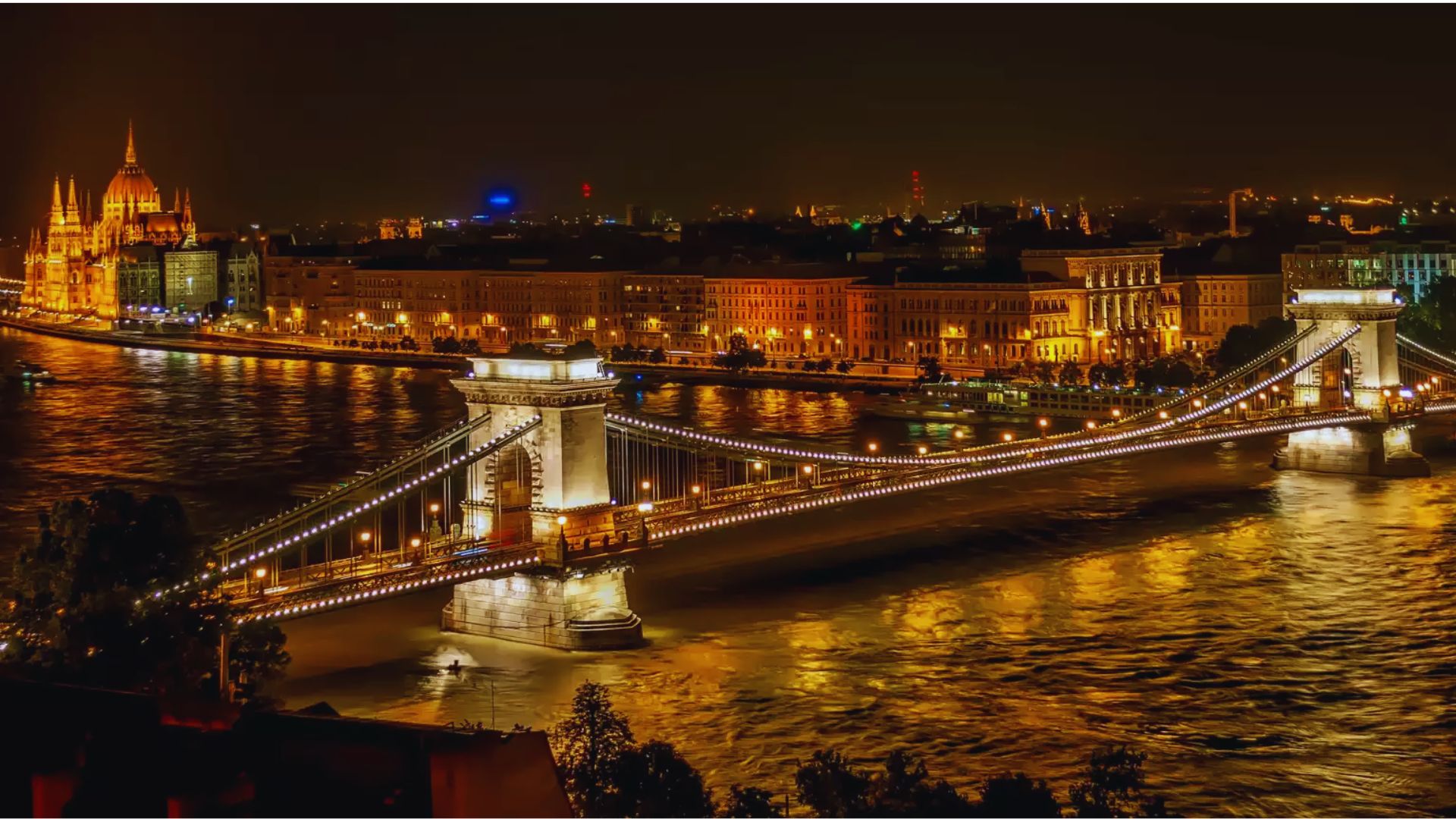
Aggtelek National Park sits on the Slovak border and holds one of the largest cave systems in Europe. The Baradla Cave stretches for over 25 kilometers underground.
Guided cave tours run at multiple entry points. The formations inside, stalactites, stalagmites, and underground lakes, are on a scale that’s hard to prepare for.
The park is also home to rare bird species and dense forest above ground. A full day here covers both the caves and some surface hiking easily.
18. Check out Szentendre Village
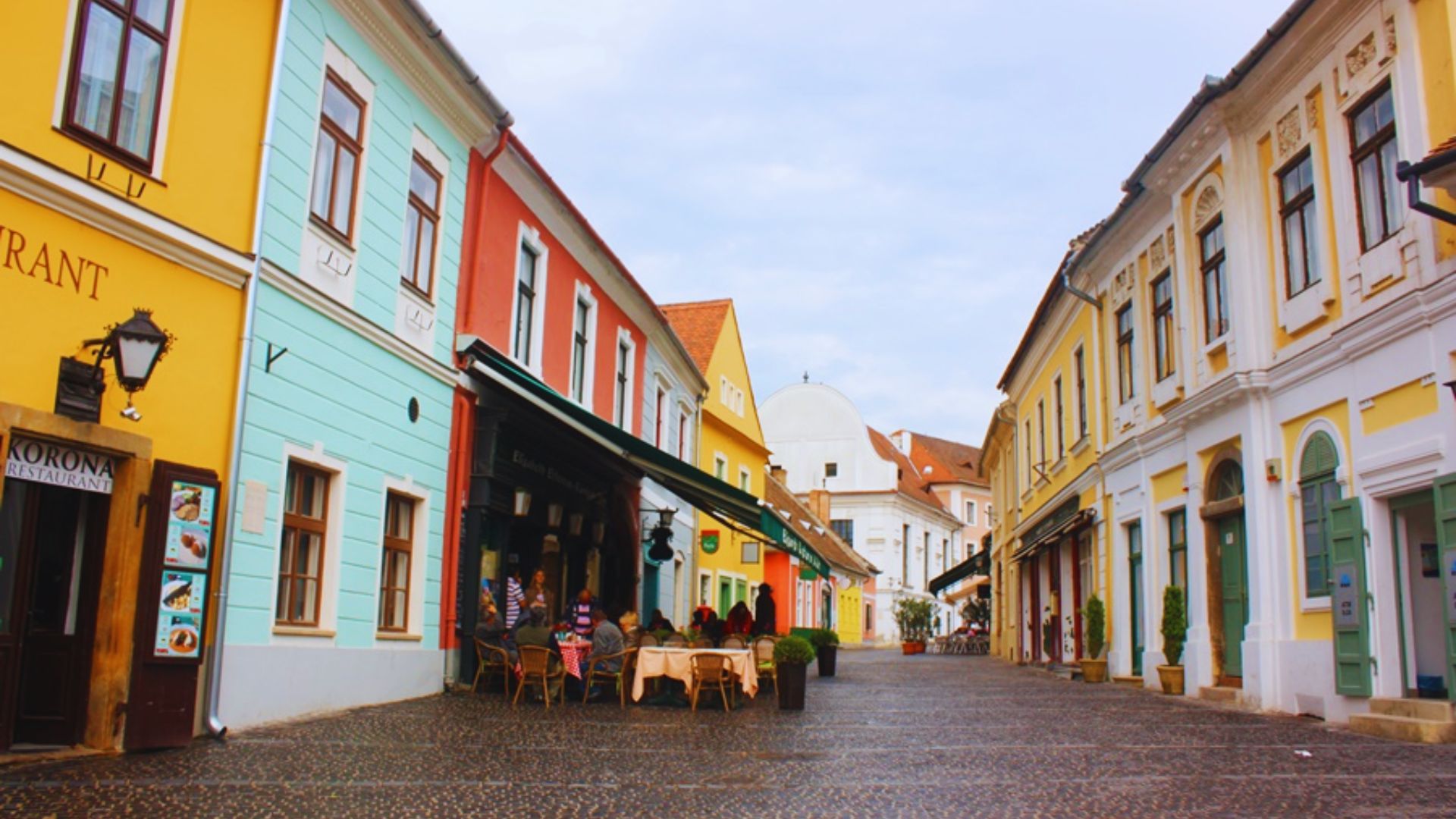
Szentendre is a small artists’ town about 20 kilometers north of Budapest along the Danube. Colorful baroque buildings, art galleries, and craft shops line the cobblestone streets.
It’s one of the most visually appealing places to visit in Hungary for a half-day trip. Very easy to reach by suburban rail or river ferry from Budapest.
The Serbian Orthodox churches scattered through the town add an unexpected cultural layer. Go on a weekday to avoid weekend crowds from the capital.
19. Visit Hollókő Village

Hollókő is a tiny UNESCO-listed village in northern Hungary that preserves traditional Hungarian Palóc folk architecture and culture. The whole old village is a living open-air museum.
Local women still wear traditional dress on holidays and special occasions. The Easter celebrations here draw visitors from across the country.
It’s a slow, quiet place with very little commercial development. Exactly the kind of spot that makes you glad you looked beyond the standard tourist trail.
20. Check out Tokaj Wine Region
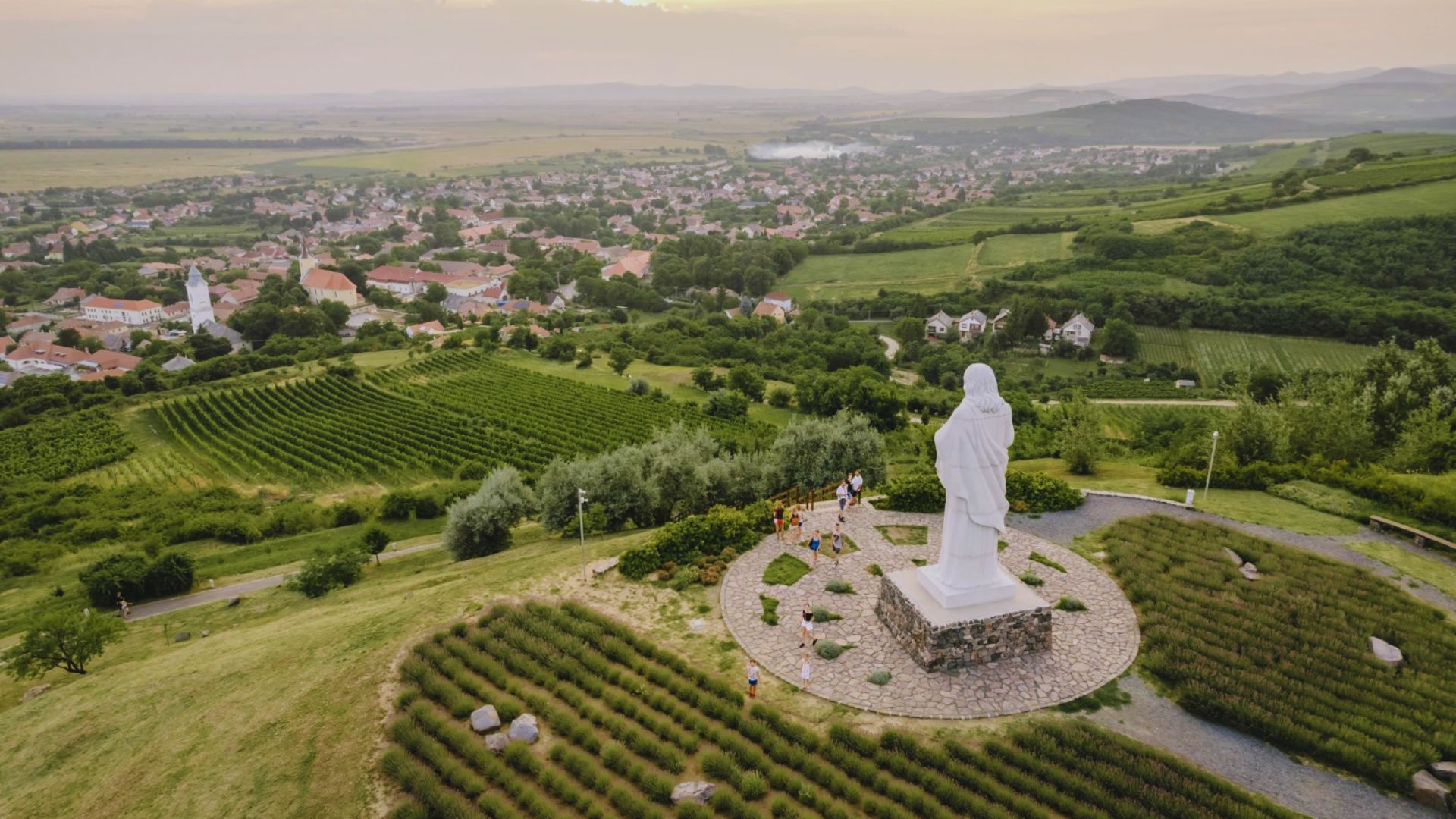
The Tokaj region in northeastern Hungary produces what Napoleon reportedly called the wine of kings. The sweet dessert wines made here are among the most celebrated in Europe.
Vineyard tours and cellar tastings are available throughout the region. The landscape of rolling hills and old wine cellars carved into volcanic rock is genuinely beautiful.
A UNESCO Cultural Landscape designation protects the historic vineyards. One of the most rewarding places to visit in Hungary for anyone who appreciates good wine and good scenery together.
21. Hike Bükk National Park
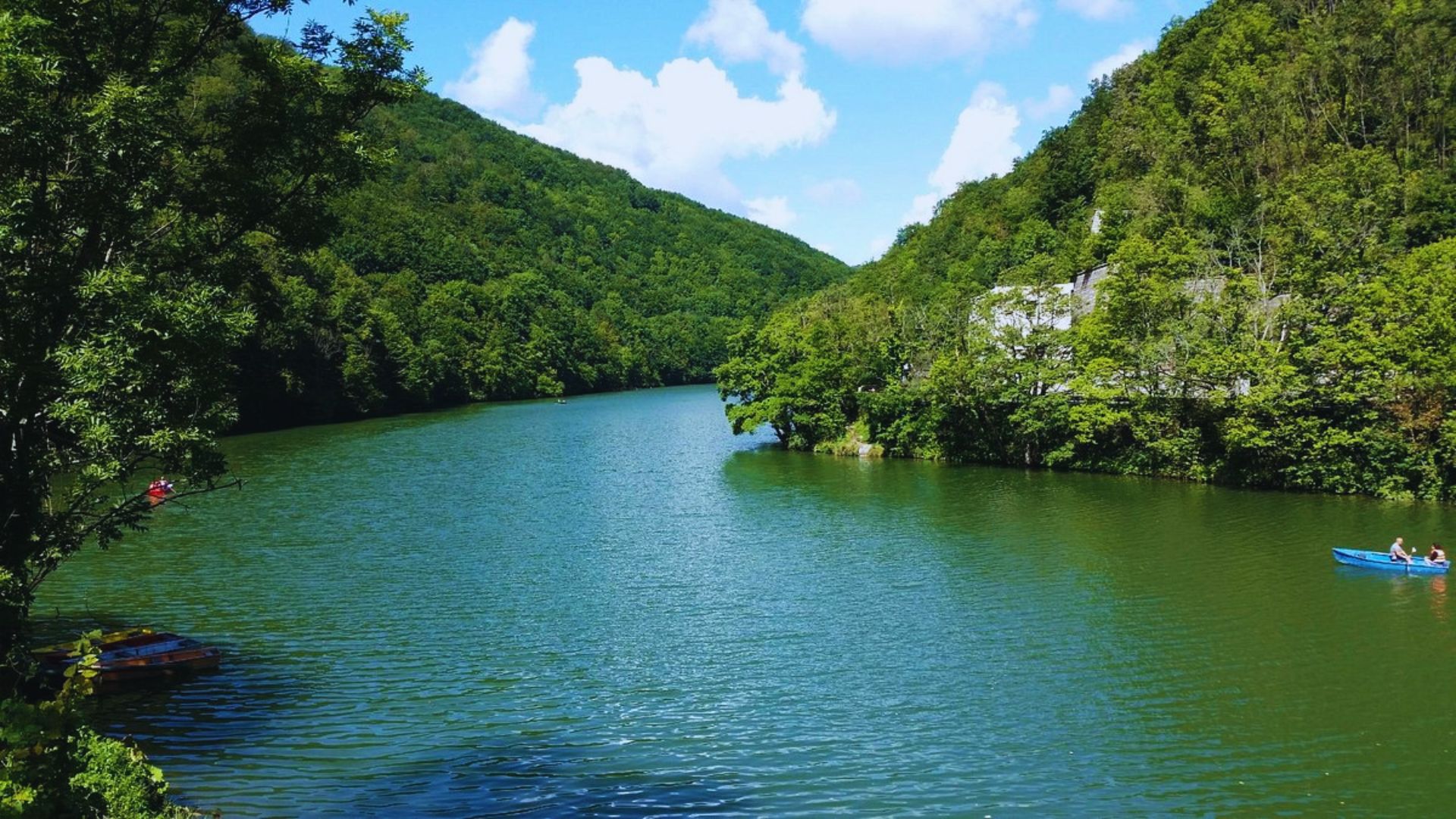
Bükk is the largest forest-covered national park in Hungary. Beech forests, limestone plateaus, and over 900 caves make it a solid destination for hikers and nature lovers.
Trails range from easy walks to full-day ridge routes with good elevation gain. The Bükk Plateau trail offers the best views across the forested hills.
It sits right next to Eger, making a combined trip very practical. A welcome contrast after spending time in Hungary’s cities.
22. Visit Visegrád Castle
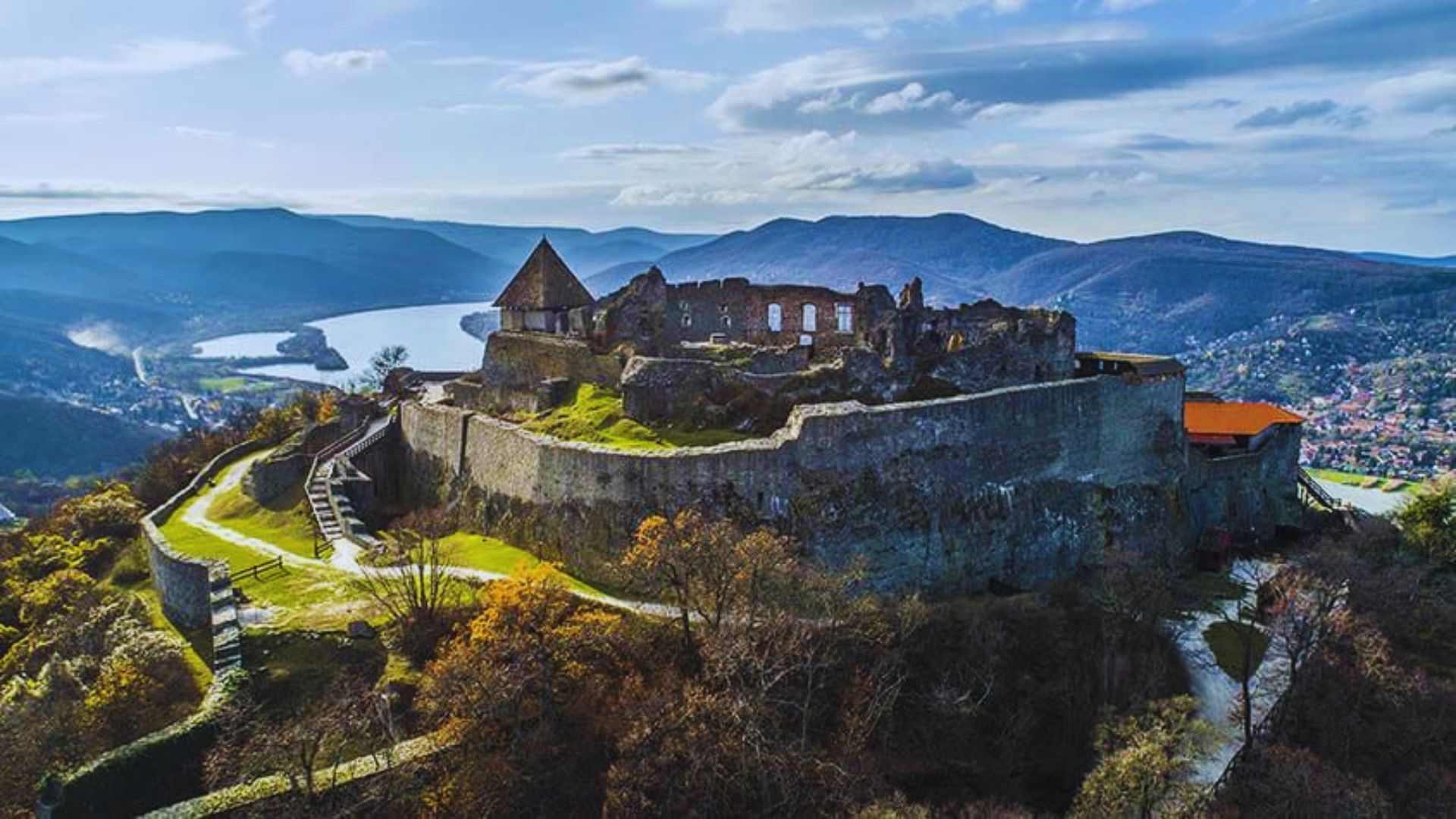
Visegrád Castle sits above the Danube Bend on a steep hill and dates back to the 13th century. The views from the top look directly down onto one of the most dramatic river bends in Central Europe.
The castle was once the seat of Hungarian royal power. Today you can walk the ruins and visit a small on-site museum covering its history.
It’s about an hour from Budapest by train and ferry. Pair it with Esztergom for a full day along the Danube Bend.
23. Check out Esztergom Basilica
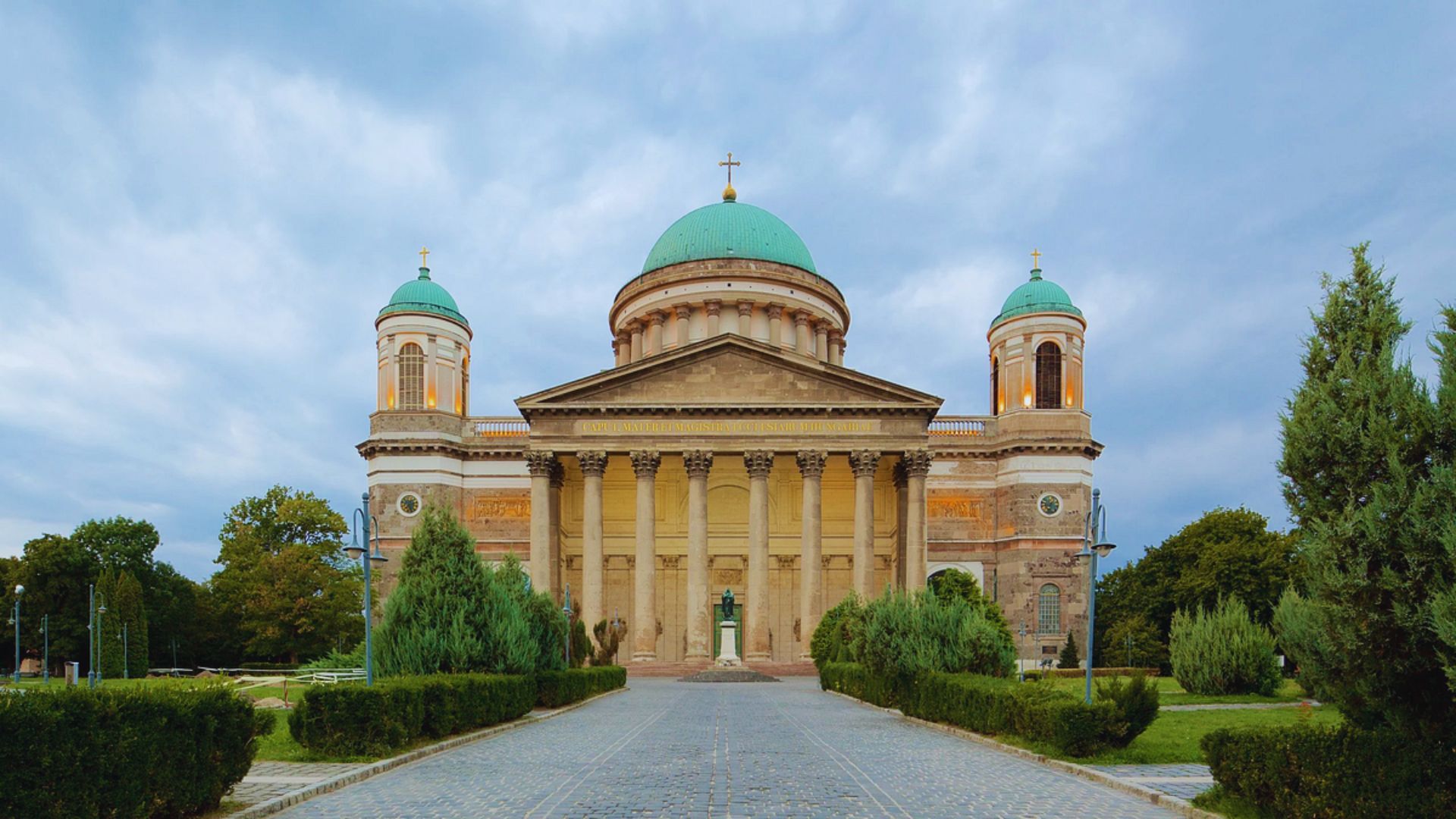
Esztergom Basilica is the largest church in Hungary and the center of Hungarian Catholicism. It sits on a hill above the Danube directly across from Slovakia.
The dome offers a panoramic view that stretches across two countries on a clear day. The treasury inside holds some of the finest medieval religious art in Central Europe.
The town of Esztergom itself is calm and easy to walk in half a day. A meaningful stop on any Danube Bend itinerary.
24. Visit House of Terror Museum
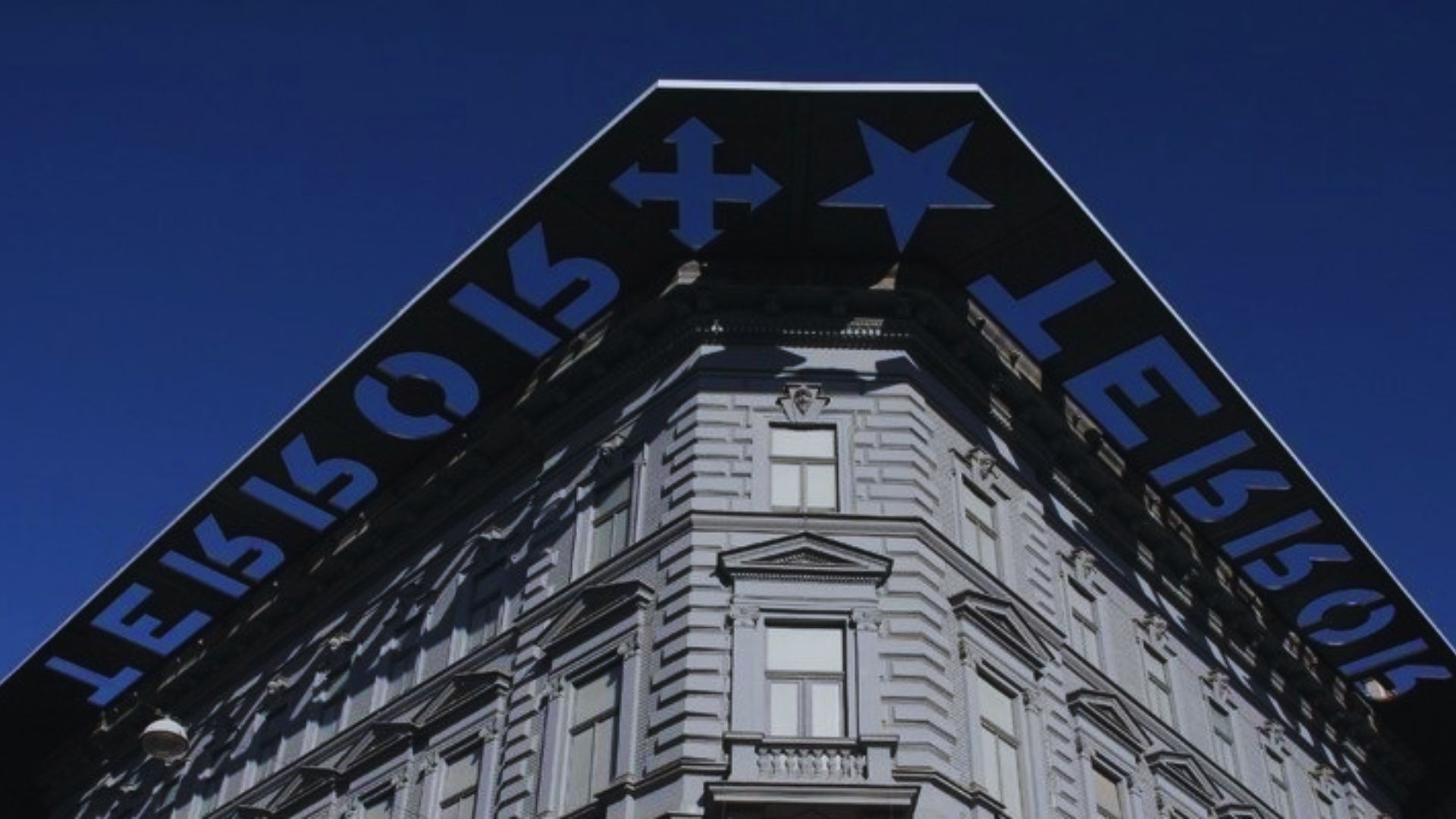
The House of Terror Museum is located in the former headquarters of Hungary’s fascist and communist secret police. The building itself is the exhibit as much as what’s inside.
The collection covers the period from World War II through the end of communist rule in 1989. It’s unflinching, well-designed, and emotionally heavy in the best possible way.
Budget at least two hours here. This is one of the most important historical sites in Budapest and not one to rush through.
25. Check out Hungarian National Museum
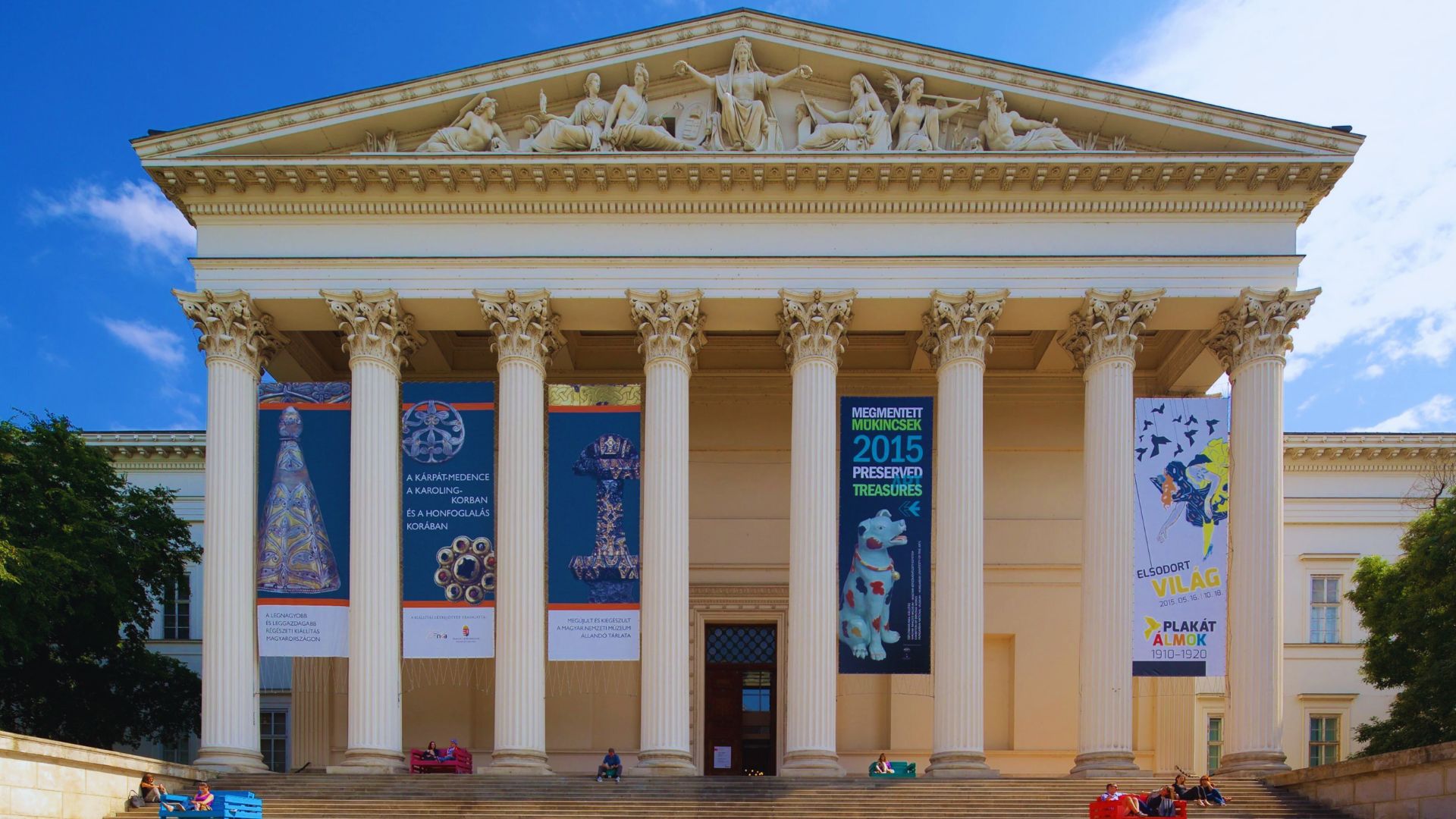
The Hungarian National Museum covers the full sweep of Hungarian history from prehistoric times through the 20th century. It’s the oldest and most comprehensive museum in the country.
The building itself is a beautiful neoclassical structure in the heart of Pest. The permanent collection is large and well-organized.
Entry is affordable and English audio guides are available. A solid morning visit if you want historical context before exploring the rest of the city.
26. Attend Hungarian Folk Show
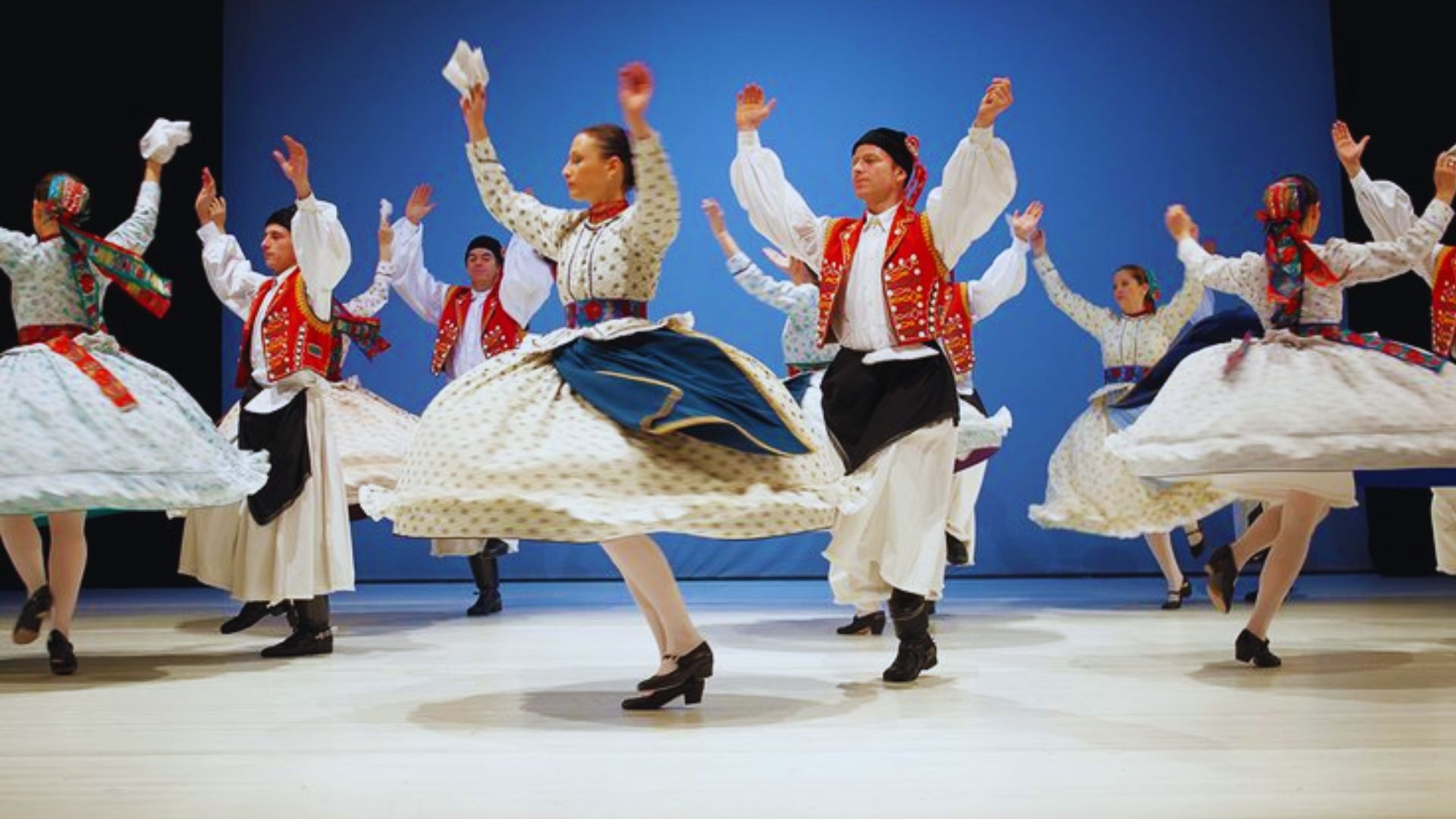
Traditional Hungarian folk shows feature music, dance, and costume from different regions of the country. Several venues in Budapest run regular performances for visitors.
The dancing is athletic and energetic. Hungarian folk music has a distinct sound, influenced by both Eastern European and Ottoman traditions.
It’s one of those places to visit in Hungary experiences that works for all ages. A very accessible way to connect with something genuinely local.
27. Visit Great Market Hall
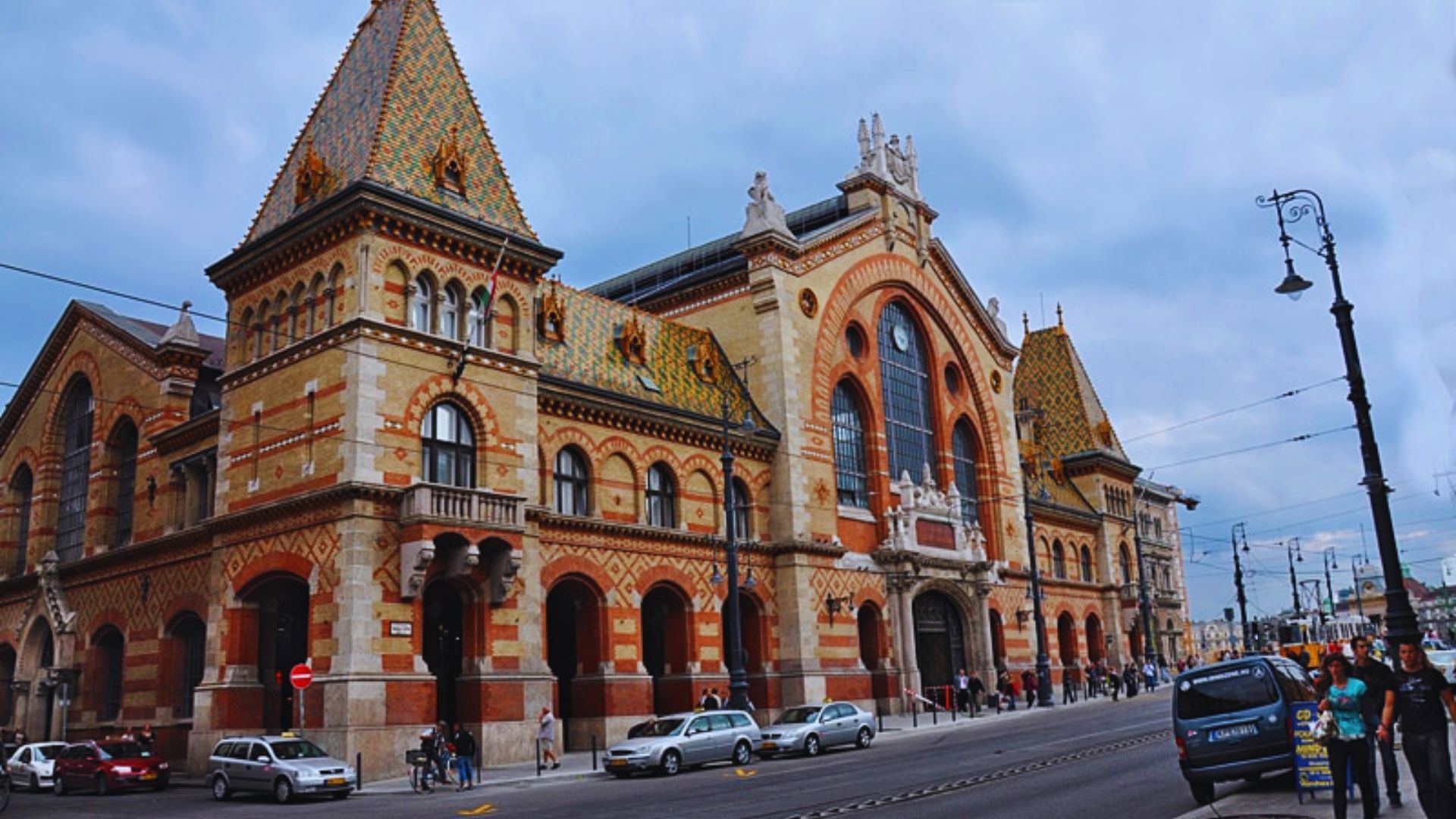
The Great Market Hall is Budapest’s largest and oldest indoor market. The ground floor sells fresh produce, meat, and Hungarian specialties. The upper floor is all souvenirs and prepared food.
Lángos, a fried flatbread topped with sour cream and cheese, is the thing to eat here. Long lines form at the best stalls for good reason.
Go on a weekday morning for the most authentic atmosphere. It gets very crowded on weekends when tour groups arrive.
28. Try Thermal Baths Across Hungary
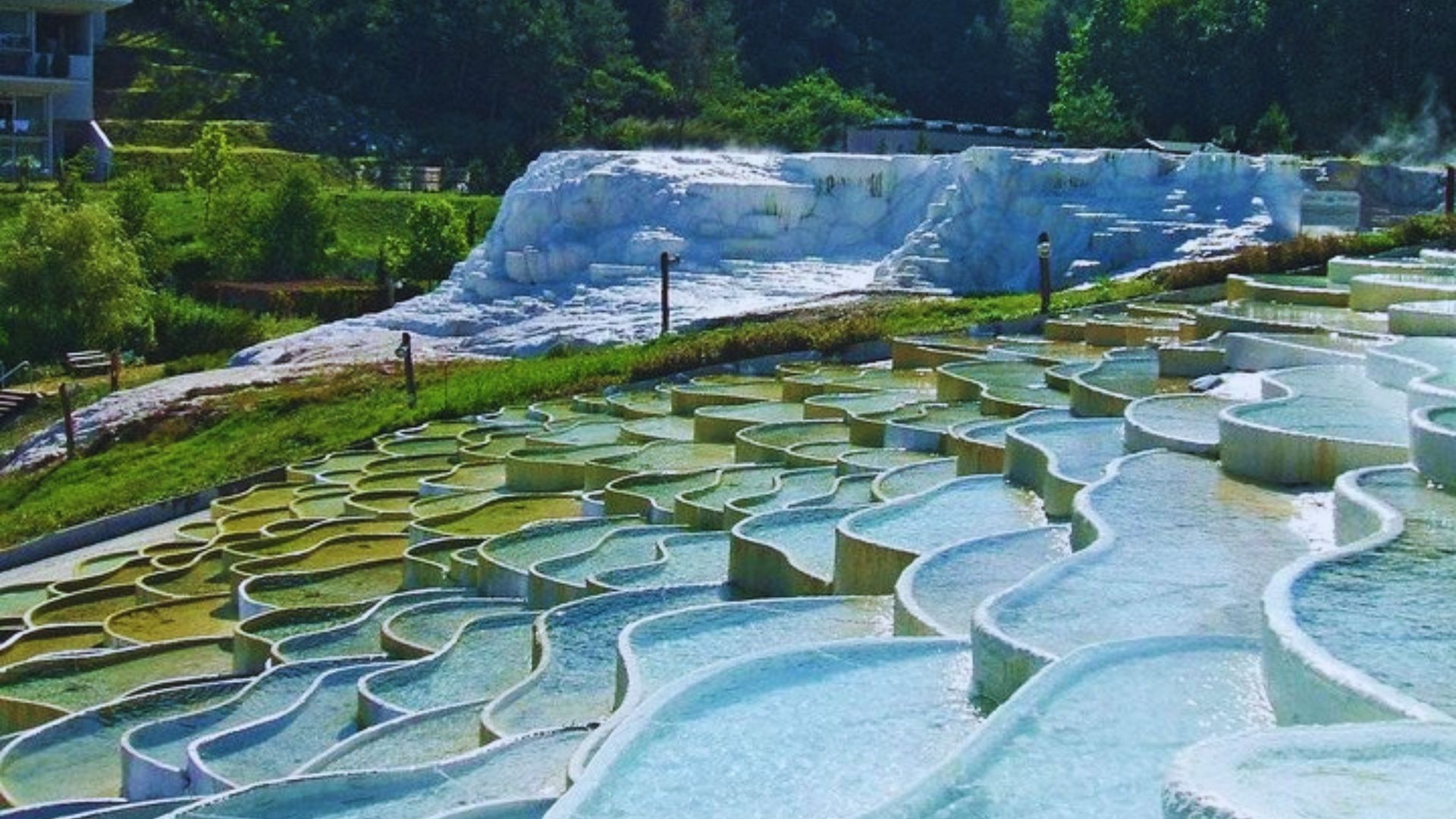
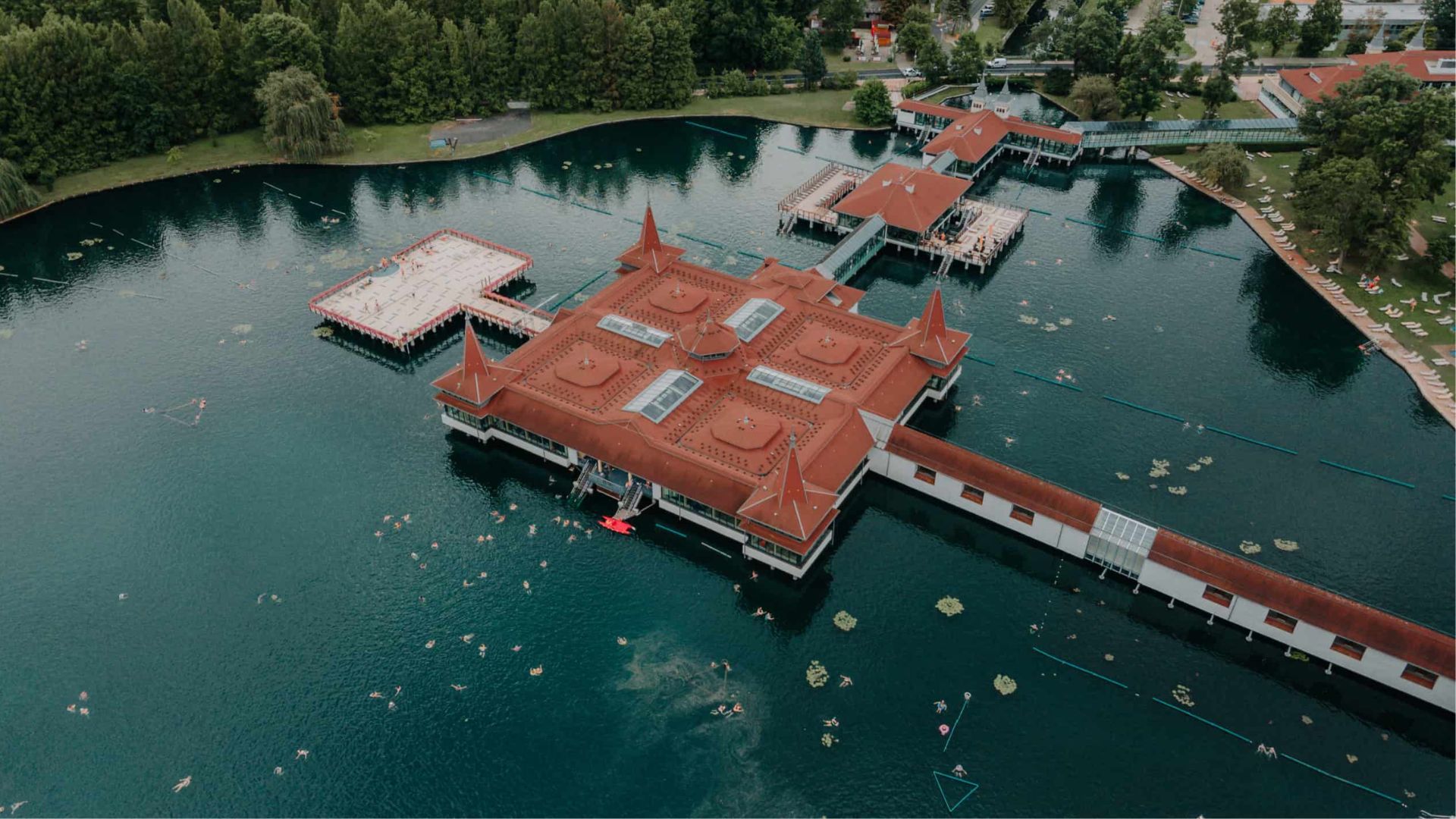
Budapest gets most of the attention for thermal baths, but the geothermal activity runs across the whole country. Hévíz, near Lake Balaton, has a natural thermal lake that’s one of the largest in the world.
Smaller towns like Hajdúszoboszló and Gyula have their own spa complexes that locals use regularly and tourists rarely visit.
Thermal bathing is not just a tourist activity in Hungary. It’s a deeply embedded part of daily life. Experiencing it outside Budapest gives you a much more authentic version of the tradition.
29. Go Wine Tasting in Eger or Tokaj
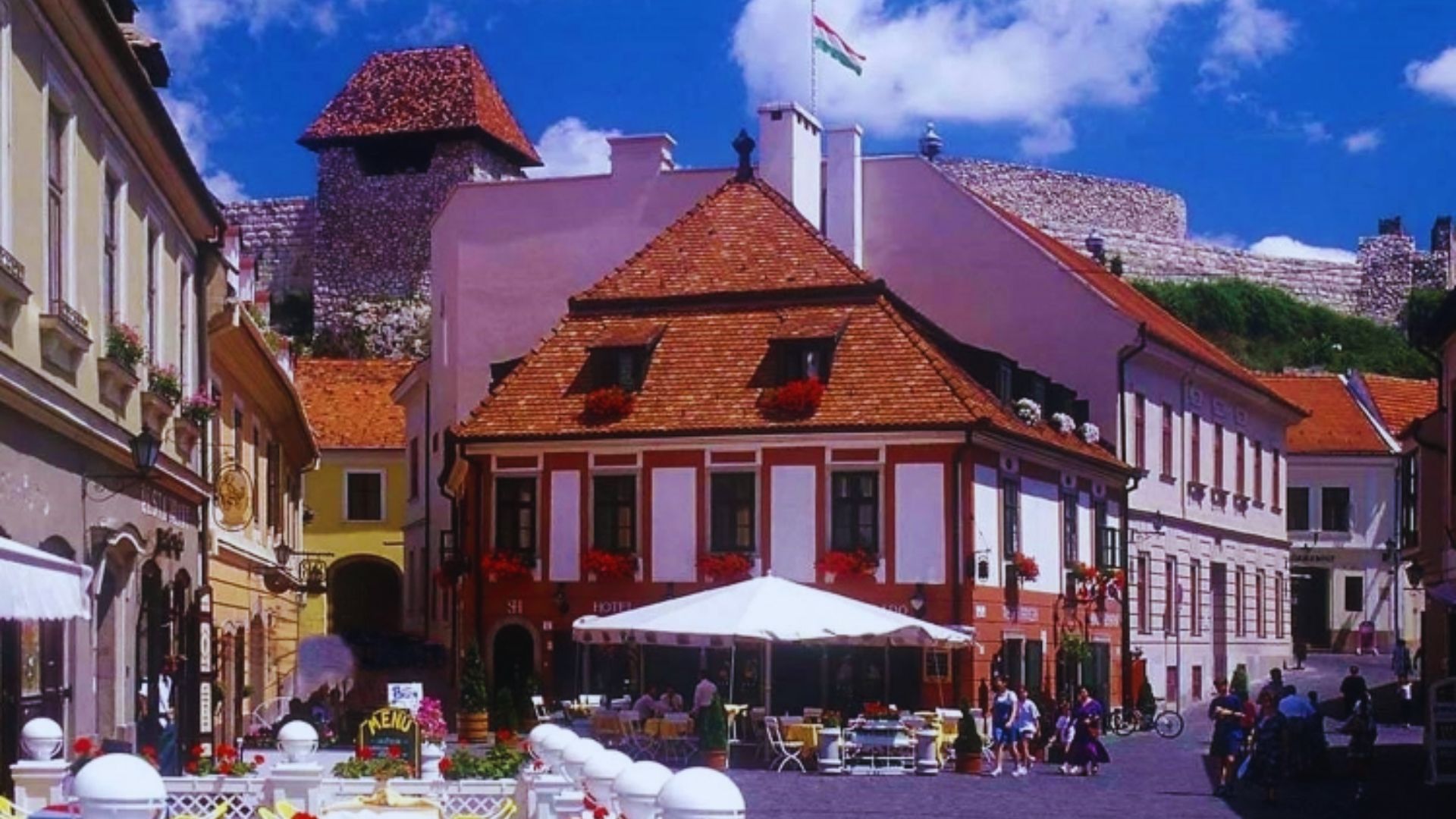
Hungary has 22 official wine regions. Eger and Tokaj are the two most visitor-friendly for tasting experiences.
In Eger, the Valley of the Beautiful Women has dozens of small cellars you can walk between and taste directly from the barrel. In Tokaj, the focus is on aged sweet wines with complex flavor profiles.
Both regions offer guided tours, but independent exploration works well too. Either destination makes for one of the more enjoyable places to visit in Hungary for a slower travel day.
30. Cycling Around Lake Balaton
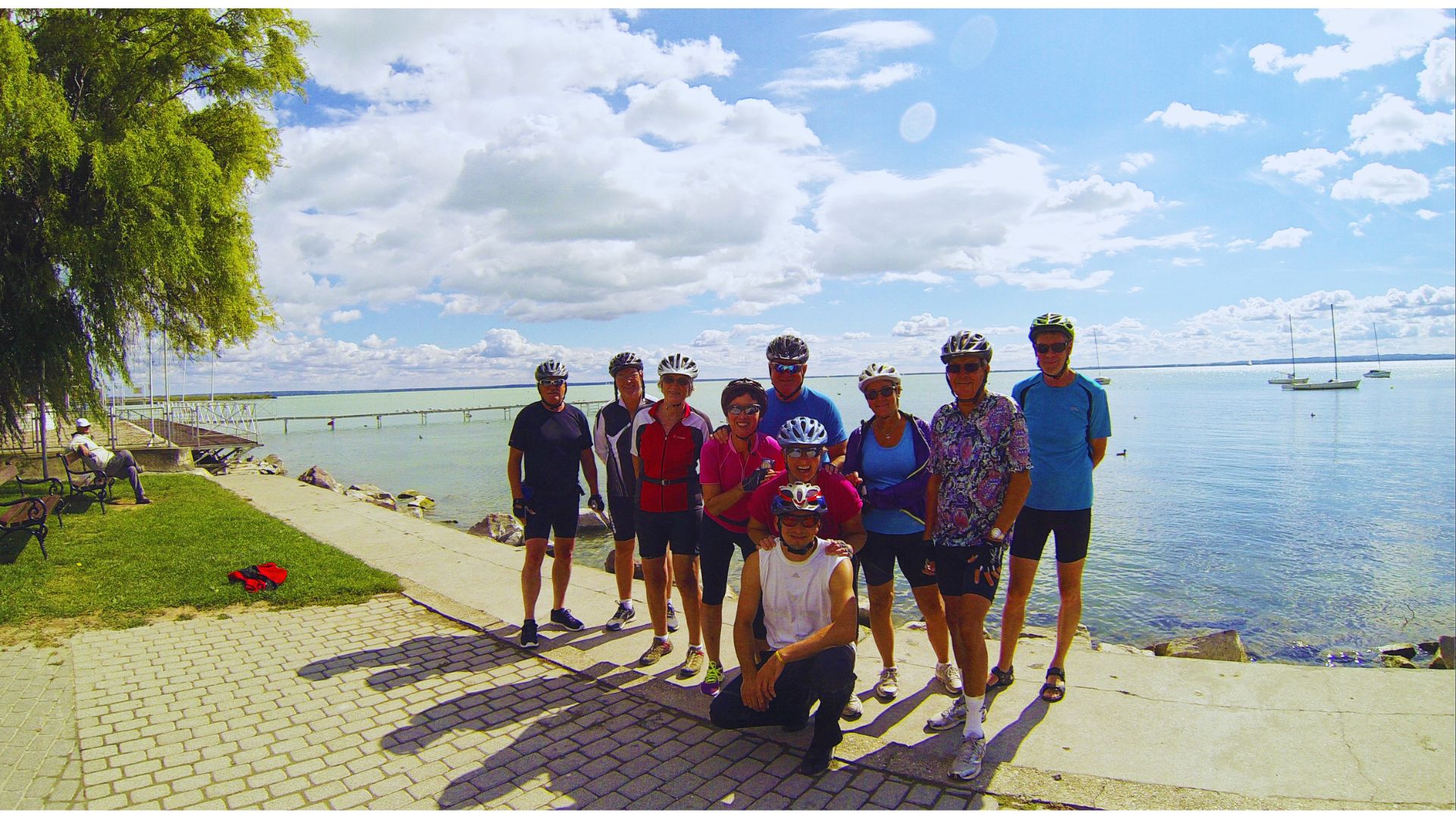
A cycling path runs the full 200-kilometer circumference of Lake Balaton. You don’t need to complete the whole route. Even a short section gives you lakeside scenery that’s hard to beat.
Bike rentals are available in most towns around the lake. The northern shore is hillier with better vineyard views. The southern shore is flatter and easier to ride.
A half-day on a bike here is one of the most relaxing things you can do in Hungary. No traffic, open water, and good trail conditions throughout.
31. Hiking in Danube Bend

The Danube Bend is the stretch of river north of Budapest where the Danube makes a dramatic turn. The hills above it offer well-marked hiking trails with views over the river and surrounding countryside.
The trail between Visegrád and Nagymaros is a popular option. It takes about four hours and gives you consistent views the whole way.
Combine it with a visit to Visegrád Castle for a full day that covers both history and outdoor activity. One of the more satisfying places to visit in Hungary for active travelers.
32. Visit Christmas Markets in Budapest
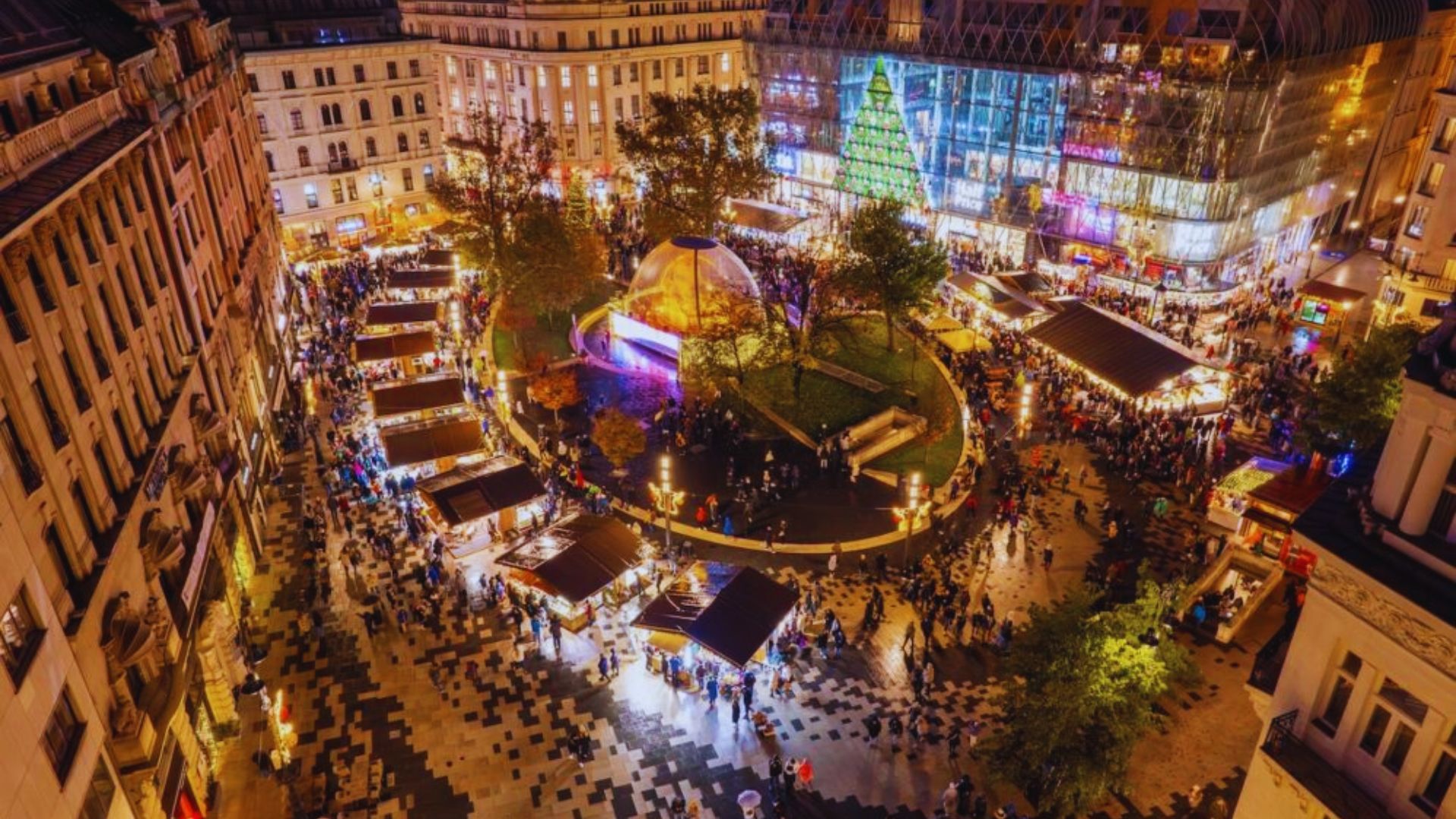
Budapest’s Christmas markets run from late November through late December. Vörösmarty Square and St. Stephen’s Basilica host the two largest ones.
Hot wine, chimney cake, handcrafted ornaments, and wooden stalls fill the squares. The basilica market is particularly well-regarded for the quality of its vendors.
The city looks different in winter. Quieter, colder, and much more intimate than summer. A genuinely good reason to visit Hungary outside of peak season.
33. Experience Sziget Festival
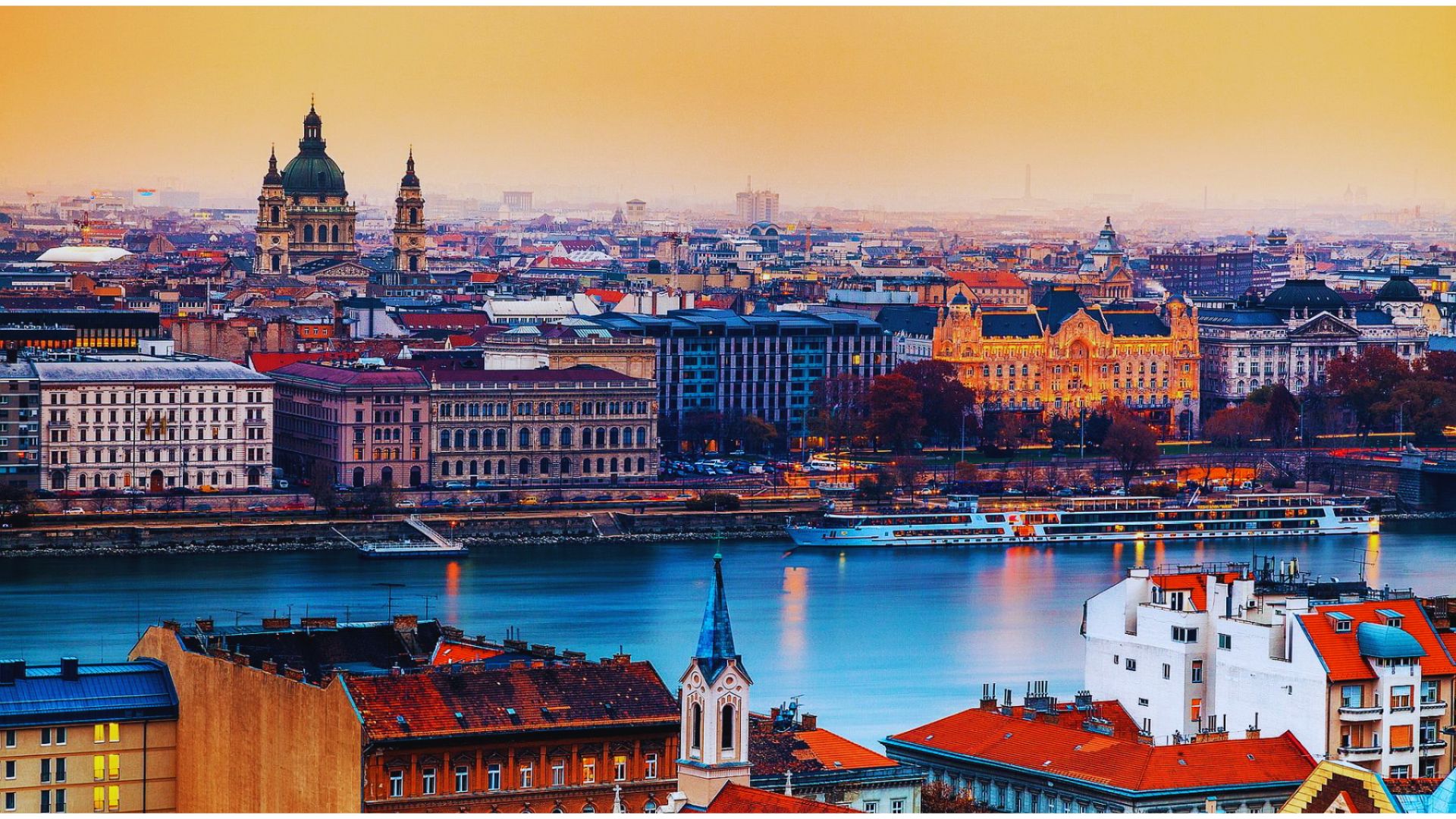
Sziget is one of the largest music festivals in Europe and takes place every August on an island in the Danube in Budapest. It runs for a full week and draws hundreds of thousands of visitors.
The lineup covers international headliners across every genre. Beyond the music, there are art installations, food markets, and cultural events running all week.
Book accommodation months in advance if you plan to attend during festival week. Hotels across the city fill up completely.
34. Spring Cherry Blossoms in Budapest
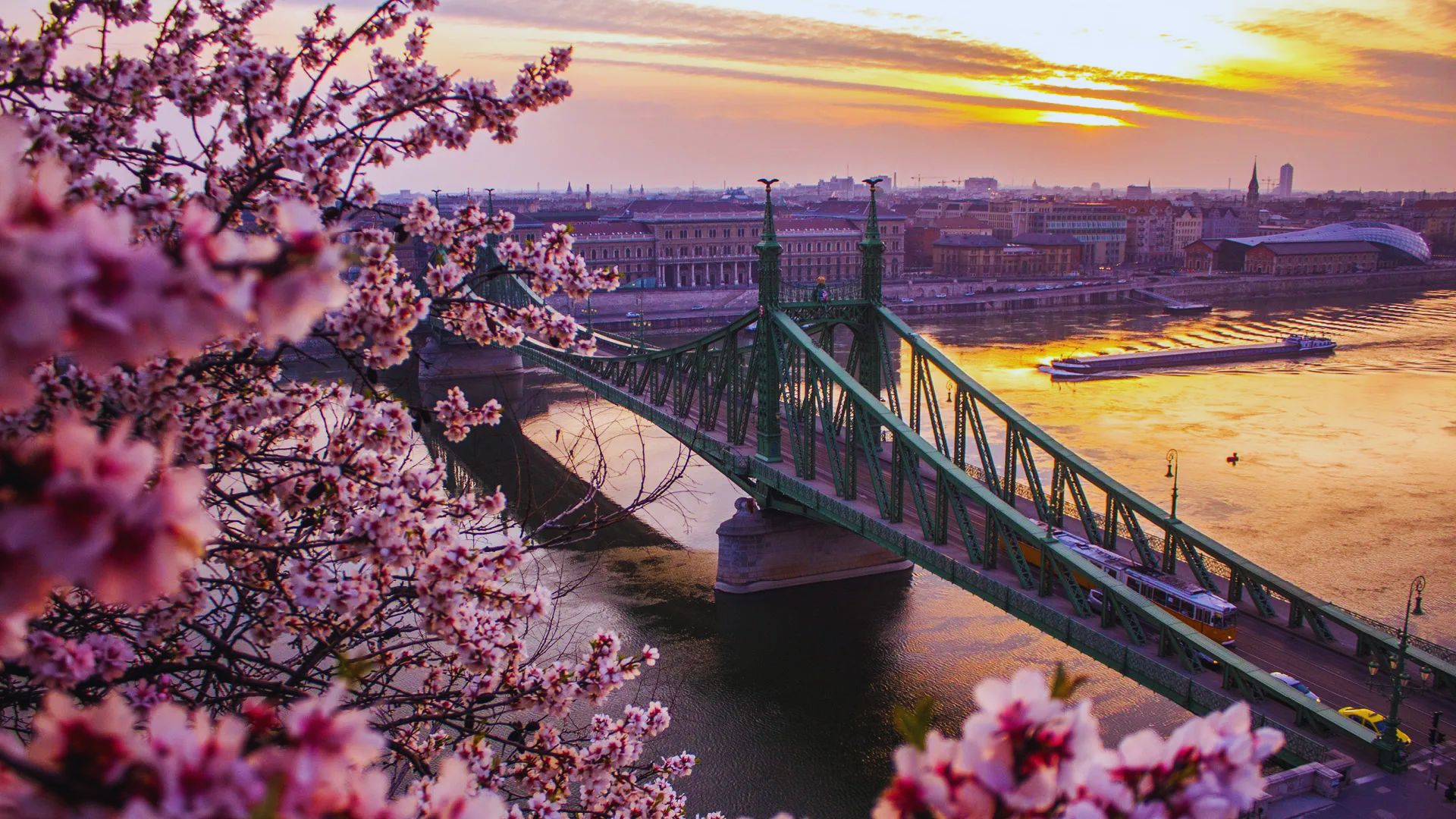
Several parks and avenues in Budapest fill with cherry blossoms in late March and early April. The most popular viewing spot is the Japanese Garden on Margaret Island.
Photographers and locals alike fill the paths on peak bloom days. It’s a short window of about one to two weeks, so timing matters.
Spring is one of the better times to visit Hungary overall. Fewer crowds, lower prices, and pleasant temperatures make it a strong season for travel.
35. Summer Festivals Across Hungary

Hungary’s summer calendar is packed. Beyond Sziget, there are food festivals, folk festivals, and open-air theater events running in cities and towns across the country from June through August.
The Debrecen Flower Carnival and the Busójárás festival in Mohács are two of the more unusual ones worth planning around.
Checking local event calendars before you book gives you the chance to time your visit around something specific. It adds a lot to the experience.
36. Try Hungarian Cuisine

Hungarian food is hearty, flavor-forward, and built around paprika. Goulash is the most famous dish, but it’s just the starting point.
Chicken paprikash, stuffed peppers, and lángos all deserve your attention. Chimney cake, or kürtőskalács, is the street snack you’ll want every single day.
Restaurants outside the main tourist squares offer better quality and lower prices. Ask locals for recommendations and you’ll almost always eat well.
37. Check out Local Cafés and Coffee Culture
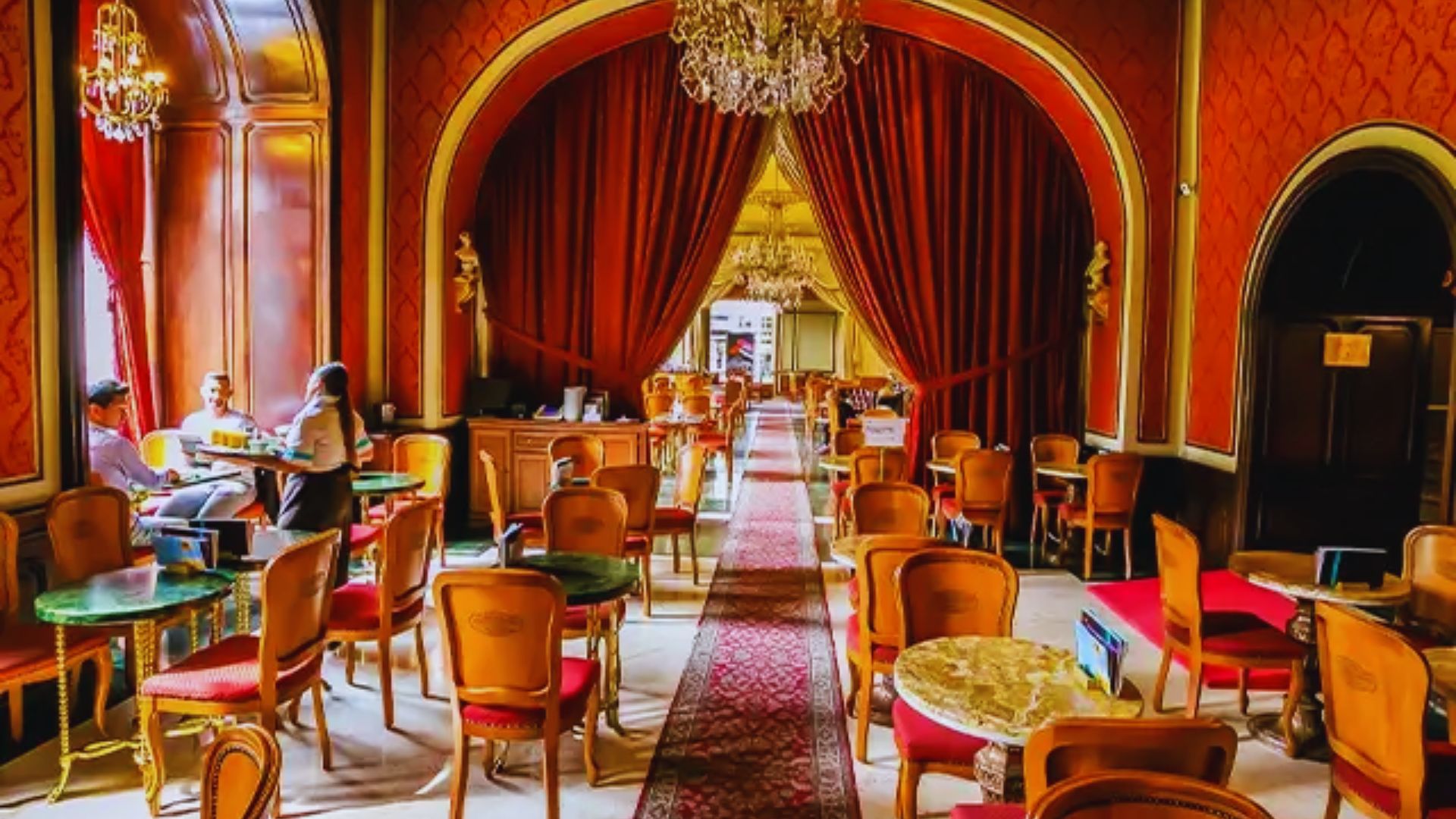
Hungary has a strong café tradition going back to the Austro-Hungarian Empire. The New York Café in Budapest is the most famous, but dozens of neighborhood spots match it for atmosphere at a fraction of the price.
Coffee here is taken seriously. Sit down, slow down, and spend an hour watching the city move around you.
It’s one of the simplest and most enjoyable things you can do in Hungary. And it costs almost nothing.
Travel Tips for Visiting Hungary
A little planning before you arrive makes everything run smoother. Hungary is very easy to travel in, but a few basics are worth knowing before your first day.
- Use Hungarian Forint (HUF) for payments. Cards are accepted widely in Budapest but less reliably in smaller towns and rural areas. Carry some cash at all times.
- Use the Budapest public transport network. Trams, metro lines, and buses cover the city very well. A 24 or 72-hour travel card is the most cost-effective option for short stays.
- Book intercity trains through MÁV-START. Trains connect Budapest to Pécs, Debrecen, Eger, and other cities efficiently. Book ahead for the best seats and prices.
- Learn a few words of Hungarian. Köszönöm (thank you) and kérem (please) are always appreciated. English is widely spoken in Budapest but much less so outside the capital.
- Set a daily budget of 8,000 to 15,000 HUF. That covers meals, transport, and most entry fees comfortably in most cities. Budapest costs slightly more than elsewhere.
- Respect local etiquette. Dress modestly in churches. Tipping 10 to 15% is standard in restaurants. Avoid loud behavior in residential neighborhoods, especially in the evening.
Whether you’re hitting the popular places to visit in Hungary or heading off the tourist trail, a bit of local awareness goes a long way toward a smoother trip.
Conclusion
I’ll be honest. Hungary was never at the top of my travel list either. Then I went, and it completely changed how I think about European travel.
There’s a confidence to this country that doesn’t need to shout for attention. It just delivers.
The places to visit in Hungary will surprise you in the best way possible, and I say that from experience. So stop putting it off.
Pick your first stop, book your ticket, and go see it for yourself. Drop your itinerary in the comments. I’d love to know where Hungary takes you!
Frequently Asked Questions
What are the best places to visit in Hungary for first-time travelers?
Budapest is the obvious starting point, covering castles, thermal baths, ruin bars, and river views all in one city. Adding a day trip to Szentendre or Eger rounds out a first visit very well.
Is Budapest the only popular tourist destination in Hungary?
Budapest gets the most visitors but it’s far from the only worthwhile stop. Lake Balaton, Pécs, the Tokaj wine region, and the Danube Bend are all worth your time.
How many days are enough to explore Hungary?
Seven to ten days gives you enough time to cover Budapest thoroughly and visit two or three other destinations. Two weeks lets you move at a more relaxed pace.
What is the best time to visit Hungary?
Late spring and early fall offer the best combination of good weather and manageable crowds. Summer is lively but busy, and winter is worth considering for the Christmas markets.
Are there budget-friendly places to visit in Hungary?
Hungary is one of the most affordable countries in Central Europe. Smaller cities like Debrecen, Eger, and Pécs cost noticeably less than Budapest while still offering strong cultural experiences.
