


I’ve walked the old streets of Piran, Slovenia more than once, and each time it feels like stepping into a different world.
This small coastal town on the Adriatic Sea often gets overlooked, but it truly shouldn’t.
In this guide, I’ll cover what Piran looks and feels like, its history and culture, top things to see and do, and how to plan your trip.
I’ve spent time researching and visiting places along the Slovenian coast, so you’re getting real, useful information here.
Let’s get into it.
Piran Slovenia at a Glance

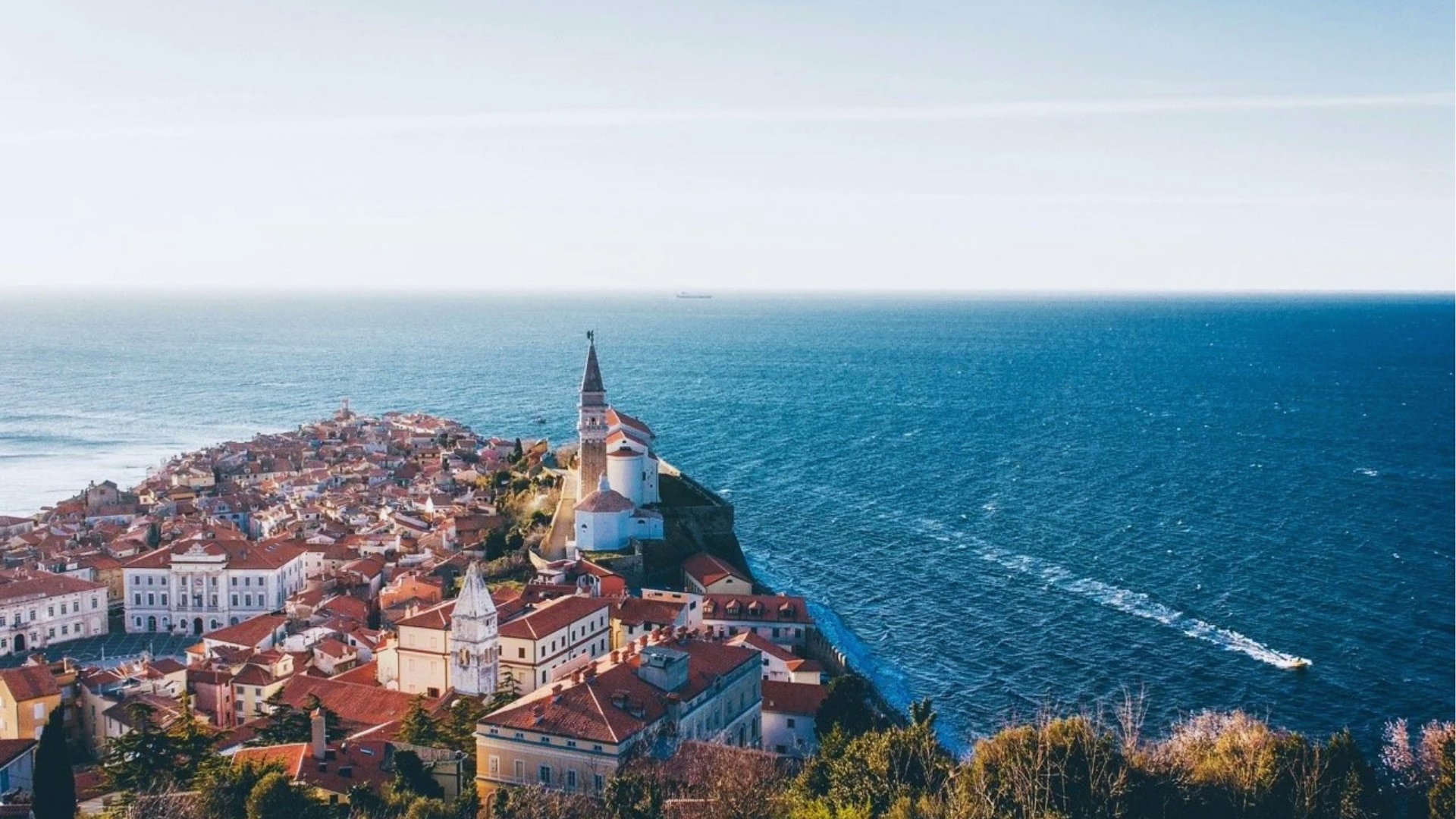
Piran sits on a narrow peninsula along the Adriatic Sea in southwestern Slovenia, sharing borders with Italy and Croatia.
The sea wraps around three sides of the town, giving it an almost island-like feel. The old town is small enough to walk end to end in about 15 minutes.
Streets are narrow, buildings sit close together, and no cars are allowed inside. The atmosphere is calm and unhurried, which is rare for a tourist destination.
The first thing most visitors notice is the color. Terracotta rooftops, pale stone walls, and blue water everywhere. It looks like a postcard but feels genuinely lived-in.
History and Cultural Significance of Piran
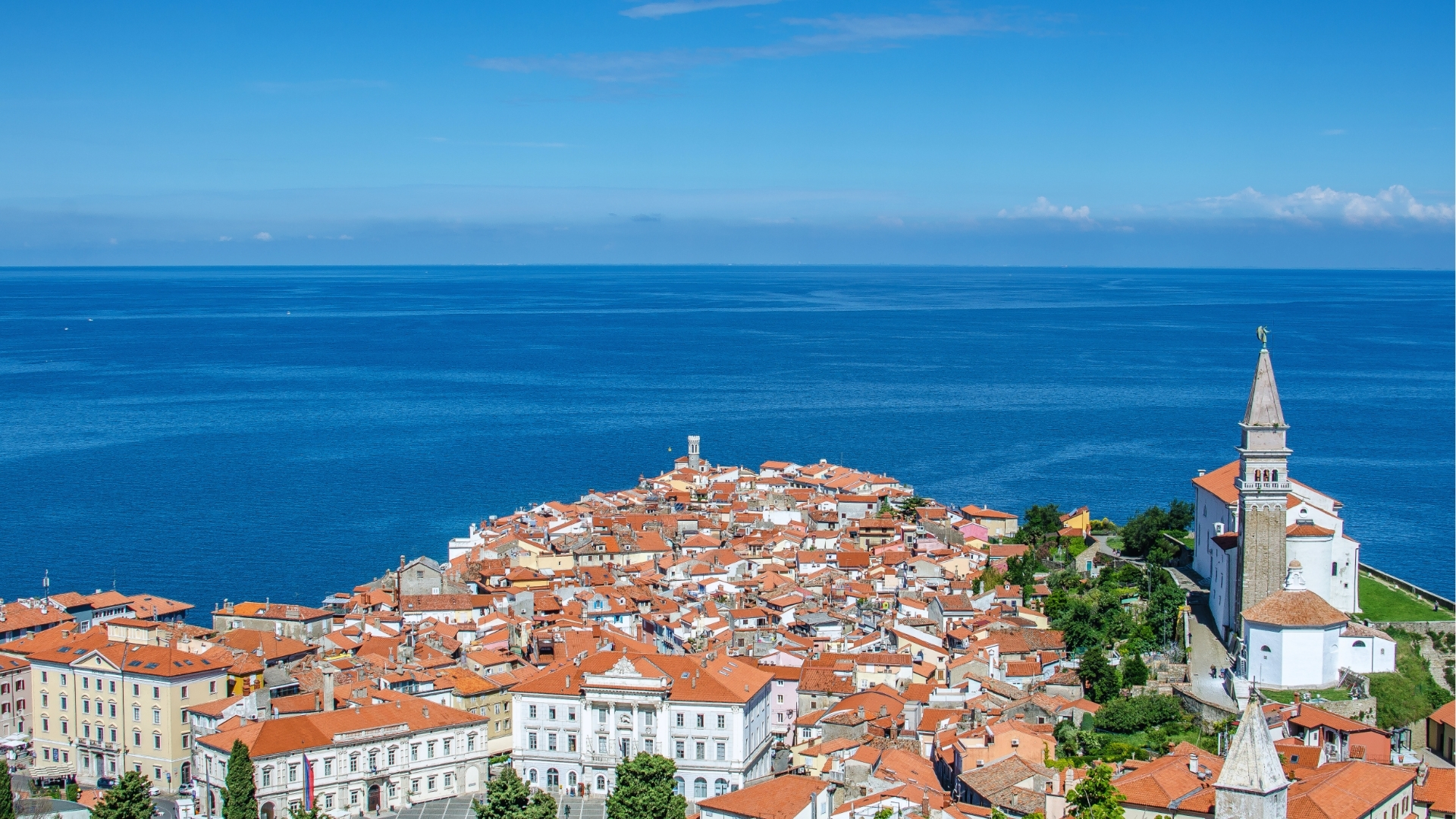
Piran’s past is rich, layered, and still very visible in its streets and buildings today.
Venetian Rule and Its Lasting Impact
For centuries, Piran was under Venetian control. That history is still everywhere.
The architecture, the narrow alleyways, the old loggia in the main square all of it reflects the Venetian era. Even the layout of the town follows patterns common in Venetian-controlled ports.
Blend of Italian and Slovenian Culture
Today, Piran is in Slovenia, but Italian influence is strong. Many locals speak both Slovenian and Italian. Signs appear in both languages.
The food mixes both traditions. This cultural overlap gives the town a personality that’s hard to find anywhere else in the region.
Historical Role in the Adriatic Region
Piran was once an important port town. Salt production from nearby Sečovlje was a major industry. The town also played a role in regional trade routes.
Over time, it shifted from a working port to a place known for its history, its sea, and its pace of life.
What Makes Piran Worth Visiting
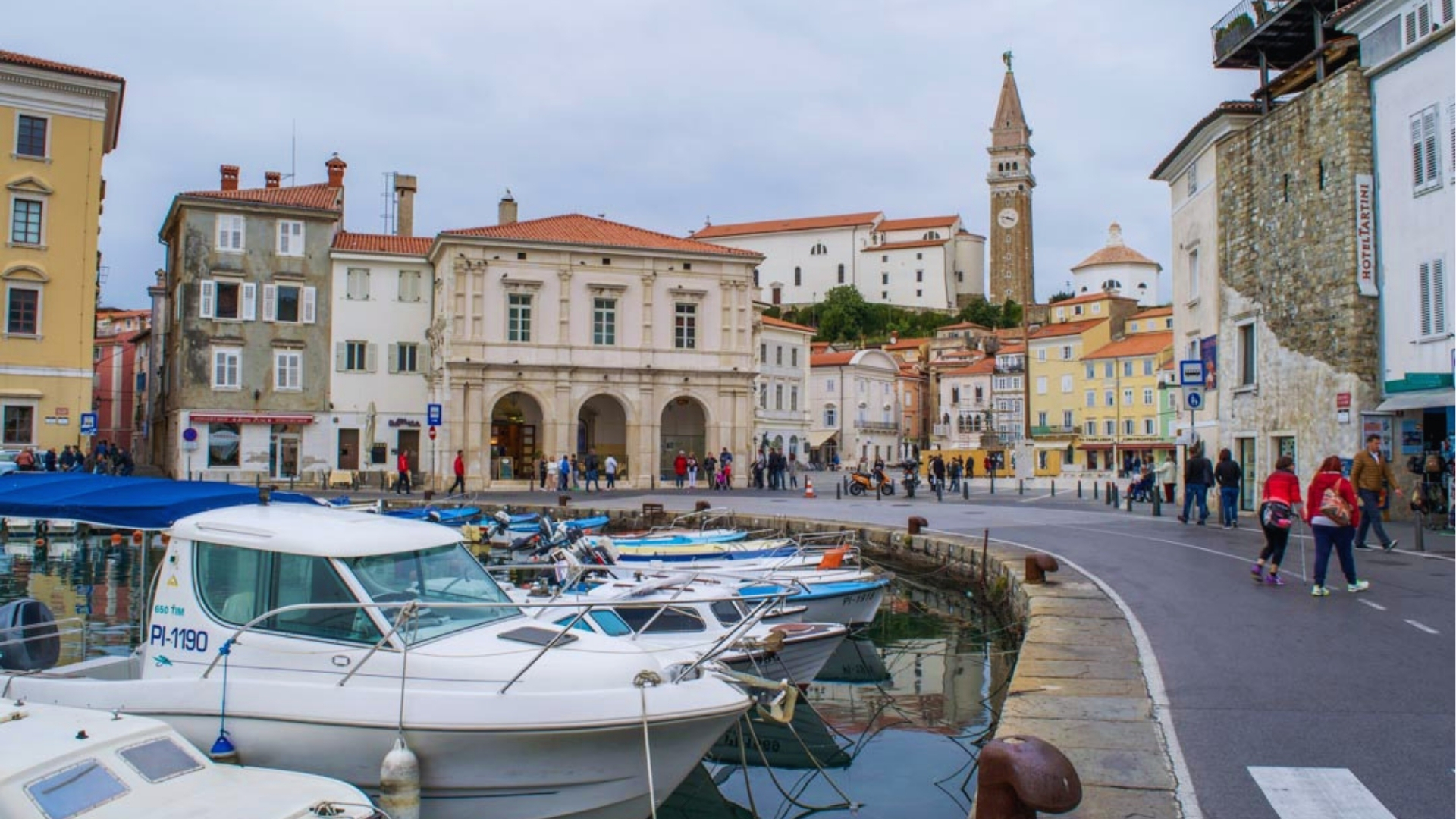
Three things set Piran apart from other coastal towns in Europe.
Car-Free Old Town Experience
No cars. That alone changes everything. Walking through Piran is peaceful in a way that most European tourist spots aren’t.
No traffic noise, no exhaust, no dodging vehicles. Just foot traffic, sea air, and the sound of people talking in cafes.
Peaceful Alternative to Venice
Many people compare Piran to Venice, and the comparison makes sense. Similar architecture, similar history, similar water views.
But Piran is far less crowded, far cheaper, and far less commercialized. If you’ve been to Venice and felt overwhelmed, Piran offers something similar but slower and more relaxed.
Authentic Local Lifestyle and Charm
Piran isn’t just a tourist town. People live here. There are local bakeries, neighborhood restaurants, and residents going about their day.
That authenticity is something you feel quickly and appreciate even more once you leave.
Top Things to See and Do in Piran
From historic squares to sea views, here is what to put on your list.
Tartini Square and Historic Landmarks

Tartini Square is the heart of Piran. It’s named after Giuseppe Tartini, a famous composer born here in 1692. The square is oval-shaped, lined with old buildings, and faces the sea.
It’s a great place to sit, have a coffee, and watch people. The old town hall and the Venetian House are both worth a closer look.
Narrow Streets and Old Town Exploration
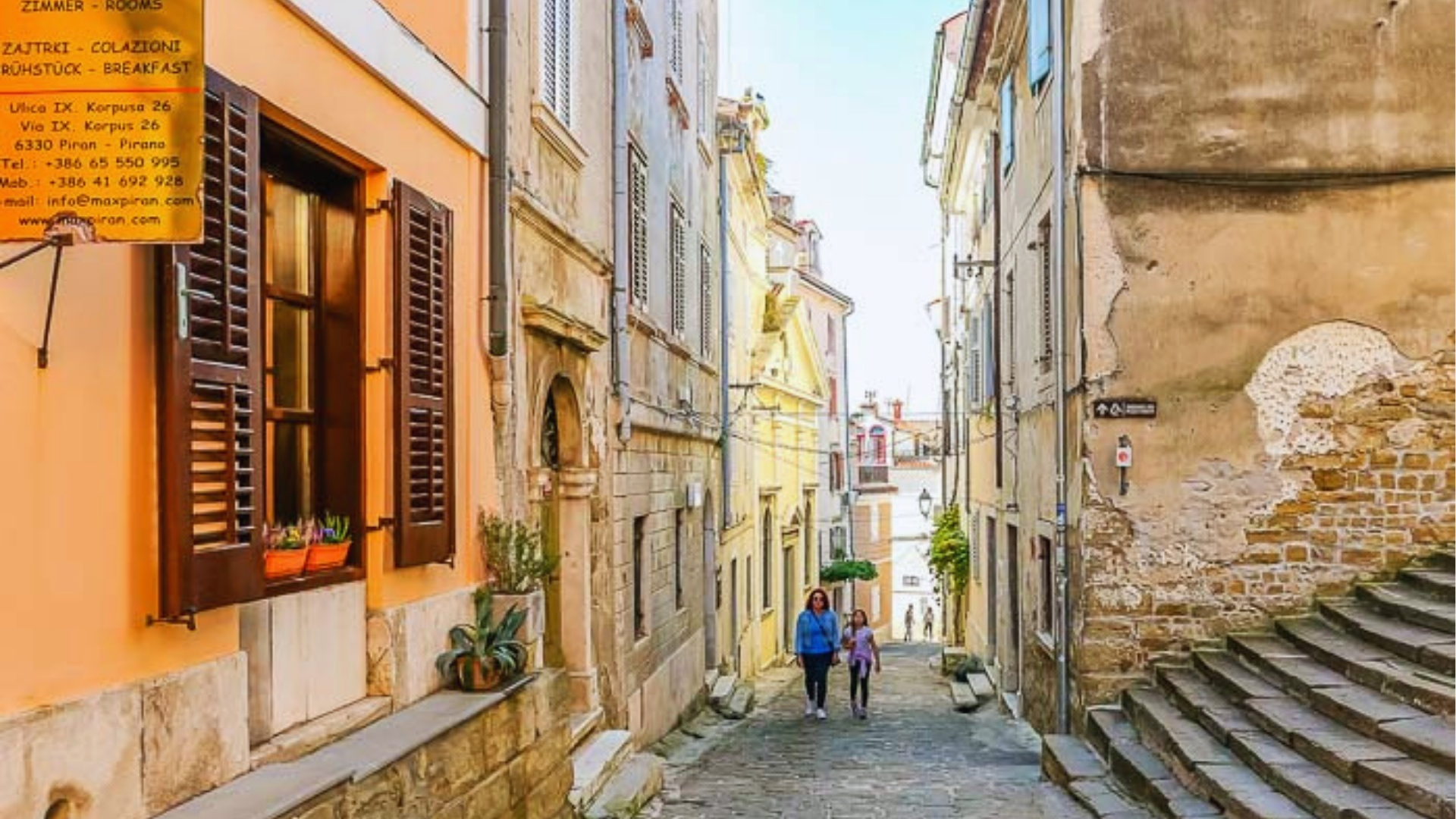
Some of the best moments in Piran happen when you just walk without a plan. The alleyways twist and turn in unexpected directions.
Some lead to small squares, others to dead ends with sea views. Bring comfortable shoes and give yourself at least two to three hours to wander.
St. George’s Parish Church and Bell Tower
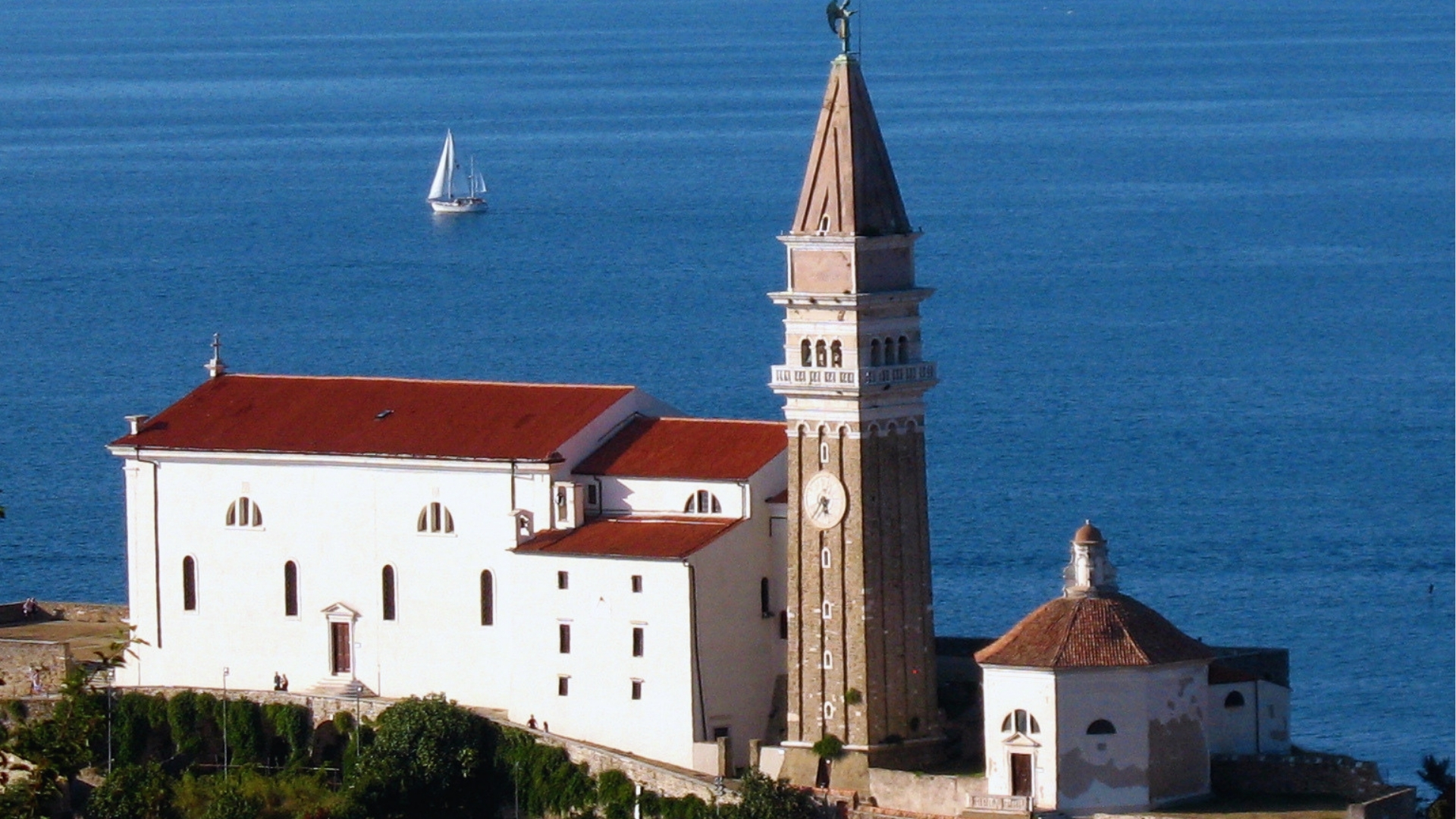
St. George’s Church sits on a hill above the old town. The views from up here are worth the climb.
The bell tower, which looks similar to the one in Venice’s St. Mark’s Square, offers one of the best panoramas of the town and the surrounding coast.
Town Walls and Scenic Viewpoints

Parts of Piran’s old medieval walls still stand. Walking along them gives you a different perspective of the town and the sea below.
It’s not a long walk, but the views are some of the best in the area.
Food, Cafes, and Coastal Experiences
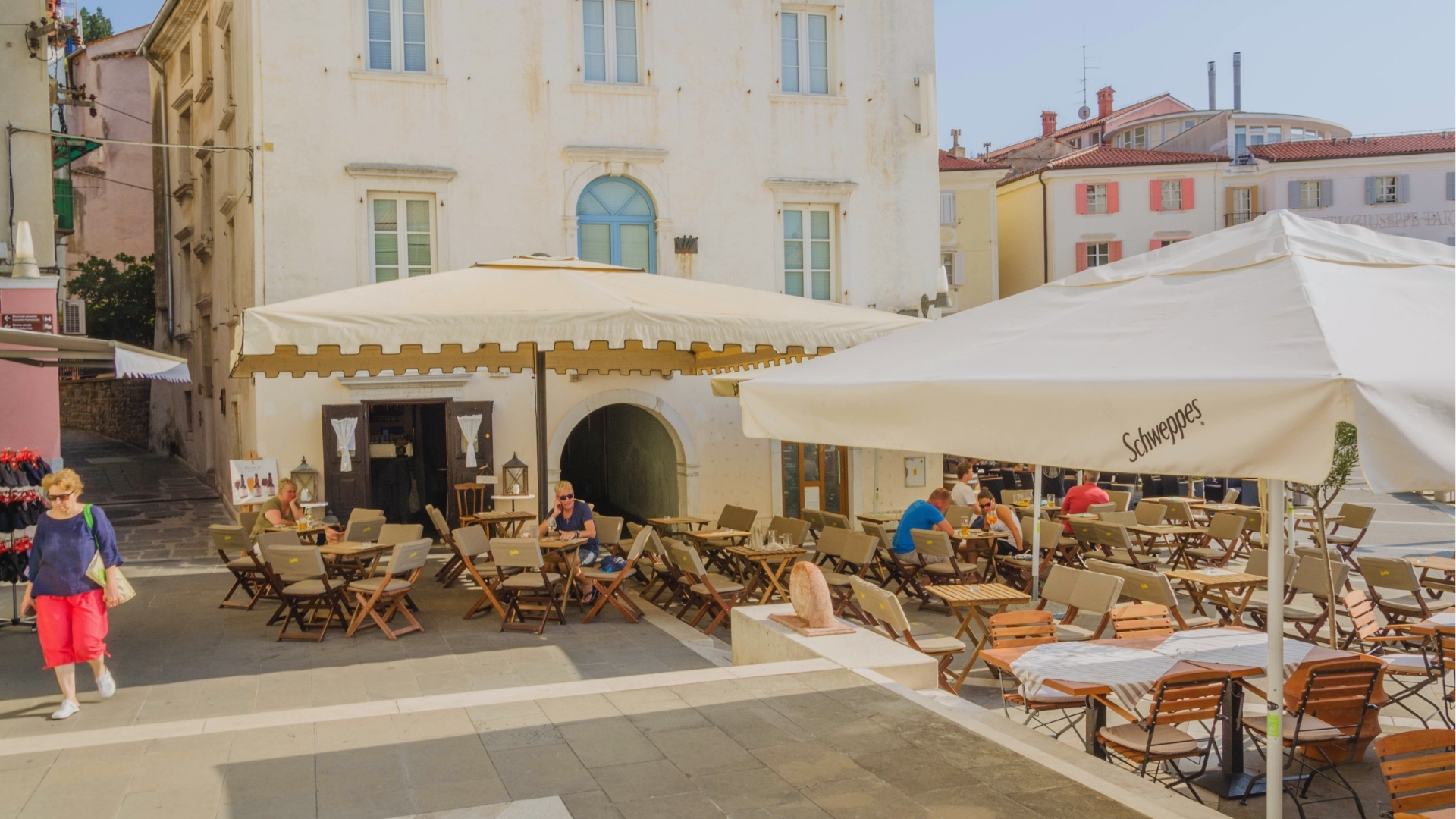
Seafood is the focus here. Fresh fish, grilled calamari, and pasta with seafood are common menu items.
Prices are higher near the main square, so walking a street or two inland usually means better value. Local wine from the Slovenian coast is also good and affordable.
Planning Your Visit to Piran Slovenia
Everything you need to know before you go, from transport to timing.
How to Get There
The nearest airport is Trieste in Italy, about 50 kilometers away. Venice and Ljubljana airports are also options.
From Ljubljana, there are direct buses to Piran that take about two and a half hours. Driving is possible but read the next section first.
Getting Around the Town
Once inside Piran, you walk. The old town is entirely pedestrianized. Everything is within easy reach on foot. If you’re staying outside the old town, local buses connect nearby areas.
Where to Stay
Staying inside Piran’s old town gives you the best experience but options are limited and can be pricey. The nearby town of Portorož has more hotels, more choices, and lower rates.
It’s only a short walk or quick bus ride away, so many visitors stay there and day-trip into Piran.
Best Time to Visit
Late spring (May and June) and early autumn (September and October) are the best times. The weather is warm, crowds are manageable, and prices are reasonable.
July and August are peak seasons. Expect more tourists, higher prices, and less parking.
How Much Time You Need
A full day is enough to see the main sights. Two days lets you slow down, eat well, and really enjoy the pace. If you’re combining it with other Slovenian coastal spots, three days works well.
Travel Tips for Piran
Smart tips to help you get around Piran without any surprises.
- Cars are not allowed inside the old town. Park at the entrance and walk in. Arrive early in summer to get a spot.
- Wear comfortable shoes. The streets are uneven and you will be walking a lot.
- Pack light clothing for summer and a layer for cool evenings in spring and autumn. Bring sunscreen.
- Go early in the morning to avoid tour groups. Most arrive mid-morning and the town gets busy fast.
- Eat lunch after 1:30 PM. Restaurants near the main square are quieter and less rushed after the midday crowd clears.
- Don’t skip Portorož. It’s close, has a good beach, and offers better value than the Piran waterfront.
Conclusion
Piran is small, historic, car-free, and full of real charm. It has deep Venetian roots, a mix of Italian and Slovenian culture, and some of the best coastal views around.
It works well for couples, solo travelers, and anyone who values history and good seafood. Honestly, it was one of those places I didn’t expect much from and ended up loving.
It’s small but it sticks with you. If you go, slow down and eat by the water at least once. Have you been to Piran, Slovenia or planning to visit? Drop a comment below.
Frequently Asked Questions
Is Piran worth visiting for just one day?
Yes, one full day is enough to see the main highlights. You can cover Tartini Square, the church, the walls, and still have time for a good meal by the sea.
Is Piran expensive compared to other Slovenian towns?
It’s one of the pricier spots in Slovenia due to tourism. Waterfront restaurants cost more, but stepping slightly away from the main areas brings prices down noticeably.
Can you drive into Piran’s old town?
No. The old town is car-free. You must park outside and walk in. Paid parking is available at the main entrance, but it fills up quickly in summer.
How far is Piran from Ljubljana?
It’s about 130 kilometers by road. The drive takes roughly two hours. Direct bus connections also run regularly and take around two and a half hours.
What language do people speak in Piran?
Slovenian is the official language, but Italian is widely spoken due to the town’s history and its Italian-speaking minority. English is also understood in most tourist areas.
