


I’ve driven Park Loop Road more times than I can count, and I’m here to help you make the most of your visit.
If you’re wondering how long Park Loop Road takes, where to stop, and the best time to drive it, this guide covers it all.
This 27-mile Acadia scenic drive is the heart of Acadia National Park, and knowing where to stop makes all the difference.
You’ll learn what Park Loop Road Acadia National Park is, where it starts and ends, the best direction to drive it, and every must-see stop along the way.
After years visiting Acadia, I can help you save time and see the best views. Let’s get started.
What Is Park Loop Road in Acadia National Park?
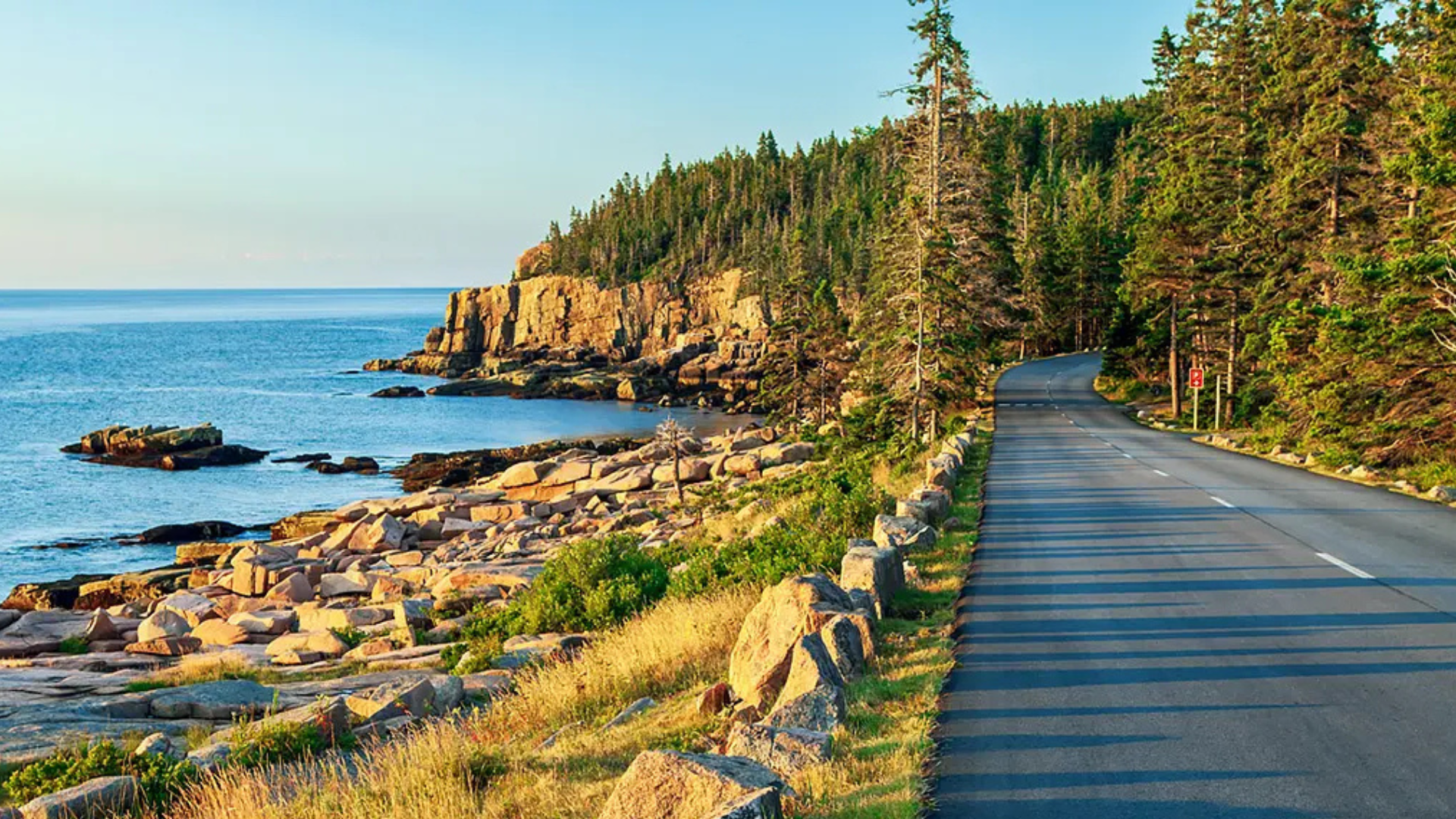
Park Loop Road is the main scenic drive in Acadia National Park on Mount Desert Island in Maine.
It’s a 27-mile route that takes you past the park’s most famous spots.
The road runs along the rocky coastline, through forests, and past mountains. You’ll see ocean views, granite cliffs, beaches, and ponds all in one drive.
Most of the road is one-way, which makes it easy to follow. You just keep going forward and hit all the major stops.
The loop connects to other park roads too. You can take detours to Cadillac Mountain or other areas if you want.
The road was built in the early 1900s. It was designed to show off the best scenery without damaging the landscape.
Today, it’s still the top thing to do in Acadia National Park.
Where Does Park Loop Road Start and End?
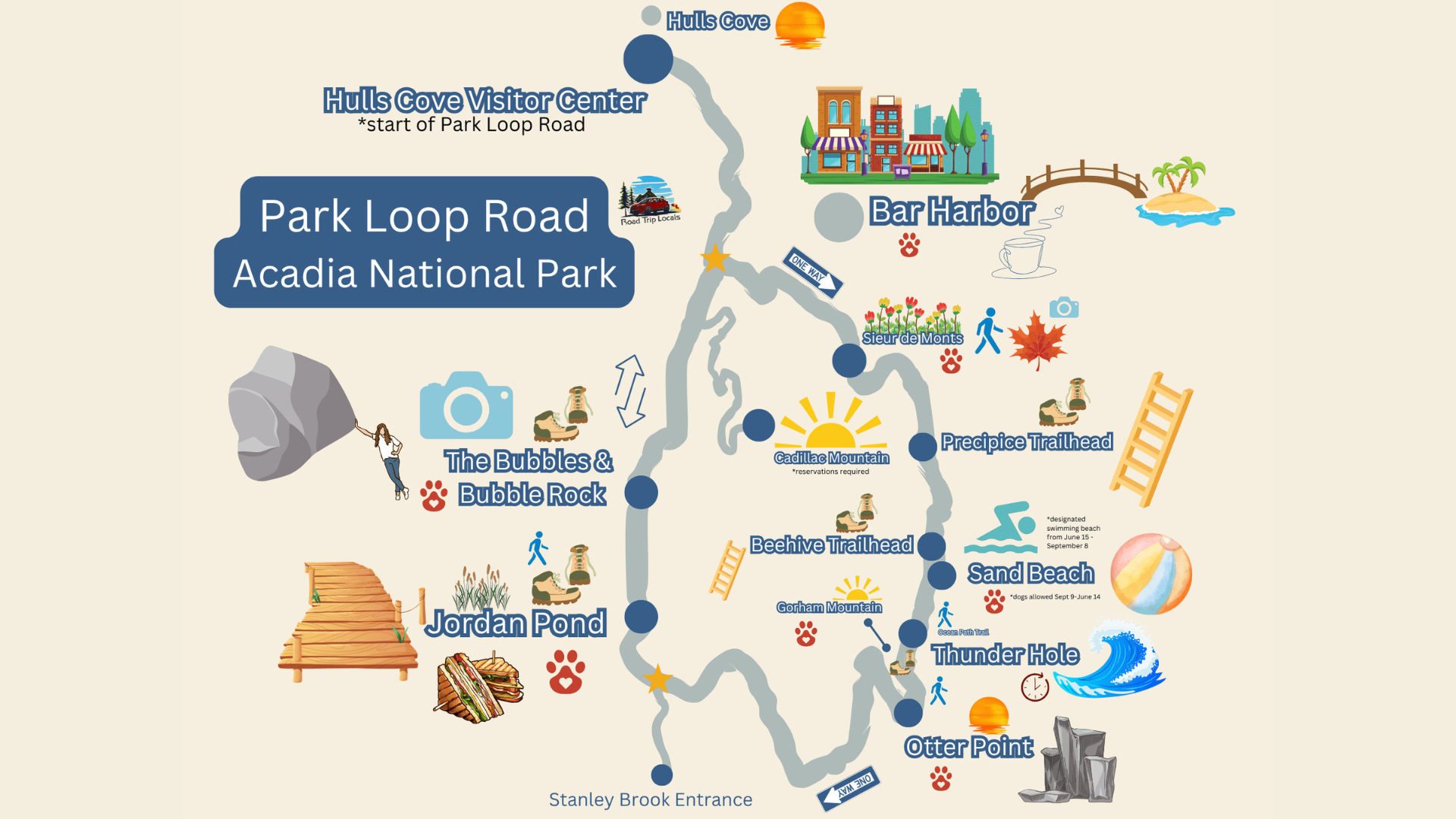
The loop begins at Hulls Cove Visitor Center and ends near Jordan Pond before connecting back to Bar Harbor.
Official entrance: Hulls Cove Visitor Center, just north of Bar Harbor
You’ll see signs for the Park Loop Road Entrance Station where you pay your fee and start the one-way section.
The loop starts heading west, then curves south along the coast. After following the shoreline, it turns inland and comes back north.
The one-way section ends near Jordan Pond. After that, the road becomes two-way as it heads back toward Bar Harbor.
Starting at Hulls Cove puts you on the route in the right direction. You won’t have to backtrack or get confused.
If you’re coming from Bar Harbor: Follow Route 3 north for about three miles. You’ll see the visitor center on your left with bathrooms, maps, and park rangers who can answer questions.
Best Way to Drive Park Loop Road (Clockwise vs Counterclockwise)
Always go clockwise starting at Hulls Cove for the best views and easiest parking access. Always drive clockwise. That’s the direction the one-way section is designed for.
Why clockwise is better:
- You’re on the ocean side with better views
- Easier access to pullouts and parking areas
- No fighting one-way traffic
- Smoother traffic flow
Going counterclockwise means you’ll miss stops or have to drive the two-way sections backward.
The clockwise route is simple: enter at Hulls Cove, follow the signs, and stop at whatever looks interesting.
Some people ask if they can start at different points. You can, but you’ll still need to follow the one-way sections clockwise.
Must-See Stops Along Park Loop Road (In Order)
Here are the Park Loop Road stops in the order you’ll reach them when driving clockwise.
1. Sand Beach
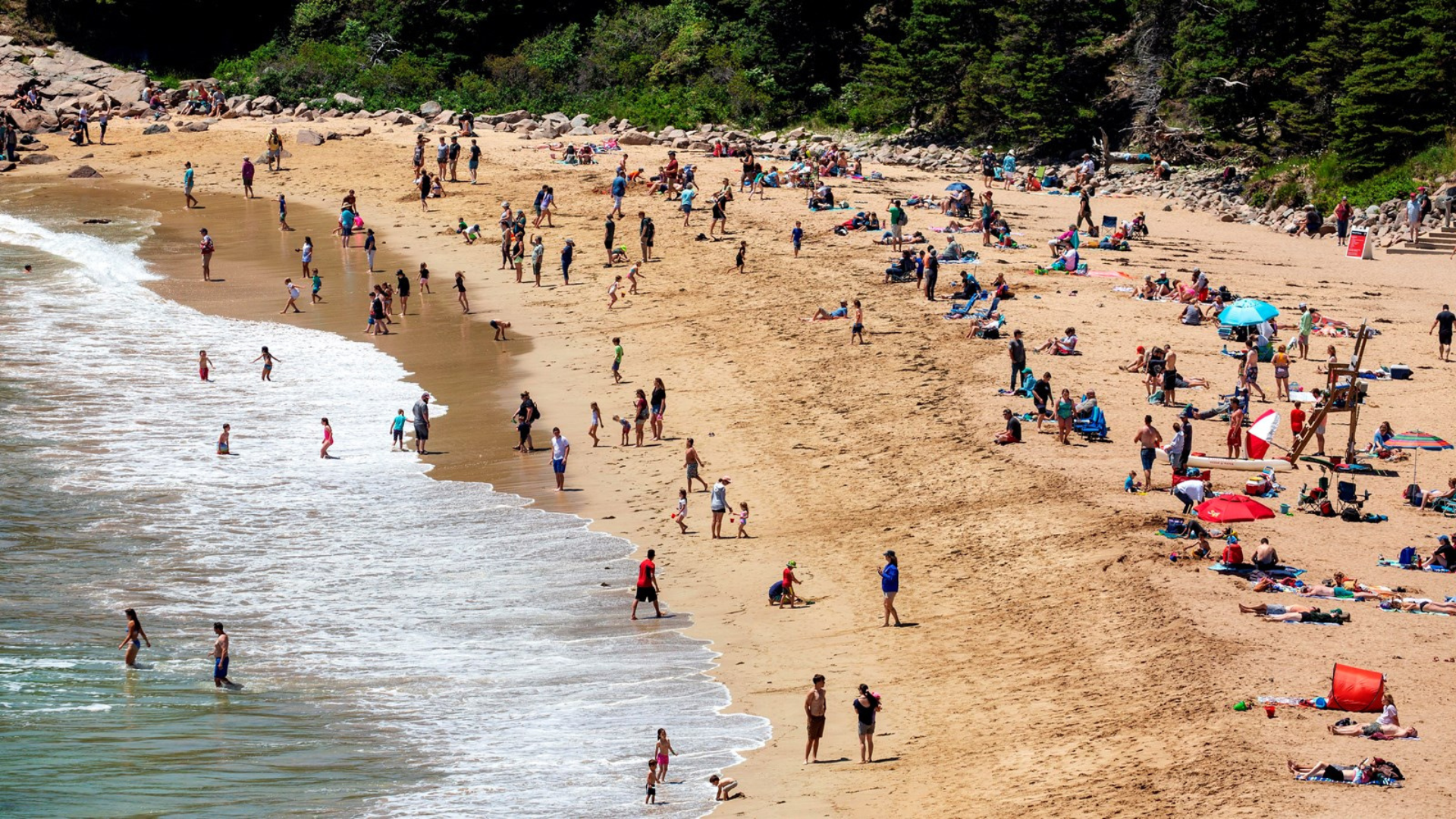
Location: About 15 minutes after entering the loop
Sand Beach is one of the few sandy beaches in Acadia. There’s a large parking lot, but it fills up fast in summer.
What makes it special:
- Crushed shells mixed with real sand
- Rocky cliffs surround the cove
- Cold water year-round (50-55 degrees)
- Perfect spot for photos
Facilities available:
- Bathrooms and changing house
- Swimming area if you’re brave
- Short walk down to the shore
Most people just walk the beach and take pictures.
2. Thunder Hole

Location: About a mile past Sand Beach
Thunder Hole is a narrow inlet in the rocks where waves crash and create a booming sound. When conditions are right, you can hear it from the parking lot.
Best conditions:
- Two hours before high tide
- Waves at least three feet tall
- Rough seas make it more exciting
What to expect:
- Short paved path to viewing platform (5 minutes)
- Spray shooting up 40 feet when big waves hit
- Loud booming sounds from wave compression
Safety note: Stay behind the railings. People have been swept off the rocks before.
3. Otter Cliff & Otter Point
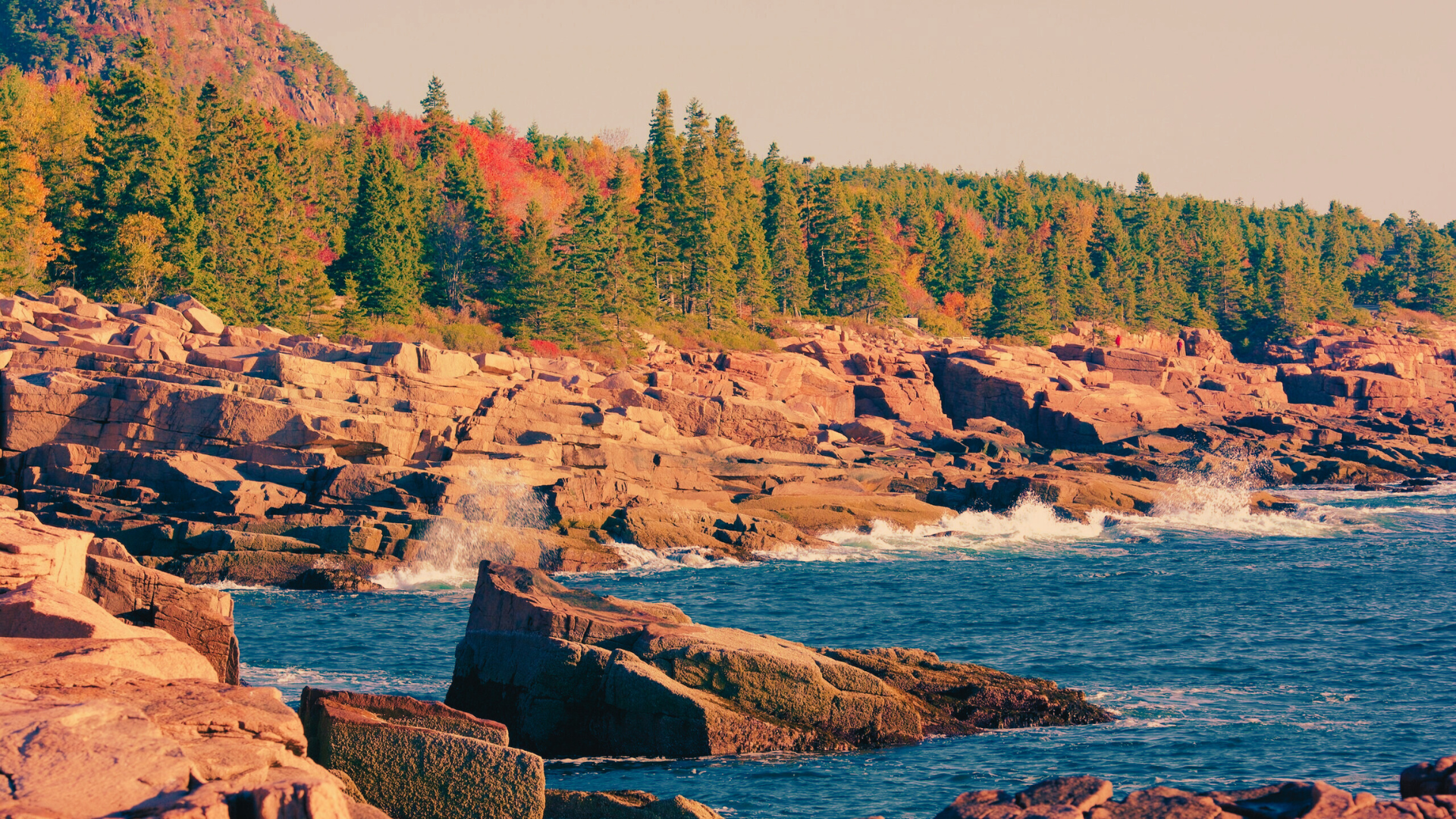
Otter Cliff is the tallest headland on the East Coast, rising 110 feet straight up from the ocean. You can pull over at the parking area and walk to the edge.
Otter Cliff highlights:
- 110-foot vertical drop to ocean
- Straight-down views of crashing waves
- Popular rock climbing spot
Otter Point is just a bit further down the road. Another pullout with ocean views and rocky shoreline. It feels less crowded and more peaceful than Otter Cliff.
Why visit Otter Point:
- Less crowded than Otter Cliff
- Walk around on accessible rocks
- Great for sunrise and sunset photos
- Harbor seals often visible
You can walk around on the rocks at Otter Point. Just watch your step because they can be slippery.
4. Jordan Pond & Jordan Pond House
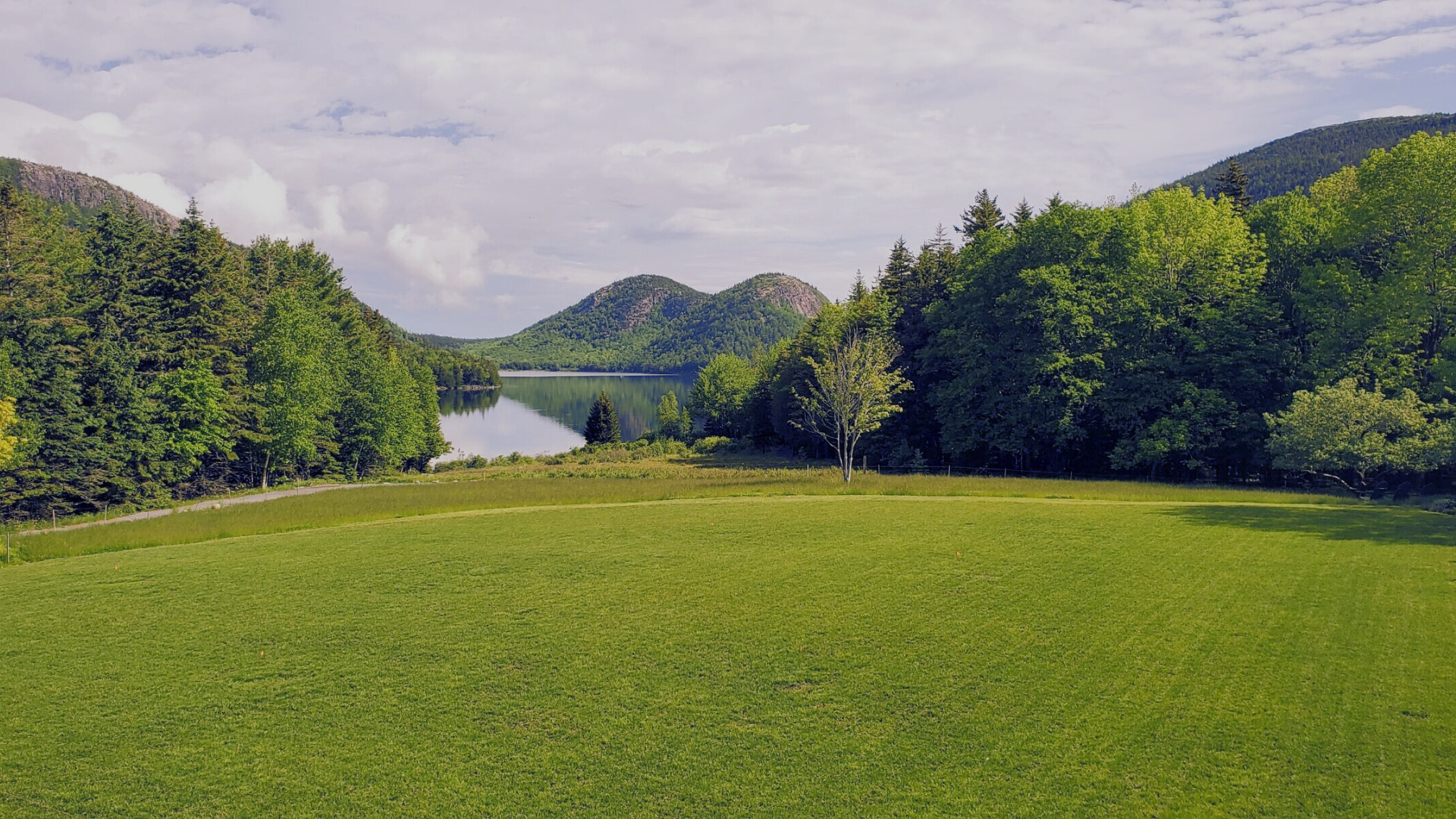
Jordan Pond is the clearest lake in Acadia. You’ll see it on your left as the road curves inland. The pond sits at the base of two rounded mountains called The Bubbles.
Jordan Pond highlights:
- Clearest water in the park
- Views of The Bubbles mountains
- 3.3-mile flat loop trail around the pond
- Perfect spot for a break
Jordan Pond House is a restaurant famous for popovers and tea. You can eat on the lawn and look out at the pond and mountains.
What’s available:
- Popover restaurant with lawn seating
- Bathroom facilities
- Easy walking trail access
- Crystal-clear water views
Jordan Pond marks the end of the coastal section. After this, you’re heading back through the forest.
5. Cadillac Mountain Summit Road
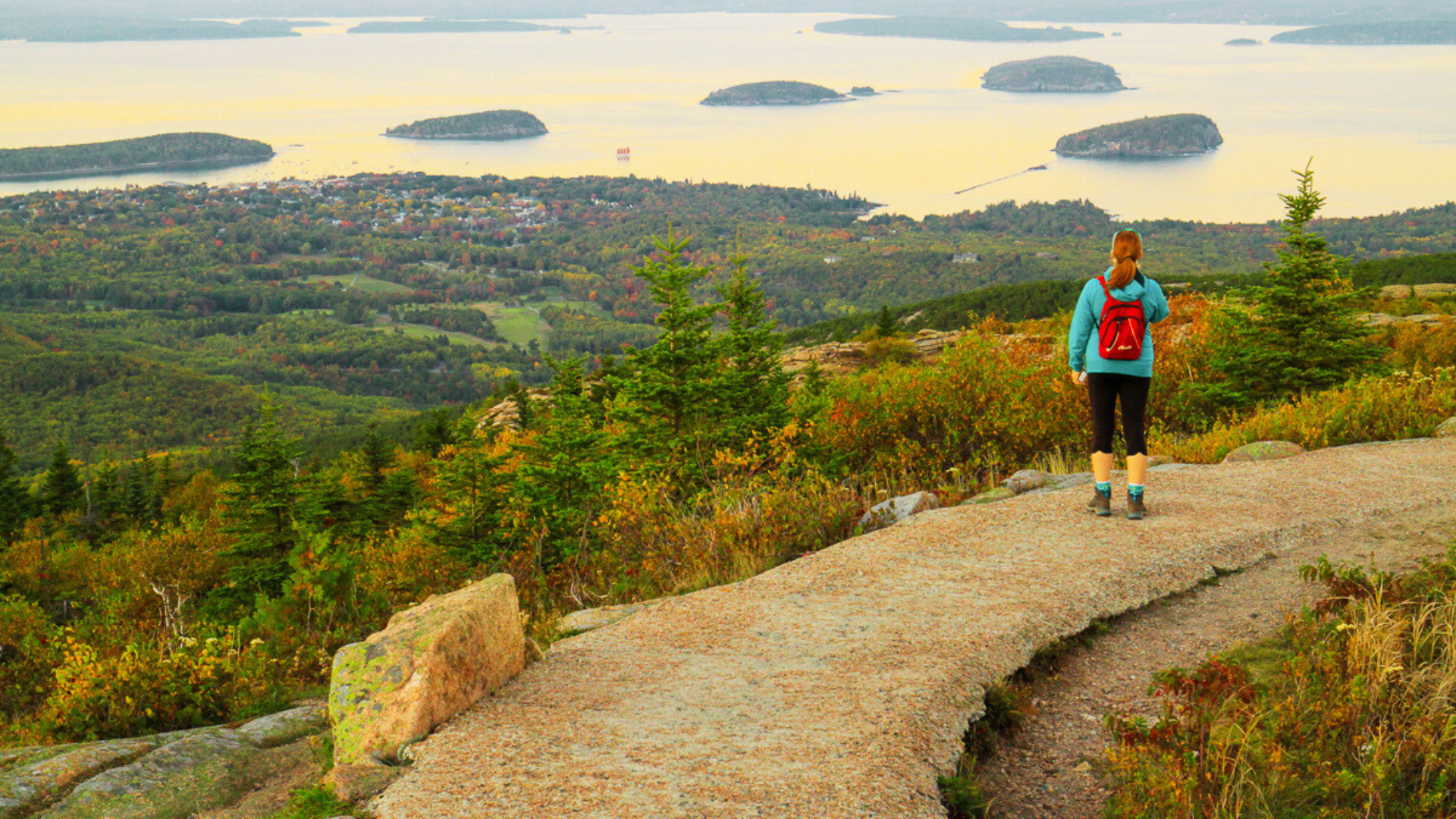
The Cadillac Mountain Summit Road branches off from Park Loop Road Acadia near the north end. It’s a separate 3.5-mile road that climbs to the highest point on the East Coast.
Summit details:
- Elevation: 1,530 feet above sea level
- Views for miles on clear days
- Paved loop trail (15 minutes)
Reservation requirement (late May – late October):
- Cost: $6 plus park entrance fee
- Book at: recreation.gov
- Released: Two months in advance
- Usually sell out within days
Time needed:
- 20 minutes round trip drive
- 30+ minutes at the summit
- 15-minute paved loop trail at the top
Without a reservation during those months, you can hike up instead of driving.
How Long Does It Take to Drive Park Loop Road?
Plan for 3-5 hours with stops, or just 45 minutes if you drive straight through without stopping.
Driving straight through: 45 minutes to 1 hour Recommended time with stops: 3-5 hours
Most visitors budget around four hours. That gives time to stop at all the major spots and eat lunch at Jordan Pond. Add another hour if you’re doing the Cadillac Mountain detour.
What can slow you down:
- Summer traffic and parking waits
- 10-20 minute waits for parking spots at popular stops
- Mid-morning crowds at Sand Beach and Thunder Hole
Best strategy: Start early. Get to the entrance by 7 or 8 a.m. if you’re visiting in summer. That way you can take your time and not feel rushed.
Best Time to Visit Park Loop Road (Season, Day & Hour)
The best season is September and early October. The weather is still nice, the crowds are smaller, and the fall colors are starting.
June and July are busy but the weather is warmest. August can be foggy.
For the best lighting, go early morning or late afternoon. The harsh midday sun washes out photos.
I love sunrise drives. You get the road almost to yourself and the light is soft and golden.
Weekdays are less crowded than weekends. Tuesday through Thursday are usually the quietest days.
Weather matters too. Foggy days hide the views. Clear days after a storm are often the prettiest
Park Loop Road Fees, Passes & Reservations Explained
You’ll pay $30 per vehicle for a 7-day park pass, with no reservation needed for the loop itself.
Park entrance fee: $30 per vehicle (good for 7 days)
Payment location: Entrance station near Hulls Cove
Alternative passes:
- America the Beautiful annual pass: $80 (covers all national parks)
Reservation requirements:
- Park Loop Road itself: No reservation needed
- Cadillac Mountain (late May-late October): $6 reservation required
- Book at: recreation.gov
- Released: Two months in advance
If you don’t get a Cadillac reservation, you can still do everything else on the loop. Buy your park pass online before you go to save time at the entrance station.
Can You Bike or Walk Park Loop Road?
Yes, you can bike the entire Park Loop Road.
Biking is actually really popular here. The road has decent shoulders in most places. The full loop is 27 miles, which takes most people three to four hours on a bike.
There are some hills, especially near Cadillac Mountain. But nothing too steep for a casual rider.
I’ve biked it twice. It’s a great way to see the park if you’re comfortable on a bike. You can rent bikes in Bar Harbor if you don’t have your own.
Walking the entire loop isn’t practical. It’s too long.
But you can walk sections of it. There are carriage roads and trails that run parallel to Park Loop Road in some areas.
Some people walk from one stop to another, like from Sand Beach to Thunder Hole. That’s about a mile.
Just be careful walking on the road itself. There’s traffic and not much shoulder in some spots.
Park Loop Road Closures & Seasonal Access
The road is fully open mid-April through November, with winter closures starting in December.
Full access: Mid-April through November (exact dates vary by weather)
Winter closures:
- Coastal section closes first (around December)
- Most of loop closed to cars by January due to snow and ice
- Some parts accessible on foot, bike, or cross-country skis
Spring reopening: Once snow melts and crews clear any damage
Cadillac Summit Road: Closes earlier than main loop (usually late November)
The National Park Service updates road conditions daily on the park website. Sometimes fog or storms force temporary closures, though it’s rare.
If you’re planning a trip in April or November, have a backup plan in case parts of the road are closed.
Common Park Loop Road Mistakes (And How to Avoid Them)
- The biggest mistake is starting too late in the day.
- If you show up at 10 a.m. in July, the parking lots are already full. Start by 8 a.m. instead.
- Some people skip Jordan Pond because they’re tired. But it’s one of the best stops. Save energy for it.
- Wearing the wrong shoes is common. People show up in flip-flops then can’t walk on the rocks safely.
- Finally, people forget to check the weather. Fog can roll in and hide all the views. Check the forecast and be flexible with your timing.
Conclusion
Park Loop Road Acadia National Park is the best way to see Acadia in one trip. Add the Cadillac Mountain detour if you book that reservation in advance.
The Acadia scenic drive is open from mid-April through November, with summer being the busiest season.
Fall offers great colors and smaller crowds. Bring good shoes, pack snacks, and don’t rush. Take time to walk around at each stop.
This is one of the most scenic drives on the East Coast.
Save this guide before you go, it’ll help you make the most of your visit.
Frequently Asked Questions
How long does Park Loop Road Acadia take to drive?
Driving Park Loop Road without stops takes 45 minutes to an hour. Plan for 3-5 hours if you want to stop at the major viewpoints like Sand Beach, Thunder Hole, and Jordan Pond.
Can you drive Park Loop Road Acadia National Park in winter?
Most of Park Loop Road closes in winter due to snow and ice. Some sections may be accessible on foot or skis, but you cannot drive the full loop from December through mid-April.
What are the best Park Loop Road stops?
The must-see stops are Sand Beach, Thunder Hole, Otter Point, Jordan Pond, and Cadillac Mountain Summit Road. These five give you the best mix of coastal views, geology, and mountain scenery.
Do I need reservations for the Acadia Park Loop Road?
You don’t need reservations to drive Park Loop Road itself. However, you need a separate $6 reservation to drive up Cadillac Mountain Summit Road between late May and late October through recreation.gov.
What’s the best time to visit Park Loop Road?
September and early October offer the best combination of good weather, smaller crowds, and fall colors. For time of day, start early morning (7-8 a.m.) to avoid parking hassles and get better lighting.
