


Heading out for your first overnight backpacking trip and not sure what to pack? I’ve been there.
I once showed up with too many “just in case” items and a pack so heavy I could barely move by mile three.
In this blog, I cover the full overnight backpacking essentials, from gear and clothing to food, water, safety, and smart packing tips.
I’ll help you pack just right. No fluff, no guesswork. Just a clear, tested list you can trust.
Let’s get started.
What You Need for an Overnight Backpacking Trip
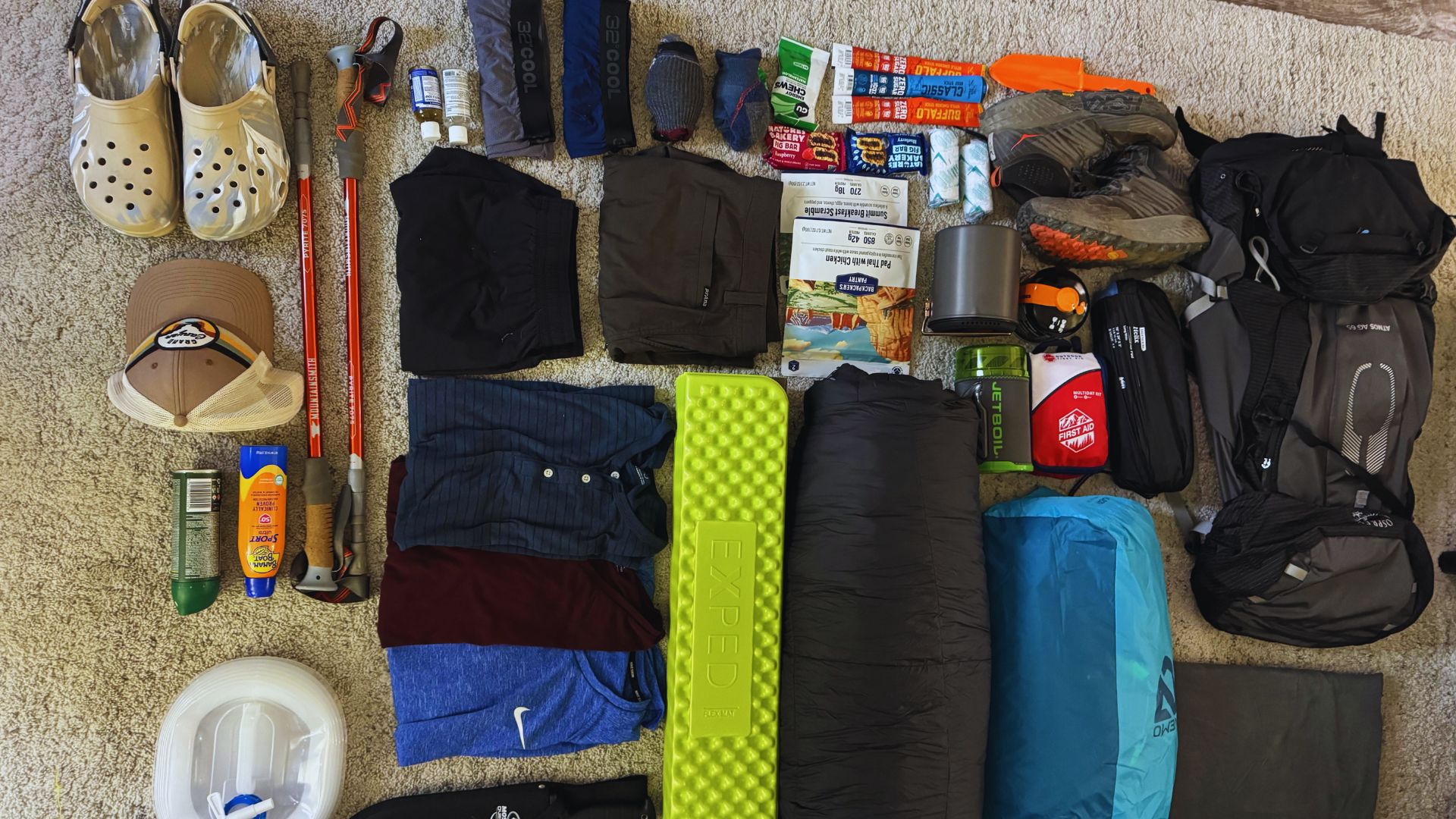
For one to two nights in the backcountry, you need the basics covered well.
That means a reliable shelter, a warm sleep system, the right clothing layers, enough food and water, and a few safety tools.
You also need personal care items and a way to cook your meals. The goal is to keep your pack light while making sure nothing important gets left behind.
A solid packing list helps you think through every single category before you step out the door.
Backpacking Gear Essentials
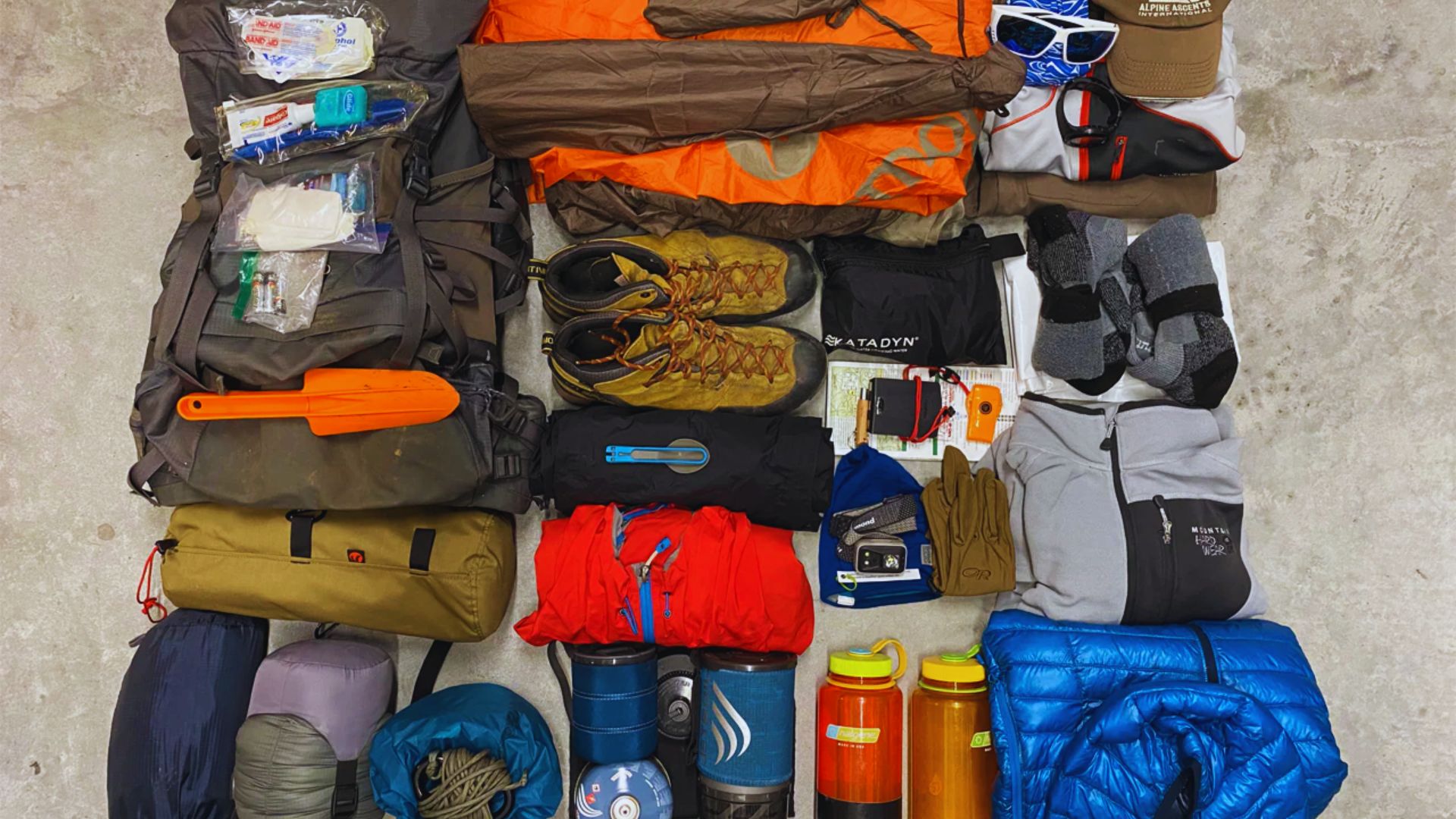
Your gear is the foundation of every overnight trip. Get these three categories right and everything else falls into place.
Backpack Selection
For one to two nights out, a 40 to 60-liter pack works well. Look for a padded hip belt, multiple pockets, and a hydration sleeve.
The hip belt shifts weight off your shoulders and onto your hips. A well-fitted pack makes a big difference on long days. Always try it on before buying.
Shelter System
Your shelter is your home out there. Bring the tent body, rainfly, and stakes. Guylines add stability in wind or rain.
A footprint under the tent floor adds extra protection and helps keep things dry. It’s optional, but worth it when the ground is rocky or wet.
Sleep System
A good sleeping bag and pad are key for overnight trips. Down bags pack small and stay warm. Synthetic bags handle moisture better.
Pair yours with a self-inflating or inflatable sleeping pad. The pad keeps you insulated from the cold ground. Most first-timers underestimate how much that matters.
Clothing Essentials
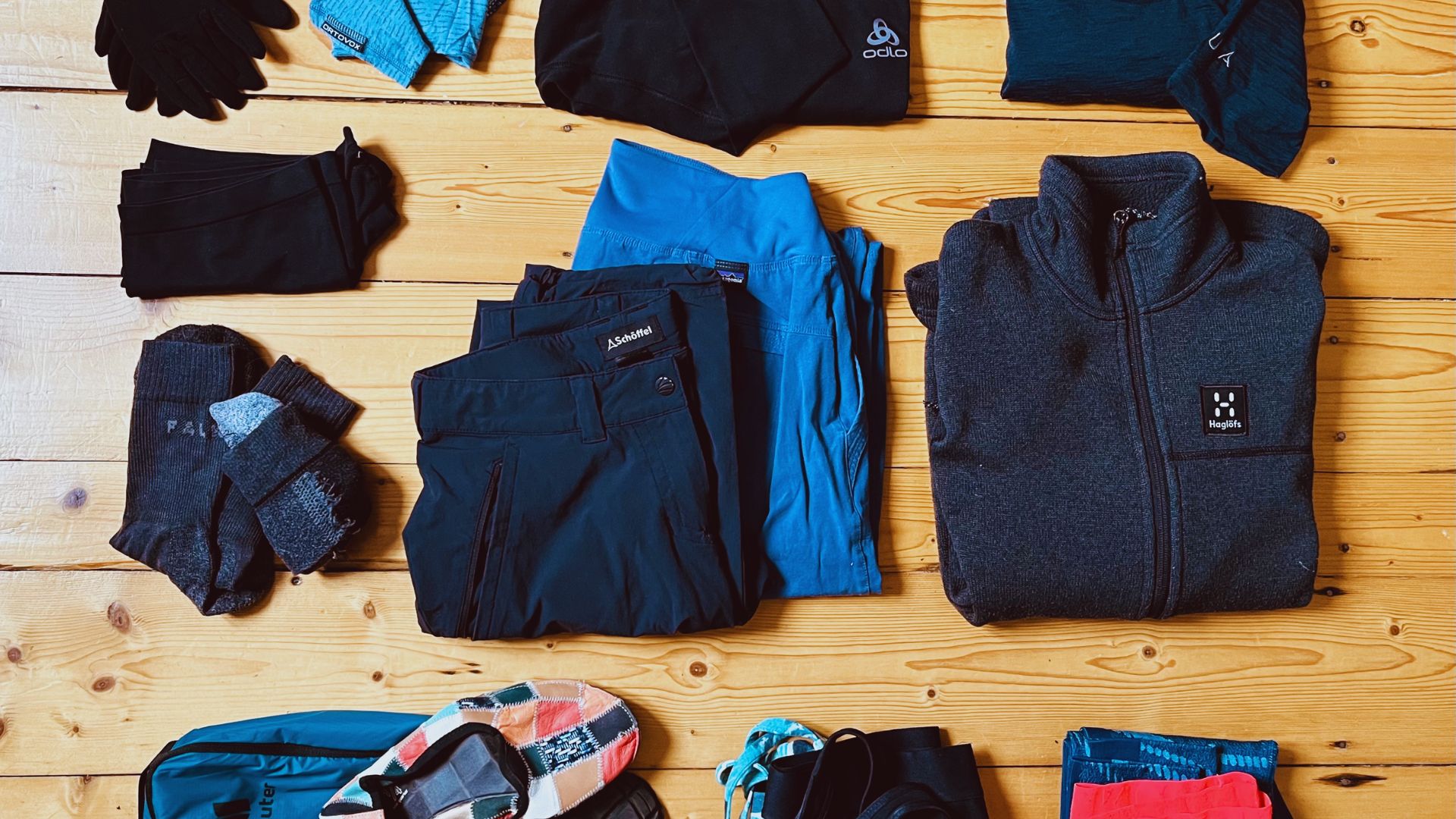
Layering is the smartest way to stay comfortable on the trail. Pack for warmth, rain, and whatever the weather decides to bring.
Base Layers
Start with moisture-wicking underwear and T-shirts. These pull sweat away from your skin and keep you dry on the trail.
Quick-drying pants or shorts work great for most conditions. Avoid cotton at all costs, it holds moisture and stays wet far longer than you’d want.
Insulating Layers
A lightweight fleece or jacket goes over your base layer when temps drop. A puffy jacket or vest adds real warmth without taking up much room.
In colder conditions, pack thermal layers too. Nights in the backcountry cool down fast, even in summer.
Better to carry a little extra than be cold all night.
Outer Layers & Accessories
A waterproof rain jacket and pants are must-haves. Weather can shift fast. A hat and gloves handle wind and cold.
Gaiters keep debris and water out of your boots. Pack at least two extra pairs of socks and underwear.
Dry feet and clean layers matter more than most people expect.
Footwear
Good hiking boots or trail shoes make a real difference. Look for ankle support if you’re carrying a heavier pack.
Camp shoes or sandals are optional but great to have at the end of the day, your feet will thank you after hours on the trail.
Food & Water Essentials
Bring enough fuel to keep your energy up. The right food and a clean water source can make or break your overnight trip.
Food
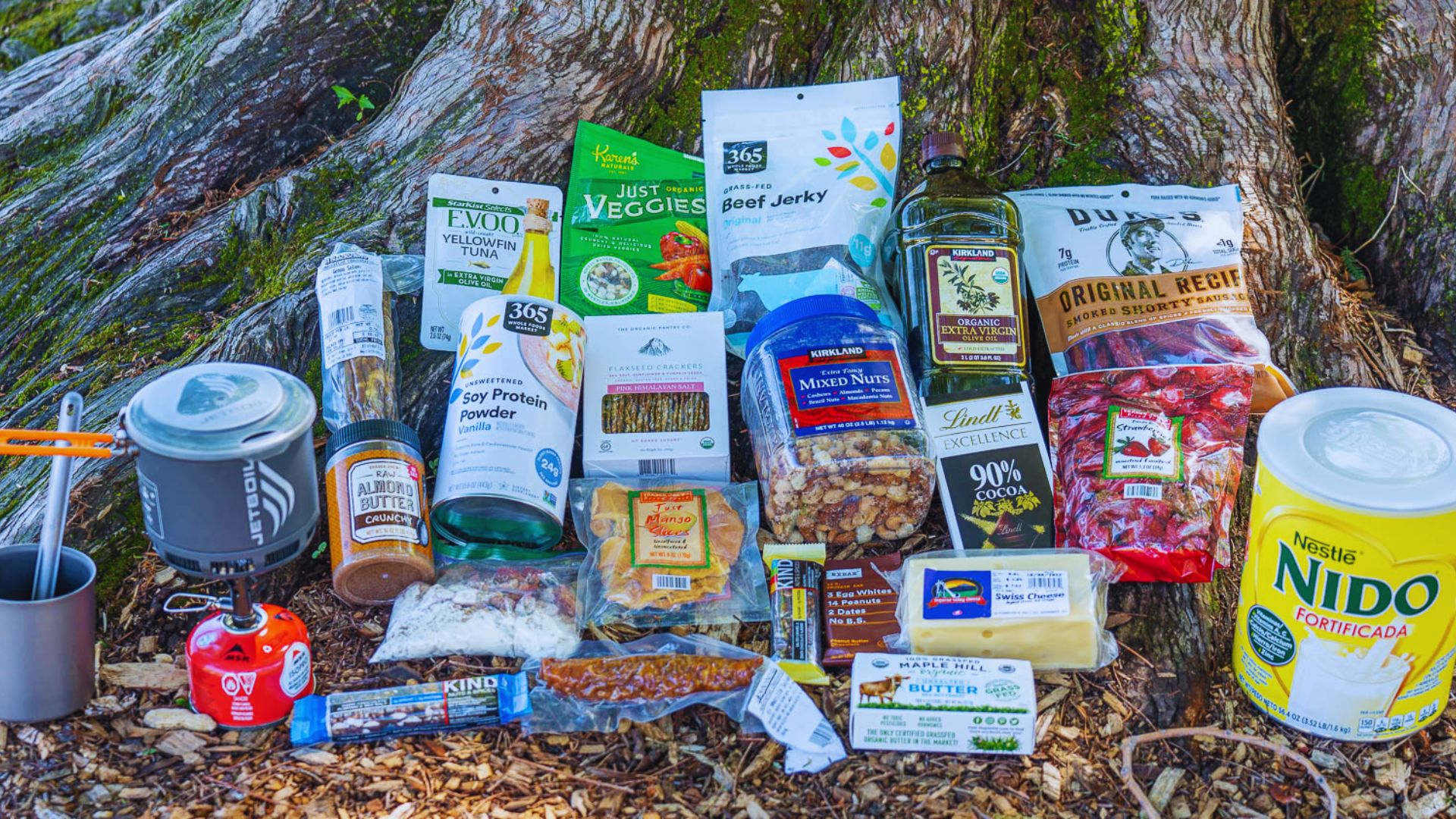
For an overnight trip, pack one dinner, one breakfast, and enough snacks to carry you through. Ramen, pasta, and pre-made backpacking meals are all solid choices.
Snacks like chips, granola bars, nuts, and chocolate give quick energy on the trail. Aim for calorie-dense and salt-rich options, your body burns a lot more out there than you might expect.
Water & Hydration
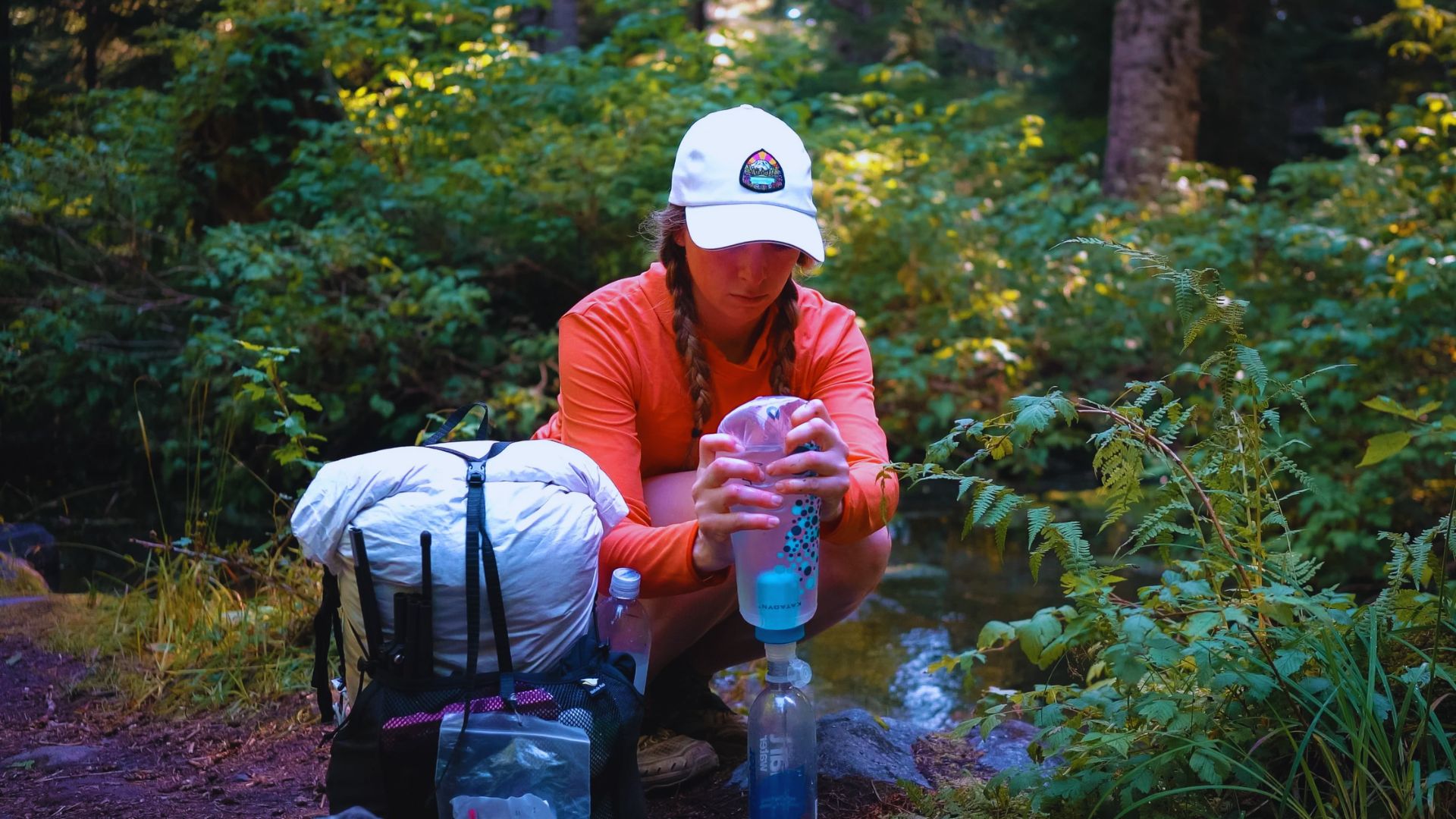
Bring a collapsible or regular water bottle and always have a backup water plan. A filtration system like a Sawyer Squeeze is reliable and lightweight.
Chemical treatment tablets also work well and take up almost no space. Never drink from any water source without treating it first.
Staying hydrated is one of the most important parts of any overnight trip.
Cooking Gear
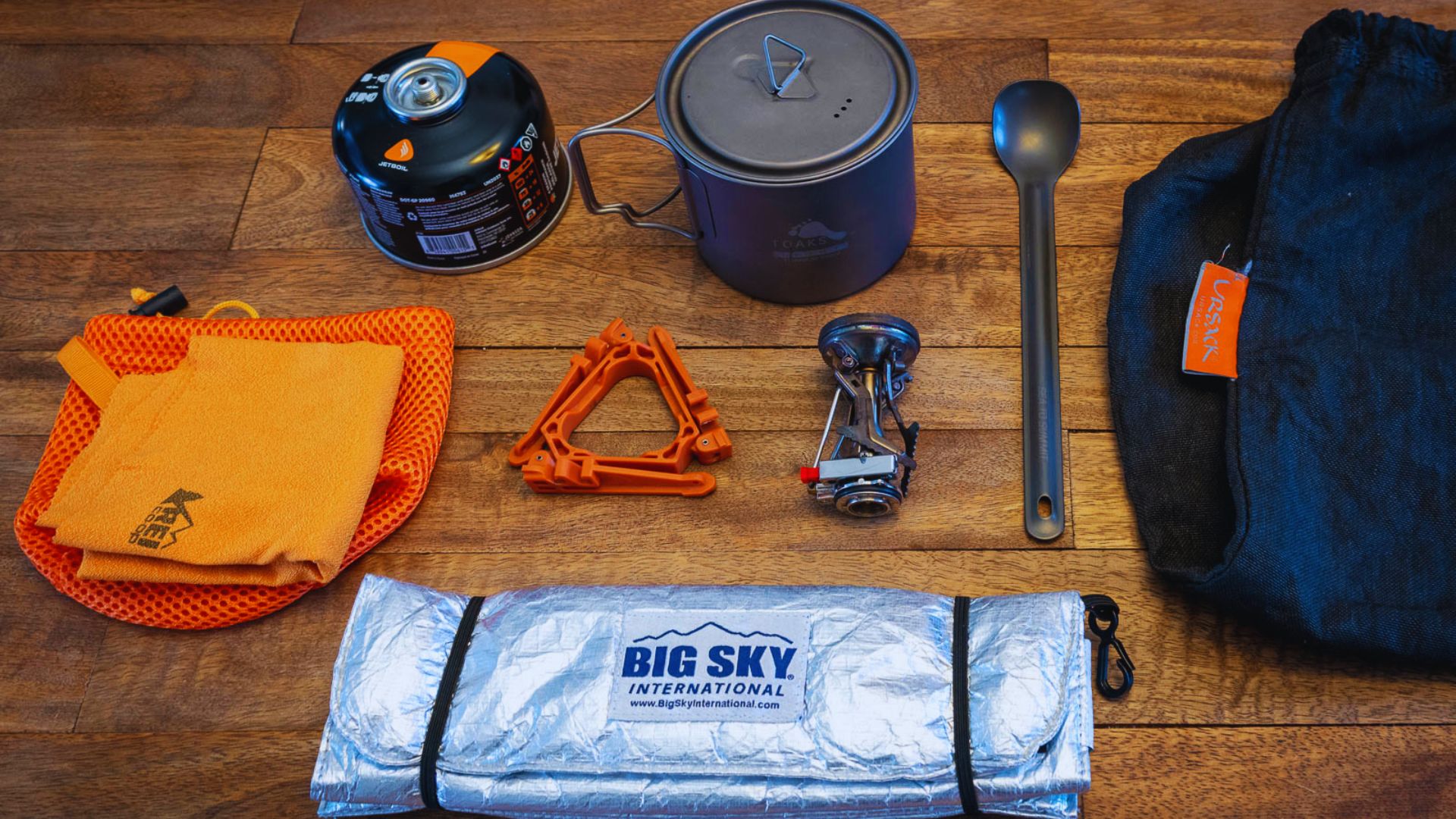
Keep your cooking kit compact and light. You don’t need much to eat well on the trail.
A compact stove is all you need for overnight cooking. The Jetboil and Fire Maple are both popular picks, they boil water fast and run efficiently.
Bring enough fuel canisters to cover your meals. A lightweight pot, a reusable mug, and a spork cover most of what you’ll need.
Keep your cooking kit simple and cleanup will be quick too.
Navigation & Safety Essentials
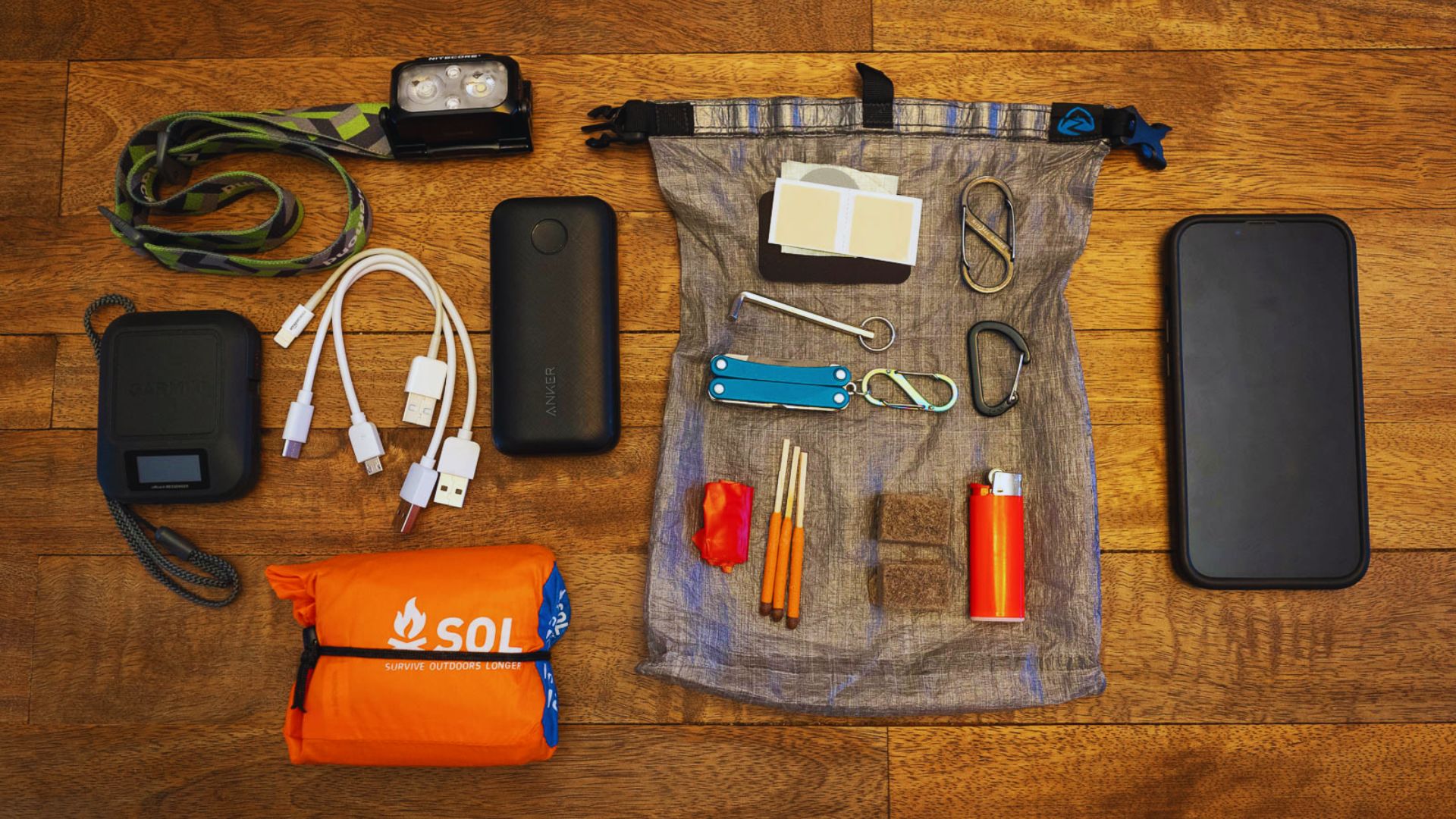
Don’t skip safety gear. Out on the trail, a few small items can make a very big difference when things go sideways.
A map and compass should always be in your pack, even if you carry a GPS device. Cell service is unreliable in most backcountry areas.
Download offline trail maps before you leave home. A headlamp with extra batteries is non-negotiable after dark.
Carry a basic first aid kit and know how to use it. A whistle and a fire starter round out your safety kit.
Always tell someone your route before heading out.
Toiletries & Health Essentials
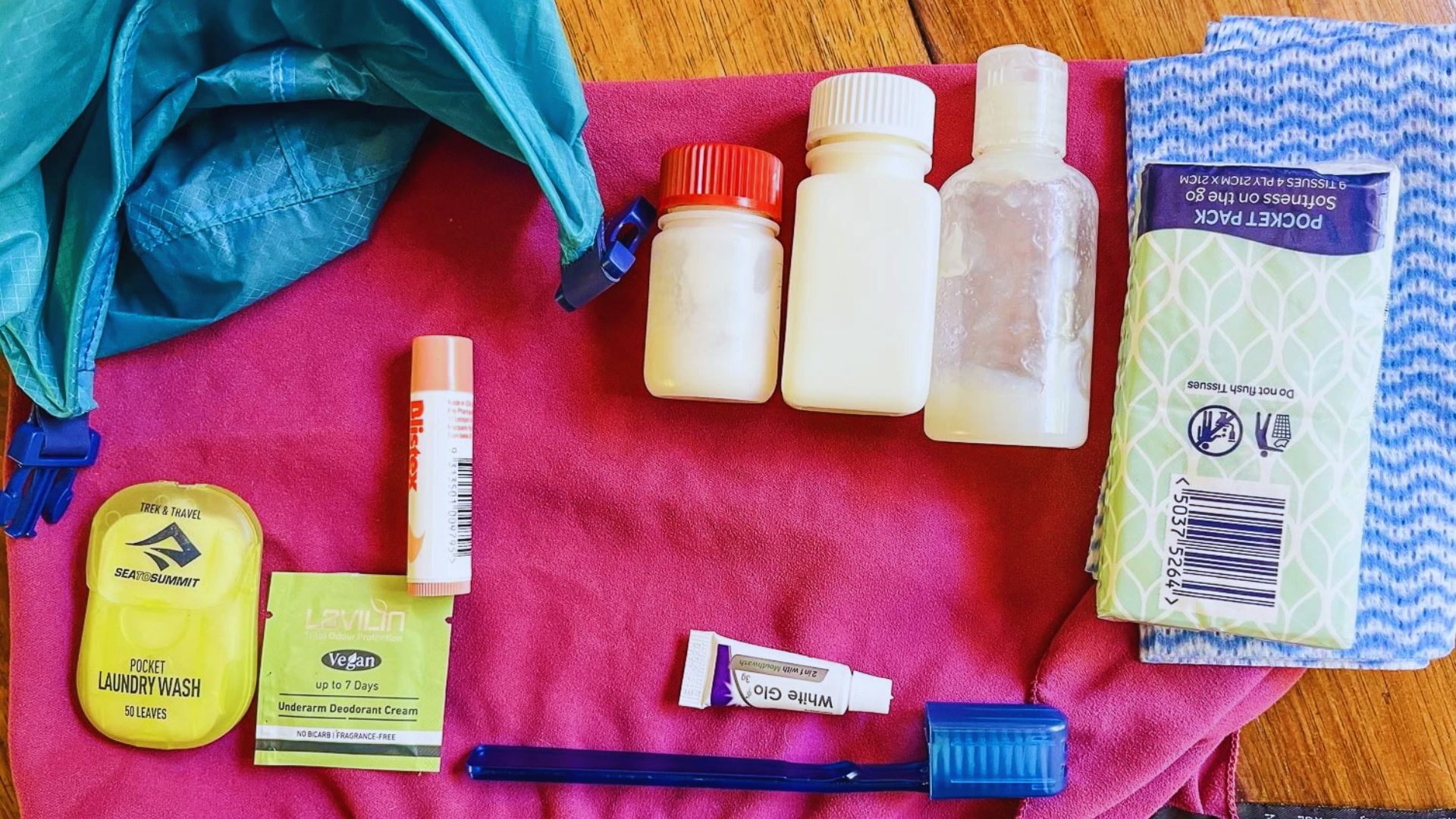
A small hygiene kit and the right meds can save you from a lot of discomfort out on the trail.
Pack a toothbrush, toothpaste, and basic hygiene items.
Wet wipes are useful for a quick clean when water is limited. If you wear contact lenses, bring your supplies and a backup pair of glasses.
Sunscreen and lip balm protect your skin from sun exposure on long days.
Pack any medications you take regularly, plus blister treatment, blisters happen more often than you’d think on new terrain.
Tools & Repair Items
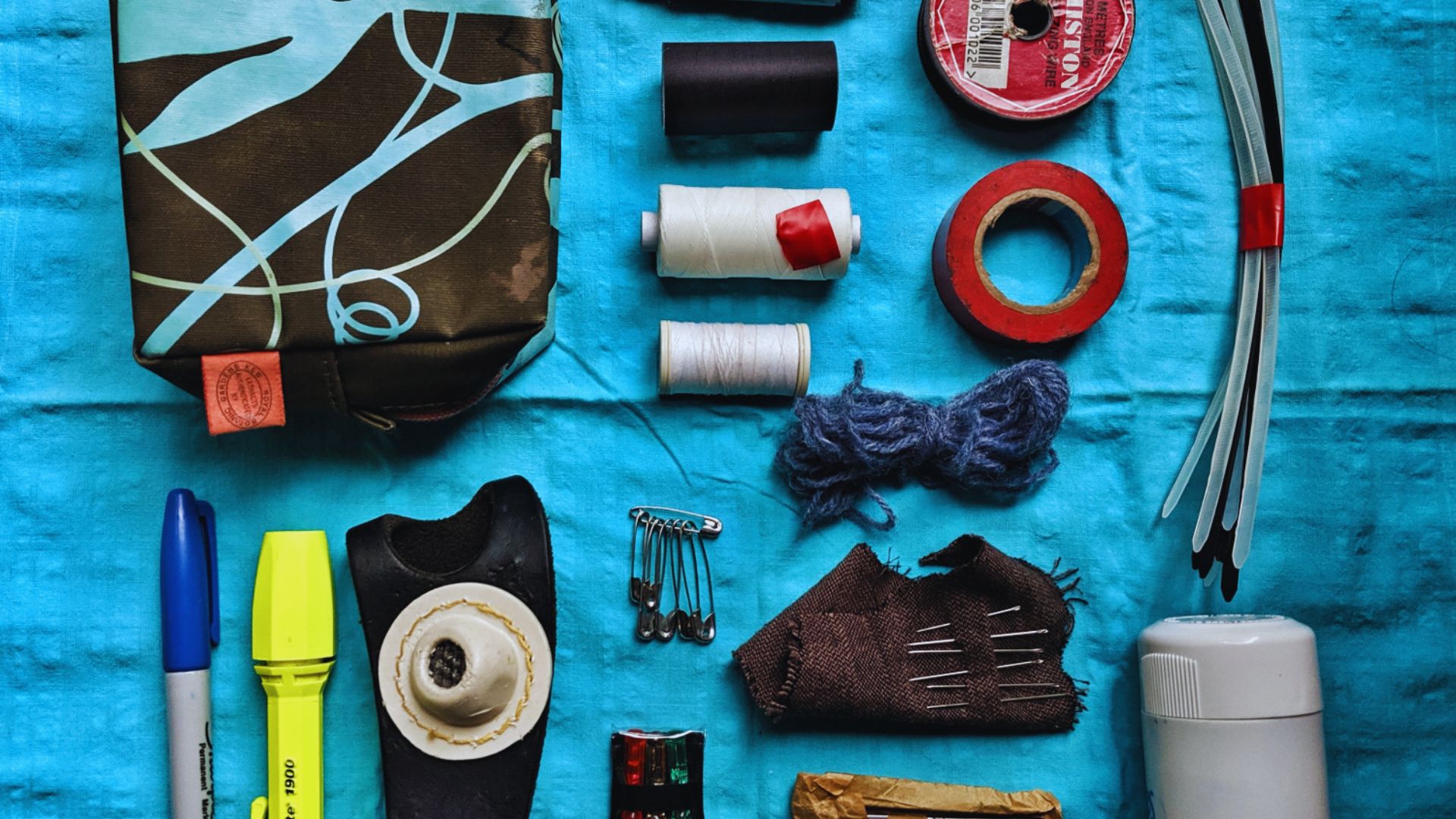
Small tools and a basic repair kit can fix big problems on the trail. Always pack a few, just in case.
- Knife
- multi-tool
- tent repair kit
- gear repair patches
- duct tape strips
Packing Tips & Organization
Pack smart and your back will thank you for it.
- Pack heavy items close to your back and near the center of the pack. This keeps your center of gravity balanced and reduces strain on your lower back.
- Use stuff sacks or dry bags to group items by category, shelter, clothes, food, and first aid. It makes finding things faster and keeps everything organized.
- Keep frequently used items at the top or in hip belt pockets, things like snacks, a rain jacket, sunscreen, and your headlamp.
- Weigh your pack before you leave. A common target for overnight trips is 25 to 35 pounds. If it’s heavier, go through it and cut where you can.
- Layer your sleeping bag at the bottom of the pack since you won’t need it until camp. Shelter goes on top of that, followed by food and clothes.
Conclusion
I still remember the first time I got my overnight backpacking essentials list truly dialed in.
My pack felt lighter, I moved faster, and I actually enjoyed the trip instead of dreading every uphill.
That balance is what I want for you too. Start with this list, adjust it to your needs, and don’t overthink it.
Your first overnight trip doesn’t have to be perfect, it just has to get done.
Have questions or something to add? Drop a comment below and share your own packing tips!
Frequently Asked Questions
How heavy should my pack be for an overnight backpacking trip?
Aim for 25 to 35 pounds, including food and water. The lighter you go without cutting safety items, the better.
Do I really need a sleeping pad for one night?
Yes. It insulates you from the cold ground and improves sleep quality more than most people expect.
What food should I pack for an overnight backpacking trip?
Pack calorie-dense options like ramen, nuts, granola bars, and chocolate. About 1.5 to 2 pounds of food per day works well.
Is a water filter really necessary for overnight backpacking?
Yes. Even clear backcountry water can carry harmful bacteria. A filter or treatment tablets are small but very important.
Can I go overnight backpacking as a beginner?
Absolutely. Start with a short trail and one night out. Keep your pack simple and tell someone your plans before you go.
