


I have driven through a lot of North Carolina mountain towns, and I keep going back.
There is something about the cool air, the winding roads, and the small downtowns that just works.
In this guide, I am sharing 37 towns worth putting on your list. You will find the well-known spots and the ones most people overlook.
I will cover what makes each town worth a stop, the best time to go, and tips to make the trip easier. I have spent years visiting these places, so you are getting real insight here.
Let’s get started.
Why Visit North Carolina Mountain Towns?
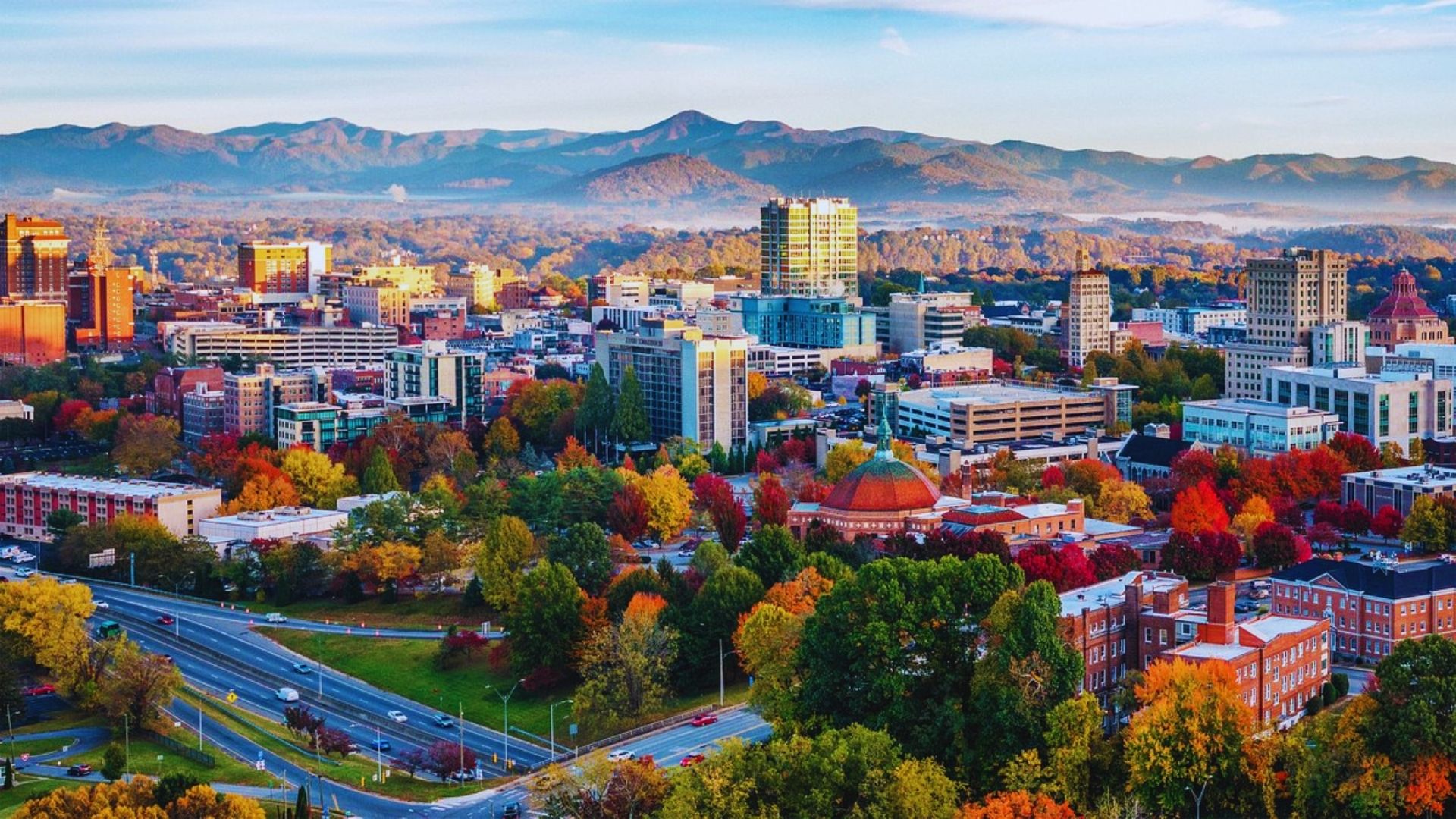
The mountains in western North Carolina are not just pretty views. They come with real small-town life.
Think local breweries, hiking trails that start right off Main Street, and weekends that actually feel like a reset. I keep coming back because no two towns feel the same.
Some are lively. Some are quiet. All of them have something worth seeing. If you have been looking for a getaway that does not feel rushed or overdone, this part of the state delivers.
Best Mountain Towns in Western North Carolina
These are the towns that show up on most lists for a reason. Each one has its own pull, from big-city energy in the mountains to slow mornings on a porch somewhere quiet.
1. Asheville

Asheville is the kind of place that surprises you. The arts scene runs deep here, the craft beer options are hard to beat, and the Biltmore Estate alone is worth planning a full day around.
Downtown Asheville moves at its own pace, and I have always liked that about it.
2. Boone

Boone sits high in the mountains and feels like a college town that never got too big. Appalachian State University gives it energy, and the access to outdoor trails and local food keeps things interesting.
The downtown shops are the kind you actually want to browse.
3. Blowing Rock

Blowing Rock is small and walkable, which is exactly why I like it. The Blowing Rock attraction is a genuine stop, not just a tourist gimmick.
Families do well here, and the downtown feels relaxed without being boring.
4. Banner Elk

Banner Elk earns its spot in ski season, but it holds its own the rest of the year too. The small-town feel stays intact even when the slopes are packed.
Seasonal festivals bring the community out, and that energy is easy to enjoy as a visitor.
5. Beech Mountain
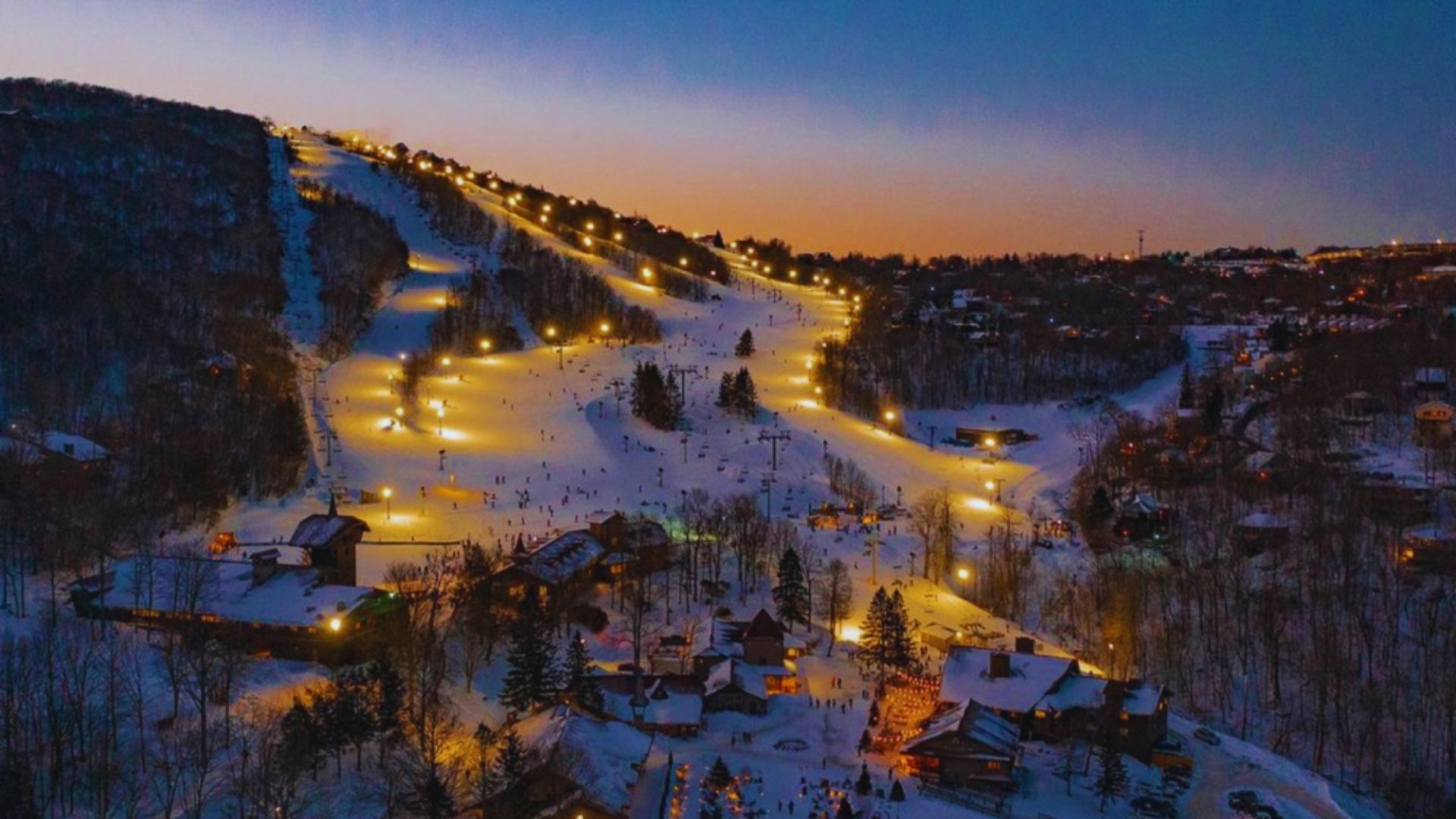
Beech Mountain is the highest incorporated town on the East Coast, which already makes it worth mentioning.
Skiing and hiking get top billing here, but the Autumn at Oz event has a following of its own. Mountain biking draws a solid crowd in warmer months.
6. Bryson City

Bryson City sits right at the edge of Great Smoky Mountains National Park, which tells you a lot about its location.
The Nantahala Outdoor Center draws paddlers from all over. Deep Creek tubing is a warm-weather favorite, and the historic railroad is genuinely fun.
7. Cherokee

Cherokee carries real cultural weight. The Eastern Band of Cherokee Indians has called this land home for generations, and the museums here reflect that story honestly.
Elk roam near the park entrance, and the casino brings a different crowd altogether. Both sides of Cherokee have something to offer.
8. Waynesville
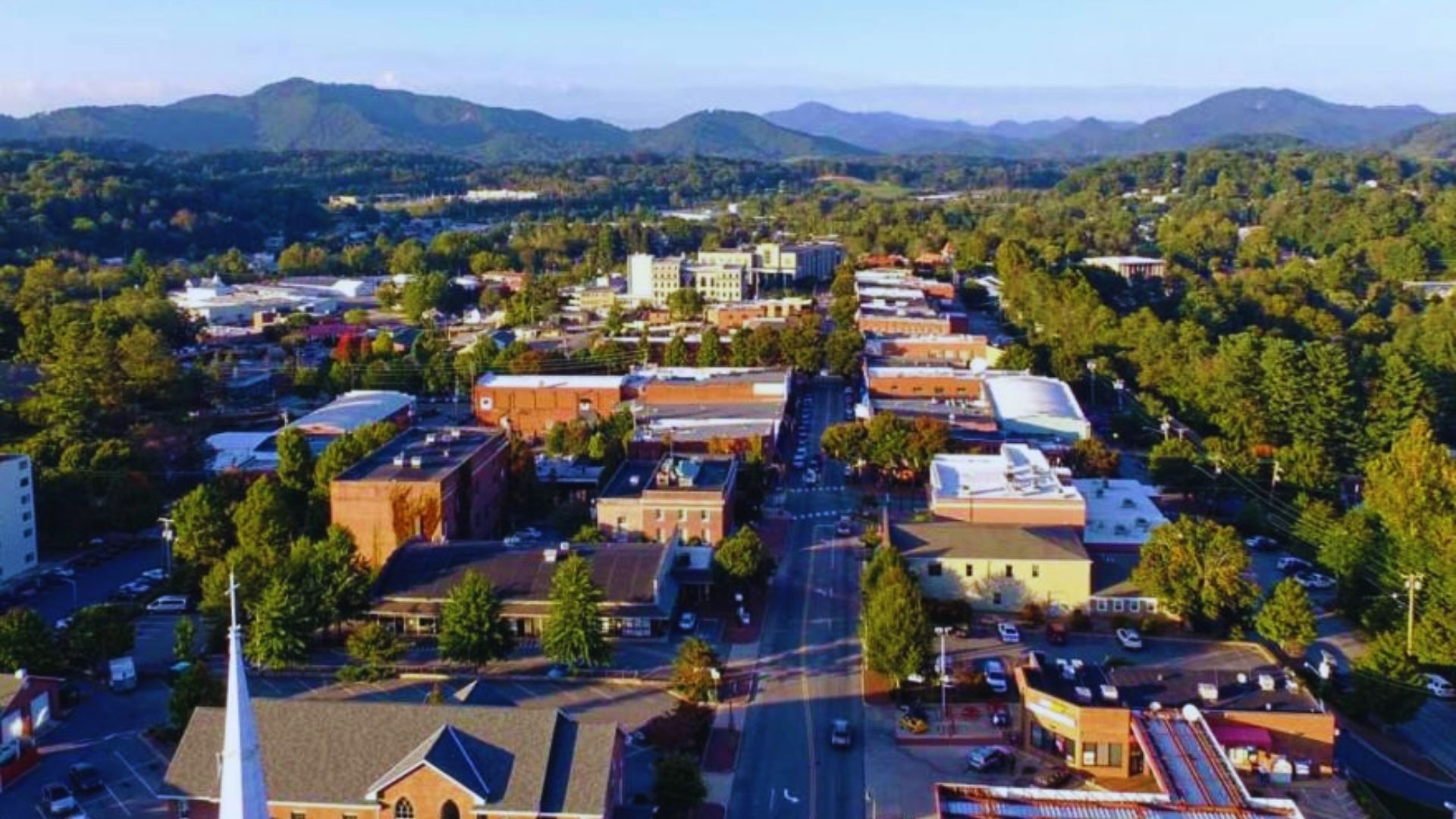
Waynesville has a historic downtown that holds up. The main street has good food, local shops, and enough character to keep you walking.
It sits close to the Smokies, which makes it a solid base for park access without the crowds of bigger gateway towns.
9. Hendersonville

Hendersonville leans into its apple country identity, and it works. The orchards are a real draw in late summer and fall.
Nearby waterfalls give you a reason to get outside, and the downtown has enough going on to fill an afternoon without any real effort.
10. Lake Lure
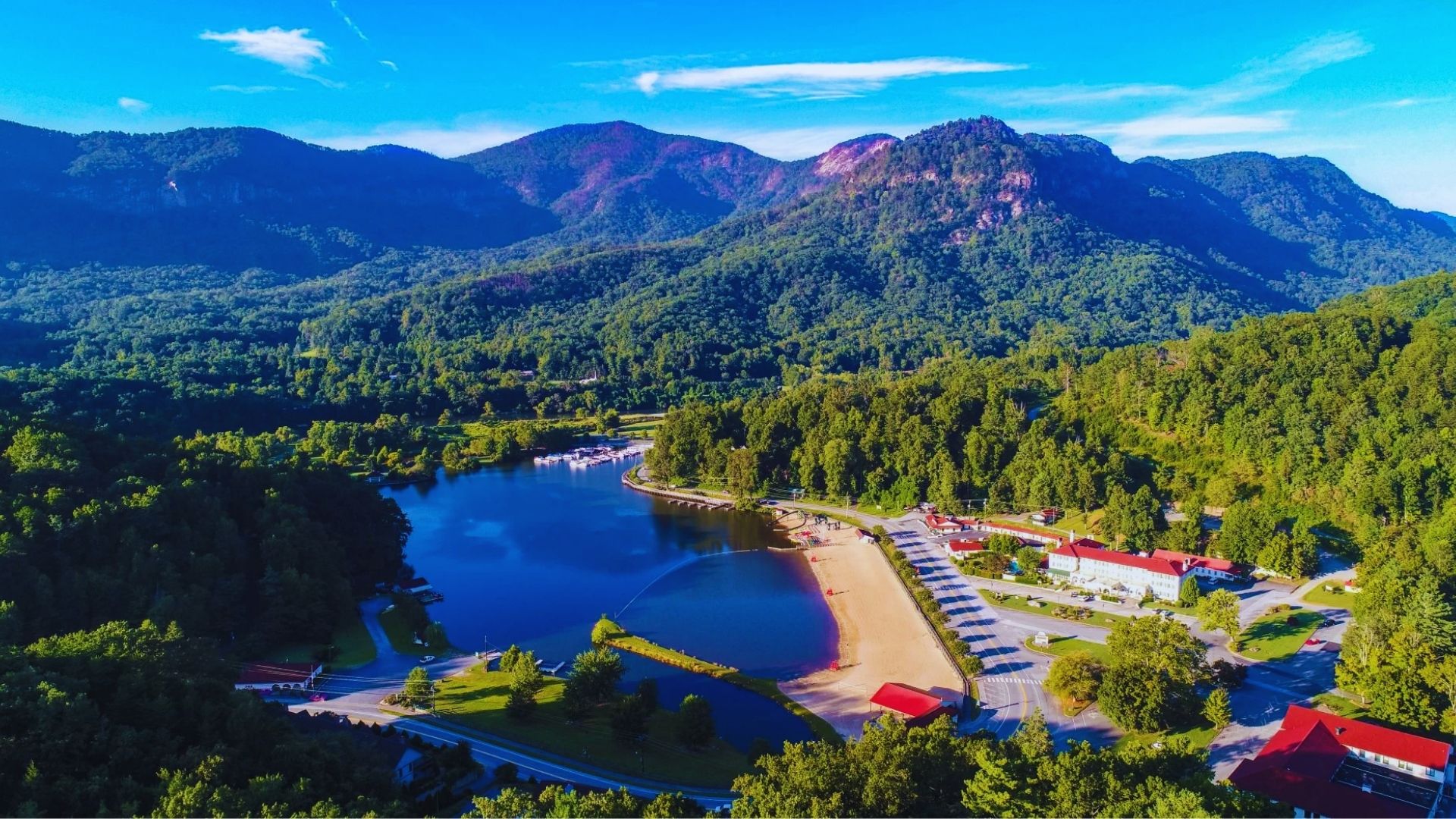
Lake Lure is all about the water and the views around it. Chimney Rock State Park is close enough to make a combined trip easy.
The lake itself draws boaters, swimmers, and people who just want to sit by the water and do nothing for a while.
11. Old Fort
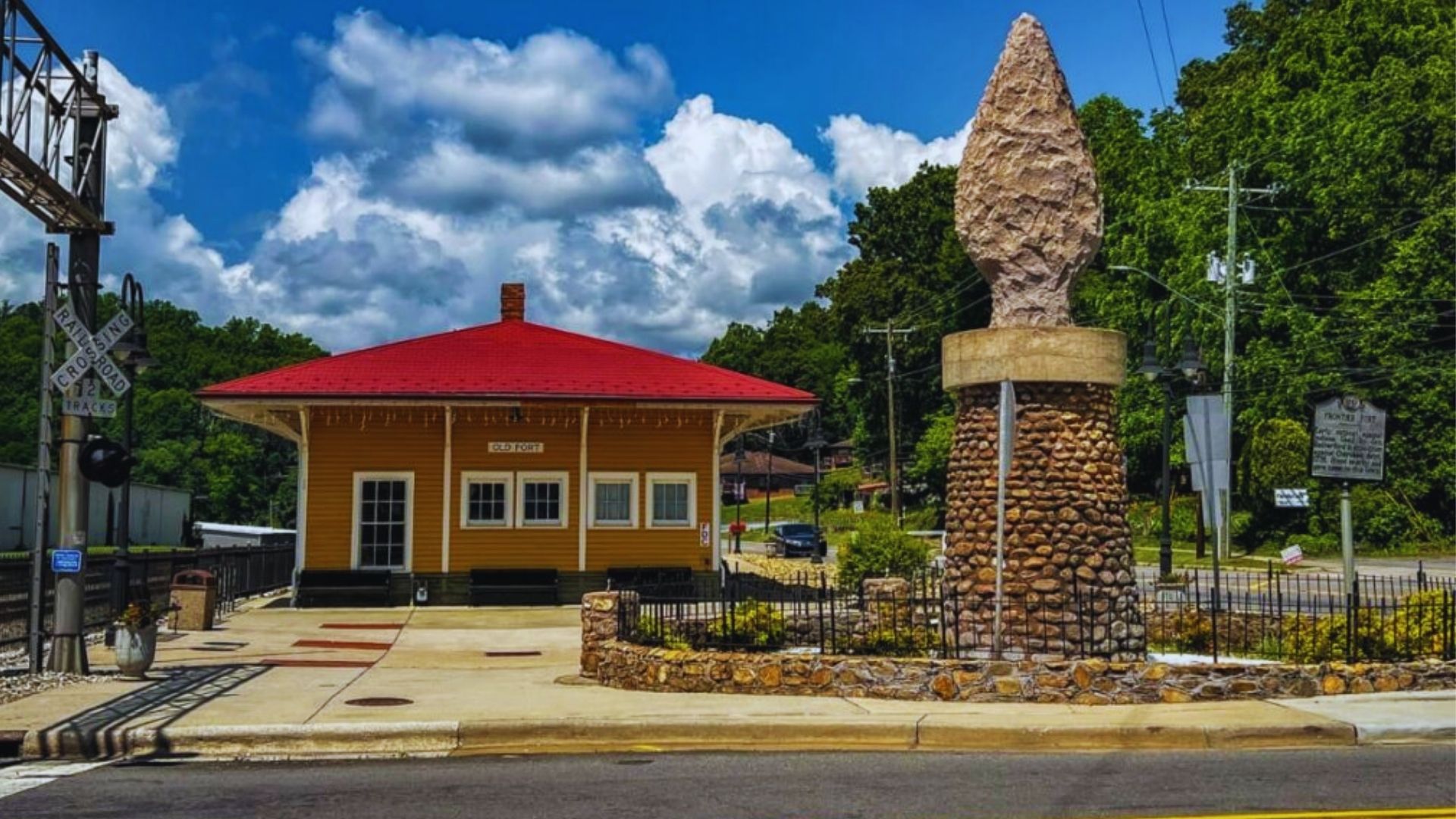
Old Fort does not get nearly enough attention. The waterfalls around town are easy to reach, the mountain biking trails are well-kept, and the town itself has a quiet historic character that feels genuine rather than staged.
12. Marion

Marion has been putting real effort into its downtown, and it shows. Lake James is close by for outdoor time, and the local brewery scene has grown into something worth stopping for.
It feels like a town that is finding its footing in a good way.
13. Black Mountain
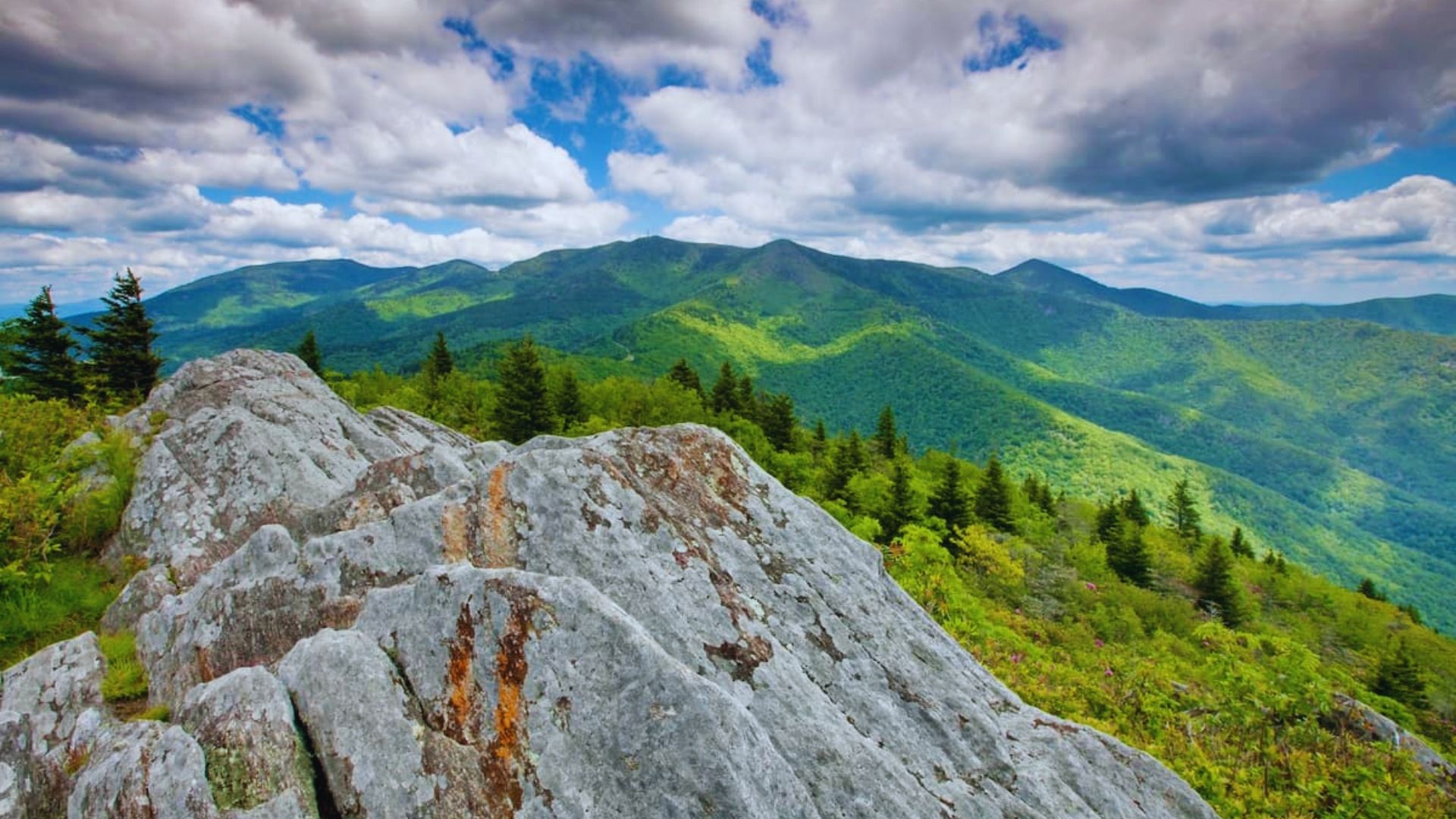
Black Mountain is walkable, artsy, and relaxed. The downtown has galleries and shops that feel local, not touristy. Montreat is just up the road if you want trail access without a long drive.
I have spent full afternoons here without running out of things to do.
14. Maggie Valley

Maggie Valley sits in a tight mountain corridor and uses that geography well. Skiing is nearby in winter, and the Smoky Mountain access keeps it relevant year-round.
Festivals bring crowds in, but it never feels overwhelmed.
15. Sylva
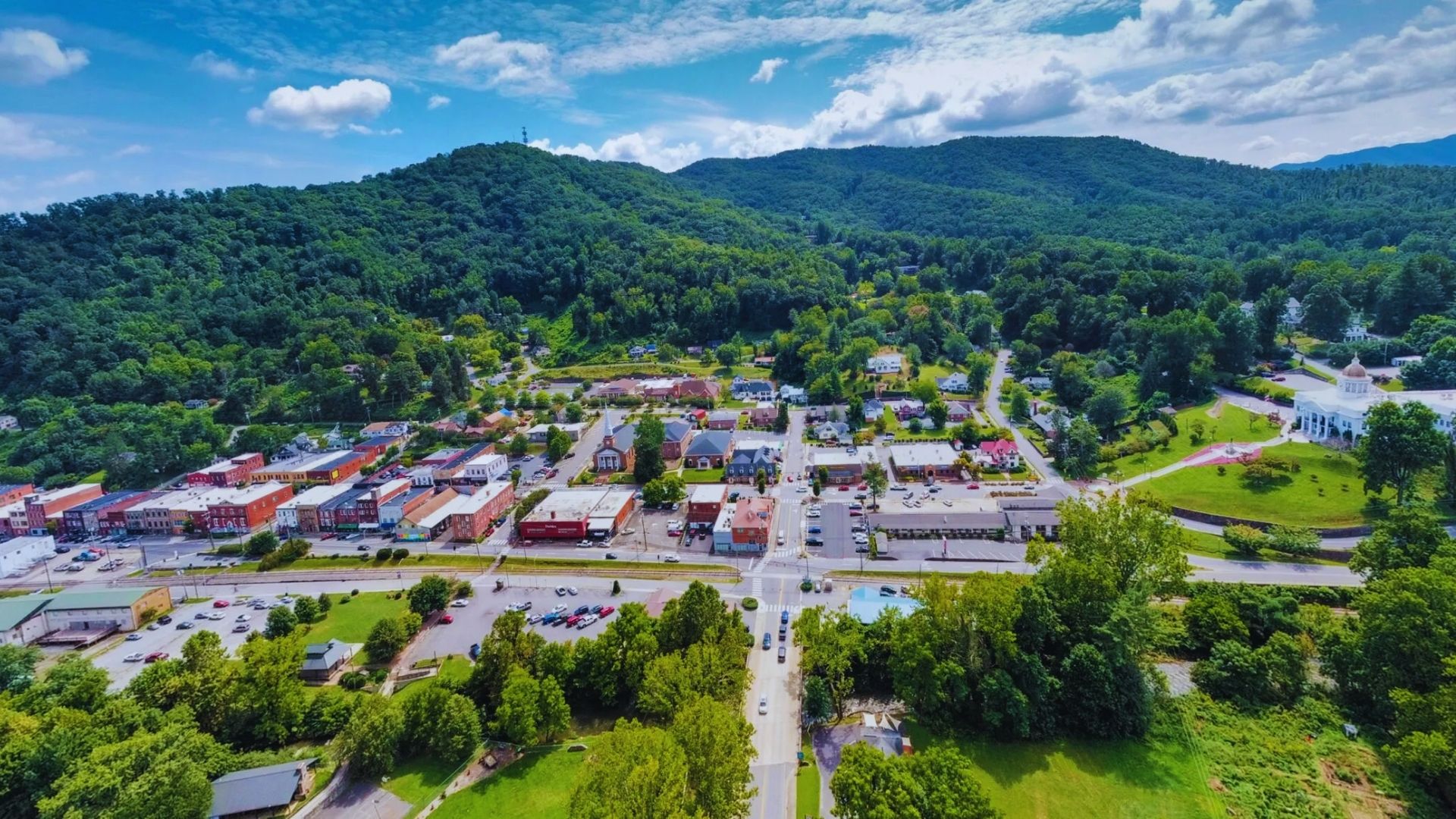
Sylva has a courthouse that sits on a hill and looks like it belongs on a postcard. The town below it has breweries and hiking access that keep things active.
It is the kind of place locals love and visitors often overlook.
16. Dillsboro
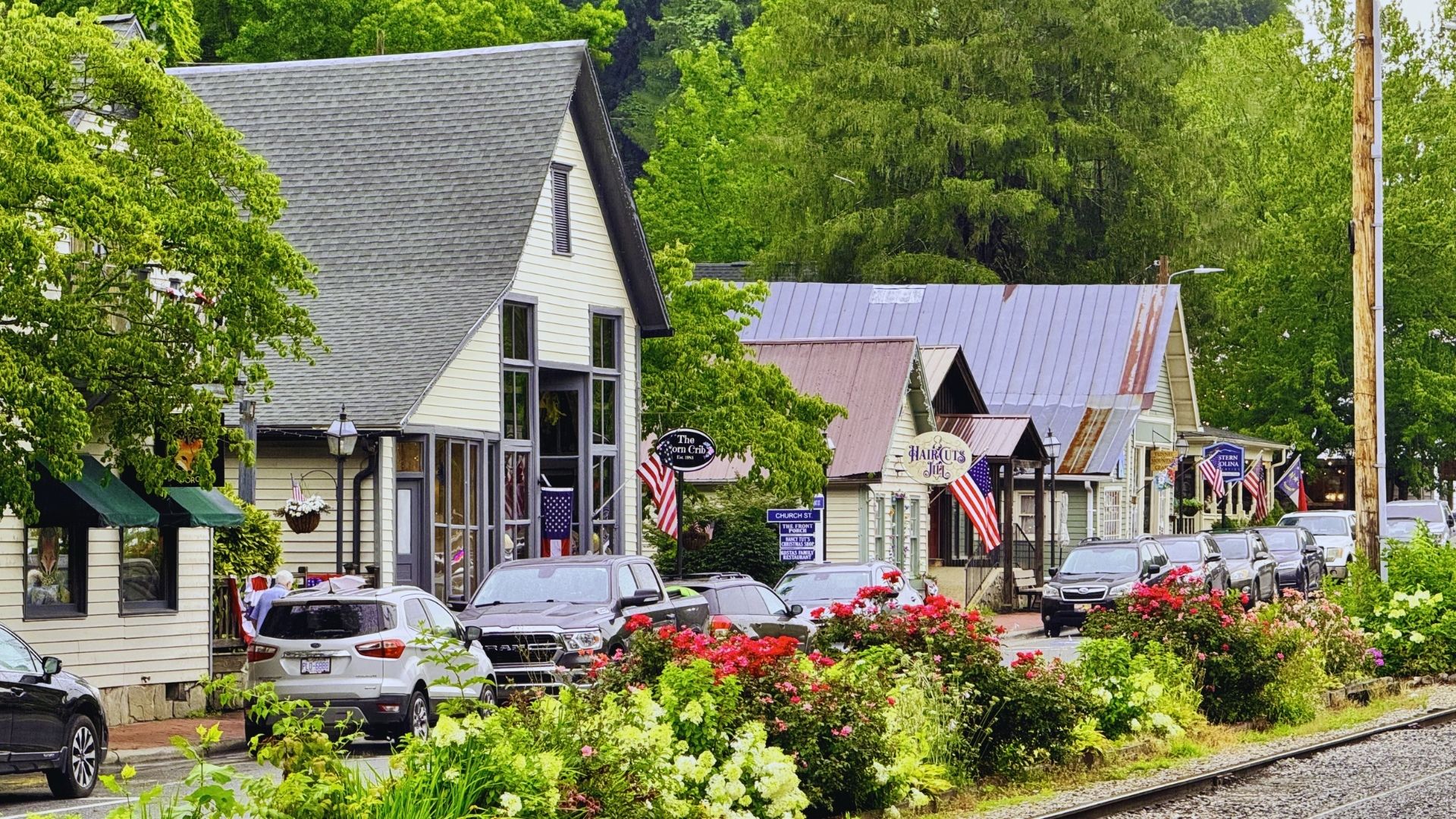
Dillsboro is small and centered around the river and the railroad. The artisan shops here are worth a slow walk through.
The Great Smoky Mountains Railroad stops here, which adds a different kind of activity to the visit.
17. Cashiers

Cashiers lean toward the quieter end of the spectrum. Waterfalls, lake views, and Panthertown Valley give it strong outdoor credentials.
The pace here is slower by design, and that is the whole point for most people who come.
18. Highlands

Highlands sits higher than most towns in the region and has built a reputation around that. The waterfalls are close and plentiful.
The shopping and dining lean upscale, which sets it apart from the more rugged towns nearby.
19. Burnsville
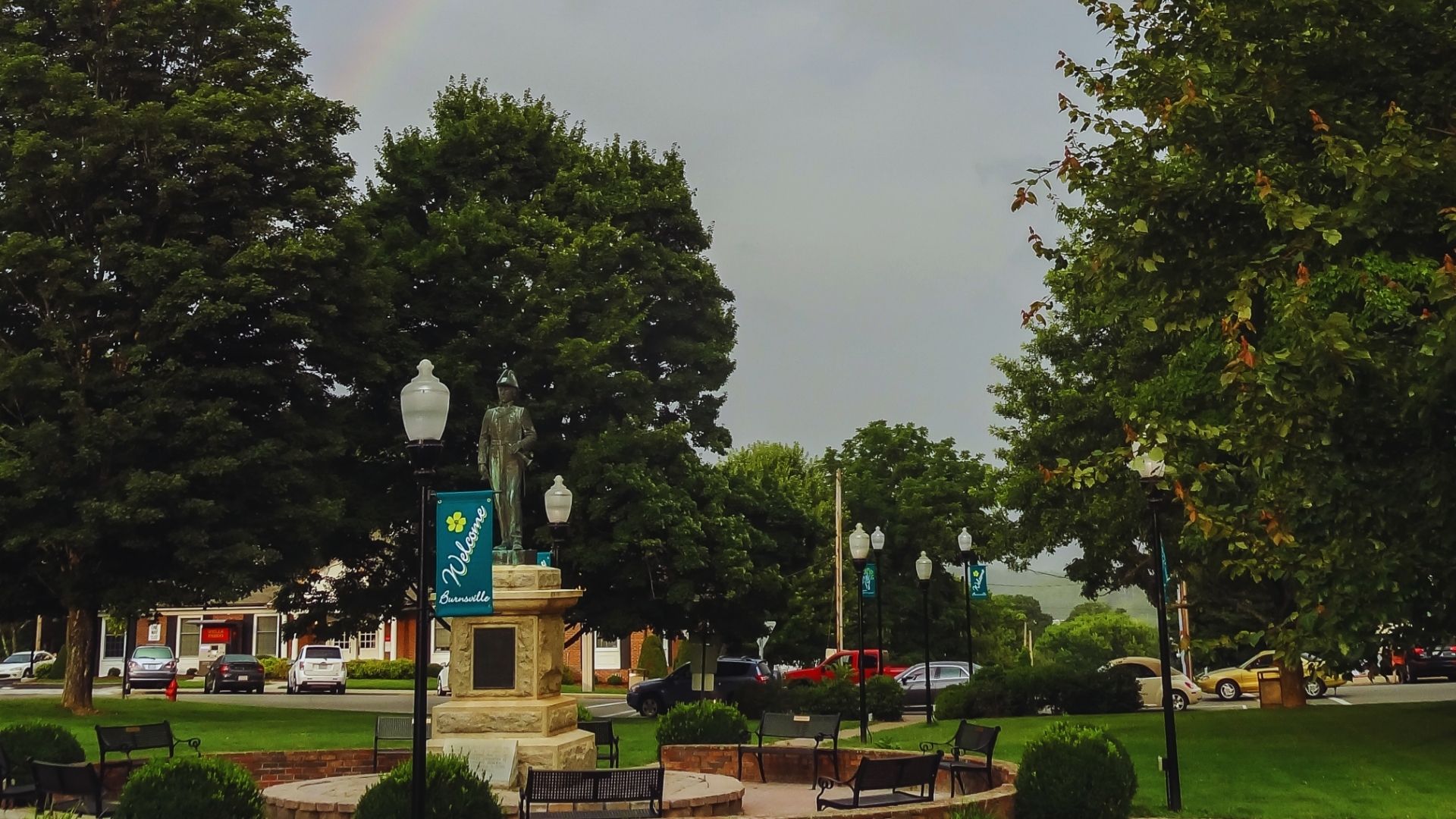
Burnsville gives you access to Mount Mitchell, the highest peak in the eastern U.S., which is reason enough to visit.
The arts community here is quiet but active. Scenic drives in every direction make it easy to spend a full day just moving through the landscape.
20. Robbinsville

Robbinsville is remote, and that is its biggest selling point. The Tail of the Dragon brings motorcycle and driving enthusiasts through.
The lakes nearby offer real water access, and the whole area has a tucked-away quality that is hard to find closer to the interstate.
21. Murphy

Murphy sits near the Georgia and Tennessee borders, giving it a border-town character all its own.
It is quiet, unpretentious, and good for people who want outdoor time without the trappings of a more developed tourist town.
22. Spruce Pine
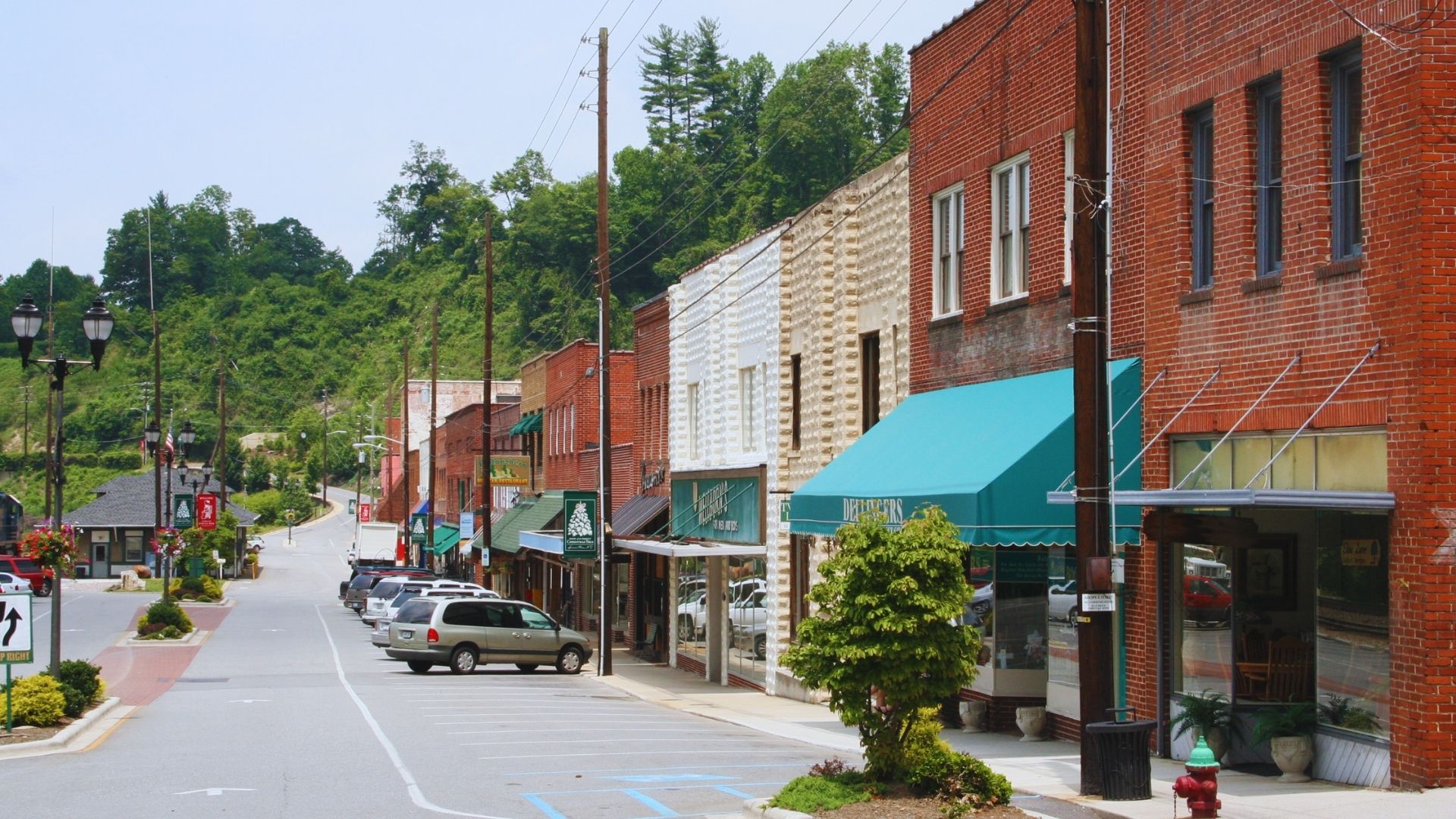
Spruce Pine has gem mining, which makes it an instant hit with kids and a genuinely good time for adults too.
The artisan culture runs alongside that, and the mountain views are the kind that make you slow down on the drive in.
23. Little Switzerland
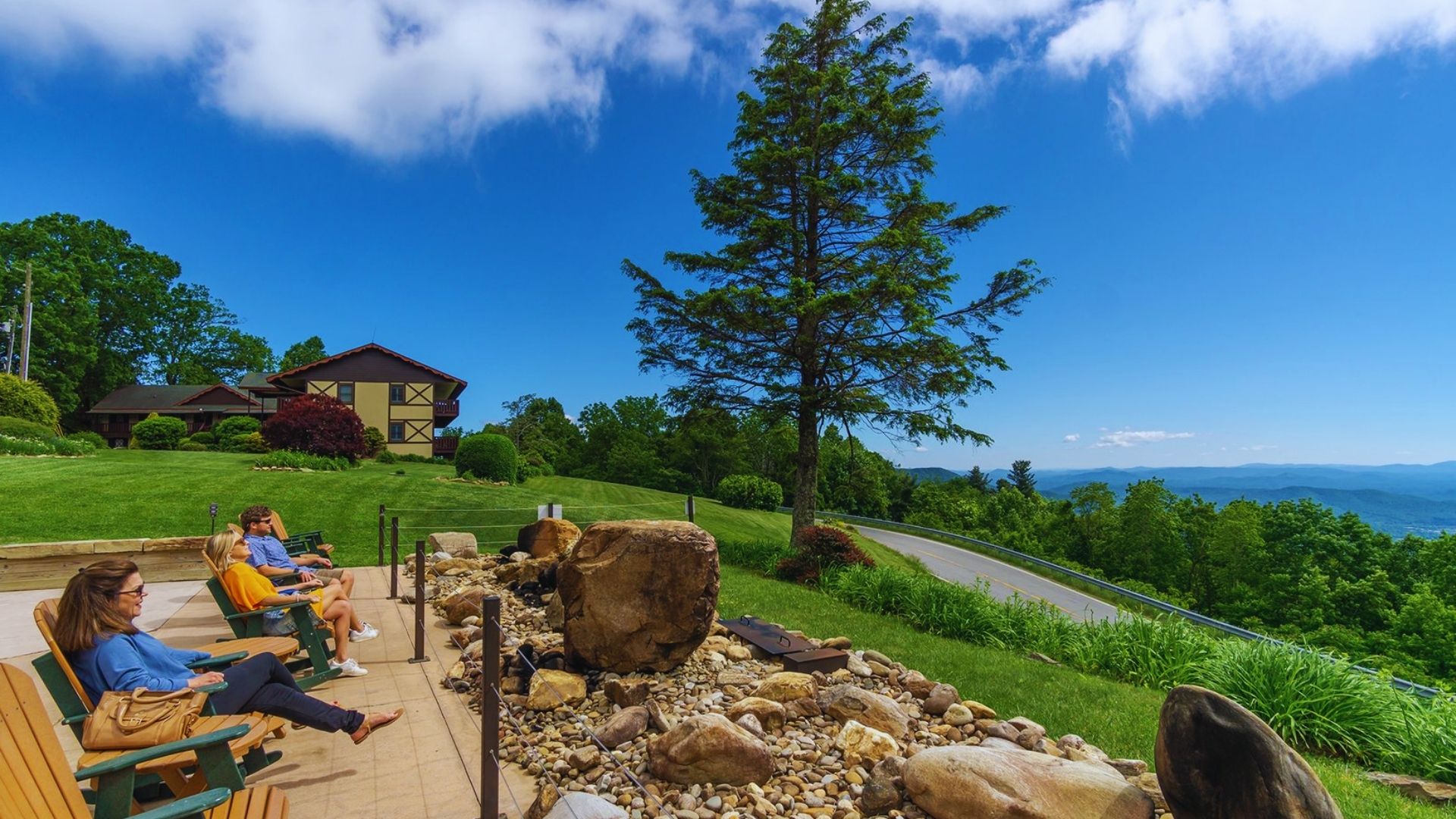
Little Switzerland is a Blue Ridge Parkway stop that earns its name.
The overlooks here are worth the pull-off, and the small community around the parkway has a peaceful, unhurried quality.
24. Flat Rock
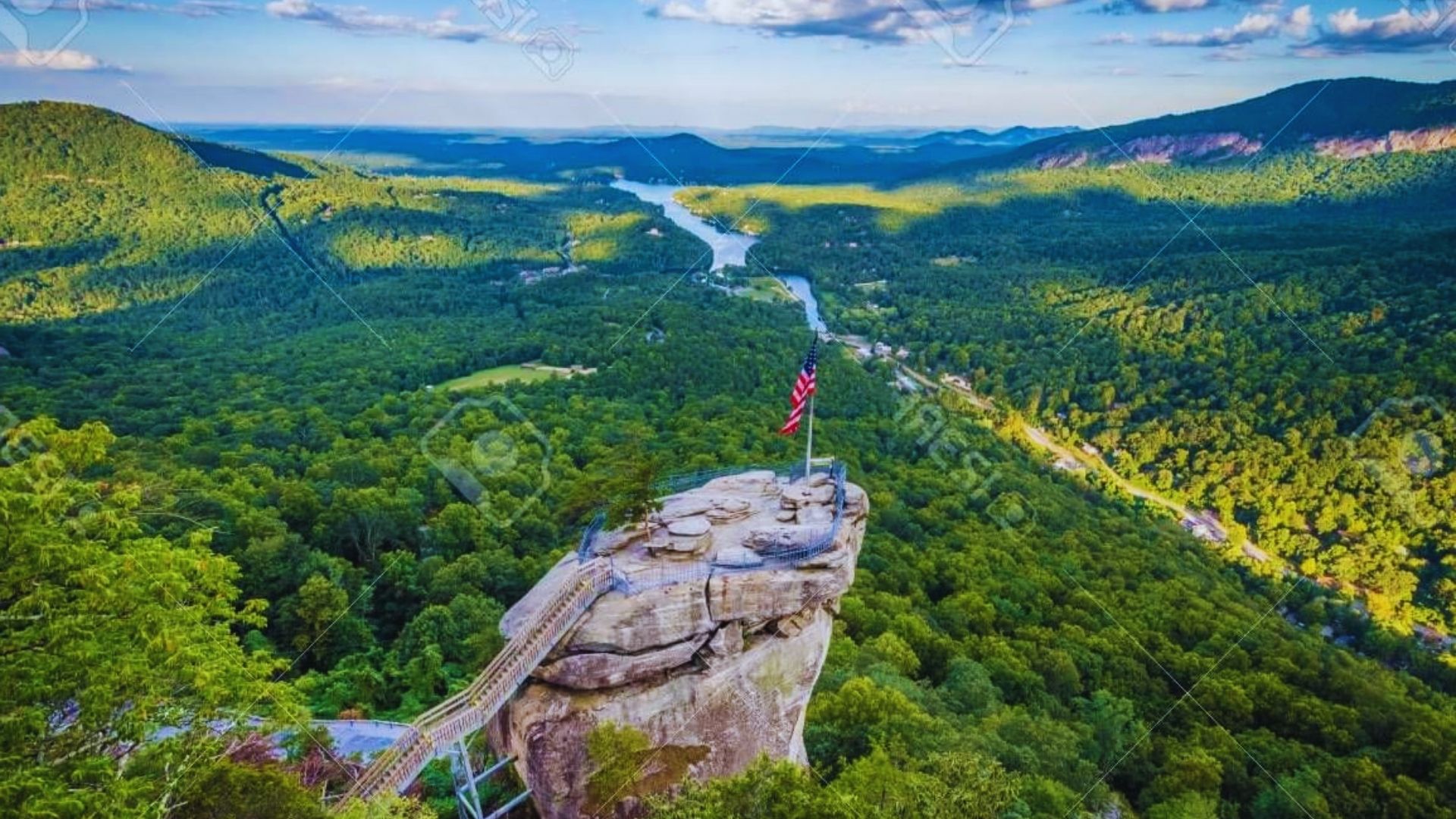
Flat Rock is known for the Flat Rock Playhouse, which is North Carolina’s state theatre. The historic sites and parks around it make for a slower, more contemplative kind of visit.
It is not flashy, and that is the appeal.
25. Saluda
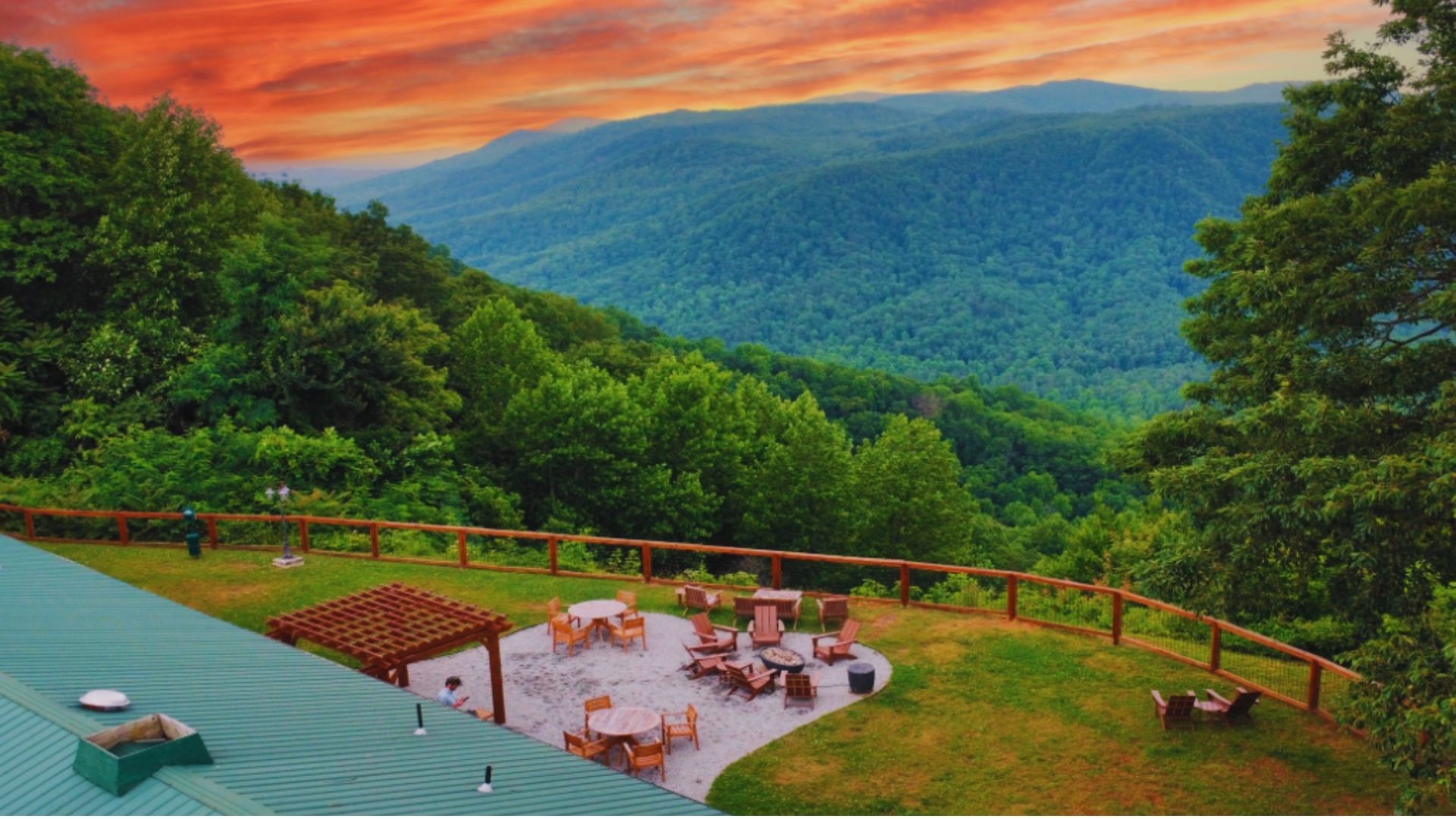
Saluda may be one of the smallest towns on this list, but it has a real downtown charm.
Waterfalls are nearby, the streets are easy to walk, and it has the kind of quiet that reminds you why you left the city.
26. West Jefferson

West Jefferson is known for its murals, which cover building walls throughout the small downtown.
The local cheese factory adds something genuinely fun to a visit. The arts community here is active and visible.
27. Elkin

Elkin sits in North Carolina wine country, which already sets it apart. Hiking access is close, and the small-town atmosphere keeps things grounded.
It is a good stop for people who want variety without driving too far.
28. Marshall

Marshall runs along the French Broad River, and that riverfront setting shapes the whole town. Art studios and local culture have built up around it.
It feels raw in a way that more polished towns do not.
29. Morganton

Morganton works well as a base for Linville Gorge access. The breweries downtown give it a social side, and the outdoor options around it are serious.
It is more of a full-day town than a quick stop.
30. Mount Airy

Mount Airy leans hard into its connection to The Andy Griffith Show, and visitors clearly enjoy it. The Mayberry tie-in is genuine since Andy Griffith was born here.
Historic charm and steady tourism have kept the downtown alive.
31. Hot Springs
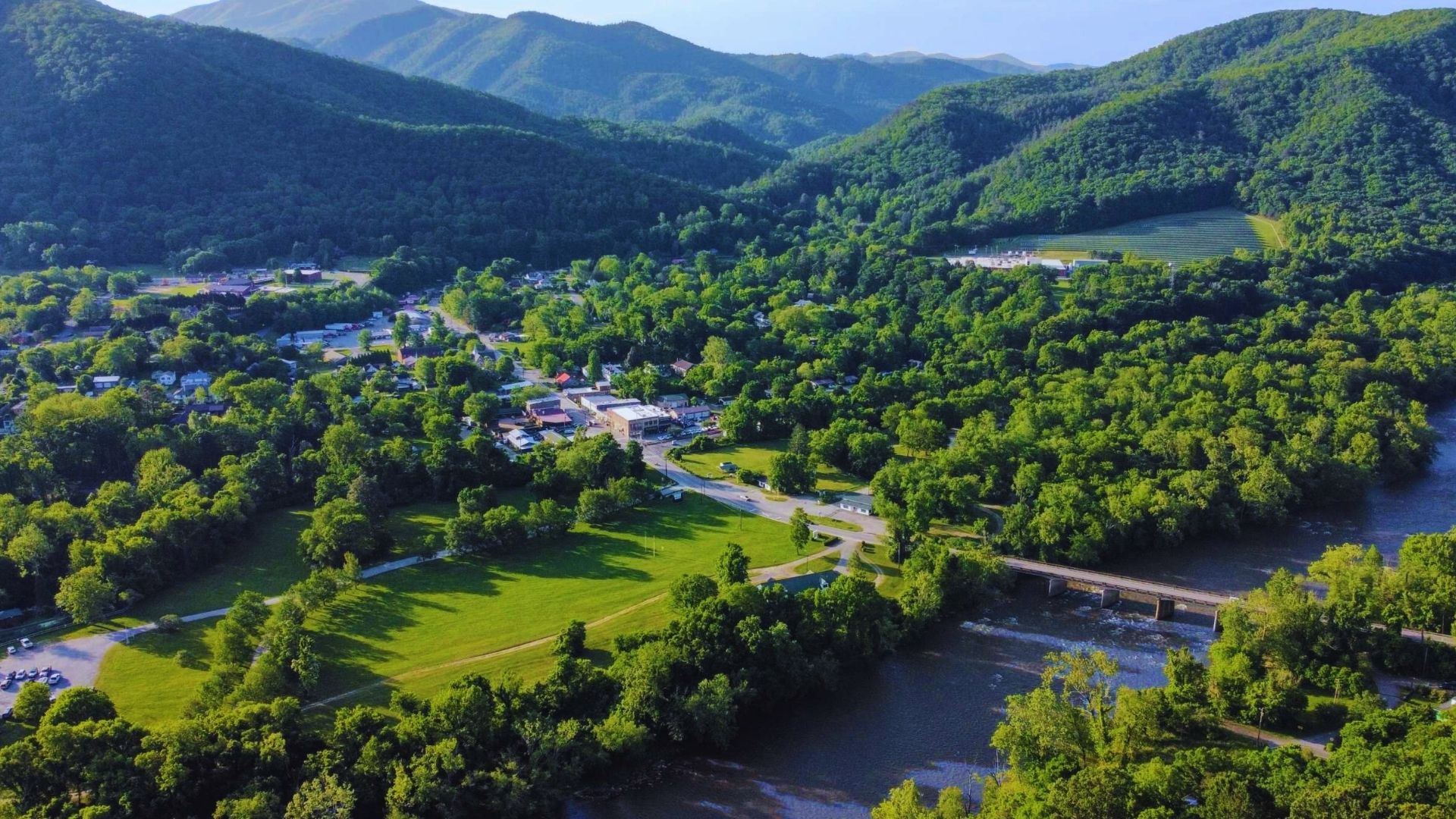
Hot Springs sits directly on the Appalachian Trail, which brings through-hikers and day visitors alike.
The natural hot springs here are real and open to the public. It is a small town with a strong identity built around the trail and the water.
32. Lake Santeetlah Area
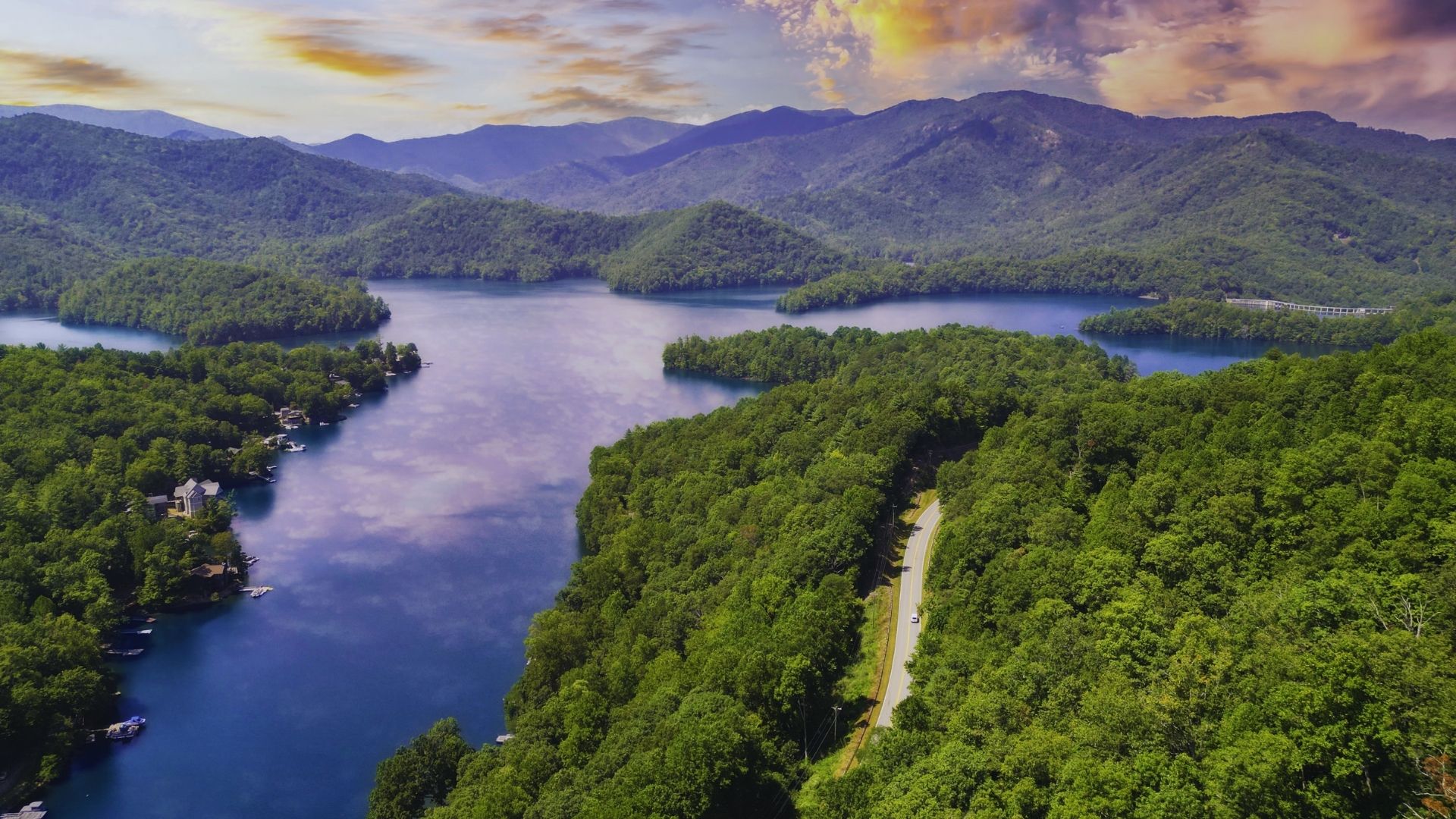
The Lake Santeetlah area is about as quiet as mountain North Carolina gets.
Water recreation is the main draw, and the scenic isolation is the whole reason to make the trip.
33. Cullowhee

Cullowhee has Western Carolina University running through it, which gives it a younger, more active feel.
The Tuckasegee River runs close by, and the outdoor access around the university area is easy to use.
34. Andrews

Andrews is a quiet mountain retreat that does not try too hard. Hiking trails are nearby, the town is small, and the pace is slow in the best possible way.
It works well as an add-on to a larger western NC trip.
35. Bakersville

Bakersville is known for its rhododendron festival, which brings color and crowds in early summer.
The art community here is small but earnest, and the mountain scenery around town is easy on the eyes.
36. Jefferson and Ashe County
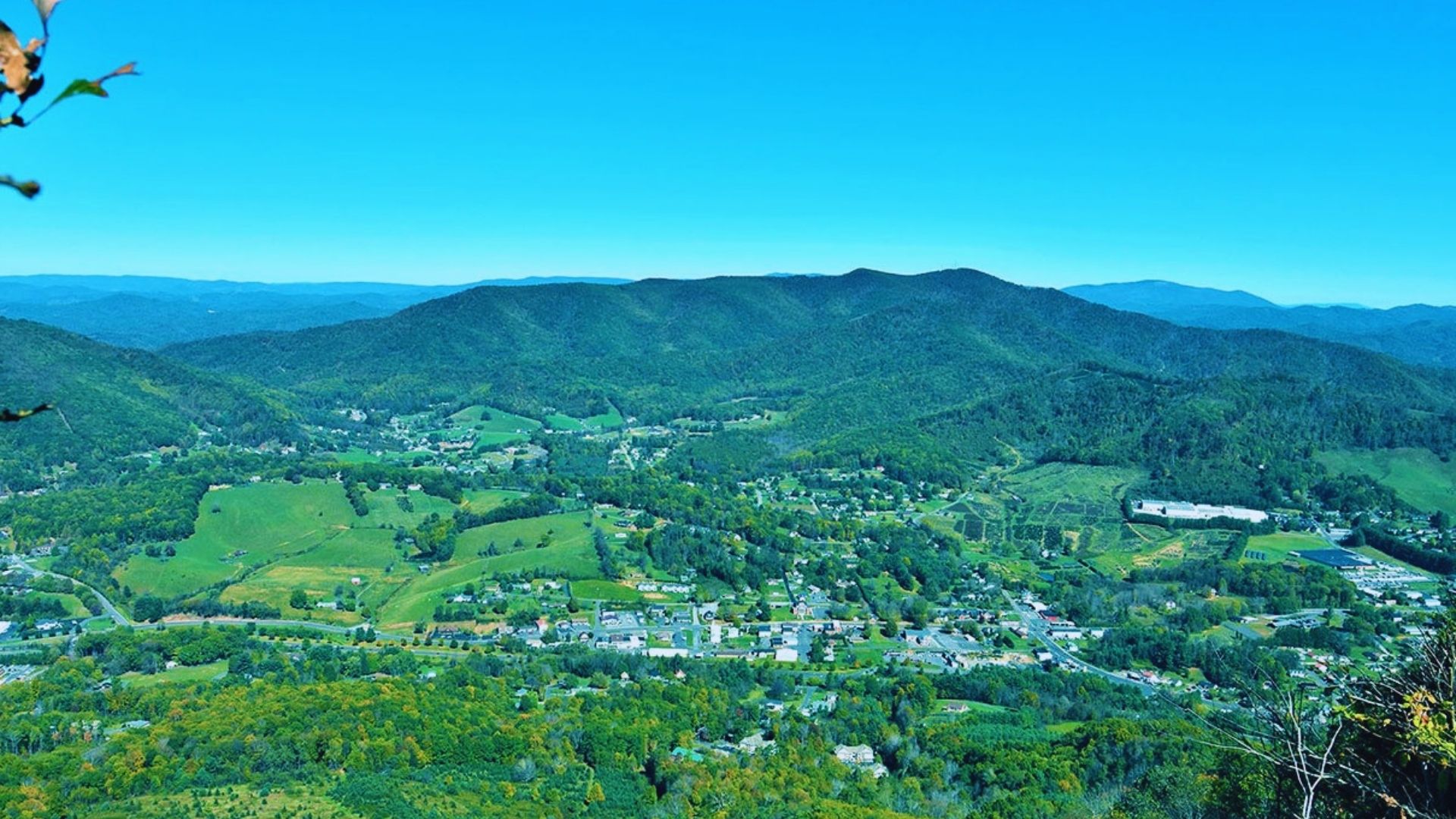
Jefferson and the wider Ashe County area offer rural mountain life without a lot of commercial overlay.
Farms, open land, and outdoor access make it a good stop for people who want something quieter than the bigger towns.
37. Fontana Lake Area
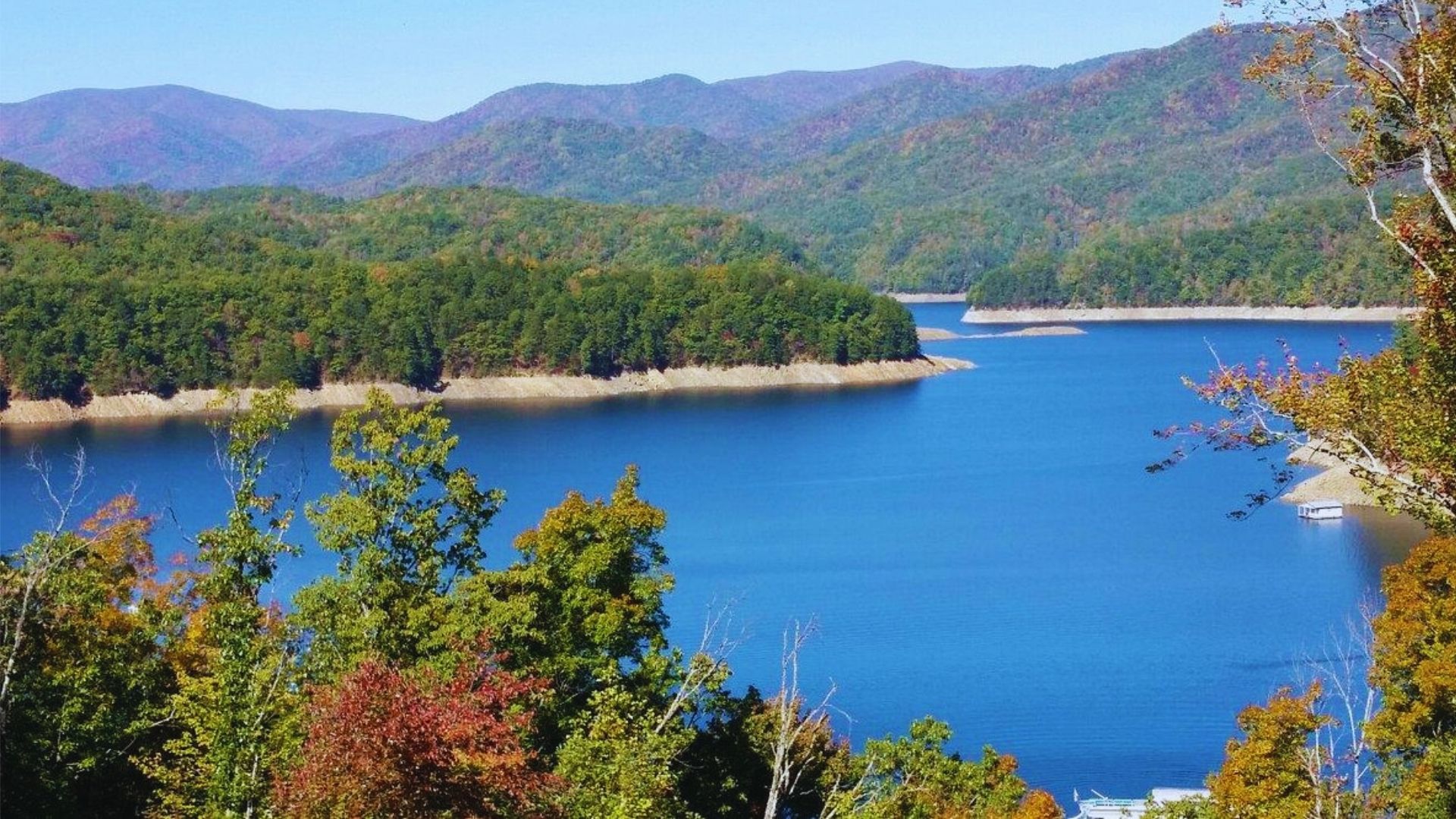
Fontana Lake sits near the southern edge of Great Smoky Mountains National Park. Boating and dam views are the main draws.
The secluded feel here is real, not manufactured, and that makes the drive worth it.
Best Time to Visit
The right time to visit depends on what you want from the trip. Each season in the North Carolina mountains brings something different.
Fall: The most visited season. Foliage across western NC runs deep reds, oranges, and yellows from mid-October through early November. Expect crowds in Asheville and along the Blue Ridge Parkway.
Spring: Wildflowers, mild temps, and strong waterfalls from snowmelt. A good window if you want trail access without the peak-season rush.
Summer: The mountains stay cooler than the rest of the state. Smaller towns stay manageable even when Asheville and Boone get busy. Best time for tubing, kayaking, and hiking.
Winter: Ski country comes alive. Beech Mountain, Banner Elk, Sugar Mountain, and Appalachian Ski Mountain stay active December through February. Everywhere else gets quiet, and rates drop.
Travel Tips
A few things I have picked up from visiting these towns more times than I can count.
- Check weather and road conditions before you leave, especially in winter. Mountain passes can close fast.
- Book early for fall foliage and ski season. Rooms in Asheville and Boone go quickly, and smaller towns have limited options.
- Plan to hit more than one town per trip. Most are 30 to 60 minutes apart, so combining stops is easy.
- Support local. The coffee shops, restaurants, and stores here are mostly independent, and your money goes further in a small-town economy.
- Pack layers. Even in summer, mountain temps drop in the evenings more than most people expect.
Conclusion
I have been to a lot of these towns more than once, and I always find a reason to go back. North Carolina mountain towns are not all the same, which is what makes the region worth your time.
Some are lively and packed with things to do. Others are quiet and ask nothing more of you than to slow down.
If you are planning a trip, pick two or three towns that match your pace and build from there.
Leave a comment below and tell me which town is on your list. I would love to know.
Frequently Asked Questions
What are the best mountain towns in North Carolina for families?
Blowing Rock, Hendersonville, and Bryson City are great picks. All three have outdoor activities, walkable downtowns, and things to do across different age groups.
Which North Carolina mountain town is best for skiing?
Beech Mountain and Banner Elk are the top choices. Both have access to Sugar Mountain and Ski Beech, which run from December through February most years.
How far apart are the mountain towns in western North Carolina?
Most towns sit within 30 to 90 minutes of each other. Asheville makes a good central base, with Blowing Rock, Brevard, and Waynesville all under an hour away.
What is the least crowded mountain town in North Carolina?
Robbinsville, Andrews, and Little Switzerland see far fewer visitors than bigger towns. If you want quiet roads and a local feel, these are worth the detour.
Is fall really the best time to visit North Carolina mountain towns?
It depends on what you want. Fall has the foliage but also the crowds. Spring is quieter with good waterfall views. Summer stays cool for hiking. Winter works well for skiing and lower rates.
