


If you’re thinking about visiting Mooney Falls Arizona, you’re in the right place. I’ve been there, and I know the questions running through your head, Is the hike safe? Is it worth the effort? What should I bring?
This article answers all of that. I’ll walk you through the location, the hike, what to expect at the bottom, and whether it’s truly worth your time.
No fluff, just honest information from someone who’s done it. By the end, you’ll know exactly what to expect before you go.
Mooney Falls, Arizona Travel Overview
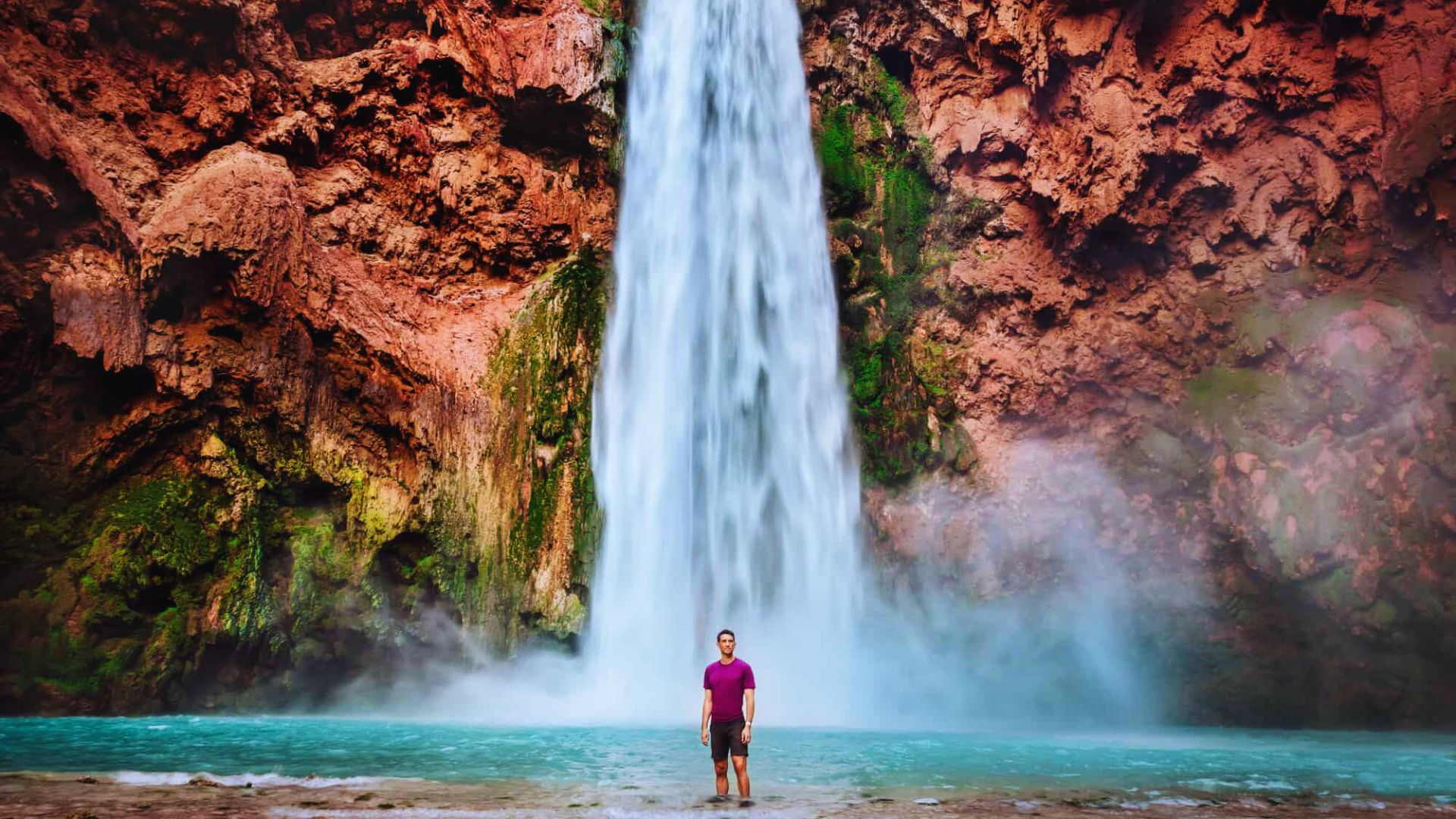
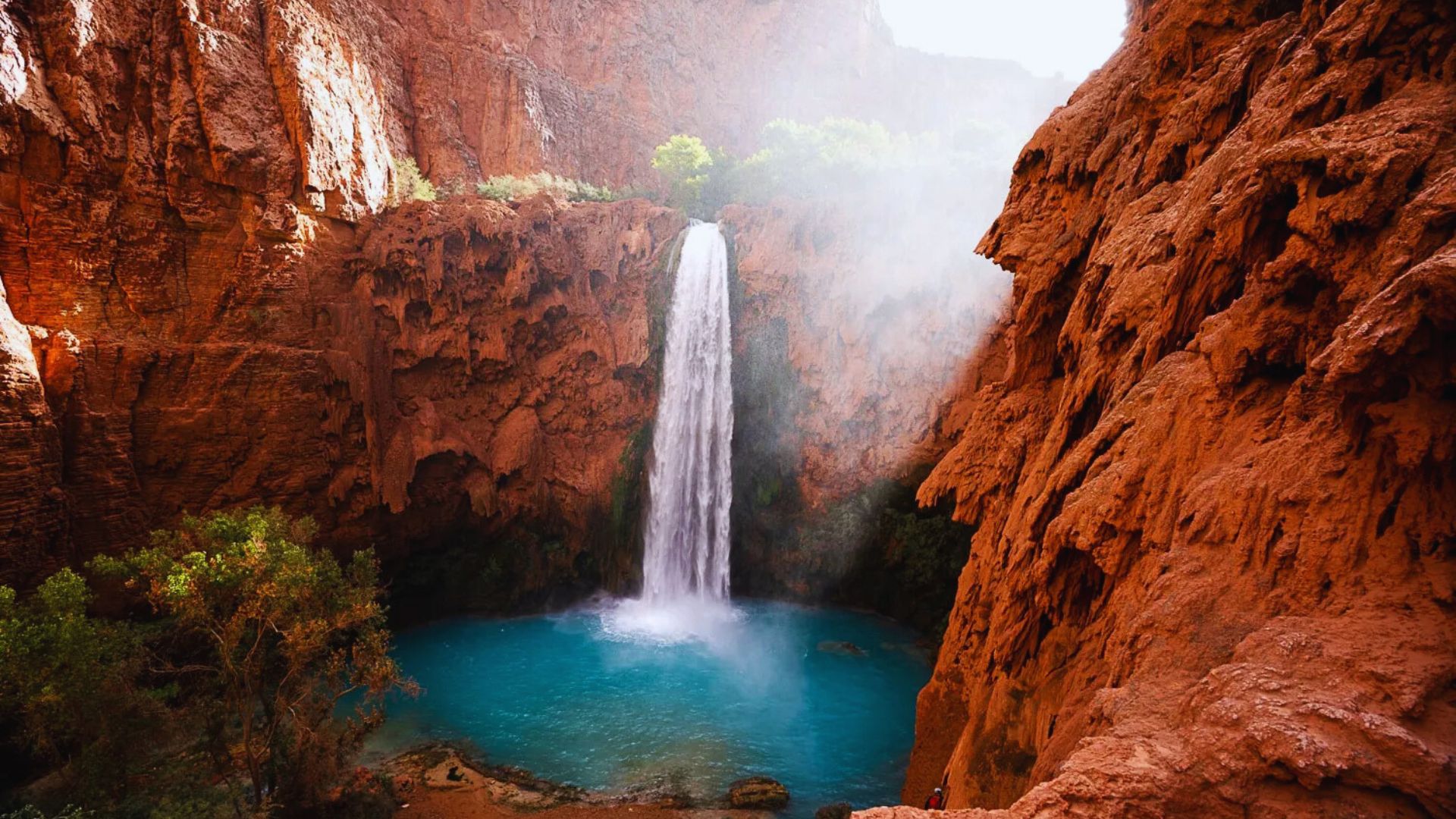
Mooney Falls stands about 200 feet tall, making it the tallest waterfall in the Havasupai area. It sits deep inside a canyon, and getting there takes real effort.
You need a permit, a long hike, and the nerve to handle a steep descent. This spot works best for people who enjoy physical challenges and want something beyond a simple scenic stop.
It is not a casual day trip by any measure. Families with young kids or people with limited mobility may want to reconsider.
But for those who are ready, the experience at the bottom is hard to forget.
Where Is Mooney Falls, Arizona, located?
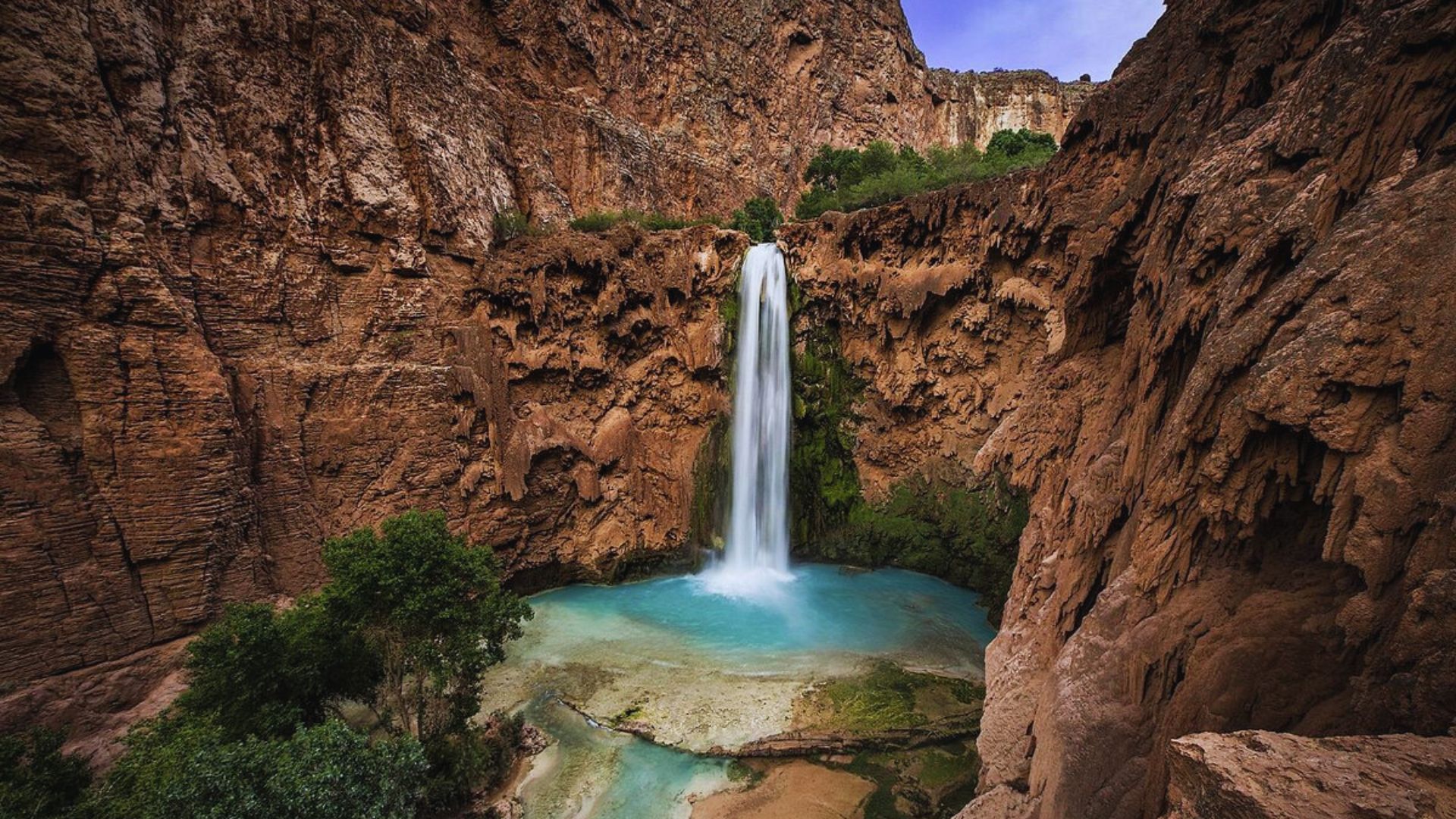
Mooney Falls sits inside the Havasupai Indian Reservation in northwestern Arizona. It is about 1.5 miles past Havasu Falls, tucked deeper into the canyon.
To reach it, you drive to Hualapai Hilltop, which serves as the starting point for the hike. From there, expect around 10 miles on foot to reach the campground.
After that, it is another 1.5 miles to the falls itself. No roads lead directly to the site. Your only options are hiking or riding a horse.
There is no shortcut, and that is part of what makes this place feel so removed from everyday life.
Mooney Falls Arizona Hike What to Expect
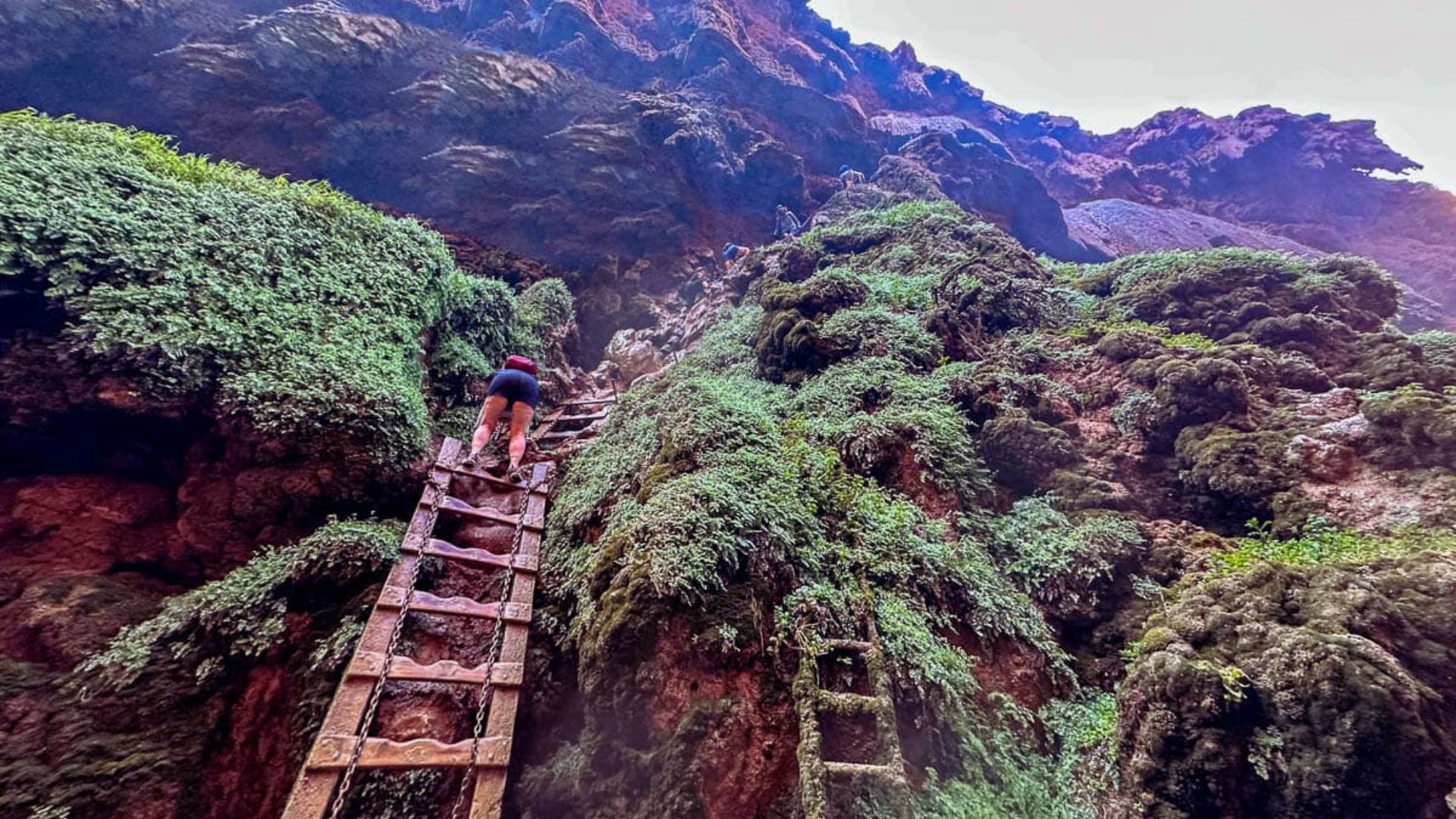
Know the trail conditions, total distance, and what makes this hike physically demanding.
Total Distance and Time
The full round trip from the trailhead to Mooney Falls and back is about 23 miles. Most people camp overnight, which makes it more manageable. Plan at least two days.
Trail Conditions
The trail to the campground is mostly flat but long. It runs through a sandy canyon floor with some rocky sections. Heat can be intense, especially in summer.
The Descent Tunnels, Chains, and Ladders
This is the part most people are nervous about, and honestly, they should take it seriously.
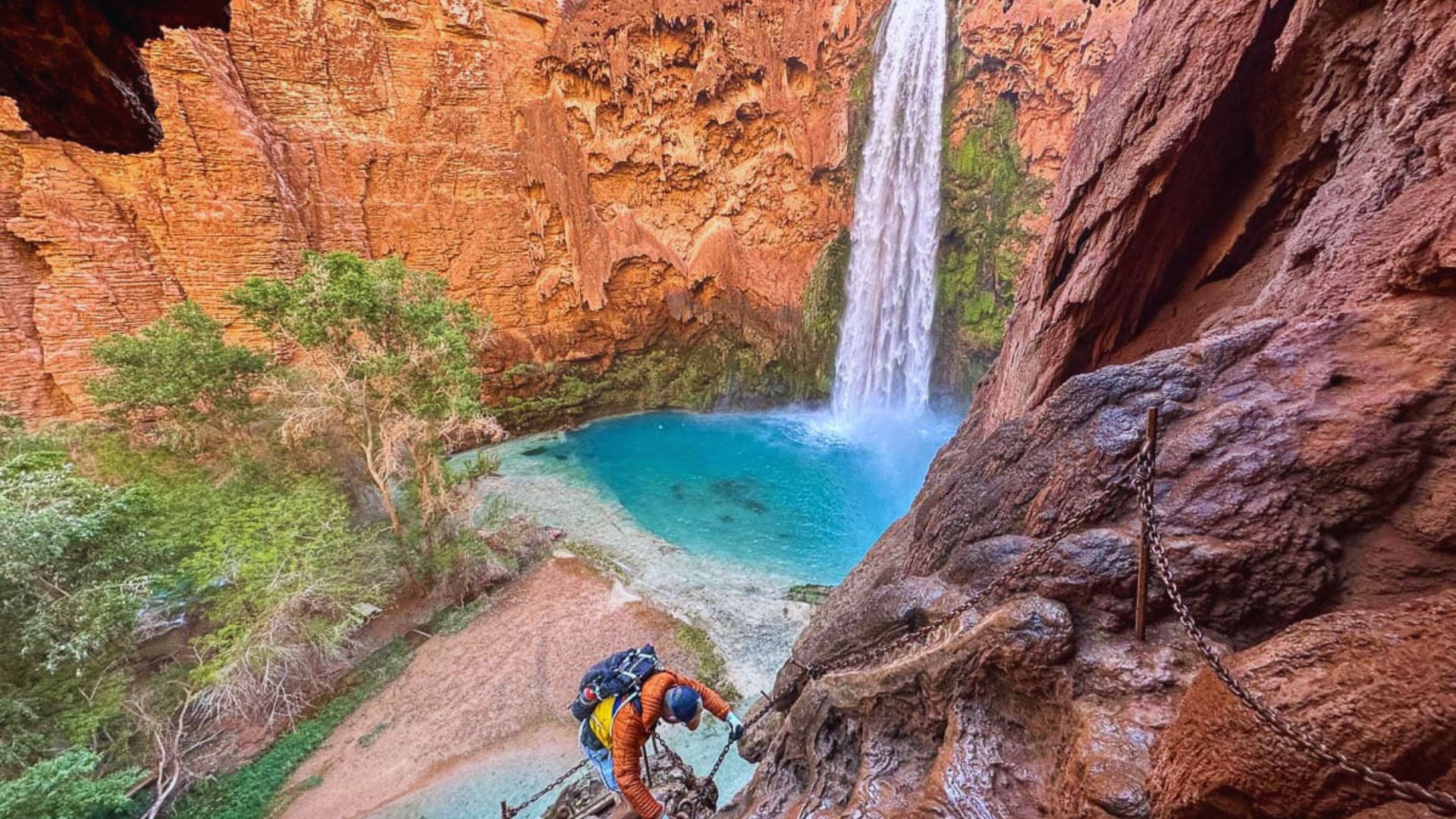
To get down to the base of Mooney Falls, you pass through two narrow cave tunnels carved into the rock. The tunnels are tight and can feel cramped.
After the tunnels, you face a nearly vertical drop down the canyon wall. The only way down is by gripping chains and metal stakes drilled into the rock. There are also short ladder sections.
The rock is often wet from the mist of the falls. Grip is not guaranteed. I watched people freeze halfway down, unsure whether to keep going or turn back.
It takes focus and steady movement. If heights bother you even a little, this section will test you.
Experience at Mooney Falls: What It’s Really Like

When you finally reach the bottom, the first thing that hits you is the sound. It’s loud. The water crashes into the pool below with full force. A constant mist drifts outward and covers everything nearby.
The water is a deep turquoise-blue color, fed by calcium carbonate in the surrounding rocks. It looks almost too blue to be real.
The pool at the base is large enough to swim in. Water temperature stays cool year-round, usually between 65 and 70°F. It’s refreshing after the climb down.
Standing at the base, looking up at 200 feet of falling water, is genuinely overwhelming. It’s one of those moments where you stop talking and just take it in.
Pros and Cons of Visiting Mooney Falls, Arizona
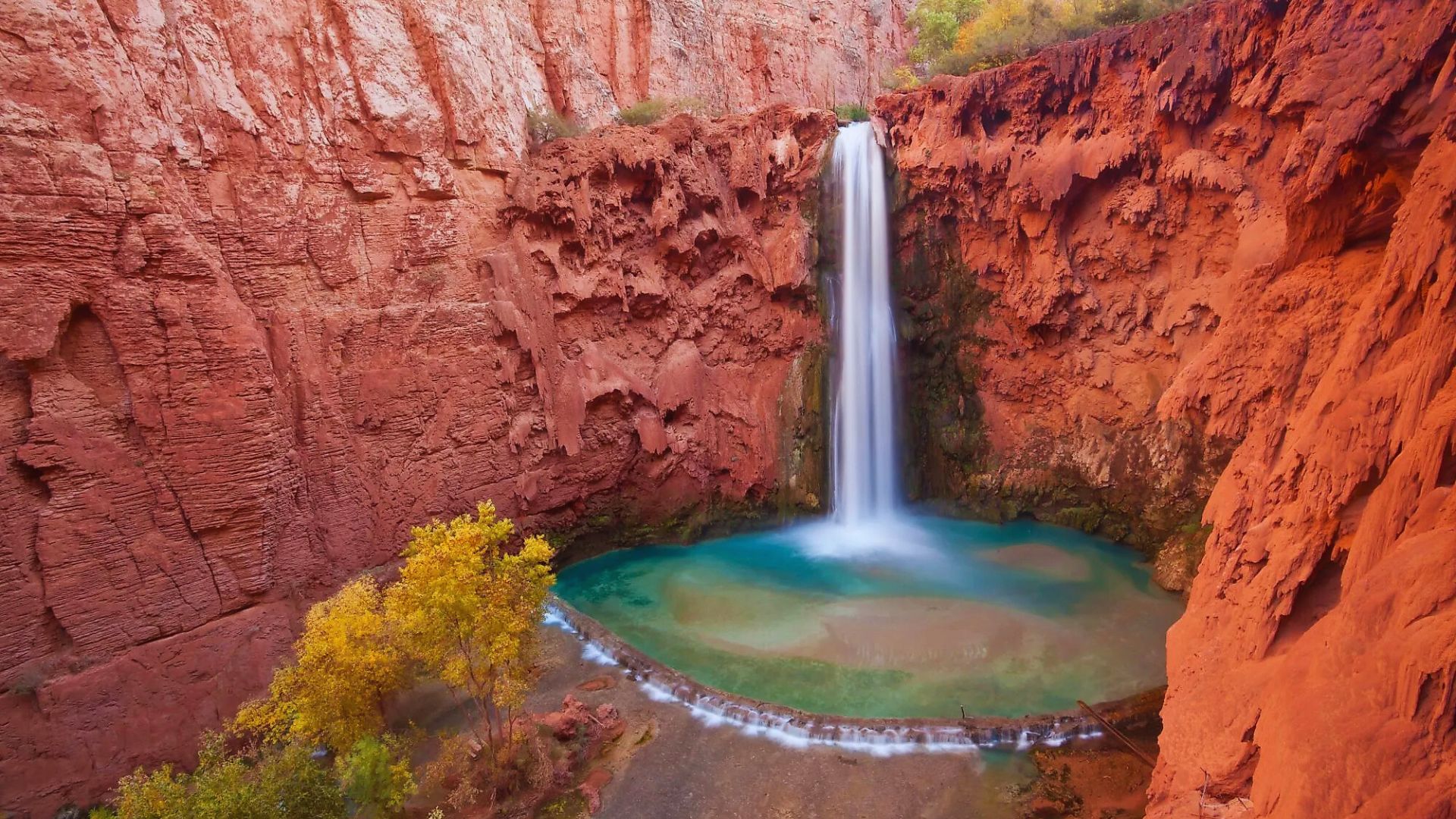
A balanced look at the highs and lows so you can decide if this trip is right for you.
Pros
- The scenery is unlike anything most people have seen in person.
- The blue water against red canyon walls creates a contrast that stays with you.
- It’s also less crowded than Havasu Falls since fewer people make the extra push.
- The physical challenge of the descent makes reaching the bottom feel earned.
Cons
- The descent is genuinely dangerous for people who aren’t physically prepared or who are afraid of heights.
- Permits are hard to get and often sell out within minutes.
- The hike is long and tiring, especially in the summer heat.
- First aid help is not nearby if something goes wrong.
Best Time to Visit Mooney Falls, Arizona
Timing your visit well can make a big difference in what you experience.
Spring (March to May): is widely considered the best time. Temperatures are mild, the water is flowing well, and the canyon isn’t unbearably hot.
Fall (September to November): is a close second. Crowds thin out, and temperatures drop to a comfortable range.
Summer: can work, but temperatures at the trailhead can exceed 100°F. Hiking in that heat carries real risk.
Winter: visits are possible but the descent becomes more hazardous due to wet and icy rock. Water levels also drop significantly.
Permit availability affects your planning too. Permits for Havasupai open online and sell out fast sometimes in under an hour.
Set a reminder and be ready to book the moment the window opens.
Tips for Visiting Mooney Falls Arizona
Simple, practical advice that can make your trip safer and more enjoyable.
- Start hiking early, before sunrise if possible, to beat the heat and crowds.
- Wear hiking boots or trail runners with a strong grip. Skip the sandals.
- Move slowly on the descent. Test each handhold before you commit.
- Bring at least 3 liters of water and pack electrolyte tablets.
- Carry snacks to keep your energy up on the long trail.
- Pack a basic first aid kit. No medical help is available at the campground.
- Tell someone your plans before you head in, just to be safe.
Is Mooney Falls, Arizona, Worth Visiting?
Yes, it’s worth it but only if you go in prepared.
Mooney Falls is not a comfortable tourist attraction. It demands physical effort, planning, and a willingness to face something intimidating. The permit process is frustrating. The hike is long. The descent is scary for many people.
But the payoff is real. The waterfall is massive, the water is beautiful, and the feeling of standing at the base after climbing down is hard to describe.
If you’re fit, comfortable with heights, and ready to plan well ahead, go. If you have mobility concerns, fear of heights, or expect an easy day out, this one isn’t for you.
Conclusion
Mooney Falls, Arizona, pushed me in ways I did not expect. That shaky descent on the chains, the sound of the falls getting louder with every step, it stays with you long after you leave.
If you are thinking about going, start planning early. Book your permit the moment bookings open. Pack smart, respect the terrain, and never rush the descent.
It is one of those places that truly rewards effort and patience. Have you visited Mooney Falls or are you planning to?
Drop a comment below and share your experience. I would love to hear from you.
Frequently Asked Questions
How hard is the descent to Mooney Falls?
The descent involves chains, metal stakes, and ladder sections on wet rock. It’s physically demanding and can feel frightening, especially for those not used to heights.
Do you need a permit to visit Mooney Falls Arizona?
Yes, a permit is required to enter the Havasupai Reservation. Permits are limited and typically sell out very quickly when they go on sale.
Can you swim at the base of Mooney Falls?
Yes, there is a pool at the base where swimming is allowed. The water is cool and clear, usually around 65 to 70°F throughout the year.
How far is Mooney Falls from Havasu Falls?
Mooney Falls is about 1.5 miles past Havasu Falls. Most visitors camp at the campground and make the short extra hike the following day.
Is Mooney Falls safe for children?
The descent is not recommended for young children or those without strong physical ability. The chains and steep wet rock make it risky for anyone without good grip strength and balance.
