


Most travelers think Mexico equals beach resorts and margaritas. They’re missing incredible treasures hiding in markets, mountains, and ancient ruins across this diverse country.
You’re searching for authentic Mexico stuff, and I’m here to help. This guide covers handcrafted items, gear, and cultural experiences I’ve personally tested across 25+ Mexican states over three years of living there.
My family has visited everything from underground cenotes to volcanic hot springs, buying directly from local artisans and learning traditional techniques firsthand.
You’ll discover cultural treasures worth bringing home, gear that works, regional specialties, and practical items that make Mexican travel authentic and smooth.
What Makes Mexico a Must-Visit Destination
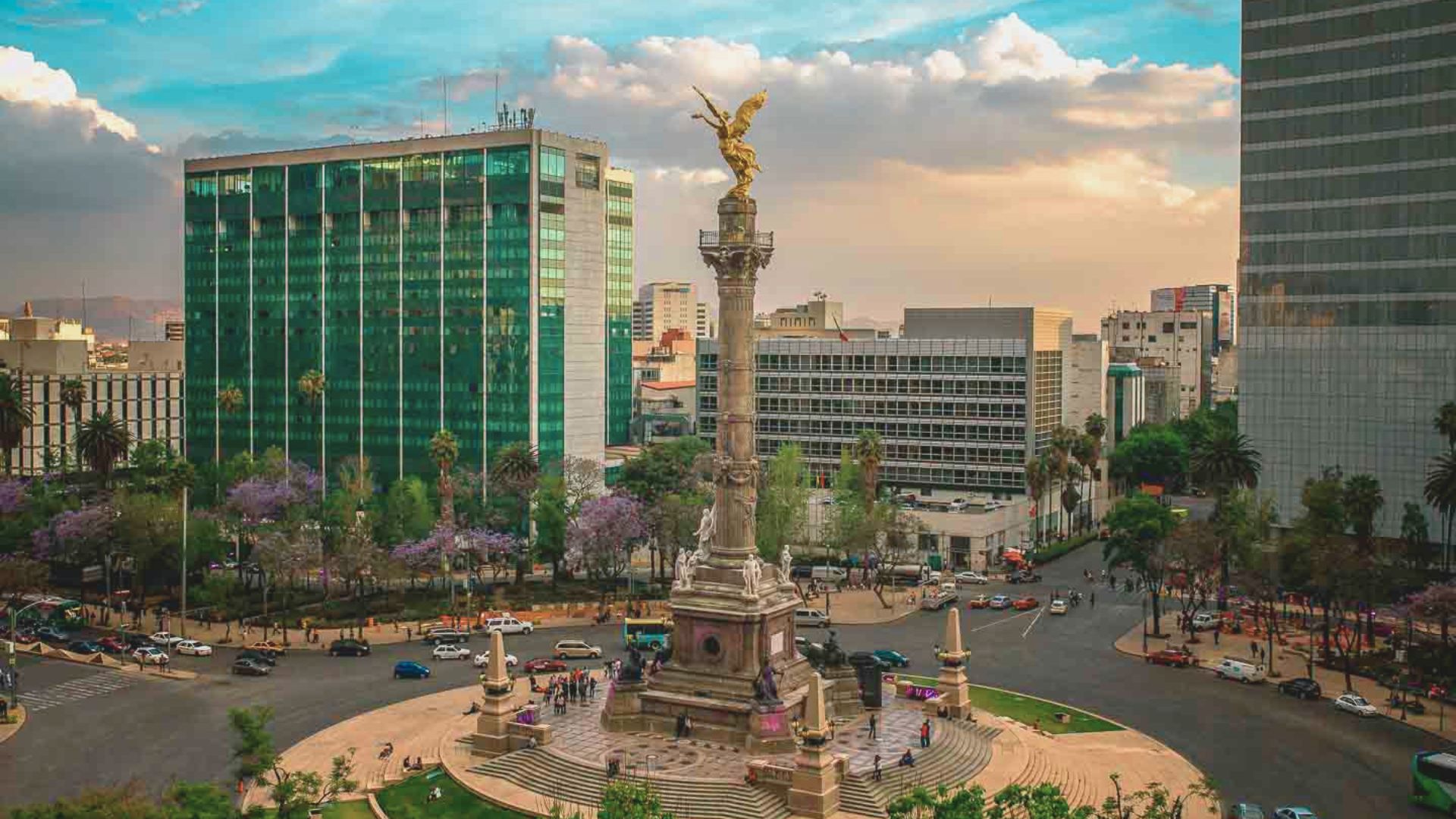
Mexico is far more than a single travel style. It’s a country shaped by ancient civilizations, regional traditions, and everyday rituals that vary from state to state. Each area offers its own crafts, food, landscapes, and customs.
What truly sets Mexico apart is how deeply culture is woven into daily life. Art isn’t confined to museums, food isn’t just fuel, and transportation isn’t merely practical.
From handwoven textiles to family-run mezcal palenques and community celebrations in town plazas, Mexico rewards travelers who slow down and engage.
7 Essential Mexico Things to Experience and Collect
Mexico’s real treasures aren’t in gift shops. They’re in artisan workshops, family kitchens, and hidden natural wonders that most tourists never discover.
1. Traditional Mexican Crafts and Artisan Stuff
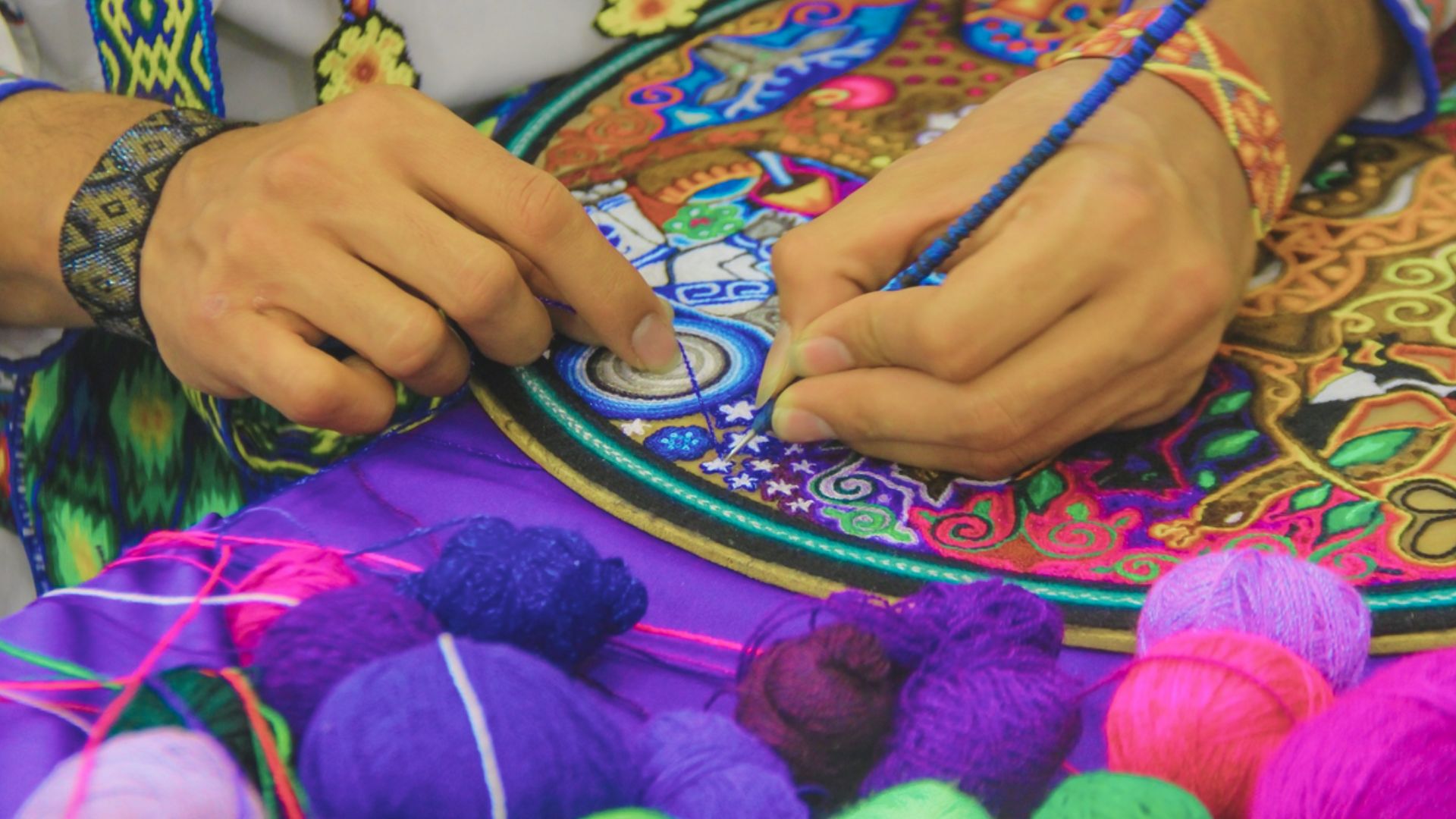
Authentic Mexican crafts carry generational stories. Oaxacan alebrijes are carved from copal wood and painted with natural dyes, taking weeks to complete.
Traditional textiles use plant and insect dyes on ancestral looms. Regional pottery showcases distinct family techniques.
These handmade pieces reflect centuries of cultural tradition, far beyond mass-produced items.
2. Cultural Food Stuff and Culinary Experiences
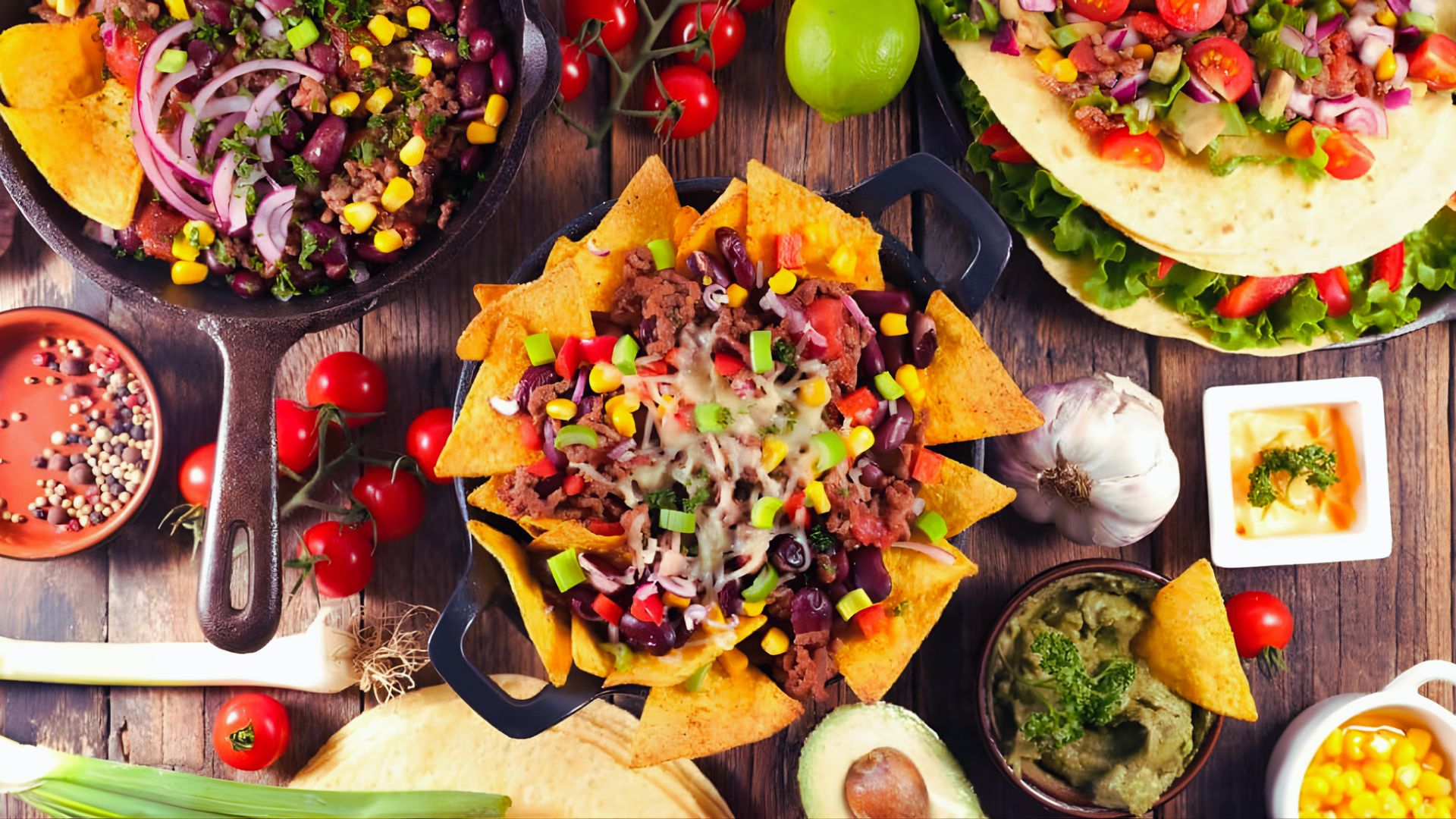
Mexican cuisine varies dramatically by region. Central Mexico offers al pastor and carnitas tacos, while coastal areas specialize in fish varieties.
Northern regions master carne asada. Chilaquiles dominate breakfast menus. Adventurous diners can try huitlacoche, crickets, bone marrow, beef tongue tacos, and chapulines with guacamole, each offering Special flavors and textures.
3. Beverages and Spirits Stuff
Authentic tequila originates from five designated Mexican regions, with blue agave grown exclusively there. Santiago de Tequila holds UNESCO status.
Oaxaca produces 90% of Mexico’s mezcal using various agave types on artisanal farms. Mariachi music, dating to the 18th century, helped establish national identity post-Revolution. Las Mañanitas celebrates birthdays everywhere.
4. Water-Based experience Stuff
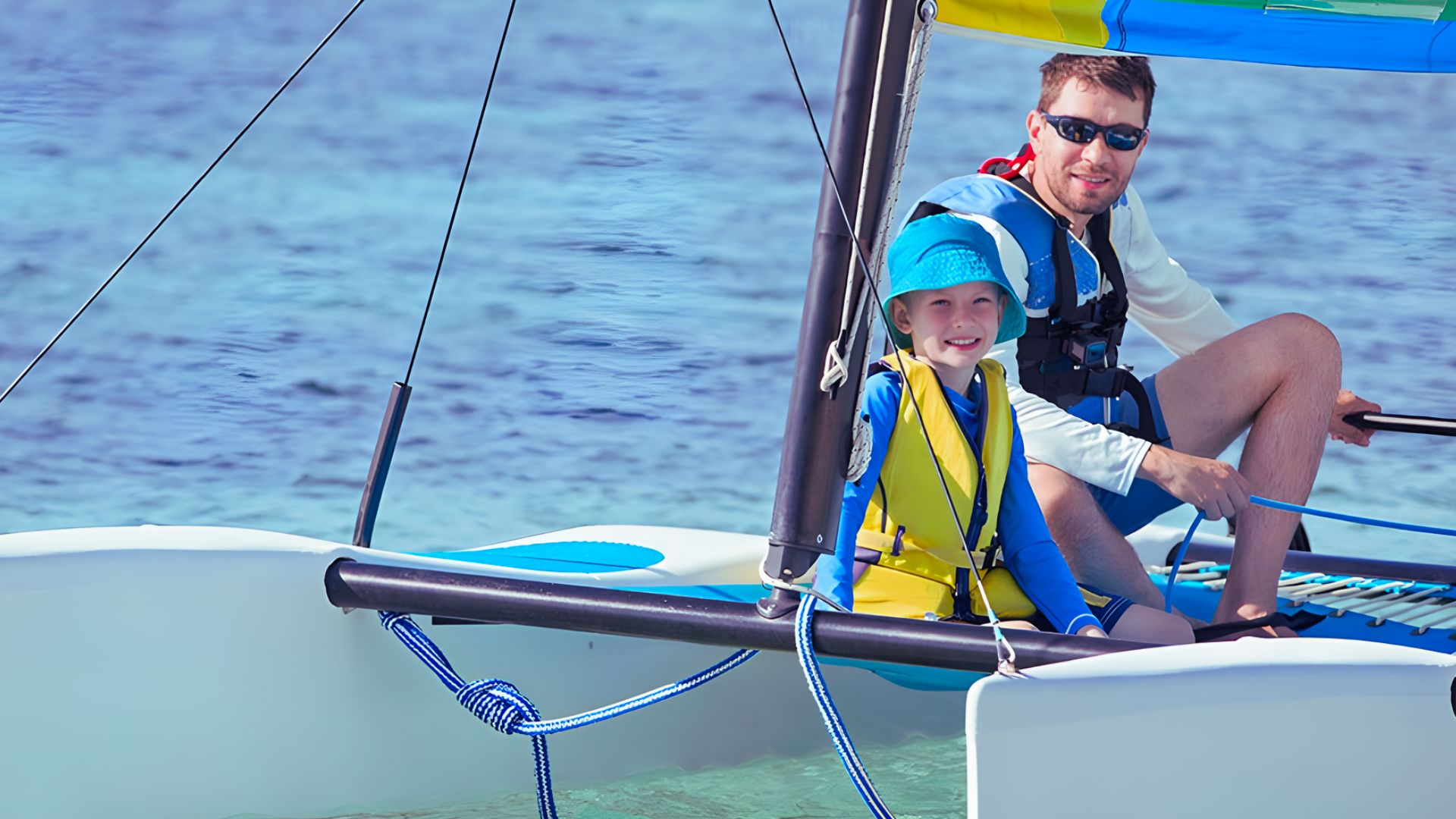
Mexico’s Yucatan Peninsula contains over 7,000 Special cenotes offering crystal-clear swimming. Cozumel features world-class diving near the second-largest reef system.
The MUSA underwater museum displays 500 sculptures creating artificial reefs. Activities include jet packing in Cancun, mangrove speedboat tours, and bioluminescent plankton swimming, creating glowing water trails.
5. Extreme experience Stuff
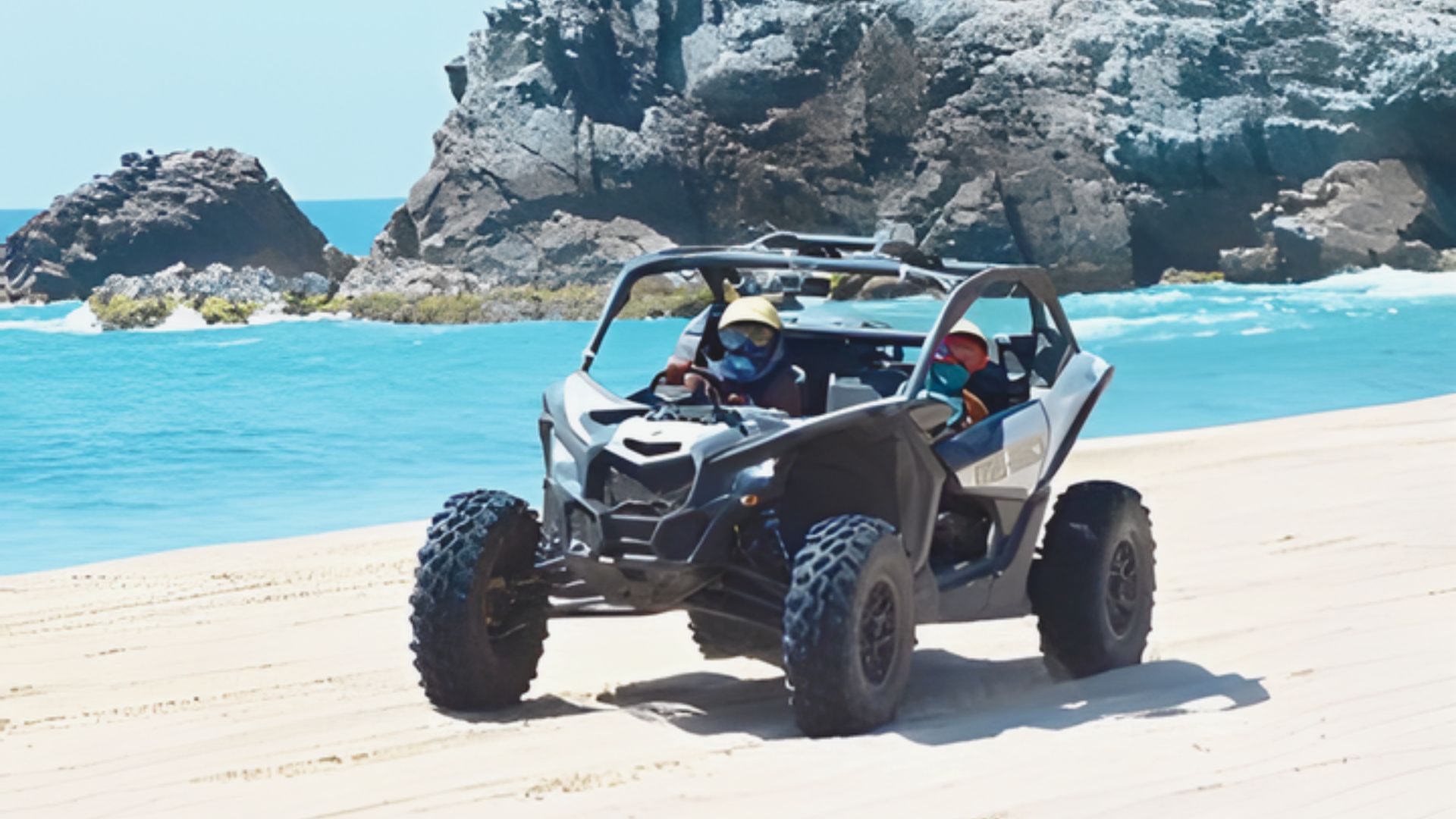
Mexico offers extraordinary experiences beyond typical tourism. “Flying bicycles” at Xel-Há combine zip-lining with pedaling through the air.
Hot air balloons provide sunrise views over Teotihuacán pyramids. Sierra Norte Mountains feature eight autonomous villages with independent laws, supporting eco-tourism through guided treks.
Sumidero Canyon boat cruises reveal crocodiles, spider monkeys, and ocelots. El Chiflon showcases aquamarine waterfalls. Peña de Bernal challenges climbers with its 1,421-foot monolith formation.
6. Special Transportation Stuff
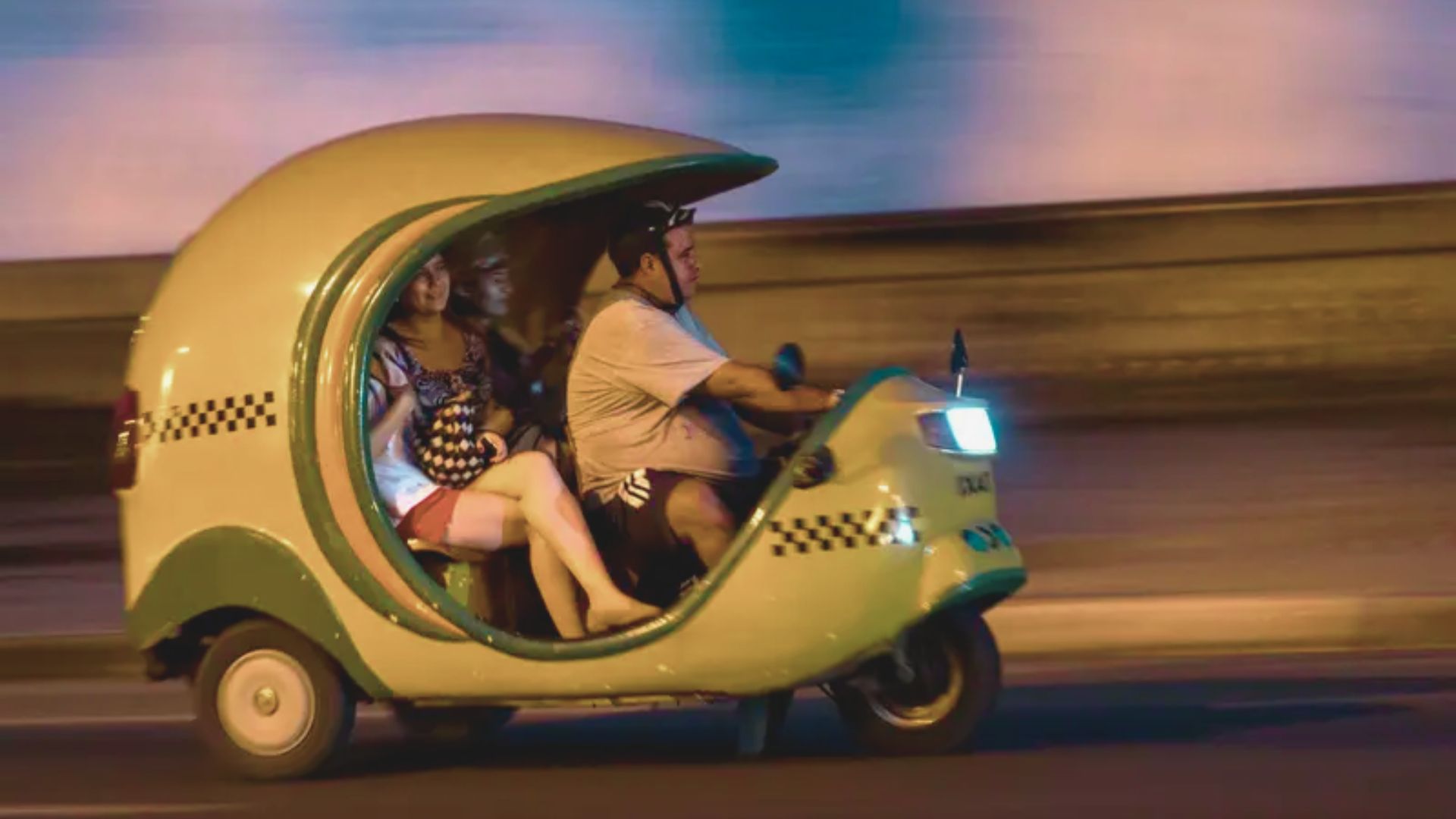
Trajineras in Xochimilco provide experiences unlike anywhere else. These colorful gondola-like boats navigate 170 kilometers of canals through a UNESCO World Heritage Site.
Tour options range from 1-5 hours, costing 500-2500 MXN per boat. I brought my speaker and snacks for the full experience.
Other boats sell food and drinks as you float past mariachi bands and families celebrating special occasions. Regional transportation varies dramatically:
The ADO bus system offers comfortable long-distance travel with air conditioning and WiFi. Colectivos provide short-distance shared taxi service for budget travelers.
Ferry access reaches car-free islands like Isla Holbox and Isla Mujeres, where bicycles replace cars entirely.
7. Special Geological Formations
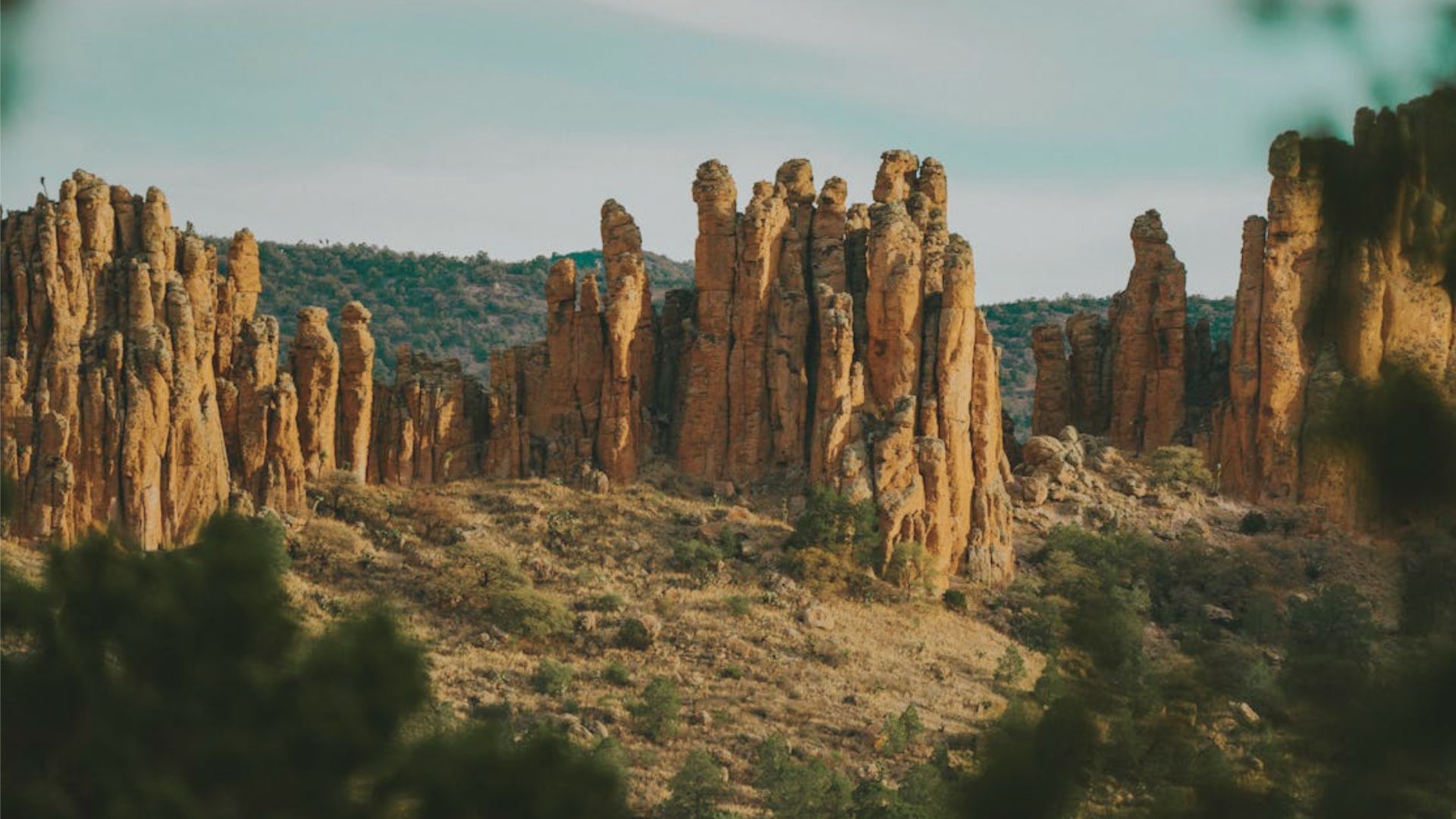
Hierve el Agua ranks among Mexico’s most incredible natural wonders. This petrified waterfall near Oaxaca represents one of only two such formations worldwide.
Calcium carbonate mineral deposits create the illusion of frozen waterfalls. Natural swimming pools contain minerals with supposed healing properties. The site sits 70 kilometers east of Oaxaca City.
La Bufadora near Ensenada shoots 100-foot water spouts from an underwater cave system. It’s the world’s second-largest marine geyser.
Las Piedrotas outside Tapalpa remain completely mysterious. Nobody knows how these massive boulder formations ended up in cow fields. The meteorite theory makes the area known as the Valley of Enigmas.
Tips for Experiencing Authentic Mexico
- Buy directly from artisans whenever possible by visiting local markets, cooperatives, and workshops instead of souvenir stalls. This ensures authenticity and supports local families directly.
- Learn a few basic Spanish phrases before you go. Even simple greetings open doors to warmer interactions, better prices, and richer cultural exchanges throughout your trip.
- Pack for varied environments because Mexico isn’t just beaches. Bring layers for mountains, sturdy shoes for ruins, and water gear for cenotes and waterfalls.
- Respect local customs and traditions by asking before photographing people and dressing modestly in rural areas. Follow community rules at sacred or natural sites.
- Eat where locals eat at busy street stalls and small family restaurants. These spots often offer the most authentic and memorable meals you’ll find in Mexico.
Conclusion
You now have insider access to authentic Mexico stuff most travelers never find. From hand-carved alebrijes to cenote diving gear and artisanal mezcal, your Mexico experience will go beyond typical tourist trips.
These tested recommendations come from years of visiting remote villages and building relationships with local artisans who create Mexico’s most treasured items.
Start with experiences that excite you most, whether bioluminescent waters, traditional textiles, or grasshopper tacos in Oaxaca markets.
Which Mexico stuff made your must-try list? Share your favorites below or tell us about your Mexican discoveries.
Frequently Asked Questions
What are the best Mexican souvenirs to buy as authentic souvenirs?
Hand-carved alebrijes from Oaxaca ($50+), traditional textiles from indigenous weaving villages, artisanal pottery, and mezcal from small farms. Avoid tourist shops and visit artisan co-ops like Taller de Jacobo & María Angeles for genuine pieces supporting local craftspeople.
What Mexico stuff do I need for cenote experiences?
Water shoes, biodegradable sunscreen, snorkeling gear, waterproof camera, and quick-dry towels. Many cenotes rent equipment, but personal gear ensures a better fit. Cenotes are exclusive to Mexico’s Yucatan Peninsula, with 7,000+ natural sinkholes available.
What Special Mexican stuff can I only find there?
Cenote swimming (Yucatan exclusive), bioluminescent plankton encounters, trajinera rides through Xochimilco’s UNESCO canals, authentic tequila from five designated regions, and Hierve el Agua – one of only two petrified waterfalls worldwide.
What Mexico stuff should food lovers prioritize?
Regional tacos (al pastor, birria, carnitas), chilaquiles breakfast, artisanal mezcal tastings, chapulines (grasshoppers) with guacamole, huitlacoche corn fungus, and street food from local vendors. Oaxaca offers Mexico’s best culinary experiences and cooking classes.
What Mexico stuff helps me experience authentic culture?
Learn basic Spanish, attend free nightly events at Mérida’s Plaza Grande, take family cooking classes, visit indigenous markets like Tlacolula, celebrate Day of the Dead in Oaxaca, and choose traditional haciendas over chain hotels.
