


Costa Rica packs an almost absurd amount of biodiversity into a country smaller than West Virginia. Roughly 5% of the world’s species live within its borders, which means you can realistically watch humpback whales breach in the morning and spot a sloth napping in the canopy that same afternoon. Whether you’re a seasoned birdwatcher or someone who simply wants to see a toucan outside of a cereal box, planning trips to Costa Rica around wildlife hotspots is one of the most rewarding ways to experience the country. The trick is knowing where to go and when. That’s the difference between a blurry photo of a distant branch and a face-to-face encounter with a red-eyed tree frog.
This guide breaks down Costa Rica’s best wildlife regions so you can match your interests with the right destinations. No vague advice about “going to the rainforest.” Just specific places, practical timing tips, and the animals you’re most likely to find there.
The Osa Peninsula: Costa Rica’s Wildest Corner
National Geographic once called the Osa Peninsula “the most biologically intense place on Earth,” and after spending even a single day here, you’ll get it. This remote stretch of land on the southern Pacific coast is home to Corcovado National Park, which protects the largest remaining tract of lowland tropical rainforest on Central America’s Pacific side. Getting there takes some effort. Most visitors arrive by boat from Drake Bay or drive rough roads before hiking in with a guide. But that effort filters out the crowds and rewards you with some of the most authentic wildlife experiences in the country.
Corcovado is one of the few remaining places where you can spot all four of Costa Rica’s monkey species in a single day: howler, spider, squirrel, and white-faced capuchin. Scarlet macaws fly in pairs above the canopy, their red and blue feathers impossible to miss against the green. Tapirs, the country’s largest land mammal, wander the park’s trails and beaches, mostly at dawn or dusk. And if you’re extremely lucky (and patient), jaguars still roam here too, though sightings remain rare. Visit during the dry season from December through April, when trails are passable and animals gather near water sources. Hiring a certified local guide is mandatory for most sections of the park, and honestly, it’s worth every dollar. These guides can hear and identify animals that you’d walk right past without noticing.
Monteverde and the Cloud Forests: A Birdwatcher’s Dream
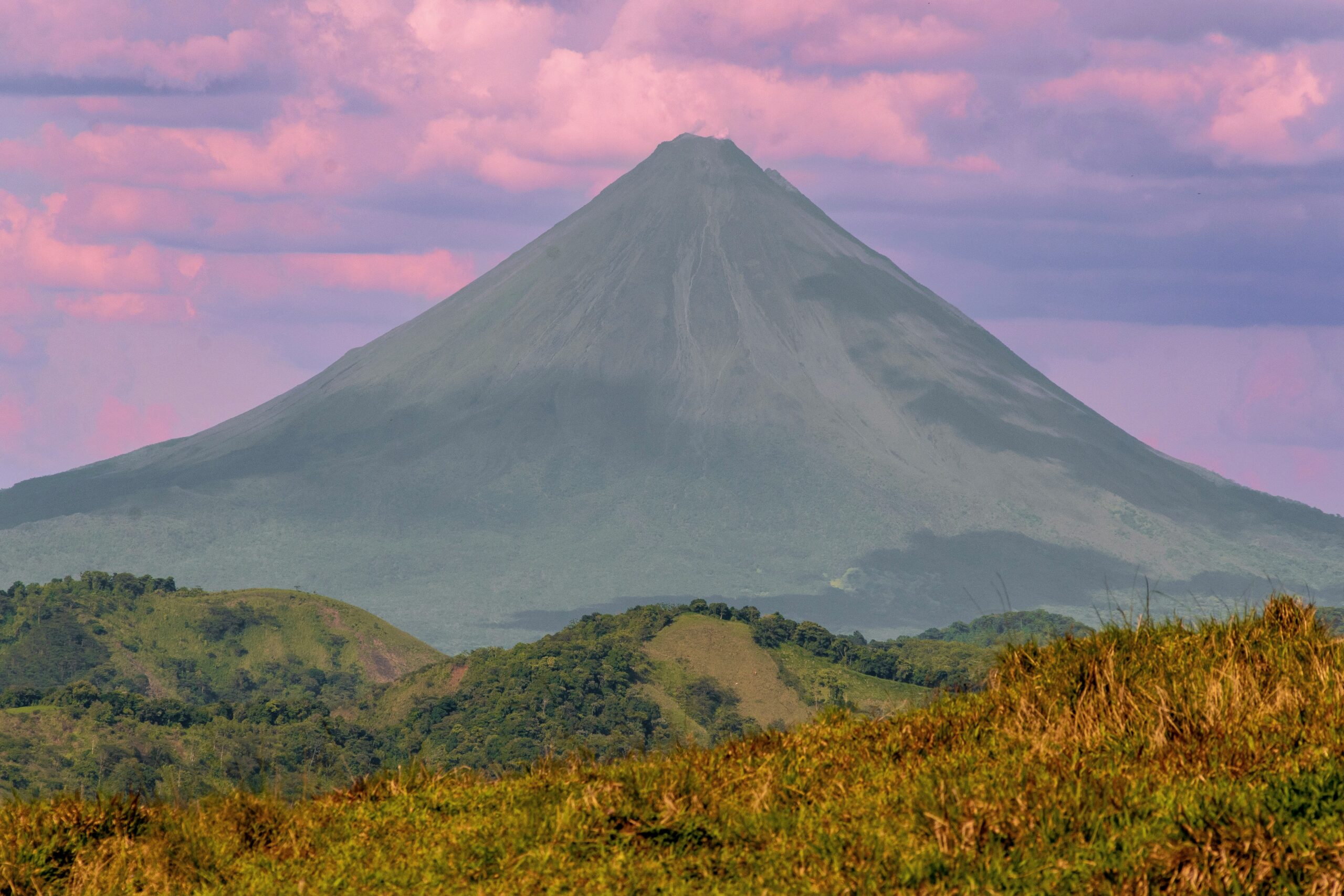
High in Costa Rica’s central mountain range, the cloud forests of Monteverde sit in a permanent mist that gives the whole area a slightly eerie, otherworldly feel. The temperature drops noticeably compared to the lowlands, and the air smells of damp moss and orchids. This is where serious birdwatchers come, and the star of the show is the resplendent quetzal. Ancient Mesoamerican civilizations considered it sacred, and once you see a male with its iridescent green tail feathers (they can reach three feet long), you understand the fascination. They’re most active between January and May during nesting season.
Beyond the quetzal, Monteverde’s forests host over 400 bird species, including emerald toucanets, bellbirds (whose metallic call carries over a mile), and dozens of hummingbird varieties. The hanging bridges at Selvatura Park put you at canopy level, which is where most of the action happens. Night walks are another highlight. Guides use red-filtered flashlights to reveal sleeping toucans, kinkajous foraging for fruit, and the famous red-eyed tree frogs clinging to leaves. Two-toed sloths also become more visible after dark, slowly making their way between branches. One practical note: book your cloud forest guides well in advance during peak season, as the best ones fill up quickly. And bring layers, because evenings at this altitude get properly cold.
Tortuguero: Where Sea Turtles Steal the Show
Costa Rica’s Caribbean coast has a completely different vibe than the Pacific side, and nowhere is that more obvious than Tortuguero National Park. You can only reach it by boat or small plane, which already sets it apart. A network of canals and waterways winds through dense lowland rainforest, and the park earned its name (“place of turtles” in Spanish) for good reason. Between July and October, thousands of green sea turtles haul themselves onto the beaches at night to lay their eggs. Watching a 300-pound turtle dig her nest under moonlight is one of those experiences that stays with you long after the trip ends.
Tortuguero isn’t only about turtles, though. The canal system is often compared to a mini-Amazon, and early morning boat tours reveal caimans basking on muddy banks, river otters fishing in the shallows, and Jesus Christ lizards sprinting across the water’s surface. Howler monkeys announce themselves long before you spot them, their deep roars echoing through the canopy at dawn. Birdlife is exceptional here too, with great green macaws, kingfishers, and boat-billed herons among the regular sightings. If you can’t make it for green sea turtle season, the leatherback nesting window runs from March through June. Just be prepared for rain no matter when you visit. It’s constant here, so waterproof gear is non-negotiable.
Arenal and La Fortuna: Where Volcanoes Meet Wildlife
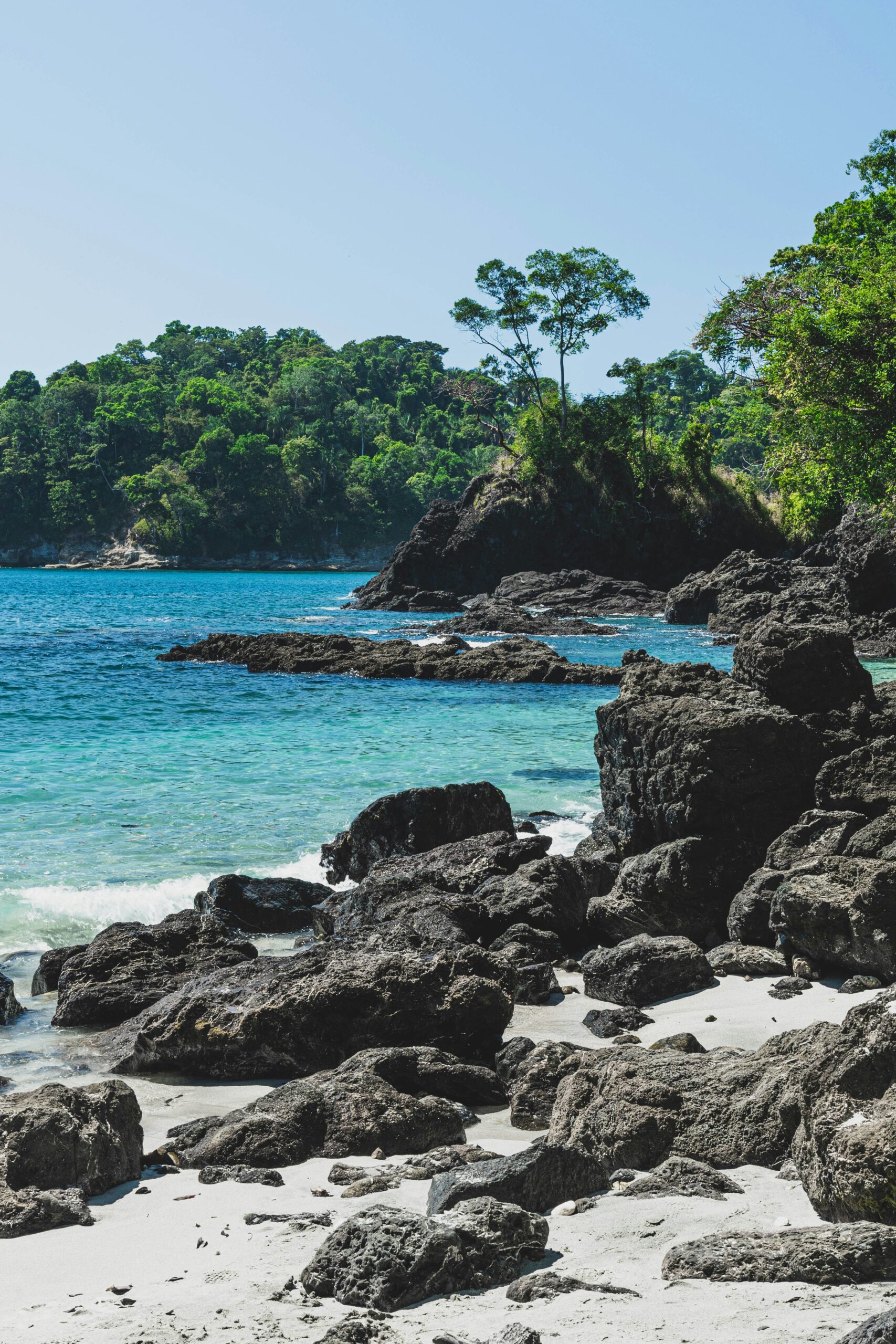
The area around Arenal Volcano in Costa Rica’s northern lowlands is a great pick for travelers who want a mix of adventure and wildlife without venturing too far off the beaten path. La Fortuna, the gateway town, gives you easy access to hanging bridge parks, hot springs, and rainforest reserves where you can spot plenty of animals without committing to multi-day treks. Mistico Arenal Hanging Bridges Park is a solid starting point. Its network of fixed and suspension bridges at canopy level makes it surprisingly easy to observe monkeys, sloths, and a wide variety of birds going about their day above and below you.
About two hours north toward the Nicaraguan border, the Caño Negro Wildlife Refuge is a wetland system that pulls in serious wildlife enthusiasts. Boat tours through the refuge turn up spectacled caimans, iguanas, basilisk lizards, and one of the densest populations of waterbirds in the country. Jabiru storks, roseate spoonbills, and anhinga all live here year-round. Howler and spider monkeys are common along the riverbanks, and at dusk you can watch fishing bats skim the water’s surface. During the dry season (January to April), animals concentrate around remaining water sources, so sightings become more predictable. The green season offers a different experience entirely: the waterways swell, and the forest erupts with frogs, insects, and reptiles.
Manuel Antonio and the Pacific Coast: Big Wildlife, Easy Access
If guaranteed wildlife sightings sound appealing without the rugged logistics, Manuel Antonio National Park on the central Pacific coast is your best bet. It’s Costa Rica’s smallest national park but also its most visited, and for good reason. Within minutes of entering, white-faced capuchin monkeys will likely approach your trail. Iguanas sun themselves on rocks near the beach. Three-toed sloths hang in trees just overhead. The park combines beautiful beaches with dense forest, so you can swim in warm Pacific waters and then walk five minutes into the trees to watch squirrel monkeys chase each other through the branches.
Further south along the coast, Marino Ballena National Park near Uvita draws humpback whales from both the Northern and Southern Hemispheres. That gives the area one of the longest whale watching seasons in the world. From late July through October and again from December through March, boat tours offer strong chances to see mothers with calves, breaching adults, and pods of dolphins riding the bow wave. Back on land, Carara National Park near Jacó sits right at the transition zone between Costa Rica’s dry and humid Pacific regions, which creates a unique mix of species. It’s one of the most reliable spots for seeing scarlet macaws, which nest in the park and fly out each morning over the Tárcoles River bridge. That same bridge, by the way, is where you can count American crocodiles from the roadside. Whatever your comfort level or travel style, the Pacific coast has you covered. Manuel Antonio has polished ecotourism lodges, while the quieter stretches near Uvita let you have a beach (and its wildlife) entirely to yourself.
