


Planning your first international trip can feel overwhelming. When I took my first trip abroad years ago, I made so many mistakes that could have been easily avoided with the right guidance.
After helping thousands of travelers over 15 years in the travel industry and visiting over 40 countries myself, I’ve learned exactly what works and what doesn’t. I’m sharing proven steps based on real experience, not just theory.
You’ll learn everything from choosing destinations to handling emergencies abroad, helping you avoid common problems and create amazing memories instead.
Core Steps to Planning an International Trip
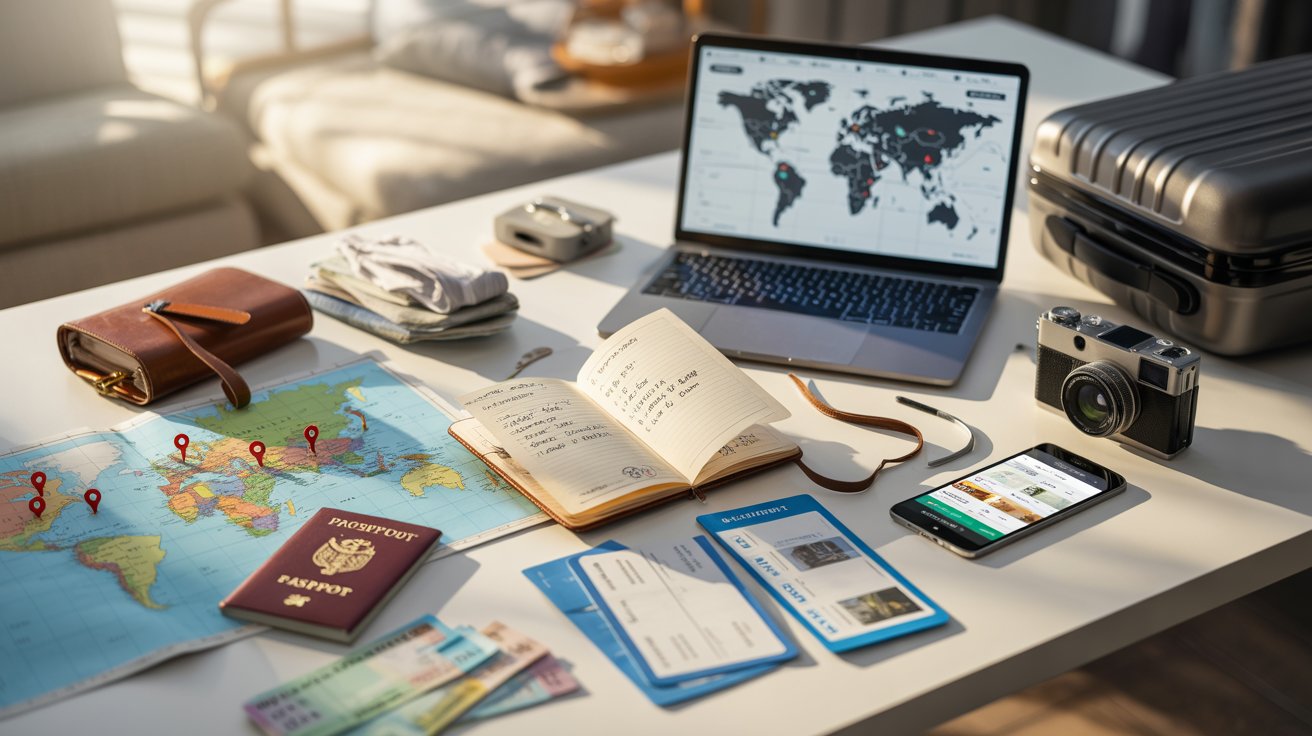
These are the must-do steps that form the foundation of any successful international trip. Focus on these first before moving to other details.
Choose Your Destination & Travel Dates
Pick your destination based on what interests you most, your budget, and the best time to visit. Some places are amazing in spring but terrible in winter.
Research the weather patterns and tourist seasons for your chosen location. This helps you avoid bad weather and high prices during peak times.
Set Your Budget
Make a realistic budget that covers all your major expenses. Include flights, hotels, food, activities, visas, and travel insurance in your calculations.
Figure out how much you can afford to spend. Start saving money early so you don’t stress about finances during your trip.
Book Flights & Accommodations
Use flight comparison websites and set up price alerts to find good deals. Many sites will email you when prices drop for your chosen route.
Book your hotel or Airbnb directly with the company when possible. This often gives you better customer service and more flexibility if plans change.
Secure Travel Documents
Check that your passport won’t expire within six months of your return date. Many countries won’t let you enter if your passport expires too soon.
Apply for any required visas as early as possible. Some countries take weeks to process visa applications, so don’t wait until the last minute.
Buy Travel Insurance
Travel insurance protects you from unexpected medical bills, trip cancellations, and lost luggage costs. It’s especially important for international travel.
Compare different insurance options and read the fine print. Make sure your policy covers the activities you plan to do on your trip.
Check Entry Requirements
Research what vaccinations or health documents your destination requires. Some countries won’t let you enter without specific shots or health forms.
Check current travel advisories and entry rules, as these can change quickly. Government websites have the most up-to-date information.
How to Make Your Trip Smooth and Enjoyable?

Once you have the basics covered, these additional steps will help make your trip more comfortable and memorable.
Pre-Trip Research & Planning
Learn some basic phrases in the local language and read about cultural customs. This shows respect and helps you connect with locals better.
Create a loose itinerary with your must-see attractions, but leave room for spontaneous discoveries. Over-planning can make your trip feel rushed and stressful.
Booking Strategy
Book flights 2-6 months in advance for the best prices, and try searching on Tuesdays or Wednesdays. Prices often drop midweek when fewer people are booking.
Consider your comfort level and budget when choosing where to stay. Hotels offer more services, while vacation rentals and hostels can save money and provide local experiences.
Transportation Prep
Arrange how you’ll get from the airport to your hotel before you arrive. This reduces stress and prevents you from getting overcharged by taxi drivers.
Research the local public transportation system and download relevant apps. Knowing how buses and trains work can save you lots of money during your trip.
Practical Preparations Before You Leave
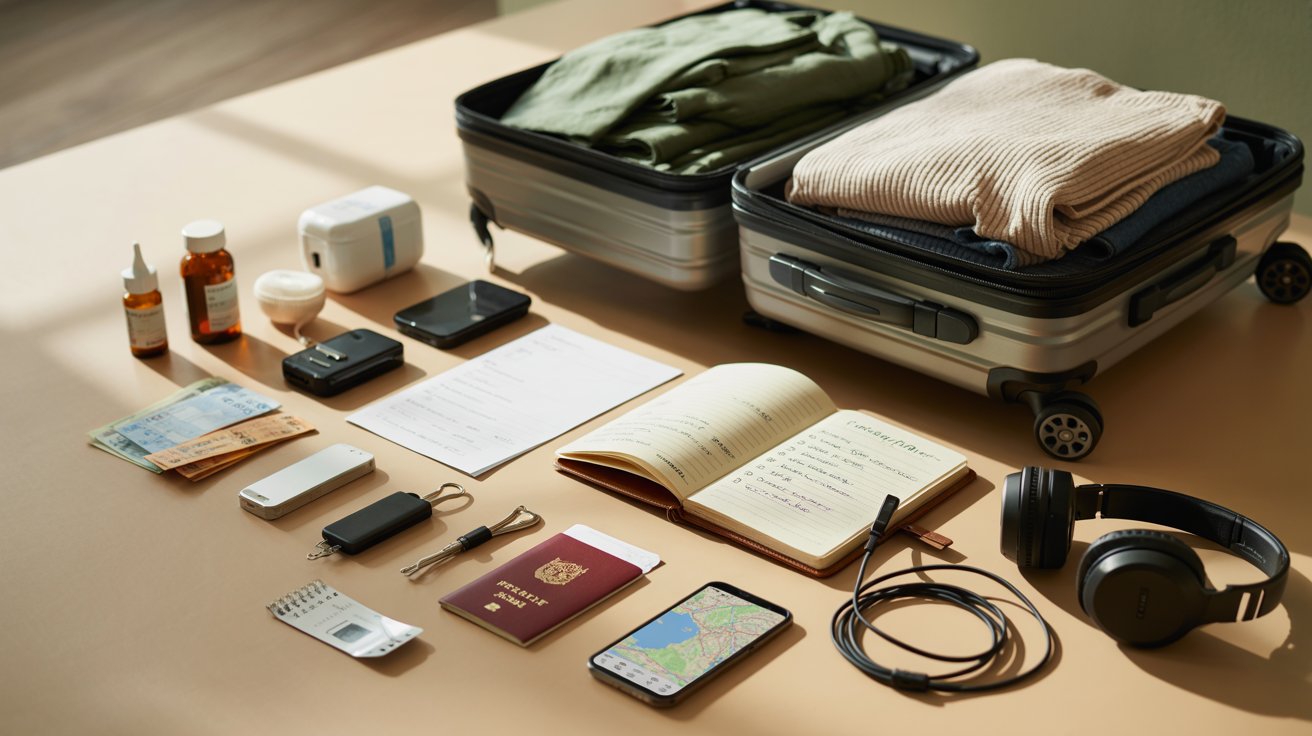
These final preparations ensure you’re ready for a smooth departure and arrival at your destination.
Financial Readiness
Call your bank and credit card companies to let them know your travel dates and destinations. This prevents them from blocking your cards for suspicious activity.
Bring multiple payment options, including credit cards and some local cash. Having backup options protects you if one payment method doesn’t work.
Health & Safety
Get any required vaccinations at least 4-6 weeks before your trip. Some vaccines need time to become effective in your system.
Pack all prescription medications in their original bottles, plus a basic first aid kit. Bring extra medication in case your trip gets extended unexpectedly.
Technology & Connectivity
Contact your phone company about international plans or consider buying a local SIM card. Unexpected roaming charges can quickly add hundreds to your bill.
Download offline maps, translation apps, and travel guides before you leave. These work without internet and can be lifesavers in remote areas.
Packing Essentials
Pack universal power adapters, copies of important documents, and emergency cash in different locations. Keep copies separate from originals in case something gets lost.
Make a packing checklist and check it twice. Include items specific to your destination’s climate and the activities you plan to do.
Making Your Experience Better

The best travel experiences happen when you’re not rushing. Keep several hours open each day for unexpected opportunities like local festivals or great restaurant recommendations.
These unplanned moments often become favorite memories. Small comfort improvements make a huge difference.
Choose flight connections with enough time to relax, bring a good travel pillow, and wear broken-in walking shoes. Consider upgrading one aspect that matters most, like a nicer hotel or special dinner.
Try local foods, visit markets, and learn basic greetings in the local language. Respect local customs about dress, behavior, and photography to fully experience different ways of life.
Post-Trip Tips
- Back up your memories: Save all photos and videos right away to prevent loss.
- Write a quick travel journal: Record favorite moments and lessons while they’re still fresh.
- Review your budget: Compare actual expenses with your plan to improve future trips.
- Share your story: Tell friends and family about your experiences.
- Reflect privately: Give yourself time to process how the trip impacted you
Conclusion
After guiding countless travelers through international planning, these proven steps work every time. Start with destination selection and budgeting, then secure documents and insurance.
My 15 years in travel consulting confirm that early planning prevents most travel problems. Government travel agencies and tourism boards recommend this same systematic approach.
Follow each step carefully and stay organized for smoother trips with fewer surprises. Save this guide and share it with friends planning their first international trip.
Drop a comment with questions and start planning your adventure today!
Frequently Asked Questions
How far in advance should I start planning my trip?
Start planning 4-8 months for peak seasons or visa requirements. This gives enough time for document processing and better flight prices.
Is travel insurance really necessary?
Yes, travel insurance prevents financial disasters from medical emergencies, cancellations, and lost luggage. International healthcare costs can reach thousands without coverage.
How much money should I carry in cash?
Carry $50-150 USD equivalent in local currency for emergencies and small vendors. Use credit cards for major purchases to avoid theft risks.
How do I avoid expensive roaming charges abroad?
Purchase international phone plans, buy local SIM cards, or use Wi-Fi only. Download offline maps before traveling to avoid data charges.
What’s the best way to find cheap international flights?
Use fare comparison sites, set price alerts, and book midweek. Flying Tuesday-Thursday typically offers lower prices than weekend departures.
